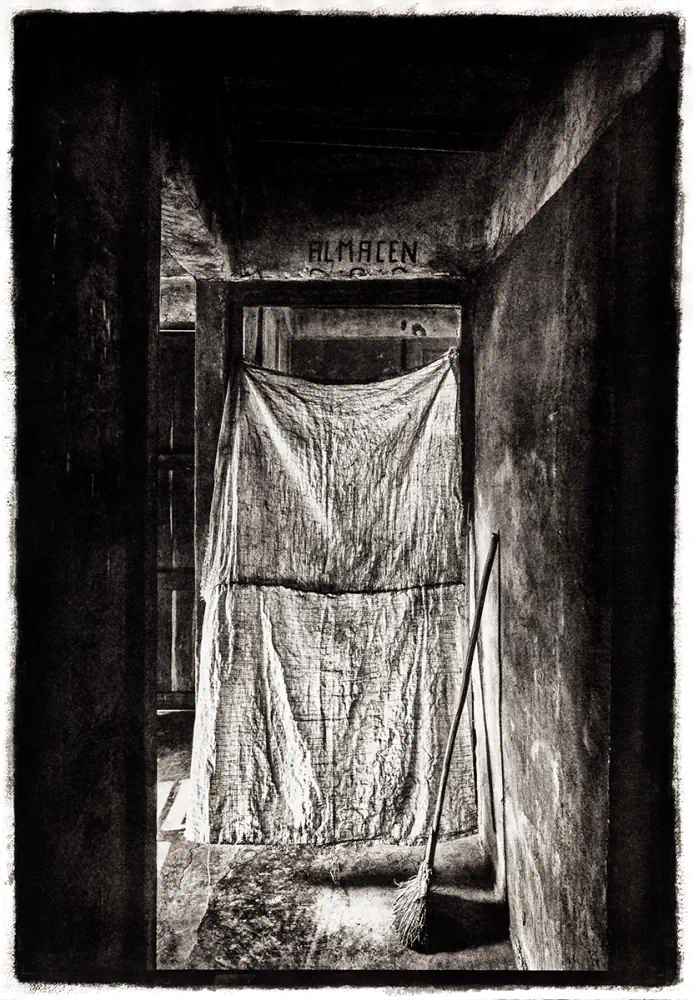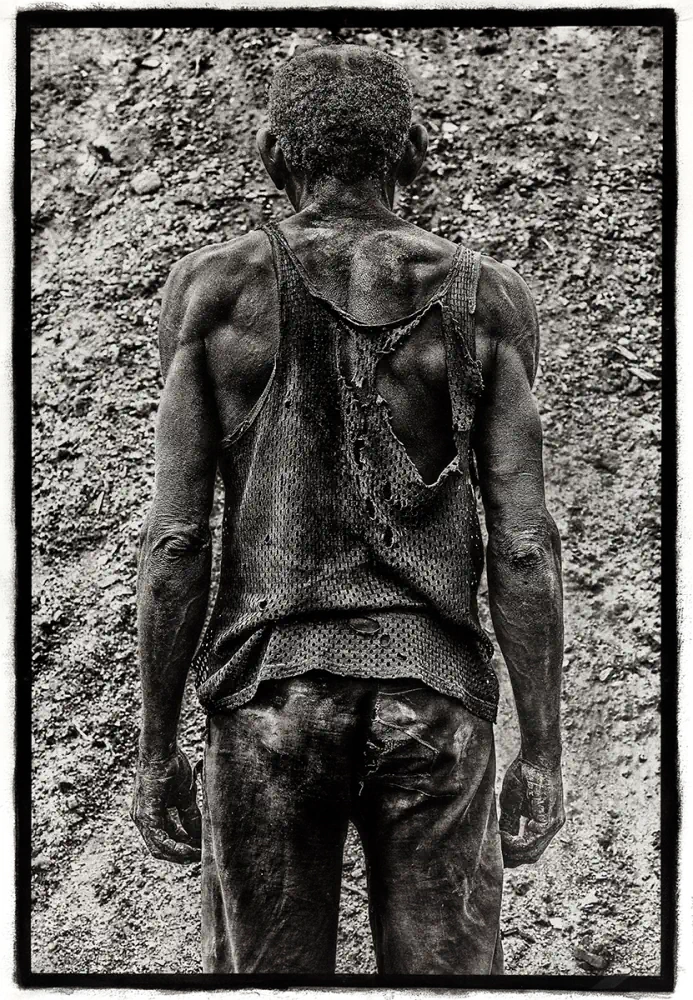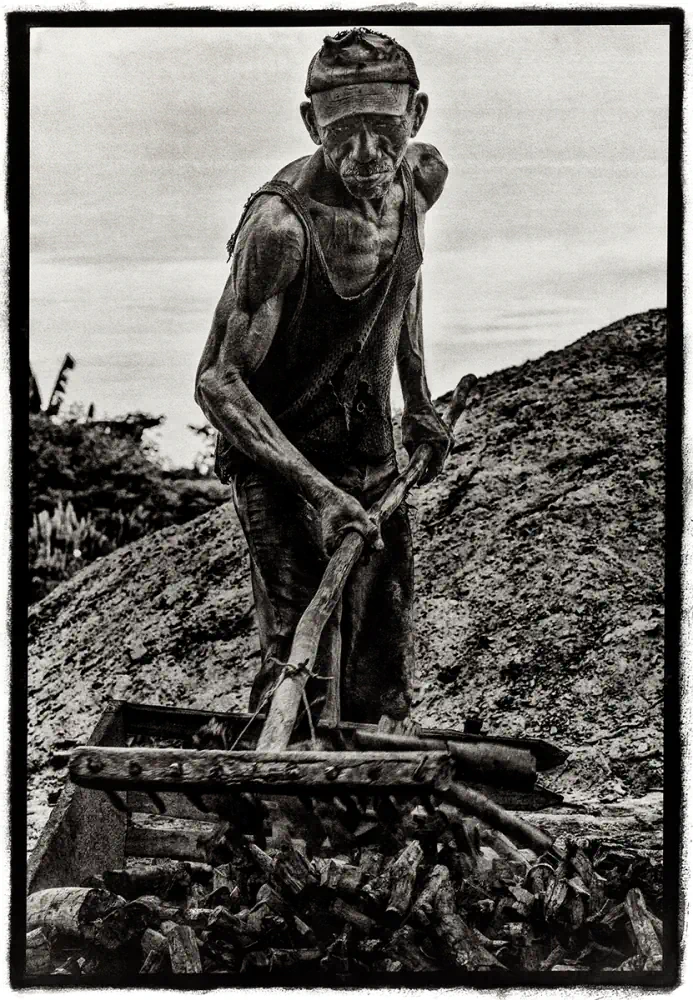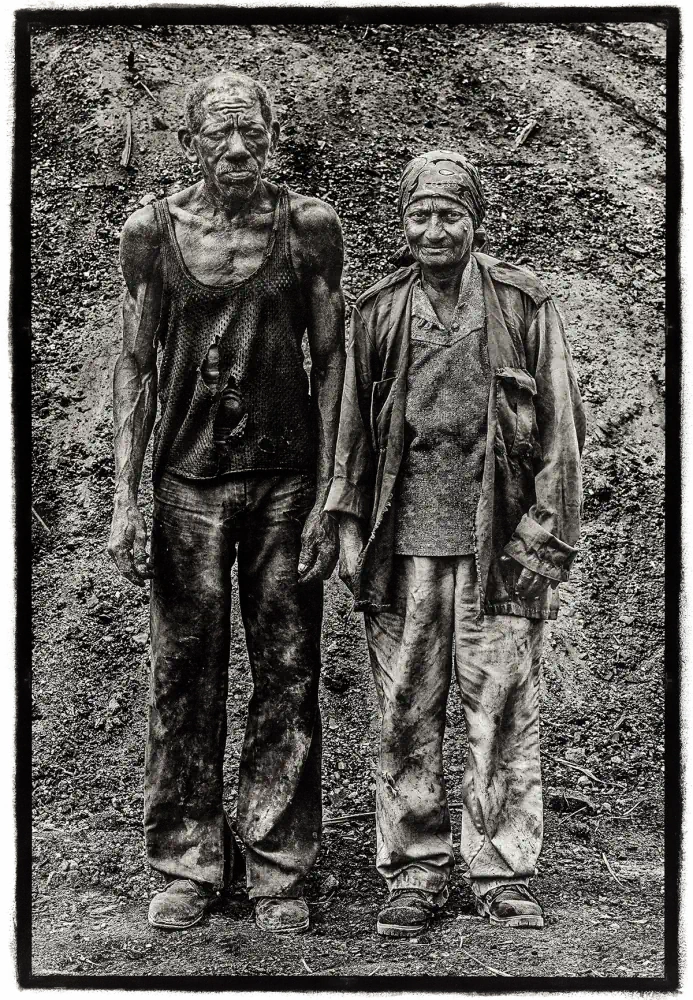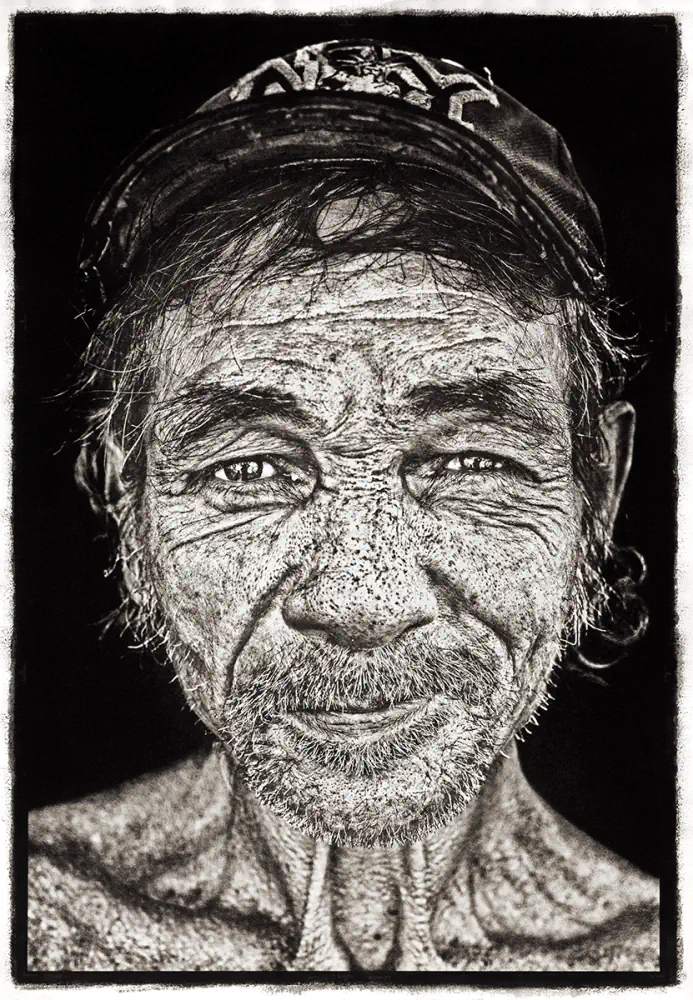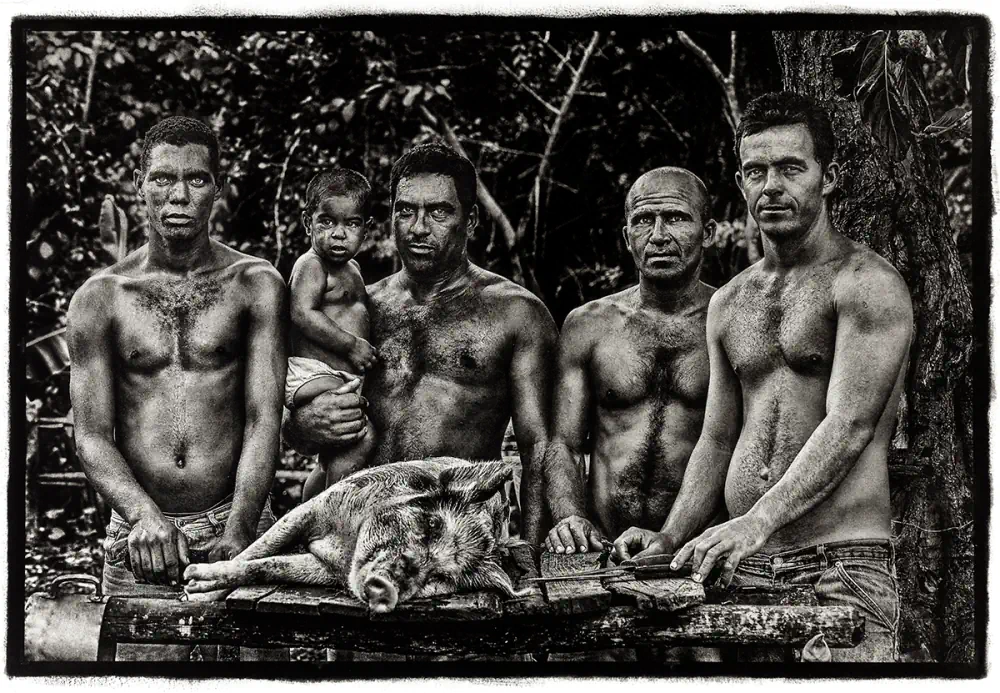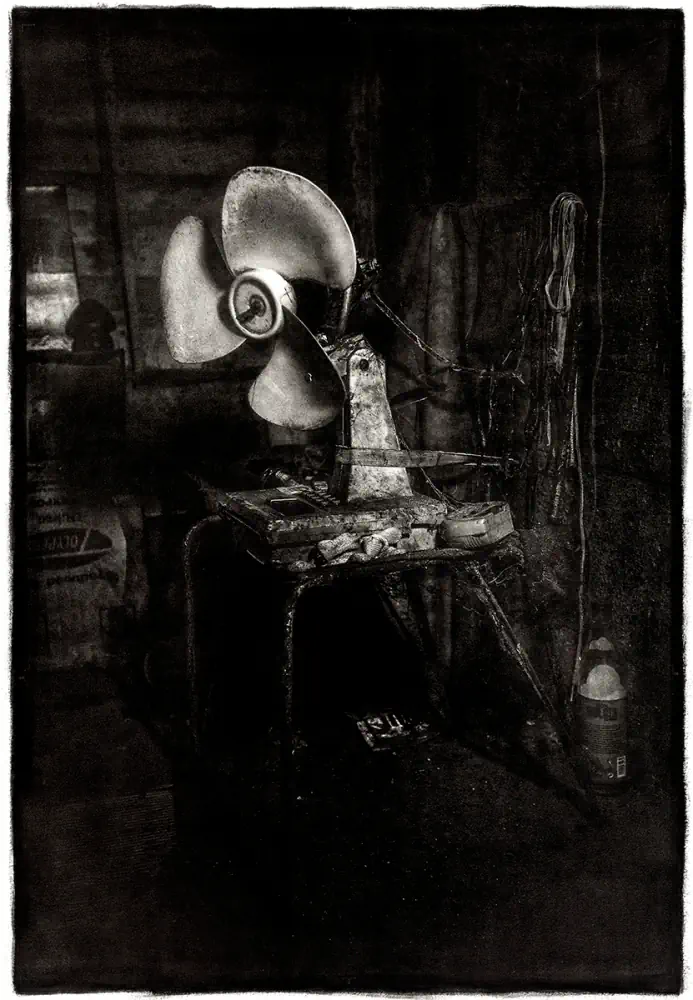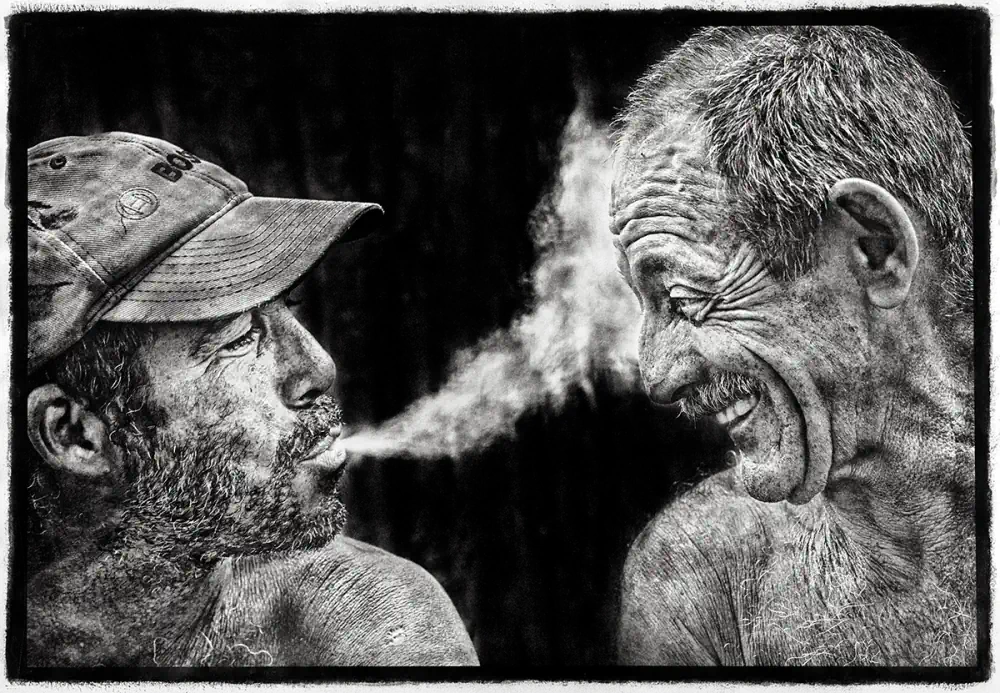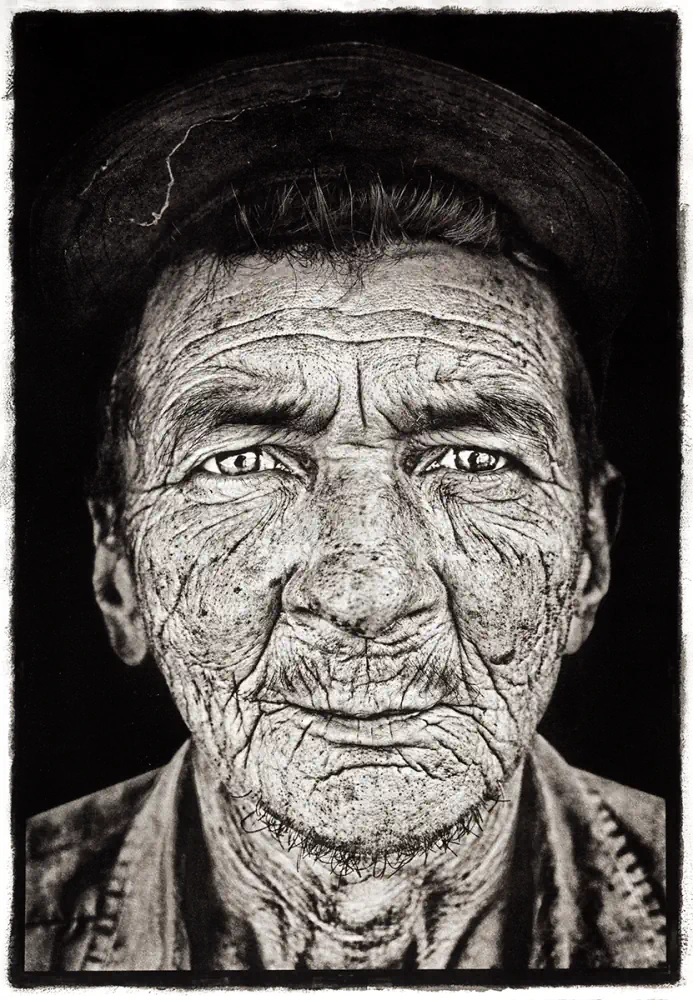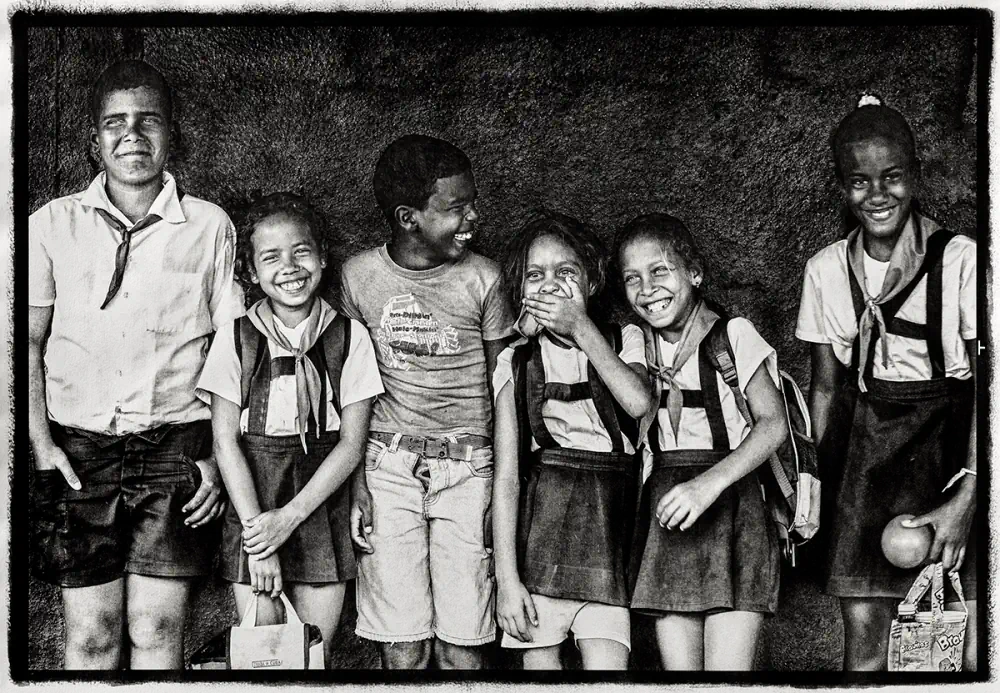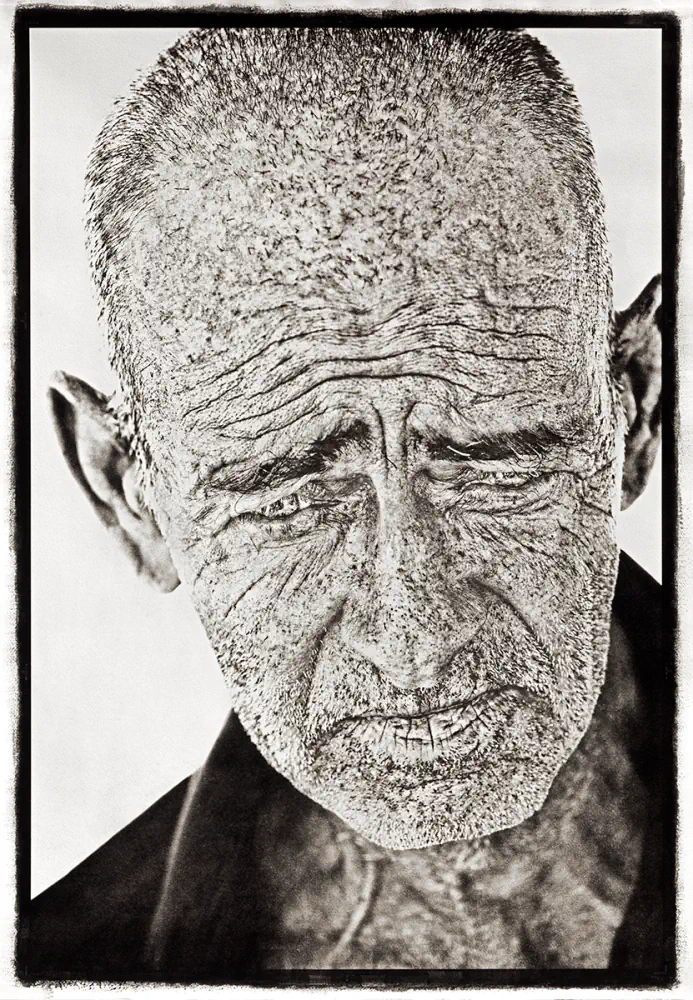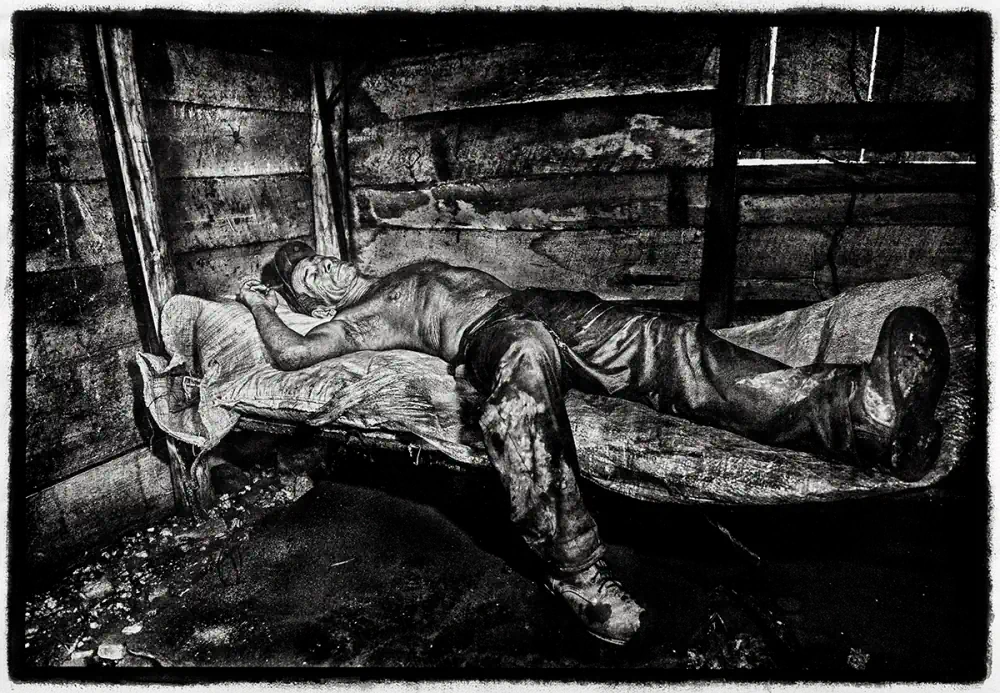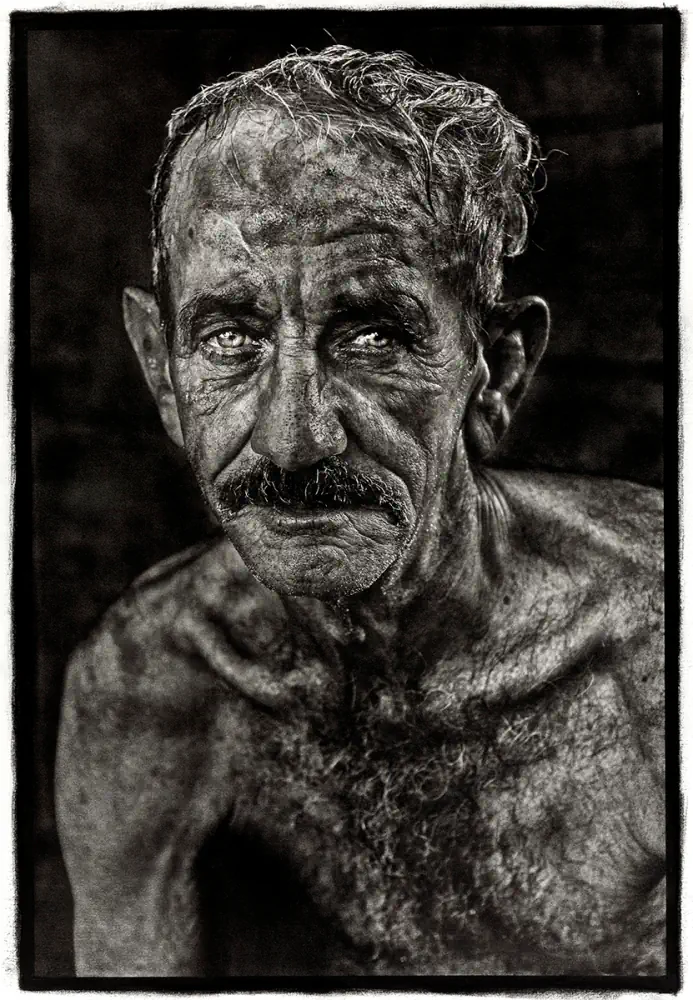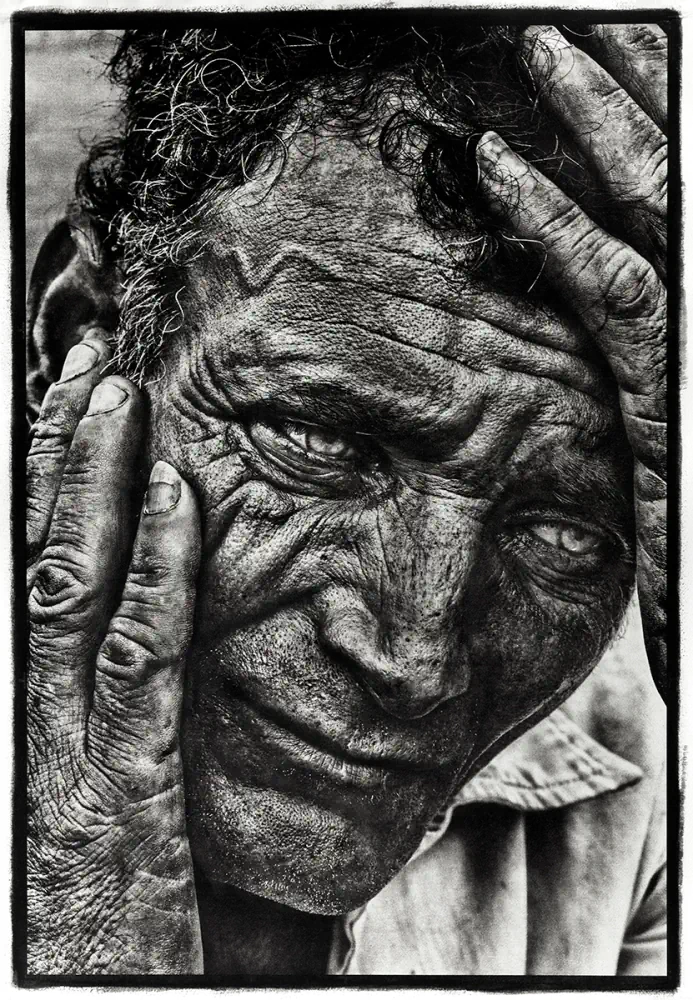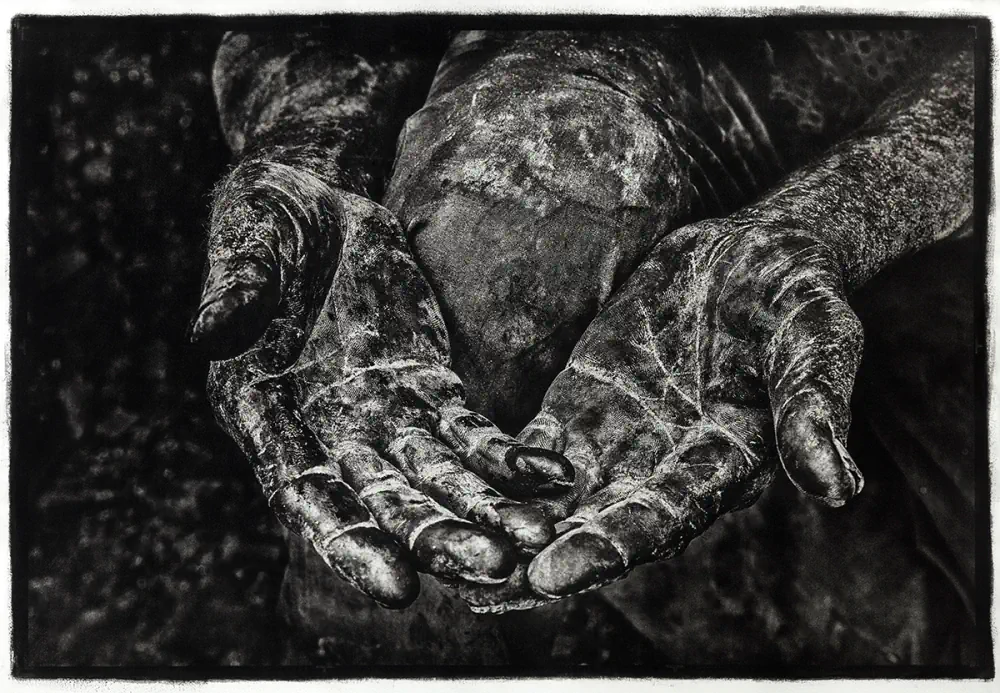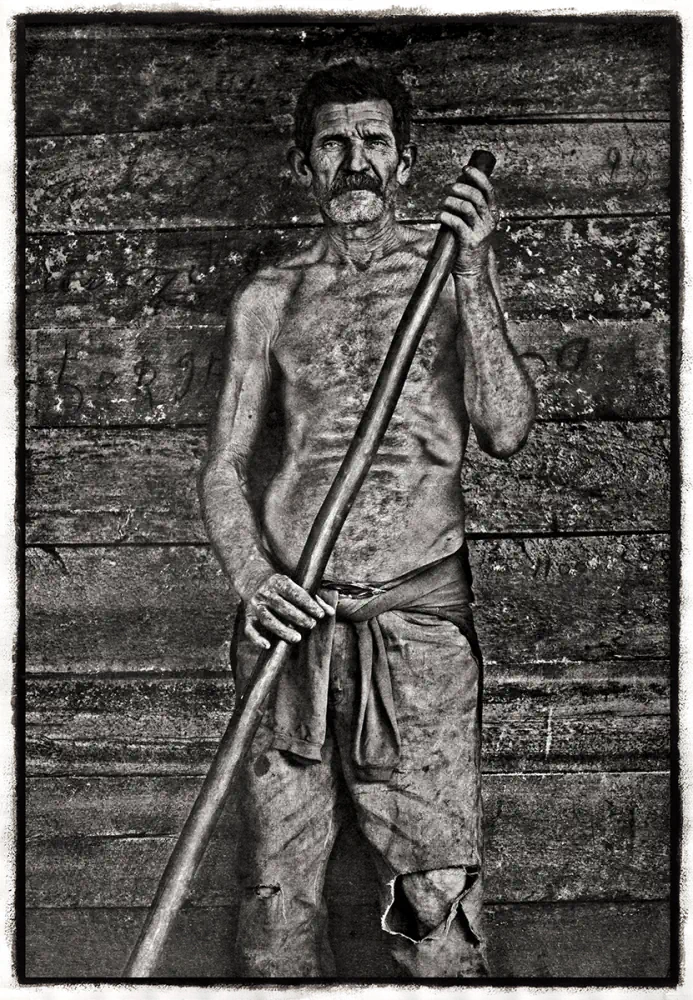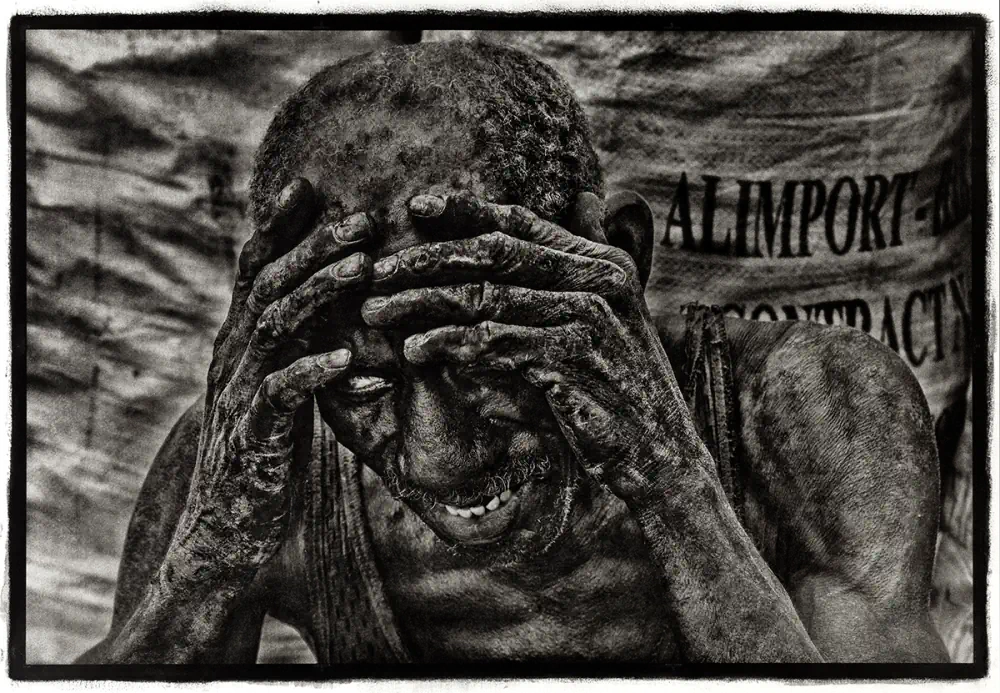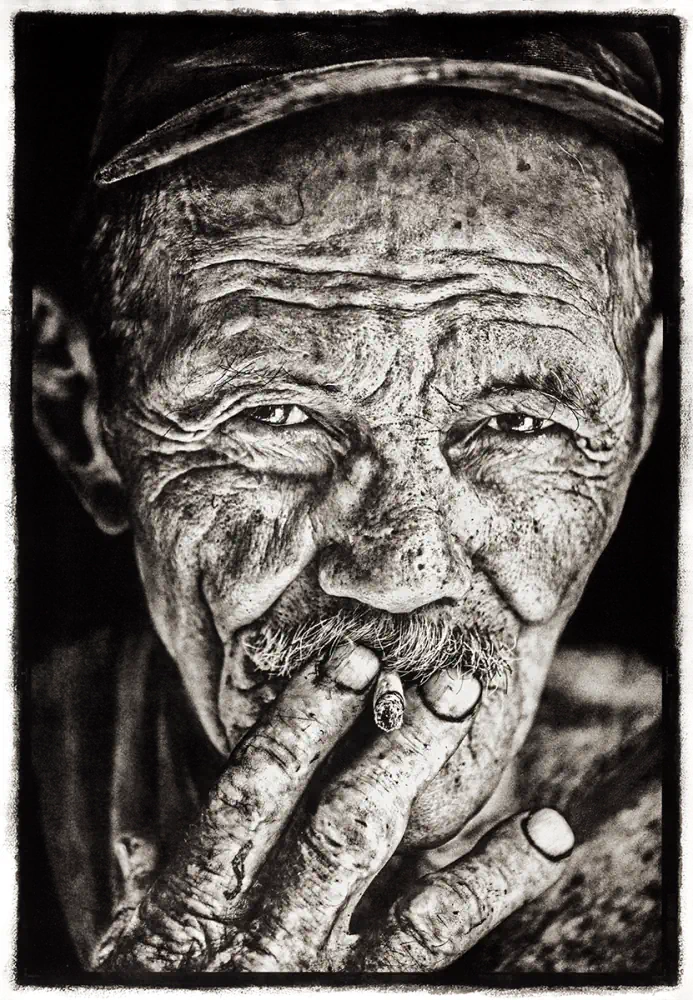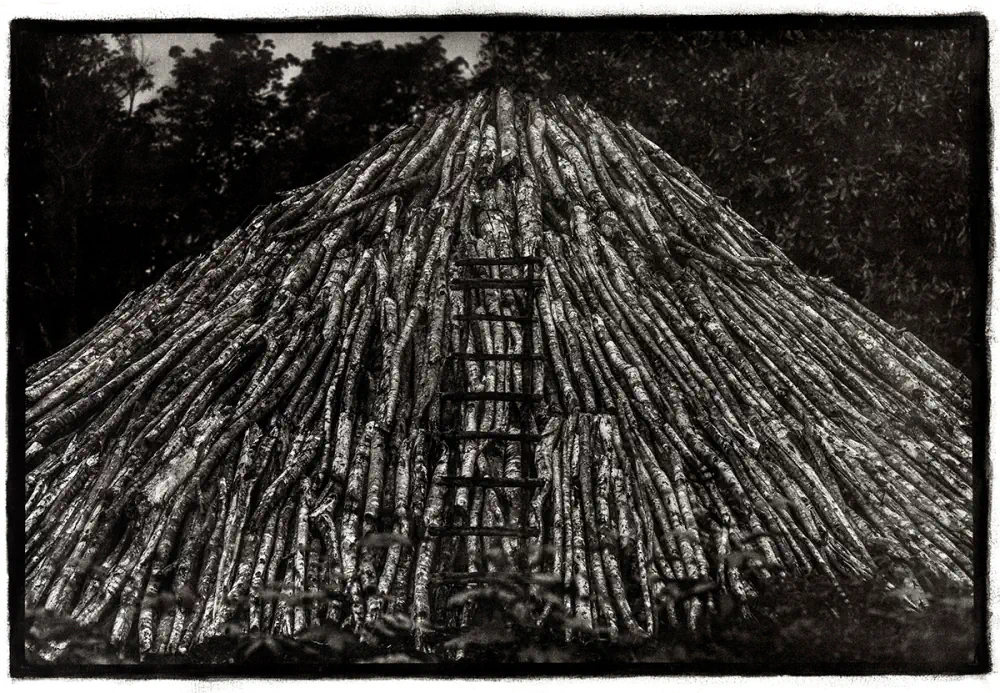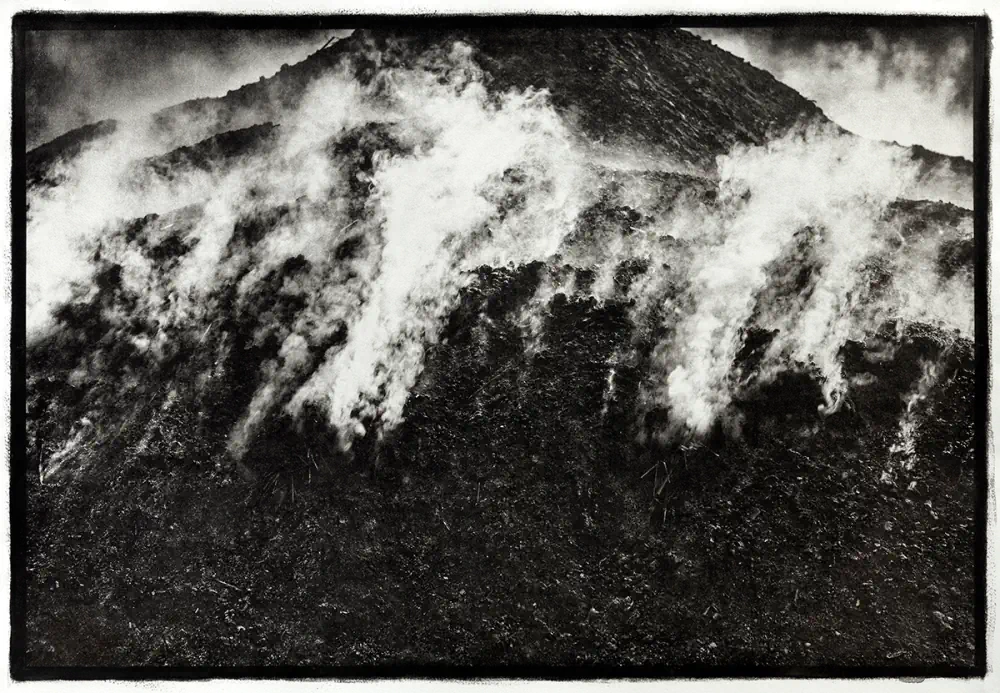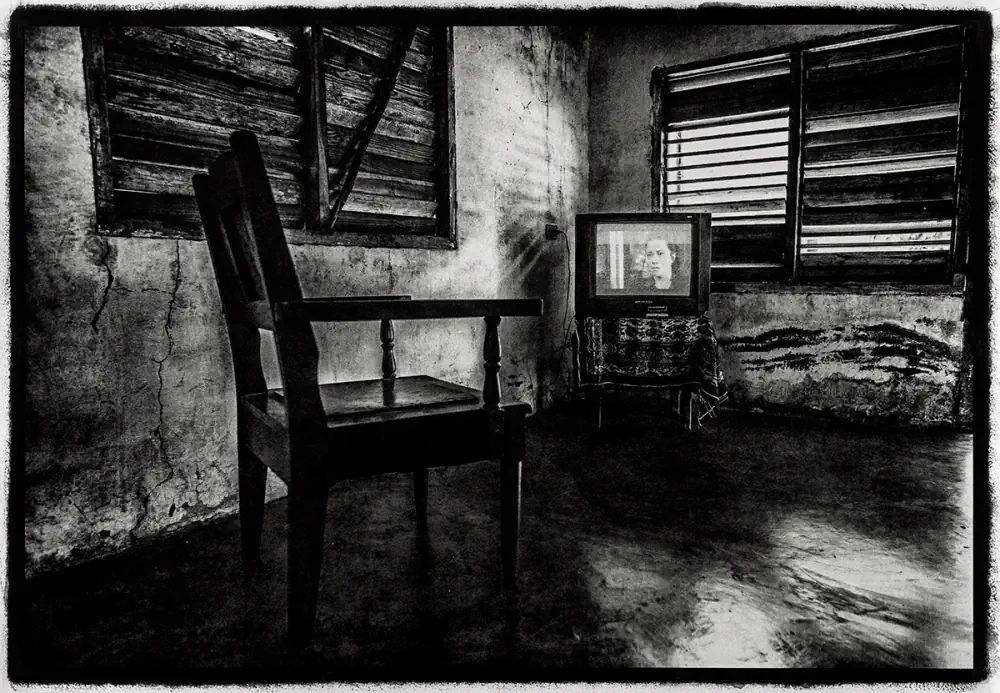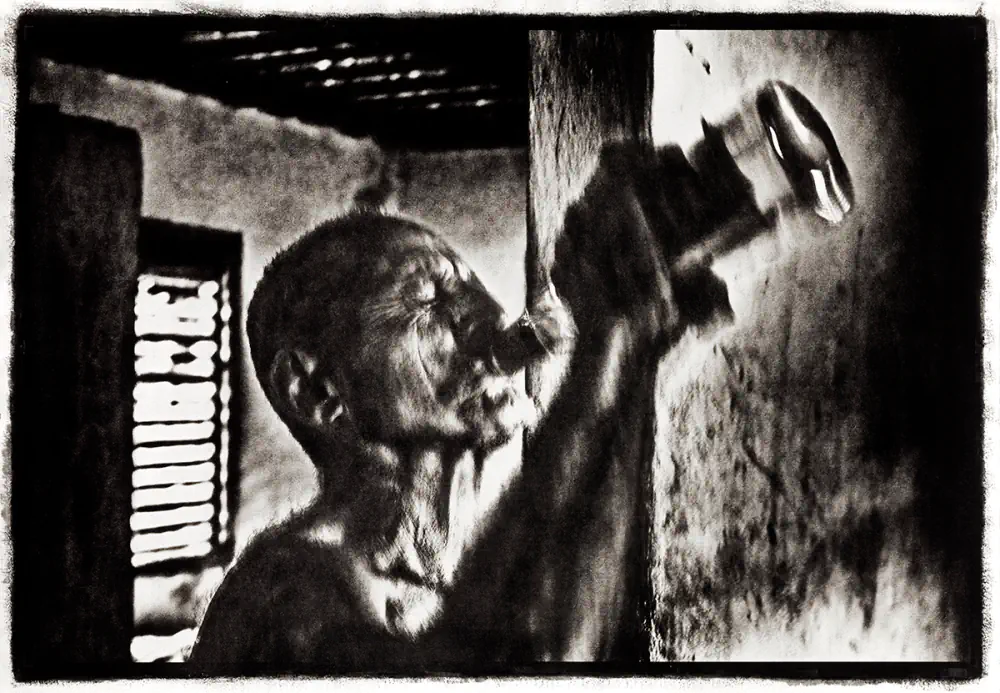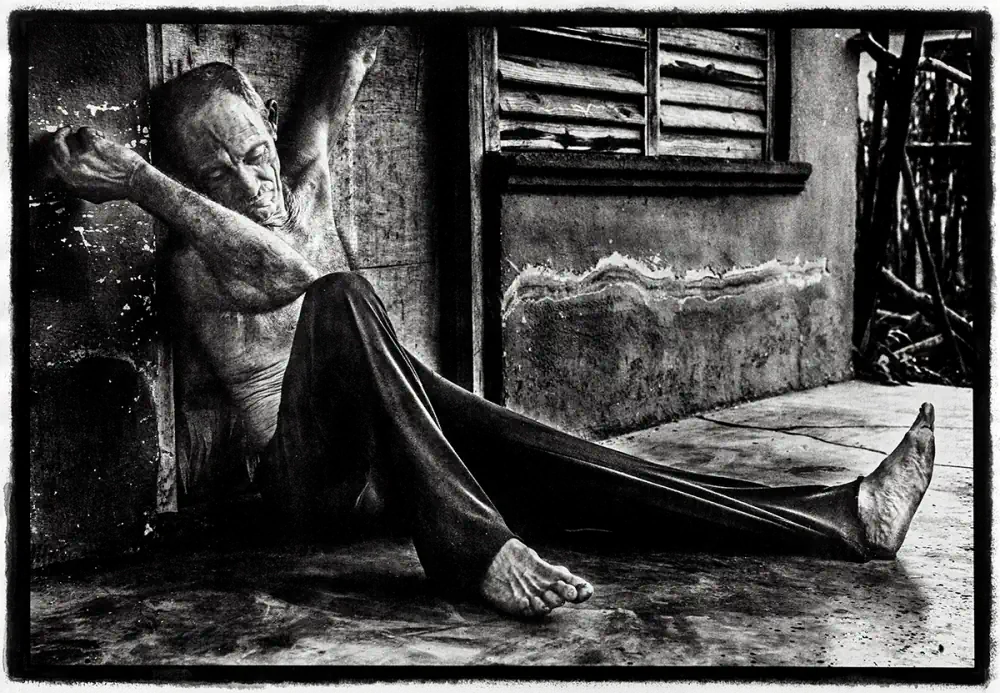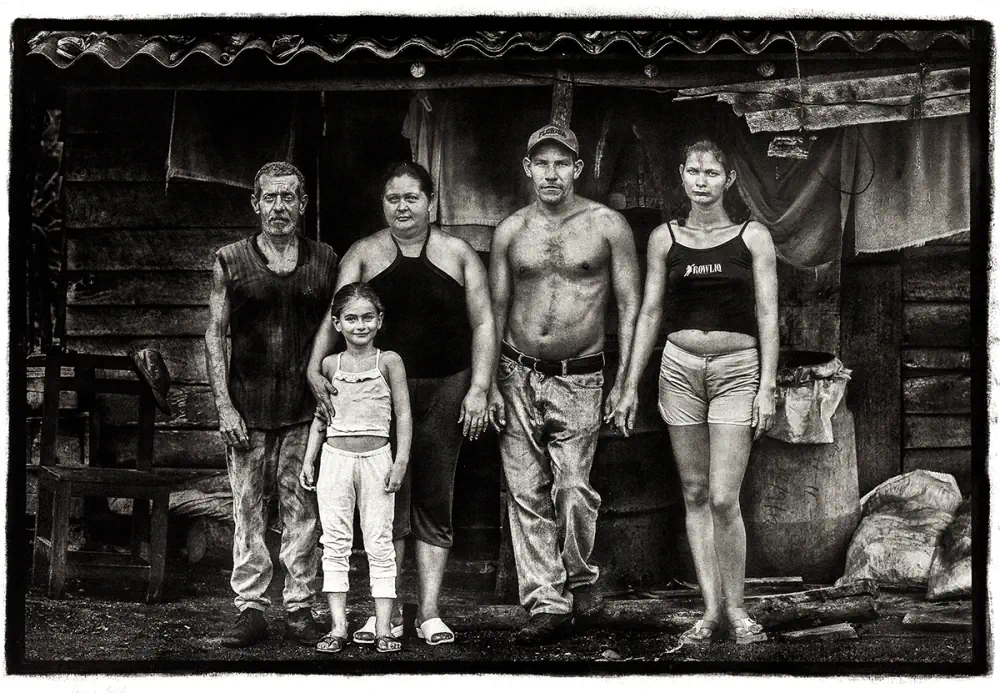
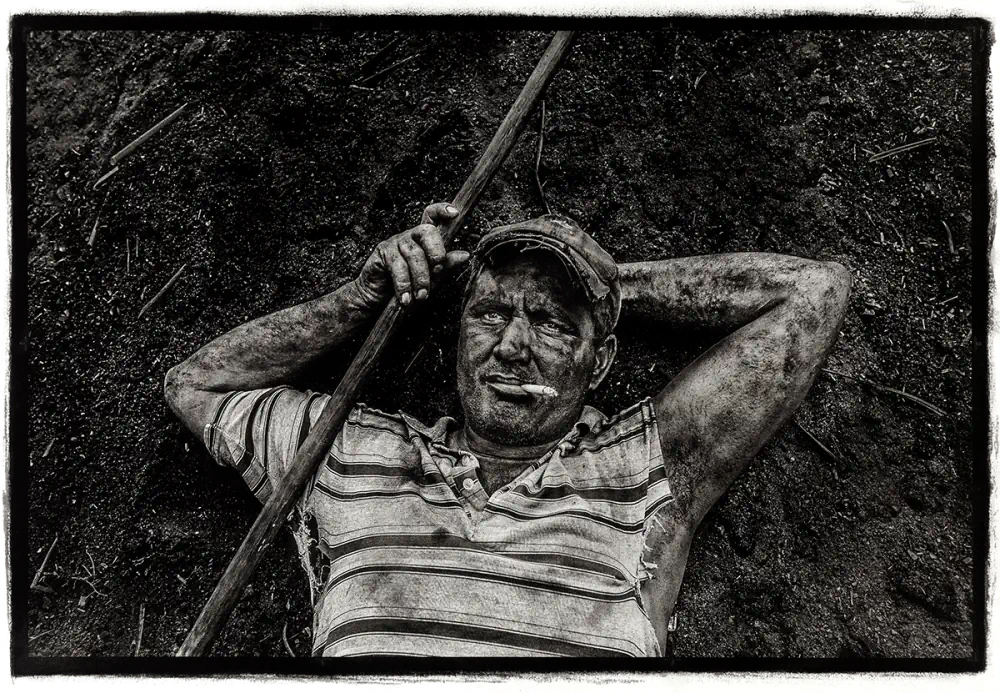
In 2011, Stéphane Noël set out to meet the charcoal burners of the swampy Ciénaga de Zapata region in Cuba.
Developed between 2011 and 2016, the project is dedicated to those who transform wood into charcoal through a slow, ancient ritual.
Stéphane Noël approaches these unseen workers with respect and restraint. Over many evenings spent drinking together, they confided that their knowledge of the marshes had served the revolutionary forces during the Bay of Pigs invasion in 1961.
Like charcoal production, which requires several days of burning under constant supervision, day and night, gum bichromate printing—an alternative photographic process dating back to the mid-nineteenth century—demands patience and precision.
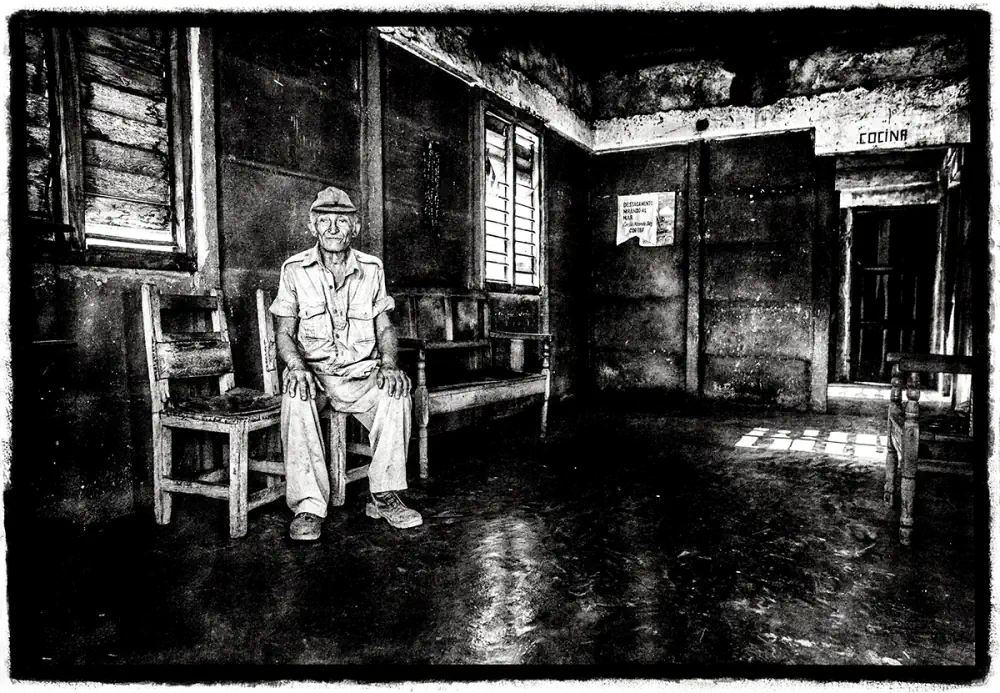
Working with a brush, layer after layer, the artist interprets each image over an average of ten days, a process shaped by his exacting standards and personal adaptation of the technique. The transformation of wood into charcoal finds its parallel in the transformation of the photographic image.
As for the pigment, Cassel earth, it was already being used by Rubens in the seventeenth century.
Each handmade monochrome fine art print remains a unique, irreproducible object. Gum bichromate is also considered one of the most stable photographic printing processes in terms of longevity.
The exhibition, which travelled across three continents, featured forty prints measuring 78 × 106 cm.
Original text written in Polish by Magda Fokt, PhD in Art, painter, visual artist, and lecturer in Art and Art History at SAN University in Warsaw, who collaborated with Stéphane Noël on the project Traces. Translated from Polish.
About Stéphane Noël
Stéphane Noël, Belgian Photographer: Gum Bichromate, from Cuba to Magritte
Belgian photographer Stéphane Noël (born in Huy in 1969) primarily interprets his images through gum bichromate printing, a nineteenth-century alternative photographic process. He has notably had the honour of interpreting original works by René Magritte.
Since 1992, he has been developing long-term personal projects, united by the recurring theme of searching—both through exploring the world and understanding himself—and reflecting his evolving emotional states. These include Los Últimos Carboneros (2011–2016), devoted to the last charcoal burners of Cuba; Cross Road and Traces (2016–2020), the latter created in collaboration with Polish artist Magda Fokt and focusing on Silesia; followed by Closer (since 2019) and Inner, which explore increasingly intimate dimensions of his inner world.
Gum bichromate printing lies at the heart of his artistic practice. Explored by pioneers such as Robert Demachy, Constantin Puyo, and Edward Steichen, the process helped establish handcrafted photographic printing as a form of fine art. In Noël’s work, it is not merely an aesthetic applied to an image but an essential tactile experience: feeling the paper and pigments and working with brushes and tools of his own creation.
Each series is produced exclusively in very limited editions. At a time when AI-assisted image-making is becoming increasingly prevalent, Noël embraces slowness, materiality, and the uniqueness of each print.
His mastery of the process has led him to collaborate with other artists. He has produced prints of William Ropp’s majestic photographs of Africa and, in collaboration with Bertrand Fèvre, reinterpreted Fèvre’s iconic portraits of Chet Baker, Jimmy Scott, and Miles Davis using gum bichromate. He has also created portraits of singer Stromae, artist Wim Delvoye, actress Sandrine Bonnaire, and actor Michael Lonsdale, among others.
In 2019, Louise Gallery in Durbuy, which represents him, and gallerist Isy Brachot invited Noël to interpret three original works by René Magritte for the exhibition Summer Expo: René Magritte. This invitation represented a rare recognition of his artistic sensitivity and technical mastery in engaging with the imagery of the Surrealist master.
The three artist’s proofs were subsequently donated to the Magritte Museum by Charly Herscovici, the rights holder of Magritte’s work. The donation was confirmed to Noël by Louise Gallery and Isy Brachot.
Stéphane Noël’s works are held in prestigious collections, including those of Hossein Farmani and Xavier Soule. The latter owns several pieces from different series, displayed in his private museum within the new premises of Galerie VU’ in Paris.
His work has been exhibited at Art14 London, Fotofever Paris, the European Photo Festival in Milan, Position Berlin Art Fair, KunstRAI Amsterdam, and Art Brussels. He has also participated in the 10th Baltic Contemporary Art Biennial at the Muzeum Narodowe in Szczecin, Poland, and exhibited at the Muzeum Górnictwa Węglowego in Zabrze, Silesia, alongside Magda Fokt.
More than half of his exhibitions have been solo presentations, including those held at Apteka Sztuki Gallery in Warsaw, Artco in Aachen, Kunstraum in Uccle (Brussels), the Off programme of the Rencontres d’Arles, Art Budapest, and the Goethe-Institut in Myanmar. At the latter, invited by Christophe Loviny, founder of the Yangon Photo Festival, Noël presented Los Últimos Carboneros during the festival’s 2020 edition.
In Chile, under the artistic direction of Verónica Besnier, the exhibition attracted more than 15,000 visitors between 2019 and 2020 across four venues, each hosting a solo presentation: the Corporación Cultural de Las Condes in Santiago, the Museo de Bellas Artes (Palacio Baburizza) in Valparaíso, the Pinacoteca of the University of Concepción, and the Centro de Extensión of the Universidad Católica del Maule in Talca.
Verónica Besnier has primarily presented exhibitions featuring major figures in photography, including Sebastião Salgado, Henri Cartier-Bresson, and Yann Arthus-Bertrand, notably with La Terre vue du ciel.
In 2023, Noël was invited by Hossein Farmani, founder of the Lucie Awards, to exhibit at Lucie House in Athens.
Alongside his artistic practice, Stéphane Noël shares his knowledge and expertise through his studio in Belgium.
Original text written in Polish by Magda Fokt, PhD in Art, painter, visual artist, and lecturer in Art and Art History at SAN University in Warsaw, who collaborated with Stéphane Noël on the project Traces. [Official Website]