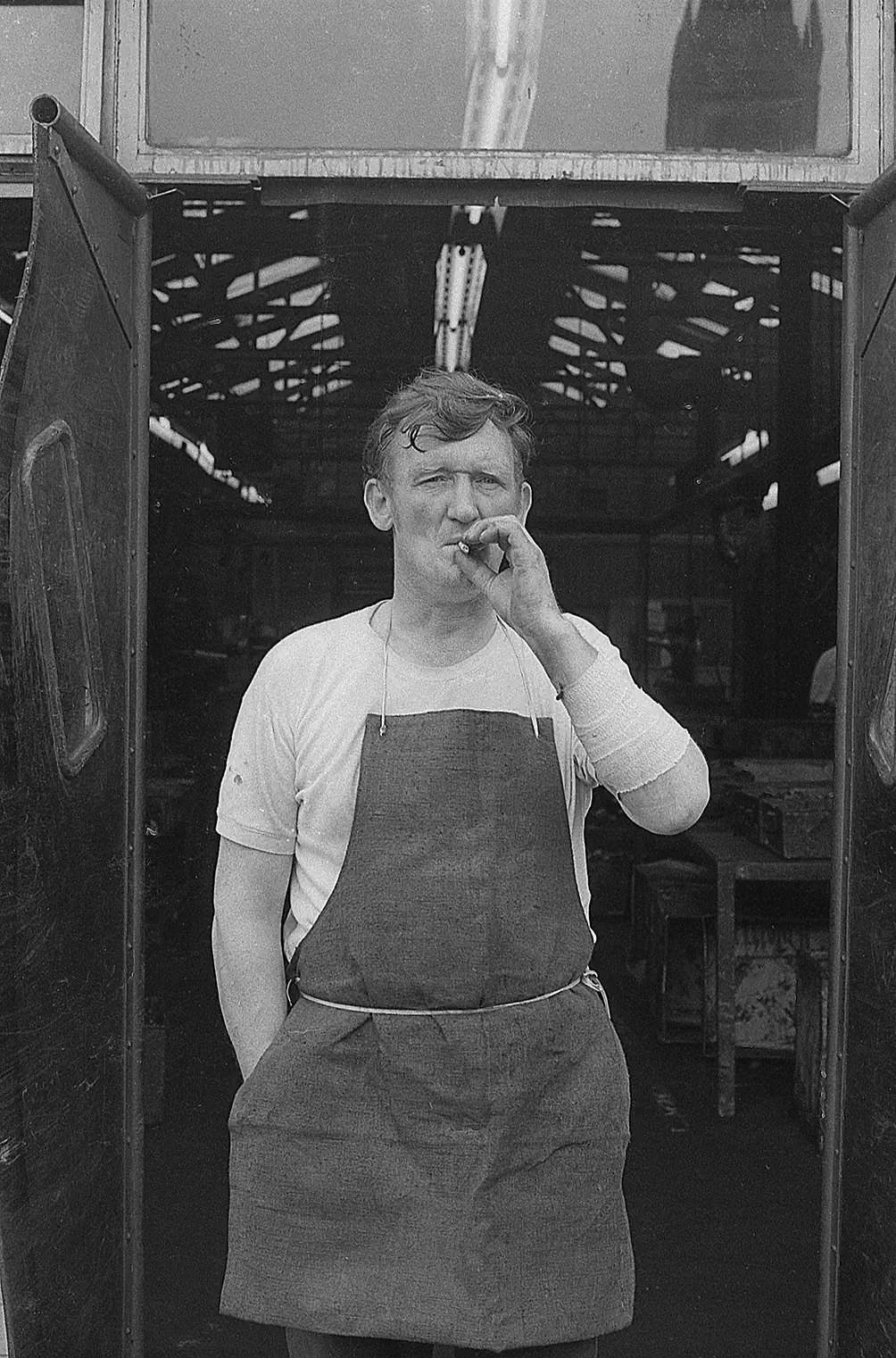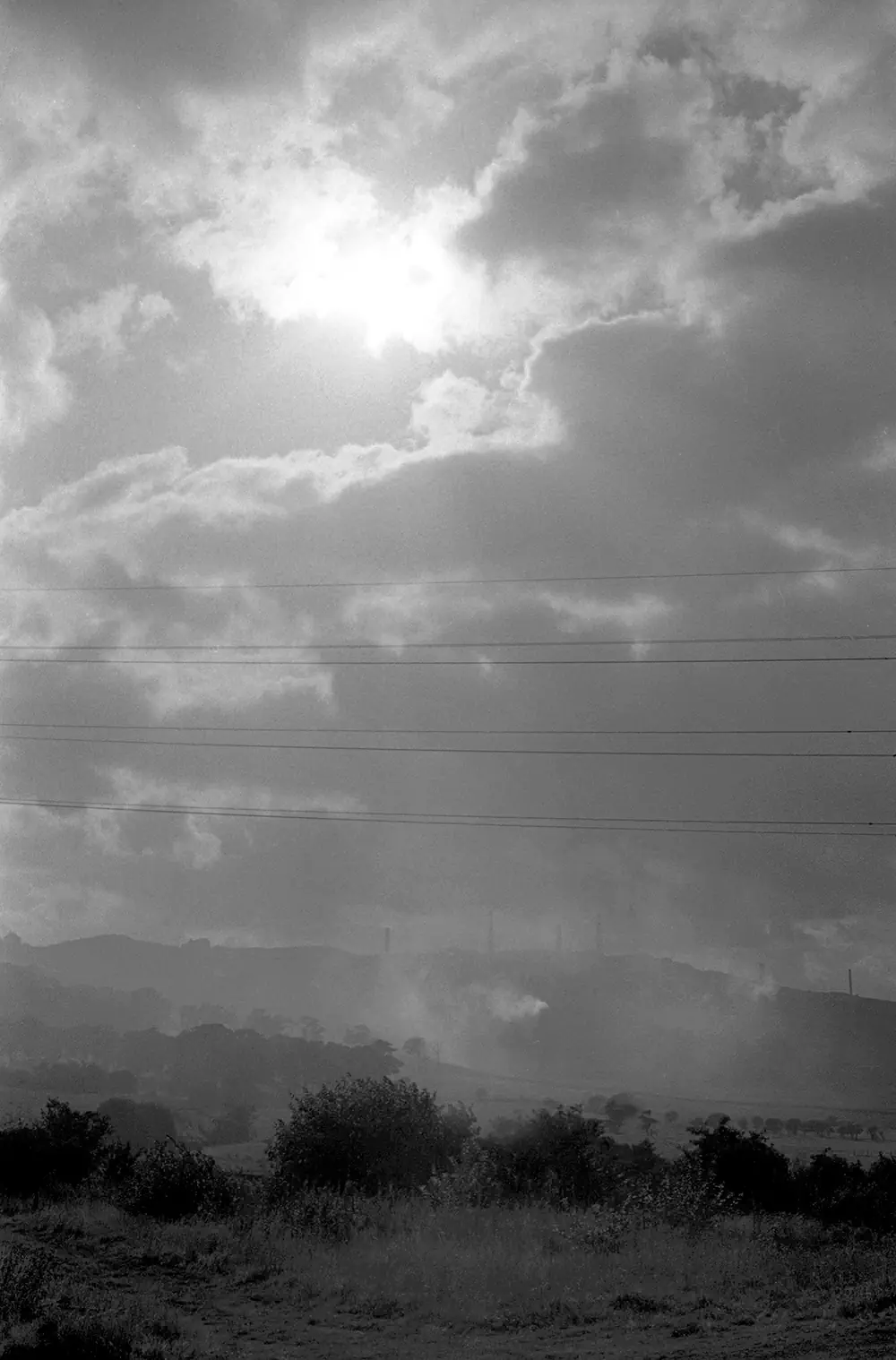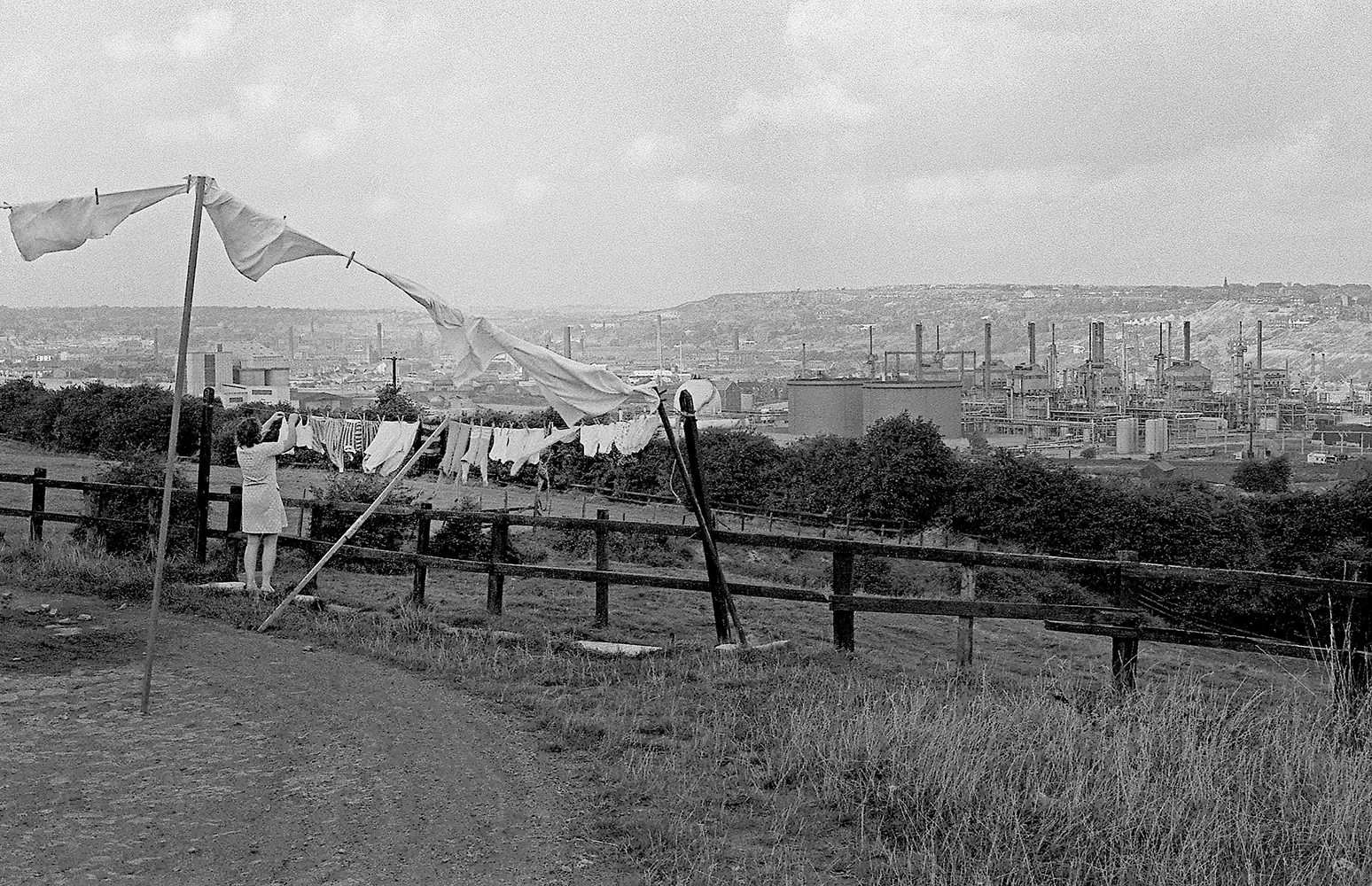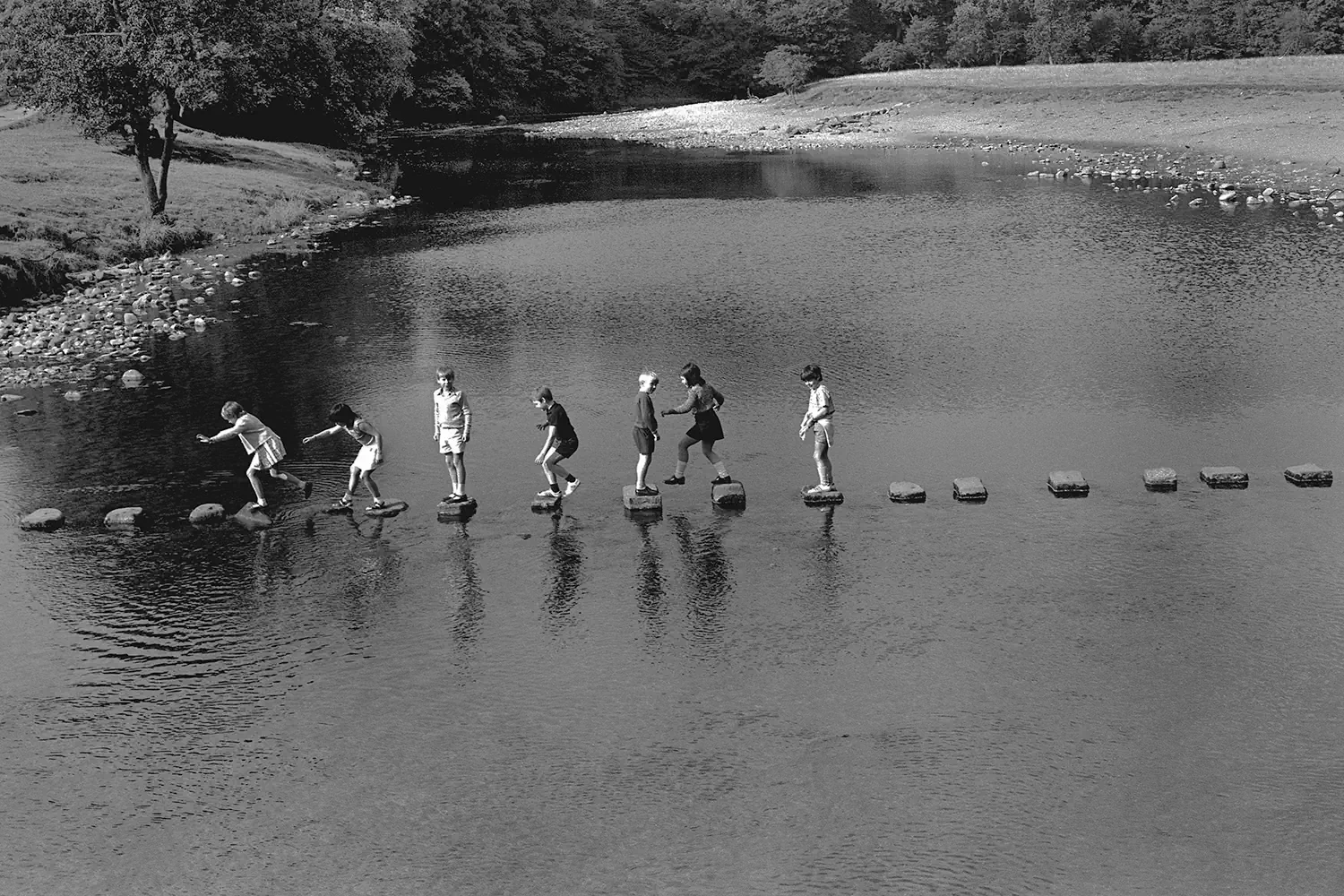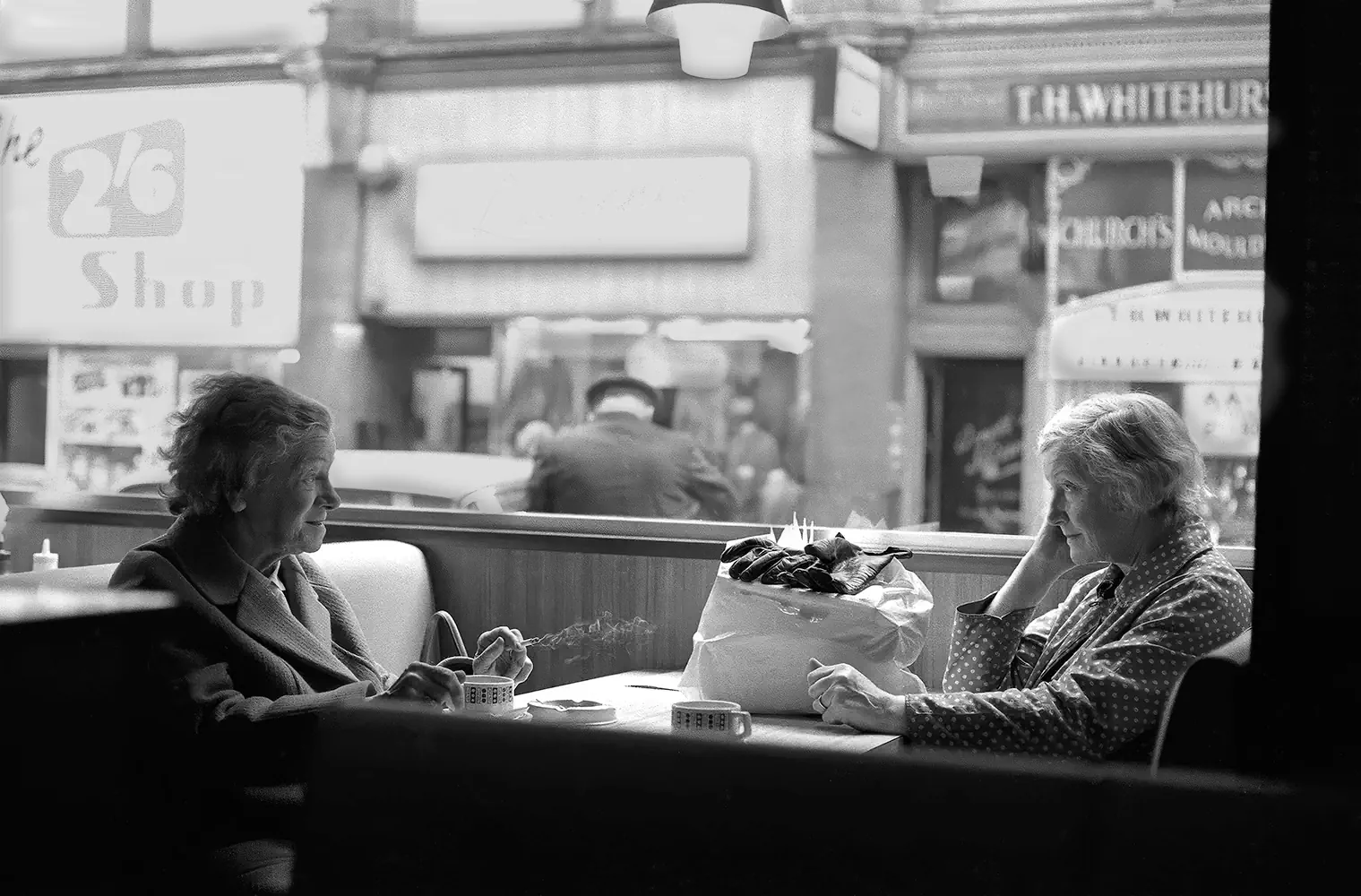

I began my career after discovering Henri Cartier-Bresson’s book Les Européens. His photographs inspired and amazed me; I had never seen anything like them.
They made me want to try reportage photography in London. My father, who had been gassed during the war, somehow found the means to buy me a second-hand Leica.
I began photographing in the streets and public places at a time when people were less conscious of cameras and before social media had made personal identity so vulnerable to attack.
After National Service in Singapore, I worked at the Royal Court Theatre in London as an electrician on the lighting switchboard. I had applied to the Royal Court because of the playwrights associated with the theatre, which was then regarded as the most avant-garde in London. There, I met my wife, Jane, and, through her, the psychoanalyst Dr R. D. Laing, which gave me the opportunity to explore reportage photography. Laing’s conference at the Roundhouse, The Dialectics of Liberation, gave me the chance to document one of the most exciting cultural events of the sixties, photographing figures such as Gregory Bateson, Stokely Carmichael, Allen Ginsberg, Herbert Marcuse and the Living Theatre from New York.
Then, a colleague, Julie Hamilton, introduced me to the Sunday Times picture desk, and I joined their team for two formative years. The work was varied and exhilarating. It gave me the confidence and experience to become the journalistic reportage photographer I had hoped to be, alongside my growing work in the theatre.
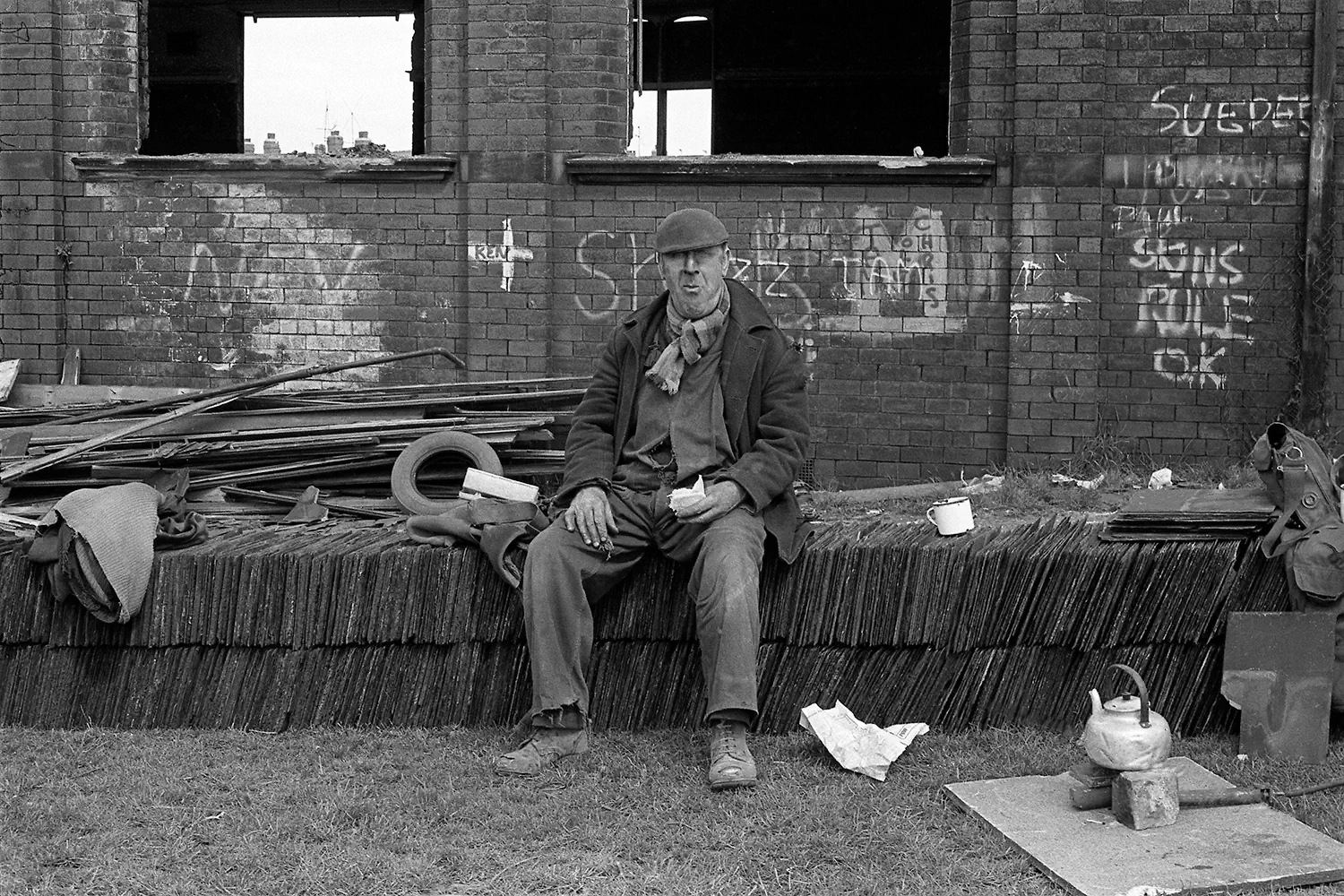
The commission that eventually became Up North grew out of my return to the Royal Court Theatre. I began working for William Gaskill, the theatre’s inspirational artistic director, a great Brechtian director who stripped away frills and special effects because, for him, the text was everything.
In 1970, Lindsay Anderson asked me to photograph David Storey’s play Home. Storey’s writing already mattered to me, and this production, starring Sir John Gielgud and Sir Ralph Richardson, became the foundation of my twenty-two years of employment as the Royal Court’s photographer. I was, in every sense, home!
I met David Storey on the first day of rehearsals for Home. Later, after photographing The Changing Room in 1971, Lindsay Anderson proposed that I travel to Yorkshire, to Storey’s hometown, which had shaped his imagination, and see whether I could evoke the landscape of the play itself.
Apart from capturing the poetry of the northern landscape for David Storey and Lindsay Anderson, this also gave me the opportunity to use all the skills I had so admired in Cartier-Bresson’s reportage photography. I felt privileged to have the respect of both the author and the director, whose collaboration was another source of inspiration for me. That inspiration remained intact and at the centre of my vision throughout my career, both in theatre and reportage photography.
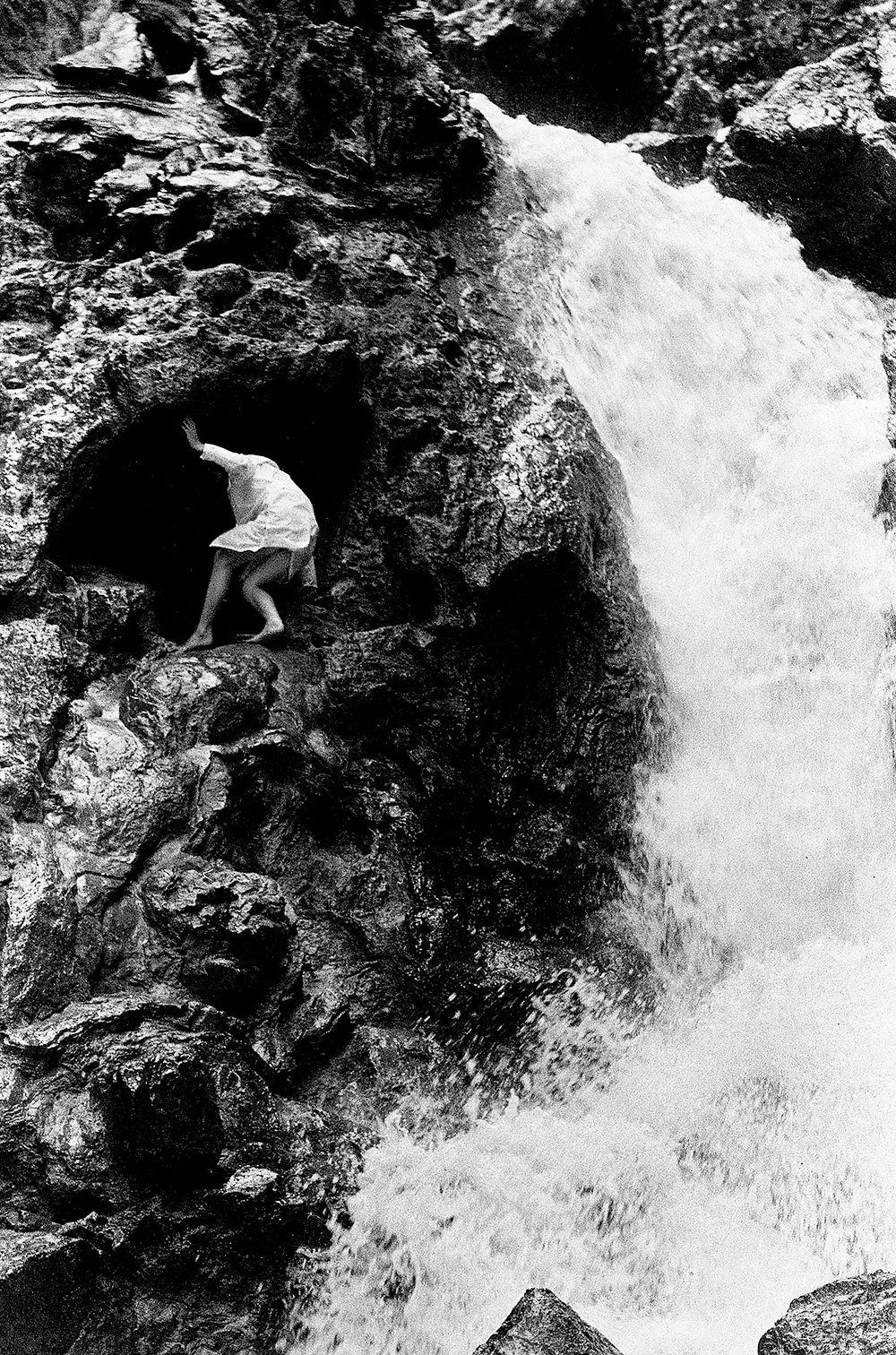
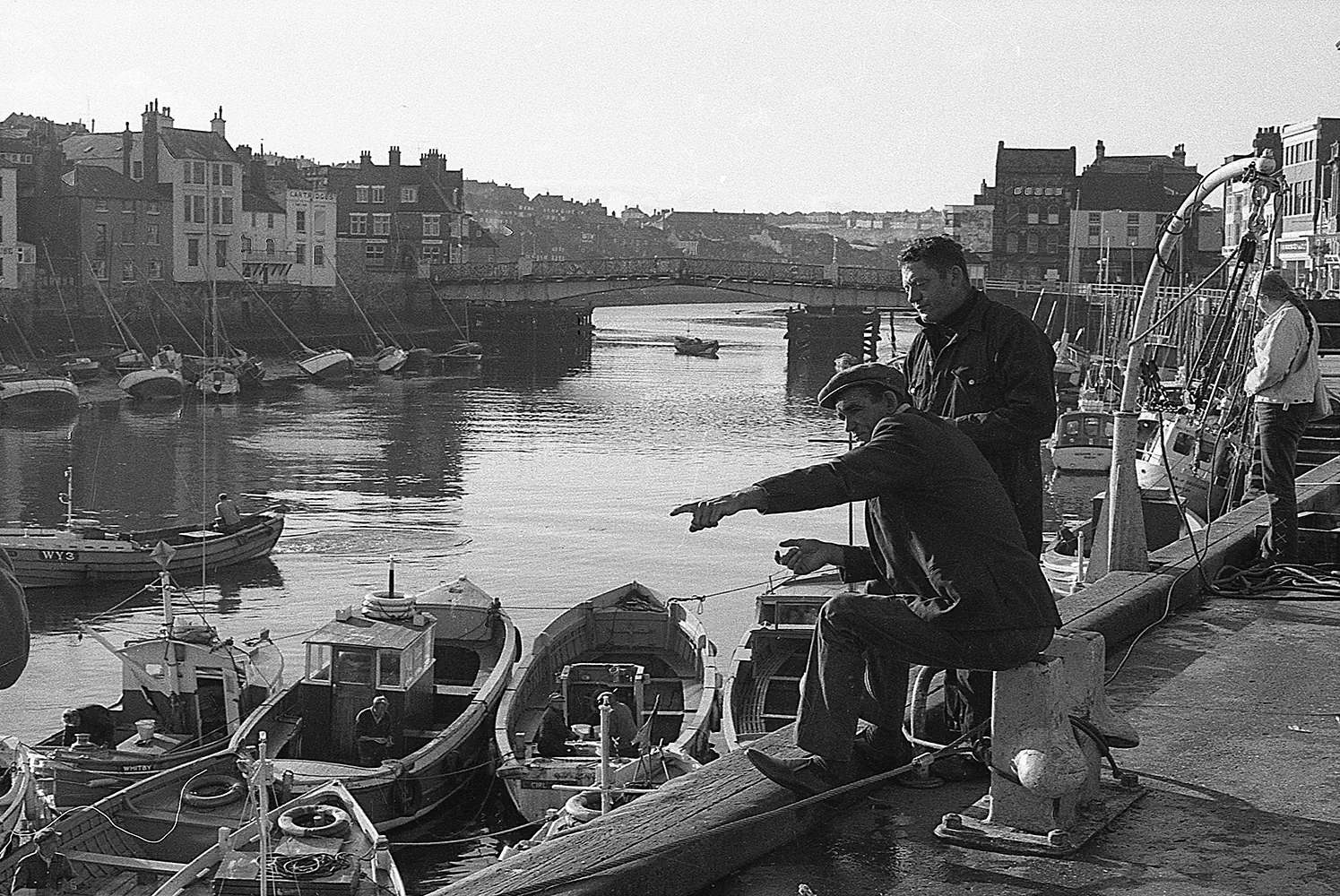
I drove to Wakefield to visit the Lupset Estate, where Storey had grown up. The journey took me through the Yorkshire Dales, which I instantly loved, and onwards through the North Yorkshire Moors towards Hull. I continued along the coast, taking in Scarborough, where I would later return to photograph plays by Alan Ayckbourn at the Stephen Joseph Theatre.
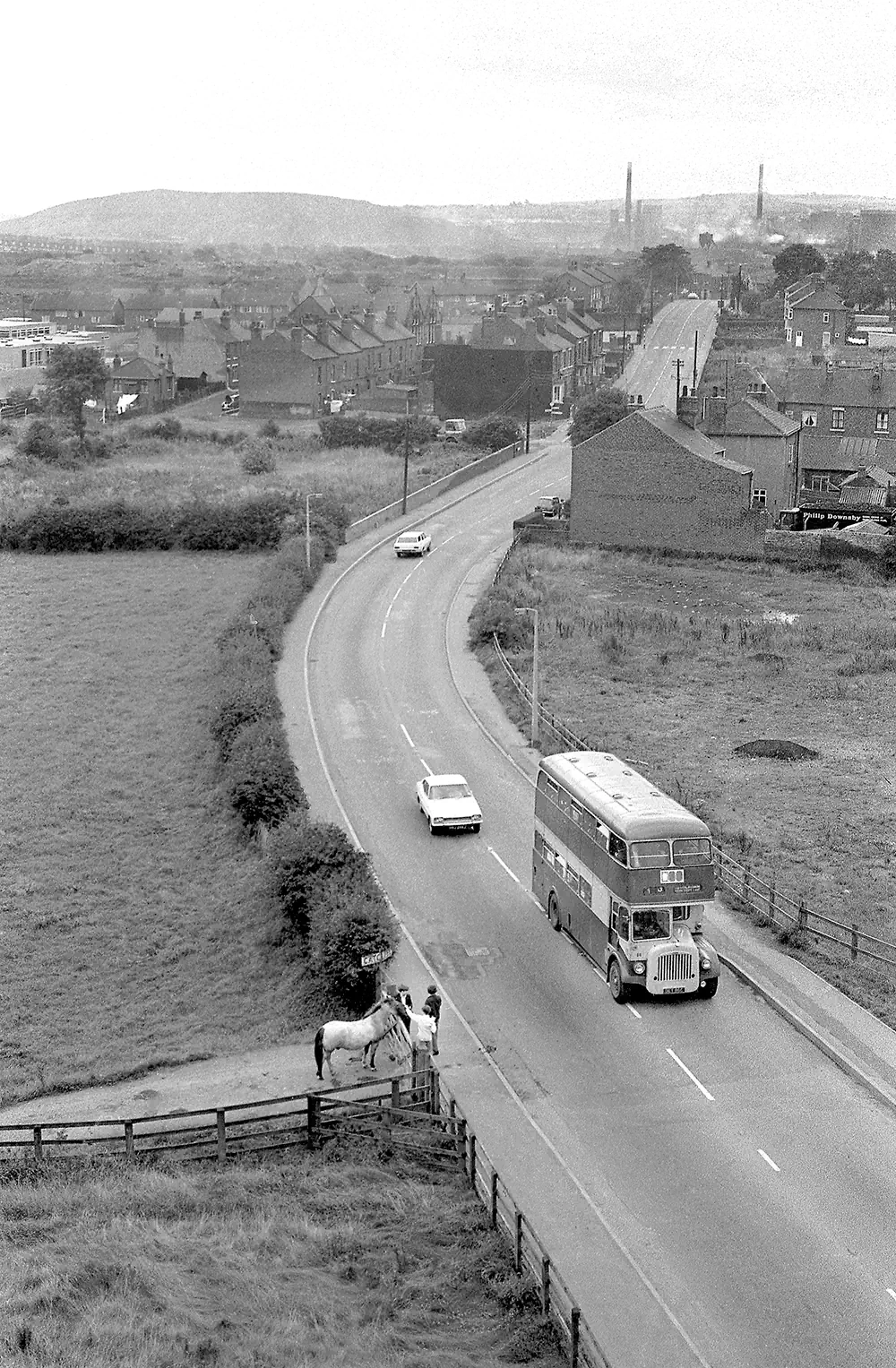
I spent a week driving around all the landscapes that were familiar to David, which he loved and wanted to bring to the stage as a backdrop to his play for a London audience who had no idea what an industrial estate in Wakefield would be like. Fortunately, I had already read three of his novels before our meeting, so I was familiar with his themes and his love of the North.
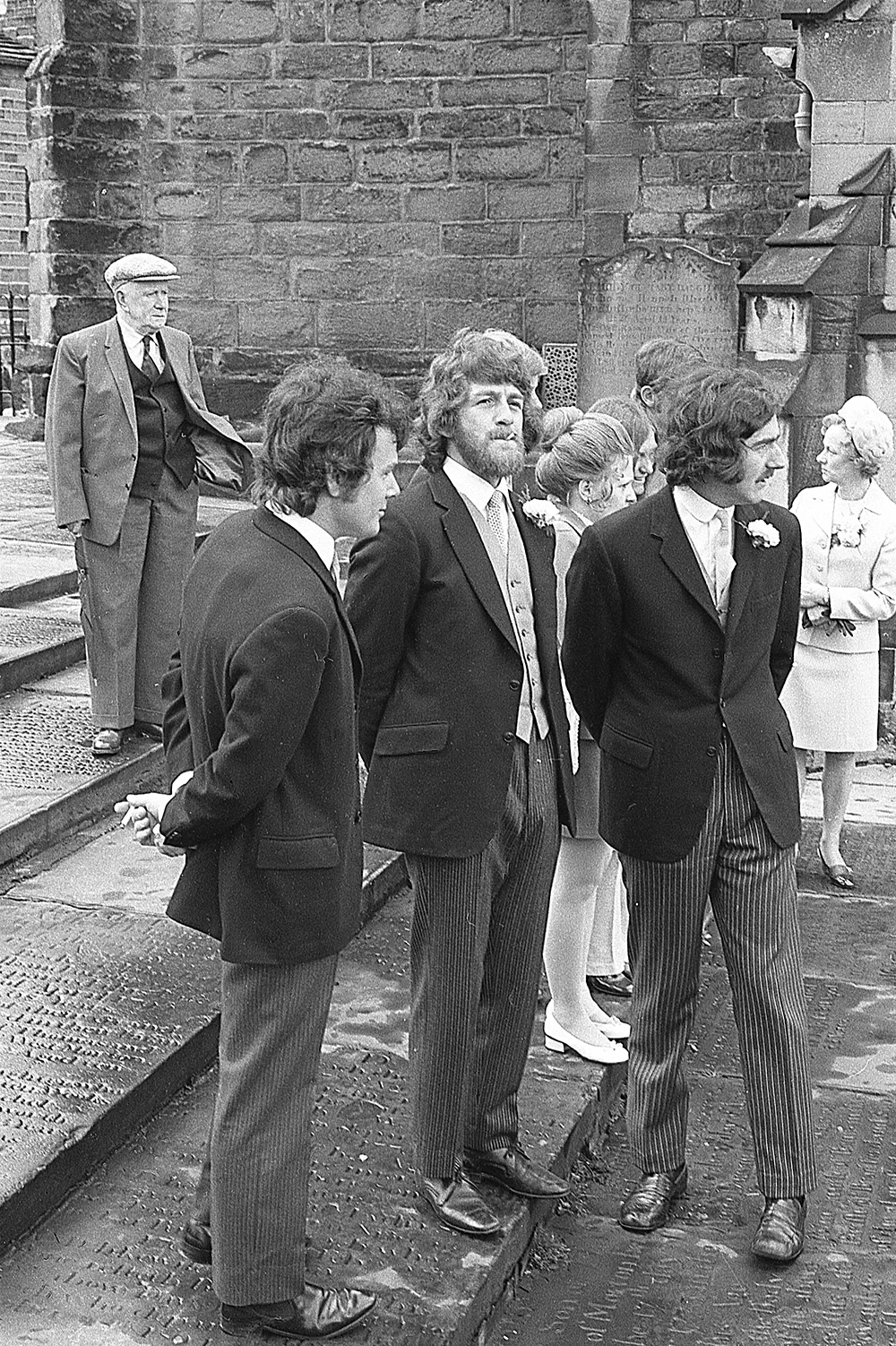
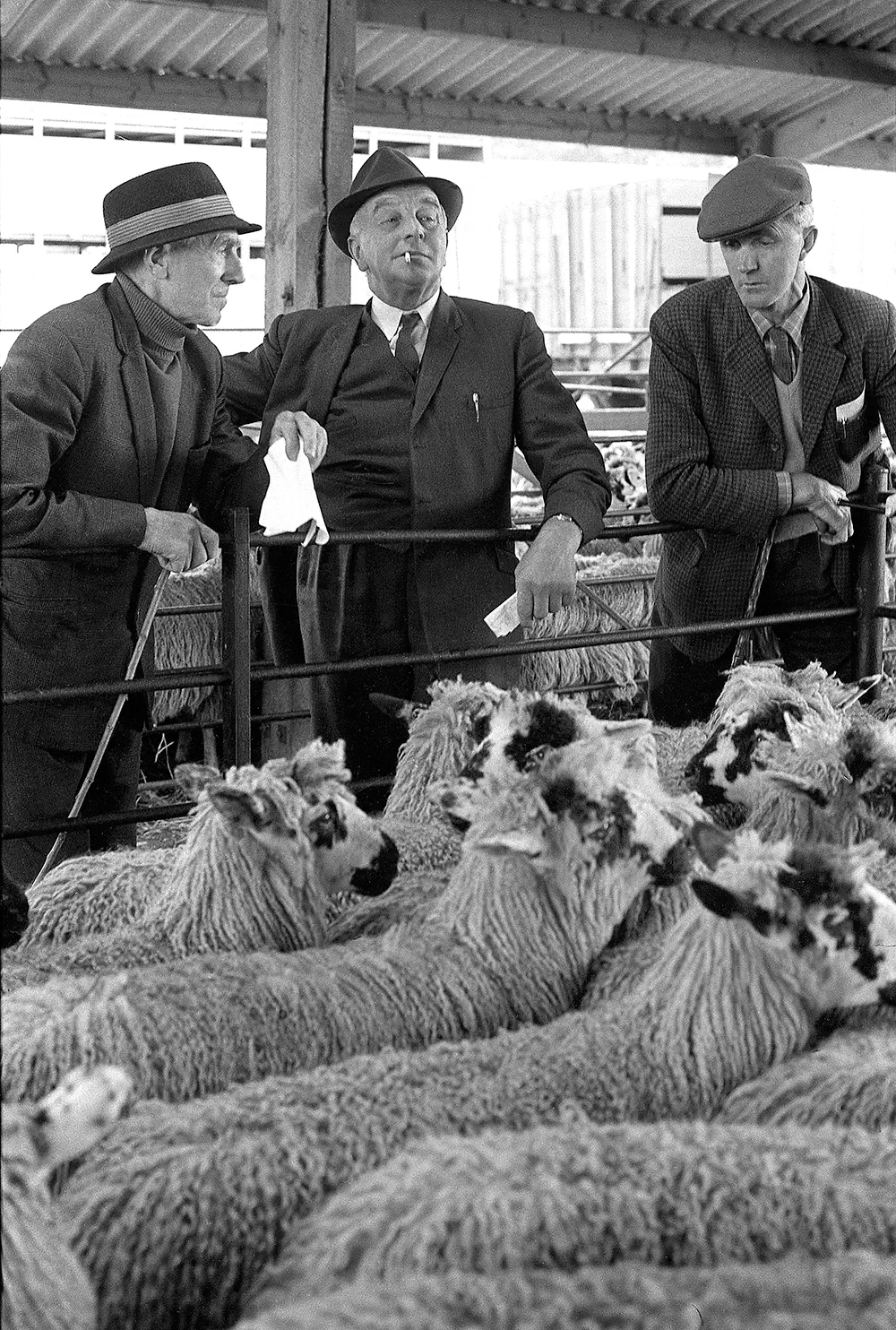
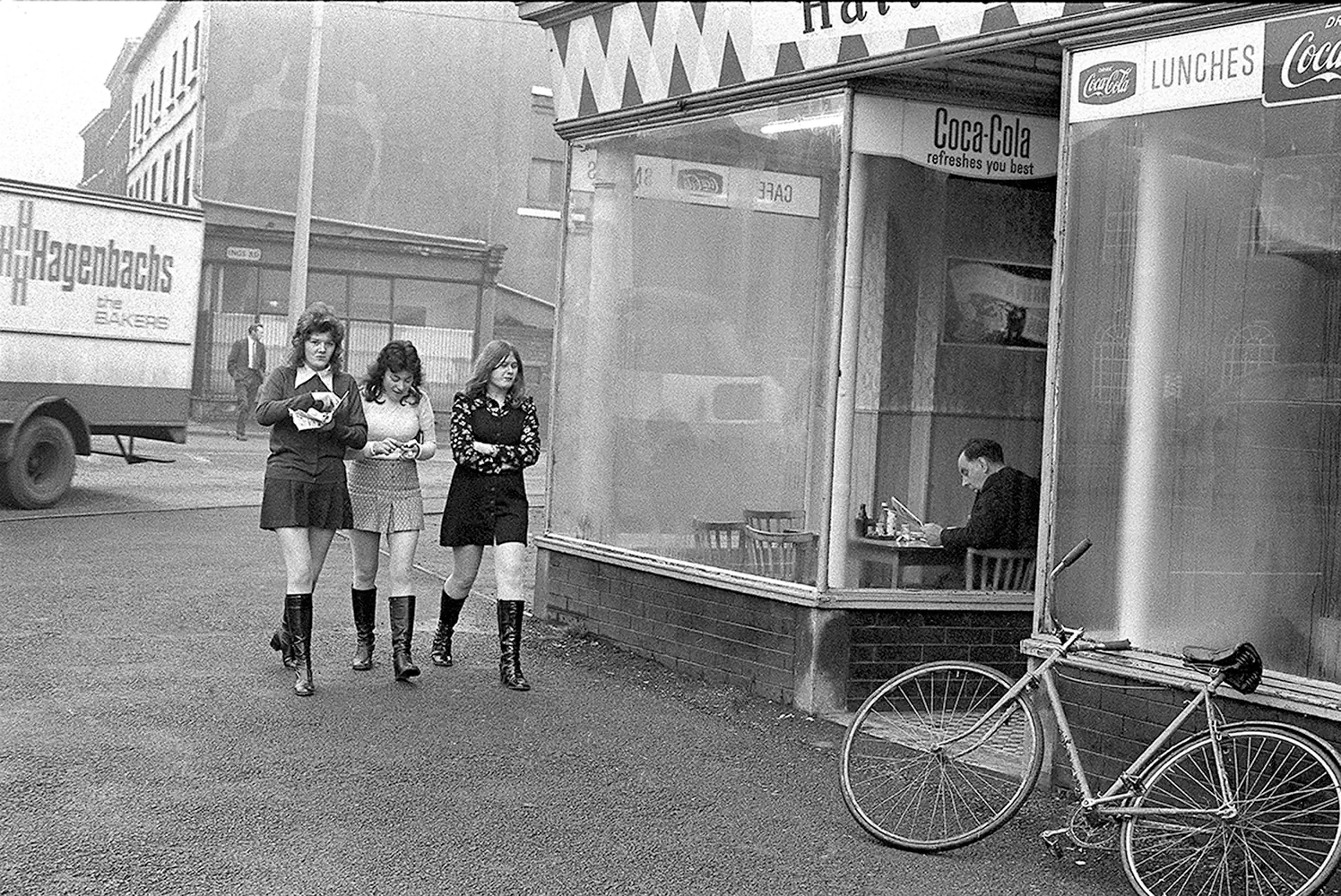
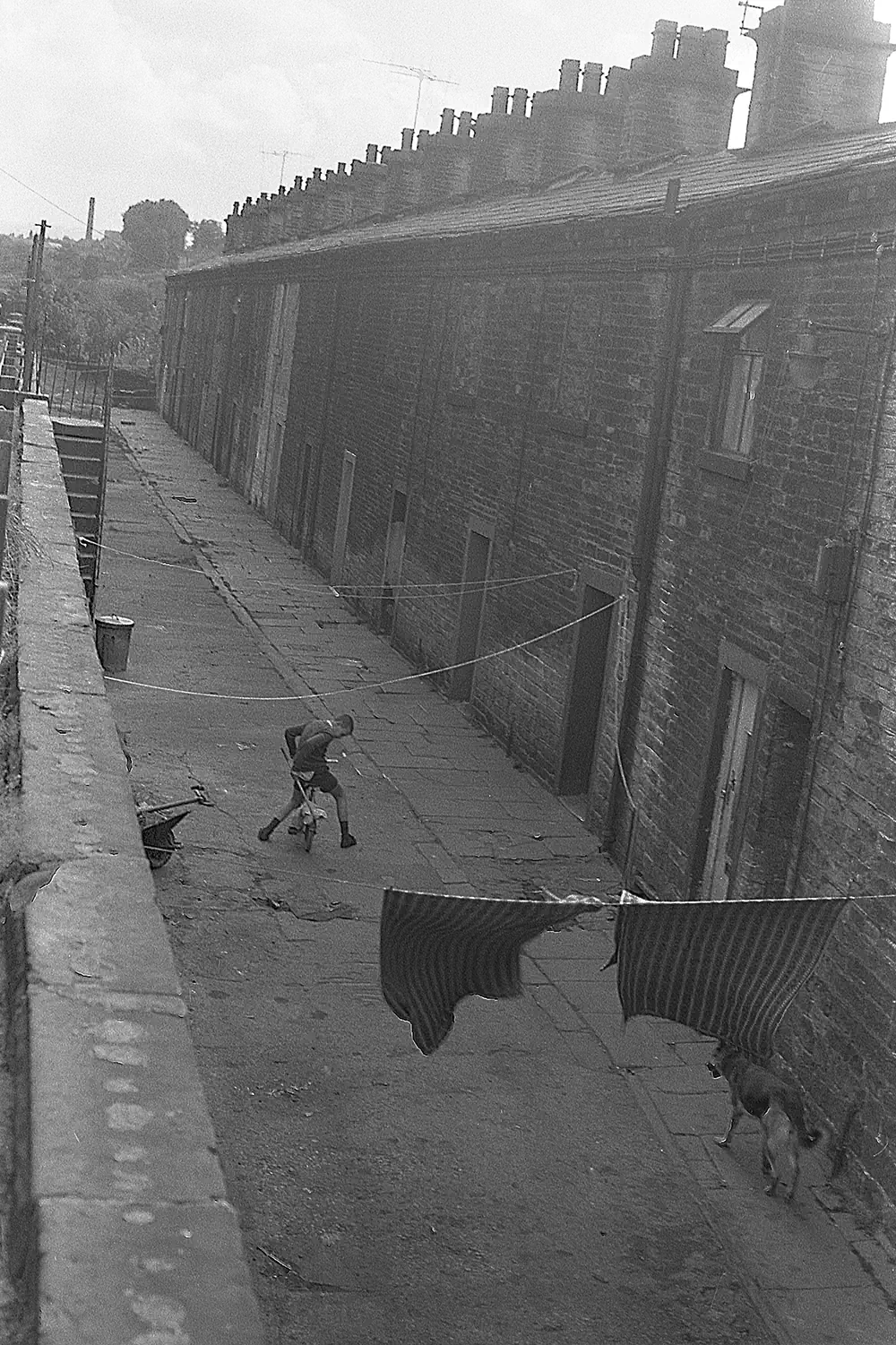
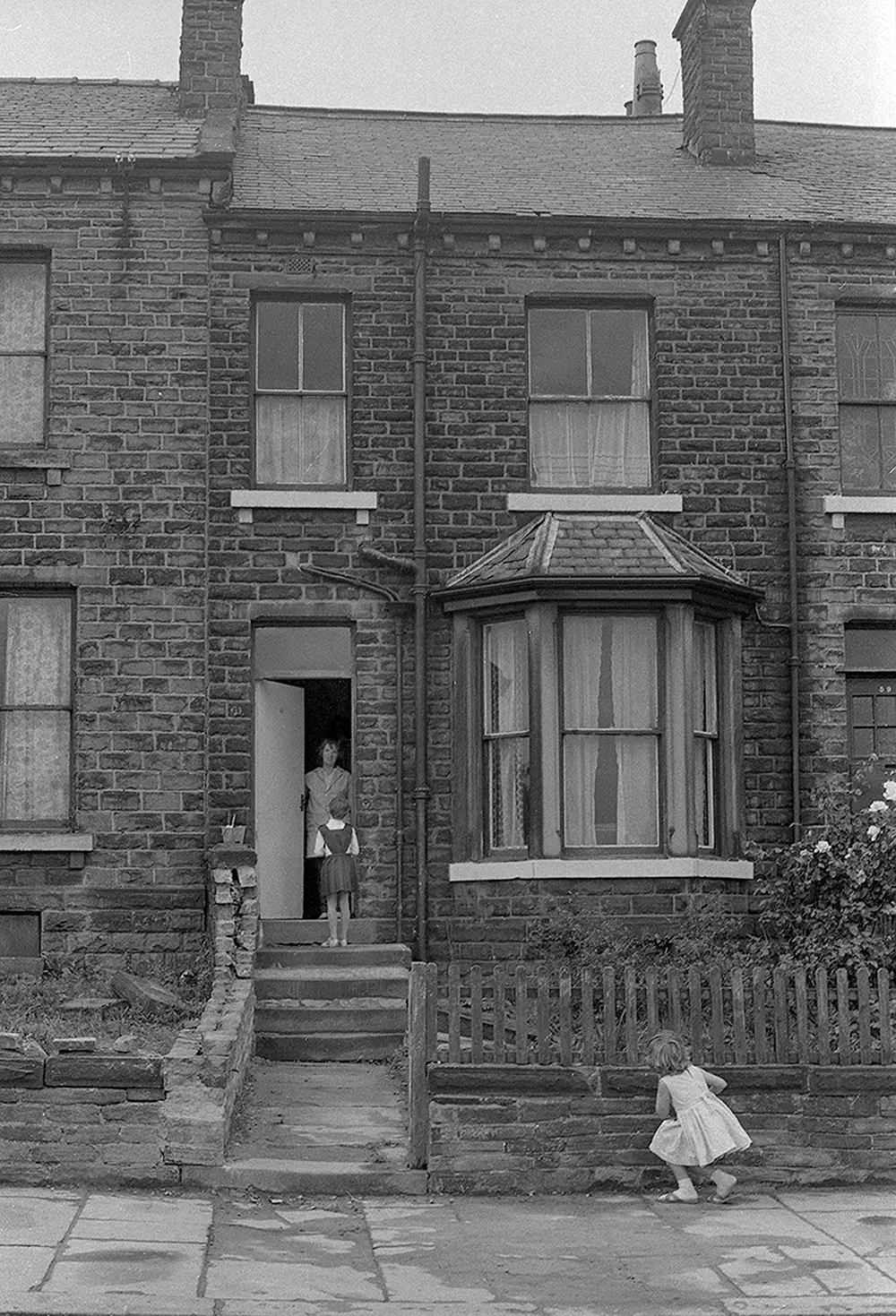
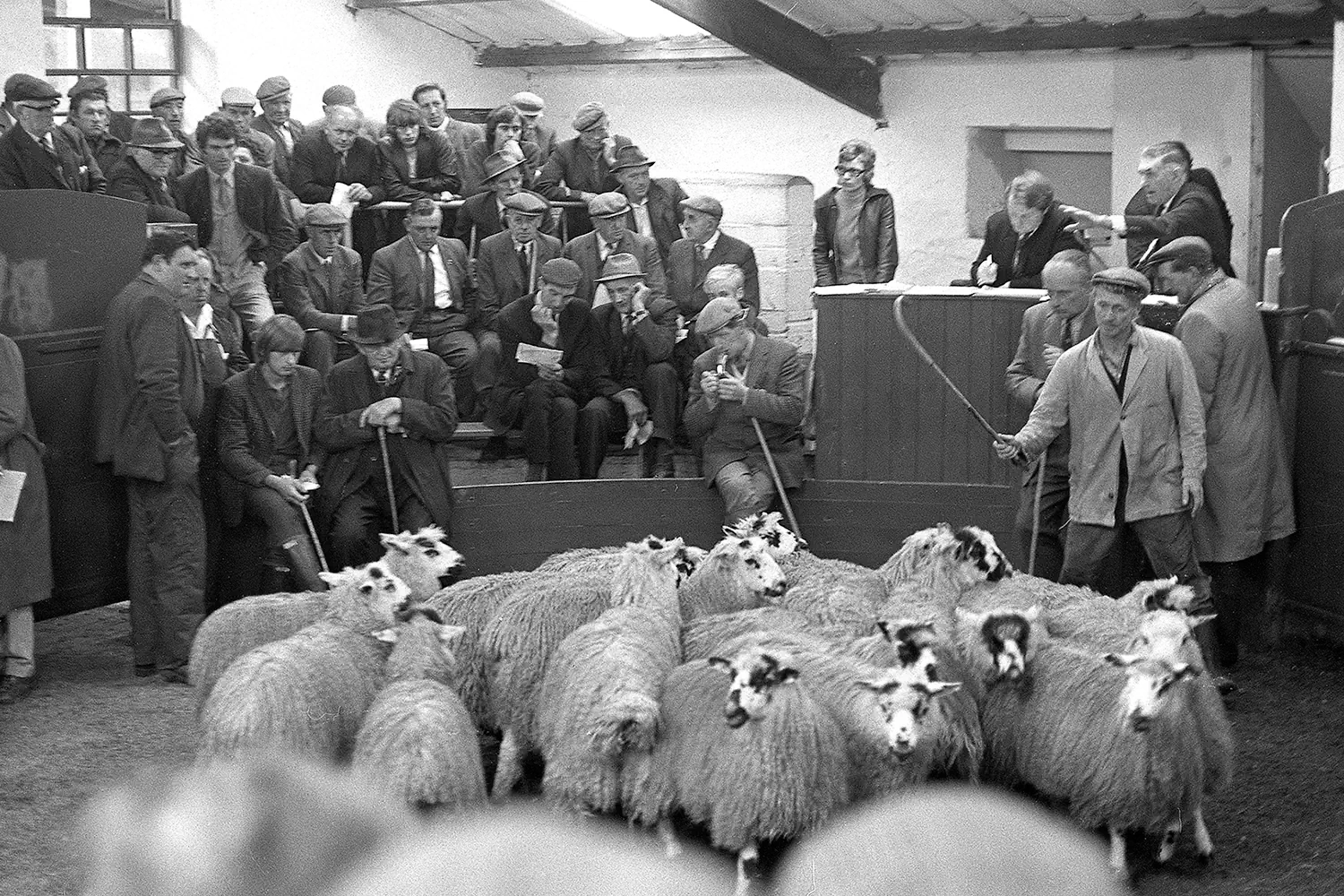
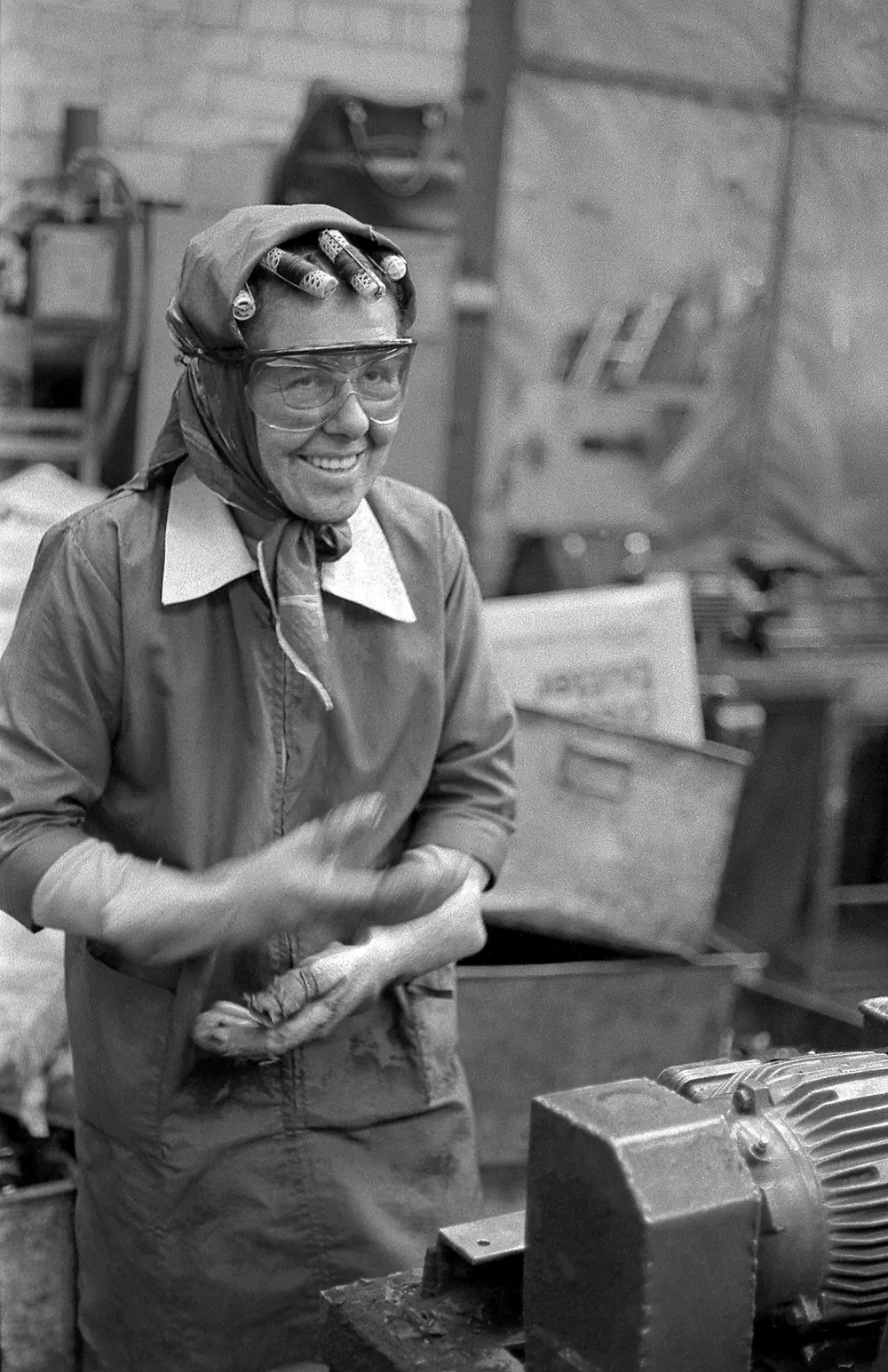
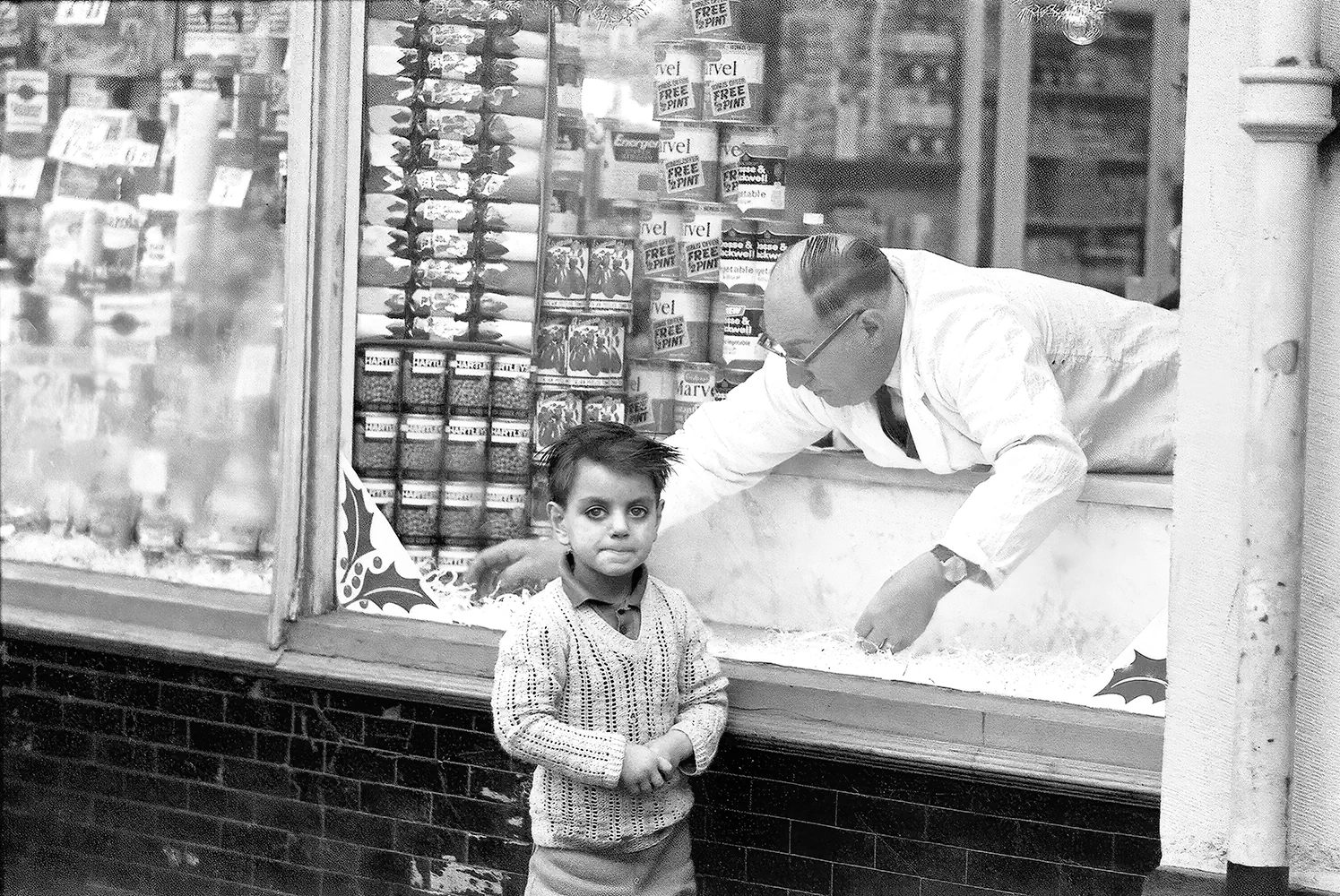
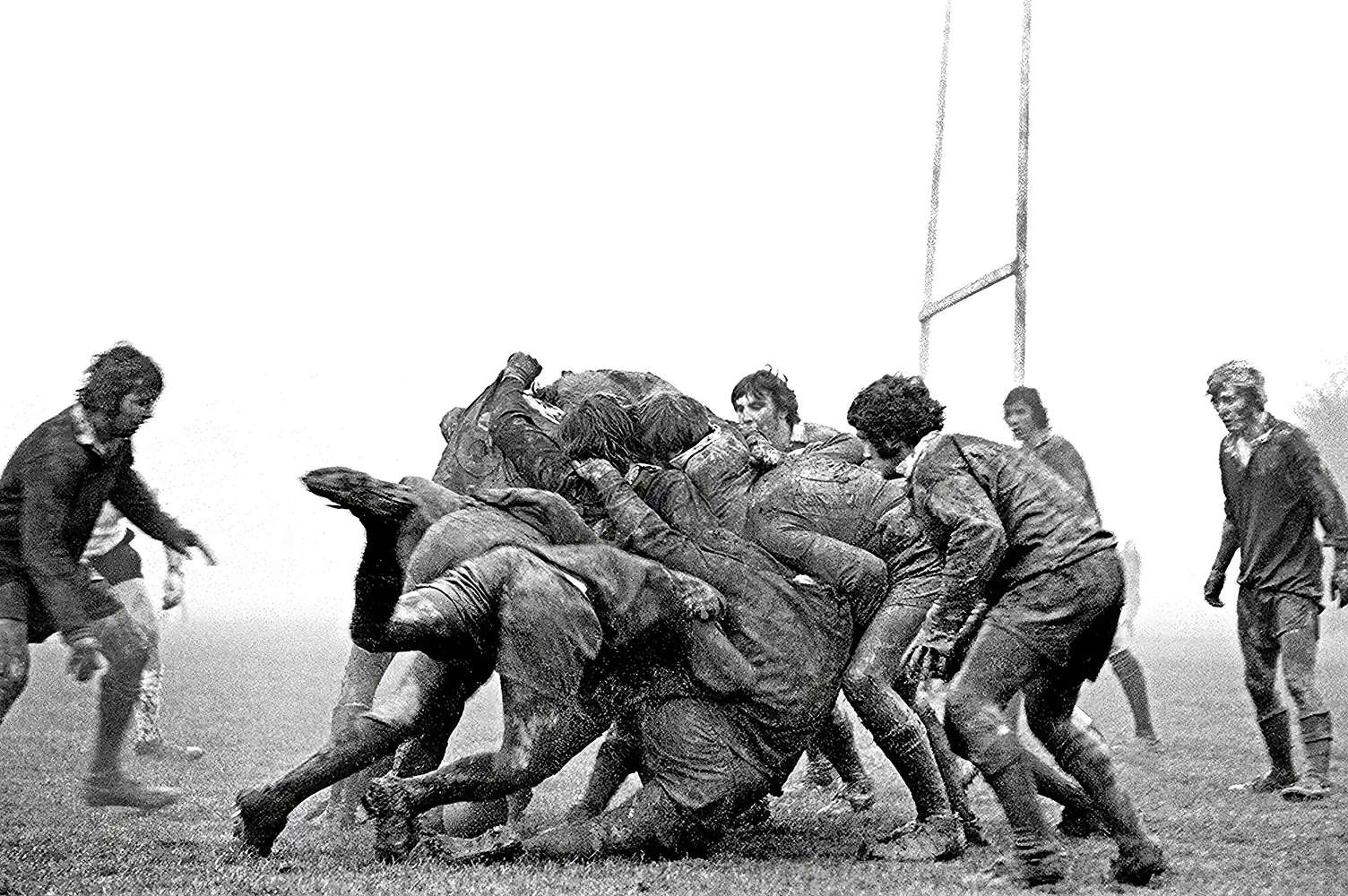
Those northern journeys opened up a landscape of estates, moors, fishing towns and theatres that felt inseparable from Storey’s writing. They became the heart of the photographs I later brought together for the exhibition Up North at the Royal Court Theatre in 1972.
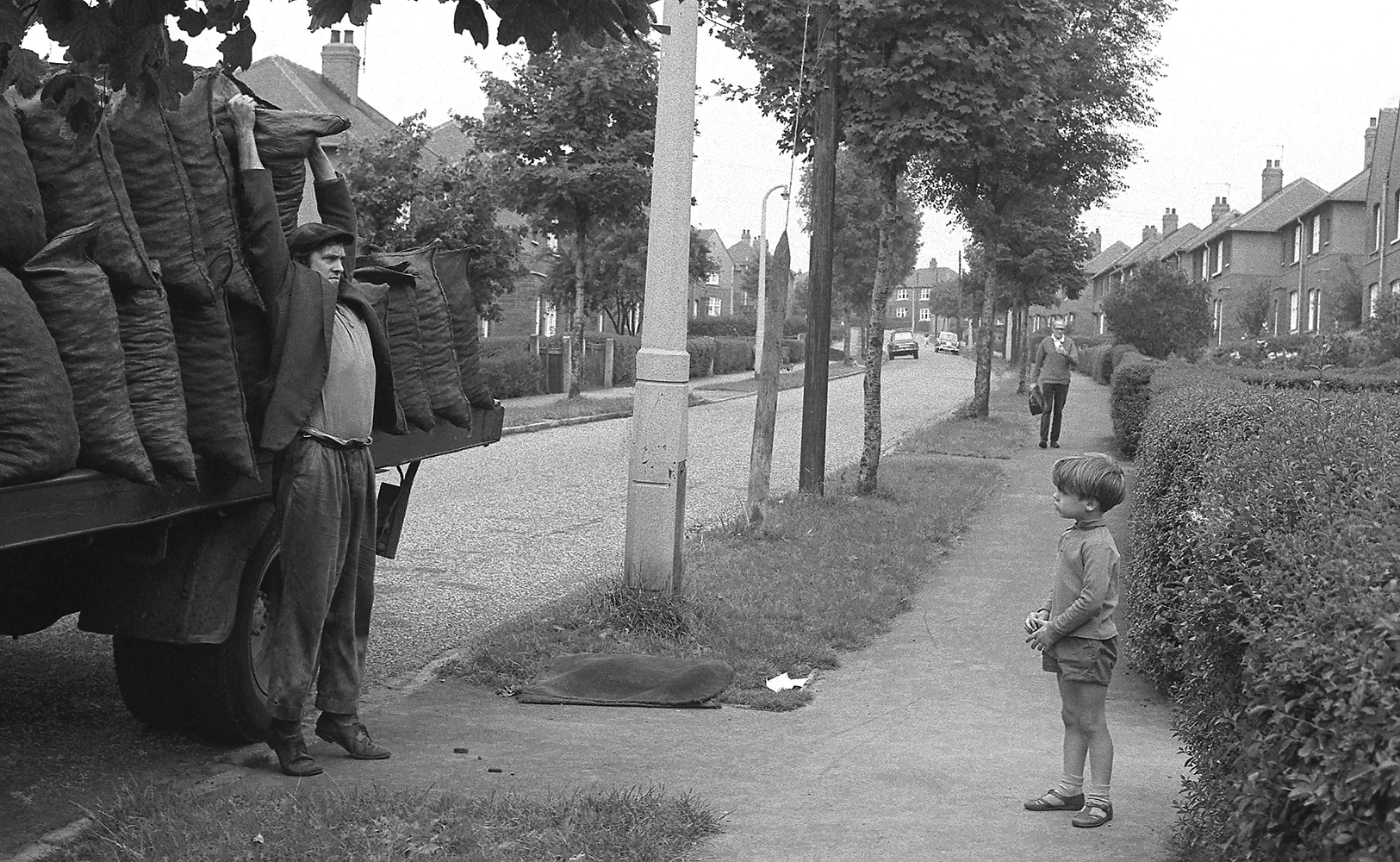
I have great affection for all the pictures in this selection, but if I had to choose one, it would be Number 13, The Coalman and Boy, Lupset Estate, Wakefield, which I think reflects Cartier-Bresson’s adage that a photograph must capture the moment when all the elements are in harmony: The Decisive Moment! (Official Website)