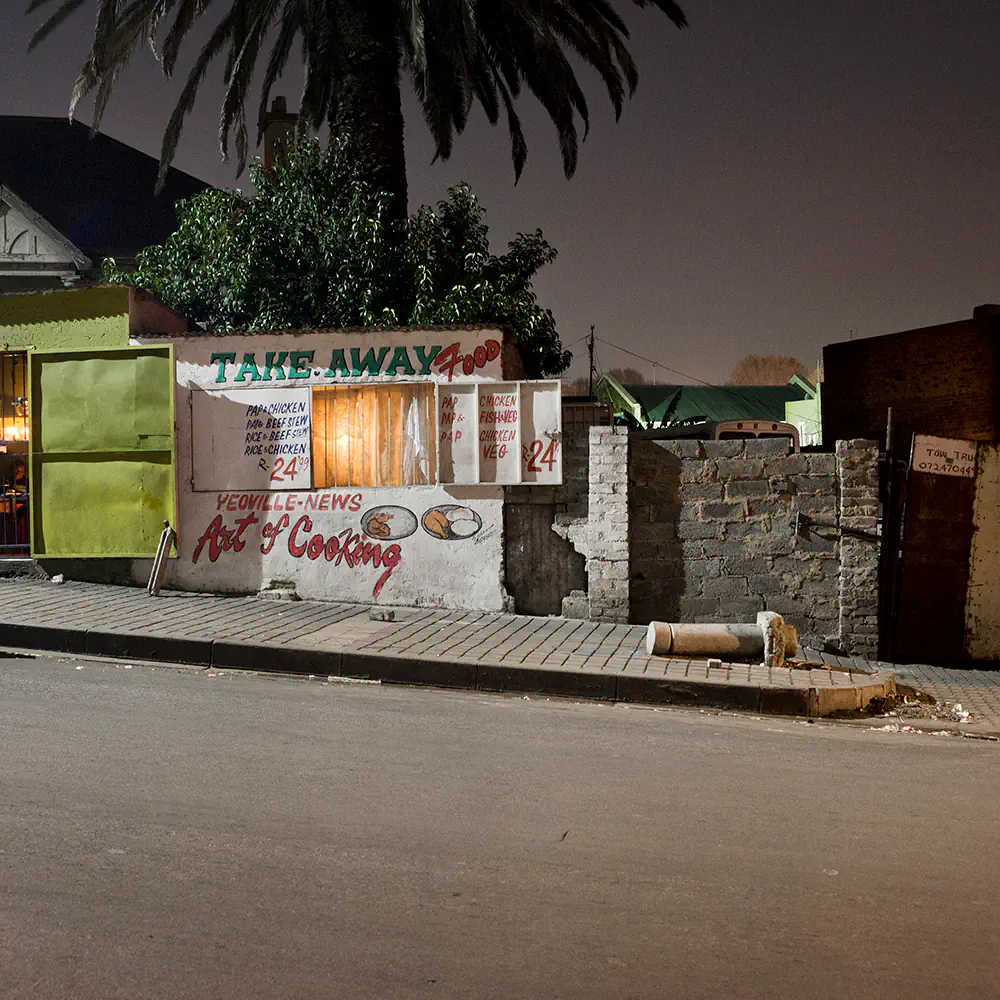
Towards the end of the nineteenth century, the gold rush transformed Johannesburg from a mining camp into a rapidly expanding city of stone and stucco.
From its earliest development, the city was shaped by colonial planning and, later, by the systematic policies of apartheid.
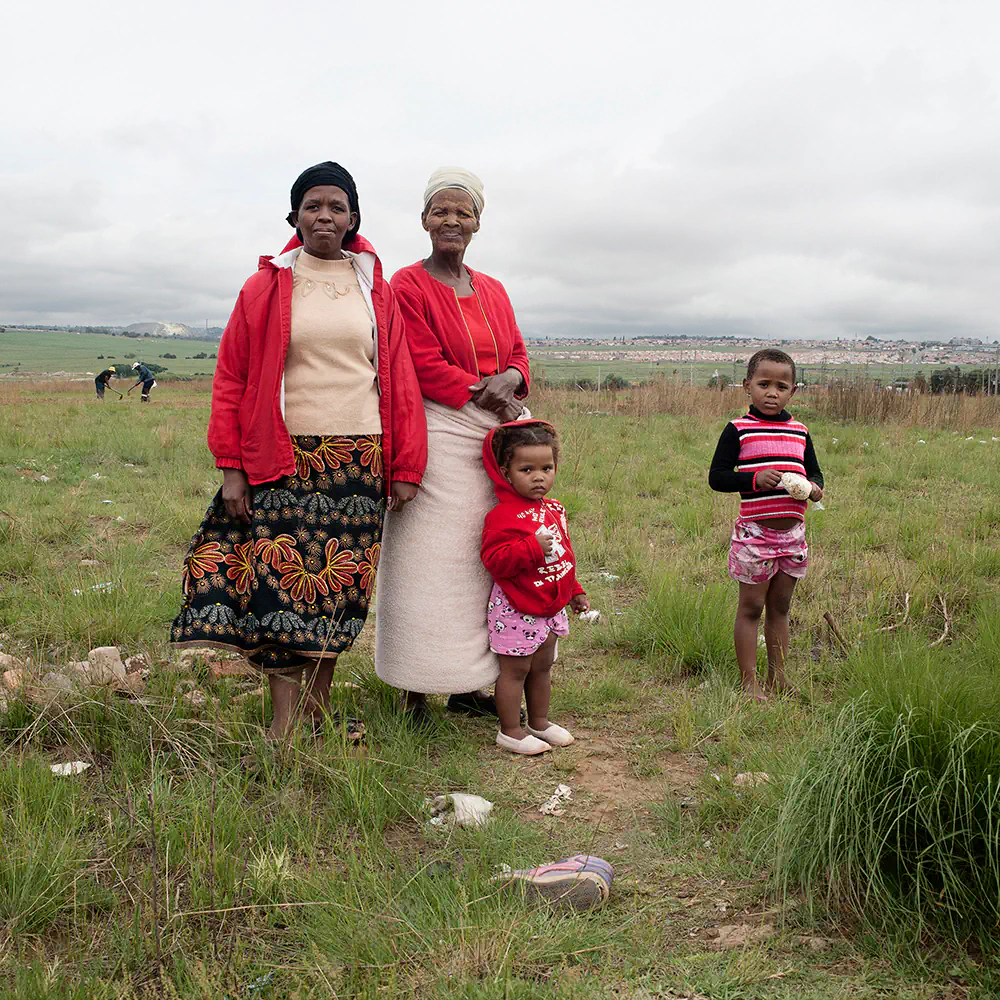
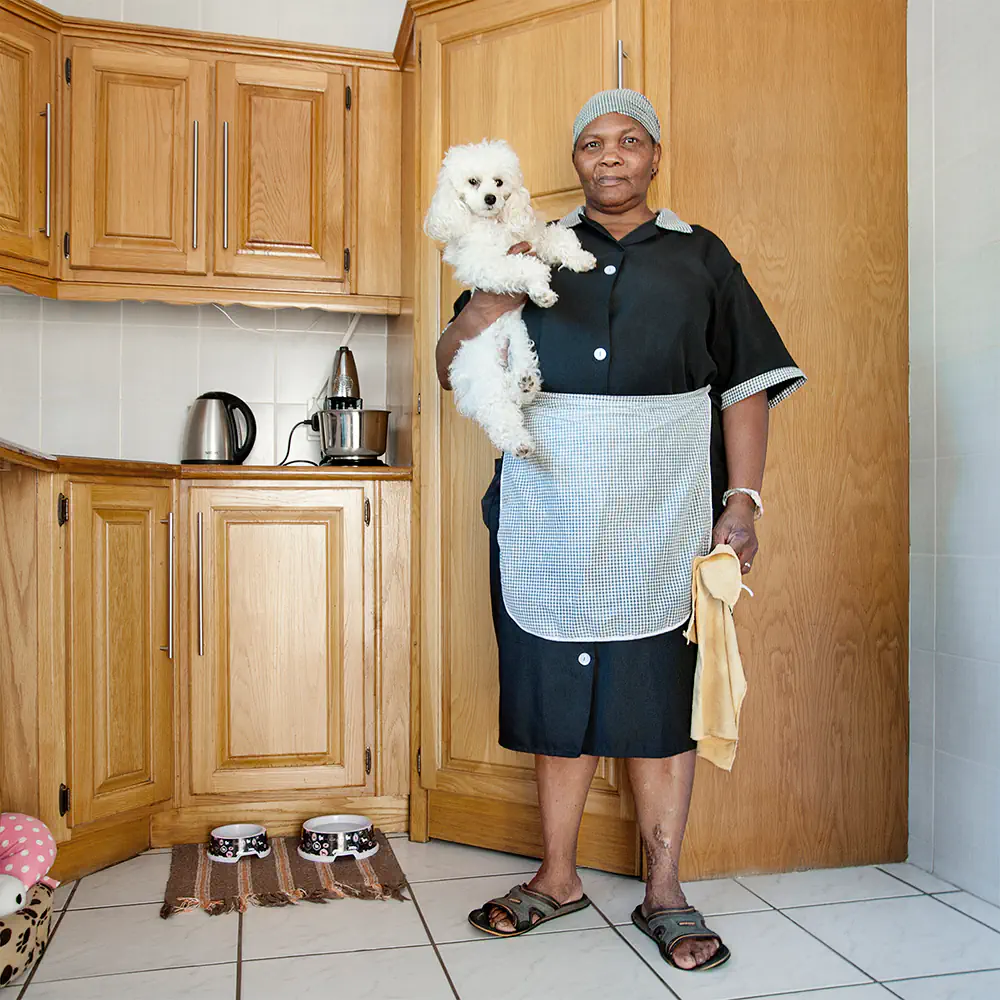
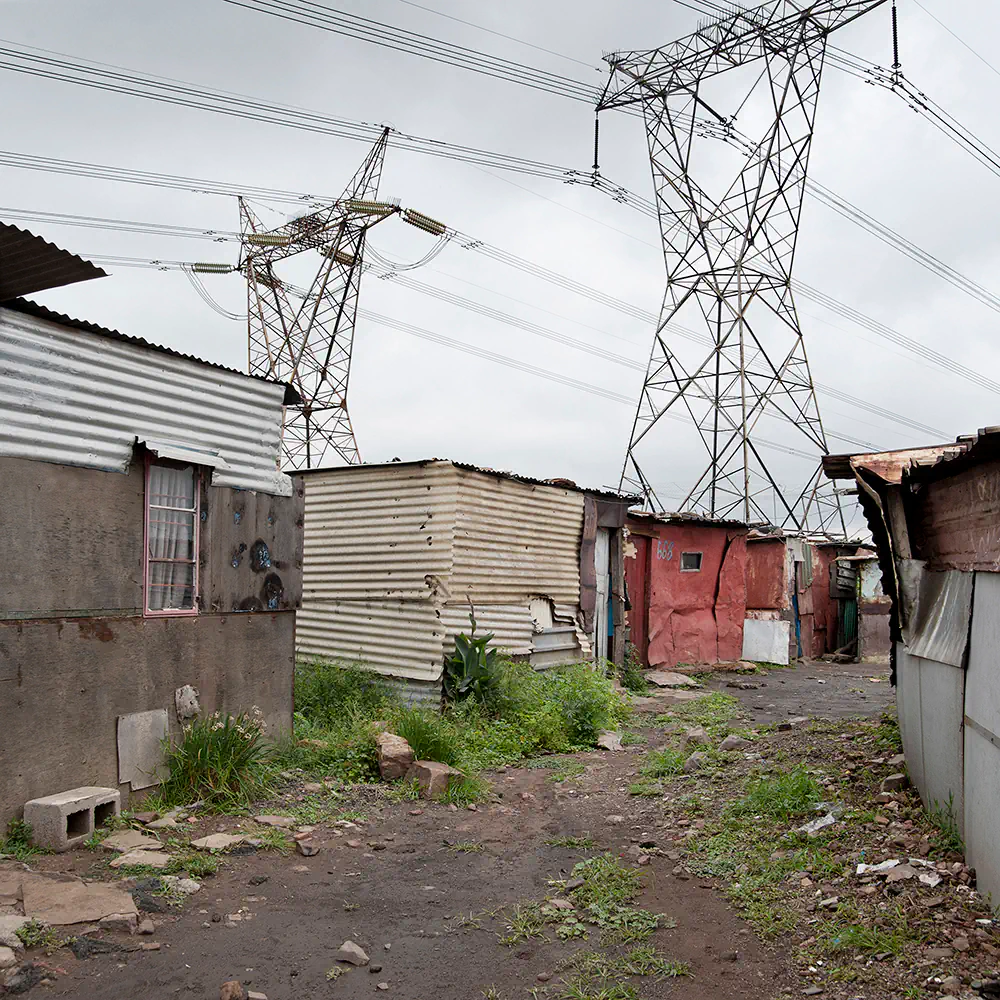
Black people were largely regarded as temporary residents and labourers rather than permanent citizens, restricting their ability to establish homes within the city. These racial inequalities were reinforced through legislation that controlled where people could live, work, and move. Black communities were displaced to townships on the outskirts, separated from predominantly white residential areas by roads, industrial zones, and buffer spaces. Public life was tightly regulated, creating distinct and unequal urban worlds that existed side by side, physically close yet socially divided.
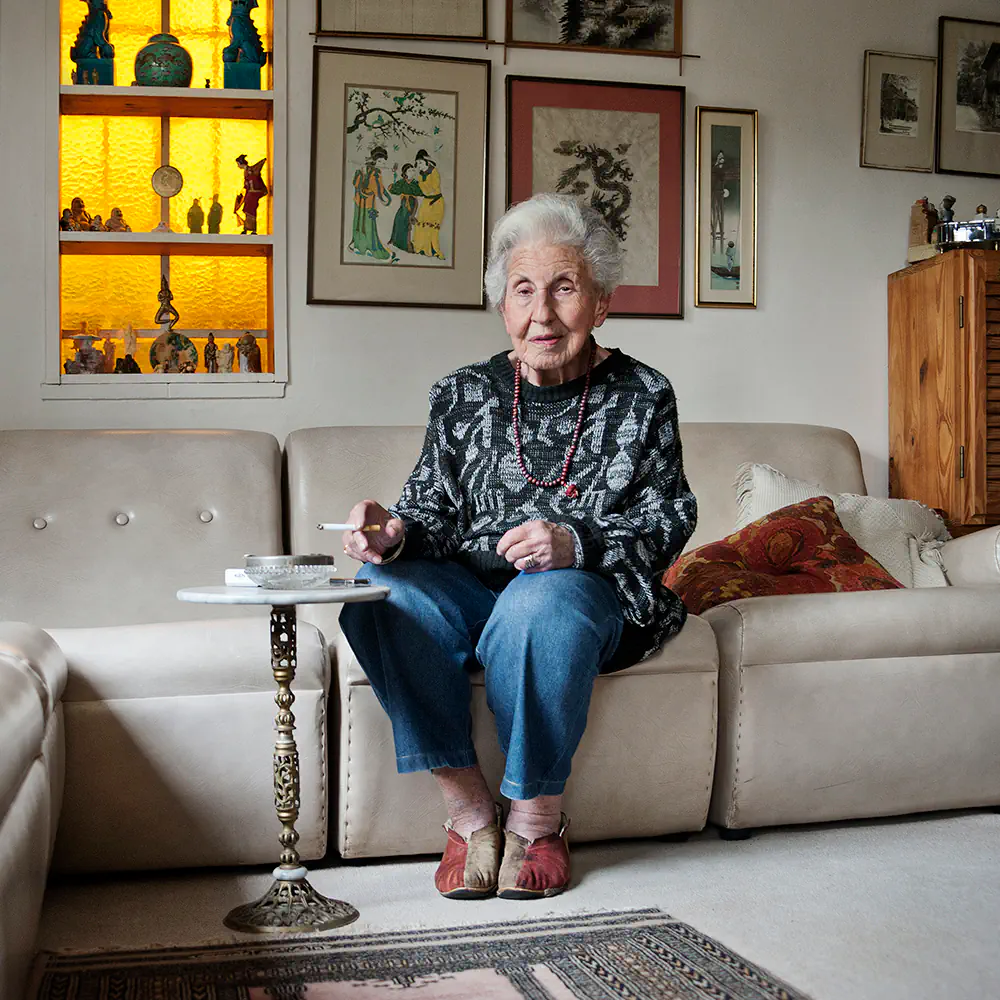
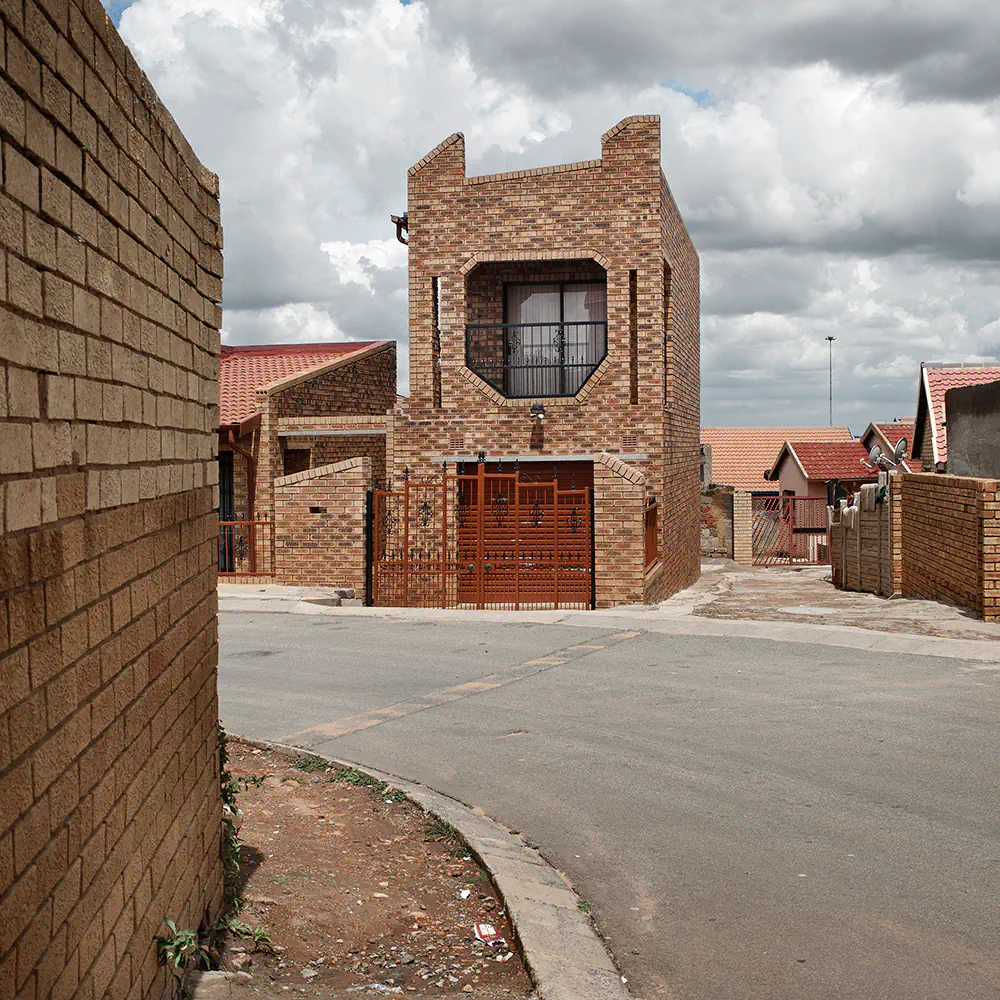
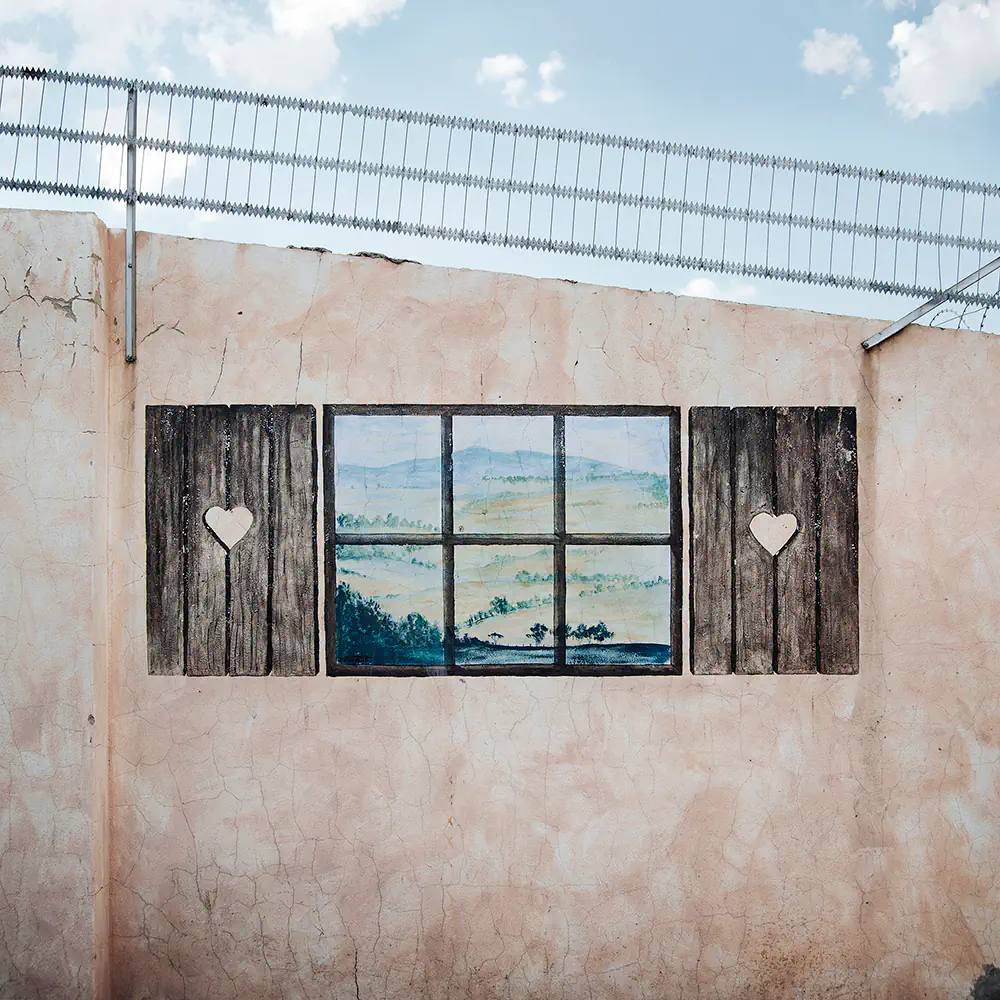
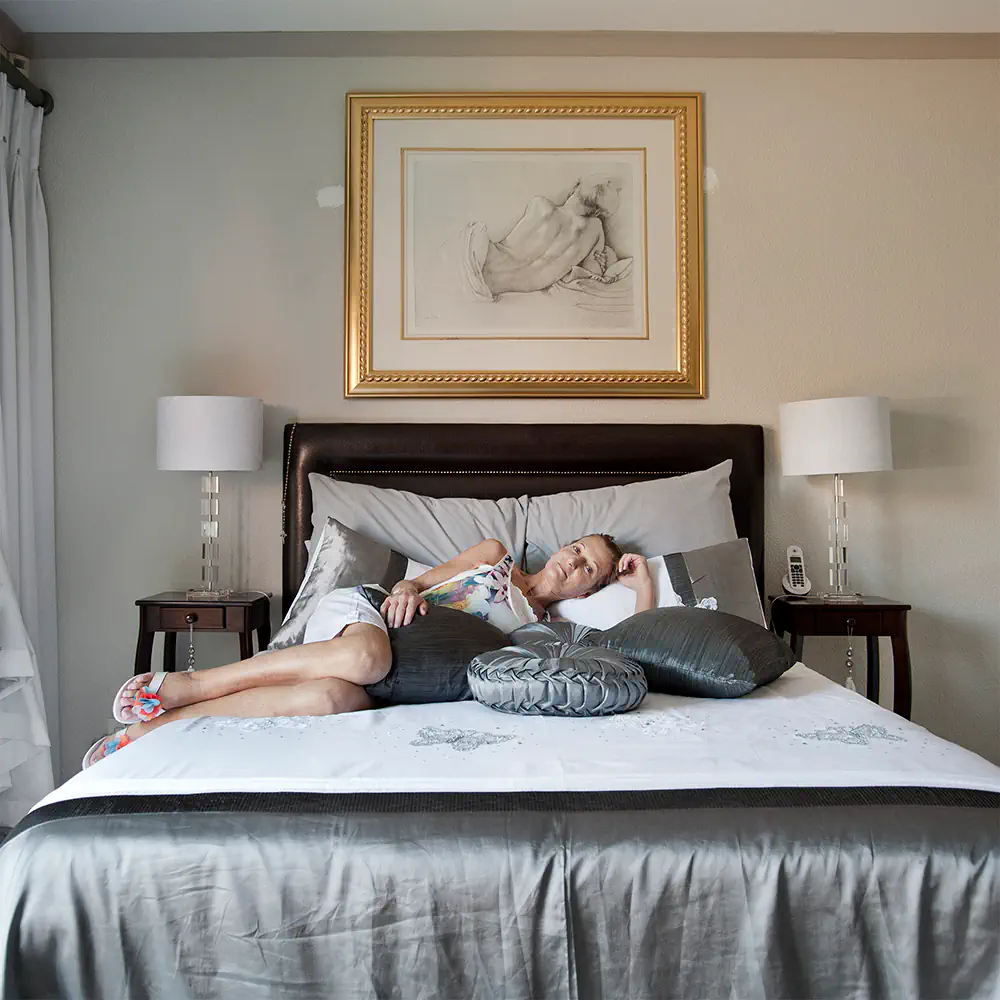
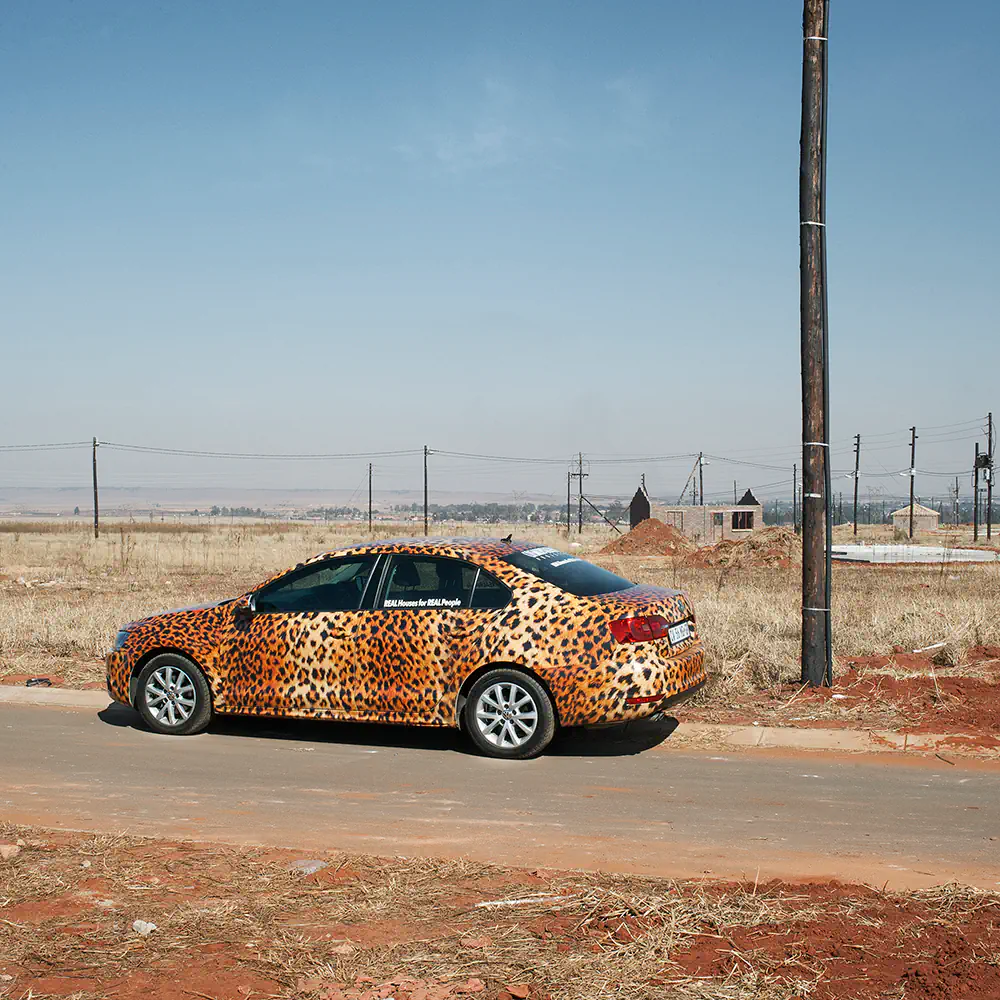
Today, Johannesburg still carries the traces of this history. Although the legal structures of apartheid have disappeared, spatial separation continues to shape how the city is experienced. Where race once defined the boundaries between people and places, wealth increasingly shapes them today, driven by the pursuit of security and reinforced by infrastructure.
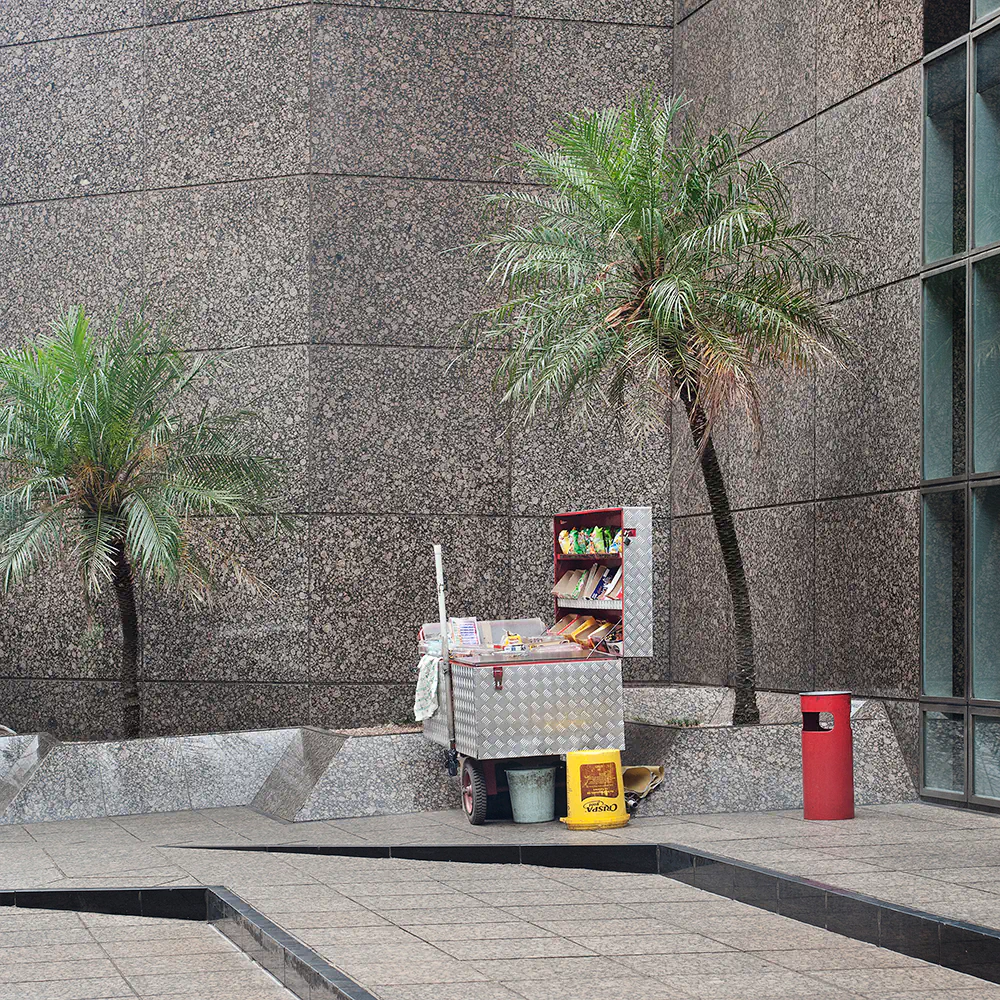
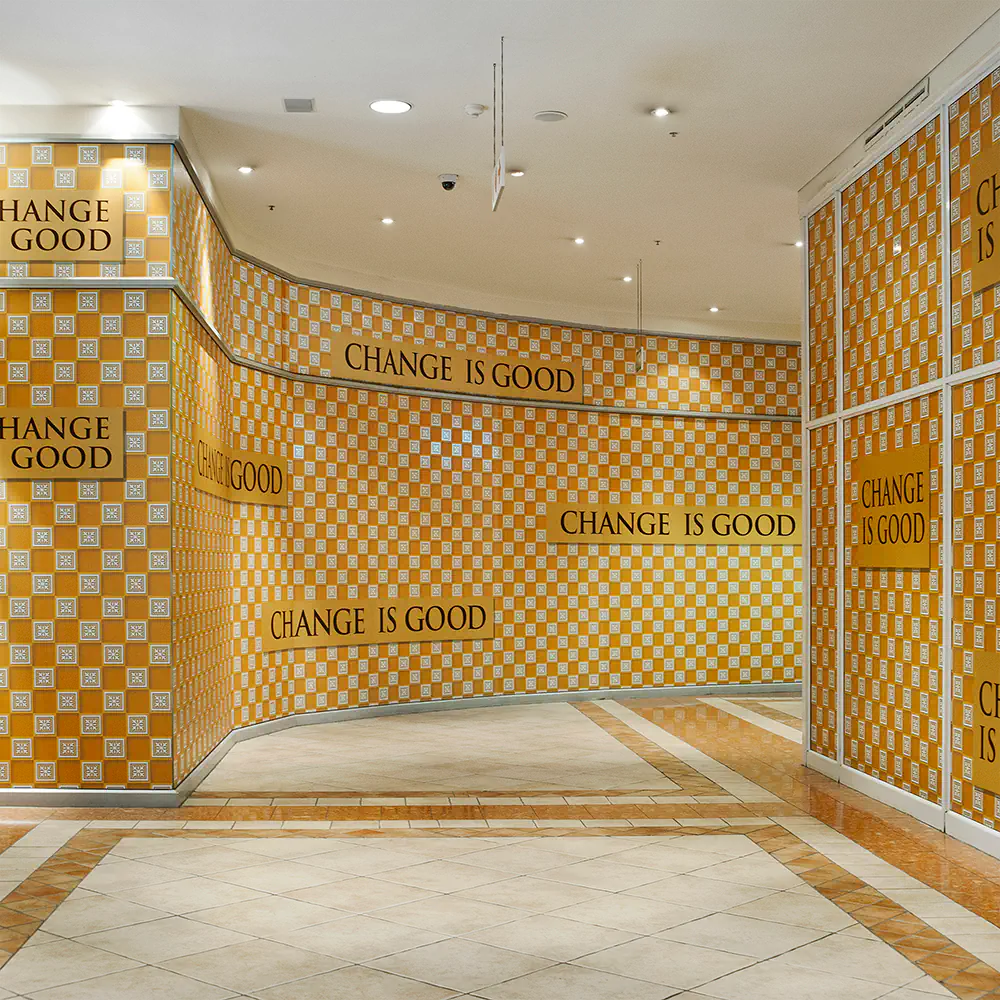
Gated communities, shopping malls, and office parks create protected environments connected by major roads but often detached from their surroundings. For some, the city is experienced through a sequence of secure spaces—home, work, consumption, and leisure. For others, long distances and limited mobility continue to restrict access to employment, education, and services.
Johannesburg therefore remains a fragmented city, where old divisions have taken new forms and where security, wealth, and mobility determine how people move through and experience the urban landscape.
Movement therefore becomes an important way of experiencing Johannesburg. To move through the city is to cross between different urban conditions, each with its own atmosphere, rhythm, and identity. A journey is not simply a way of getting from one place to another, but a way of encountering the contrasts that shape the city.
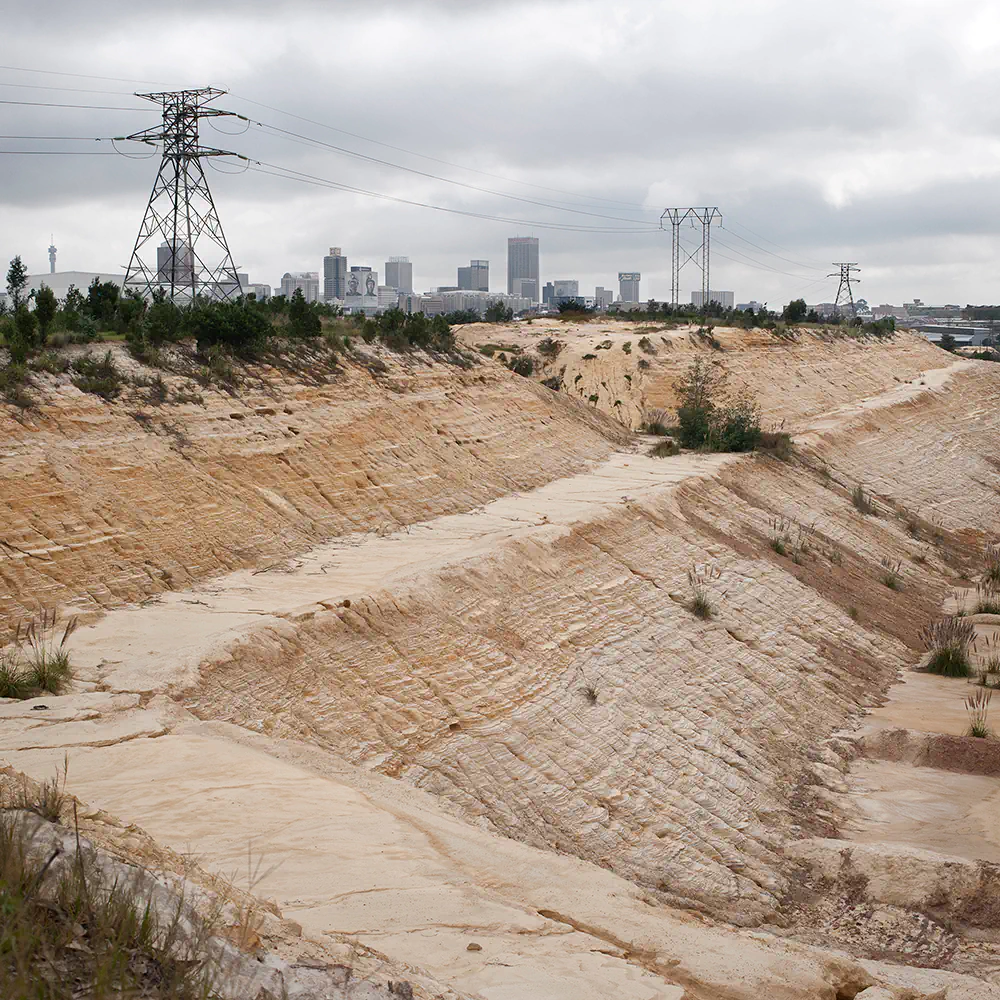
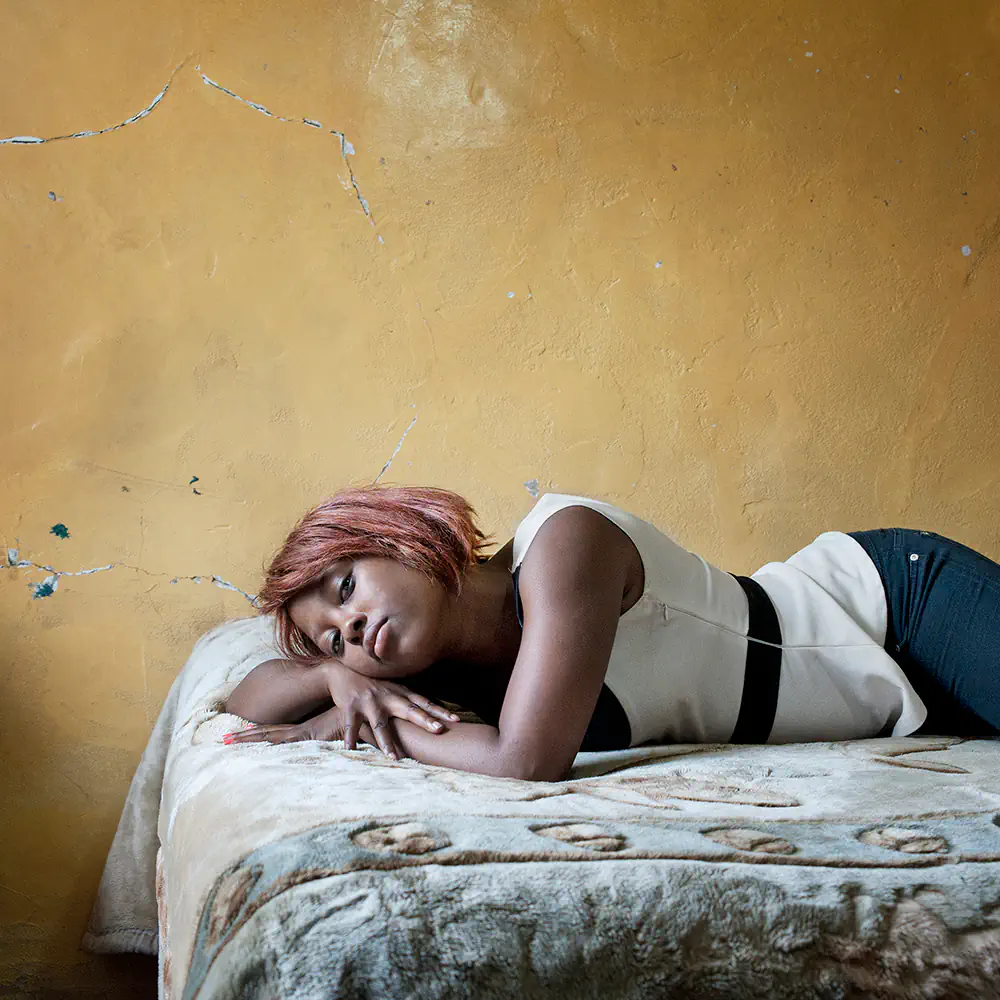
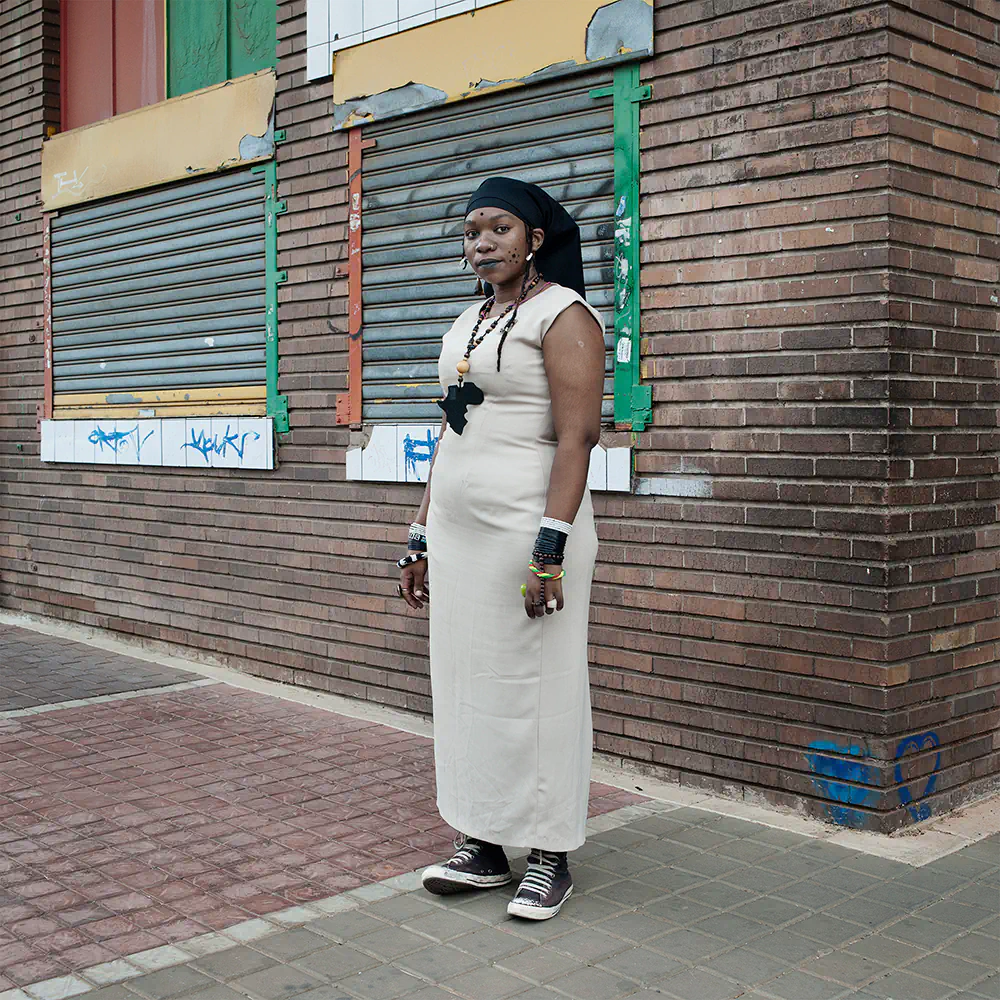
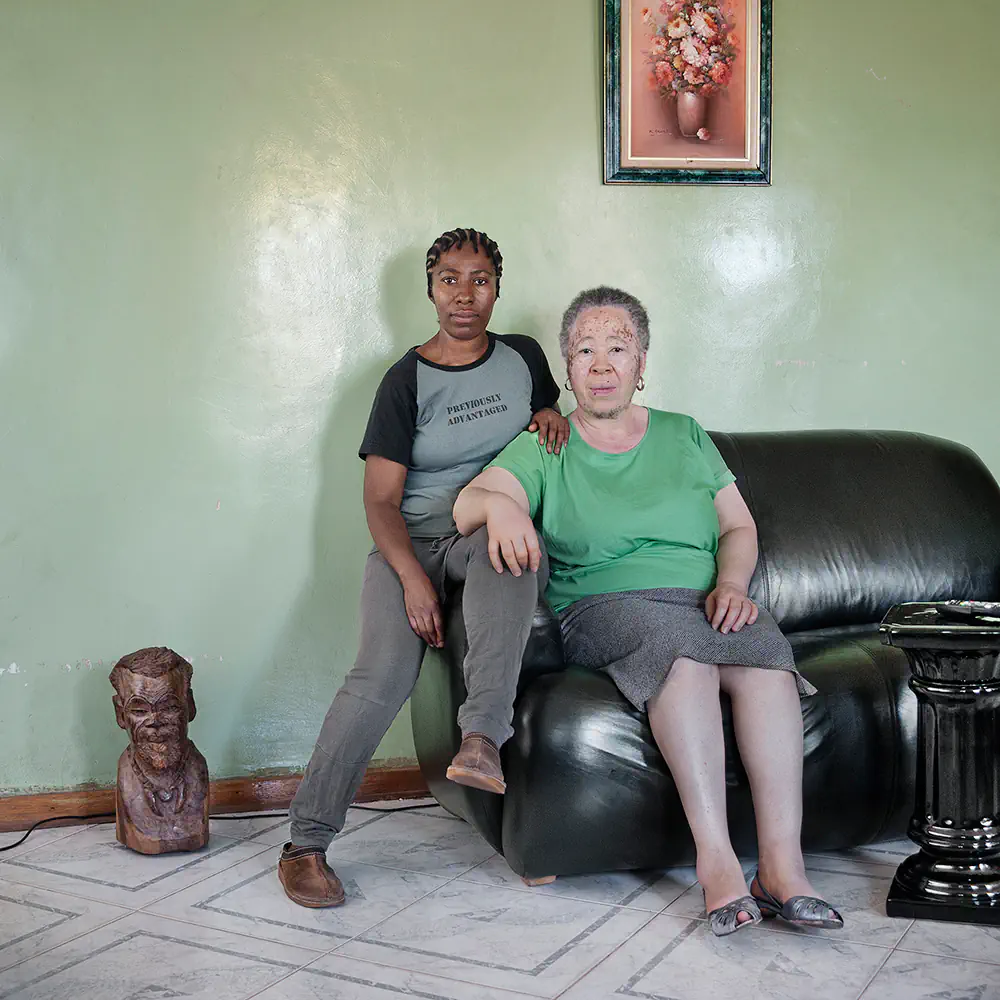
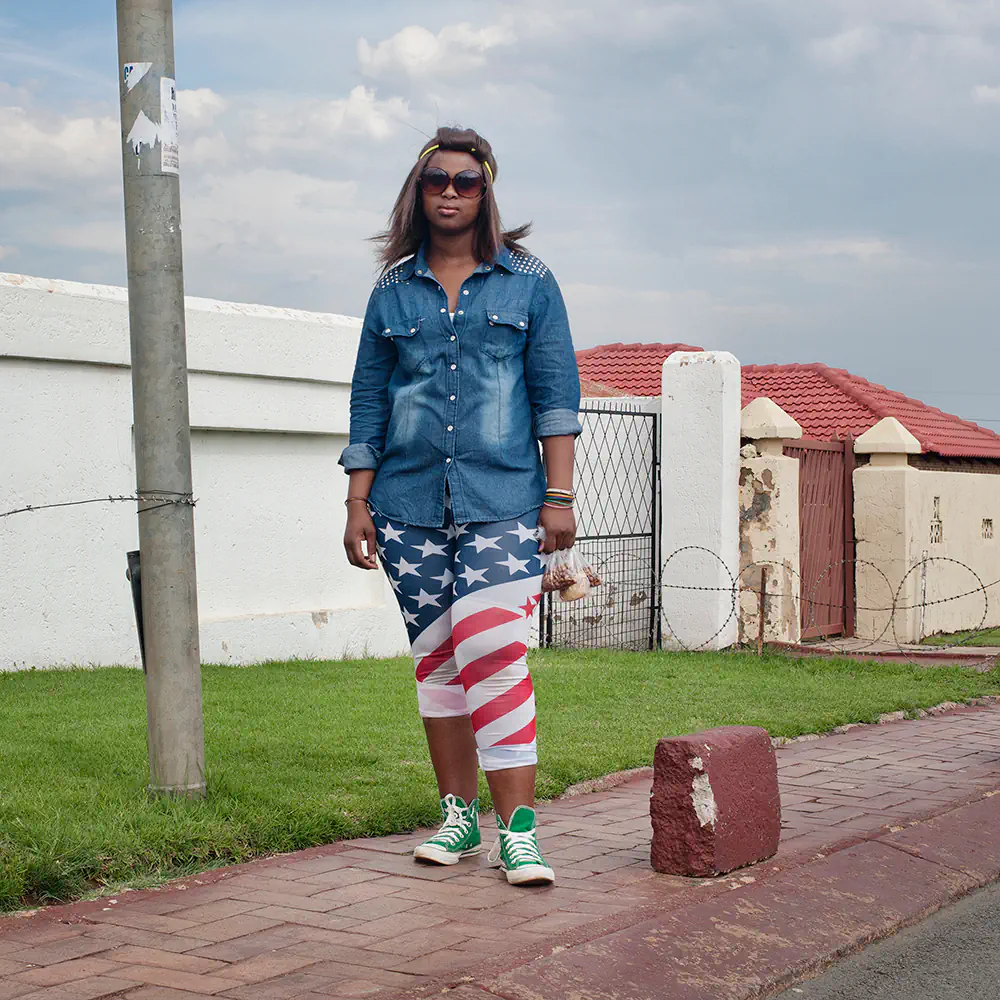
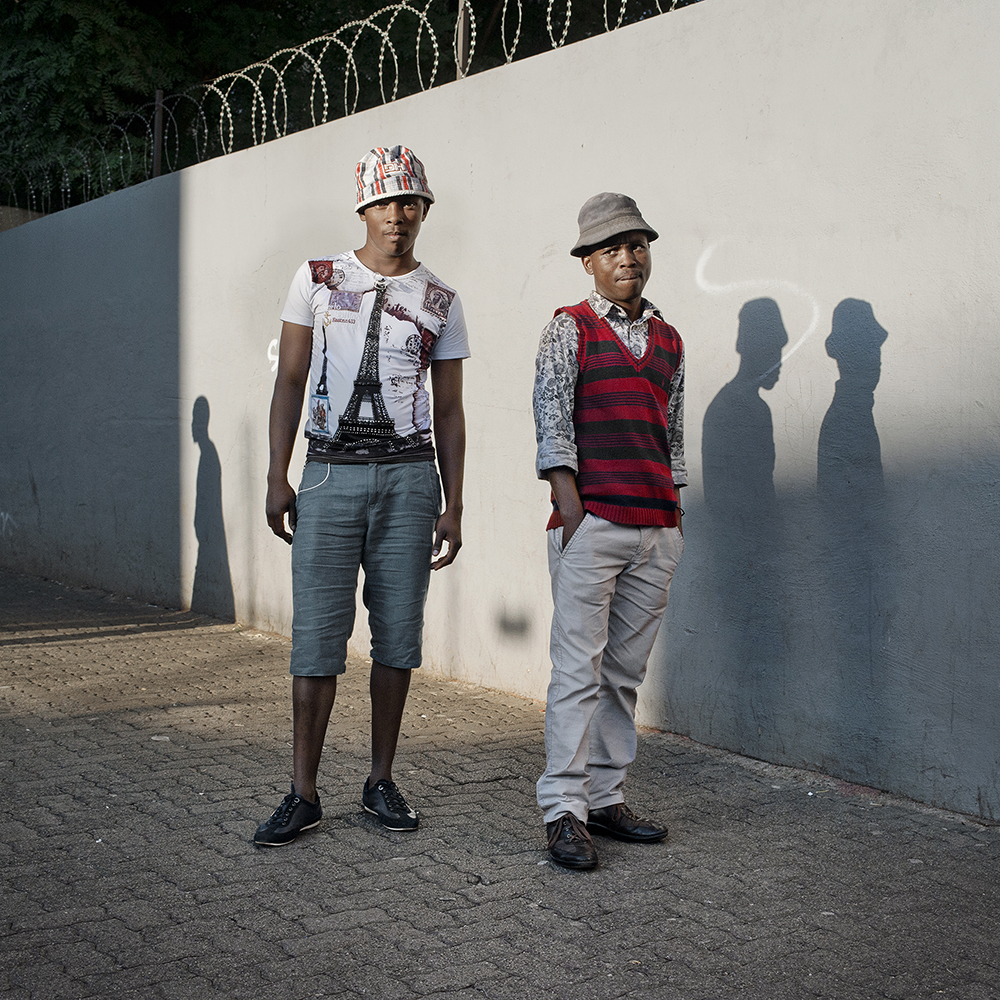
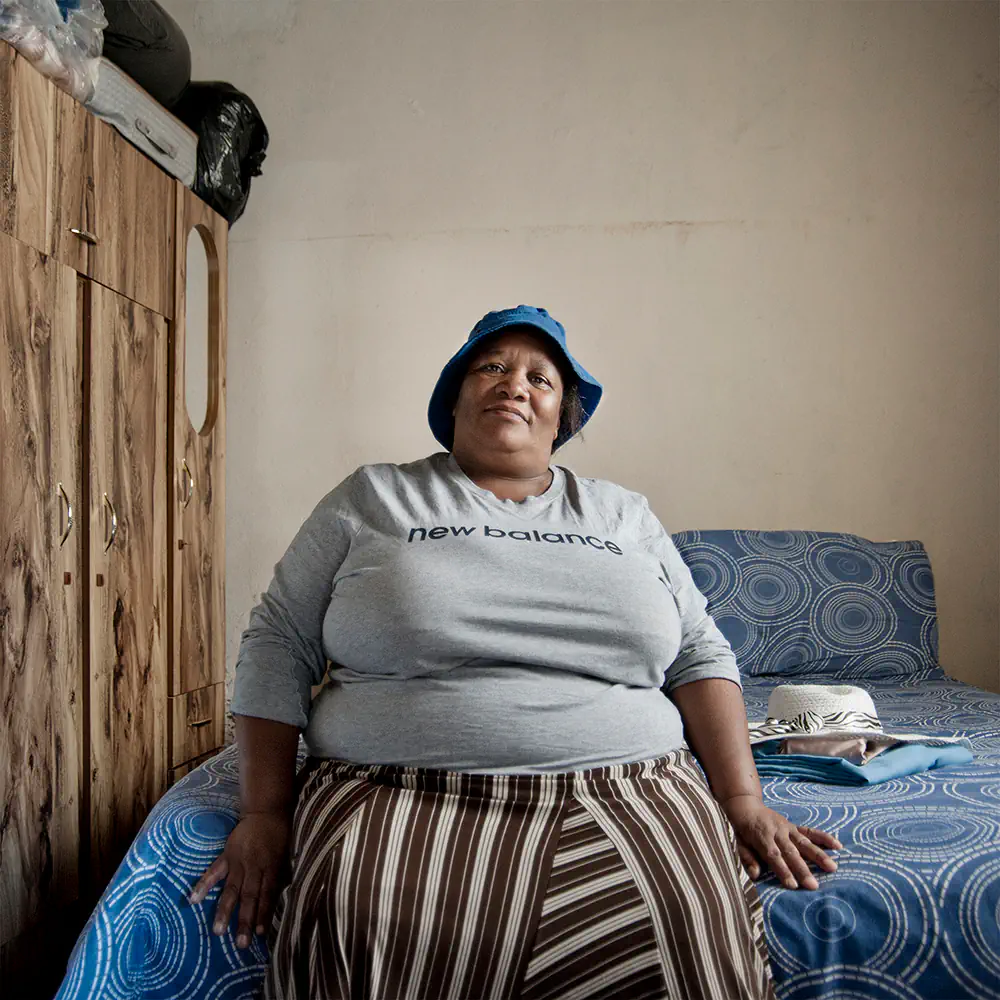
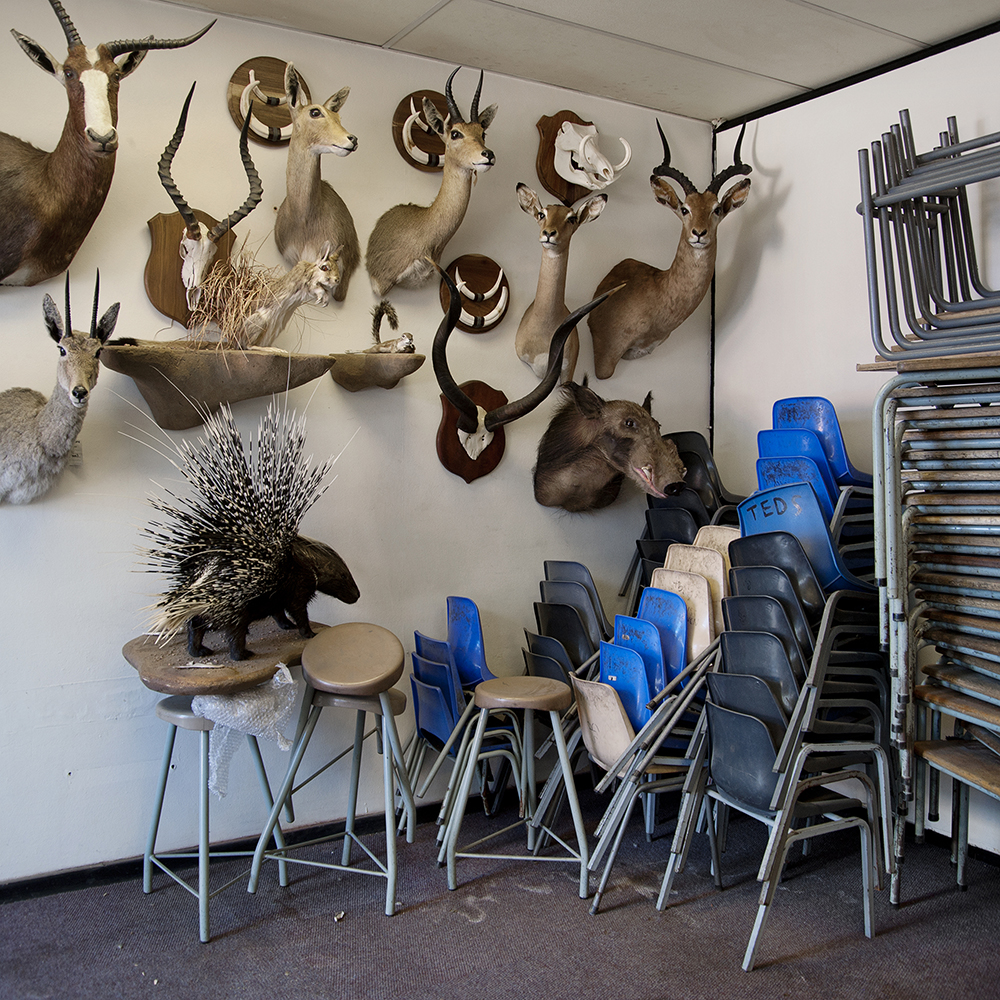
Untitled Happiness emerges from this movement. Rather than attempting to portray Johannesburg as a whole, the project explores the moments in which its divisions become visible, as well as the moments in which the boundaries between people, places, and realities begin to shift and blur.
Through photography, the project moves between different realities, revealing how a city shaped by division continues to produce different experiences of space, movement, and belonging.
Untitled Happiness is an observation of a city where different realities exist alongside one another—sometimes separated, sometimes overlapping, yet always in motion.
Realised with the support of the Rubis Mécénat Cultural Fund and Doc*werk, and with the help of the many friends who accompanied the artist along the way.
About Tjorven Bruyneel
Tjorven Bruyneel (1983) is a Belgian photographer whose work moves between curiosity and doubt, observation and intuition. She explores the stories people construct to make sense of the world, drawn to the subtle moments when reality, identity, and perception begin to shift.
Through vibrant and often quietly humorous images, she gives shape to emotions and social changes that resist easy explanation. After earning a Master’s degree in Photography from the Royal Academy of Fine Arts in Ghent in 2007, she lived and worked in Johannesburg from 2010 to 2014. There, she assisted South African photographers and worked with Of Soul & Joy, a photography initiative supporting young people in South African townships.
Today, from her home base in Ghent, she continues to observe everyday life, collecting fragments and encounters that reveal something beyond the visible. Her work has been exhibited in Belgium, France, Latvia, South Africa, and South Korea.
Since 2019, she has been a member of INLAND, a cooperative of independent photographers working on long-term documentary projects. [Official Website]