I often wonder what is contained in a label. What do the words we attach to ourselves reveal about our hopes and aspirations, our identity, community, and sense of belonging?
For a decade after leaving South Africa in 1984, I wanted nothing more than to become an “American.”
I celebrated when I became a citizen. Yet for the next two decades, whenever I described myself as American, people doubted me. I had an accent. I did not fit their idea of what it meant to be “American.” Friends would joke that I was from Brooklyn or the Bronx and had attended a fancy school where I learned to fake an accent. Strangely, this often seemed easier for people to believe than the truth: that I was a naturalized American born in Zimbabwe.
My understanding of America, however, was almost entirely shaped by a life lived in New York City. I came to identify as a New Yorker, but rarely as an American. When I graduated with my MFA and began considering the next phase of my life and work, I felt compelled to examine what the label “America” actually meant. I wanted to look beyond the veil of equality and opportunity, comfort and confidence—beyond “the land of the free and the home of the brave.”
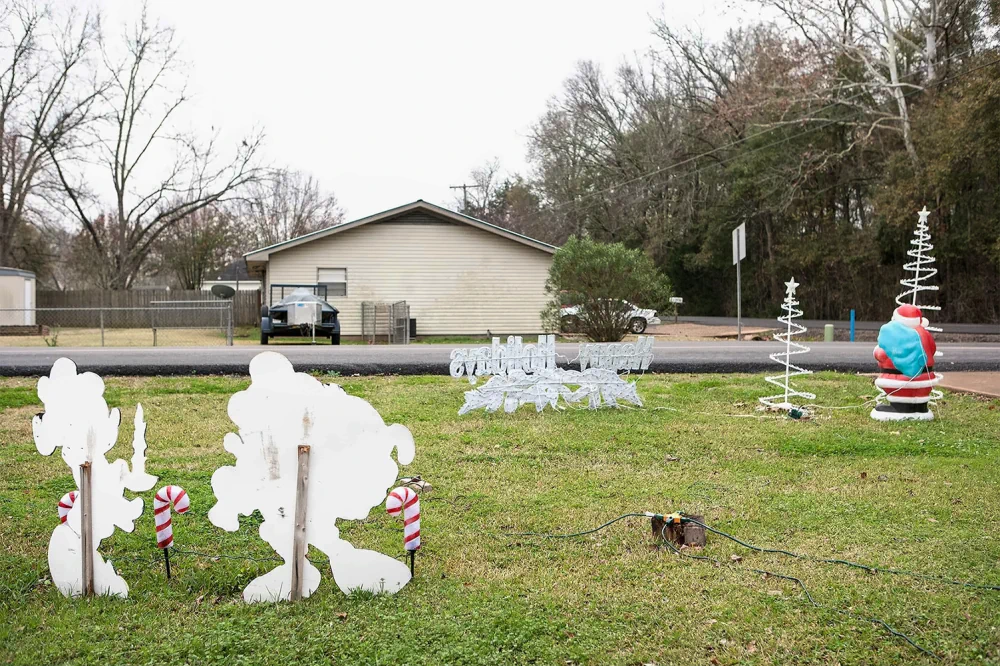
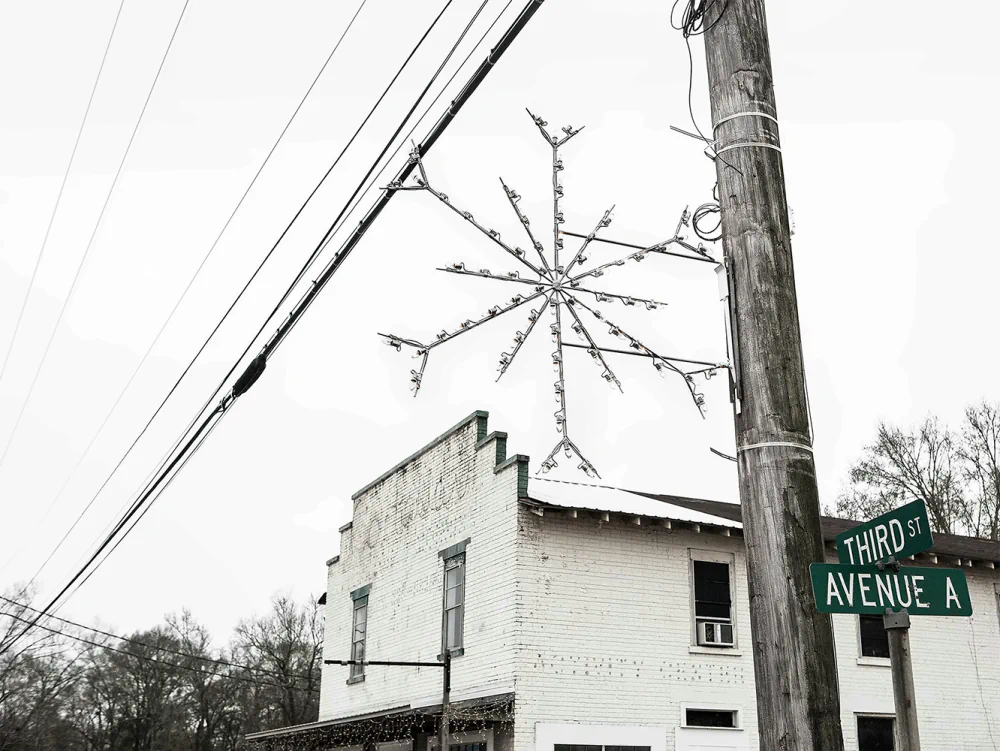
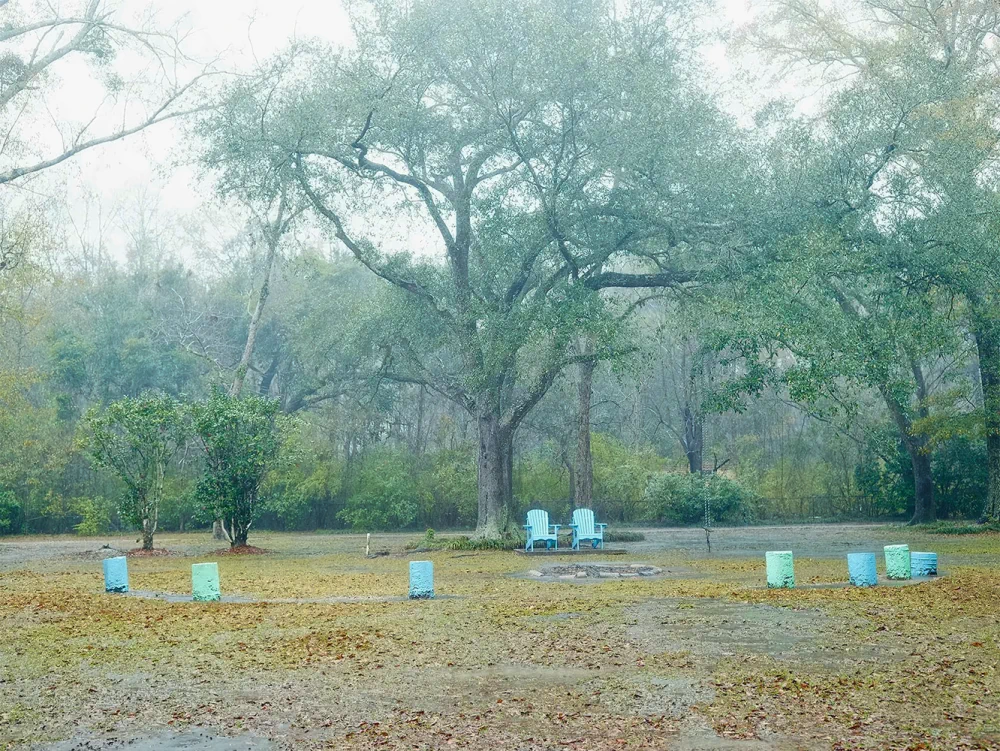
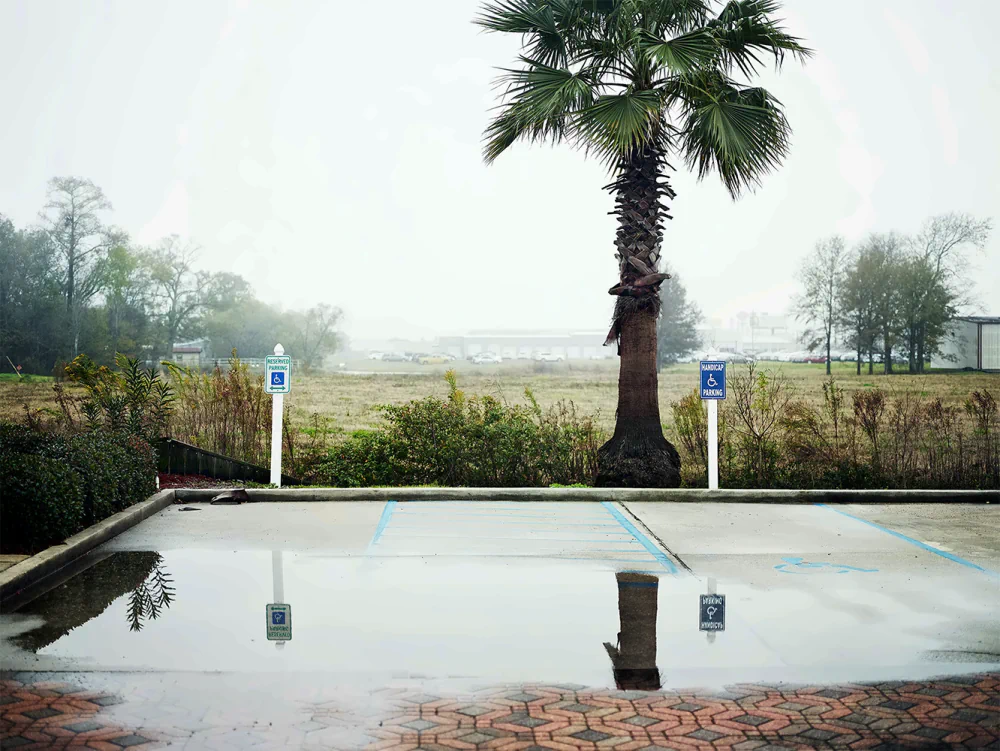
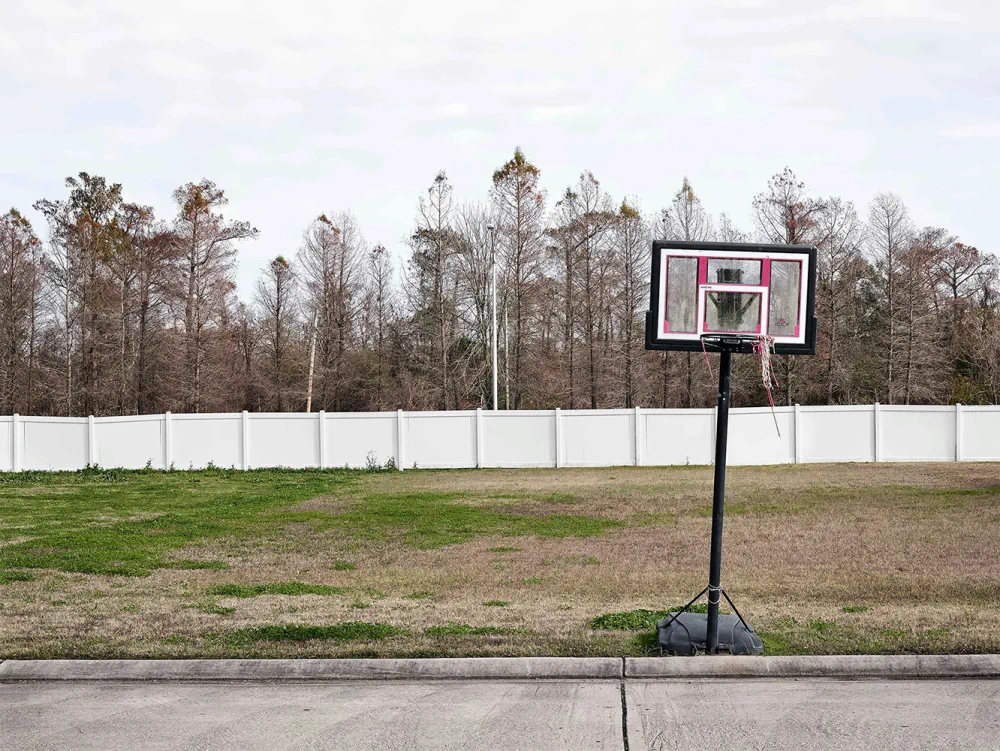
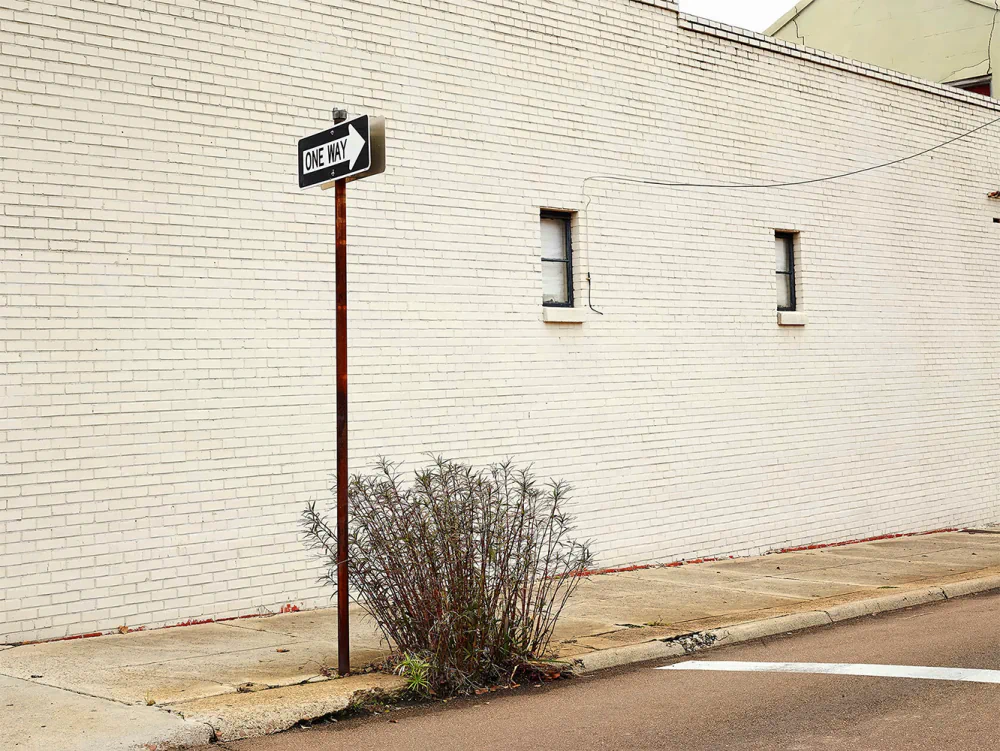
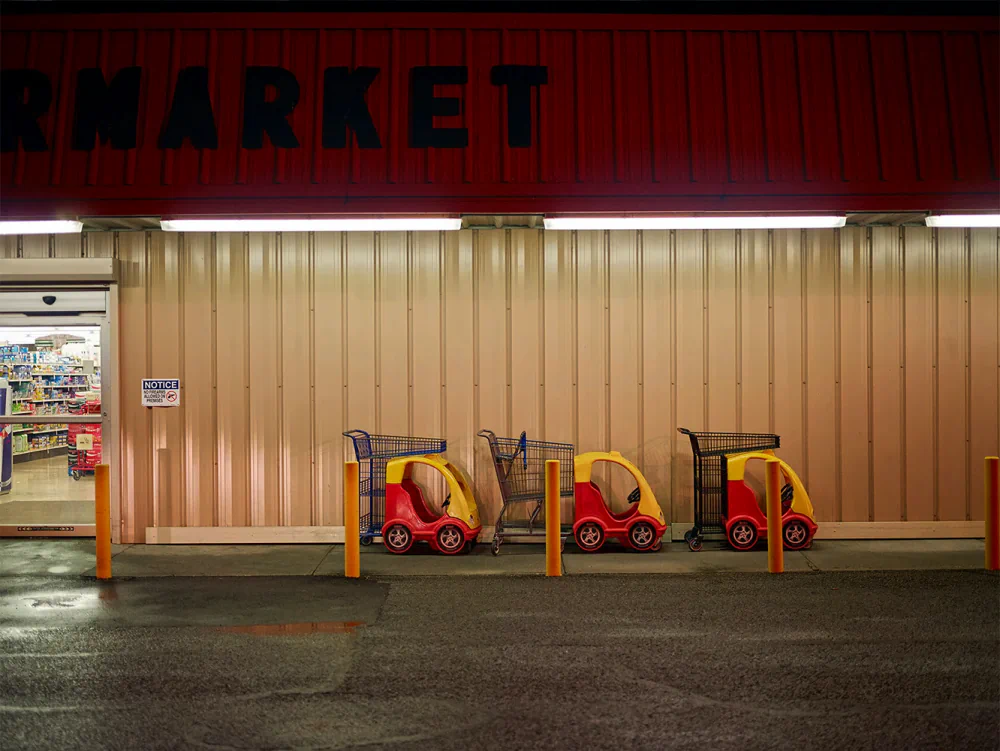
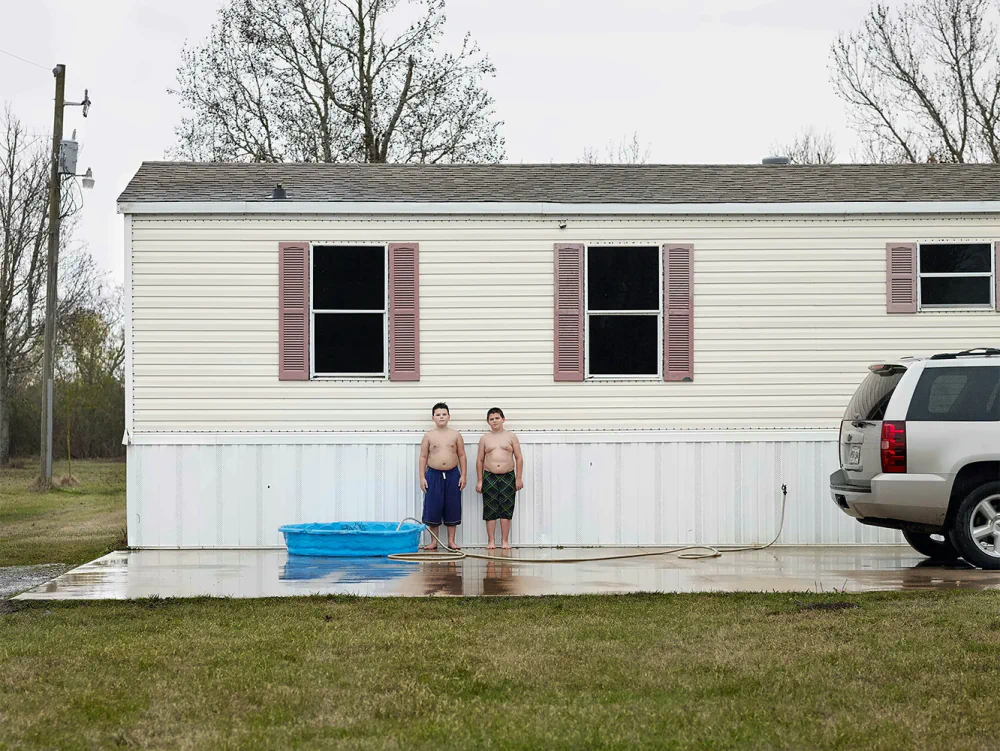
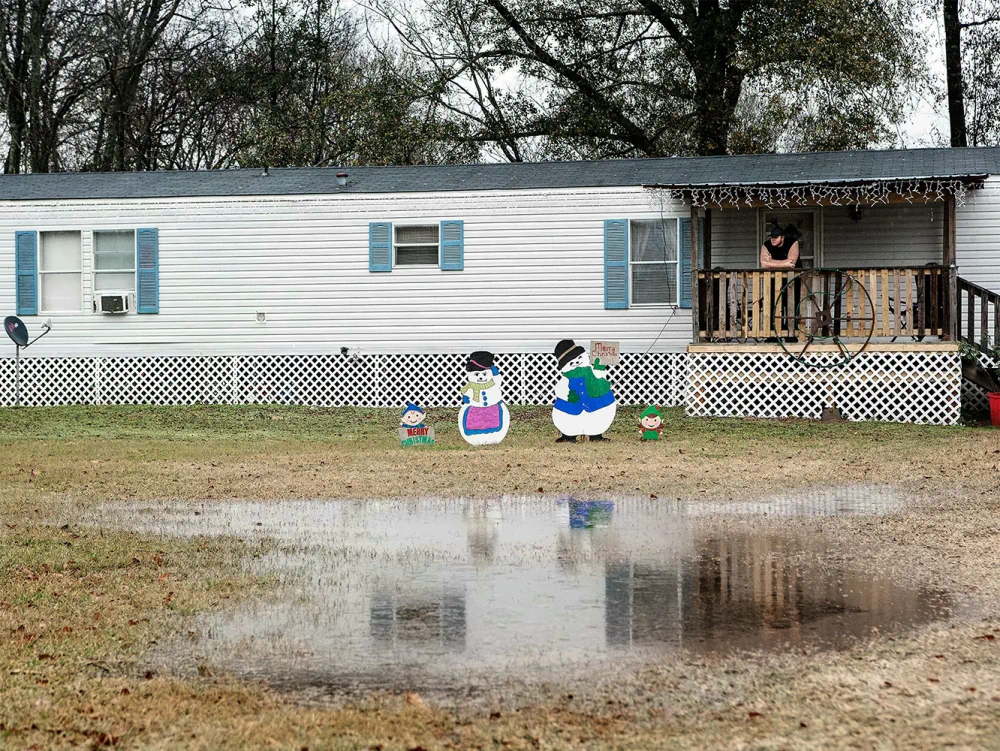
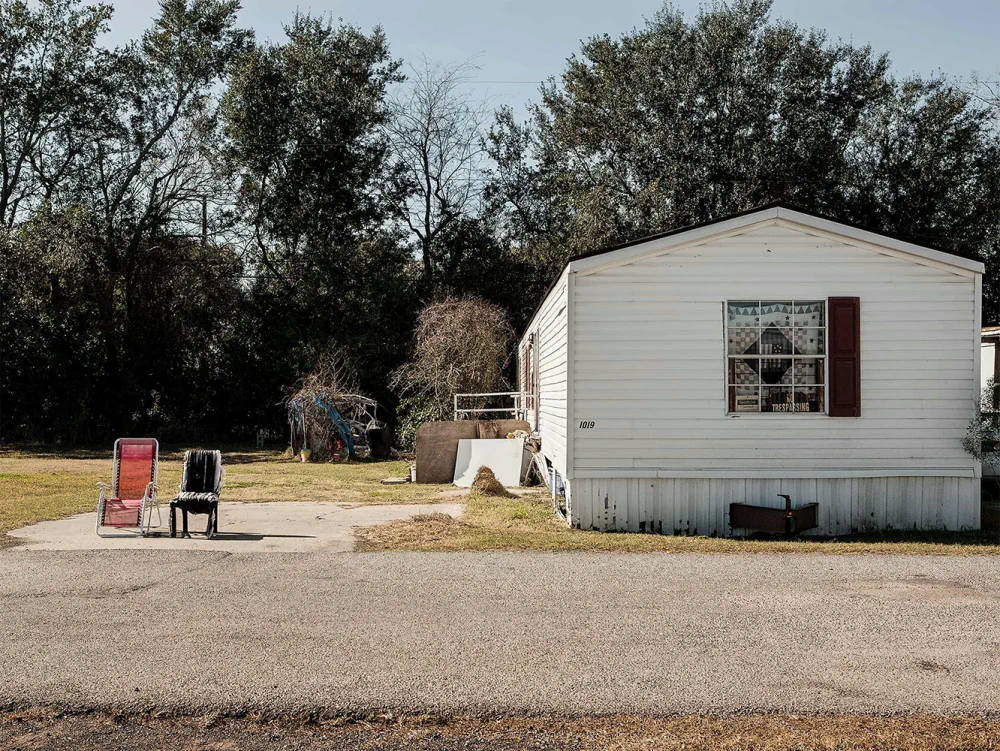
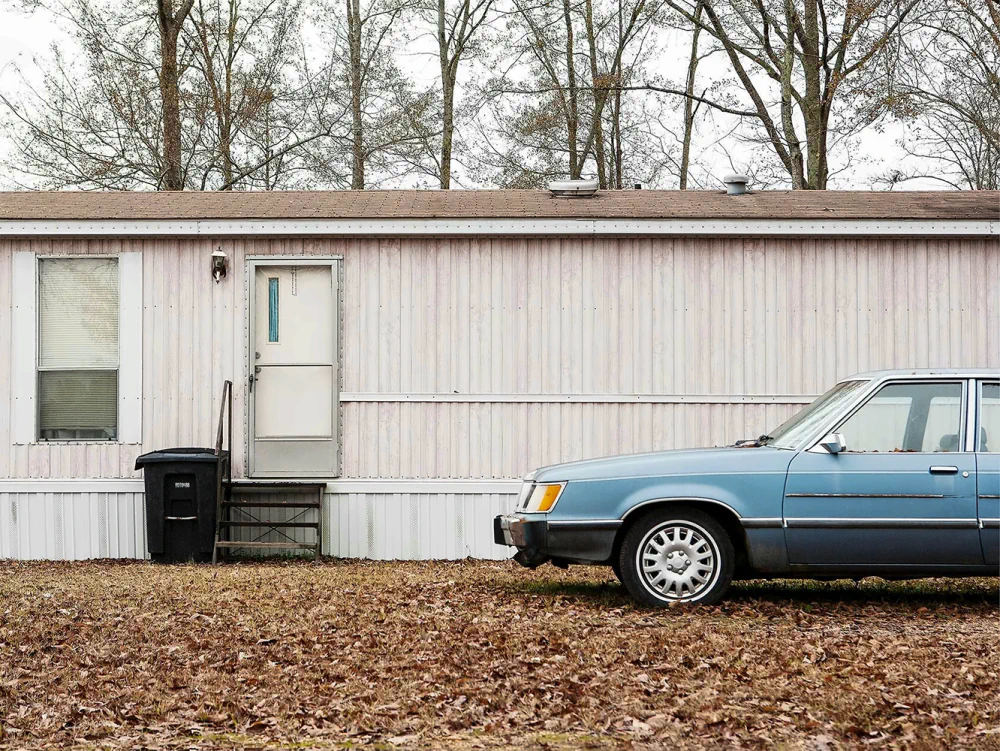
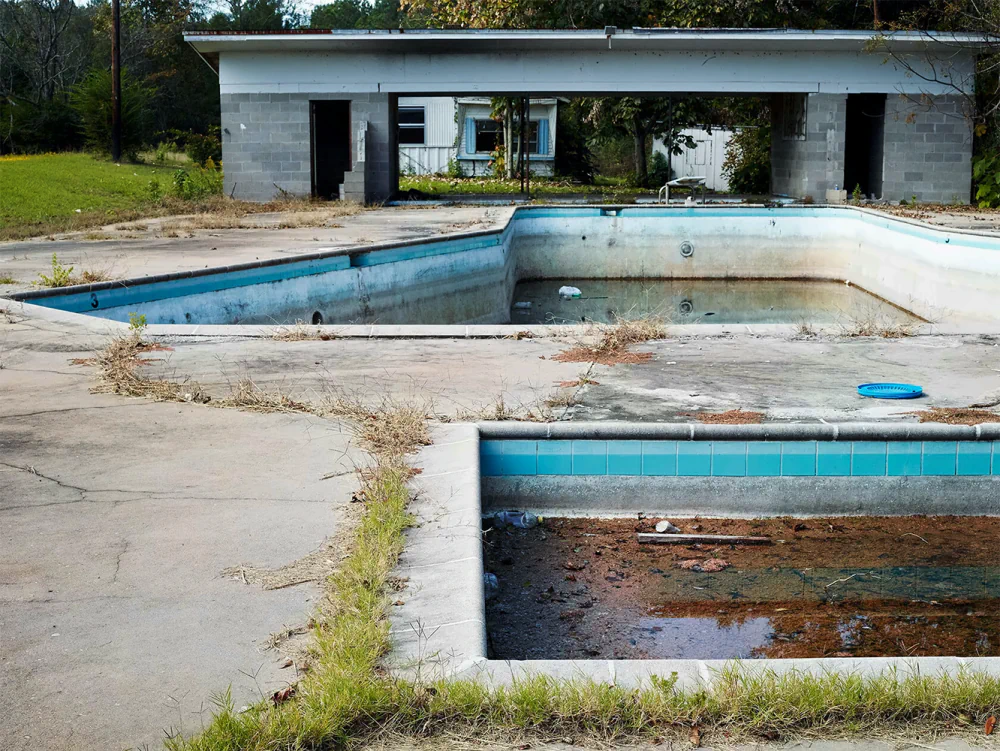
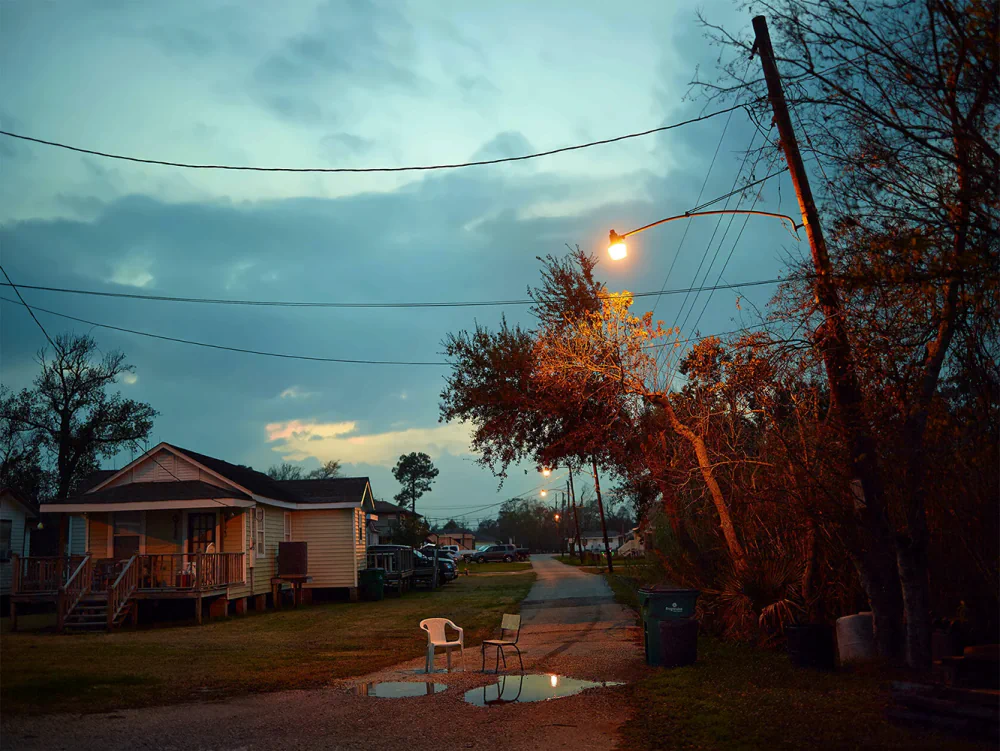
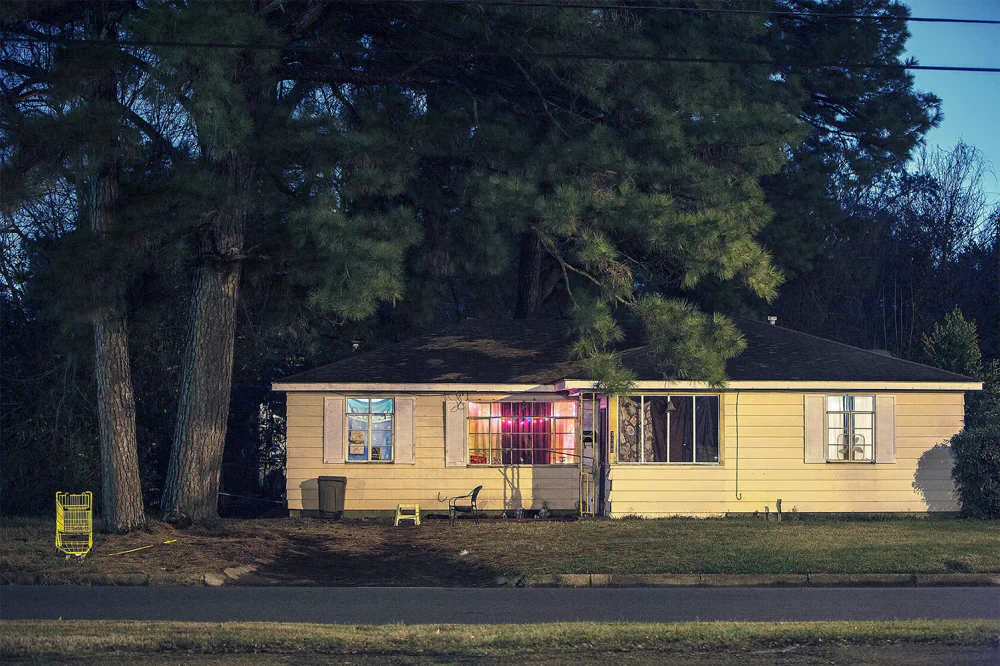
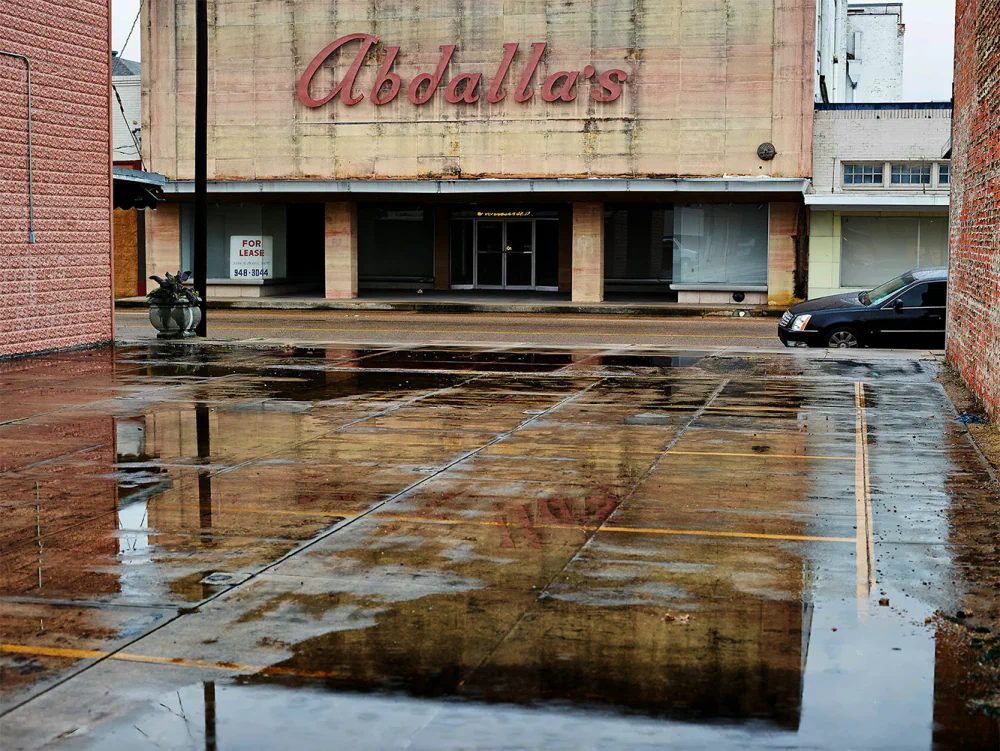
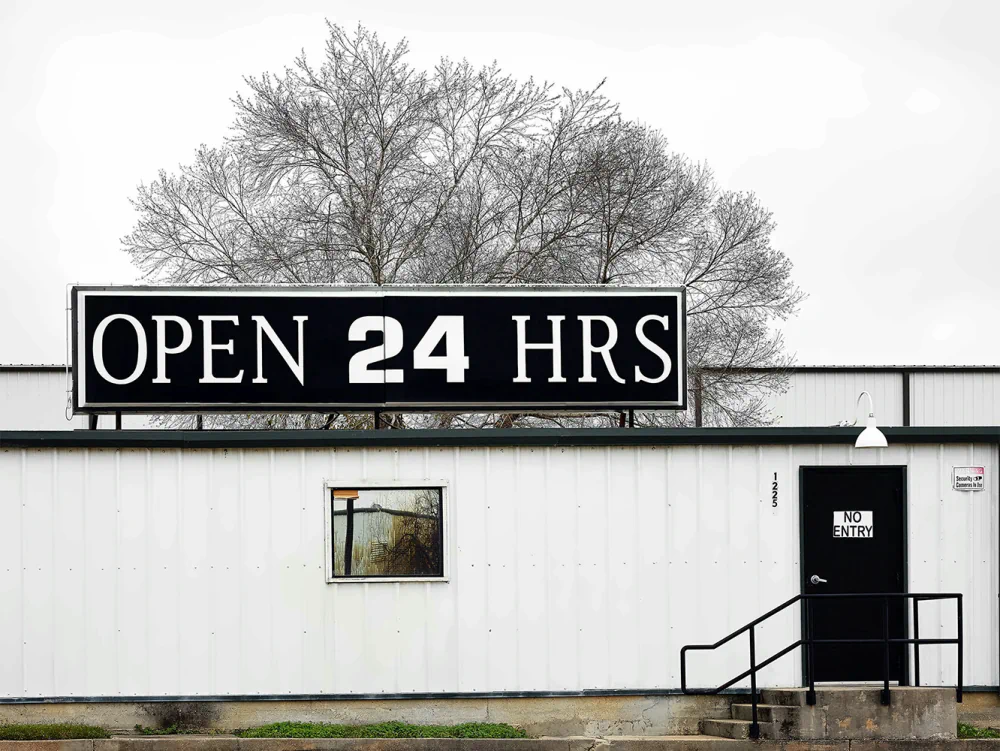
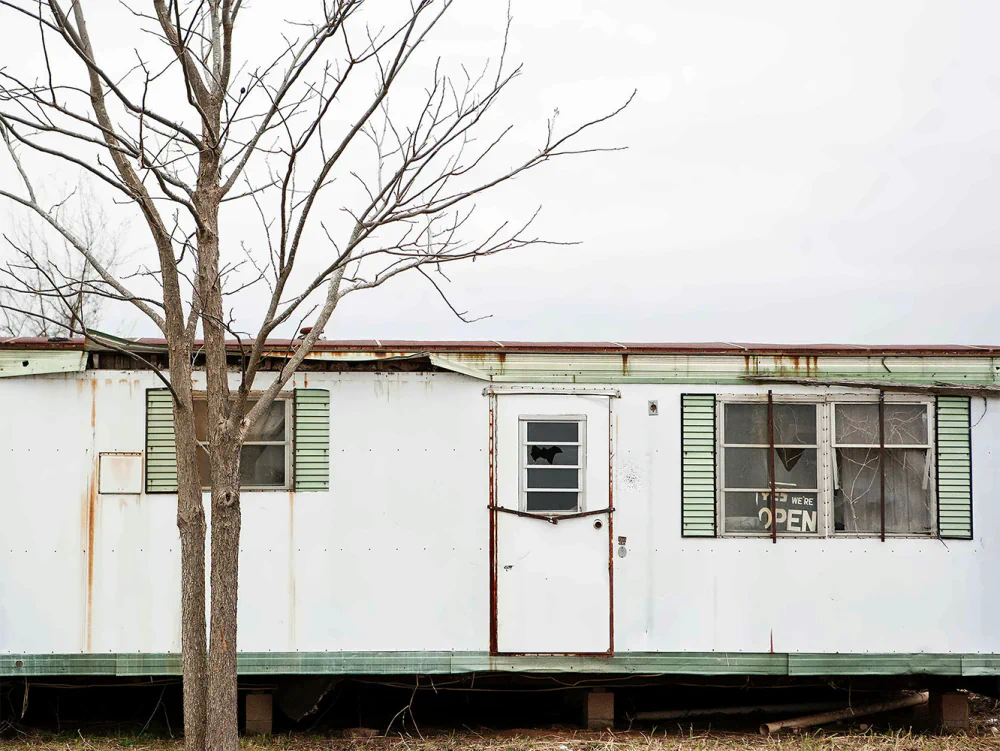
Leading into the holiday season in 2014, starting around the time of the American midterm elections, a precursor to the divisive 2016 presidential election, I took a road trip across the Southern United States to explore the notion of being “American.” The resulting body of work, The Other Side of Christmas, draws on the longstanding tradition of the photographic road trip and the open road as a means of observing and understanding the United States.
Robert Frank’s The Americans, made in the mid-1950s, was an important reference, particularly since he too was a naturalized American. Frank described his intention as an “observation and record of what one naturalized American finds to see in the United States.” His words were as applicable to my journey 60 years later as they were to his.
Questions of immigration, belonging, and exclusion were central to American public discourse in Frank’s time, and they remain so today. The idealized promise of the American Dream continues to exert enormous power, particularly for those who seek to become American. Yet as I traveled across the country, the distance between that promise and the realities of many American lives became increasingly apparent.
That dissonance felt especially acute during the holiday season, a period saturated with images of prosperity, family, abundance, and belonging. The Other Side of Christmas considers the distance between the promise of those ideals and the lived reality for so many.
NOTE
Twelve years have passed since I made The Other Side of Christmas, and the issues I confronted then have not simply endured—they have intensified dramatically. The political and social climate in the United States is now far more fractured and volatile than it was in 2014. As the country moves toward another midterm election season, questions of immigration, belonging, and exclusion have become increasingly central to an already polarized national discourse.
It is in response to this heightened political moment that I have decided to return to the American South in October 2026 to begin a new body of work.
About Barry Salzman
Barry Salzman is an award-winning contemporary artist working in photography, video, and mixed media. His work has been exhibited internationally, widely published, and included in prominent private collections.
Born in Zimbabwe and educated in South Africa, Salzman emigrated to the United States at the age of 21. His engagement with photography began as a teenager, when he photographed racially segregated areas under apartheid in an attempt to understand the inequality that surrounded him. After an initial career in business, he returned to photography as a full-time artist.
Since 2014, Salzman’s practice has focused on memory, trauma, public witness, and the recurrence of political violence. Over the past decade, he has photographed landscapes at sites connected to genocide and mass atrocity in Namibia, Poland, Ukraine, Rwanda, and Bosnia and Herzegovina. Rooted in specific histories and precise locations, these works employ abstraction, metaphor, and visual disruption to consider how places marked by violence are perceived, and how readily “that place” can become “any place.”
His broader practice examines national identity, belonging, and the distance between official narratives and lived experience. Central to his work is an ongoing concern with the role of the viewer as a public witness—with what is seen, what remains unseen, and what it means to look.
Salzman holds an MFA from the School of Visual Arts in New York, an MBA from Harvard Business School, and a Bachelor of Business Science from the University of Cape Town. He divides his time between Cape Town and Barcelona. [Official Website]