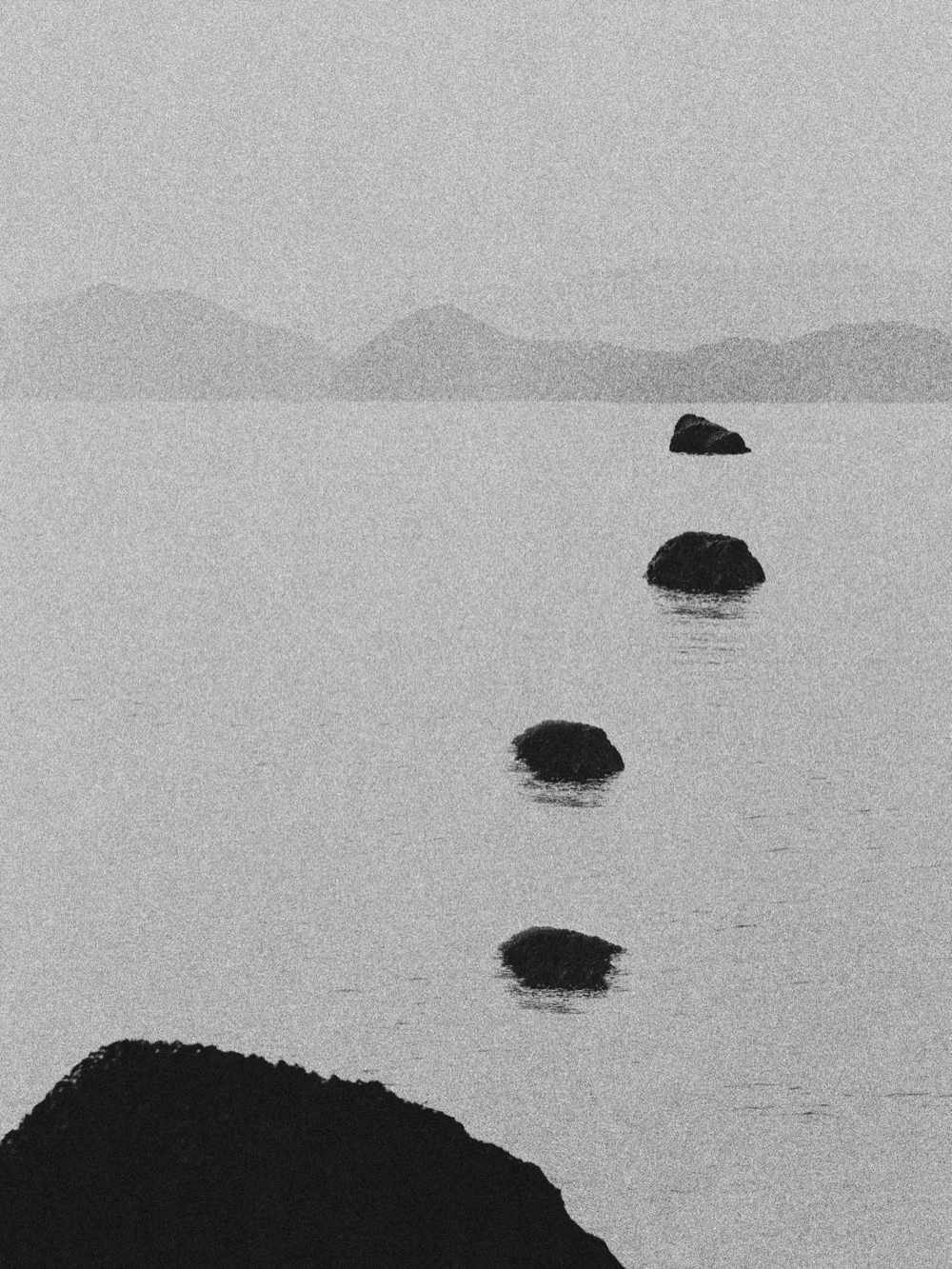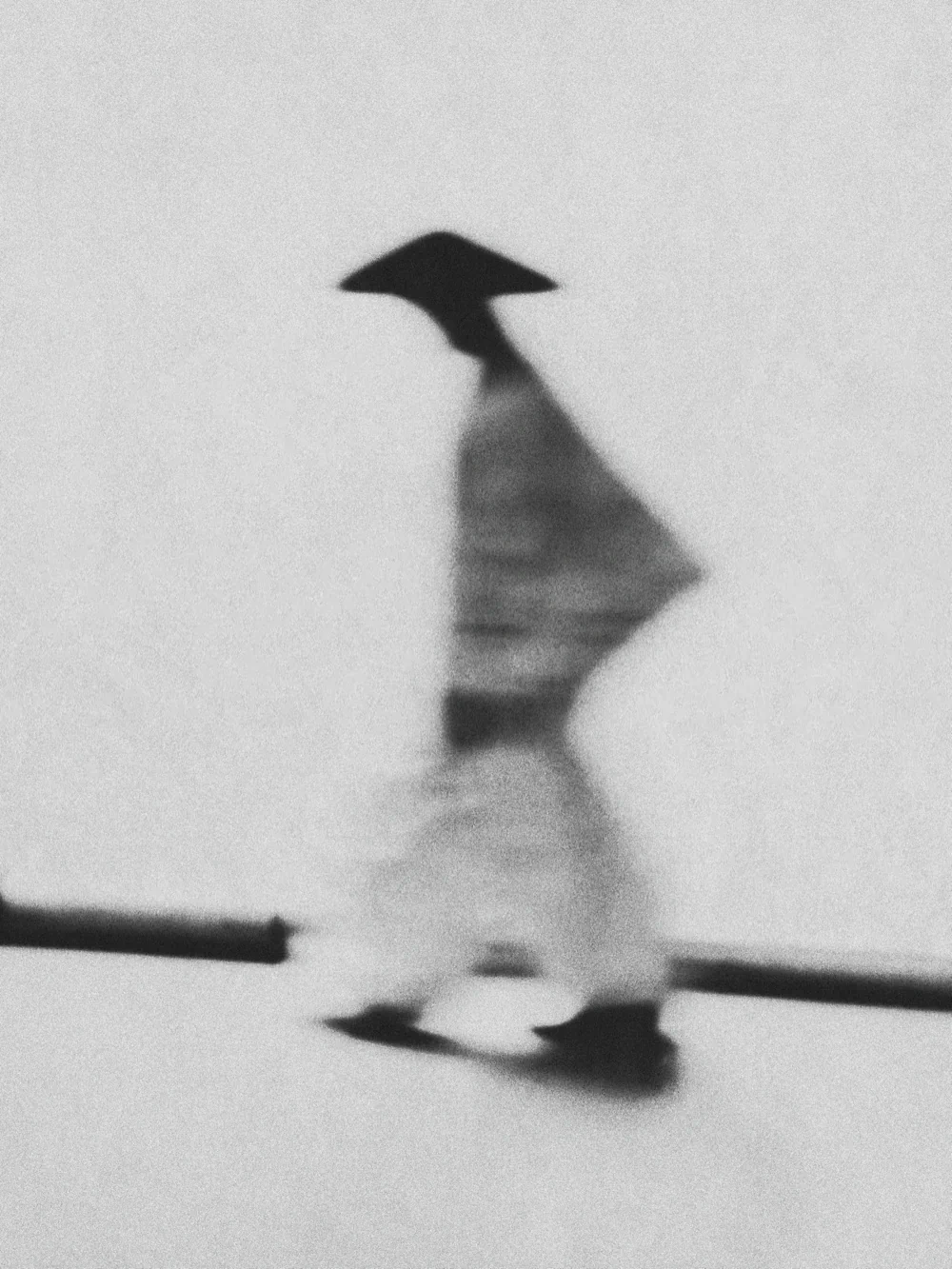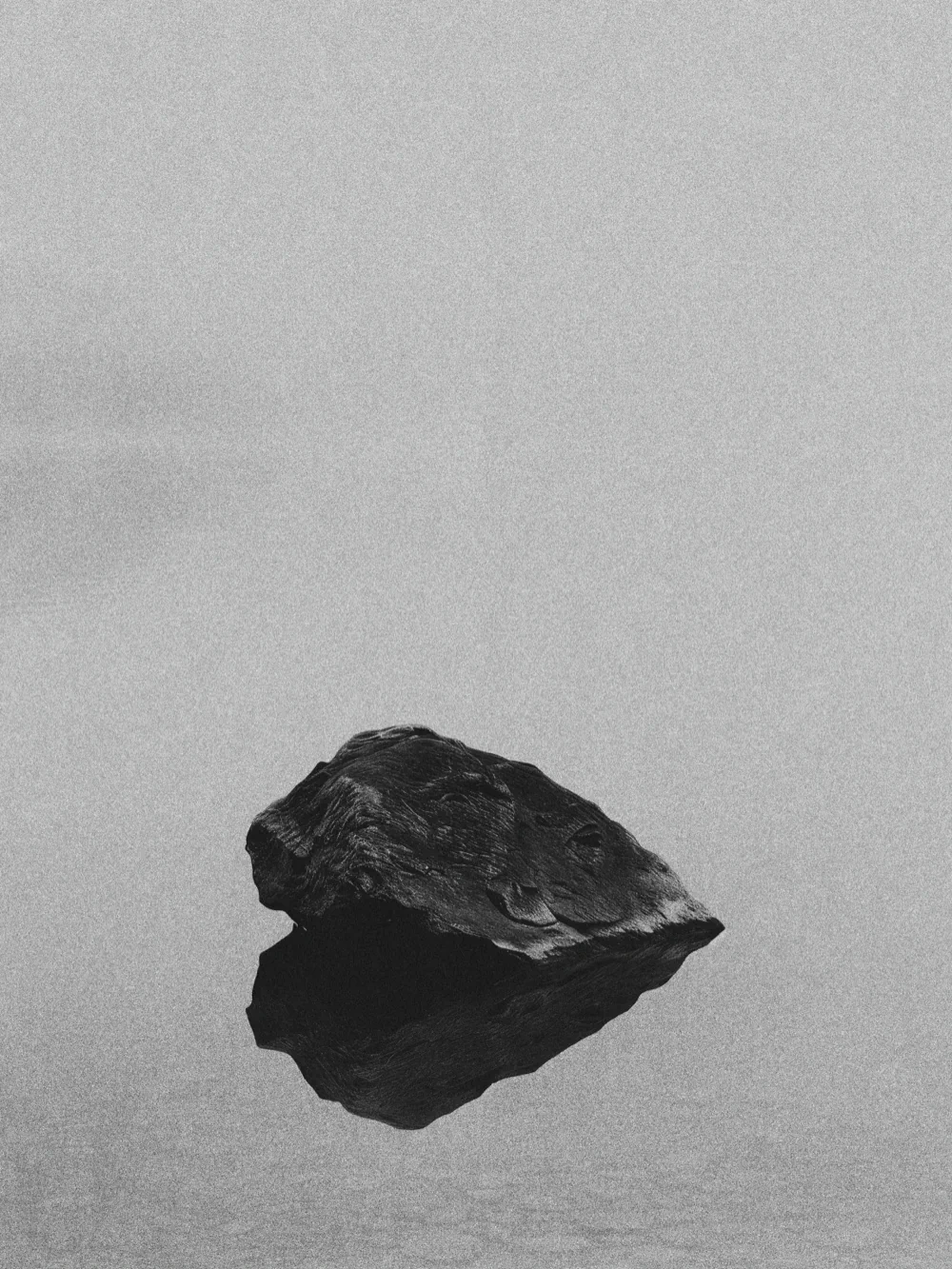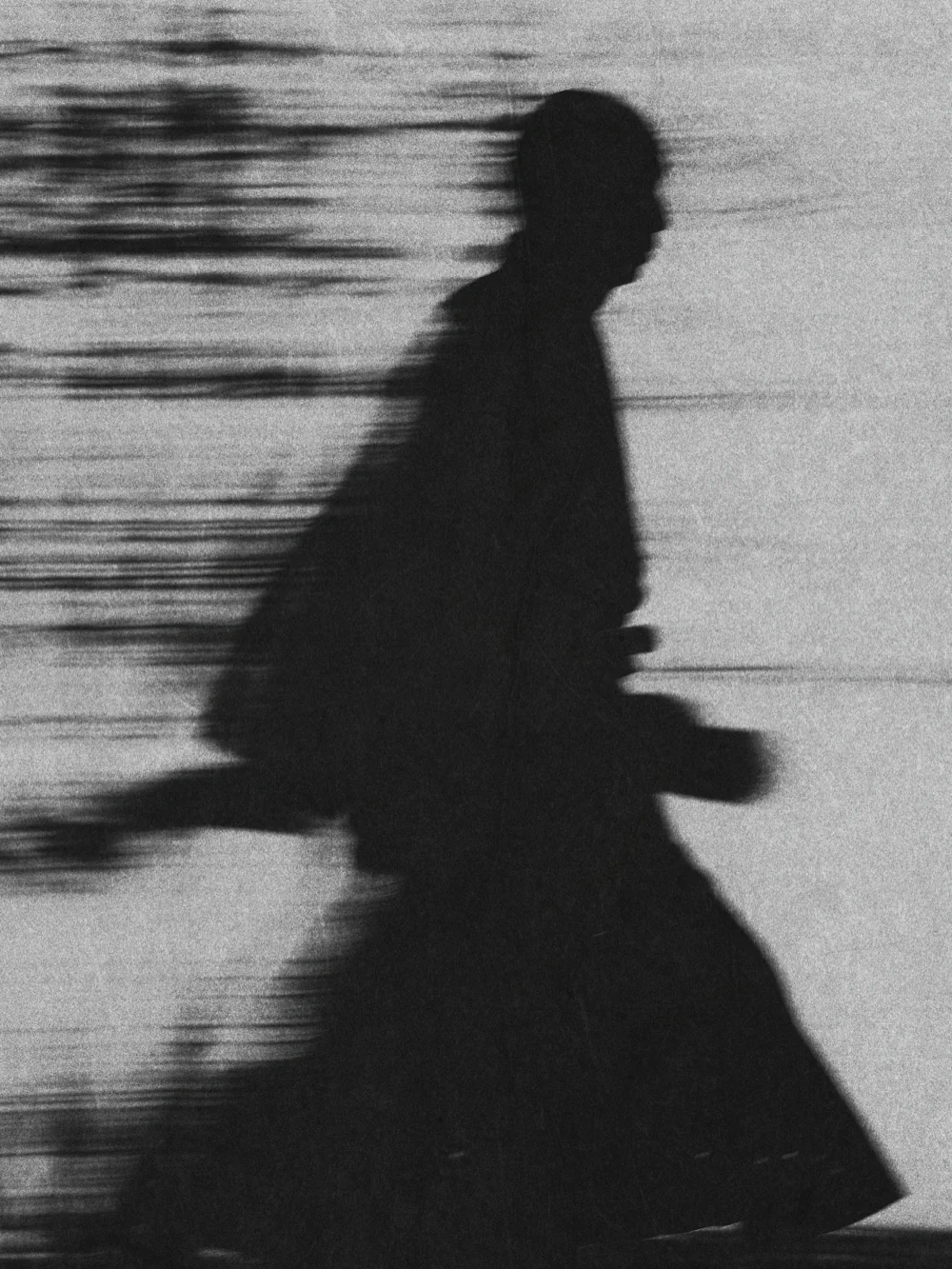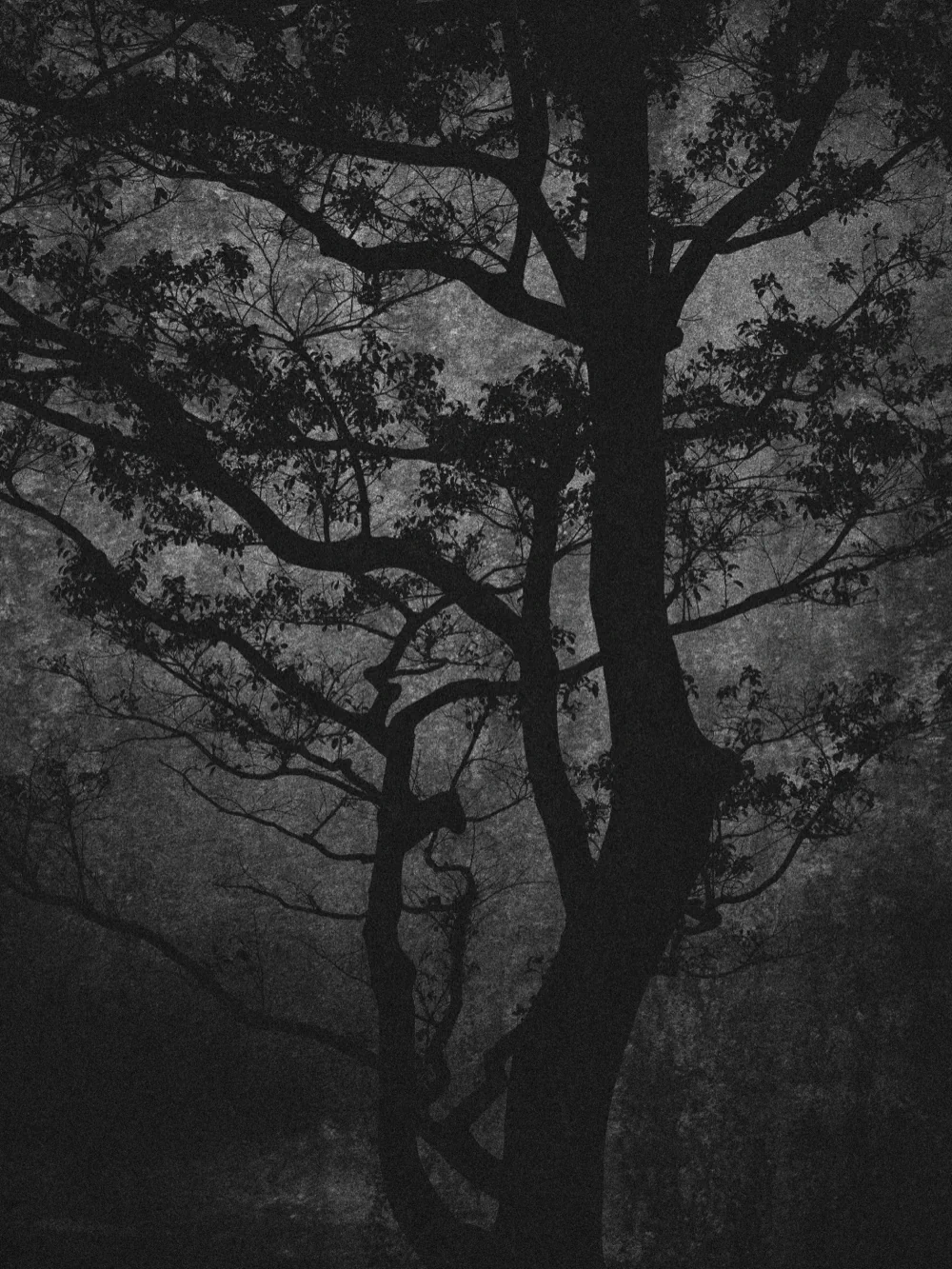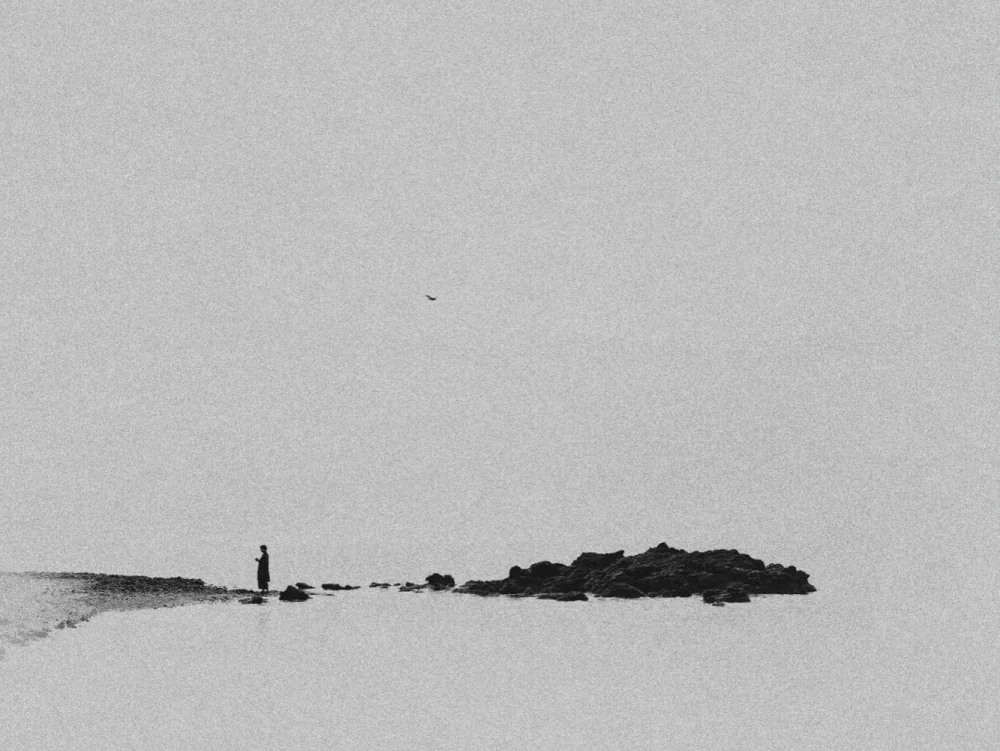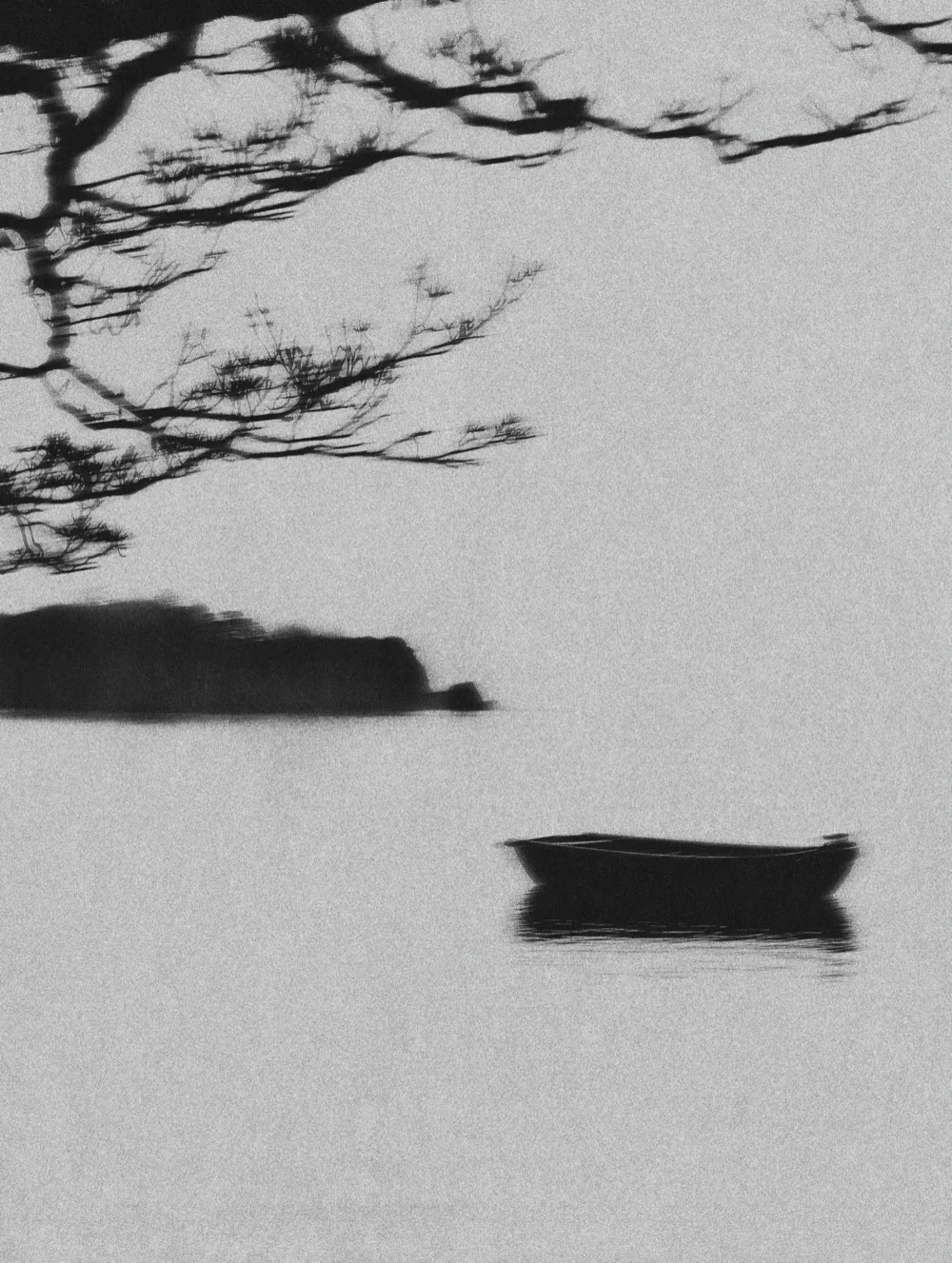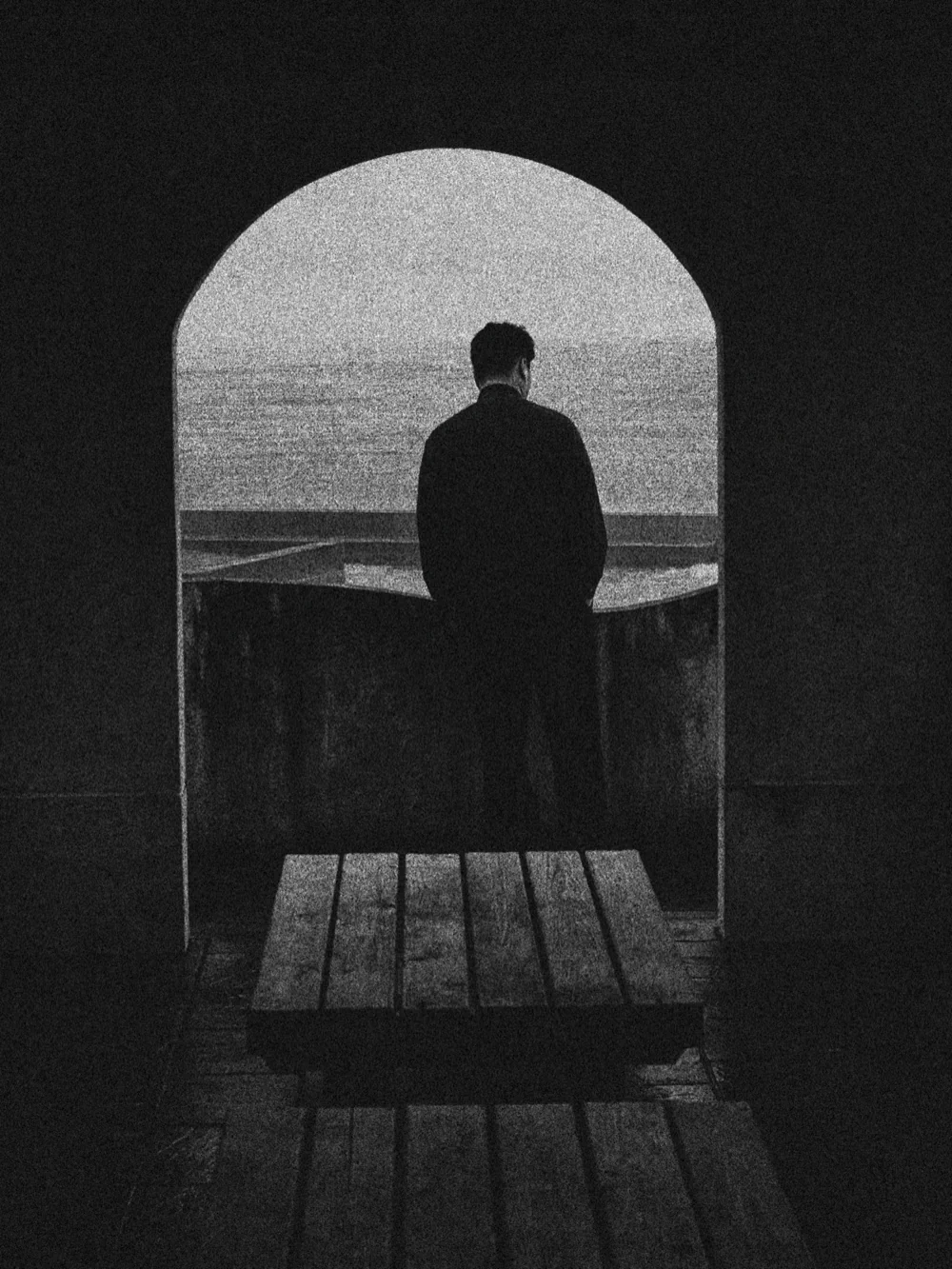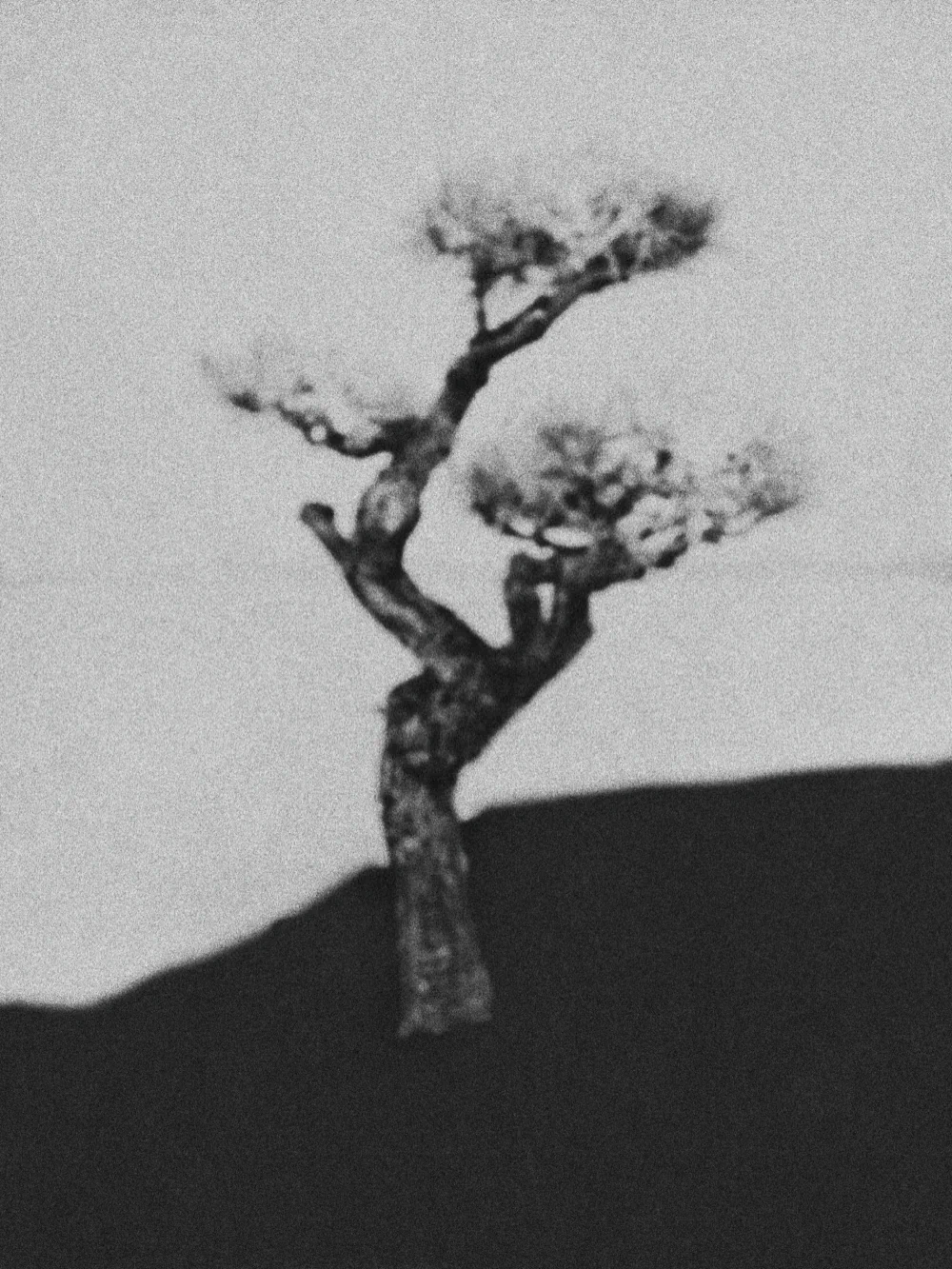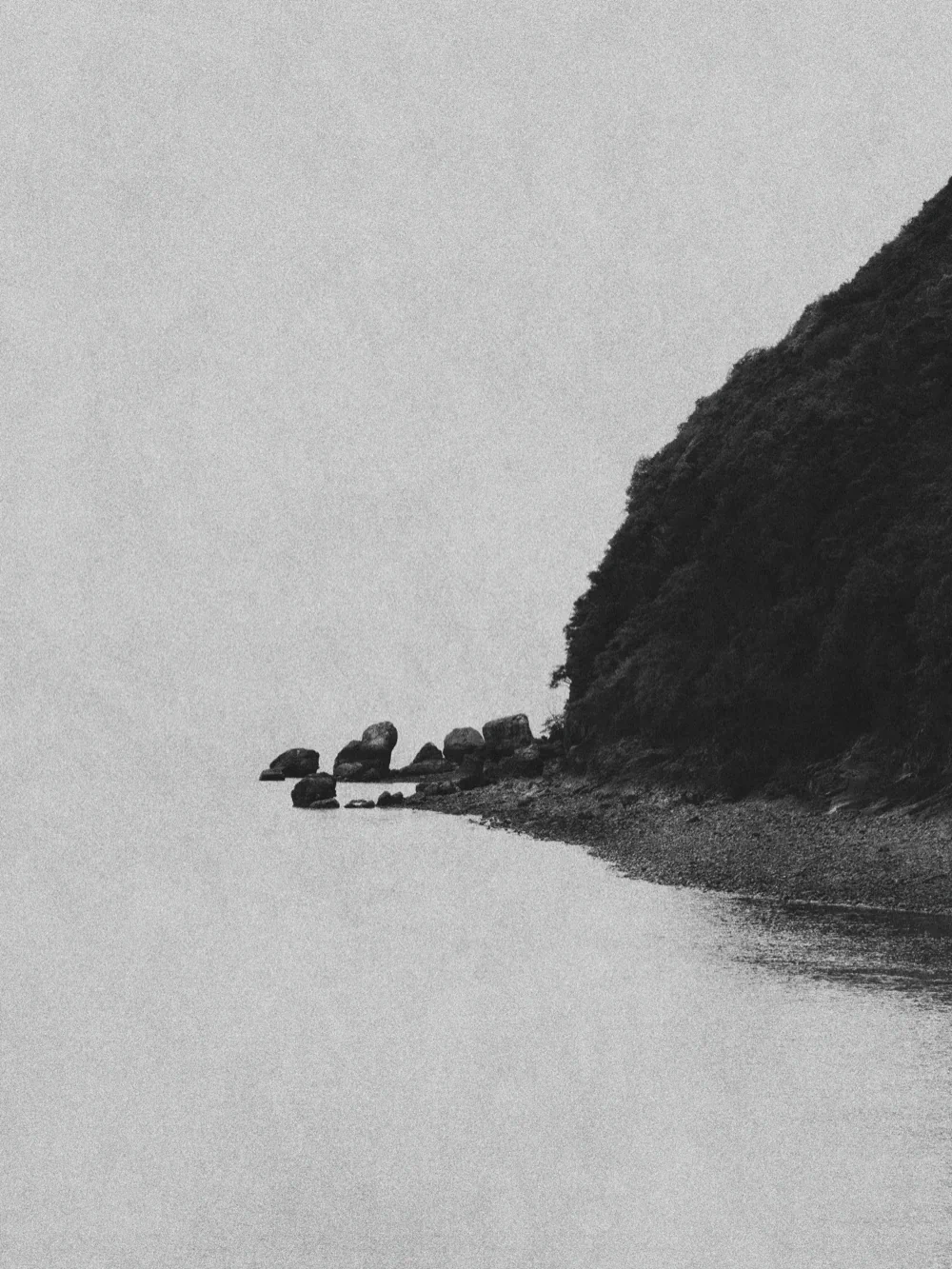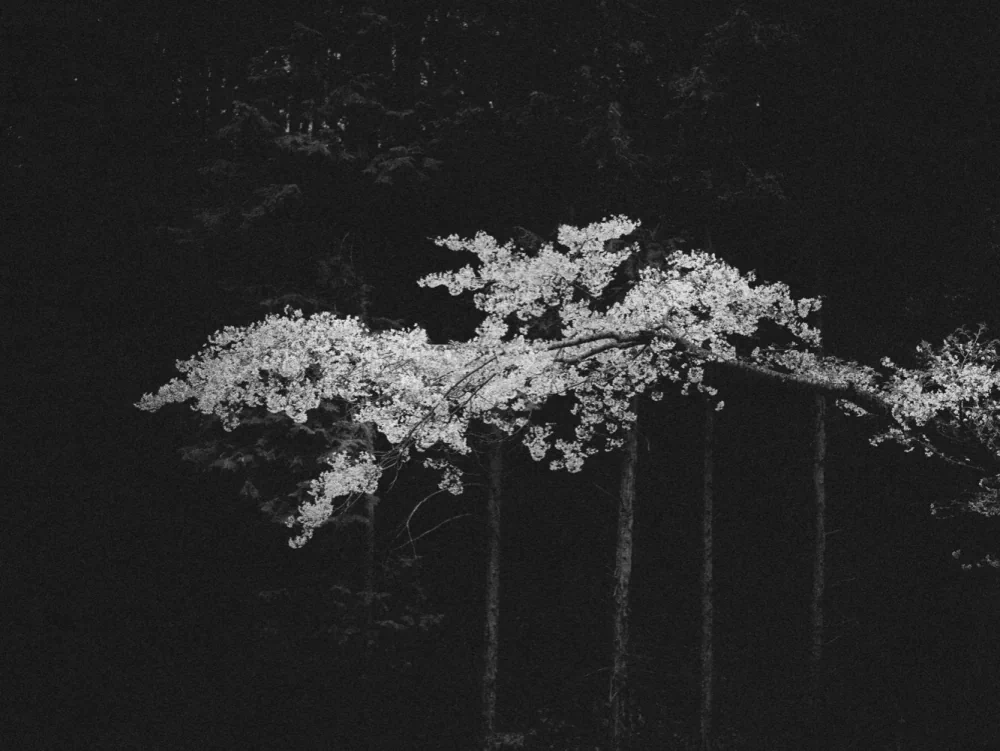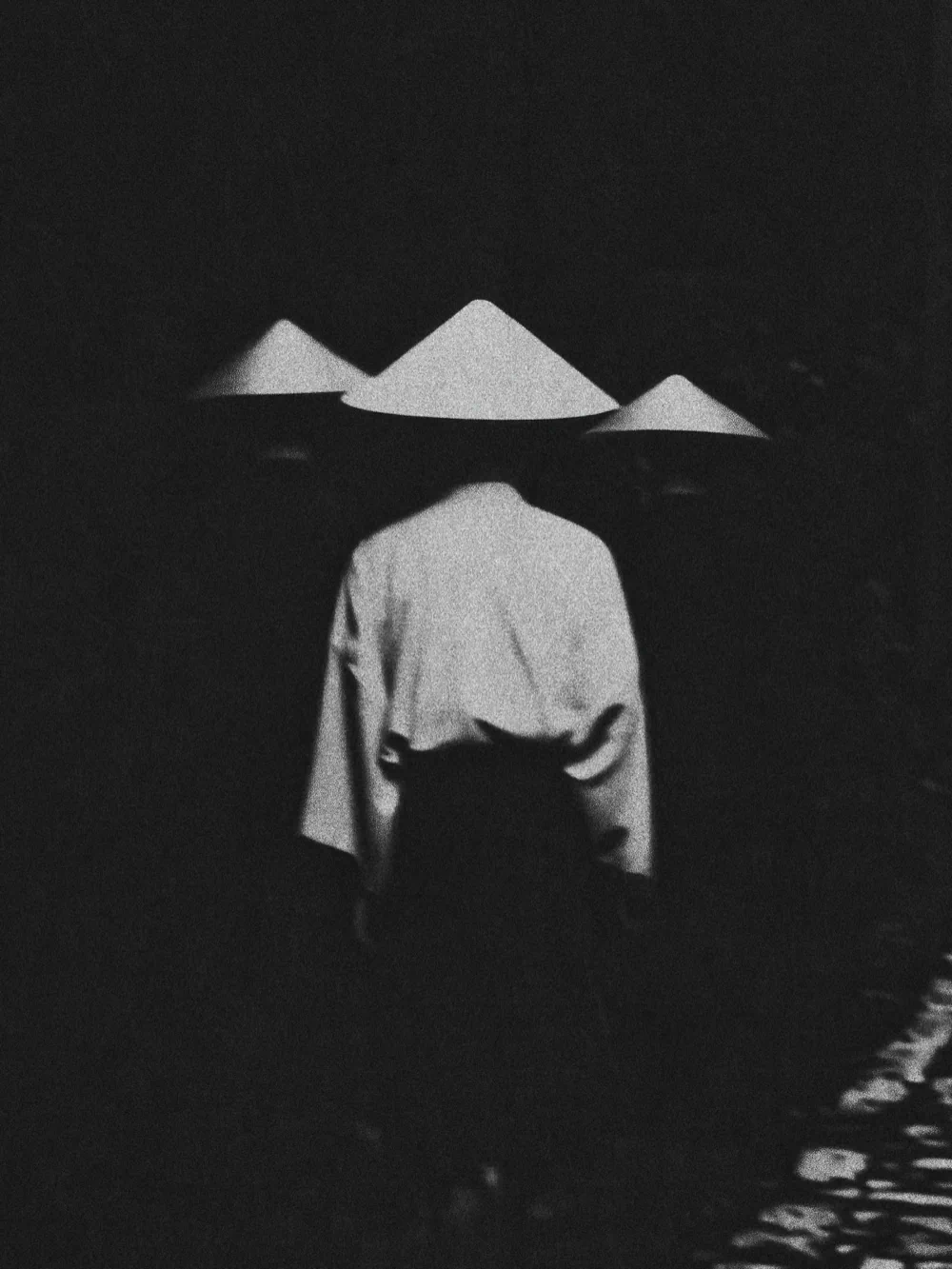


In March 2024, my brother Martijn and I travelled to Shikoku, an island in southern Japan.
We had our bicycles with us, our cameras, and not much else. No plan. No shot list. No idea what we would find.
Shikoku is home to one of the oldest pilgrimage routes in the world. The Henro connects 88 Buddhist temples across more than 1,200 kilometres of mountains, forests, and coastal roads. The Buddhist priest Kūkai first walked it in 815, and people have been returning to it ever since, most of them searching for something they cannot name beforehand.
The island is divided into four regions, and each region represents a stage of that search. Tokushima is awakening. Kochi is ascetic training. Ehime is enlightenment. Kagawa is nirvana.
We did not walk it. We rode. And we did not arrive as pilgrims. We arrived as makers, with cameras, habits, and an eye that is always looking for something. The route takes no notice of any of that.
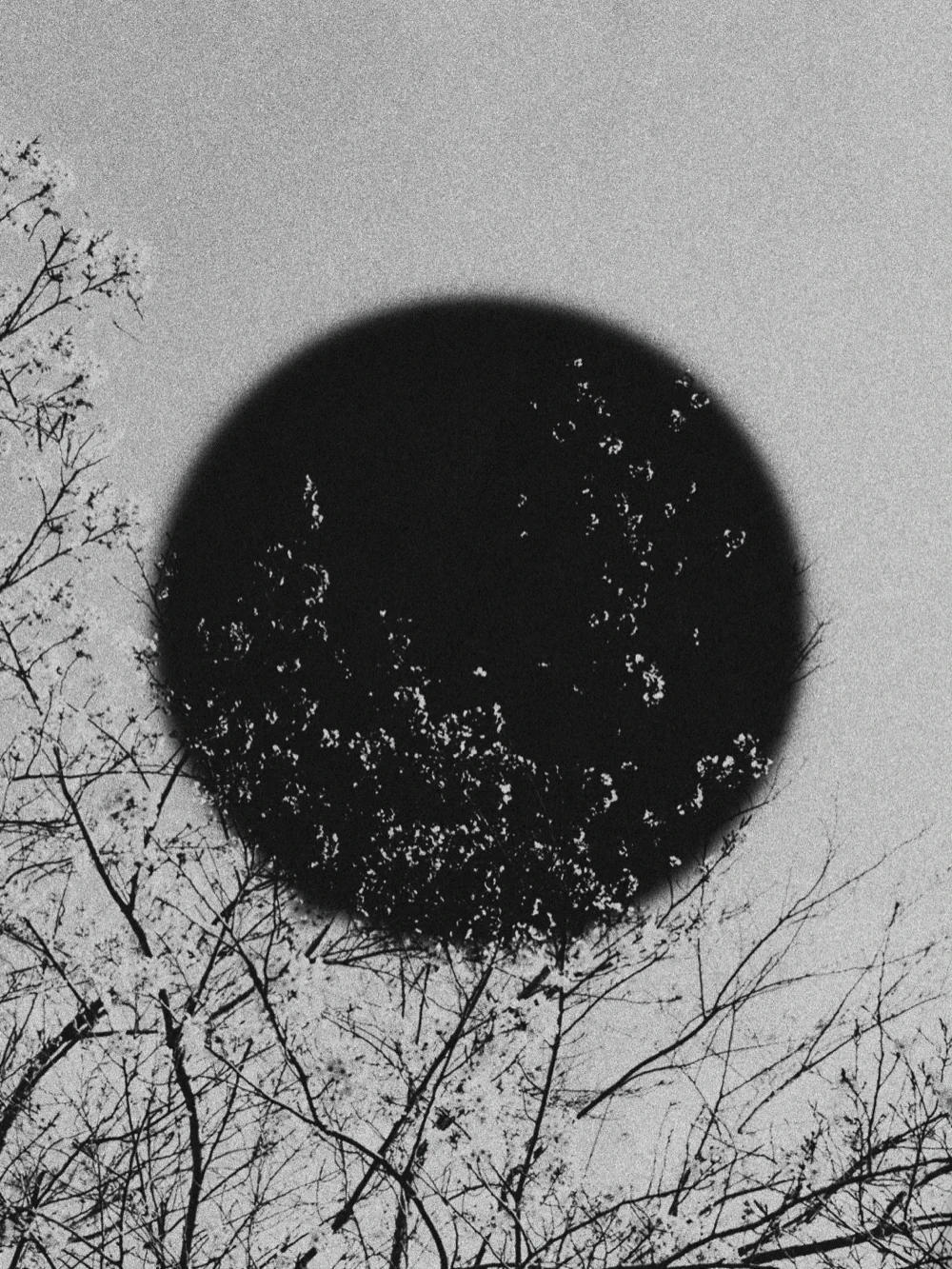
The days began to resemble one another. Get up, pack, ride, arrive, sleep, begin again. The same few actions repeated until they stopped being actions and became a rhythm, like breathing, like the turning of the pedals. There was silence—a great deal of it.
I photograph people. On a project like this, I would normally have a place to make portraits and someone alongside me who could help: an interpreter, a local who knows how to open a door. On Shikoku, I had none of that.
I carried a note with me, translated into Japanese, explaining who I was and that the work was intended as an homage to the pilgrimage. I showed it often. Almost nobody wanted to be photographed.
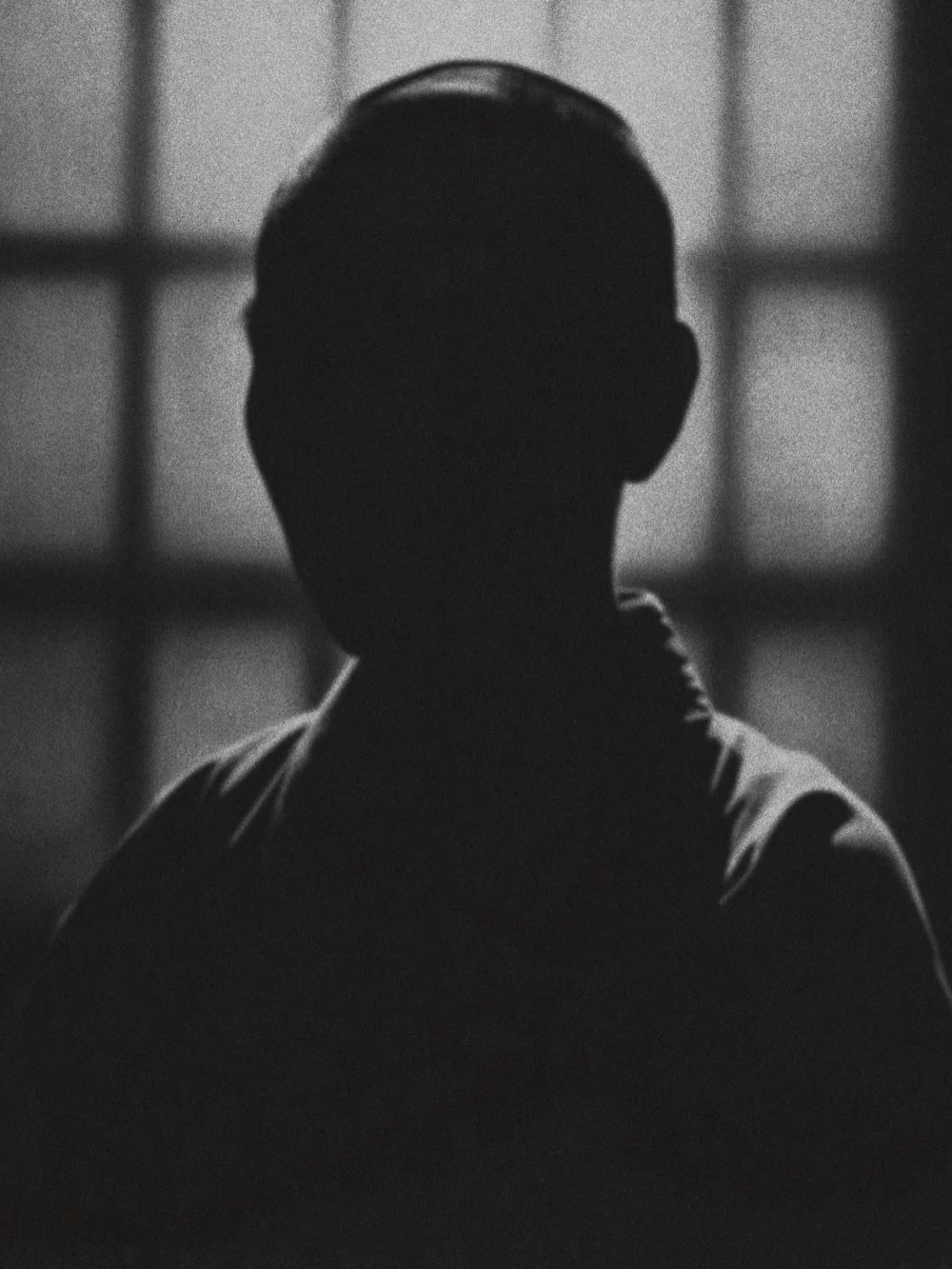
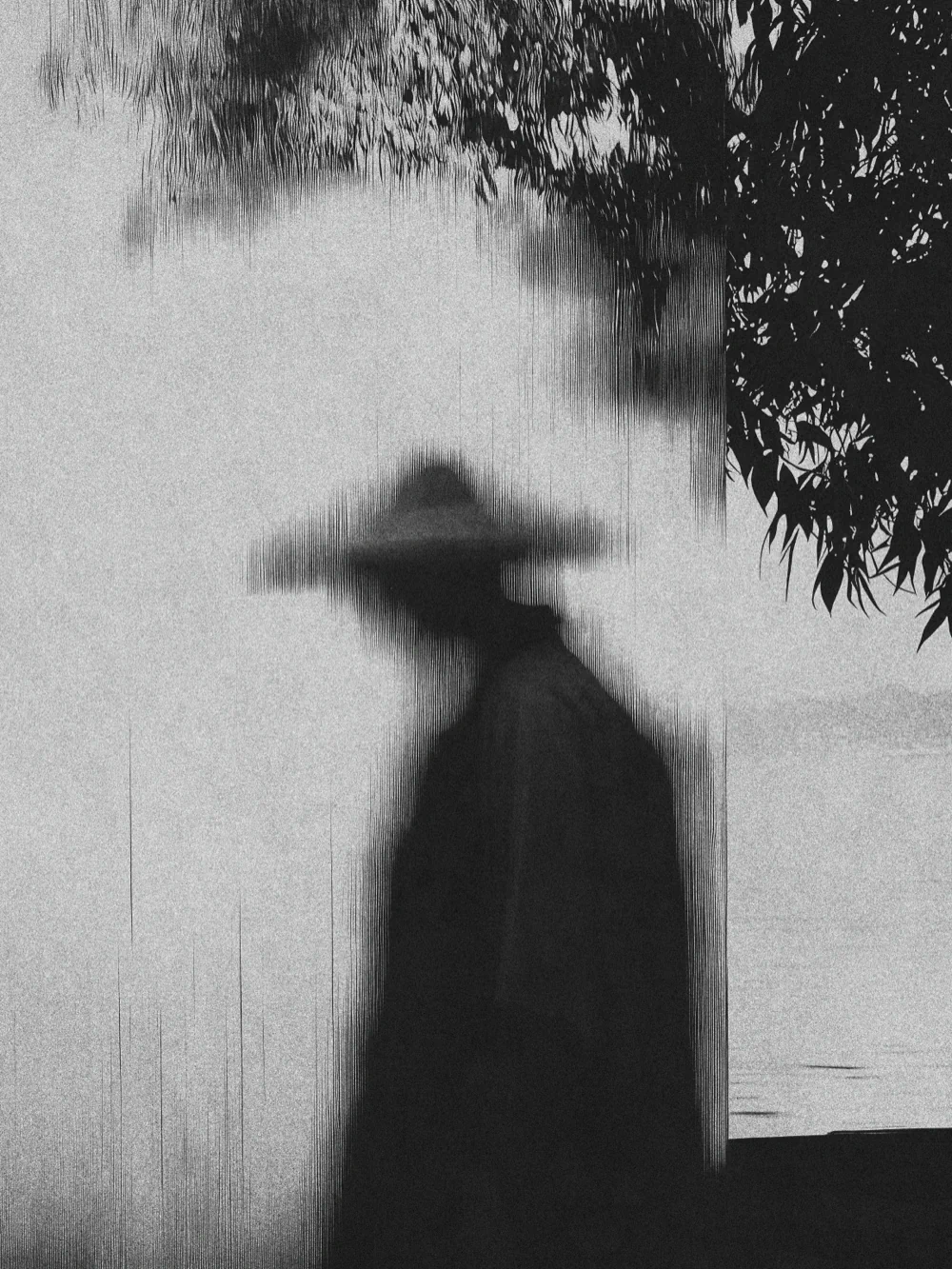
So the people you see in this series were photographed in passing, from behind, or in ways that leave them unrecognisable. None of that began as a stylistic choice. It was simply what the road allowed.
Somewhere halfway around the island, I stopped trying to work the way I always had. I returned to the curiosity I felt when I first picked up a camera, when everything around me seemed worth looking at. I photographed all of it instead of being selective about where I pointed the lens.
That decision is the reason this project does not look like the others.
The shift followed me home, into the selection and into the prints. Images I would normally have discarded, I kept. Images I would normally have chosen, I let go. What the series became is not what I would have made before that ride.
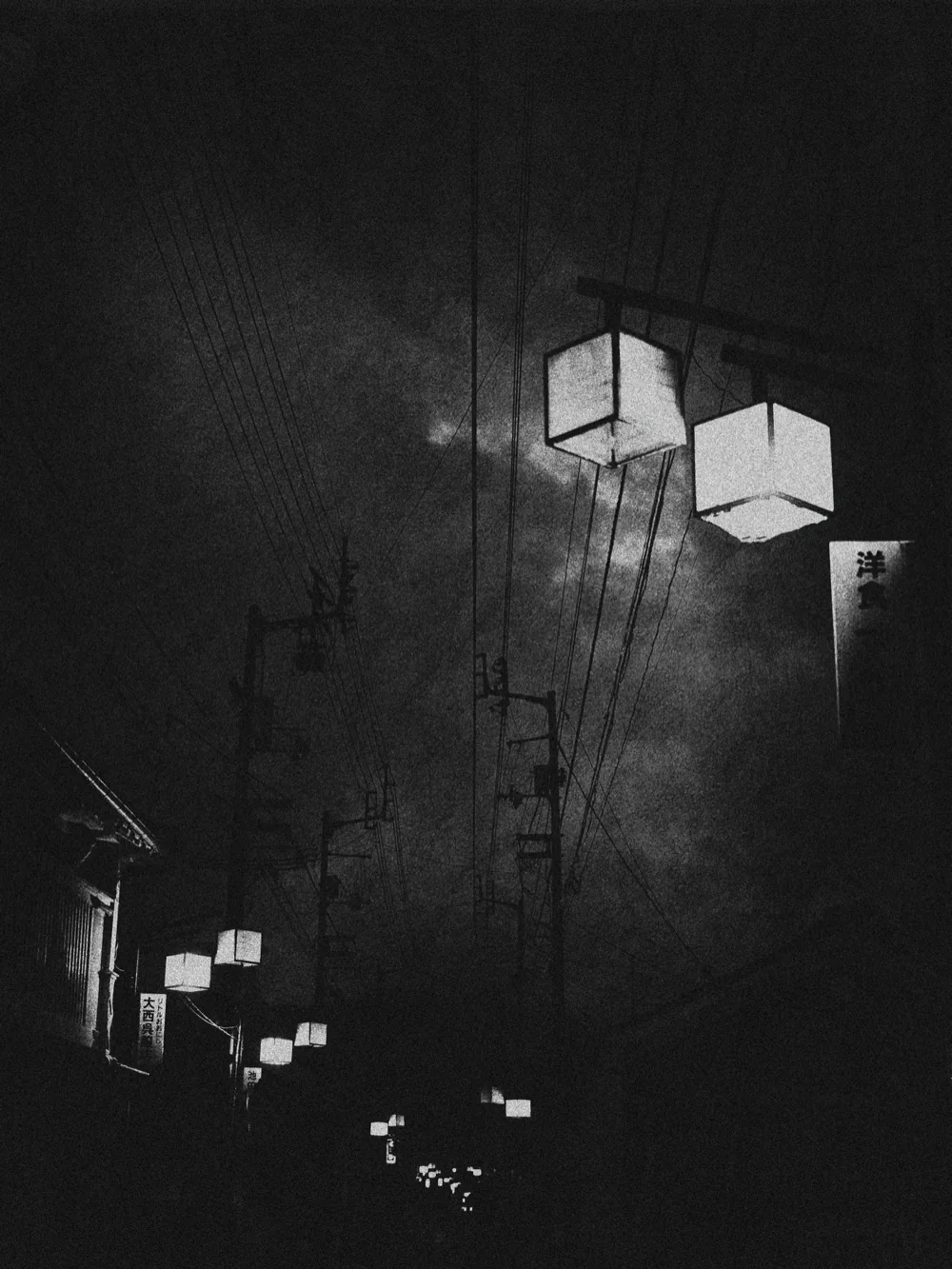
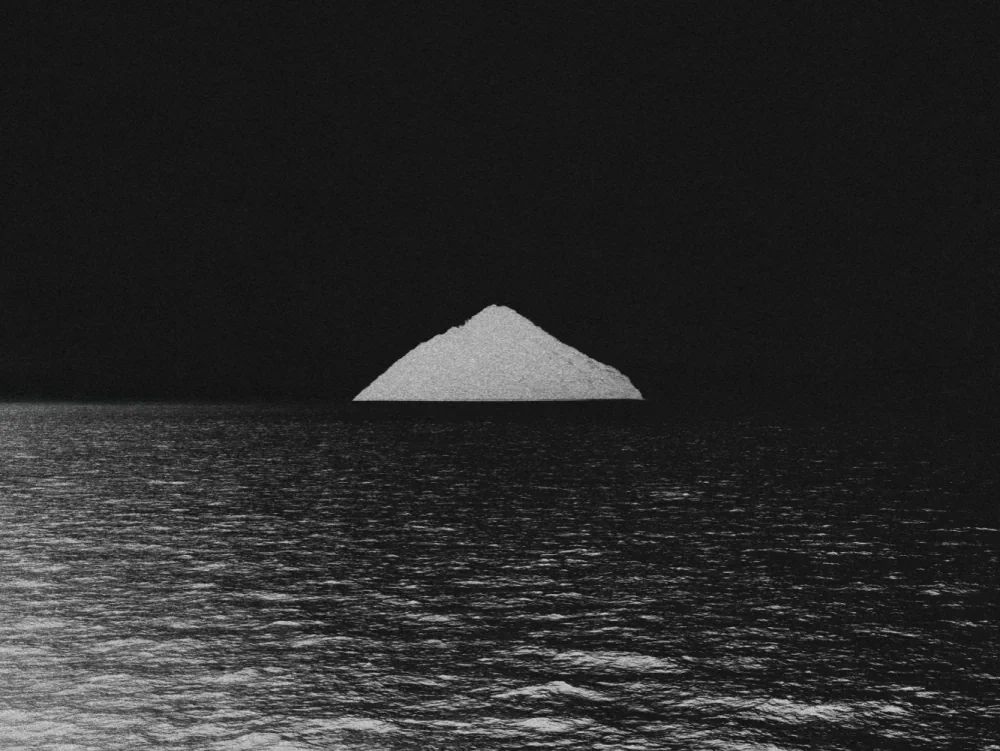
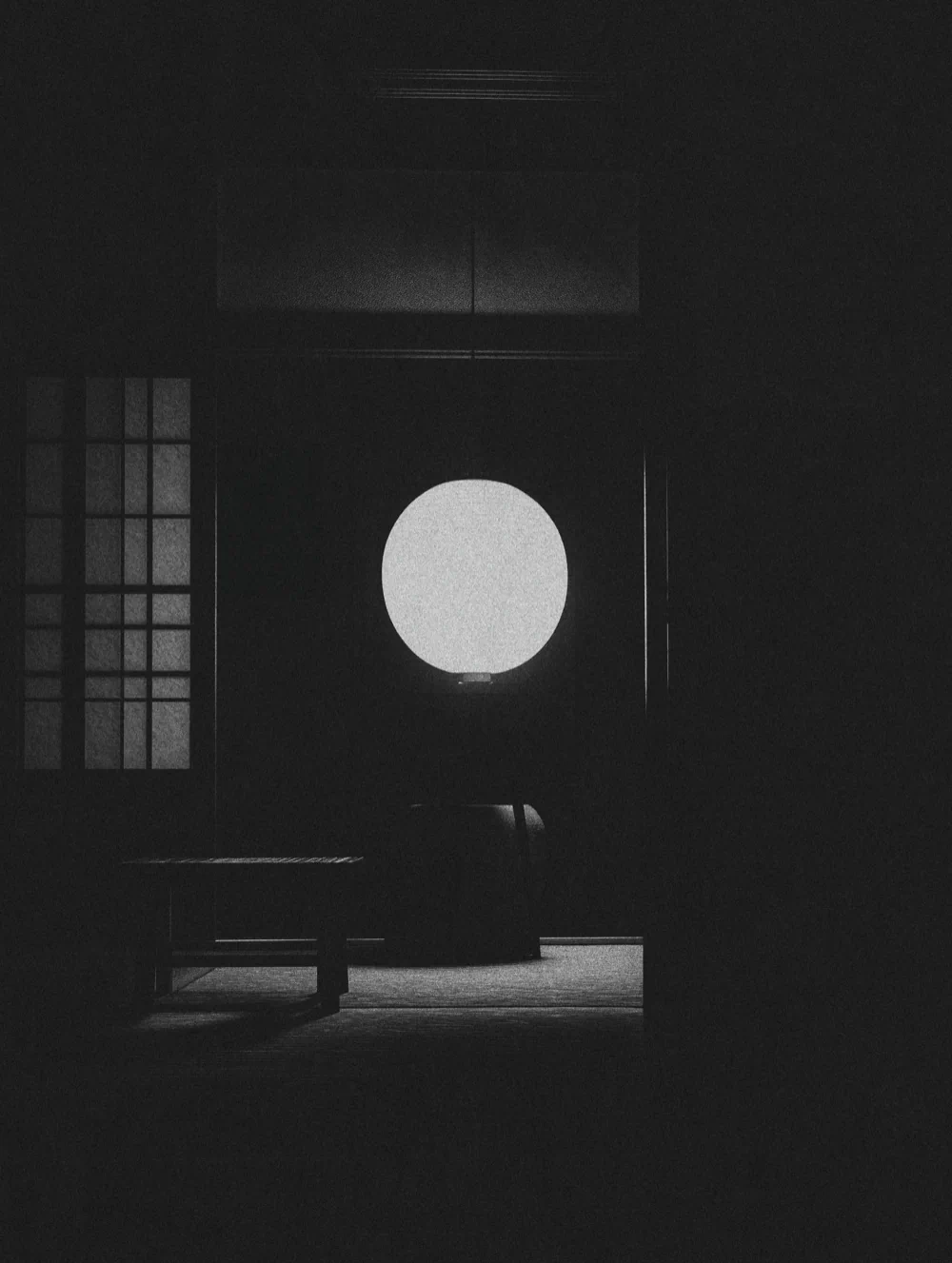
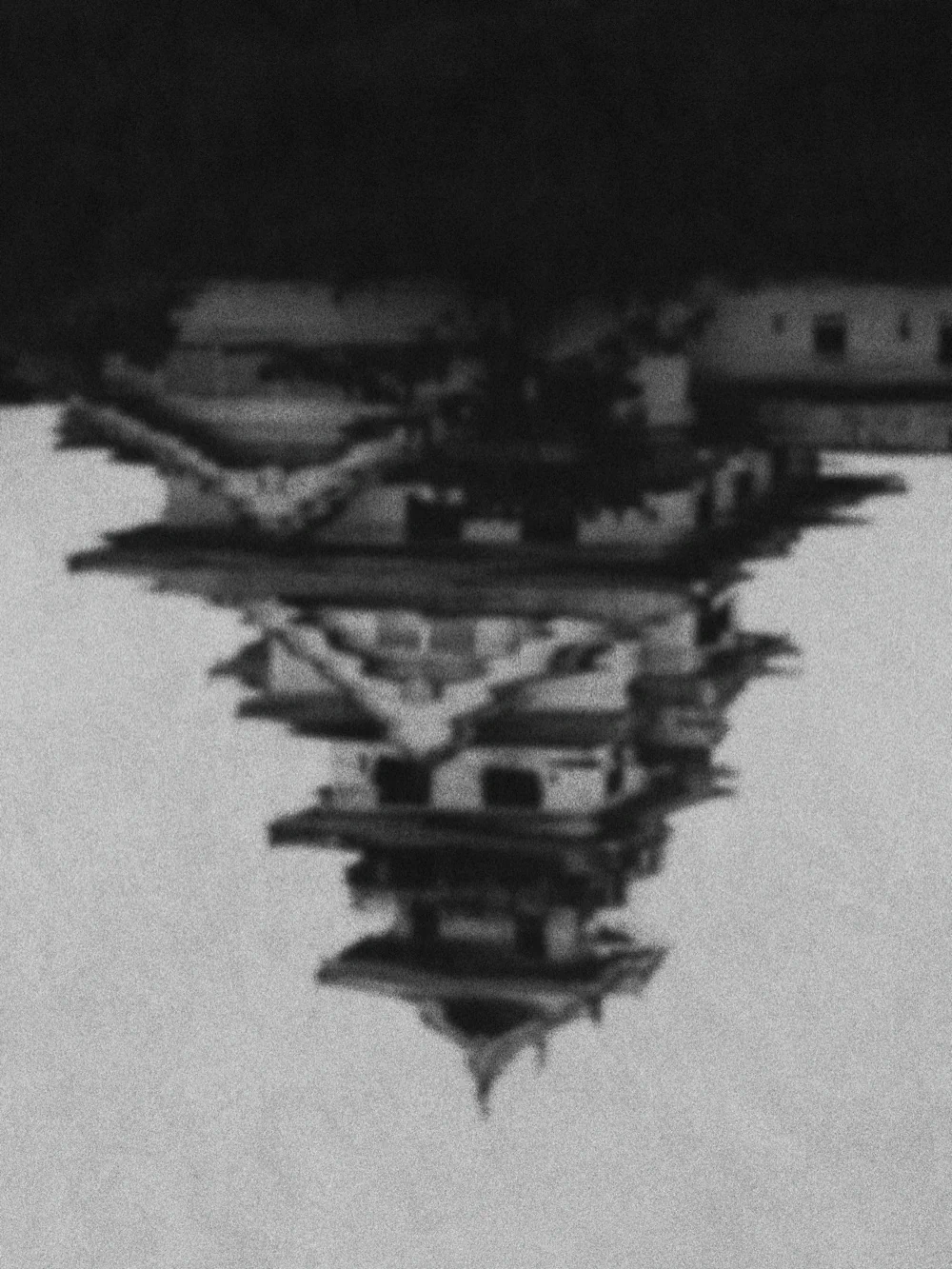
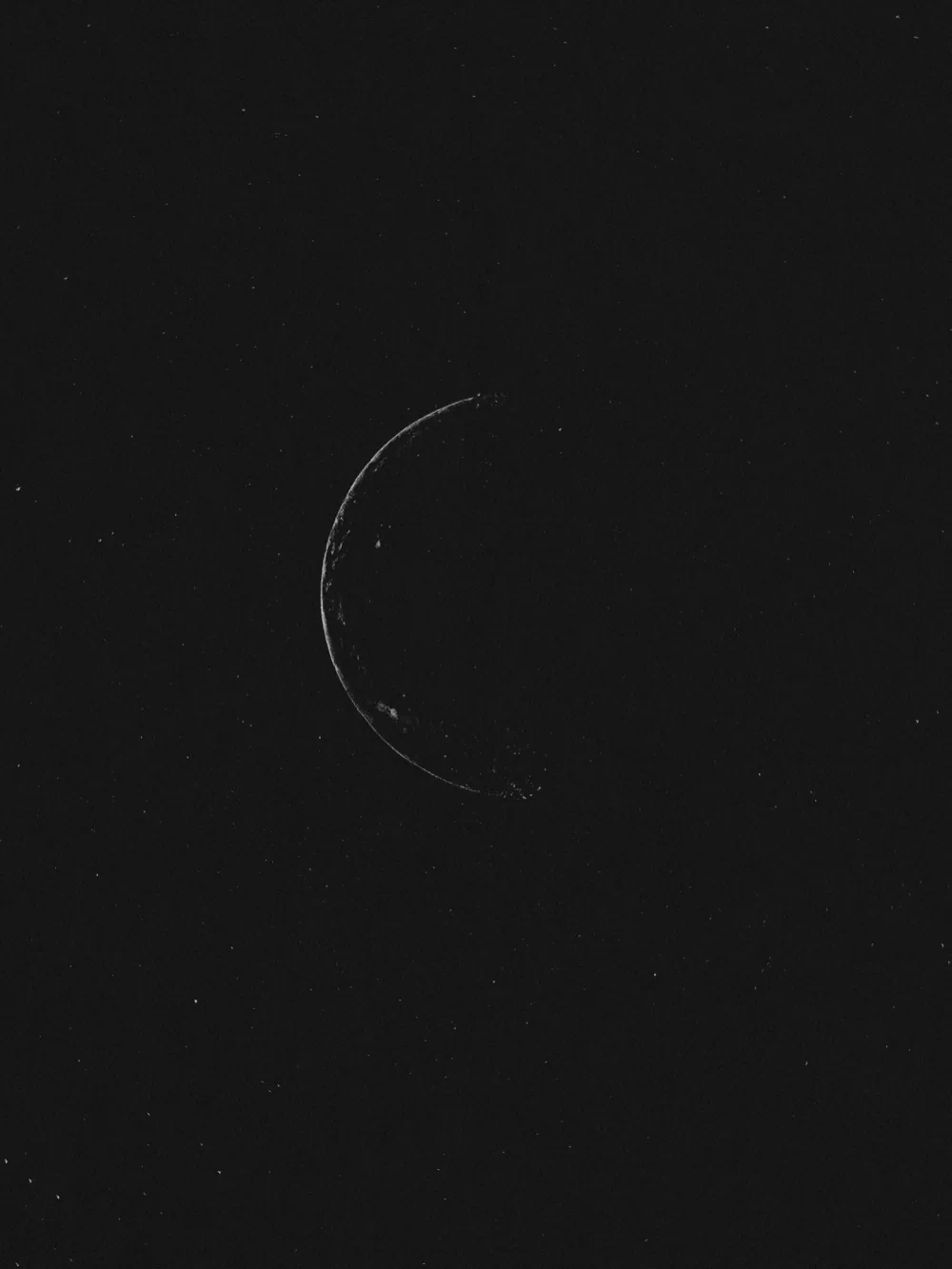
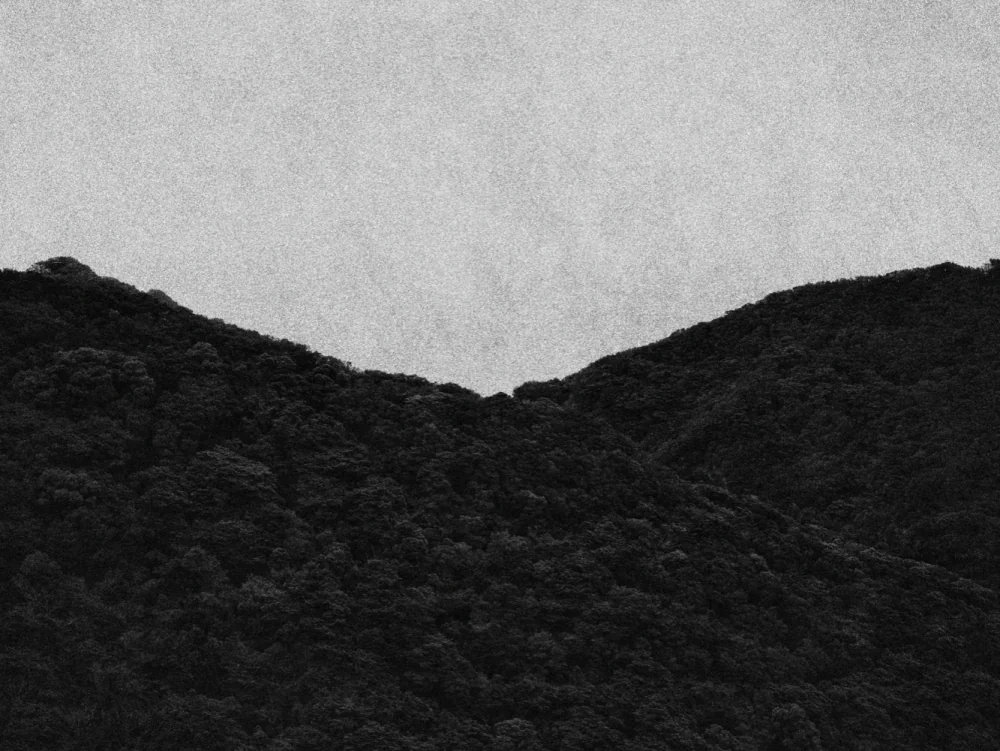
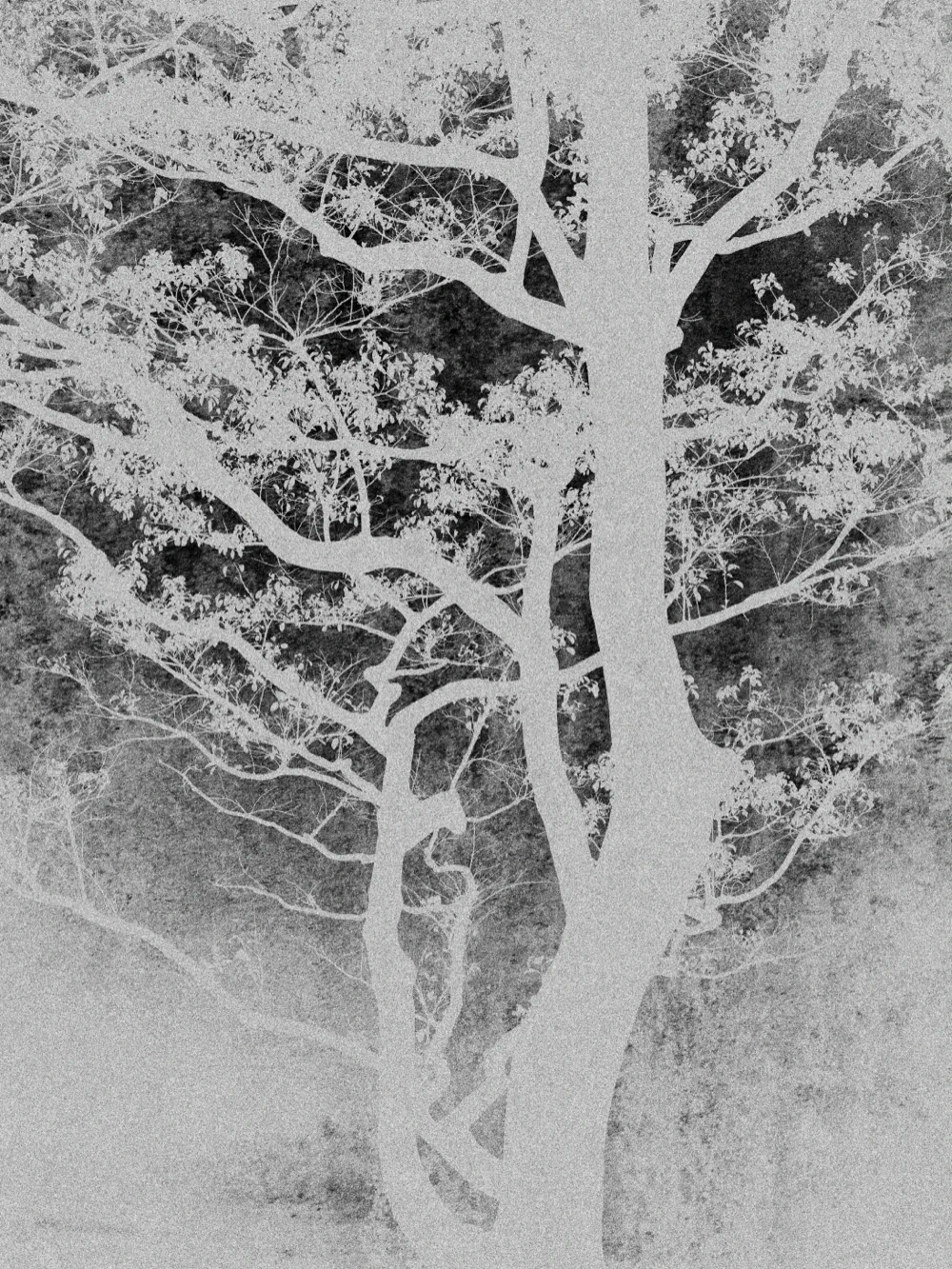
The photographs are fragments, closer to memory than to fact, like something that happens just before you wake and that you spend the rest of the day trying to hold on to. The works carry titles, but nothing is captioned and nothing is explained.
Making the pictures took a few weeks. Deciding how they should exist took two years.
The prints are made using piezography, with no colour ink at all—only black pigment laid down layer by layer, by hand, on Japanese washi, in editions of seven. That paper is not a neutral surface. It has its own texture and warmth, and it gives something of itself back to the picture. It is as though the paper remembers the image rather than simply holding it.
Henro is the name of the route, and it is also the name of the pilgrim. The Japanese subtitle, Kokoro no Junrei, means Pilgrimage of the Heart.
The work moves between landscape, detail, and abstraction, and it follows Peak (Nepal, 2020) in a series of projects in which what happens to me on the road cannot be separated from what ends up on the wall. Where Peak was shaped by altitude and endurance, this one turns inward.
HENRO is also a book, published by 1605 Collective and designed with Janneke Schrey, in an edition of 750 copies. It is not a catalogue. It is image, white space, silence, and the rhythm of the road, with nothing explained.
The series is on view at my studio in Alkmaar until 20 September 2026. Part of it then travels to Milan for my solo exhibition THE SHAPE OF ABSENCE at MC2gallery, which opens on 10 September. The work is also currently on view at Jackson Fine Art in Atlanta.