
Each of my landscape projects starts with the question: “How does this place make me interpret the world, and how do I choose to see it?”
Delving into the underlying visual information we sift through and choose to hold on to or dismiss, I want to understand what it is that I choose to see, rather than simply what something looks like.
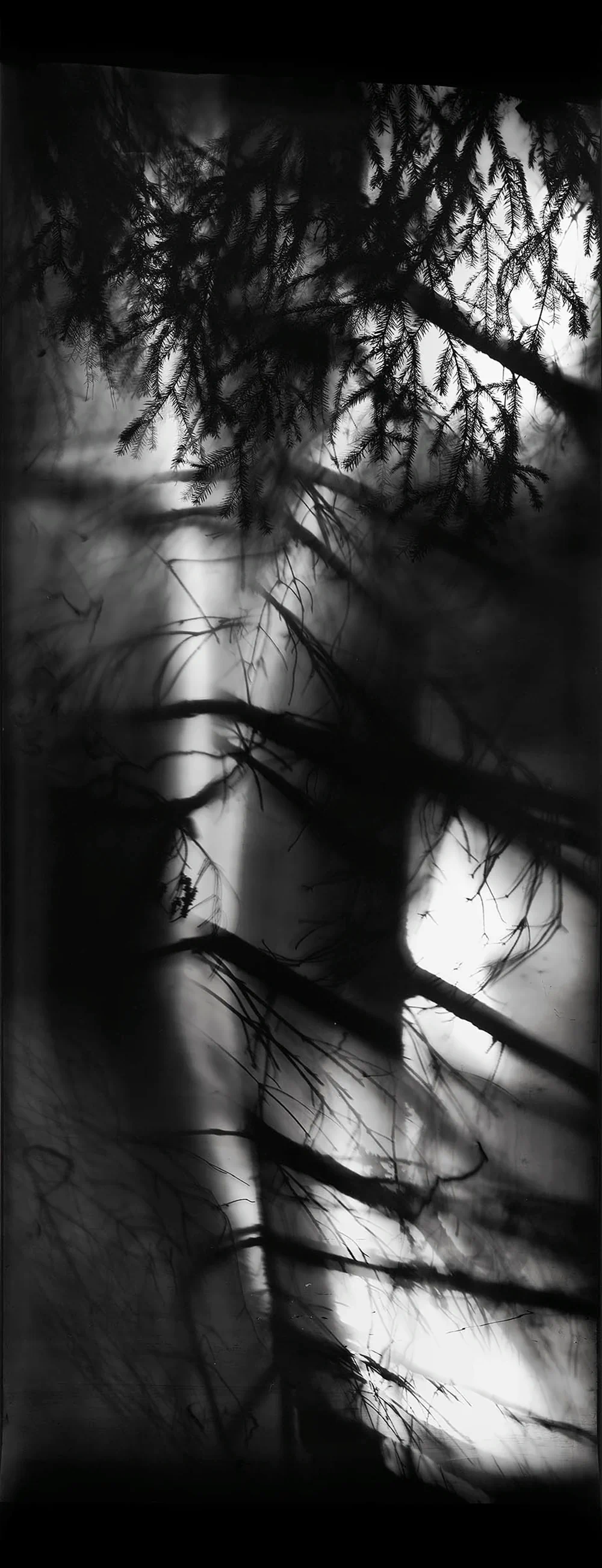
Using analog photography has helped me do this by forcing me to consider how the photographic material itself sees the world. Making photographs in a way where there is some resistance to control, and a certain amount of agency contributed by the process, places me in the role of creative collaborator rather than sole artist.
I find that digital photography often ends up being more about editing, retouching, and improving the image until it becomes what I wished I had captured. This translates into a process similar to painting, where the skilled artist can have too much control over the final outcome. In my process, the analog film and paper are themselves active agents that determine how the image will come out, and I am forced to relate my experience to that result.
Through thorough testing, long practice, and endless patience, I end up with just enough control over the process to steer it toward a way of seeing that I want to capture, and then the material becomes the partner that provides me with an image of what it saw. Not being able to perfectly compose the subject within the frame or choose from a hundred different exposures has made me trust both my own instincts and the contribution of the material I use.
The project Playground/District 12 came to me as an obvious follow-up project to Grove, which I had almost finished. Invited to take part in a group project in which we each chose one borough in the city of Oslo to photograph, I decided to challenge myself by continuing my previous work while moving from photographing the forest to the city. Grove was all about the experience of the forest and how the natural landscape can be seen by a small child or animal that has no language to describe what it sees. My family lived near the forest bordering the city, and I used my own childhood memories as a starting point. I then decided to continue this approach by looking at the neighbourhood where I grew up.
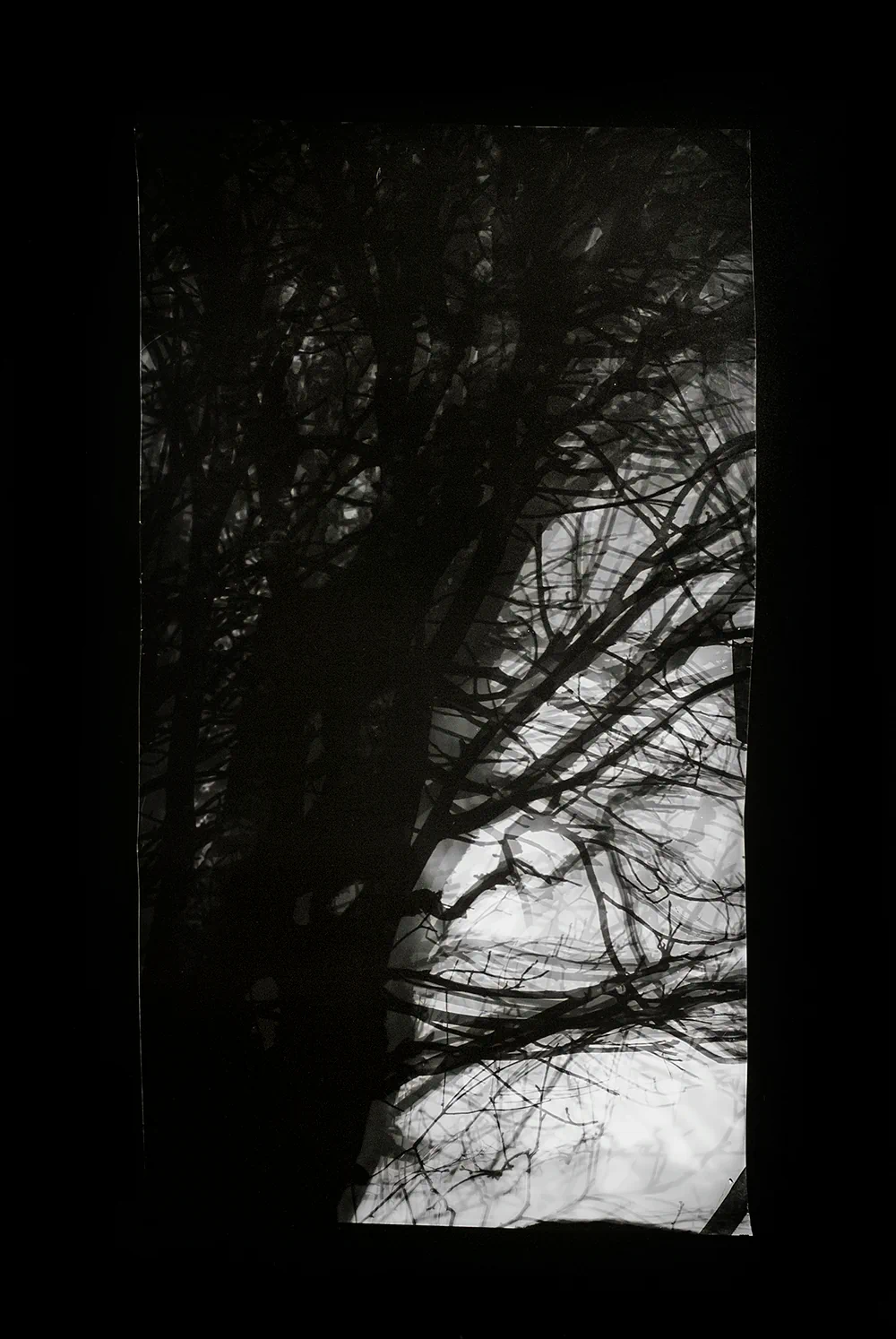
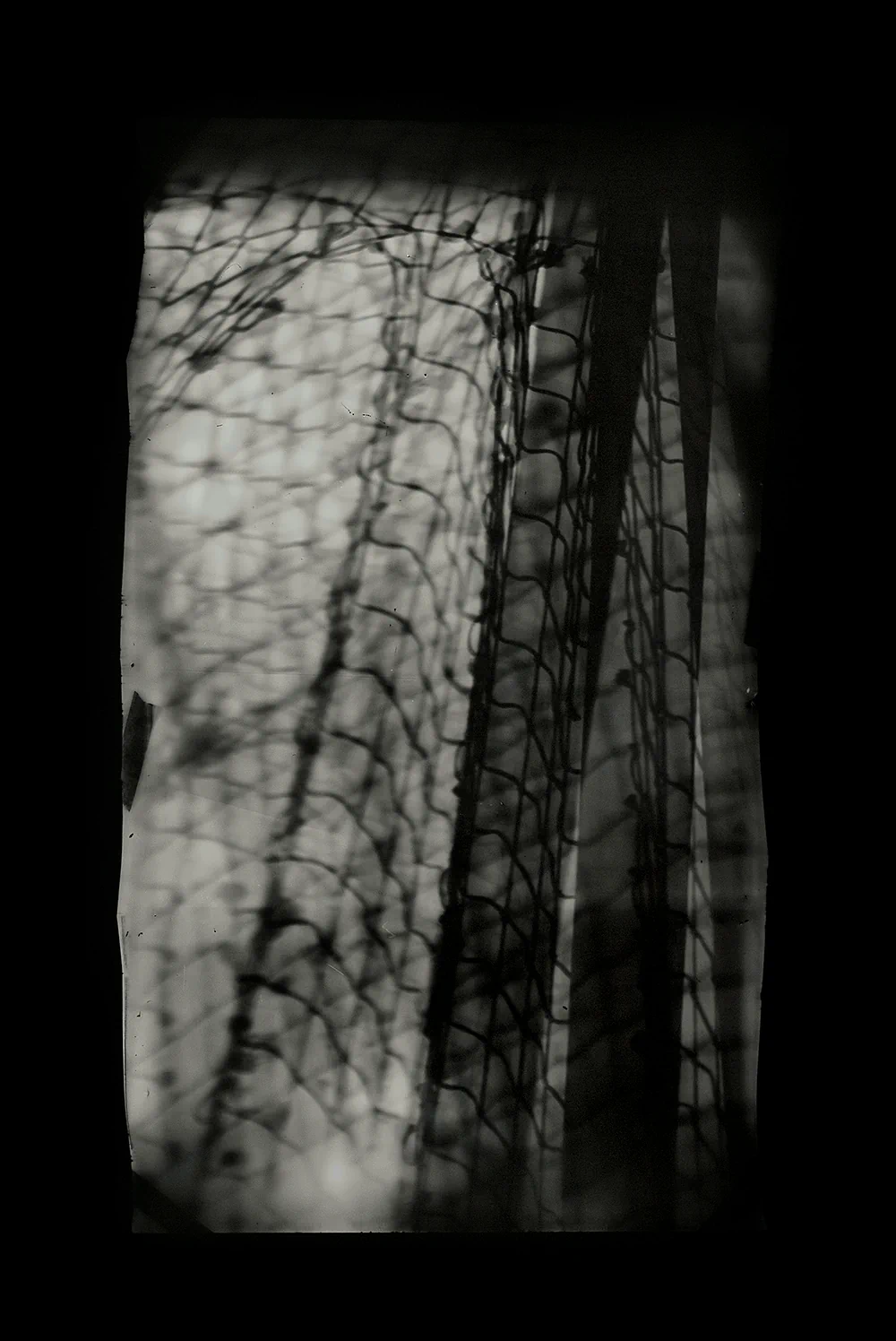
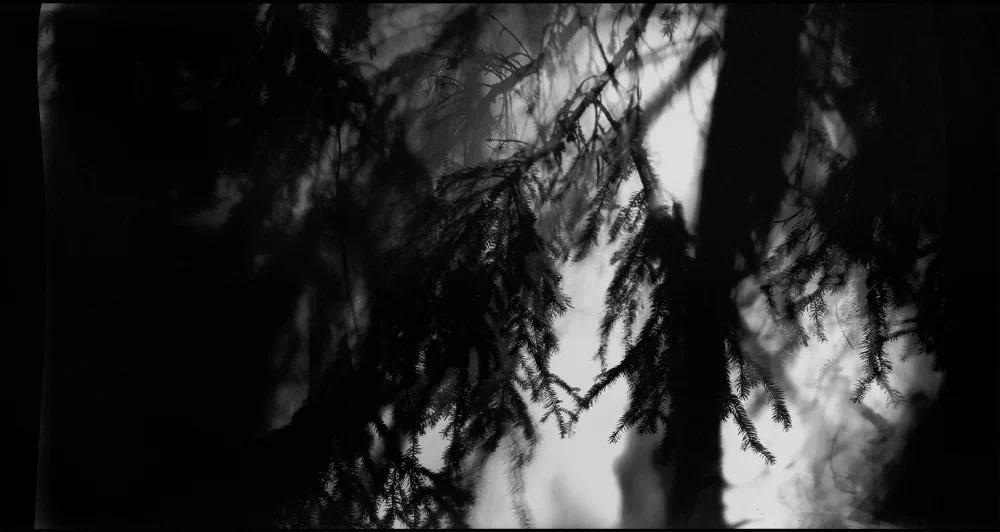
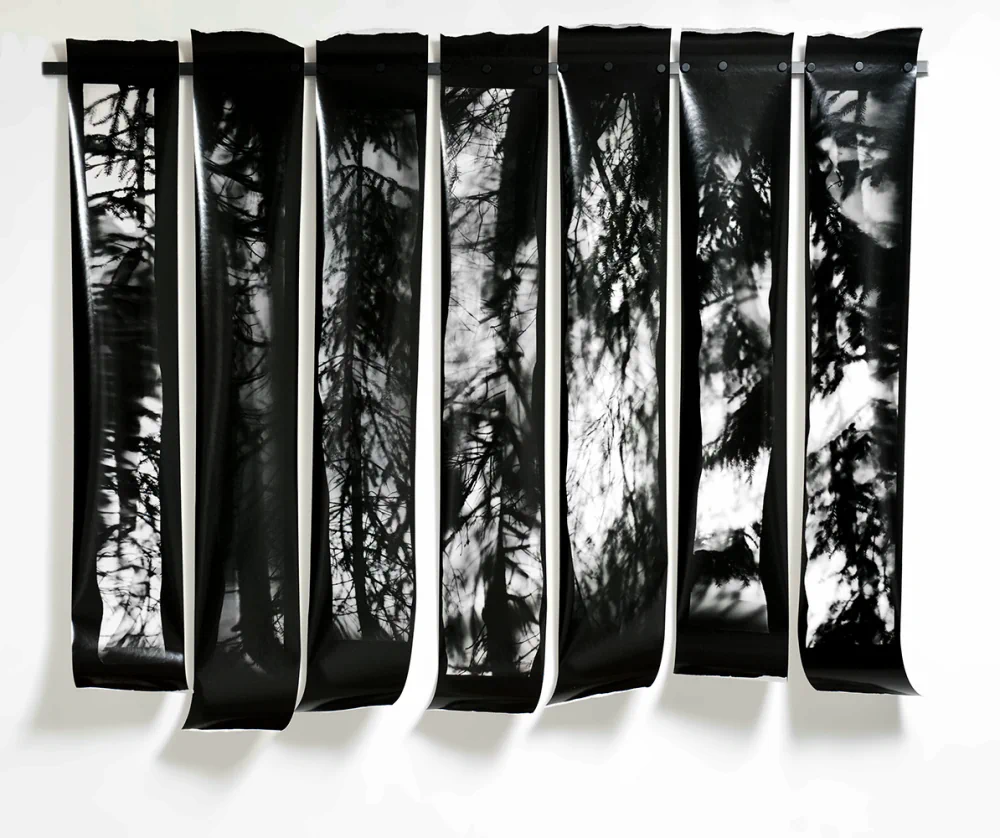
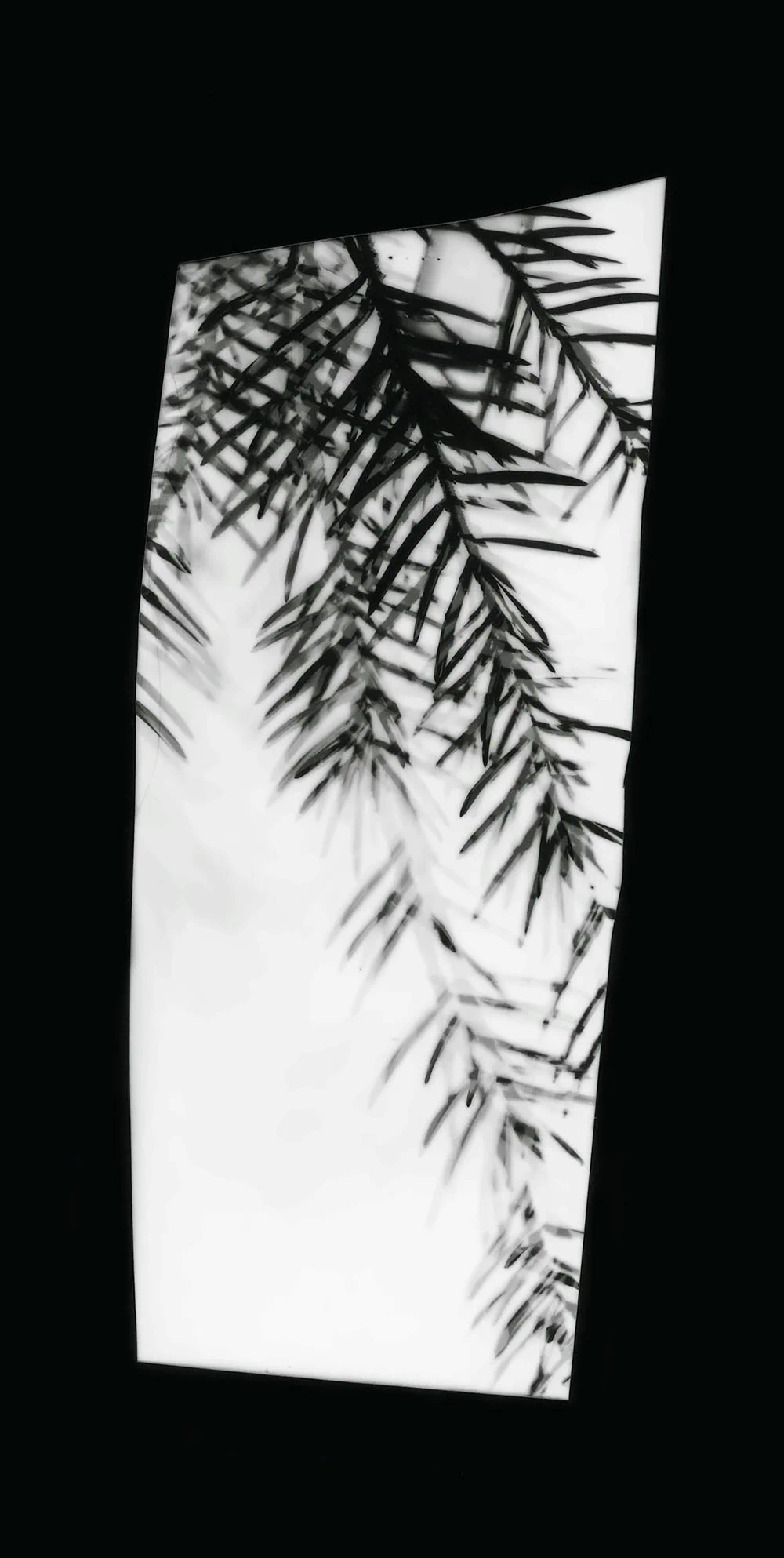
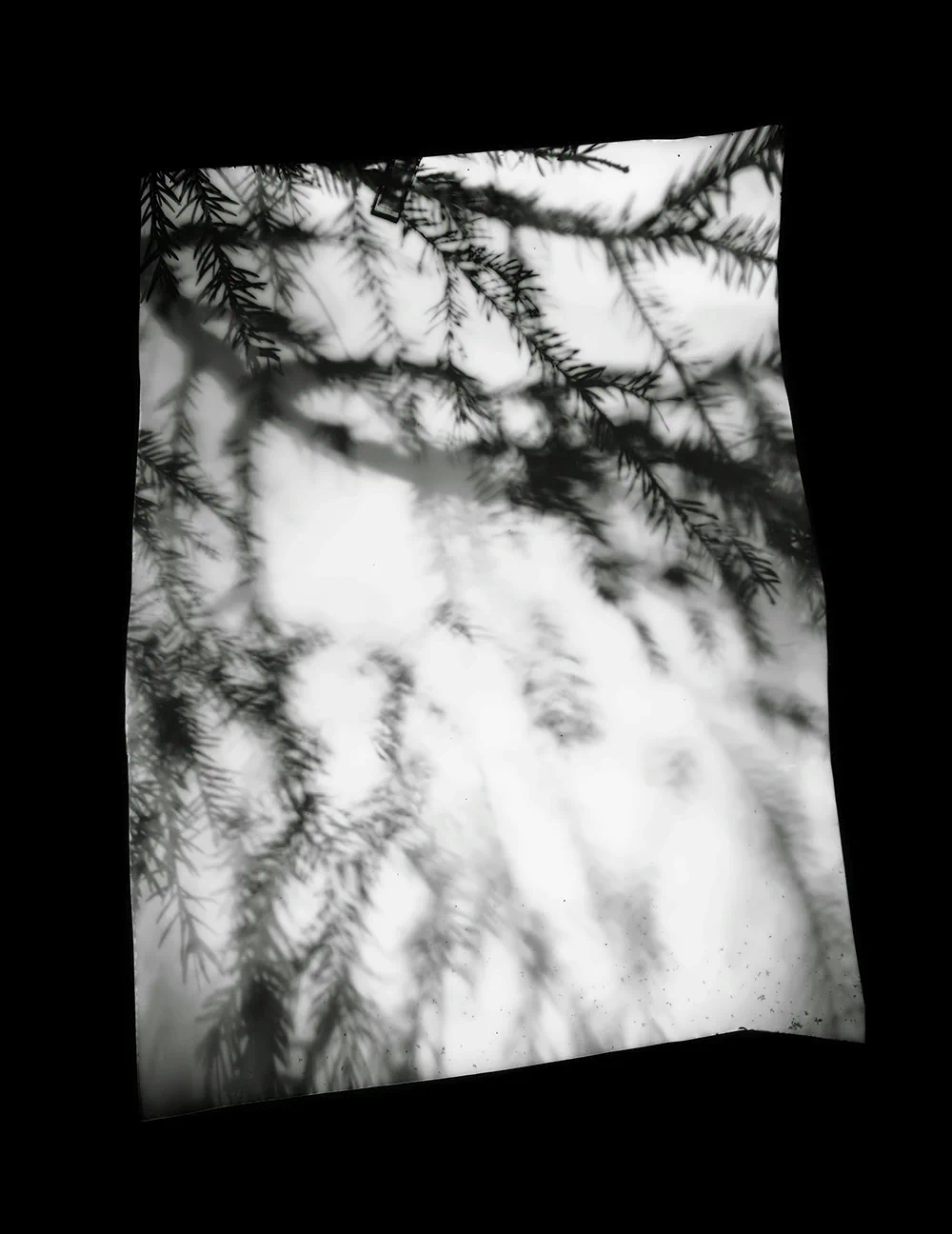
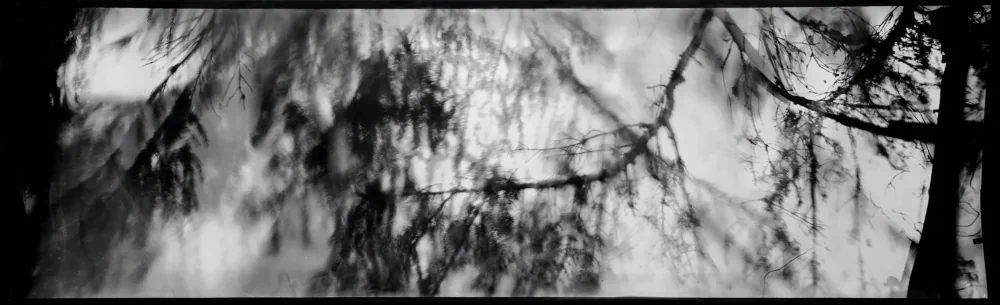
In each of my projects, I choose a process for making my pictures that relates to the experience and viewpoint of the place I am in. In the Grove series, I hung black-and-white film in the trees at night. Exposed to the open air, the shadows of the trees would imprint themselves on the film and create an image of what you might see if you were hiding in the dark and looking out.
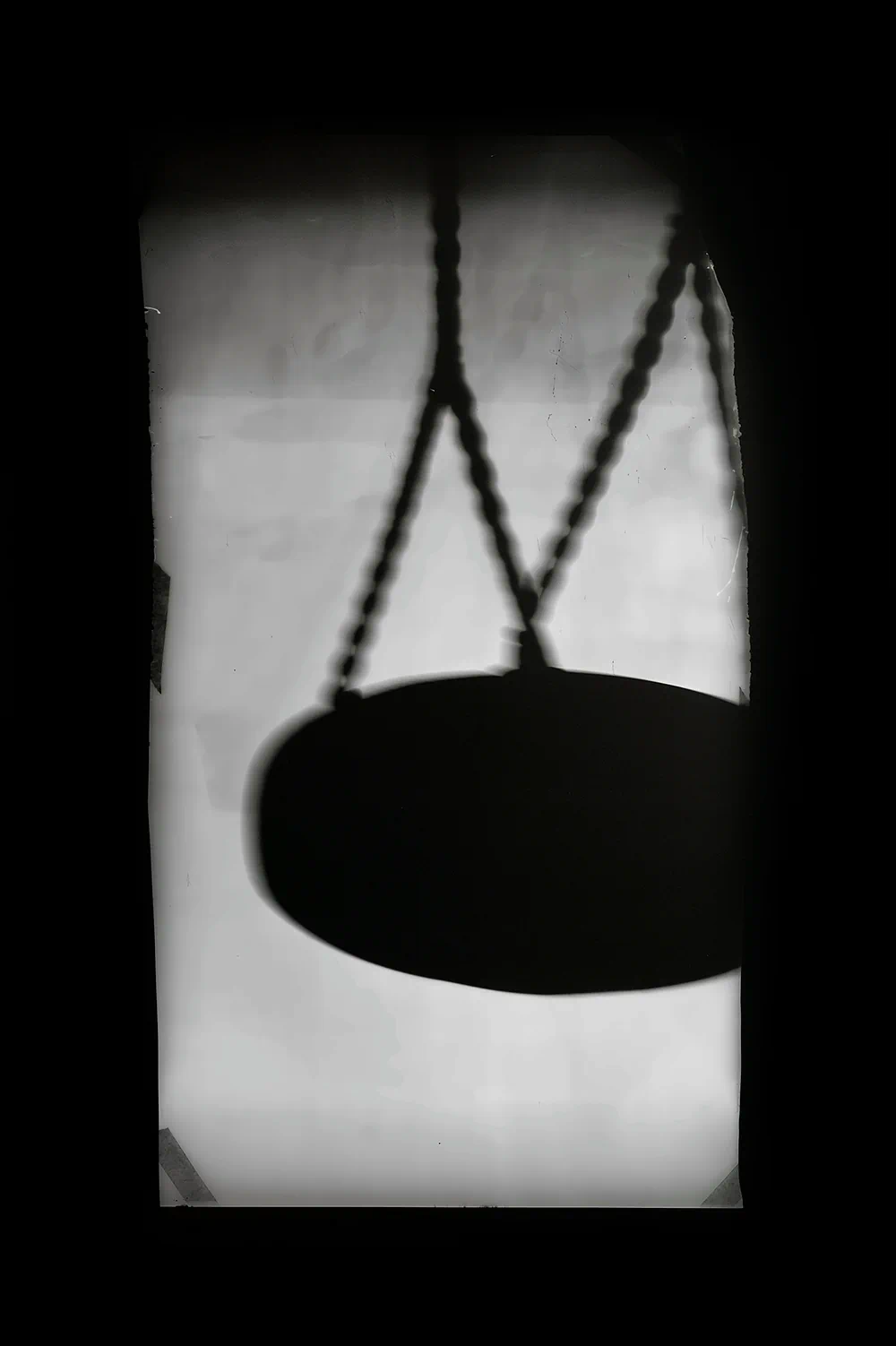
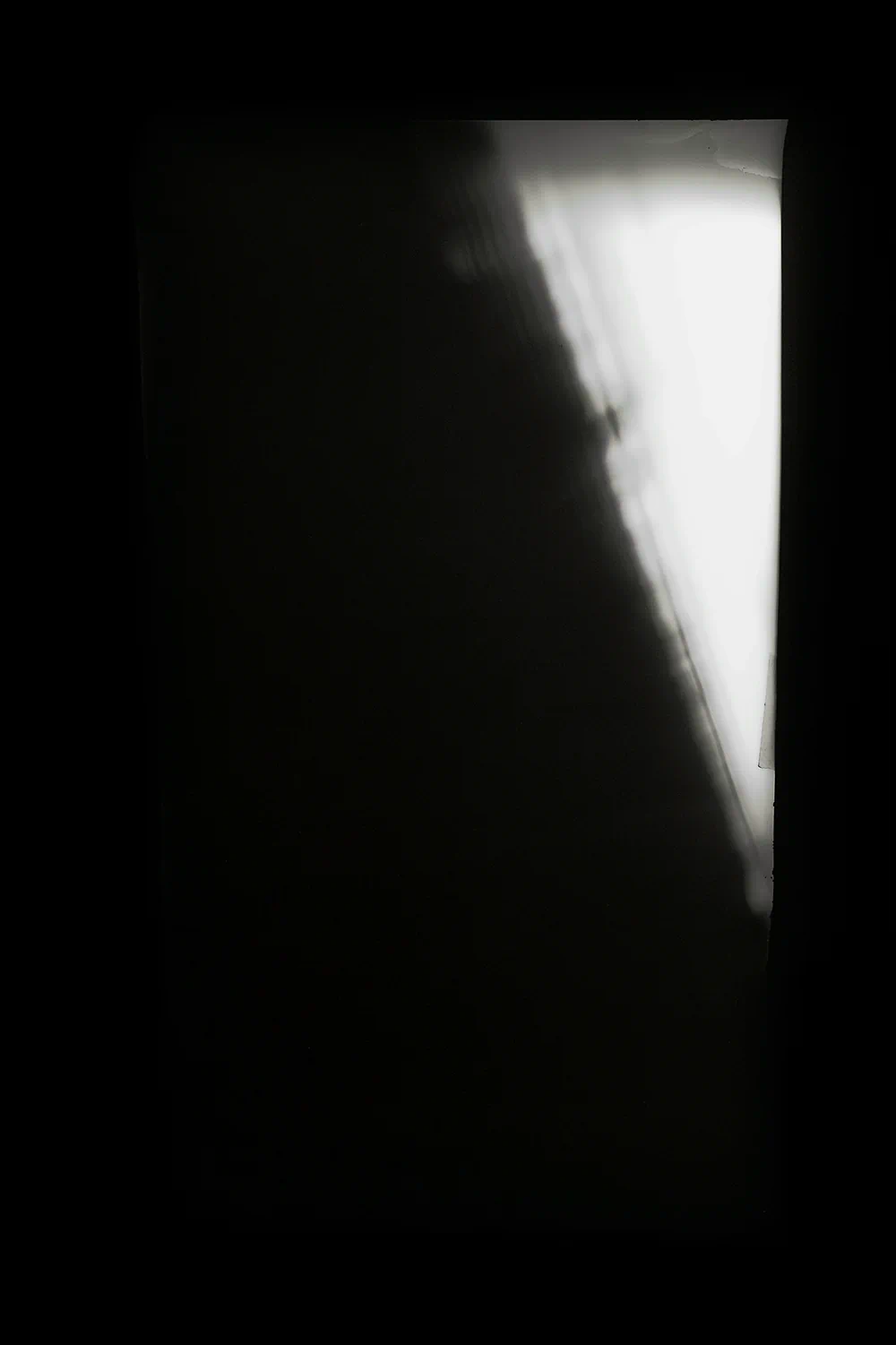
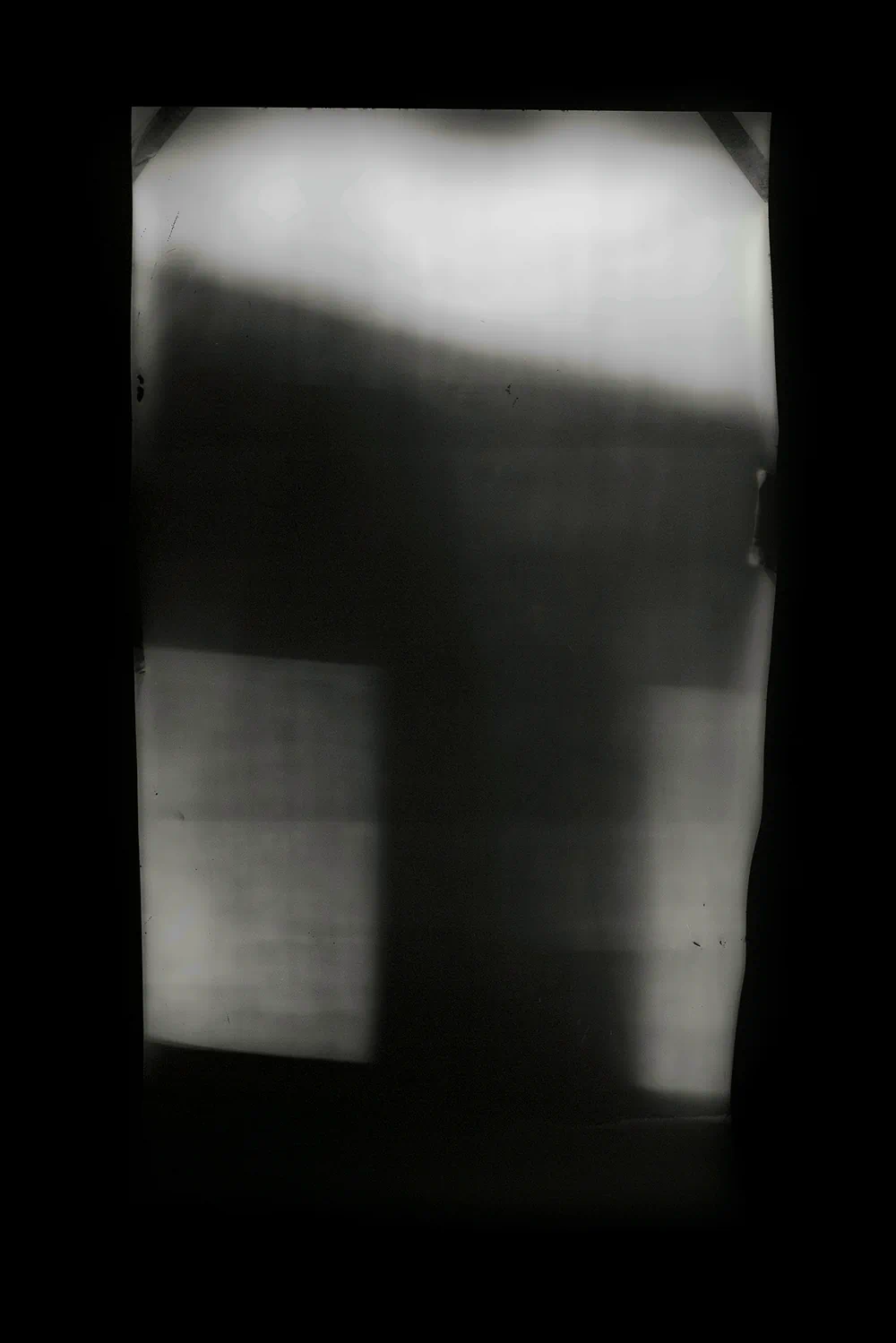
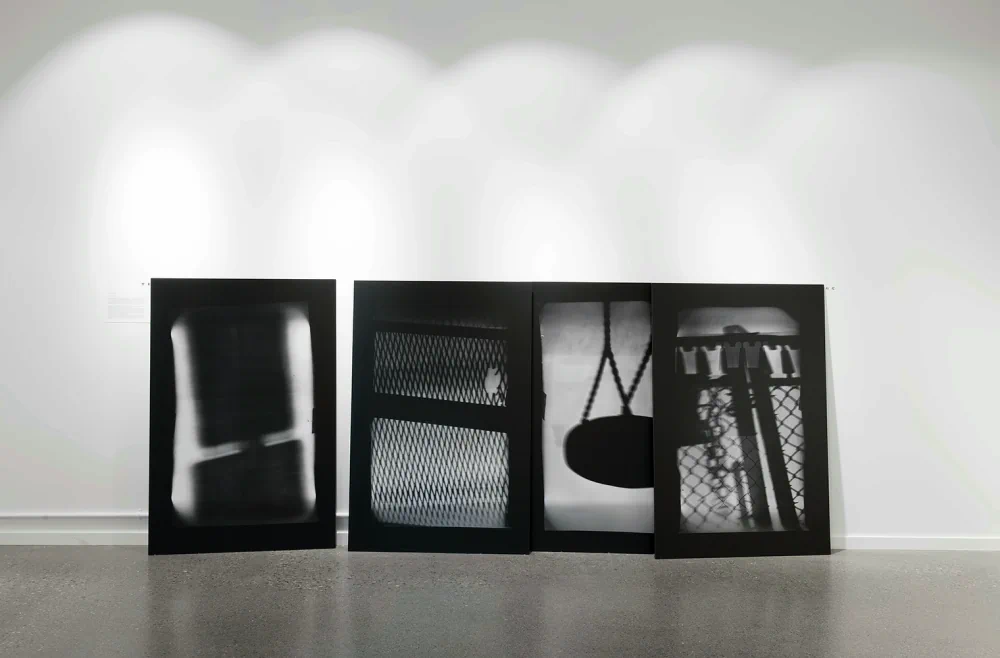
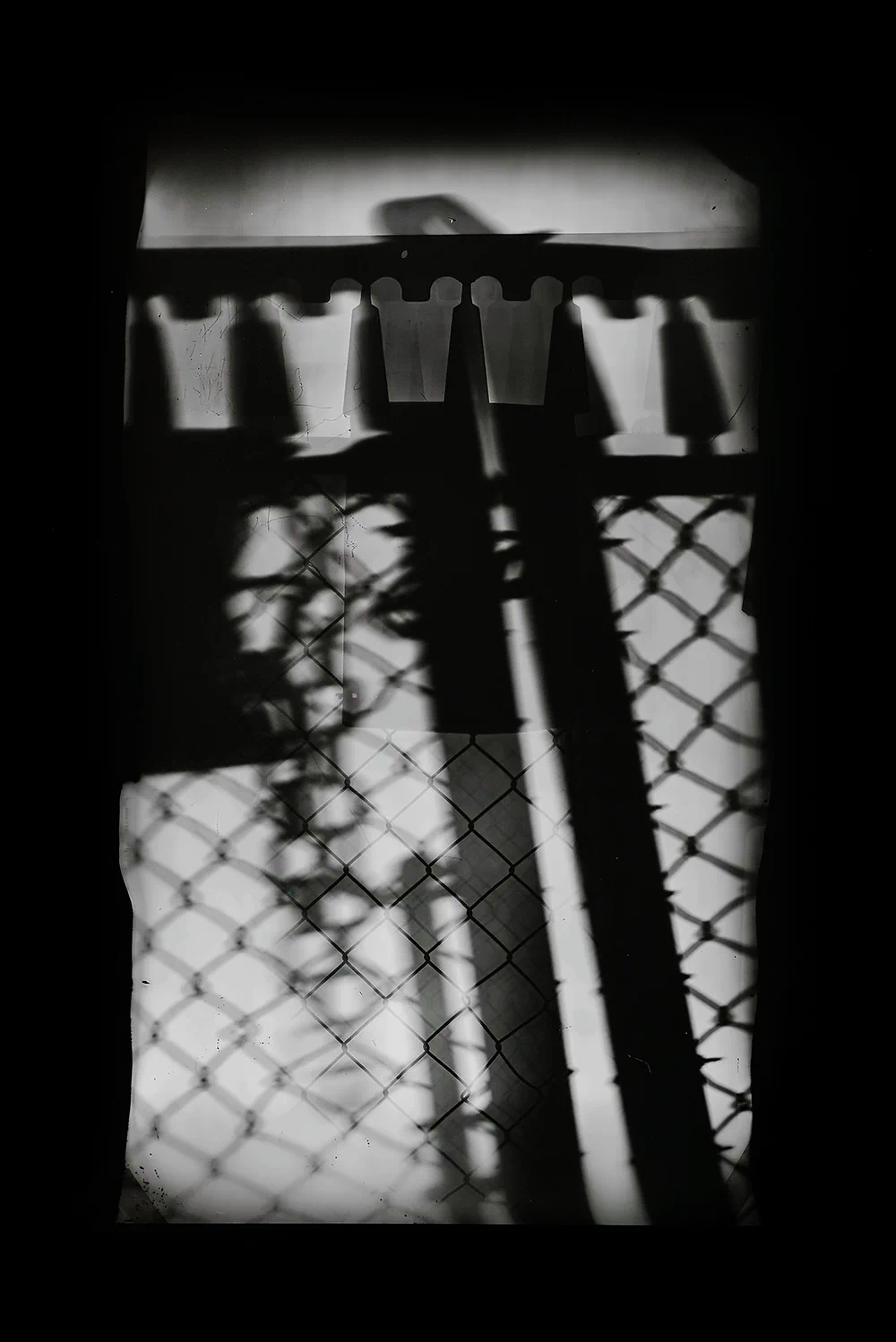
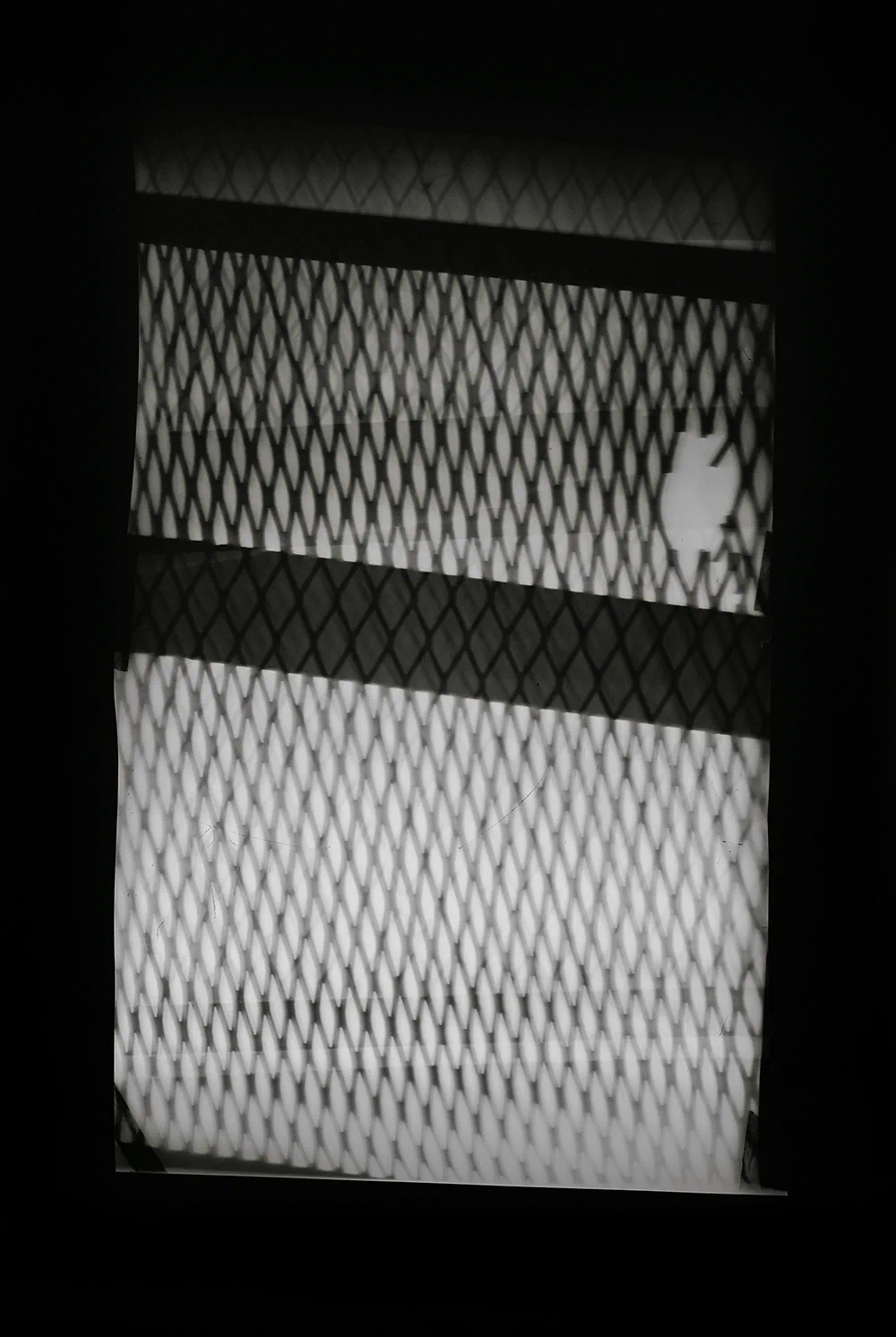
For Playground, I decided to continue in the same vein, but this time I had to construct a lightproof box to keep the film in and then open it to expose the shadows created by the streetlights.
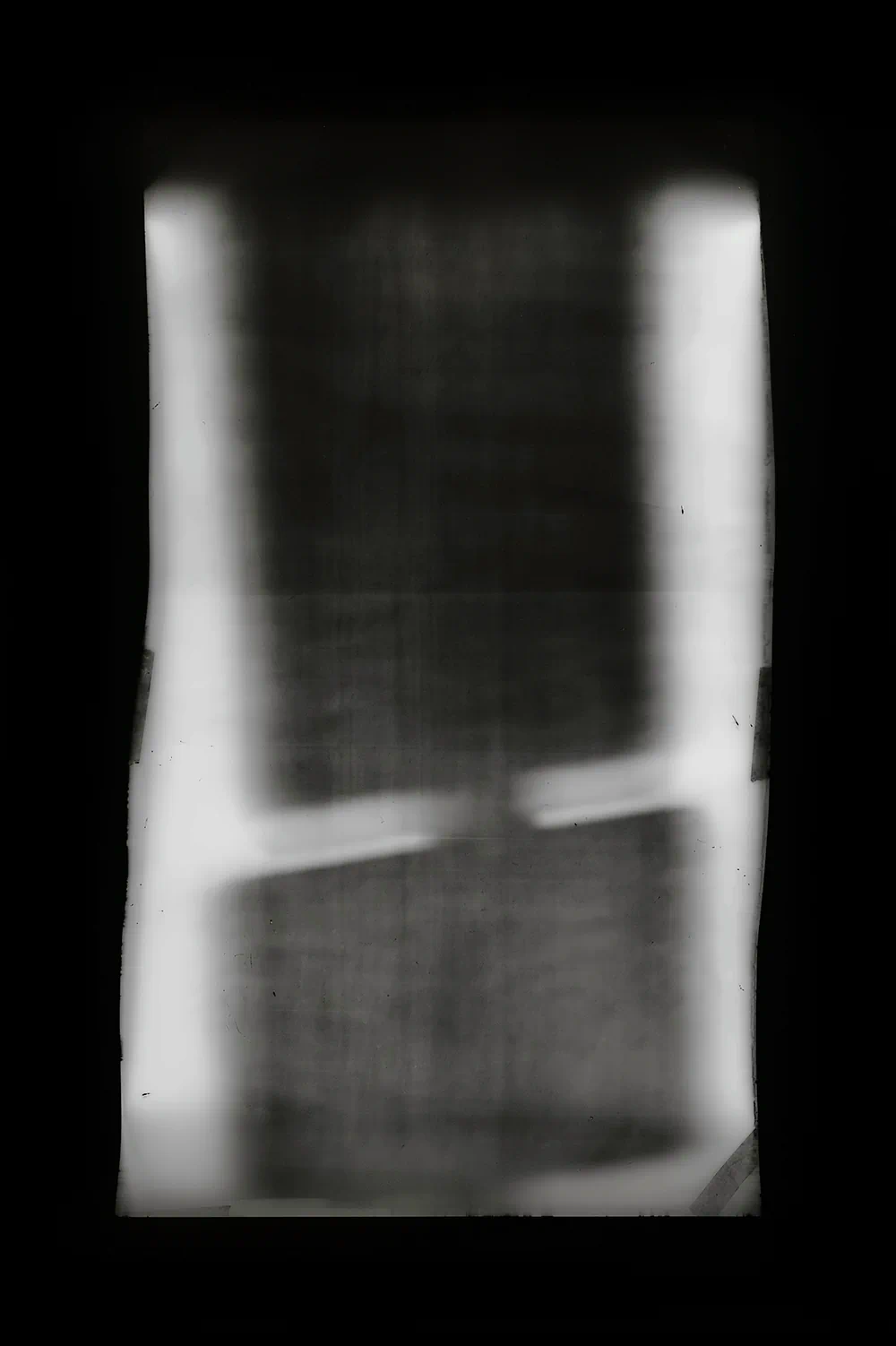
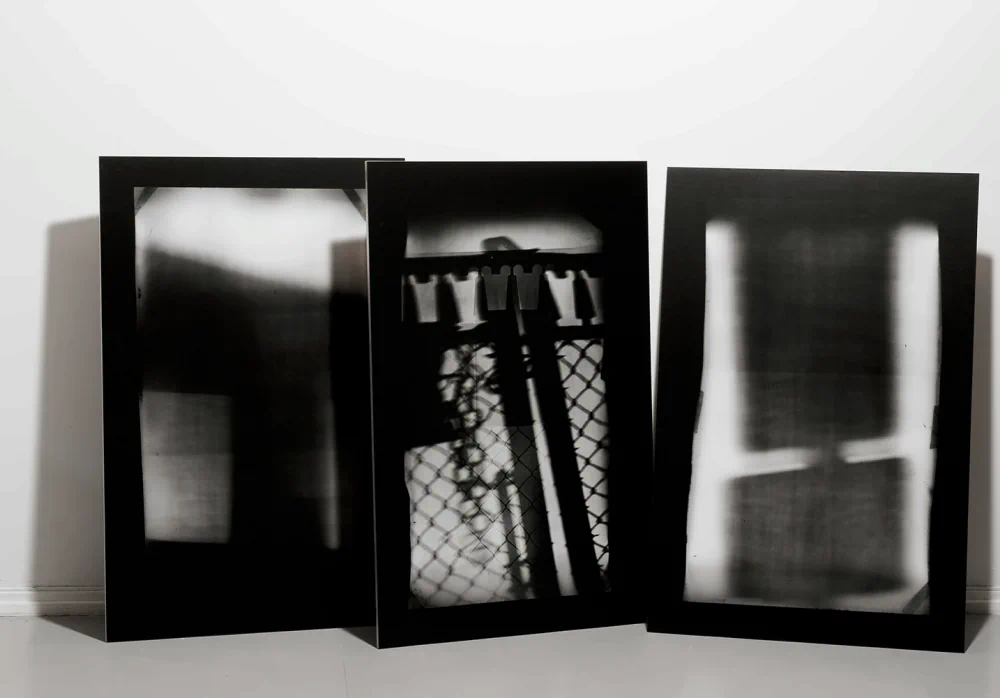
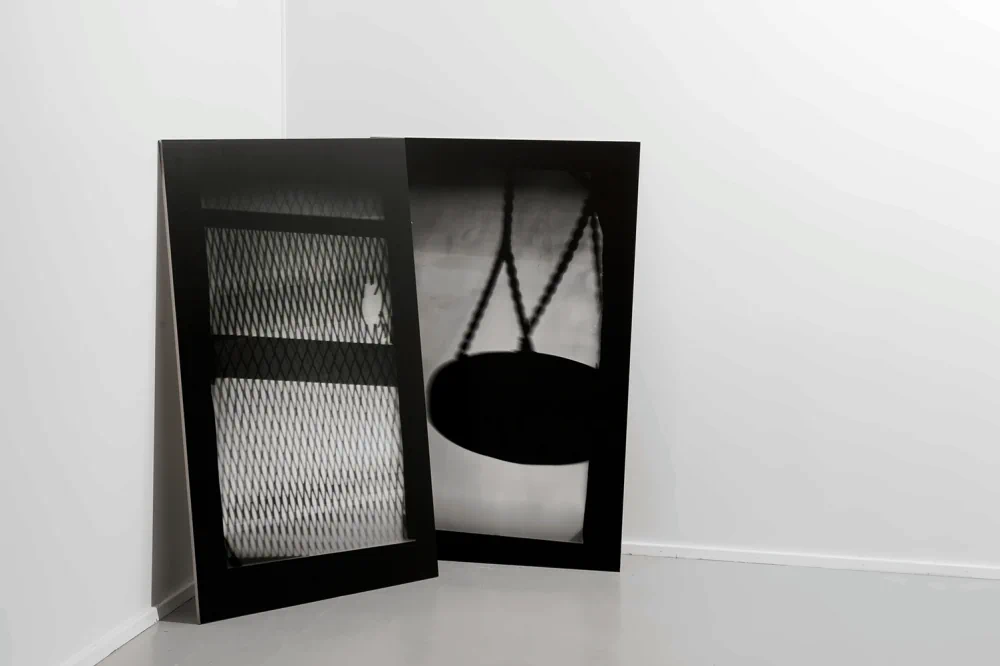
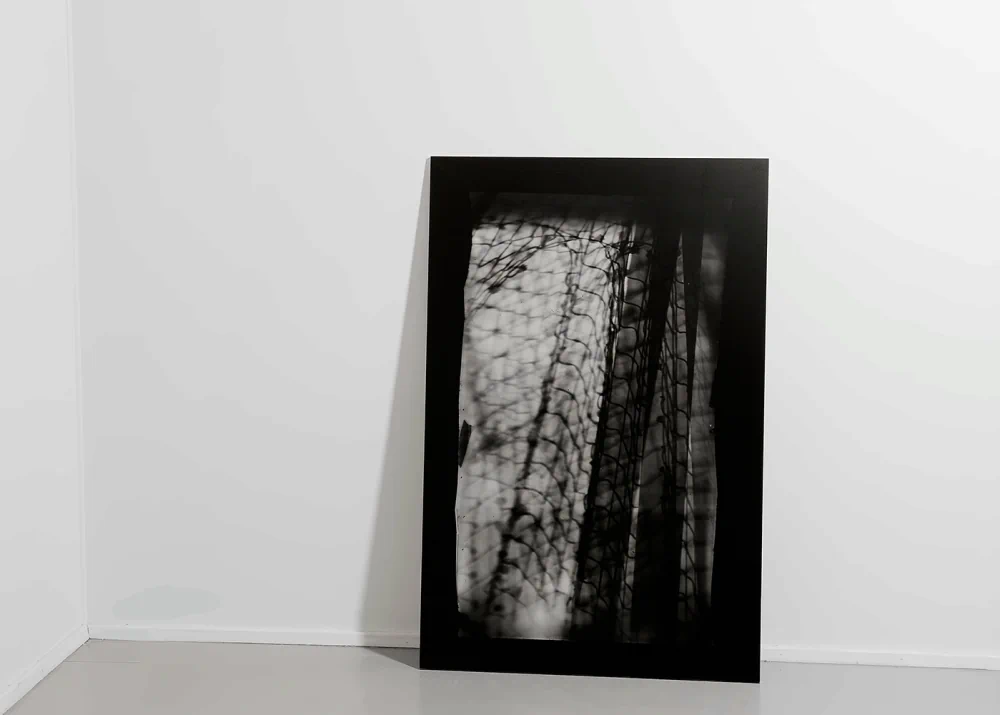
The box stands on the ground and is the same height as I was at the age of seven, making it able to catch the shadows that would have fallen on me when I walked there as a child. The images end up showing the shadow of the place rather than space and surface, flattening the world and making everything close by important while the distance fades away.
Revisiting places of memory, I can still recognize my old playground and walking paths and remember the stories associated with specific places as I encounter them now. Around me, the tall concrete apartment blocks all stand dark and quiet in the cold evening air. Dim lights illuminate the empty spaces between the kindergarten and the primary school. The shadows are deep, and the light is still as cold as I remember. But this time, I stand taller.
Rediscovering the past and being confronted with places that have not changed, I expose my films to contain the shadows of memories as they appear. Walking around my streets, I remember the kindergarten gate that would lock behind me, the lonely playground between the towering houses, and the signs along the road from the first time I went home alone, in anticipation of starting primary school the following autumn.
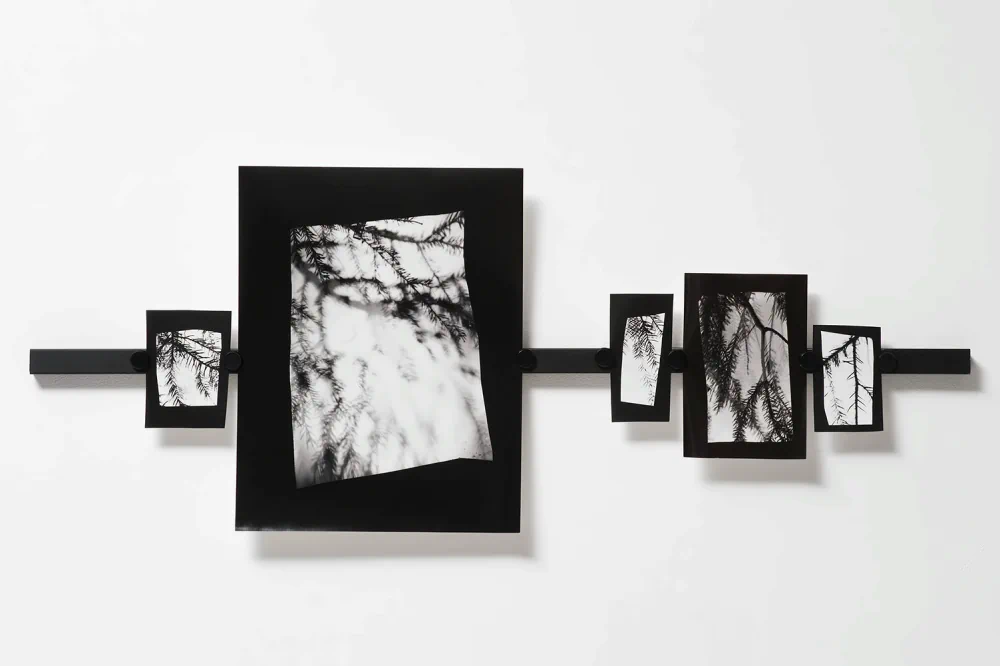
The final prints are made as contact prints, recreating the shadows at their actual size. Mounted on heavy boards, they can stand on the floor, showing how the shadow would fall. Looking down at them from an adult height, they seem dark, but perhaps also graphically interesting. Crouching down to the eye level of a child, they suddenly become towering dark shapes that compress the world into what is here now, moving everything else out of reach.
About Stig Marlon Weston
Stig Marlon Weston has been balancing careers as a professional photographer and artist since before 2000. After studying photography in college, he began his career just as the digital shift was taking place and decided to continue working in both the digital and analog worlds.
Never abandoning the darkroom, Weston has focused on analog experimental landscape photography, developing a distinctive style that combines mixed techniques with material-based creative processes. His images explore how the world can be experienced through the properties and perspective of photographic materials, inviting viewers to form their own interpretations of what they see.
Based in Oslo, Norway, Weston exhibits with galleries both locally and internationally and has participated in photography festivals in the United States, China, and Europe. His work has been presented in national and regional exhibitions and is part of the collection of the Preus Museum, Norway’s national museum of photography.
Weston also curates exhibitions, runs a community darkroom in Oslo, and oversees the artist residency program of the Nordic Analog Network, a network of photographic darkrooms across the Nordic region. [Official Website]