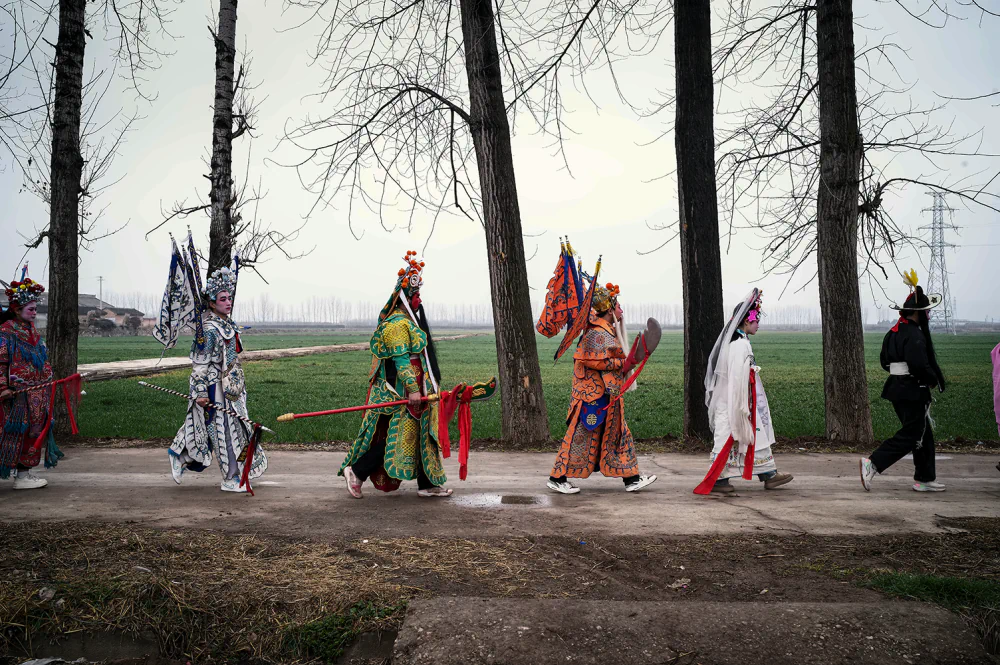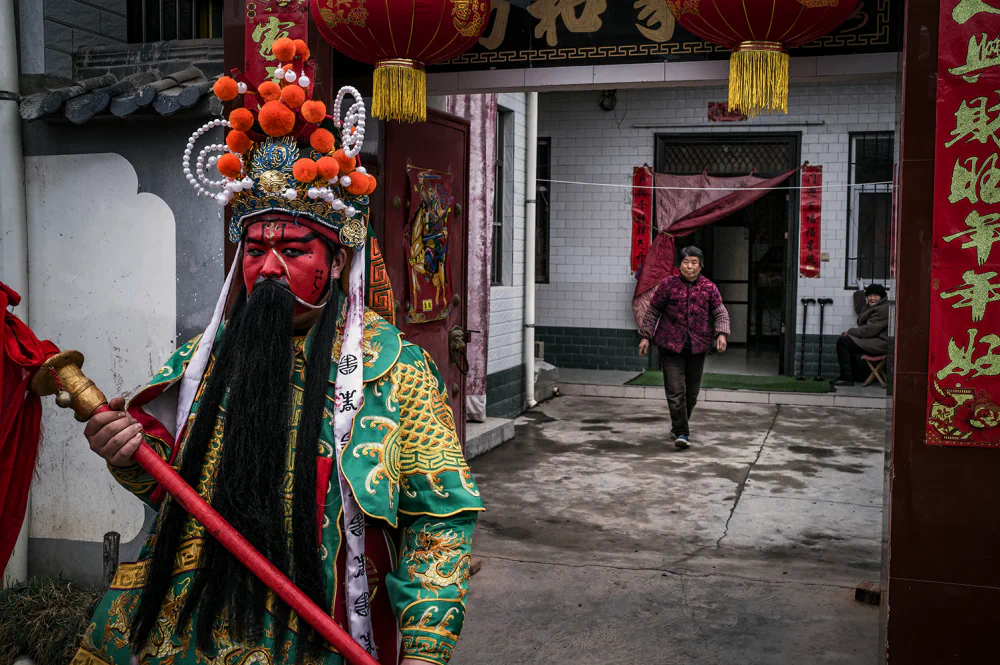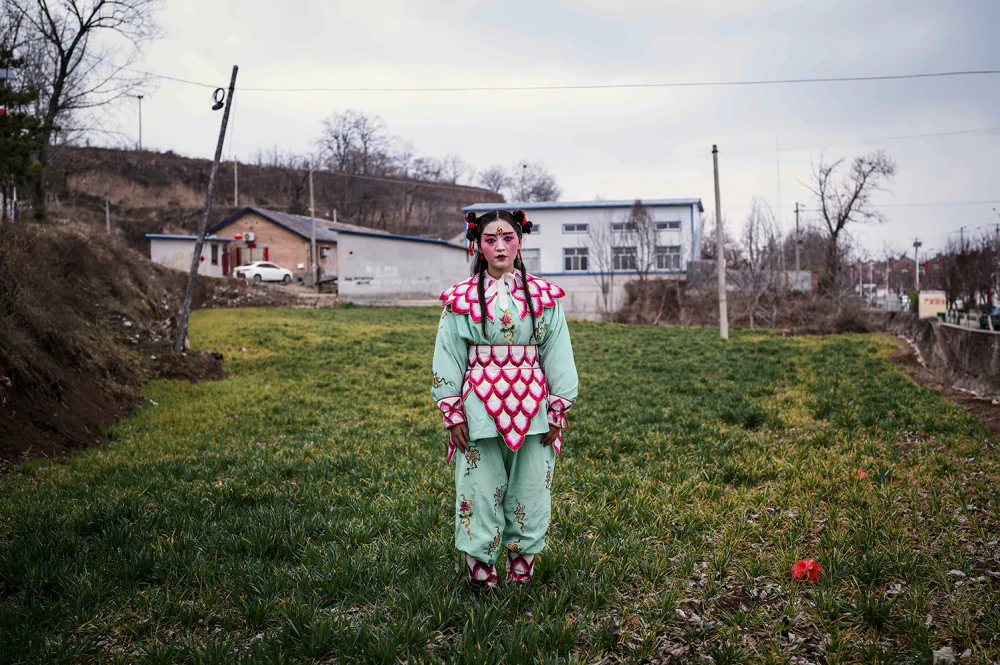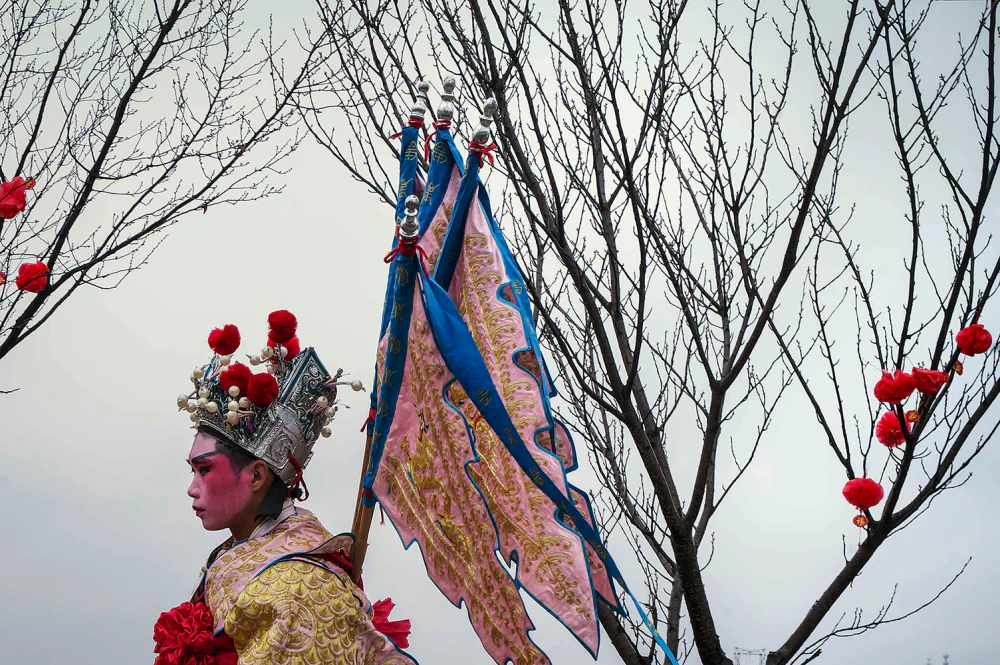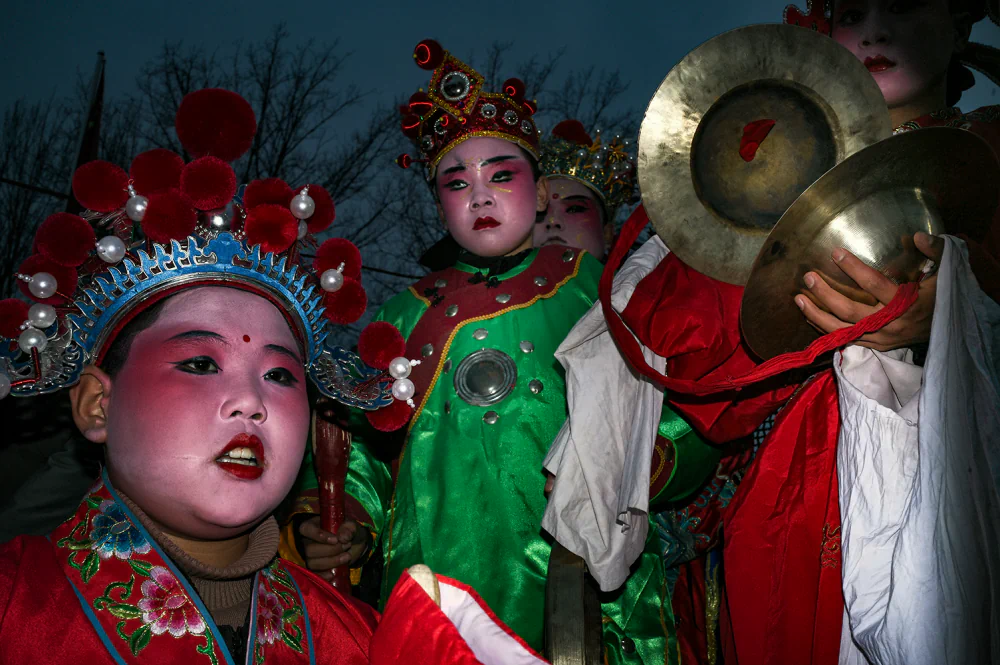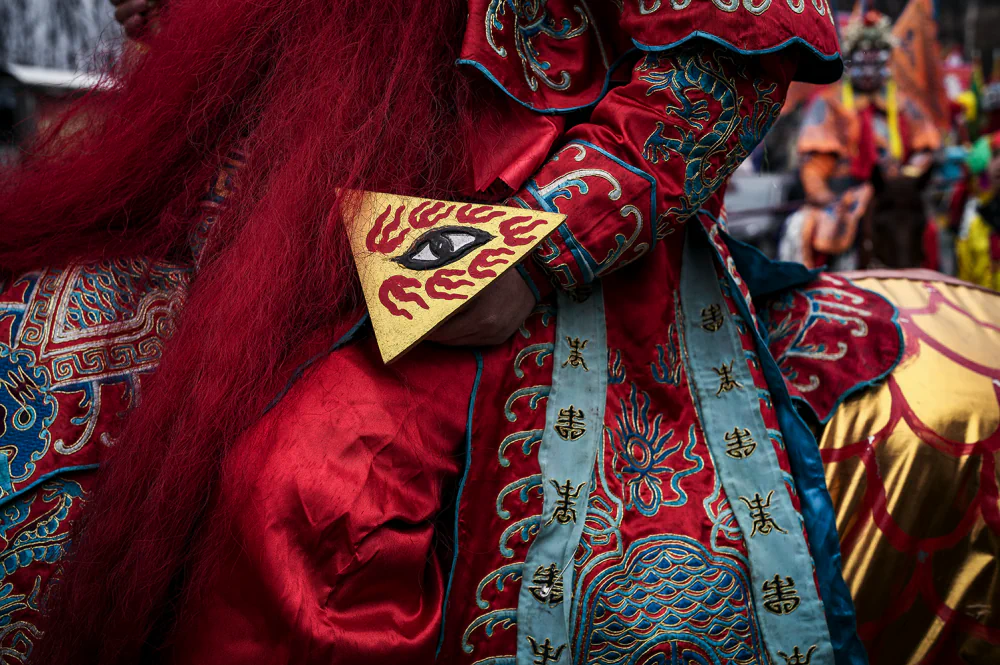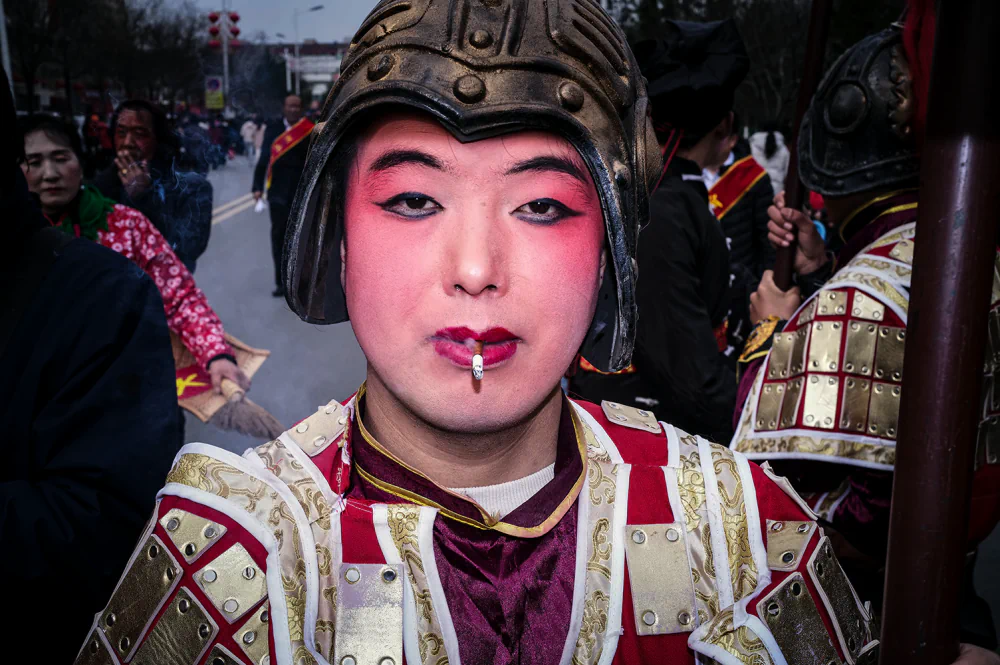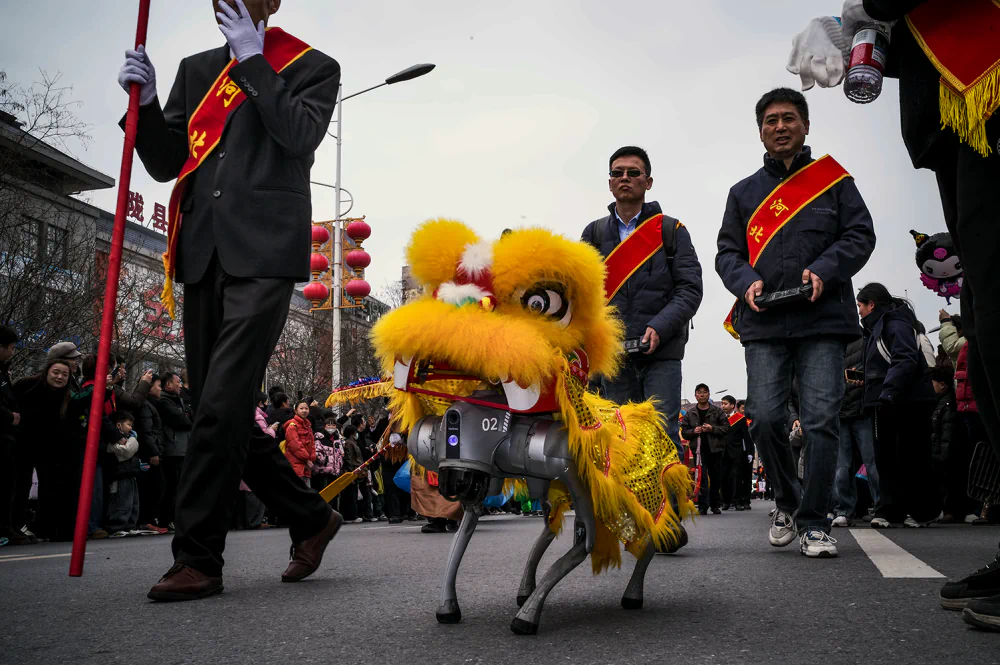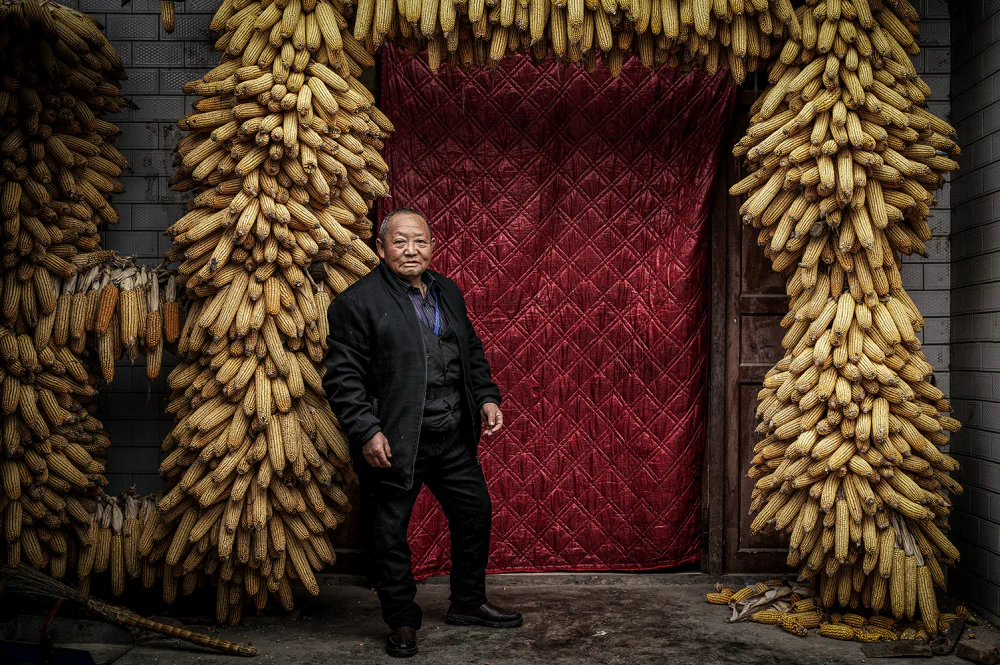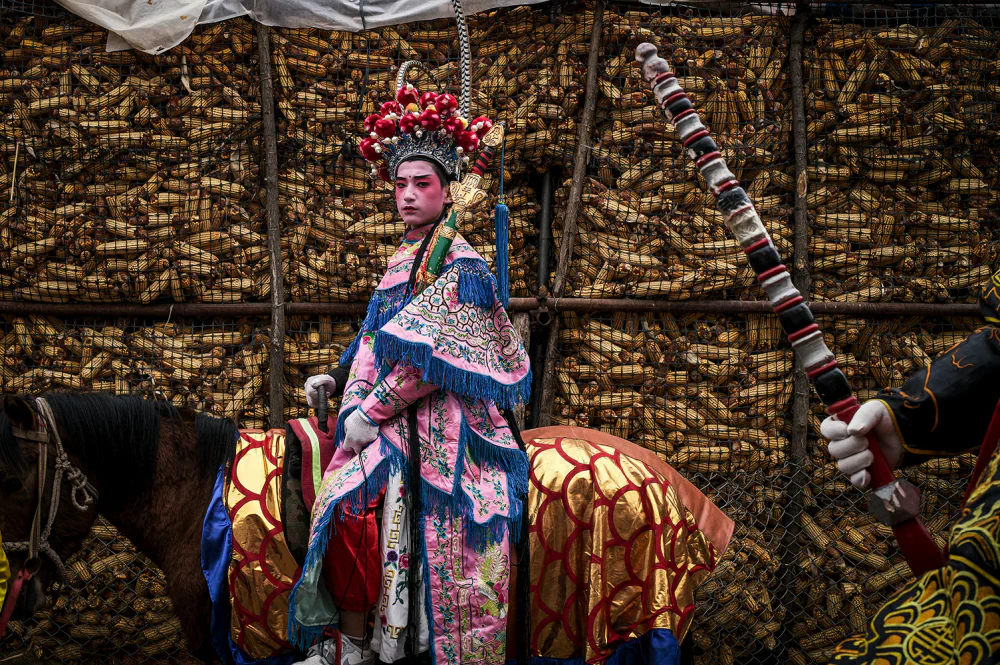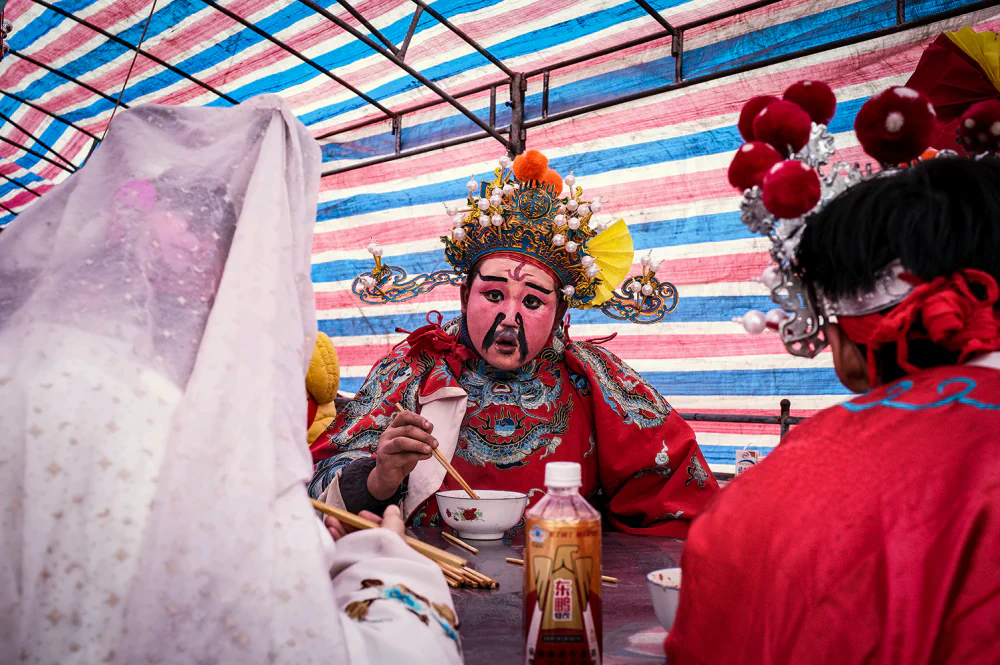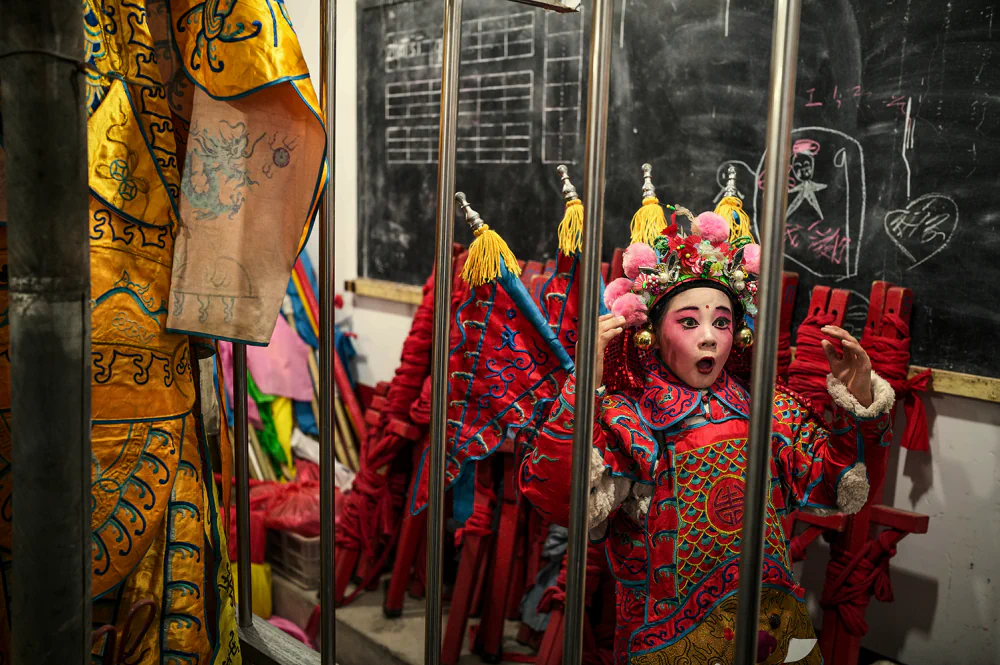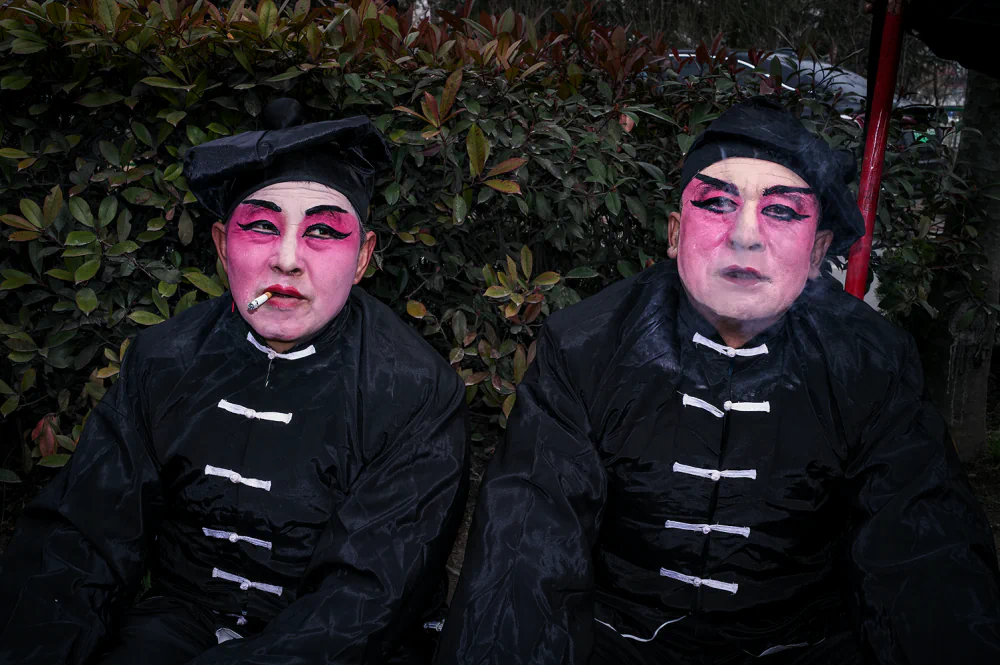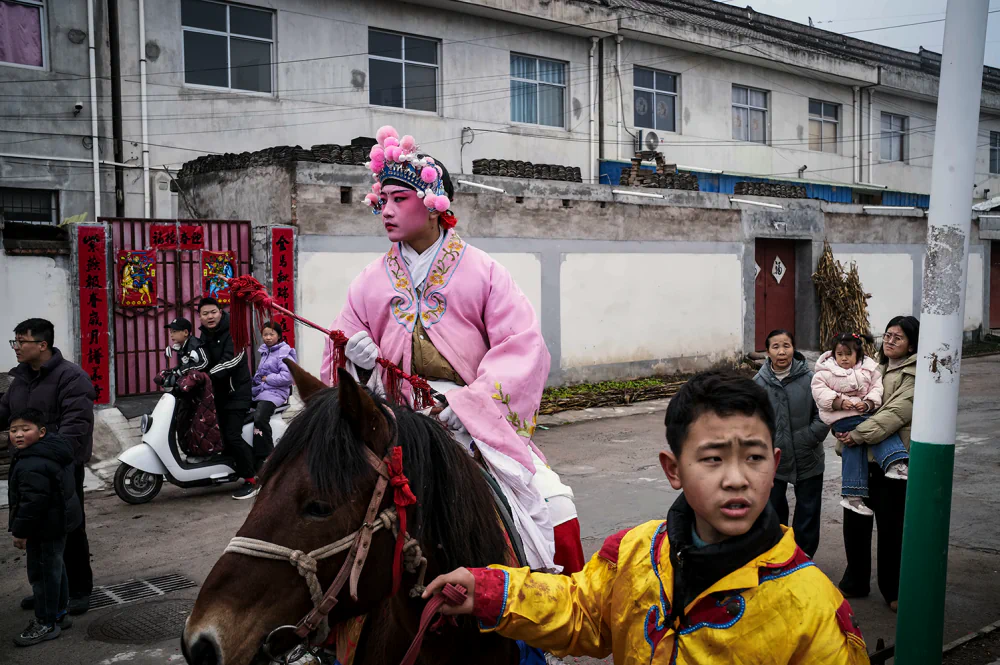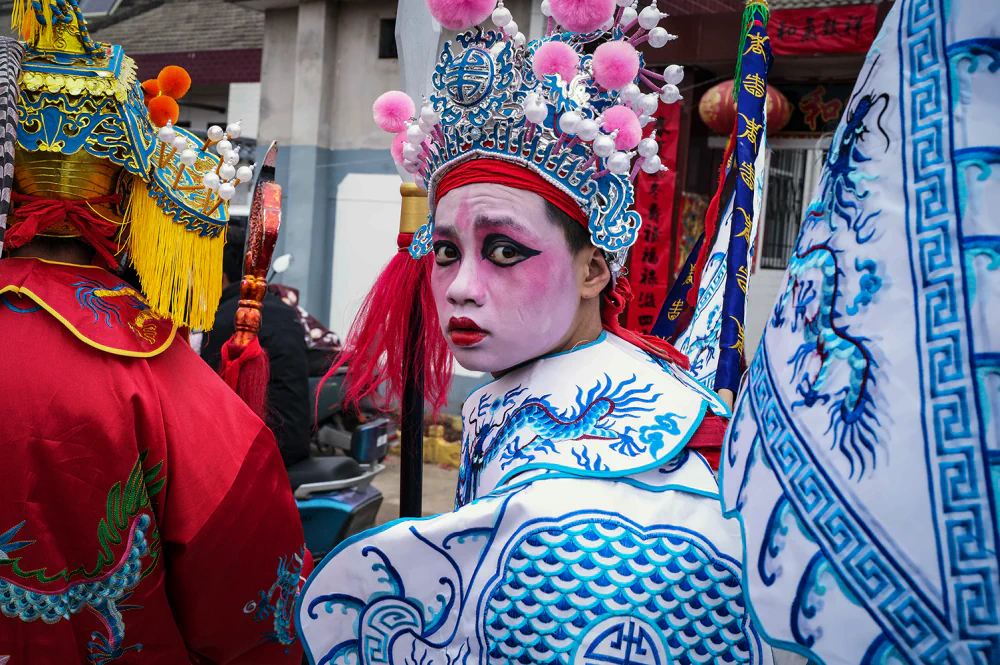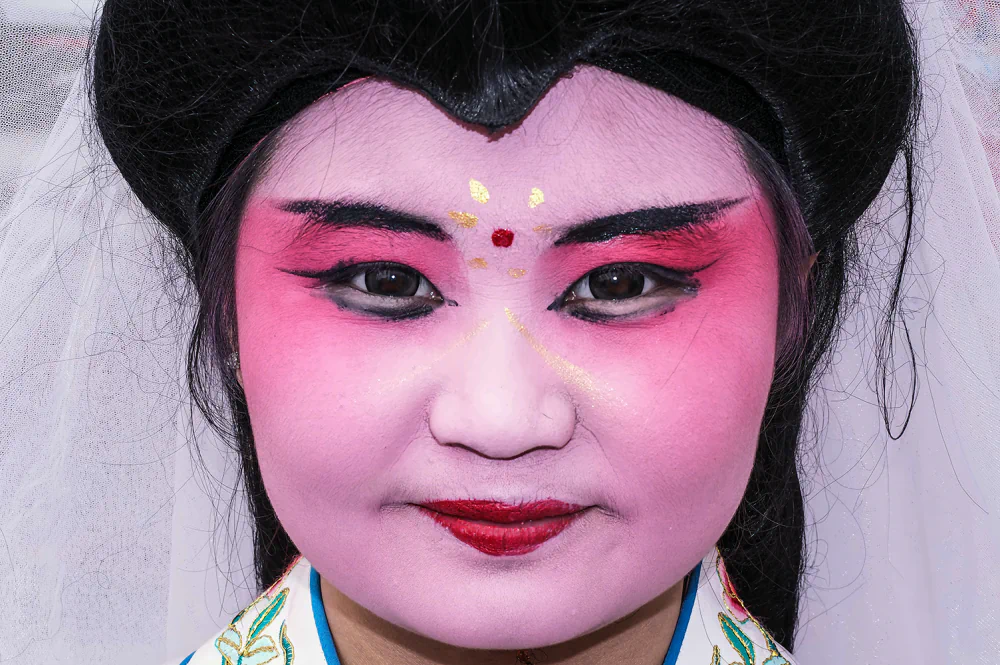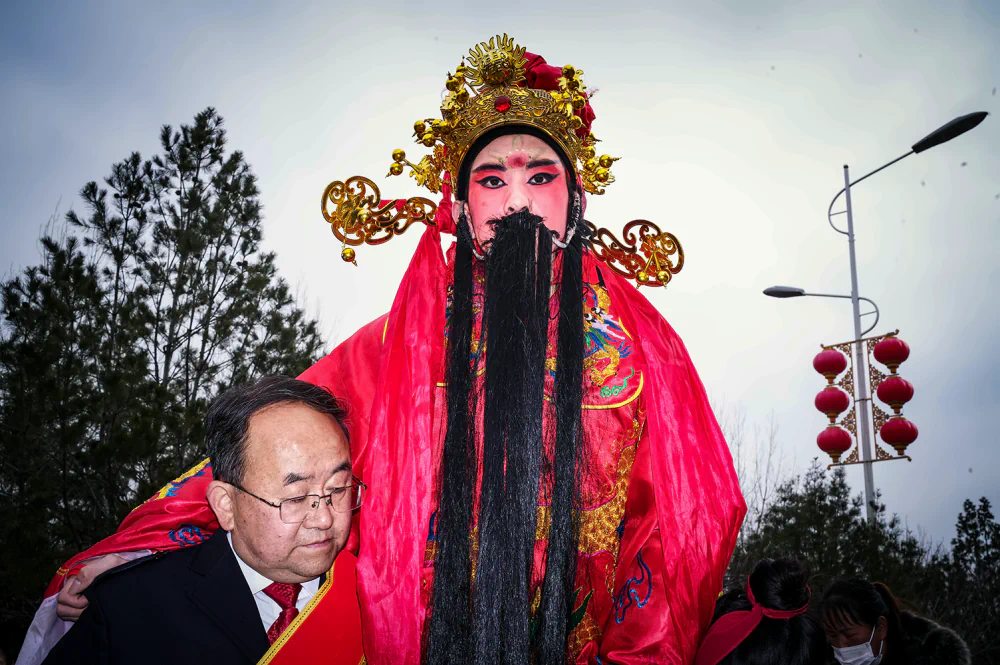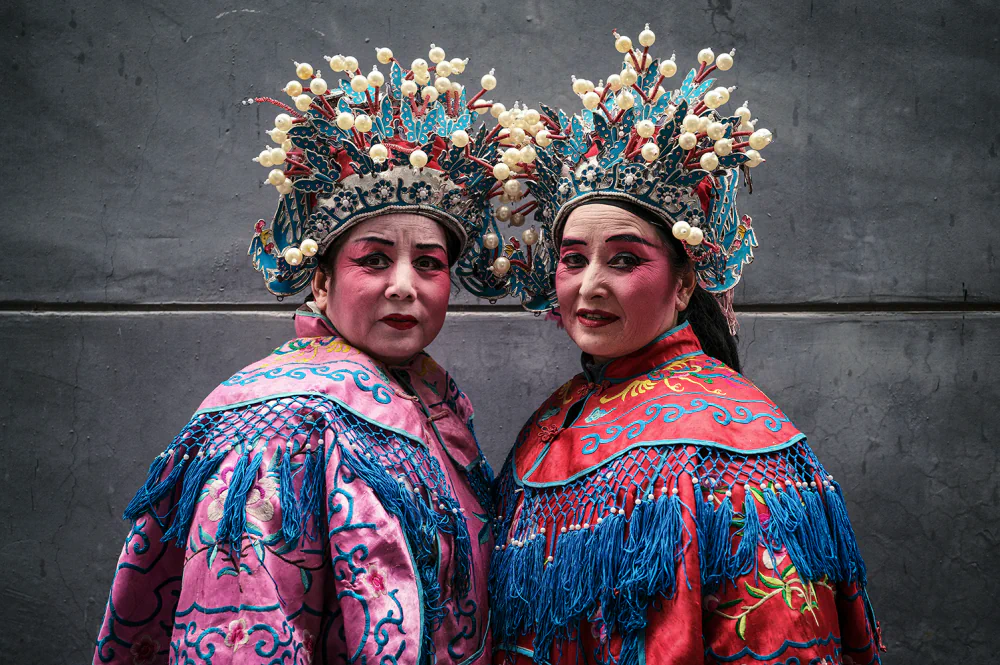


Shehuo is a time-honored traditional folk celebration unique to the Chinese Spring Festival, deeply rooted in the country’s rural communities and ancient farming culture.
Originating from the primitive worship of land and fire by ancient Chinese ancestors, this distinctive folk custom has undergone continuous evolution and transmission over thousands of years.
It has long transcended the role of a mere festive activity to become an indispensable cultural treasure and a vital symbol of China’s rich agricultural civilization. Far more than a lively ritual to bid farewell to the old year and welcome the new, Shehuo faithfully preserves the precious collective memories of generations of rural communities, strengthens emotional bonds among local villagers, and serves as a spiritual anchor that comforts and unites ordinary rural people through decades of change.
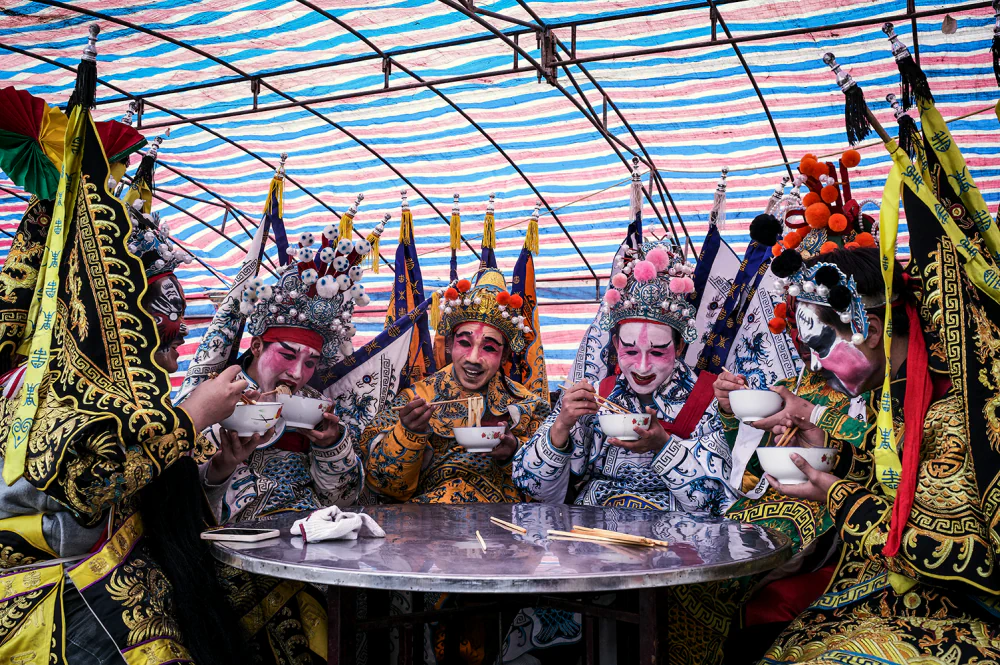
Nevertheless, this precious intangible cultural heritage is currently facing an unprecedented and severe crisis of continuity in modern society. Driven by the rapid and widespread urbanization of China in recent years, countless young and middle-aged rural workers leave their hometowns year after year. They move to bustling cities in pursuit of better job opportunities, higher incomes, and more promising futures, leaving many rural villages severely depopulated, empty, and aging. Growing up in cities or spending most of their adult lives far from their hometowns, younger generations are gradually losing their intimate connection with this ancient folk tradition. They know little about its historical origins and cultural significance and therefore often fail to recognize its irreplaceable cultural value.
Furthermore, mastering the various professional performance skills associated with Shehuo, including dancing, acting, and traditional instrumental performance, requires years of persistent and rigorous training. Yet this demanding practice provides little in the way of stable economic returns or social recognition. As a result, only a small number of elderly folk artists and a few young enthusiasts are willing to devote themselves to preserving and passing on this traditional art form. The cheerful and powerful sounds of gongs and drums that once resonated through every village and town in Northwest China during the Spring Festival are gradually fading into silence.
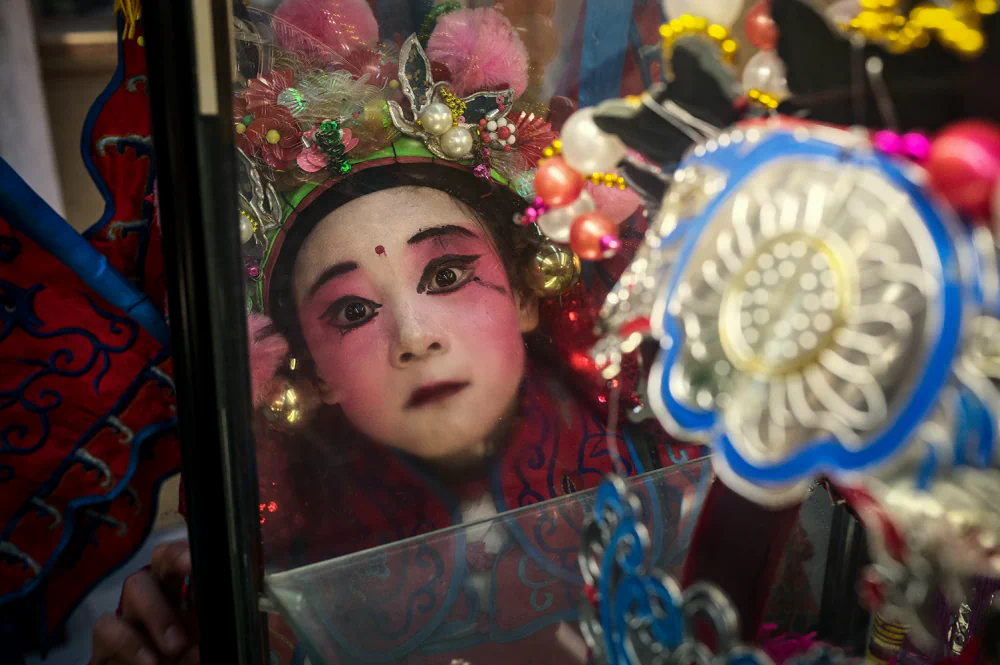
Despite this bleak and worrying situation, the warmth of Shehuo has not completely disappeared. Every Spring Festival, numerous towns and villages in Northwest China still hold Shehuo performances as scheduled. Local residents of all ages gather with sincere anticipation to embrace this annual folk celebration. They watch each performance attentively, cherish the fleeting festive moments, and earnestly hope that the simple rural warmth, rich cultural significance, and profound folk heritage embodied in Shehuo can overcome the invisible constraints of modern life. It is their shared hope that this ancient folk art can regain its vitality, be passed down from generation to generation, and continue to thrive in the modern era.
About Chris Yan
Chris Yan is a photographer and creative director born in Beijing, China, in 1981. After graduating from the Communication University of China with a degree in Art and Design, he began working at international advertising agencies. In 2013, he founded his own company, focusing on commercial design and artistic creation, while also beginning to develop his photographic practice. His work primarily explores humanistic and street photography. Over the past ten years, he has photographed in various countries around the world. He currently lives and works in Beijing. [Official Website]