For years, I worked the same way: I would finish one project, then rush into the next.
Each one felt urgent, as though it had to happen immediately. That kept me moving for a long time. Then, a few years ago, it stopped working.
I wasn’t blocked, exactly. I just felt lost. Too many ideas came at once, and none of them stayed still long enough for me to actually follow through. So I stopped chasing the next idea. I stopped trying to plan my way out of it.
What helped instead was simple: I started walking.
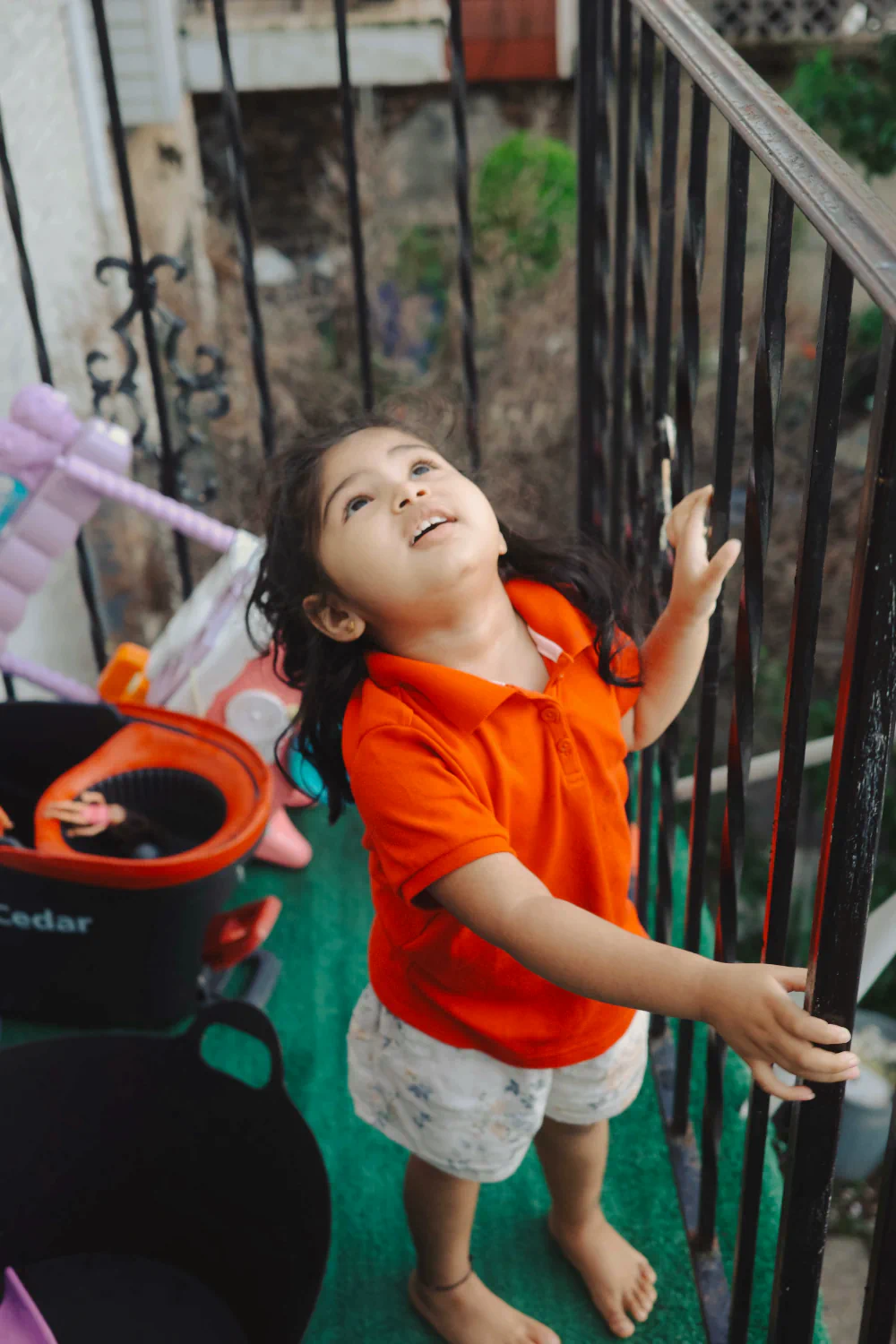
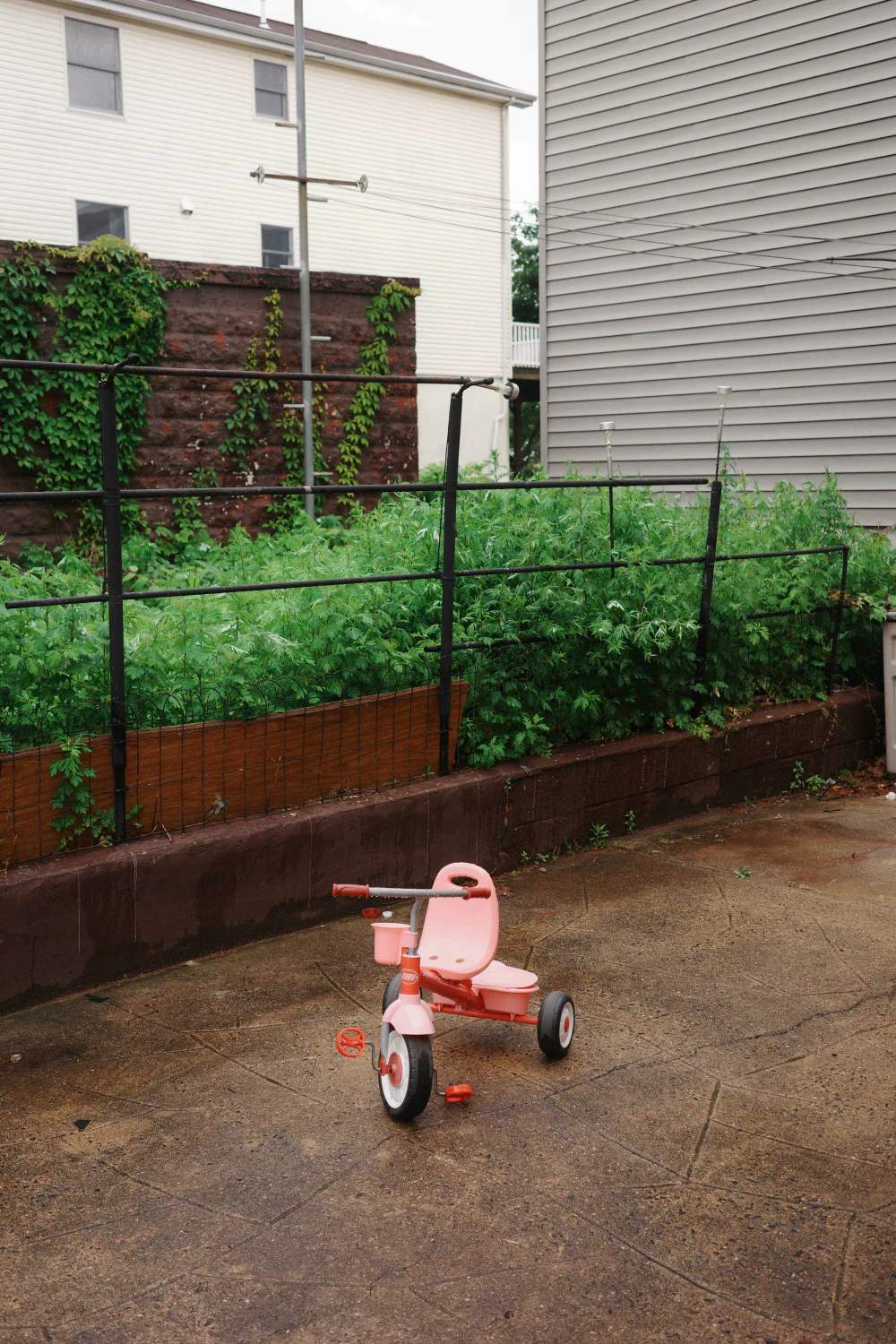
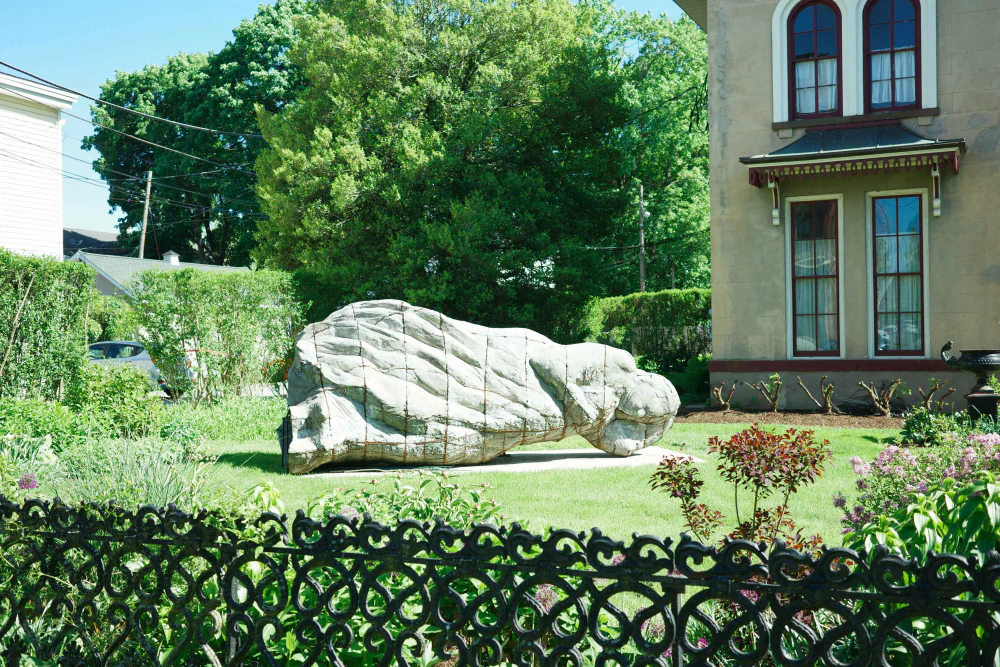
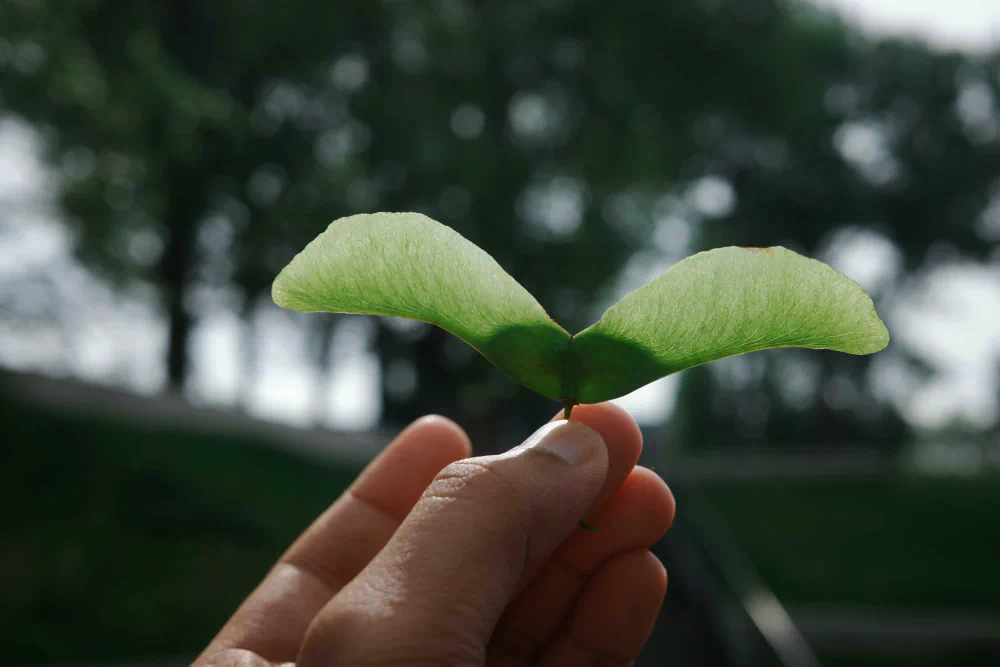
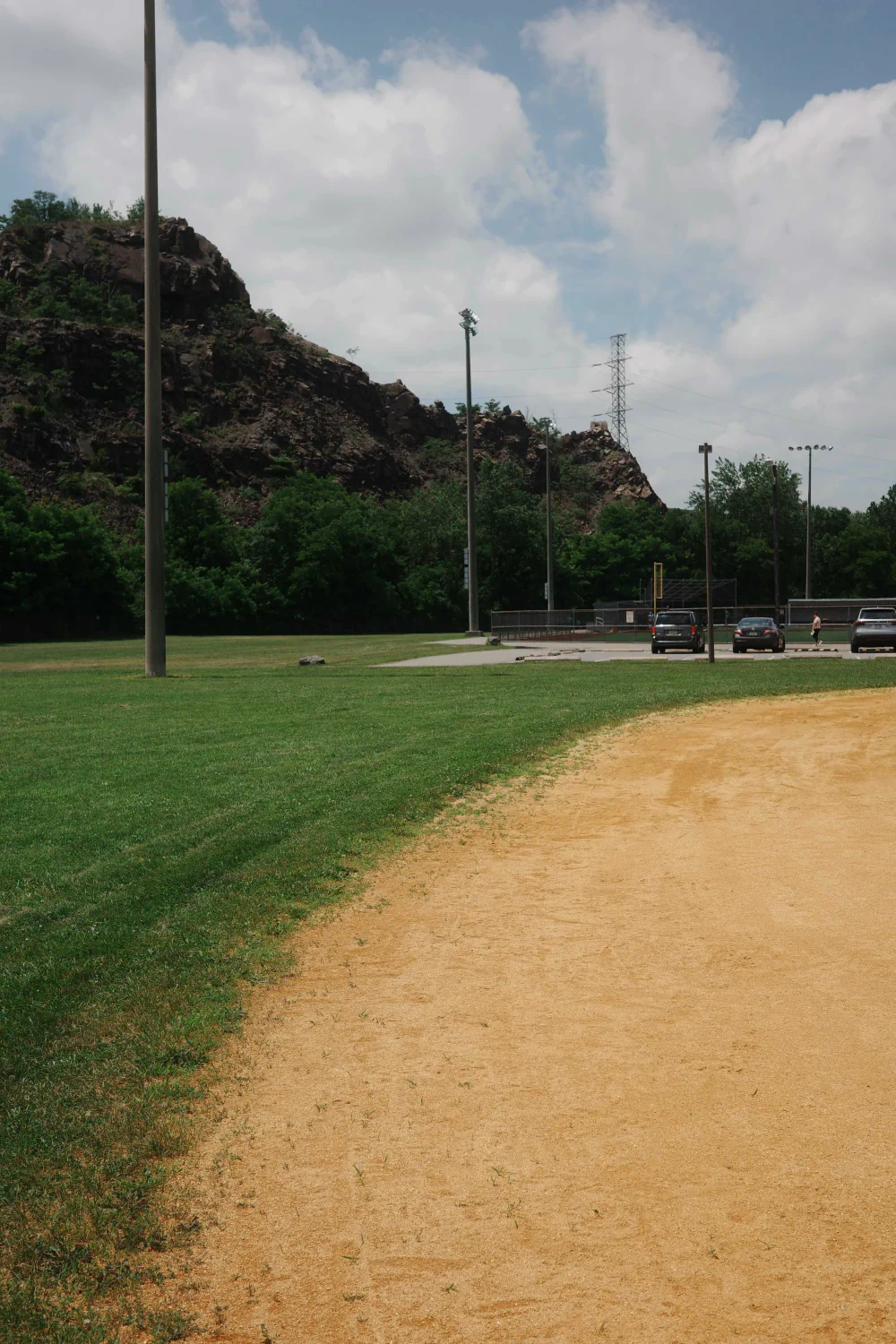
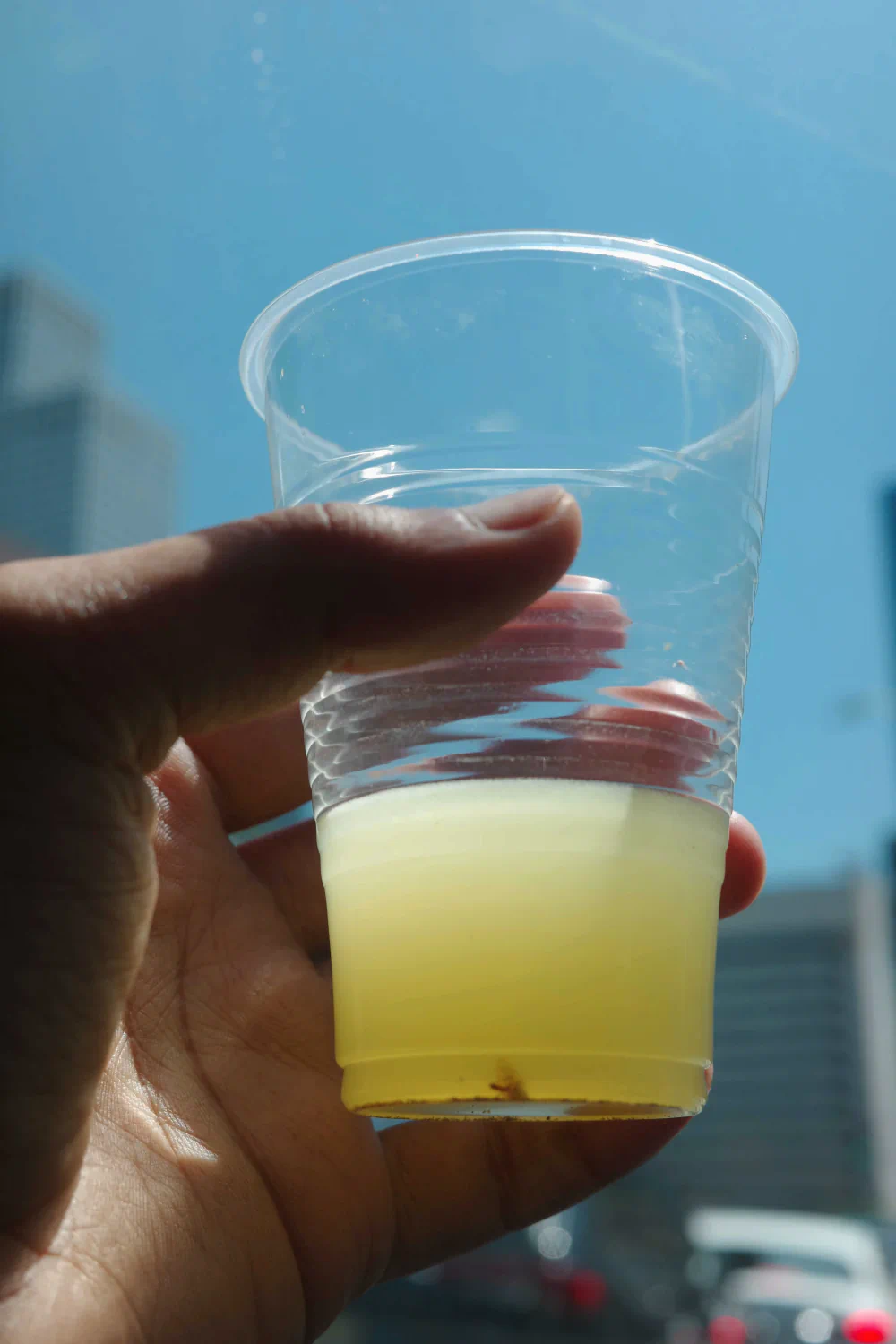
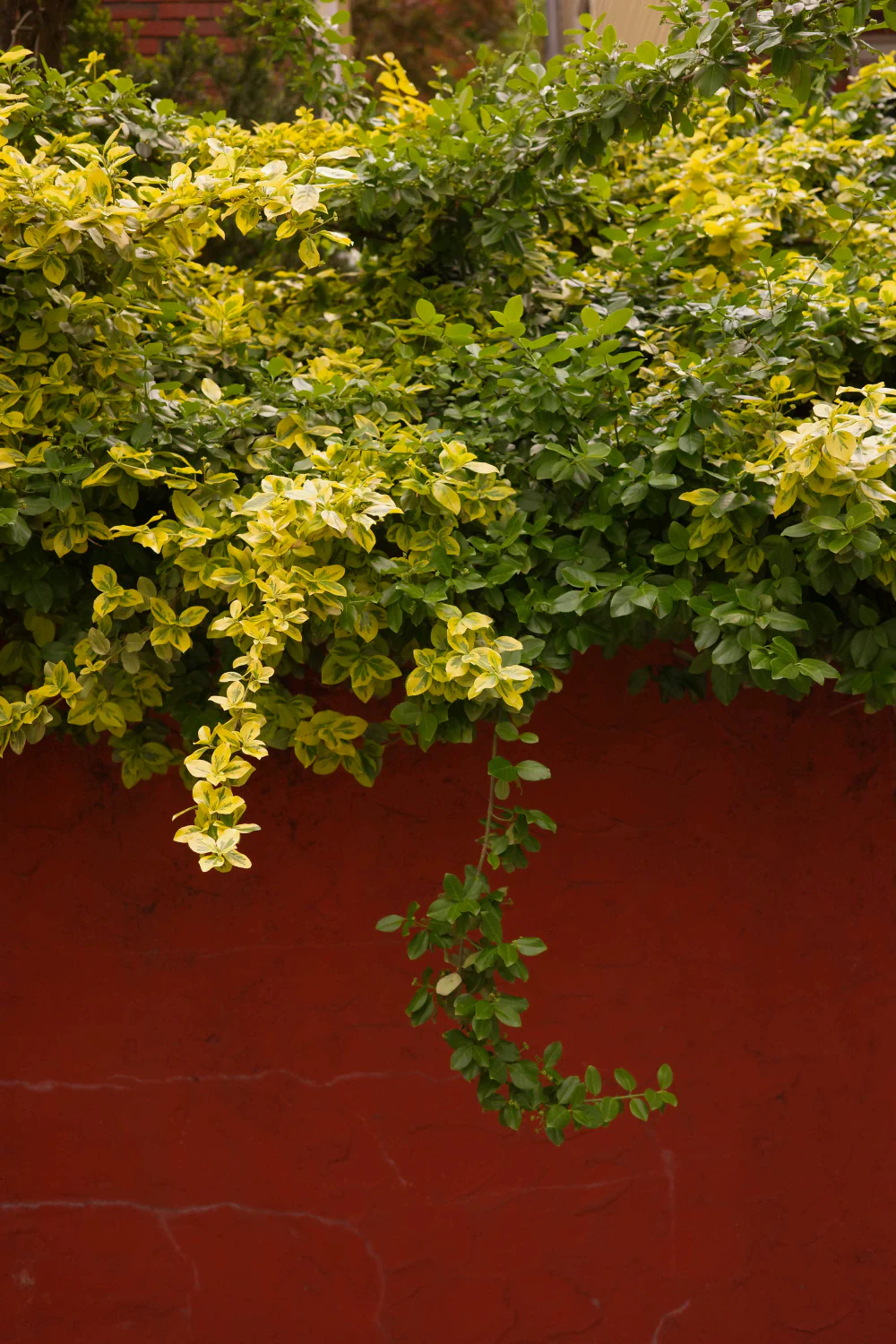
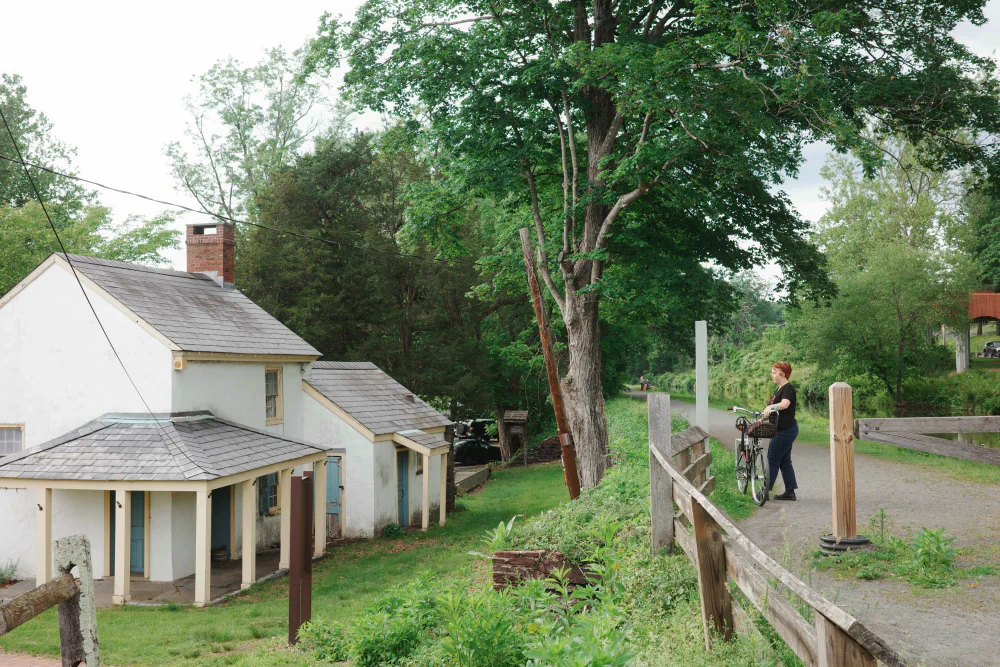
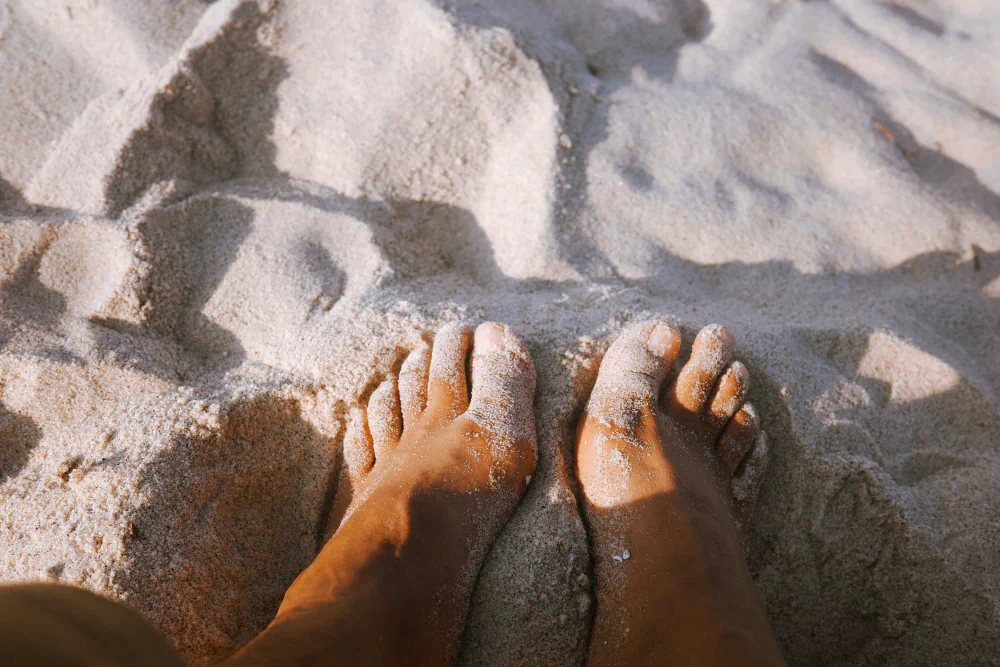
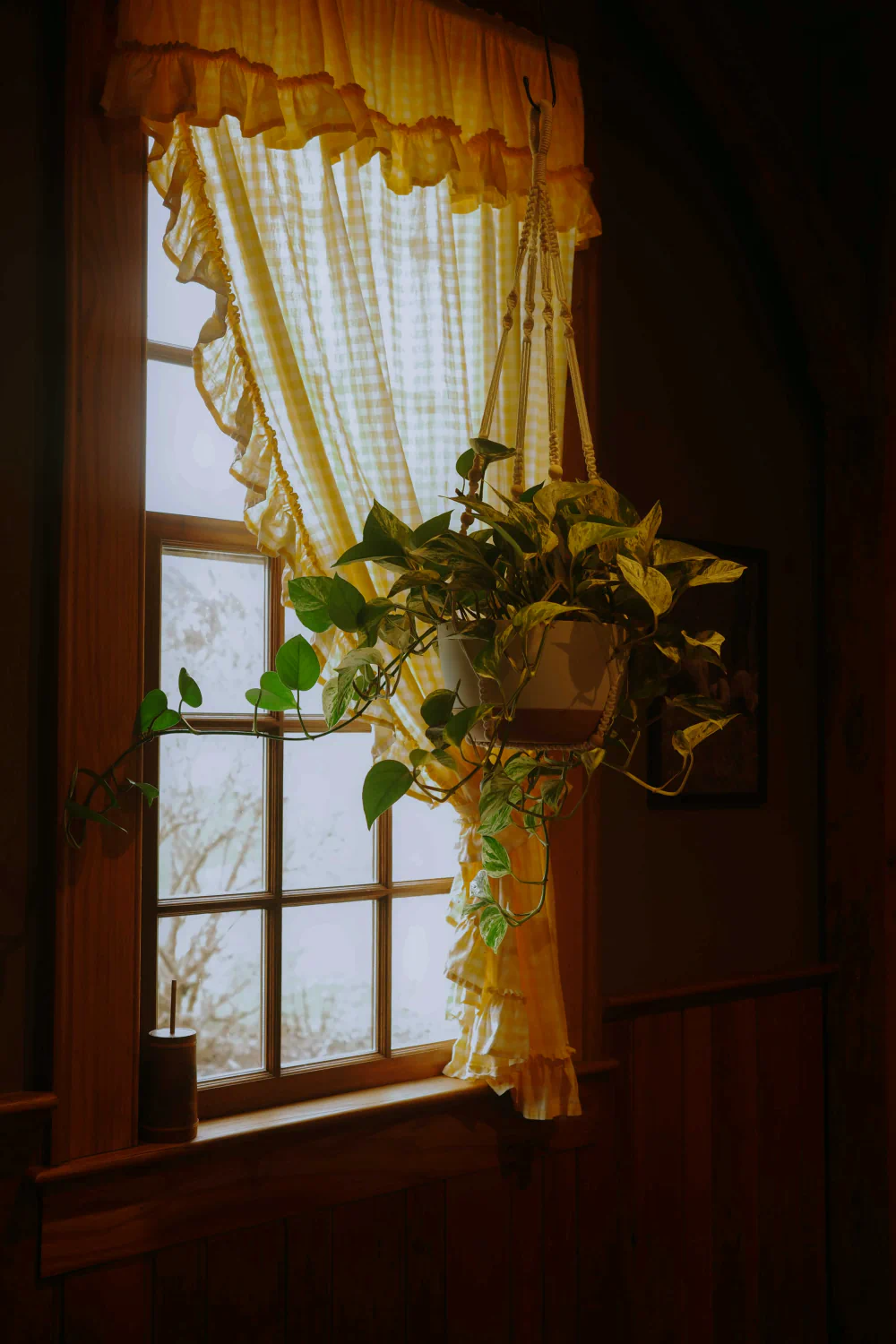
Short walks in the park turned into longer runs. I picked up a small camera without really planning to use it for anything in particular. My own neighborhood—the same streets I had driven past a thousand times—started to feel new. I went out early in the morning, in the evening, and on quiet weekday afternoons. I noticed things I had never noticed before: the way light fell on a fence, the sound of a particular street at 6 a.m., a bench I had never once sat on.
I sat under trees with a journal and drew instead of writing, letting my thoughts become shapes and lines instead of finished sentences.
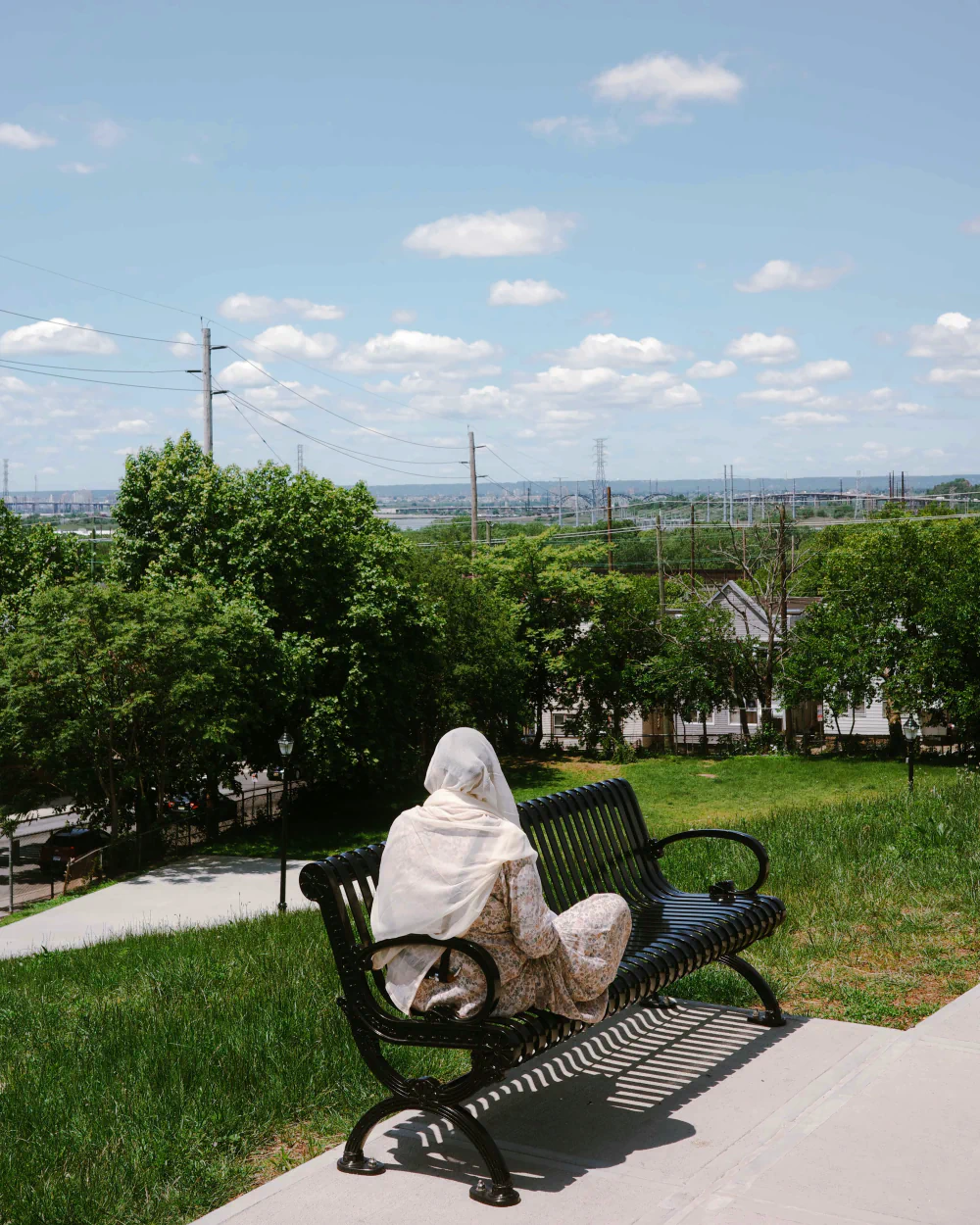
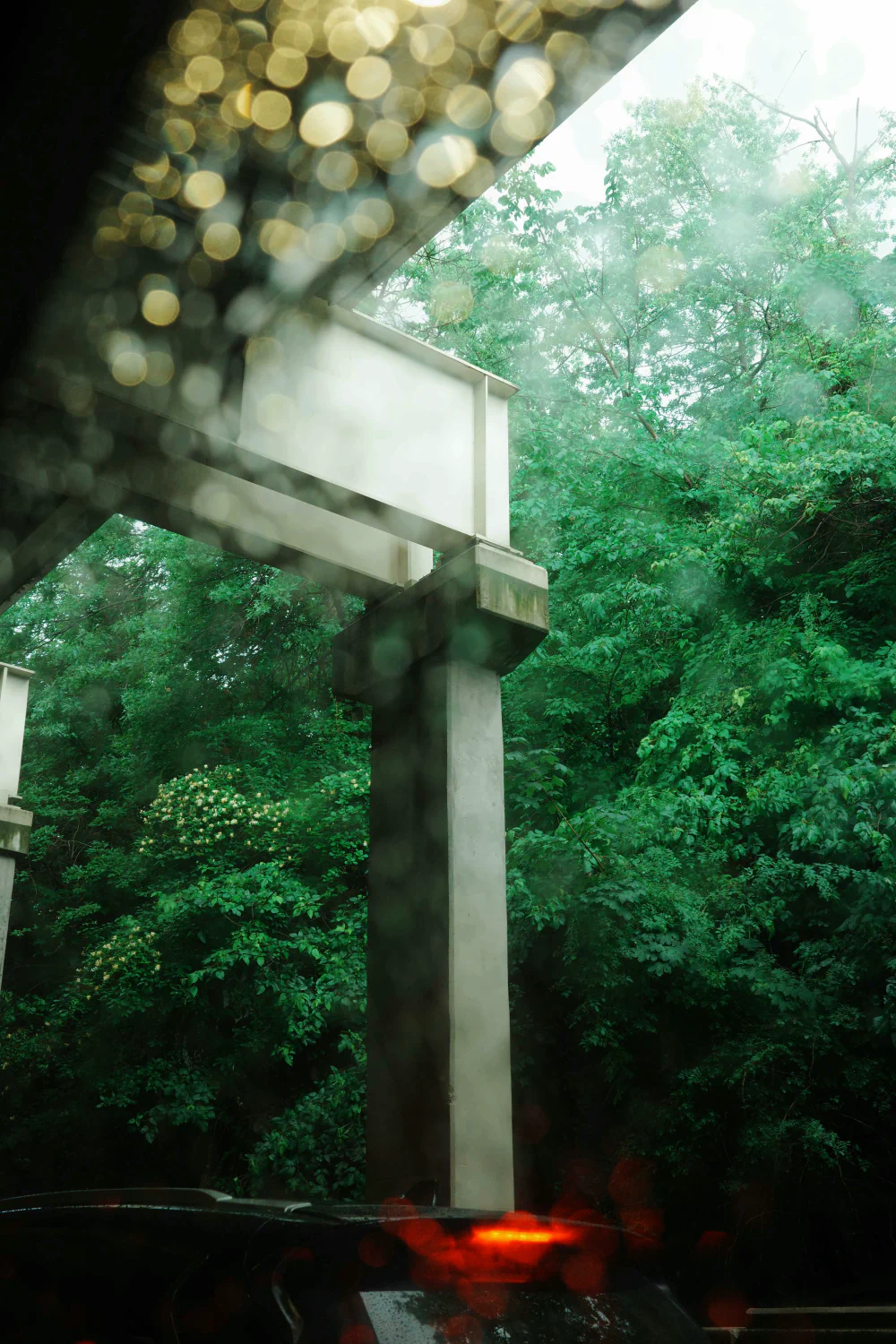
As the weather warmed, I started driving to nearby small towns I had never visited, with no real destination in mind. Some days I simply picked a direction and kept going until something looked interesting enough to stop for. I let phone calls run long while I walked, talking about nothing important for an hour at a time. The people I saw regularly in the park began to feel familiar, almost like neighbors, even though I never learned most of their names.
I read about weather, animal migration, and how light works—not to become an expert, but simply to feel curious about something again, for no particular reason.
I left home a few years ago, but part of me never really left it. I think about that a lot now because it isn’t only about the place where I grew up. It’s also about how I used to work and create. I left behind the version of myself that needed urgency to feel productive, but I kept looking back at it, as though it were still the right way to work.
Meanwhile, life kept moving forward, whether I was paying attention or not. I spent a lot of time missing what was already gone or waiting for whatever came next instead of noticing the ordinary day already in front of me.
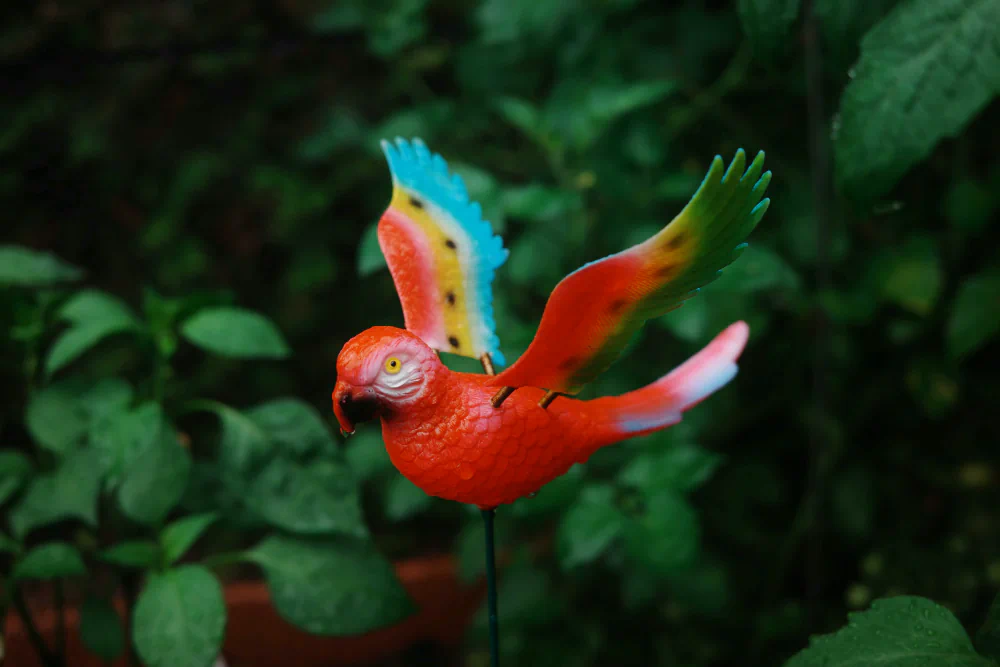
Somewhere in all that walking and driving, in repeating the same loop through the same park over and over again, something in me relaxed. At first, it felt like exhaustion; then it became something closer to relief. I realized the distance I had been feeling wasn’t about location at all. It was the space between forcing something to happen and letting it happen on its own. Between needing an idea to feel important before I would follow it and simply following it because it was there.
There’s a quiet kind of comfort I found in repeating the same walk, the same route, the same bench, day after day. Nothing about it looked like progress. No finished project came out of any single afternoon. But something was building anyway, quietly, in a way I couldn’t see while it was happening—the same way you don’t notice a field changing from season to season until you’ve been away from it long enough.
This project, On the Cusp, grew out of that shift. It’s about standing at the edge of a life that once made sense and realizing it has changed without asking your permission—a career, a way of working, a sense of home.

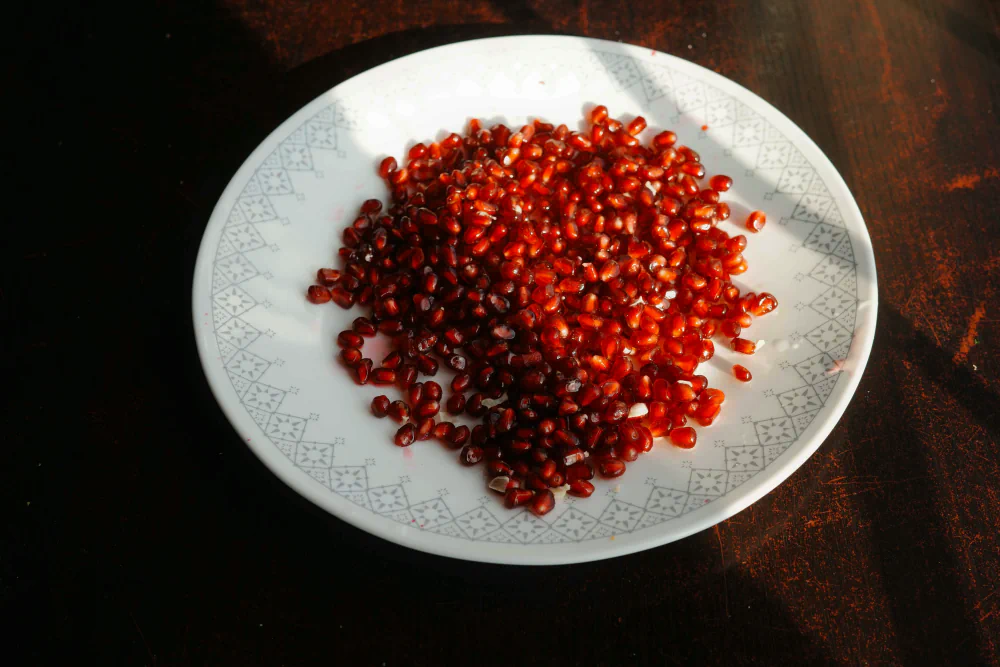
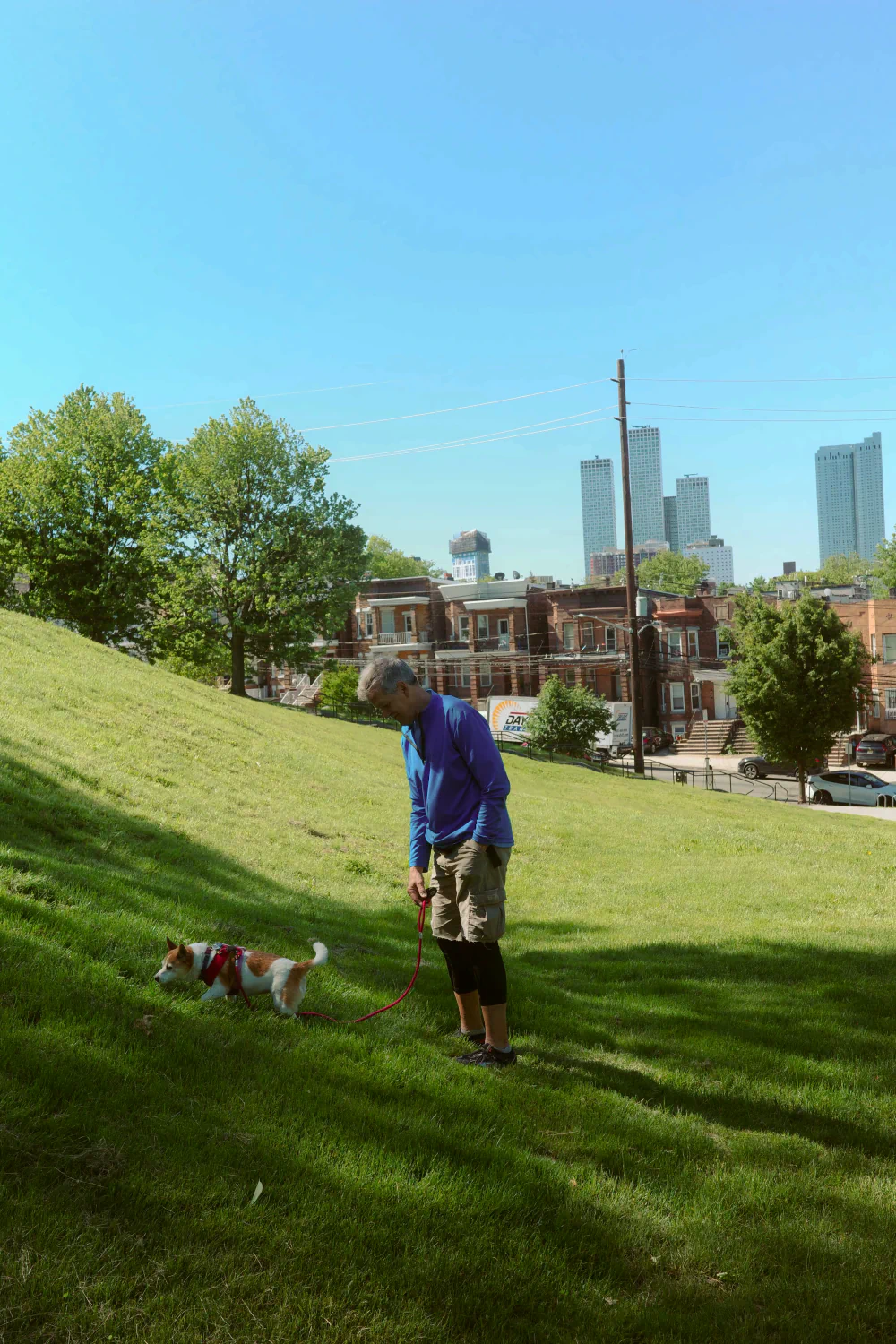
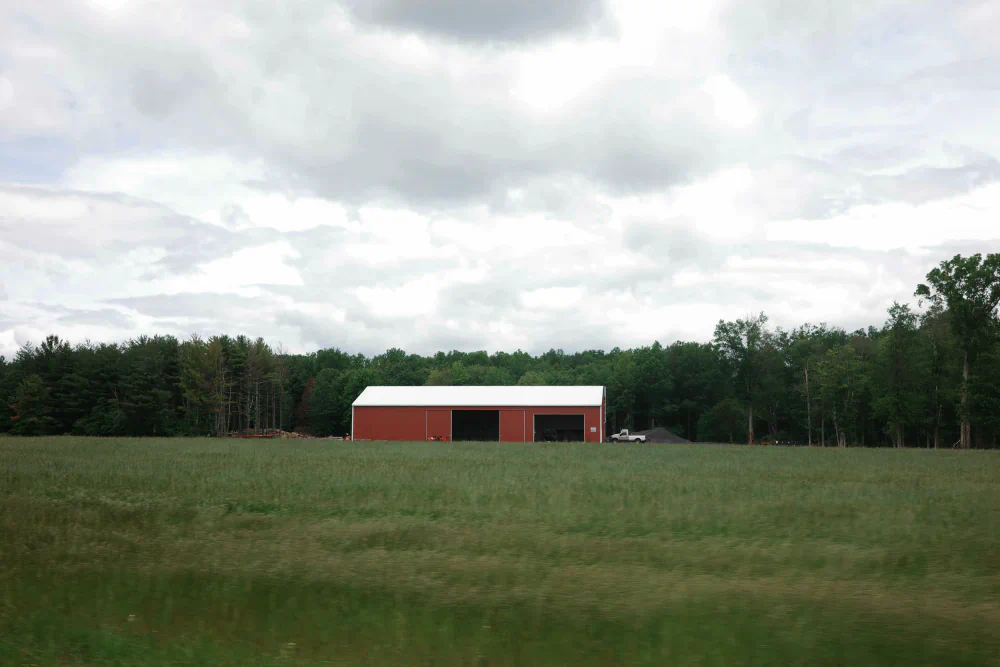
It’s about how time only moves in one direction, and how much energy I’d spent fighting that, either missing what was gone or waiting for what hadn’t arrived yet. It’s also about what happens when you stop doing both of those things and instead pay attention to what’s actually there: a barn at the edge of a field during that hour when the light seems to belong to no particular season, a dog in the park, a conversation that goes nowhere and feels good anyway.
I’m in the middle of my life, and in the middle of figuring out what creativity even looks like once urgency is no longer driving it. What I’ve learned from all this walking, driving, and sitting under trees is that creativity doesn’t need to feel dramatic to be real. Most of the time, it arrives quietly, through repetition and ordinary moments, in ways I used to overlook because I thought they didn’t count as work.
Maybe home was never a fixed place to arrive at and stay. Maybe it’s simply the ability to notice the life you’re already living, one plain, unplanned afternoon at a time.
About Jay Patel
Jay Patel grew up in Valsad, a coastal town in the southern Indian state of Gujarat. He is currently based in New Jersey, where he works as a freelance visual artist specializing in photography and video.
In 2016, he moved to the United States to pursue studies in photography. He graduated from the Creative Practices program at the International Center of Photography (ICP) in New York in the summer of 2019. Following his graduation, he worked as a teaching assistant for Allen Frame’s seminar at ICP for two years, further developing his curatorial skills.
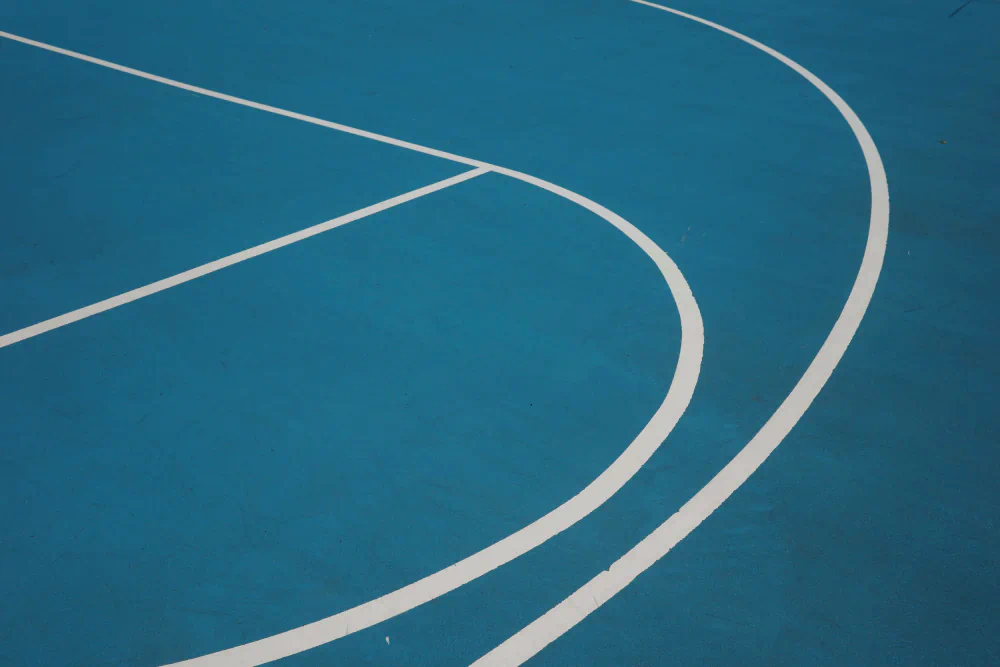
His commercial practice focuses on documenting everyday life, with a particular emphasis on local small businesses and brands. His photography is often inspired by his passion for sports, health and fitness, food, and the outdoors.
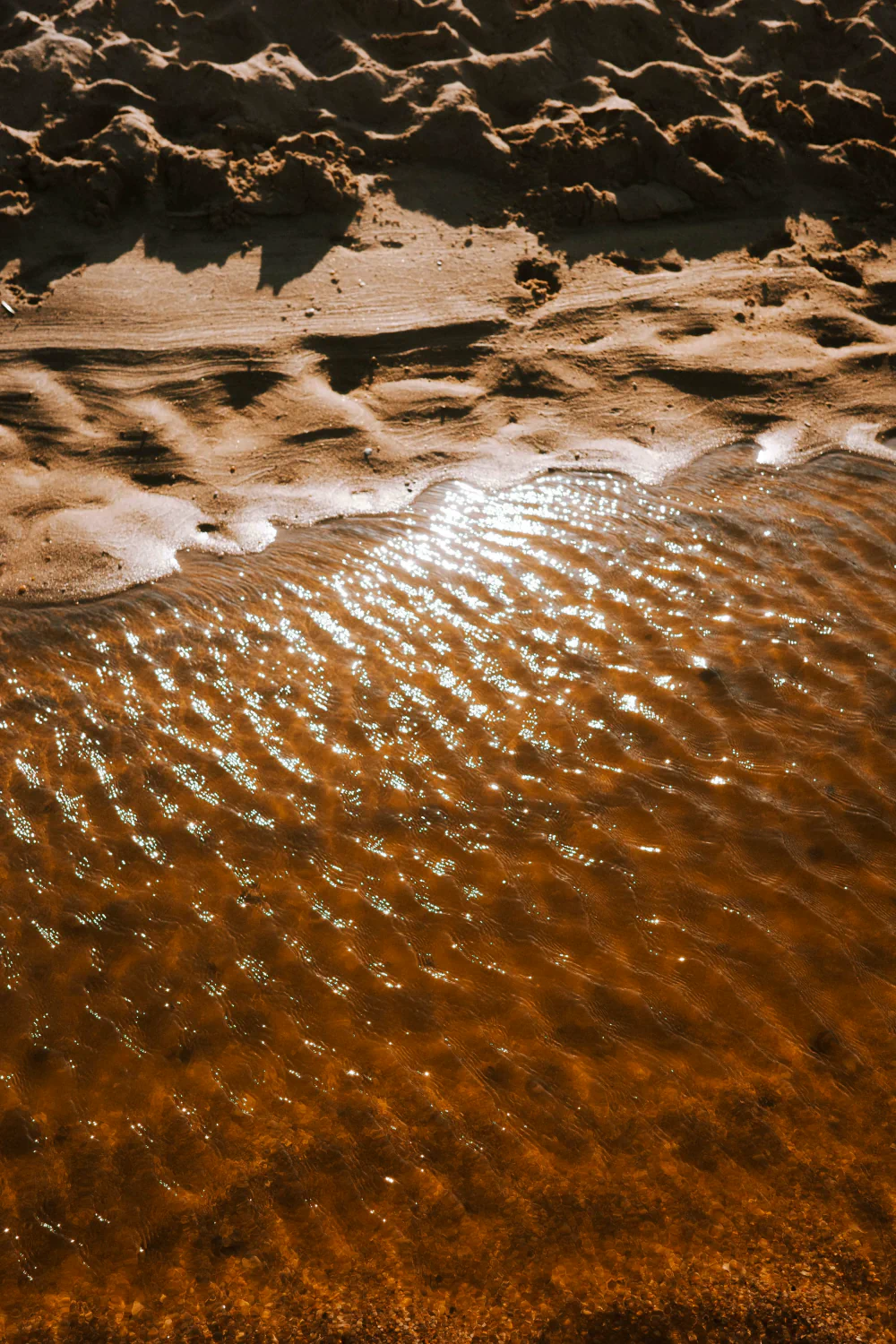
Exploring rivers, lakes, and beaches in search of swimming holes has become an integral part of his photographic practice. His love of reading and long walks has also profoundly influenced the way he approaches his work. [Office Website]