

For more than three decades, my camera has taken me across oceans and deserts, beneath the surface of the sea, and into some of the world’s most remote landscapes.
Whether documenting marine life, exploring fragile ecosystems, or working with cultures shaped by their environments, I have always been drawn to places where nature remains largely untamed.
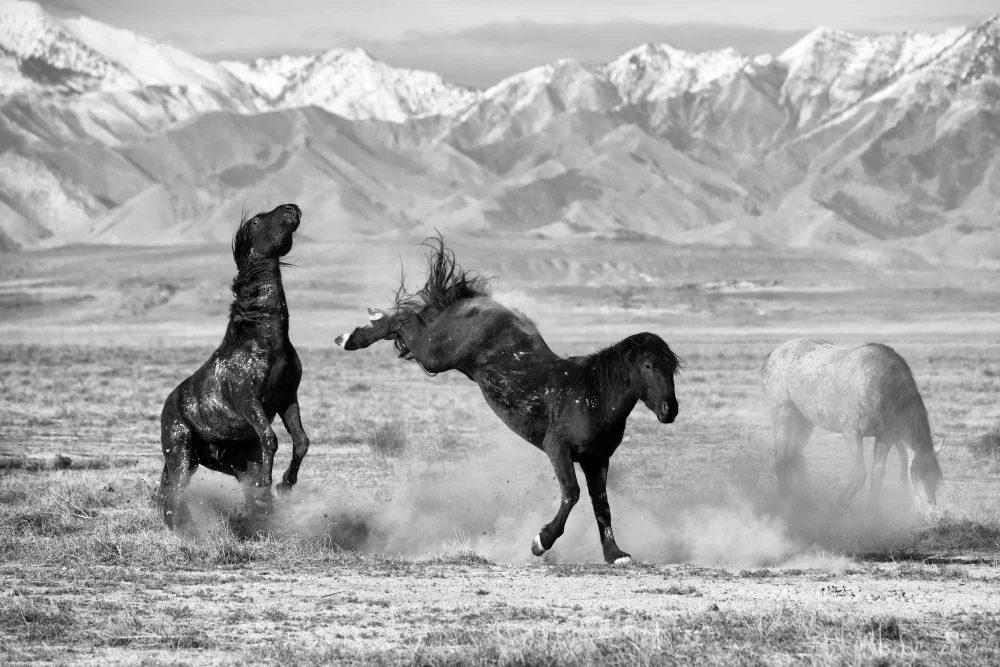
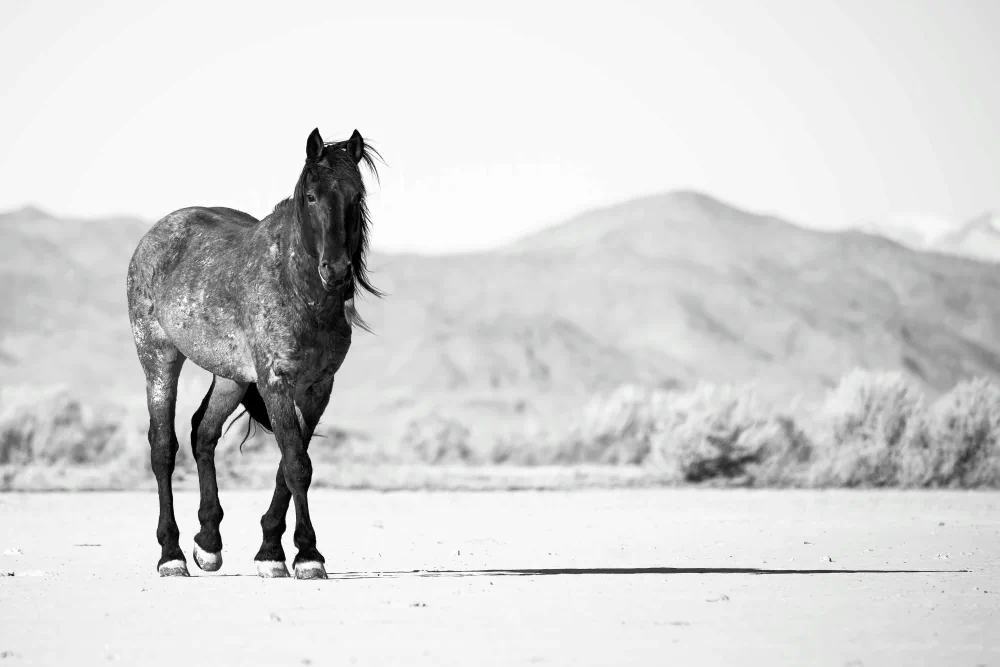
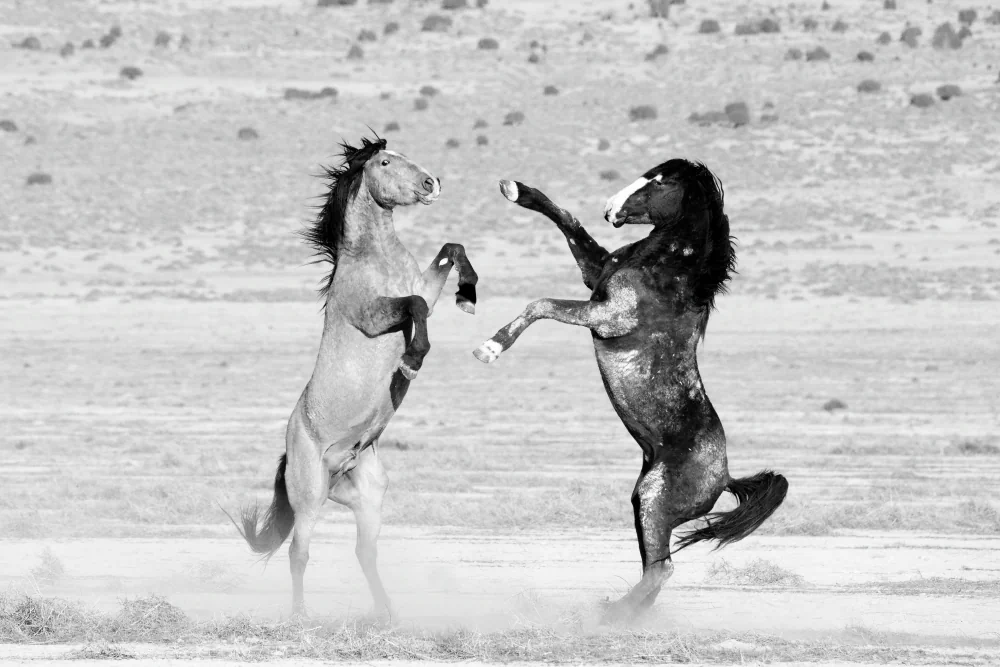
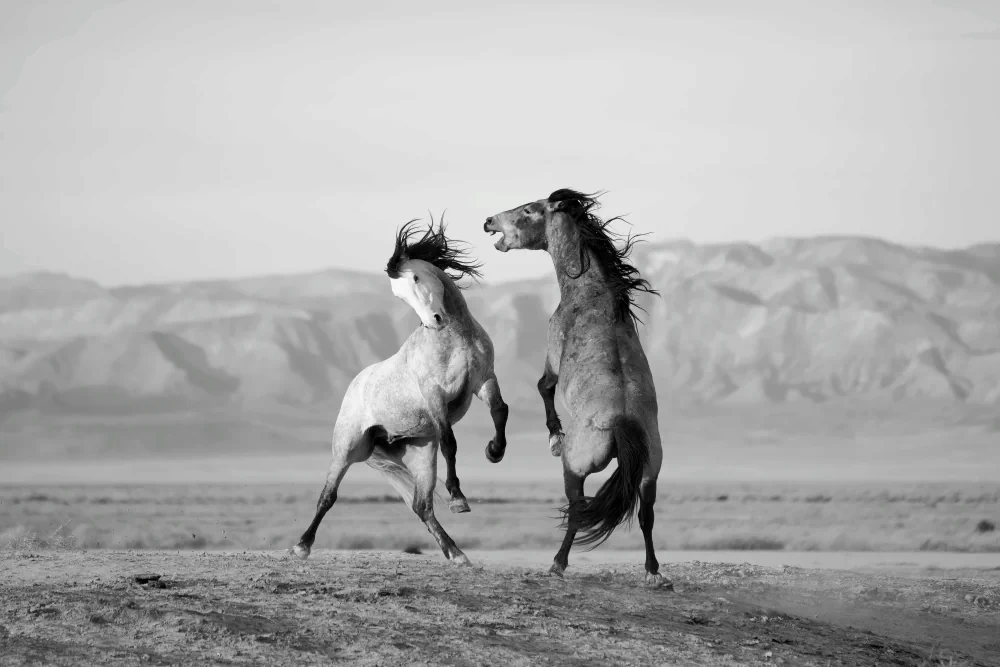
In this body of work, I turn my lens toward one of the most enduring symbols of freedom—the wild and semi-wild horses that continue to roam the Earth’s open spaces.
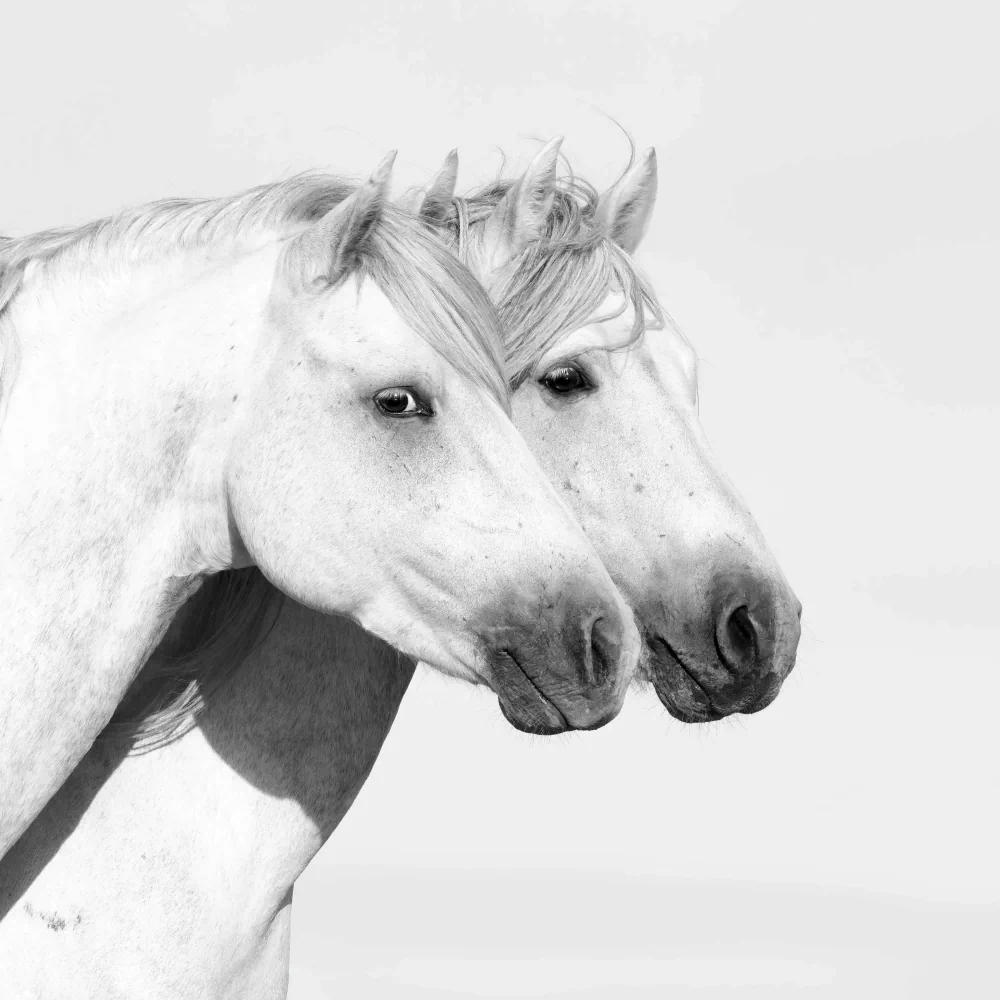
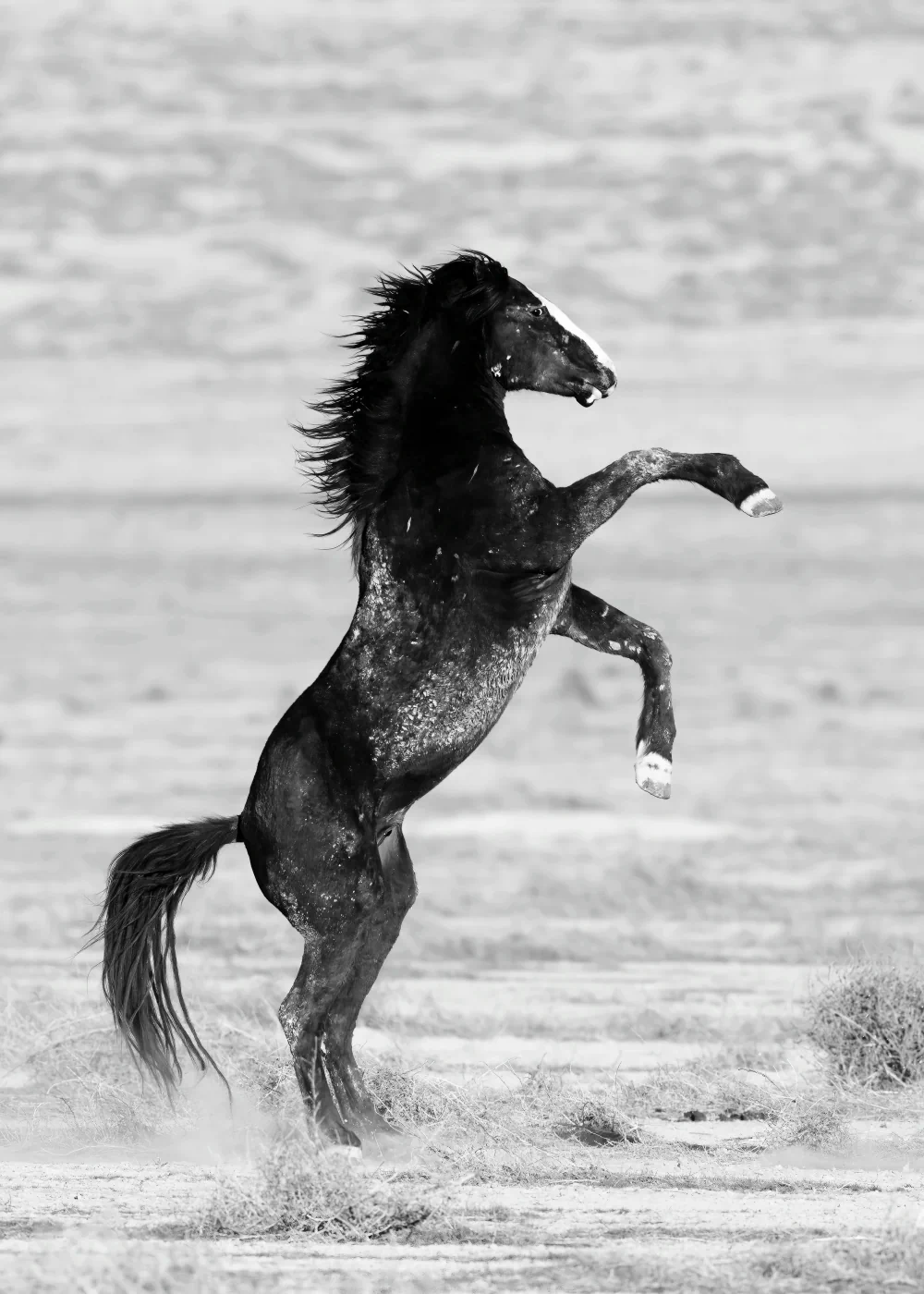
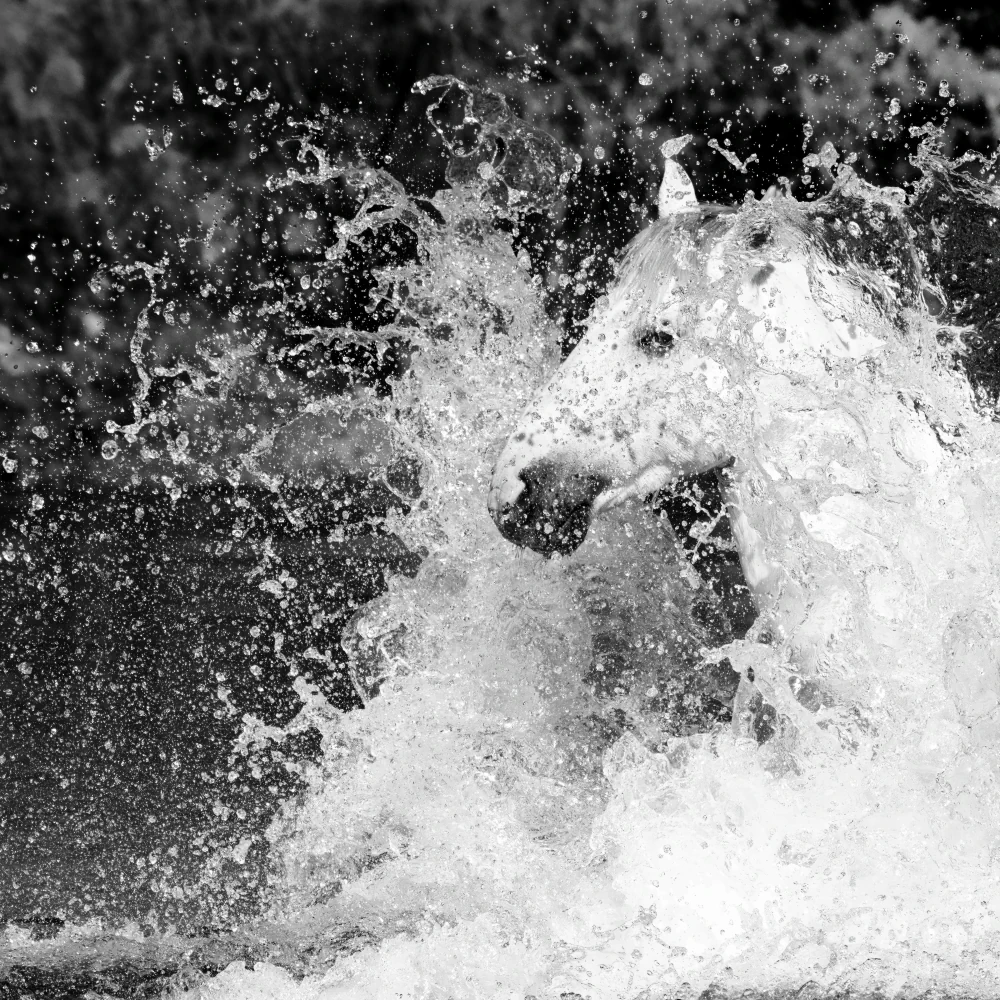
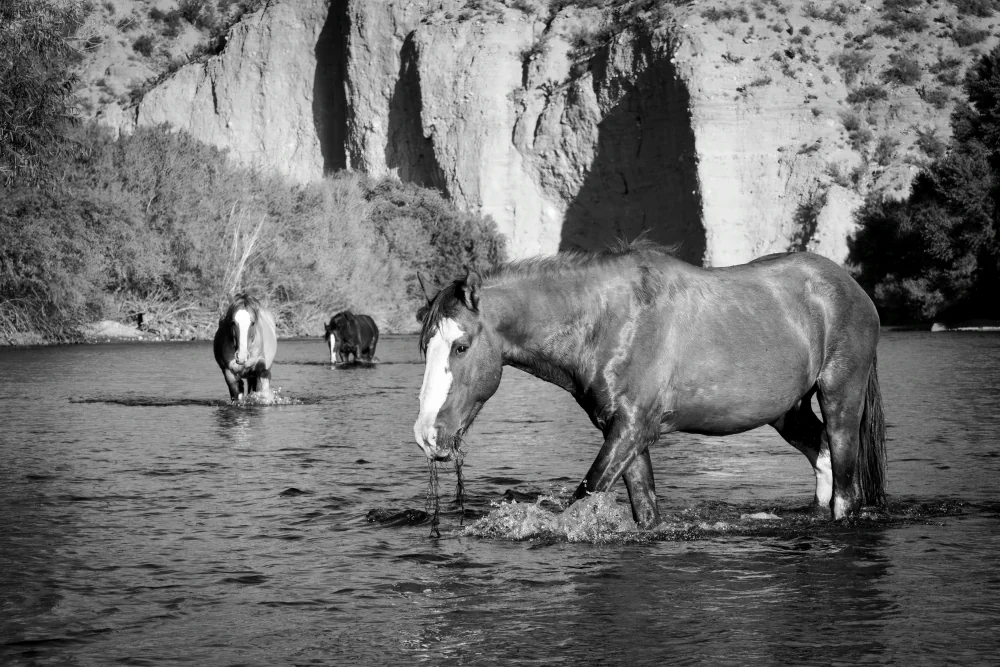
From the volcanic slopes of Cotopaxi in Ecuador to the windswept high plains of Colorado and Wyoming, from Utah’s Onaqui Herd to the legendary white horses of the Camargue in southern France, I have followed these remarkable animals through wind, dust, rain, and silence. Every encounter has carried the same quiet power—a reminder that true freedom is both magnificent and increasingly fragile. Their presence transcends geography. Whether moving across volcanic ash, desert sage, alpine meadows, or coastal marshes, they embody a spirit that has inspired humanity for thousands of years.
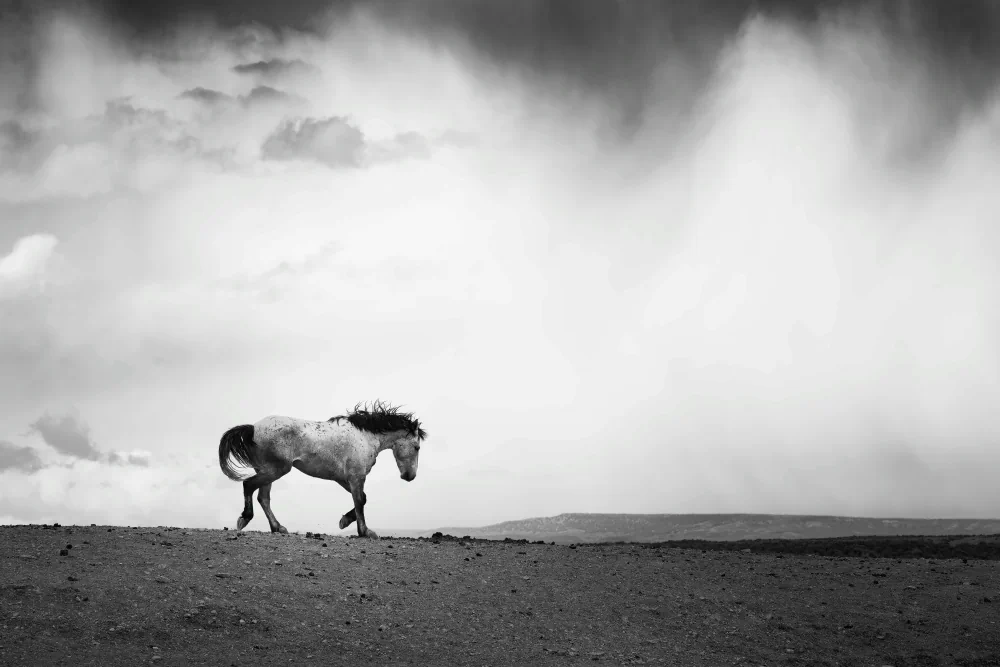
The story of the horse is inseparable from our own. Horses first evolved in North America more than fifty million years ago, gradually adapting from small forest-dwelling mammals into the powerful grazing animals we recognize today. Ironically, they disappeared from the continent around 10,000 years ago, becoming extinct in the Americas while surviving across Eurasia. There, they continued to evolve until humans began domesticating them roughly 5,500 years ago on the Eurasian steppes. Domestication transformed civilizations, carrying people across continents into agriculture, commerce, exploration, and war. Yet despite this long partnership, horses have never entirely surrendered their wild nature.
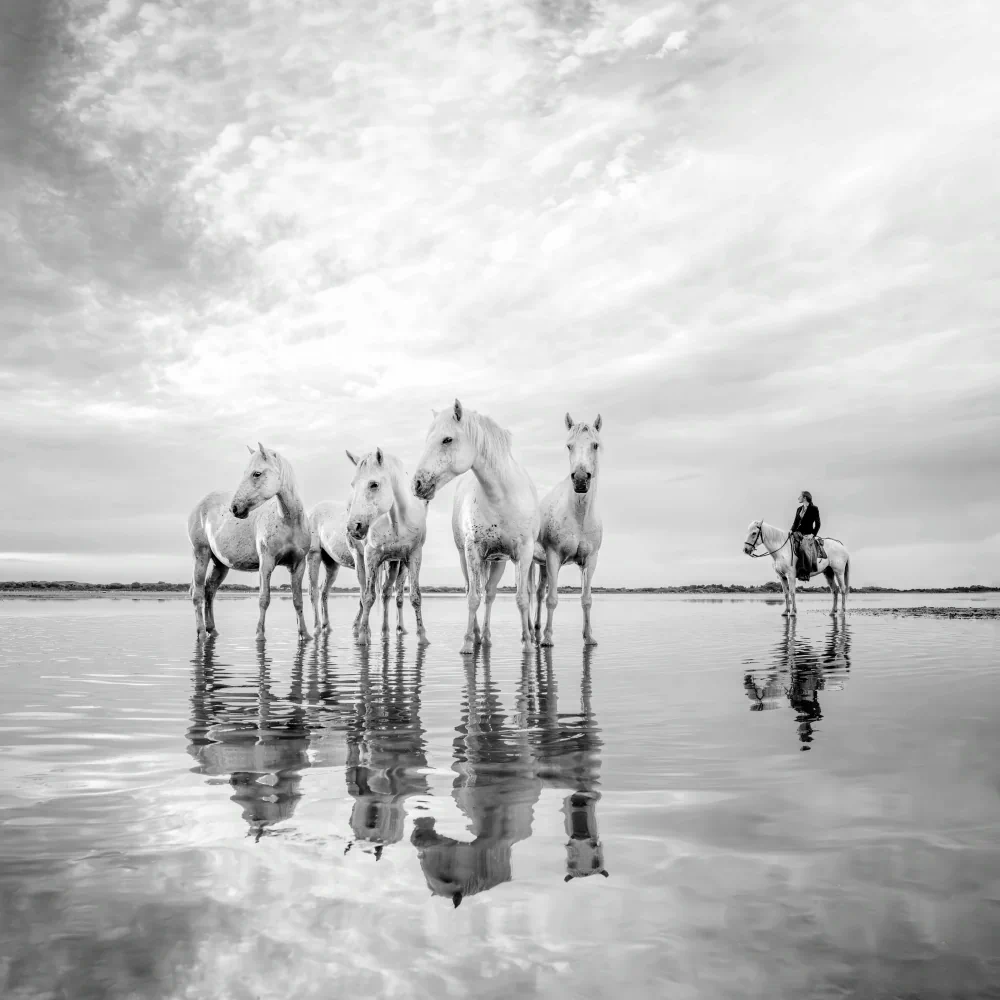
When Spanish explorers returned horses to the Americas in the sixteenth century, some escaped or were released, establishing free-ranging populations that spread across the continent. Over generations, these horses adapted to diverse landscapes, becoming icons of endurance and independence. Elsewhere in the world, ancient populations such as the Camargue horses have survived for centuries in landscapes shaped as much by nature as by tradition, existing in a delicate balance between human stewardship and natural freedom.
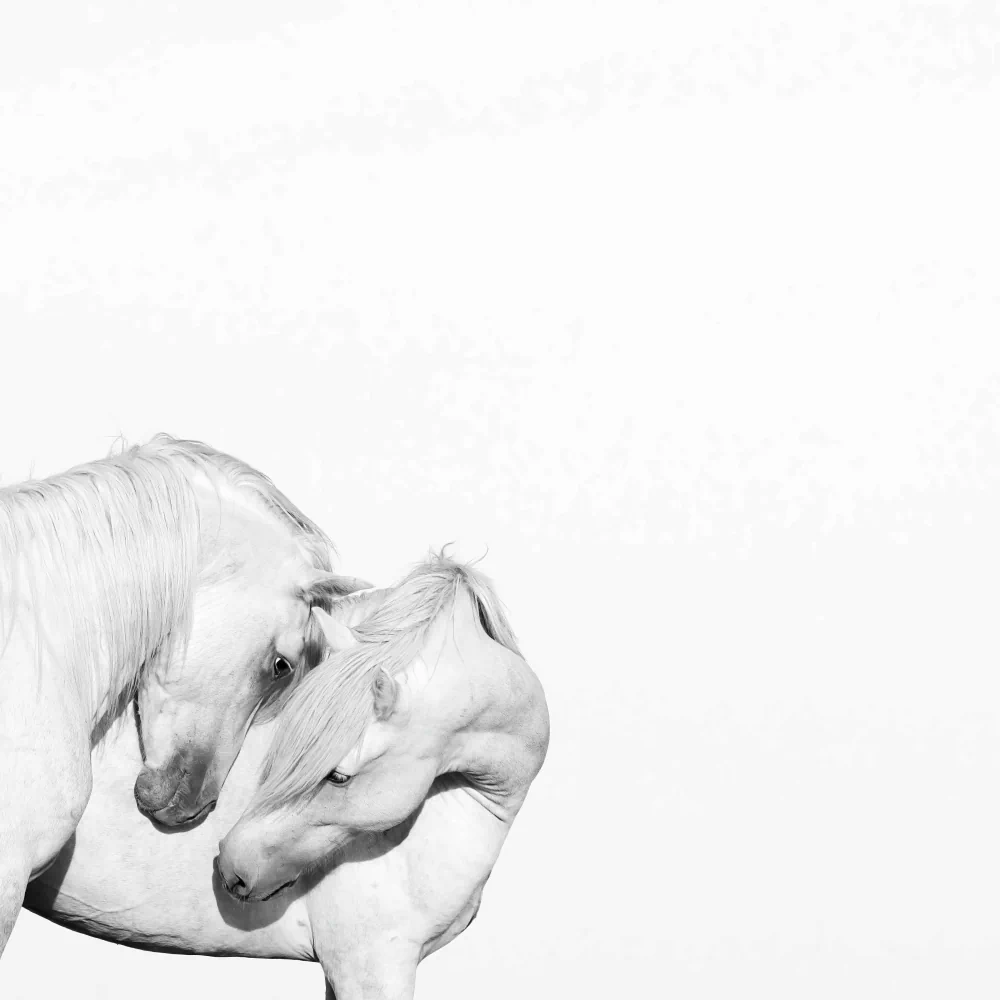
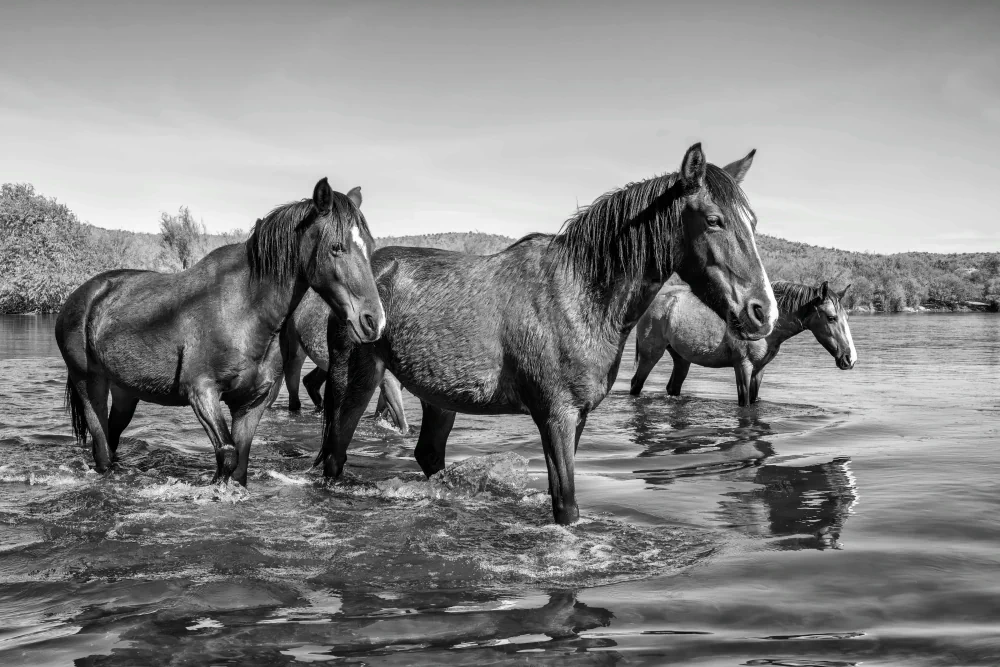
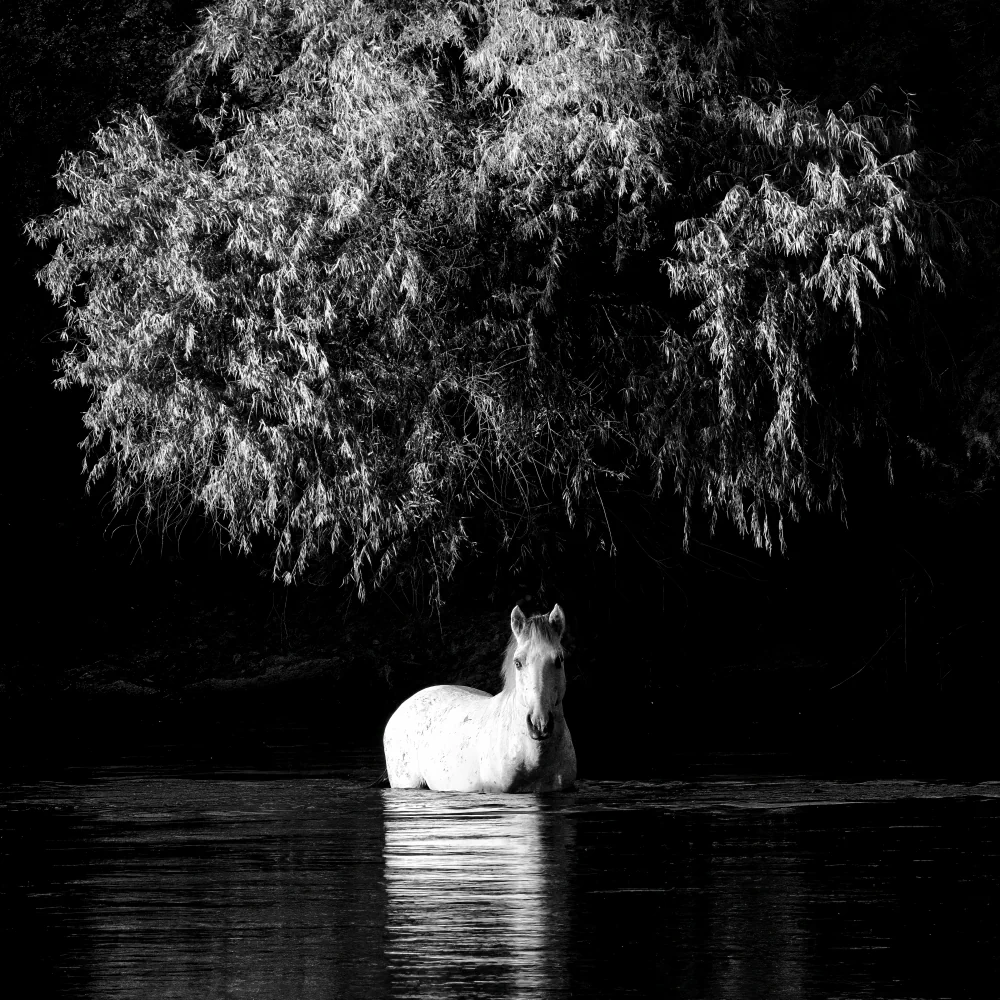
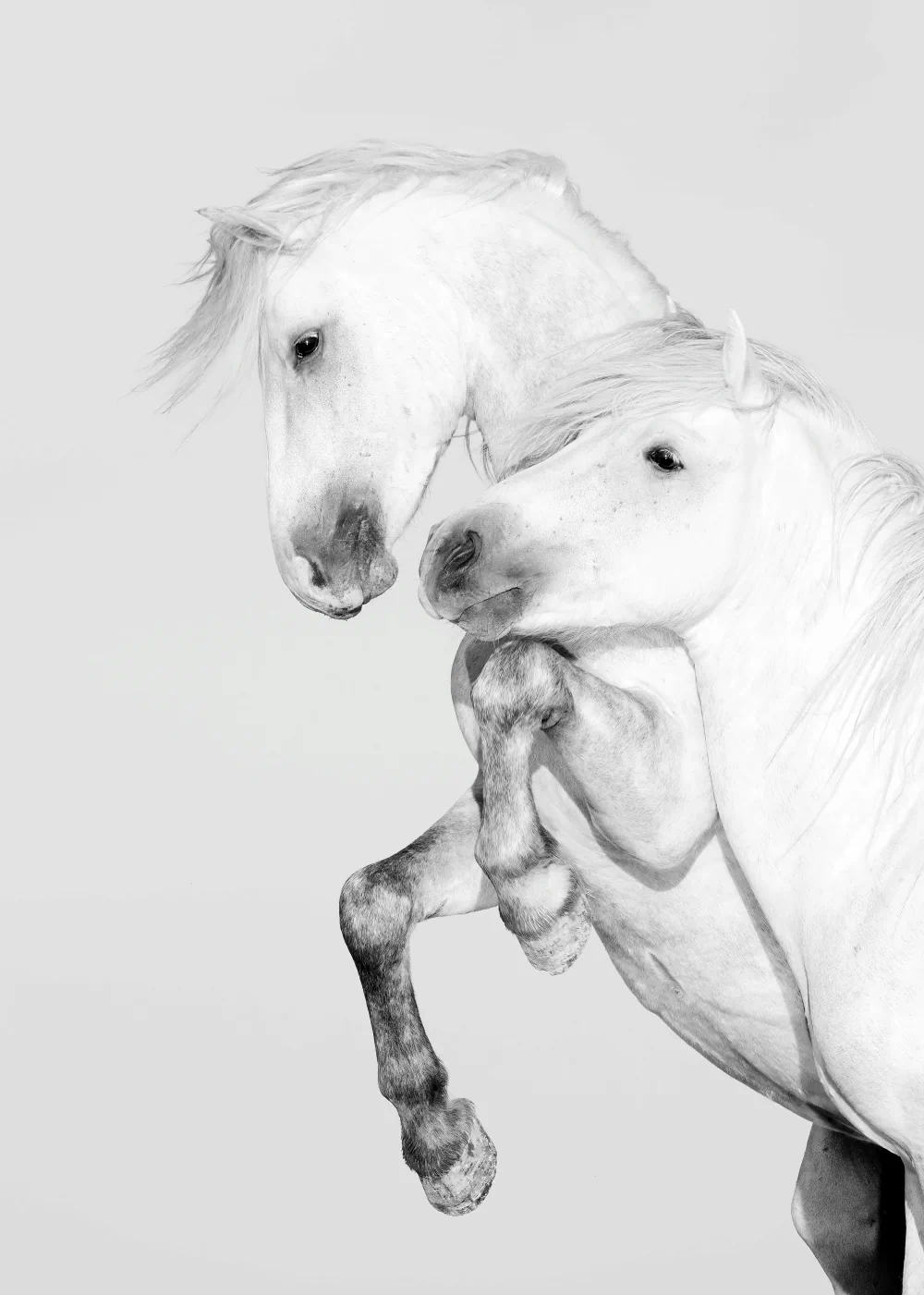
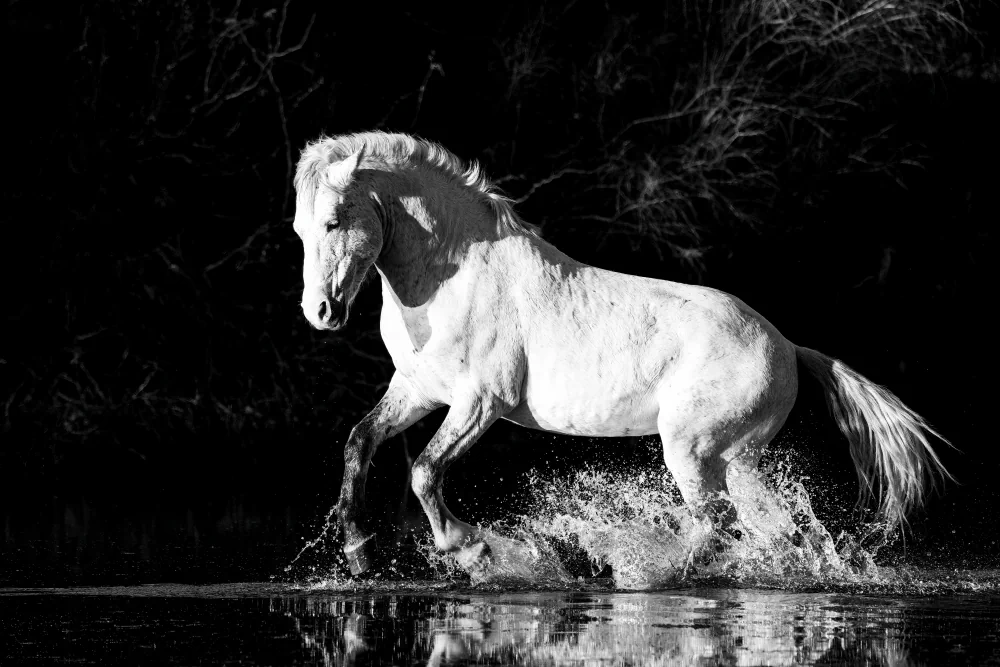
These photographs are rendered in black and white to distill each encounter to its essential elements—form, gesture, texture, and light. Without the distraction of color, the eye is drawn to the sculptural quality of the horse: the tension of muscle beneath skin, the rhythm of a flowing mane, the curve of a neck turned into the wind, and the striking contrast between strength and vulnerability. Black and white also removes the images from a specific moment in time, allowing them to exist in a space where past and present converge.
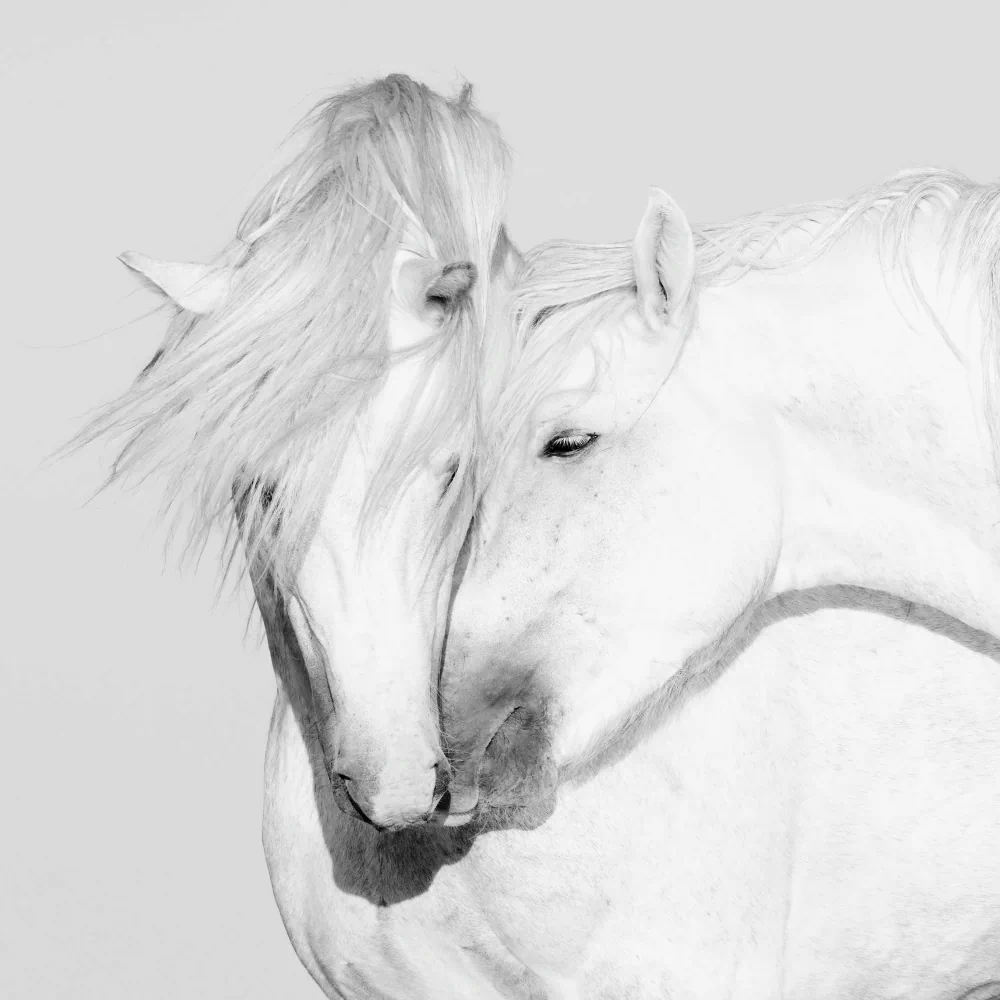
This series is not about ownership, domestication, or romantic myth. It is about presence—the quiet dignity of animals that continue to exist largely on their own terms, revealing the timeless relationship between horses and the landscapes they inhabit. Together, they form a living expression of resilience, adaptation, and freedom.
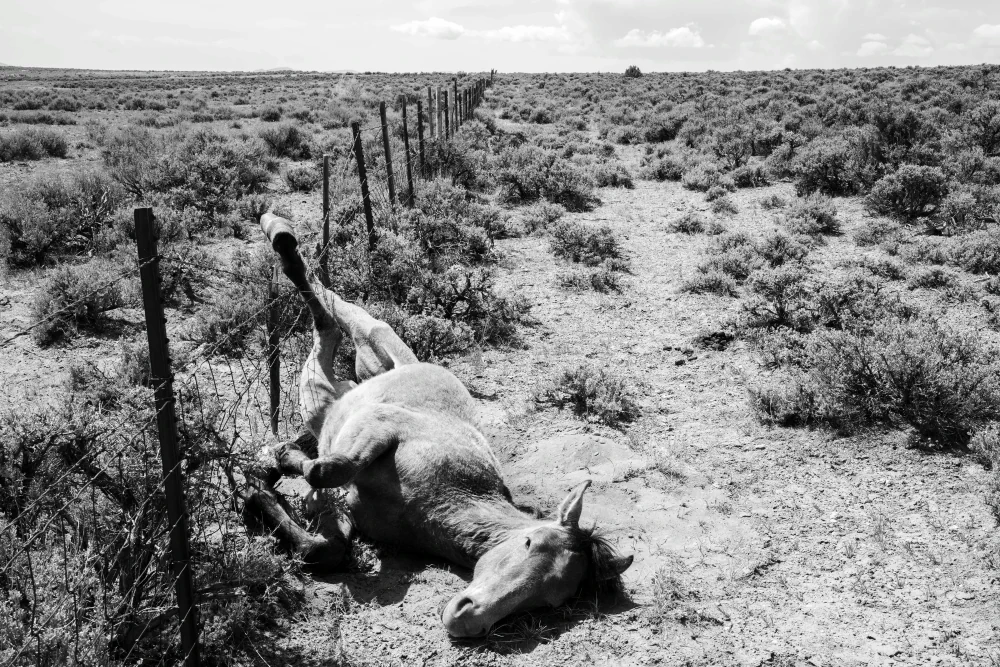
As the world becomes increasingly developed and open spaces continue to shrink, these herds remind us that wilderness is not simply a place but a condition of existence. Their future, like that of many wild creatures, depends upon our willingness to protect the landscapes that sustain them. In every frame, I hope to honor their endurance, their intelligence, and the enduring spirit they represent. They remain among the last great symbols of an untamed world—a world that continues to inspire wonder and deserves our deepest respect.
About Curtis W. Callaway
Curtis W. Callaway is a photographer whose work explores the intersection of nature and humanity. With more than 36 years of experience across 42 countries, his imagery reflects both technical mastery and an enduring curiosity about the natural world. Having worked with clients such as Jean-Michel Cousteau Productions, NOAA’s National Marine Sanctuaries, and the Center for Coastal Fisheries and Habitat Research, Curtis brings scientific precision and documentary integrity to his fine art practice.
Beneath the surface of his photographs lies a consistent pursuit of truth—not only visual, but also emotional and environmental. His images have been exhibited and published in magazines and books worldwide, reflecting a career that seamlessly blends fine art, environmental documentation, and visual storytelling. Through his work, Curtis invites viewers to experience fragile ecosystems with renewed awareness and continues to inspire others to see the world as both subject and collaborator in the creative process. [Official Website]