

We are living in a time when, in every field, the often difficult and sometimes painful learning process is being rapidly erased through the widespread use of AI.
It is evident that AI is now capable of surpassing almost any experiential path, quickly rendering it obsolete thanks to the ease of interaction that allows users to reach a final result in a matter of seconds.
That is why I felt an urgent need to pause and observe the reality around me, searching for a tangible, physical, and material starting point from which I could embark on a genuine journey—one that had yet to be imagined.
In this way, I was able to emphasize the value of being present and avoid arriving at abstraction without first passing through the various stages of transformation.
A clear and recognizable trace of the physical reality from which everything originated remains visible.
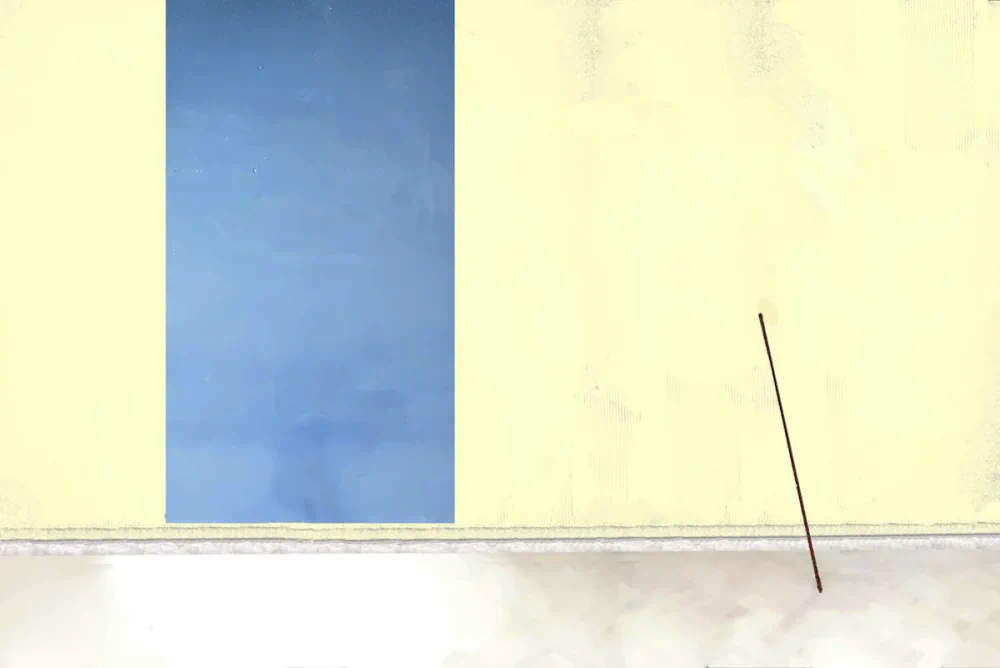
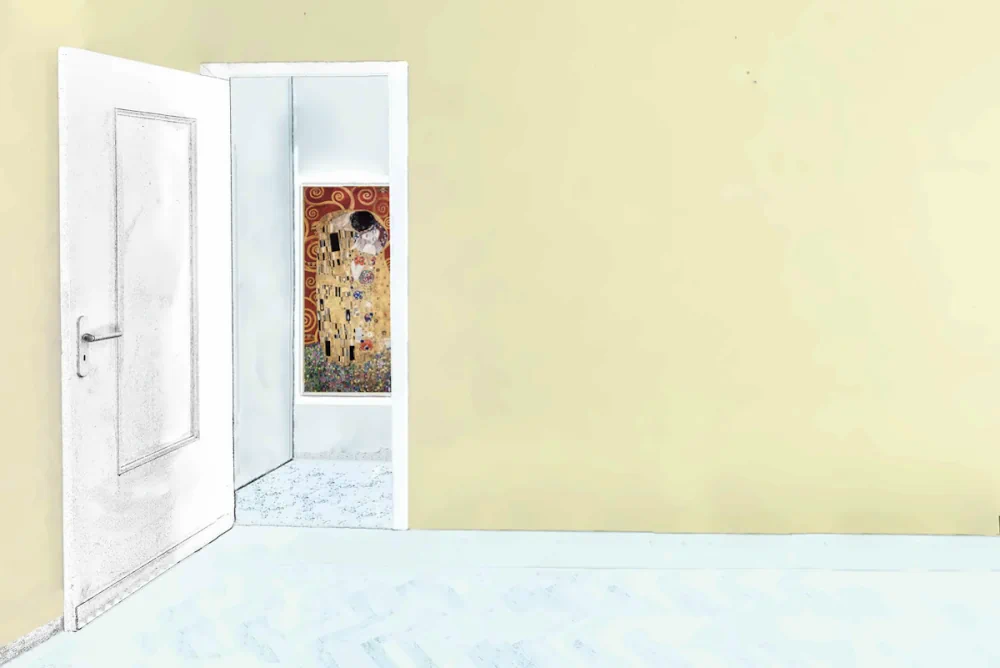
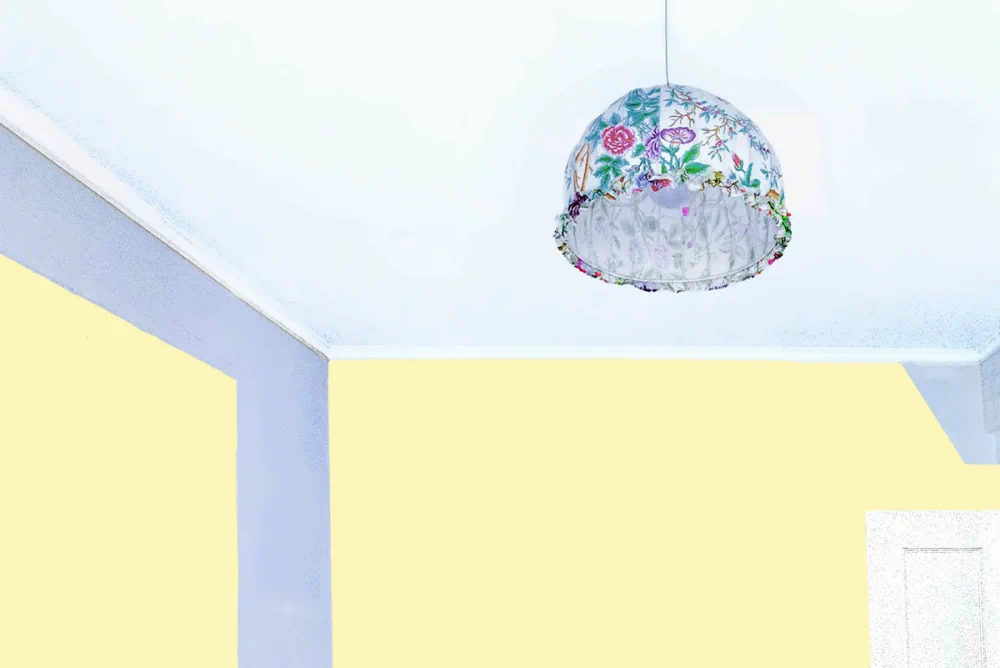
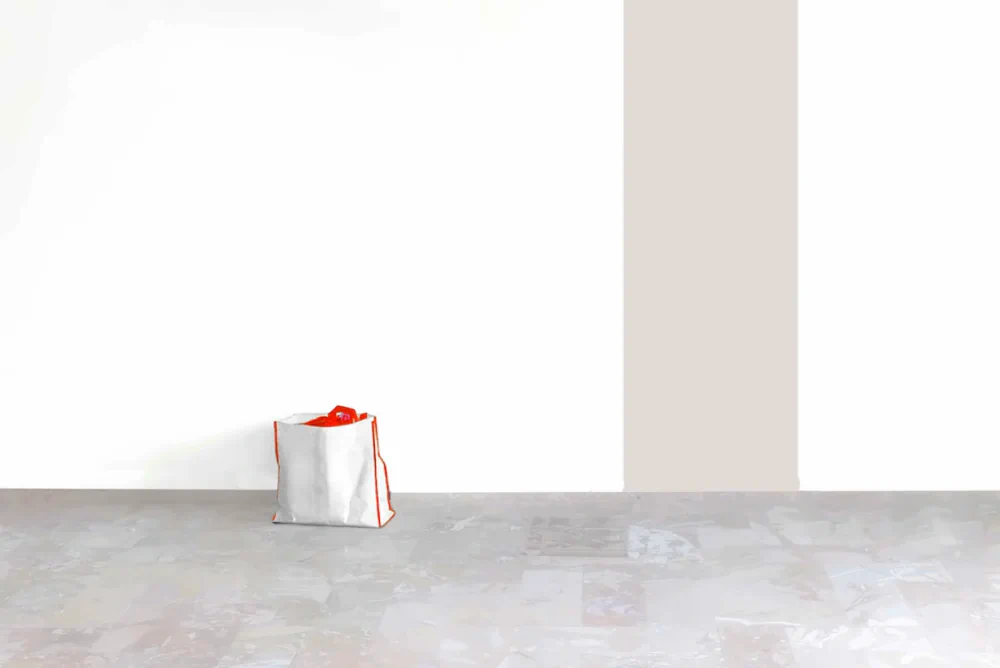
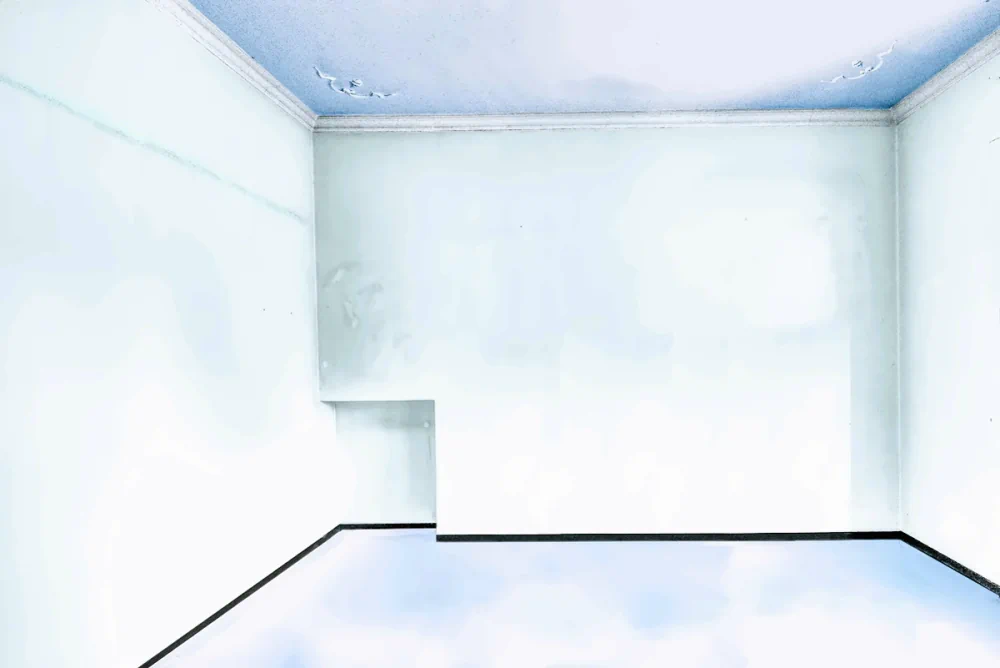
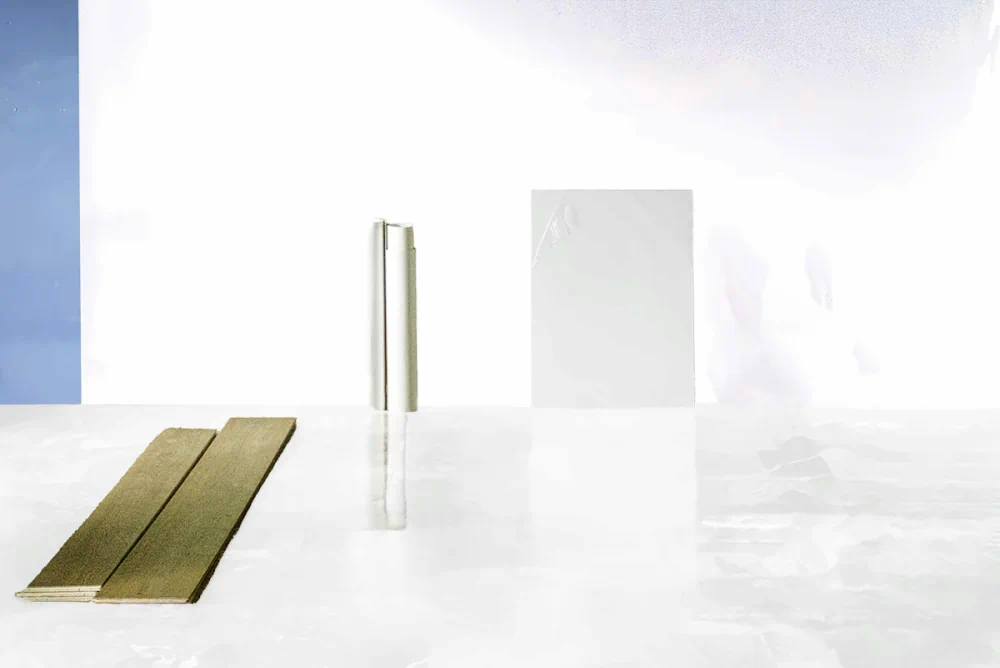
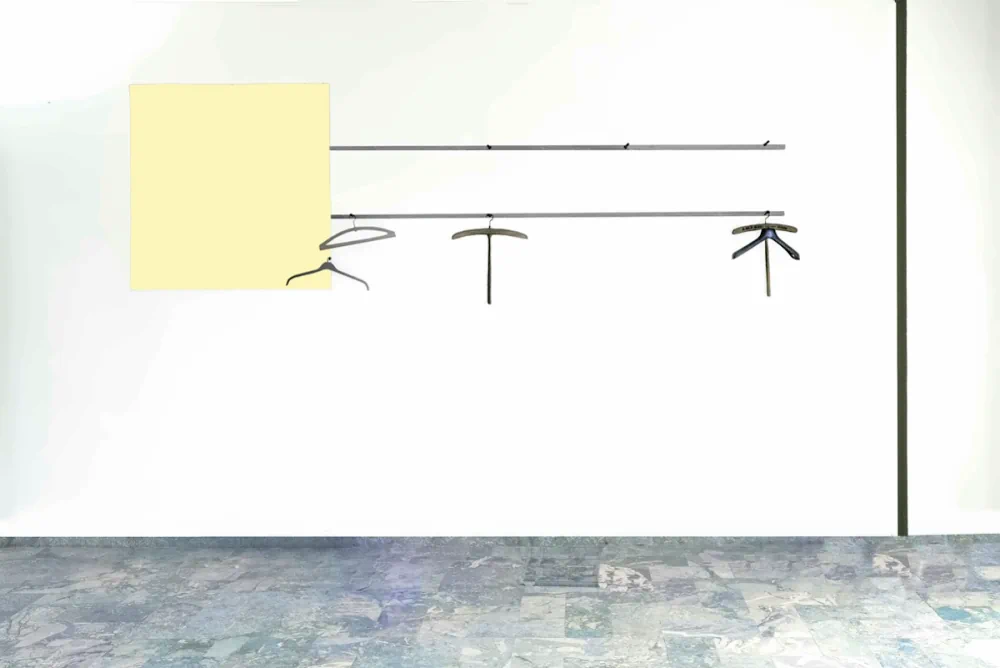
I therefore sought simple places—suspended dimensions through which I could invent, or even shape, space and capture it within a specific field of vision, creating a kind of still life. A flat, diffused light permeates everything, transcending its boundaries, while colour defines the character of each place.
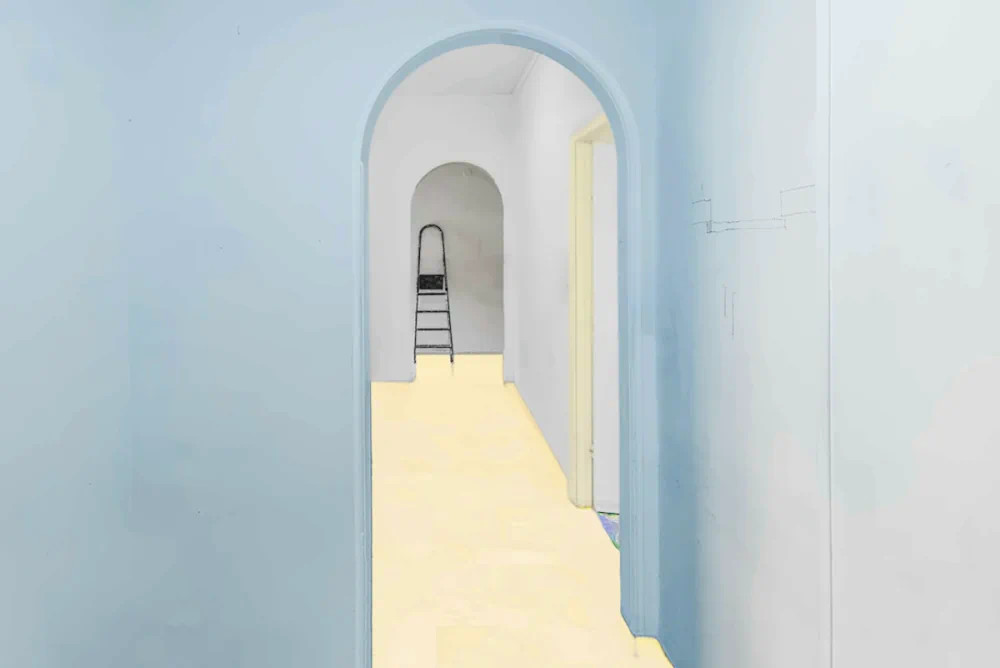
This was never intended to be a strict or rigorous approach, but rather an empirical search for a kind of “cognitive shortcut”—one capable of transforming the ordinary into the extraordinary, transfiguring photographic reality to reveal its beauty and allowing it to emerge slowly and “spontaneously” in its true, sometimes contradictory, and non-standardized materiality.
I therefore used diffused light for my photographs—a “slow” light, I would say—which allowed colour to define places against a white surface, in the absence of shadows and black.
I repeatedly searched for those slow atmospheres that, suspended between reality and imagination, could convey my perception of space as reflected in my mind, inhabited by my thoughts.
It was precisely there, within a kind of non-room, that the liberating presence of emptiness allowed me to carve out paths capable of guiding the viewer’s gaze toward the final meeting point between character and thought, colour and light.
The resulting images are therefore necessarily imperfect, precisely because they avoid the artificial harmonizing mechanisms we often associate with sophisticated algorithms. In this deliberately embraced imperfection, I believe the project achieves its intended purpose.
About Lorenzo Vitali
Lorenzo Vitali was born in Milan, Italy, in 1953, where he lives and works. His photographs have been published in numerous magazines in Italy and abroad, and his work has received multiple international awards. He has exhibited extensively in both solo and group exhibitions.
Driven by a creative and experimental approach, Vitali continuously explores new artistic directions, combining classical visual elements with contemporary innovation. His work demonstrates a particular sensitivity to form and materiality. He has a longstanding interest in observing architectural and residential structures in both rural and urban environments, an interest reflected in projects across several Italian regions as well as international locations, particularly New York. [Official Website]
Selected Exhibitions, Awards & Publications
2026
- The Ascent — Gold Winner, London Photography Awards (Fine Art – Cityscape).
- La Comédie du Vin — Published in L’Œil de la Photographie.
- Chianti Yellow Gaze — Silver Winner, MUSE Photography Awards.
2025
- The Ascent — Bronze Winner, Tokyo International Foto Awards (TIFA); Silver Winner, New York Photography Awards (NYPA).
- Stone Tales — Gold Winner (Fine Art), European Photography Awards (EPA).
- New York Blues — Gold Winner, Tokyo International Foto Awards (TIFA).
- Vanishing Venice — Gold Winner, London Photography Awards (Fine Art); Bronze Winner, TIFA; Silver Winner, MUSE Photography Awards (Surreal); Silver Winner, Budapest International Foto Awards (BIFA). The project was also published in L’Œil de la Photographie, The Pictorial List, and Dodho Magazine (Fine Art Awards), and was exhibited at the Glasgow Gallery of Photography in April 2025.