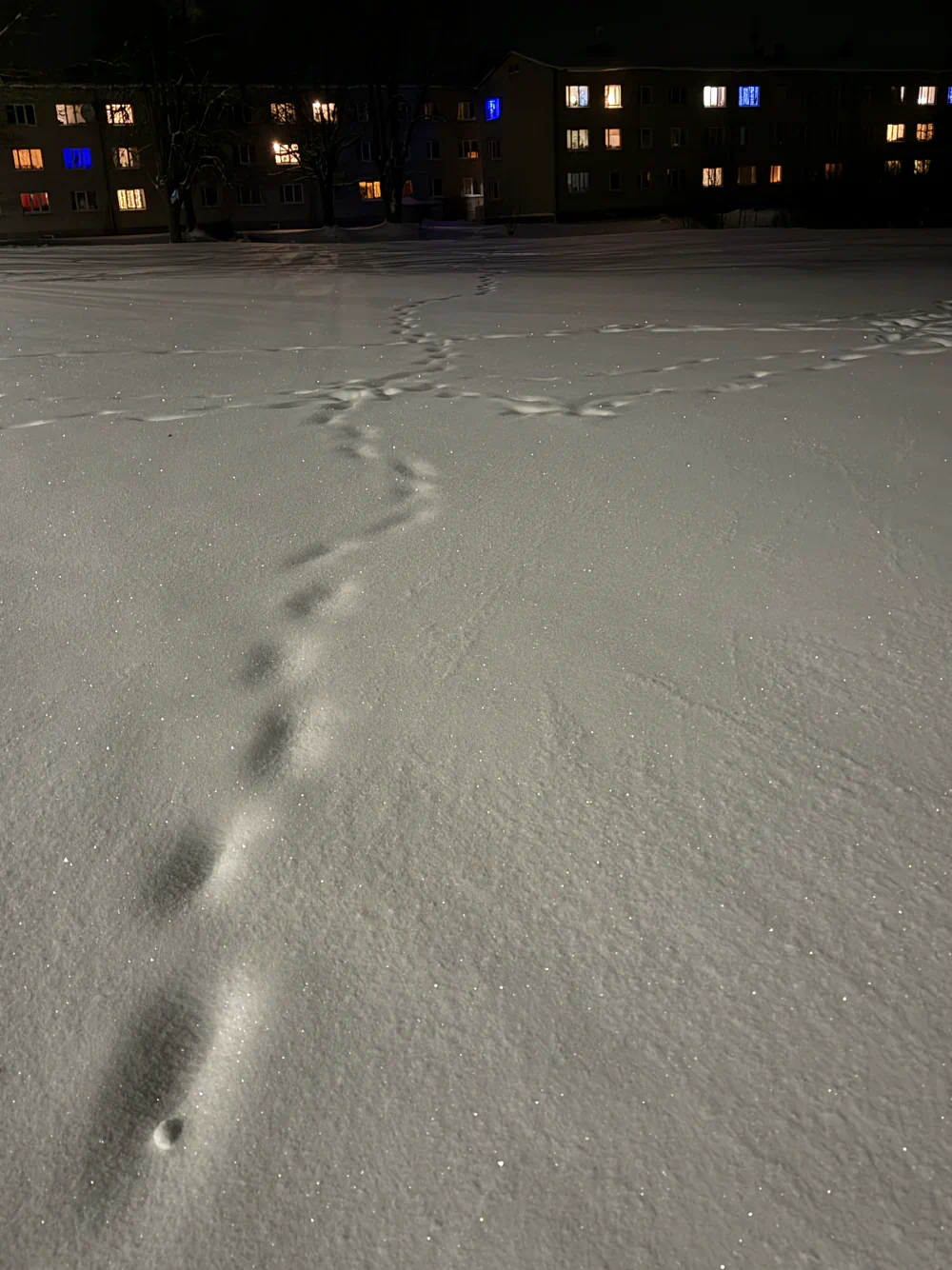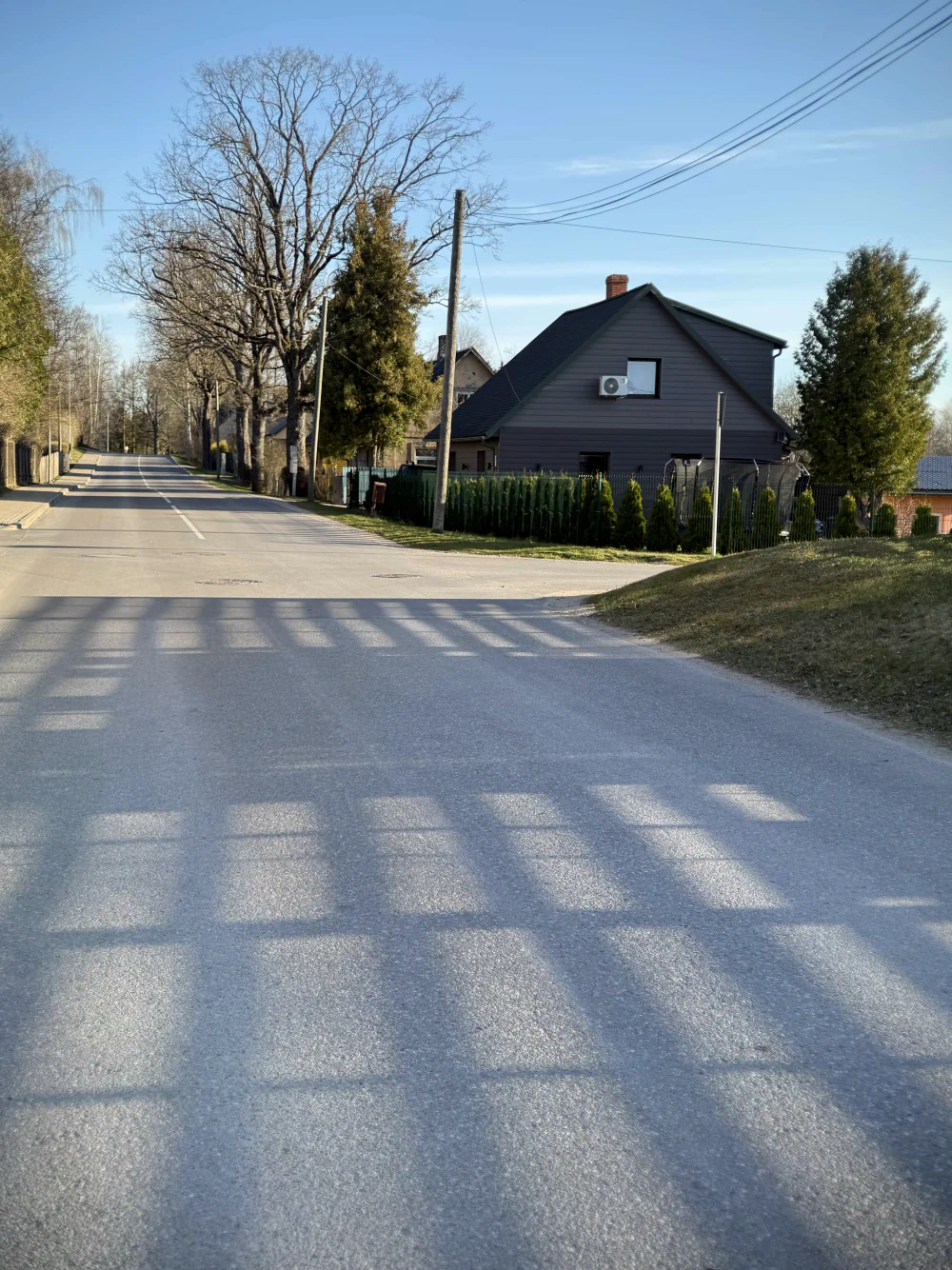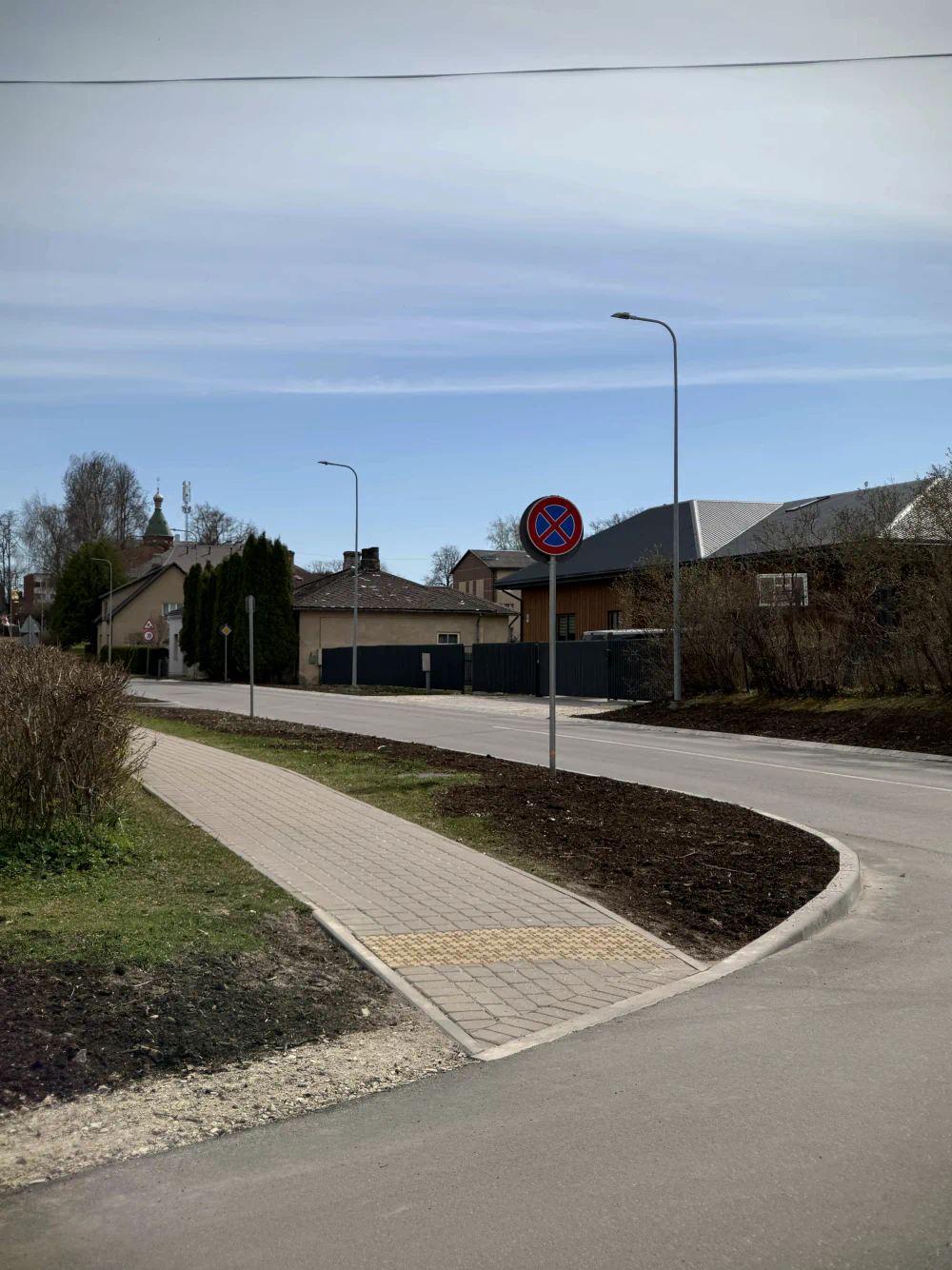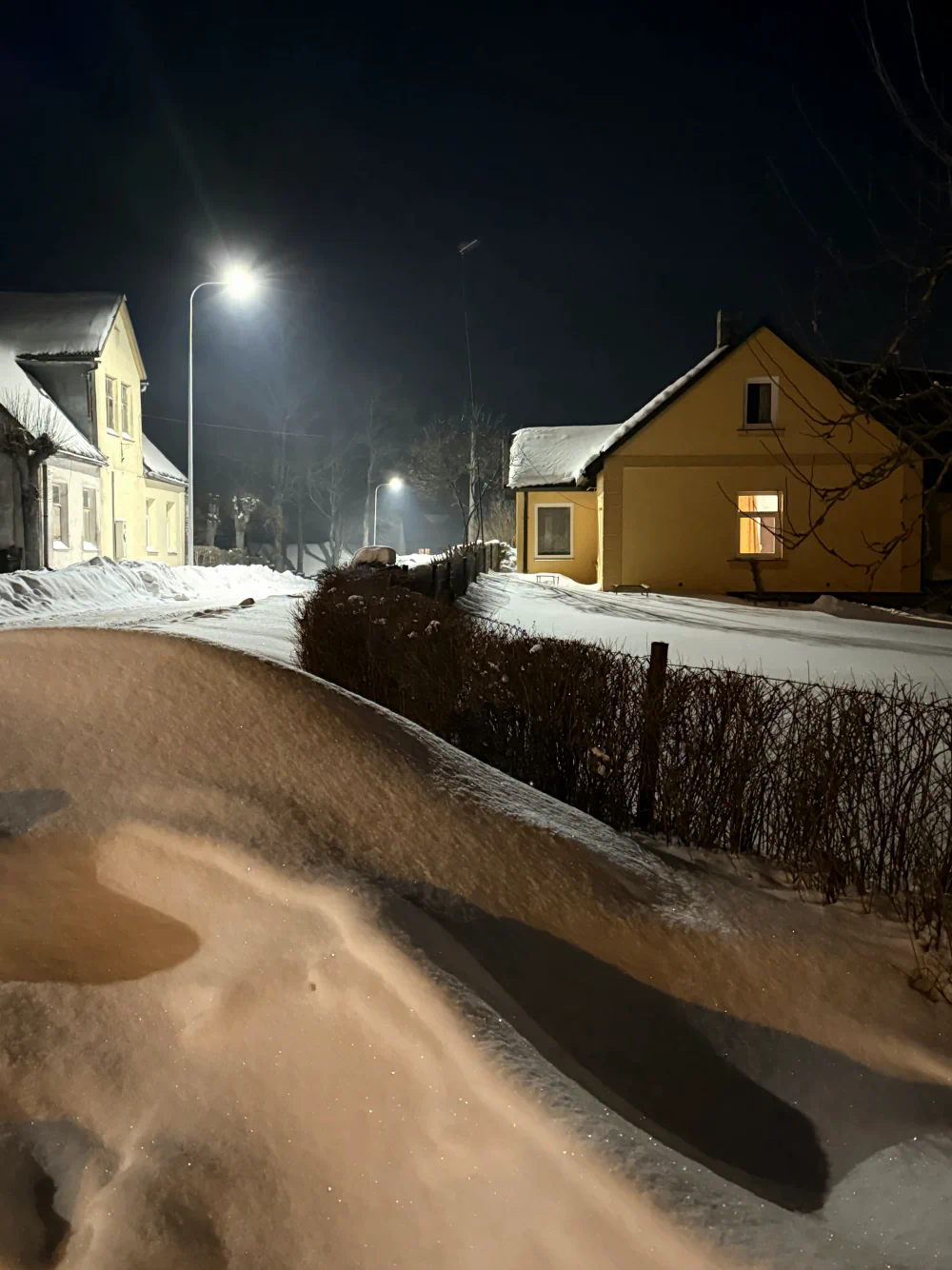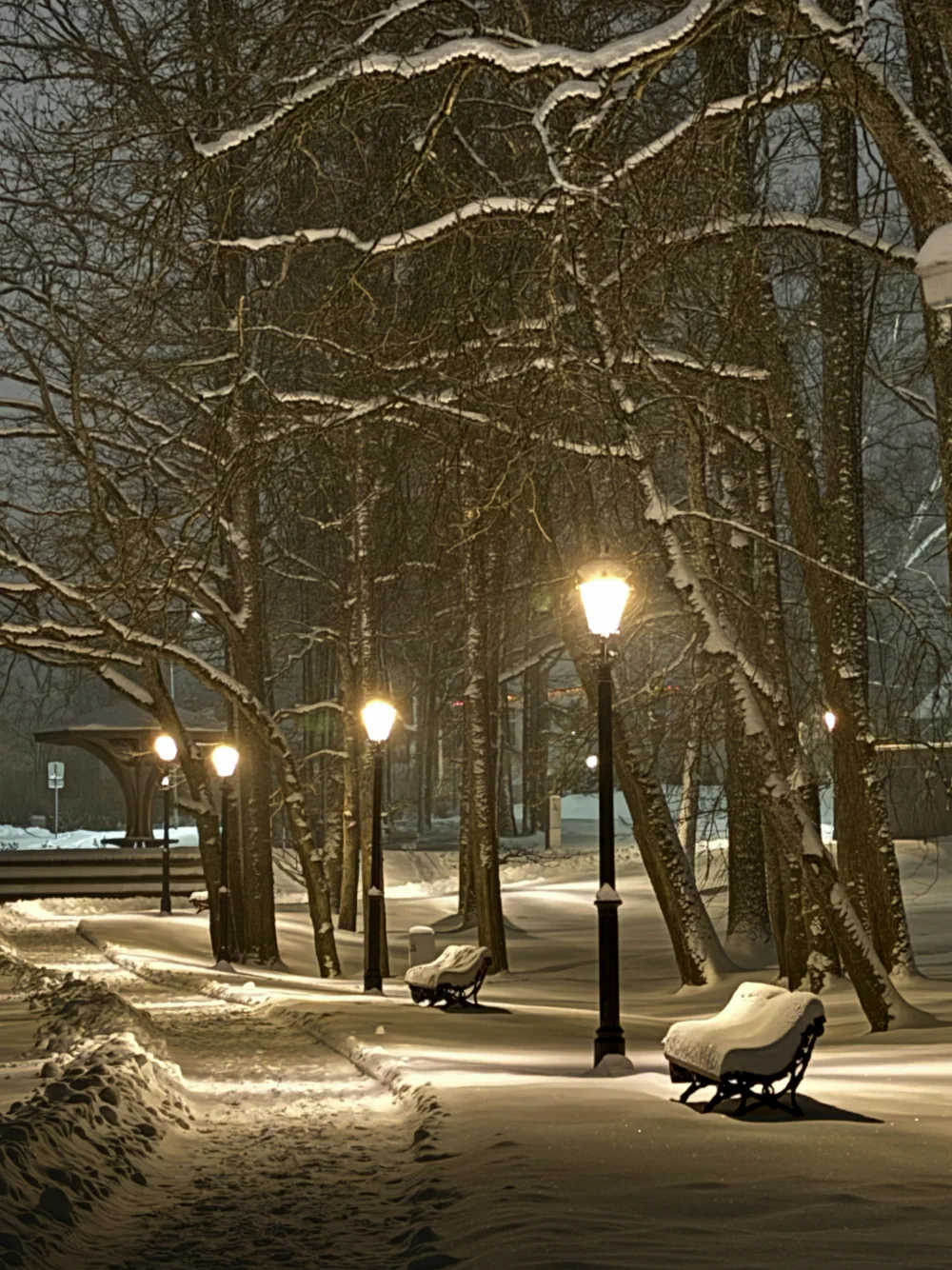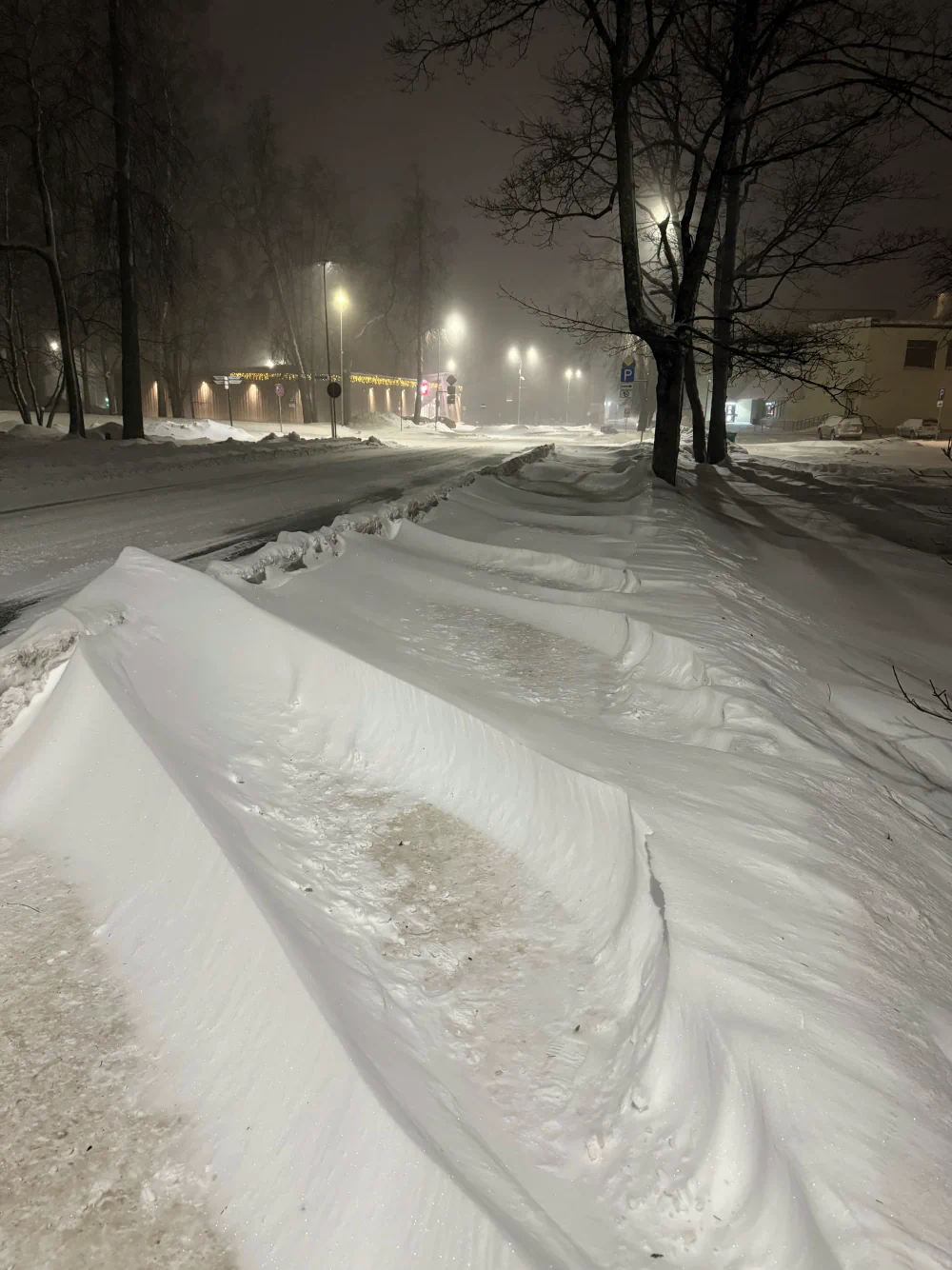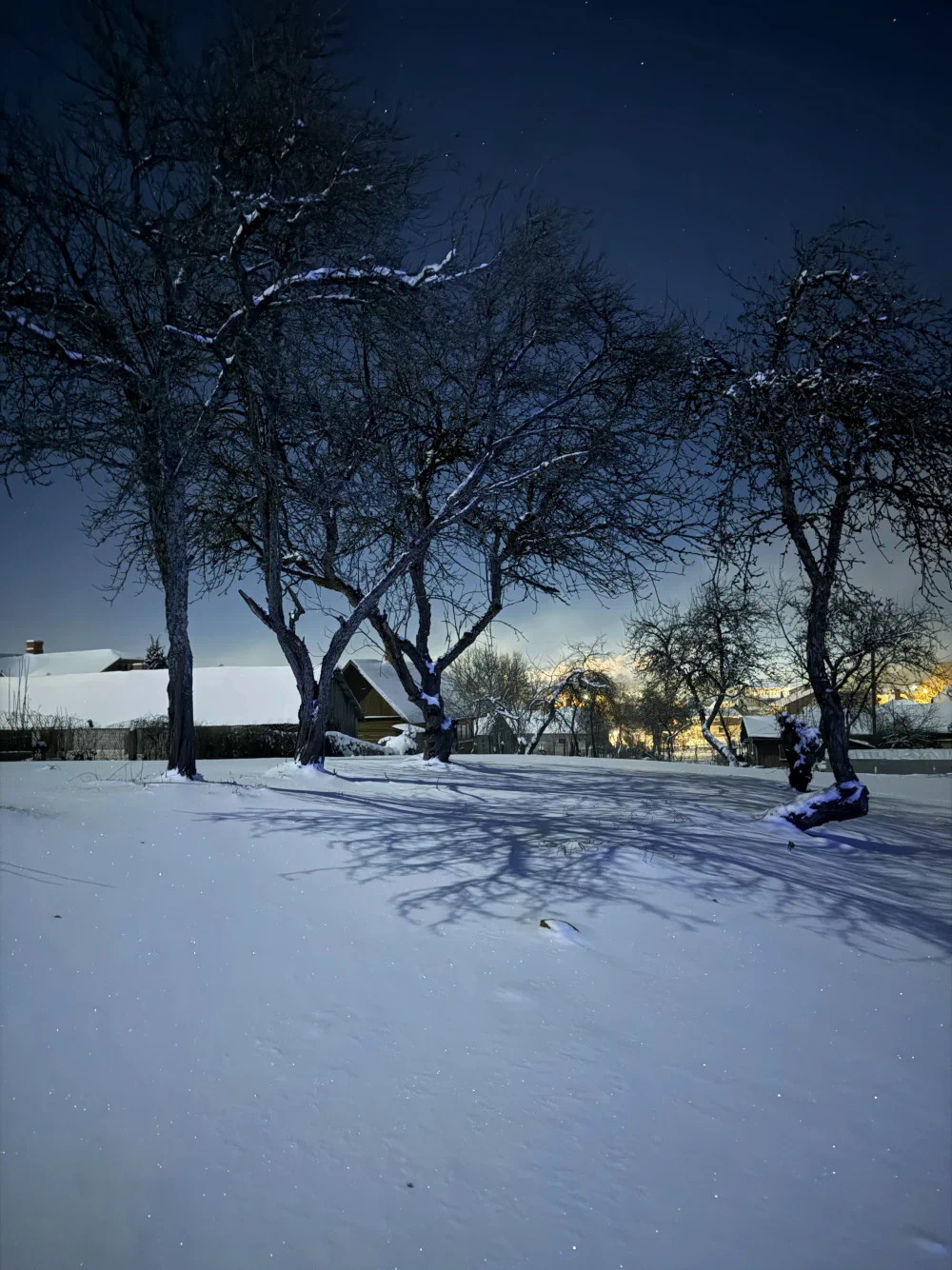

ONE DAY / ONE FRAME began with a simple rule: one day, one image.
Each day, I select a single photograph and make a final decision before the day ends.
The image cannot be replaced later. Over time, what began as a rule became a way of inhabiting photography itself.
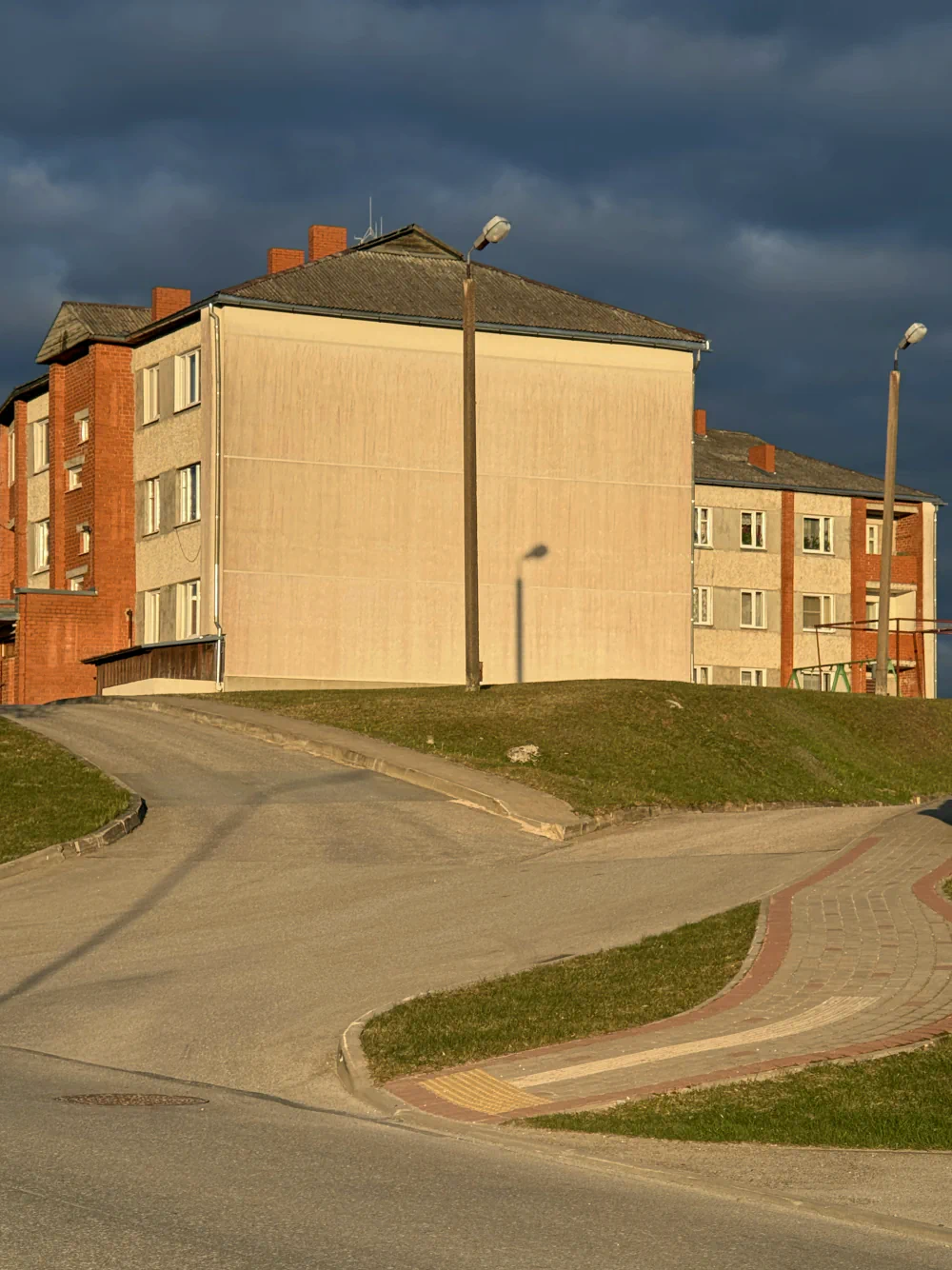
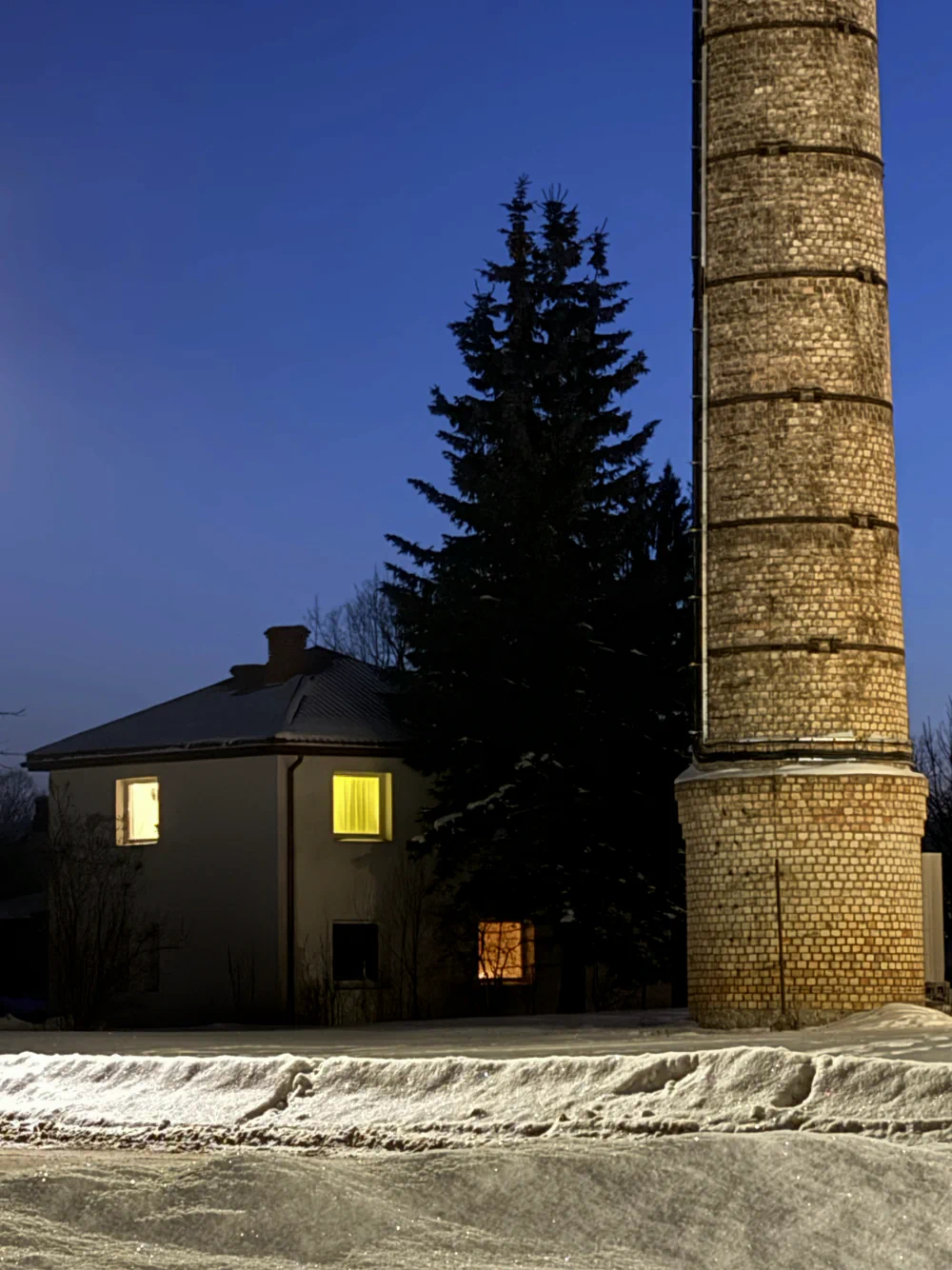
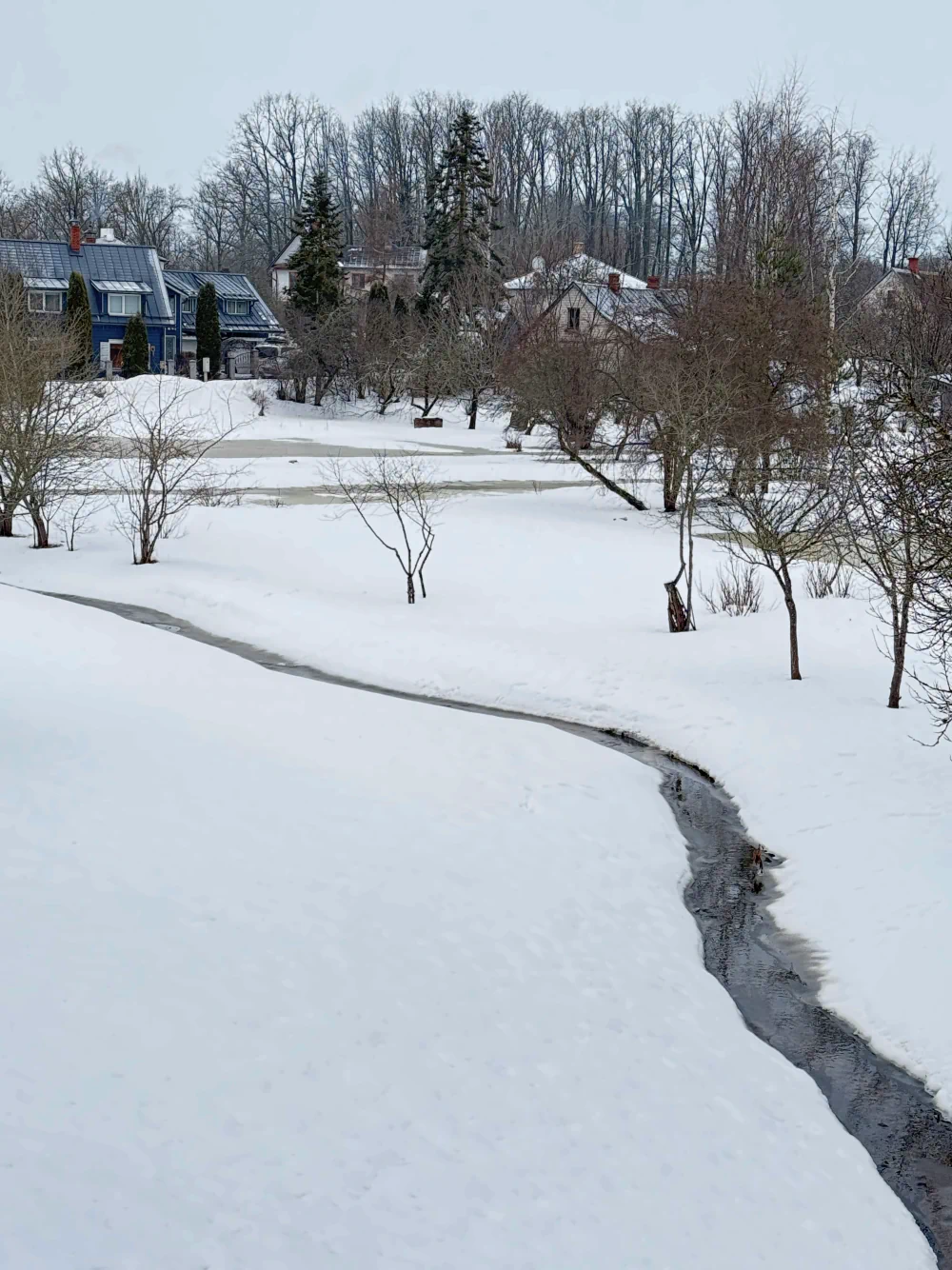
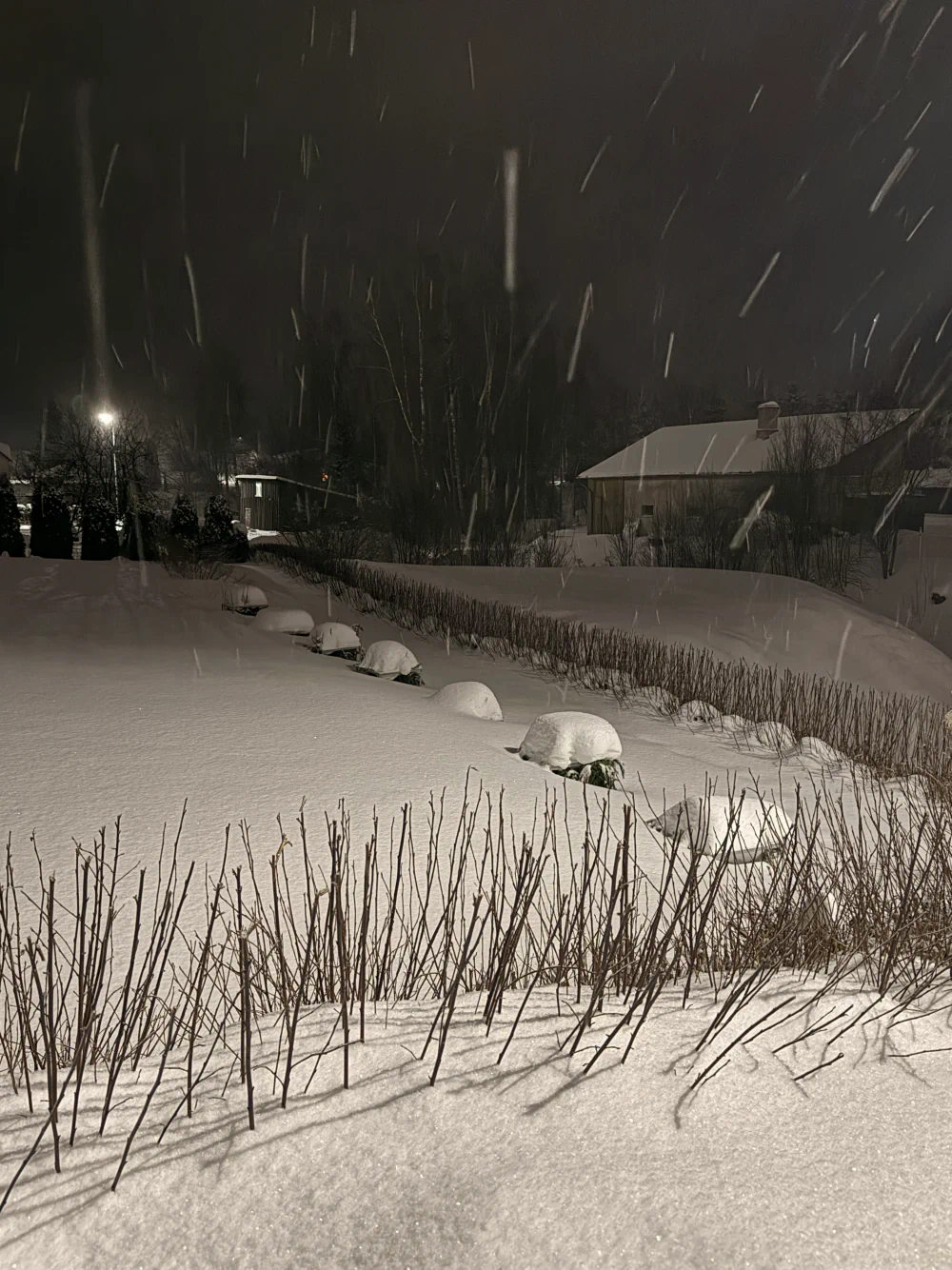
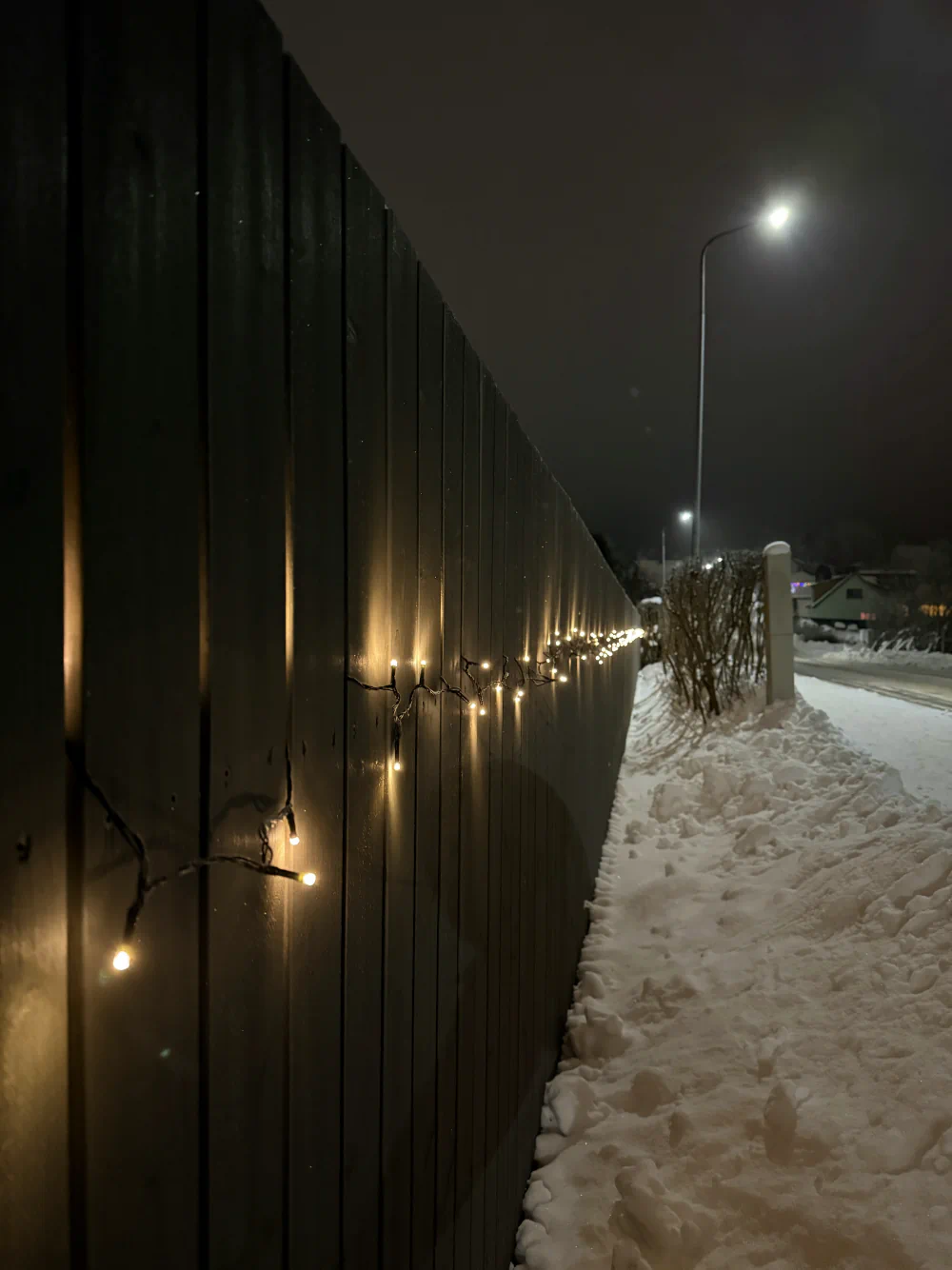
The project unfolds in Alūksne, a small town in northern Latvia, far from major events, urban intensity, and the constant flow of visual stimuli. This peripheral condition has become an essential part of the work. Here, photography emerges not from exceptional events, but from attentive observation of what happens every day and therefore often goes unnoticed.
I use a mobile phone as my camera, a tool that is always with me and requires no preparation. Its constant presence helps preserve immediacy and reduces the distance between seeing and photographing. The predominantly vertical format is also connected to the way I perceive the world. It allows me to experience space more personally and attentively, keeping the gaze focused within the frame.
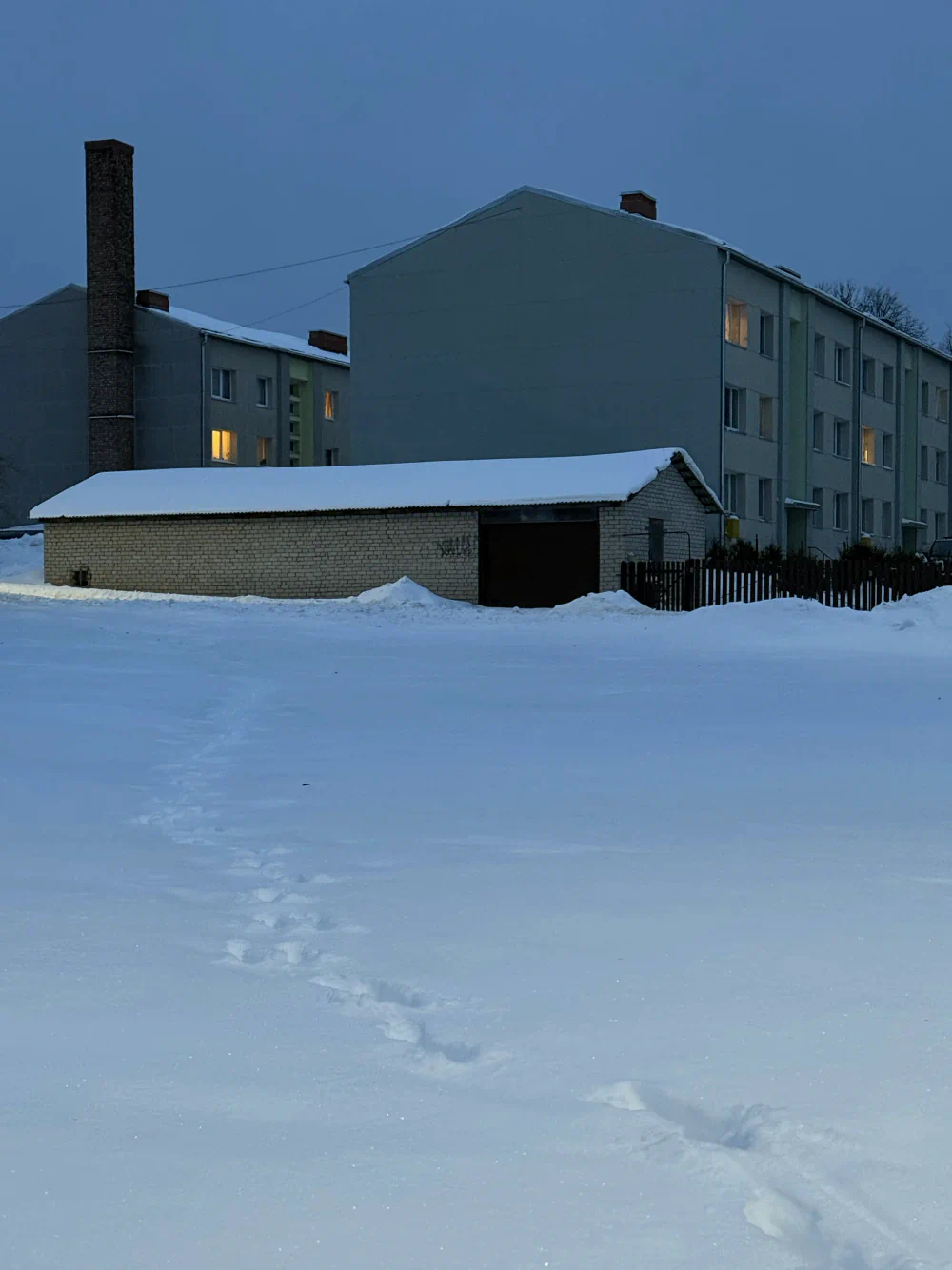
At first, I thought the project would be about place. Gradually, however, it became clear that its true subject was the act of seeing itself. Walking the same streets day after day, I began to notice that it was not the town that was changing, but my perception of it. Repetition proved not to be sameness, but a way of deepening experience. Familiar places gradually revealed new relationships, rhythms, and states of being.
The project explores the moment when a place becomes photographable. This does not happen automatically. For a photograph to emerge, multiple conditions must align: light, distance, the spatial relationships between forms, weather, season, and the observer’s state of mind. Over time, I have come to understand that I am part of these conditions as well. A photograph emerges at the point where place, circumstance, and perception meet. It is shaped not only by what stands before me, but also by the way I inhabit that place at a particular moment in time.
Such moments of alignment do not occur every day. Yet this has become one of the project’s most important lessons: learning to accept reality as it is, without expecting constant visual significance from the world. Not every day brings a discovery, but every day offers an opportunity to observe. When alignment does occur, space itself seems to begin speaking in the language of photography.
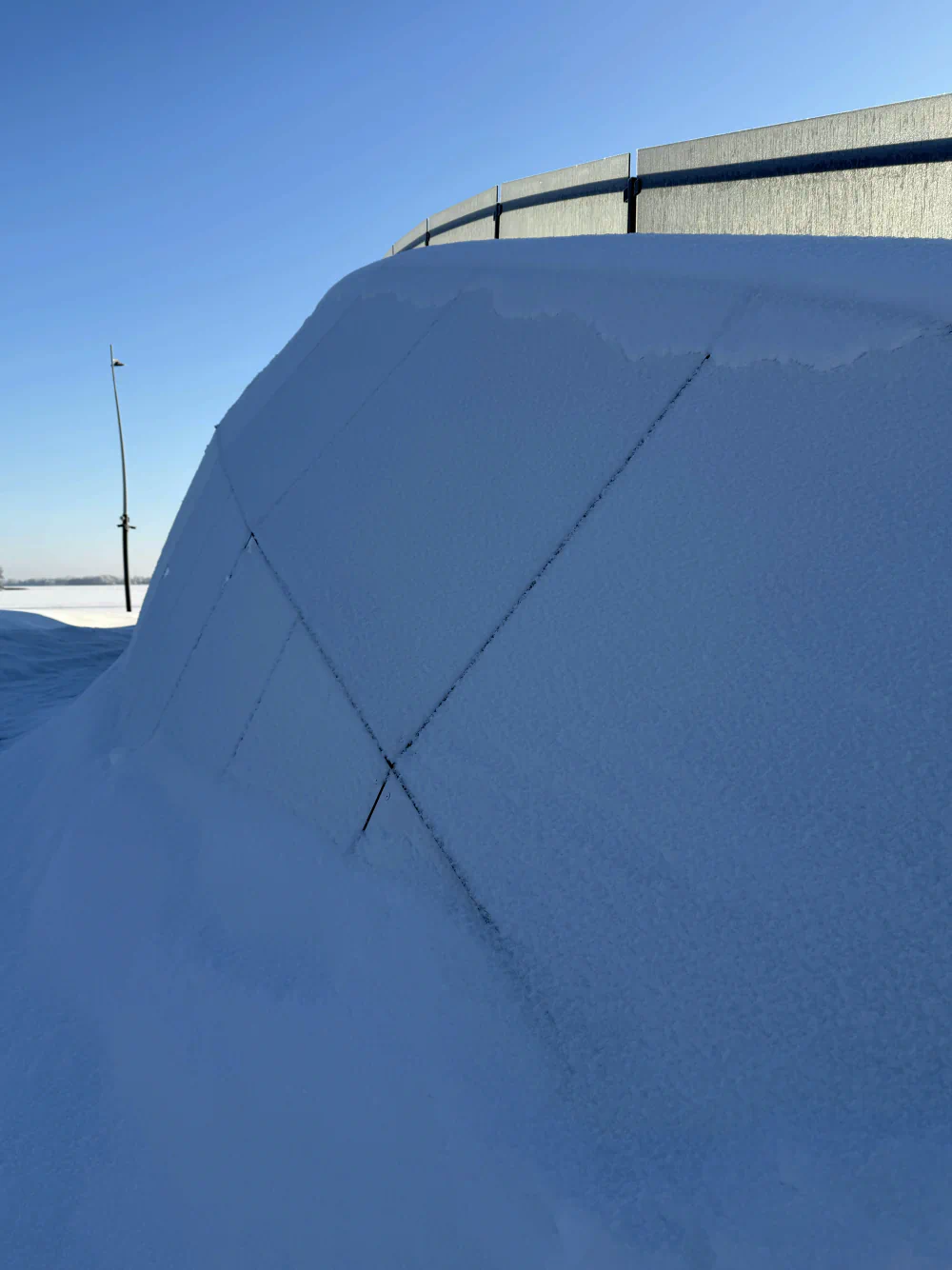
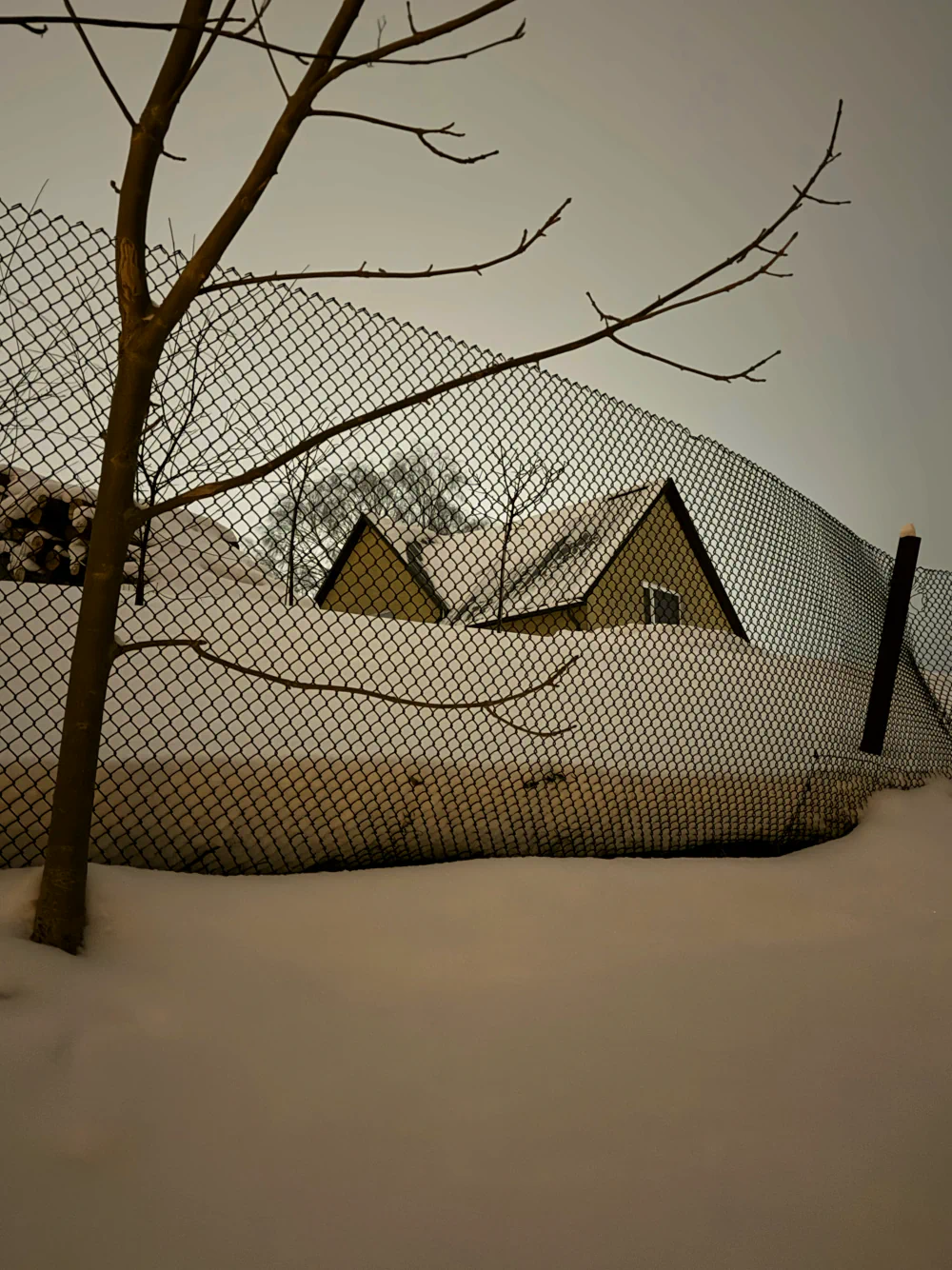
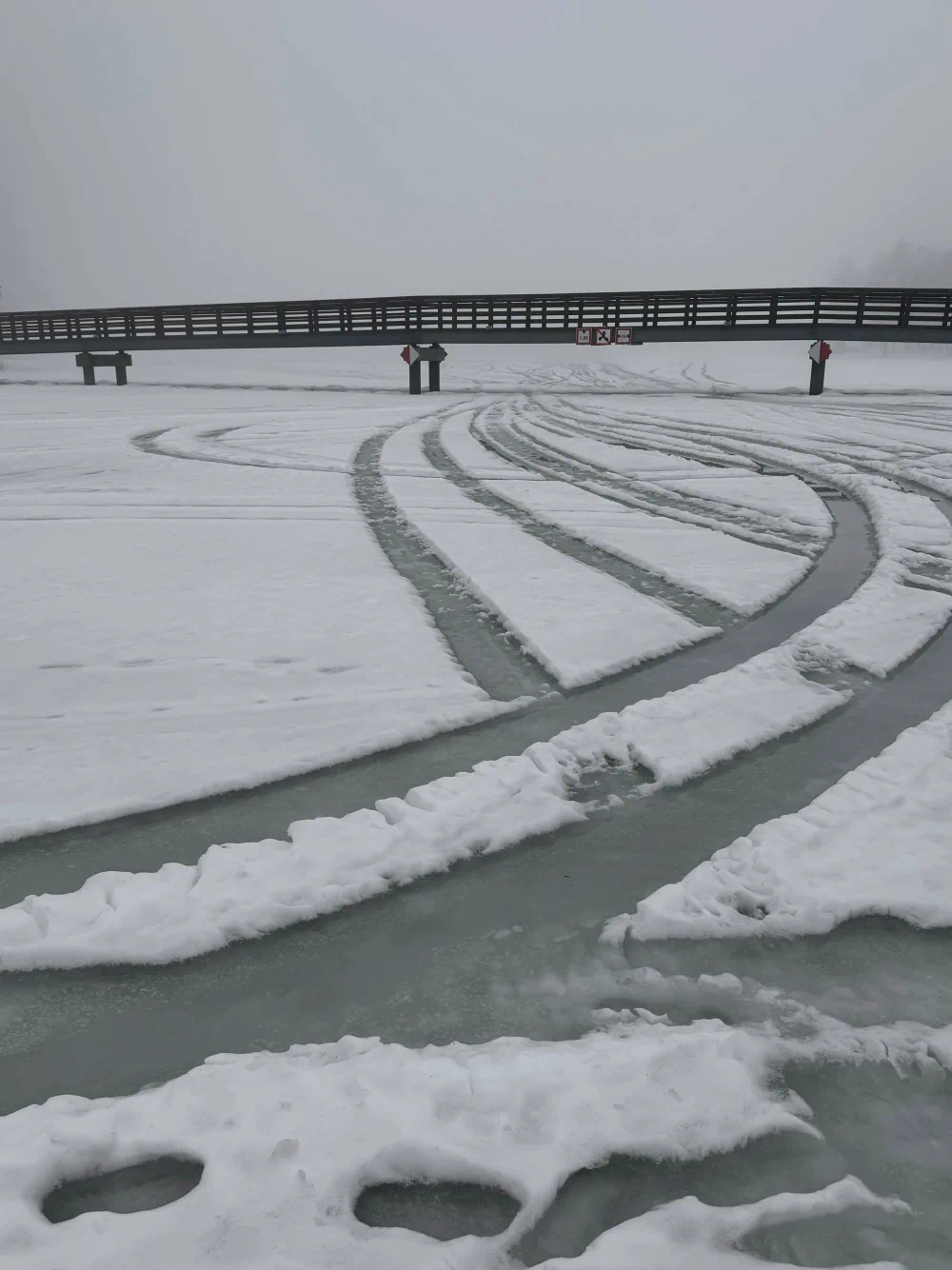
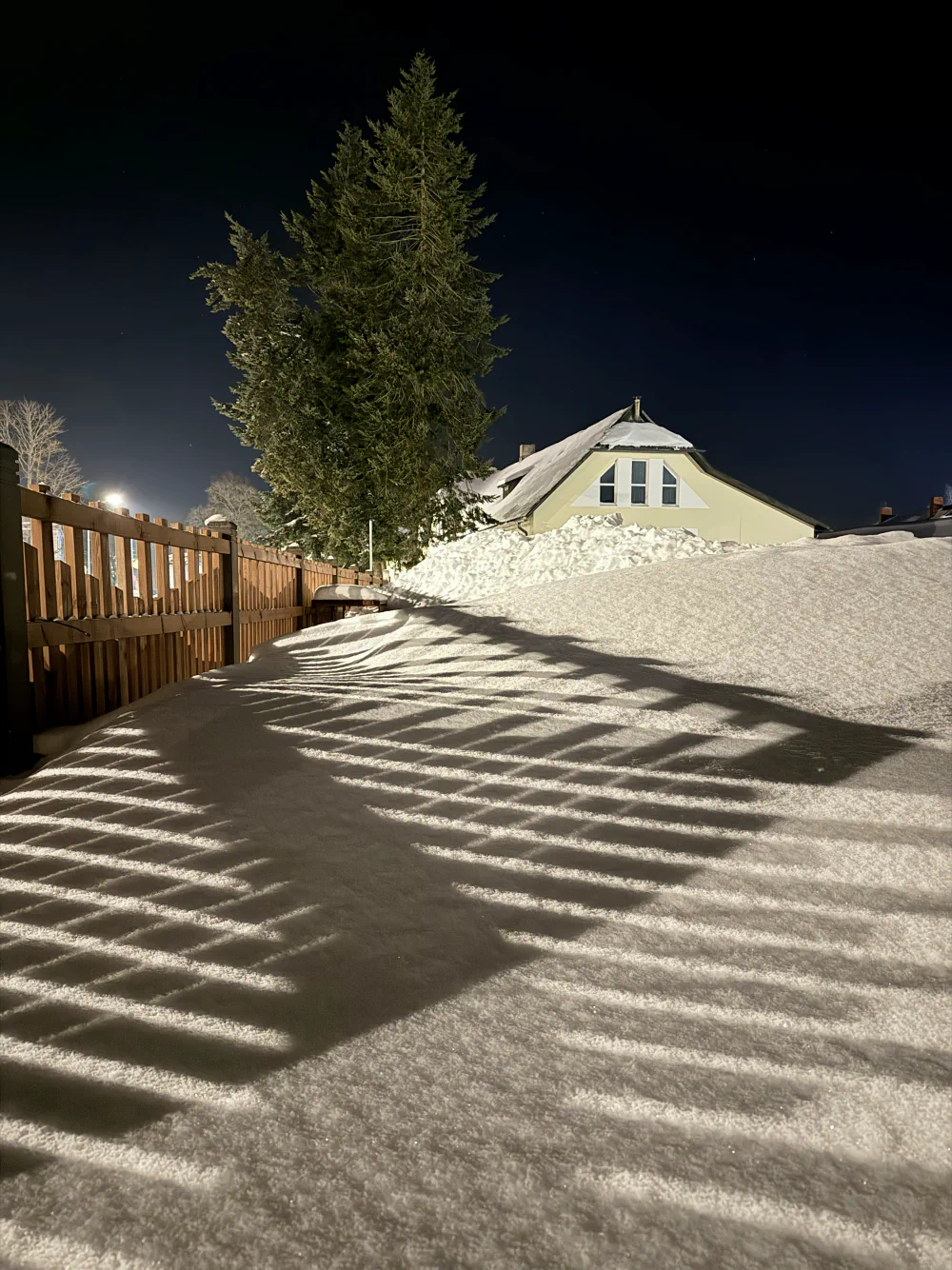
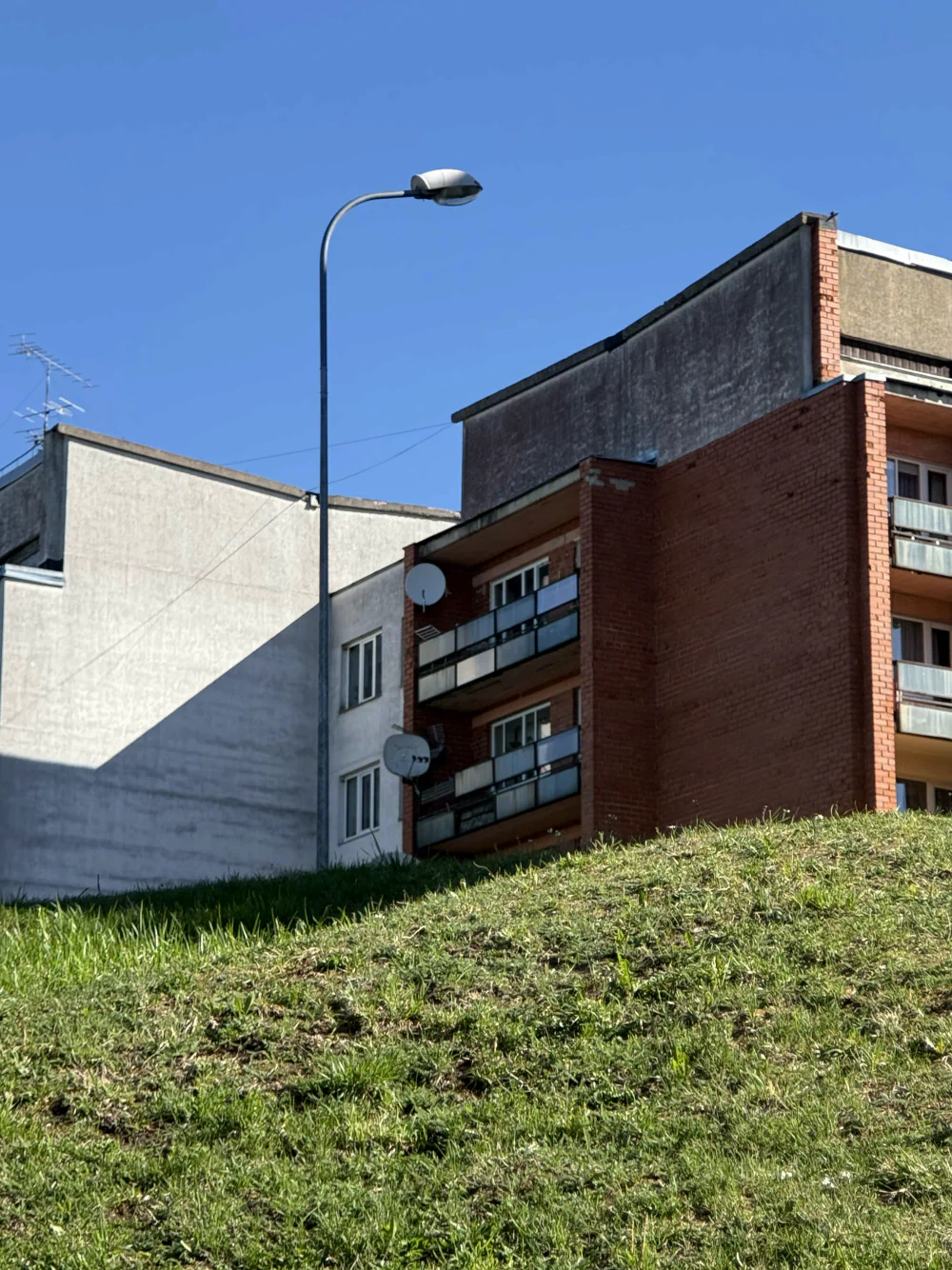
Over time, recurring themes have emerged: traces of human presence and absence, memory embedded in place, the atmosphere of a small northern town, and the relationship between the natural and the constructed. I am drawn to geometric structures, to the interplay of light and shadow, planes and volumes, textures and visual layers. My interest lies not in individual objects, but in the subtle relationships between them, the often unnoticed connections that shape the character of a place.
An important aspect of the work is attention to the periphery of perception. I am interested in what usually remains at the edge of awareness: inconspicuous details, traces of time, temporary states of light, and small changes within familiar surroundings. Photography becomes a process of recognition rather than creation. I do not seek to construct images; instead, I try to remain attentive to moments when an image already exists in reality and is simply waiting to be noticed.
Over time, the project has evolved into an exploration of perception through duration. Each photograph exists as an independent image, yet together they form a kind of archive of attention, a map of relationships between person, place, and time. Meaning emerges gradually through repetition, return, variation, and time.
Today, ONE DAY / ONE FRAME is not only a photographic project, but also a practice of sustained attention, a way of slowing down, remaining open to everyday life, and continuing to explore how the world changes when we look at it long enough.
About Yana Raaga
Yana Raaga, also known as Jana Rāga, is a Latvian photographer based in Alūksne, Latvia. She holds degrees in environmental and interior design, which continue to shape her sensitivity to space, balance, structure, and visual rhythm.
Her work is rooted in quiet observation and sustained attention to what often goes unnoticed. It explores the limits of visibility, examining how presence appears, recedes, or remains unseen within everyday environments. Working from the perspective of a small northern town, she is interested in peripheral spaces, repetition, memory, and the subtle conditions through which places become photographable.
Through a long-term observational practice, Raaga investigates the relationship between perception and duration, exploring how familiar places gradually reveal new meanings through repeated encounters. Light, distance, atmosphere, and the relationships between forms become essential elements of her visual language.
Her photographs have been exhibited in Latvia and internationally, and have received recognition in competitions and exhibitions including PX3, IPA, BIFA, Trieste Photo Days, and FIAP salons.
Her ongoing project, ONE DAY / ONE FRAME, is a long-term photographic practice built on a simple daily rule: one day, one image. Through repetition and sustained attention, the project explores how perception changes over time and how meaning emerges through return, variation, and duration. [Official Website]