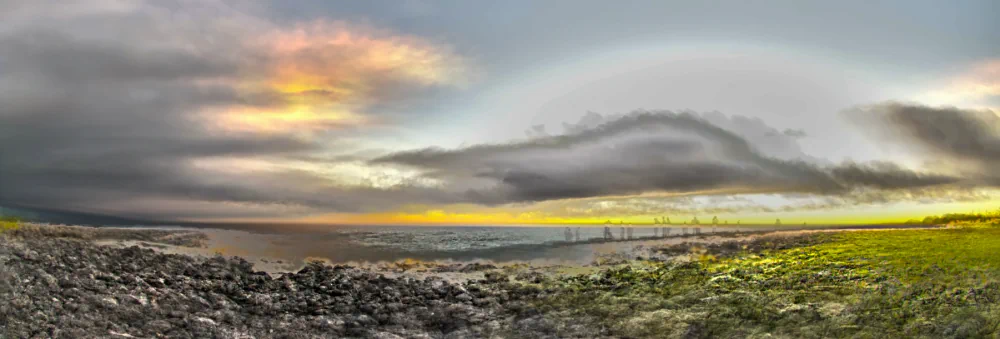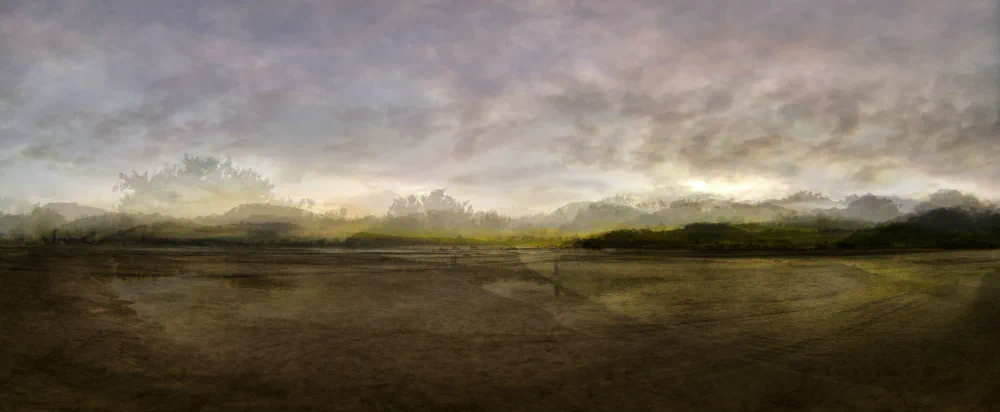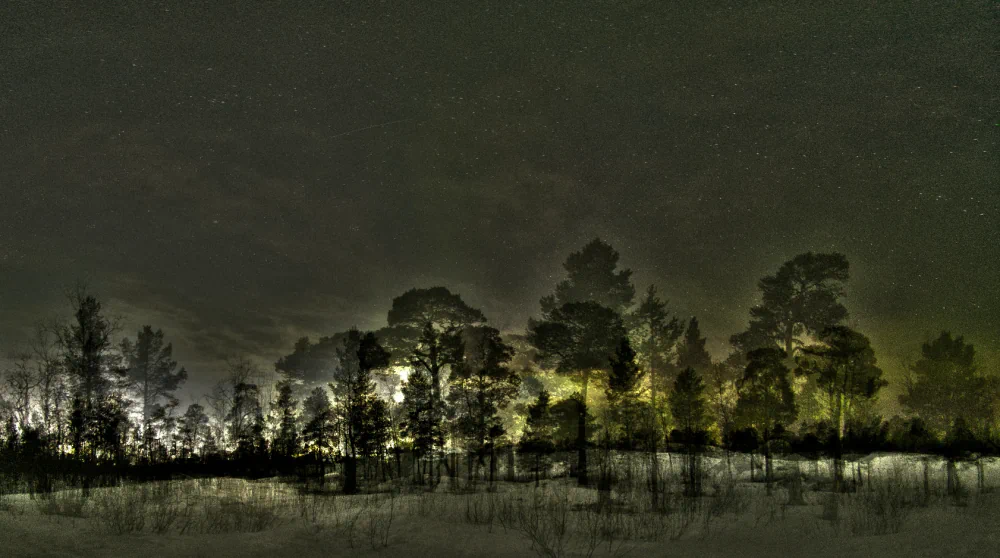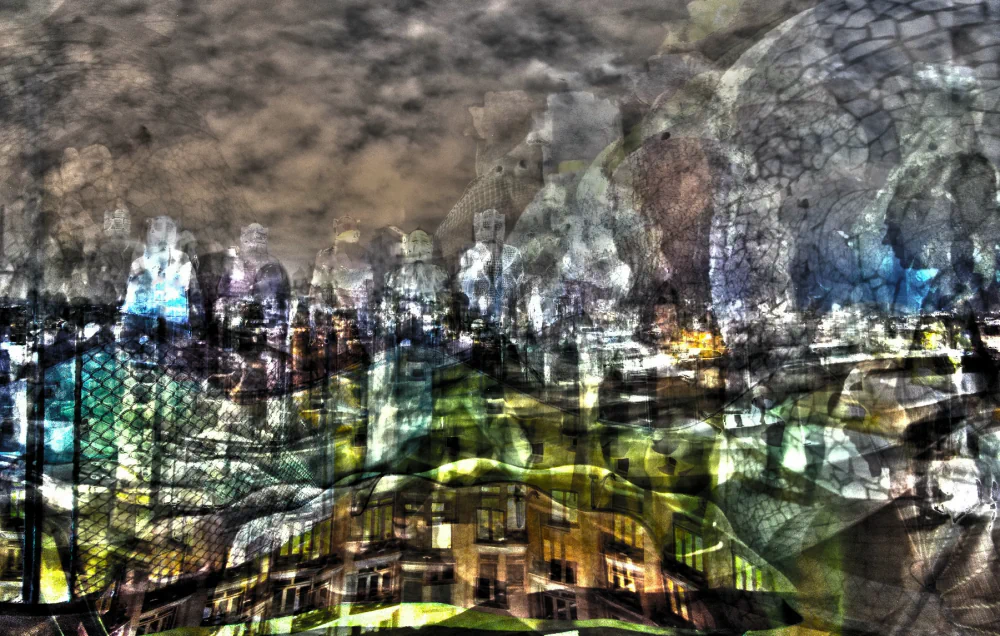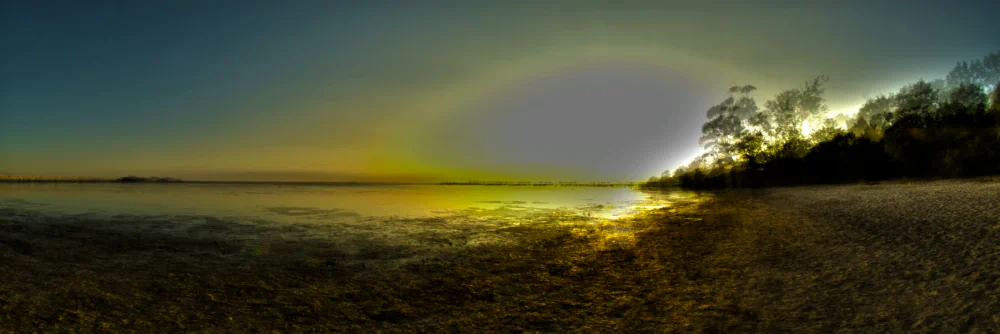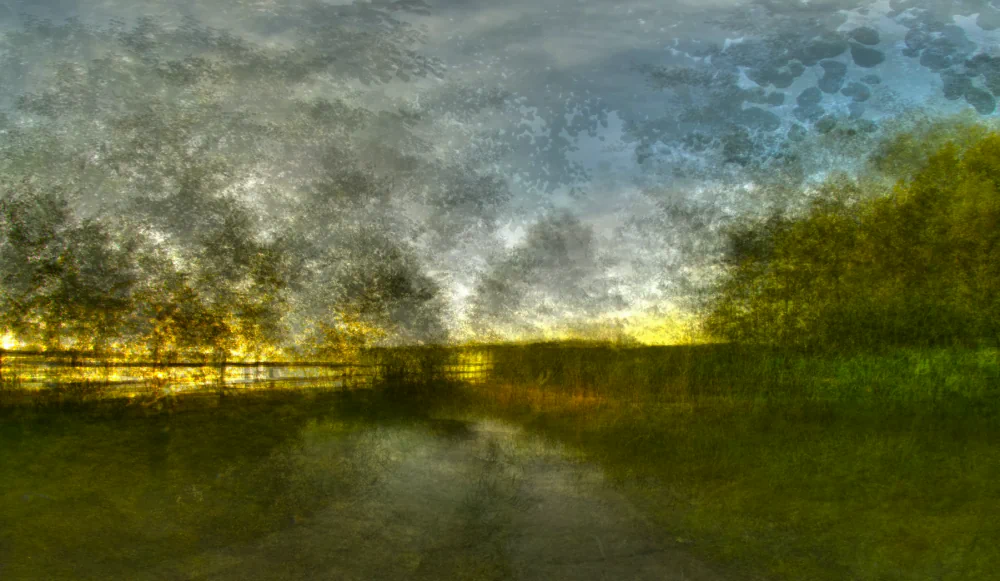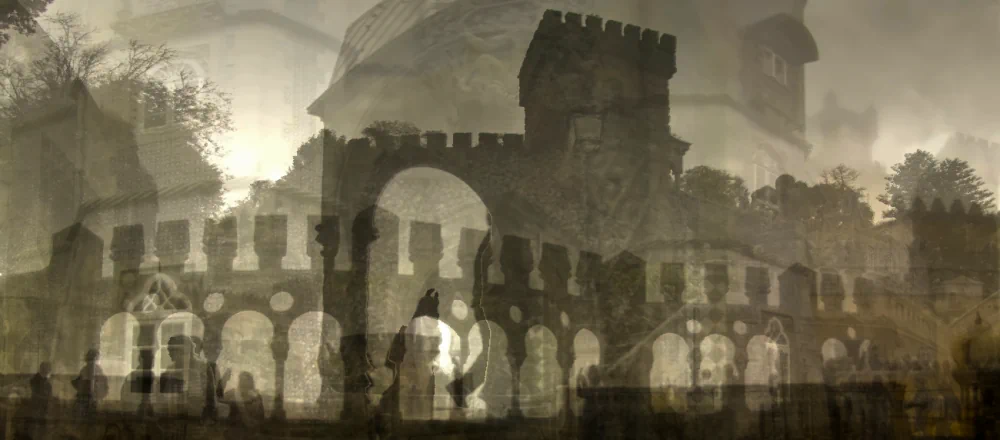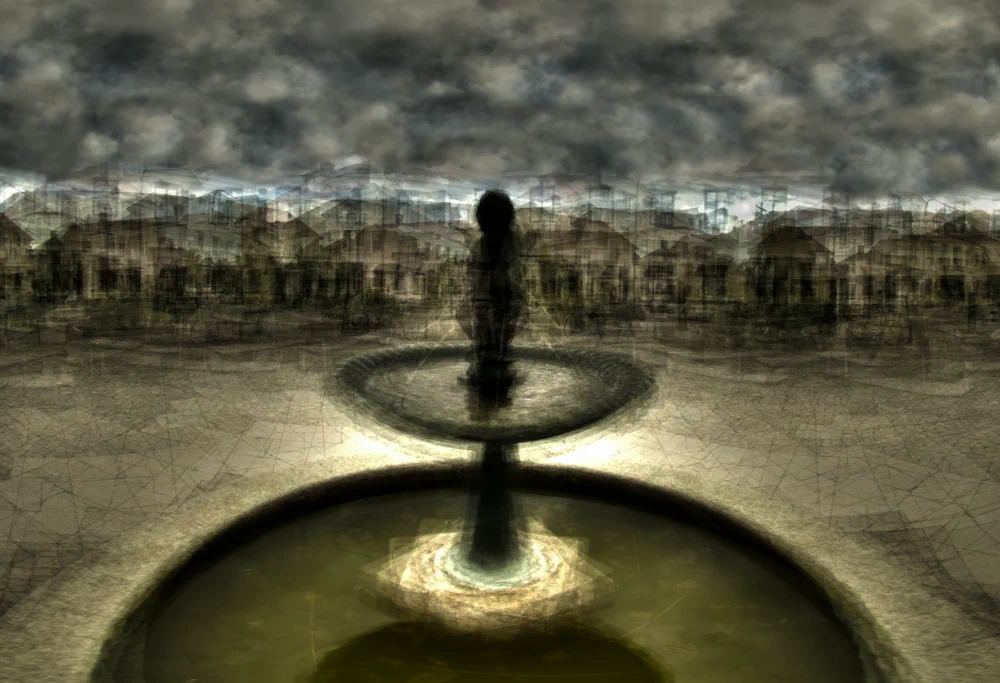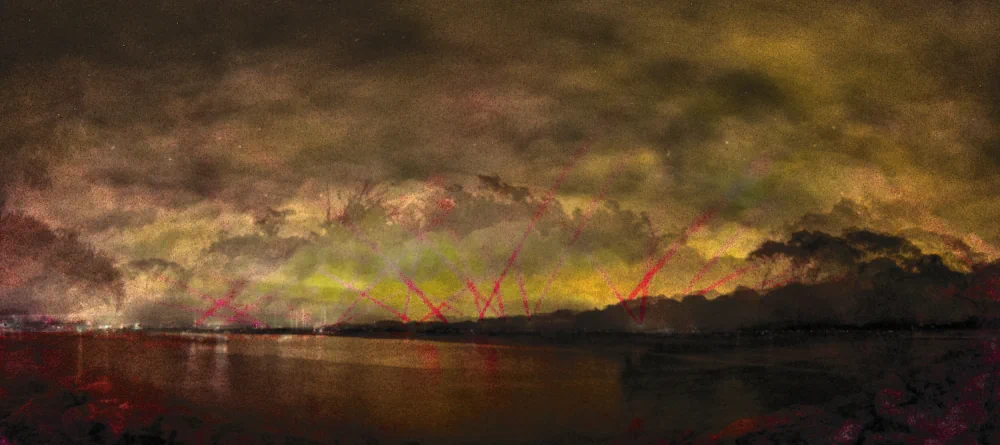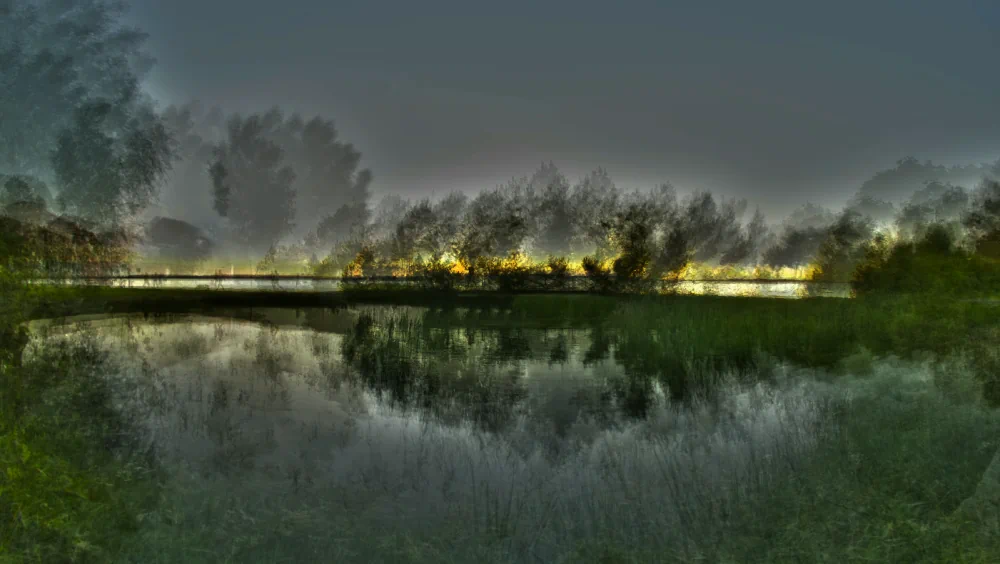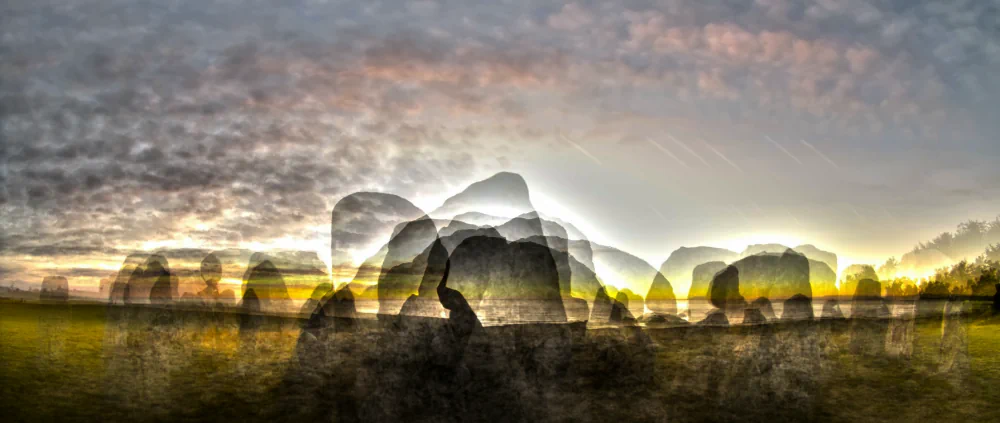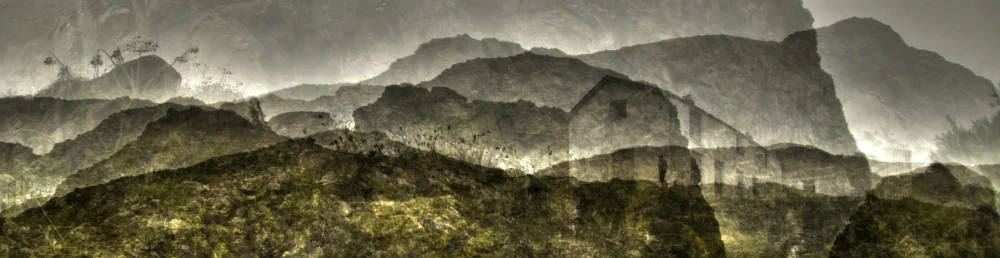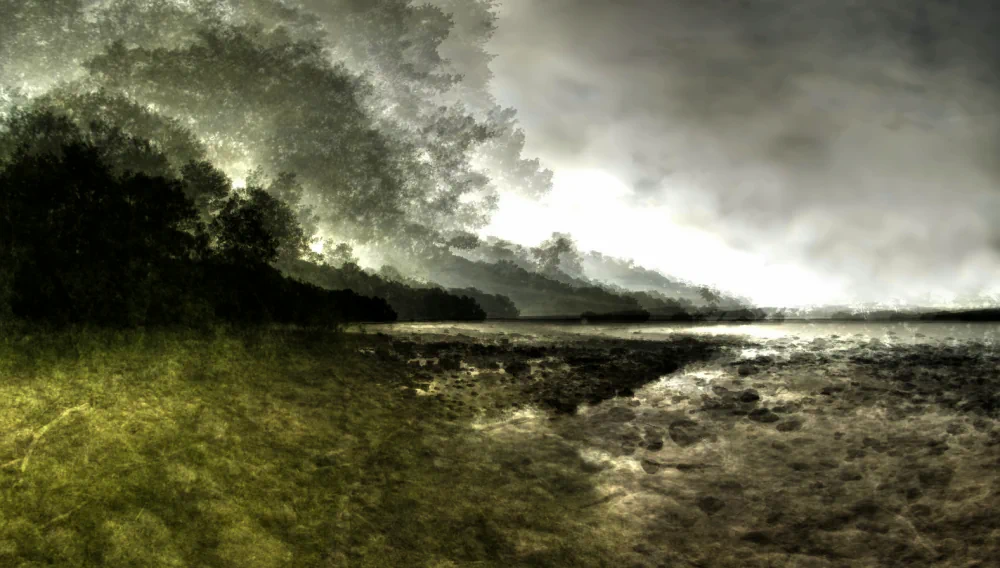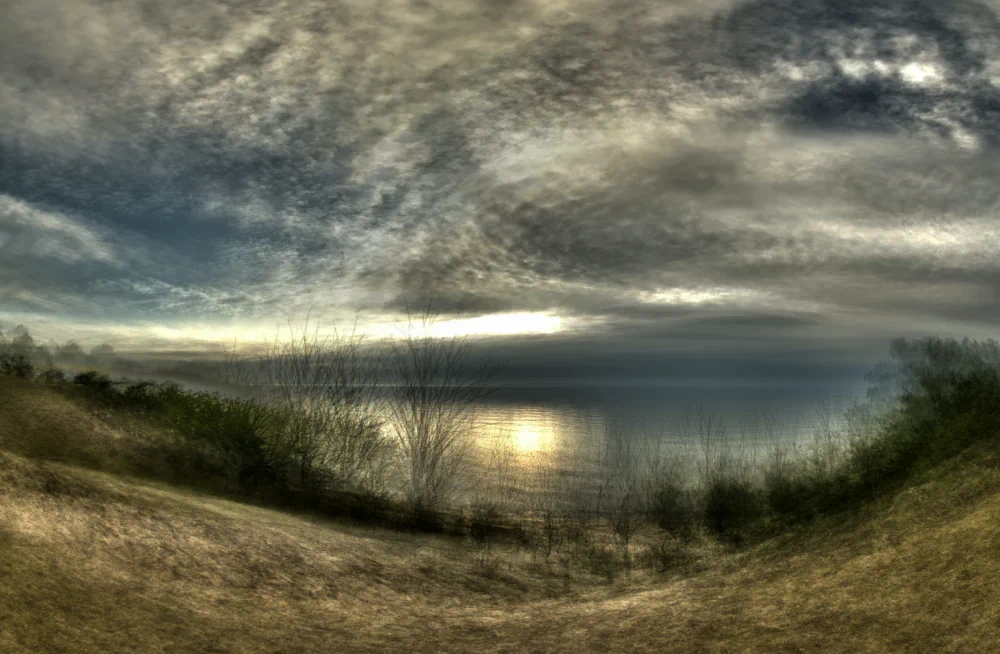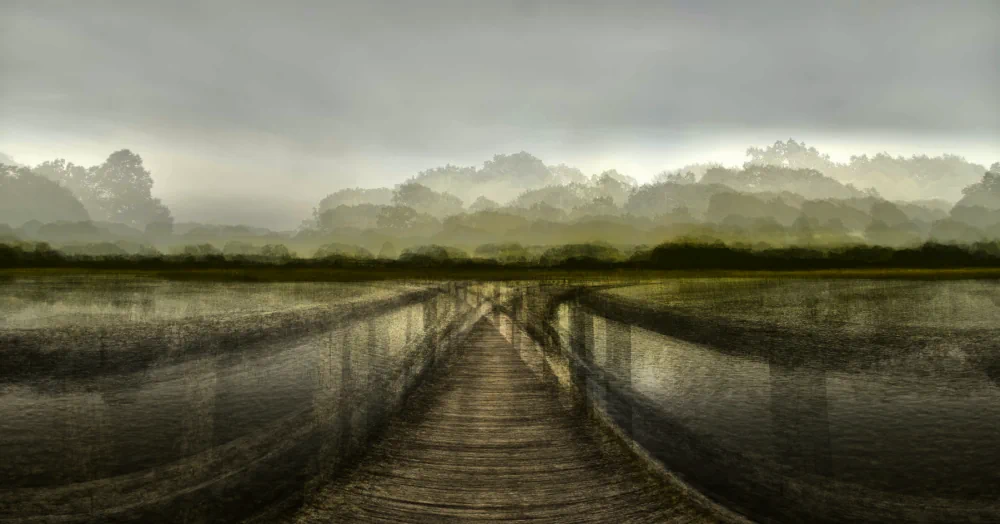

My photo art is based on a unique technique that depicts environments through a combination of many overlaid scenes.
I am a scientist investigating the visual system, and my technique for creating art photographs developed as a spin-off from my research into how human and animal brains generate feelings from what the eyes perceive in the environment.
In this research, I use a digital camera with a 180-degree fisheye lens to measure the distribution of light that reaches our eyes. The aim is to identify the features of visual environments that make us like or dislike them, how they influence our mood, and how they determine what we feel like doing. In other words, my research explores how the visual environment shapes our state of mind and emotions.
For purely artistic purposes, I refined this camera-based scientific method and discovered an entirely new way of artistically capturing the surrounding world by superimposing some 8 to 12 individual shots taken through the fisheye lens. After many years, this has developed into an artistic passion through which I try to distil the visual essence of environments.
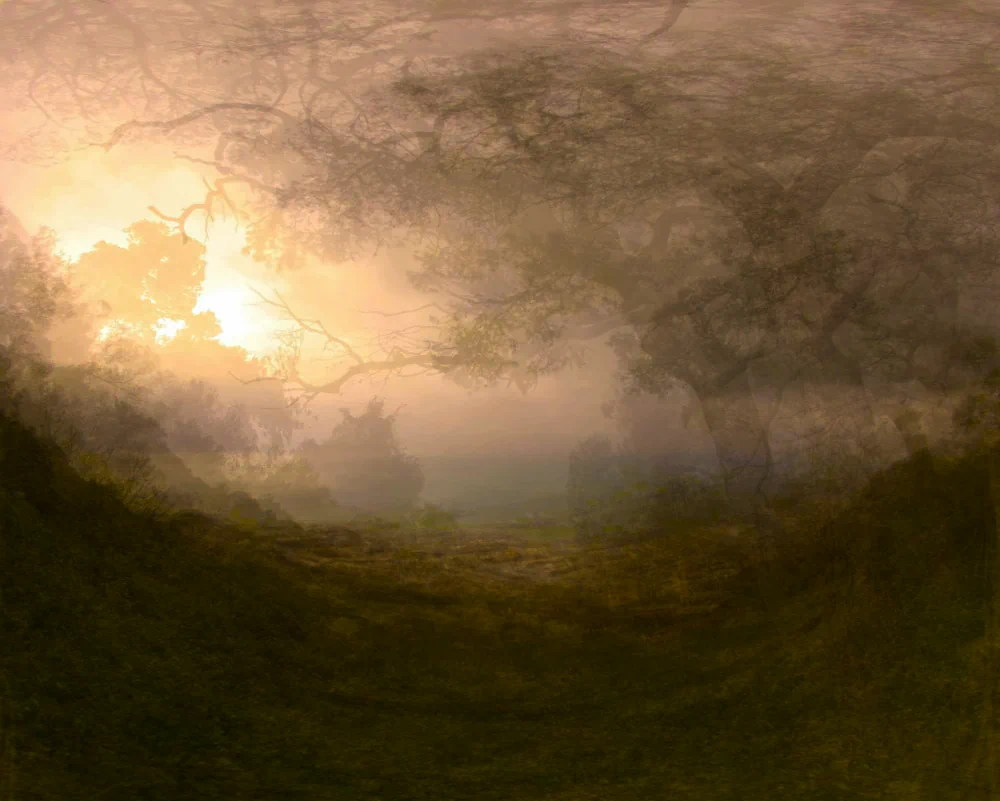
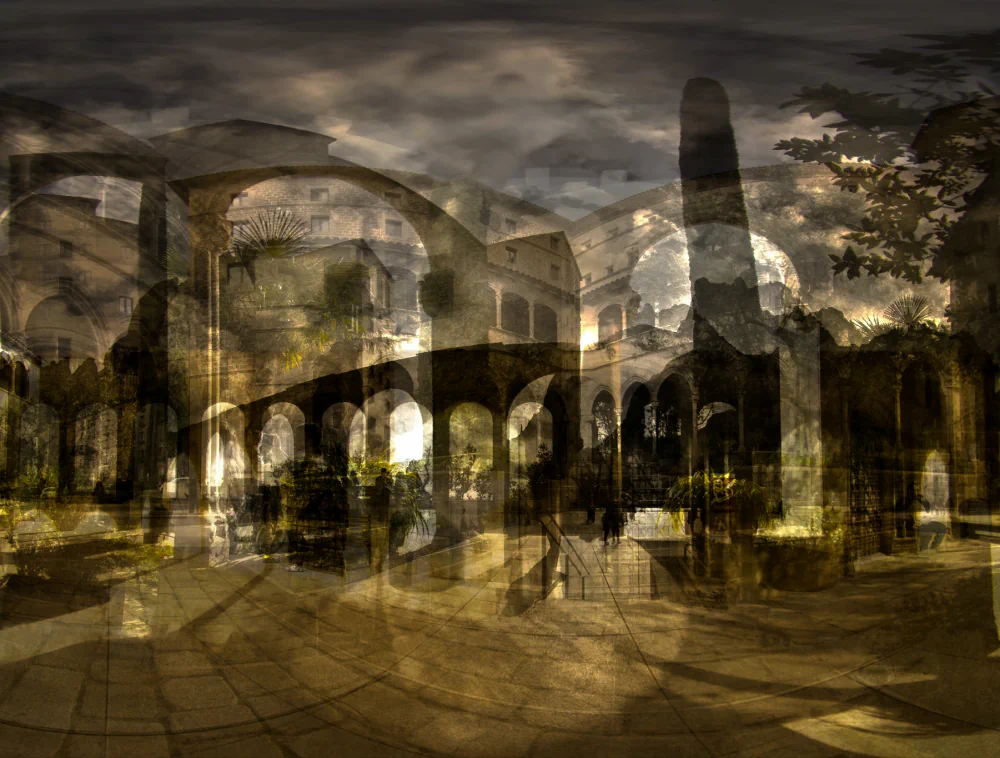
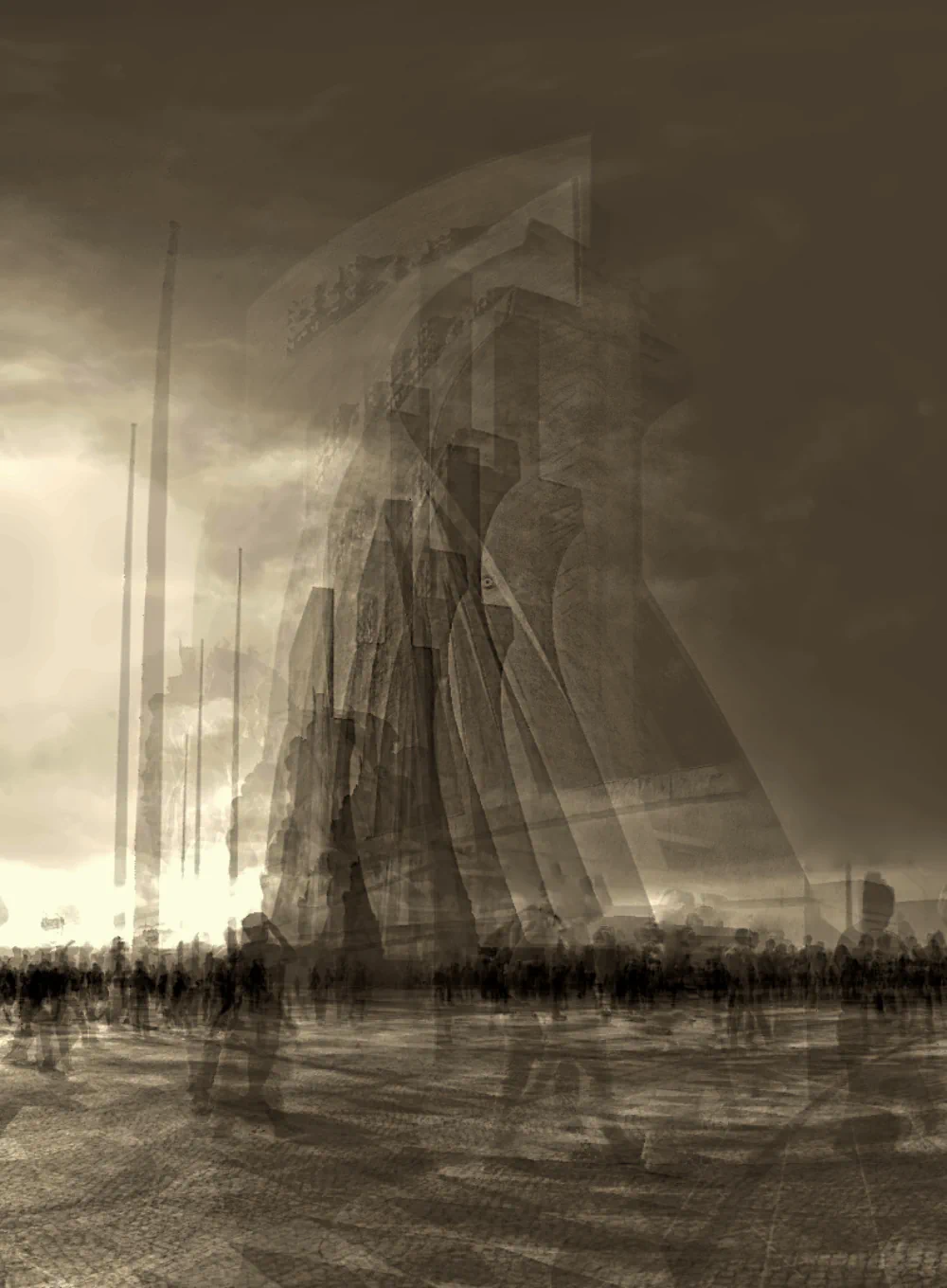
Some of the images resemble Impressionist paintings or works from other pictorial genres. Others have an eerie, dystopian feel, while others simply aim to capture the beauty of a place. I search for places and environments that trigger strong emotions of ambience, and I use my camera technique as a tool to convey that ambience to viewers of my art. In this sense, my artistic style shares some of the aims of Pictorialism, which was popular in the early days of photography.
Contrary to much contemporary photography, my photographs do not aim to tell stories or reveal aspects of our society. Instead, they focus on the background and the emotions it evokes. I often try to create photo art that first catches the viewer’s attention through its overall appearance and then triggers an irresistible interest in interpreting the scenery and its details. A few of my images look almost like single-shot photographs, but the details reveal that even these images are, in fact, composed of some ten superimposed scenes carefully selected from the environment I wanted to capture.
I never make themed projects composed of many images. Each image is a stand-alone project in itself. Even though I often make numerous attempts to capture a particular environment, I finally choose the one I like the most and discard the other attempts. This means that there is a huge amount of work and many failed attempts behind each of the images I eventually present.
My work has received recognition in numerous international photo contests, has been selected for online galleries, and was awarded a gold medal at the Prix de la Photographie de Paris, PX3, in 2025. I am now in the process of displaying and selling my art in limited signed series. I will continue to explore my special photographic technique to capture the emotions triggered by the endless number of amazing visual environments on planet Earth.
Some technical points: all images are usually composed of 8 to 12 overlaid scenes shot from different positions within an environment. By carefully selecting these positions, I can generate images that reveal the essence of the environment. All photographs are made with a 180-degree fisheye lens, and the circular images are computationally reshaped into square photographs covering 180 by 180 degrees. The stacks of square images from different positions are then combined into a multi-exposure image and cropped to suit each final artwork.
Finally, the images are processed in Photoshop to increase local contrast and edit details. I do not use AI in any way to generate my artwork. The many overlaid photographs, together with the extreme wide-angle lens, are the keys to capturing environments without distraction from the objects that often dominate each individual scene.
About Dan-E. Nilsson
Dan-E. Nilsson is a biologist and Senior Professor at Lund University, where he founded and developed the Lund Vision Group, which for several decades has been an internationally leading unit in comparative vision research. Throughout his career, he has studied eyes and vision across the animal kingdom, from jellyfish to humans. He is well known for explaining how eyes and vision evolved from simple light detection to high-resolution vision.
His more recent research examines how animals, including humans, use visual information to control mood and motivational states, which in turn help them find the right environment and choose timely activities. This area of research led him to the unique form of photo art that he has been exploring in recent years.