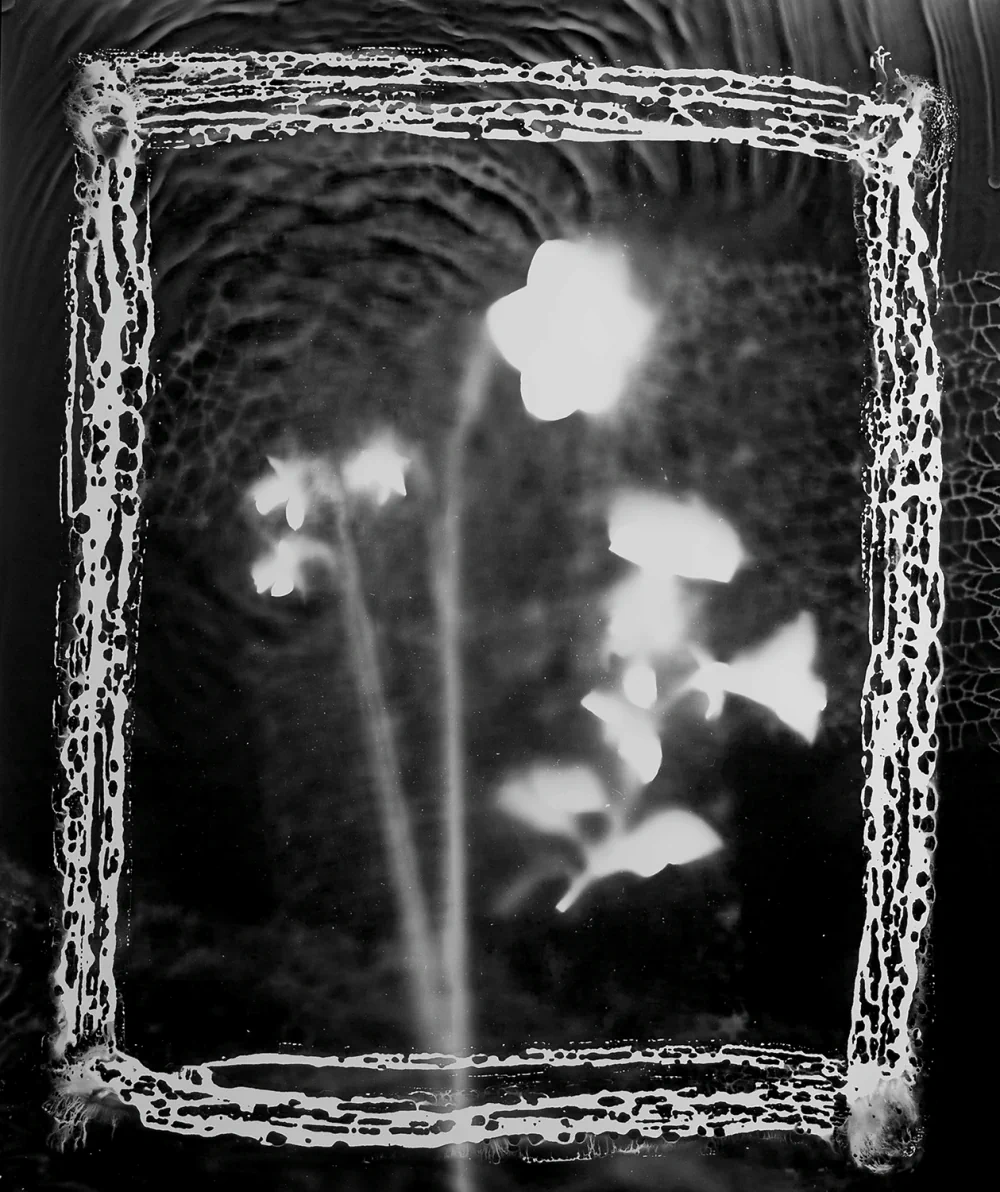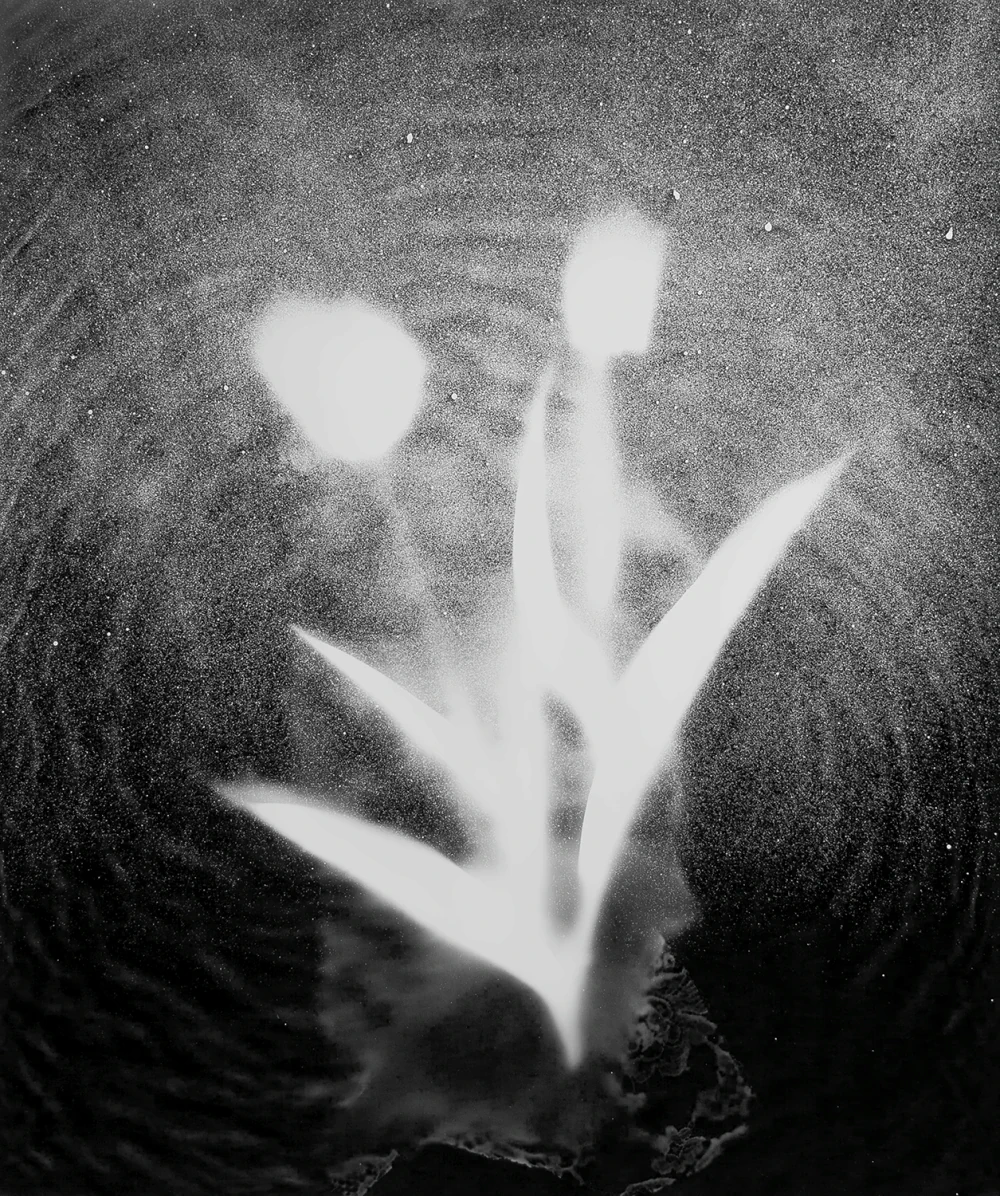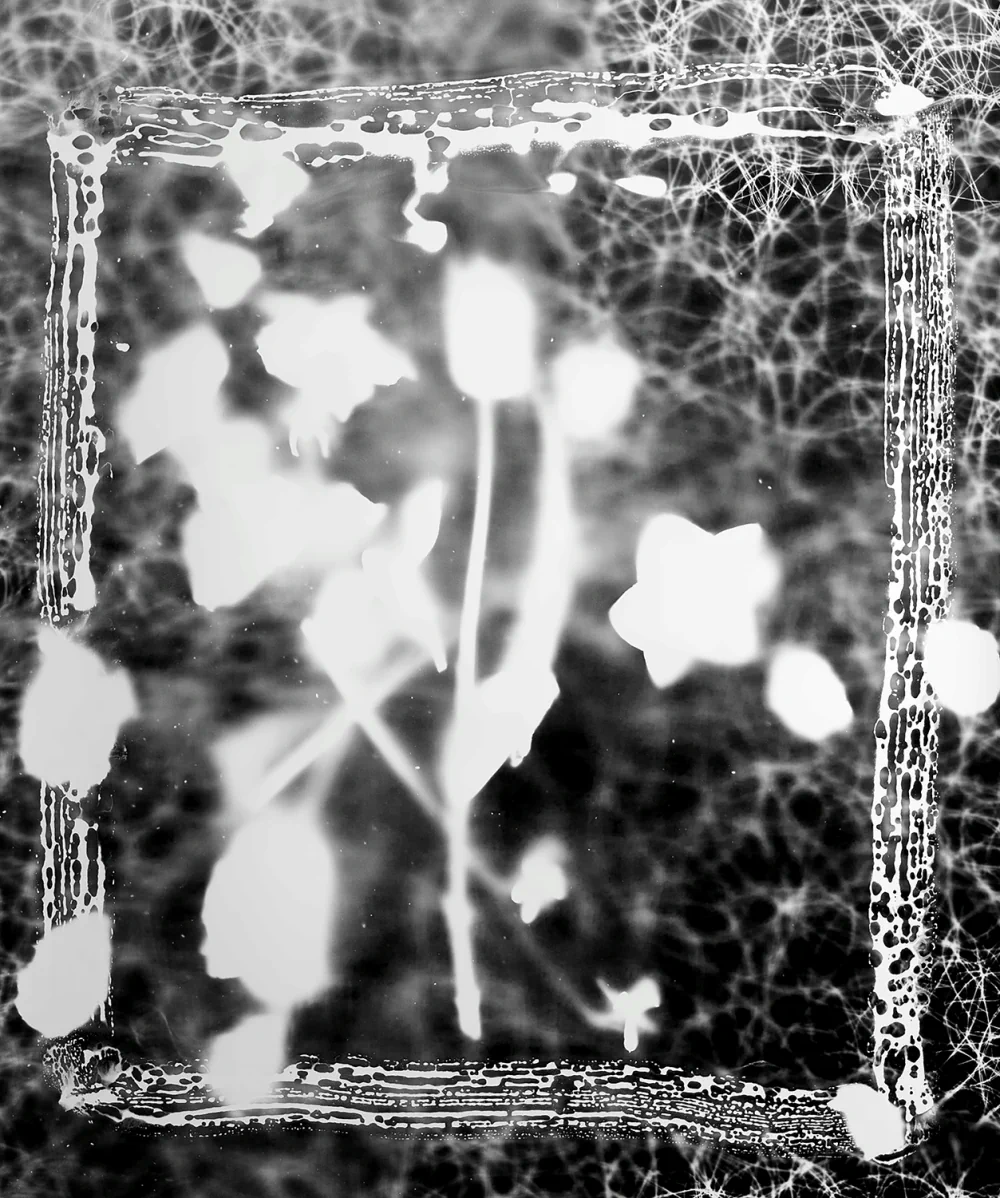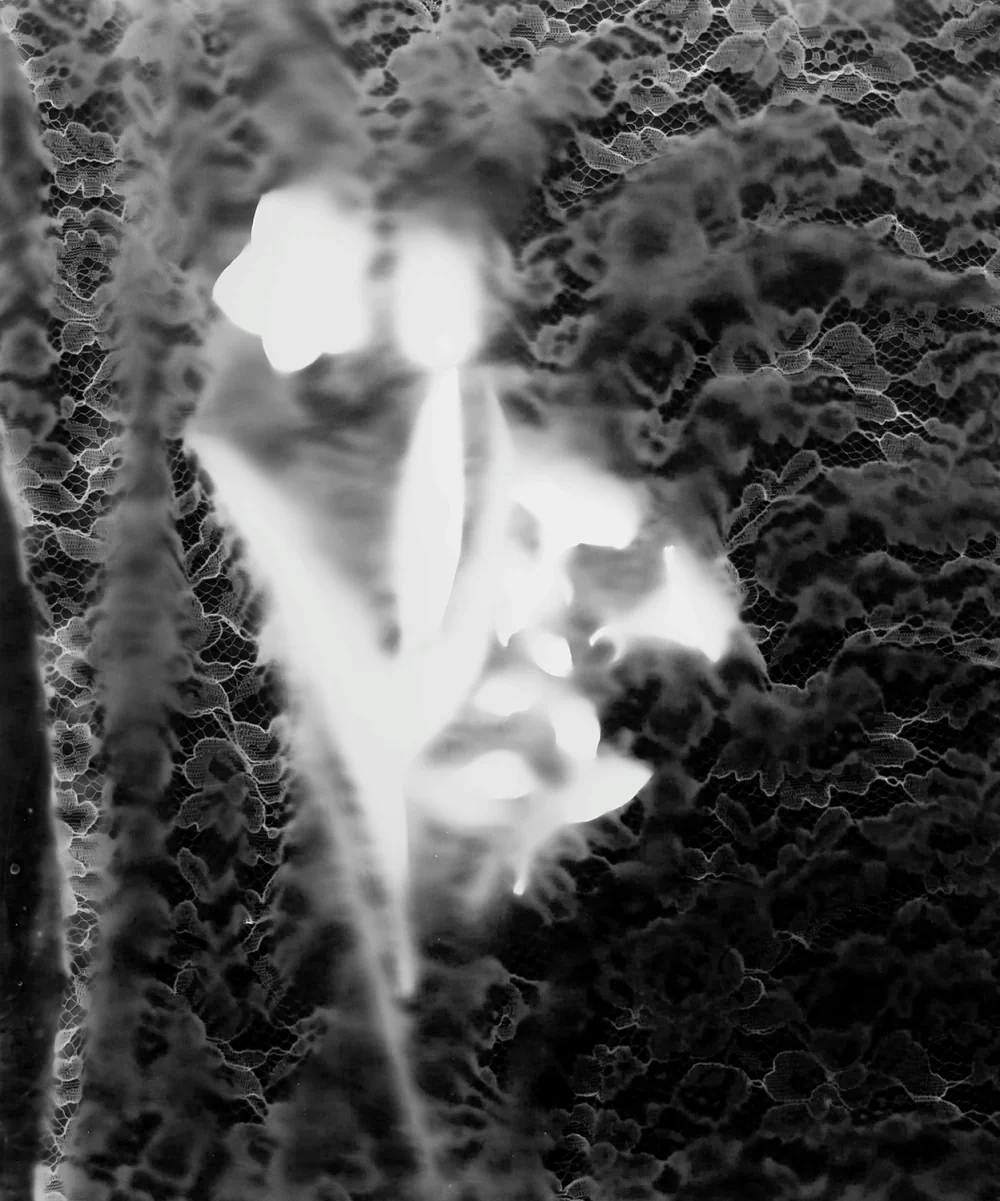
Flowers of the Soul is one of several photographic projects that form part of my artistic research devoted to nature, a fundamental and enduring element of my creative practice.
For me, the natural world has always represented not only an inexhaustible source of aesthetic inspiration but also a place for reflection and investigation into the relationship between human beings, time, and the transformation of matter.
In this work, nature is not approached as a simple subject to be represented; rather, it becomes a living and dynamic presence capable of evoking symbolic meanings, profound emotions, and new possibilities for visual interpretation.
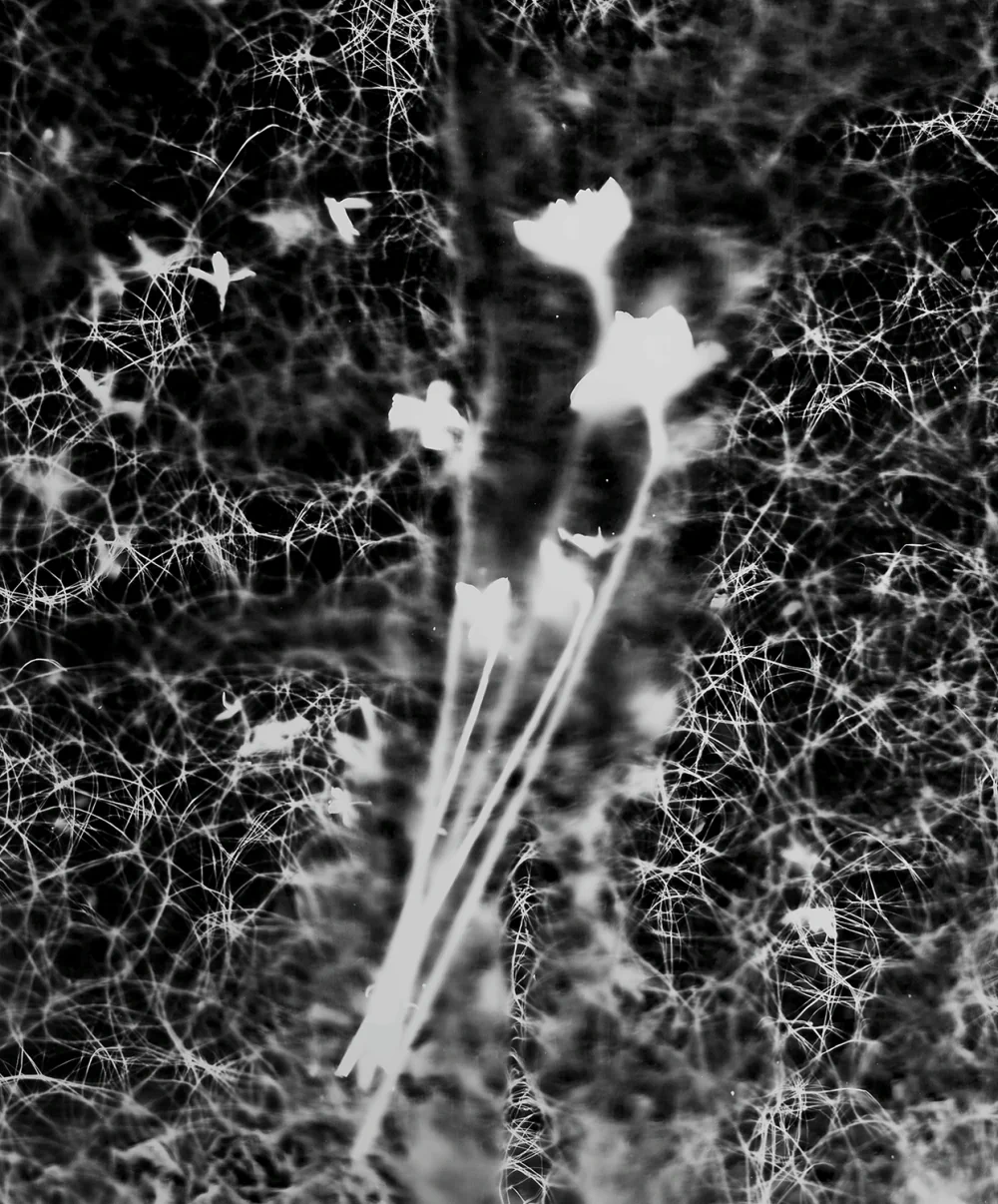
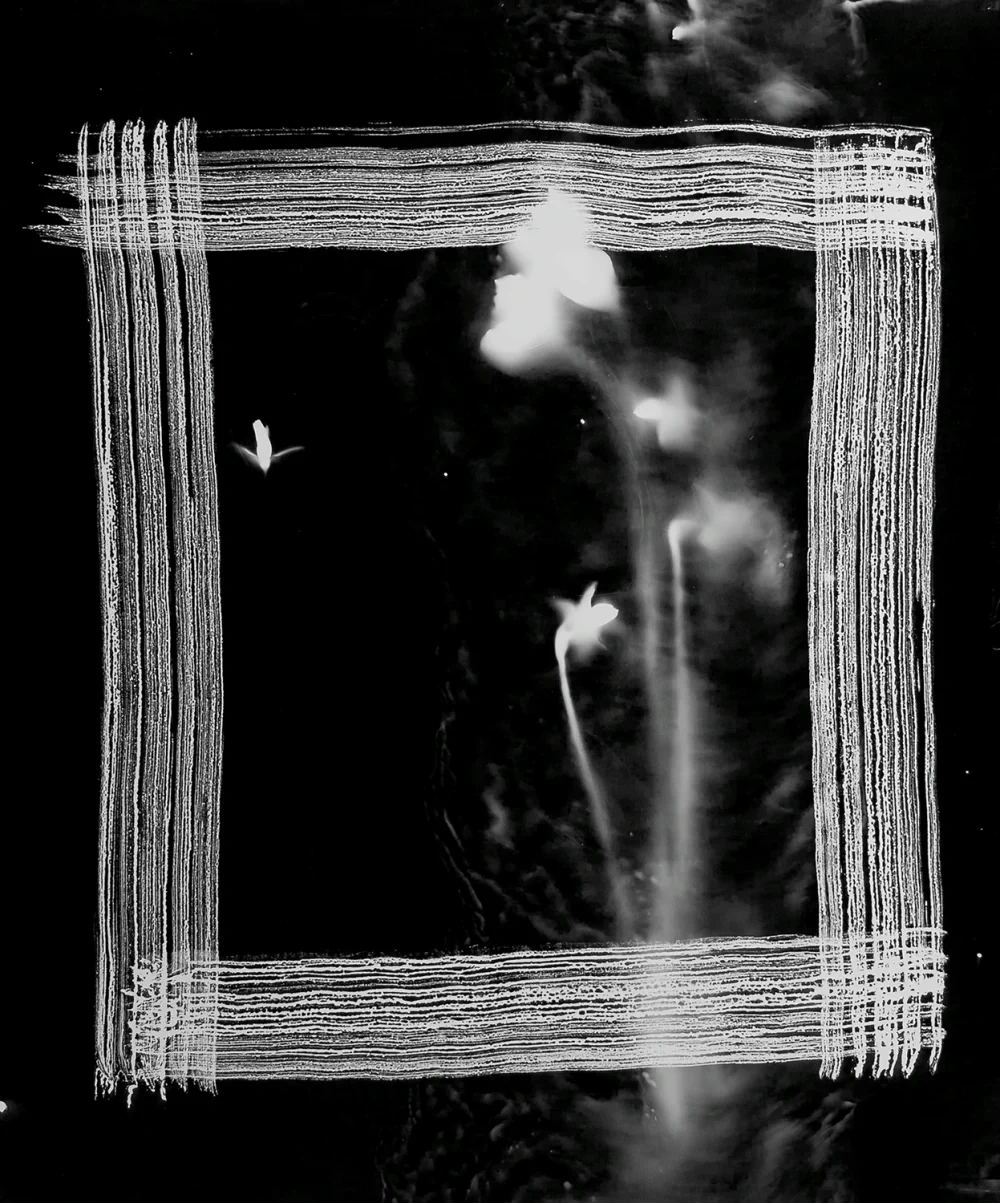
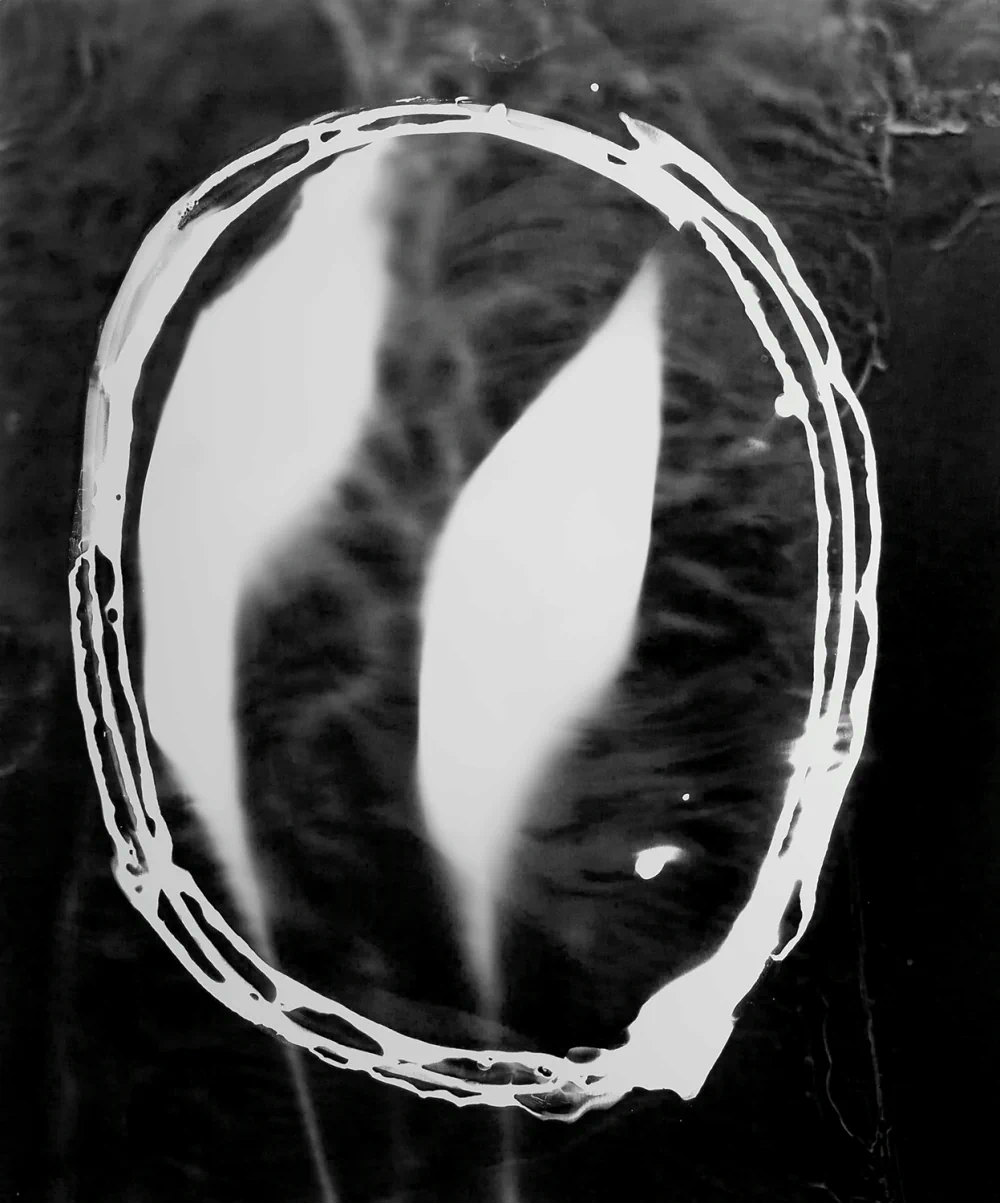
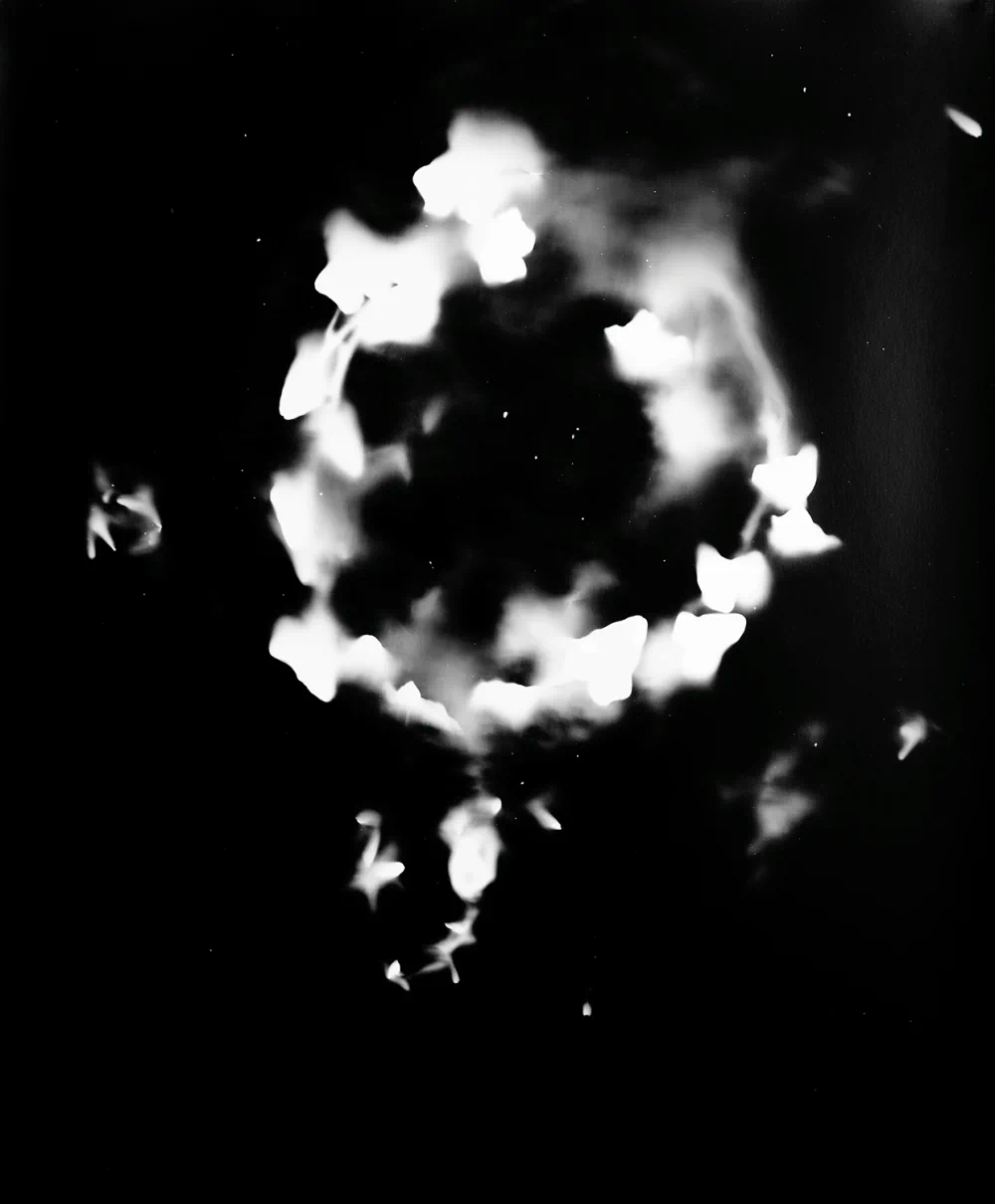
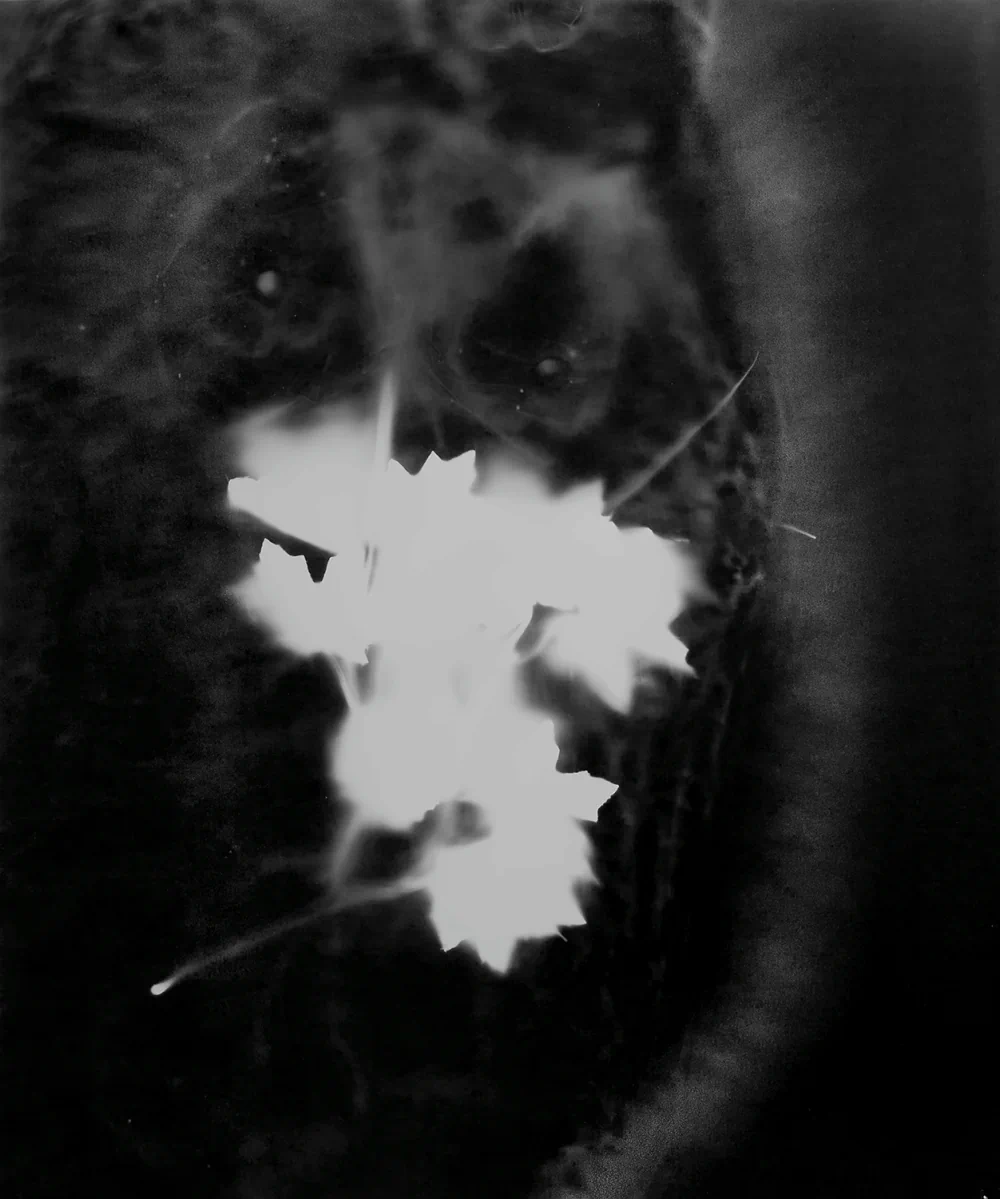
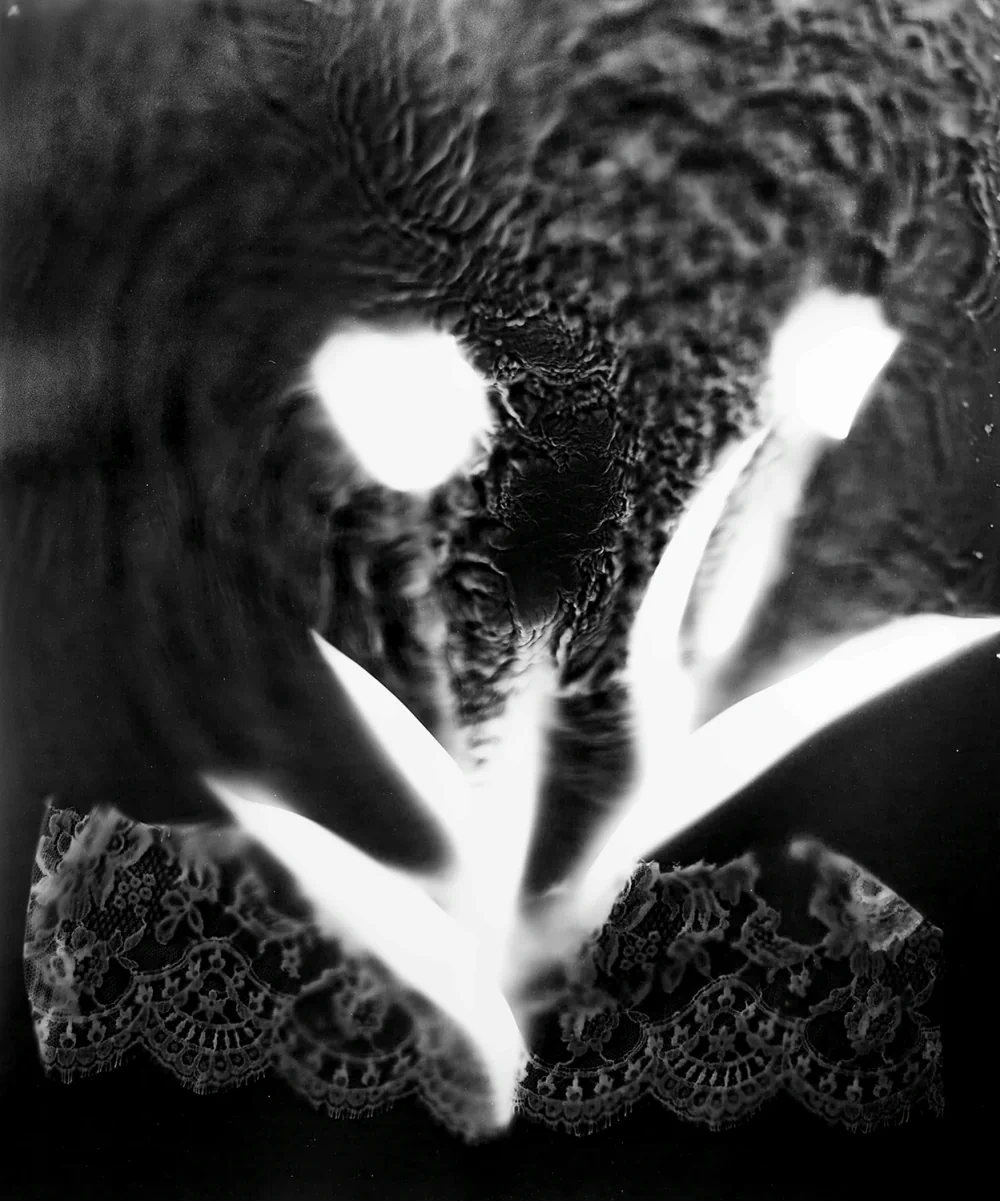
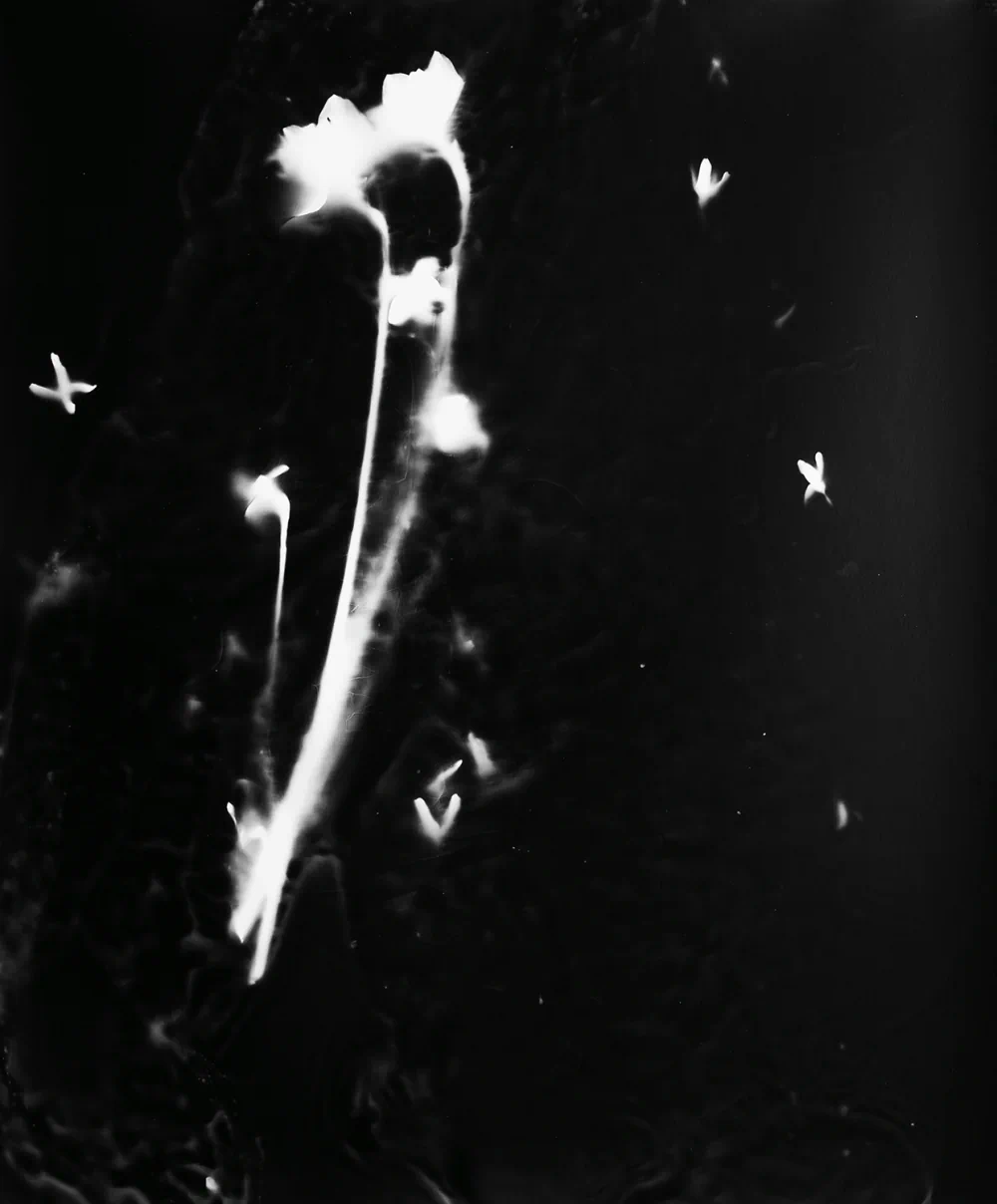
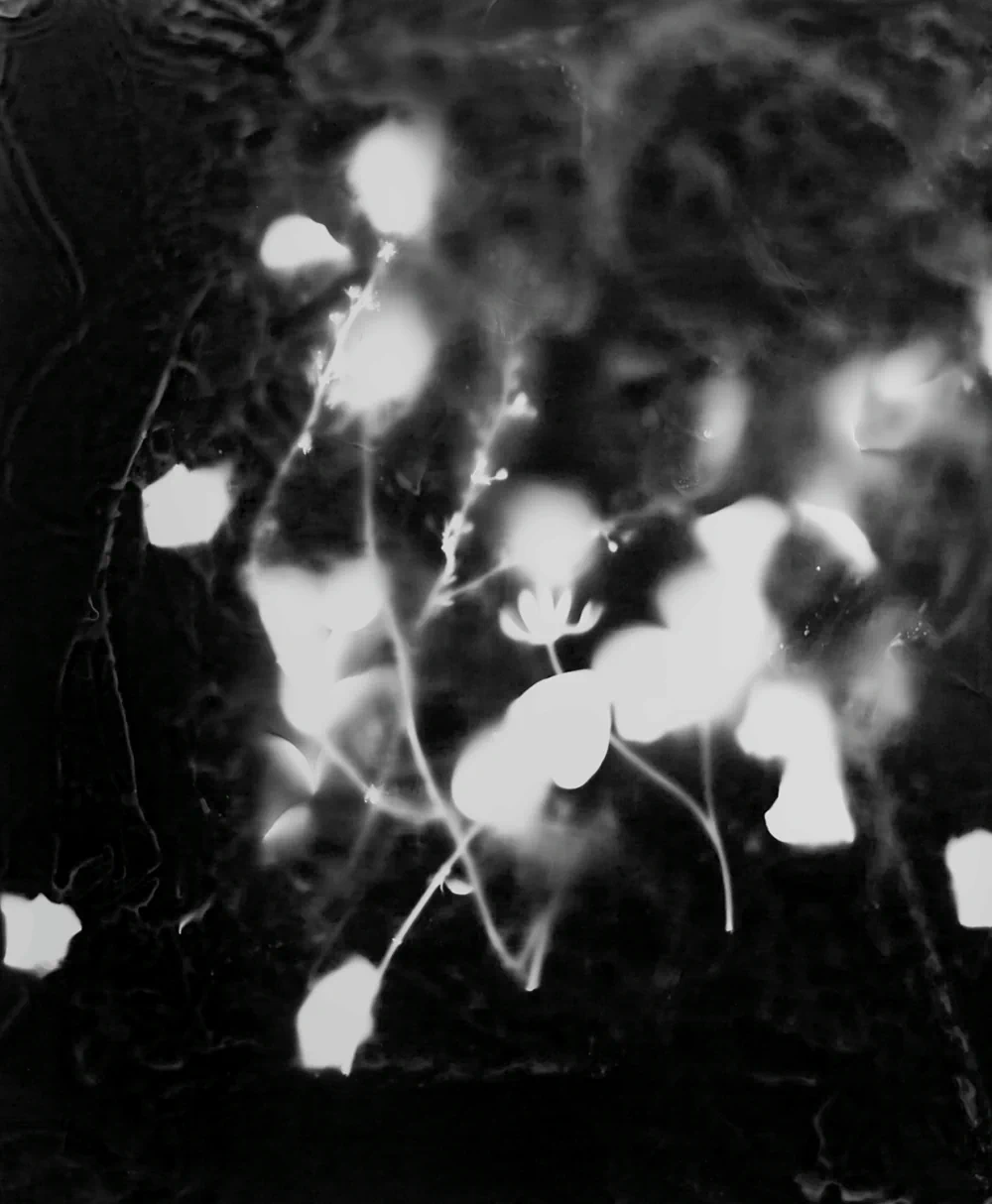
The project originated from a desire to explore the subtle boundary between reality and imagination, between scientific observation and inner perception. Leaves, petals, stems, and other botanical structures become the protagonists of a creative process that moves beyond botanical documentation toward a poetic and contemplative dimension. The aim is not to reproduce nature faithfully, but to reveal its most intimate and hidden essence, bringing to light aspects that often escape a hurried or distracted gaze.
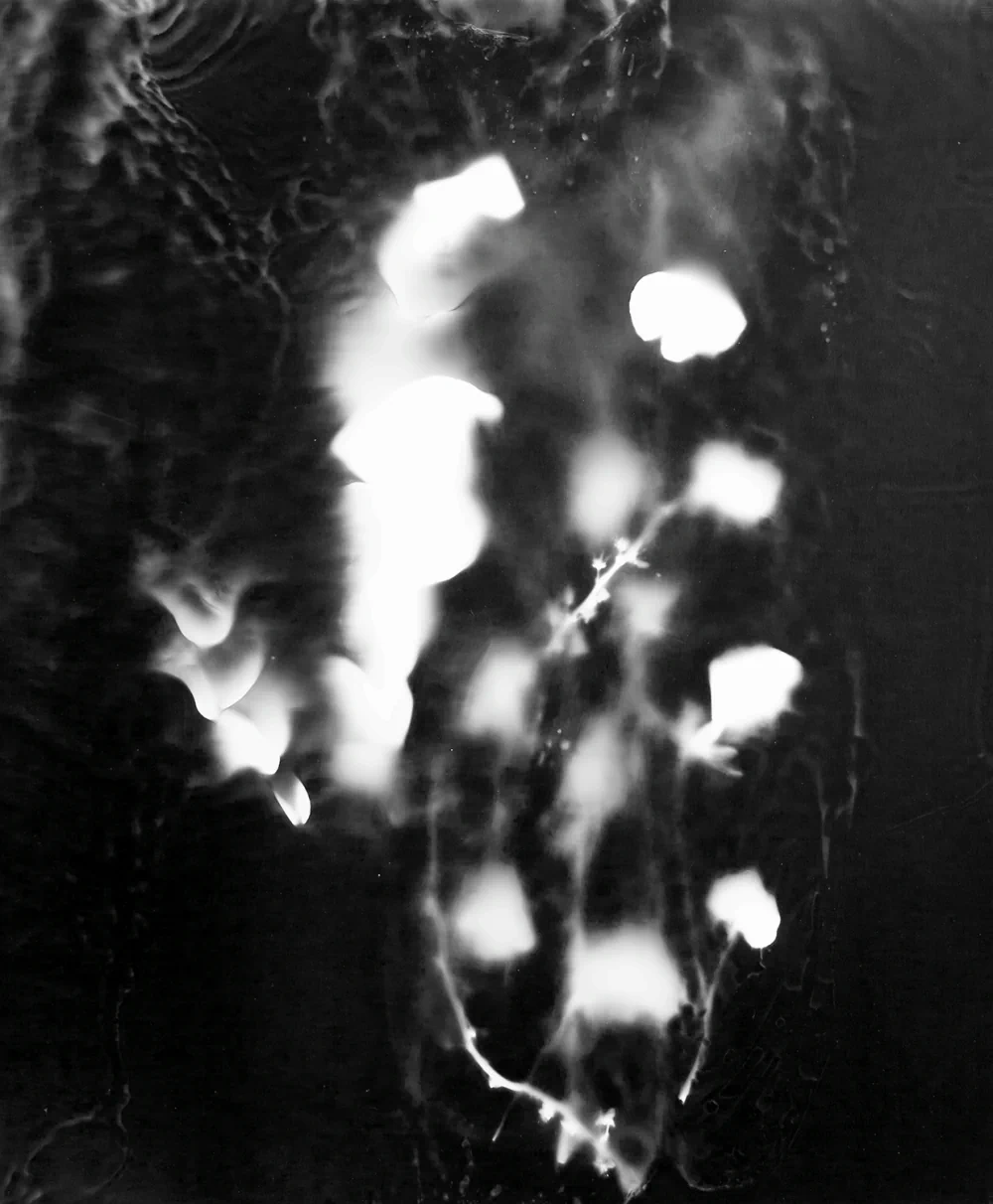
The works are created through an extensive experimental process in the darkroom, where light becomes the primary tool in the construction of the image. The process is based on the direct action of light on plant matter and on the use of a wide variety of materials that interact with the photosensitive surface. Organic elements, diverse substances, and manual interventions are combined in a continuous dialogue between control and unpredictability. Water also plays a fundamental role: during exposure, sheets of photographic paper are immersed in large tanks, transforming the liquid into an active component of the creative process. Water alters the diffusion of light, modifies surfaces, and contributes to the formation of unexpected visual effects, introducing an element of chance that enriches each image with unique and unrepeatable qualities.
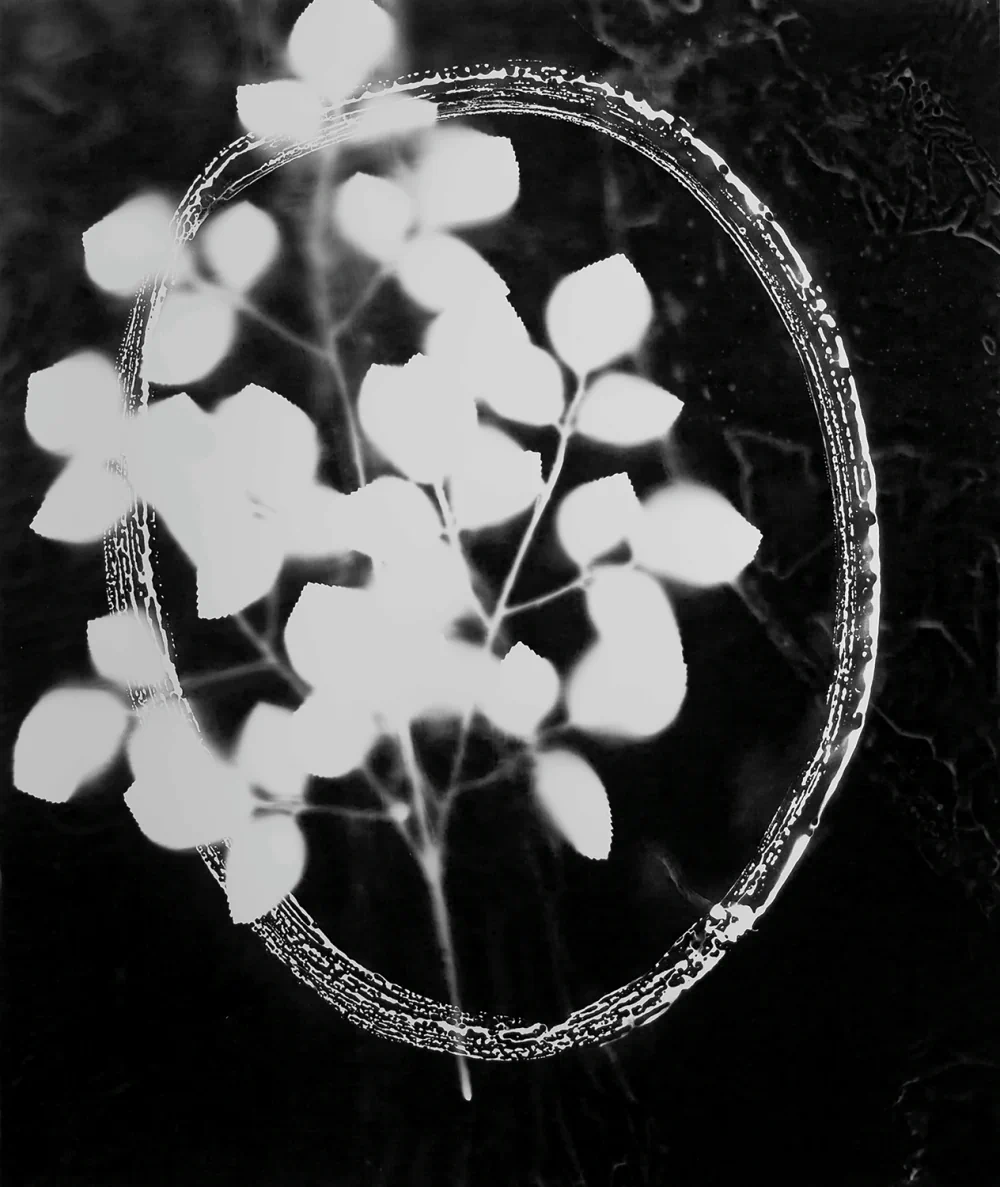
Through this experimental methodology, botanical forms gradually lose their purely descriptive function. Leaves are no longer simply leaves, nor are petals merely petals; they become delicate presences, almost immaterial, suspended between appearance and disappearance. They emerge as luminous traces, fragile imprints that seem to surface from distant memories or from an inner landscape. Organic structures reveal surprising geometries, intricate networks of lines and transparencies that lead the viewer toward an interpretation of the image that is more emotional than rational.
Within this context, light assumes a role that extends far beyond its traditional function of recording reality. It becomes an interpretive force capable of transforming matter and redefining its visual meaning. Through its action, elements belonging to the tangible world are transfigured, acquiring a symbolic and almost spiritual dimension. The photographic image thus becomes a space of metamorphosis, a place where natural reality opens itself to new possibilities of interpretation and invites a contemplative experience.
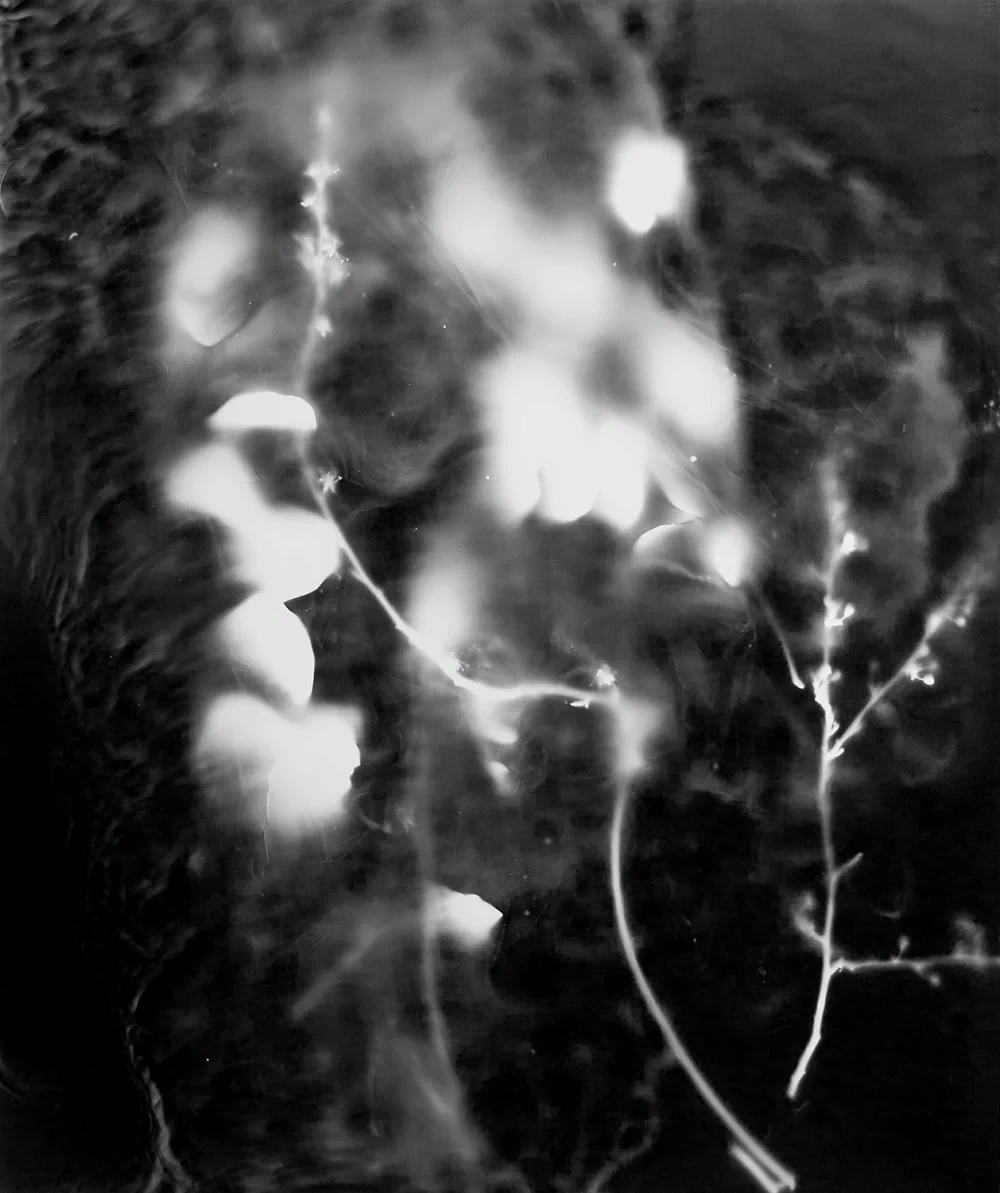
At the heart of the project lies the value of attentive seeing, understood as an act of awareness and sensitivity. In an age characterized by the rapid consumption and overwhelming abundance of images, Flowers of the Soul proposes a different rhythm, one that is slower, more reflective, and meditative. The works encourage viewers to linger on details, recognize the beauty of the simplest forms, and rediscover the profound connection that links humanity to the natural world. Through this attentive observation, new perspectives emerge, capable of generating authentic emotions and fostering a deeper and more intimate relationship with nature.
The images are created without the use of cameras, following a cameraless photographic practice that relies on the direct interaction between matter, light, and photosensitive paper. This technical choice reinforces the experimental nature of the project and emphasizes the importance of the creative process as an experience open to unpredictability. The combination of natural materials, manual interventions, chemical reactions, and chance events ensures that each work is unique and impossible to reproduce exactly.
Flowers of the Soul can therefore be understood as a meditation on fragility, memory, and transformation. Through the fusion of nature, light, and experimentation, the project gives rise to images that oscillate between reality and dream, inviting the viewer on a journey of introspection and wonder, where every botanical form becomes a metaphor for the complexity, transience, and beauty of existence.
About Cesare Di Liborio
Born in Reggio Emilia, Italy, in 1960, Cesare Di Liborio lives and works in Basilicagoiano, near Parma, Italy. An artist and photographer whose practice has long been devoted to the exploration of experimental photographic languages, Di Liborio has developed a distinctive body of work characterized by a continuous investigation into the relationships between nature, memory, matter, and alternative photographic processes. Throughout his career, he has exhibited extensively in solo and group exhibitions organized by museums, galleries, cultural institutions, and photography venues in Italy and abroad.
Over the years, he has published several books dedicated to his photographic research, accompanied by critical essays and contributions from prominent historians, curators, writers, and scholars, including Jacques Le Goff, Charles-Henri Favrod, Italo Zannier, Michèle Moutashar, Xavier Canonne, Antonella Anedda, Robert Pujade, Paolo Barbaro, Massimo Mussini, Daniele De Luigi, Elena Alfonsi, and others.
His work has received significant international recognition and is held in major public and private collections. His photographs are included in the collections of the Bibliothèque nationale de France in Paris, the Maison Européenne de la Photographie, the Victoria and Albert Museum in London, the J. Paul Getty Museum in Los Angeles, the Musée Réattu in Arles, the Musée de la Photographie in Charleroi, the Archivio Italo Zannier in Venice, the Fondazione Giulia Maramotti, the Deutsche Gesellschaft für Photographie collection at the Kunstbibliothek in Berlin, and the CSAC – Centro Studi e Archivio della Comunicazione in Parma, as well as in numerous other collections and institutions dedicated to the preservation and promotion of contemporary photography.
His artistic research is distinguished by an experimental approach that explores the expressive potential of light, matter, and camera-less photographic processes, creating works in which documentary elements merge with poetic, symbolic, and conceptual dimensions.
Through a highly personal and recognizable visual language, Cesare Di Liborio continues to investigate the nature of perception and the transformative power of the photographic image, establishing himself as one of the most original voices in contemporary Italian photography. [Official Website]