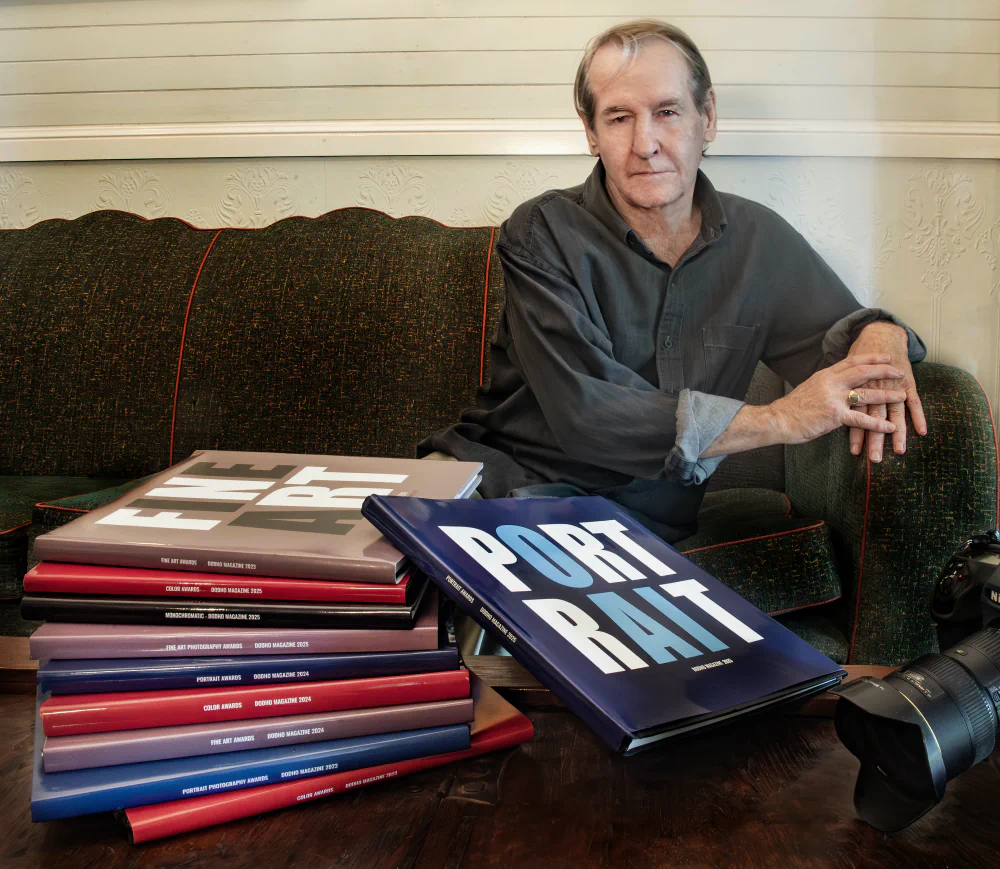
Brian Cassey is a photographer whose career spans decades of frontline storytelling, from early days documenting local football in London to covering major international events across the Asia-Pacific region.
Now based in Cairns, Australia, his work moves fluidly between news, features, and sport, shaped by a sustained engagement with both everyday life and moments of global significance.
Having witnessed and recorded some of the most defining events of recent history, Cassey brings a grounded, experience-driven perspective to photography, where instinct, ethics, and narrative remain at the core. In this conversation, he reflects on his beginnings, the evolution of his practice, and his view on the future of photography in an increasingly saturated visual world.
You started with a very basic camera as a child. What was it that truly hooked you into photography at that moment?
One of those serendipitous childhood moments …
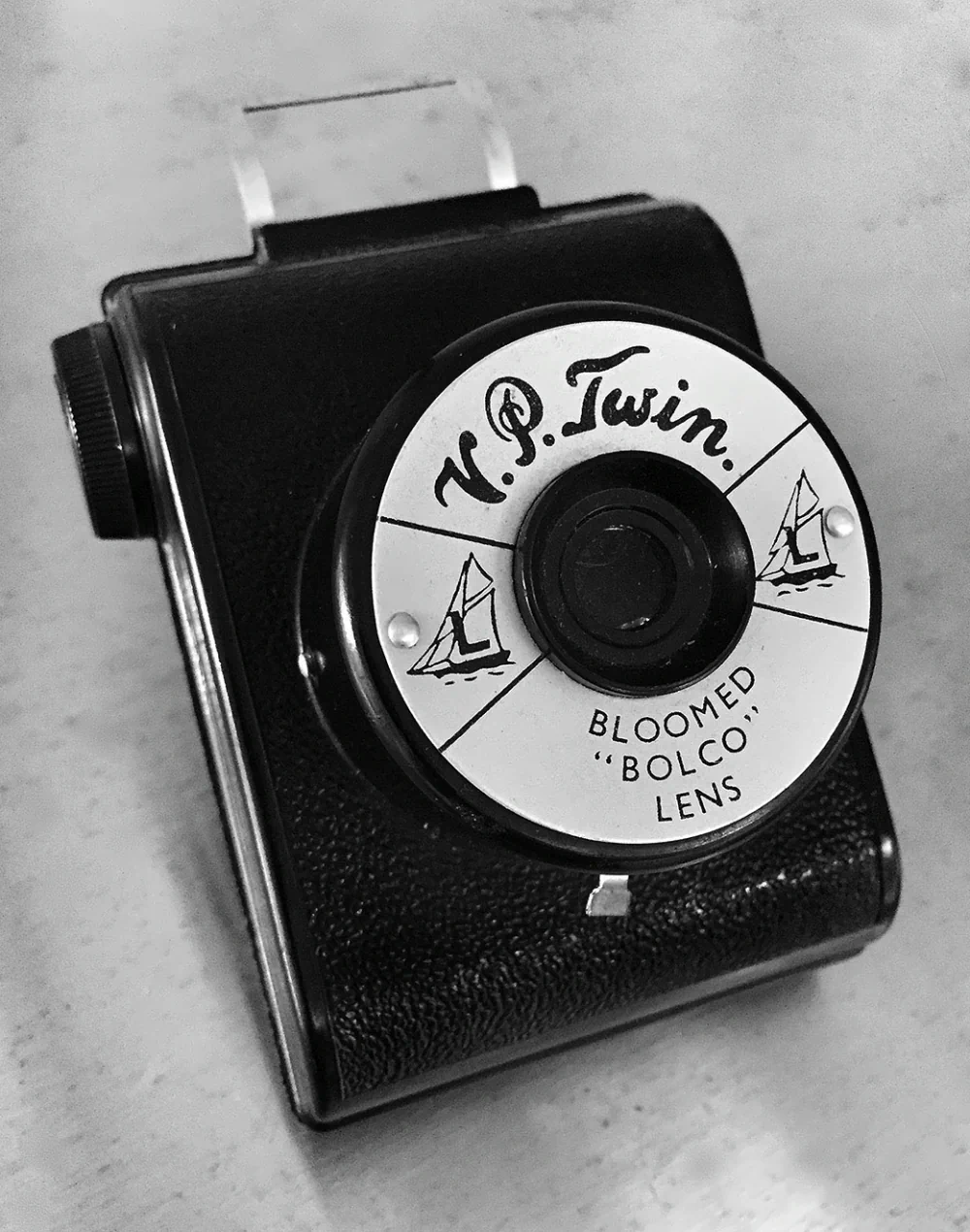
I was an eleven year old on holiday in the Isle of Wight UK and the family were in the Woolworths shop when I spied a little plastic camera on sale for two shillings and sixpence (50 cents ? :-). No idea what drew me to it but I nagged my parents to buy it for me.
Reluctantly (they suggested it was ‘rubbish’) they gave in and I was a proud owner of a VP Twin 127 film camera.
Your first images were of ships and trains. Do you think your way of seeing was already present back then?
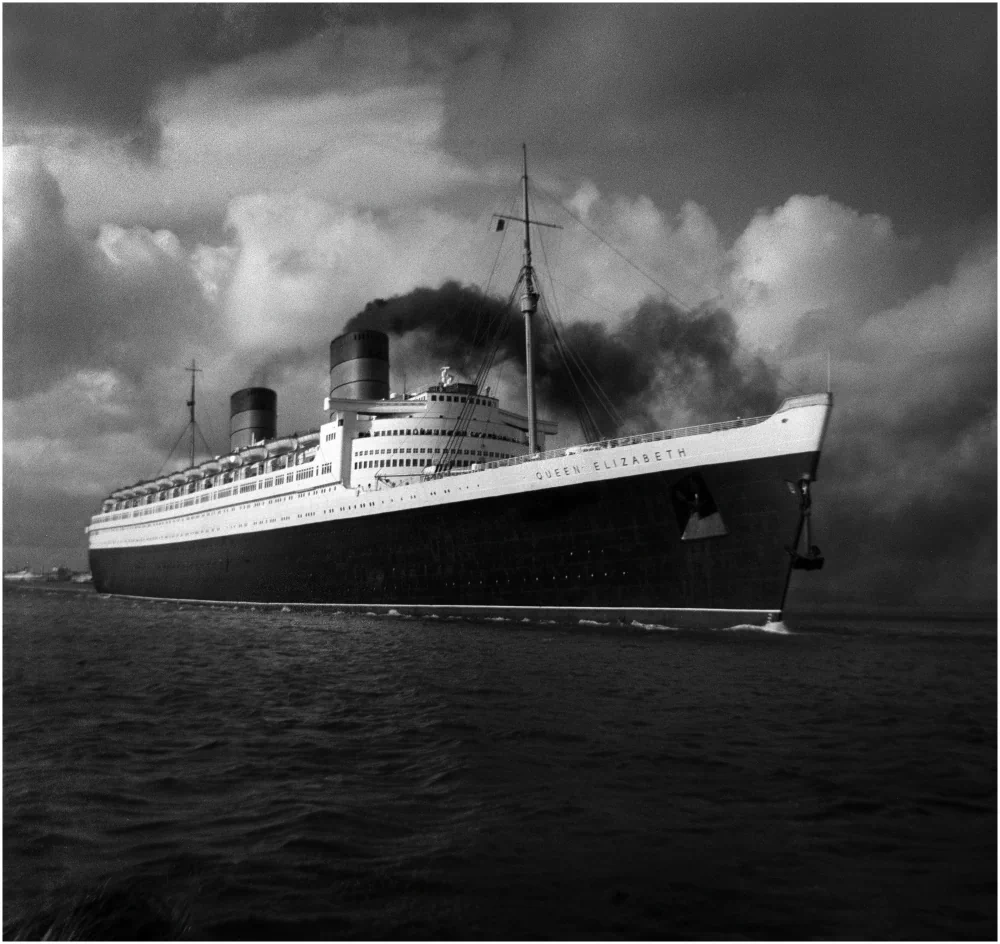
Pretty hard to answer that question accurately. With my new camera I set about taking pics of the Isle of Wight steam trains and the ships around Southampton docks. The images from those first rolls were almost all ‘dire’ … but I did fluke one of the Cunard liner Queen Elizabeth leaving Southampton when we crossed it’s path on the Isle of Wight ferry. I credit the excitement of that particular photograph with the desire to take more and more photographs through that little piece of metal viewfinder.
You began photographing football in London. What did sport teach you about anticipation, timing, and storytelling?
What a steep learning curve that was ! Short answer is … everything !
A few years after that first camera and a steady progression of new and better camera kit (Kodak Brownie, Minolta 24 Rapid and a first Yashica SLR) I was avidly reading photography magazines, pressing shutters and taking it all in.
As a Brit teenager I was a mad keen football fan and player. My football coach was the editor of a local weekly newspaper ‘The Lewisham Borough News’. Following a match one weekend I casually said that I’d like to take photos at the football. His answer was to send me to a lower league match that weekend. I then had no idea how to process film or the intricacies of sports photography … a very steep and panicked learning curve! I once again fluked an OK image or two which were published the next week and I was PAID (not much but exciting anyway.)
Before long I was sitting on the touchline at major football clubs and servicing several newspapers and club match day programs with my pictures.
Those were the days when it was ‘manual’ everything … manual film wind on, manual focus and manually setting exposures. Thought I was the ‘ants pants’ when I got my first Novoflex lens like most of the sports photographers used in those days … manual focus via a spring loaded hand grip. Another learning curve of a skill that served me well for many years.
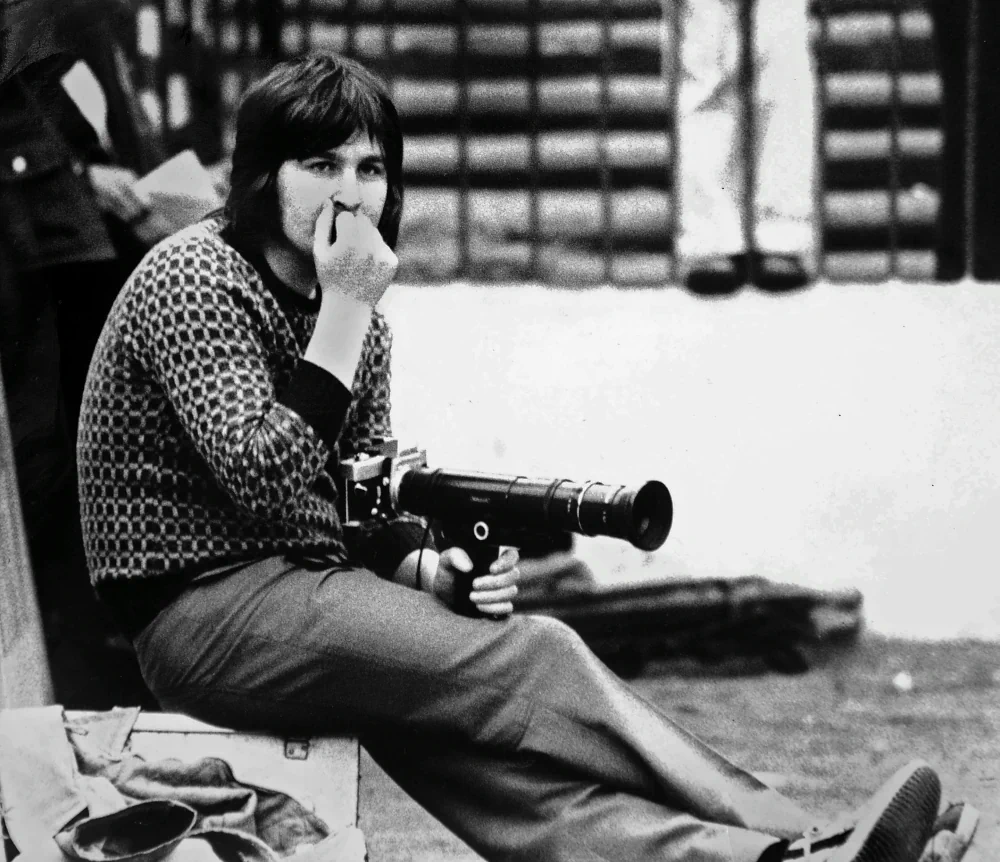
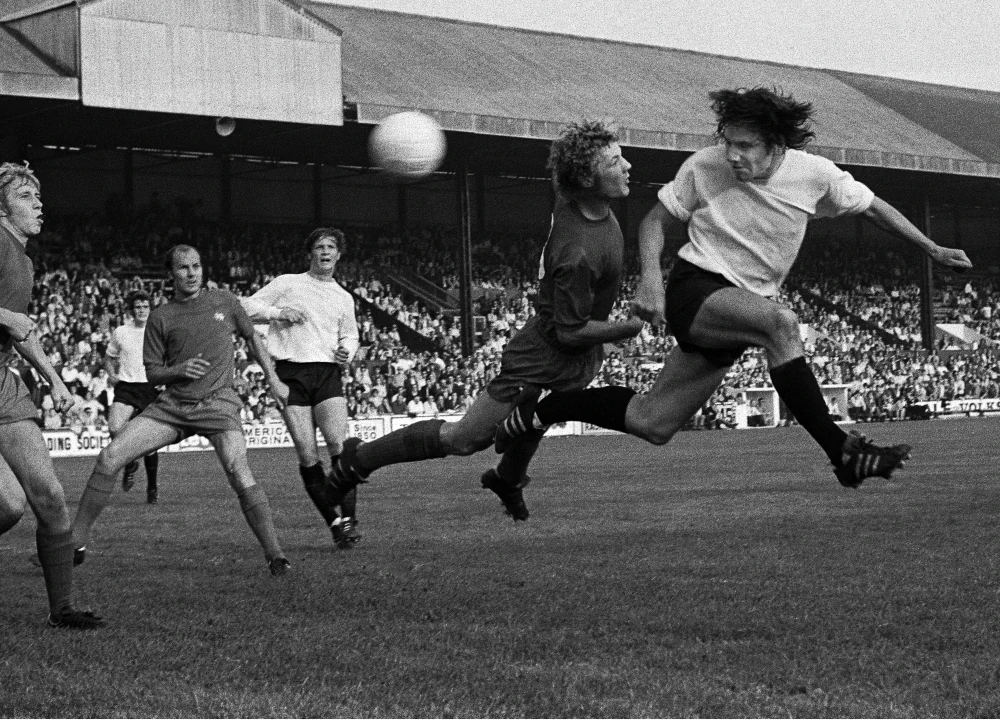
Here’s an image of myself working on the touchline at Charlton Athletic in London with a Minolta SRT101 and a 280mm Novoflex (sorry about the haircut ! ) … and just a couple of my football images from that era …
How did the transition happen from local sports photography to covering major international stories?
In those early days I was also asked to do some local news stories too … but it was after leaving the UK for Australia that the ‘news’ side of my work took off.
I arrived in Brisbane Australia just a few weeks before the city experienced an historic catastrophic flooding event. So … I rang the picture desks of two of the major newspapers, explained I was ‘ex London’ and offered my services. Their answer was that if I could get through the flood waters into Brisbane I was ‘on’.
My first published photo in Australia was of the successful efforts to rescue a swept away cow from under the Story Bridge in the centre of the city.
Not long after that I found myself in the beautiful tropical northern Australian city of Cairns, initially working freelance for the ‘Cairns Post’ newspaper photographing sport and news.
However, likely the biggest catalyst to my work came via another sports picture. In 1985 at the insistence of many friends in Cairns, I entered my first ever photo contest … the Kodak/Adidas Australian Sports Photo of the Year … and then promptly forgot about it.
To cut the story short I was summoned to Melbourne for the big TV awards night as one of three finalists. The other two contenders were staffers at the prestigious Sydney Morning Herald and The Age so wasn’t expecting anything. Totally stunned when my name was announced the winner.
That unexpected win sparked interest amongst Australian picture editors who previously may have never been aware of the ‘Pommie’ photographer based in far north Australia.
I started to be offered story assignments by international press agencies such as Reuters, Agence France Presse and especially Associated Press.
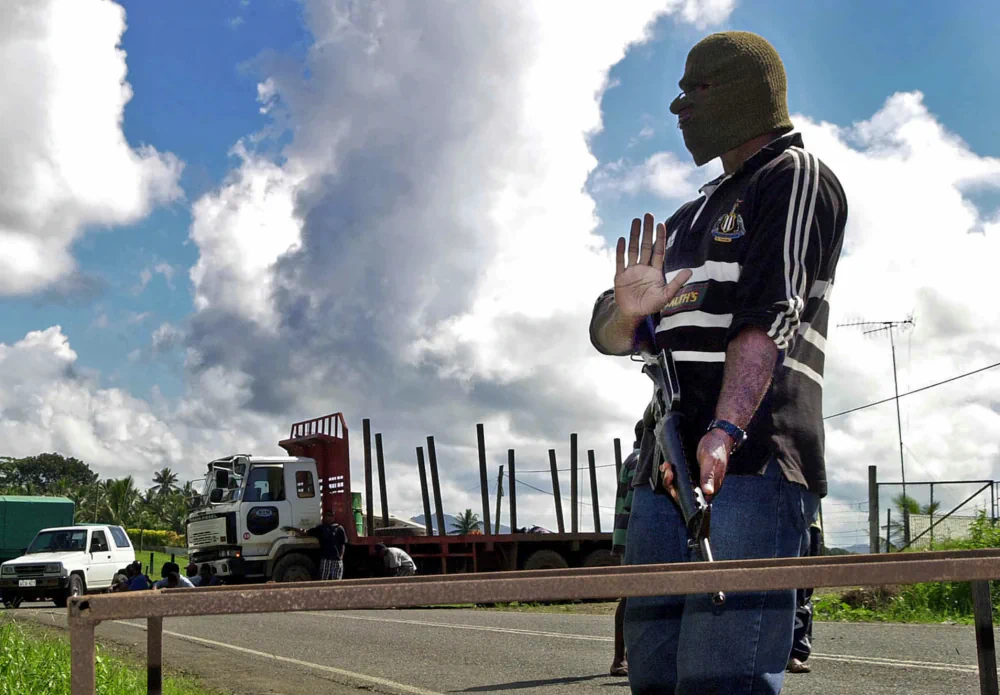
The Australian picture boss for Associated Press was the legendary photojournalist Russell McPhedran. Russell took me under his wing and trusted me to work on international stories that captivated the planet … a rebel coup in Fiji, the Sissano tsunami in PNG, East Timor, the Bali bombings and many more.
A mentor and friend, Russell was the biggest influence on my career.
You have worked across news, features, and sport. What does each bring to your practice?
I firmly believe that adaptation is the most important part of the photographer’s practice and skill set.
Sports photography requires quick thinking, reactions and total concentration over extended periods.
Hard news photography is often challenging in a completely different way. Getting to where the story is happening often means overcoming huge obstacles before even taking the photographs.
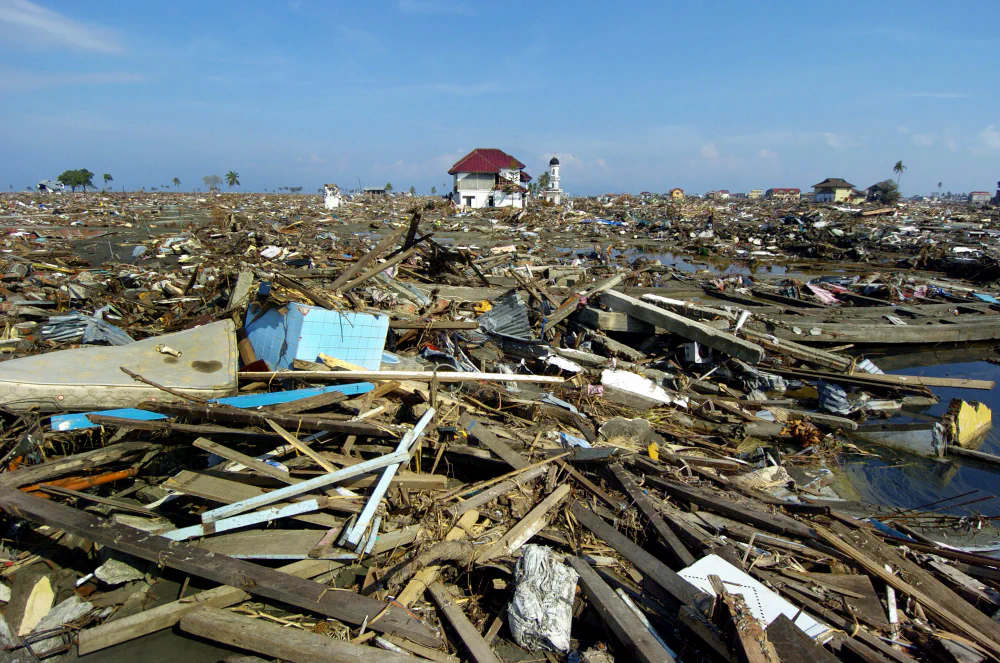
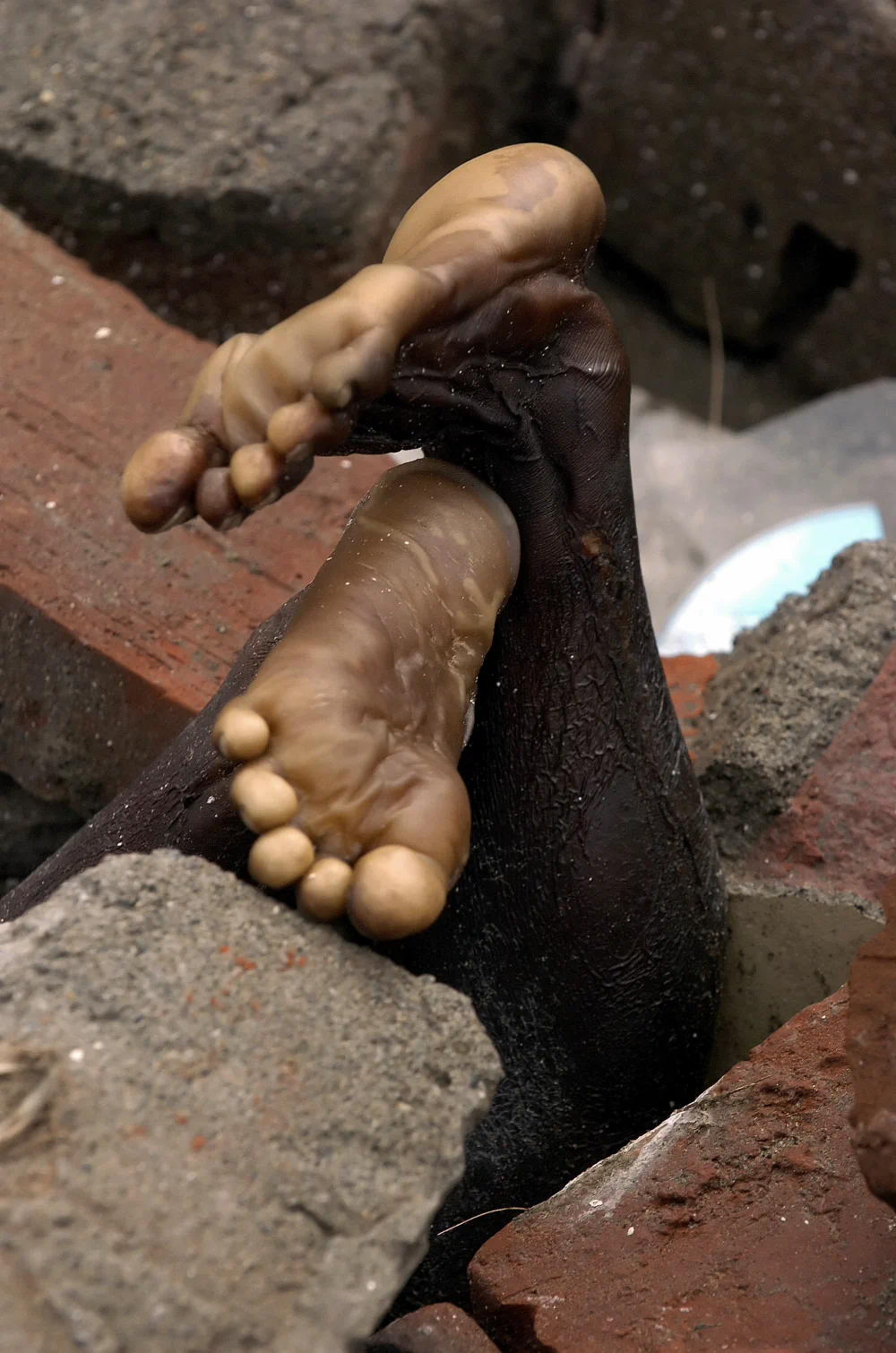
As an example … covering the Boxing Day Asian tsunami of 2004.
It took weeks of working and travel through Thailand, Myanmar and Indonesia, navigating destroyed infrastructure, exhausted logistics, disaster zones, rebel forces and bodies before finally reaching the disaster epicentre at Banda Aceh. Filing images became another challenge in a completely devastated region.
In contrast to that chaos, feature photography is often more thoughtful, measured and pleasant.
Throughout your career you have documented very difficult situations. How do you manage emotional proximity?
Back to the Asian tsunami as an example …
It isn’t fun working in a disaster area … it’s a tough job.
However any photojournalist worth his salt will be there for the right reasons … to bear witness … to inform … to document what has happened for those not present … and to record history.
Yes, it takes an emotional toll.
Concentrating on telling the story is imperative and somehow looking through that little rectangular camera viewfinder focuses one away from the emotional aspect and trauma.
At least that’s my theory …
Where do you draw the line between informing and respecting the people in your images?
Yes, I do believe it is all about respect and understanding.
We enter people’s lives fleetingly, tell the story and disappear.
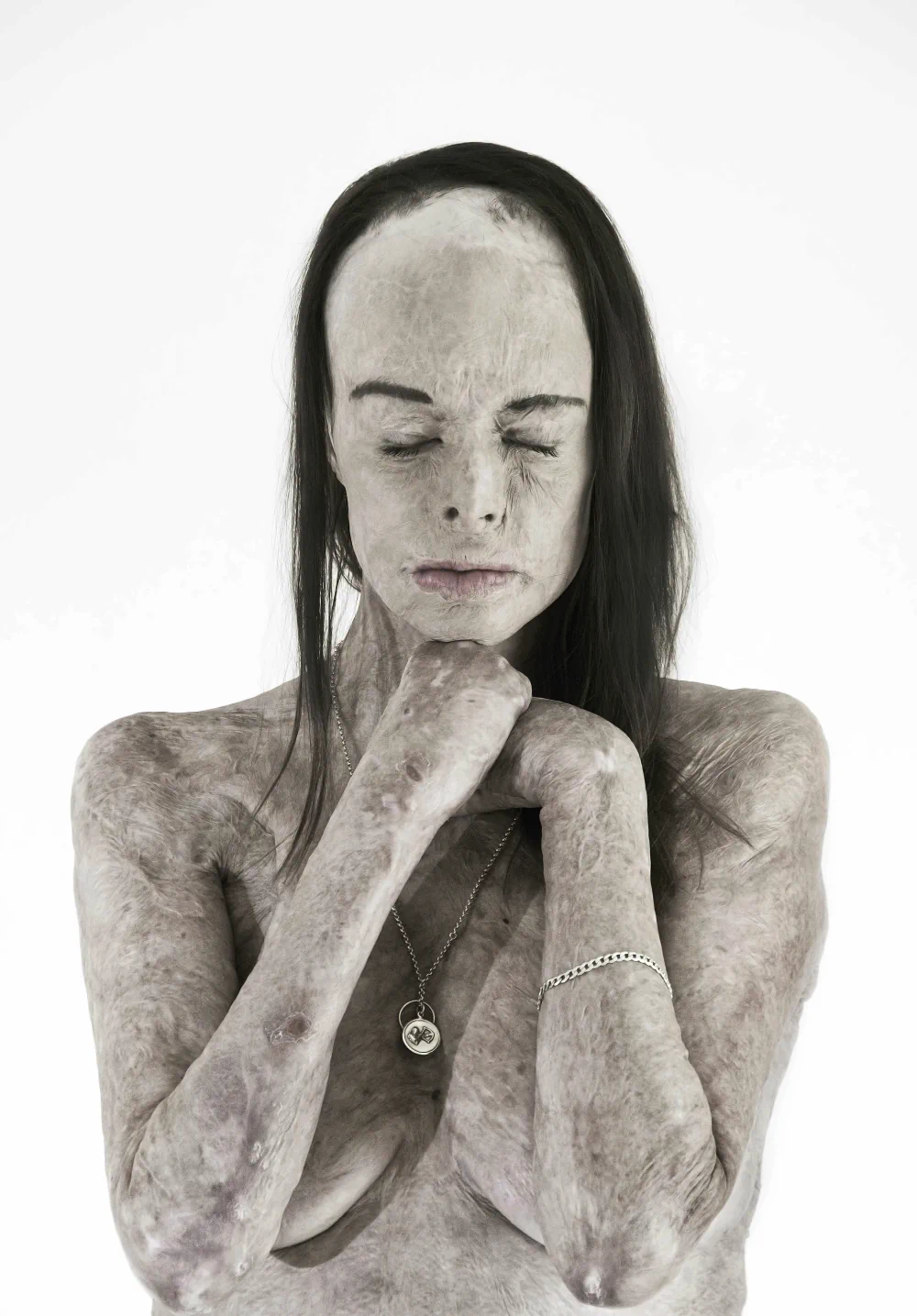
One notable example was Carol Mayer, who survived catastrophic burns after a house fire.
Years after photographing her first portrait, I eventually asked whether she would allow a deeper series documenting the impact of those injuries. She courageously agreed.
The resulting portraits were confronting and beautiful. Carol later said the images helped give her confidence to support other burn survivors through public talks.
We became good friends.
Very sadly Carol later died of cancer.
Many of my subjects have become firm friends over the years … and many are no longer with us.
Looking back, which image or coverage best defines your career?
Difficult …
I have to mention at least four …
The Asian tsunami.
My three journeys to Papua New Guinea’s Manus Island documenting Australia’s detention of asylum seekers.
My documentation of people living in cages in Hong Kong.
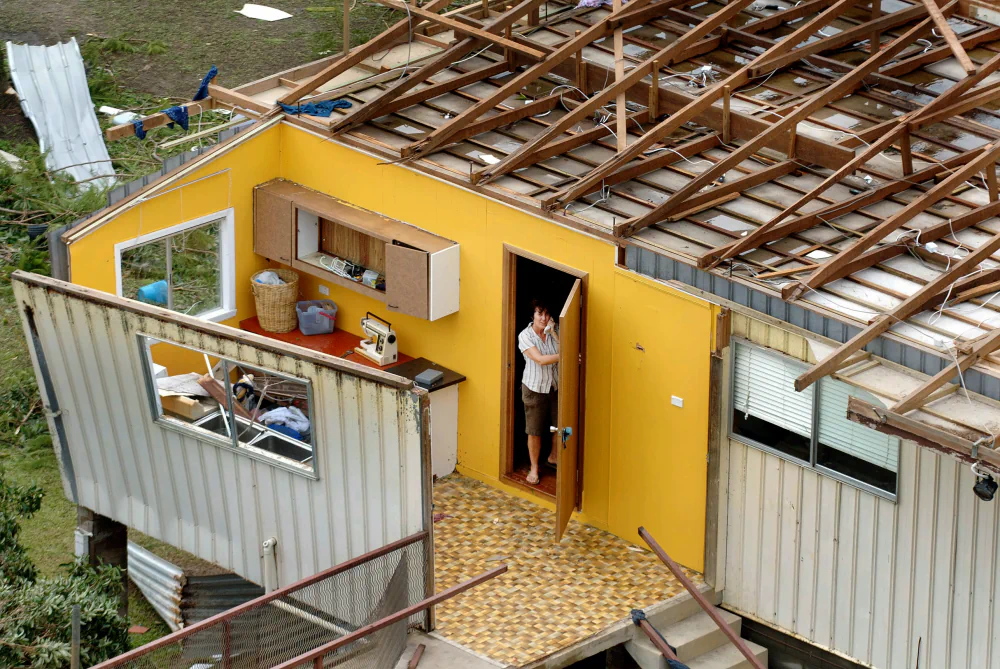
And my coverage of severe tropical cyclones Larry and Yasi in Australia.
What has changed the most in the way you see and approach photography over time?
A complicated question for me …
I have watched photography evolve constantly across several decades.
At times it has been difficult to keep pace with developments.
I have also watched the media industry move from the financially powerful Fleet Street era to today’s struggle for survival.
It has been a long and fascinating ride.
How do you see the future of photography in such a saturated and fast moving visual environment?
I am not inclined to get caught up in the AI discussion at length but I am saddened by its implications.
More and more, viewers first ask whether an image is AI or not.
That is depressing, especially for photojournalists whose work is based on accuracy and honesty.
Like many photographers, I have had work stolen, reworked by AI and republished with false stories attached.
It happens constantly.
I am genuinely concerned for the future of photography.
What role do editorial platforms like Dodho Magazine play today for photographers?
Thankfully we have publications such as Dodho Magazine who champion the best of photography, highlight image making from around the world and provide inspiration and aspirations.
We all need platforms for our work.
It is pointless if our images simply remain unseen on a hard drive.
Yes … perhaps ego is involved too.
What advice would you give to photographers trying to find their place today?
Any advice I once gave aspiring photographers now feels less relevant.
There are far fewer opportunities to make a living from photography, especially photojournalism.
My advice today would be:
Embrace your art.
Produce the best work you can.
Promote yourself through every avenue available, including publications like Dodho.
Photography is a constant learning curve.
And believe me … that learning never stops.
FOOTNOTE …
As the years have passed, reduced funding within the media industry has contributed to the decline of long form photojournalism.
It is now increasingly rare for photographers to travel extensively and document meaningful stories over long periods.
Many publications now rely on portrait imagery because it is quicker and cheaper.
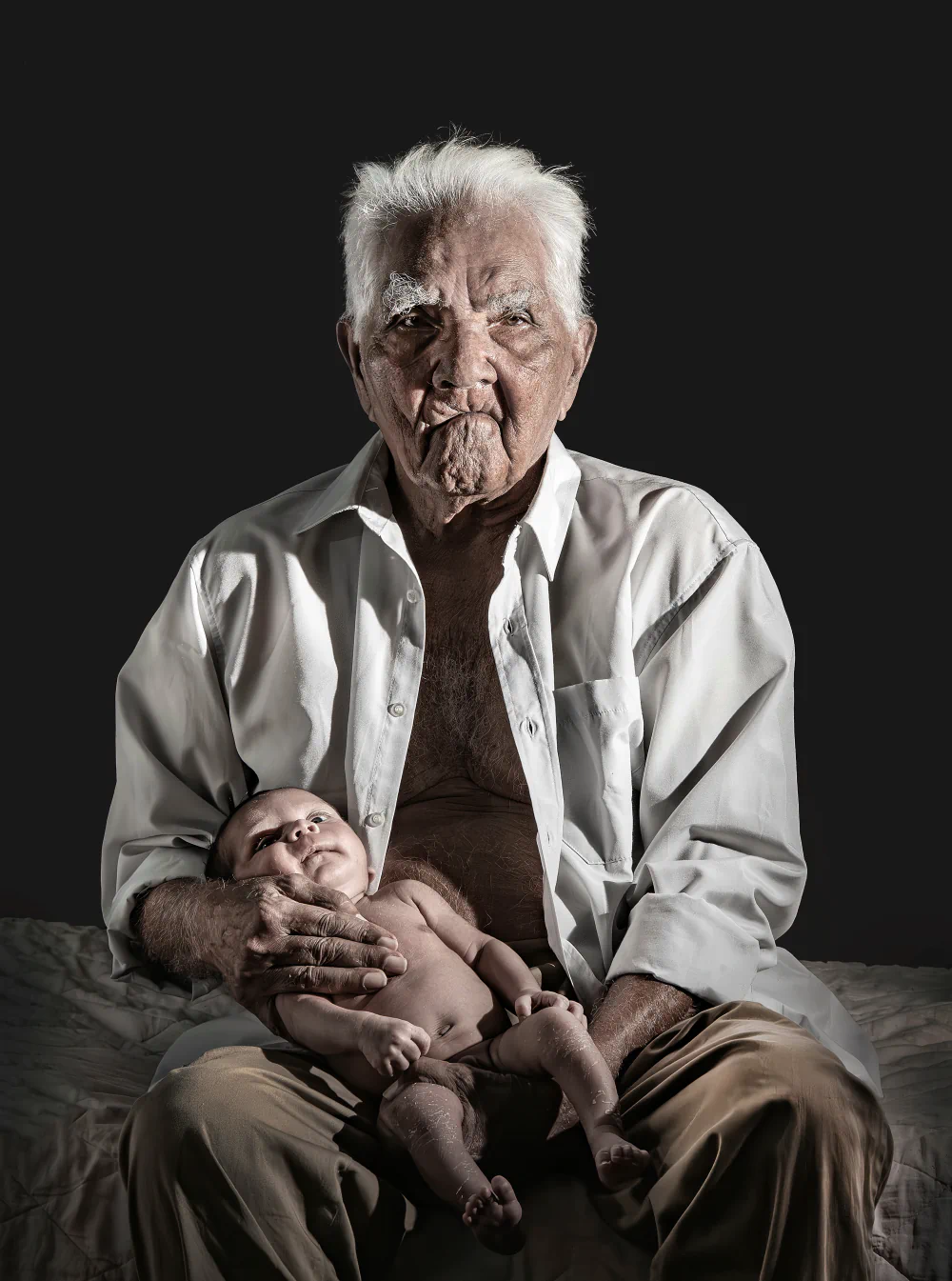
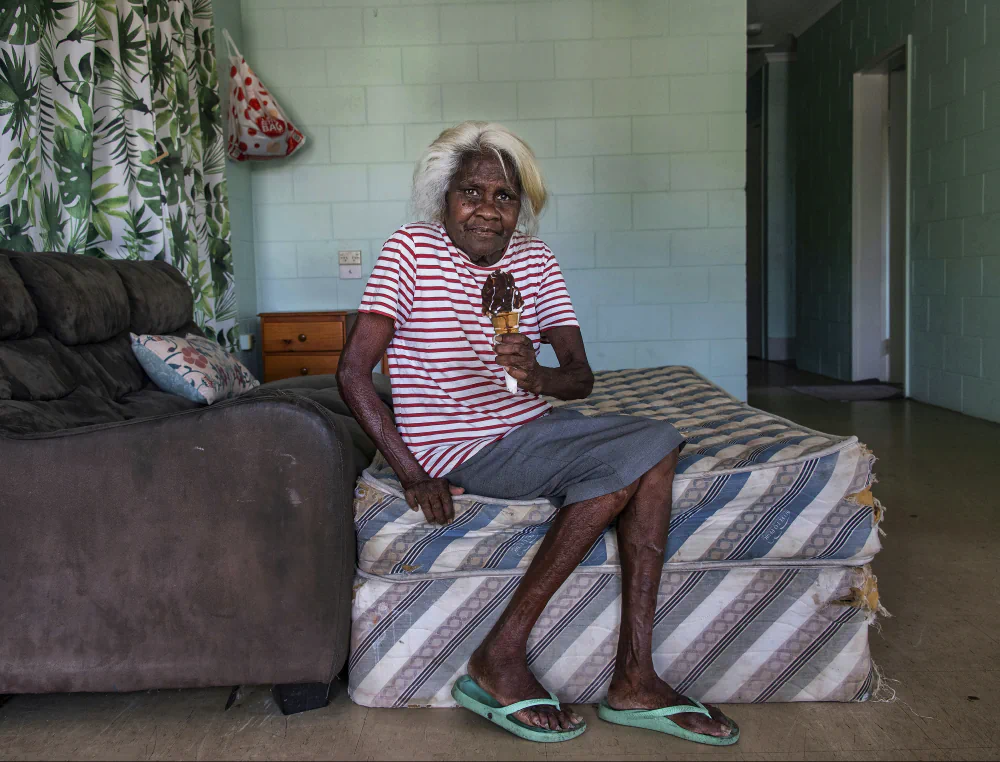
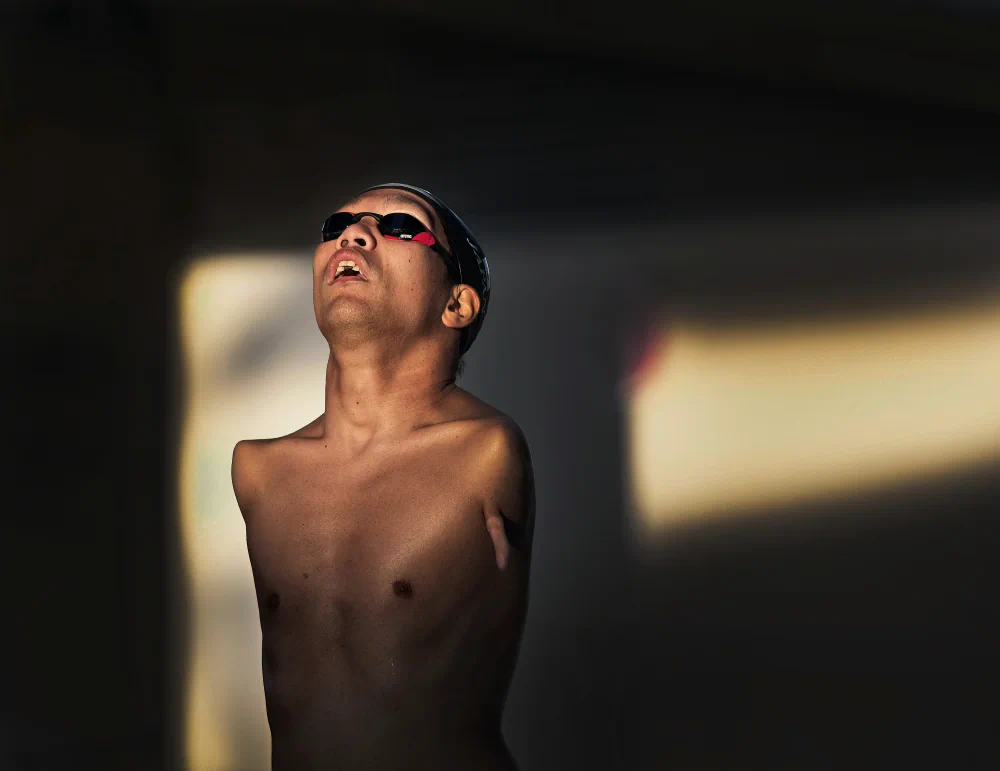
A higher percentage of my work today is portraiture rather than photojournalism.