
Few relationships in the animal kingdom are as complex, enduring and emotionally charged as the one between humans and dogs.
For thousands of years the two species have lived side by side, evolving together in ways that have reshaped both biology and culture. What began as a pragmatic alliance between hunter and scavenger eventually transformed into one of the most intimate interspecies partnerships in history. Today dogs occupy a remarkable range of roles in human society: workers, protectors, companions, symbols of status and, increasingly, substitutes for family.
Photography has long been fascinated by this relationship. Images of dogs appear across the entire history of the medium, from nineteenth century studio portraits to contemporary documentary projects exploring urban life. Yet in recent decades the subject has acquired new cultural significance. As societies become more urbanised and traditional family structures evolve, dogs often move from the margins of daily life to its emotional centre. They are no longer simply animals living alongside humans. They are participants in the intimate sphere of family, identity and personal belonging.
This transformation has created fertile ground for photographers interested in observing how humans project meaning onto animals. Dogs become mirrors through which societies reveal their values, anxieties and desires. They can represent loyalty, luxury, loneliness, control or freedom depending on the context in which they appear. In cities around the world dogs are groomed, dressed, photographed and even celebrated in rituals that would once have been reserved exclusively for people.
At the same time dogs occupy a different role in other environments. On the streets of many countries they live semi-independent lives among human populations, forming loose relationships with communities without belonging entirely to anyone. In these settings the dog becomes a witness to social structures, a presence moving quietly through the spaces that humans create.
For photographers this diversity offers an extraordinary range of narratives. The dog can be photographed as subject, companion, symbol or observer. Through these images photographers examine the subtle boundaries between affection and control, intimacy and projection, companionship and dependence.
The projects gathered here demonstrate how varied this exploration can be. From the extravagant dog culture of Hong Kong to the theatrical world of international dog shows, from intimate family portraits to the streets of India and the quiet vulnerability of bath time, these photographs reveal the many ways dogs inhabit human life. Together they form a visual essay about the strange and deeply emotional relationship that binds our species together.
Sai Kung’s Dog Obsession Through the Lens of Brian Cassey
When pets become family in the changing social landscape of Hong Kong
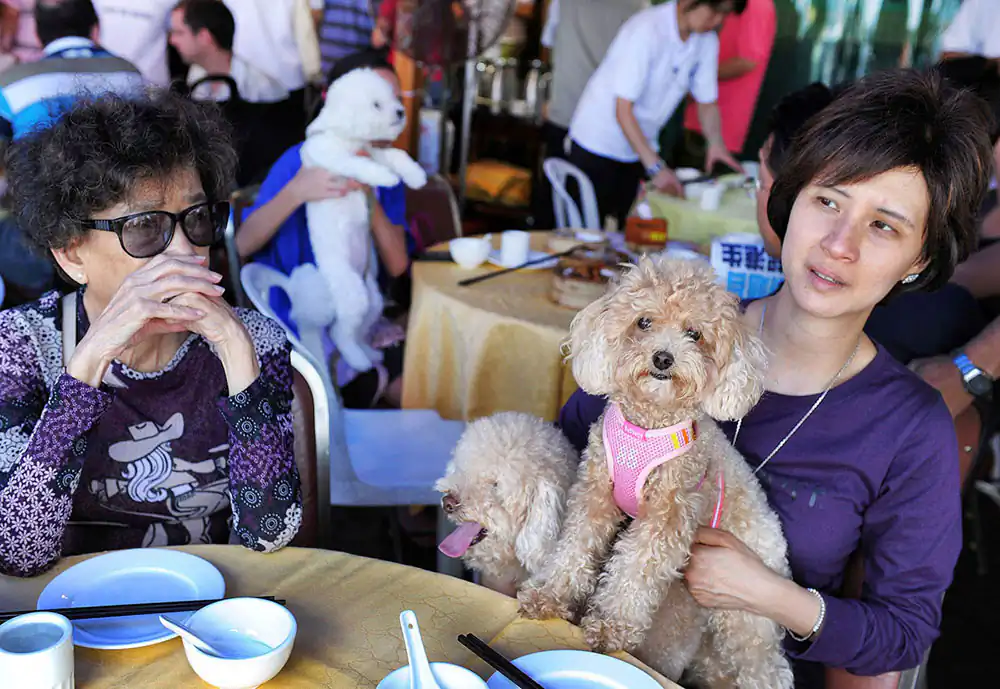
In Sai Kung’s Dog Obsession Through the Lens of Brian Cassey, the photographer turns his attention to an unexpected phenomenon unfolding in the fishing village of Sai Kung in Hong Kong’s New Territories. Contrary to stereotypes often repeated about Chinese attitudes toward animals, this community demonstrates an extraordinary devotion to dogs.
The origins of this cultural shift are deeply tied to demographic change. During the 1970s the Hong Kong government implemented policies that discouraged large families. The long term effects of these measures are visible today. Hong Kong now has one of the lowest birth rates in the world, with around 0.7 children per woman, far below the replacement rate.
In this context dogs have increasingly taken on the role of emotional companions within households that might otherwise have included children. The result is a culture of pet devotion that borders on extravagance. Cassey’s photographs show locals pushing dogs in prams along the waterfront promenade, taking them to seafood restaurants and shopping for luxury accessories in specialised pet boutiques.
The town is filled with businesses catering exclusively to canine clientele, including dog bakeries producing freshly baked treats and boutiques selling elaborate outfits. Grooming salons operate with the same competitive intensity as beauty salons for humans. The rituals surrounding dogs have become public performances of affection and identity.
Cassey documents this environment with a mixture of curiosity and quiet humour. His photographs reveal a community where dogs are not simply pets but cherished members of the family, participants in social life and reflections of broader cultural change.
Dog Shows by Martin Andersen
The theatrical spectacle of competition and devotion
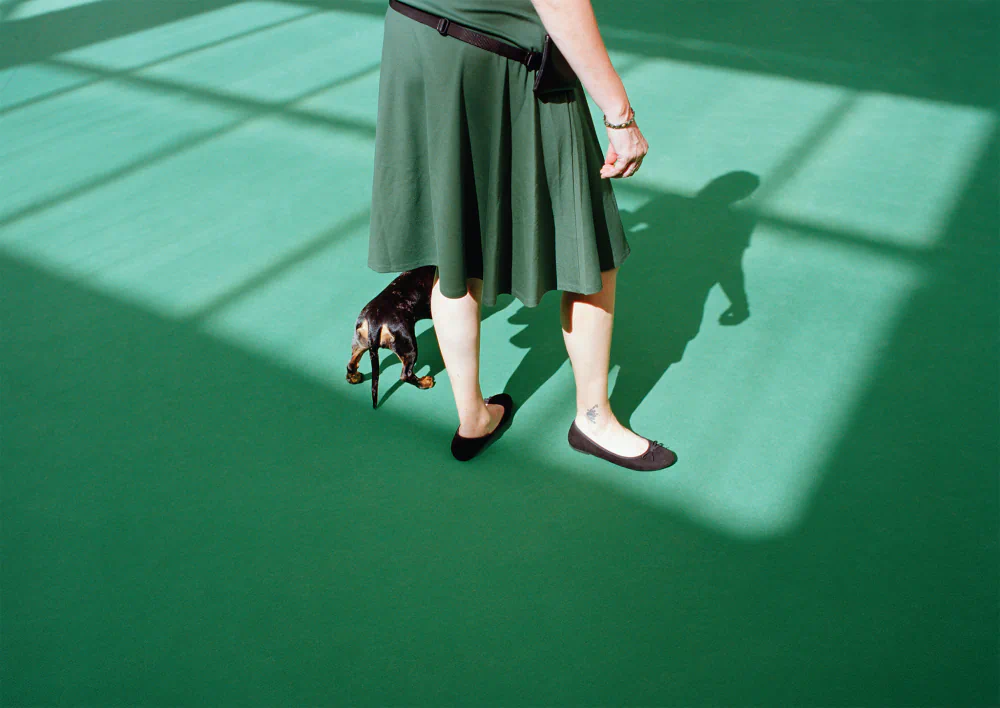
The world of dog shows offers another fascinating lens through which to examine the human obsession with dogs. In Dog Shows by Martin Andersen, the photographer documents two decades of international competitions across Europe and North America.
What began as an accidental visit to the famous Crufts show in Birmingham eventually evolved into a long term documentary project. Andersen arrived with a heavy medium format camera and no clear plan, simply curious about the environment he had entered.
He quickly discovered a world that felt almost theatrical in its intensity. Handlers dressed in elaborate outfits prepare their dogs with meticulous care, applying hairspray, grooming coats and rehearsing poses before entering the competition ring. The dogs themselves range from majestic to bizarre, representing breeds shaped by centuries of selective breeding.
Behind the scenes Andersen captures moments of tension, humour and absurdity. His photographs reveal the peculiar choreography that unfolds around these events: competitors obsessively adjusting details, dogs behaving unpredictably and unexpected juxtapositions emerging within the crowd.
Influenced by street photographers such as Garry Winogrand and Bruce Gilden, Andersen embraces spontaneity and chance. His images highlight the surreal aspects of this environment, transforming dog shows into a documentary study of human passion and eccentricity.
Mom, Dad, Dog by Joachim Michael Feigl
Dogs as emotional bridges within contemporary families
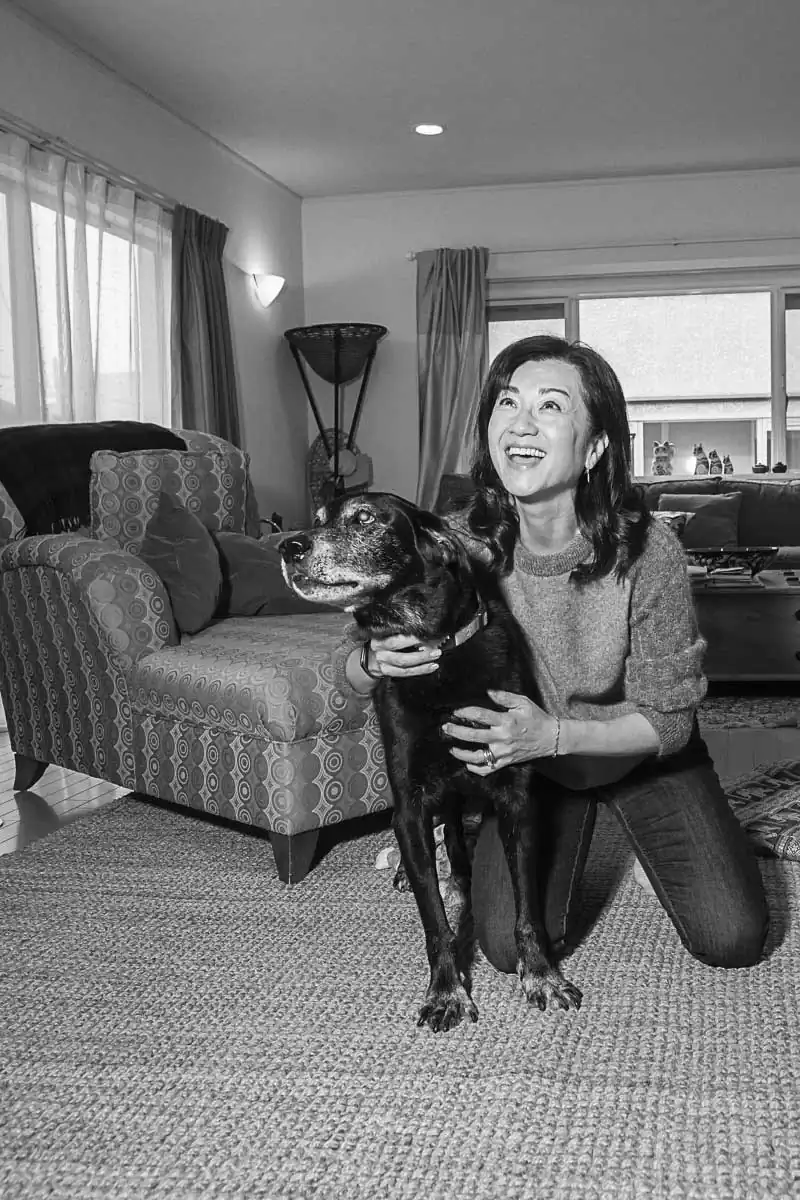
While dog shows reveal spectacle, Mom, Dad, Dog by Joachim Michael Feigl focuses on the intimate space of family life. The project explores how dogs influence relationships within households across different cultures.
For thousands of years dogs have lived alongside humans, but their role within families continues to evolve. In many homes they function as companions, confidants and emotional anchors. Their presence can transform interactions between family members, shaping routines, responsibilities and forms of affection.
Feigl photographs families in several countries including Germany, Poland, the United States, China and Japan. The images reveal both similarities and cultural differences in how dogs are integrated into domestic life. In some households they appear almost as children, occupying central positions in family portraits. In others they function as quiet companions whose presence subtly influences the atmosphere of the home.
The photographs emphasise gestures and proximity: a dog resting between two parents on a sofa, a child embracing a pet, or a family gathered around their canine companion. Through these scenes Feigl illustrates how dogs can reshape emotional dynamics within modern families.
Dog Story by Neenad Arul
Street photography and the unnoticed lives of urban dogs
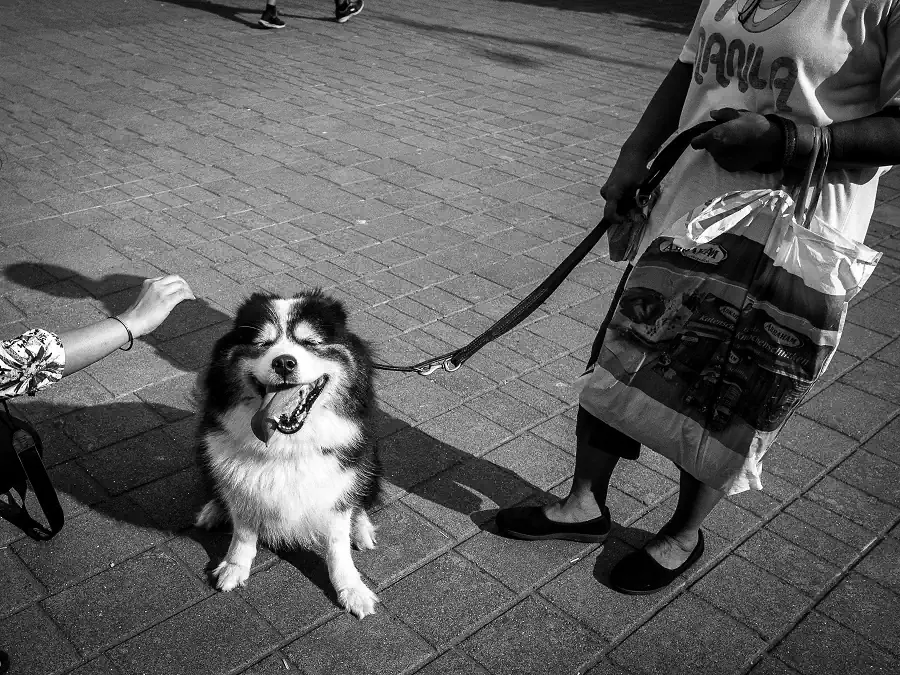
In Dog Story by Neenad Arul, the dog appears in a very different setting: the streets of India. Arul originally struggled with the challenges of photographing strangers in public spaces. The hesitation and social tension associated with street photography made the process intimidating.
Dogs offered an unexpected solution. Unlike people, they were indifferent to the presence of the camera. They did not react defensively or become self conscious. They simply continued moving through the environment.
As Arul began photographing them he realised that dogs were everywhere in the urban landscape. From Mumbai to Ladakh and Hampi they formed a constant presence in streets, markets and neighbourhoods. Some belonged to families, others wandered freely or lived without owners.
The project gradually evolved into a documentary exploration of how dogs coexist with human populations in Indian cities. These animals navigate complex social environments shaped by population density, cultural attitudes and economic conditions.
The photographs capture moments of quiet coexistence between humans and animals sharing the same space. Through them Arul reveals a parallel urban life unfolding just beneath the surface of everyday routines.
Wet Dog by Sophie Gamand
Vulnerability, humour and the strange rituals of pet culture
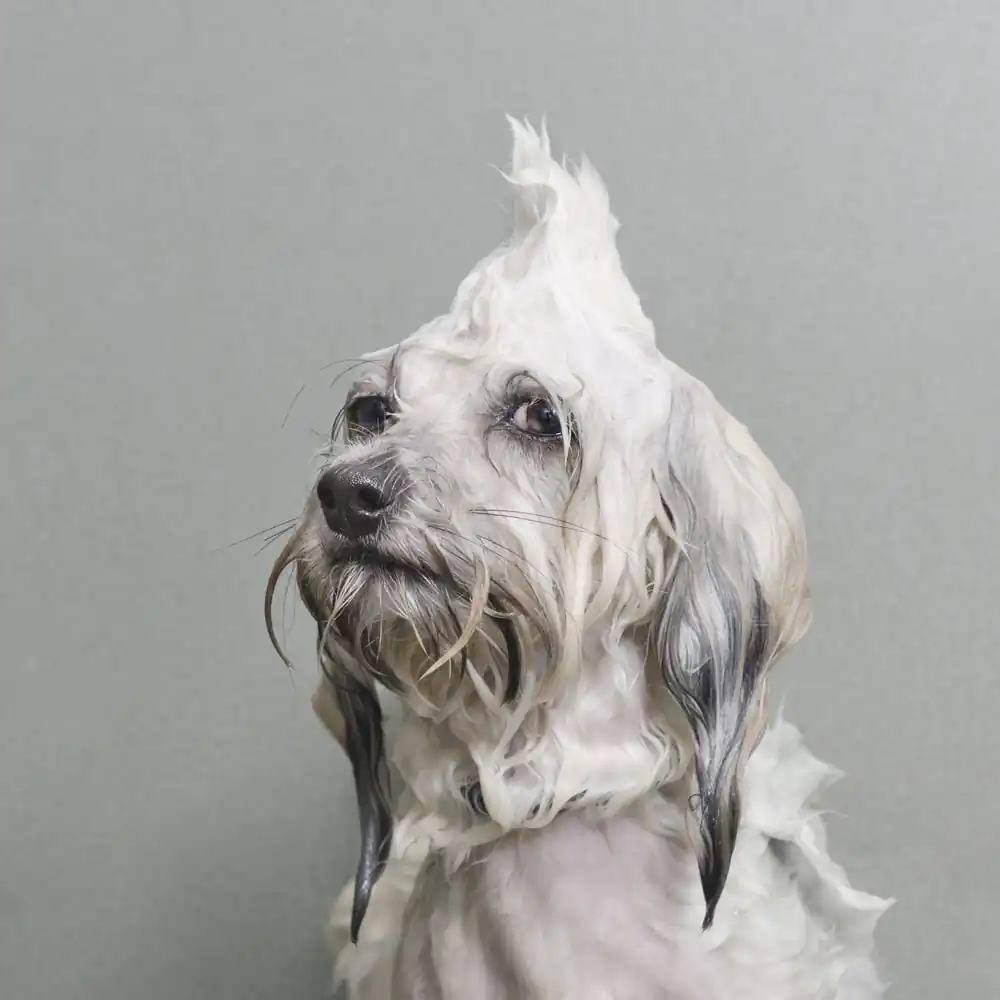
The relationship between humans and dogs can also appear in moments of unexpected vulnerability. In Wet Dog by Sophie Gamand, the photographer captures dogs during bath time, an experience many of them endure with visible discomfort.
Photographed inside a grooming salon in New York, the dogs appear soaked and disoriented as water transforms the texture and colour of their fur. Just before they shake themselves dry their expressions range from stoic resignation to bewildered indignation.
Gamand initially became interested in the visual transformation that occurs during grooming. Water reshapes the dogs’ appearance, altering their form in ways that reveal how much of their identity has been shaped by human intervention.
The project therefore functions as both humour and metaphor. Dogs have evolved from wild animals into companions perfectly adapted to human lifestyles. In cities like New York they sometimes replace friends, partners or even children. Small breeds are engineered to fit urban apartments, and pets become extensions of their owners’ identities.
Through these images Gamand gently questions the balance between affection and control that defines this relationship. The dogs may be beloved companions, yet their lives are also shaped entirely by human desires.
The Dog as Mirror of Human Society
What our closest animal companion reveals about us
Taken together, these photographic projects reveal the remarkable diversity of relationships humans maintain with dogs. In some places they are luxury companions and family members. In others they are competitors in elaborate spectacles of grooming and prestige. In many homes they function as emotional bridges between people, while on city streets they quietly navigate the complex environments humans create.
For photographers the dog offers a unique subject through which to observe society itself. By examining how people treat animals we gain insight into broader cultural values and social structures. The dog becomes both participant and witness within human life.
These images remind us that the bond between humans and dogs is not merely biological or historical. It is also deeply cultural, constantly evolving as societies change. Through the lens of photography this relationship becomes visible in all its tenderness, absurdity, intimacy and complexity.
In the end the dog is more than a pet. It is perhaps the most revealing companion humanity has ever chosen.