

Street photography is often associated with immediacy, yet its long-term significance lies in its relationship to memory.
Each photograph isolates a fleeting instant from the continuous movement of urban life, preserving what would otherwise disappear without trace. The genre transforms transient encounters into visual records that later function as fragments of collective remembrance.
Cities are environments defined by constant change. Buildings are replaced, neighborhoods evolve, fashions shift, and patterns of behavior adapt to new cultural and technological conditions. Street photography captures these transformations not through monumental events, but through ordinary scenes that gradually acquire historical meaning. An image of a crowded sidewalk, a storefront, or a daily routine may seem insignificant at the moment of capture, yet over time it becomes evidence of how a particular era was lived.
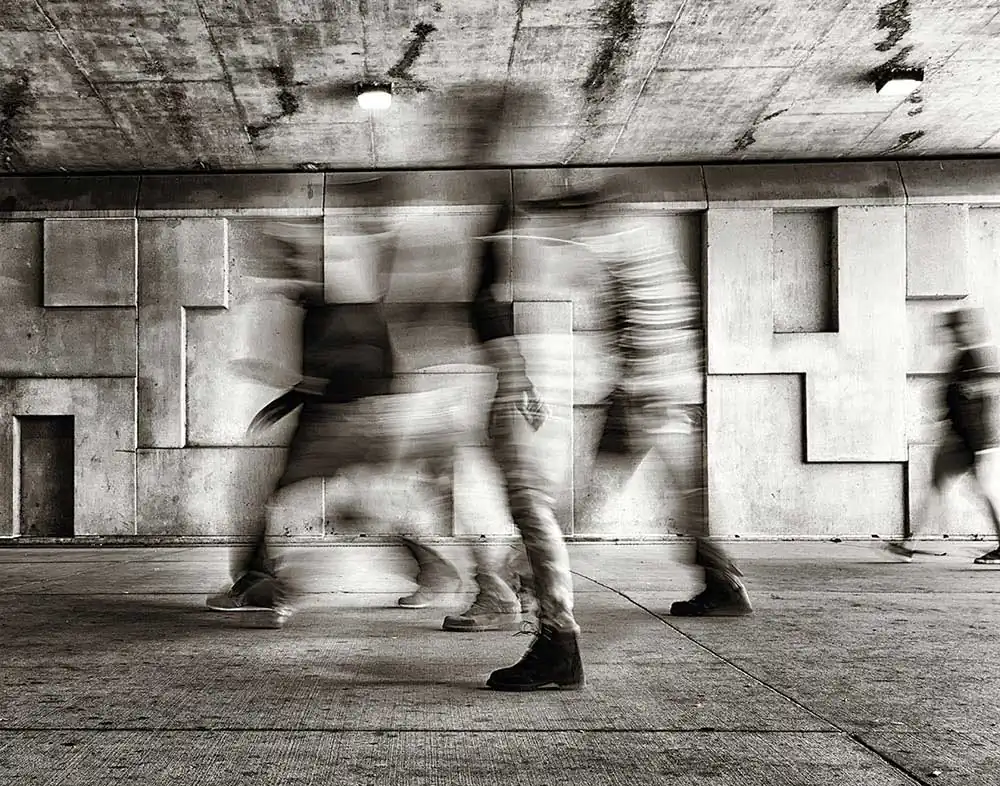
This connection between photography and memory operates on both personal and societal levels. For photographers, returning to images made years earlier often reveals details that were unnoticed at the time. What once appeared as a simple observation becomes charged with nostalgia or historical awareness. For viewers, such photographs offer glimpses into environments they may never have experienced, allowing memory to extend beyond individual biography.
Street photography also differs from other forms of visual documentation because it records unposed situations. The absence of staging lends these images a sense of lived authenticity, as though they were fragments recovered directly from the flow of time. Rather than commemorating official narratives, they preserve the textures of everyday existence, gestures, atmospheres, and relationships that rarely enter formal archives.
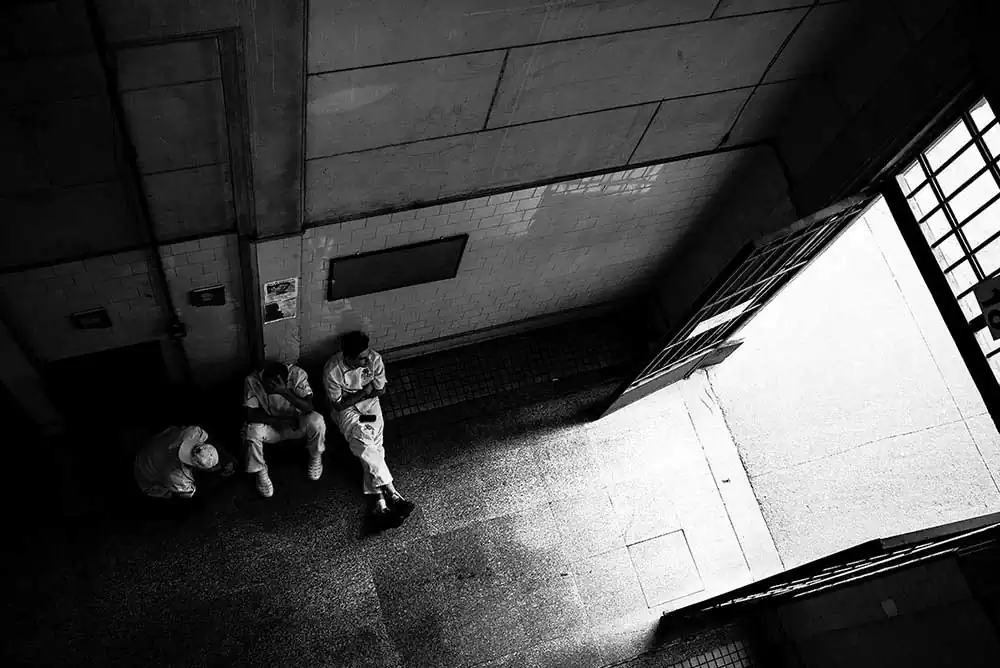
The act of photographing itself can be understood as a response to the awareness of impermanence. Street photographers often describe their work as an attempt to acknowledge moments that would otherwise vanish unnoticed. The camera becomes a means of slowing perception, allowing the ephemeral to be recognized and retained. In this way, the practice reflects a desire not only to observe the present, but to hold it briefly against the inevitability of change.
In contemporary contexts, where digital images are produced and discarded rapidly, this mnemonic dimension remains essential. Street photography resists the disposable nature of much visual culture by emphasizing selection and duration. Images are not meant merely to circulate, but to endure, forming part of an evolving visual memory of urban life.
Through this engagement with time, street photography links the immediate and the historical. It captures moments as they happen, yet its deeper value emerges later, when those moments become traces of a world that has already shifted. Each photograph stands as a reminder that the ordinary present is always becoming the remembered past.