

In an era defined by the rapid production and circulation of images, it might seem that street photography has lost its distinct relevance.
Cameras are everywhere, and public life is continuously documented through countless devices. Yet this apparent saturation has not diminished the importance of street photography. On the contrary, it has made its intentional practice more significant than ever.
Street photography differs from the endless stream of casual imagery precisely because it is grounded in attention. While many images are produced automatically or without reflection, the street photographer engages deliberately with the act of seeing. The practice requires patience, presence, and a willingness to observe environments that are often passed through without notice. In doing so, it resists the speed and disposability that characterize much contemporary visual culture.
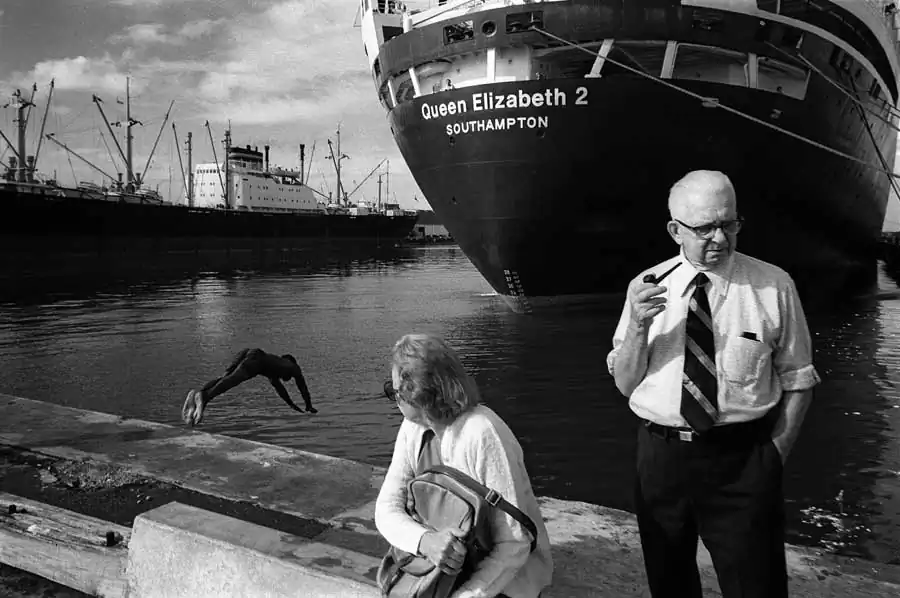
Public space itself remains a crucial subject. Cities continue to function as places where social relationships unfold visibly, where strangers coexist, interact, or remain separate within shared environments. Street photography records these dynamics, offering insight into how societies organize themselves through everyday behavior. The resulting images form a visual account of how people inhabit the world together, even as modes of communication increasingly shift toward digital spaces.
The genre also preserves aspects of experience that might otherwise disappear. Urban landscapes change rapidly, shaped by economic development, technological integration, and cultural transformation. Street photographs capture moments within these transitions, creating records that later acquire historical significance. What seems ordinary at the time of capture can become evidence of broader shifts in how cities are lived and understood.
Another reason for the continued relevance of street photography lies in its capacity to question representation itself. In a world where images are often curated to present idealized identities, street photography introduces unpredictability. It reveals unscripted gestures, unguarded expressions, and fleeting encounters that resist control. These images remind viewers that reality extends beyond the narratives constructed for public display.
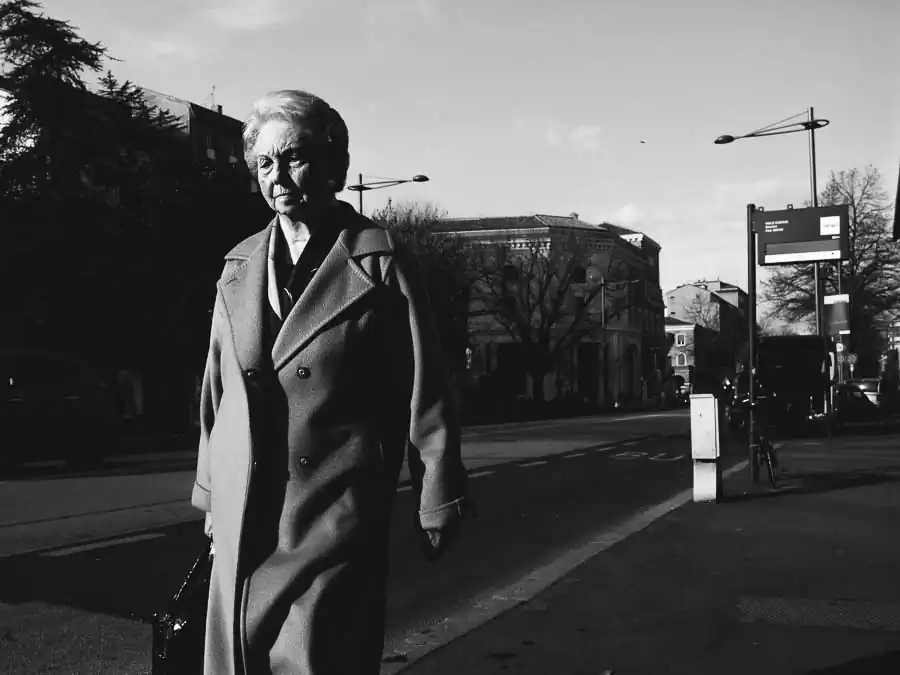
Contemporary practitioners increasingly approach the genre not only as documentation but as a reflective practice. They examine themes such as isolation within crowds, the influence of technology on interaction, and the changing nature of visibility in urban life. Through sustained observation, street photography becomes a way of thinking about how modern existence is shaped by movement, proximity, and shared space.
Despite technological changes, the essential challenge remains unchanged: to recognize meaningful moments within the flow of ordinary life. The tools may evolve, but the act of attentive observation continues to define the practice. Street photography endures because it addresses a fundamental human condition, the experience of living among others in environments that are constantly in motion.
Rather than becoming obsolete, street photography has adapted to contemporary realities while maintaining its core purpose. It continues to offer a way of understanding the complexities of public life, transforming fleeting encounters into images that invite reflection long after the moment has passed.