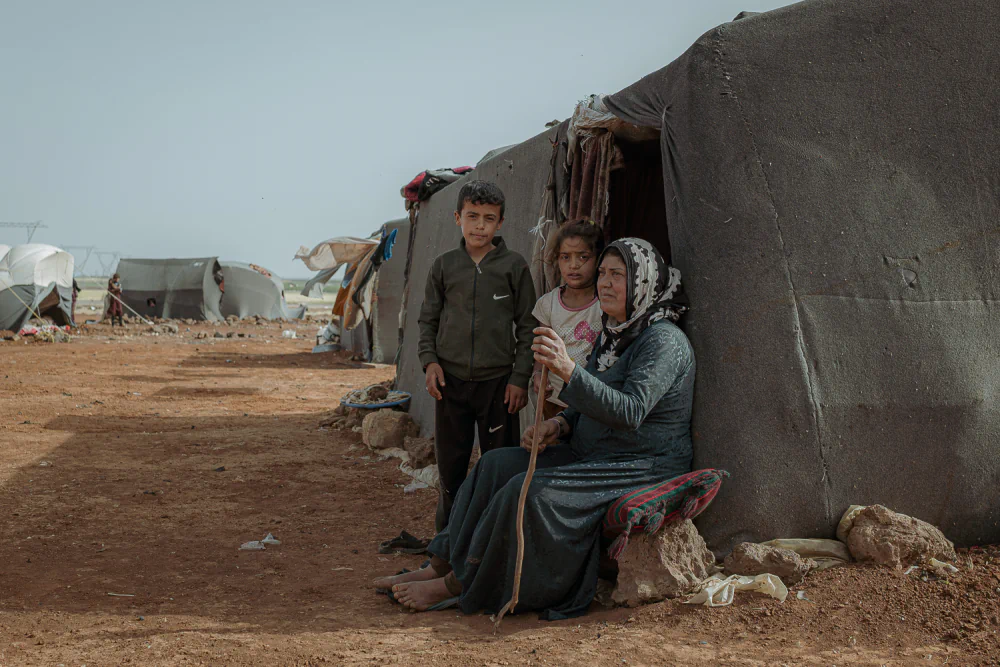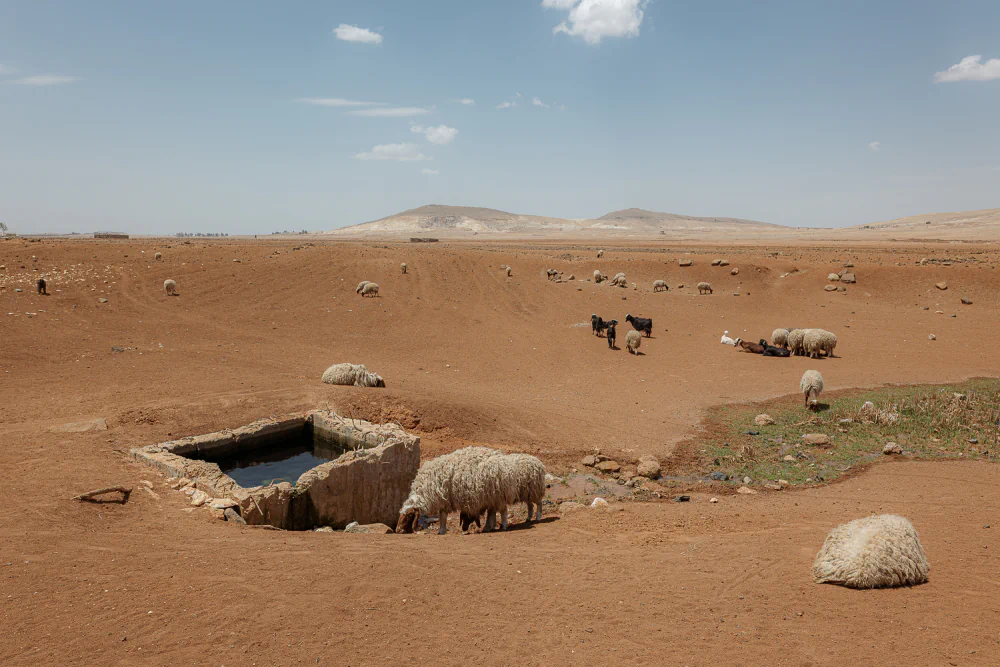

Drought in Daraa. After years of war, climate change threatens southern Syria’s breadbasket.
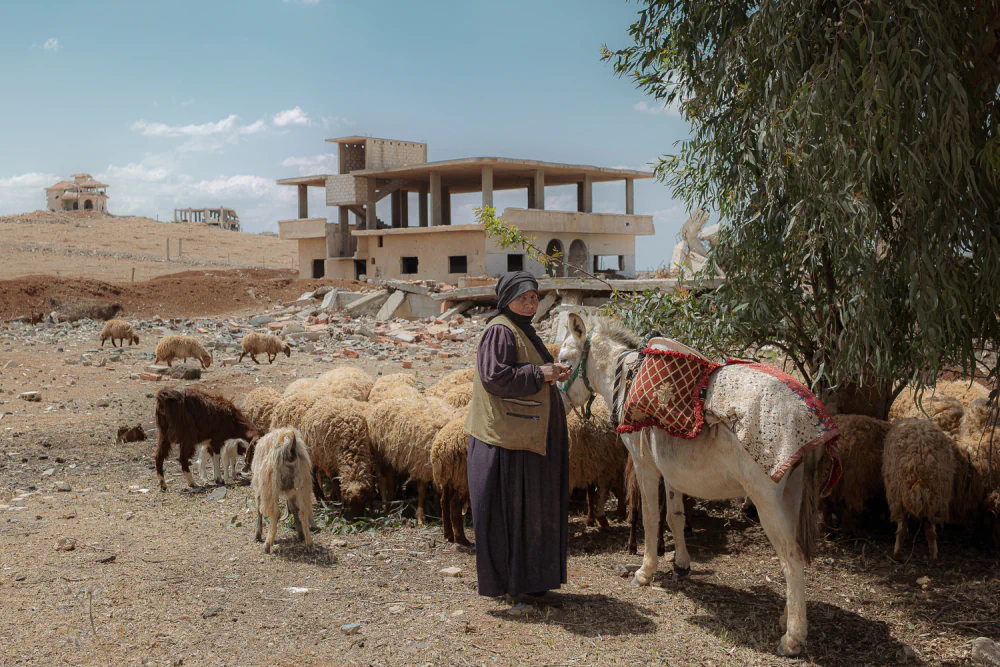
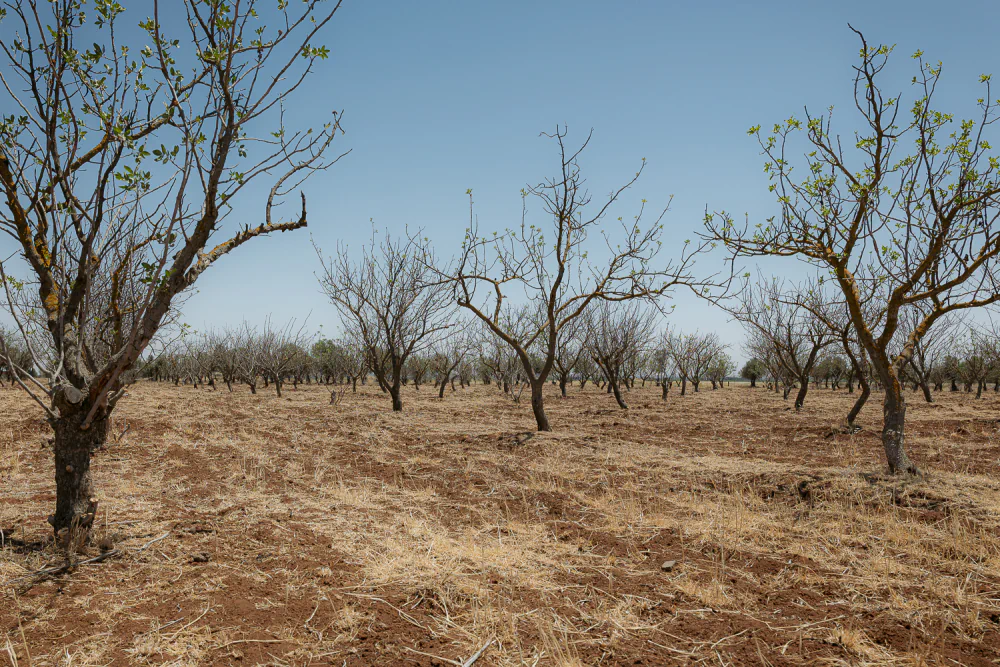
The Daraa region was once among the most fertile and greenest areas in Syria. For centuries, its fields and orchards supplied vegetables, fruit, and meat to the country’s markets and for export.
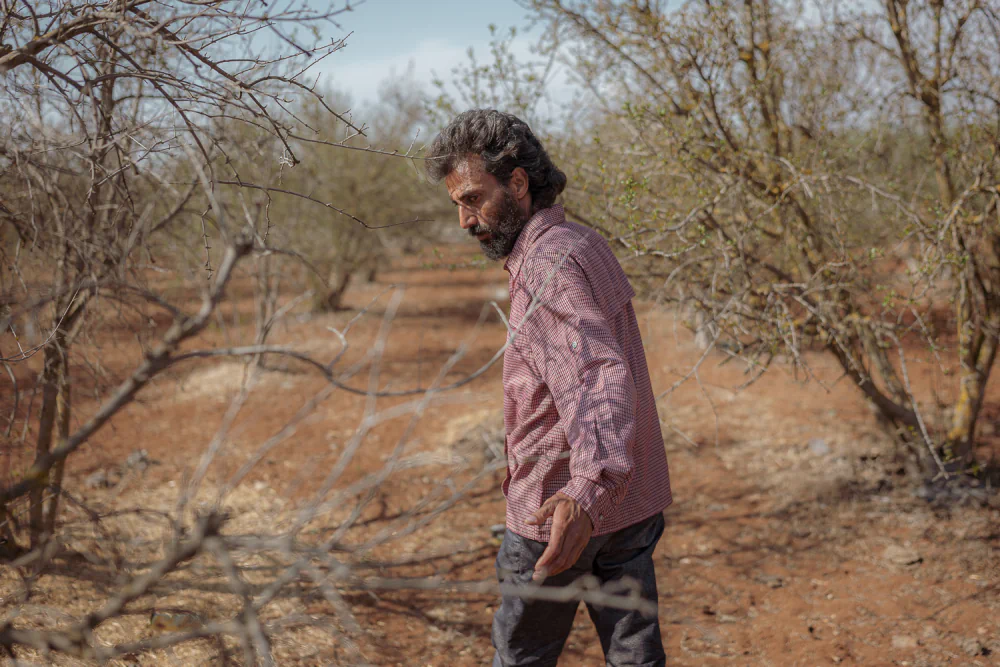
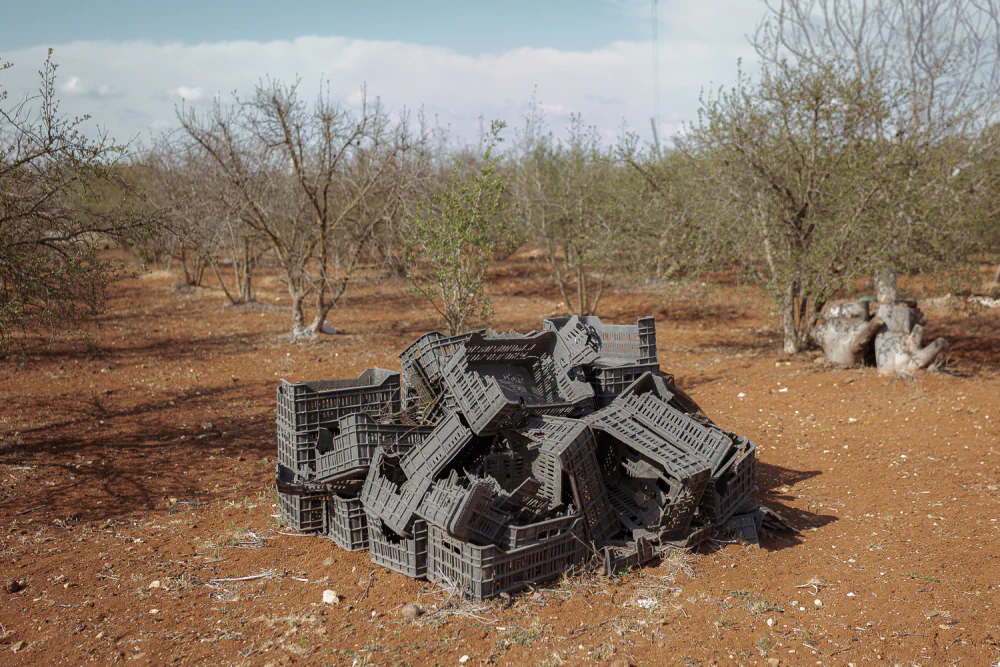
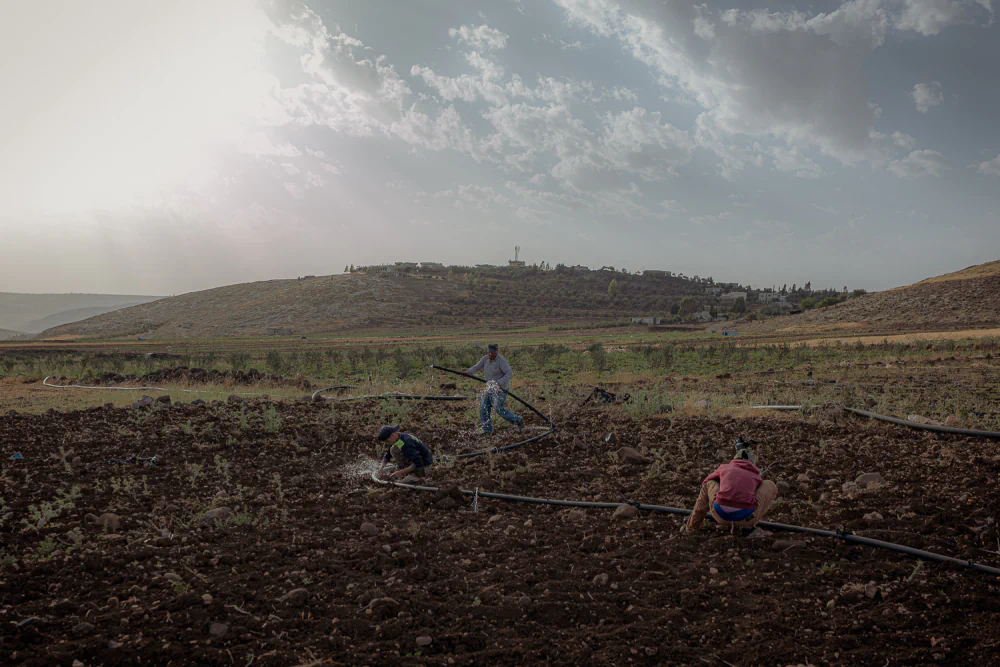
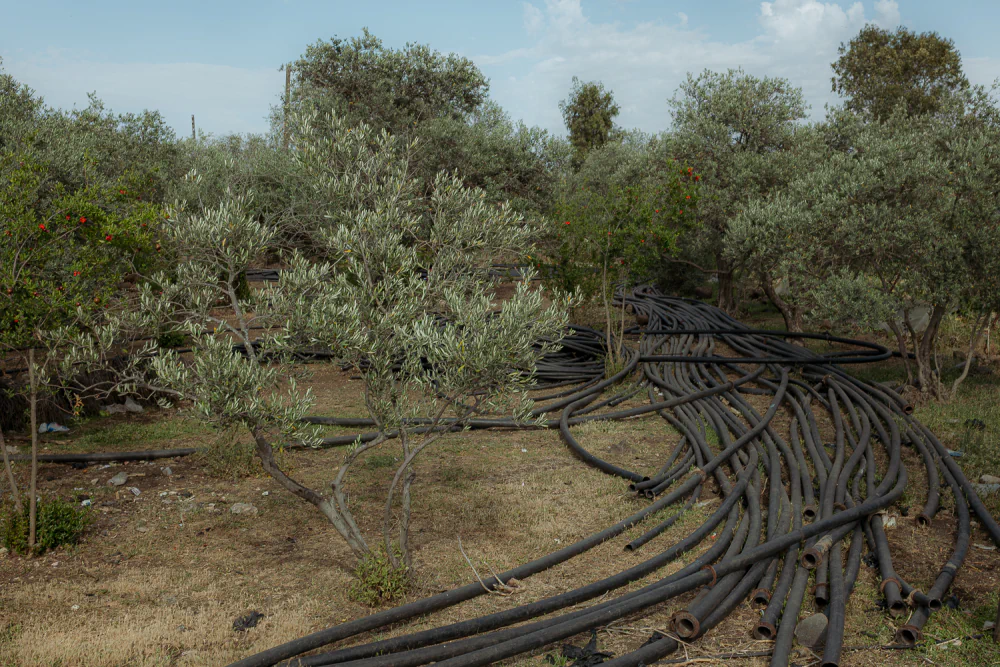
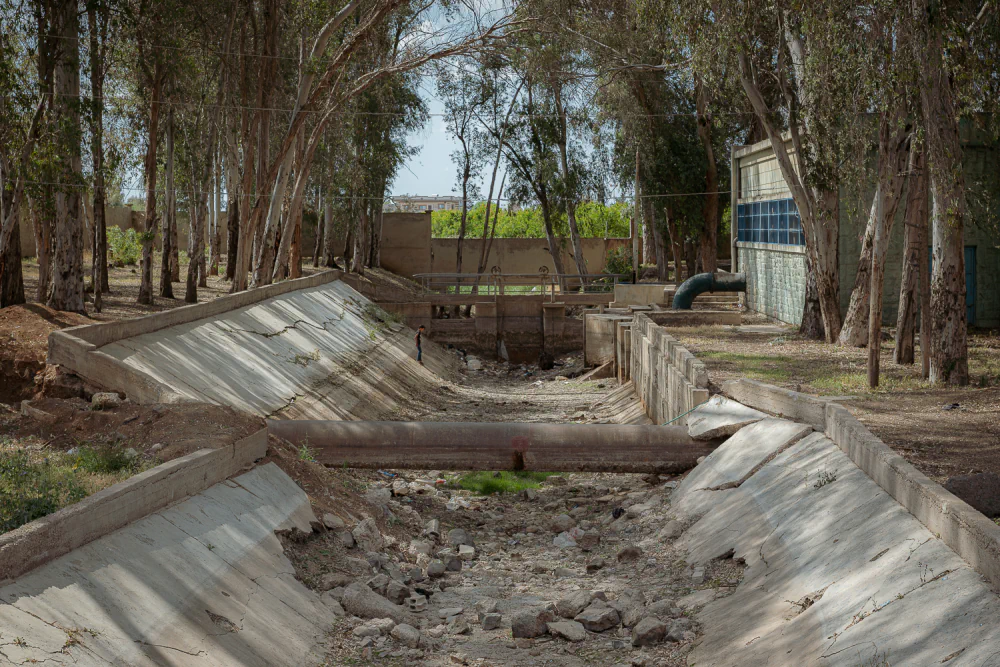
One of the most developed irrigation systems in the country allowed farmers to sustain their crops and prosper for generations. Today, however, after years of devastating civil war, agriculture in the southern province of Daraa is struggling to survive and recover amid record low rainfall. The problem is complex and has turned Daraa into one of Syria’s most drought-stricken regions.
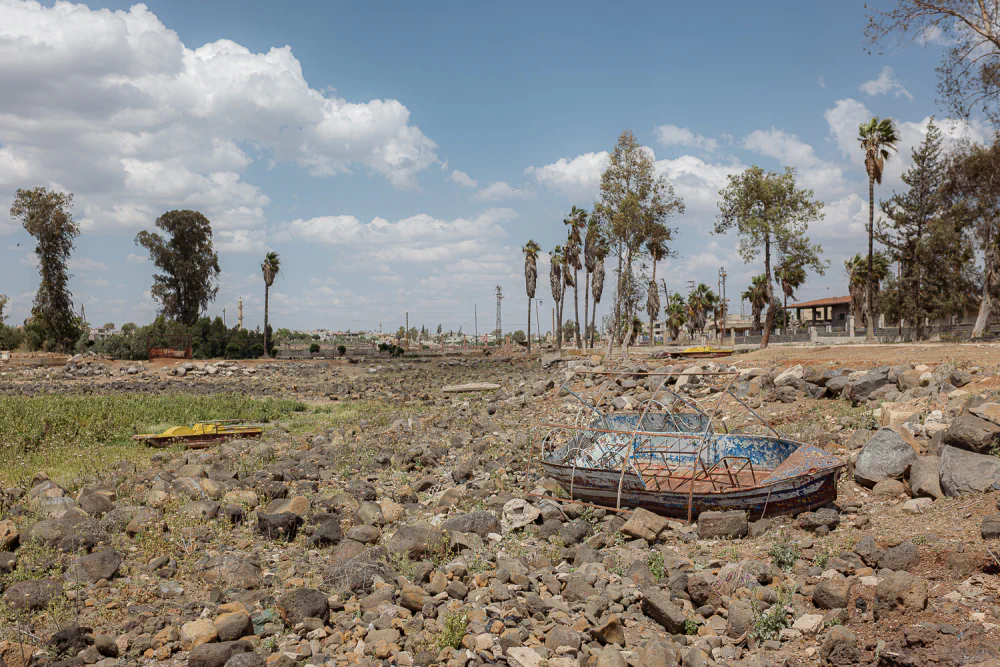
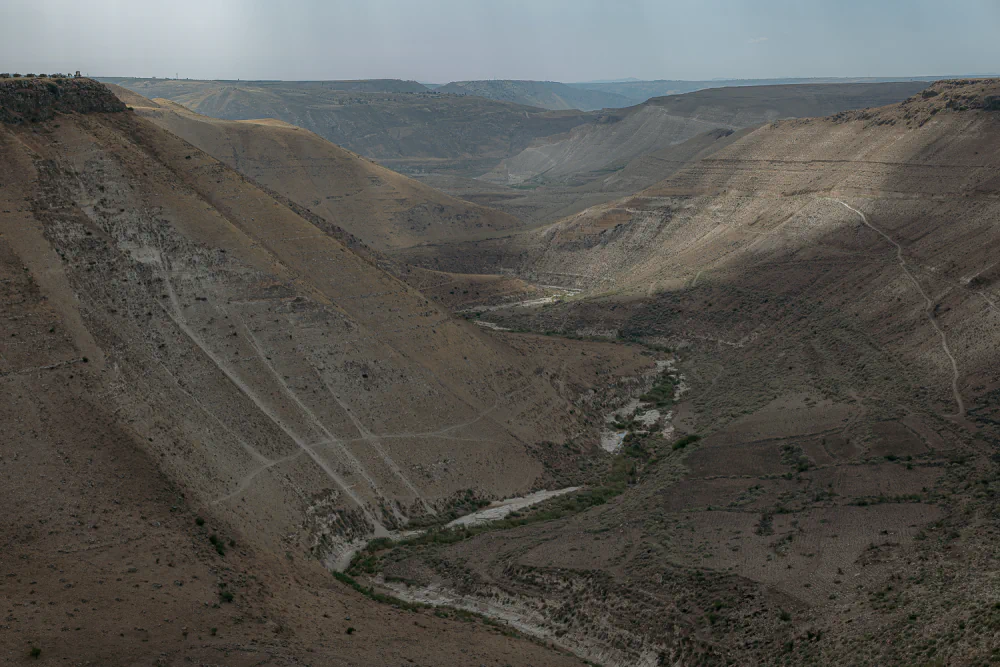
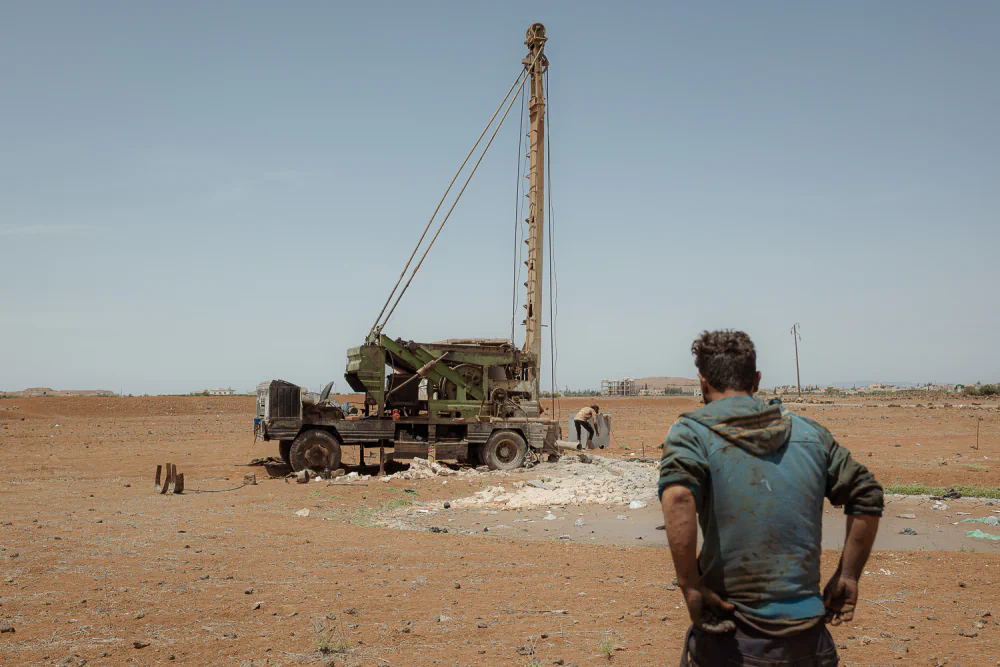
Since the late 1990s, the region has suffered from severe droughts, forcing farmers to abandon water-sensitive crops and drill increasingly deeper wells in search of groundwater. Over the years, lakes and ponds have dried up, and more recently the flow of the region’s most important river, the Yarmouk, has ceased. Its basin supplies not only southern Syria but also Jordan. In December 2024, taking advantage of the collapse of the Assad regime, Israel temporarily occupied the Al-Mantara Dam, which is crucial to the hydrological security of southern Syria. The combined effects of environmental decline and foreign intervention have been devastating: according to engineer Muhammad Barrahad, director of economic affairs at the Directorate of Water Resources in Daraa, of the 33 million cubic meters of water stored in the region’s reservoirs during winter, only 3 million cubic meters remain.
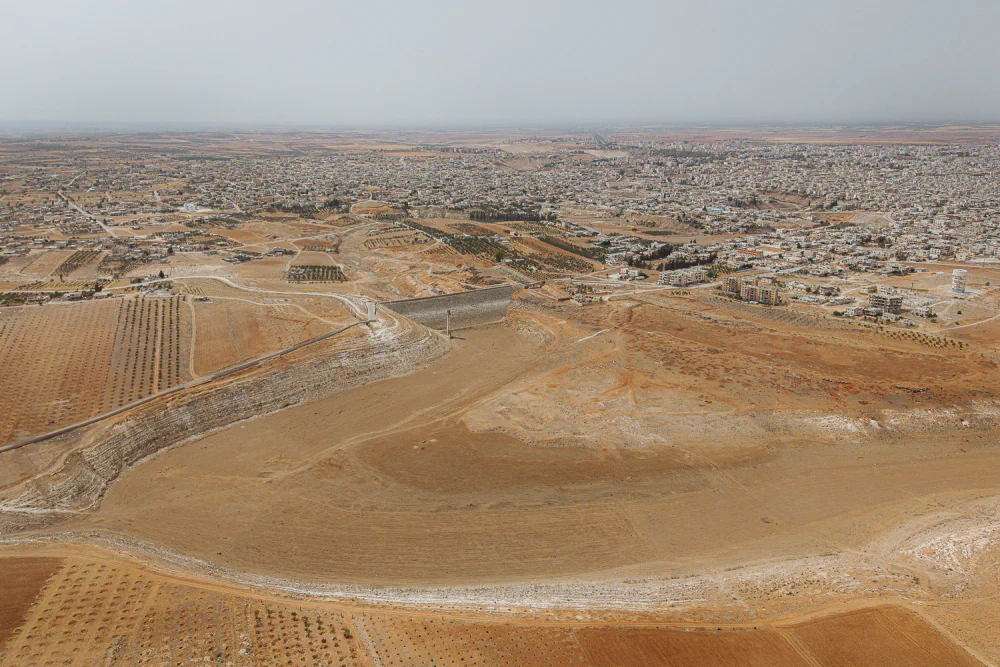
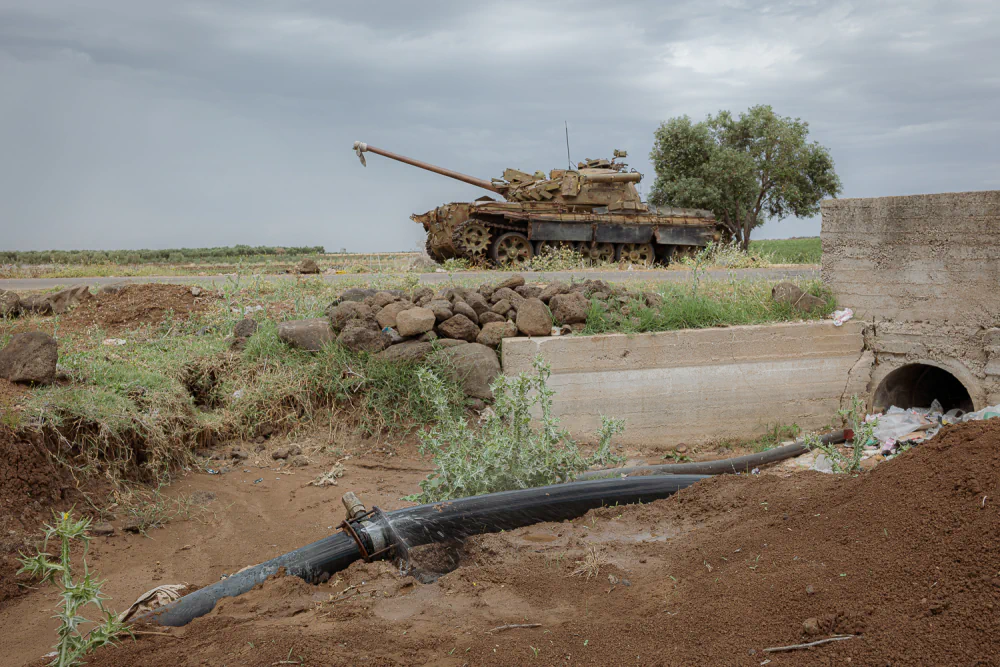
All of this is unfolding in the place where the Syrian revolution began in 2011. It was here, in Daraa, that a group of young people took to the streets to rebel against the regime of Bashar al-Assad. The protests quickly spread across the country, giving rise to a 13-year civil war. Water scarcity and the resulting impoverishment of this agriculture-dependent province are often cited as key factors in the outbreak of the conflict. In 2025, the armed fighting ceased, but the water crisis has continued to worsen.
Throughout the war, the city of Daraa was a rebel stronghold. Prolonged fighting with government forces and the so-called Islamic State led to widespread destruction. The generations-old irrigation system was partially destroyed, and control over water resources became a weapon of war. Tens of thousands of unregulated wells were drilled across the region by desperate farmers trying to save their livelihoods. Soil degradation has further contributed to the depletion of groundwater over time. After the fall of the regime and the end of the war, the new Syrian authorities introduced regulations in an attempt to halt the environmental catastrophe. However, due to shortages of resources and personnel, they have been unable to enforce the law. The outcome appears bleak and, in many respects, irreversible.
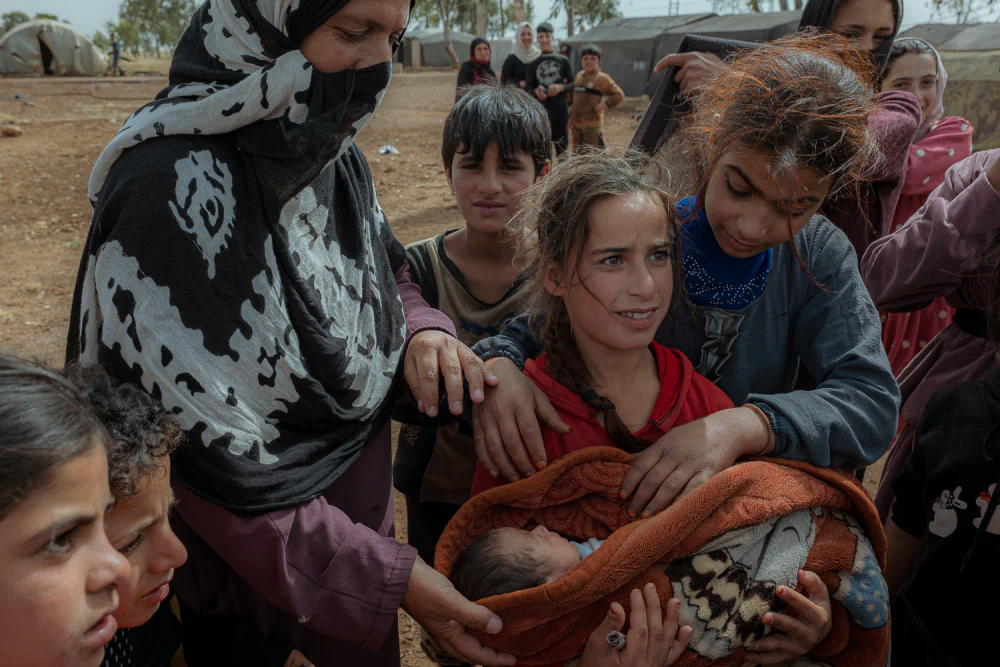
The breadbasket of southern Syria is entering the final phase of its decline, and the country is becoming increasingly dependent on foreign food imports. Confronted with the combined consequences of climate change and war, and with little prospect of improvement, farmers in Daraa, who have fought for more than a decade to hold on to their land, increasingly say that emigration is their only remaining option.