


Documentary photography has always occupied a special place in the history of the medium.
Long before the era of instant images and endless visual consumption, photographers used the camera as a tool to observe, question and reveal the realities that shape human life. Documentary work is not simply about recording what exists.
It is about understanding the contexts behind events, exploring the social forces that define communities and giving visibility to stories that often remain hidden from public view. At its best, documentary photography becomes a form of visual testimony, a way of preserving fragments of reality that might otherwise disappear.
Throughout its history the genre has been shaped by photographers who believed that images could influence how we see the world. Walker Evans once wrote that photographs are not merely illustrations but independent voices that coexist with words to create meaning. That idea continues to resonate strongly in contemporary documentary practice. The photographer is not only an observer but also a narrator who constructs a visual dialogue with the viewer, offering perspectives that challenge assumptions and invite reflection.
The projects gathered in this selection demonstrate the diversity and depth of contemporary documentary photography. Each photographer approaches the world from a different cultural and geographical context, yet they share a common commitment to storytelling. Their images explore communities living in extreme environments, hidden subcultures, the consequences of natural disasters and the intimate lives of individuals whose experiences rarely appear in mainstream narratives. Together they form a powerful mosaic of human realities spread across continents.
In Mongolia by Madoka Ikegami, the photographer travels to the forests of the East Taiga region in northern Mongolia to document the Tsaatan people, one of the last remaining communities of nomadic reindeer herders. Living in close relationship with the land and their animals, the Tsaatan maintain a lifestyle that has endured for centuries. Ikegami’s portraits and environmental photographs reveal a fragile cultural balance between tradition and modern pressures, capturing the resilience of a community whose existence is deeply tied to the rhythms of nature.
Environmental vulnerability becomes the focus of Landslides in Armenia by Arthur Lumen. In this project the photographer explores the impact of landslides, one of the most significant natural threats facing the country after earthquakes. Entire communities live under constant risk, often unaware of the forces that could reshape their environment at any moment. Lumen’s photographs document the daily lives of people who inhabit these unstable landscapes while also raising awareness about the complex interaction between natural processes and human activity.
A very different documentary narrative unfolds in Los tatuadores de Cuba by Allison Dinner. While Cuba has undergone significant political and social transformations in recent decades, tattooing remains an illegal practice on the island. Despite this prohibition a vibrant underground culture has emerged, sustained by artists who continue their craft in hidden studios across Havana and beyond. Dinner’s project investigates this clandestine world, revealing a network of creators whose dedication to tattooing persists despite legal restrictions and social stigma.
In Lucha diaria by Jorge Chavarria, the camera enters the private lives of professional wrestlers in Guatemala. Known publicly as charismatic performers and heroic figures inside the ring, these men lead parallel lives away from the spectacle of competition. Chavarria’s photographs explore the tension between public persona and personal identity, portraying the wrestlers as fathers, workers and members of families who navigate the complexities of everyday life beyond their masked characters.
The series Transylvania by Javier Arcenillas offers yet another perspective on documentary storytelling. Arcenillas is known for his deeply committed approach to social issues, often focusing on communities marked by hardship, marginalisation and historical trauma. In Transylvania he constructs a narrative shaped by atmosphere and emotional intensity, reflecting on the human condition and the darker edges of contemporary society. His images move beyond simple documentation to become reflections on despair, resilience and the psychological landscapes that define human existence.
Together these projects reveal the enduring relevance of documentary photography. In a world saturated with images, the documentary photographer continues to pursue stories that require patience, empathy and long term engagement. The works of Madoka Ikegami, Arthur Lumen, Allison Dinner, Jorge Chavarria and Javier Arcenillas demonstrate how the camera can still serve as a powerful instrument of observation and understanding, connecting viewers with realities that lie far beyond their immediate experience.
Mongolia by Madoka Ikegami
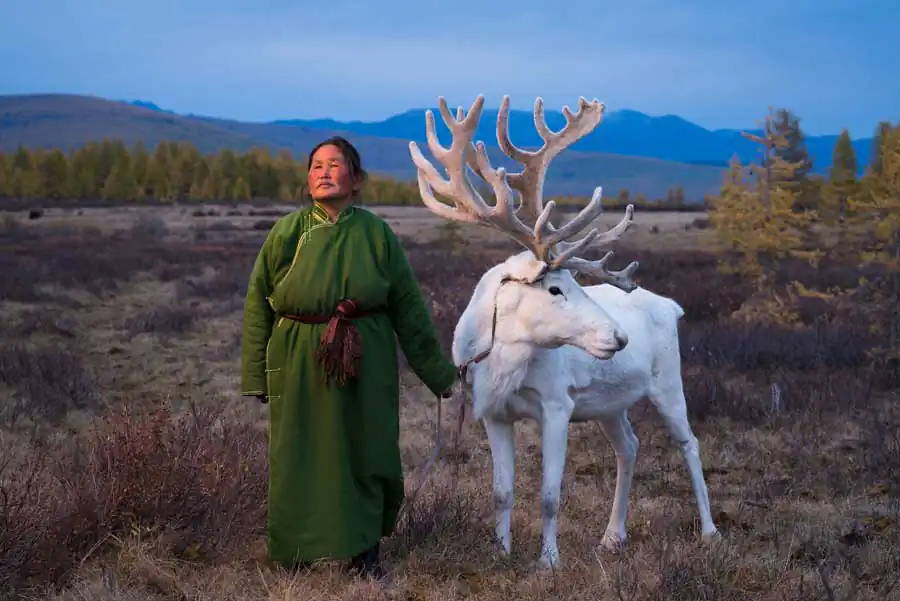
This is a series of portraits and general shots of the Tsaatan and Mongolian people who live in and around the forests of the East Taiga region of Khovsgol province in northern Mongolia. The Tsaatan ethnic minority are one of the last remaining groups of nomadic reindeer herders in Mongolia, and have been maintaining their traditions for thousands of years. They seasonally migrate within the forests of the Taiga according to weather and food conditions for their reindeer, which they depend on for milk and transportation. More…..
The photographs are not illustrative. They, and the text, are coequal, mutually independent, and fully collaborative. By their fewness, and by the importance of the reader’s eye, this will be misunderstood by most of that minority which does not wholly ignore it. In the interests, however, of the history and future of photography, that risk seems irrelevant, and this flat statement necessary.
Walker Evans, Let Us Now Praise Famous Men : Three Tenant Families by James Agee
– Documentary Photographer –
Landslides in Armenia by Arthur Lumen
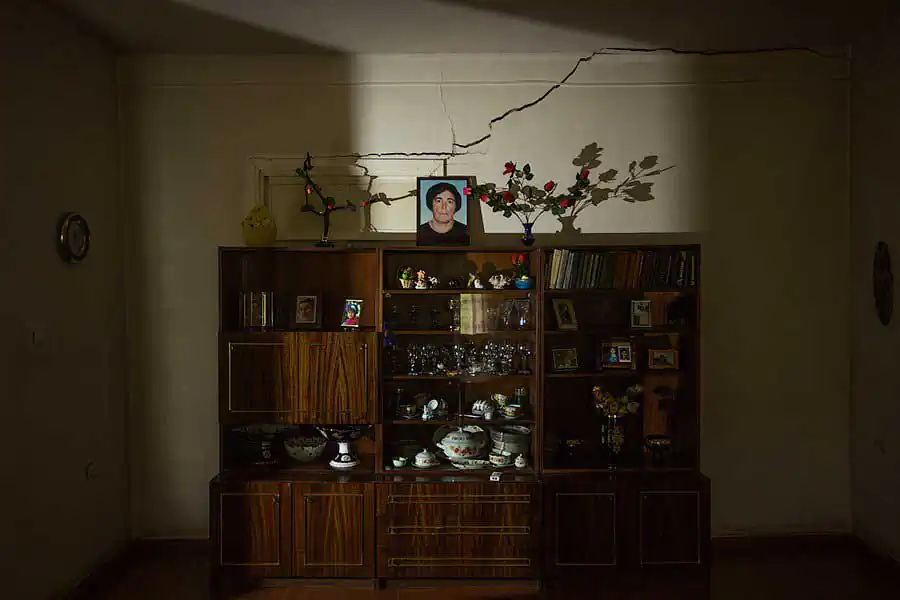
My project is dedicated to Landslide in Armenia. The second natural disaster after the earthquake in Armenia. Why do this project? Because nobody imagines the potential danger of landslide. Some people have no idea what it is. By shooting this story I wanted to show the life of people living in landslide areas to the world. Many victims of this phenomenon don’t even know that they are to blame for their fate as well, since landslide is not only a natural disaster, but also a disaster caused by people themselves. About 47,000 people, which is the 1,5% of the whole population of Armenia, are under the threat of a natural disaster called “landslide”. A landslide is a collapse of a mass of earth or rock from a mountain or cliff caused by the force of gravity, which is triggered by a number of factors, such as earthquakes, seismic triggers, and human activity. More….
Los tatuadores de Cuba by Allison Dinner
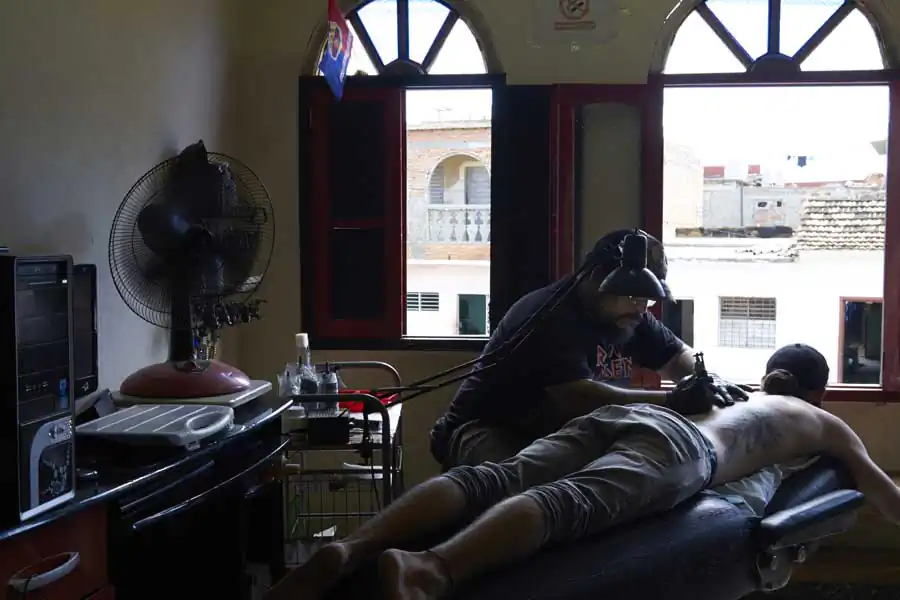
Amongst all the changes happening in Cuba right now one thing is staying the same, owning a tattoo shop and giving tattoos are prohibited. They are the only art form in Cuba that is still highly illegal. I took it upon myself to investigate this matter, and see just how far it goes. Despite the governments’ suppression tattoo artists have managed to create a thriving underground tattoo scene. This subculture can be found throughout the whole island. You walk the streets of Havana, or any other city, and see people adorned with tattoos. The questions remain the same, where are they getting these tattoos and how are they so well done? Tattooing in Cuba came about in the 90’s by two men in Havana, Che and Leo. I tracked these guys down, as well as many others, and their stories are just as compelling as their dedication to tattooing. They are both veteran skateboarders and lovers of hard rock music. More….
Lucha diaria by Jorge Chavarria
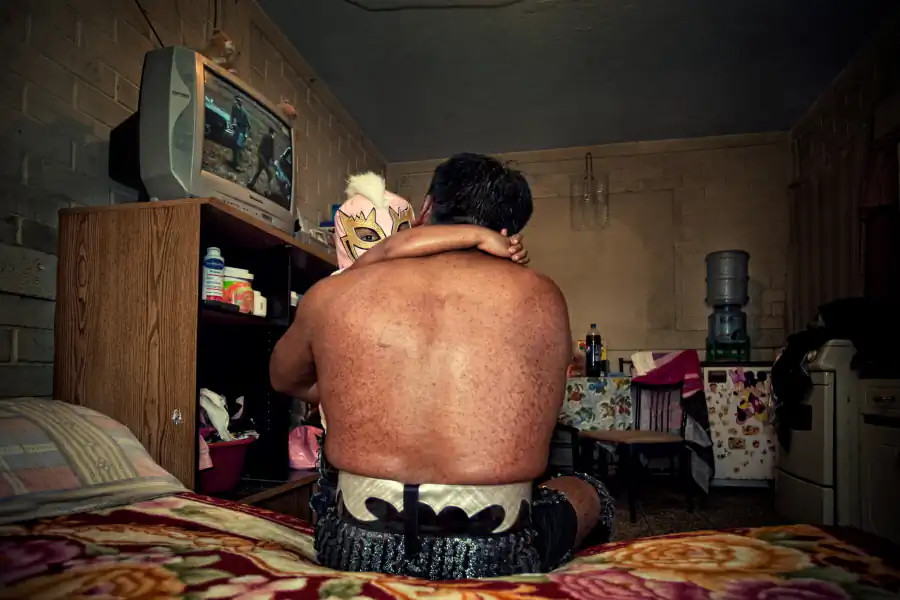
Daily struggle portrays the interior lives of wrestlers in Guatemala. To the local culture, these men are considered “stars” and role models. They live dual lives: as parents that support their families and as “idols or demons” for their fans that follow them every weekend. As a spectator I asked myself, what are they like behind their masks? How do they live their lives? What are their families like? What are their homes like? Portrayed as role models, supporters and loving parents, this series explores the reality of Guatemalan wrestlers and their atypical households. Revealed in a different light that they have been seen throughout history, the series shows the daily struggles of these men who remain both public figures and loving caregivers to their family. More….
Transylvania by Javier Arcenillas
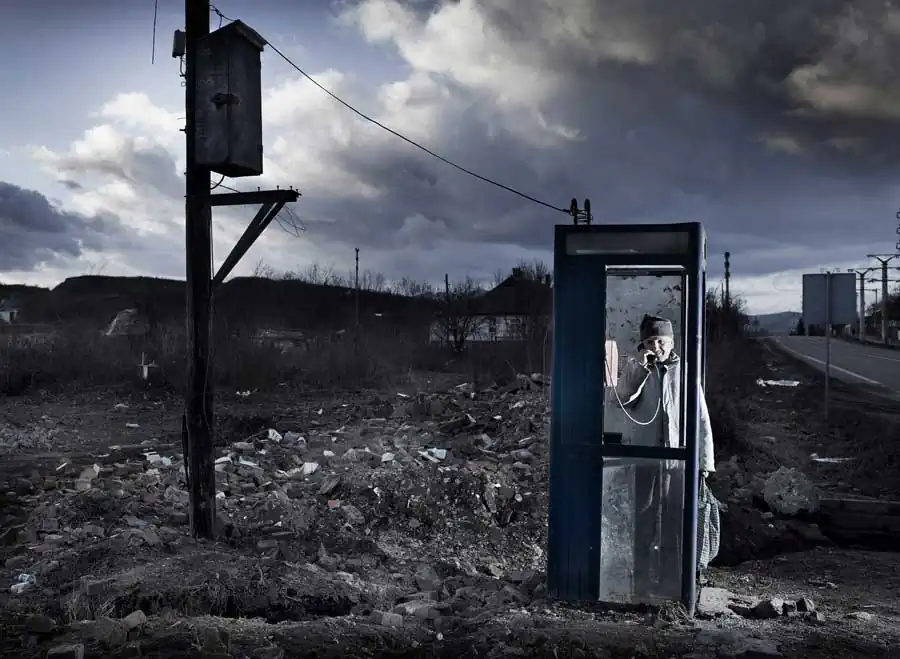
I had a strange life, always with little inconsistent directions and adjusted to normal. I think it all comes from being the north but nobody knows, originally from colder climates that make my thoughts and ways of working a solid foundation and ideology in forms. I guess that’s why I like to do certain kinds of stories. Each containing about sadness and absolute despair of the human being in its most dramatic and other conditions, such as deep and committed not to take me to the inevitable question of whether ignorance is present in today’s media culture. More……