
About Antoine Buttafoghi
Antoine Buttafoghi is a French photographer whose artistic approach lies at the intersection of formal rigor, aesthetic research, and a sensitive exploration of the inner territories of the human condition.
As a trainer, teacher, and consultant, he has transmitted the fundamentals of photography and visual language for over twenty five years, particularly within university settings and Parisian schools. This pedagogical activity deeply nourishes his artistic practice, creating a constant dialogue between theoretical reflection and field experience.
Alongside his commitment to teaching, Antoine Buttafoghi develops a personal body of work. His photography has been widely recognized, earning more than eighty awards in international competitions, attesting to the singularity of his vision and the consistency of his approach. His work has been exhibited in Australia, Brazil, China, Spain, the United States, Greece, Hungary, Japan, India, Italy, the United Kingdom, and Russia.
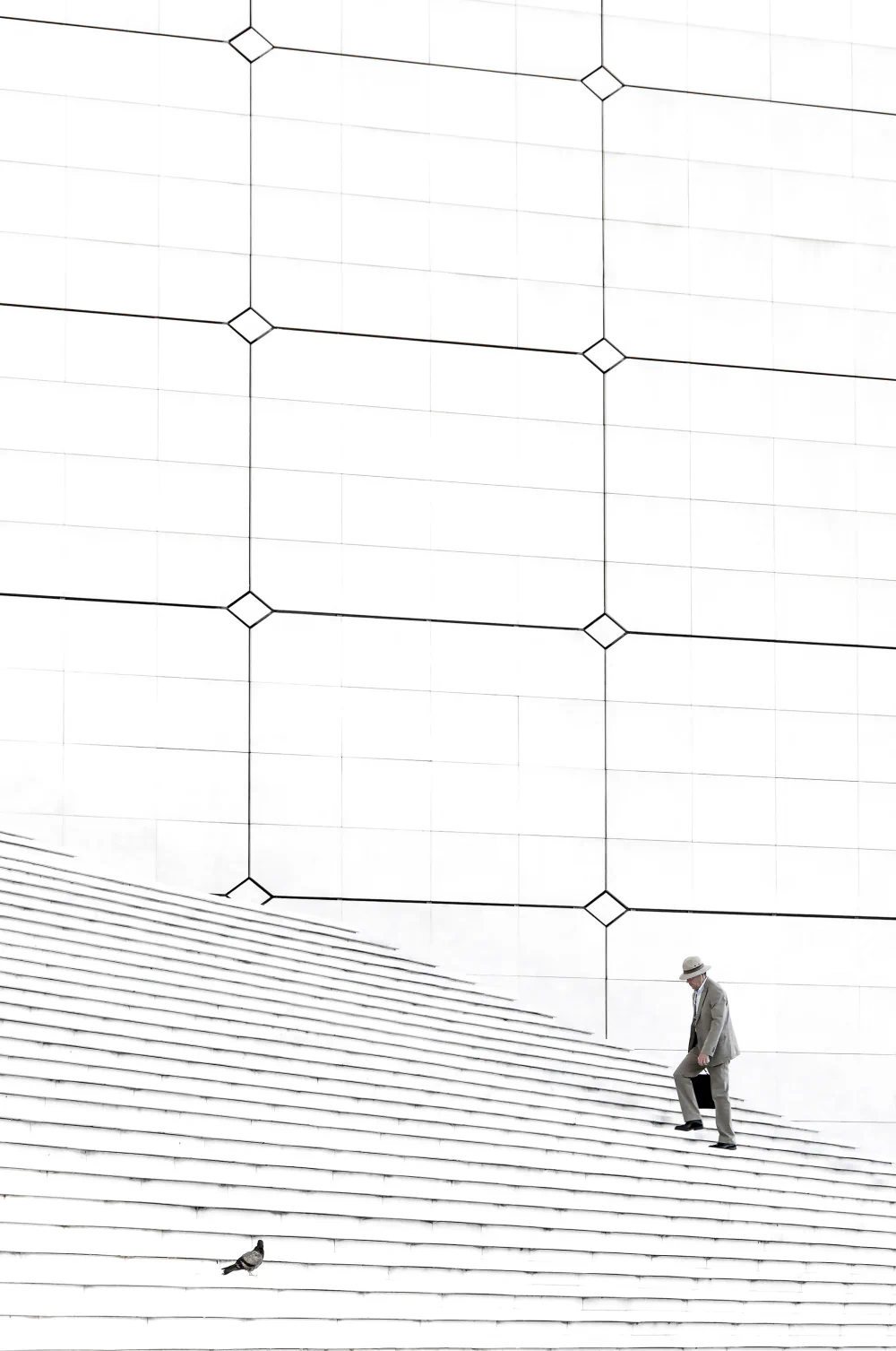
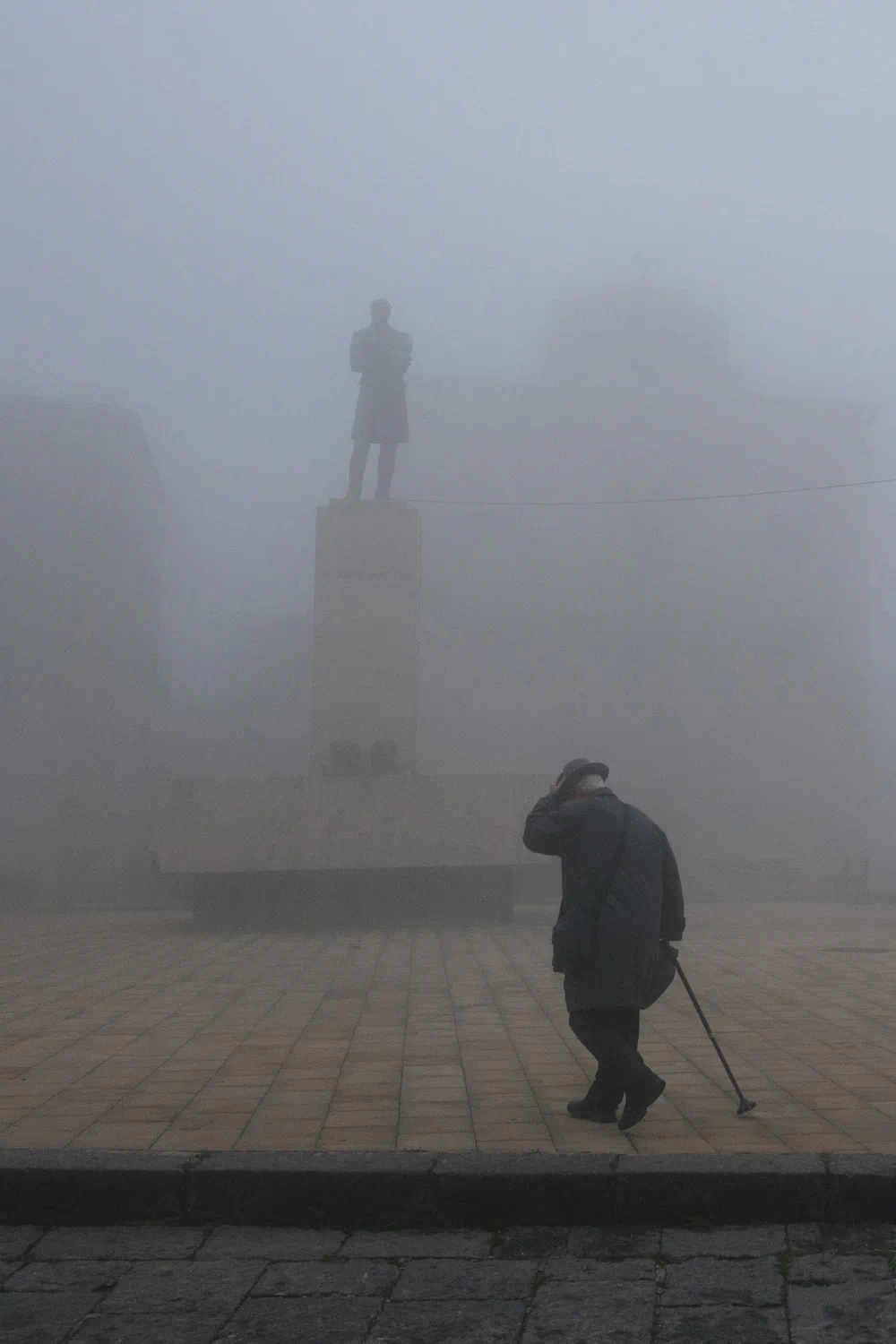
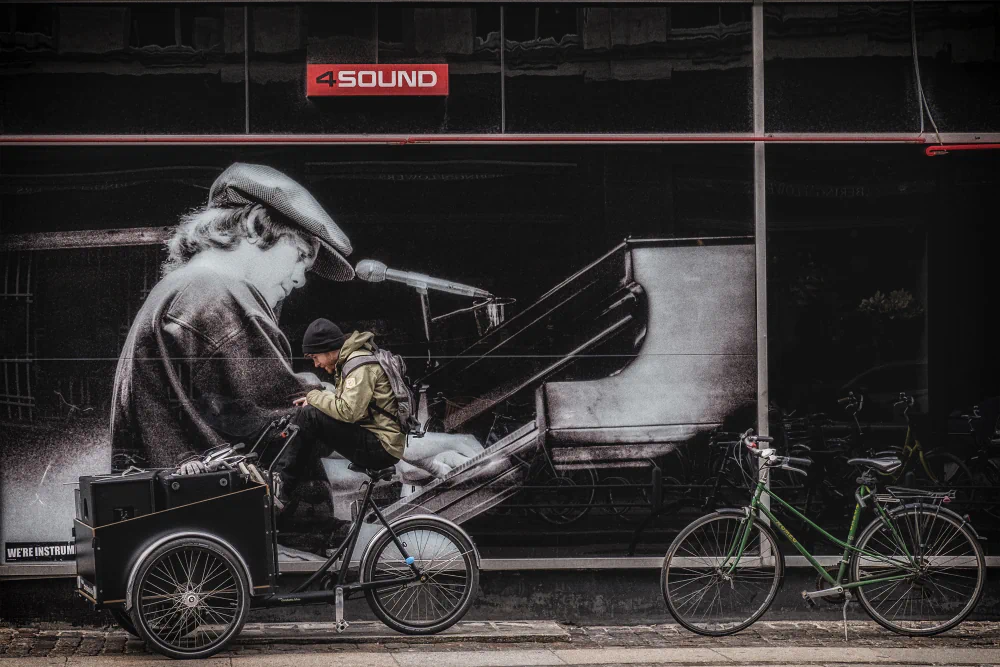
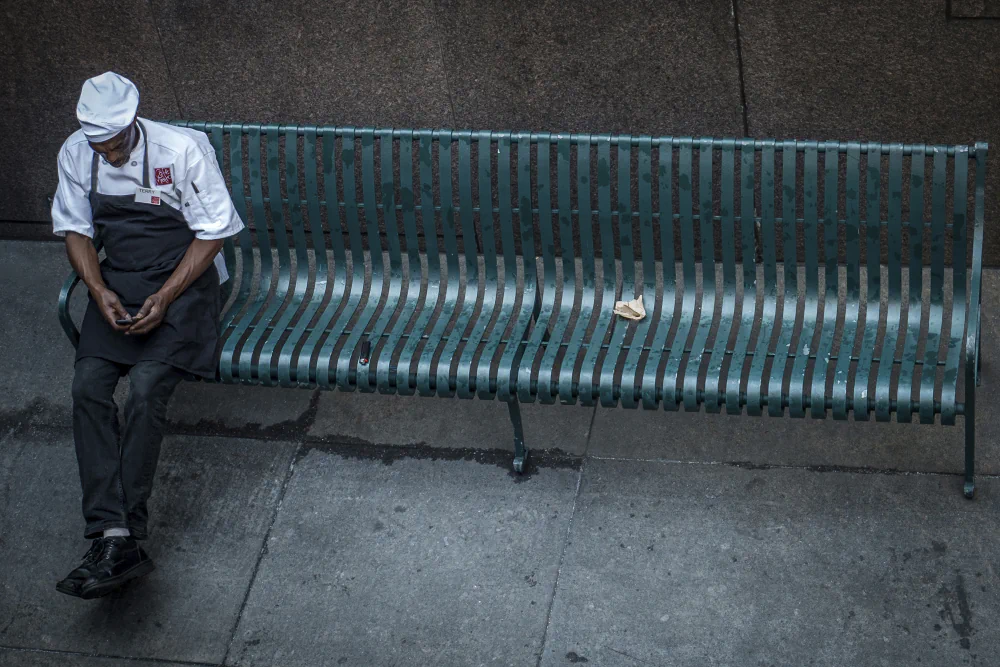
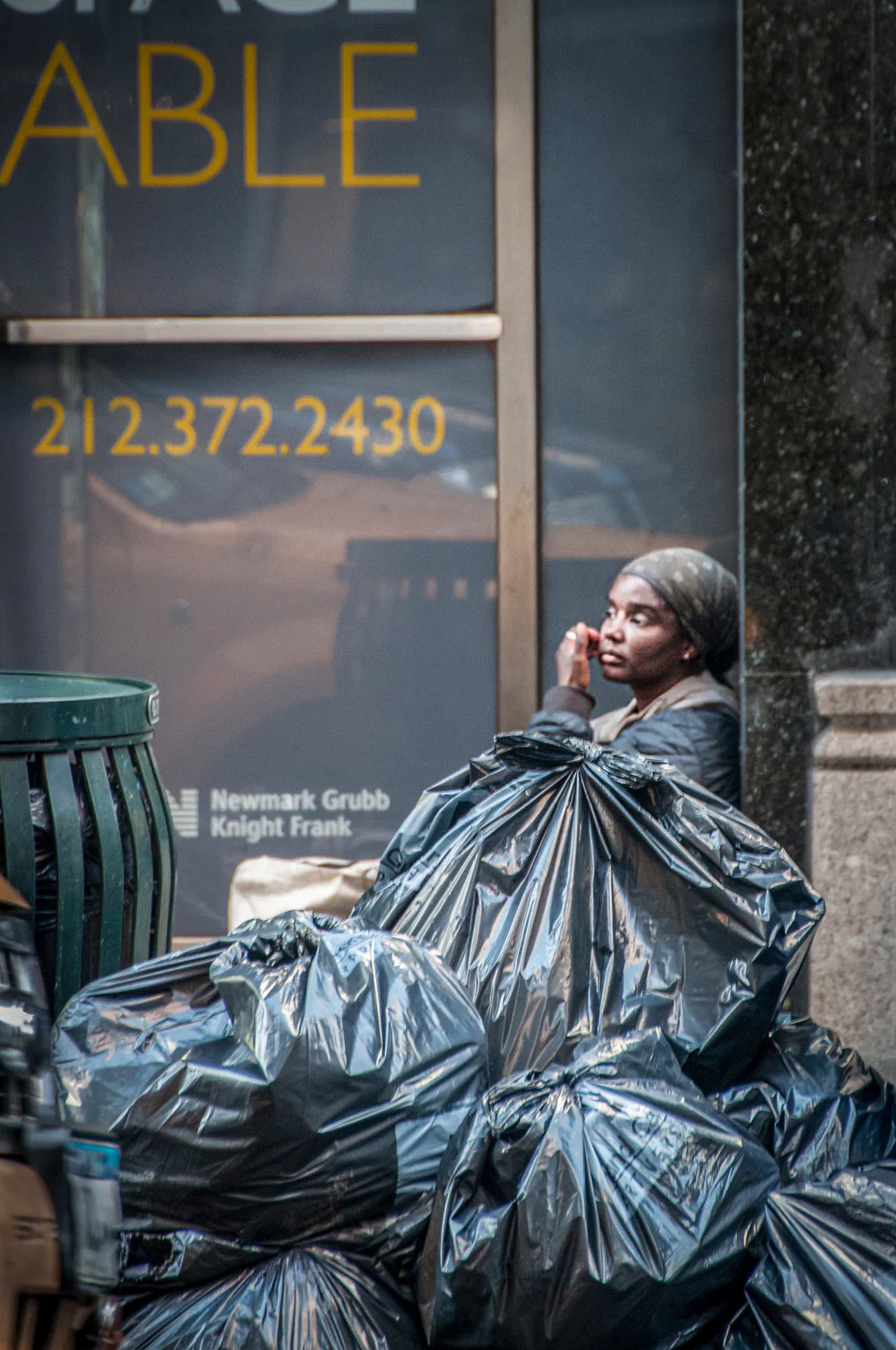
At the heart of his work lies a profound exploration of solitude. Far from a univocal or merely descriptive vision, this notion becomes a complex field of inquiry where social, existential, urban, and emotional dimensions intersect.
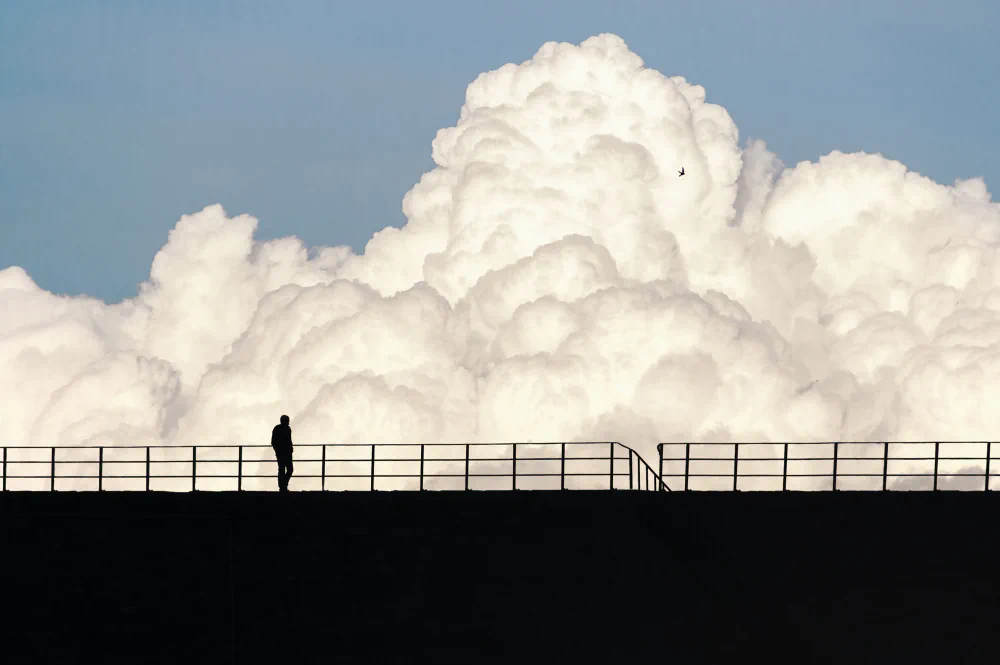
In his images, solitude is never simply an absence. It becomes an intensified presence, a state of tension, a space of resistance or withdrawal. It oscillates between fragility and strength, between isolation and the silent affirmation of being.
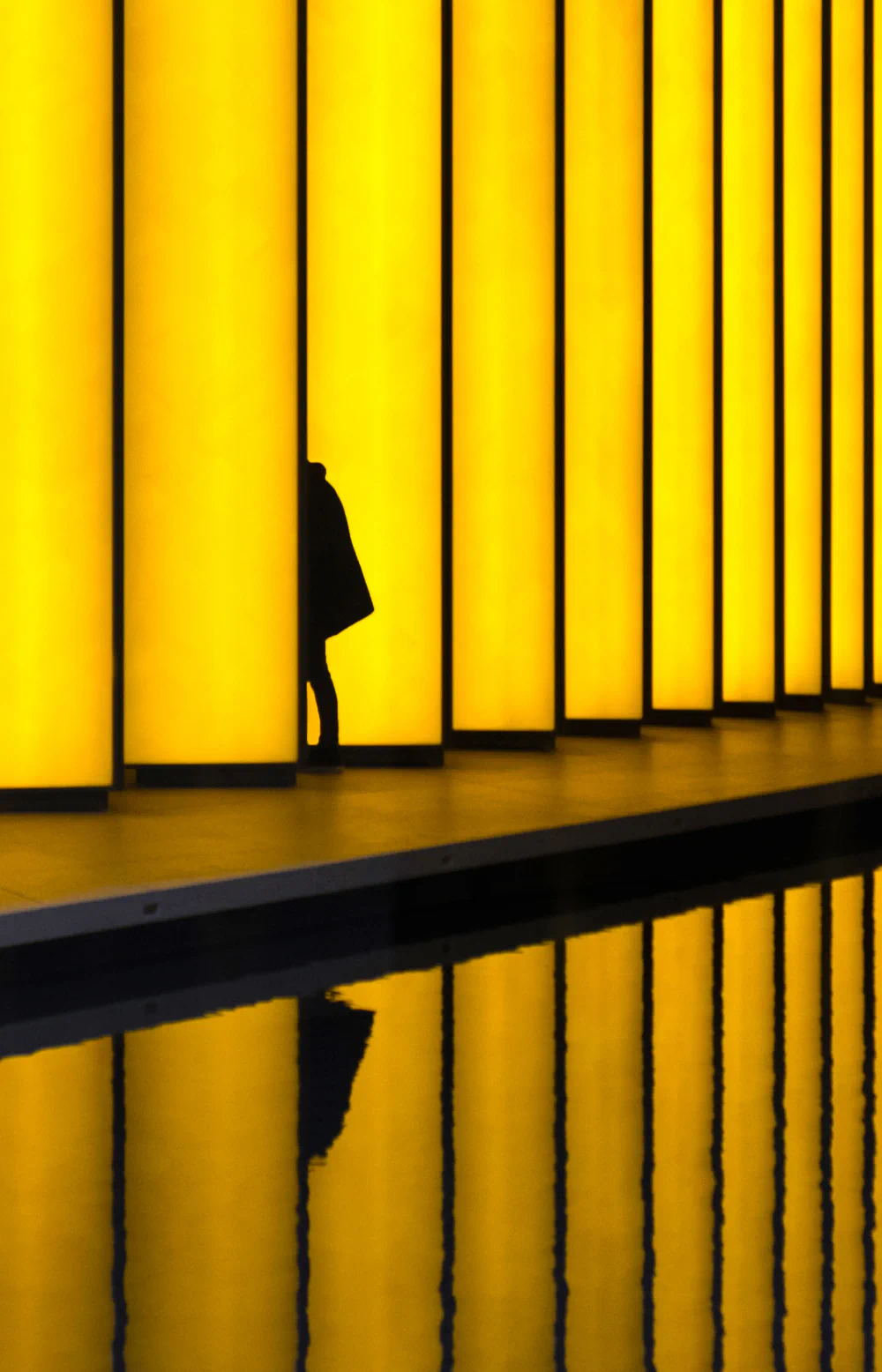
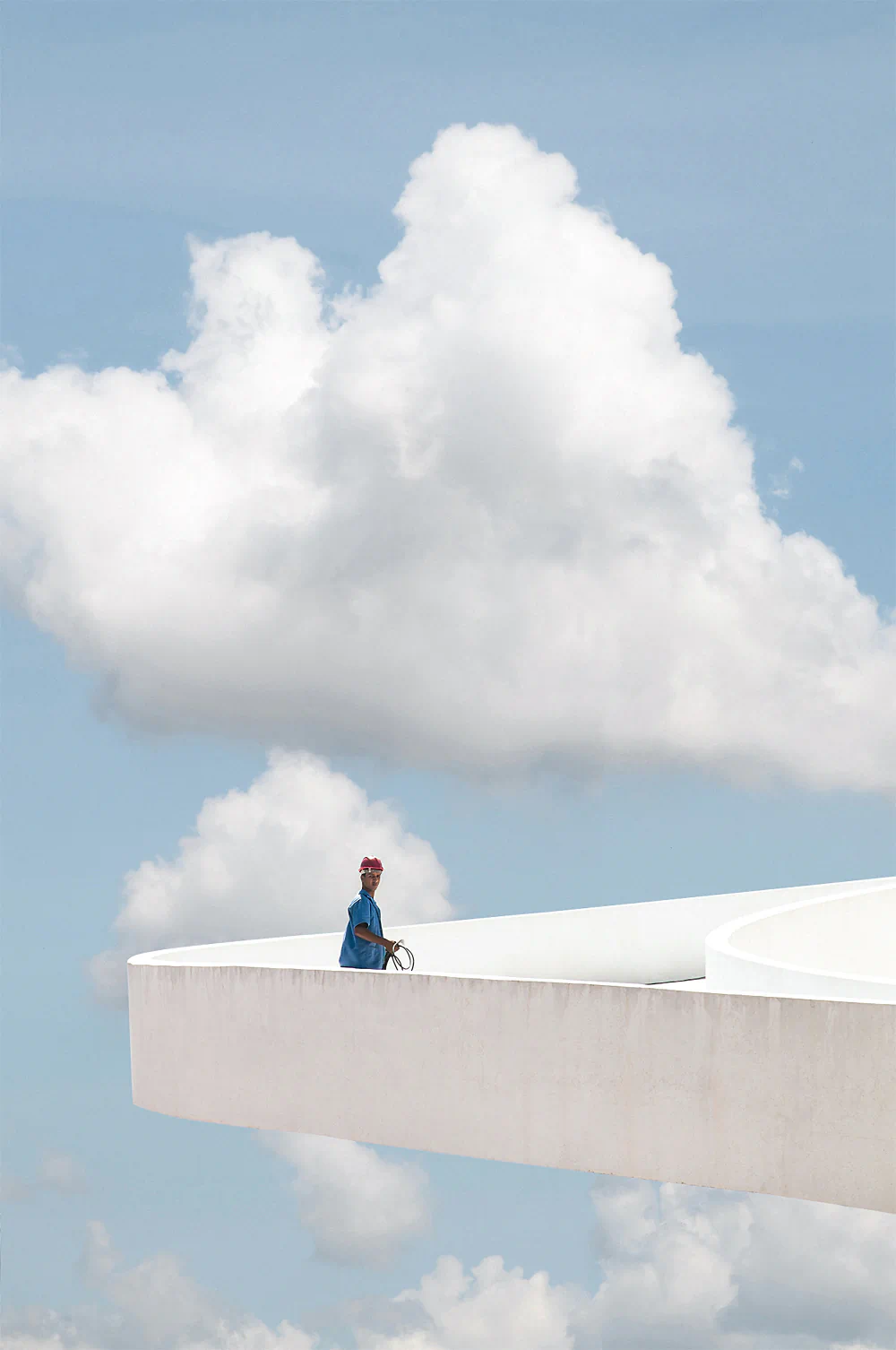
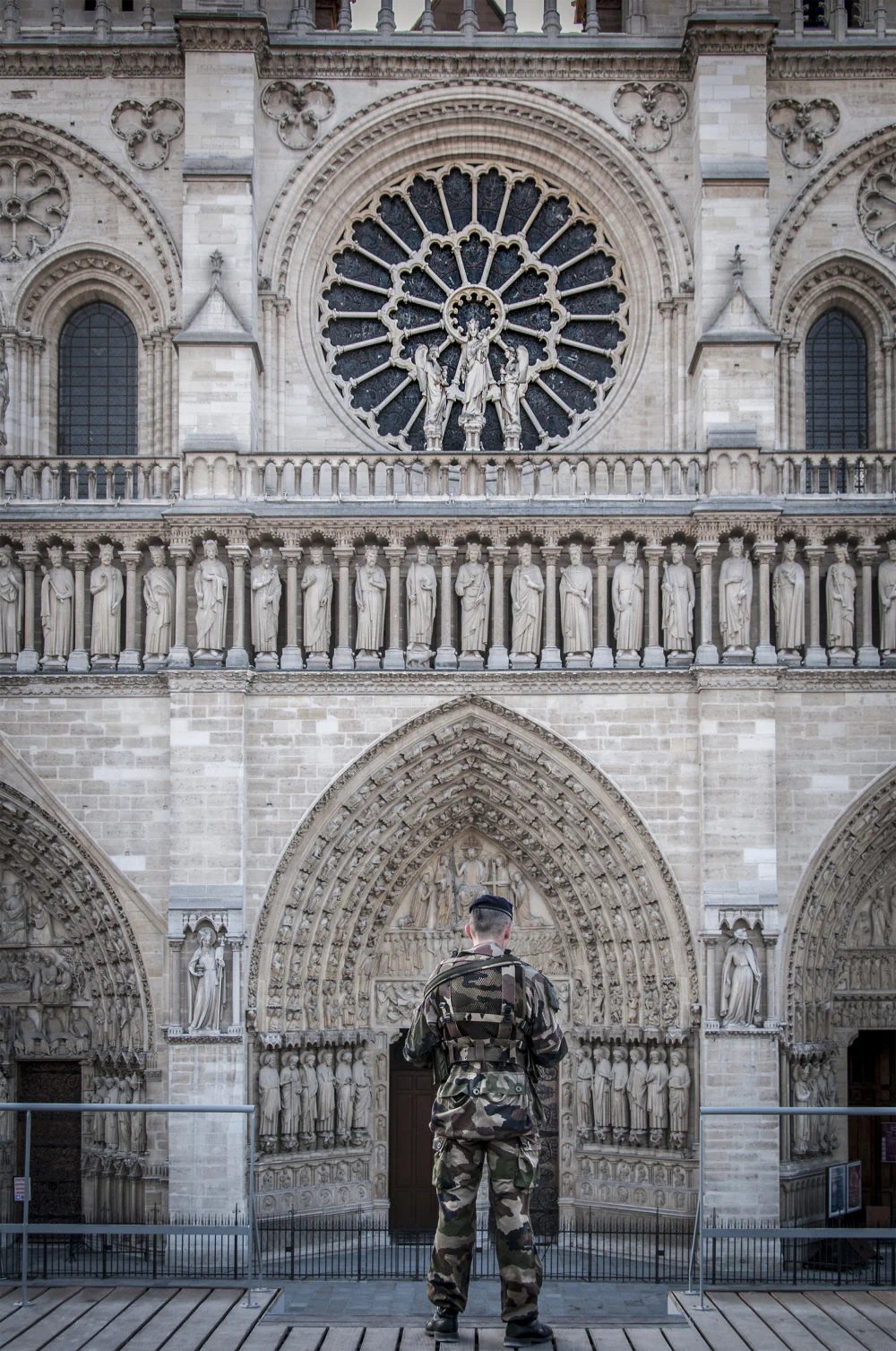
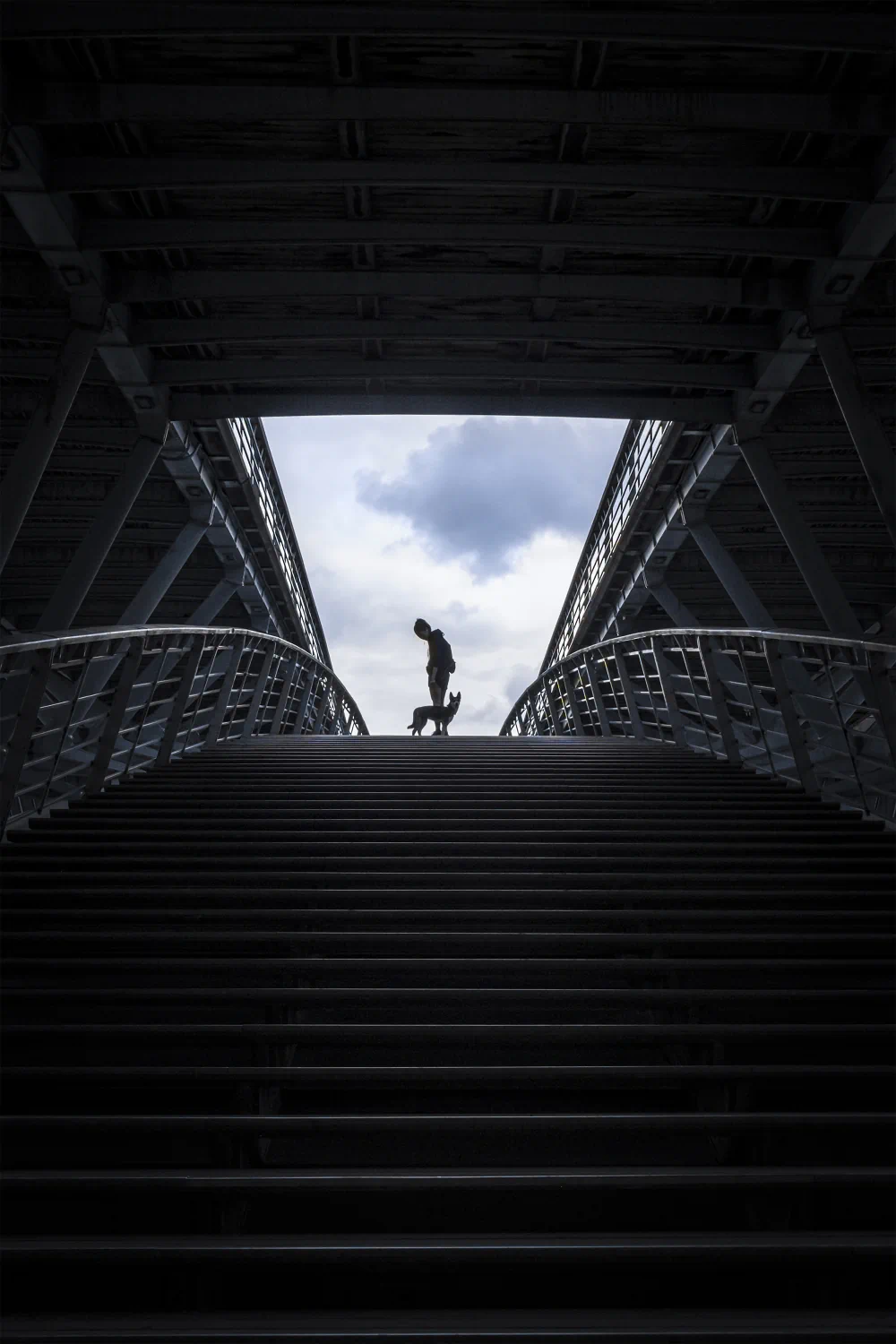
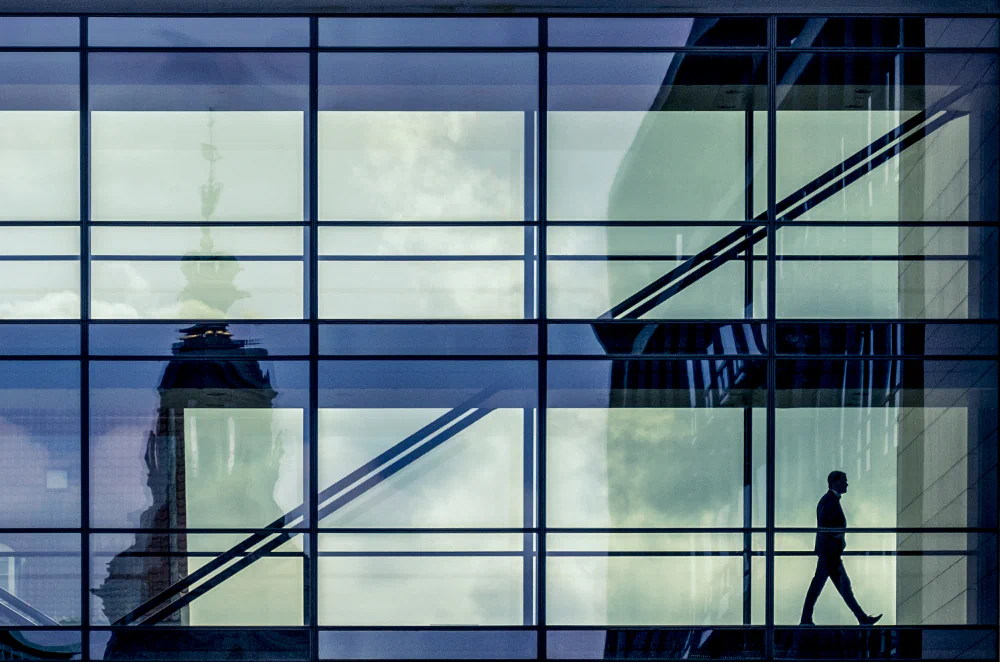
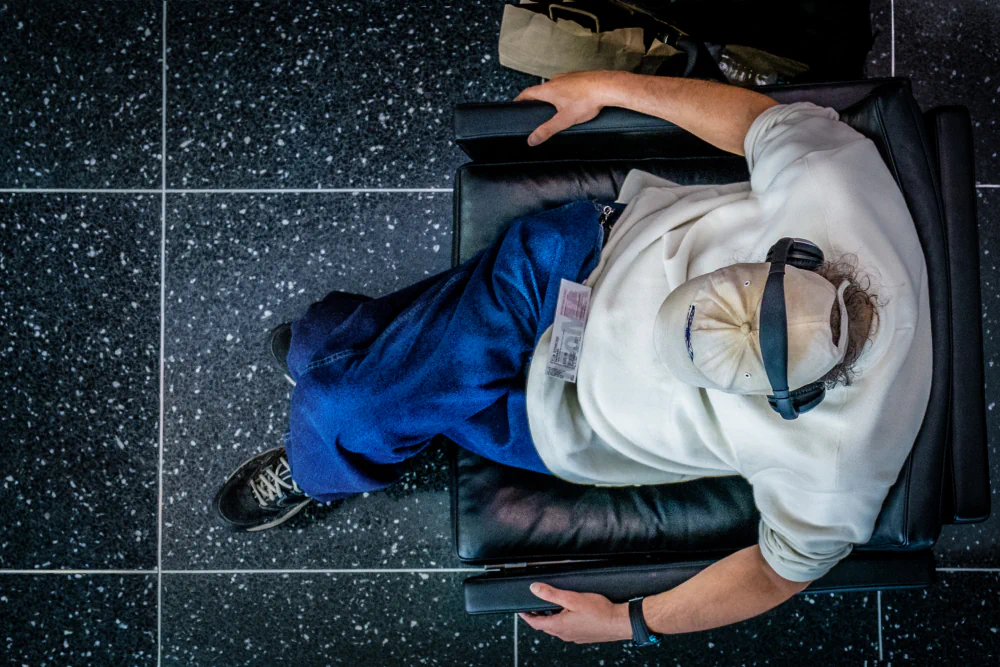
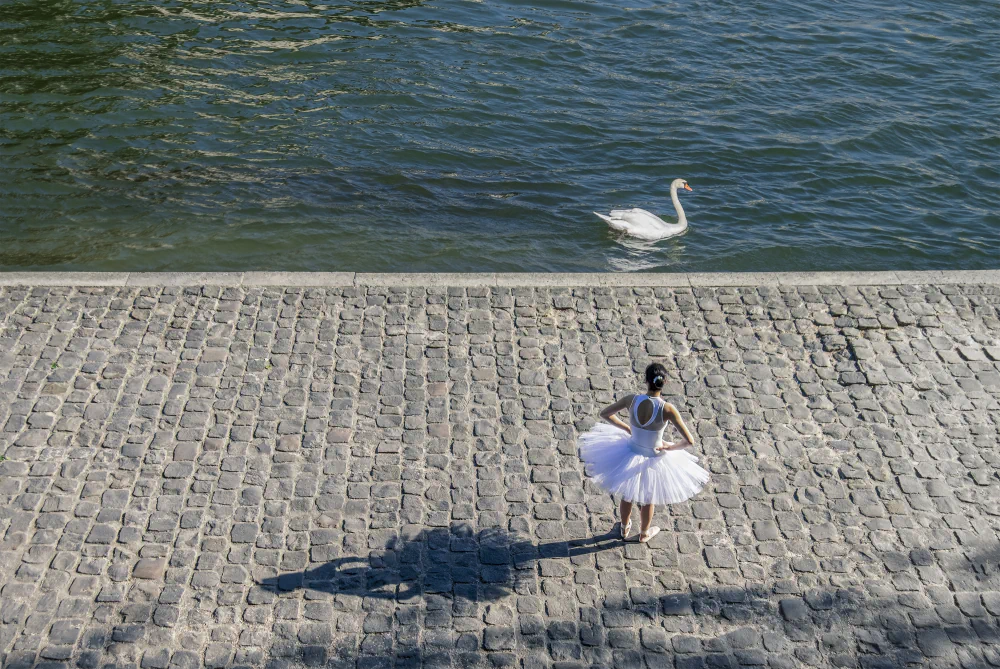
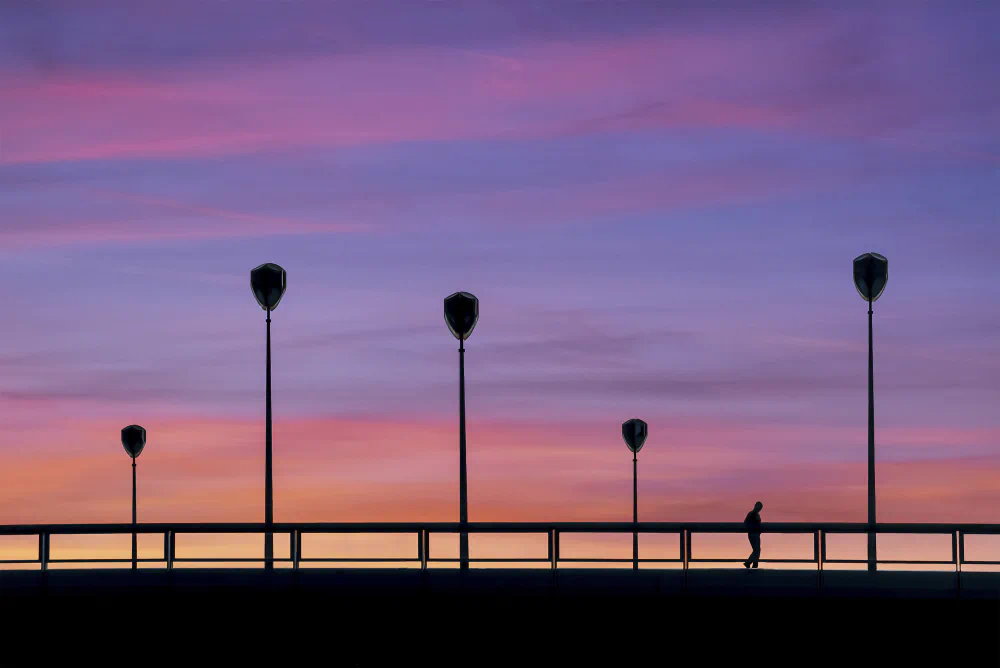
His work takes the form of a kind of visual asceticism in which each image moves toward a controlled minimalism. Antoine Buttafoghi constructs his photographs as precise visual architectures based on a subtle balance between lines, volumes, and spaces. Geometry engages in dialogue with a form of emotional nakedness, creating compositions in which formal structure becomes the support for an inner resonance. Nothing is superfluous. Every element finds its place within a rigorous visual economy that seeks to reveal the essential.
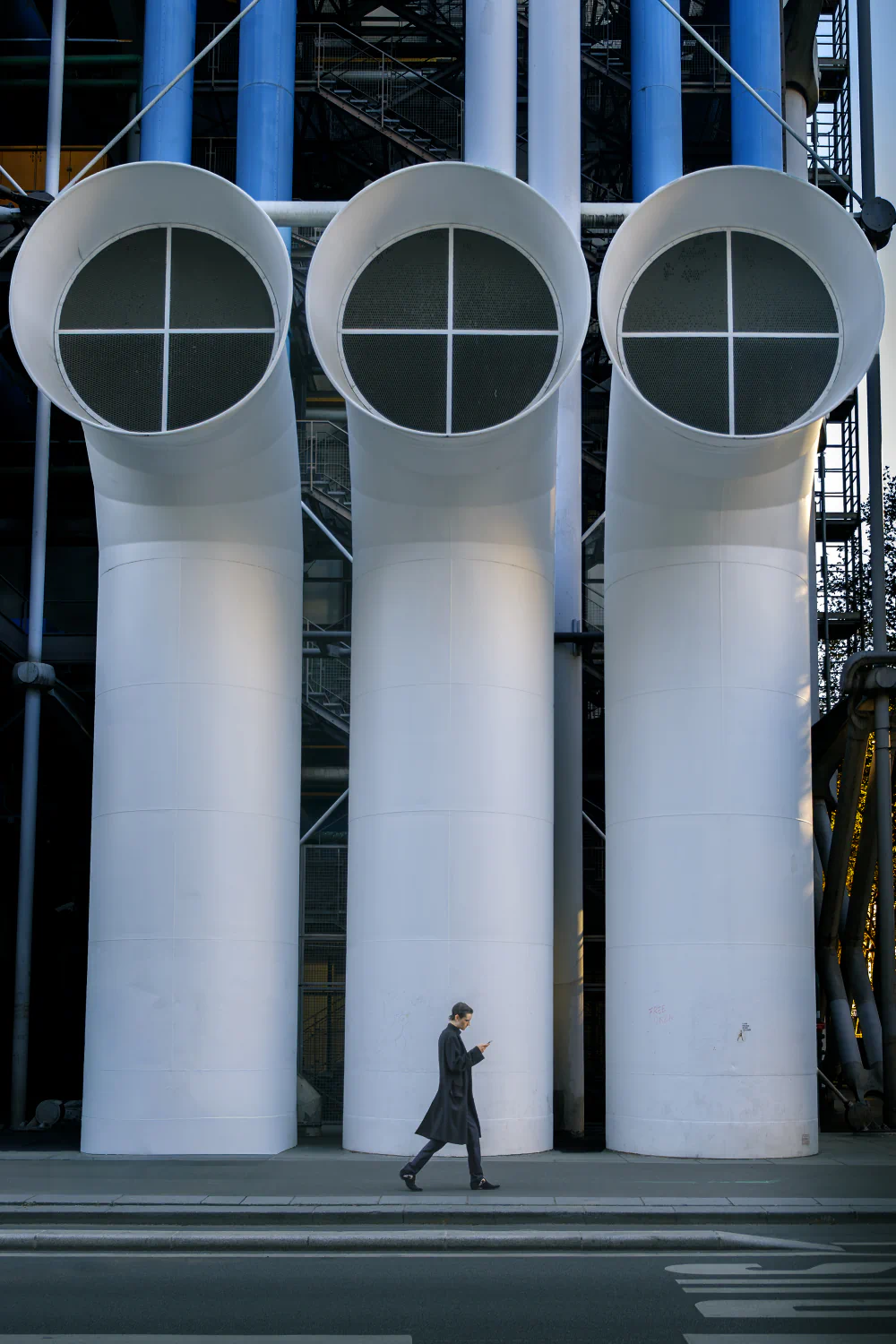
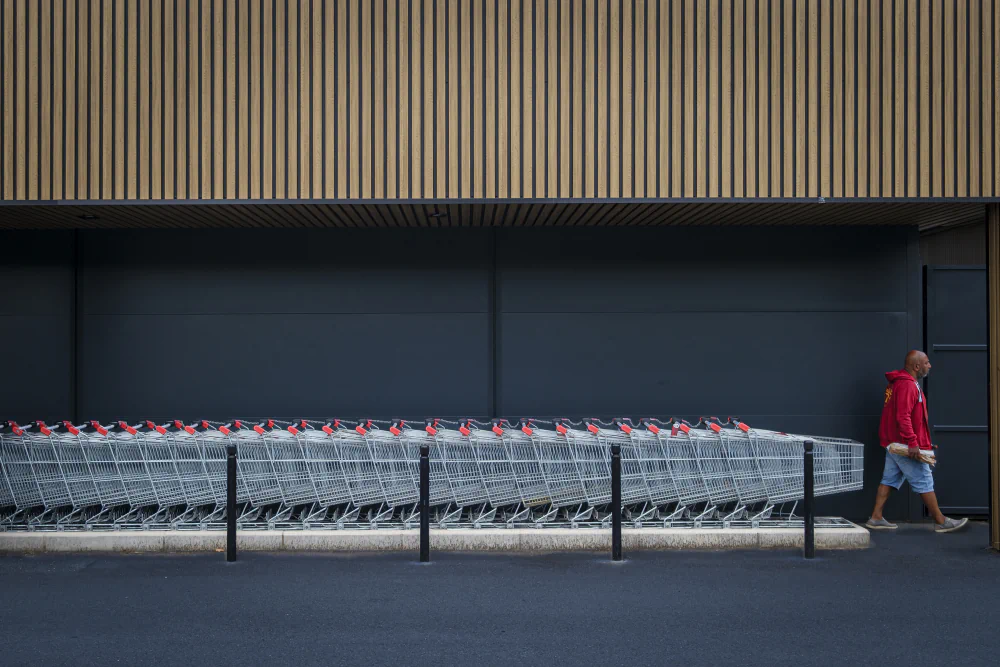
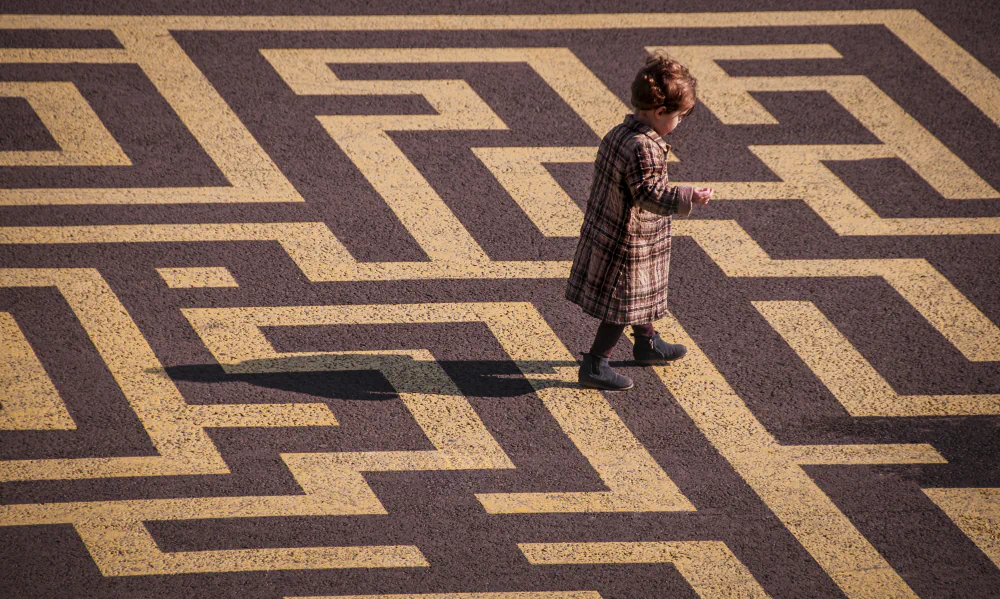
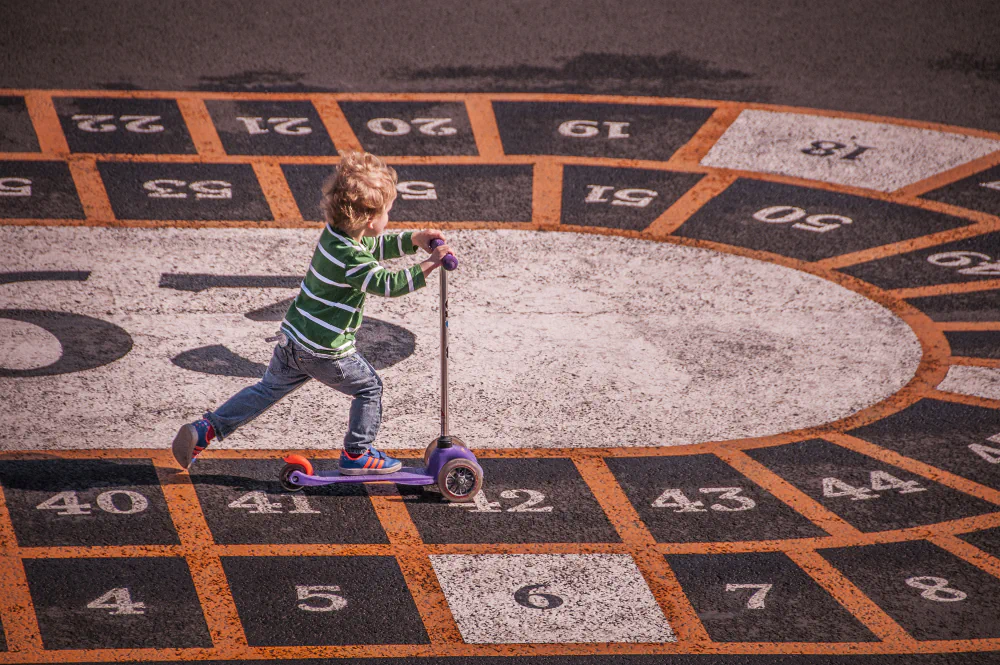
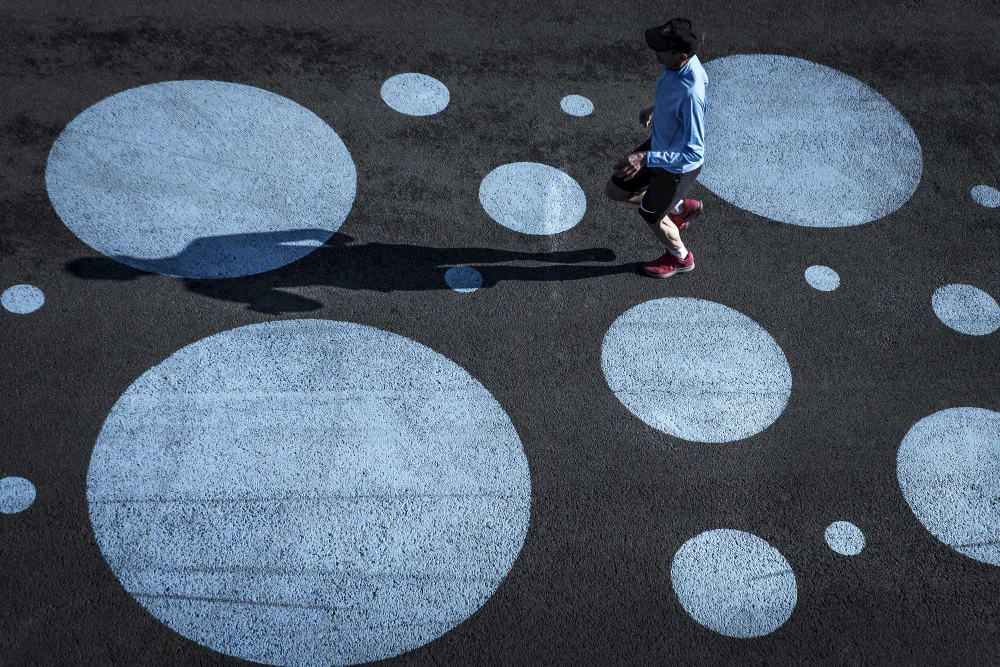
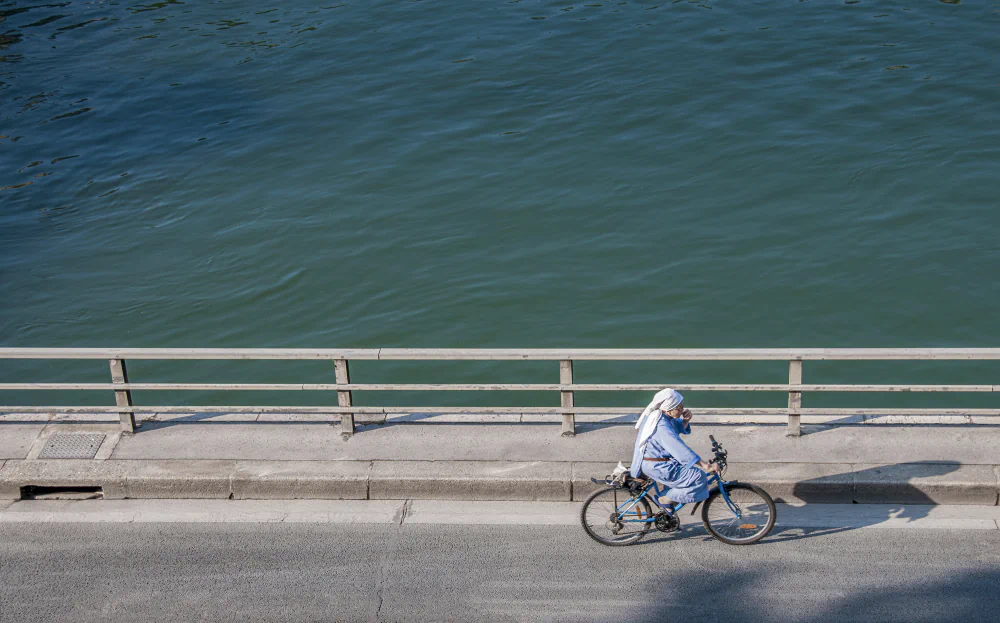
The spaces he photographs are often intermediate places, transitional zones, urban margins, and in between territories where the individual seems suspended in a state of liminality. These environments, both open and silent, become the stage for a minimal yet meaningful human presence. The silhouettes, often isolated, appear withdrawn from the world while remaining fully embedded within it. This paradox of being alone at the heart of the collective constitutes one of the fundamental tensions in his work.
In this pursuit of balance, composition plays a central role. The artist pays meticulous attention to the organization of the frame from the moment of capture. Visual masses, architectural lines, and the internal dynamics of the image are conceived as elements of a true visual score. He thus creates images that resemble almost musical structures, where each detail resonates with the whole.
This formal rigor, akin to a quest for graphic perfection, does not exclude intuition or openness to the unexpected, both essential to the vitality of the image.
Color also plays a decisive role in his work. It is neither decorative nor secondary. It asserts itself as a necessity, a productive constraint that contributes to the construction of meaning. It structures space, emphasizes tensions, guides the eye, and shapes the overall atmosphere of the image. It becomes a language in its own right, just like line or light.
Beyond its aesthetic dimension, Antoine Buttafoghi’s work engages in a broader reflection on the contemporary human condition. His photographs question modern forms of isolation, often intensified by urban, social, and technological transformations. They evoke a form of inner exile, a movement of withdrawal that is not necessarily an escape, but rather a search for meaning and a need to reconnect with a deeper interiority.
His images invite a contemplative experience. They slow the gaze, establish a sense of silence, and open a space of projection for the viewer. Each person is invited to recognize a part of themselves through these fragments of solitude that become universal. The image acts as a mirror, but also as a threshold, a passage toward a more intimate reflection.
In a world saturated with fast and often superficial visual flows, Antoine Buttafoghi’s work stands out through its ability to establish a different temporality. His photographs do not seek immediate seduction, but rather to endure over time. They ask to be observed, inhabited, and experienced. They offer an aesthetic experience that is also an inner one, where formal rigor becomes the vehicle for a restrained, subtle, and deeply human emotion.
His practice reflects a continuous search for balance between control and letting go, between structure and sensitivity, between exterior and interior. It is a demanding visual and existential approach that thoughtfully questions the way human beings inhabit the world. [Official Website]