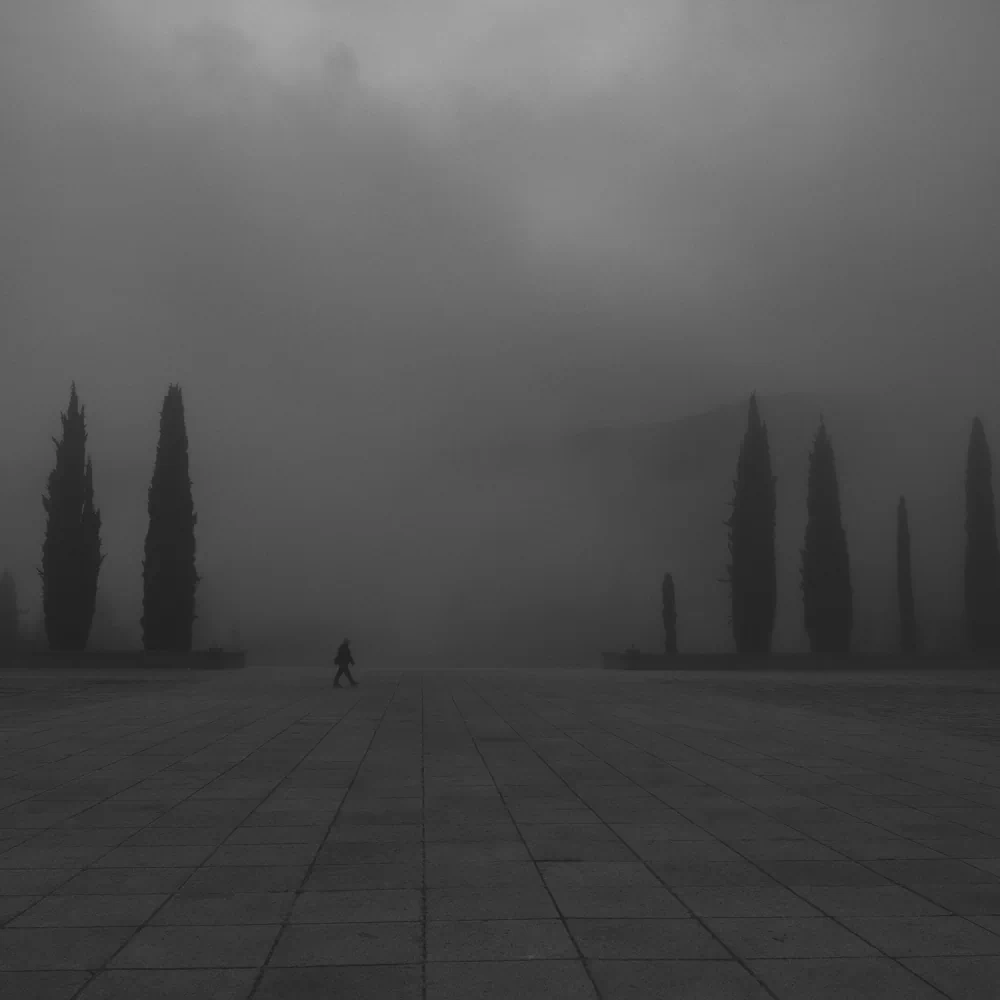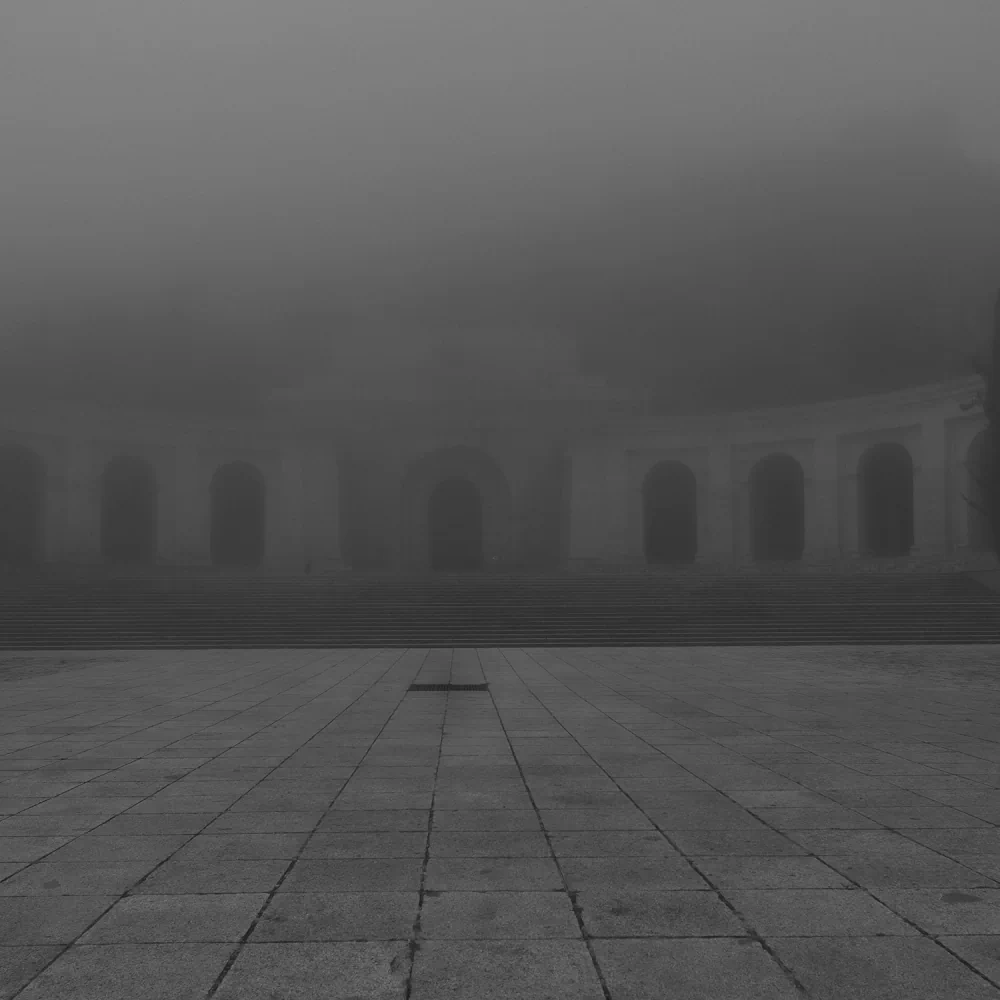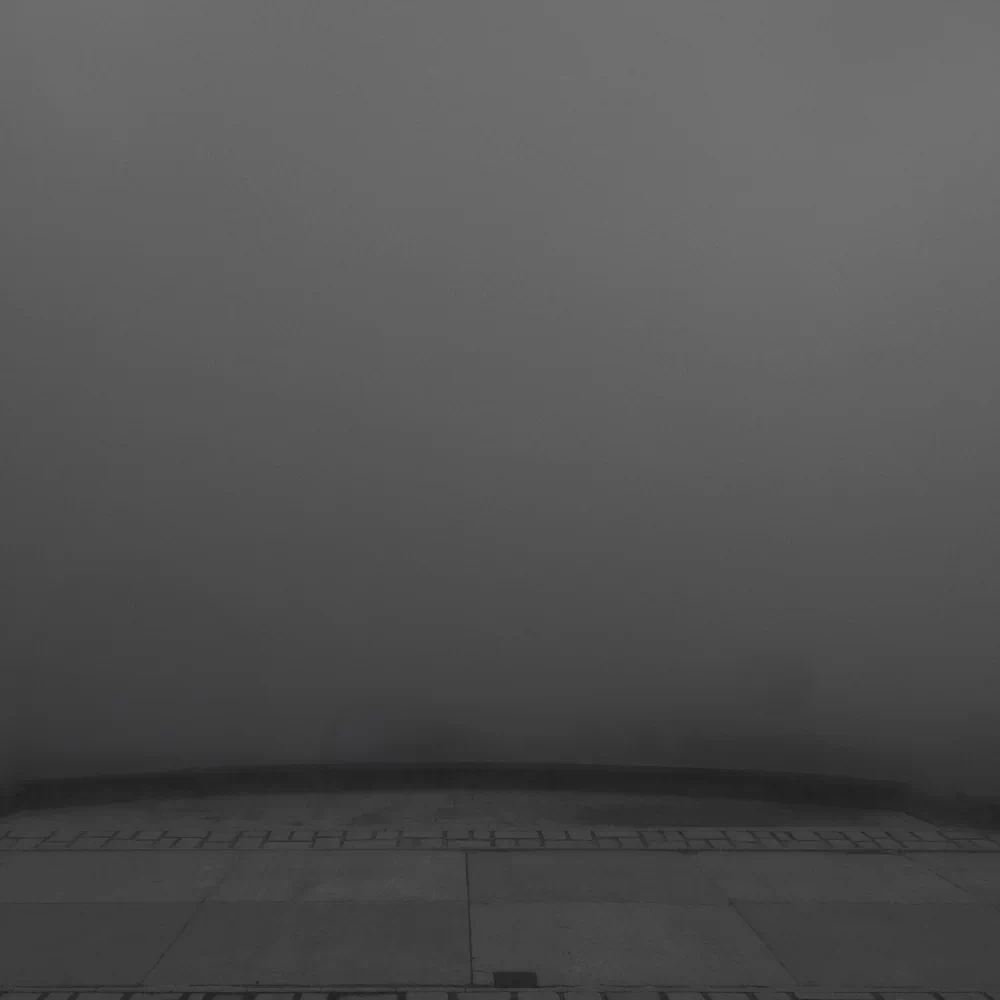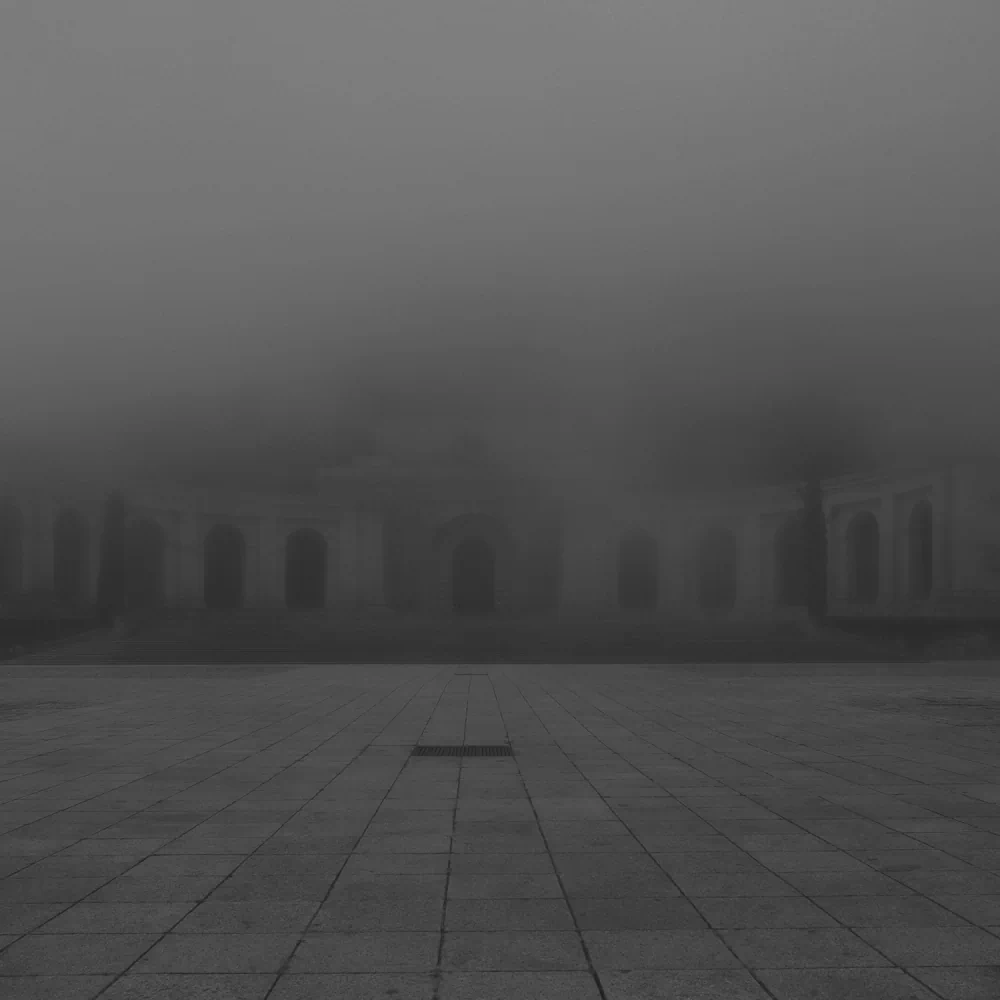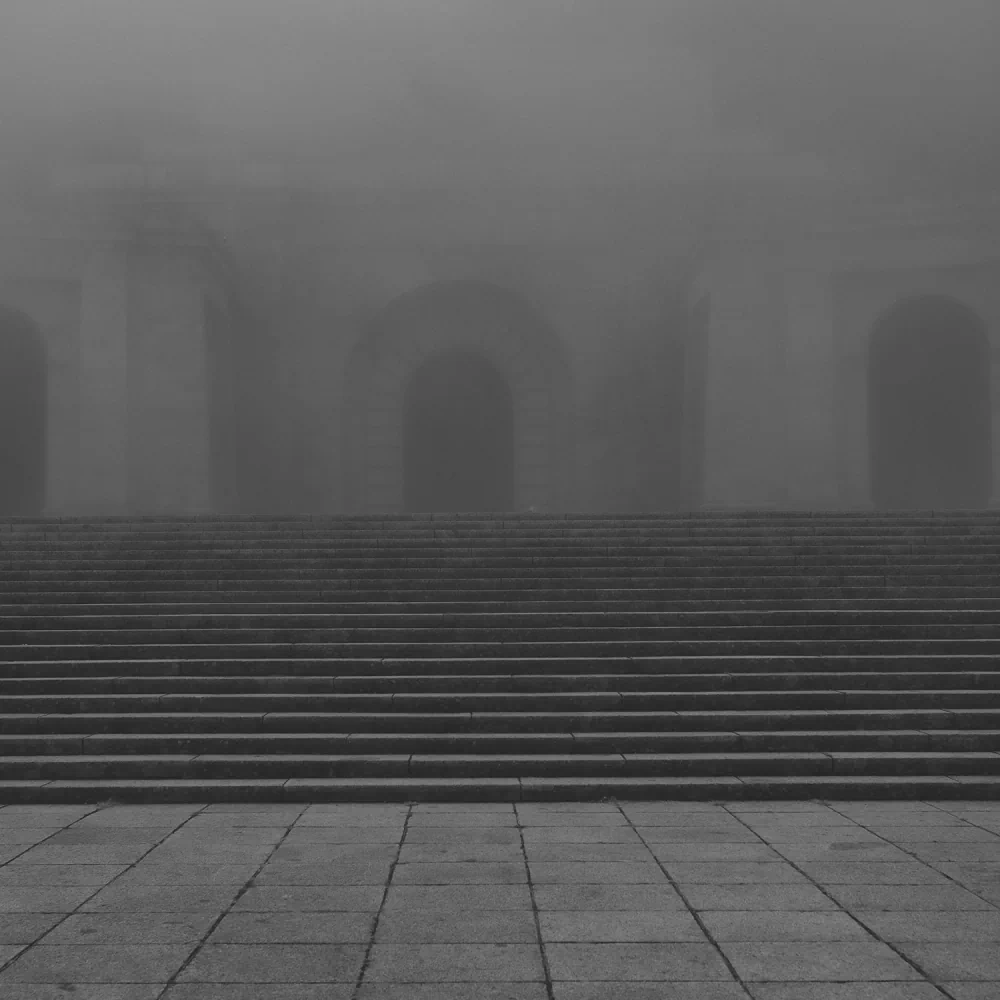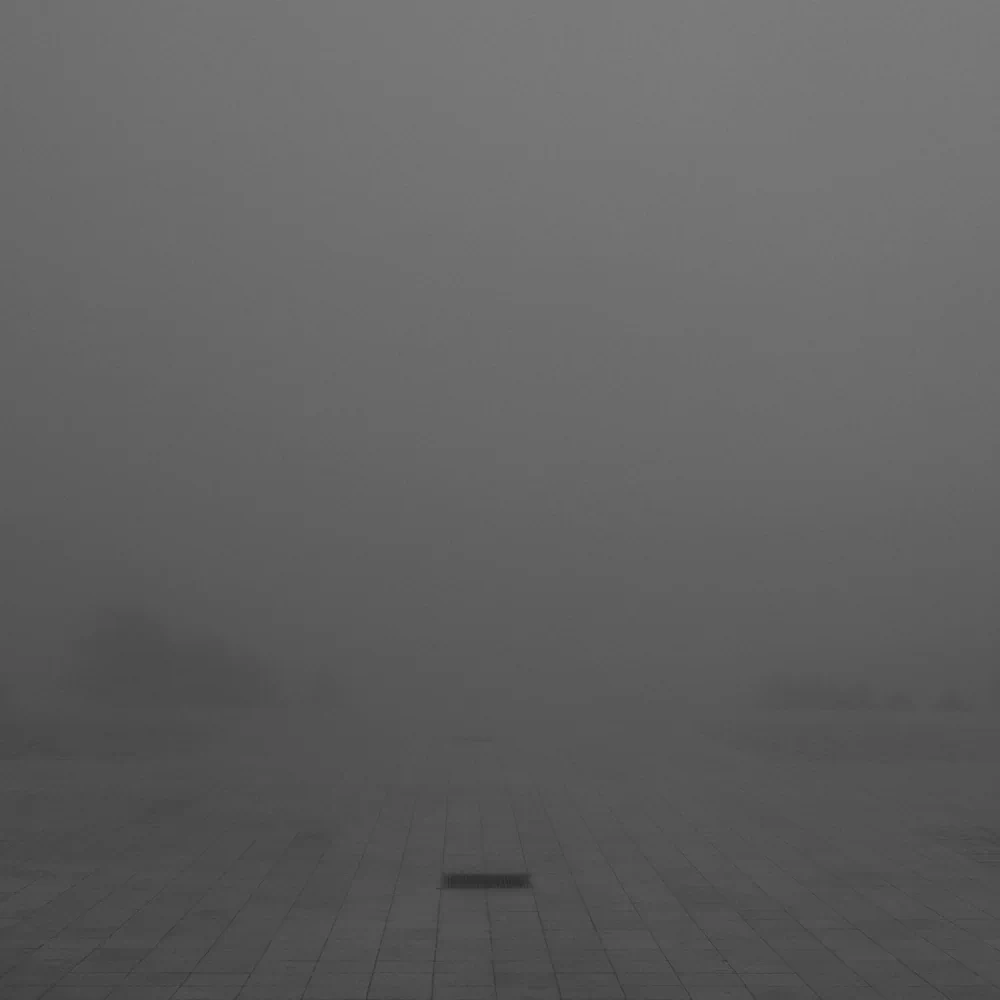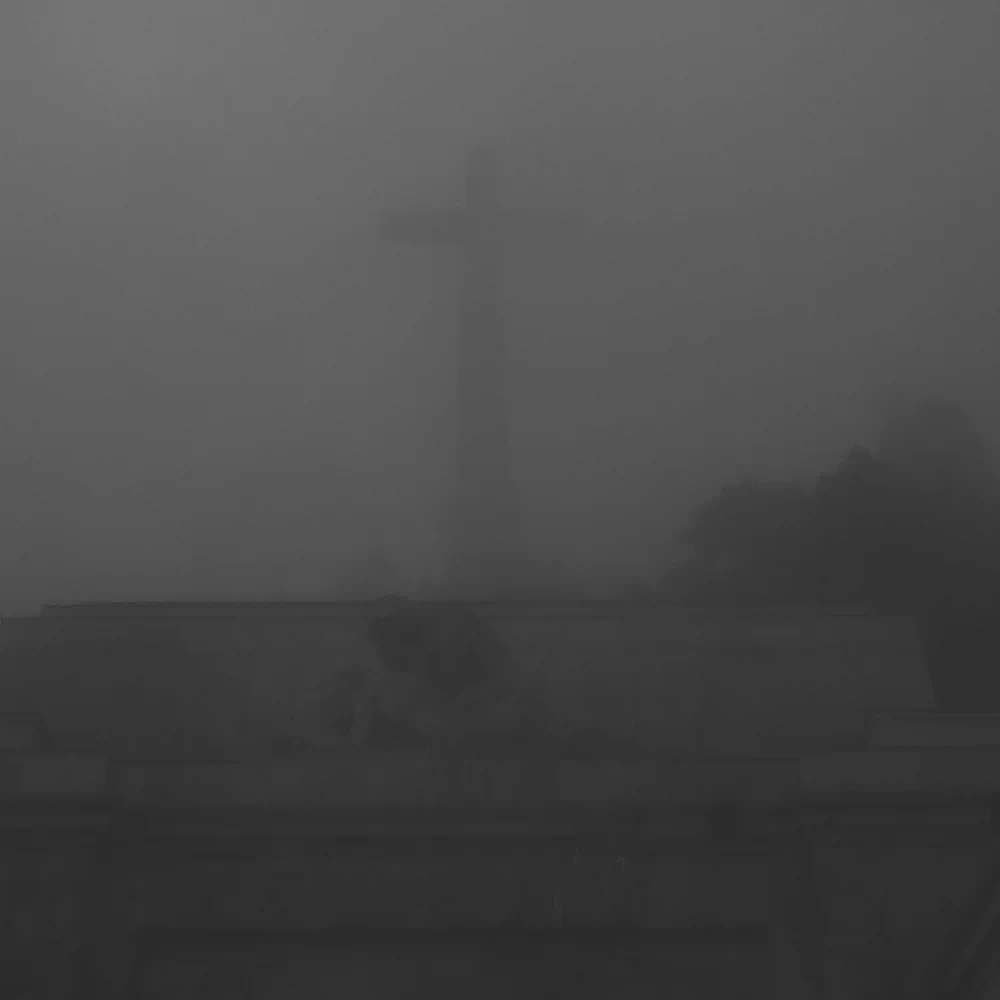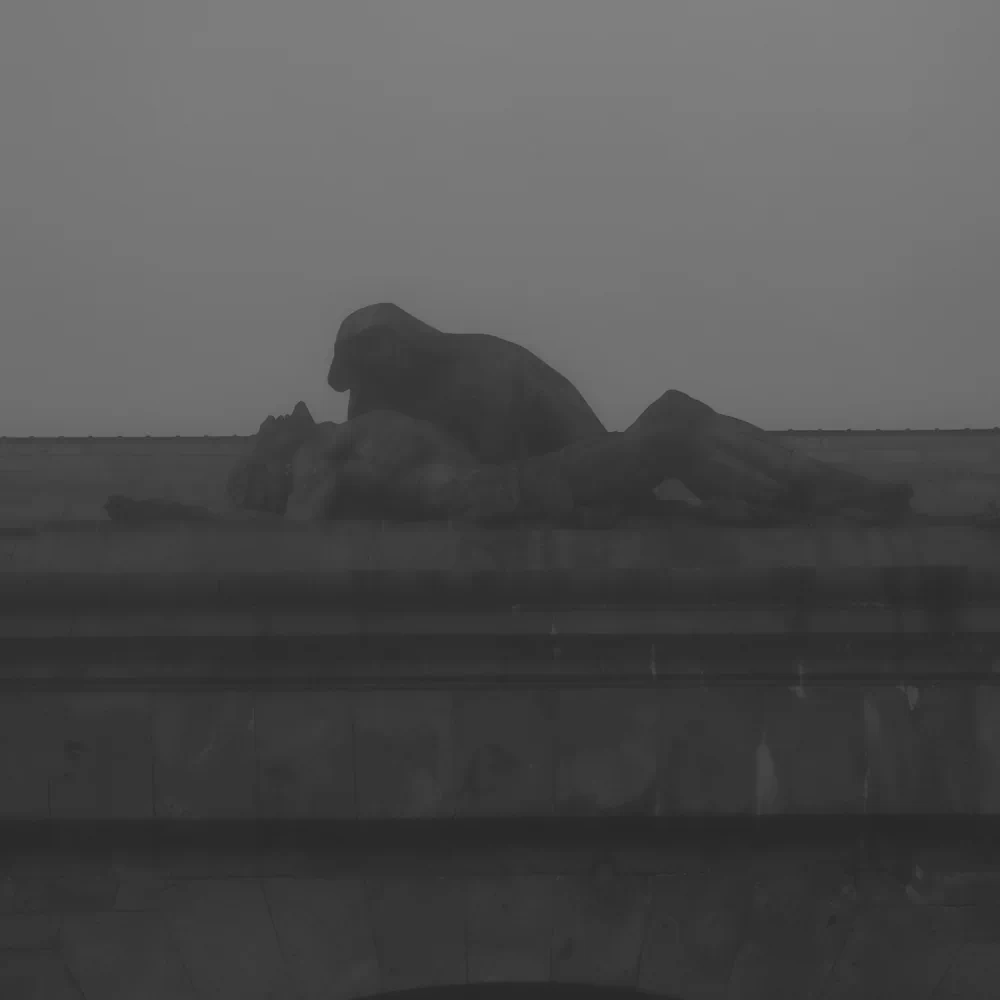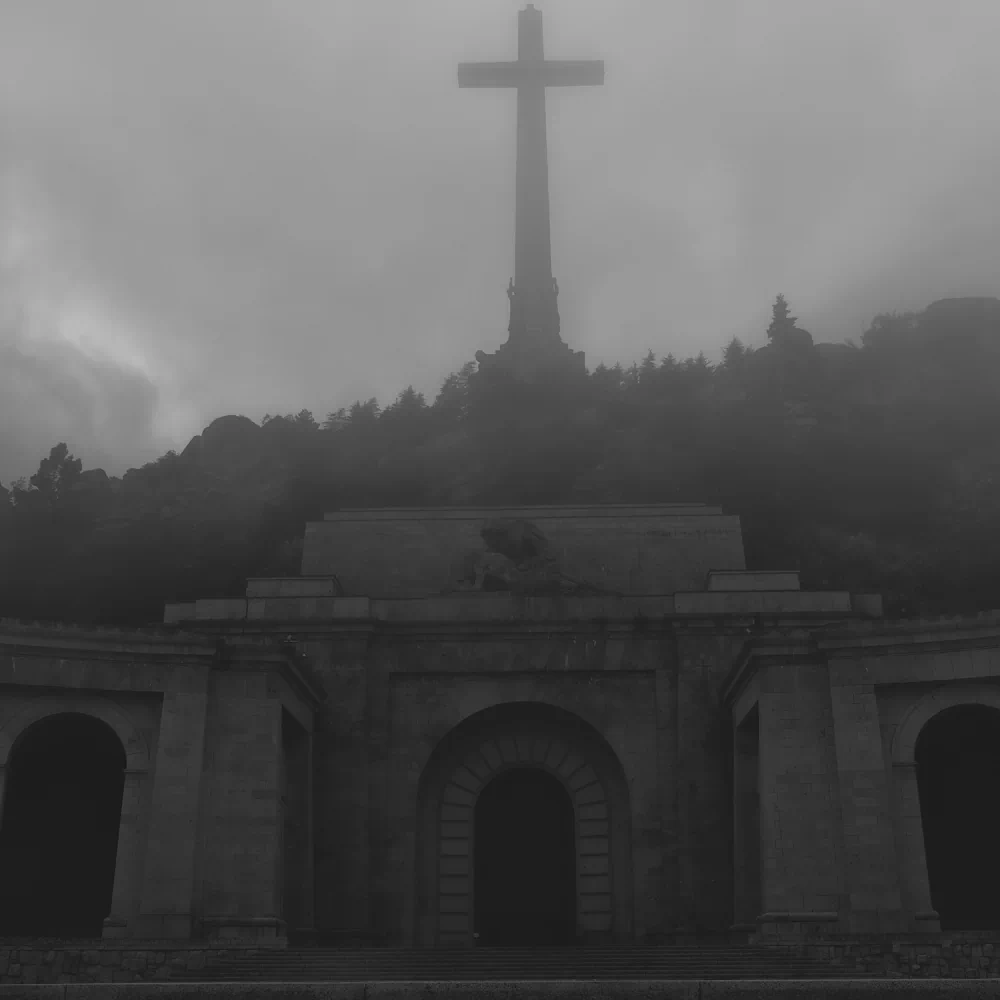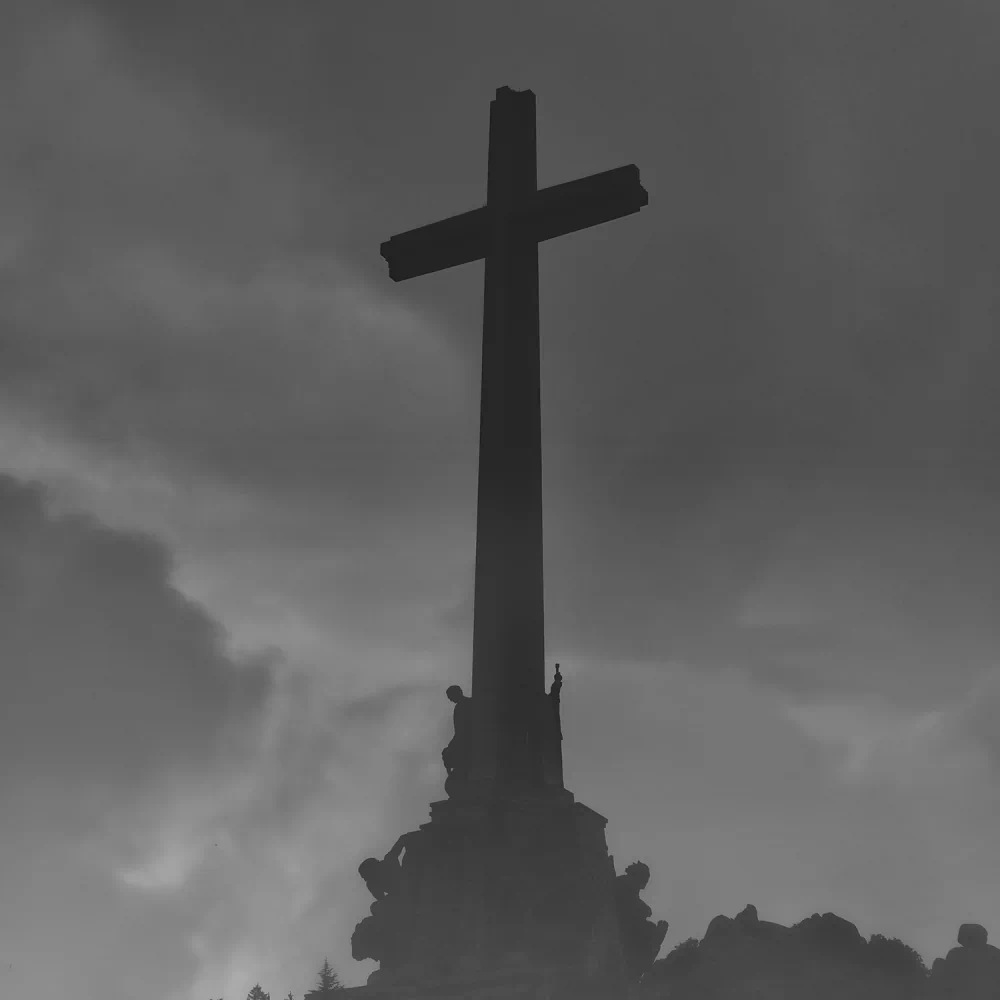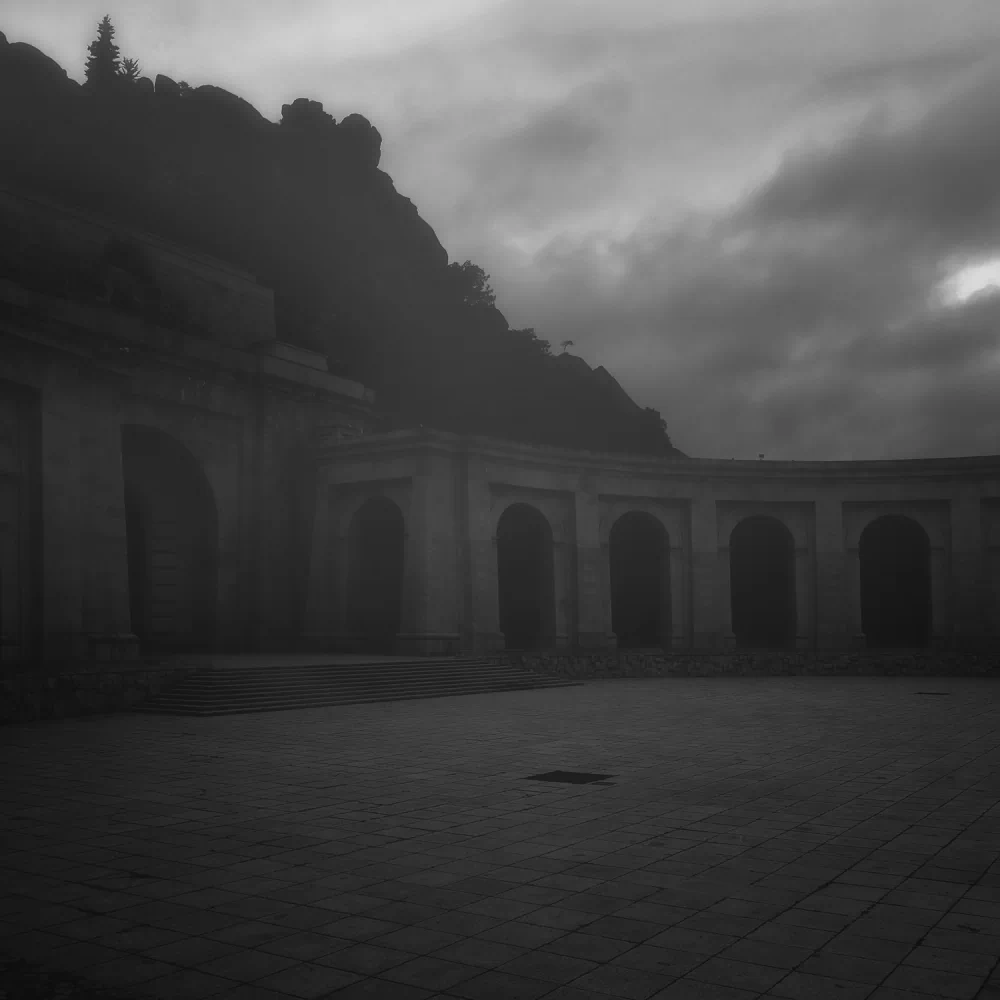

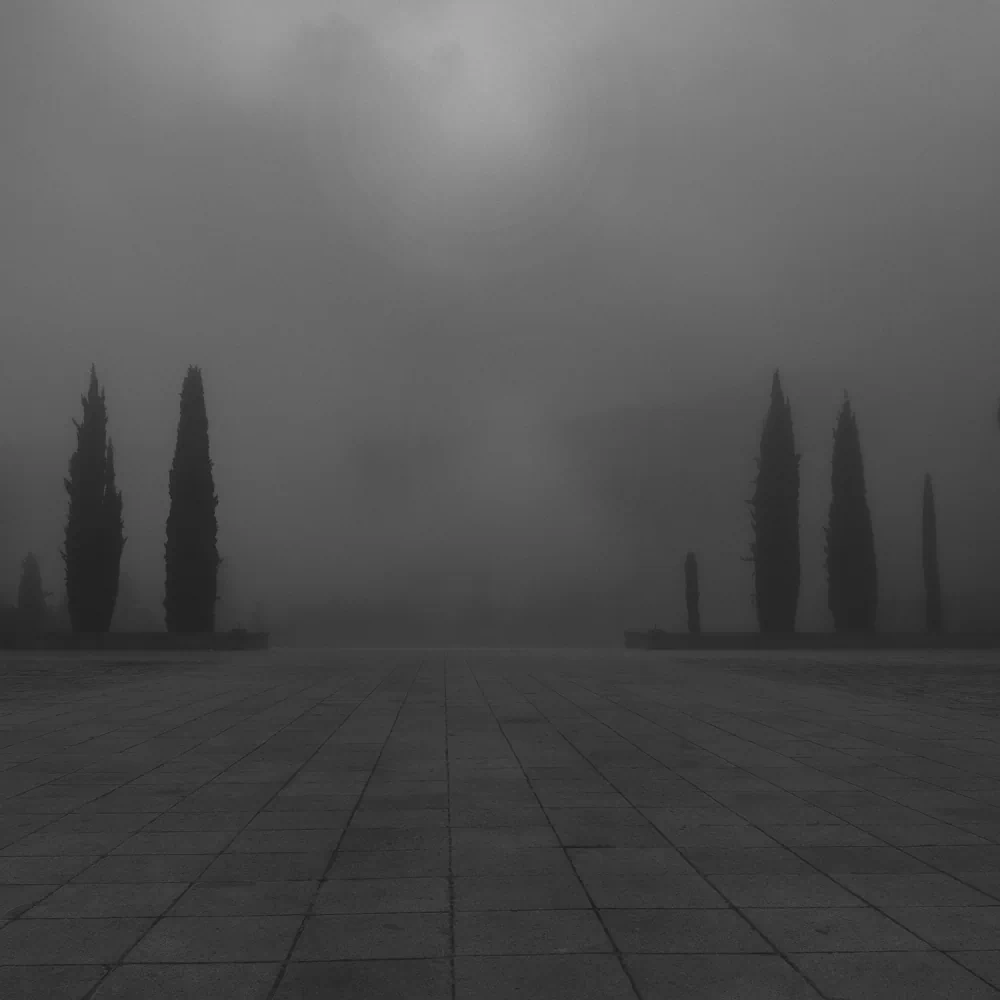
This series of thirteen photographs engages with the Valley of Cuelgamuros not as a static historical site, but as an unstable field of memory, power, and unresolved trauma.
Shrouded in mist, stripped of spectacle, and rendered with sober visual restraint, the images appear at first glance almost indifferent—monumental architecture reduced to grey mass, form hovering between presence and disappearance.
Yet this apparent neutrality is precisely where the work exerts its critical force. What seems quiet is charged; what seems distant is disturbingly near.
The Valley of Cuelgamuros, long associated with Francisco Franco and Spanish fascism, is a site whose ideological weight is impossible to ignore. Built through forced labor by political prisoners and conceived as a triumphalist symbol of the regime, it embodies a violent attempt to monumentalize victory and impose a singular historical narrative. To photograph such a place is inevitably to enter moral and political terrain. Rather than confronting the monument head-on through dramatic angles or overt symbolism, this series opts for withdrawal. The camera does not accuse; it waits.
Mist plays a central role throughout the sequence. It functions not merely as an atmospheric condition but as a conceptual device. The fog obscures edges, flattens depth, and dissolves hierarchy. The colossal cross—designed to dominate landscape and consciousness alike—loses its visual authority. It remains visible, yet unstable, as if its claim to permanence were eroding before our eyes. In this sense, the mist becomes a metaphor for historical reckoning: a space where certainty dissolves and meaning must be actively questioned rather than passively received.
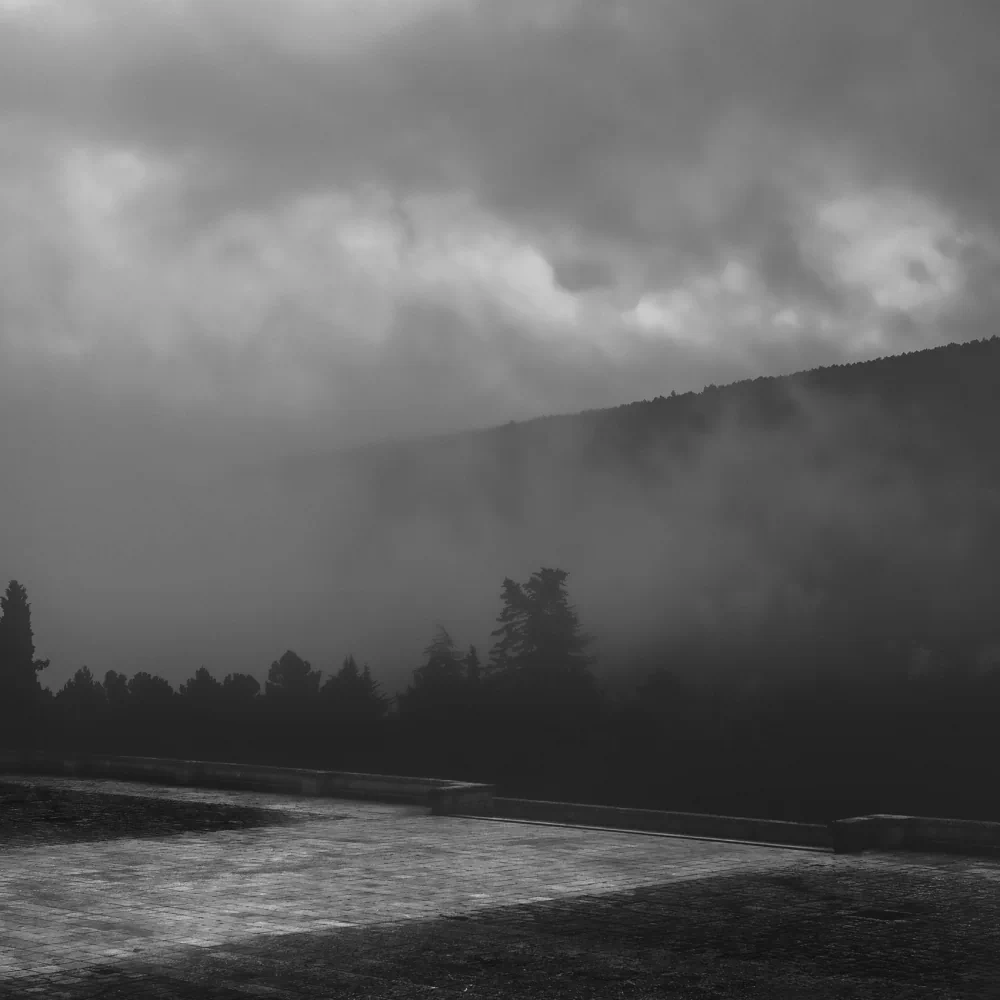
This visual strategy resists the spectacular pull of fascist architecture. Fascism thrives on clarity, scale, and domination of vision. These photographs deny that clarity. The monument is neither glorified nor sensationalized; it is rendered mute, almost banal. But this banality is deceptive. The work insists that ideological violence does not always announce itself loudly. Sometimes it persists precisely through silence, neglect, and the normalization of what should remain troubling.
The series unfolds slowly, image by image, mirroring the labor of remembrance itself. There is no decisive frame that explains the site or resolves its contradictions. Instead, repetition and subtle variation invite a contemplative mode of viewing. The viewer is asked to linger, to confront their own expectations of what political photography should look like. Where is the drama? Where is the explicit condemnation? The absence of these elements is not a lack, but a refusal—a refusal to turn history into a consumable image.
Emotionally, the photographs operate in a restrained register. They do not demand outrage or grief; they allow it to surface gradually. The emptiness of the spaces, the absence of human figures, and the subdued tonal range evoke a sense of suspended time. This is not the past safely contained, nor the present fully addressed. It is an in-between state, echoing Spain’s long and complex struggle with historical memory, silence, and delayed confrontation.
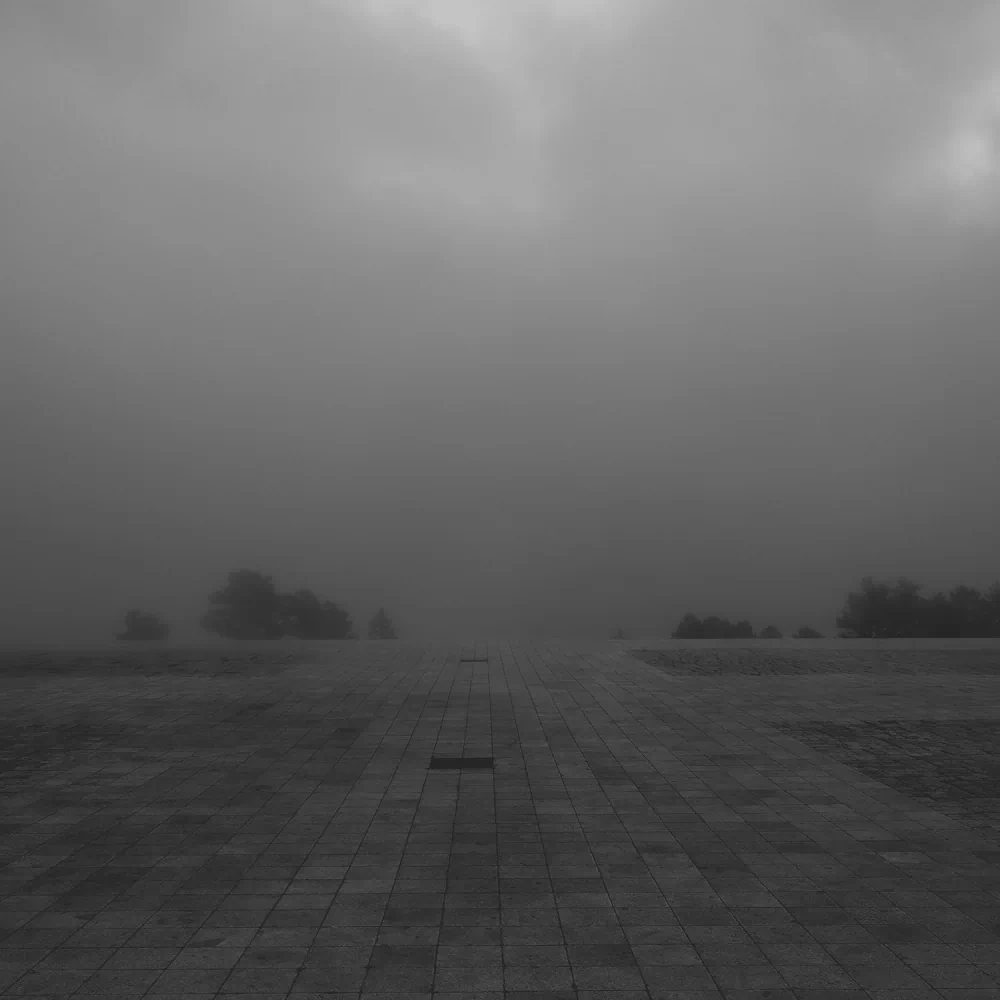
Intellectually, the work engages with questions central to contemporary debates on monuments and memory. What does it mean to preserve a site built by and for an authoritarian regime? Can such structures be neutralized through recontextualization, or do they inevitably continue to exert symbolic power? By photographing the Valley of Cuelgamuros as visually diminished yet stubbornly present, the series suggests that erasure and preservation are not opposites, but entangled processes. The monument fades, but it does not disappear. Its meaning is unstable, contested, unresolved.
Crucially, the photographs do not offer redemption. There is no catharsis, no clear moral closure. Instead, the viewer is left with a sense of unease—a recognition that history does not dissolve simply because it is obscured. The mist may soften the contours of stone, but it does not absolve the weight they carry. In this way, the work avoids both nostalgia and didacticism. It does not tell us what to think; it creates the conditions in which thinking becomes unavoidable.
Ultimately, this series understands photography not as a tool of revelation, but as a medium of tension. By showing less, it demands more—from the viewer, from historical consciousness, and from the present moment. The Valley of Cuelgamuros emerges not as a relic of a concluded past, but as a living question mark. Quiet, opaque, and unresolved, these images remind us that the most dangerous monuments are not always those that shout, but those that endure in silence.
About Frank Verreyken
Frank Verreyken, trained in photography at the Academy of Fine Arts in Antwerp, powerfully channels his background into both painting and photography. He masterfully blends conceptual, abstract, and figurative approaches, consistently embracing heterogeneous methods and innovative practices. Through his distinctive technique, his work evokes profound emotional responses, addressing themes such as loneliness, social issues, and human vulnerability, and inviting viewers to reflect deeply and engage emotionally.
Most of Verreyken’s exhibitions have taken place in alternative spaces and within independent circuits. It is in these contexts that he has been able to present his work in an unrestrained and experimental manner. Nevertheless, he has also exhibited internationally in cities such as London at The Photographers’ Gallery, Washington, D.C. at the Millennium Arts Center, and Dresden, where he participated in Portraits – Hellerau Photography Award, among others. [Official Website]