
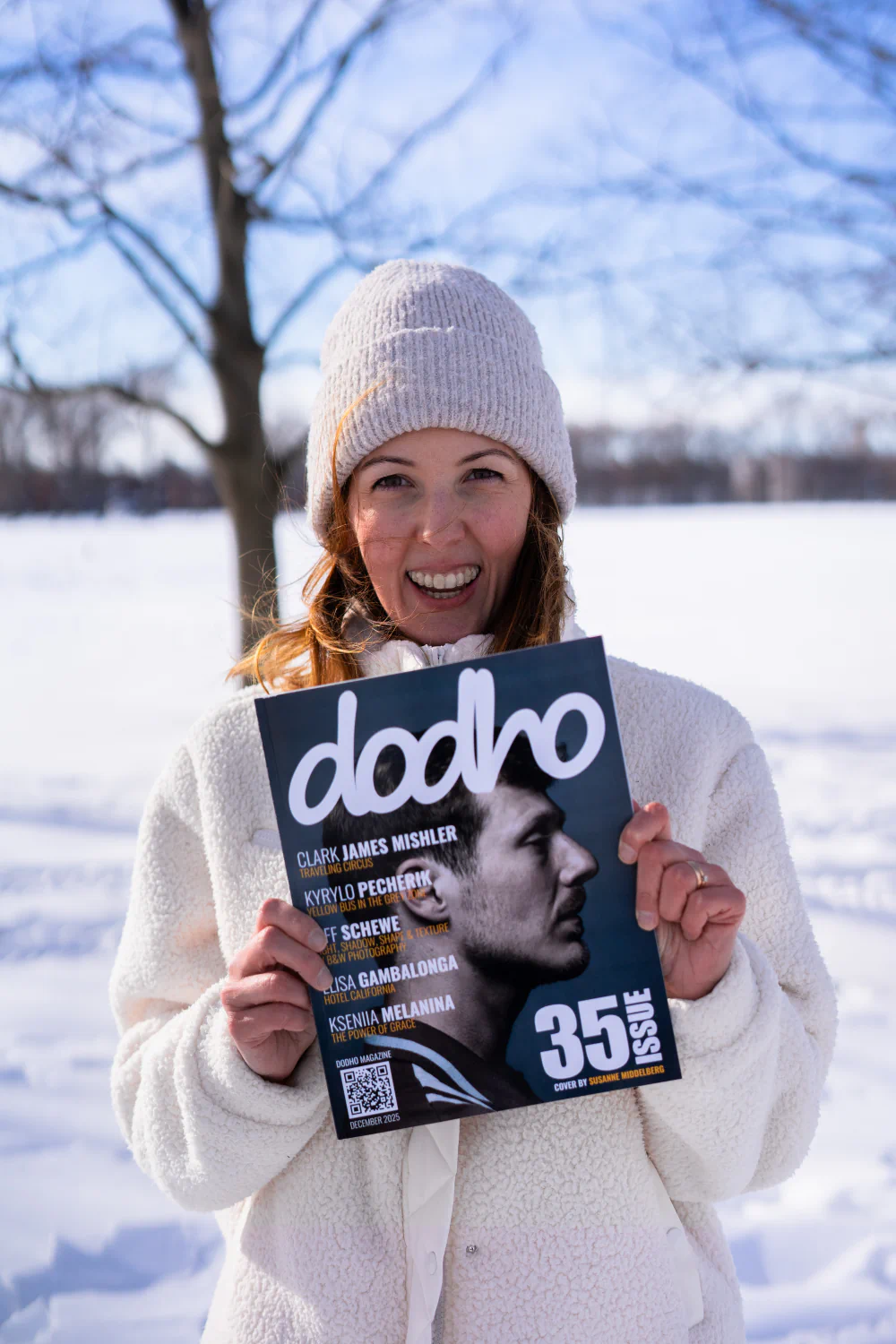
Kseniia Melanina is one of the featured artists in Issue 35 of Dodho Magazine.
Her work develops through a progressive and conscious relationship with photography, understood not only as a technique but as a way of seeing and thinking about the world.
In this interview, we speak with her about the moment when the image became part of her way of observing reality, the motivations that now activate new projects, and the relationship she maintains with photography at this stage of her career. [Official Website] [Issue #35]
When did you begin to feel that photography stopped being just a learned technique and became part of the way you see the world? What led you to choose it as your main means of expression?
I can’t identify one specific moment when this shift happened. I know for sure that my sensitivity to beauty and my habit of observing the world started in childhood, and became more conscious after studying at the Faculty of Architecture — when you are trained to see form, color, rhythm, and composition. All of this exists in our everyday environment. You simply begin to see and feel it, and different techniques help you translate that perception.
I chose photography because of its emotional precision. There are moments you don’t consciously register with your eyes but feel intuitively. Photography allows me to capture those fleeting seconds and transform emotion into a visible form that can be shared. This immediacy — the ability to materialize a feeling almost instantly — is something I haven’t found in other artistic practices.
What drives you today to start a new project? How would you describe your current relationship with photography at this stage of your career?
This is a very interesting question. As I mentioned in Dodho issue 35, I also work as an architectural 3D artist. It’s a creative and engaging job, but after several years in this field, I realized that spending most of the day in front of a computer screen can feel mentally exhausting and disconnected from real life.
Photography entered my life at first as a hobby — I took courses simply to step outside that digital routine. But I quickly understood that these moments behind the camera are when I feel most alive. I deeply enjoy the process of communication during photoshoots and discovering people, because every person — and every shoot — is unique.
I would say that at this stage of my career, I have a clear understanding of my strengths and visual language, while still maintaining curiosity. I’m eager to explore, experiment, and learn. Ideas usually come to me after watching films, traveling, or simply observing the world and online spaces — when that happens, I create mood boards and start looking for people who might resonate with the theme.
The Power of Grace stems from a very specific experience. What led you to begin this project, and how did it change as it developed?
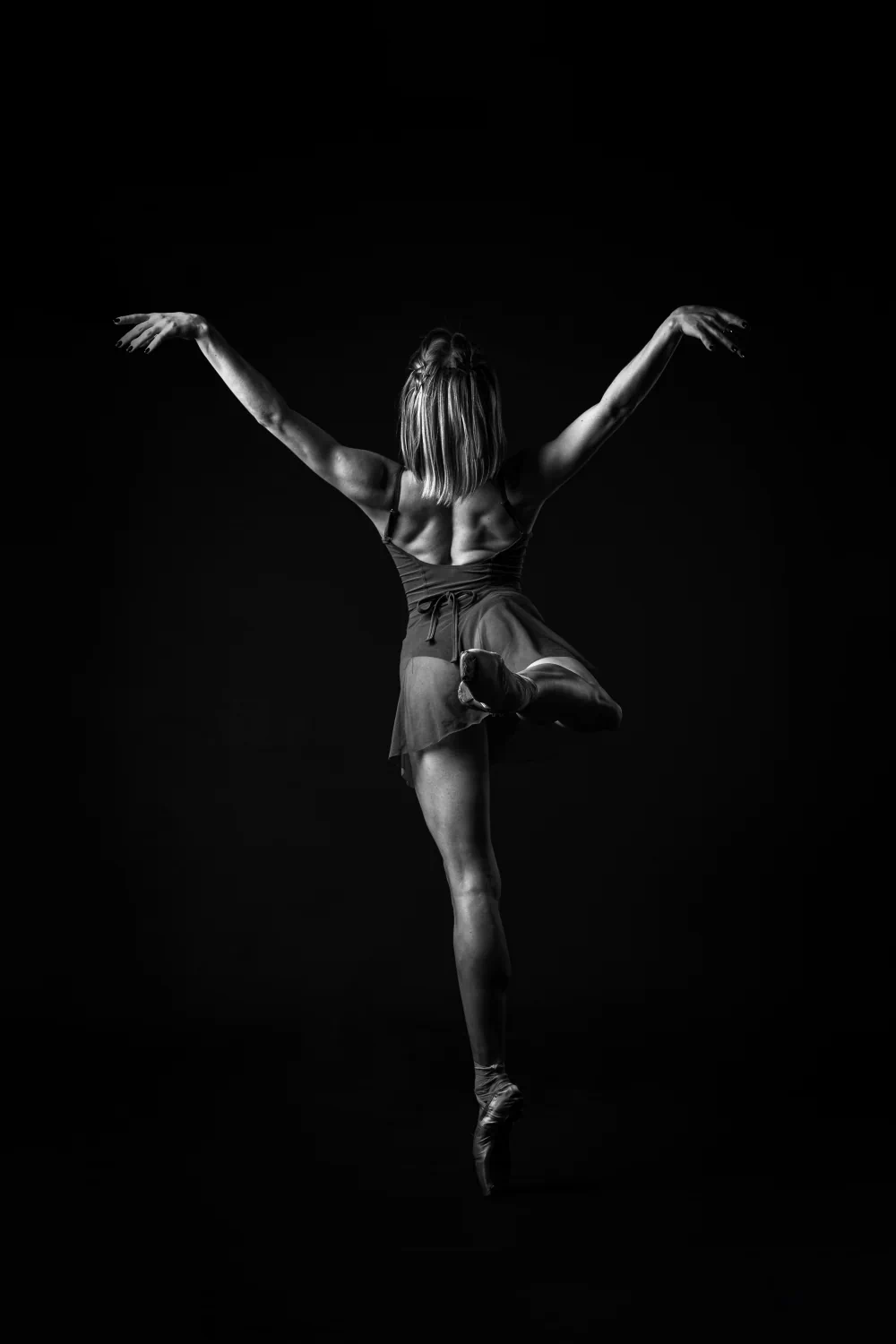
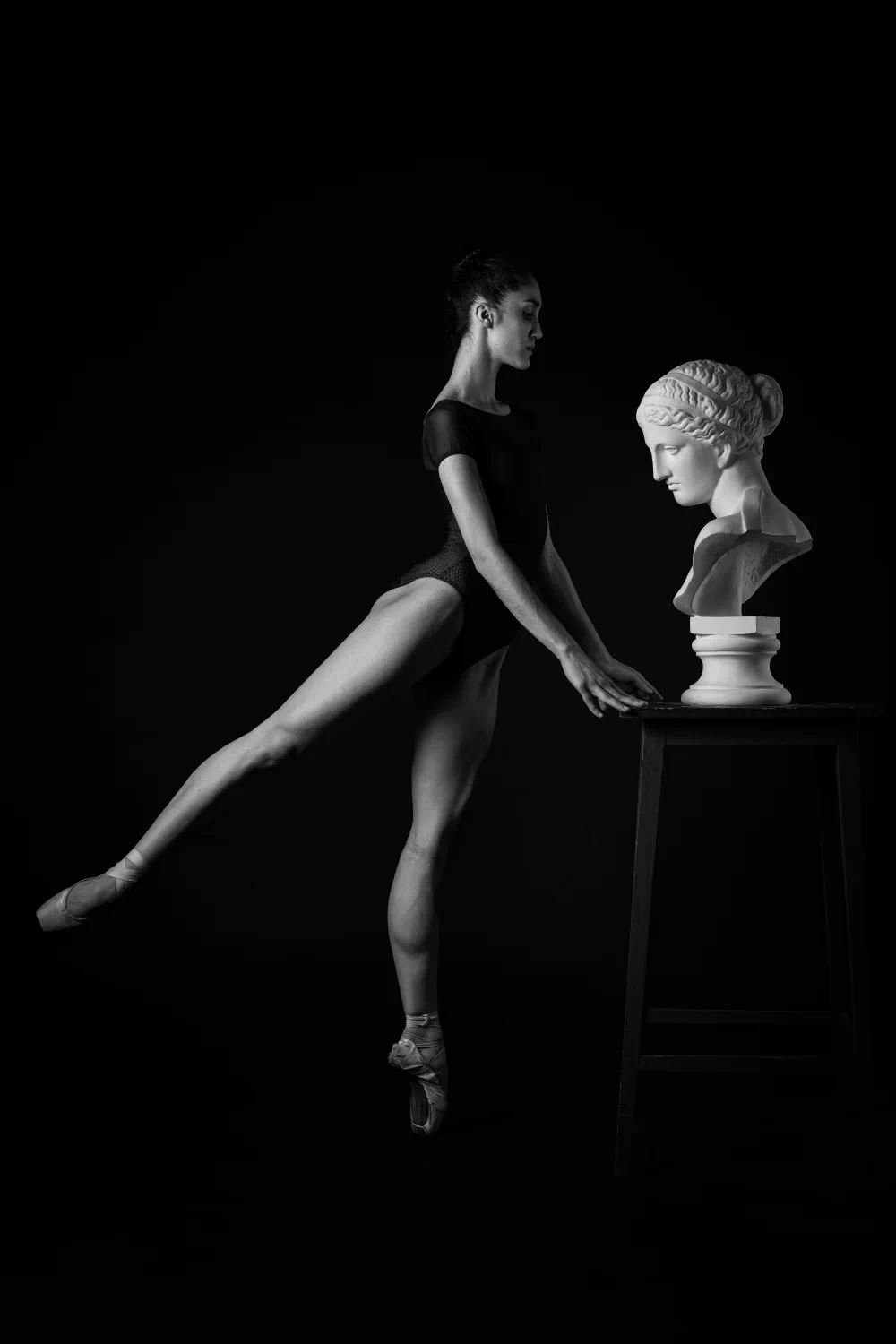
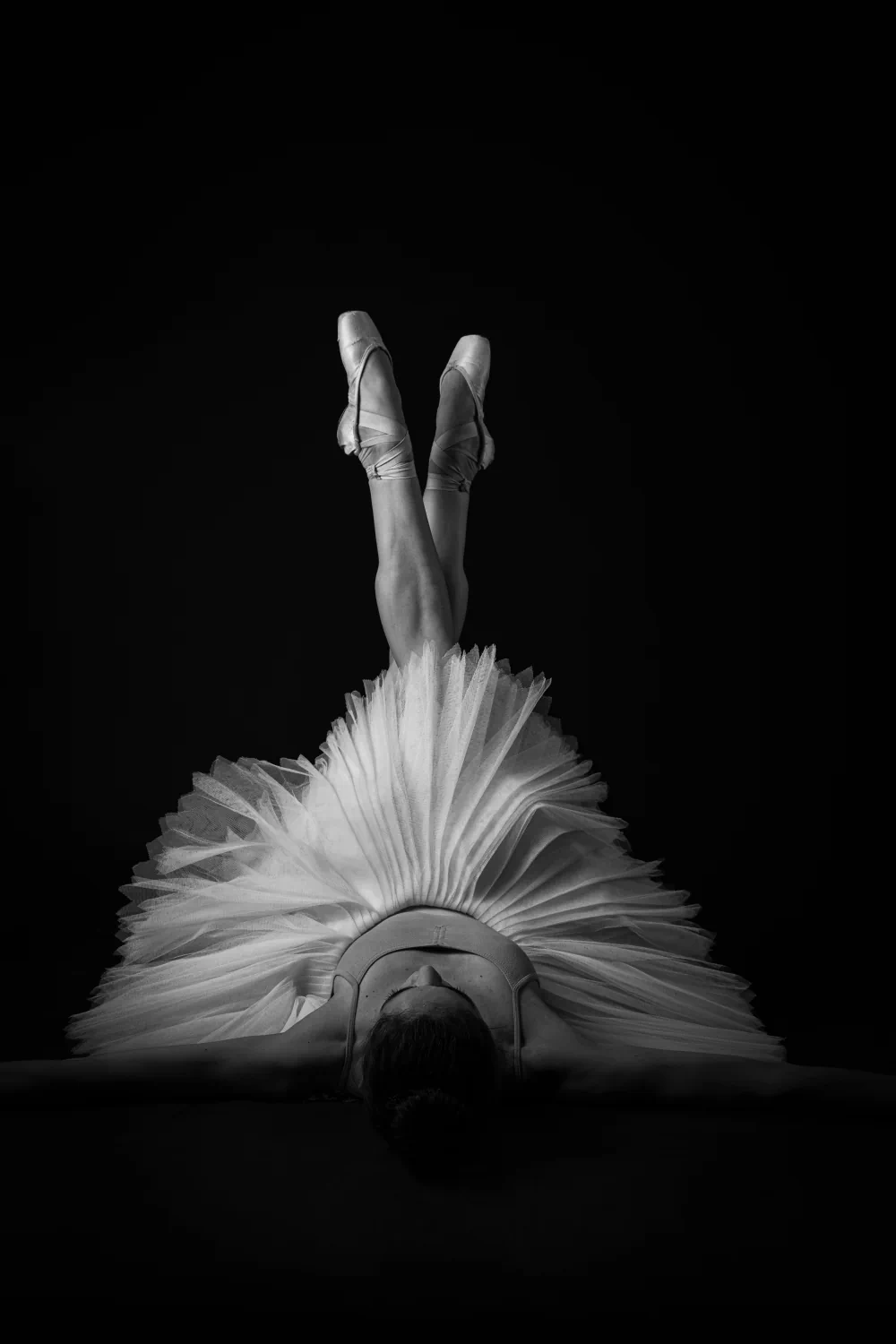
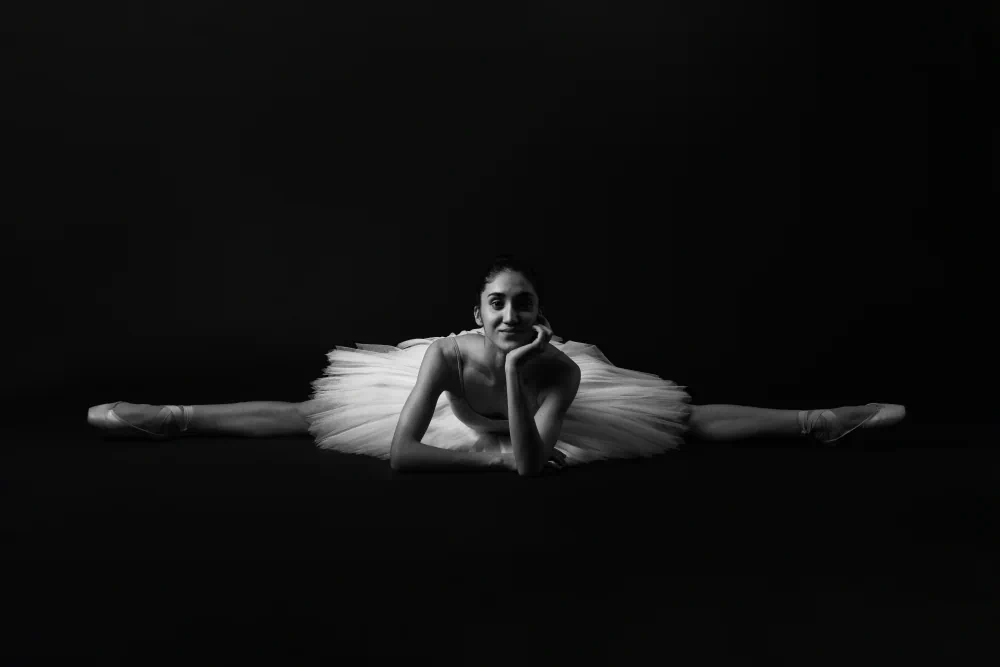
This photo series was created in 2022. At first, I simply wanted to photograph ballerinas — without any deeper meaning, just because it seemed incredibly beautiful. I began looking for dancers who would agree to the shoot, and fortunately, I found them. During the session, I discovered the true world of ballet — a world of strength, energy, and dedication.
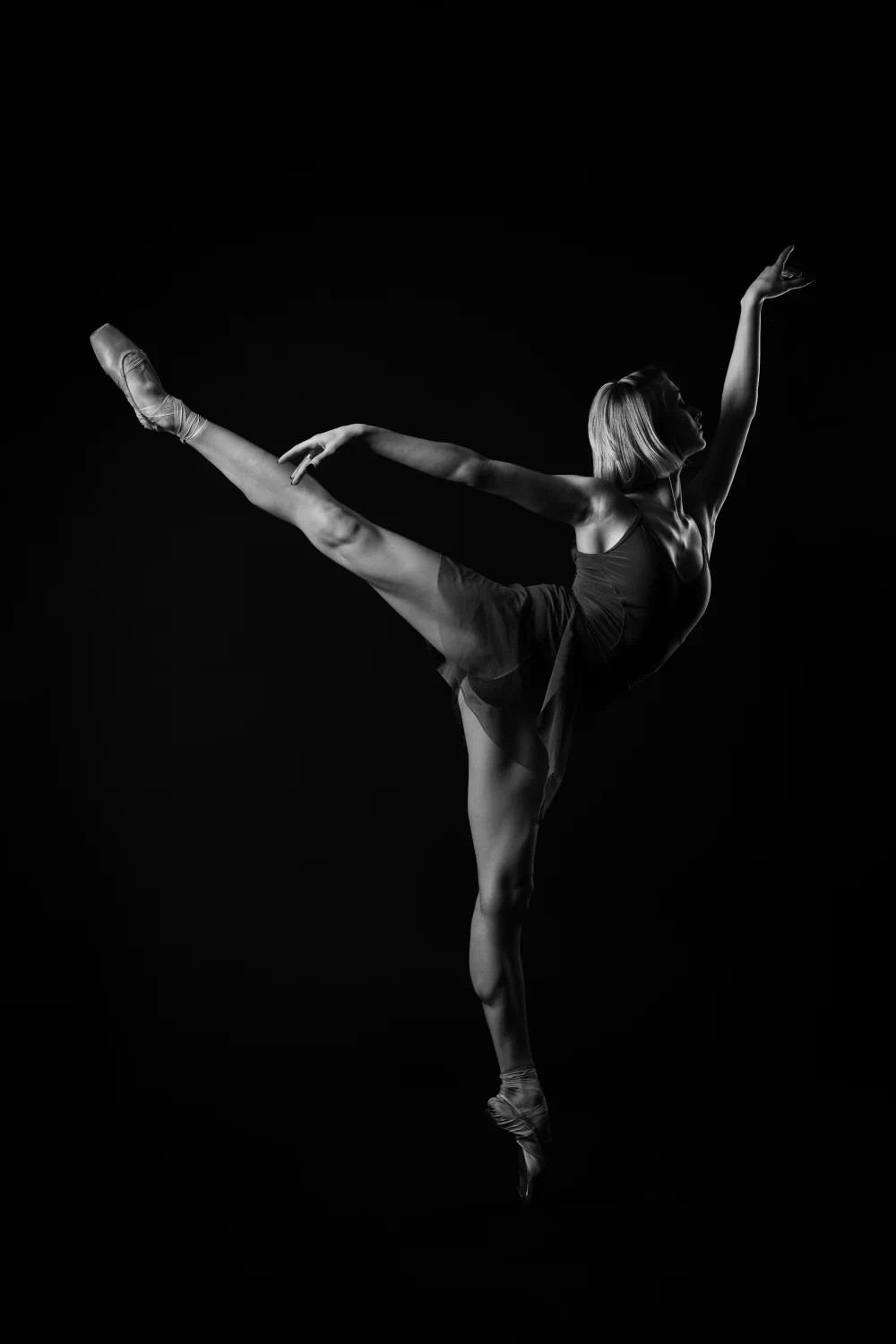
These young women live their craft, dancing despite fatigue and injuries, constantly striving for perfection. The shoot lasted several hours, and they danced tirelessly. This series became a revelation for me: the grace and beauty of a ballerina are only the outer shell, behind which an incredible inner power is hidden.
This was my first shoot of this kind, and later I continued photographing gymnasts of different ages. They are truly remarkable. Watching five-year-old girls push their bodies to the absolute limit reveals an immense level of discipline and dedication — a process that shapes their character for life.
The Power of Grace is built around the body and resistance. How do you establish a relationship with the people you photograph, and what changed in your understanding of the project during the editing process?
My understanding of the project didn’t change during editing — it was already fully formed during the shoot. The editing process only deepened my admiration for the strength and musculature of the dancers’ bodies.
Building a relationship with the people I photograph is central to my process. I communicate constantly during the shoot, creating a friendly and safe environment that allows for openness and authenticity. I’m genuinely curious about people and their paths, and this sincerity often turns a professional encounter into a personal connection.
In sports-oriented shoots, physical awareness is crucial. Adrenaline can push the body beyond its limits, so I carefully balance intense, dynamic moments with pauses, conversation, and laughter. This rhythm helps protect the dancer’s energy while preserving emotional honesty in the images.
Was there a moment when you felt the project began to tell you something you had not anticipated? How did that influence the final decisions?
Some images were planned in advance, while others revealed themselves during the shoot — such as a frame with a rock gesture that shifted the classical perception of the ballerina toward strength and attitude. This discovery later guided my editing choices, especially increasing contrast to emphasize muscular power.
An unexpected but important moment was realizing that the dancers, invited separately, had known each other for years. Their shared history created a warm, intimate dynamic during the shoot, which directly shaped the physical closeness and emotional tone of the final images, including moments where the ballerinas hug and support one another.
Your practice combines visual intuition and structure. Which aspects of the process do you control from the beginning, and which do you prefer to keep open?
There is always a general idea at the beginning. Often, I already have key shots in mind — we plan them during preparation, thinking through the necessary props, posing, and some lighting schemes in advance. At the same time, I always leave space for the process itself. Unplanned decisions often appear during the shoot, and very often they turn out to be the strongest ones.
I’ve noticed that the best images usually happen toward the end of a shoot, when there is more openness and a sense of freedom, and when experimentation feels natural.
From the very beginning, I also talk with the person I’m photographing about boundaries and comfort — what level of contact feels okay, whether I can adjust a pose, touch their hair, or help physically if needed. If the model feels comfortable, I always give them the freedom to play, to be silly, and to do whatever they want in front of the camera. Very often, these moments become the most alive, joyful, and genuine images.
Before starting a project, which technical decisions do you usually have clear, and which do you prefer to leave open so they can emerge during the process?
Often, we book a studio in advance or plan a specific location, so the environment already sets certain boundaries that can’t really be changed. In that sense, space becomes one of the first technical decisions, shaping the atmosphere of the shoot from the beginning.
The lenses I choose also define the overall visual language — whether the images will feel more intimate and compressed or open and expansive. These choices are usually clear to me early on, as they influence how I want the viewer to experience the subject.
Light, however, is always an element of magic. Of course, I plan the main lighting setups in advance, but I intentionally leave room for spontaneity. During the shoot, unexpected lighting solutions often emerge in response to the space, the person, or the emotional rhythm of the moment. Very often, these spontaneous decisions become central to the final images.
In this way, I see technical structure not as something rigid, but as a framework that supports intuition, allowing the work to evolve naturally during the process.
Over time, how has the way you look at and evaluate your own work changed?
Over time, I’ve become much more attentive to details and more self-critical. I constantly try to refine my skills and experiment with new approaches.
In the past, feedback from my close circle felt sufficient, but now I actively seek external evaluation. I participate in competitions and open calls to receive professional comments and guidance from peers, as I feel it’s time to move to the next level.
At the same time, my interest is gradually shifting toward more artistic photography — work that goes beyond commercial narratives and explores something deeper and more emotional. It’s important for me that photography remains a space for creativity and sensitivity, rather than becoming just a repetitive set of actions. That’s why experimentation and working with distinctive personalities and compelling subjects have become an essential part of my practice.
When you finish a series, what pushes you to begin another? How do you distinguish between an idea that attracts you and a real need to work on it?
Very often, new ideas emerge while I’m still editing a finished series. The process of working with images naturally leads me to think about what could come next, and I begin to plan future shoots.
Ideas also come from outside photography — after watching films, traveling, or simply observing what’s happening around me and online. I write these thoughts down and return to them when I have time. Sometimes, during discussions with people who approach me for a photoshoot, I unexpectedly reconnect with older ideas I’ve wanted to realize for a long time, and together we bring them to life.
I believe that a real need to work on an idea reveals itself when the right conditions come together. Time, people, place, and emotional state align, and the idea begins to feel inevitable rather than just attractive. That’s when it turns into a project.
At this moment, what would you like to explore without yet knowing what the final form of the project will be?
I feel that I have changed significantly over the past few years. The war that has happened to us has deeply influenced my personal growth and sense of maturity. Naturally, it has also shaped my desire to explore deeper and more complex stories.
Many of my projects involve working with Ukrainians, and for most people, life has been completely transformed in recent years. Almost everyone is experiencing an internal struggle. Some have stayed and continue to face daily hardships — power outages, lack of heating, constant military threats — while many have loved ones currently serving on the front line.
Others were forced to leave their homes and start life from scratch. Under the pressure of external circumstances, it is incredibly difficult not to break — to preserve one’s identity, culture, profession, and sense of self, while simultaneously adapting to new cultural rules, learning a new language, and often retraining for a new profession.
For this reason, I feel a strong need to create a large, long-term project that explores the lives of Ukrainians during the war and after its end. I want to speak with people of different ages and professions who are now living in different countries, and to understand their emotional journeys and how these experiences have reshaped their lives.