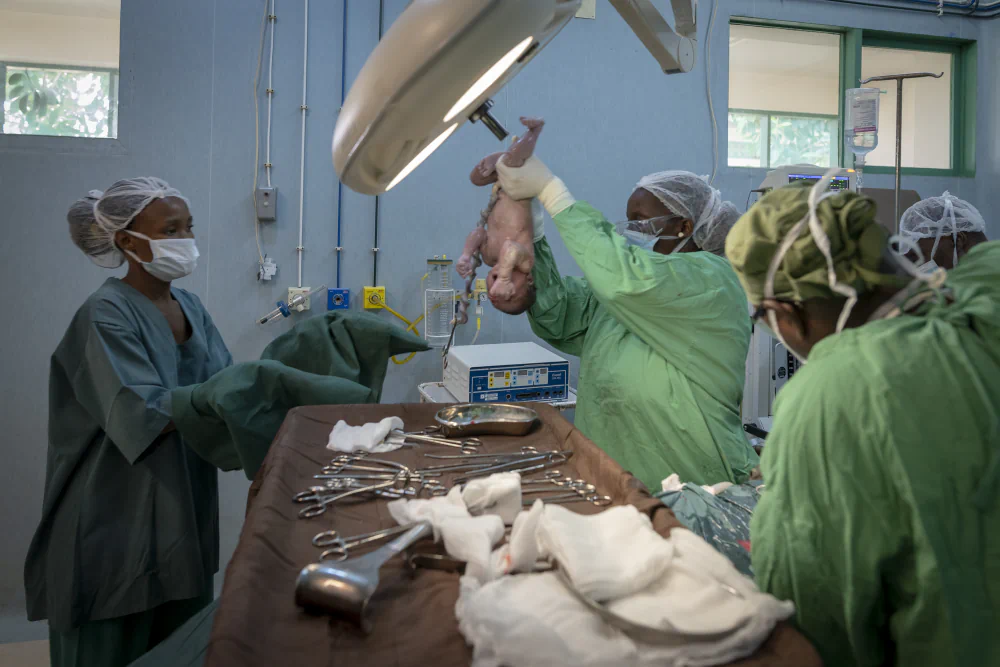

In the late 1970s, as a 33-year-old doctor directing a rural 120-bed hospital in Chókwè, Mozambique, I was responsible for the health of some 300,000 people.
The intensity and isolation of that work left lasting memories that followed me throughout my life.
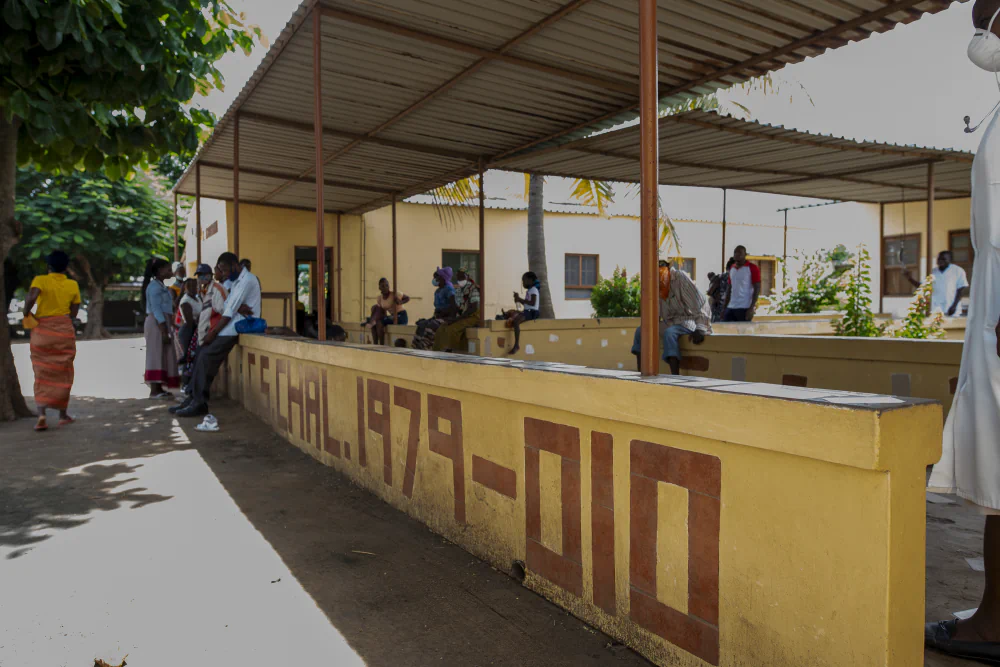
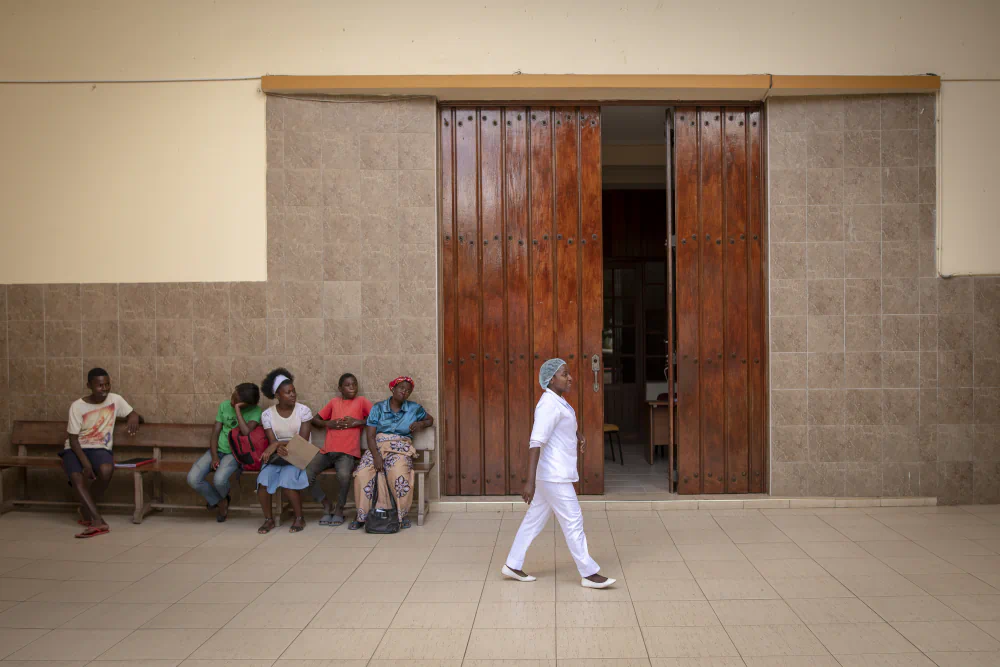
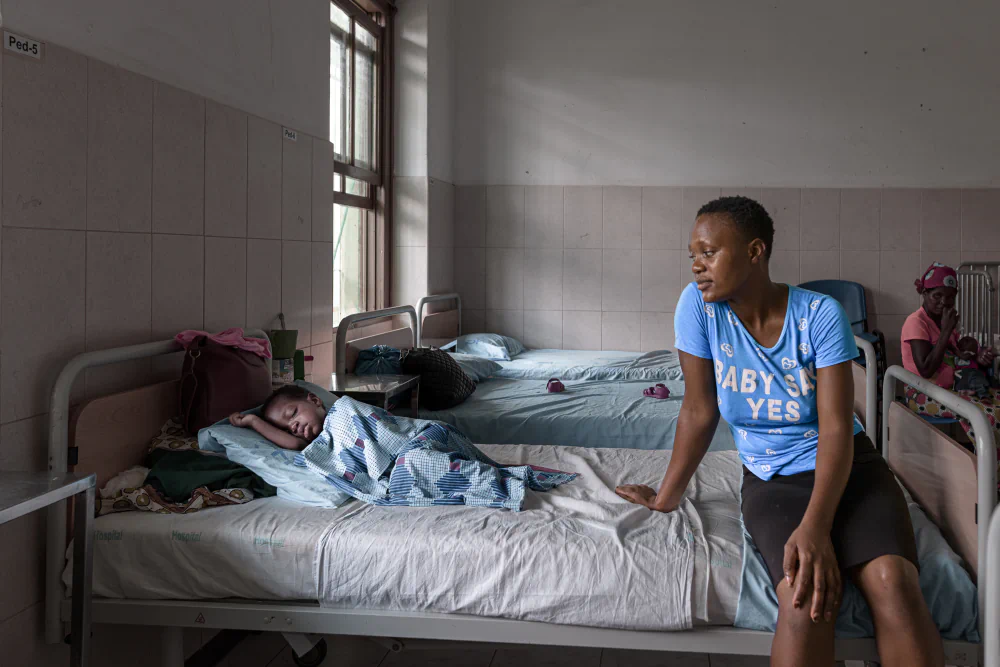
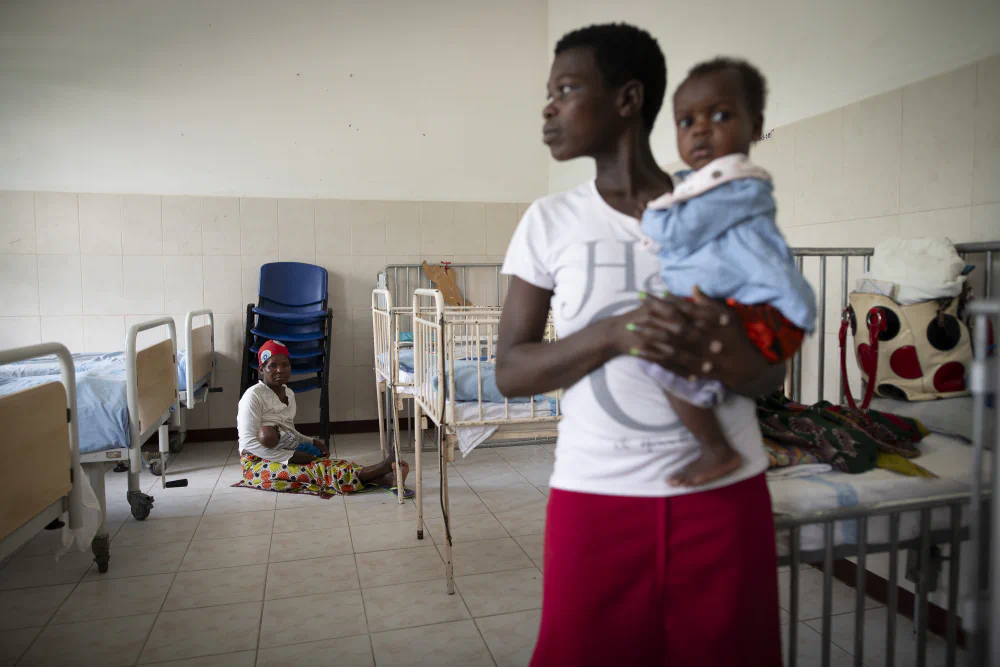
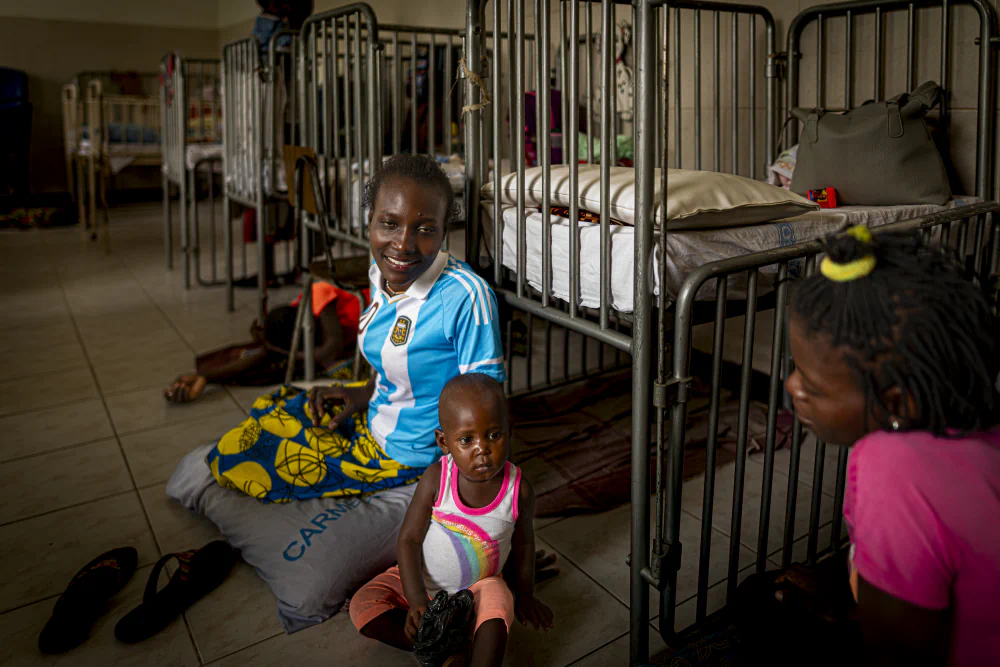
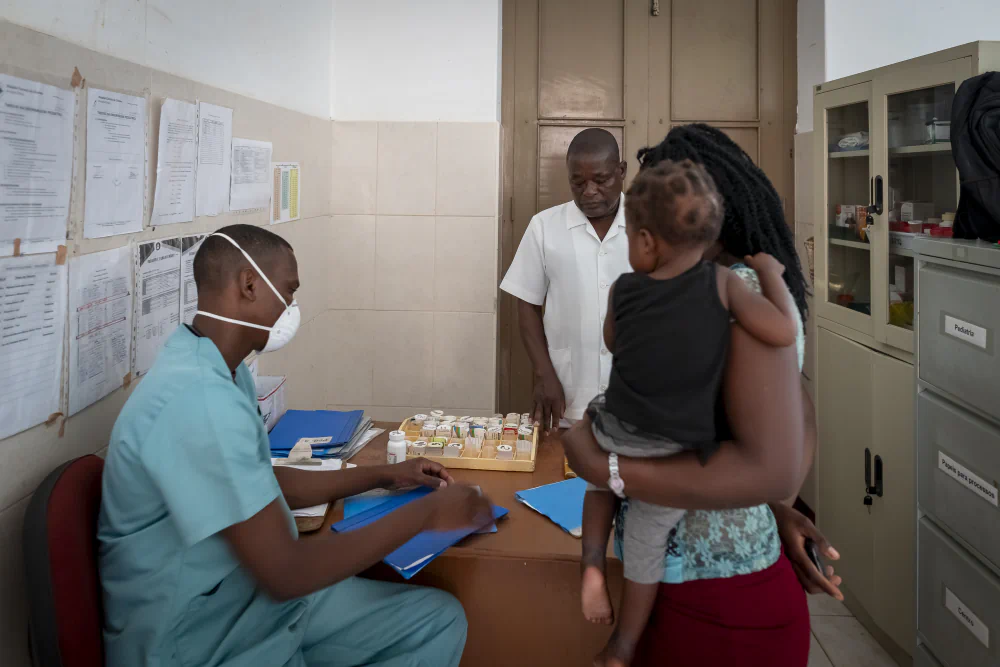
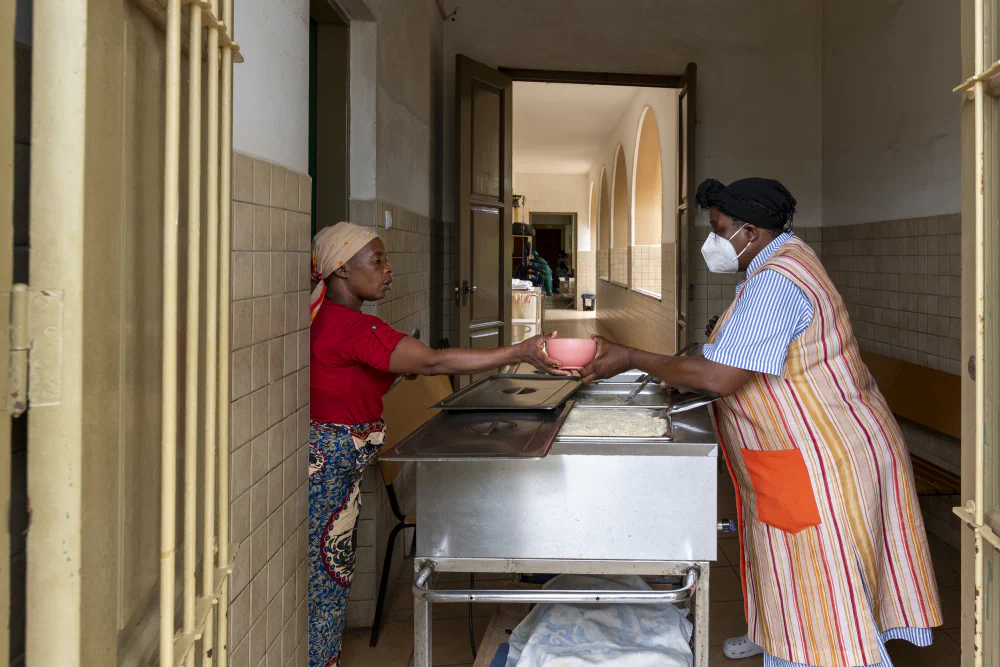
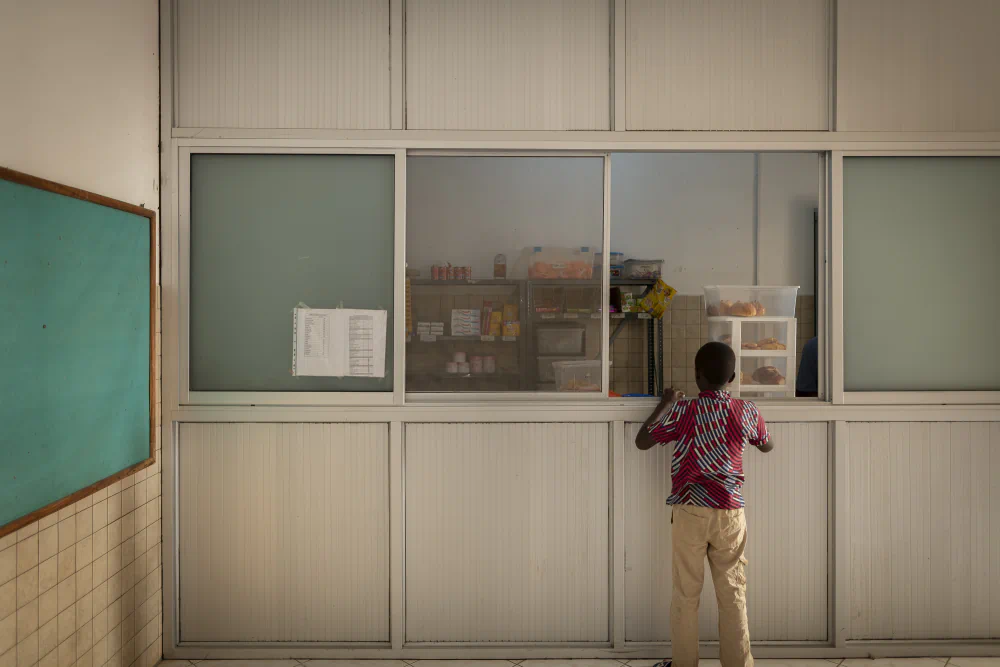
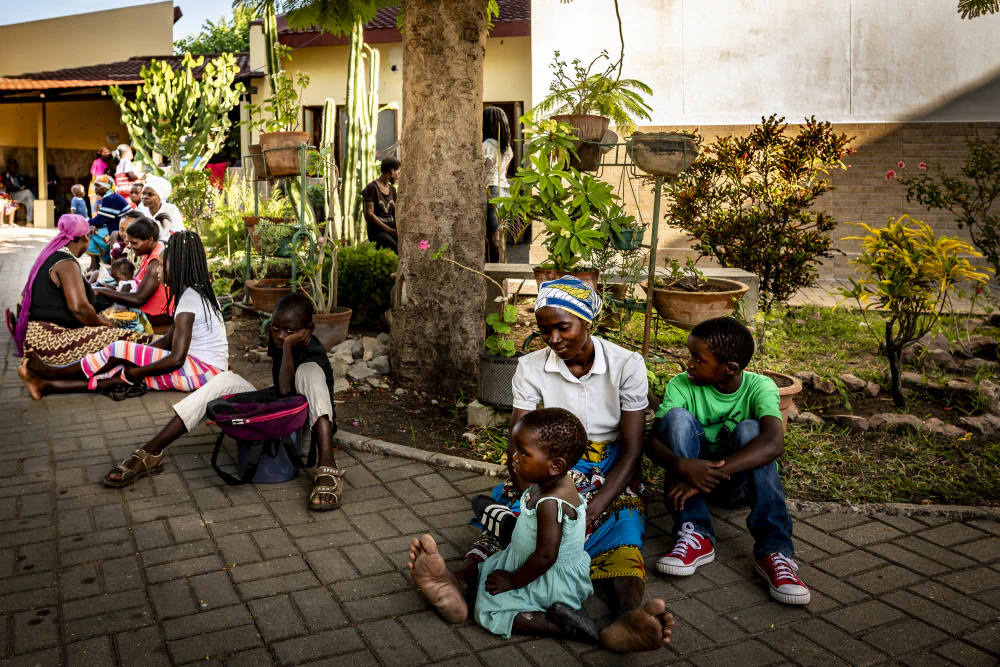
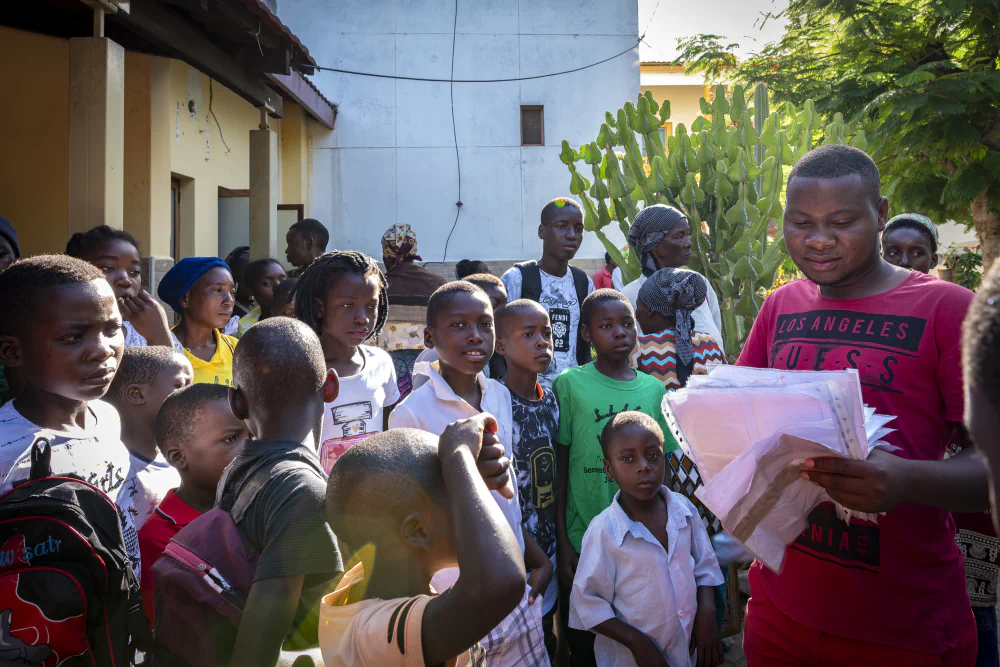
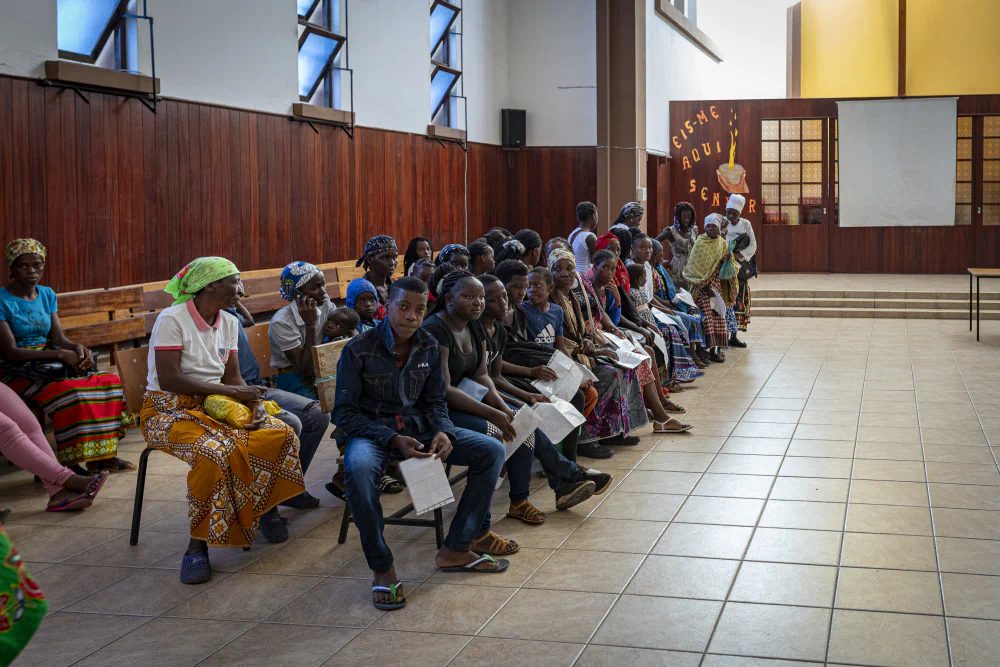
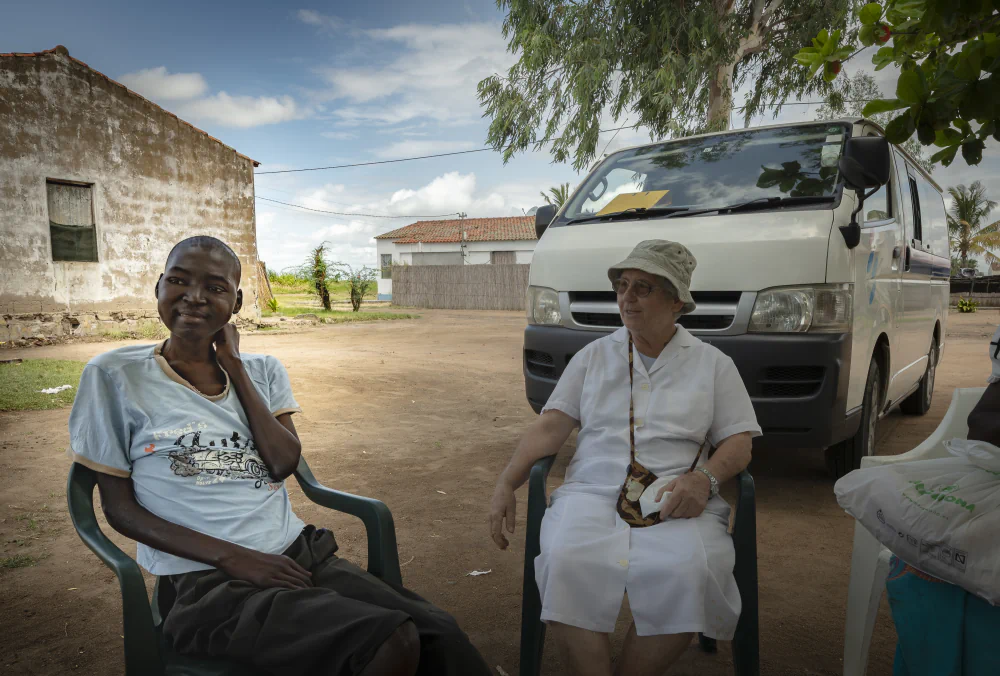
Decades later, in 2019 and 2023, I returned with a camera rather than a stethoscope, using photography to revisit those places and to frame, both literally and figuratively, what had happened there. At Carmelo Hospital—now dedicated to treating HIV/AIDS and tuberculosis—I encountered long queues of patients, many of them young and on antiretroviral therapy, some improving, others facing almost untreatable disease. Amid this hardship, the human warmth between staff and patients was striking.
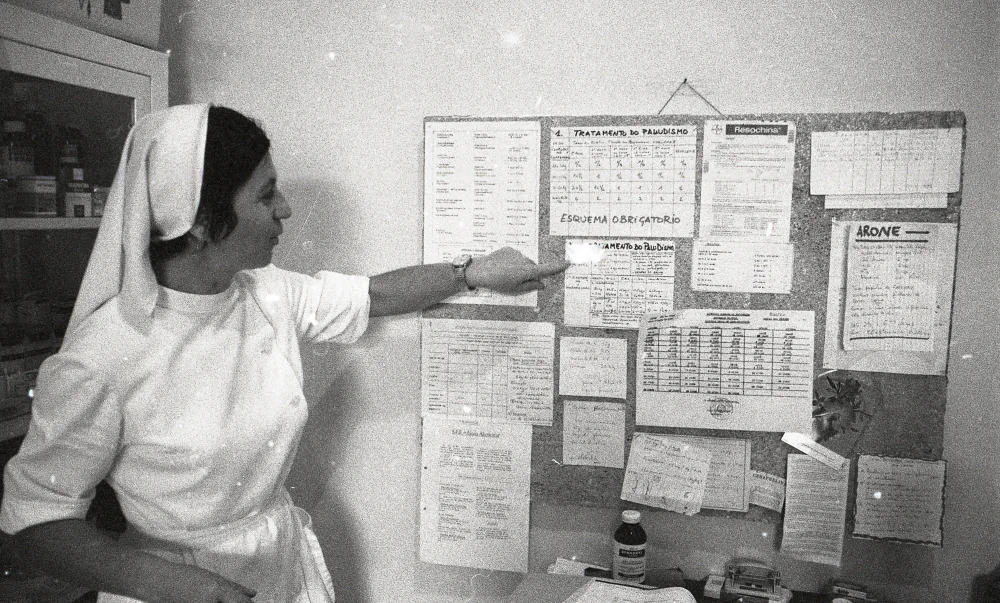
The story traces how this hospital grew from earlier efforts in the late 1970s and 1980s. A key figure is Sister Maddalena Serra, a nun who left the relative safety of Chókwè to lead the remote Chalacuane Health Centre and maternity ward. There, she and her community improved obstetric care and later identified the growing HIV epidemic when many tuberculosis patients began to die despite proper treatment.
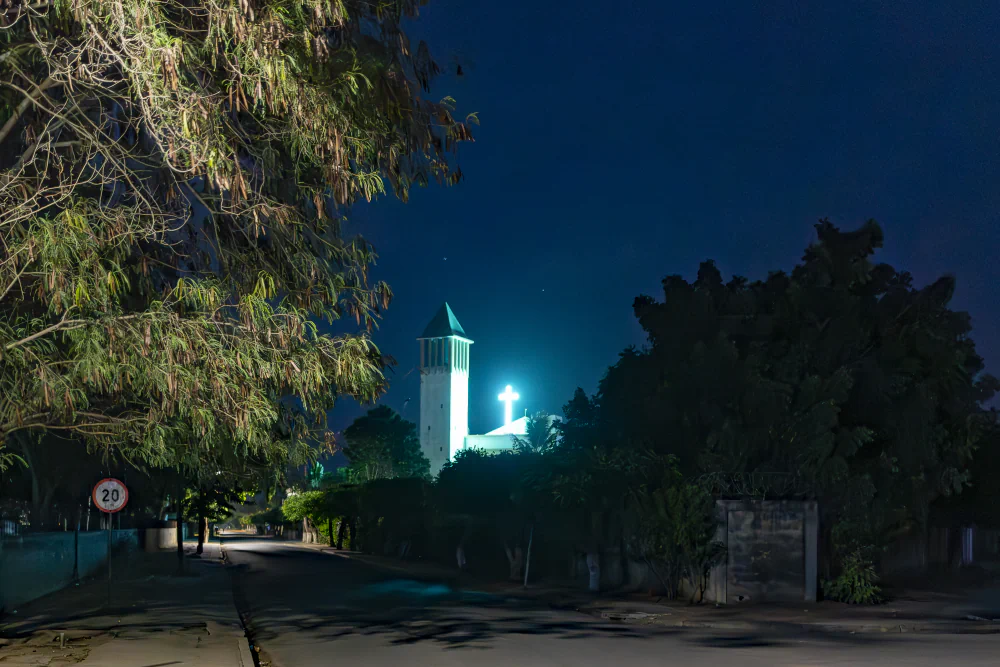
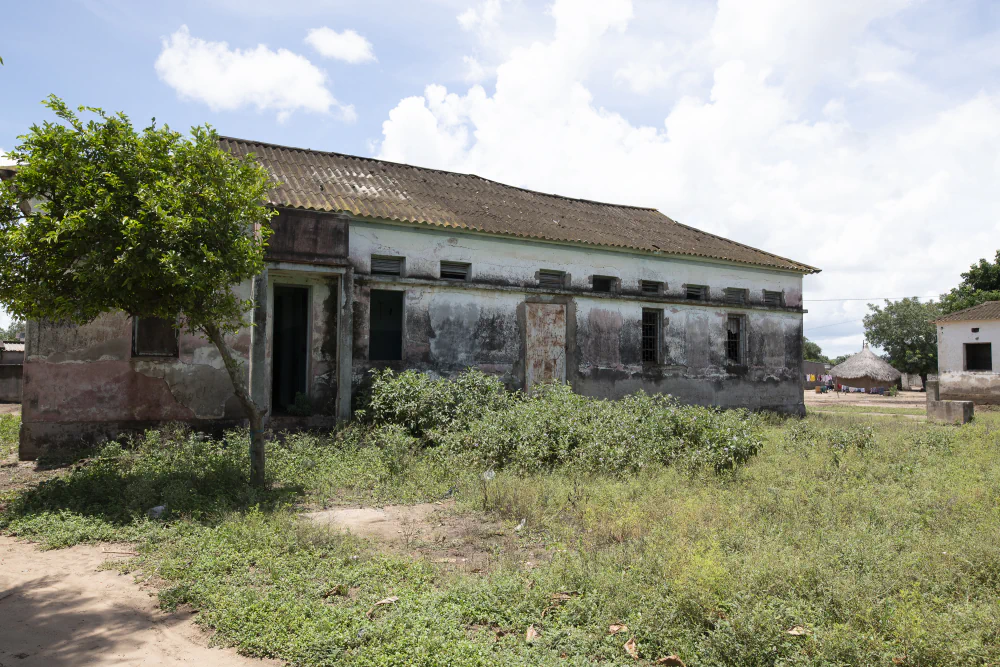
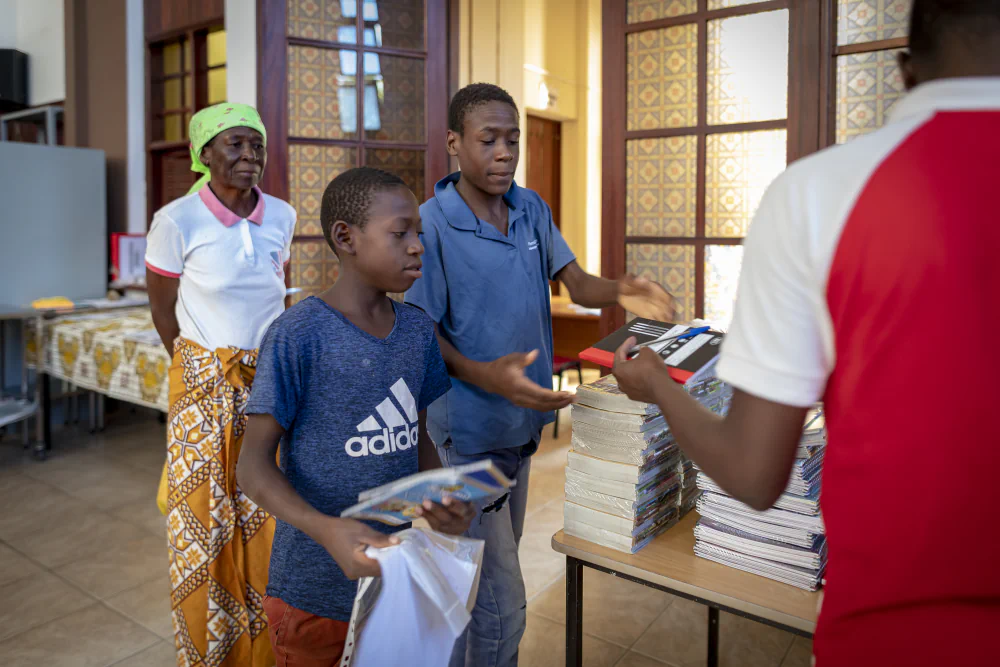
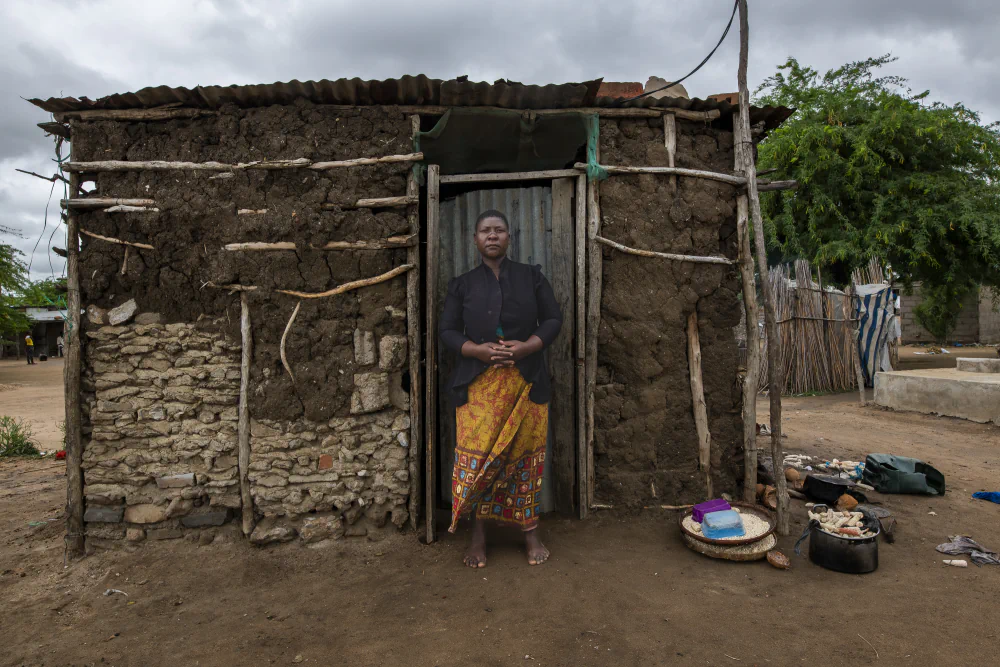
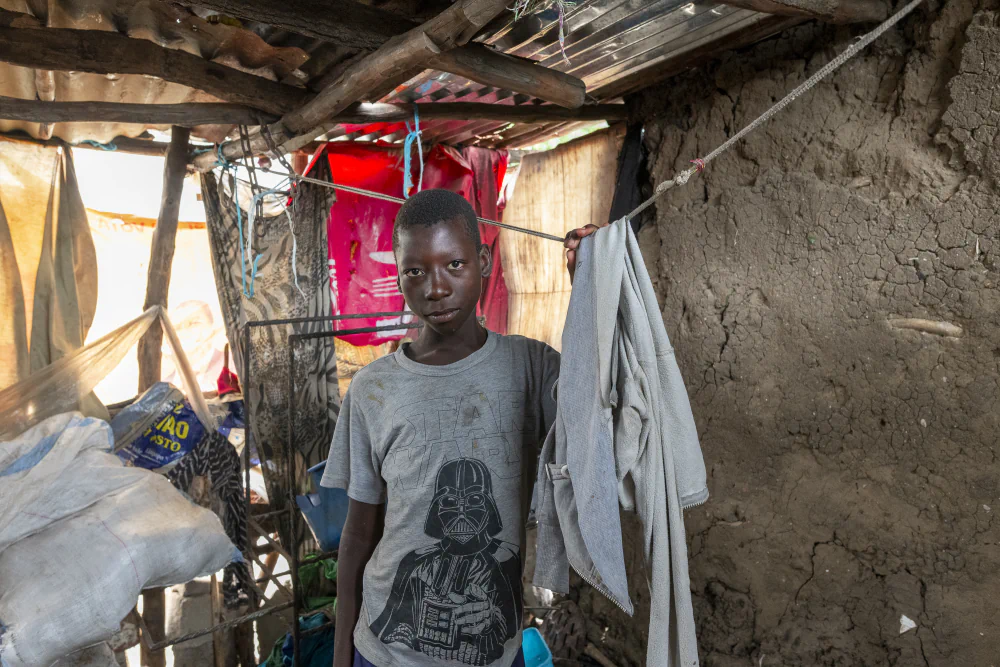
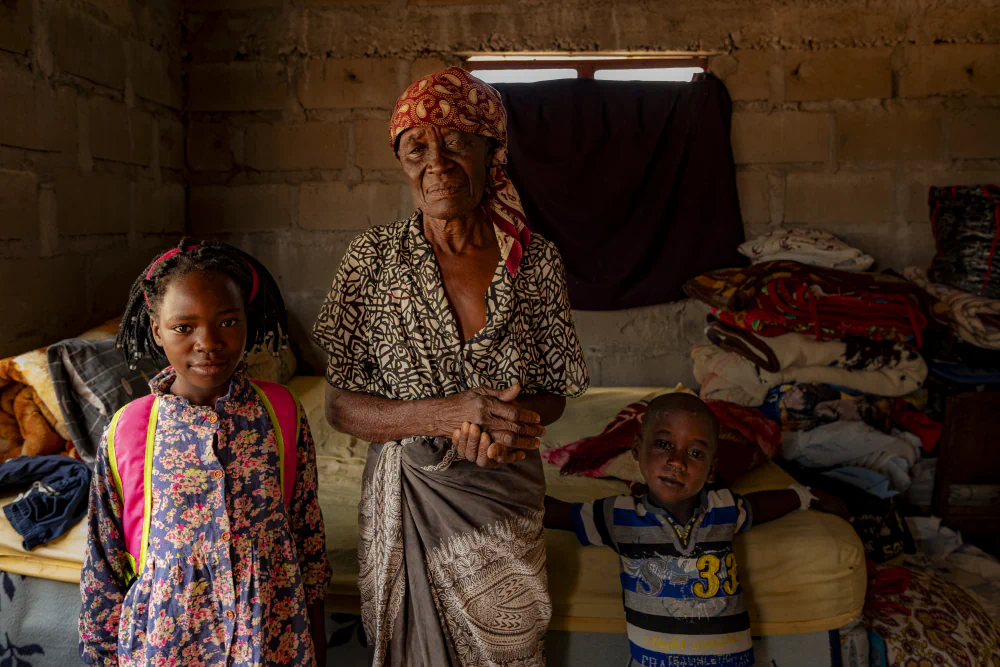
Seeing the scale of the crisis, the sisters pushed to convert an abandoned convent into Carmelo Hospital, focused on HIV/AIDS and tuberculosis care, counselling, and support. As AIDS decimated adults in their prime, they also confronted its social impact: orphaned children, elderly caregivers, and deepening poverty. Their work expanded into the villages, supporting families with housing repairs, food, small cash transfers, and a Distance Adoption Programme linking children with donors abroad.
Today, effective HIV treatments offer many patients the chance of a normal life, and Carmelo Hospital stands as the product of decades of commitment in an under-resourced setting. Yet the photo story ends with an open question: in an era of shrinking international aid, will funding be sustained so that HIV treatment and support remain available to all who need them? The medical solutions exist; their future depends on continued solidarity.
About Ezio Gianni Murzi