Words are echoes of history. Ma’ati Na’ti Katan, in the ancient Maya language, literally means “I don’t understand.”
It was the answer the Indigenous people gave to the Spanish conquistadors at the beginning of the 16th century, when they asked for the name of their land.
Unaware of the misunderstanding, the foreigners believed that this was the name of the place, and so they called it “Yucatán.”
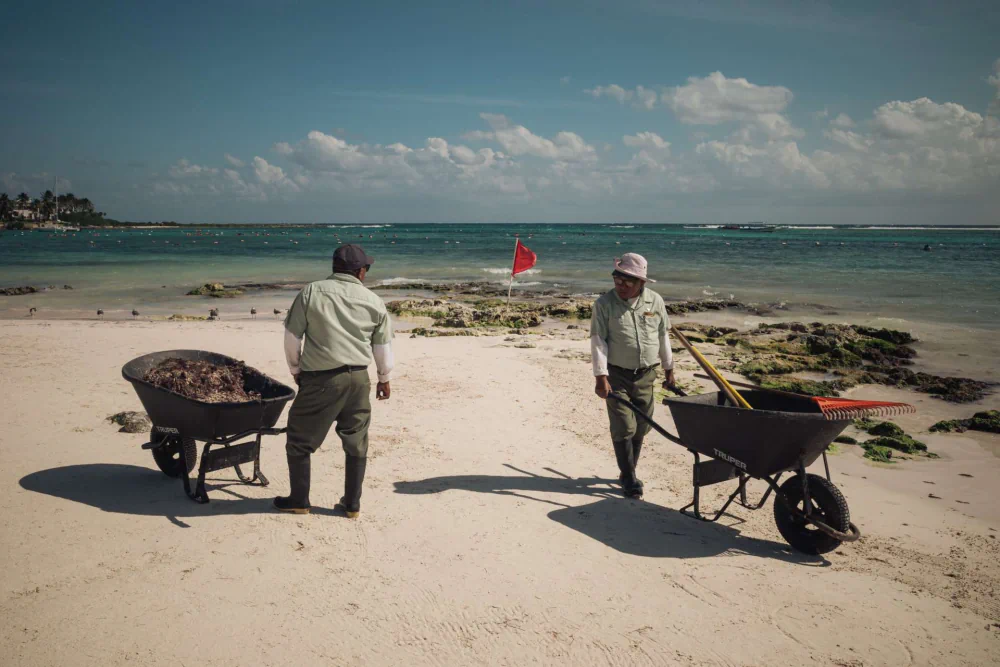
Centuries later, in December 2024, my partner Laura and I travelled across that same land, covering three thousand kilometers in a small Nissan March. From Yucatán to Quintana Roo and Campeche, the journey unfolded through endless roads, hidden villages, unexpected encounters, and fragments of life impressed on both film and memory.
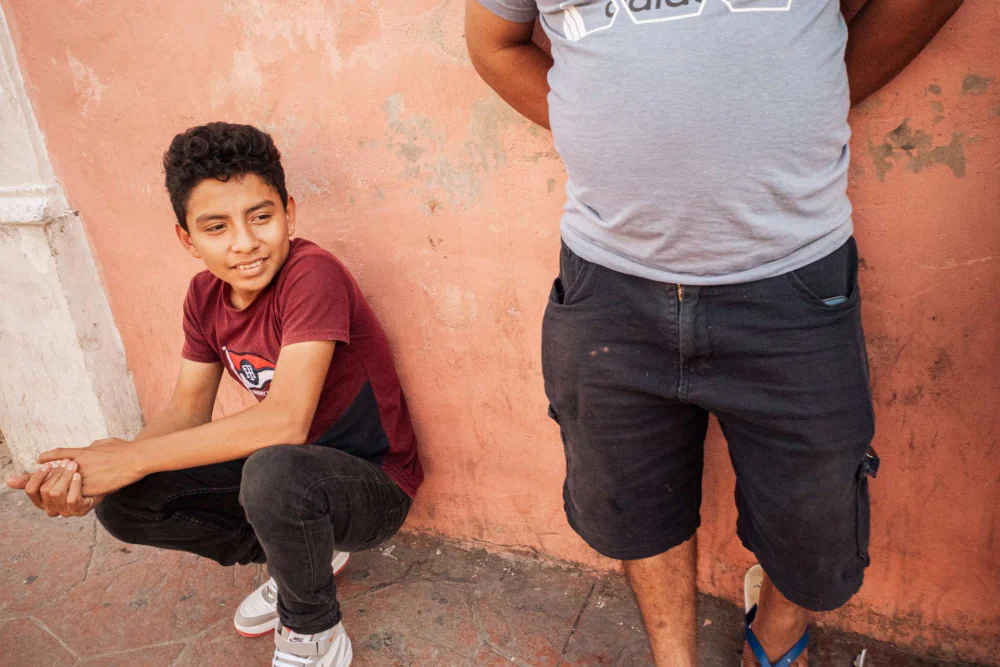
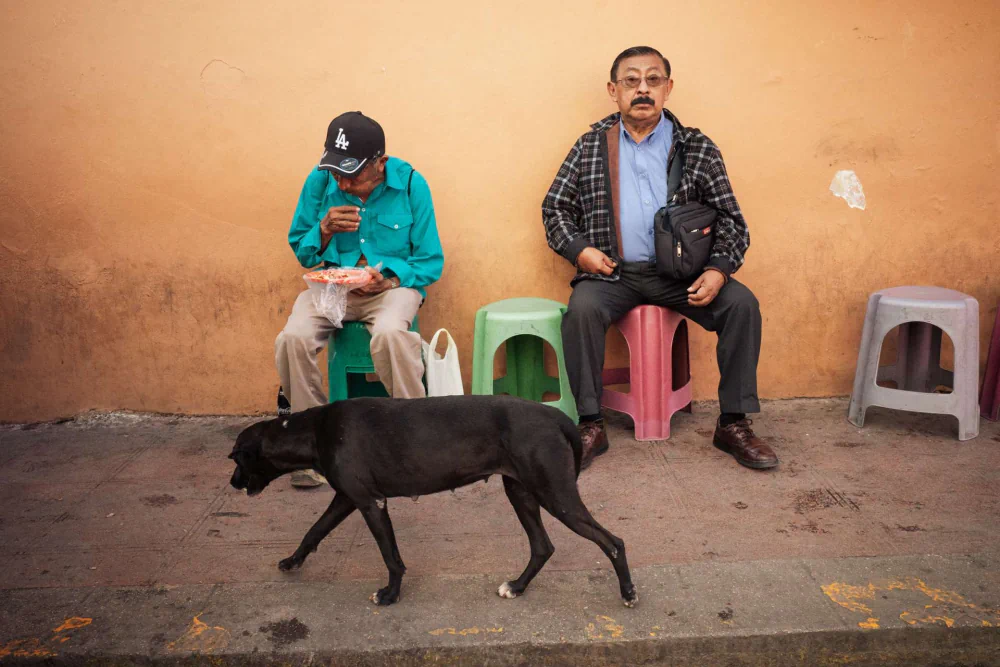
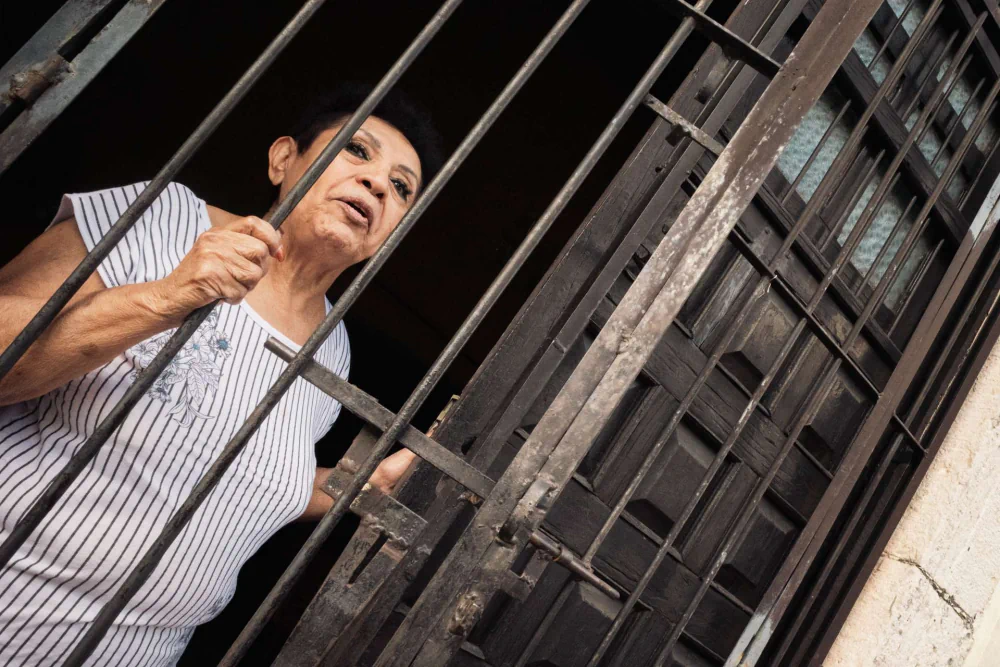
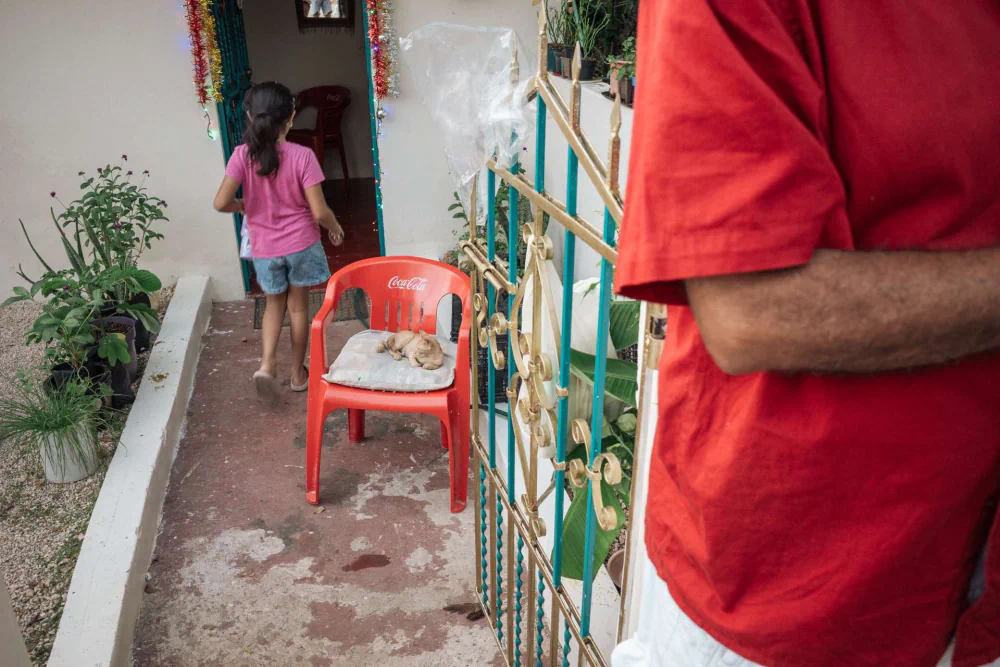
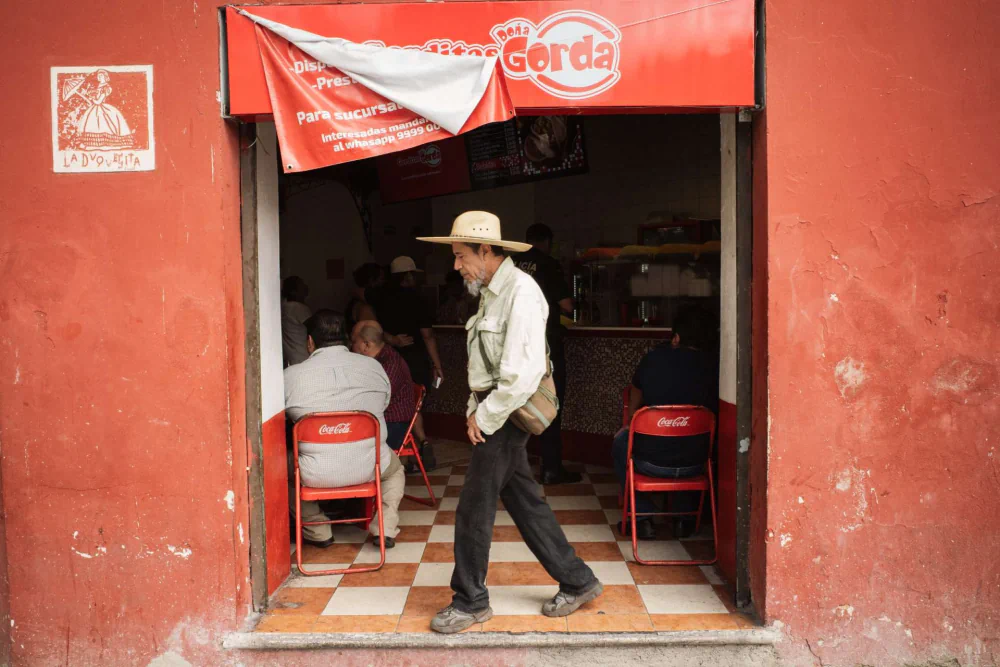
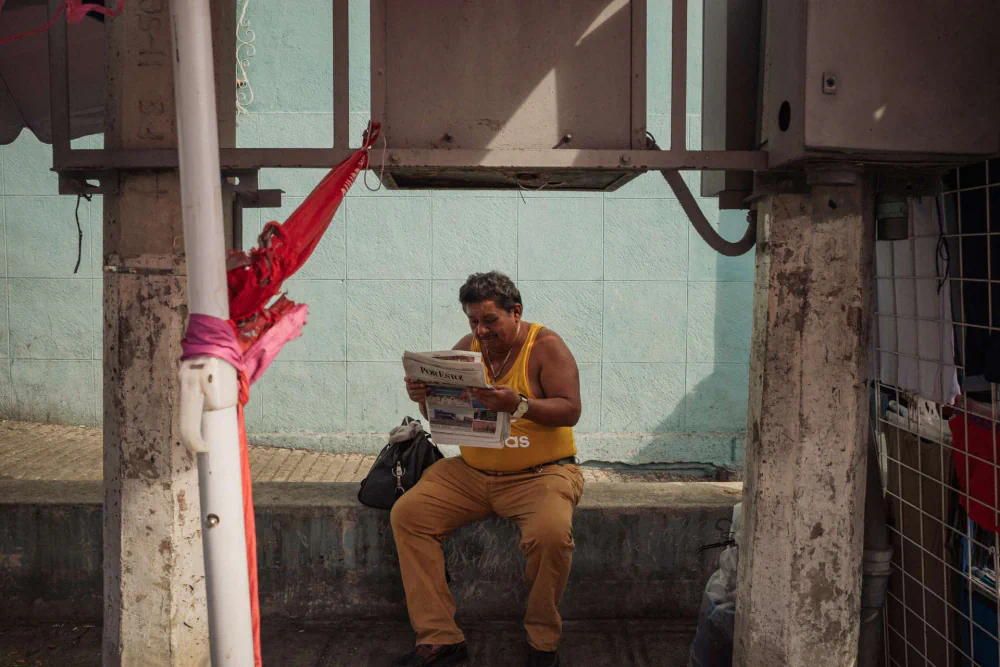
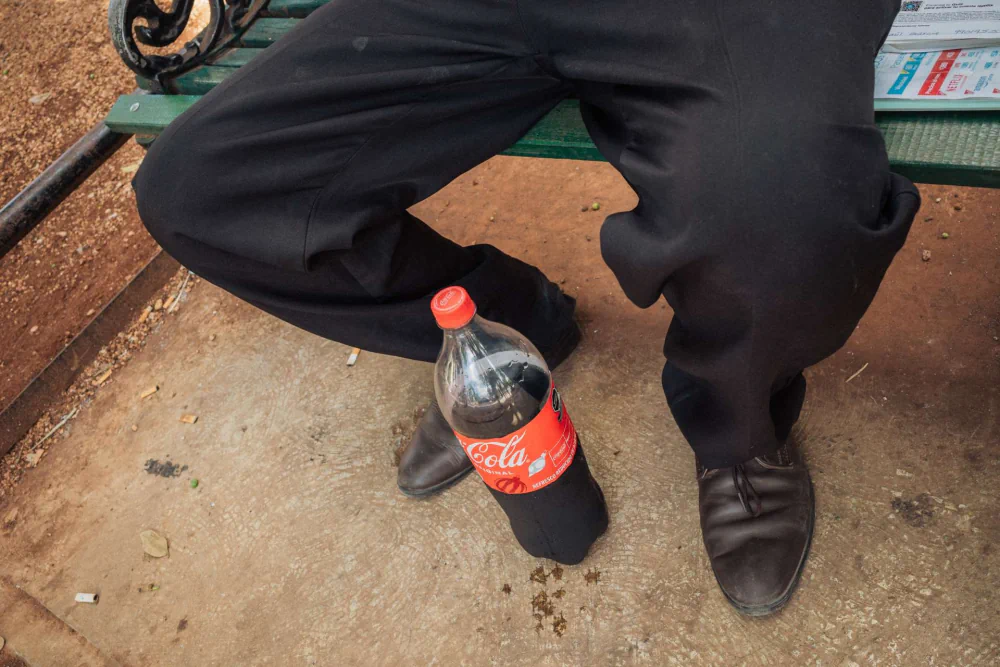
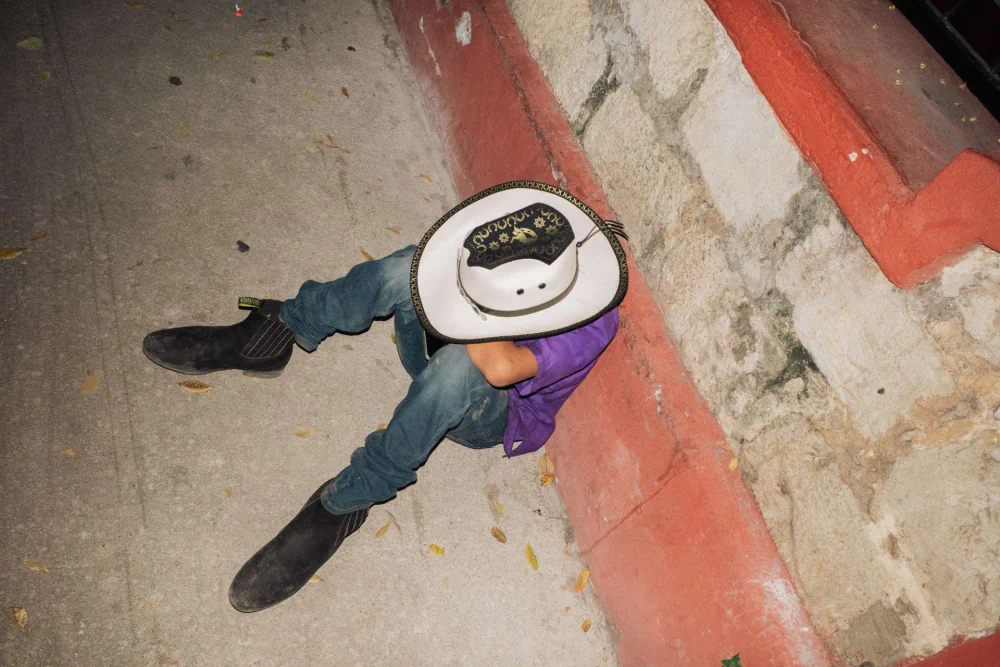
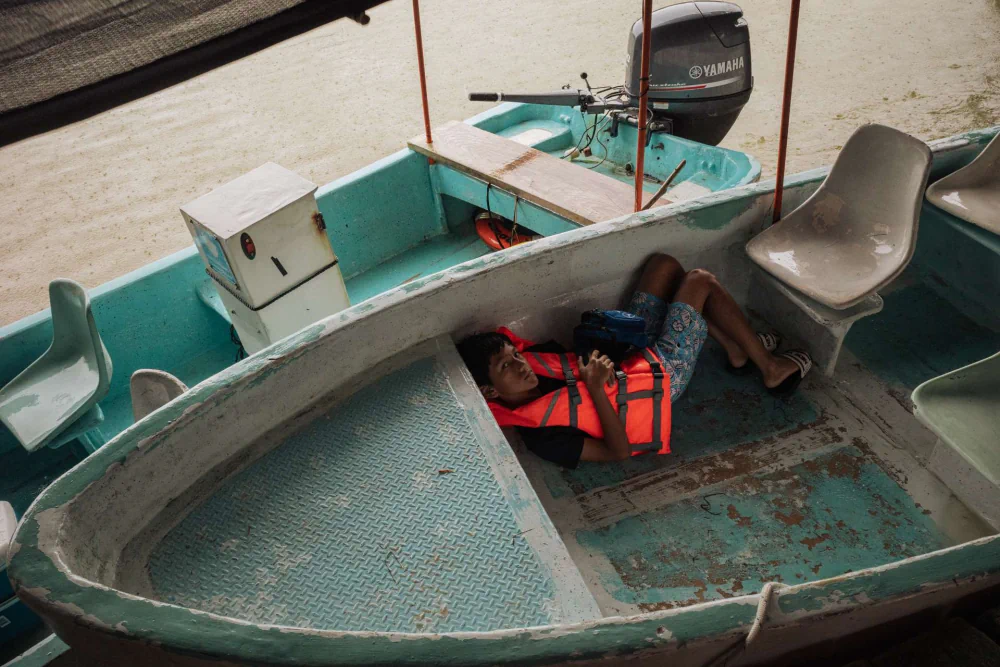
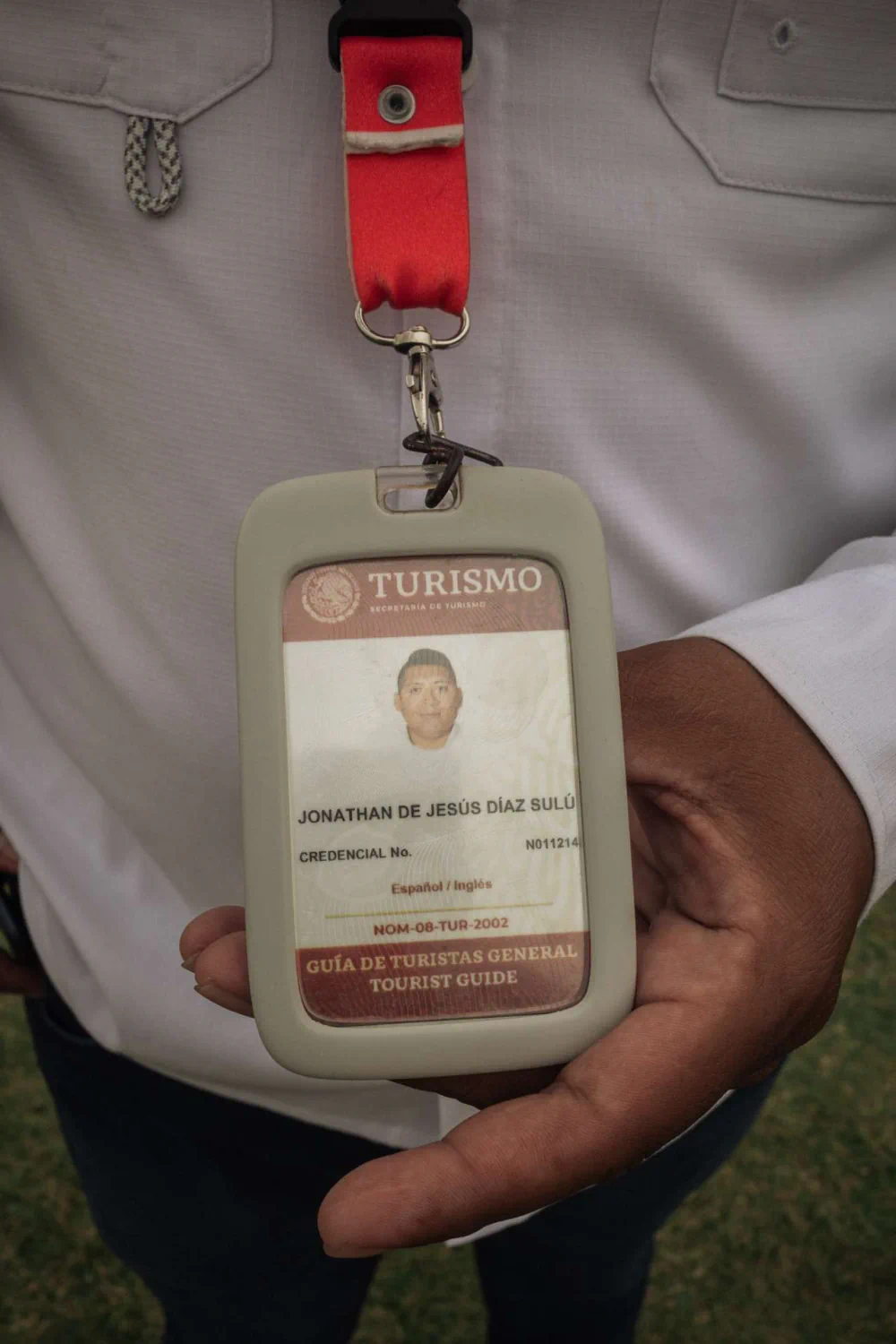
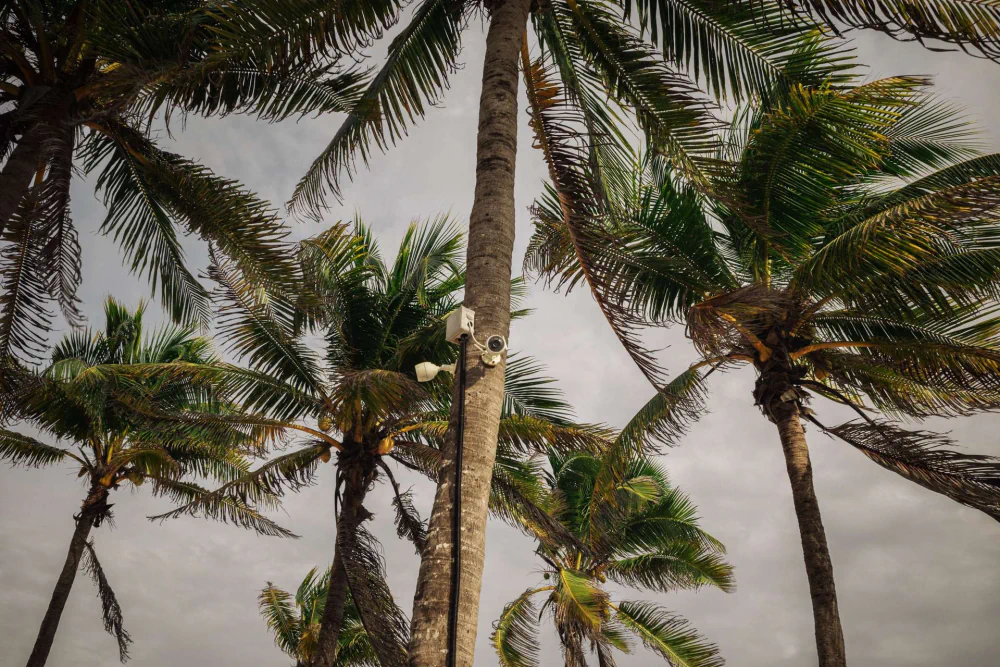
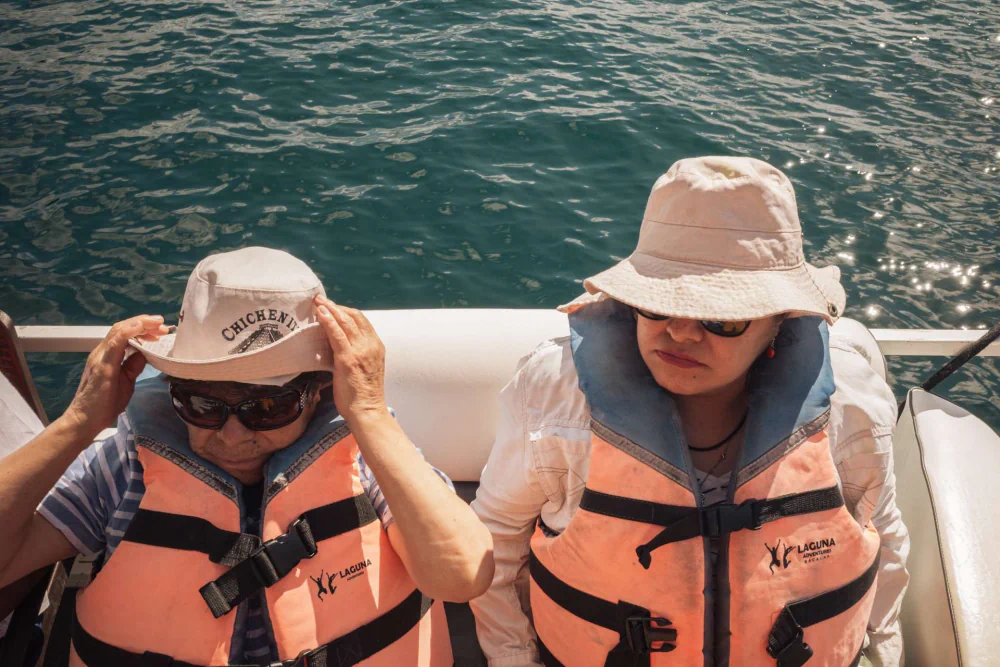
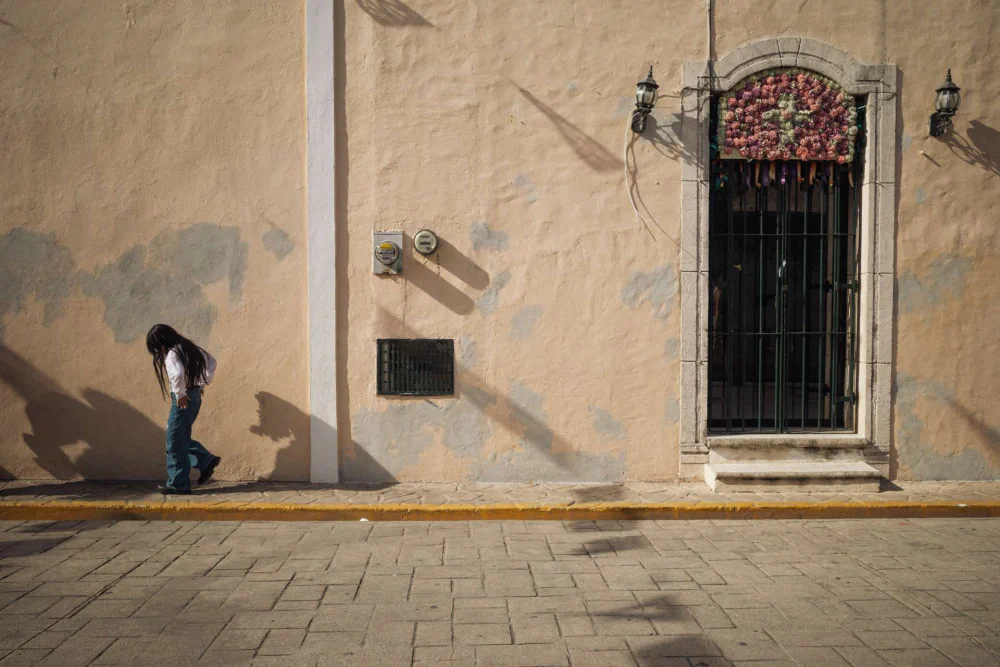
This project is my visual logbook, a mosaic of impressions and details that turned into stories. Each image isolates a portion of reality, revealing what struck me most.
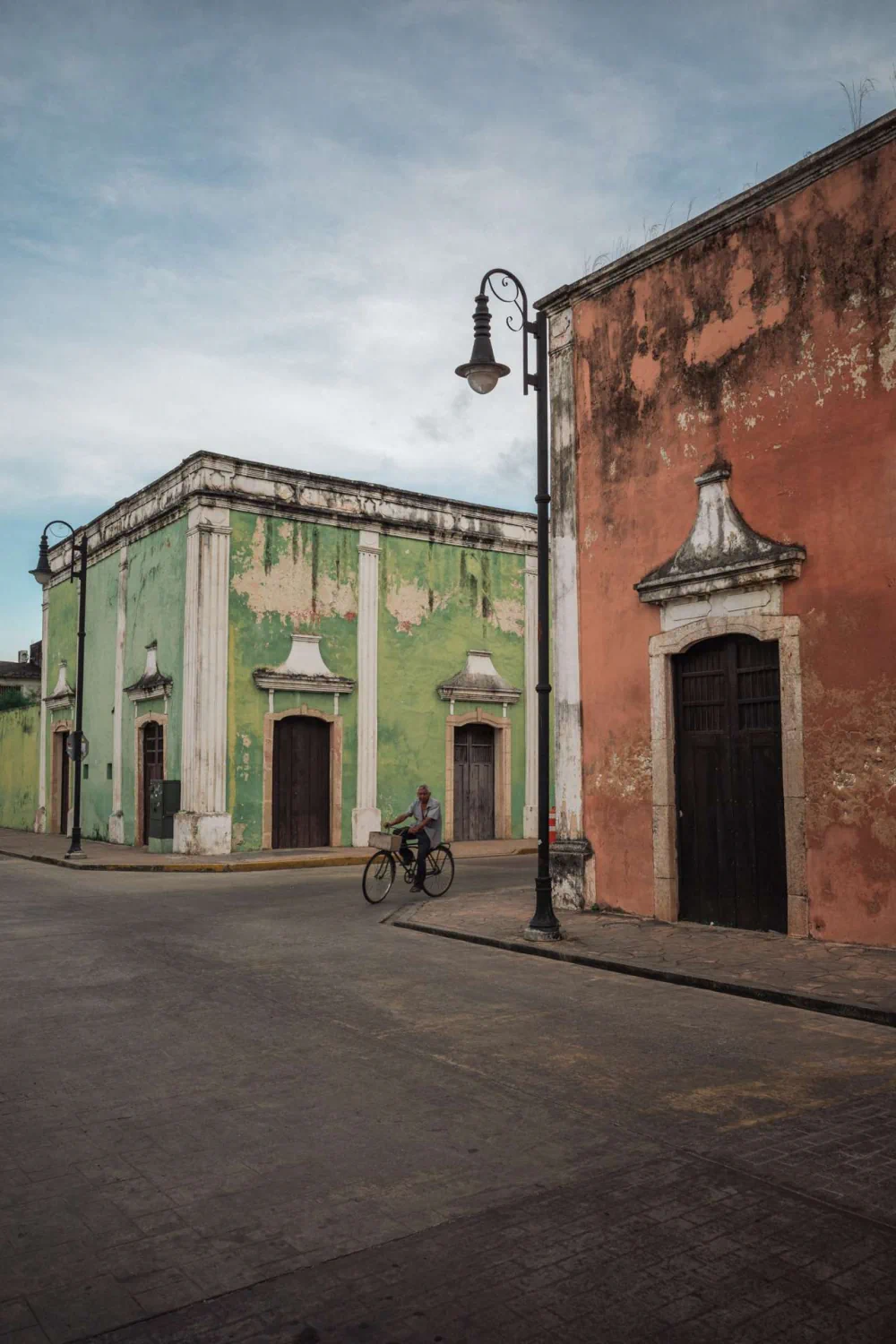
Mexico reveals itself slowly, in the golden shimmer of morning light and the hypnotic rhythm of the federal highways, long and deserted, where the vegetation flows like a steady breath. It is a place of contrasts: between the timeless and the modern, between faded Coca-Cola signs that strangely feel like home and the simplicity of a life that beats in the streets, where time seems to slow down, almost to stop, leaving space to listen and breathe.
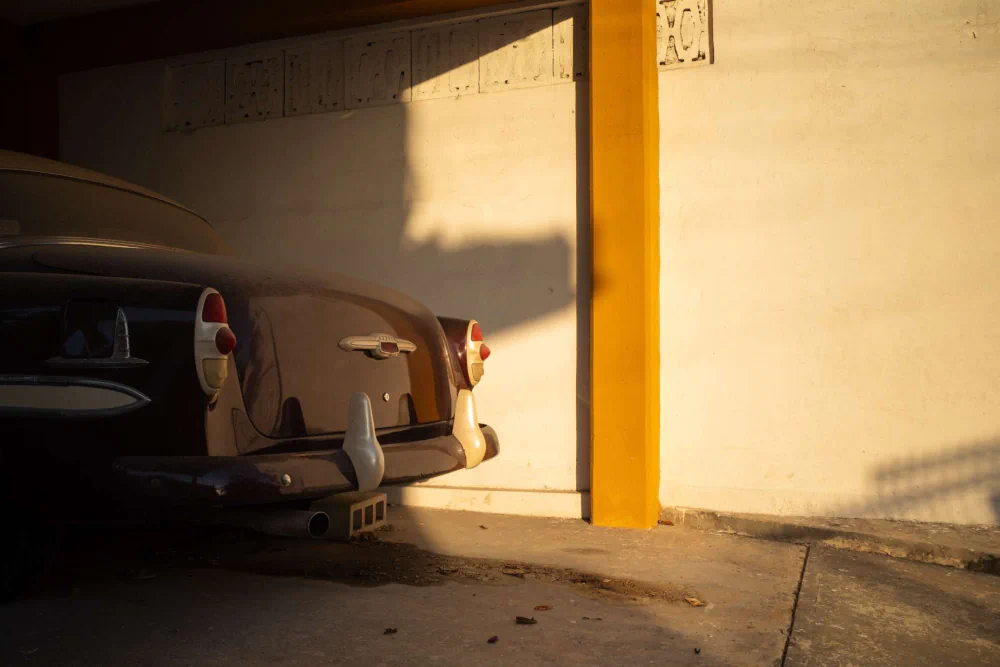
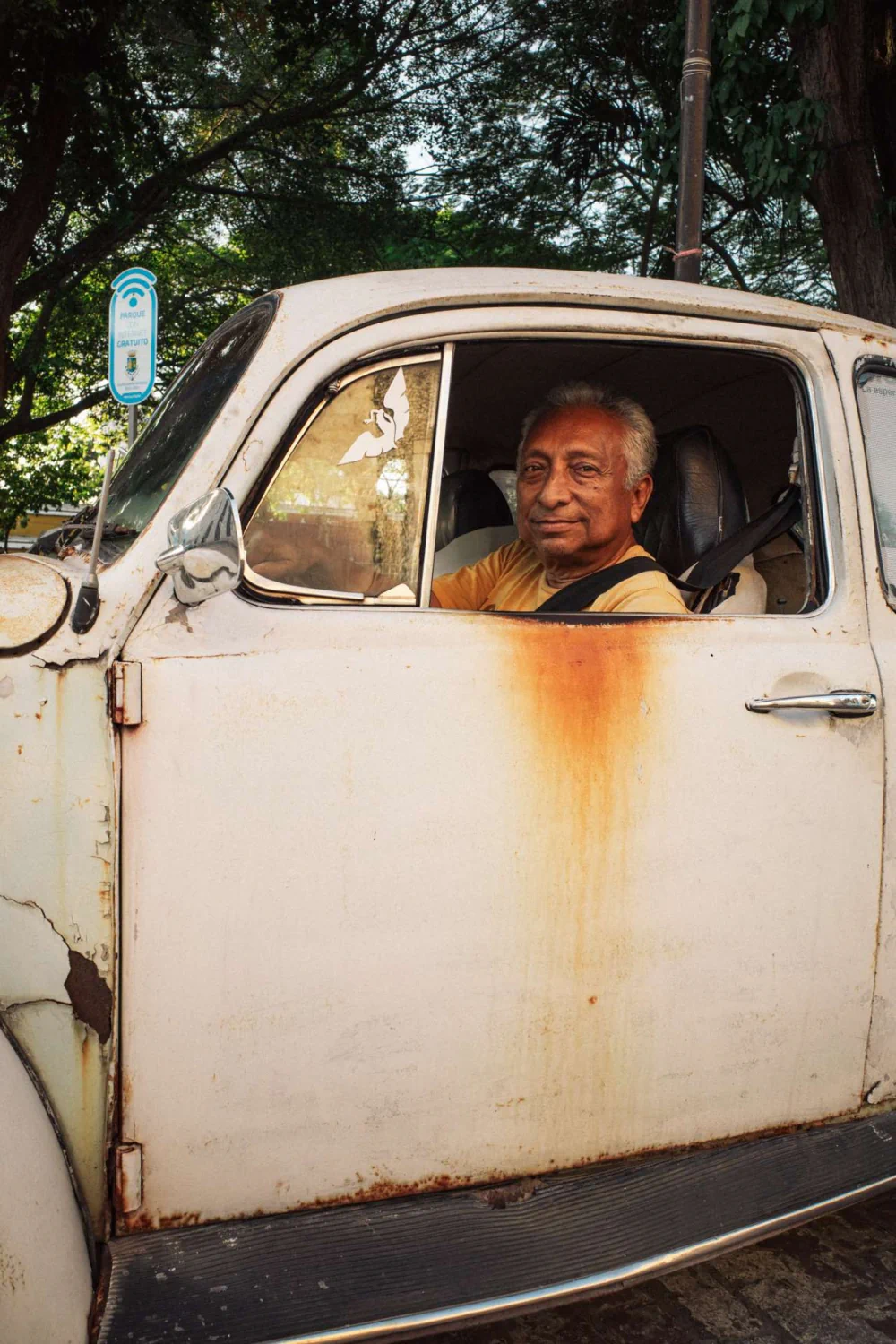
Among the many things that caught my attention, one remains vivid in my mind: the relationship Mexicans have with their means of transport. Trucks, cars, motorcycles, and bicycles are not just tools; they are companions, witnesses to work and daily life. No matter how old or worn they are, what matters is the story they carry and the gratitude of those who drive them.
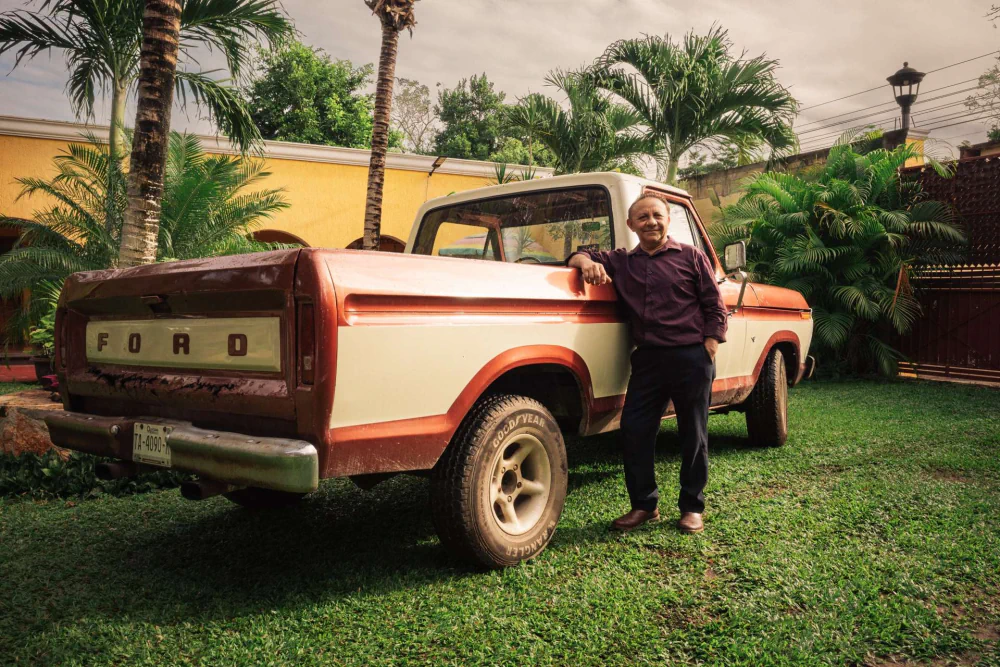
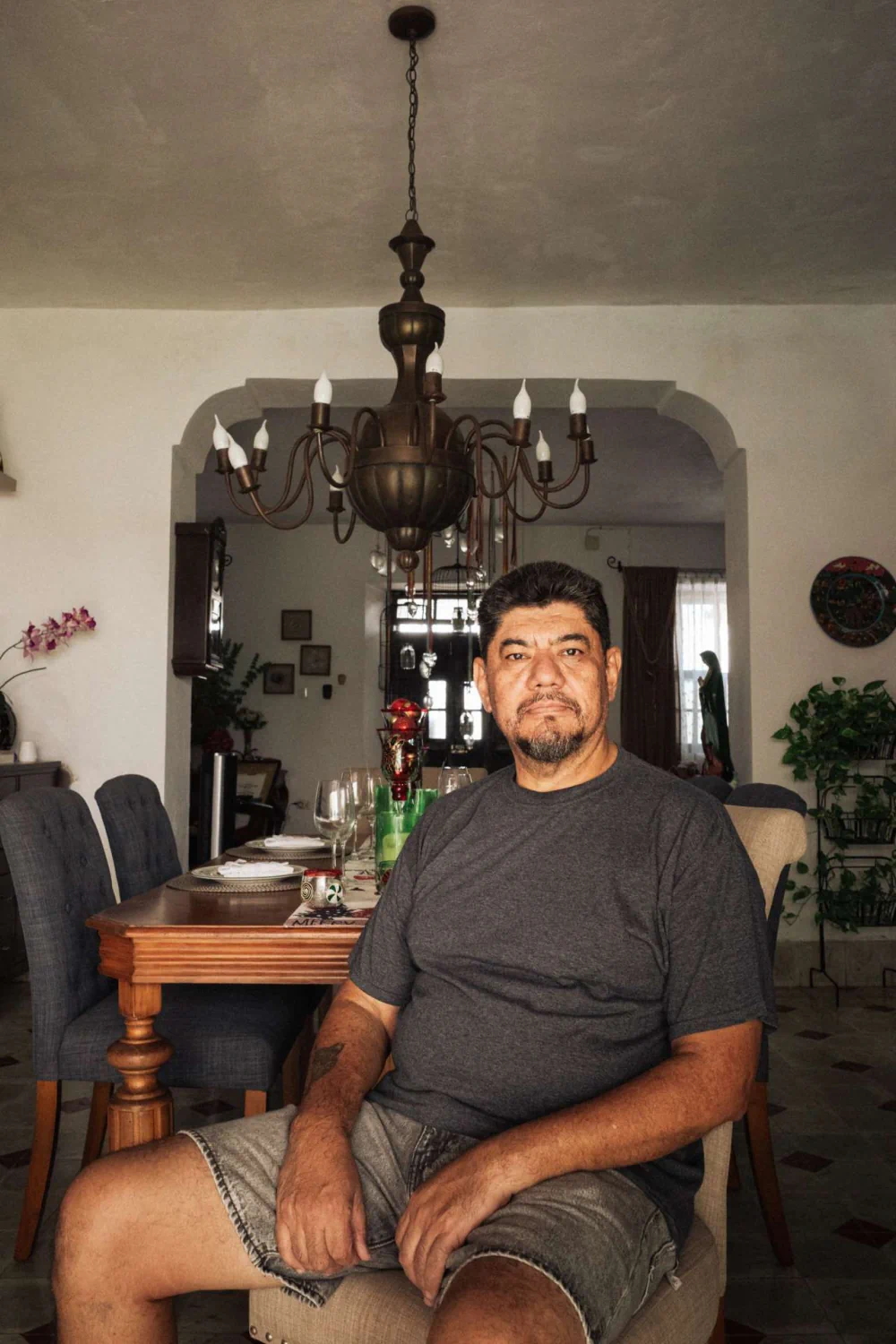
Like Pancho, a man in his sixties who welcomed us into his home in Valladolid. Proudly, he posed next to his ’50 Ford pickup, gently running his hand along its bodywork as he shared his story. It was a spontaneous gesture, almost a sign of respect, as one would show to an old friend.
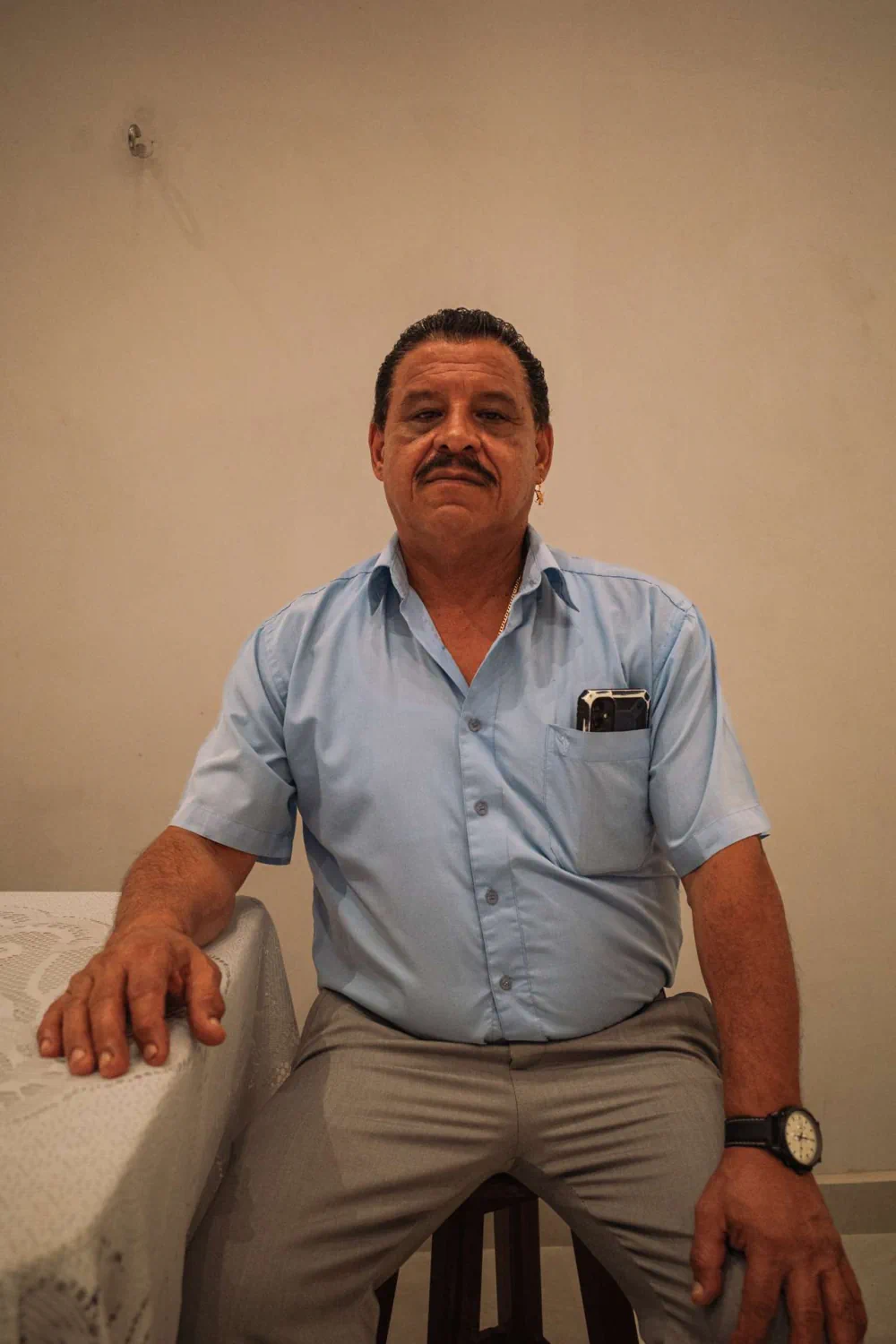
We also met Angelo, the owner of a small roadside coffee stop along Highway 295, who offered us shelter and a steaming cup of coffee during a torrential downpour. With humility and warmth, he told us about his dream of Europe, while we warmed ourselves with a bowl of frijoles and the kindness of his hospitality.
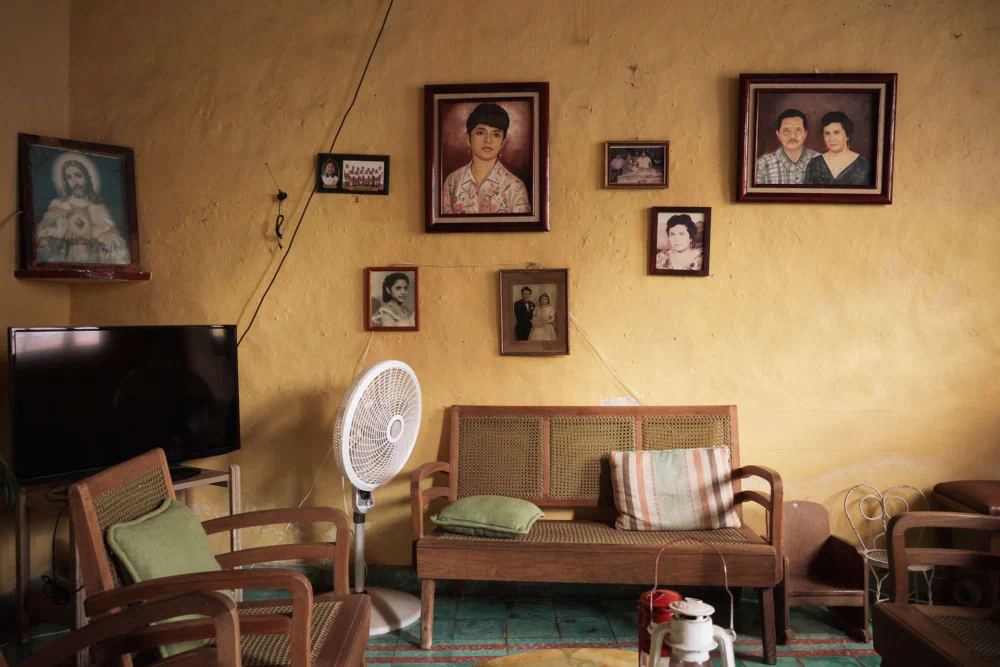
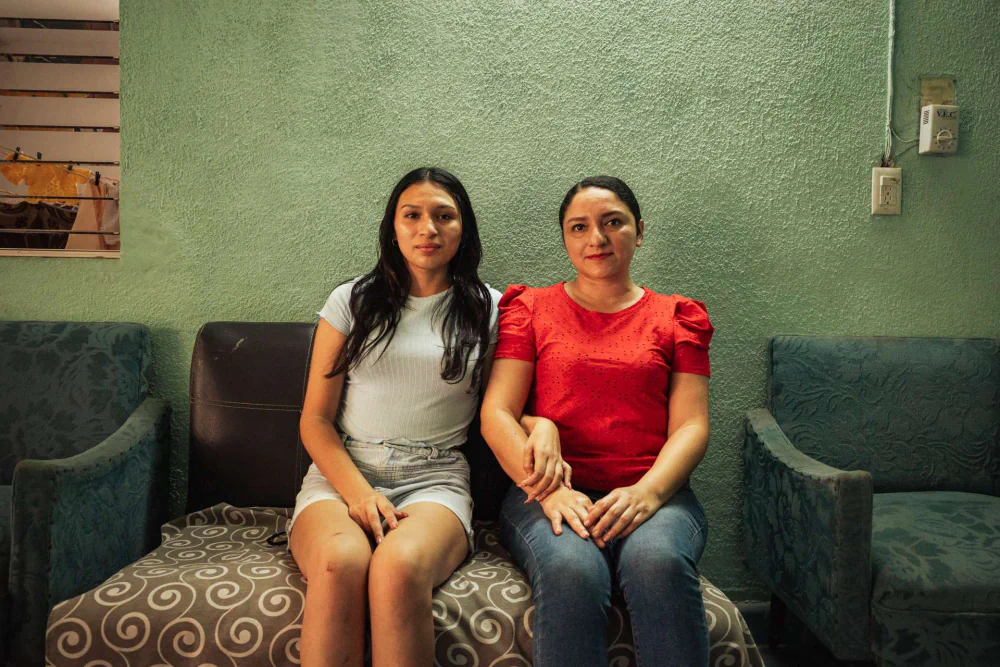
Then, in the small town of Peto, south of Mérida, two sisters opened the door of their home to us. Through a window, I had glimpsed an altar dedicated to the departed, a place of memory and devotion. There, among flickering candles and faded photographs, their words intertwined nostalgia and faith, grief and the deep spirituality of a people who never forget their roots.
Each photograph in this project is a fragment of these stories, an image that seeks to convey not just a place, but the soul of those who inhabit it. Because travelling is not only about moving through space, but about learning to see, to feel, and to understand. And if sometimes not everything is clear, just as happened to the Spaniards when they asked for the name of this land, perhaps it is because some things are not meant to be grasped by the mind, but felt by the heart.