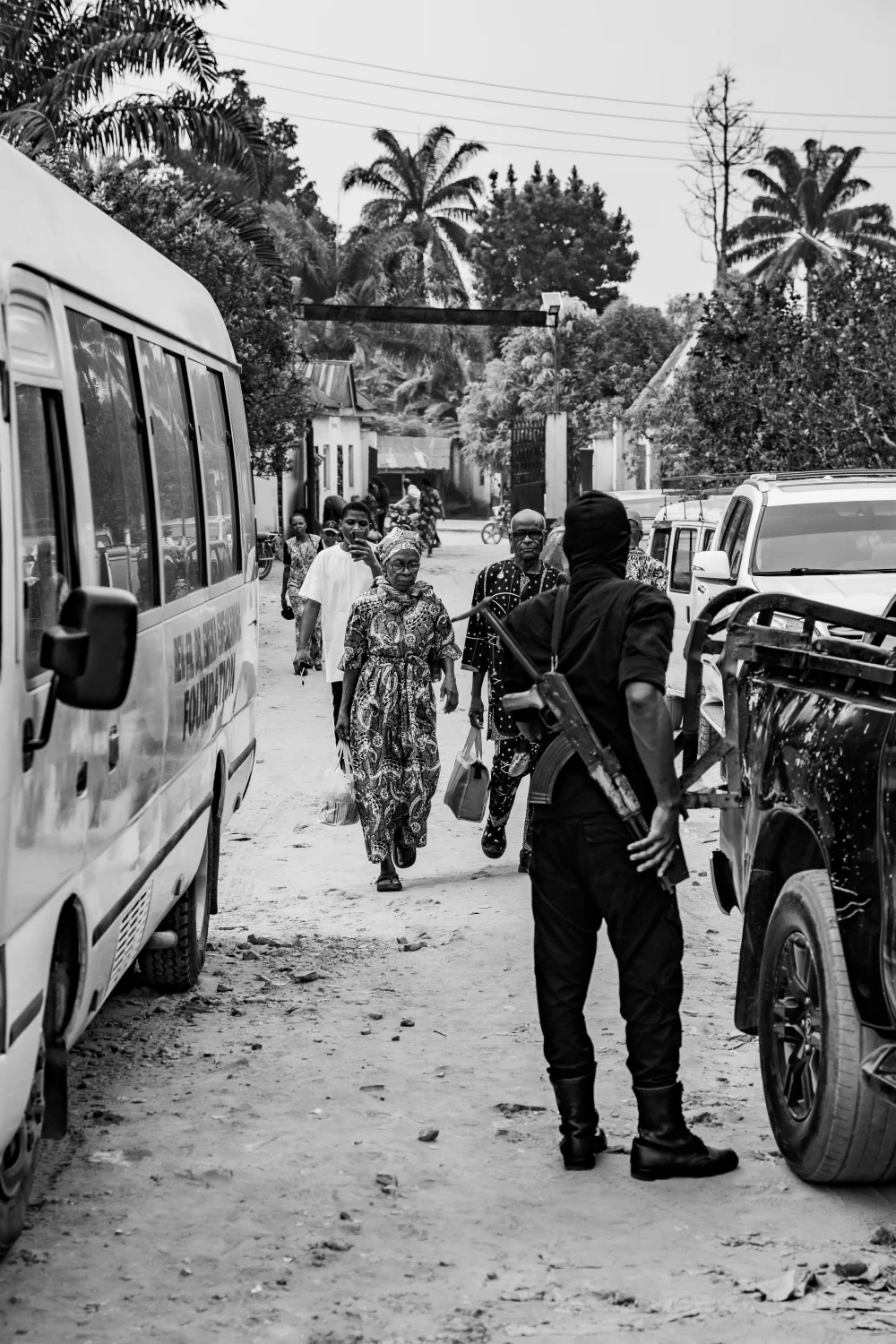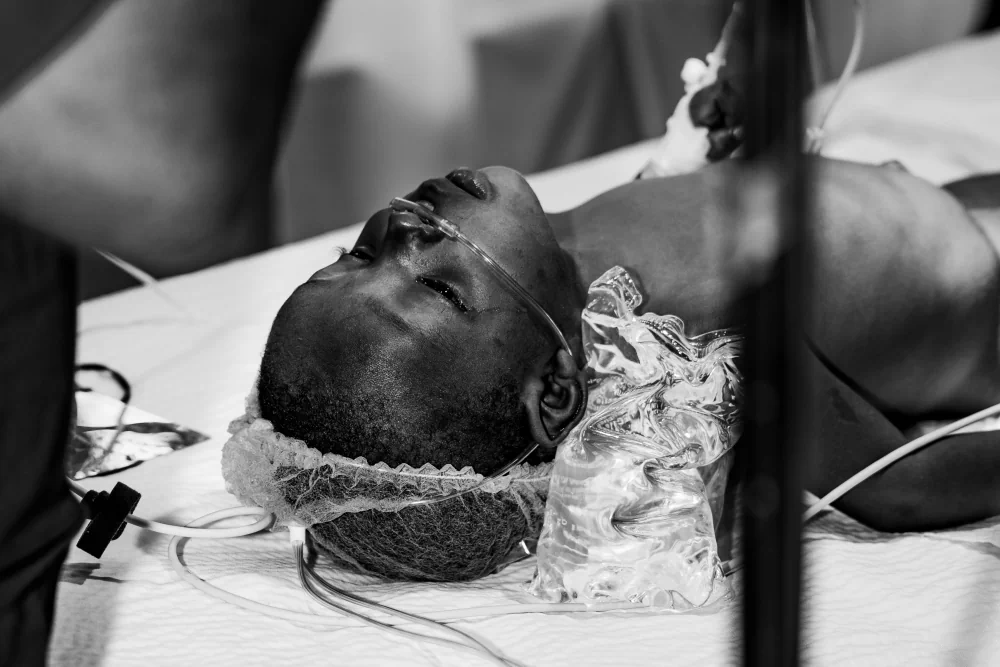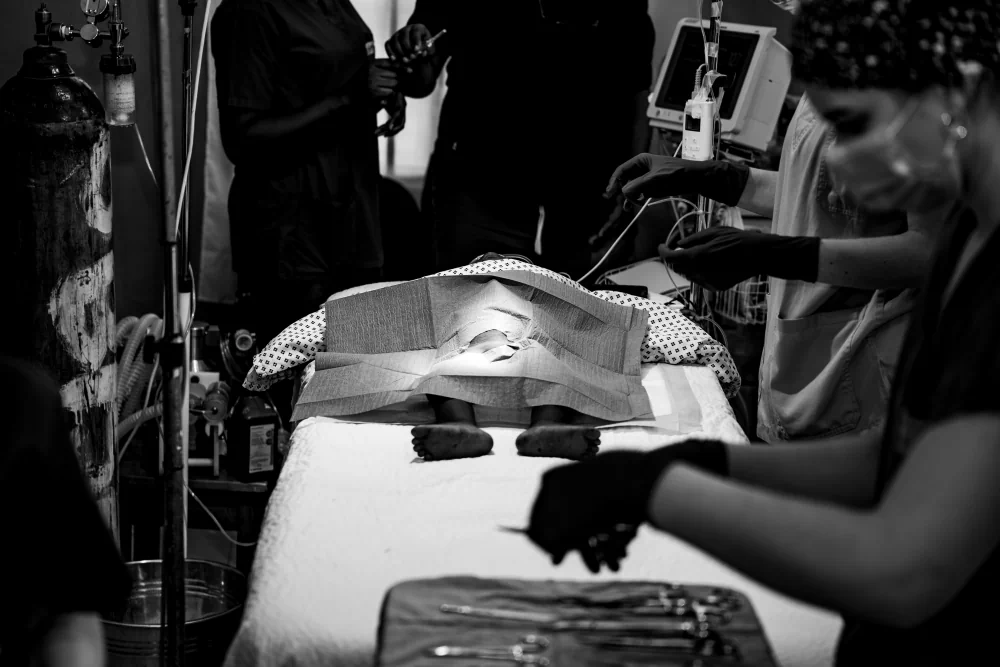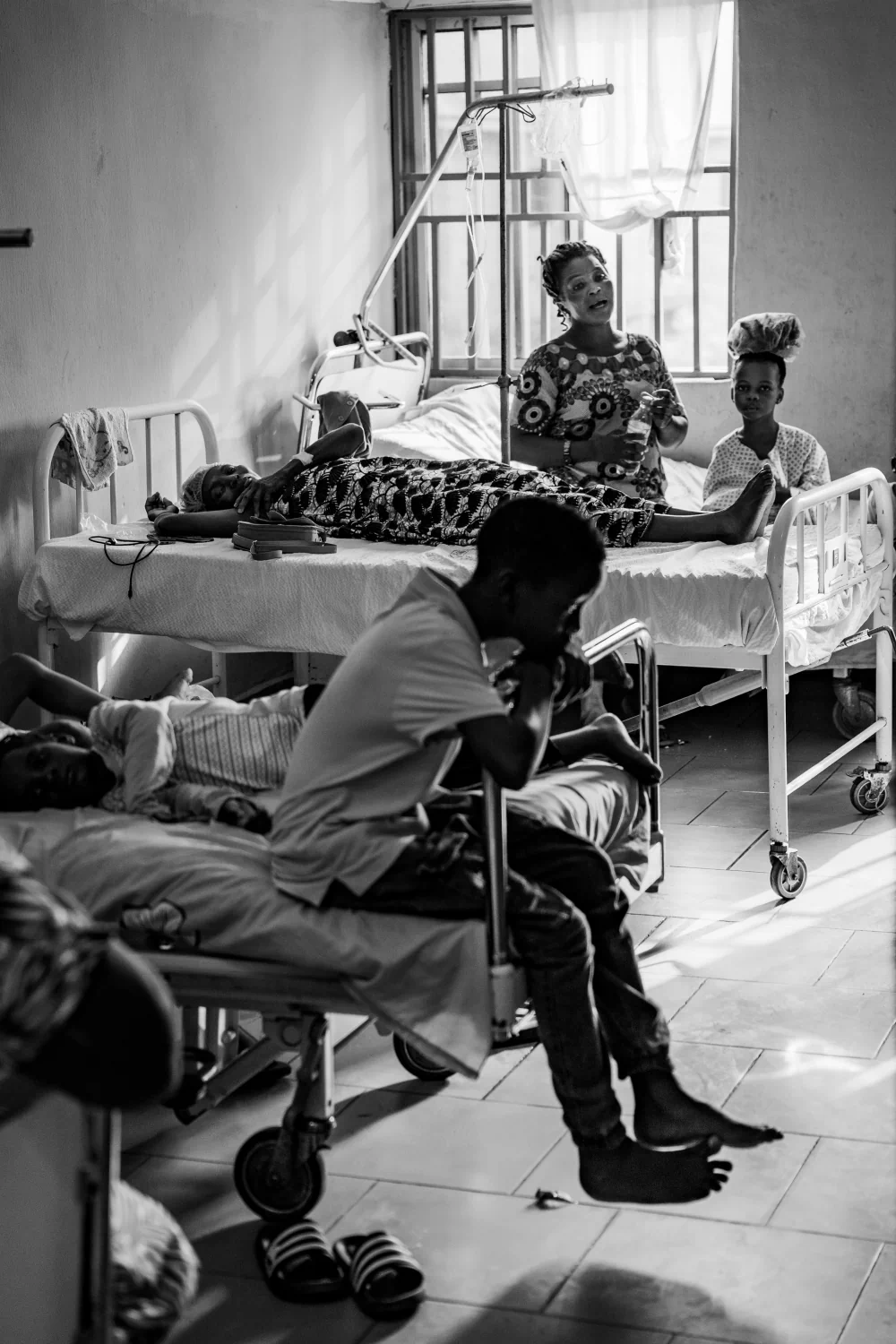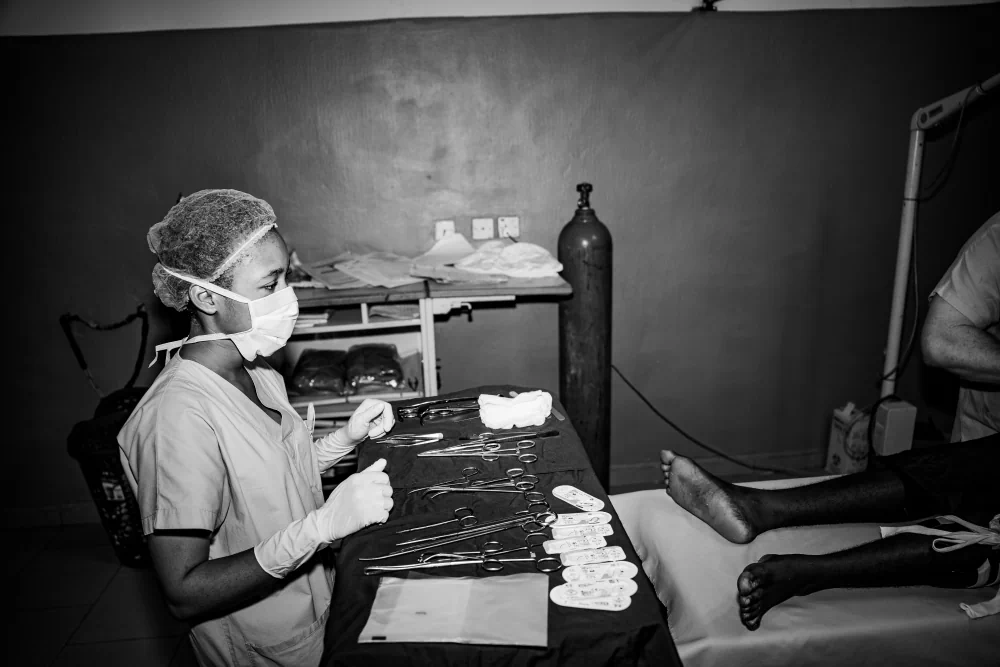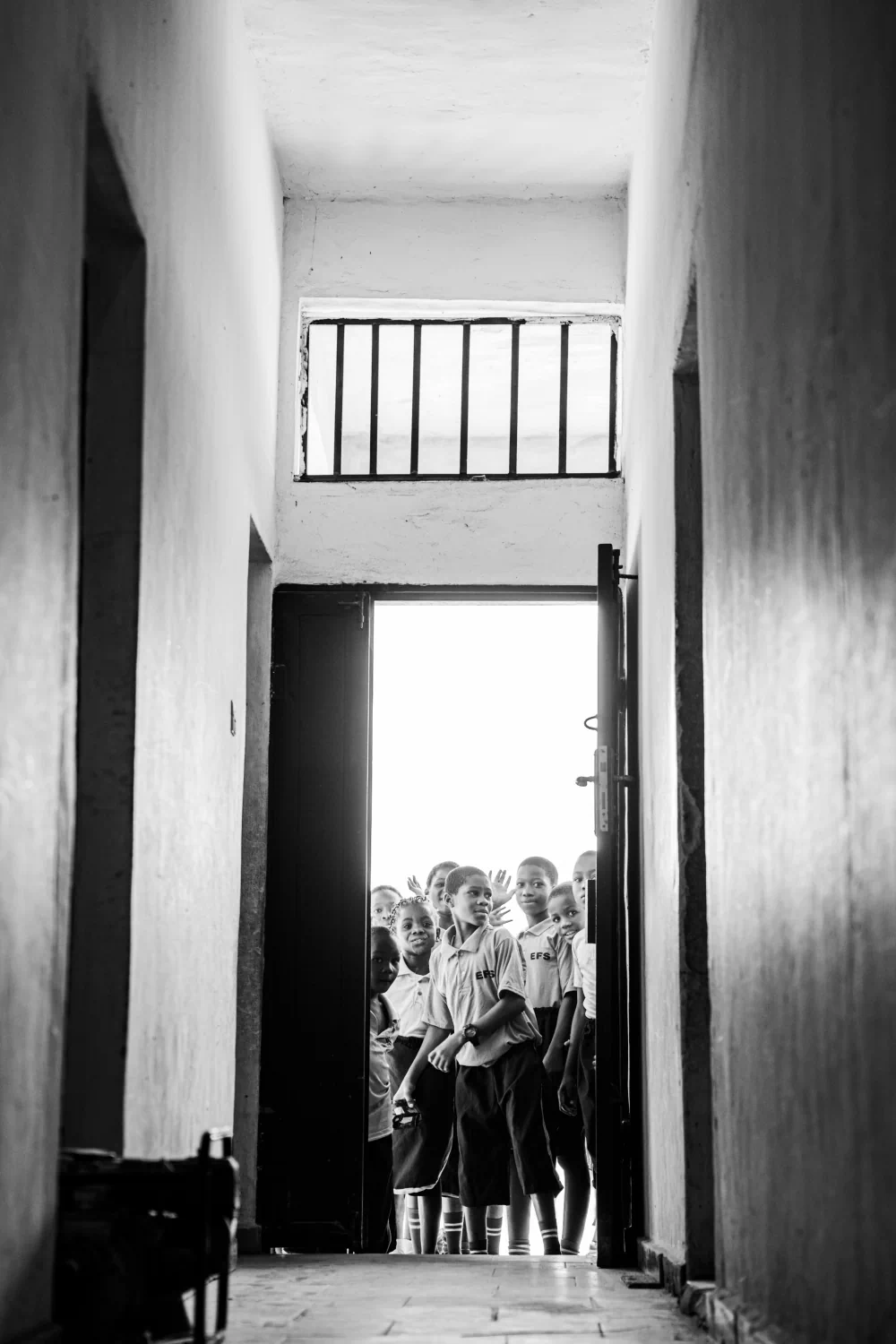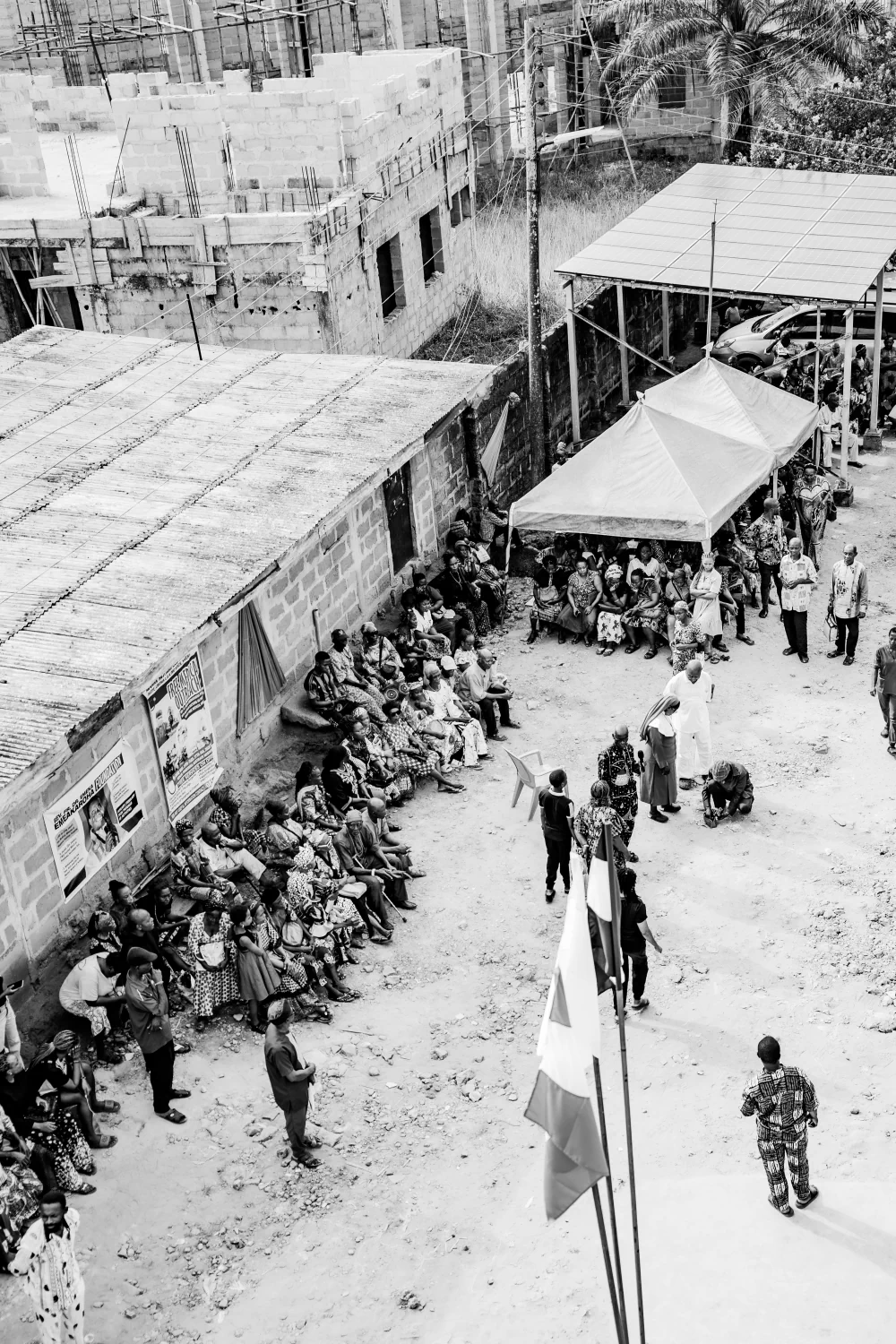


In January 2026, he accompanied a humanitarian medical mission to Umunohu, Imo State, Nigeria, working as a documentary photographer.
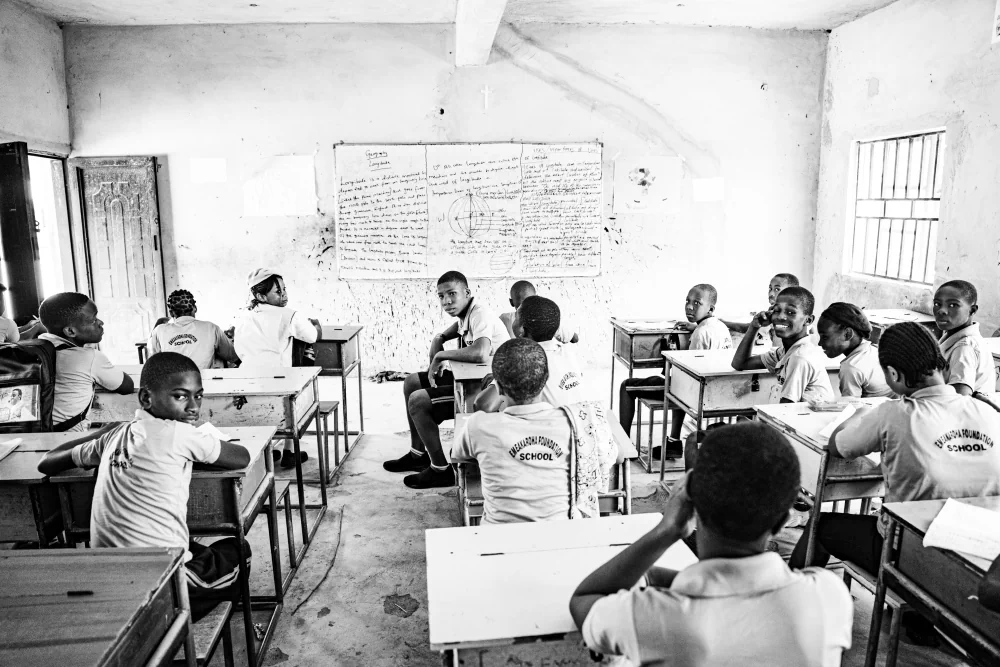
The mission was organized by the Emeakaroha Foundation, which has established both the regional hospital and the nearby school as part of its long-term commitment to local infrastructure and access to care and education.
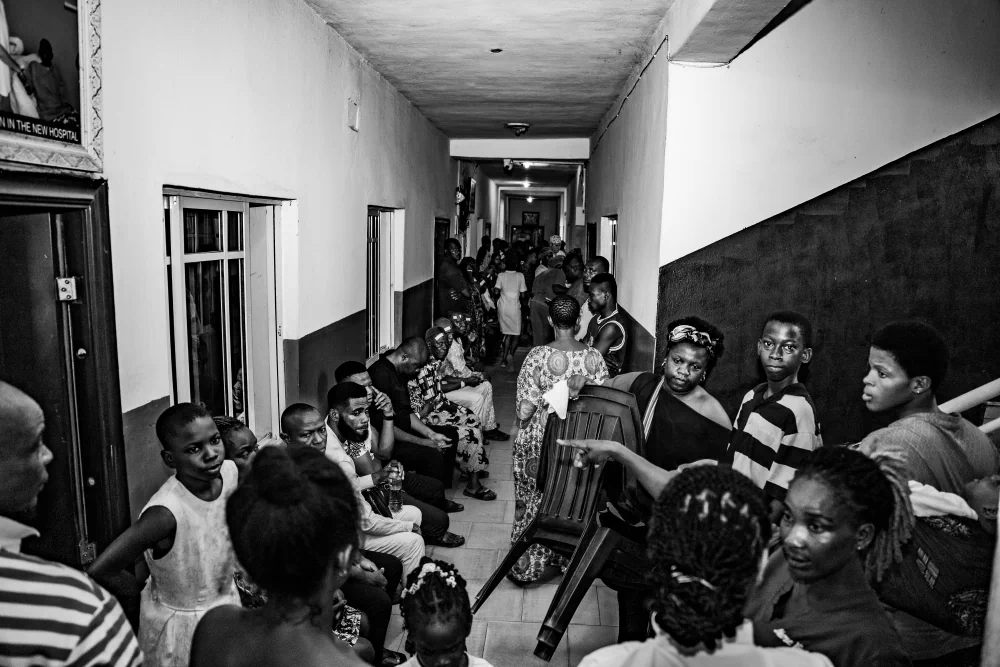
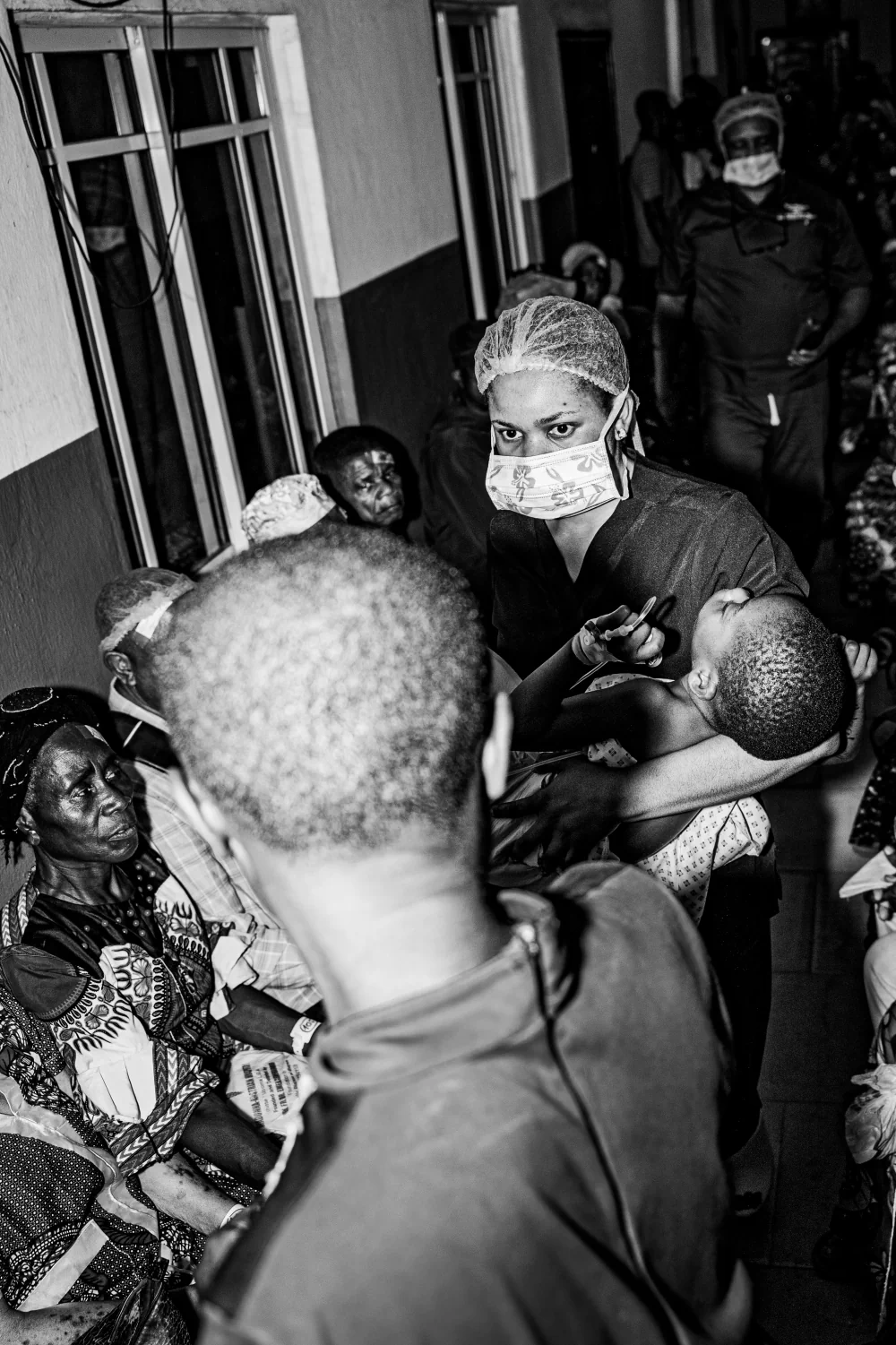
For nearly two weeks, an international team of opticians, ophthalmologists, surgeons, operating room nurses, and local medical staff provided eye examinations, distributed prescription glasses, and performed surgical procedures. Many patients traveled long distances to receive treatment that would otherwise have been inaccessible.
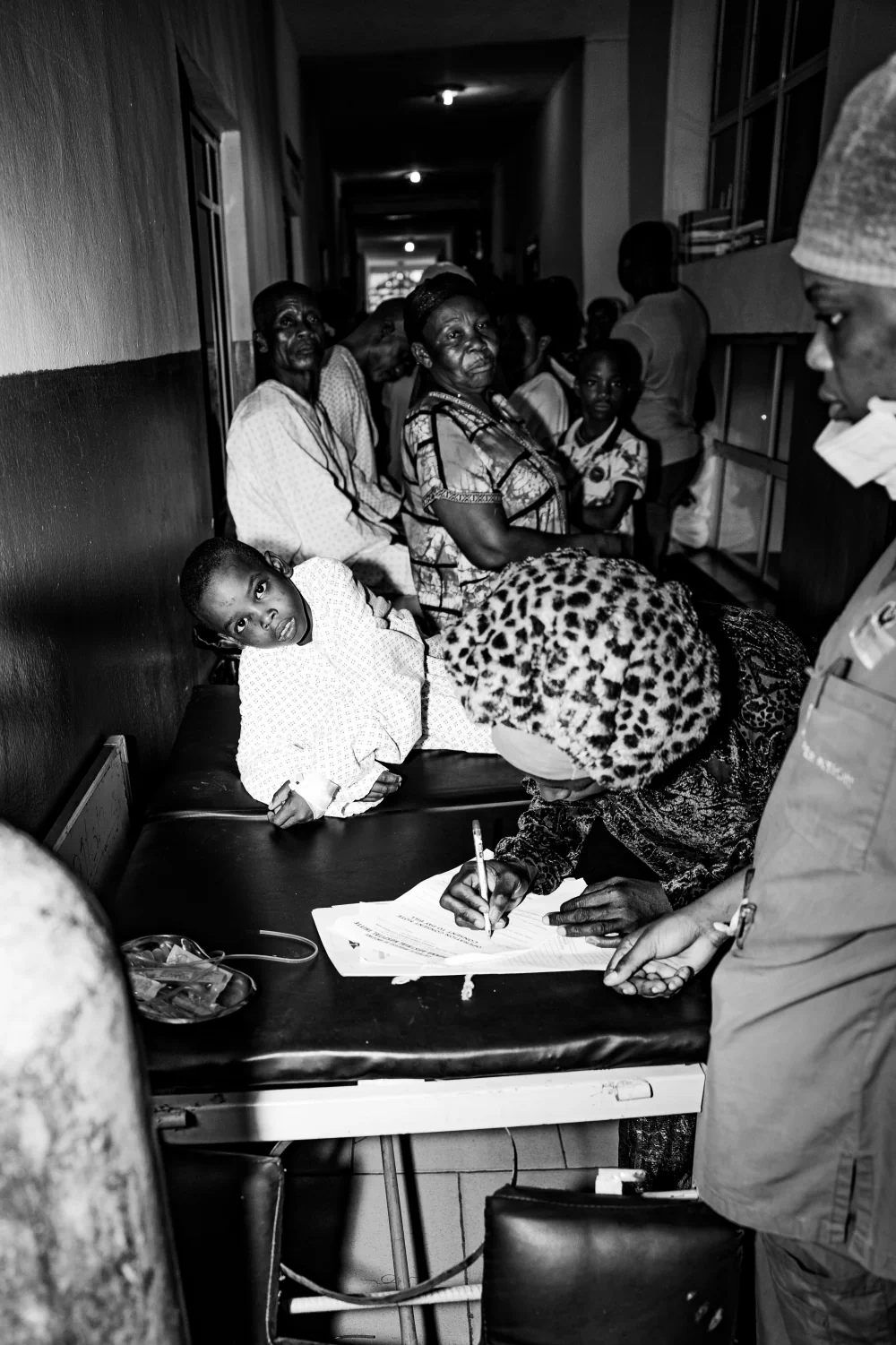
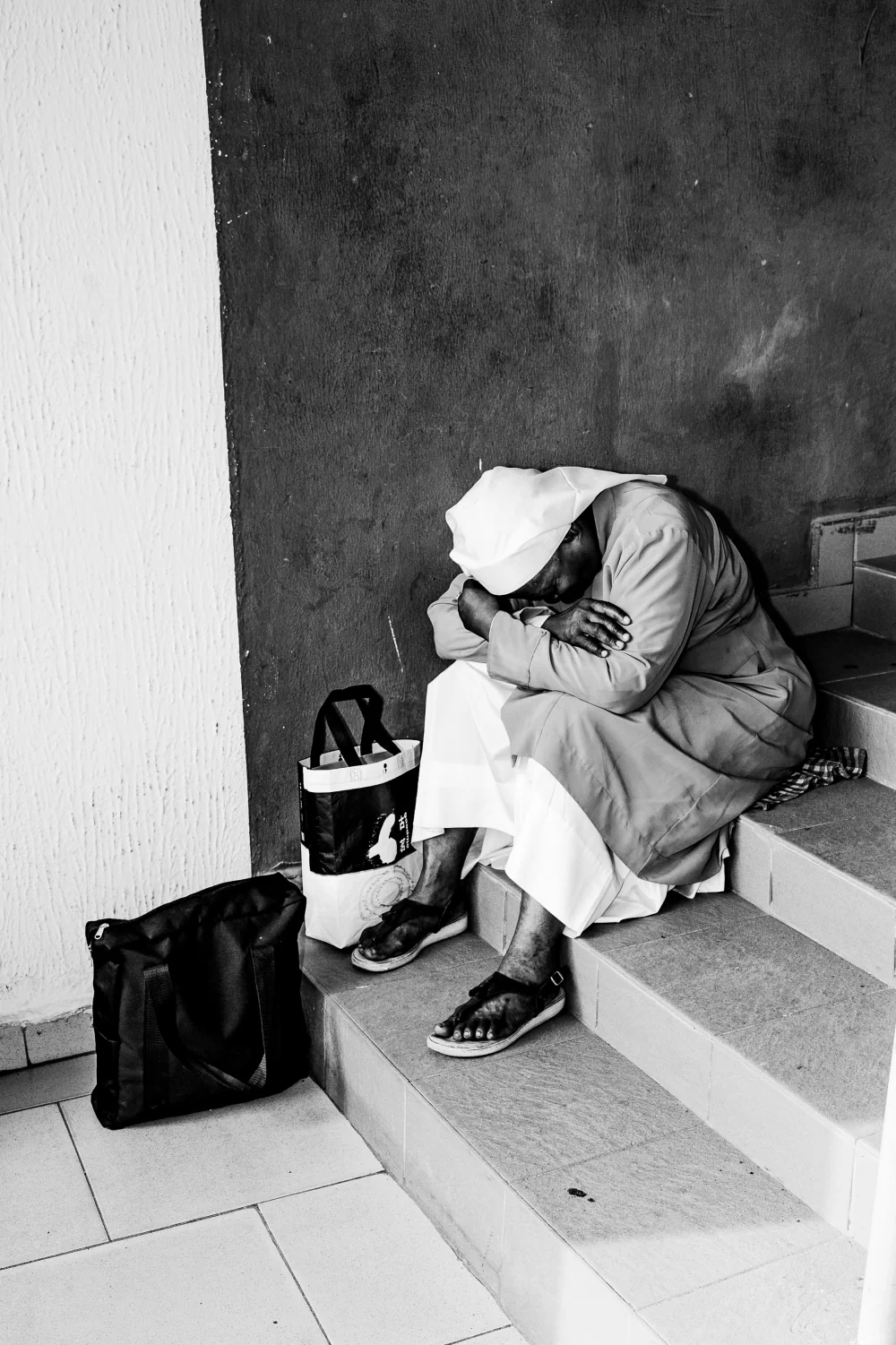
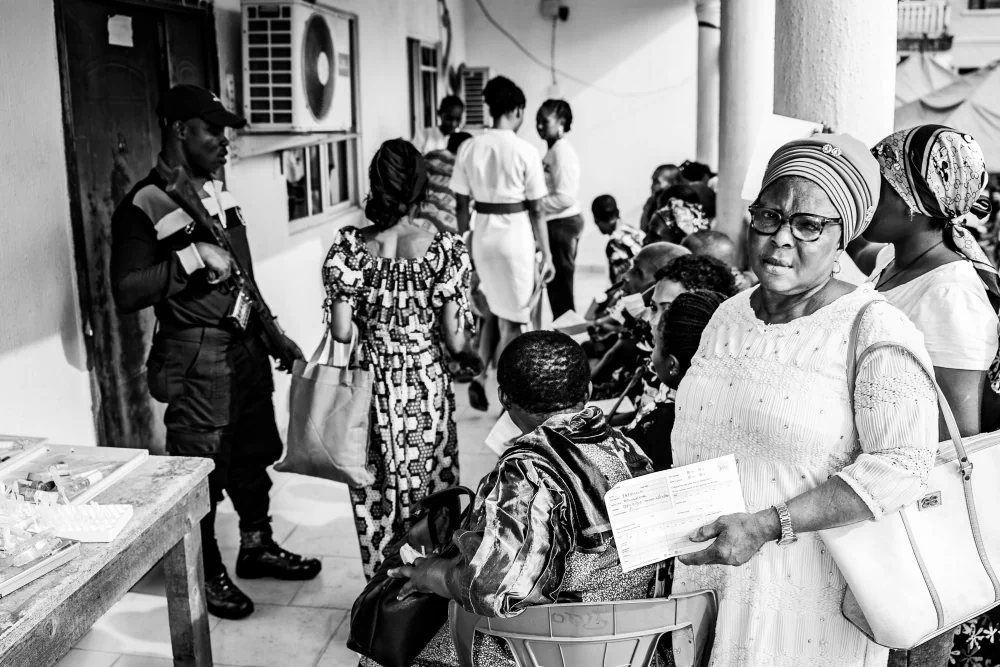
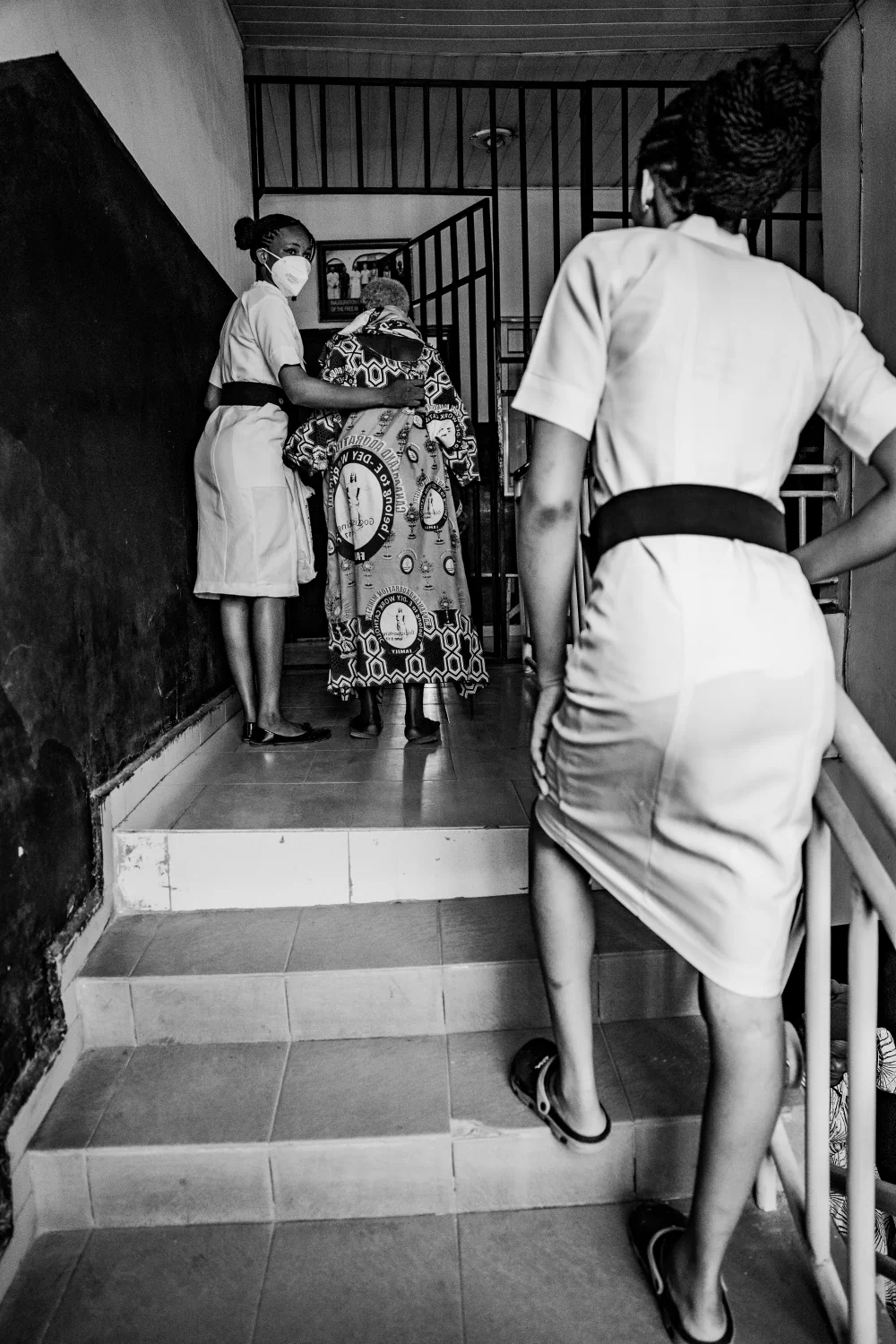
The work unfolded within a clearly structured system. Days followed a continuous sequence of registration, diagnosis, preparation, surgery, recovery, and follow-up care. Long waiting lines, concentrated teamwork, and brief moments of relief defined the rhythm inside the hospital.
Care was present everywhere—but not equally accessible. It depended on time, capacity, and circumstance. Distance was not only physical, but also structural.
As a documentary photographer, his role was not to explain medical procedures or interpret the broader social context. Instead, the work focuses on visual observation: presence, structure, gestures, light, proximity, and the quiet intensity of collective effort.
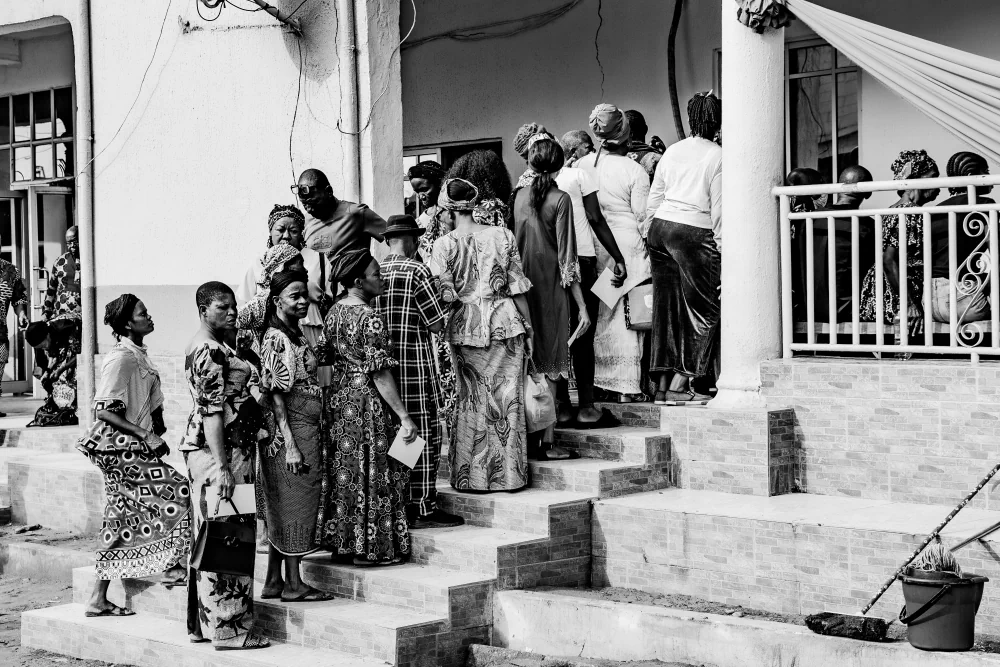
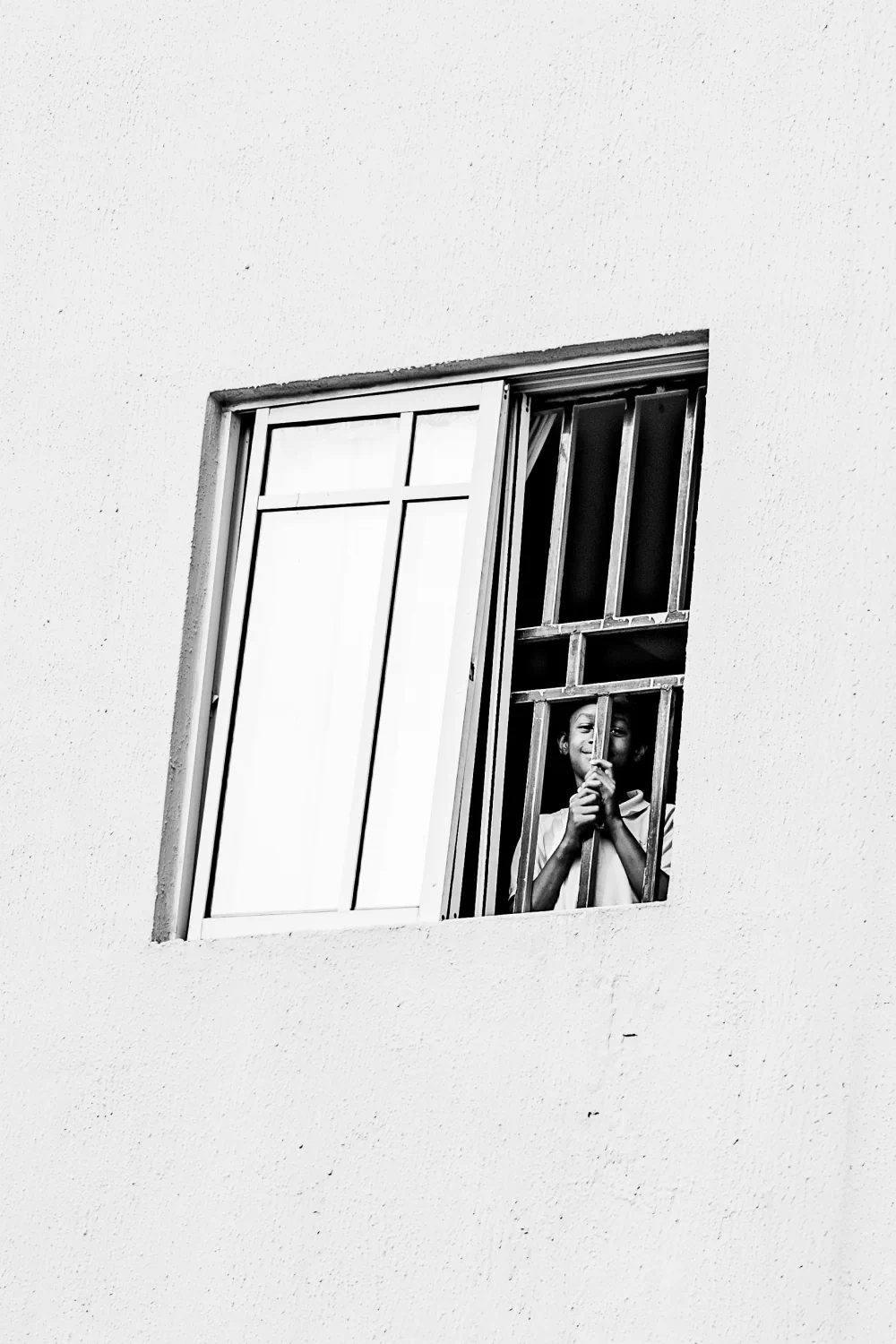
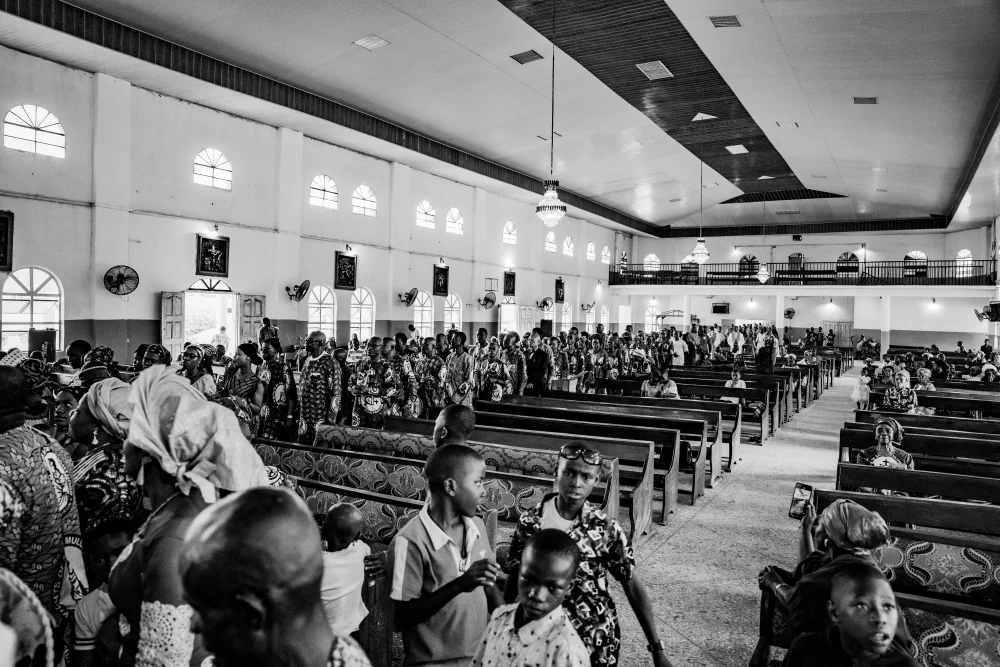
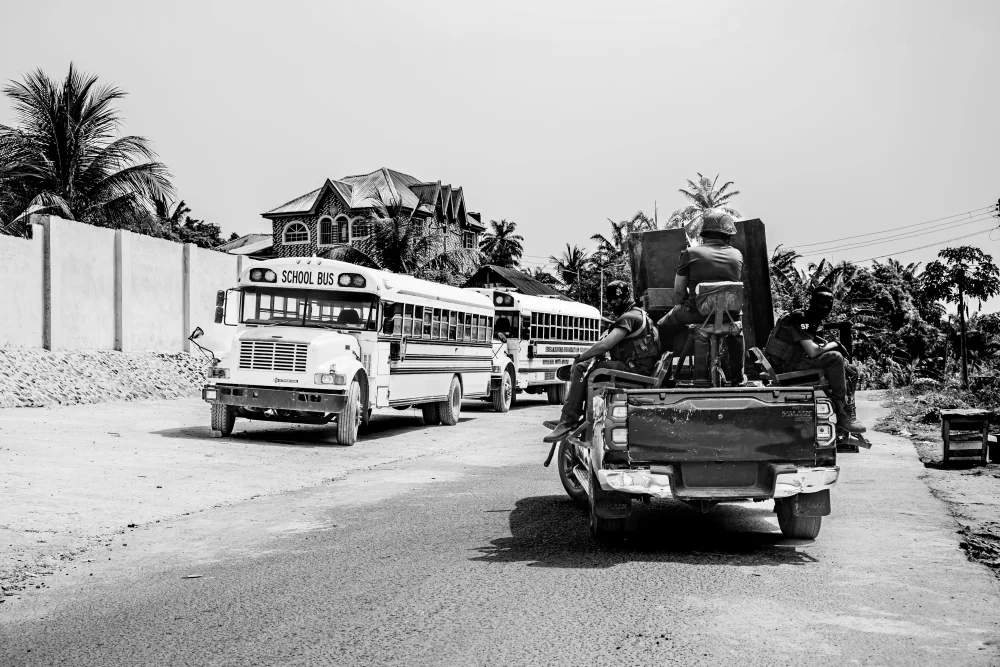
The photographic series moves between different institutional environments, including the hospital and the nearby school. Though distinct in function, both spaces reveal similar underlying structures—systems that organize people, regulate movement, and shape interaction.
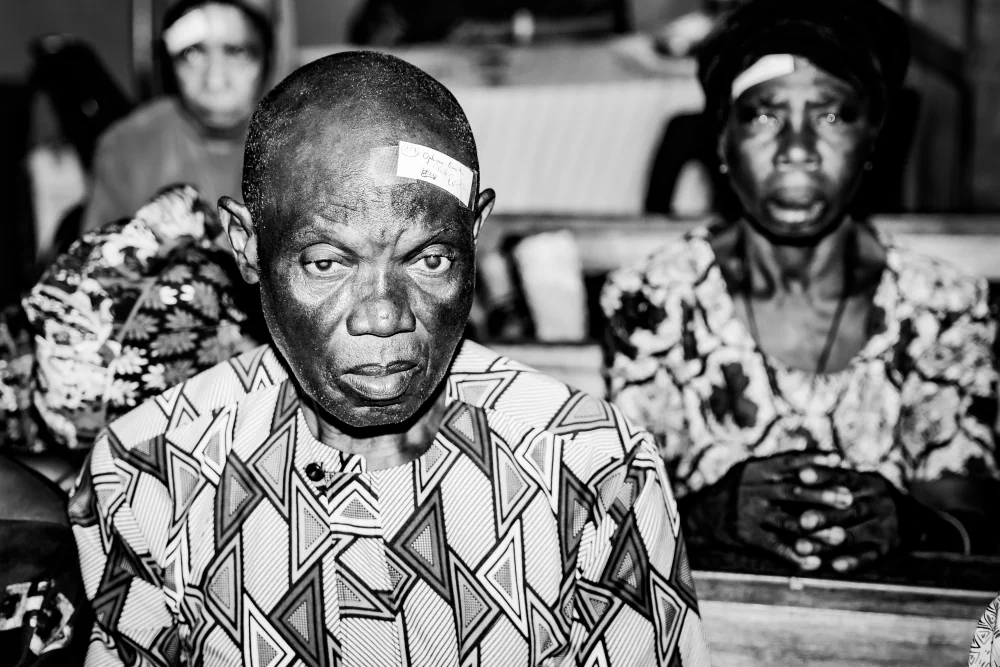
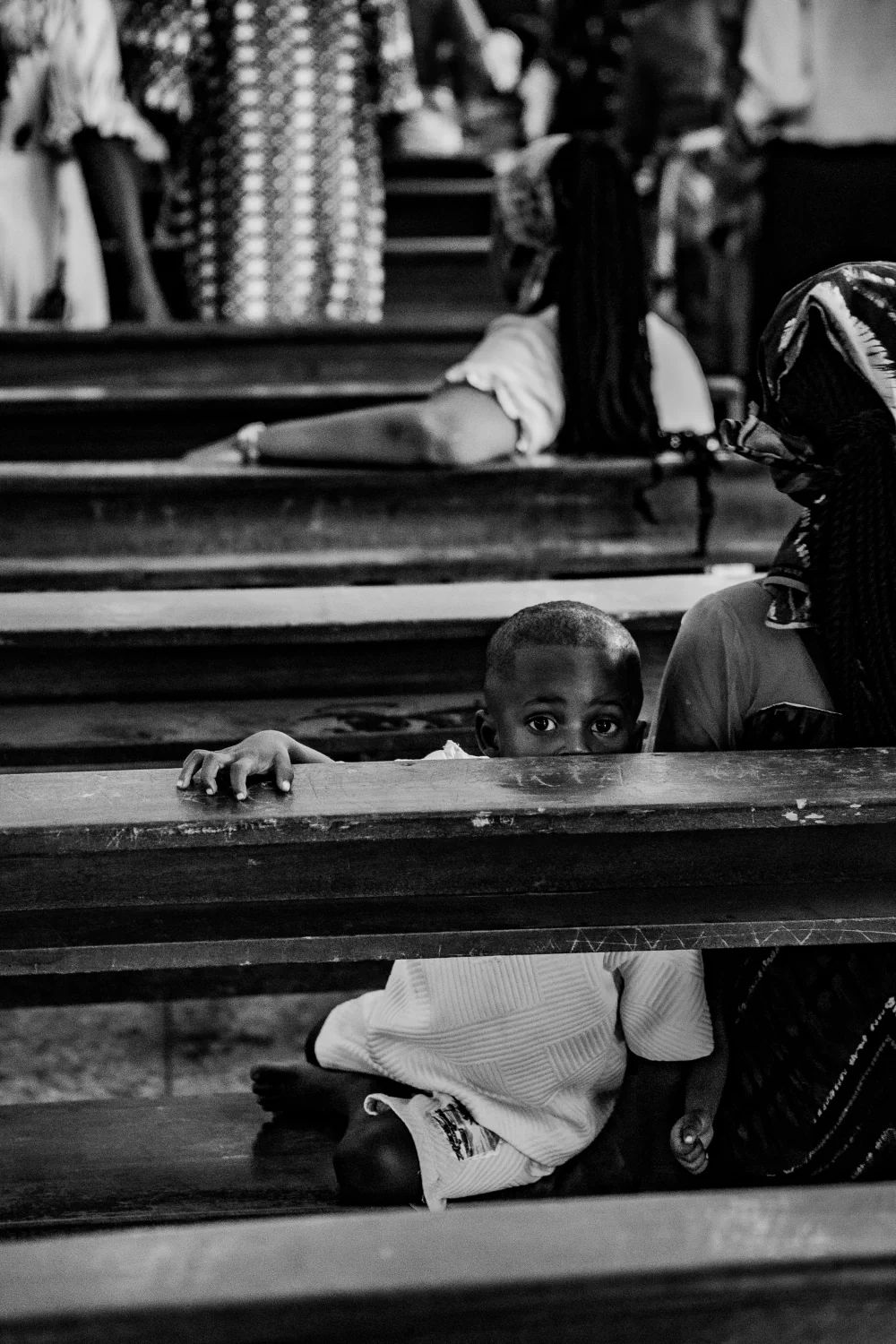
Rather than producing a traditional report, the work concentrates on atmosphere and human interaction within these environments. It observes moments of concentration, fatigue, collaboration, waiting, and resilience without isolating individuals from the systems they are part of.
Groups, formations, and spatial relationships become central elements. People are often shown in relation to others—waiting, observing, participating—emphasizing how individual experience is embedded within collective structures.
Working in black and white reduces the scenes to their essential elements. Light, contrast, and composition guide the viewer’s attention toward relationships within the frame, allowing proximity and distance to coexist visually.
Distance to Care reflects on how care is structured, how it is experienced, and how different forms of distance—physical, social, and systemic—influence access to it.
This work is part of a broader long-term documentary exploration of humanitarian projects, social structures, and environments shaped by shared responsibility. The images from Nigeria represent one chapter within this ongoing field-based practice.
About Ingmar Ostermaier
Ingmar Ostermaier is an Austrian documentary and street photographer based in Vorarlberg, Austria, working across Europe and beyond. His photography focuses on human presence in real situations, often exploring the quiet tension between everyday life, social reality, and personal moments.
Working primarily in black and white, he approaches photography as a form of visual field notes. Rather than constructing scenes, he photographs within unfolding situations, allowing moments to develop naturally in front of the camera.
Before focusing on photography, he spent over a decade working as a professional singer, an experience that continues to influence his sensitivity to atmosphere, rhythm, and human expression. His work moves between documentary, street, and portrait photography, always guided by a simple principle: presence over narrative.
In 2026, he participated in a humanitarian hospital mission in rural Nigeria, documenting the work of international medical volunteers and the lives of patients traveling long distances for treatment. The resulting photographic series forms part of an ongoing exploration of humanity, resilience, and dignity in challenging environments. [Official Website]