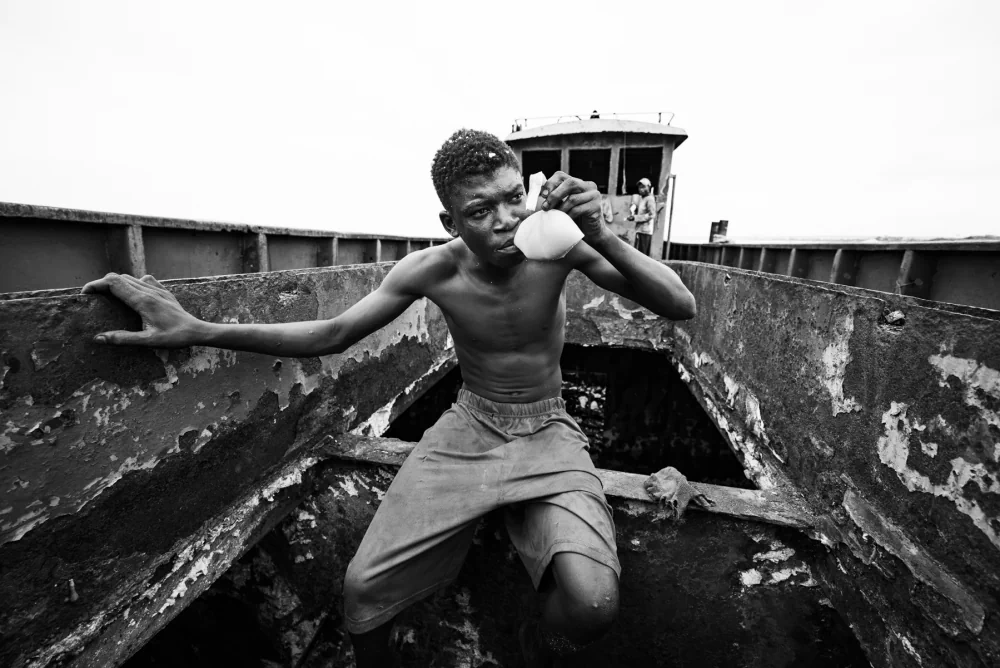


The gray dawn heralded the rain that the fishermen had been waiting for.
They say that the murkier the seawater becomes, enriched by sediments carried from the nearby river, the better it is for fishing.
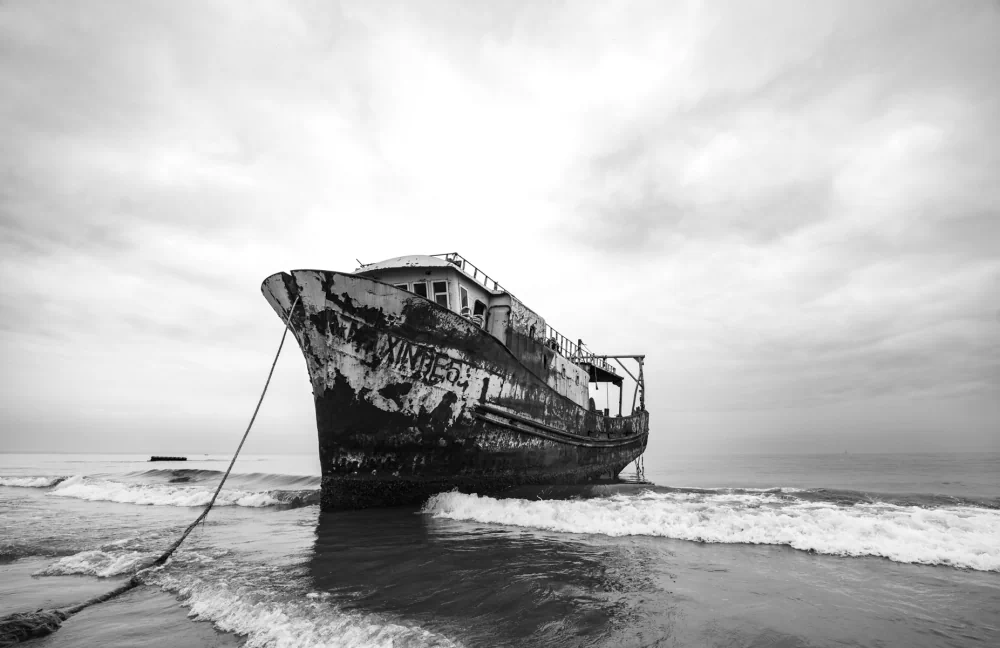
The tide had already begun to rise, slowly overtaking the sand with small waves that grew bolder and bolder. Before fading with a final sigh, the waves gently circled the hull of one of the two old ships that came here to die, as if unwilling to wake them from their eternal slumber.
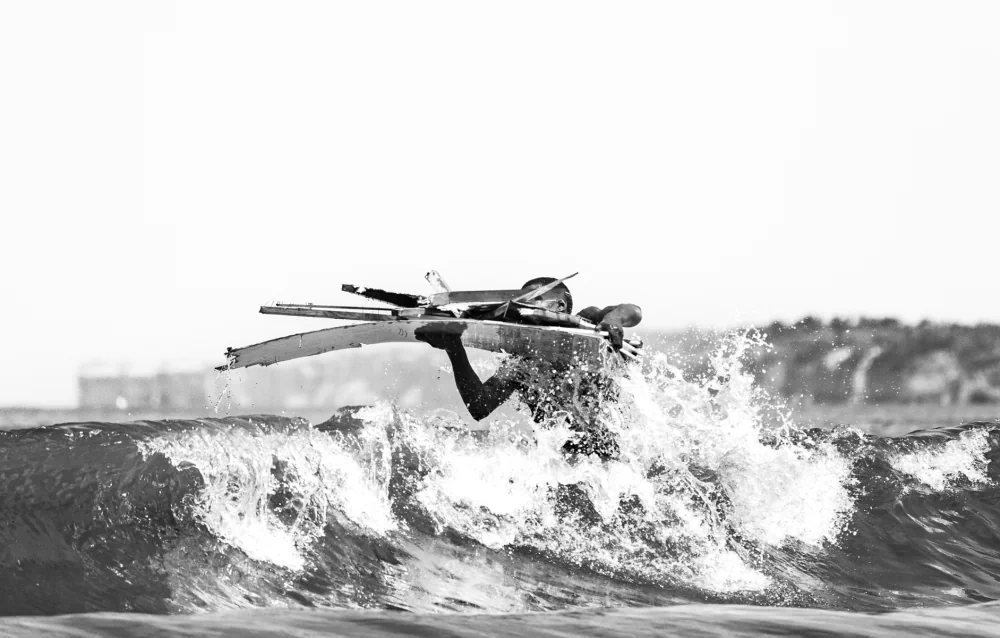
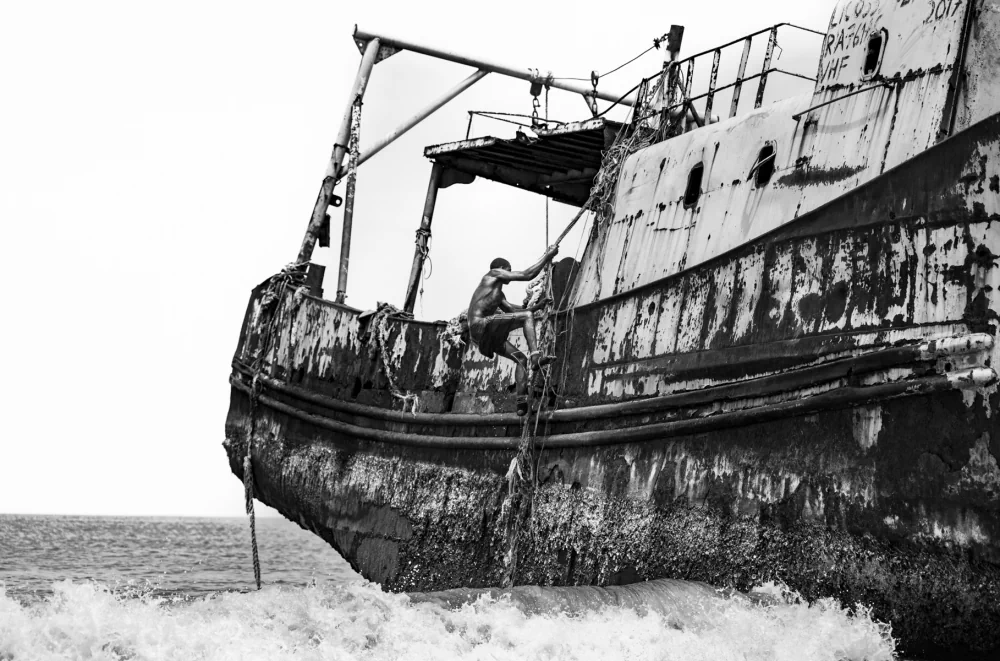
Rust and barnacles had overtaken nearly the entire hull of this small giant, which lay tilted as if it had already accepted its fate. Despite its decay, it exuded a certain dignity and haughtiness as it dominated the flat, lifeless landscape. Its companion, which had shared the beach for more than two months, had already been torn apart by the fury of blowtorches, leaving only its iron skeleton behind. A few scattered fragments remained on the beach, like memories of a carnage awaiting the arrival of the last scavengers.
Gradually, the bustle of fishermen preparing for their first catch of the day began to take over the beach. A flock of hungry herons followed closely behind, circling overhead and letting out shrill cries. Life slowly resumed.
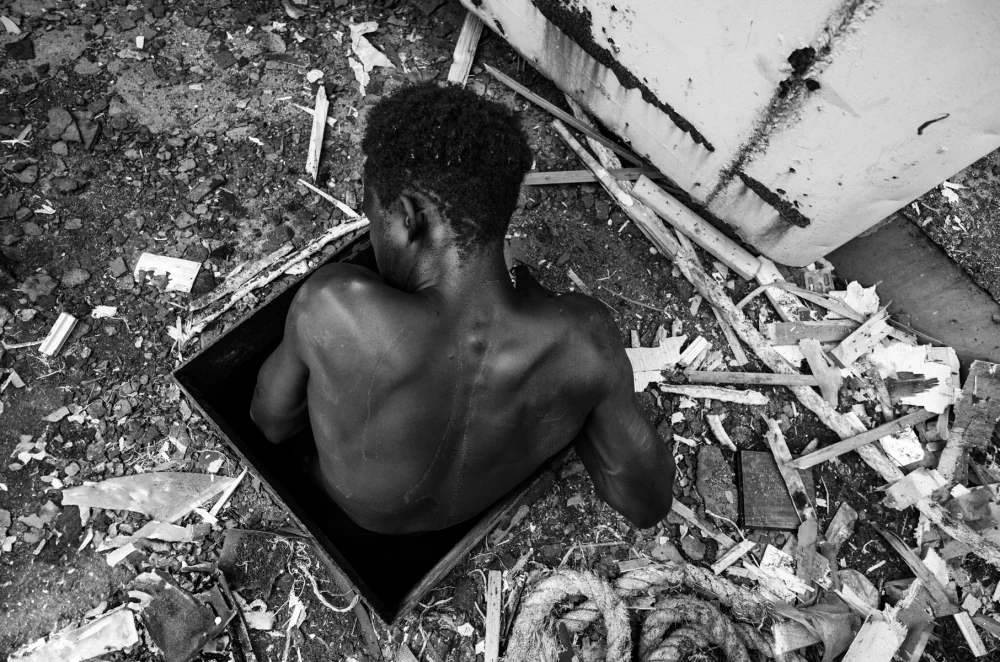
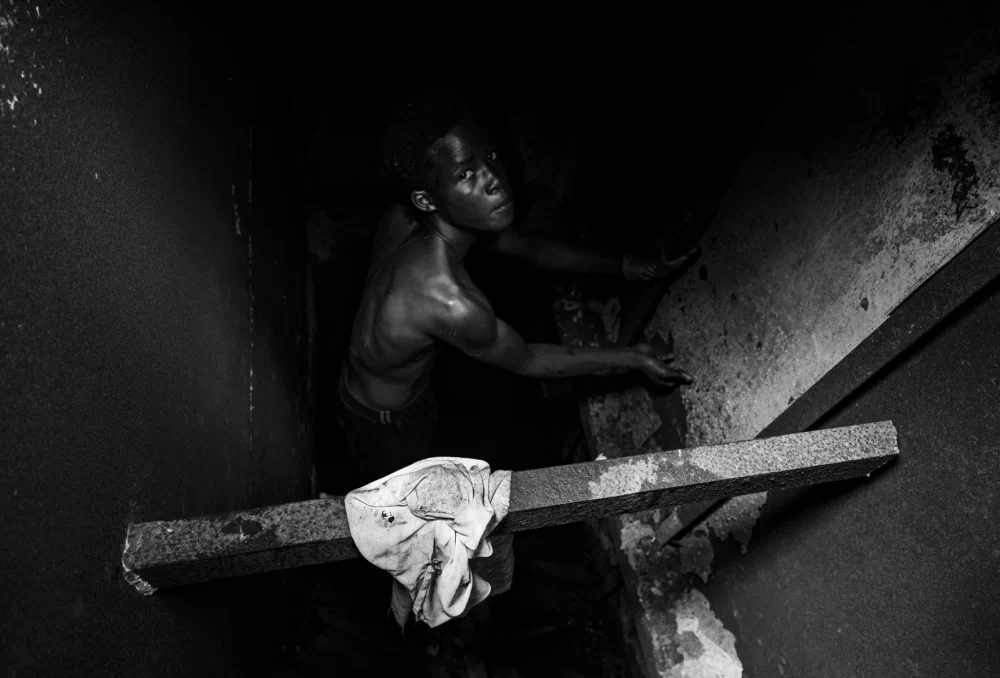
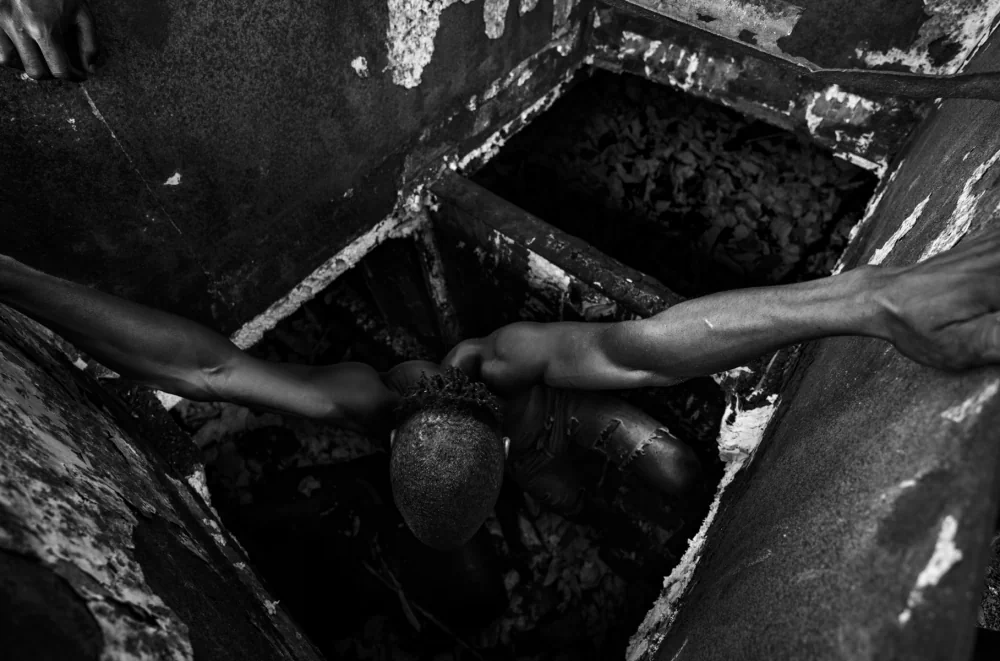
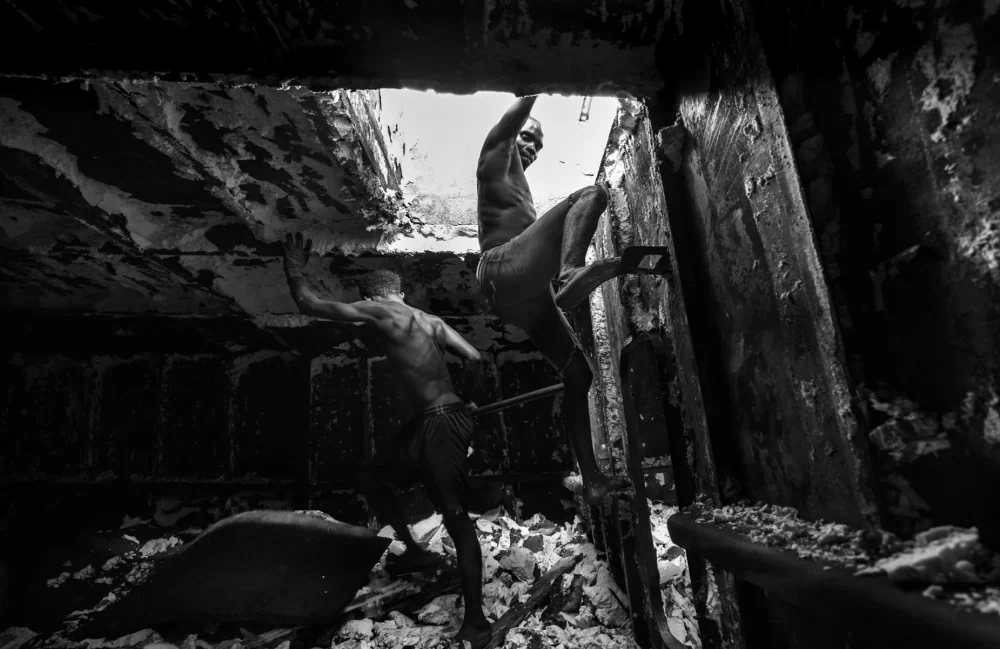
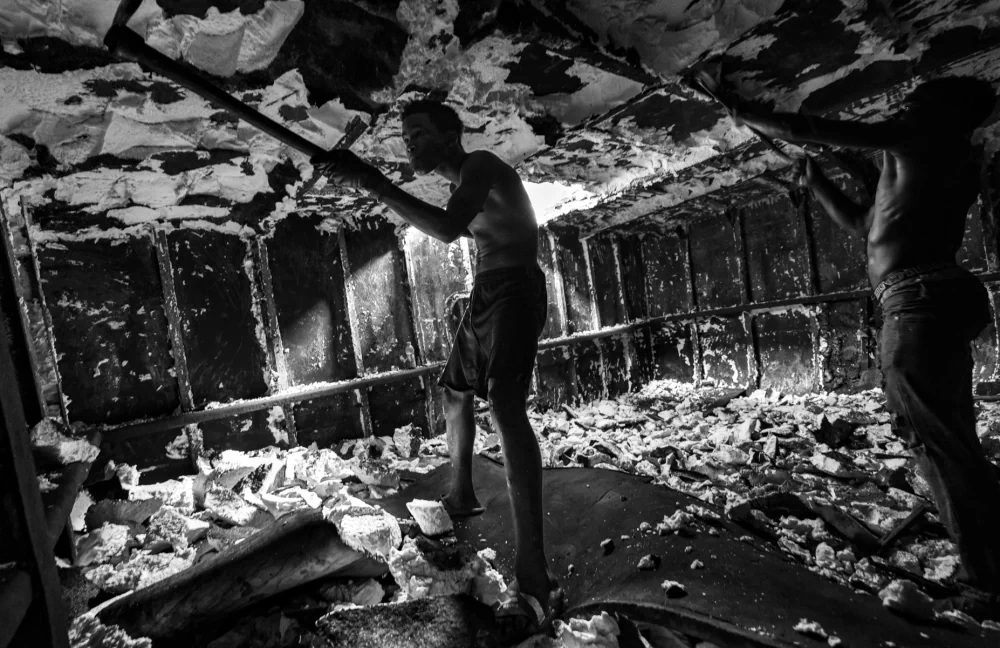
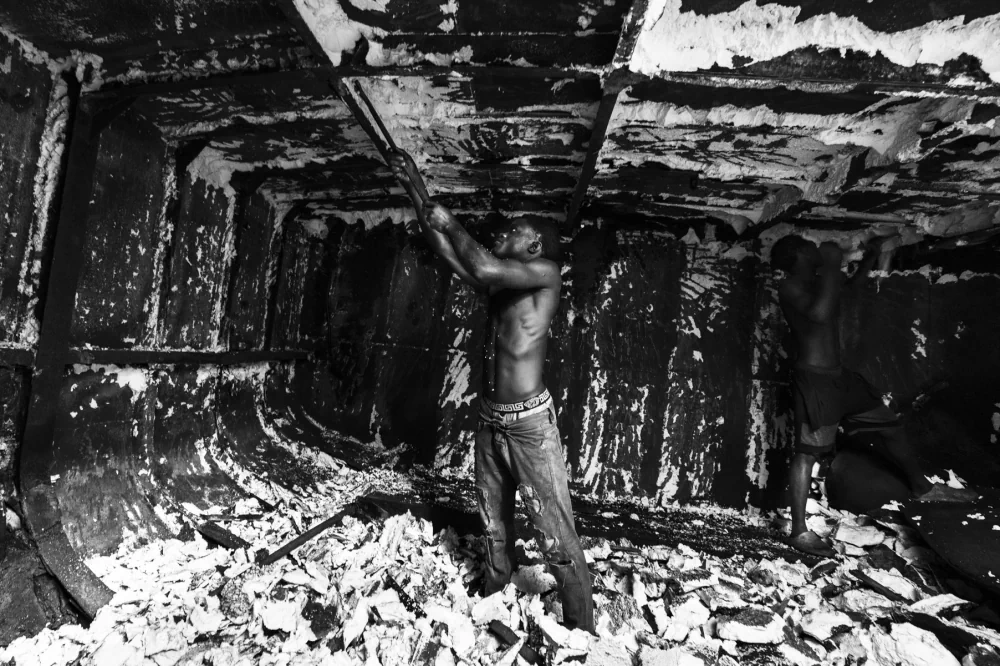
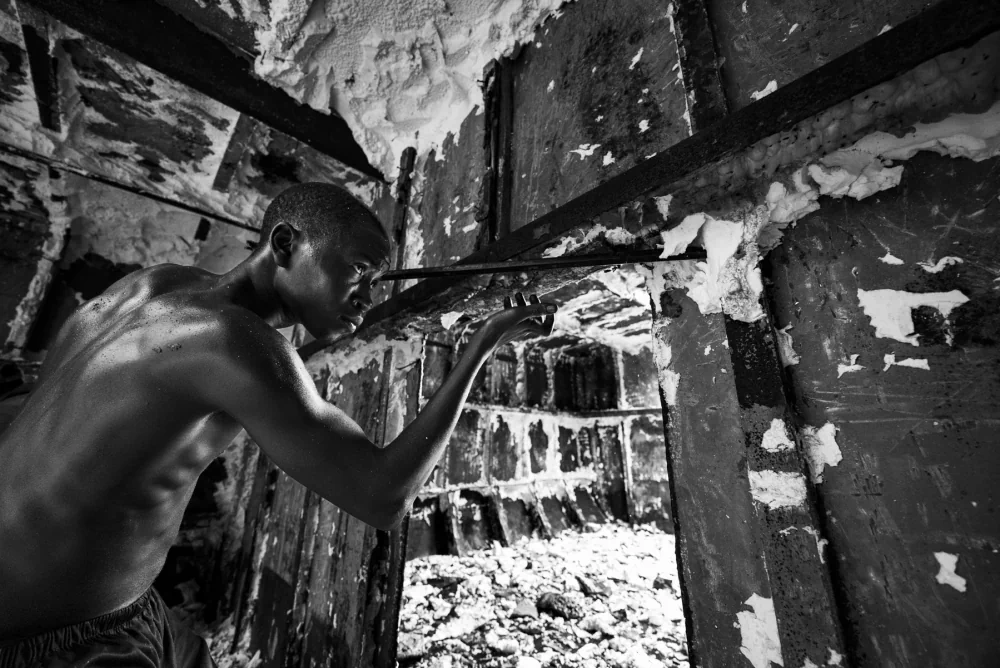
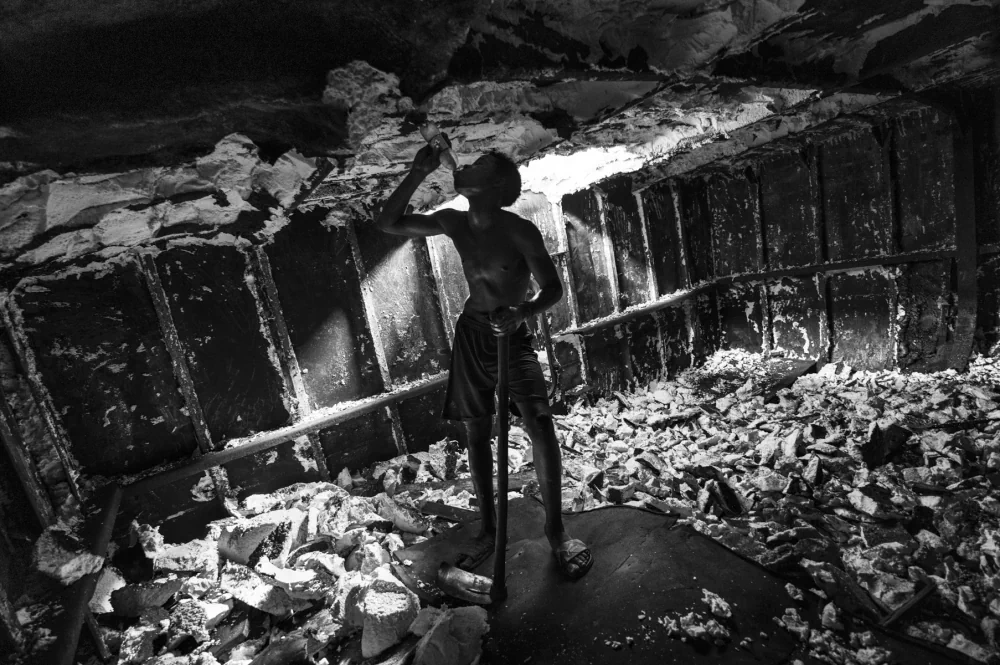
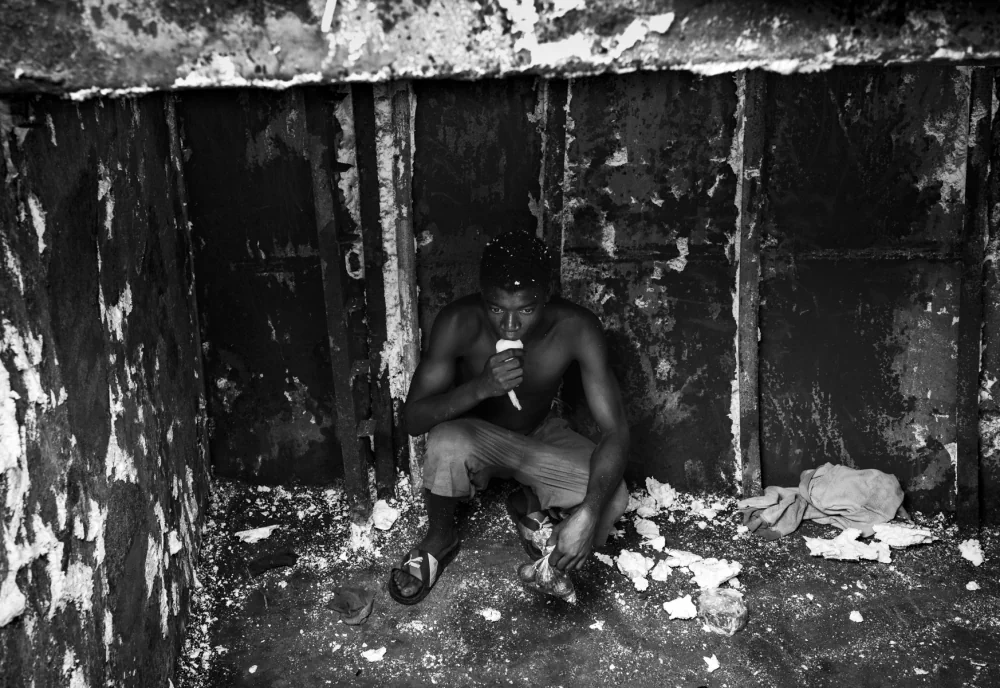
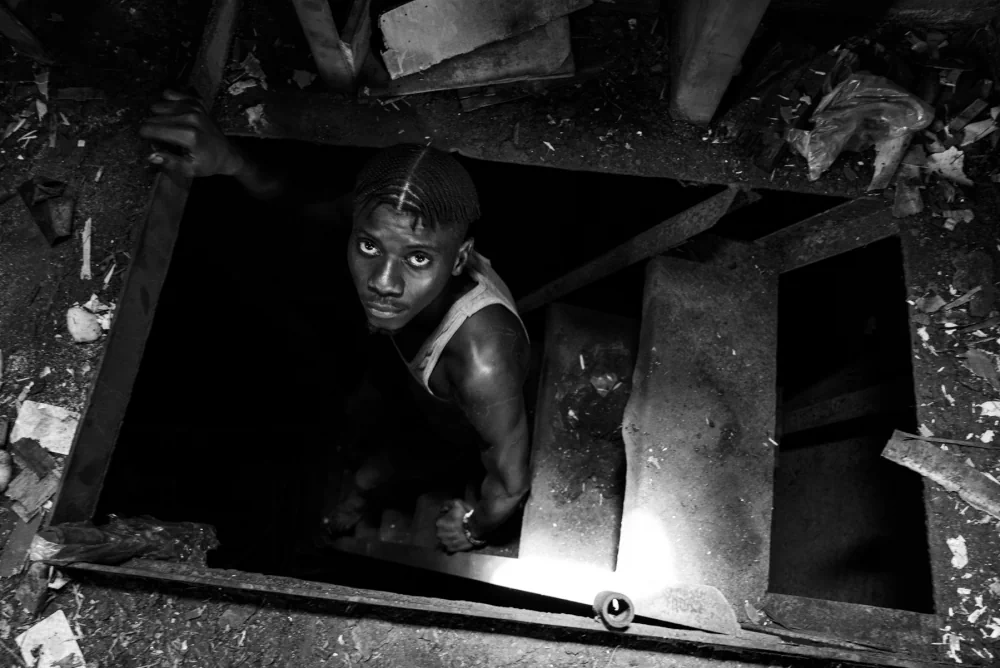
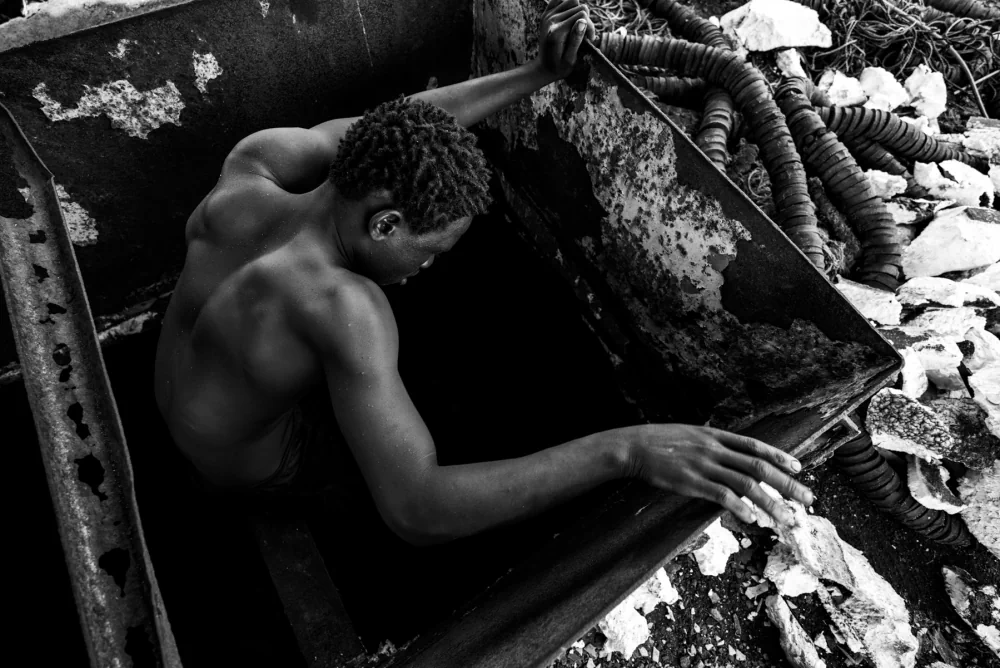
Yet, invisible and silent as the night, life had never ceased to exist there. In the dark, damp holds of this old ship, a shadowed world persisted, where men of flesh and blood worked in silence, as if bound to a cruel fate from which they could not escape. They had labored in the bowels of the smaller ship for more than two weeks, until others took their place and tore apart its iron walls with blowtorches.
Some of them never left this new cave of Plato. The Allegory of the Cave, described by the Greek philosopher Plato in The Republic, tells of prisoners confined since childhood, chained so that they can only face a wall onto which shadows are projected. Sounds from outside echo along the cave walls, giving the illusion that the shadows possess voices. The prisoners come to believe that these shadows are reality.
In this dark world, shadows symbolize appearances, opinions, illusions, and the limited knowledge acquired through the senses. This knowledge is mistaken for truth. Shadows are imperfect reflections of real objects, yet the prisoners accept them as reality because they know nothing else. This condition reflects an attachment to superficial understanding.
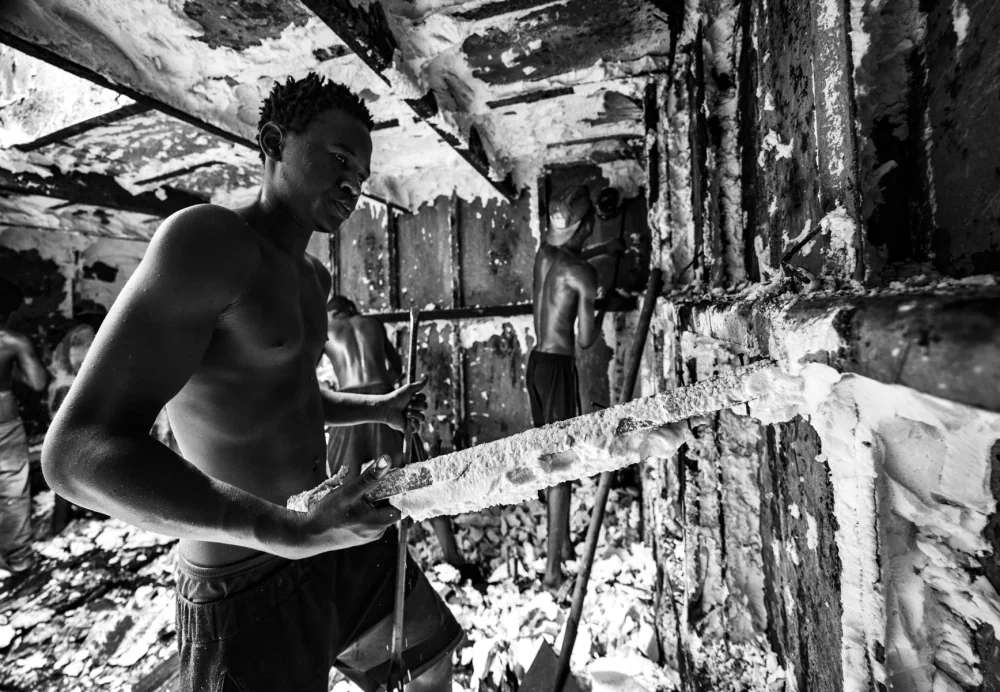
The light from the outside world hurts the eyes of the prisoners in this cave on the beach, so they remain within the ship’s holds until the sounds of life returning awaken them. Others are held back by the distance between the beach and the homes they once knew. Returning home each night would cost them the little money they earn after weeks of exhausting labor, removing wood shavings and insulating foam from the dying vessel.
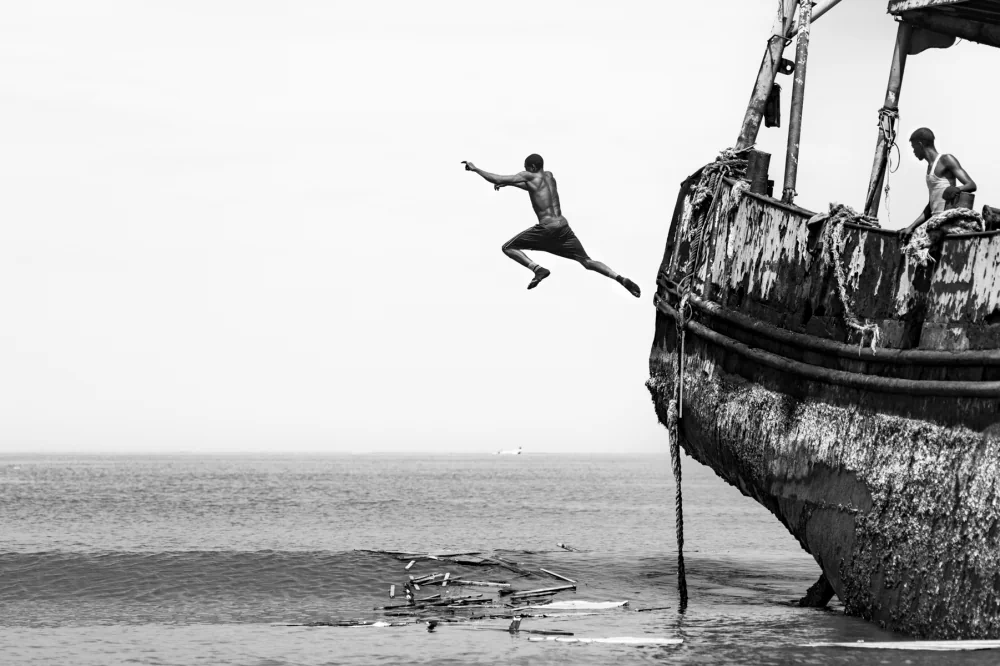
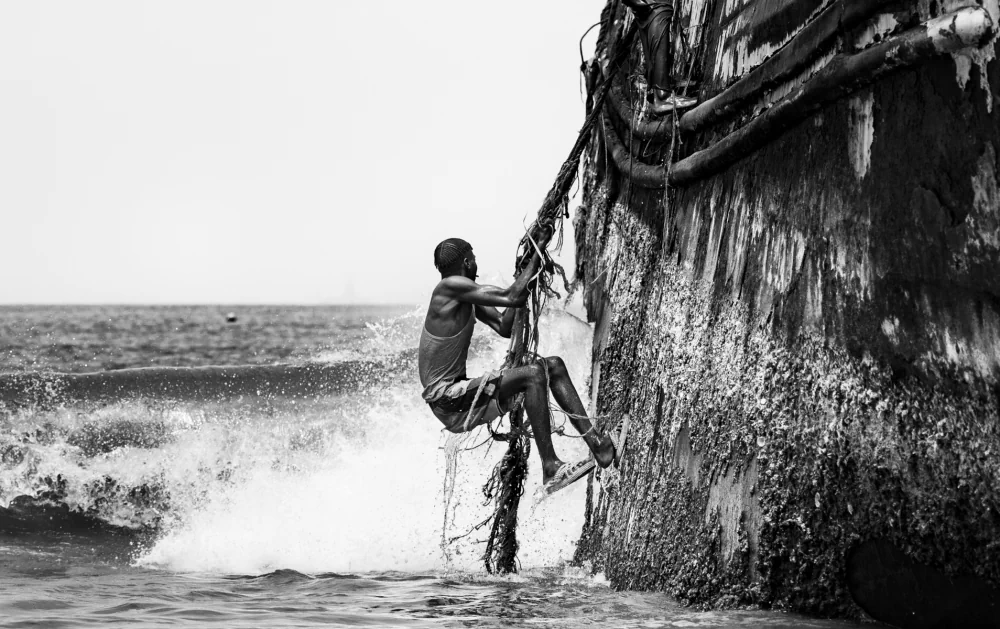
Days merge into one another within this cave. They work for endless hours inside the iron carcass, where the sharp smell of naphtha mixes with suffocating heat. After tearing wood from the walls, they throw it overboard, then dive into the sea to retrieve it and carry it ashore. These dives are perilous, as the shallow waters are filled with rusted debris from other ships that met their end here. They must choose precise moments, timing their jumps with the rhythm of the waves to avoid injury.
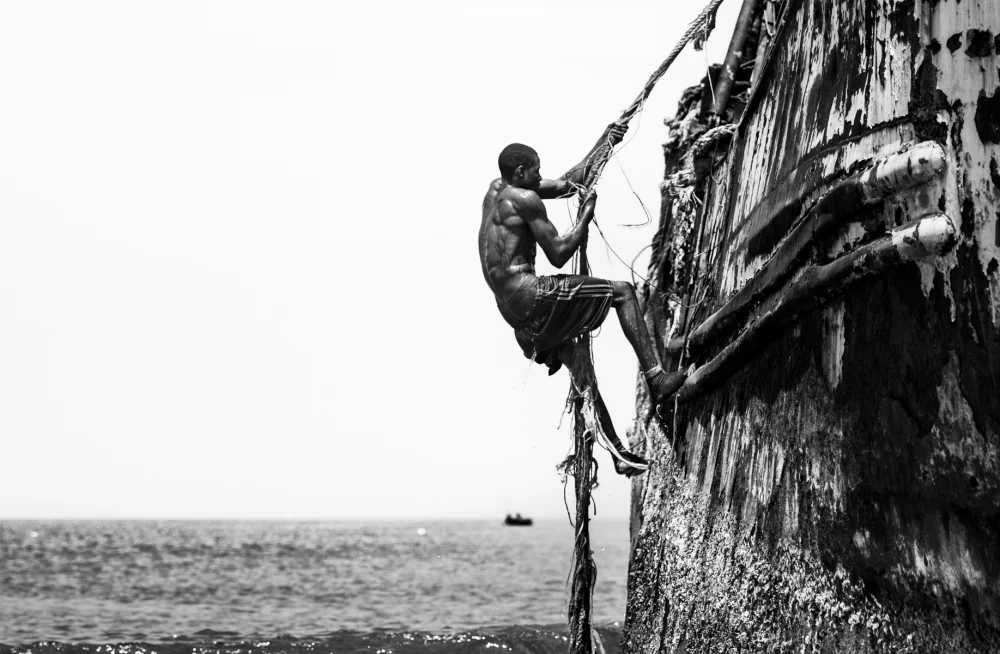
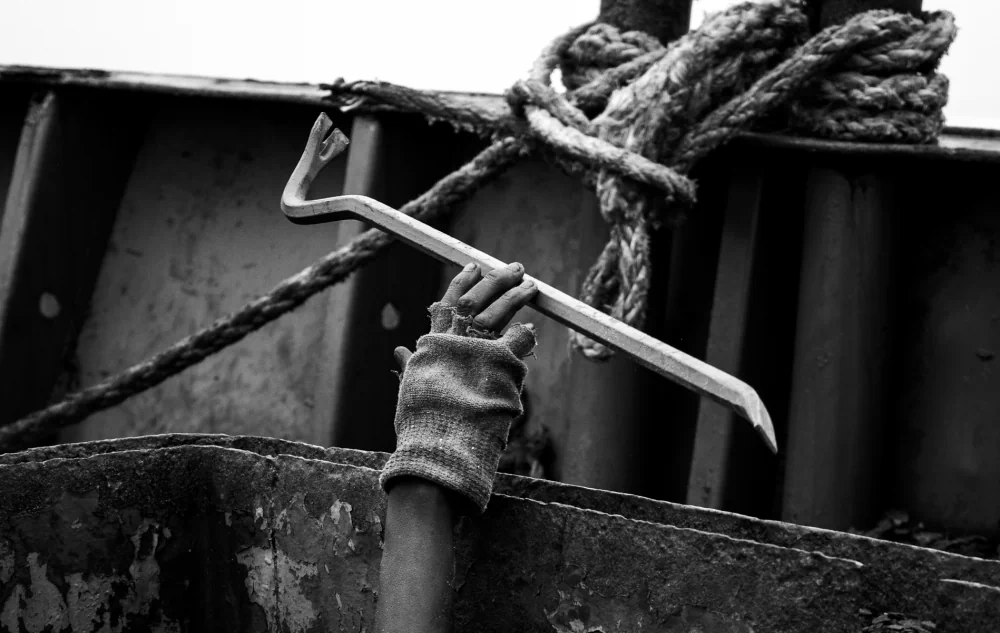
Climbing back onto the ship presents another danger. They battle the waves and pull themselves up worn ropes using only their arms. At any moment, the sea could hurl them against the jagged, barnacle-covered hull. In such conditions, even a minor wound can lead to severe infection and, ultimately, gangrene.
At the end of each day, they gather on the deck to drink, smoke, and briefly escape the silence. It is the only time their voices break the stillness. They share fragments of their day, along with their hopes and dreams tied to the small payment they will eventually receive.
Among them, one man, more accustomed to the light beyond, begins to feel liberated from the world of shadows. He urges the others to leave the cave and seek a different reality. But still blinded by the light, his companions convince themselves that the outside world has harmed him. They decide to remain.
Before sealing themselves once again in the suffocating darkness of the ship’s interior, they watch as their companion departs, diving one last time toward the light.
The sound of his body striking the water is the last thing heard. Silence returns, thick and absolute, ready to be reclaimed by the night. On the bridge, an imagined captain watches as the fugitive leaves the cave behind and joins the last fishermen departing the shore. He does not look back. He walks steadily toward the light.