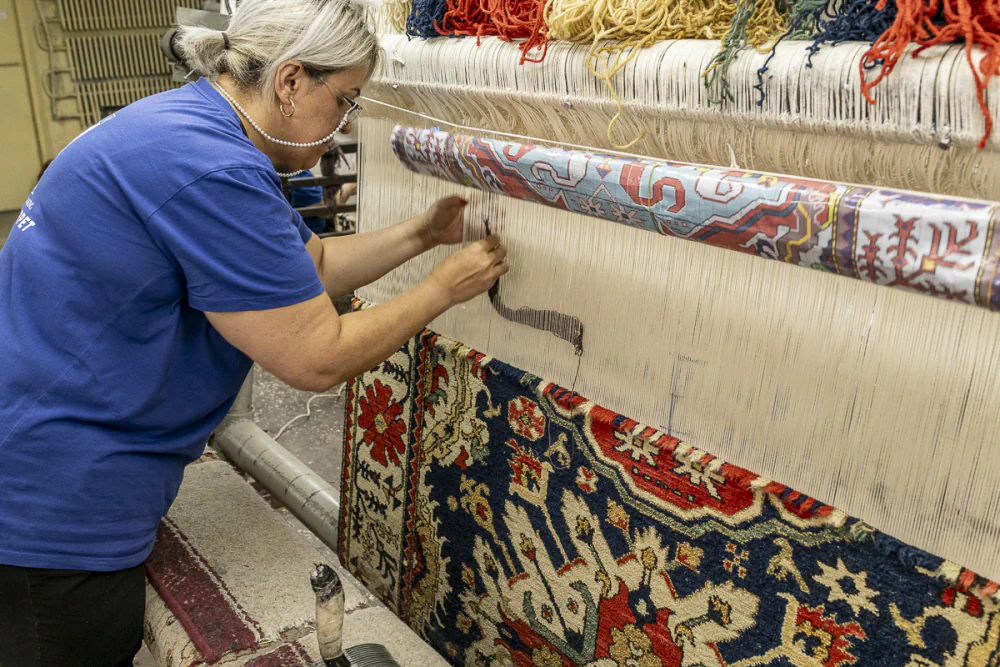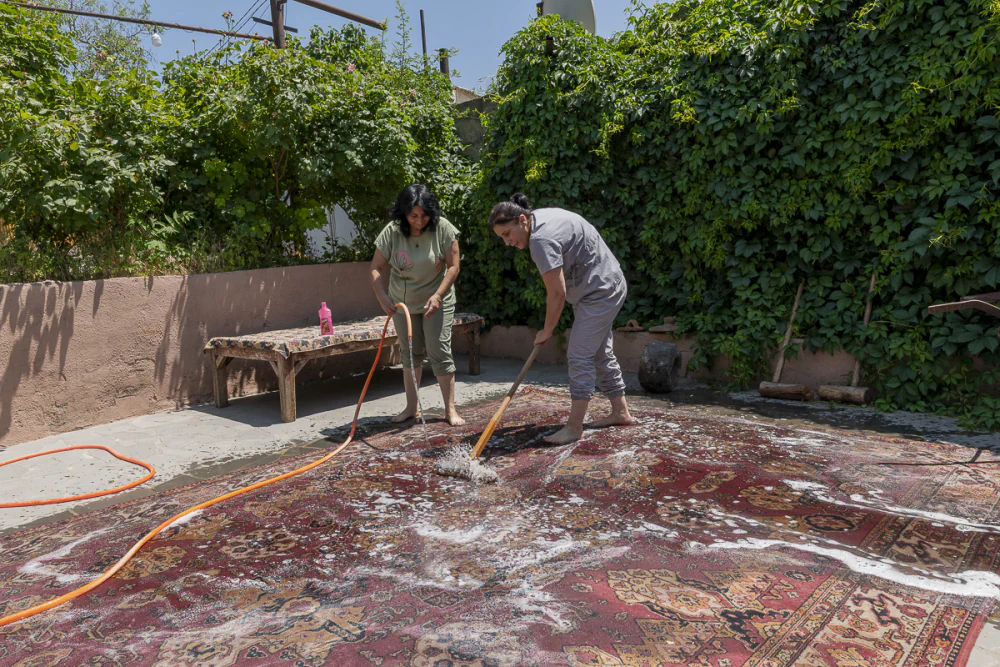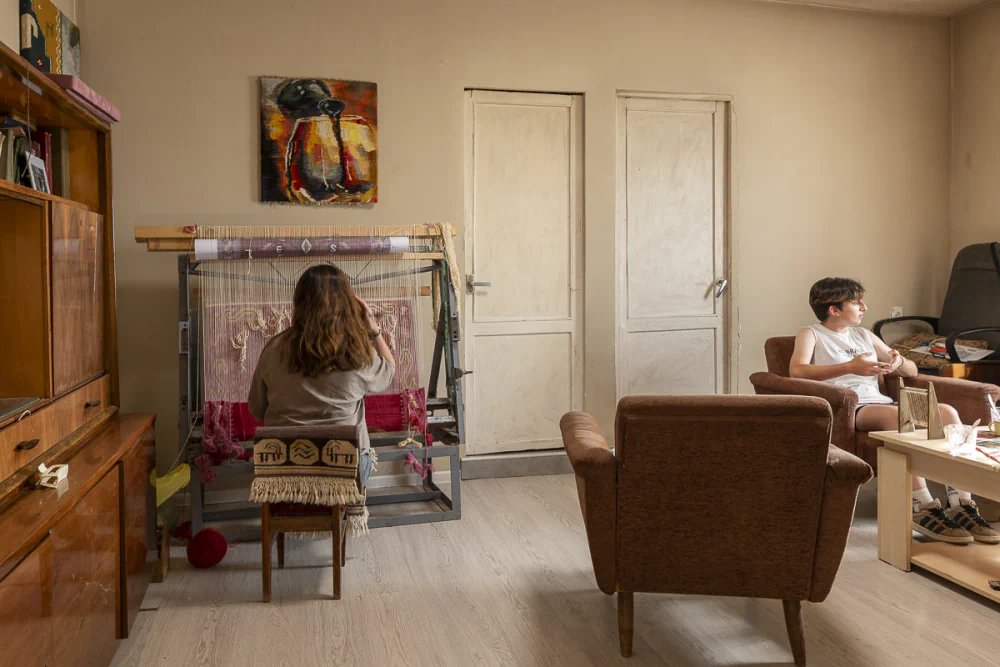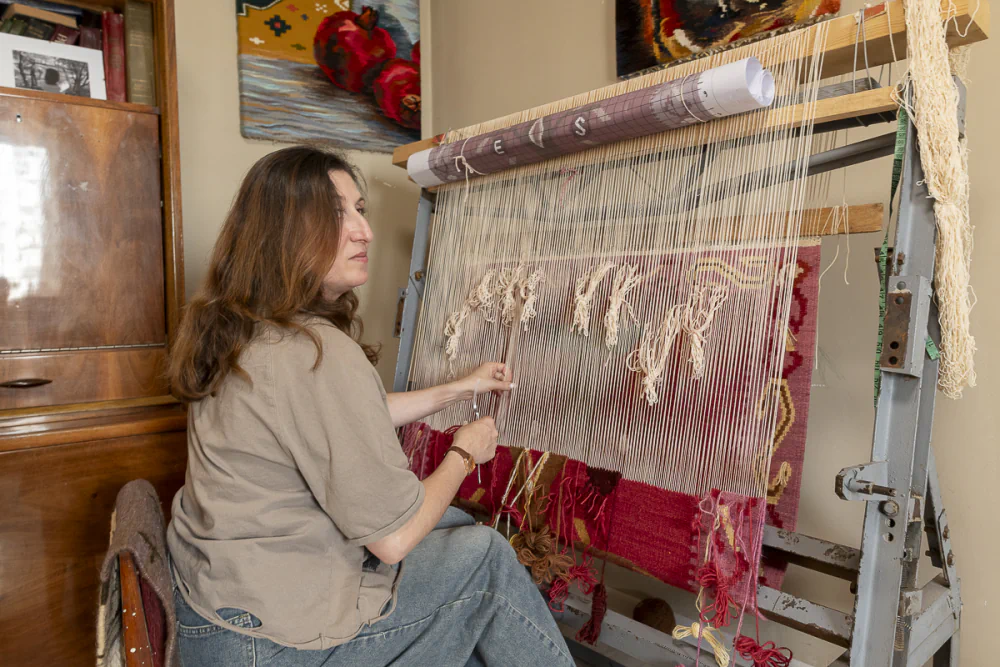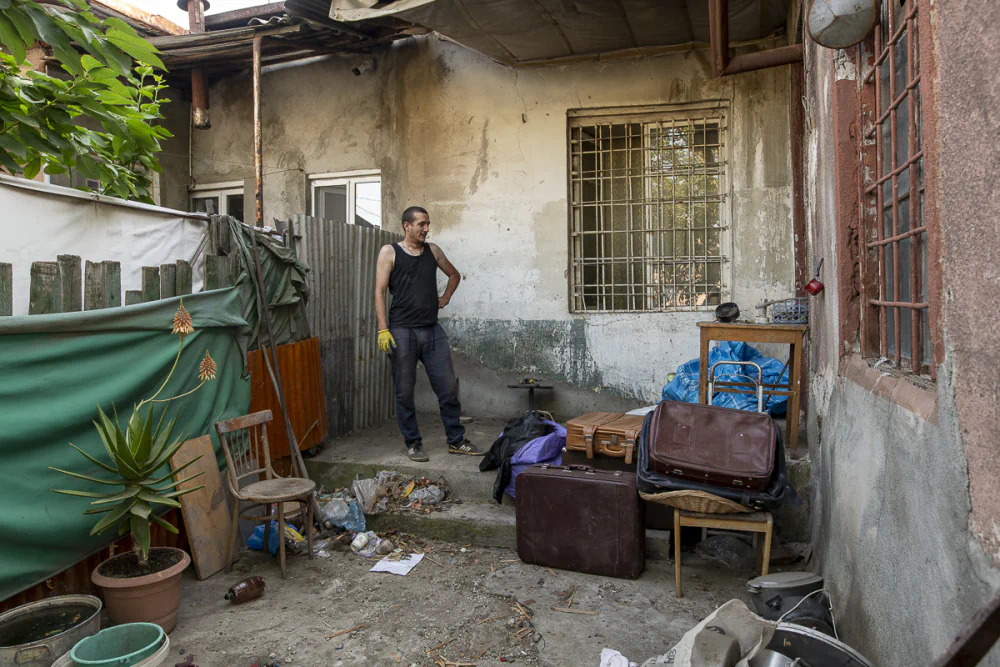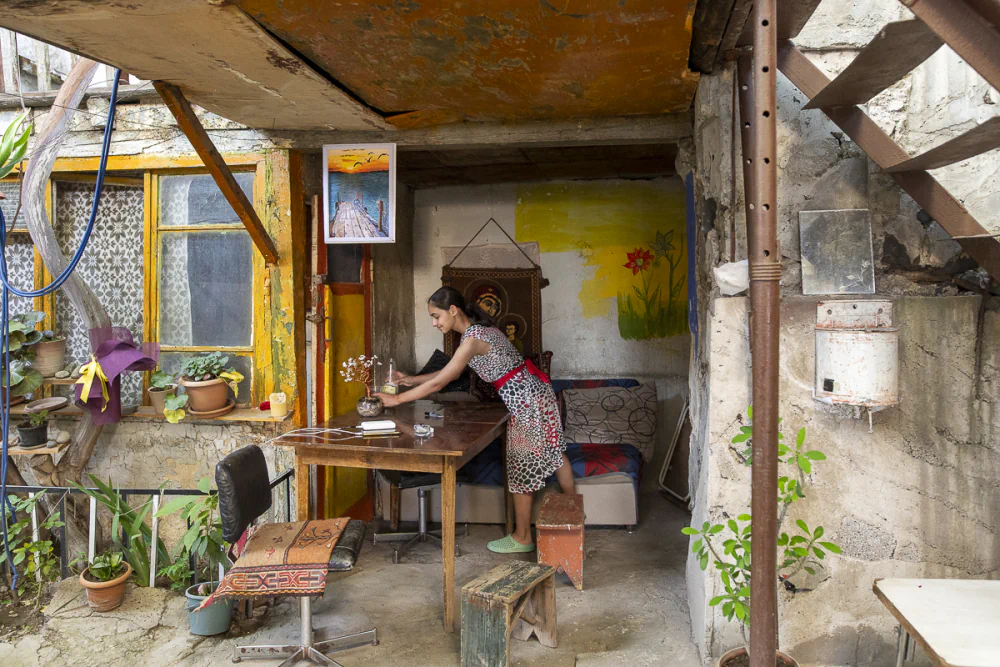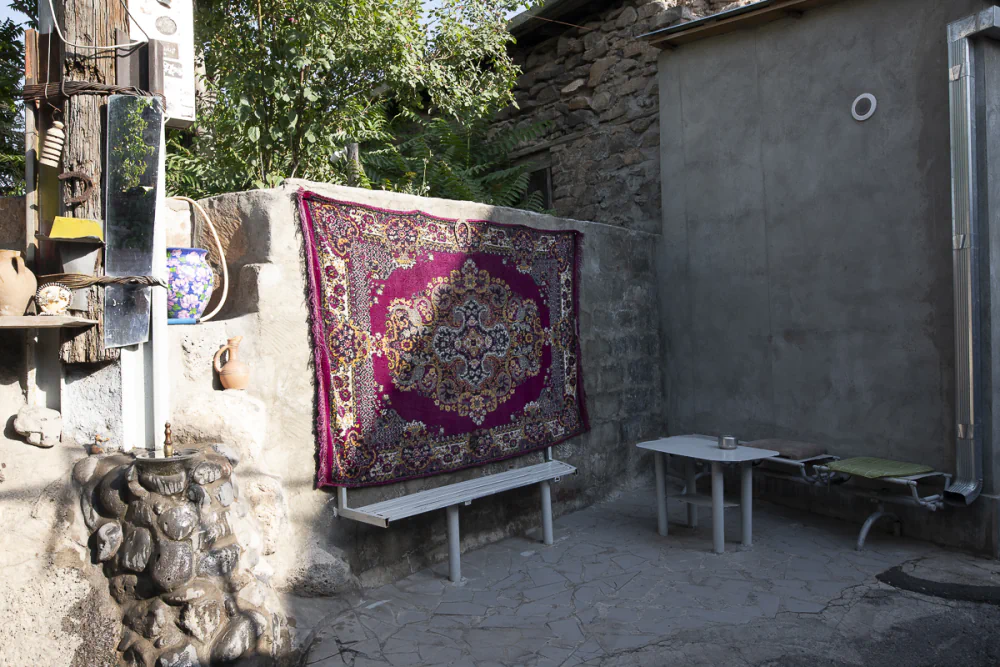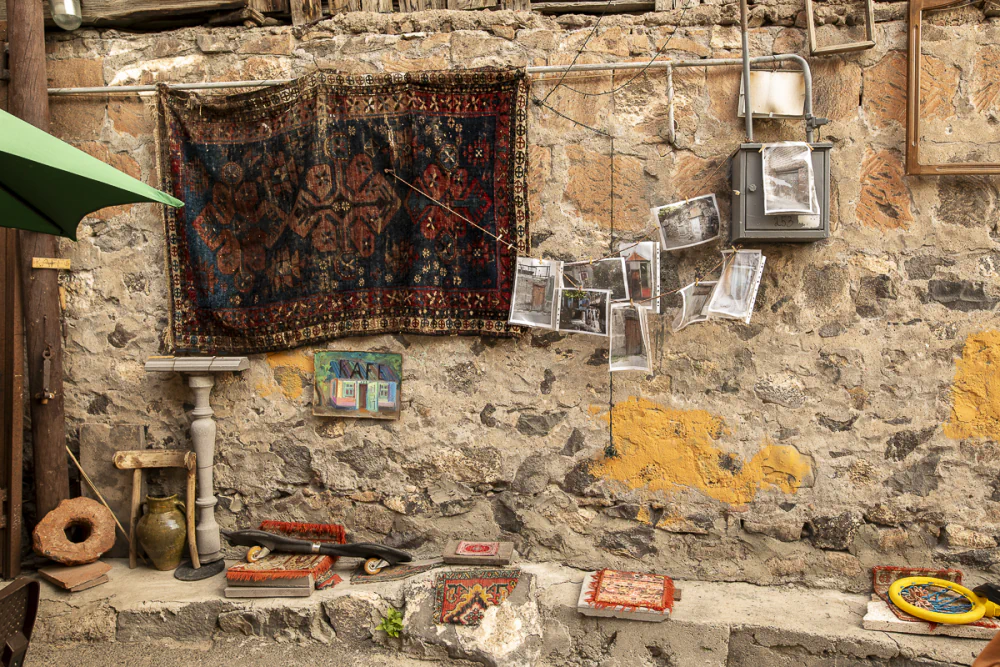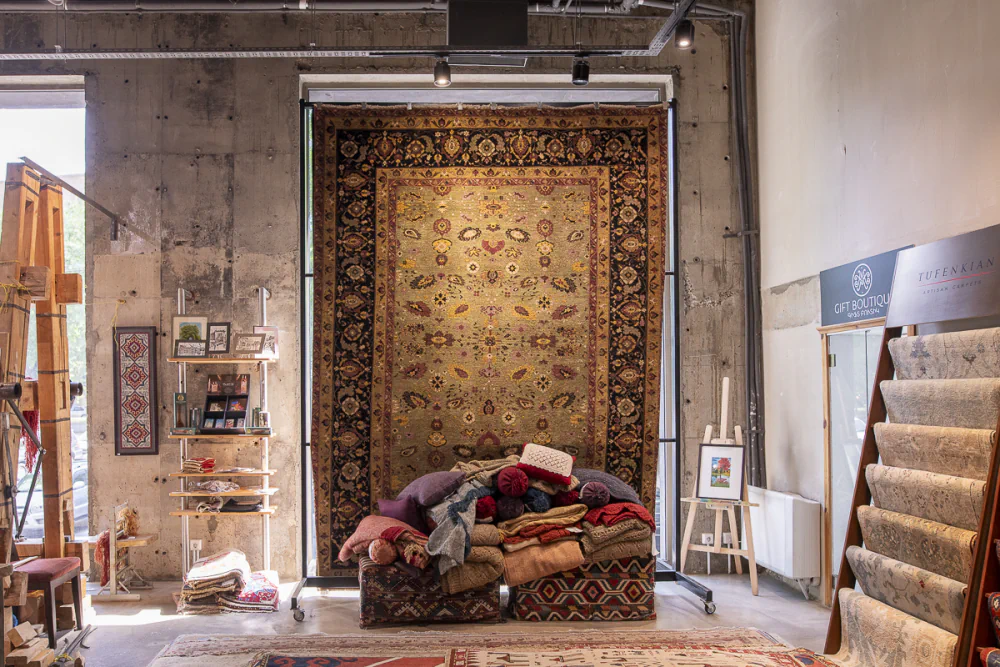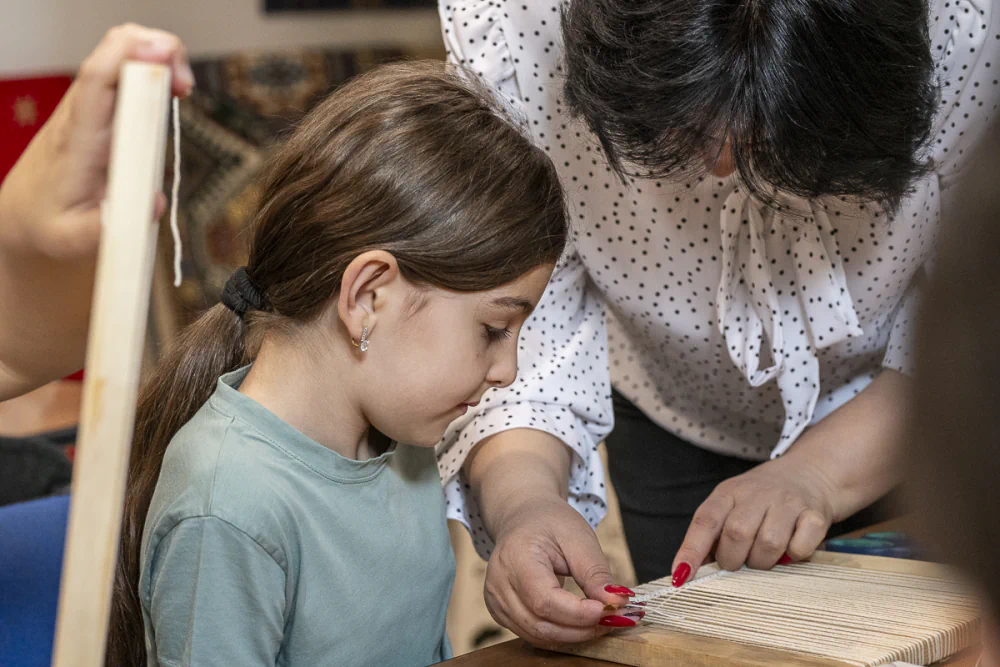

This project explores the tradition of Armenian carpet weaving as a living connection between past and future.
In Armenian culture, carpets are far more than decorative objects. They represent continuity, memory, and identity, providing both spiritual meaning and material comfort across generations.
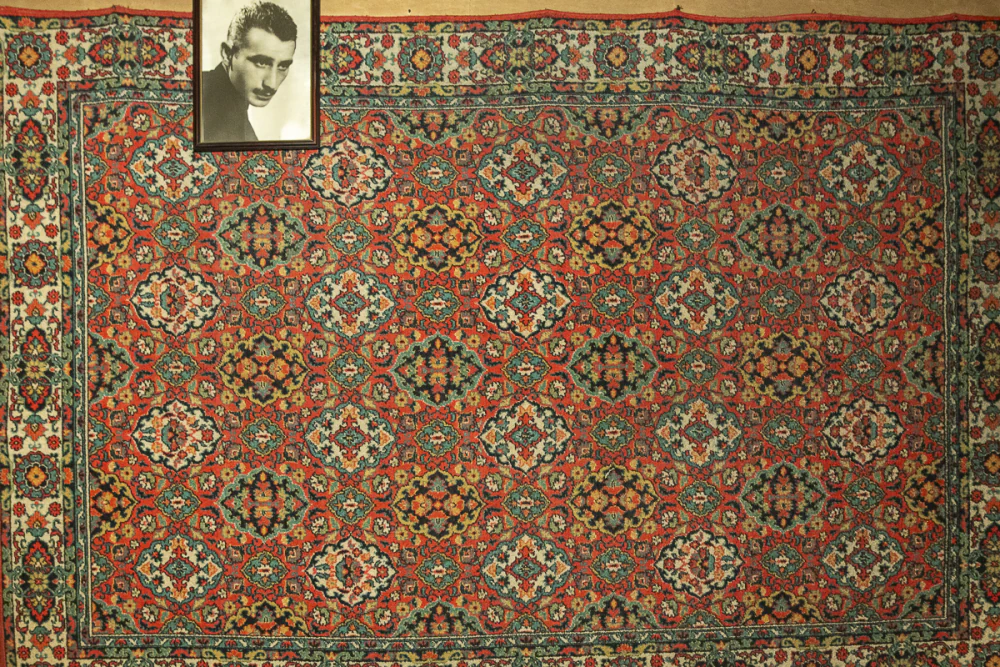
For centuries, Armenian carpets have functioned as powerful national symbols. Their patterns and ornaments often carry hidden narratives, encoding fragments of family histories, beliefs, and traditions. Some carpets contain motifs that are believed to hold protective or healing qualities. Made from natural wool and dyed with natural pigments, they were traditionally valued not only for their craftsmanship but also for the meanings embedded within their designs.
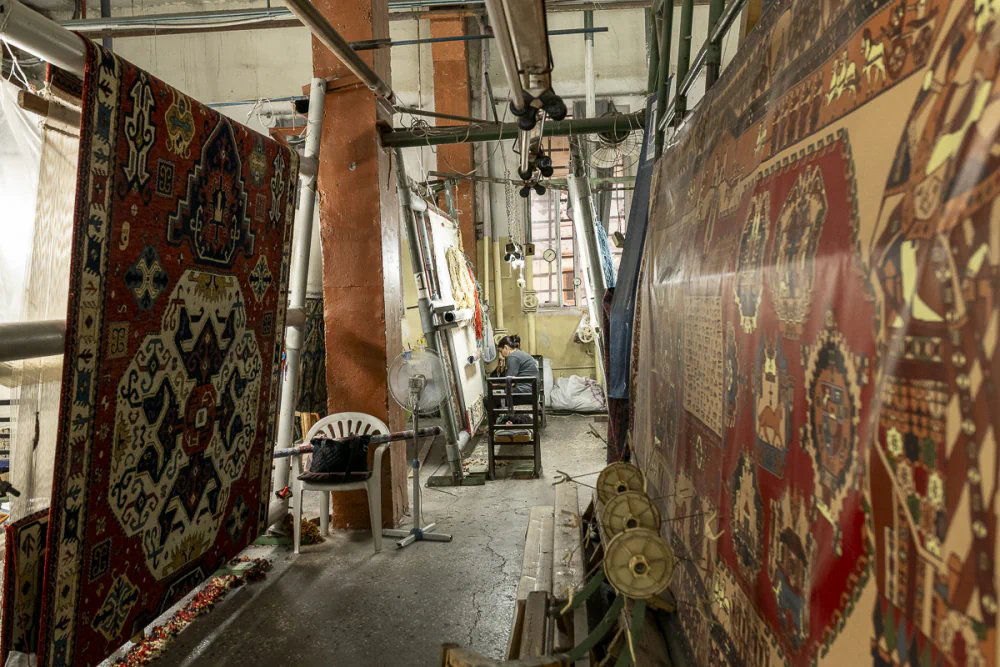
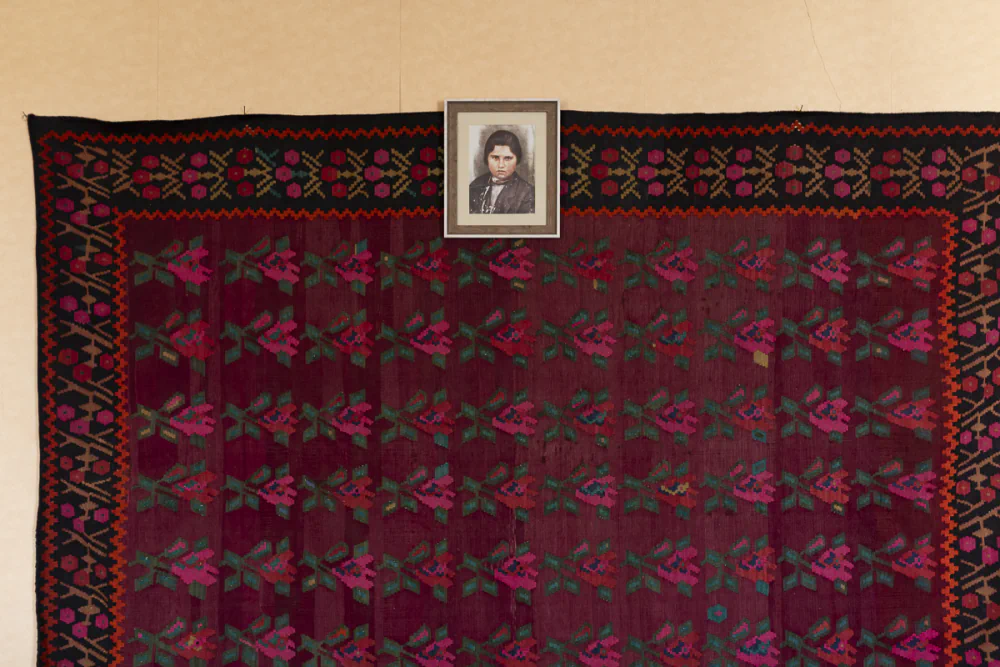
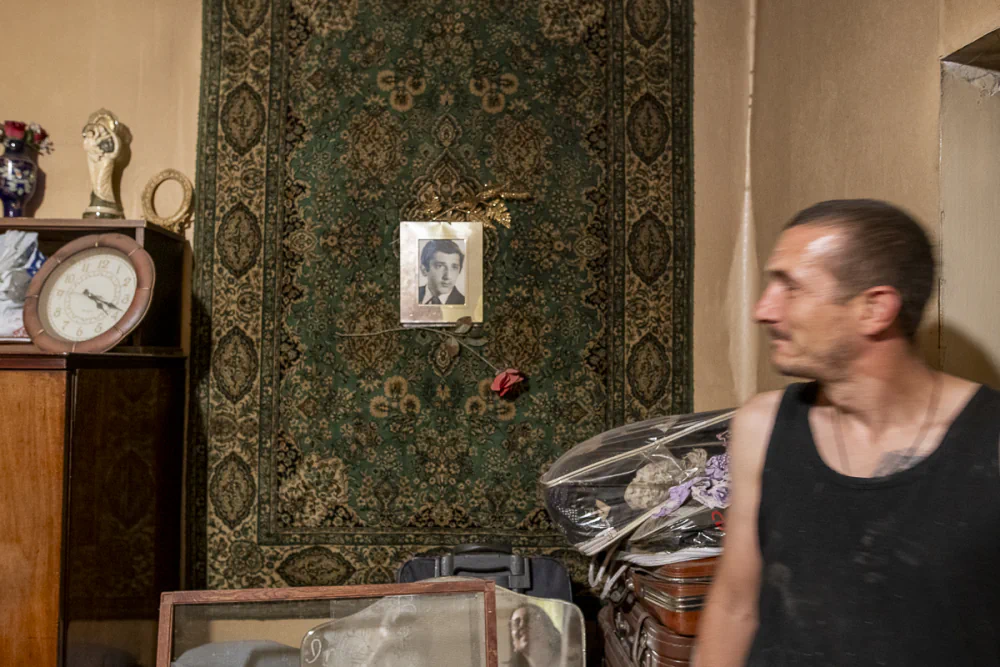
Within the domestic space, carpets occupy a central role in daily life. Older members of the family would often rest or sleep in places where carpets were laid. Certain carpets with symbolic ornamentation were hung on walls, where they formed the background for cherished objects such as musical instruments, portraits of ancestors, or family photographs. Floor carpets often carried decorative patterns, yet the most symbolically significant pieces were reserved for display, preserving their connection to lineage and heritage.
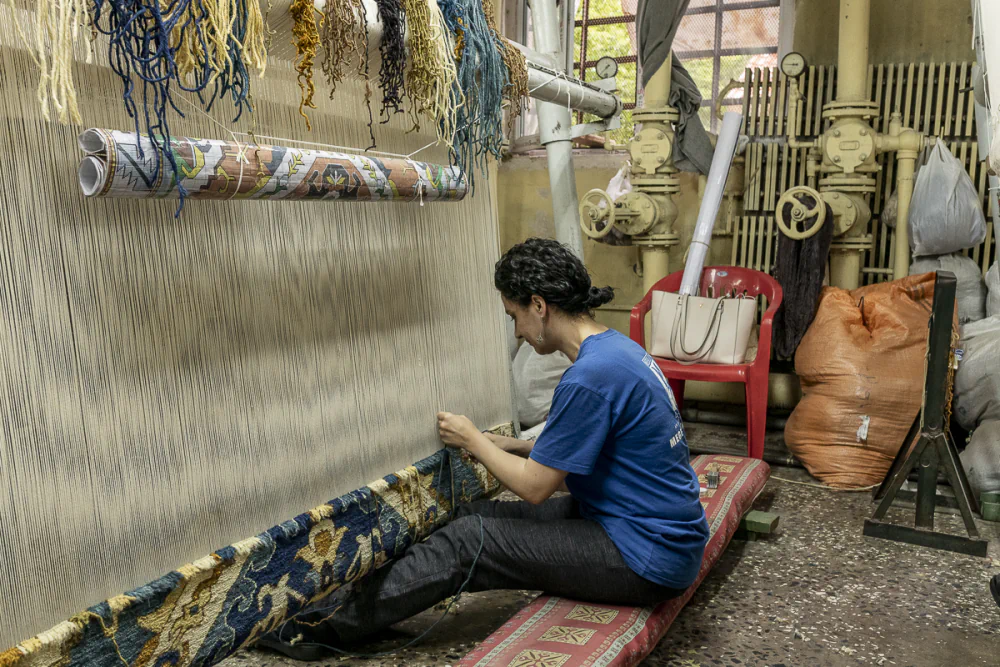
Today, Armenian carpets continue to exist in many forms and contexts. They may frame photographs of deceased relatives, decorate cafés and public gathering places, or hang in hotels and homes. The craft itself survives through both domestic weaving traditions and factory production, while younger generations are still taught the techniques and cultural knowledge required to continue the practice.
By documenting these objects and the environments in which they appear, the project reflects on how carpets function as cultural anchors within Armenian society. Despite modern transformations and innovations, Armenian carpets remain an inseparable element of cultural heritage, linking memory, identity, and everyday life.
About Ezio Gianni Murzi
Ezio Gianni Murzi is a medical doctor by training and an amateur image-maker and storyteller whose work is shaped by extensive international experience. For more than twenty years, he has worked with UNICEF across Eastern Europe, the Middle East, Africa, North Africa, India, and the United States.
His travels and professional engagement with diverse communities have inspired a photographic practice focused on human stories and social realities. Photography has become a way for him to document cultural traditions, everyday life, and the social issues that shape people’s experiences around the world.
Currently based in Rome, he continues to travel widely, following projects that combine visual storytelling with themes of culture, identity, and social change. He remains open to collaborations and documentary work that bring attention to stories worth telling. [Official Website]