

American photography is not a unified school or a coherent stylistic block.
It is a field of friction, shaped by tensions between document and fiction, between epic narrative and disenchantment, between propaganda and critical consciousness.
What has defined the United States as a visual powerhouse since the twentieth century is not only its cultural industry, but its ability to transform the camera into a tool of symbolic construction. The nation has narrated itself through images with an intensity rarely seen in modern history.
To speak of five essential photographers is not to construct a closed canon. It is a structural selection. These are artists who did not simply produce memorable images; they altered the way we understand the relationship between individual and society, between territory and identity, between power and representation. Each, through a distinct visual language, helped define what it means to look at America and what it means to be seen within it.
From the stark clarity of the Great Depression to the uneasy intimacy of contemporary suburban life, these five names operate as pillars. They do not represent everything, but without them the structure weakens. They are unavoidable references for understanding documentary photography, street photography, conceptual portraiture, and cultural critique.
without them the structure weakens. They are unavoidable references for understanding documentary photography, street photography, conceptual portraiture, and cultural critique.
Walker Evans
The Dignity of the Document and the Invention of Modern Realism
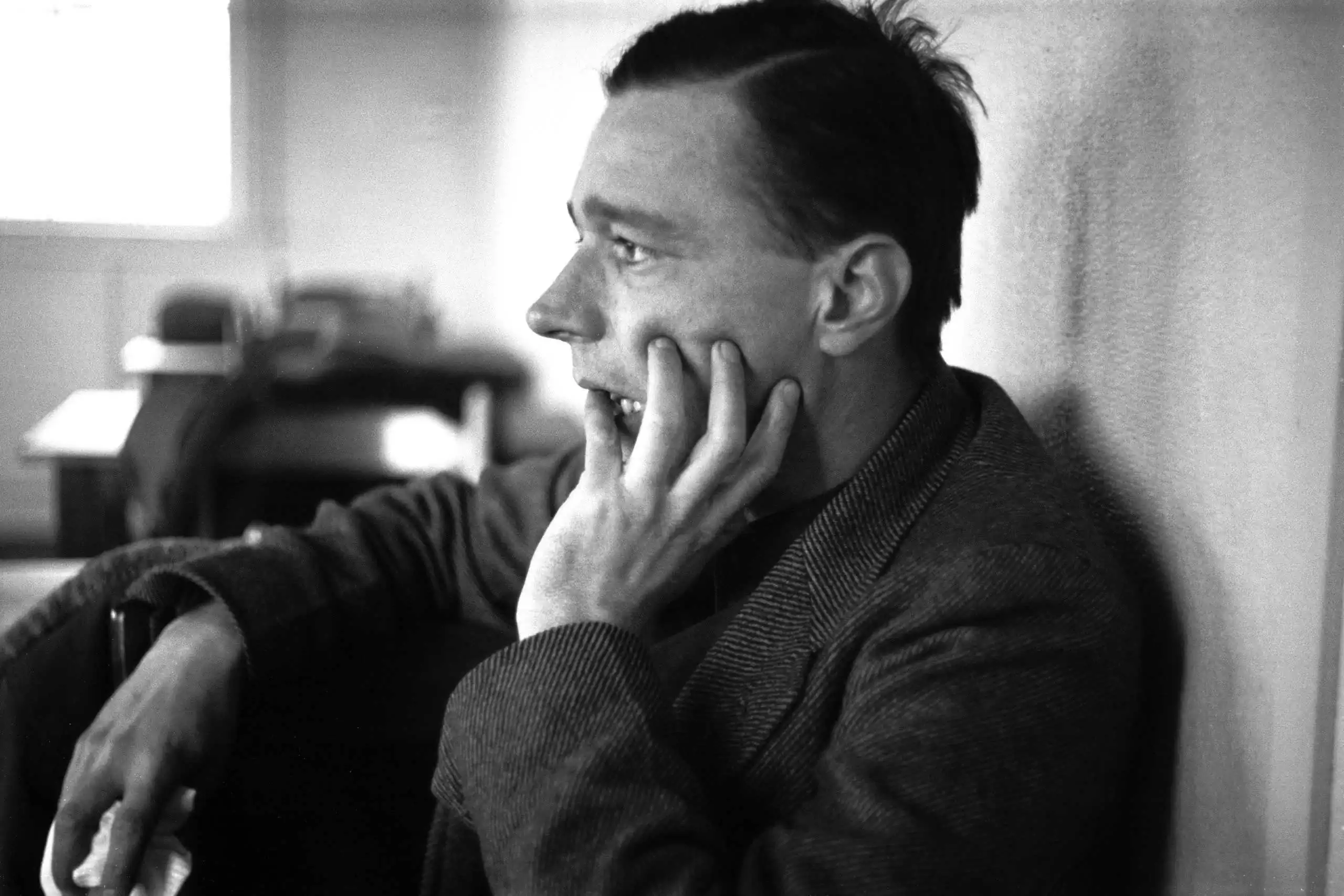
If there is one photographer who transformed documentary practice into a refined and self-aware language, it was Walker Evans. His work for the Farm Security Administration in the 1930s did not merely record rural poverty during the Great Depression; it redefined the aesthetic foundations of American realism.
Evans avoided melodrama. His approach was frontal, austere, deliberate. Wooden facades, stripped interiors, faces marked by hardship. What could have remained a social archive became instead a visual meditation on American identity. In his landmark book American Photographs 1938, he established a narrative structure in which sequencing and rhythm were as crucial as each individual image.
His strength lies in the tension between distance and empathy. He neither romanticizes poverty nor turns it into spectacle. His portraits of sharecroppers in Alabama are direct, almost severe. The camera does not beg for sympathy; it demands recognition. That ethical stance defines his enduring influence.
Evans opened the path for generations to come. Without him, American documentary photography would lack the balance between formal rigor and social commitment that we now consider foundational.
Robert Frank
Disenchantment as a Form of Truth
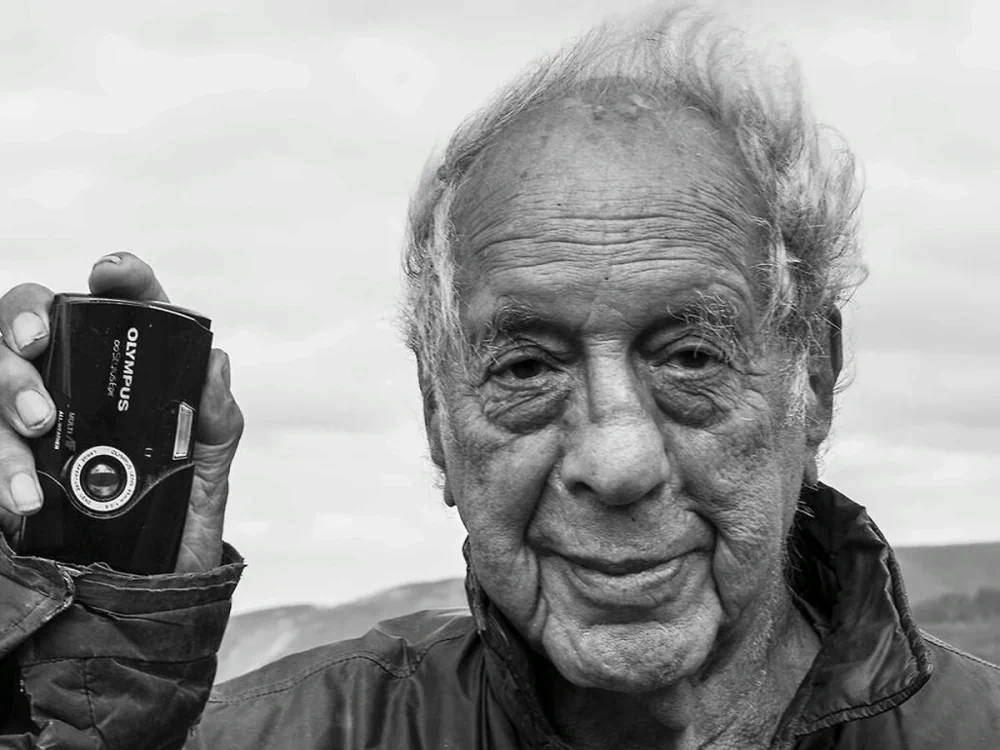
If Evans built the skeleton of realism, Robert Frank fractured it. With The Americans 1958, he dismantled the optimistic postwar vision of the nation. His gaze is oblique, fragmented, at times uncomfortable. America appears as a landscape of solitude, racial segregation, and silent tensions.
As a Swiss immigrant, Frank occupied a position both inside and outside the country. That dual perspective allowed him to perceive cracks others overlooked. His tilted frames, heavy shadows, and seemingly rough technique were deliberate decisions. Form had to embody social fracture.
The well-known photograph of the New Orleans streetcar, separating white and Black passengers within its structure, condenses his symbolic power. It is not overt reportage; it is a visual metaphor.
With Frank, American photography abandoned the aspiration to objectivity. It became subjective, poetic, critical. He introduced the idea that the photographer does not merely record the world but interprets it emotionally. That legacy runs through contemporary photography to this day.
Diane Arbus
Portraiture as Confrontation
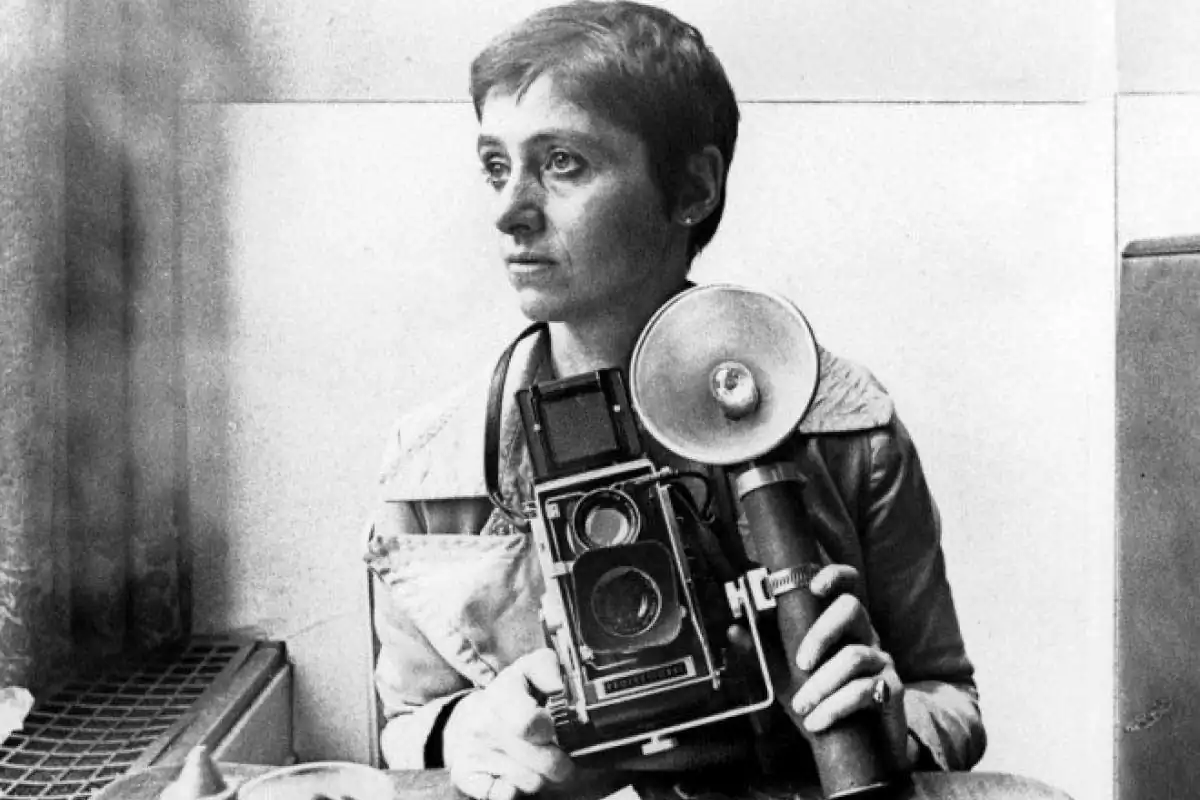
Diane Arbus shifted the center of portrait photography. Where others sought glamour or neutrality, she sought strangeness. Her subjects, identical twins, circus performers, nudists, people living at the margins of social norms, were not presented as curiosities but as unsettling mirrors of society itself.
Her photography is direct, frontal, uncompromising. The subject looks at the camera, and the camera does not look away. That reciprocity creates a powerful tension. The viewer feels observed as much as observing.
Arbus did not invent an interest in the marginal, but she placed it at the core of cultural discourse. During the social upheavals of the 1960s, her images questioned the very notion of normality. Her legacy resides not only in her subjects but in her ethical proximity. Conversation, intimacy, complicity. Her work opened debates about representation, exploitation, and empathy that remain urgent today.
Garry Winogrand
The Chaotic Energy of the Street
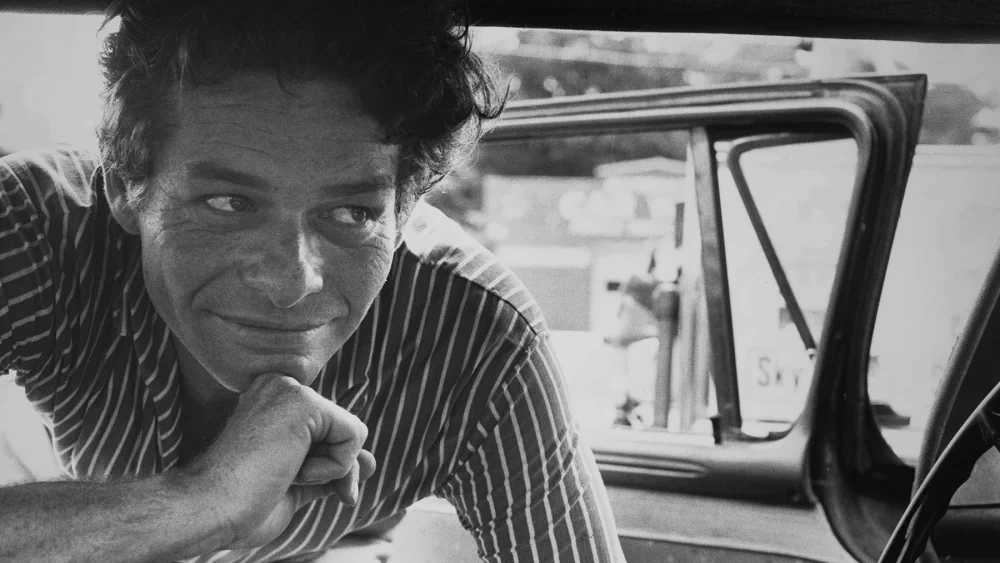
If any photographer embodies the pulse of urban America, it is Garry Winogrand. His camera was restless, rapid, almost voracious. He photographed New York, Los Angeles, airports, parks, demonstrations. The street as an inexhaustible stage.
Winogrand shot compulsively, leaving thousands of rolls undeveloped at the time of his death. Yet this apparent excess was not meaningless chaos. It was a relentless pursuit of social energy, of the fleeting gesture that defines an era.
His tilted compositions, physical proximity to subjects, and sense of perpetual movement create an instantly recognizable aesthetic. It is not a linear narrative but a constellation of fragments that together form a vibrant portrait of America in the 1960s and 1970s.
His influence on subsequent street photography is decisive. Without his formal freedom and intuitive urgency, contemporary street practice would be far more restrained.
Nan Goldin
Intimacy as Political Testimony
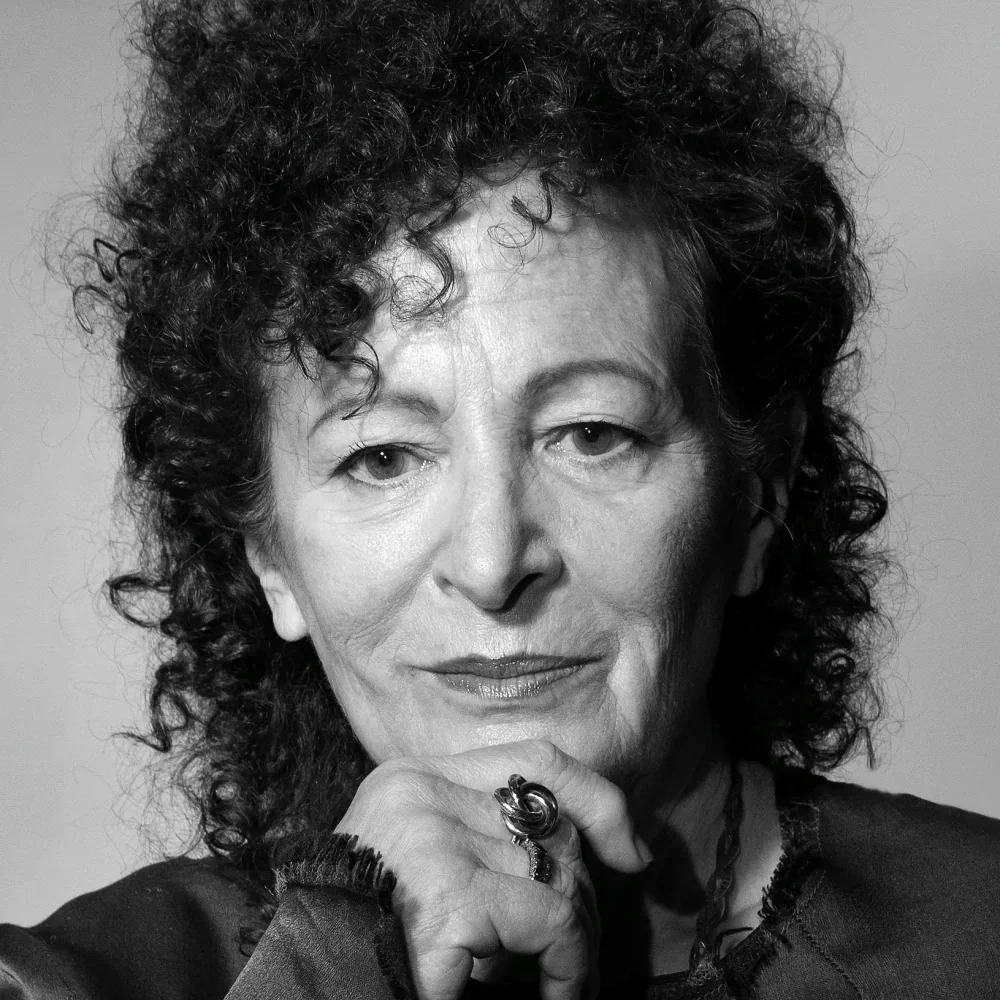
Nan Goldin pushed photography into autobiographical territory with uncompromising honesty. Her series The Ballad of Sexual Dependency is not a conventional project but a visual diary of friendship, love, violence, addiction, and loss in 1980s New York.
The camera is no longer an external observer. It belongs to the circle. Goldin photographs her friends, her lovers, herself. The self portrait with a bruised eye remains one of the most devastating examples of how personal experience becomes political declaration.
Her work dissolved boundaries between art and life. Photography ceased to be only a medium of representation and became a means of emotional processing. During the AIDS crisis, her images functioned as an affective archive of a generation under siege.
Goldin demonstrated that intimacy can be resistance. That vulnerability can be a form of power.