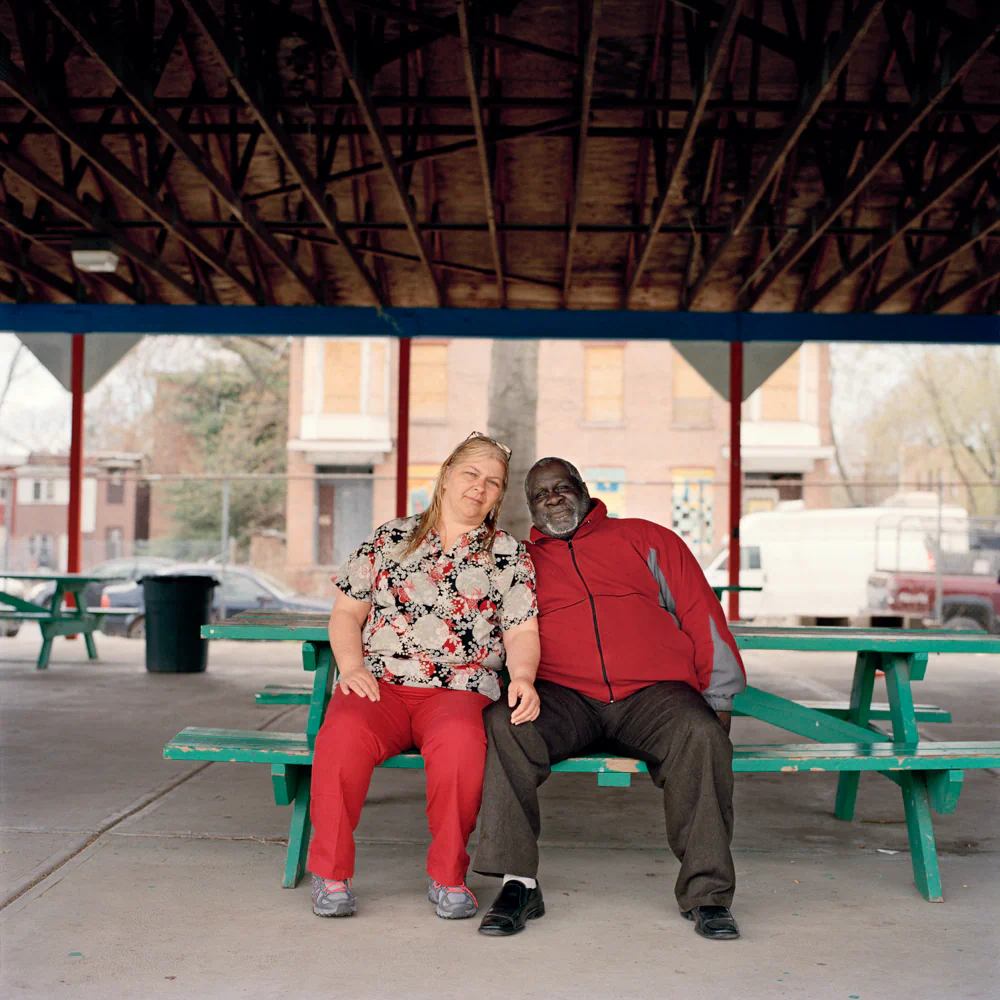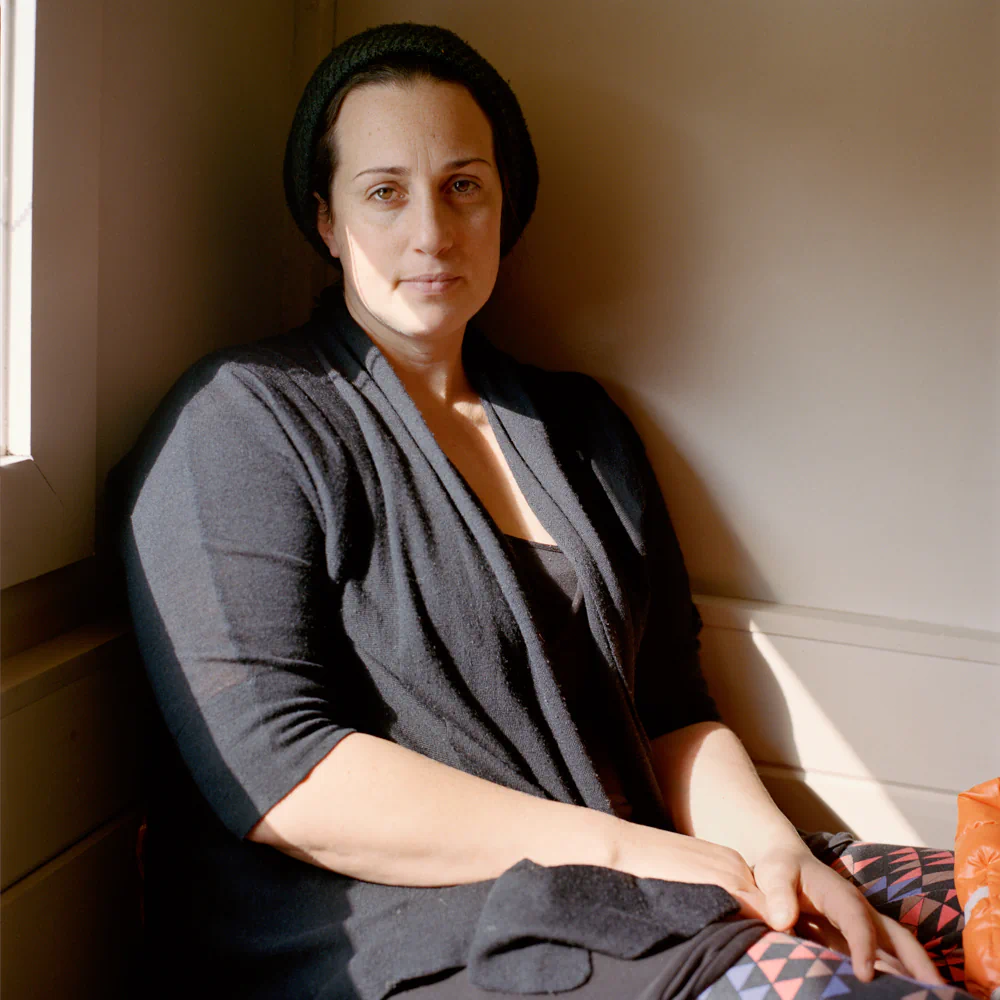

On a winter day in 2013, I crossed the Hudson River, drove into Troy, and fell in love.
As I made my way across the Green Island Bridge, I felt as if I were entering a new world.
Drinking a glass of wine at the Southend Tavern, I told myself that I would return to Troy the following weekend. For the next ten years, I could not stop myself from returning with my Hasselblad camera on a regular basis.
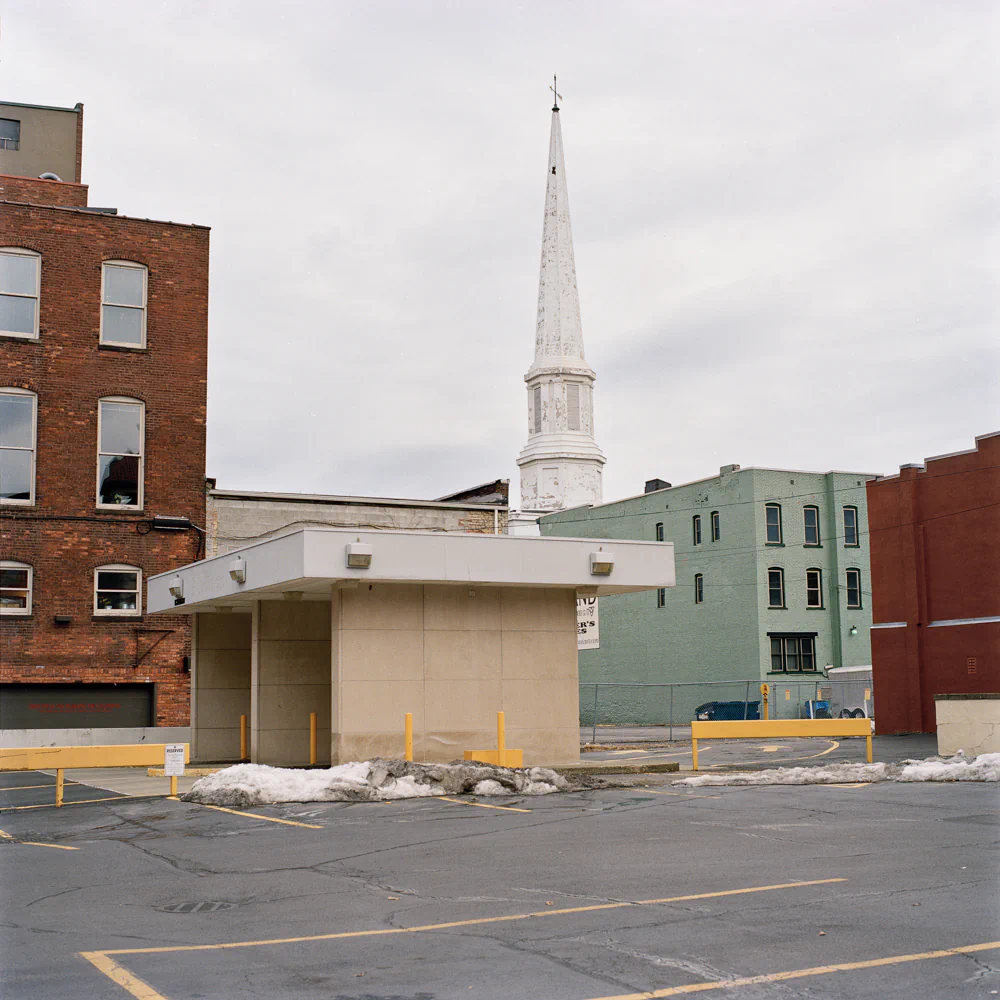
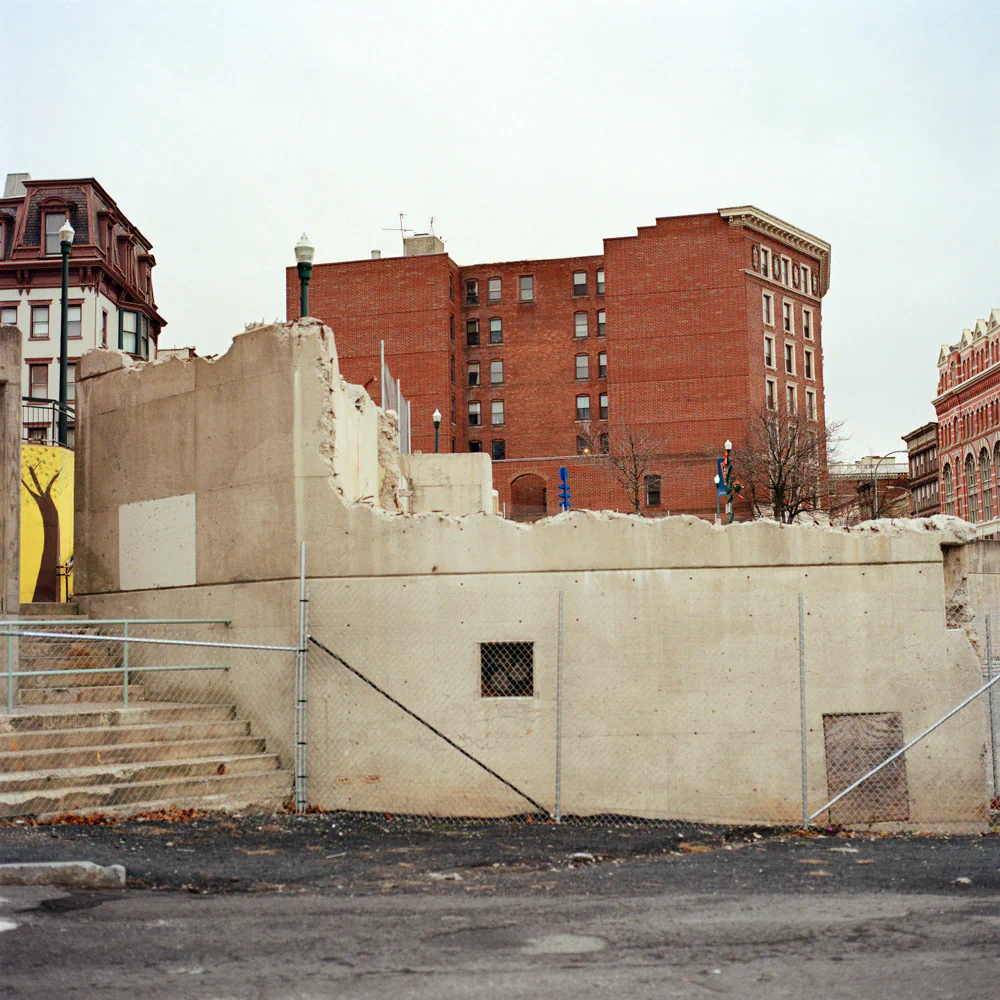
Troy is an old industrial town, with factories that once made bricks, iron, and shirt collars; Troy is also known as “The Collar City.” Some of the factories are still functional, but many have long since shut down.
Part of the magic of Troy is that the graffiti-covered factories stand alongside grand houses built by the wealthy families who owned them in the nineteenth century. More recently, a number of young families have moved to Troy, restoring homes and becoming part of the community. Many of these restored houses retain the original Troy brick and colorful Tiffany windows visible from the neighborhood streets. Troy was one of the wealthiest cities in the country during the Industrial Revolution and has one of the world’s largest collections of Tiffany windows. Tiffany designed the entire St. Paul’s Church and everything within it.
People spend hours on hot summer days sitting on their stoops, socializing and watching the world go by. When I photographed Billie Jean sitting with her arms crossed on a beach chair in front of her two-story home, it reminded me of the neighborhood in Brooklyn, Brighton Beach, where I grew up. Women in Brighton did the same thing. They sat outside, gossiping, sipping iced tea, and watching children play and ride their bicycles.

As a child, I spent countless hours riding my bike and going down to the beach. In Troy, people similarly ride their bikes to the Hudson River to cool off.
Andrew Lynn recognized the need for bikes in Troy and opened Troy Bike Rescue in 2001. Volunteers teach kids to collect discarded bicycles and parts from dumpsters, alleys, and around town, and then build new bicycles out of the old parts. The kids can keep the bikes they construct and later become the next group of volunteers.
Andrew and his wife, Vicki, are among the young families who have changed the face of Troy. Vicki is a documentary filmmaker who produced the film Into Loving Hands about the Troy midwife Michelle Doyle, who has delivered approximately 1,365 babies since she began in 1999. Two of those babies are Vicki and Andrew’s children.
Michelle remembers being three years old when a babysitter read her a book that included a midwife in the story. She said right then, “That’s what I am, a midwife.” At age twelve, she berated herself because she had not yet delivered any babies. Michelle can be brutally honest when advising her clients, and perhaps her directness and support in difficult situations are why people trust her.
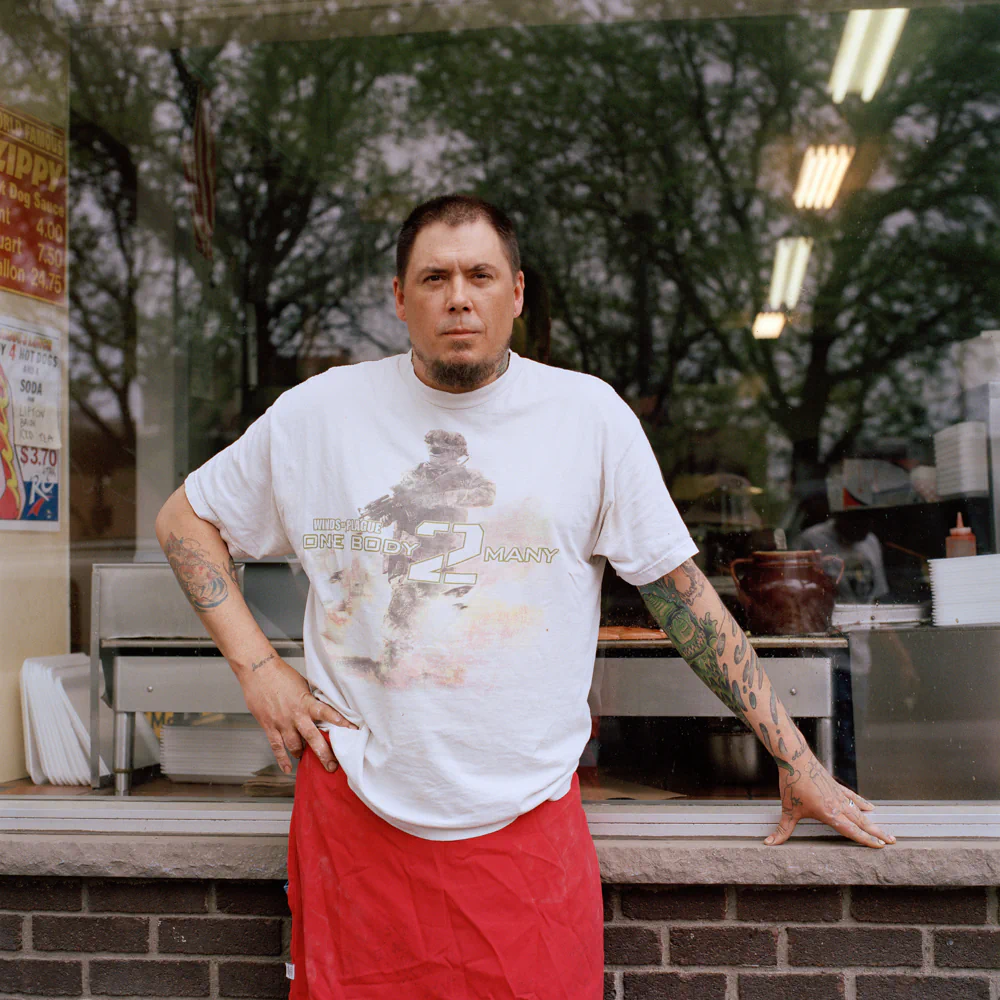
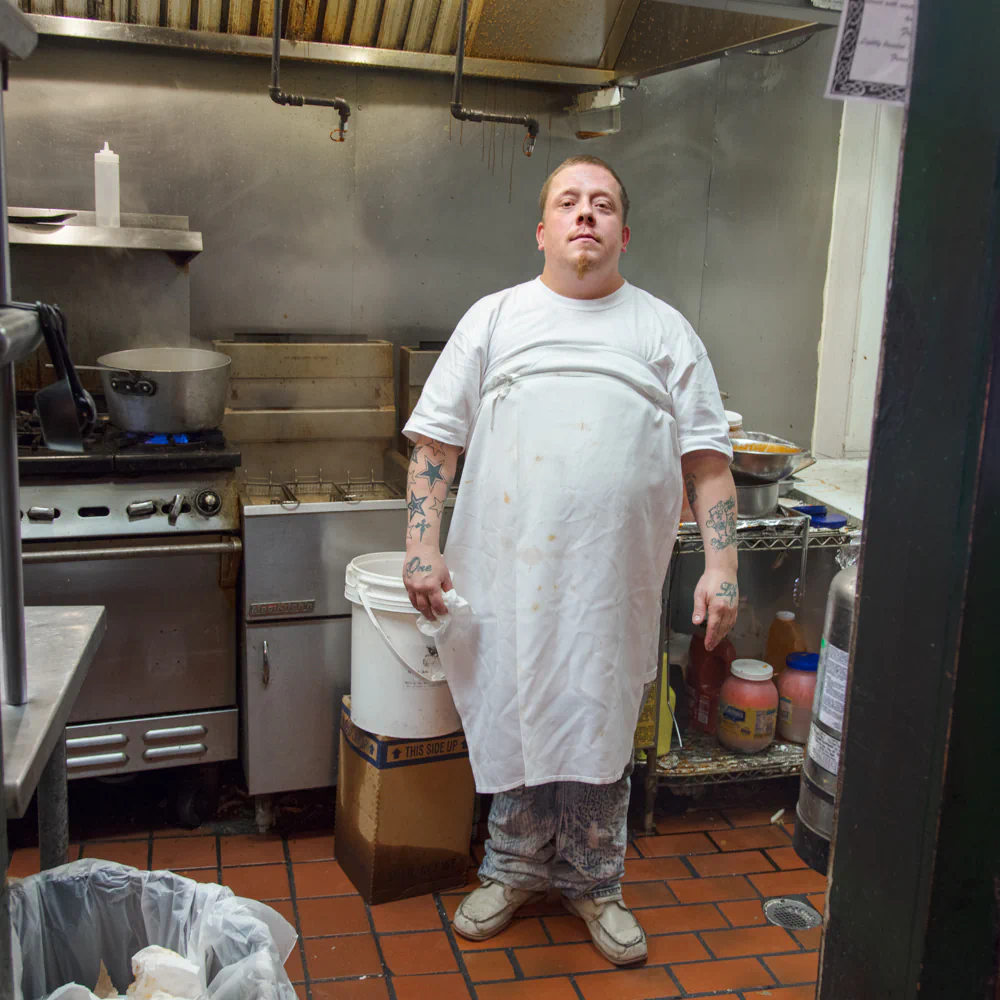
Michelle, along with the many other people I photographed, is one of the main reasons I fell in love with Troy. The portraits are not just of brief acquaintances; rather, they are of people who became an important part of my life. To this day, every time I cross that bridge, I feel that I am coming home again.

Abouy Susan Anthony
Susan is interested in photographing communities. She chose Troy because it reminds her of the community where she grew up in Brighton Beach, Brooklyn. People spent many hours on hot summer days sitting on their stoops, socializing and watching the world go by. They sat outside, gossiping, sipping iced tea, and watching children play and ride their bicycles. As a child, she spent countless hours riding her bike and going down to the beach. In Troy, people similarly ride their bikes to the Hudson River to cool off.
Susan currently lives in SoHo, Manhattan, where one can live in a building and not even know who their neighbors are. Therefore, photographing in Troy felt like returning to a true community, where people know and are involved with their neighbors. [Official Website]