

Street photography has always been tied to the observation of the everyday, yet what constitutes “everyday life” is far from static.
The routines, gestures, and environments that photographers record are continuously reshaped by economic shifts, technological change, and evolving cultural norms. To look at street photography across decades is to witness not only different visual styles, but different ways of inhabiting the world.
In the early twentieth century, the street represented a newly intensified public sphere. Industrialization had drawn populations into expanding urban centers, creating environments defined by work schedules, transportation networks, and shared infrastructures. Photographers documented this transformation by focusing on movement: workers entering factories, pedestrians navigating crowded sidewalks, and the rhythms of cities adjusting to mechanized time. These images reflected societies learning to live within systems of speed and coordination that had little precedent.
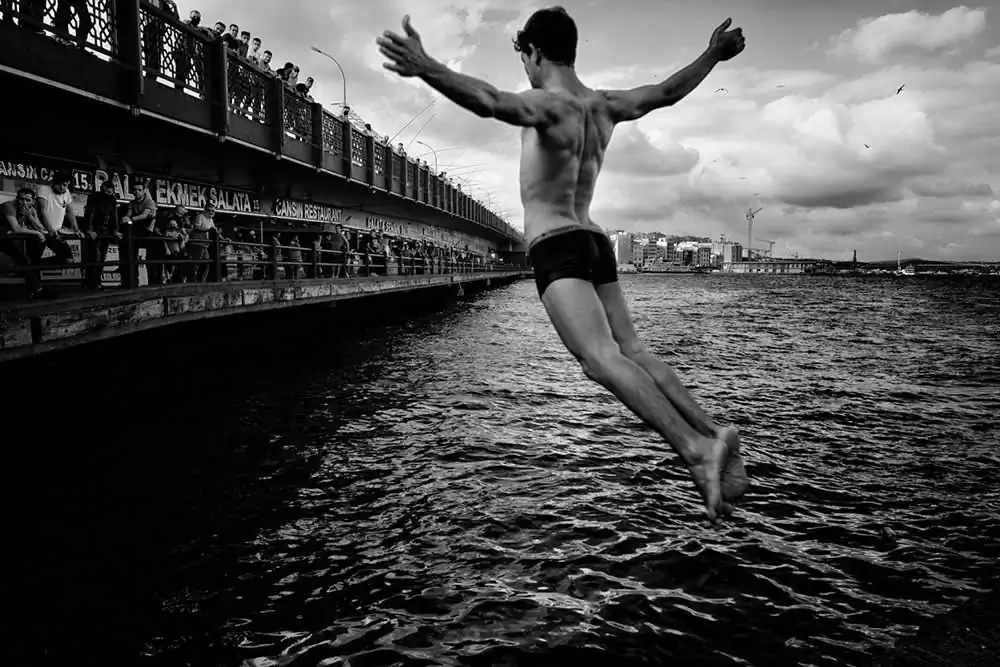
As the century progressed, consumer culture began to alter the visual and social landscape. Shop windows, advertising displays, and illuminated signage introduced new forms of spectacle into public space. The street was no longer only a place of transit or labor, but also a site of desire and performance. Street photographers responded by incorporating these elements into their frames, revealing how commercial imagery and lived experience became inseparable. Reflections in glass, mannequins juxtaposed with passersby, and branded environments all signaled a shift toward a more mediated urban reality.
Postwar decades brought further transformation through suburbanization, globalization, and mass media. Public life expanded beyond traditional centers, and visual culture circulated internationally at unprecedented rates. Street photography began to reflect hybrid environments where local traditions intersected with global influences. Clothing styles, architectural forms, and patterns of interaction showed evidence of cultural exchange, while still retaining regional specificity. The everyday became a layered phenomenon shaped by both continuity and change.
The late twentieth and early twenty-first centuries introduced perhaps the most profound alteration: the integration of digital technology into daily routines. Mobile phones, portable screens, and networked communication reshaped how individuals occupy space and relate to one another. People standing side by side may now be engaged elsewhere, connected to distant conversations rather than immediate surroundings. Street photography records these new behaviors, capturing postures of attention directed simultaneously inward and outward.
This technological presence has also changed the visual texture of the street itself. Surfaces that once reflected only physical environments now display images, data, and moving graphics. Photographers must navigate spaces where representation is already embedded, where reality and its mediation overlap continuously. The everyday scene becomes more complex, requiring new strategies of observation to distinguish meaningful relationships within visual abundance.
Despite these changes, street photography maintains a consistent underlying aim: to attend to lived experience as it unfolds without formal staging. What evolves is not the intention to observe, but the conditions under which observation occurs. Each generation of photographers confronts a different version of the everyday, shaped by its own social structures and technologies.
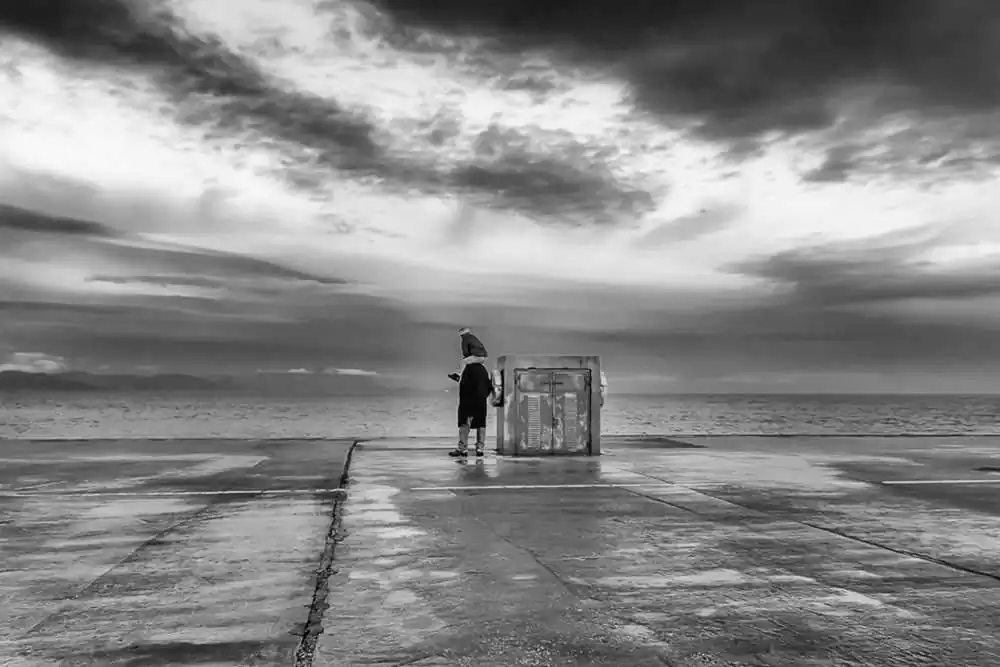
This evolving subject matter highlights the genre’s historical value. Street photographs accumulate into an informal archive of transformation, showing how gestures, environments, and interactions adapt over time. The significance of such images often becomes clearer in retrospect, when what once appeared ordinary reveals itself as characteristic of a particular era.
Street photography therefore functions as both immediate perception and delayed understanding. It captures the present without fully knowing what that present will come to represent. The photographer records fragments of life whose meanings continue to develop as contexts shift and memories form.
By tracing these transformations, the genre demonstrates that everyday life is neither trivial nor repetitive. It is a dynamic field in which social change becomes visible through small, recurring acts. Street photography gives form to these acts, allowing them to persist as visual evidence of how human experience continually redefines itself within the shared spaces of the city.