


Street photography is inseparable from the idea of public life.
It examines how individuals share space, negotiate proximity, and participate in collective environments without necessarily forming direct relationships. The street is not only a physical setting, but a social arena where everyday interactions reveal the structures of coexistence.
Public spaces bring together people with different purposes, backgrounds, and identities. Markets, sidewalks, transport systems, and plazas create situations in which strangers encounter one another temporarily, often without acknowledgment. Street photography focuses on these brief intersections, capturing how individuals move through shared environments while maintaining personal boundaries. The images produced do not narrate events; they register patterns of behavior.
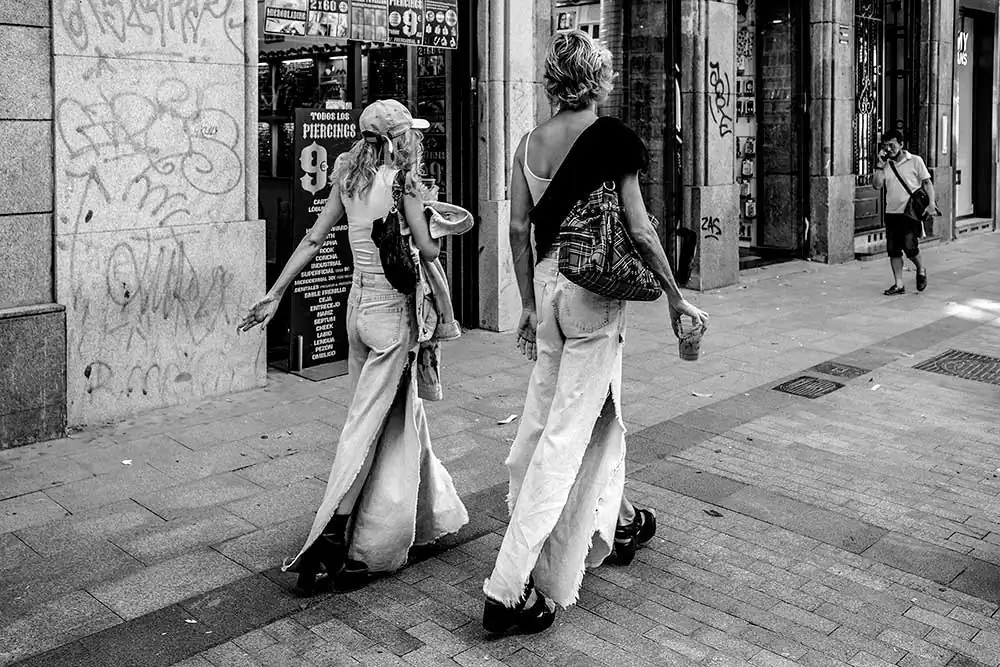
In this sense, street photography functions as a visual study of how societies organize themselves informally. The arrangement of bodies within a frame can suggest hierarchy, isolation, solidarity, or tension. A queue at a crossing, a pause at a café window, or the silent alignment of commuters waiting for transit all reveal the unspoken rules that structure public conduct. These small gestures accumulate into a broader understanding of how communal life operates.
Urban design plays a crucial role in shaping these interactions. The width of a street, the placement of benches, or the presence of commercial signage influences how people gather, disperse, or remain apart. Street photographers often respond intuitively to these spatial conditions, recognizing how environments encourage certain forms of movement or pause. Their images reflect the relationship between architecture and behavior.
The genre also records how public life evolves over time. Changes in technology, transportation, and communication alter the way individuals occupy shared spaces. The increasing presence of mobile devices, for instance, has transformed gestures of attention and isolation, introducing new visual patterns into the street. Photography captures these subtle shifts, preserving evidence of social transformation that might otherwise pass unnoticed.
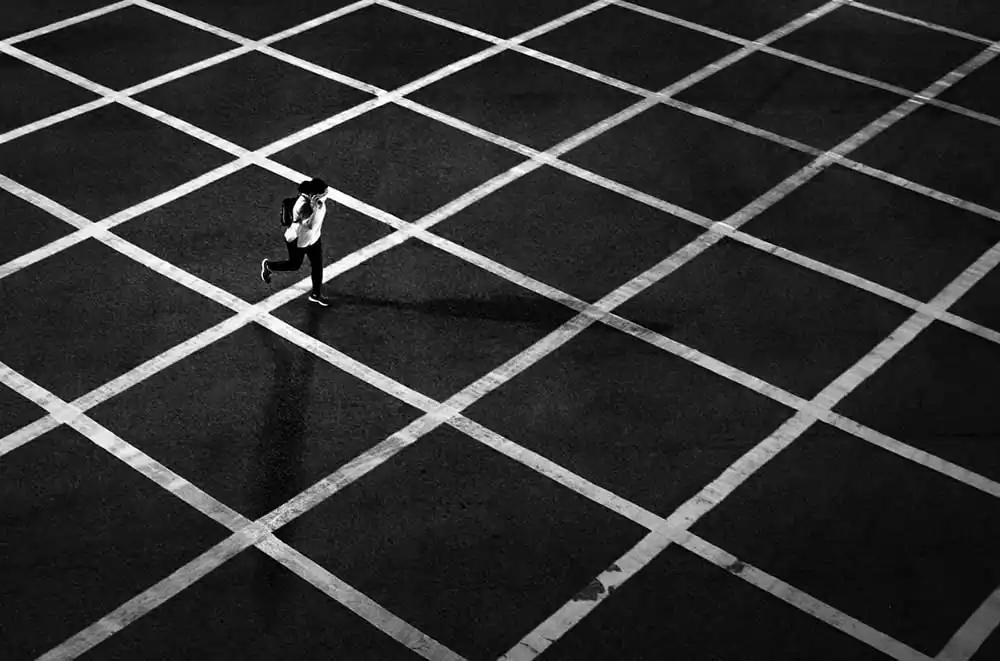
Street photography’s engagement with public life extends beyond observation into reflection. By isolating moments from the continuous flow of activity, it invites viewers to reconsider experiences that are usually taken for granted. The familiar becomes visible again, prompting questions about how communities function and how individuals relate to one another within collective settings.
Even as contemporary life moves increasingly toward digital interaction, the physical street remains a vital site of encounter. Street photography reminds us that shared spaces continue to shape social experience, offering a visual record of how people inhabit the world together in real time.
Through this focus on everyday coexistence, the genre contributes to a broader understanding of society. It does not attempt to define public life through grand narratives, but reveals it through fragments, gestures, and fleeting situations that collectively describe how communities are lived rather than declared.