
My fixer, Dagmidmaa, met me, and a few ragtag travellers I’d hooked up with en route from Beijing, at the platform as the Trans-Siberian train pulled into Ulaanbaatar station.
It was 1992, at the start of my photography career.
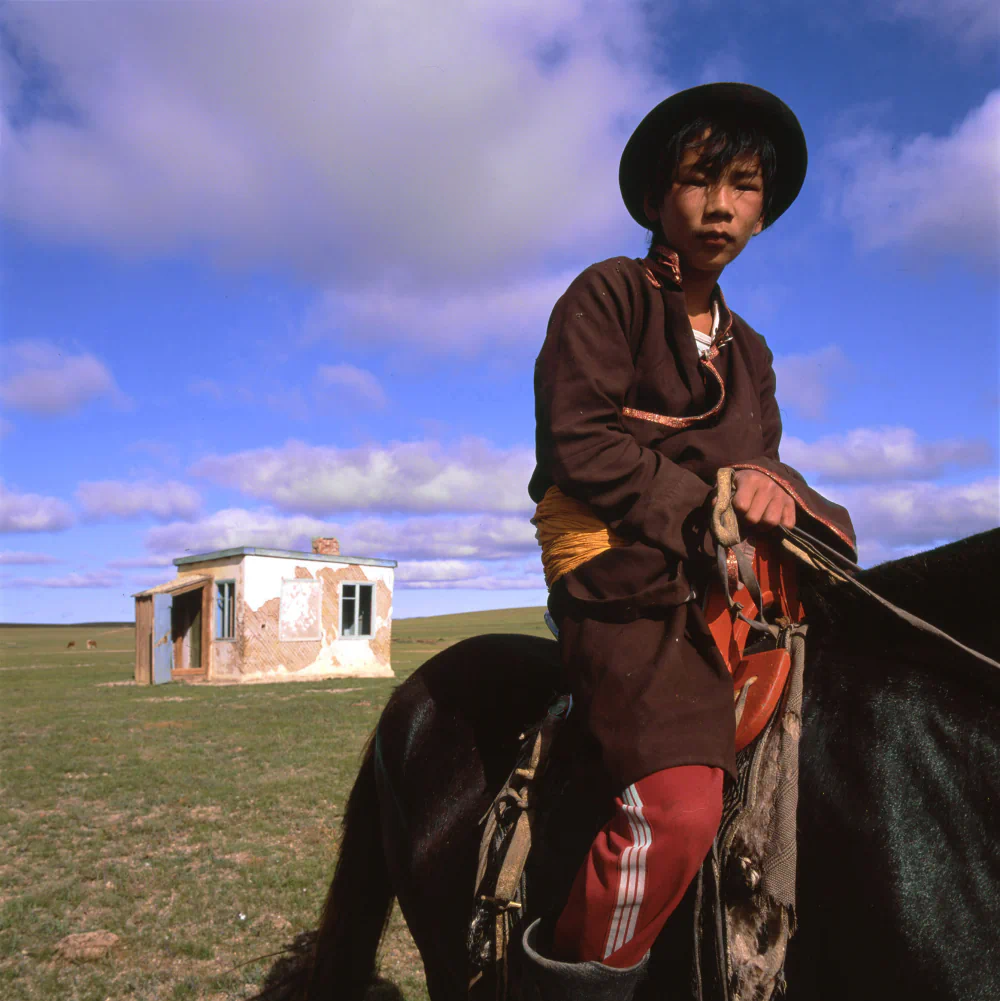
Whatever success that body of work I shot on the trip later had, it began with Dagmidmaa, a 27 year-old mother of one, who shepherded me across the country with skill and diligence.
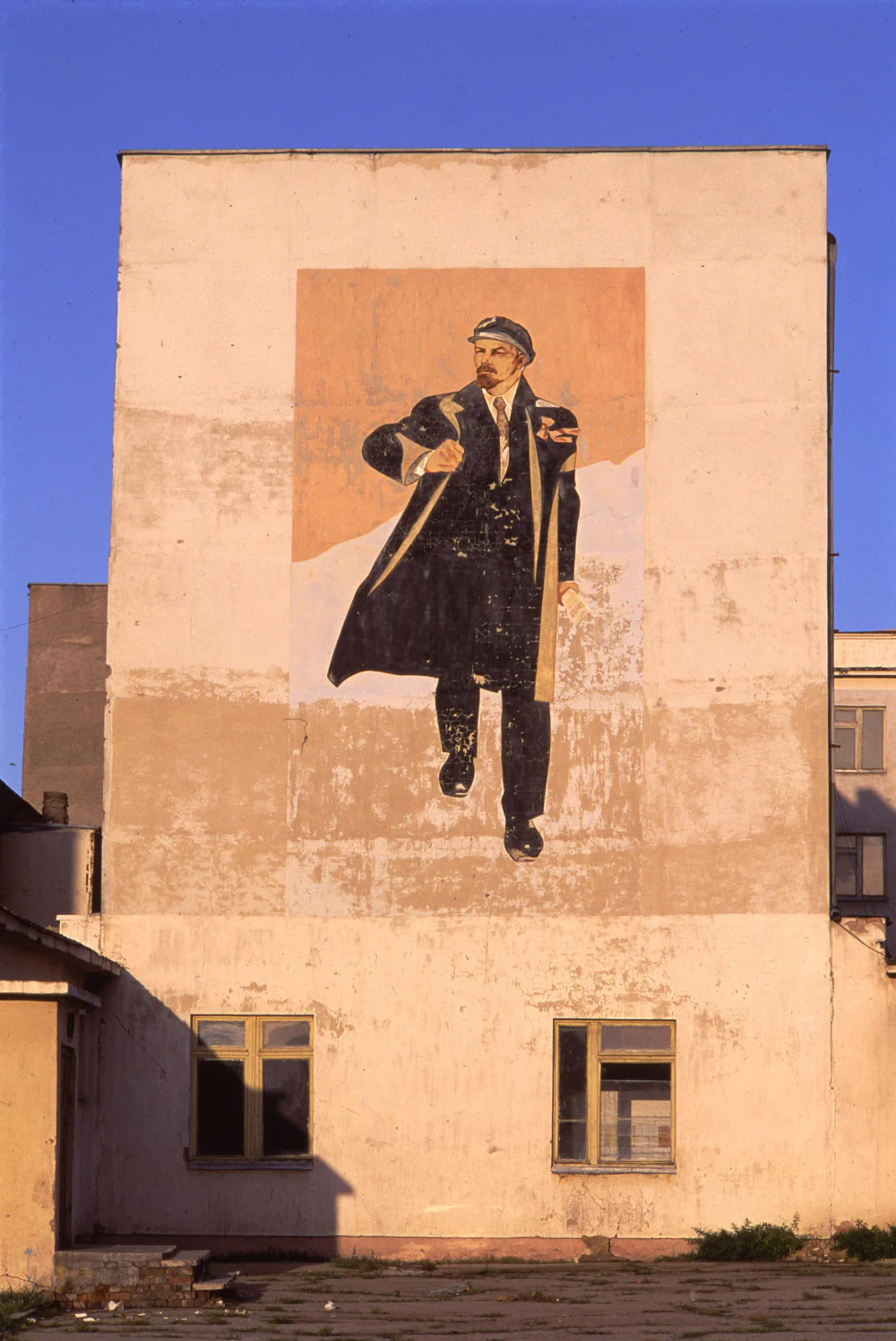
Having long been fascinated by Mongolia’s isolation and the centuries-old lifestyle of its nomads, it was an illuminating feature article in The New Yorker, a firsthand account of travelling in Mongolia, the year before that set my mind to go there. As a country emerging from seven decades of communism, it was a challenging time for the locals, grappling as they were with a new economic model. Regardless of the hardships, the picture painted by the writer of this new frontier drew me in with stories from the road.
I’d based myself in Tokyo the previous year, after turning my back on a promising though potentially stifling future as an architect, and was hell-bent on pursuing life as an independent magazine photographer.
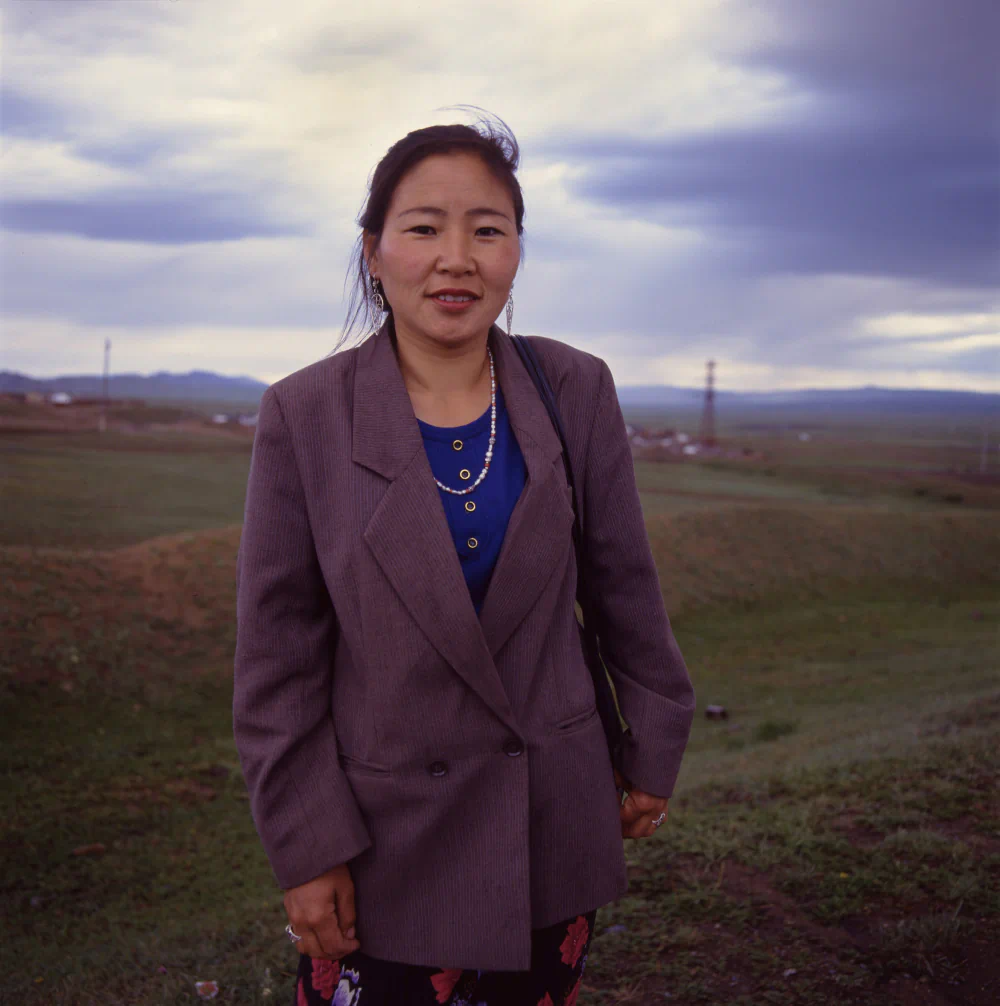
Just before leaving Tokyo, I’d been given the contact of a local fixer by a photographer who’d just returned from Mongolia on a shoot. Slender and tall in conservative denim jeans and a knitted cardigan, her dark bob neatly cut, Dagmidmaa had a caring disposition and an affability that would serve her well. Having studied English at Teachers Training College, and with the country at a critical political and financial crossroads, she recognised an opportunity to strike out on her own and to exert her independence from her husband. She was setting herself up as an interpreter and fixer for tourists and business travellers, and I was among her first clients.
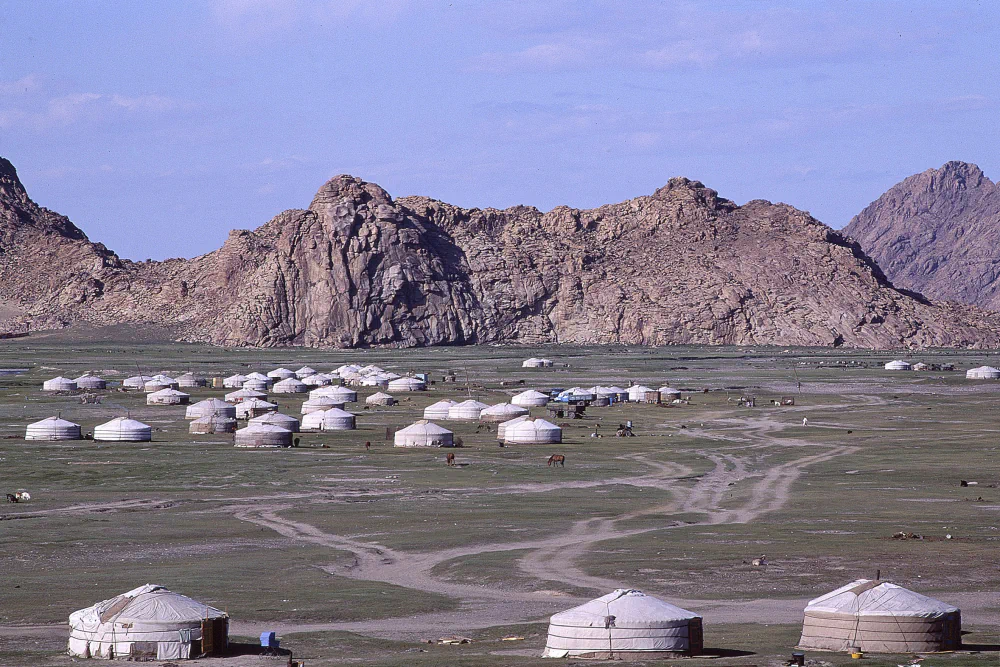
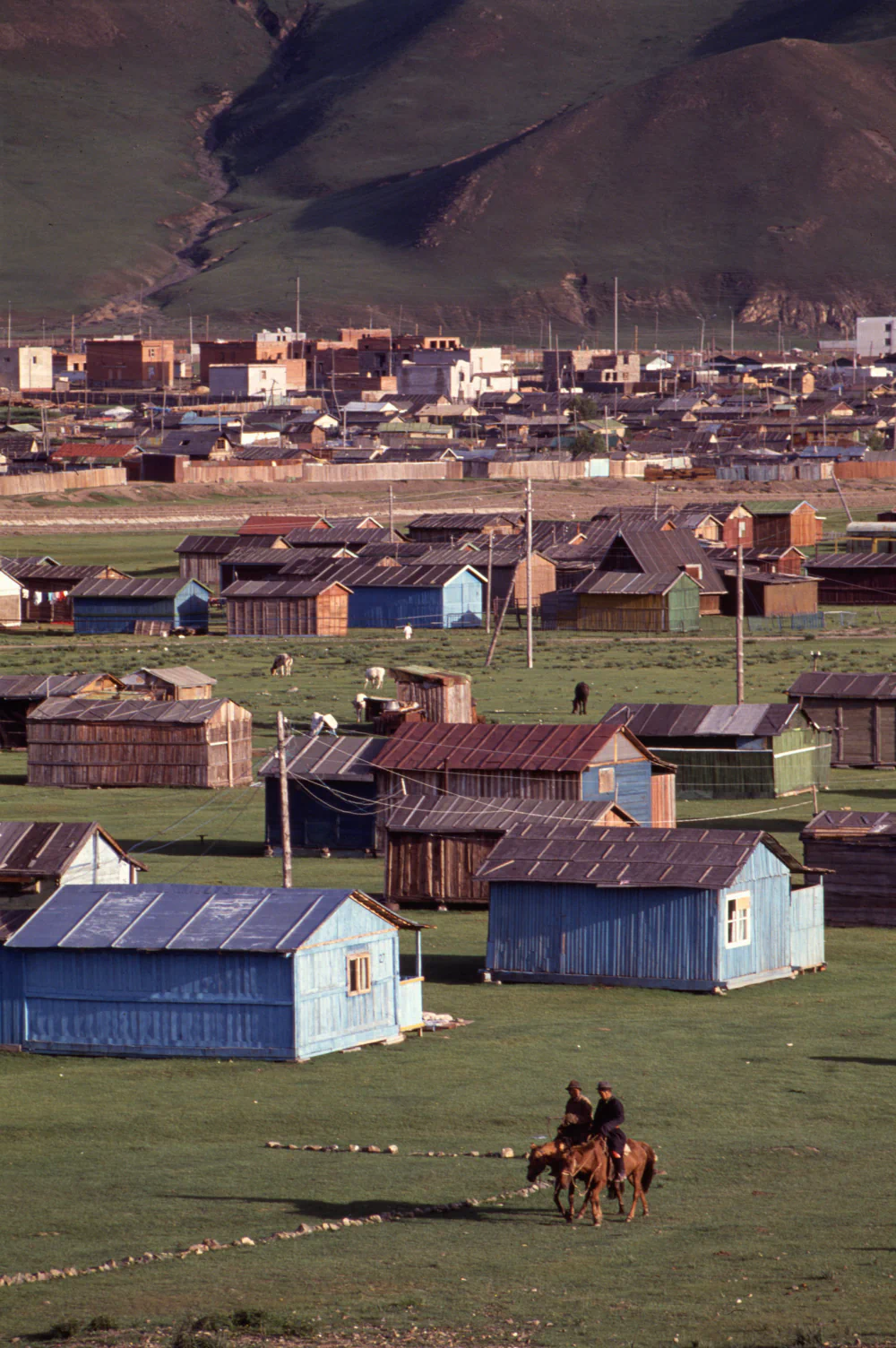
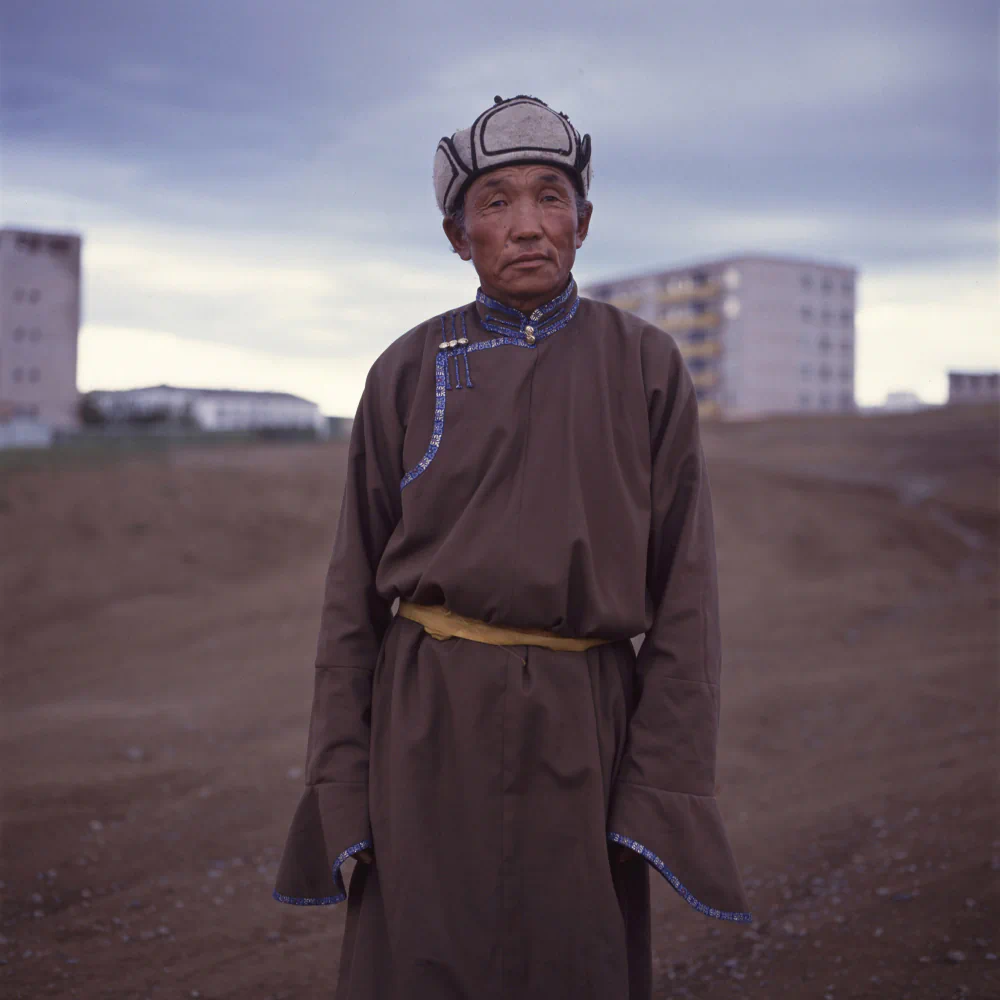
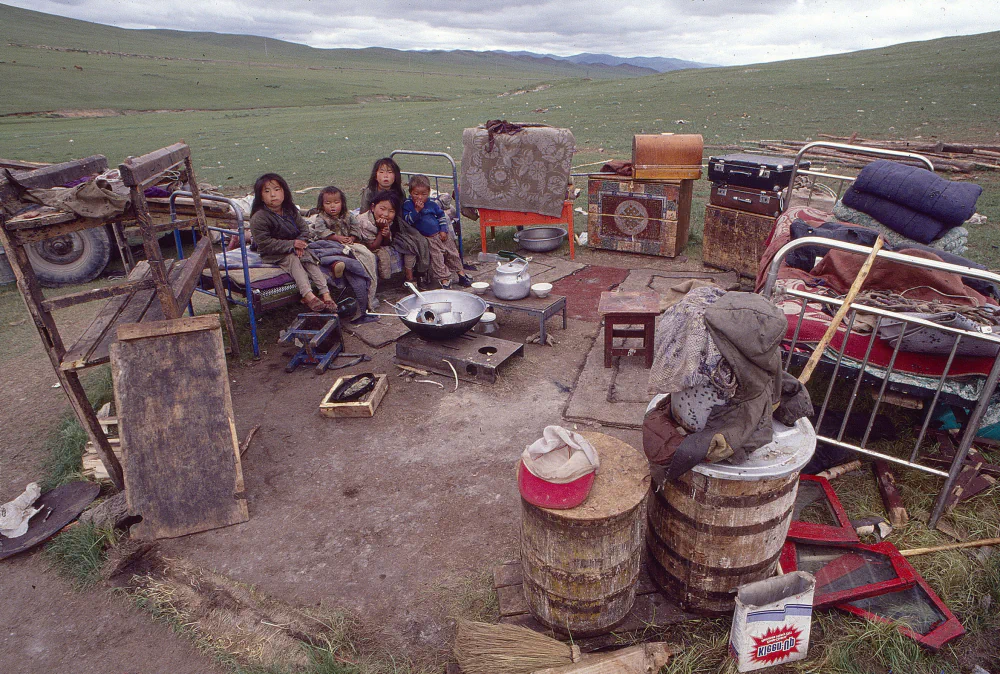
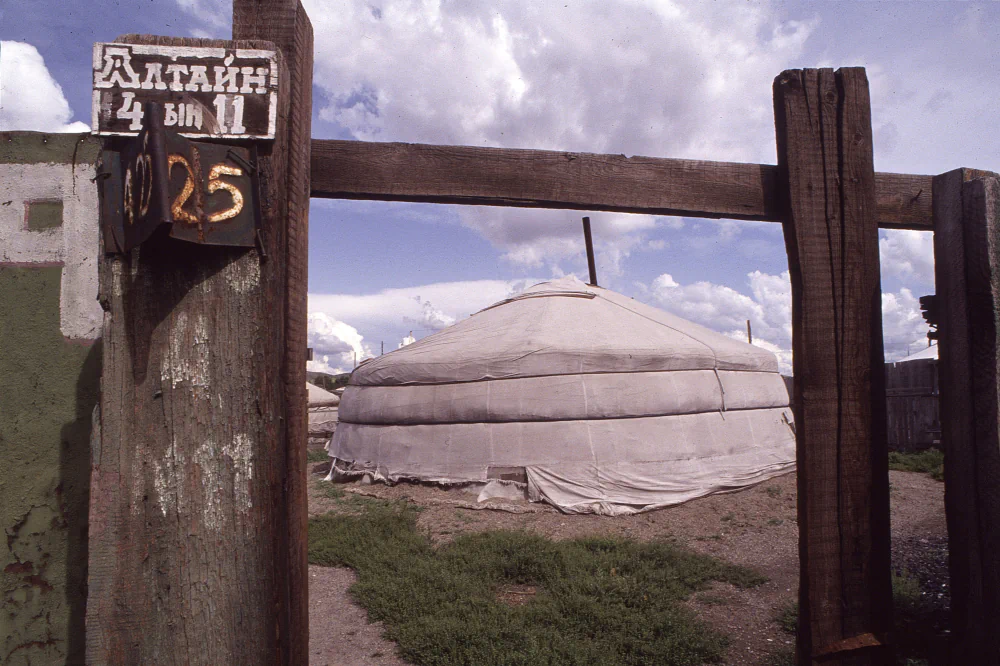
Of the month I spent in Mongolia, I lived with Dagmidmaa’s mother for the first week in her Soviet era apartment block in suburban Ulaanbaatar. At the time, with so many nomadic herders relocating from rural to urban centres in search of work, Ulaanbaatar’s population was bulging. On occasion, I’d roam around with Dagmidmaa on the outskirts of town, where nomadic families lived in makeshift housing, using their traditional gers as homes. The effects of the upheaval of Mongolia having entered a free-market economy were palpable. Supermarket shelves lay mostly barren, and too often drunken men would loiter around the city’s squares, in search of work or trouble. Barely a day went by when I wasn’t cursed or threatened with a fist because the local men assumed I was Russian, whom they were quick to blame for all their troubles. It was only thanks to the calming intervention of Dagmidmaa, or her brother-in-law who sometimes accompanied us, that I didn’t end up on the floor.
To get a sense of life far from anywhere, one place I did want to go was the Altai mountains, in the far west near the Kazakhstan border. Dagmidmaa had heard domestic flights were resuming after a six-week hiatus – the government had secured more aviation fuel, which was being bought on credit from Russia.
Gathered at the office of the local airline, MIAT, people were crowding at the counter, desperate for tickets. Having pulled my passport out of my shoulder bag to pass to Dagmidmaa for her to secure our flight, a push and shove ensued as people jostled for the attention of the attendants. What I didn’t realise at the time was it had been orchestrated by a group of thugs who’d no doubt seen me reach into my bag, and, causing a diversion, they’d pickpocketed my money-belt from inside. When I realised a few minutes later, tickets in hand, it was all too late. They wouldn’t have believed their luck, having fleeced me of 2500 USD cash: the equivalent of 20 or more years salary. I’d been recommended to bring small denominations as it was a cash economy, which meant a bulky bundle, and the reason it was in my bag in the first place.
A dismayed Dagmidmaa reported the theft at the downtown police station. I suggested going to the police, and though she looked a little sceptical at first, she led the way. The duty officer took us into an interview room to make out the report, and brought out a couple of old grey files with lists of known criminals, each had their black and white mugshot glued to the pages. It was like something from a 1940s film-noir, with smoke from the stilted policeman’s cigarette wafting, and I knew there and then there was no chance of ever seeing my money again. Nonetheless, we had our tickets to fly to Hovd in the far west, a frontier town in the shadow of the Altai mountains.
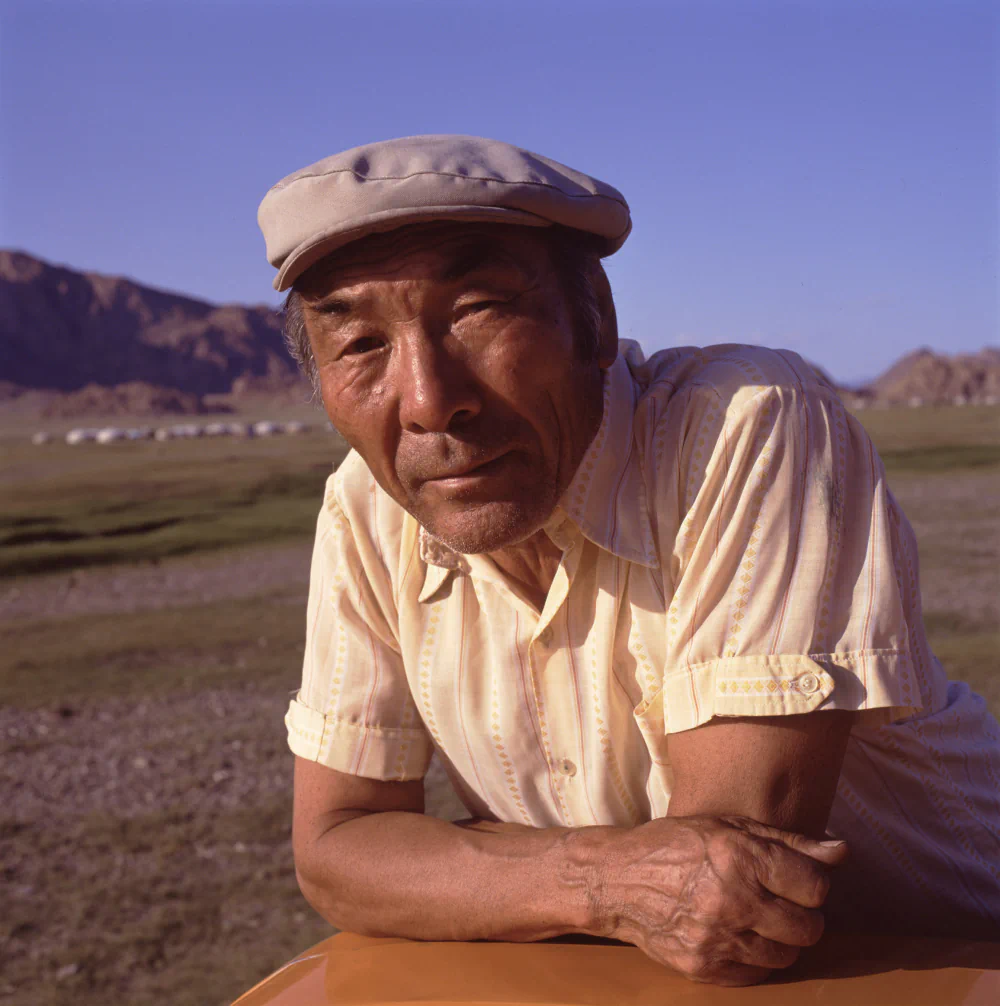
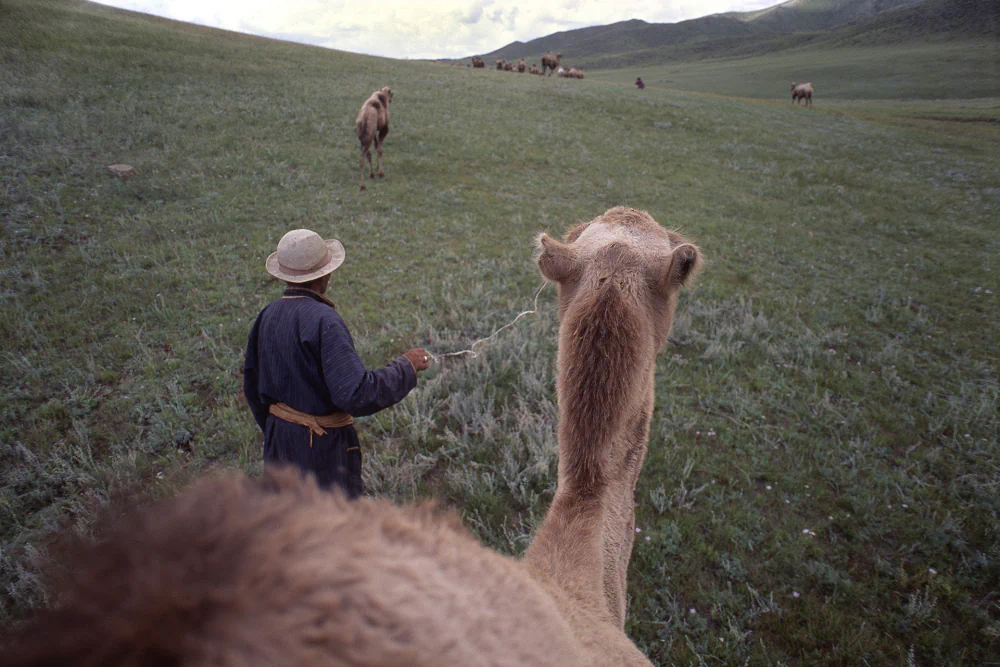
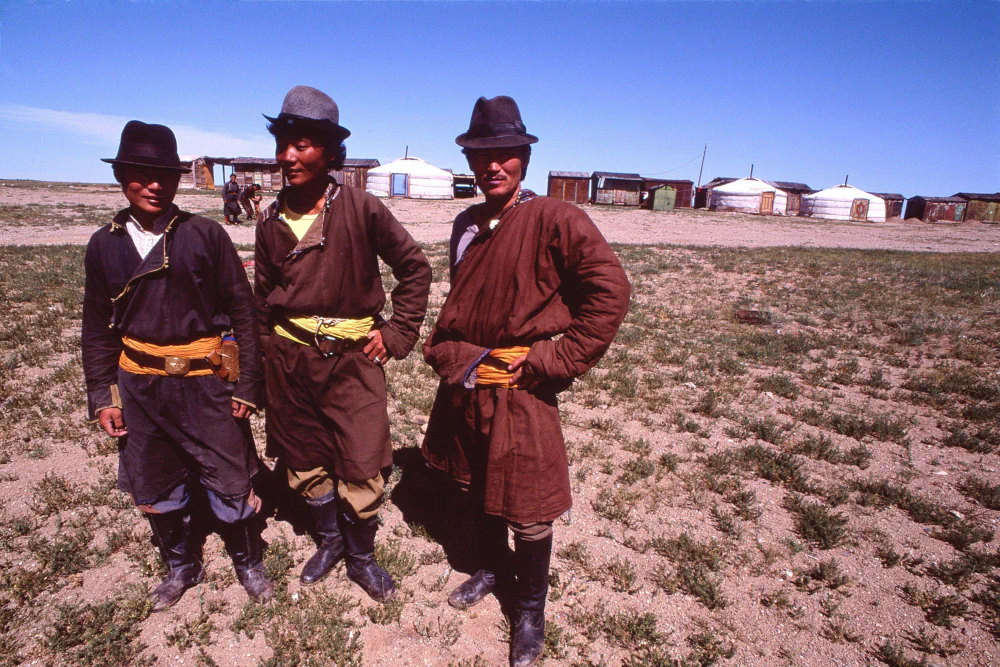
As rough and tumble a place as Mongolia appeared, literally the wild west, the hospitality I experienced with Dagmidmaa’s family and when dropping in on nomadic families, still stays with me all these years later.
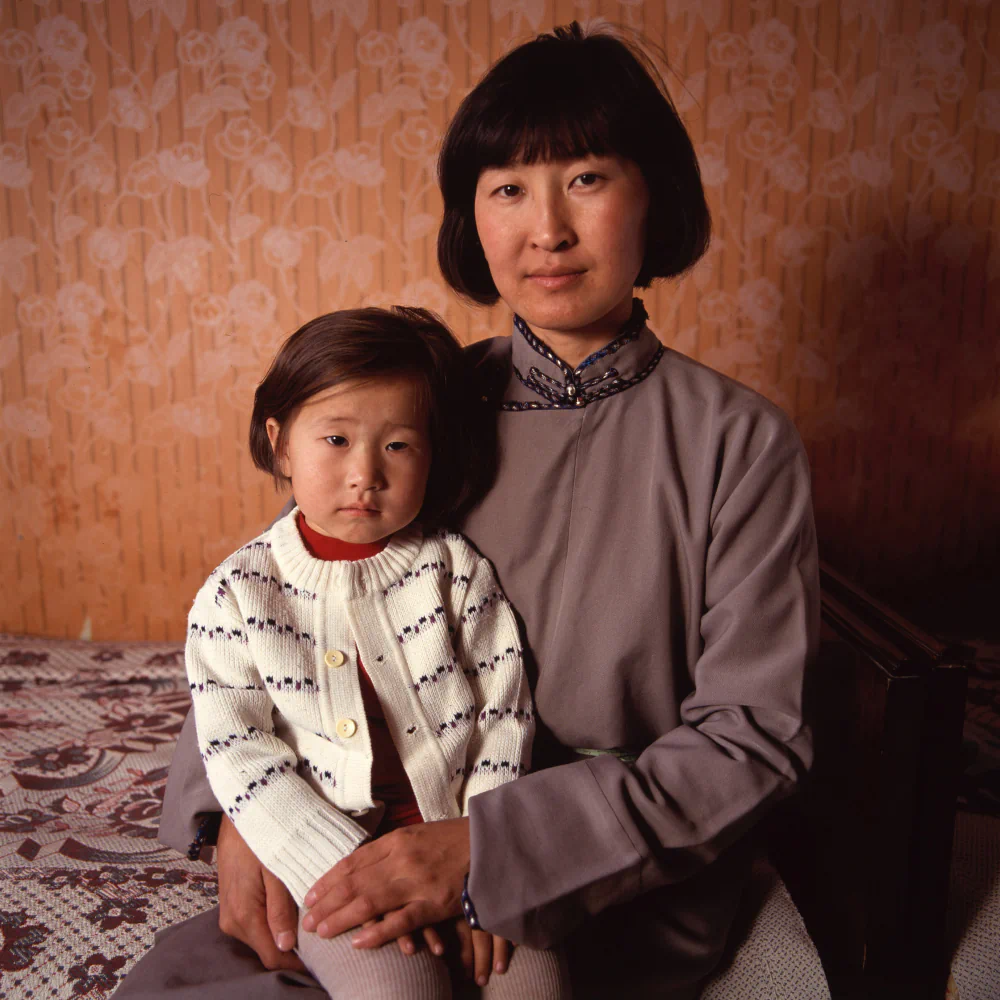
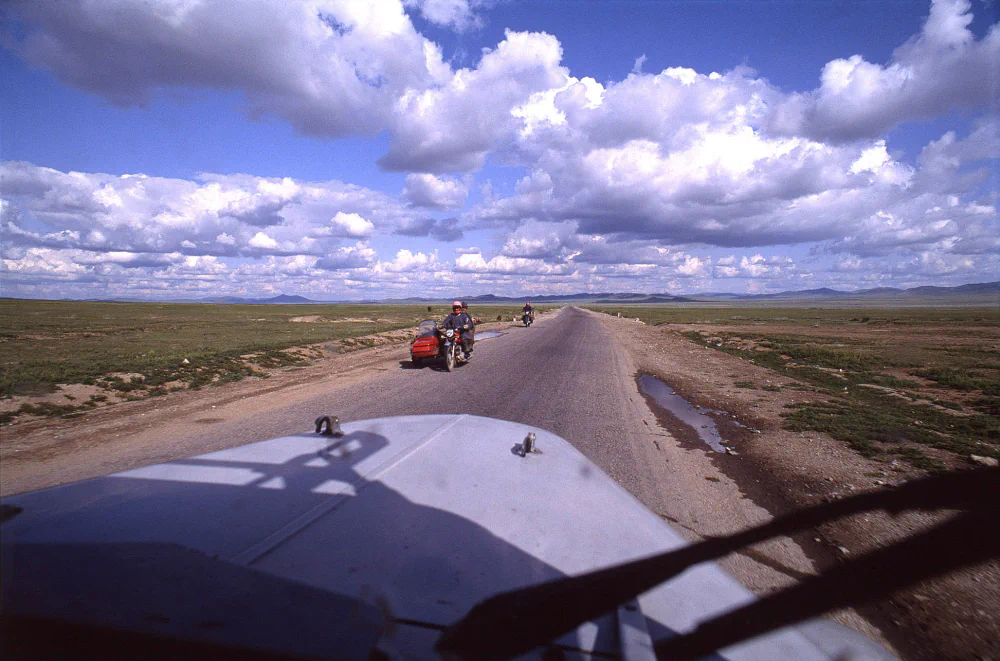
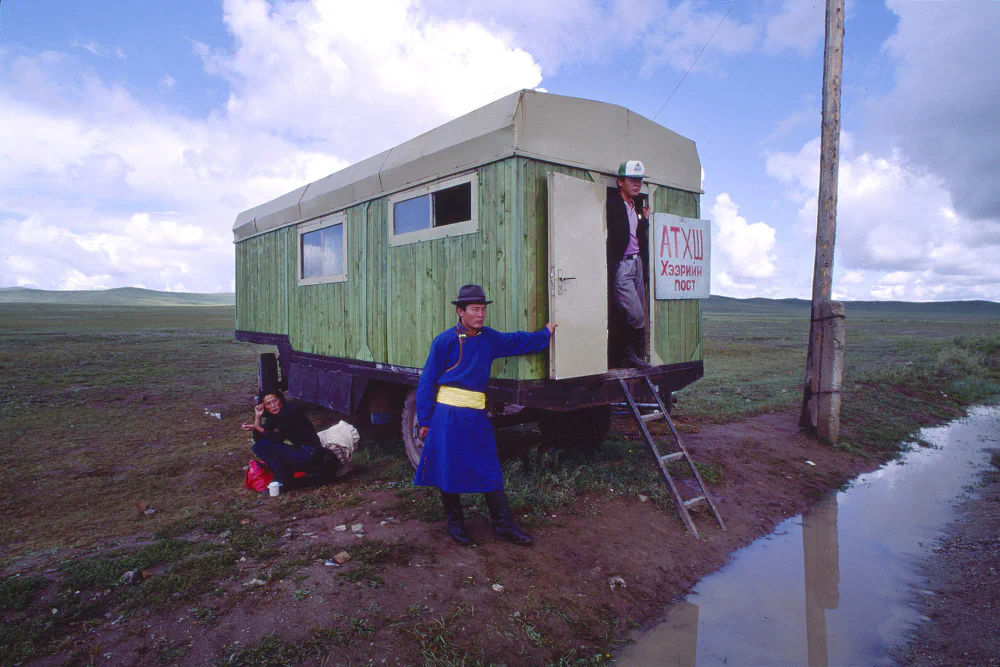
With her as my fixer, I would arrange day trips out of Ulaanbaatar to photograph, she doing deals with drivers to use their private vehicles. In this way, we also arranged a few longer trips to stay with nomads, and a visit to the Gobi desert, on which she unexpectedly brought her four-year-old daughter Duvreemaa. I took it as a hint at marital instabilities. It was also where the Russian vehicle we were using broke down and left us stranded overnight while the driver and his mate walked off to the nearest nomad ger on the horizon to get help.
With Dagmidmaa, doors opened. We were always welcomed with tea, cheese, cured meats or airag (fermented mares milk) at a nomad’s ger, and when in need, a space to sleep.
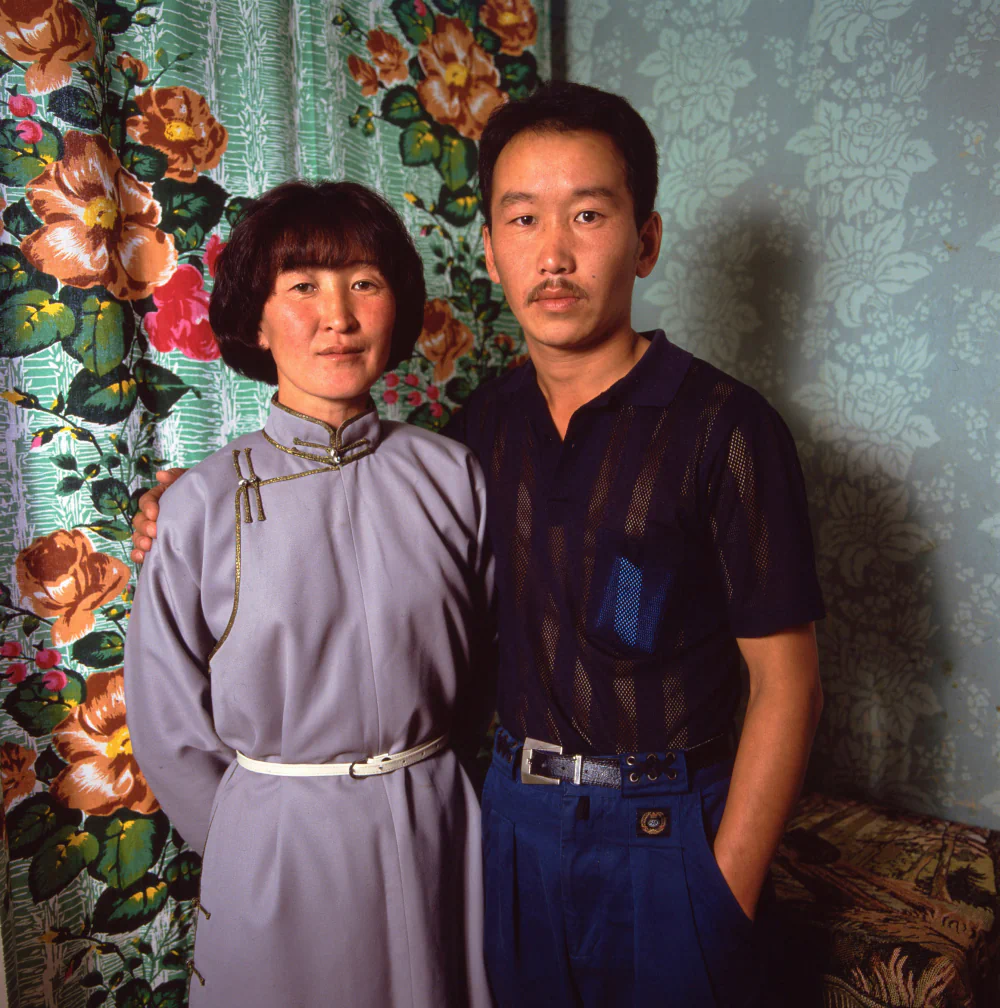
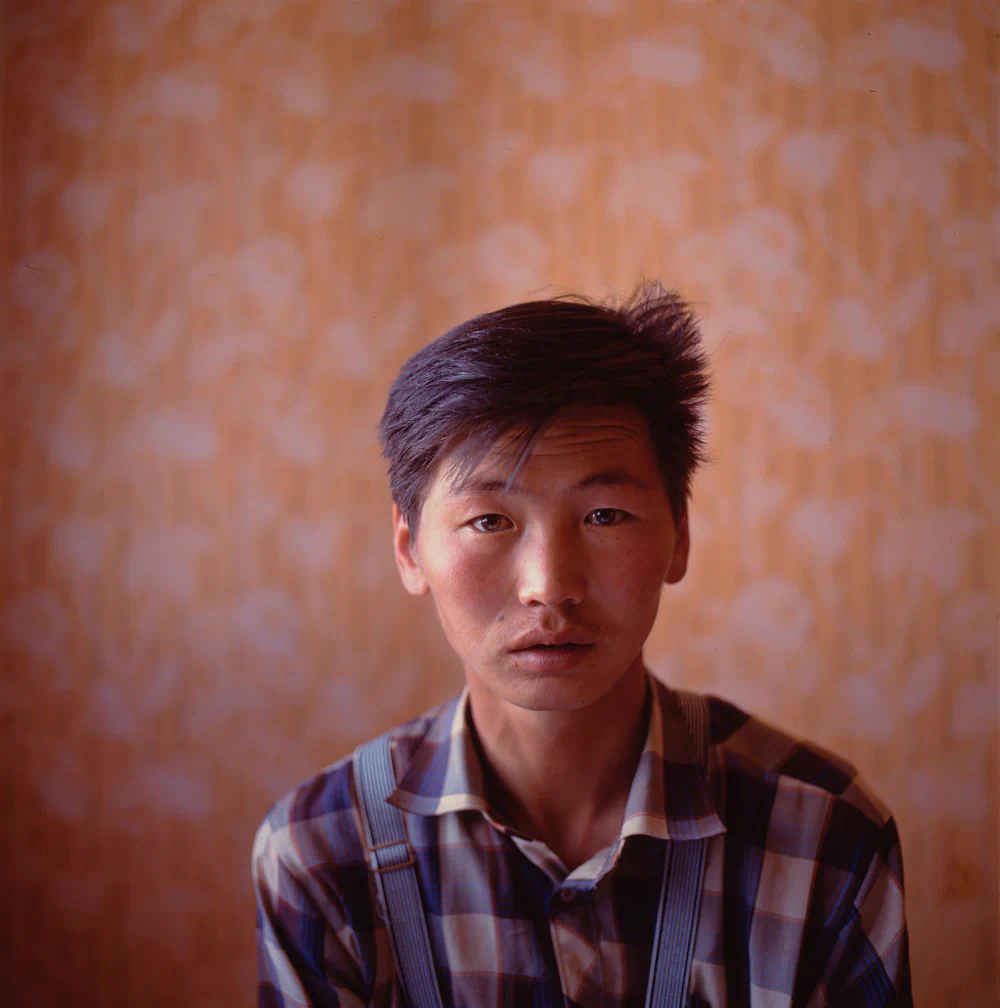
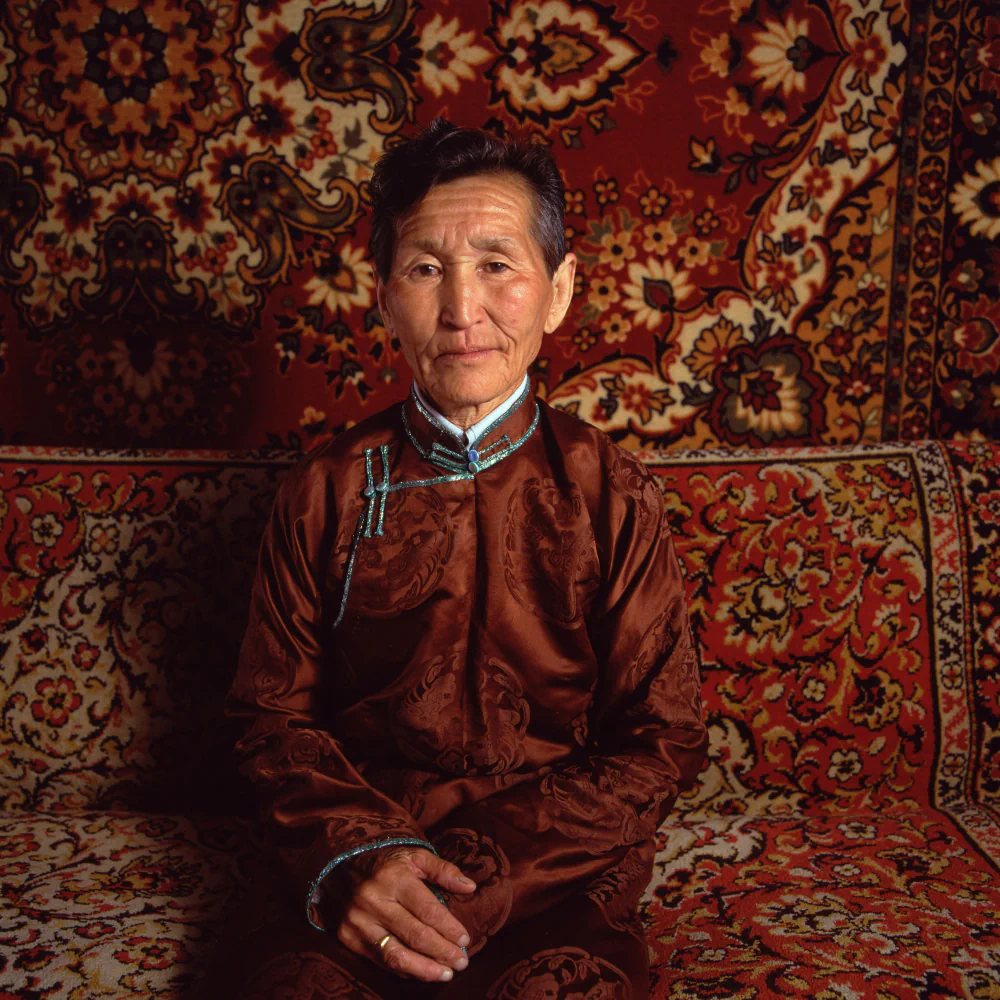
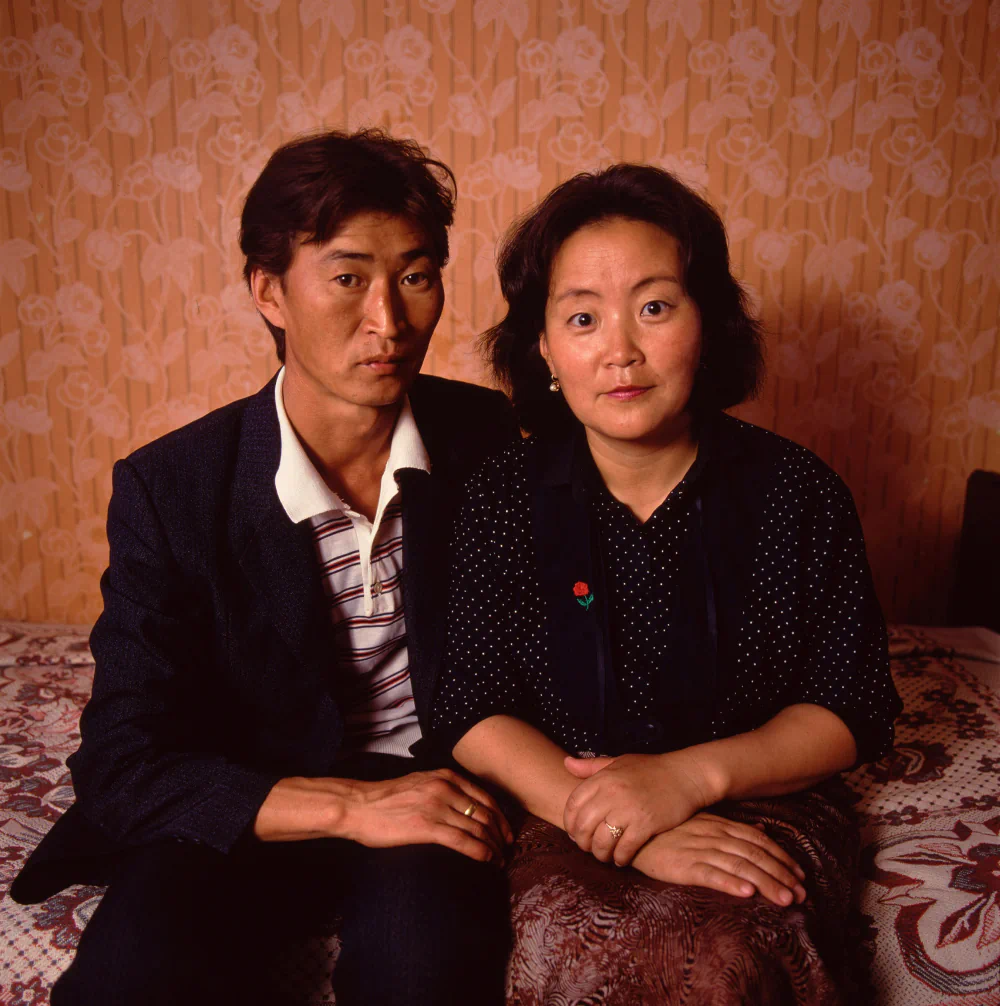
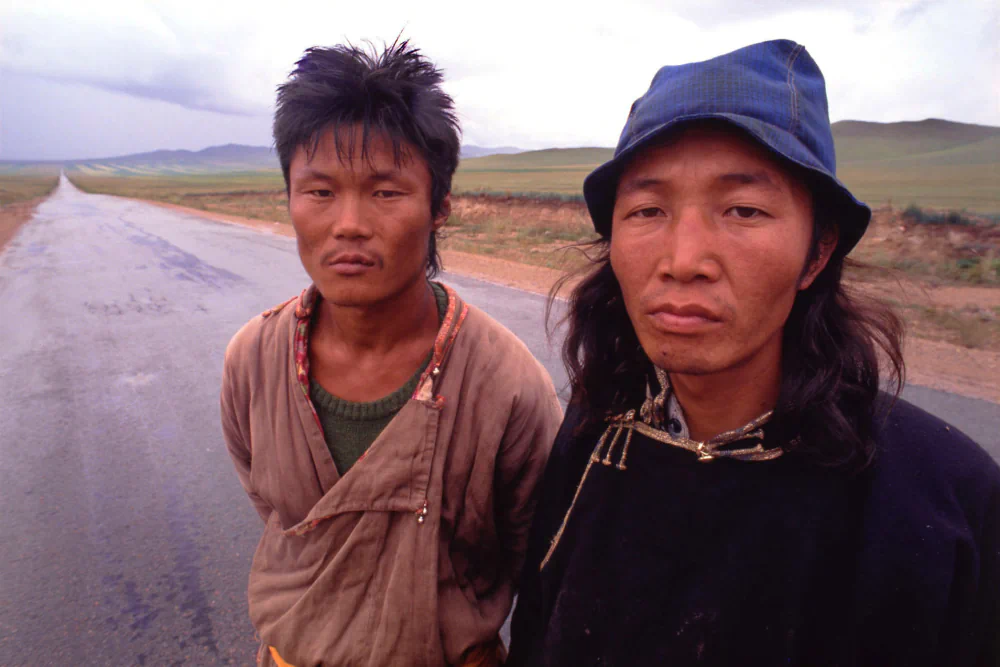
Before I left Mongolia, I photographed members of Dagmidmaa’s family. Her daughter, mother Dolgor, her siblings and their partners, and Moobaatar, a sad-eyed young family friend who was staying with Dagmidmaa’s mother, and still grieving the recent death of his young wife.
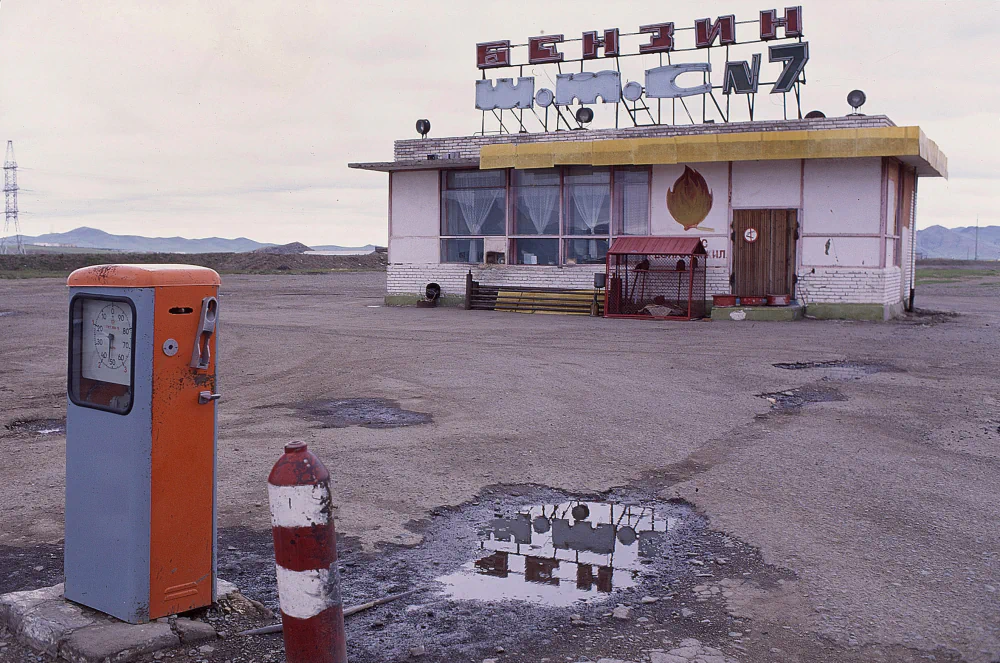
After my flight back to Beijing, I started having sugar cravings, Coca-Cola and ice cream for breakfast kind of stuff. A few days later, in Hong Kong, my liver started to ache after having Whiskey and Cokes. By the time I got back to Tokyo, my energy levels in freefall, I was hospitalised with hepatitis, later convalescing in Australia for several months. The work from Mongolia sat untouched.
The following year, having settled back into Tokyo, I tried reaching out to my faithful fixer. The postal system in Mongolia typically used people’s work addresses as a mailing point; individual residential addresses weren’t recognised, which complicated things. The Cyrillic address I’d had, had been her sister-in-law’s, a nurse, who worked at a hospital. Consequently, though I tried to connect to Dagmidmaa I never received a reply. Alas, the set of portraits I had shot of her family and hoped to send was never shared.
A couple of years ago, I enlisted help to find Dagmidmaa. In the more than thirty years since my journey, Ulaanbaatar, having benefitted from international mining deals, had undergone huge changes. Nonetheless, her mother’s old family apartment was found, though it was now occupied by someone else. Neighbours recalled Dagmidmaa’s mother, though she’d long since died, and they knew nothing of what had become of other family members. There was news of one of her married sisters now living elsewhere, though the trail ended there. Of all my travels, this one endures — for one reason. I still do not know what became of Dagmidmaa.
About Philip Gostelow
Philip is a portrait and documentary photographer and filmmaker. During a career in which he’s been based in Tokyo, Shanghai, Sydney & Perth, his client list has included Time, Figaro, WSJ, VOGUE China and The Weekend Australian Magazine. His photo-collage work has featured at Noorderlicht Photo Festival (1999) and his Black Christmas Bushfires (2001) series is in the permanent collections of the National Gallery of Australia and Museum of Australian Photography. His book Visible, Now – The Fragility of Childhood was published as an e-book (Democratic Books, 2006). In Australia, he’s been a Bowness Prize and Head On Portrait Award finalist. He’s directed several films, including Max Pam: The Freddie Incident, shortlisted for the Western Australian Screen Culture Awards (2023). He graduated in Architecture from Curtin University in 1984. He’s married with two children. [Official Website]