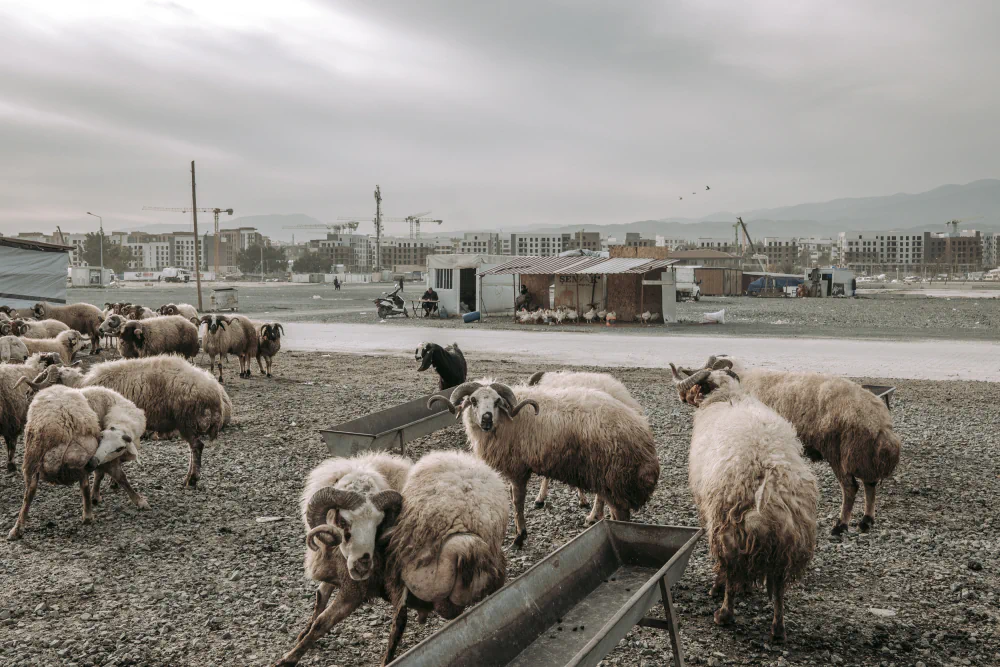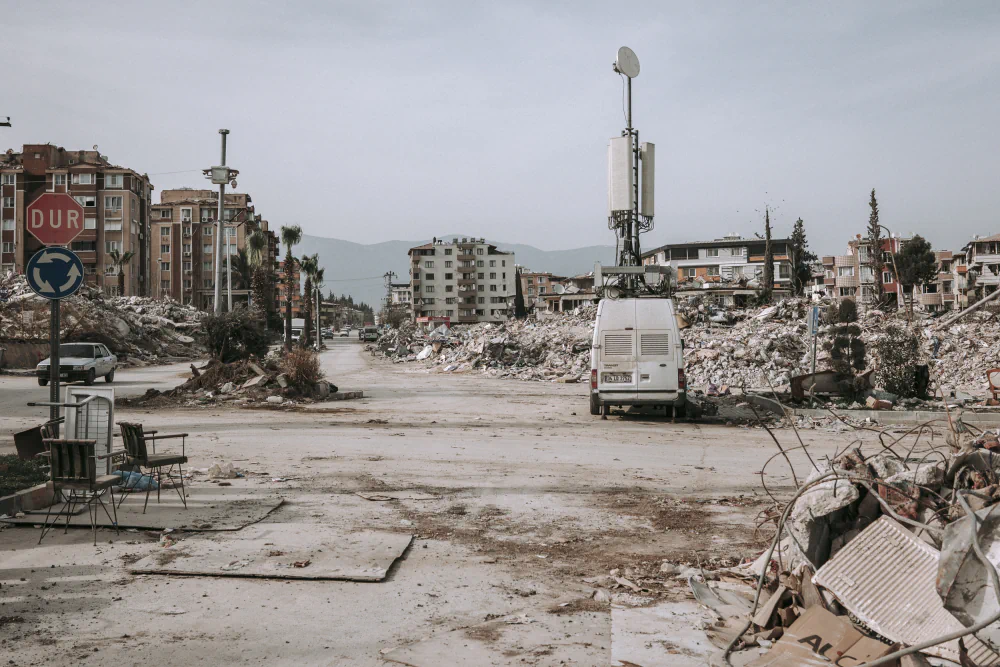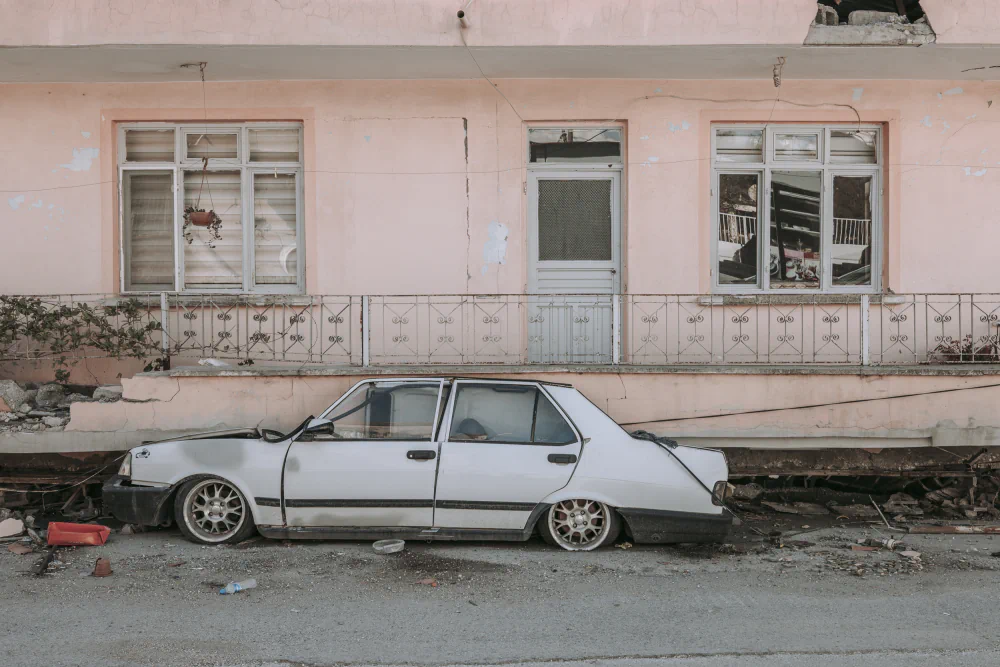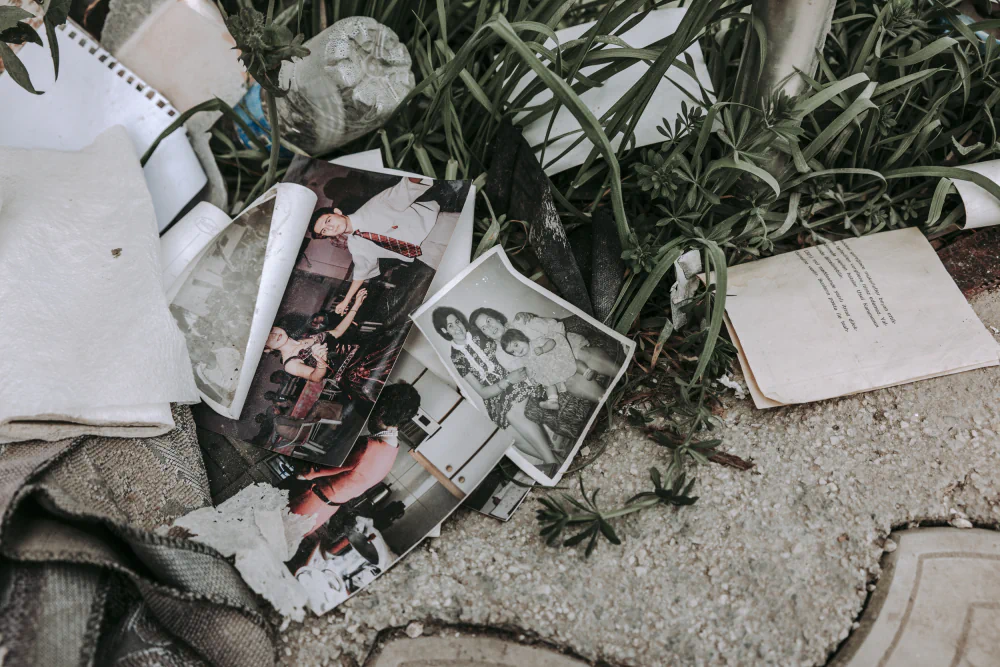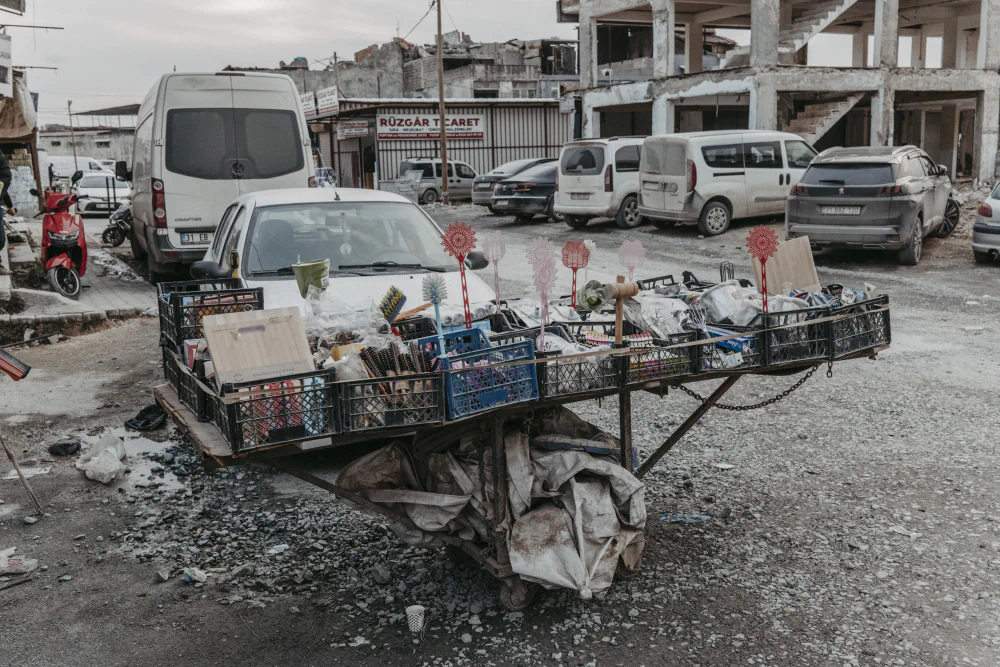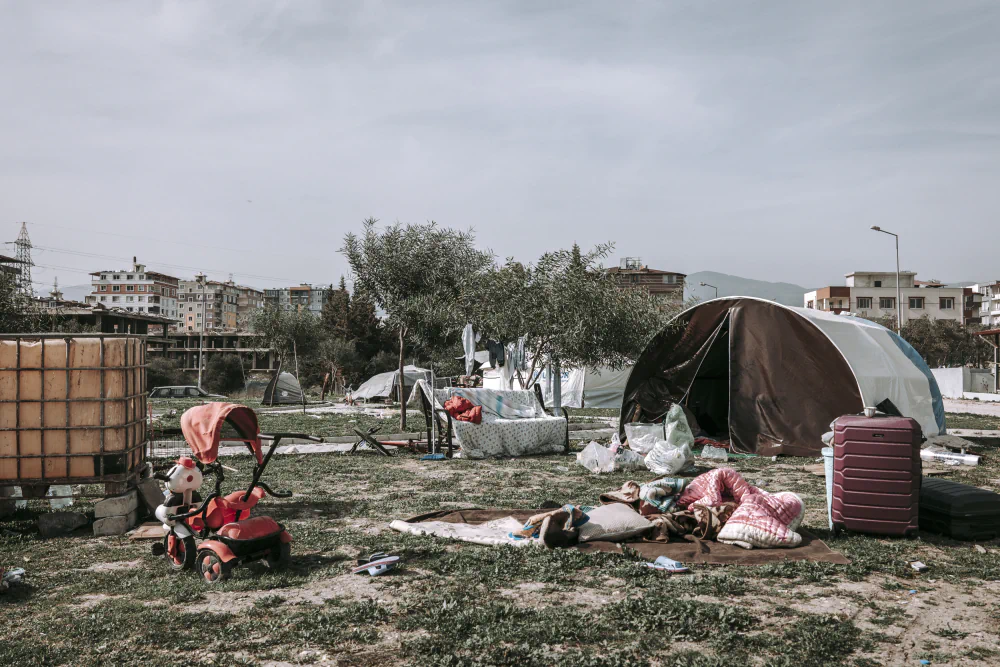
Three years after the devastating 7.8-magnitude earthquake on February 6, 2023, this photo essay follows people in Antakya whose daily lives are still marked by makeshift living conditions.
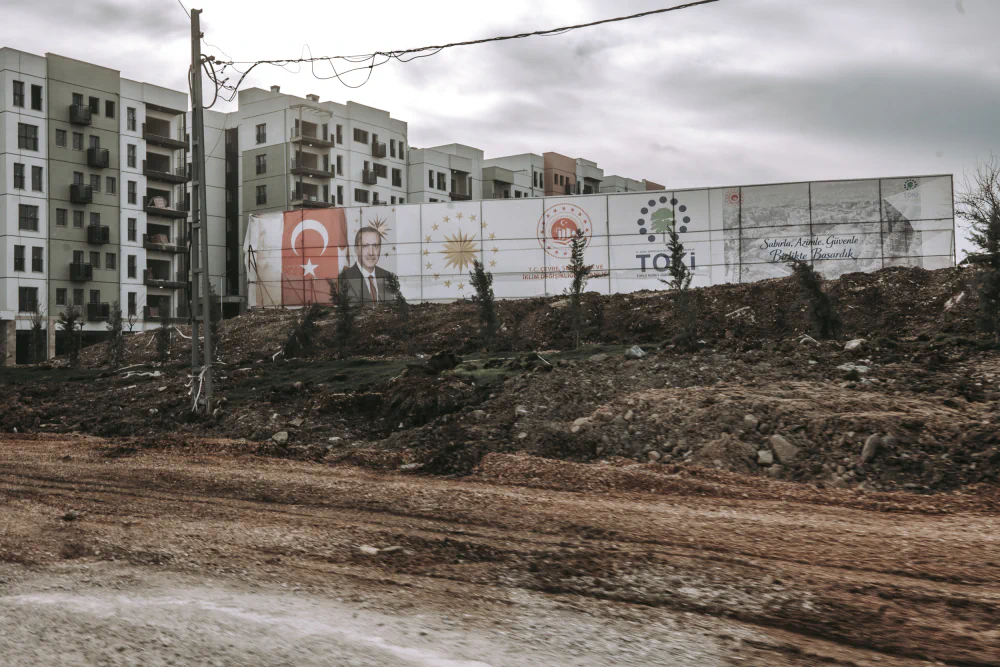
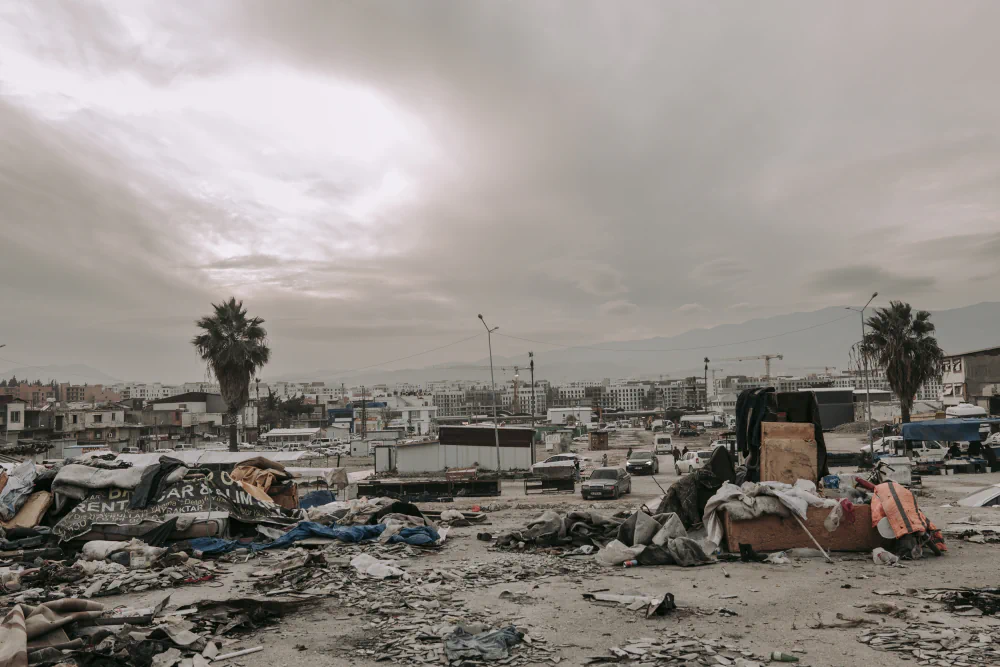
The city, once known as Antioch, one of the world’s most important metropolises on the Silk Road, is now a dusty, sprawling construction site.
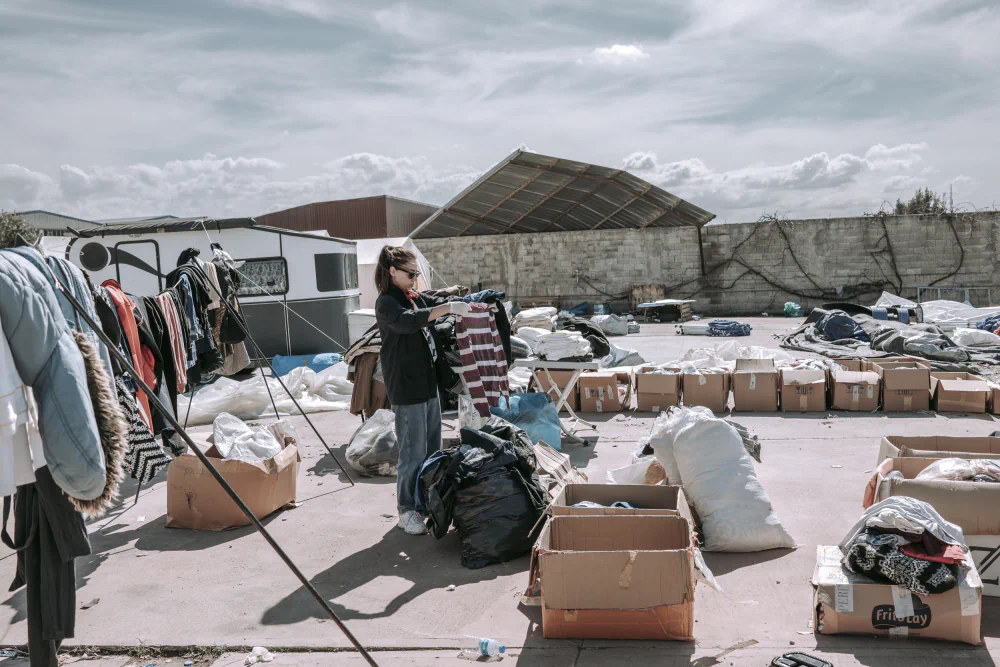
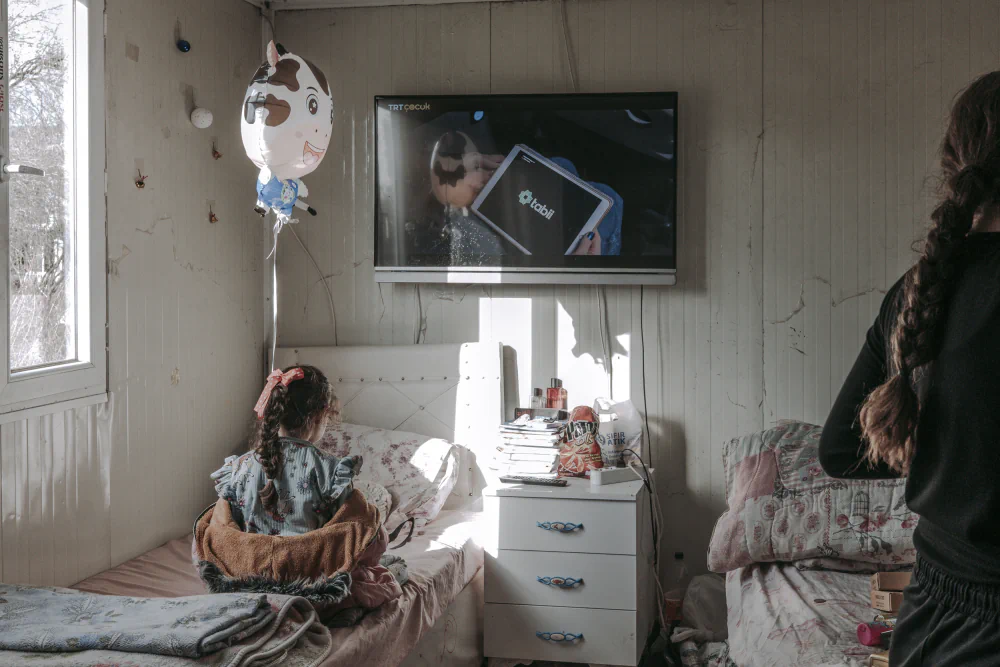
Many people continue to live in tents and shipping containers, while poorer segments of the population, in particular, have little access to permanent housing. The social divide has widened, and a stable middle class barely exists anymore.
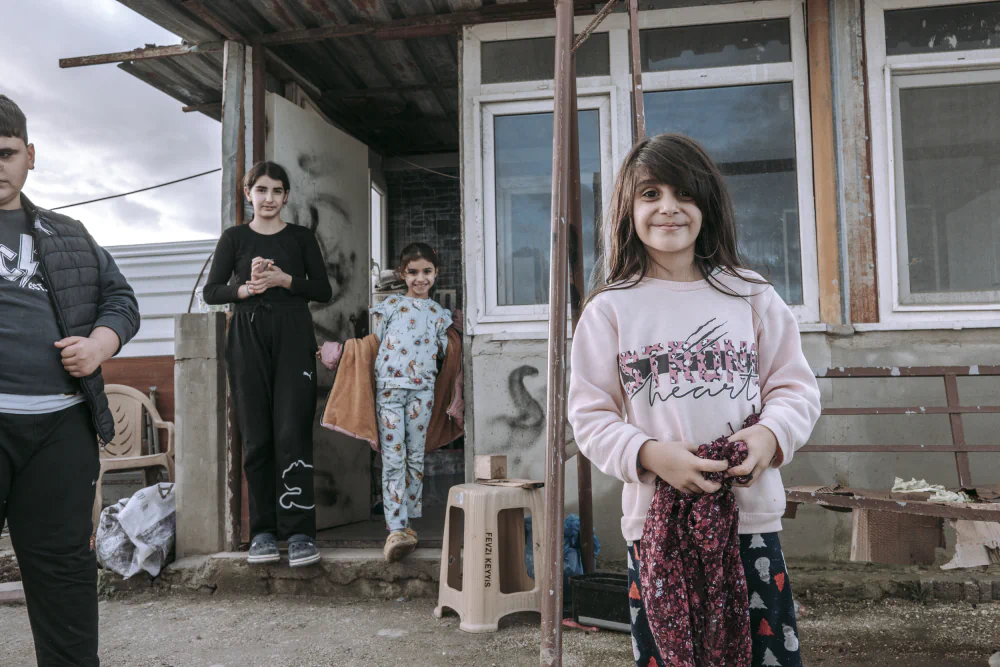
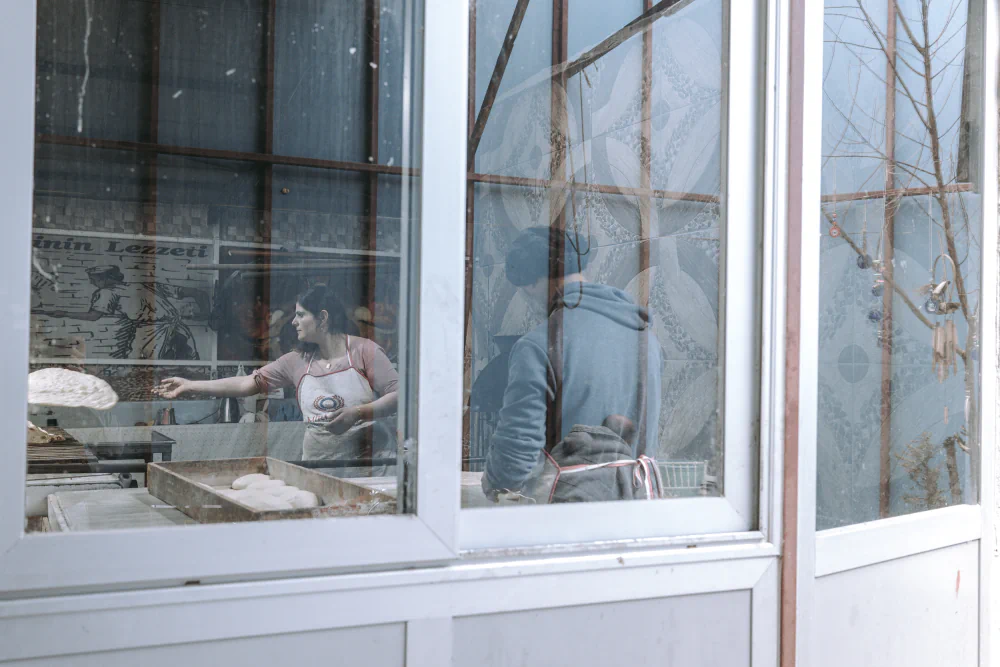
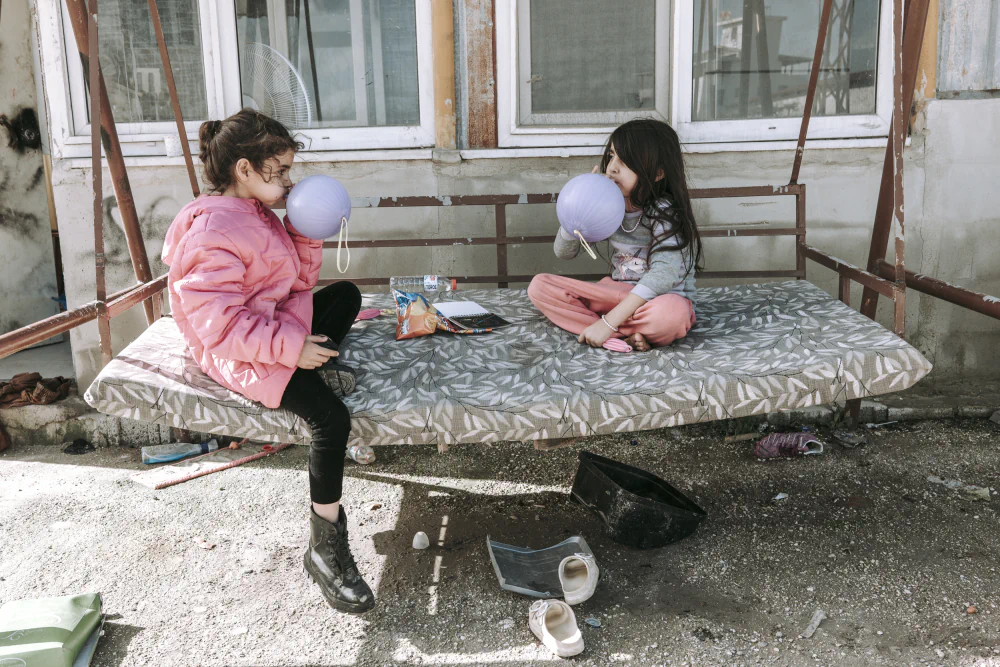
Among others, the report follows Sevcan Karaca, who lives with her five children, her sister, and her father in a space of just 18 square metres. The family’s house, which also housed a bakery, was destroyed by the earthquake. Sevcan worked there as well. For the past six months, she has been running a small shop, the “Sahin Market,” next to her living container and also works at another bakery. The children usually play right in front of the container on a heavily trafficked main road.
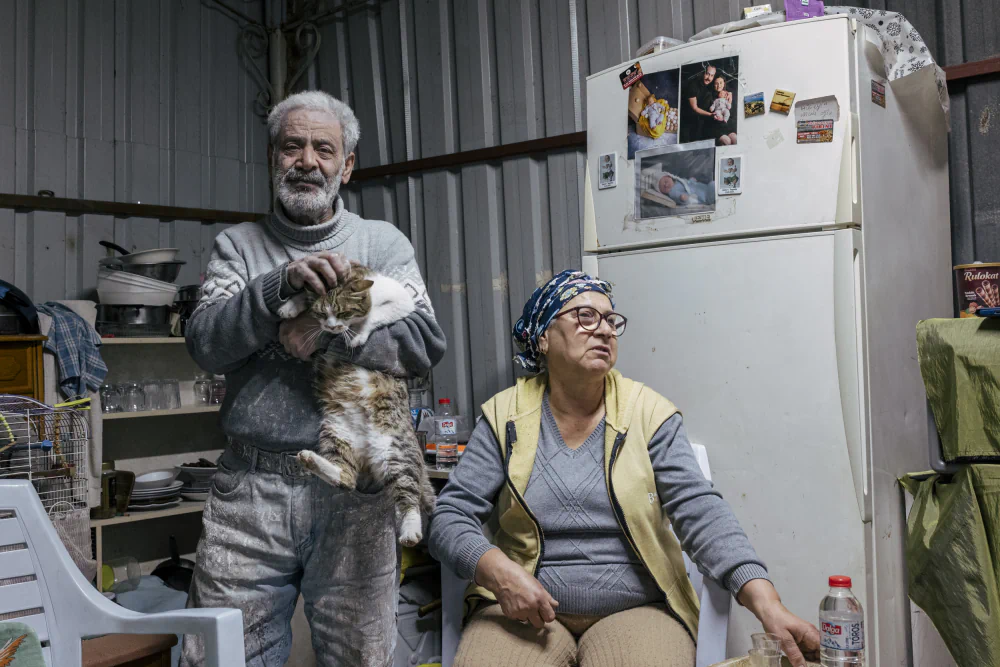
Fikri and Ali also divide their belongings between two containers: they live in one, while the other contains a toilet and shower. Ali is a furniture painter; Fikri works as a housekeeper for a wealthy family. Although they themselves struggle daily to survive, they care for three cats and four canaries.
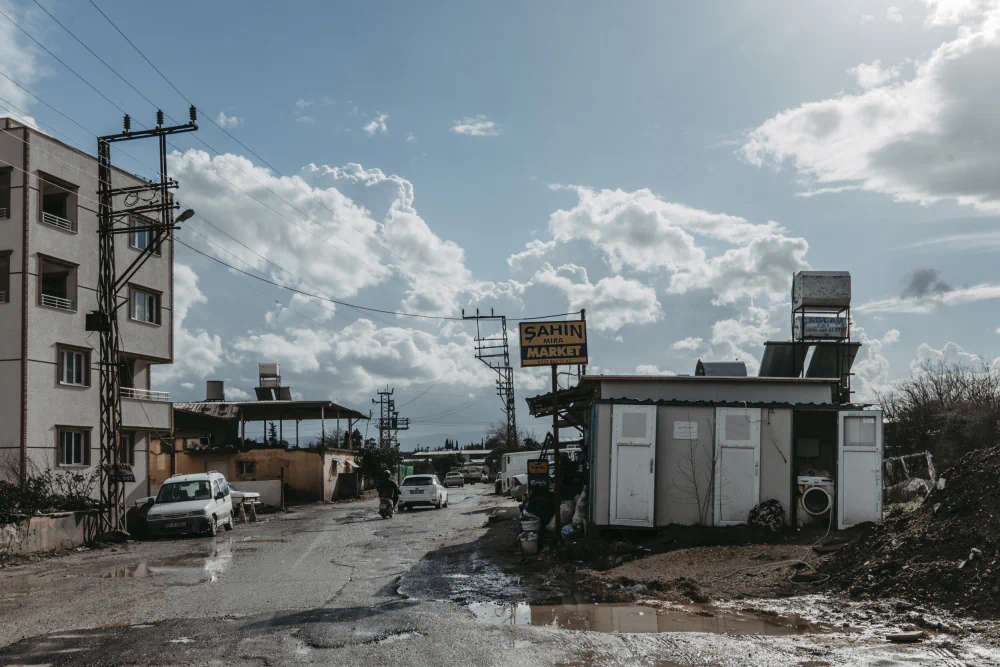
According to official figures, around 700,000 people in Turkey are still living in shipping containers. According to Save the Children, one in three children has been living in emergency shelters since the earthquake. In winter, Antakya is submerged in mud; in summer, respiratory and lung diseases increase dramatically due to high levels of dust. The Turkish Medical Association has been warning for months about the poor air quality in the region. Measurements show that particulate matter levels, caused by demolition work, debris, and construction sites, are significantly above the World Health Organization’s limits. According to a medical study by the Multidisciplinary Digital Publishing Institute (MDPI), the number of asthma and lung diseases in the region has risen sharply. When the streets turn into rivers again, with large potholes, people film the chaos and post it on social media: “This is Antakya, not Bangladesh.”
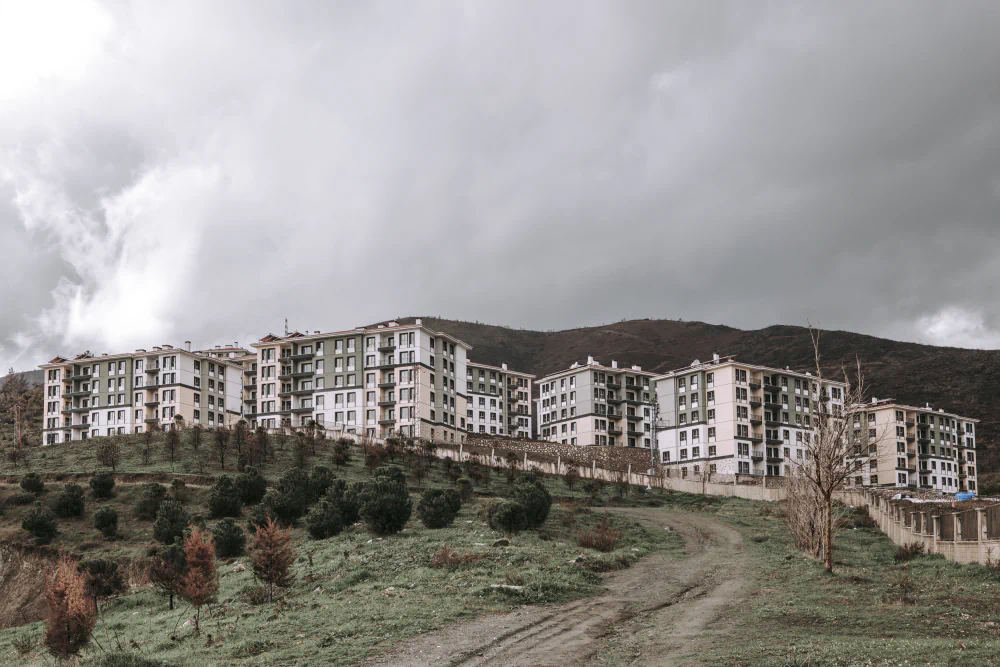
At the same time, new high-rises are springing up in Antakya at record speed—so-called TOKİ buildings, state-subsidised housing complexes comparable to public housing. They are considered affordable and earthquake-resistant. Anyone who owned a house or apartment before the disaster is entitled to a TOKİ replacement. The first two years are repayment-free, followed by interest-free instalments over 18 years. Many of those affected, however, face a difficult decision. Sevcan Karaca’s family will not accept the offer; her father fears he will not be able to afford the future instalments and utility costs.
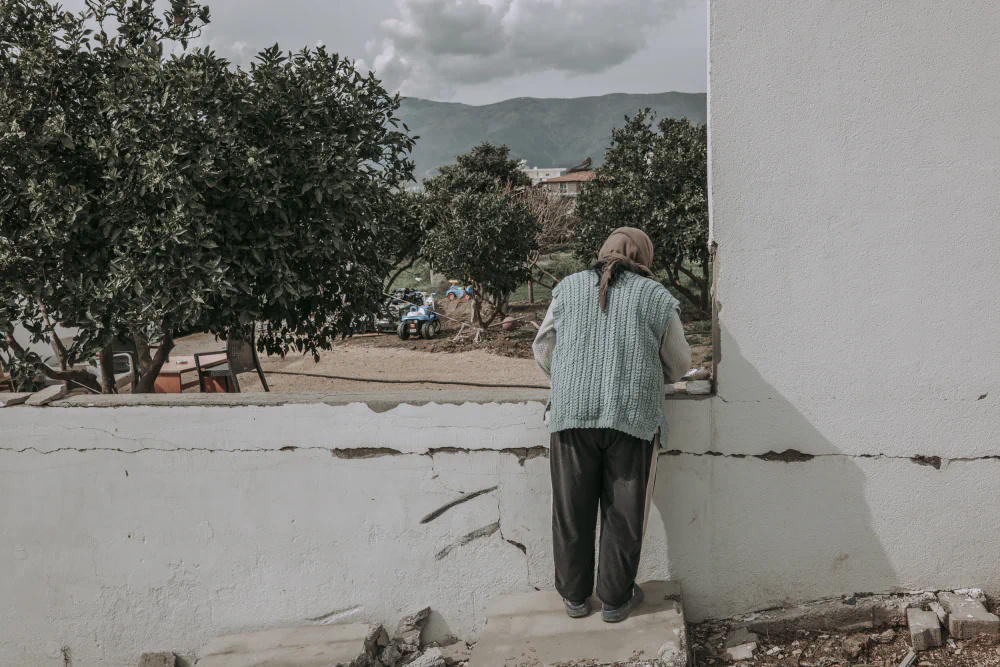
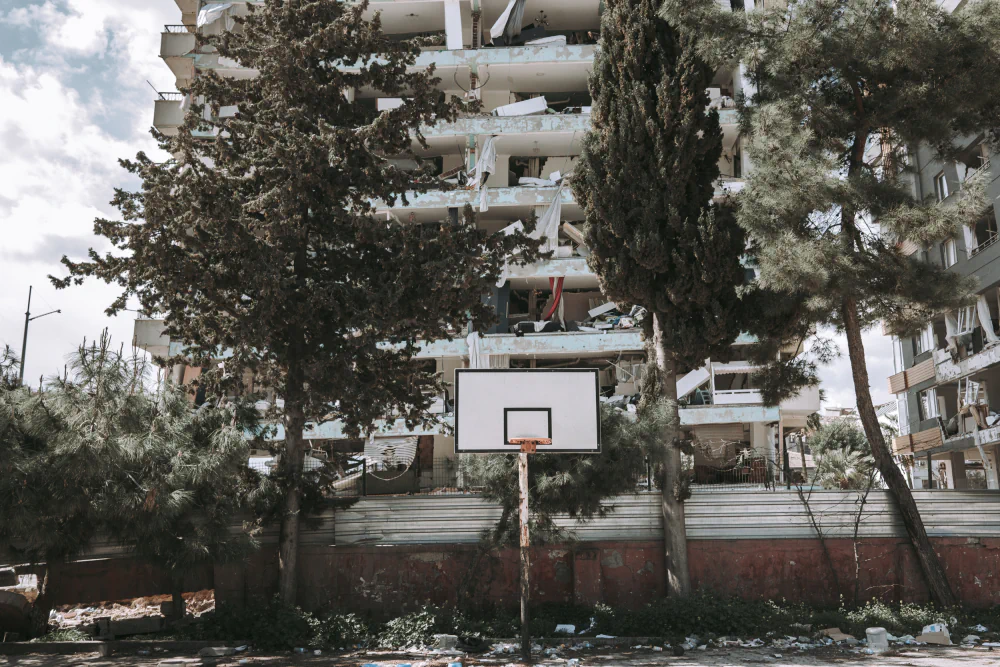
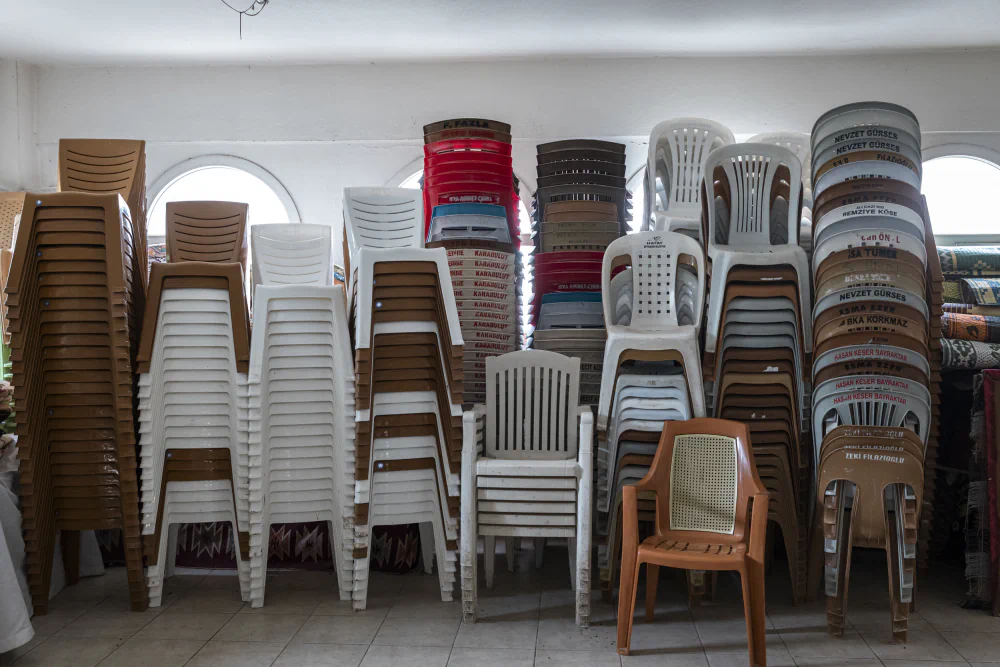
Visually, the project contrasts poverty, landscapes of rubble, and new buildings with fragile signs of hope, such as children at play. It shows how long and arduous the path back to a dignified life is and gives those affected a face and a voice.
About Manuela Federl
Manuela Federl is a German journalist, filmmaker, and photographer. After studying languages, economics, and cultural studies at the University of Passau in Germany and the Universidad de Concepción in Chile, she worked for various television stations in Germany and abroad. She has been working as a freelance journalist and filmmaker since 2016. Her work primarily focuses on socially critical issues.
Her documentary film The Game: Gambling Between Life and Death, which explores the lives of refugees at the EU’s external border, has been translated into five languages and has won several awards. Her photography projects have been exhibited both nationally and internationally. [Official Website]