
The Most Beautiful Anthropocene by Aindreas Scholz When Nature Creates the Photograph

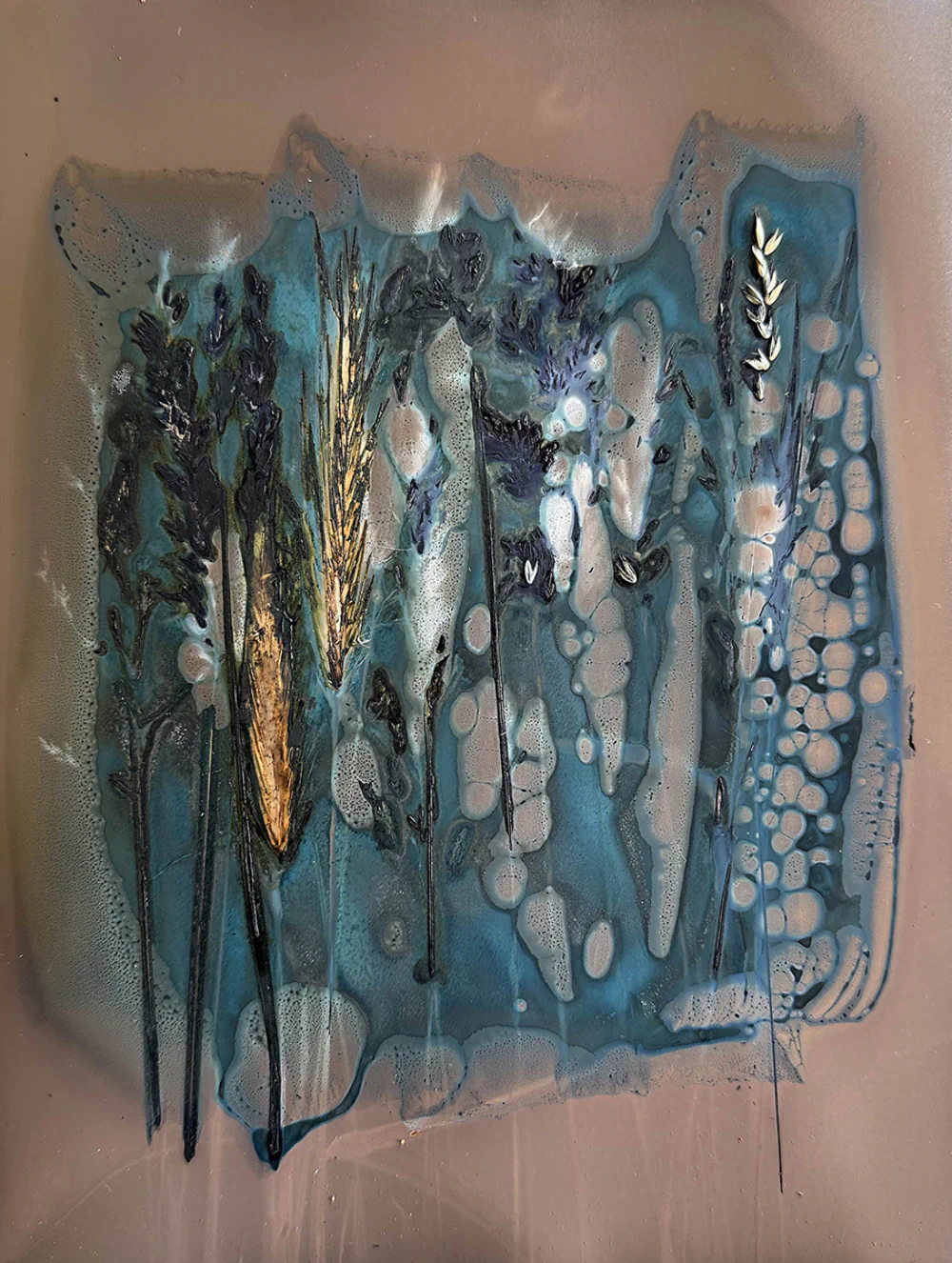
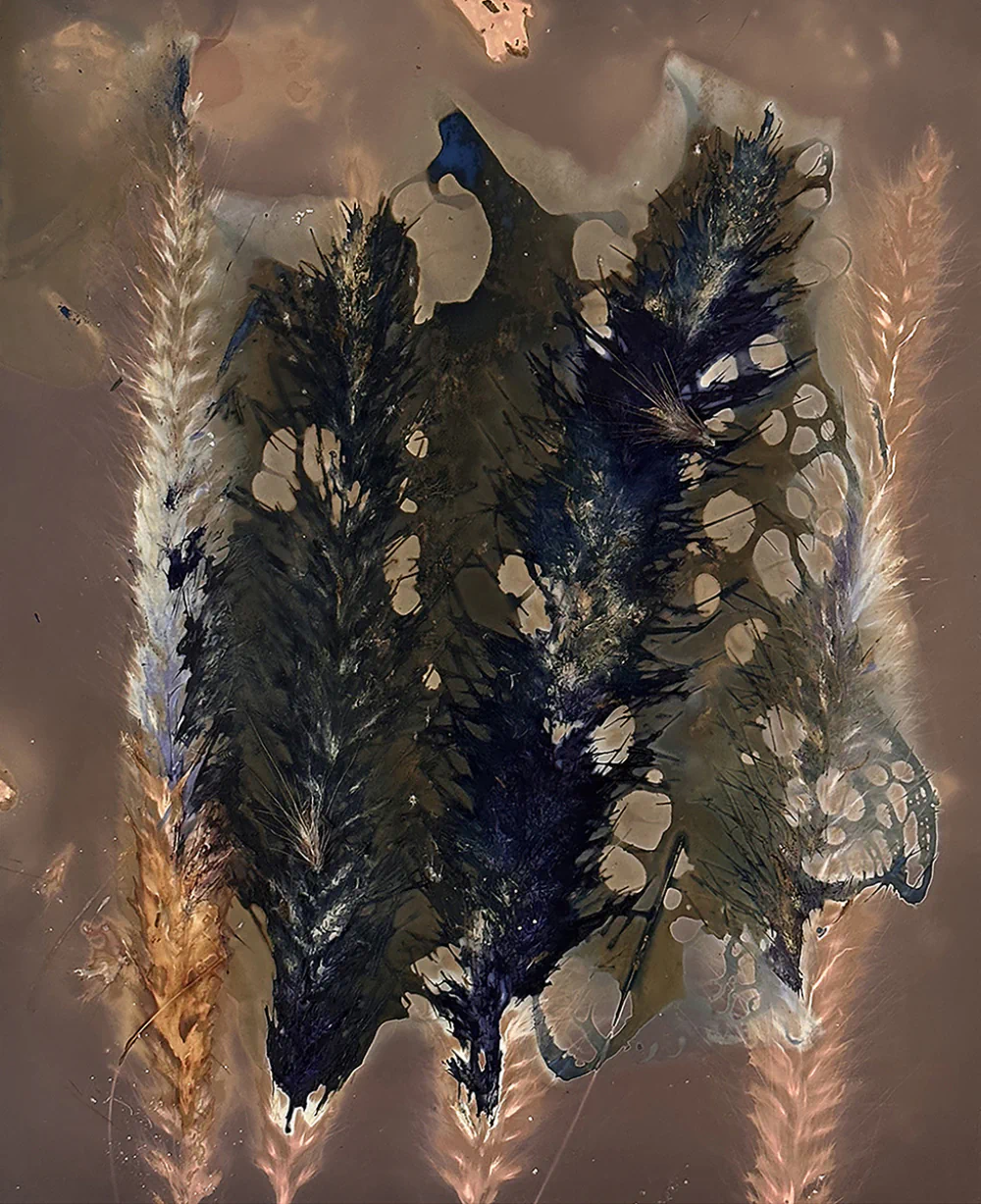
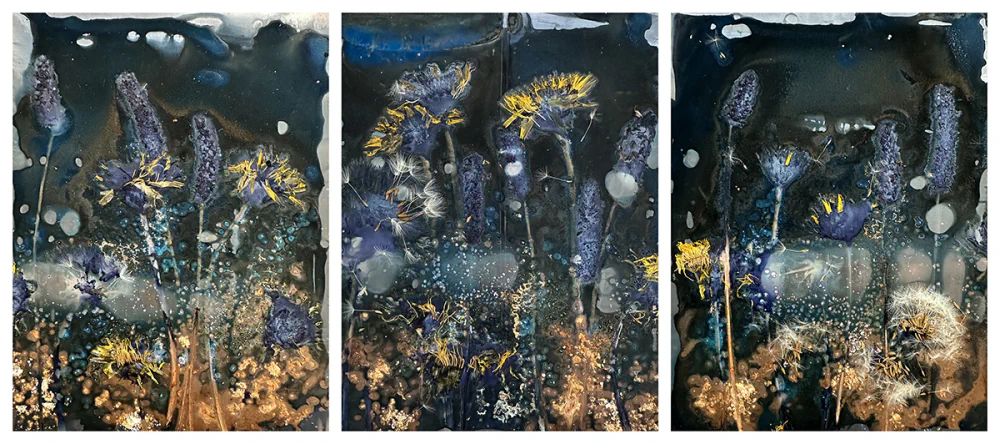
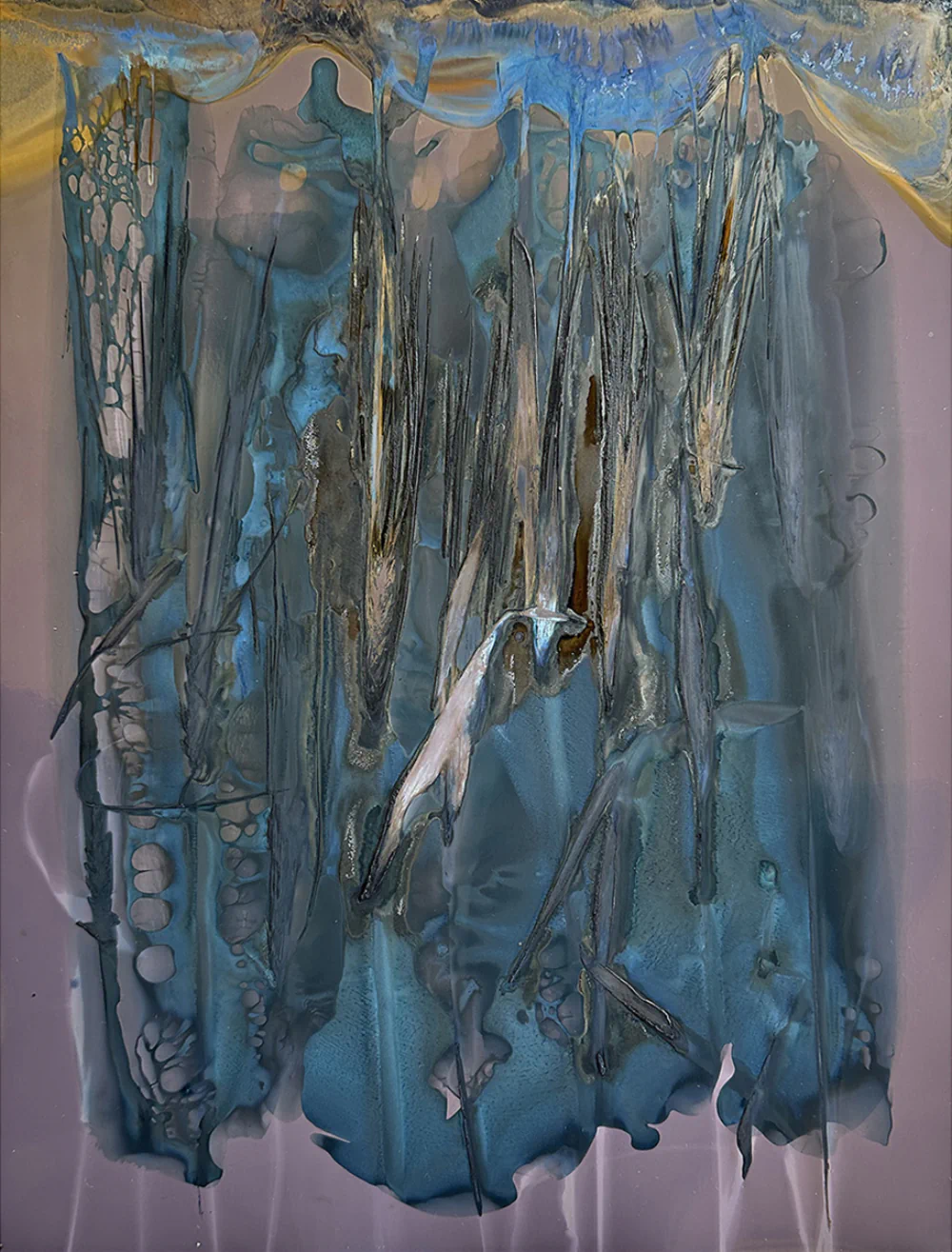
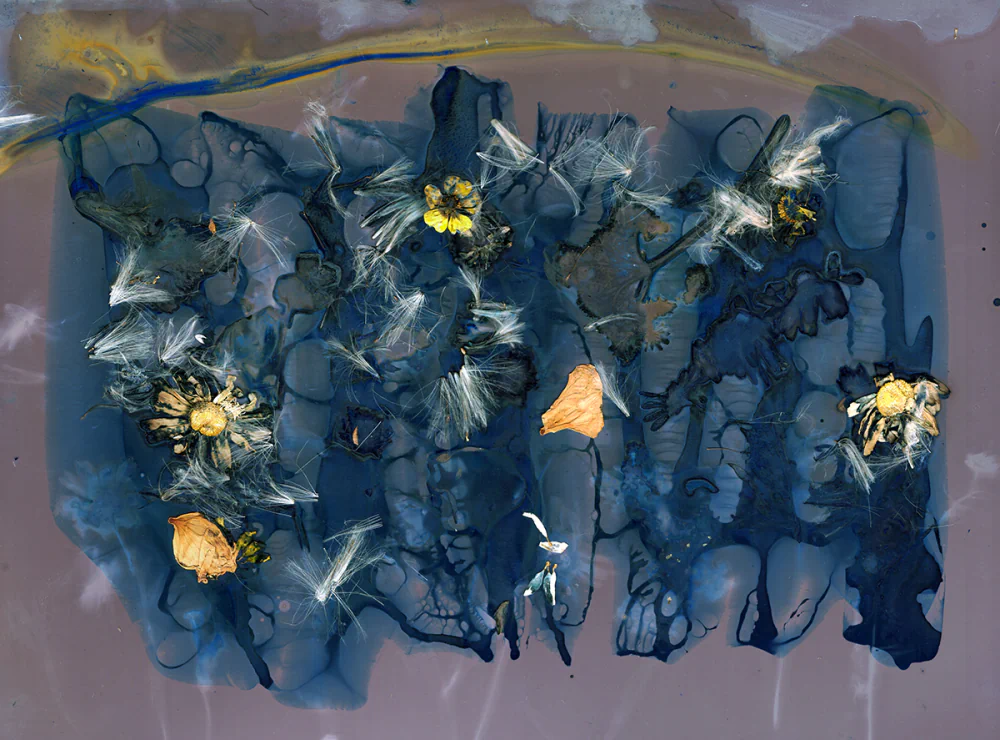
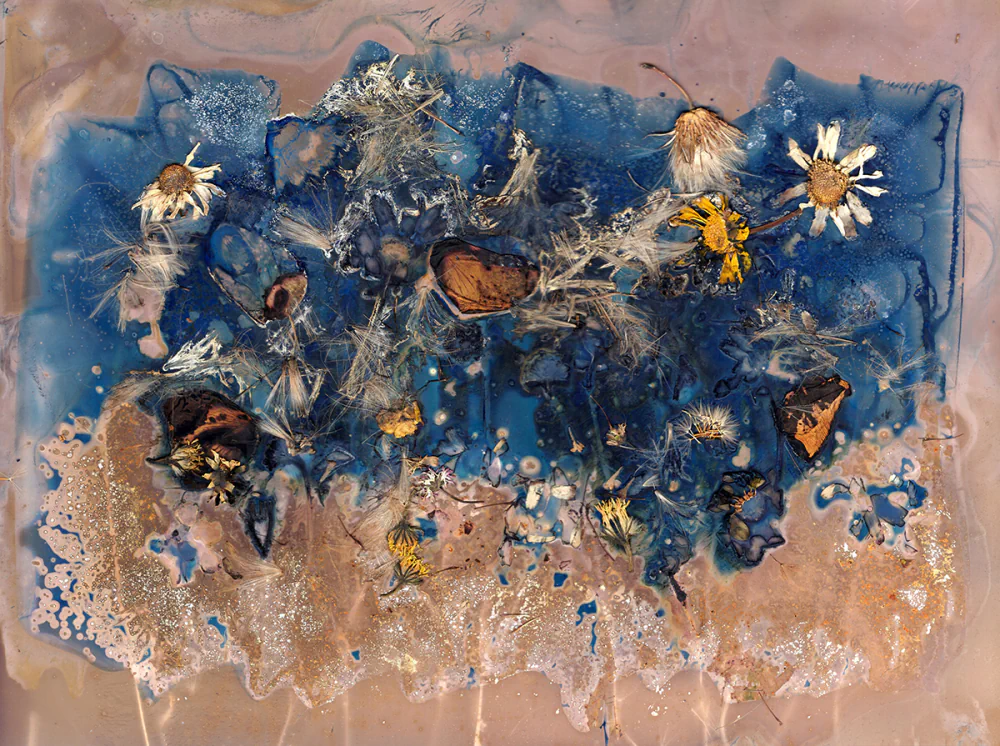
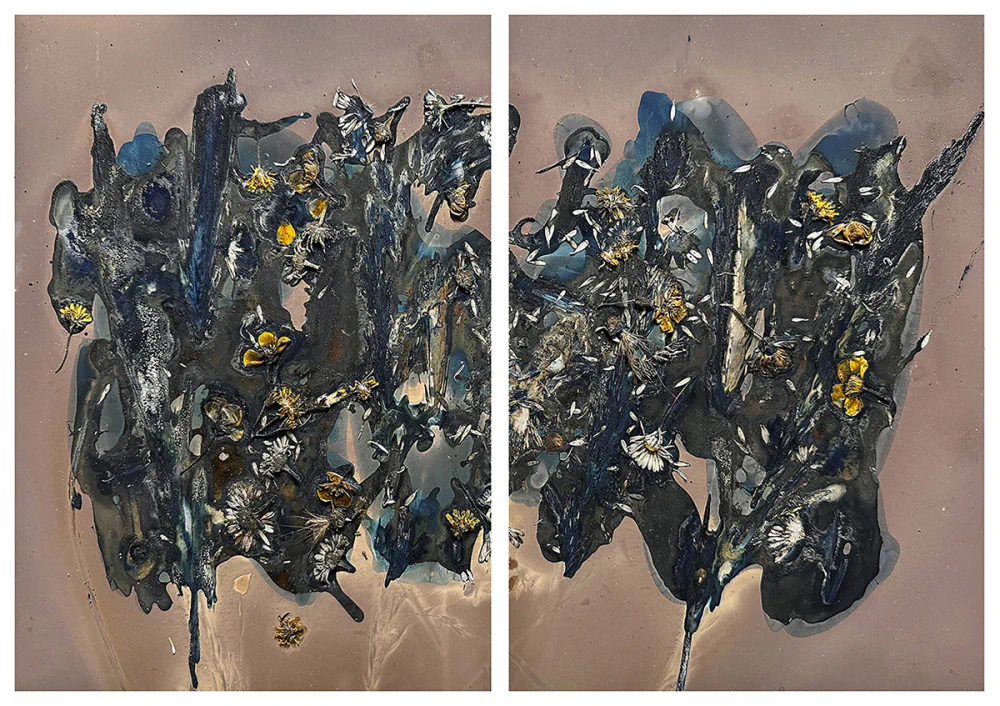
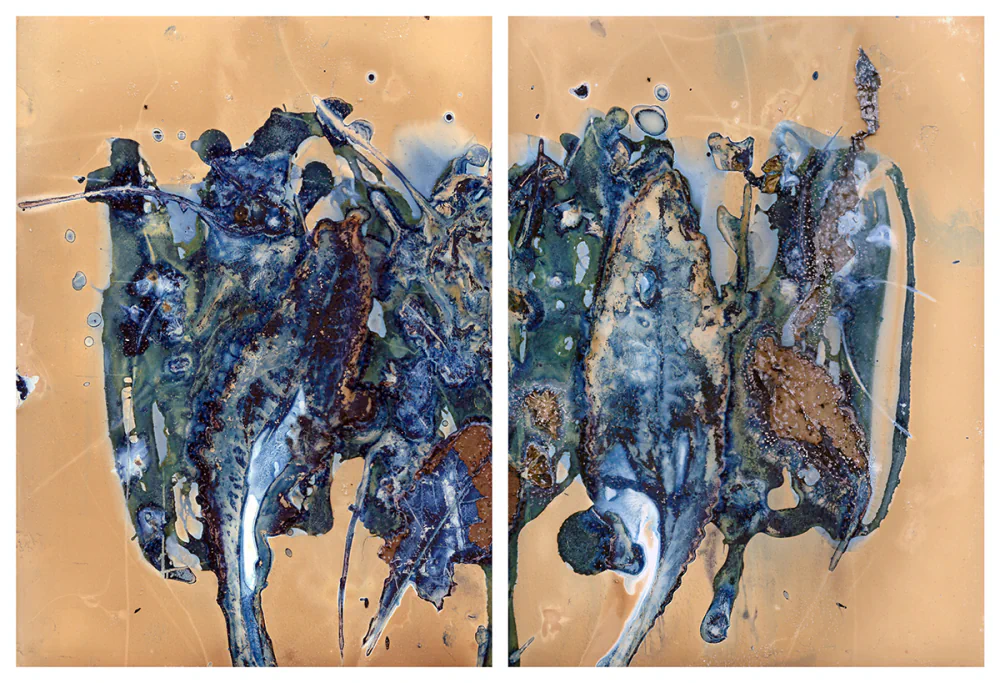
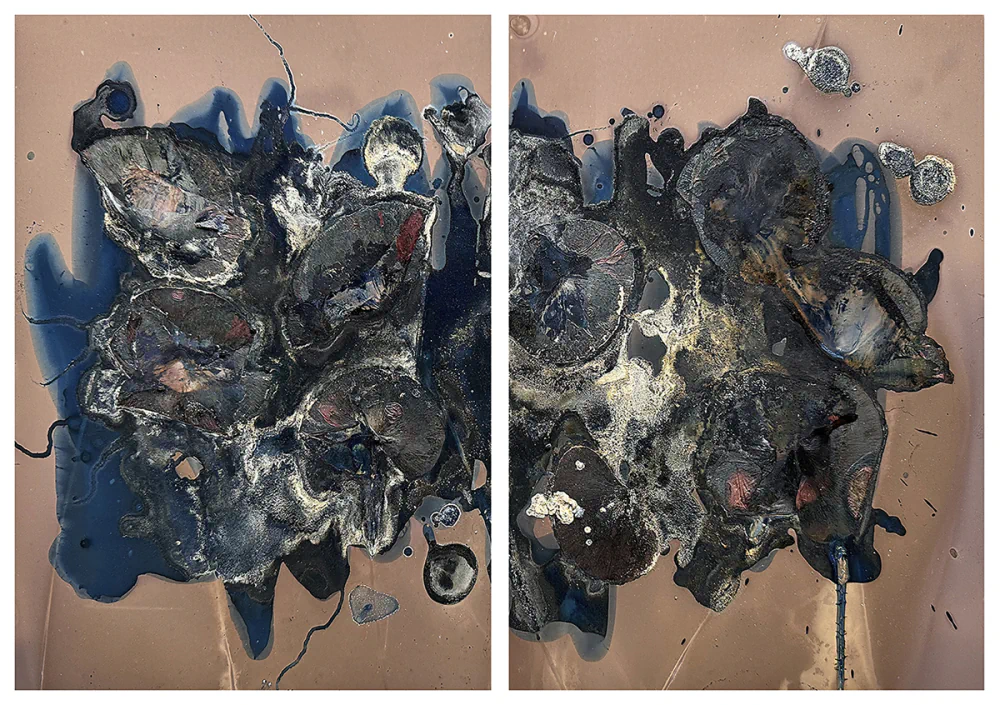
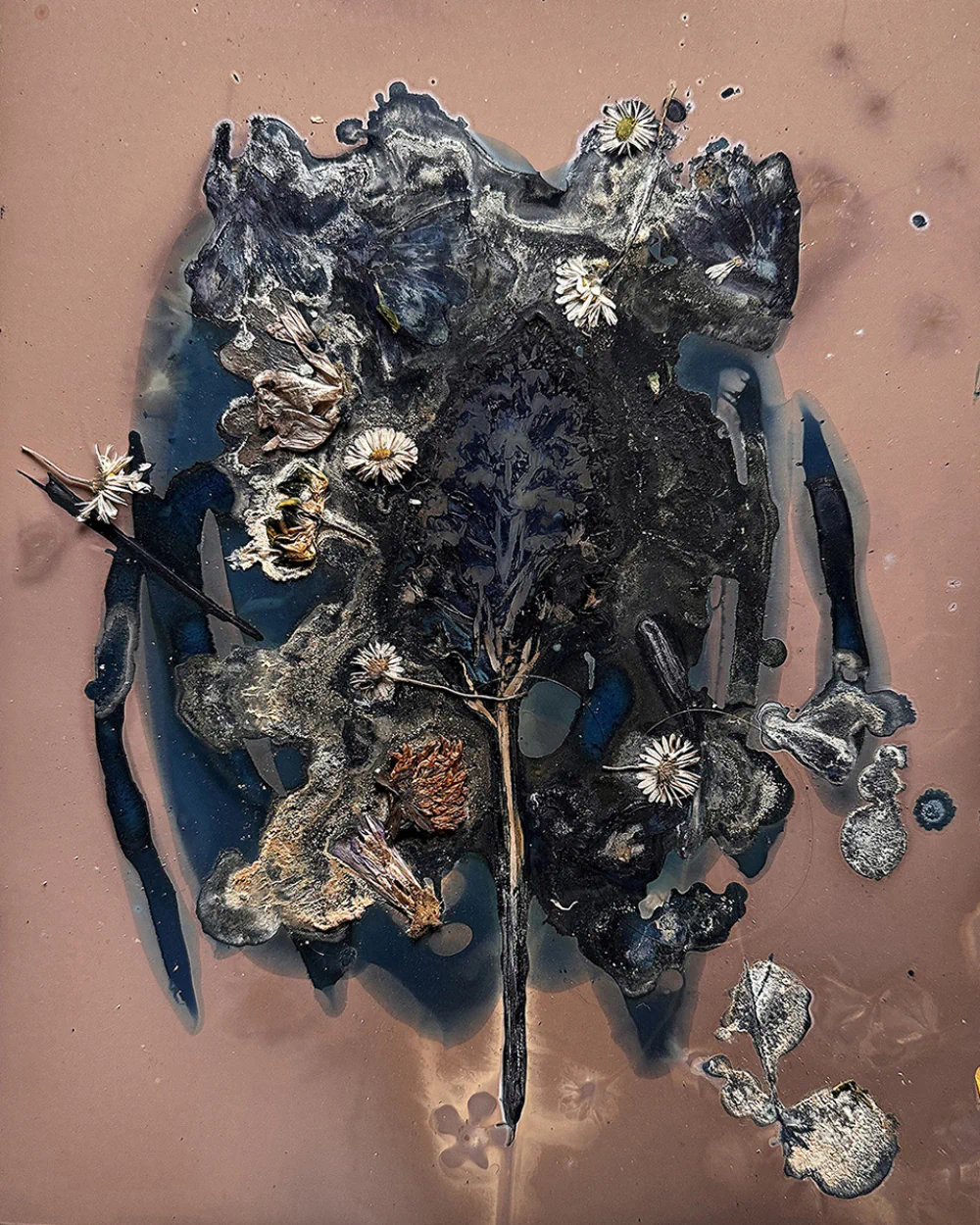
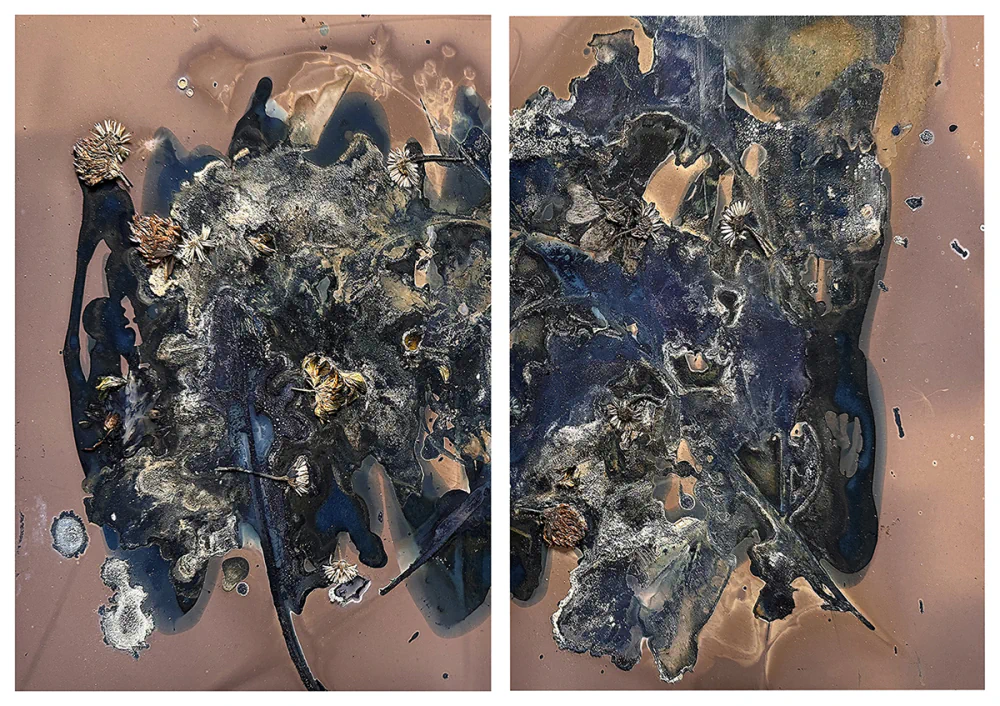
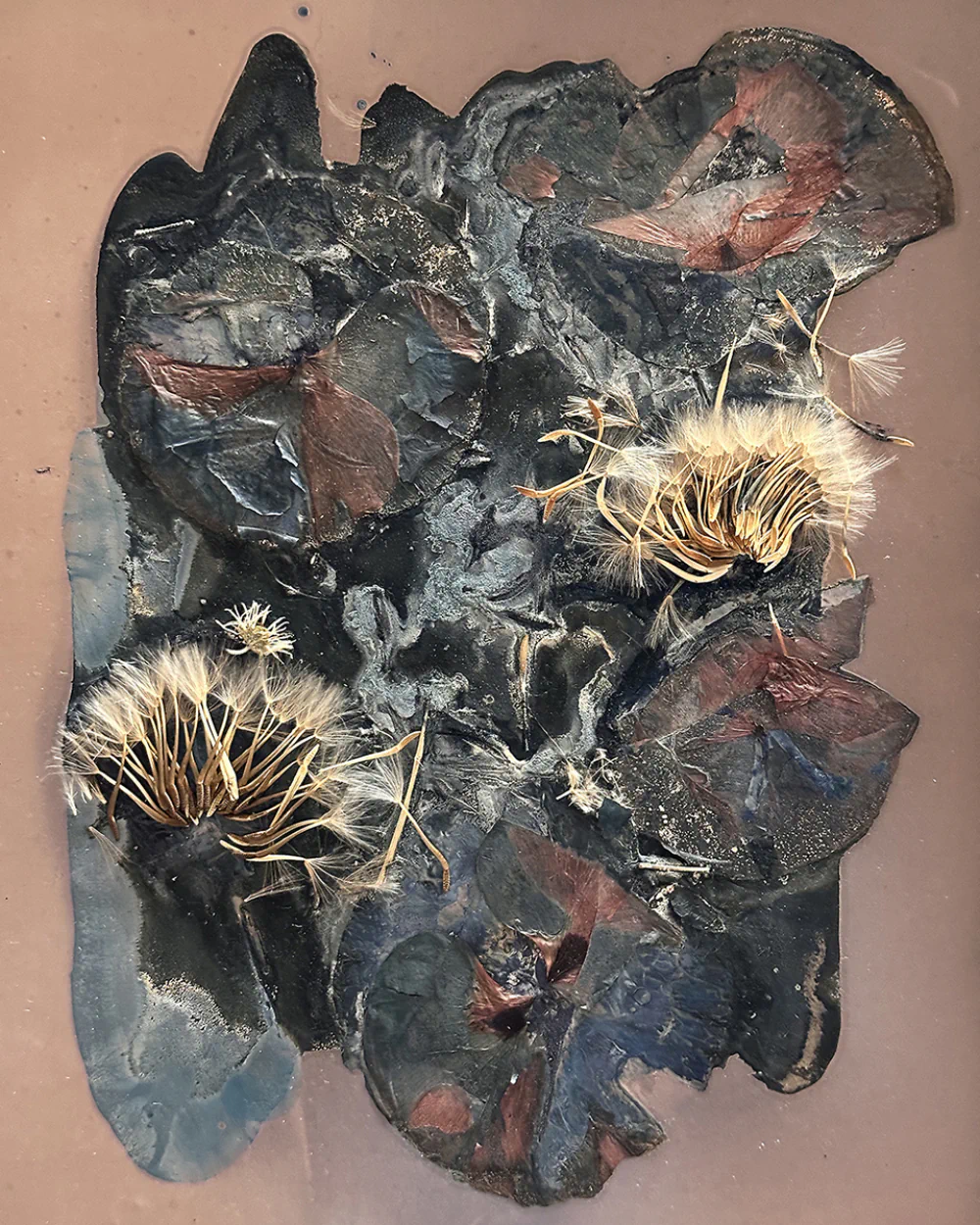
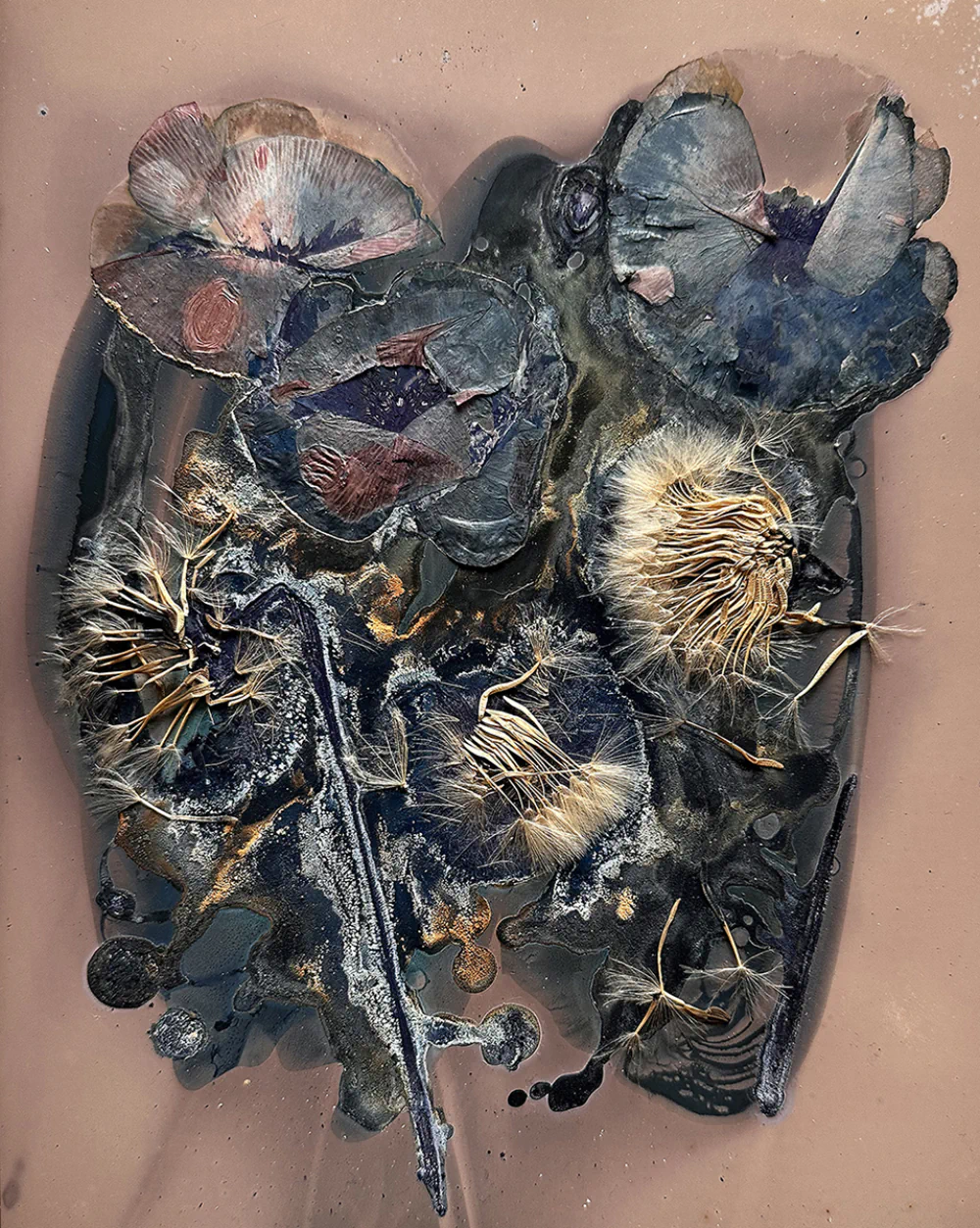
The Most Beautiful Anthropocene is a body of work in which nature itself becomes the author of the image. Rather than photographing landscapes in a conventional sense, the project allows environmental forces to physically produce the photograph.
Mar 23, 2026

The Most Beautiful Anthropocene is a body of work in which nature itself becomes the author of the image.

Rather than photographing landscapes in a conventional sense, the project allows environmental forces to physically produce the photograph.

Sunlight, polluted seawater, acidic rain, and fragile plant matter are not treated as subjects or background elements but as active collaborators in the making of the image.

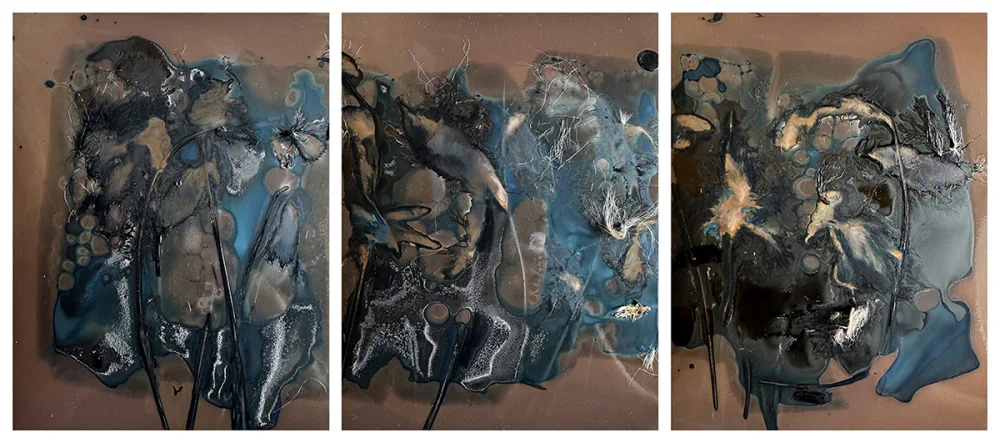
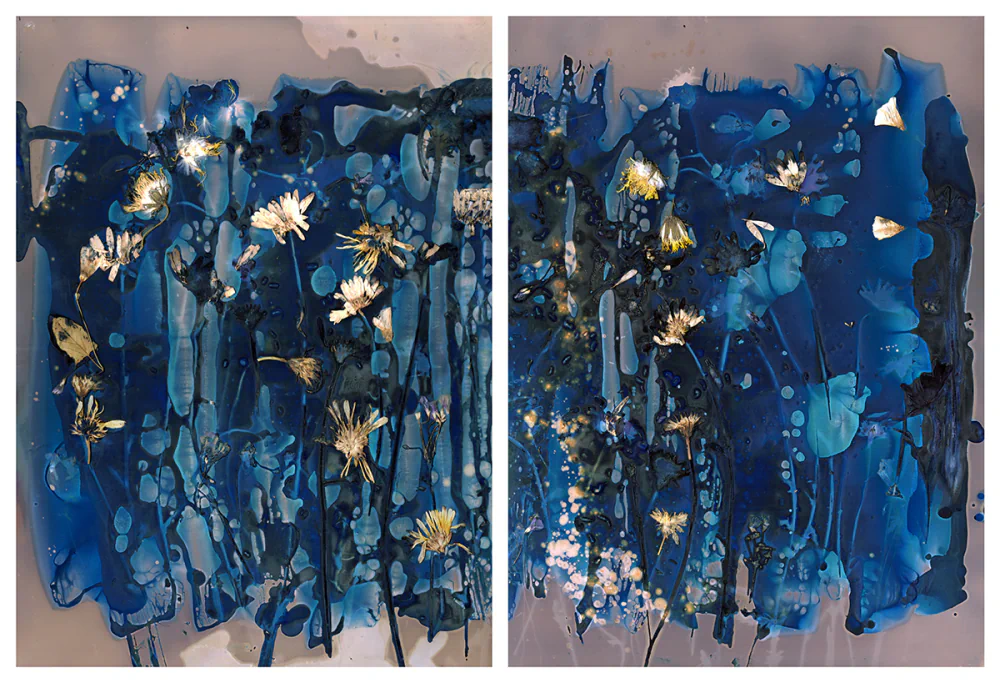
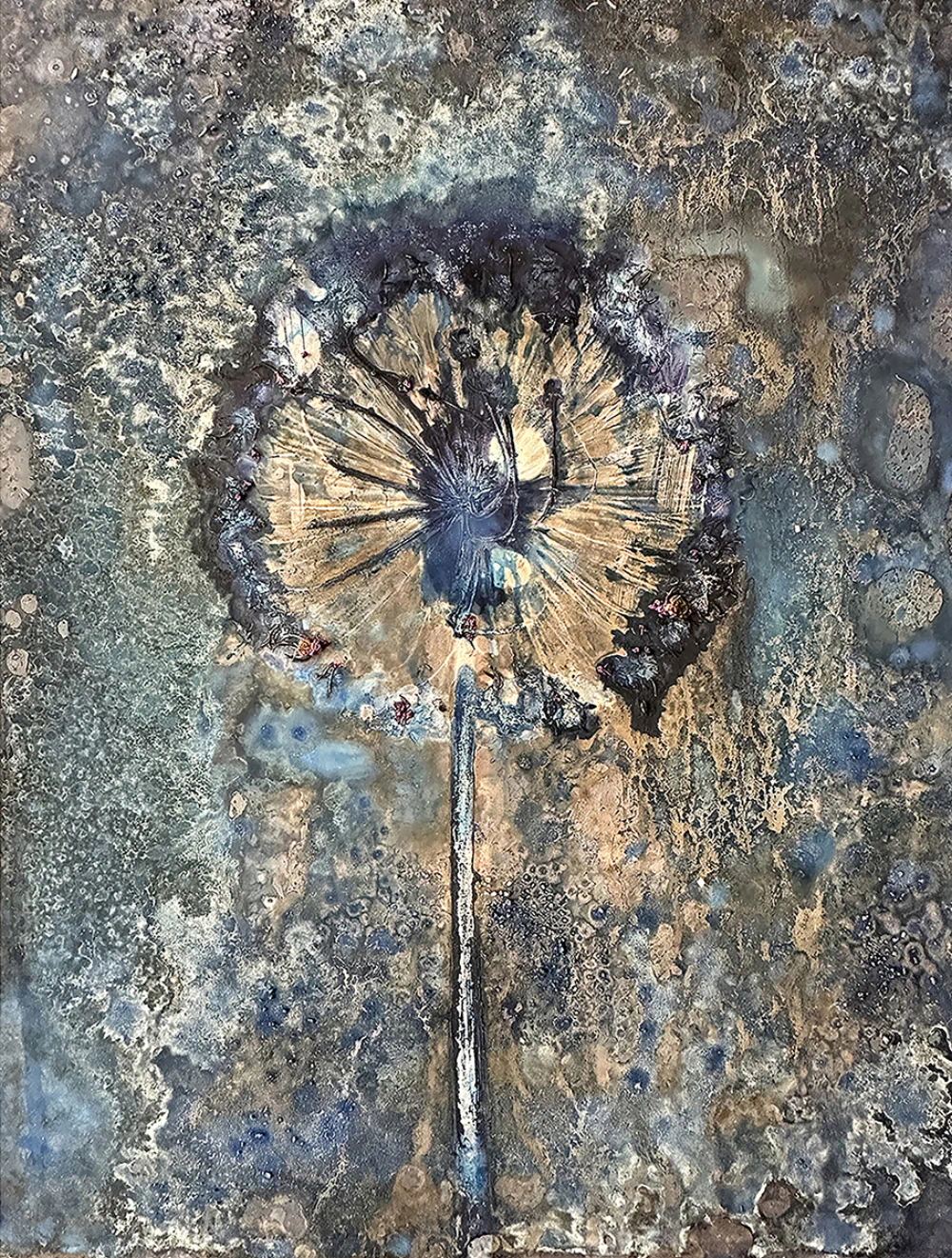
Using expired darkroom photographic paper and eco-friendly cyanotype chemistry, the works are created through exposure to the conditions of specific environments. The images are therefore less captured than grown. They emerge through processes of staining, bleaching, erosion, crystallization, and fading as the materials react to the surrounding landscape. Water chemistry, salinity, weather, and plant residues leave direct marks on the surface, turning the photograph into a physical record of environmental conditions.
Follow what’s new in the Dodho community. Join the newsletter »

The project moves between Atlantic coastal areas and inland territories affected by drought. In these locations, the photographic surface becomes a register of climate pressure. Damage, rupture, and chemical alteration are not aesthetic effects but traces of environmental change. Through these transformations, the works reveal climate not as an abstract concept but as a tangible force that reshapes matter itself.

Although the images can appear visually seductive, their beauty is deliberately uneasy. They invite the viewer closer only to confront the disturbing reality of the processes that created them. When the same environmental forces responsible for ecological disruption also generate the image, questions of authorship arise. Who produces the photograph, and what exactly is the image attempting to reveal about the world we are inhabiting?
About Aindreas Scholz

Aindreas Scholz is a German-Irish photographer based in London whose practice focuses on cameraless and ecological photographic processes. His work collaborates directly with environmental elements such as sunlight, water chemistry, and plant matter, allowing rain, seawater, salinity, and disturbed soils to imprint themselves onto photographic materials. Through these methods, his images occupy a space between aesthetic object and physical evidence, functioning as material traces of contamination, place, and environmental vulnerability.

Scholz is represented by In-Dependance and has exhibited widely across the United Kingdom and Europe through solo, two-person, and group exhibitions, particularly within contexts focused on analogue and sustainable photographic practices. His work has received support through awards and grants, including those from Arts Council England and research support from the Paul Mellon Centre.

His photographs are held in public and institutional collections, including the Office of Public Works and several NHS Foundation Trusts.

Alongside his artistic practice, Scholz lectures and conducts workshops on sustainable analogue and historical photographic processes. He studied photography at Technological University Dublin, completed postgraduate studies in fine art at Goldsmiths, University of London, and later trained as an educator at University College London.

His practice approaches photography as a material system that can be rethought and transformed. Rather than treating climate change simply as a subject to be photographed, his work explores how photographic processes themselves might evolve toward more responsible relationships with chemistry, water, and environmental impact. [Official Website]

https://www.dodho.com/wp-content/uploads/2026/03/ban12-copiasss.webp
https://www.dodho.com/wp-content/uploads/2026/04/awardspMONO.webp