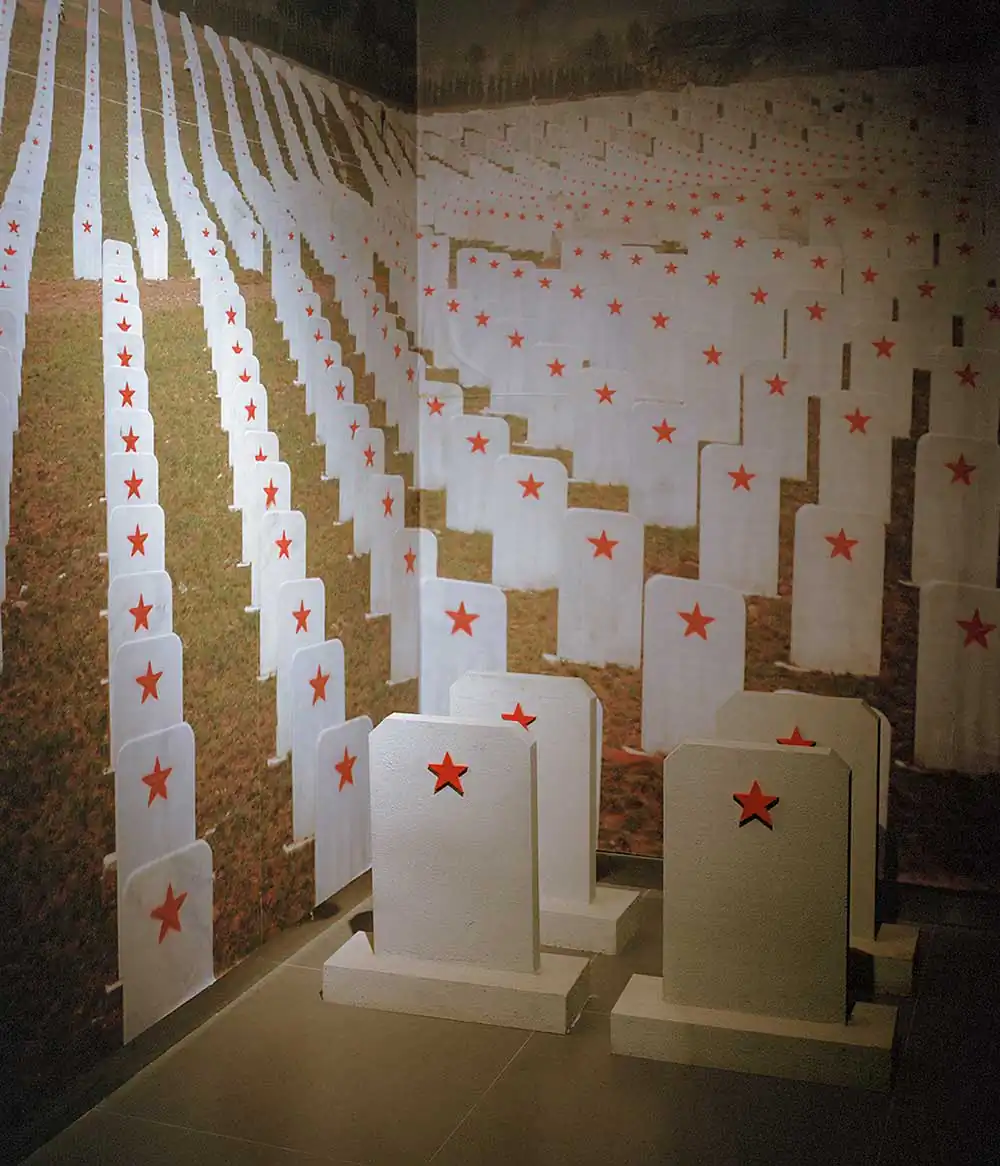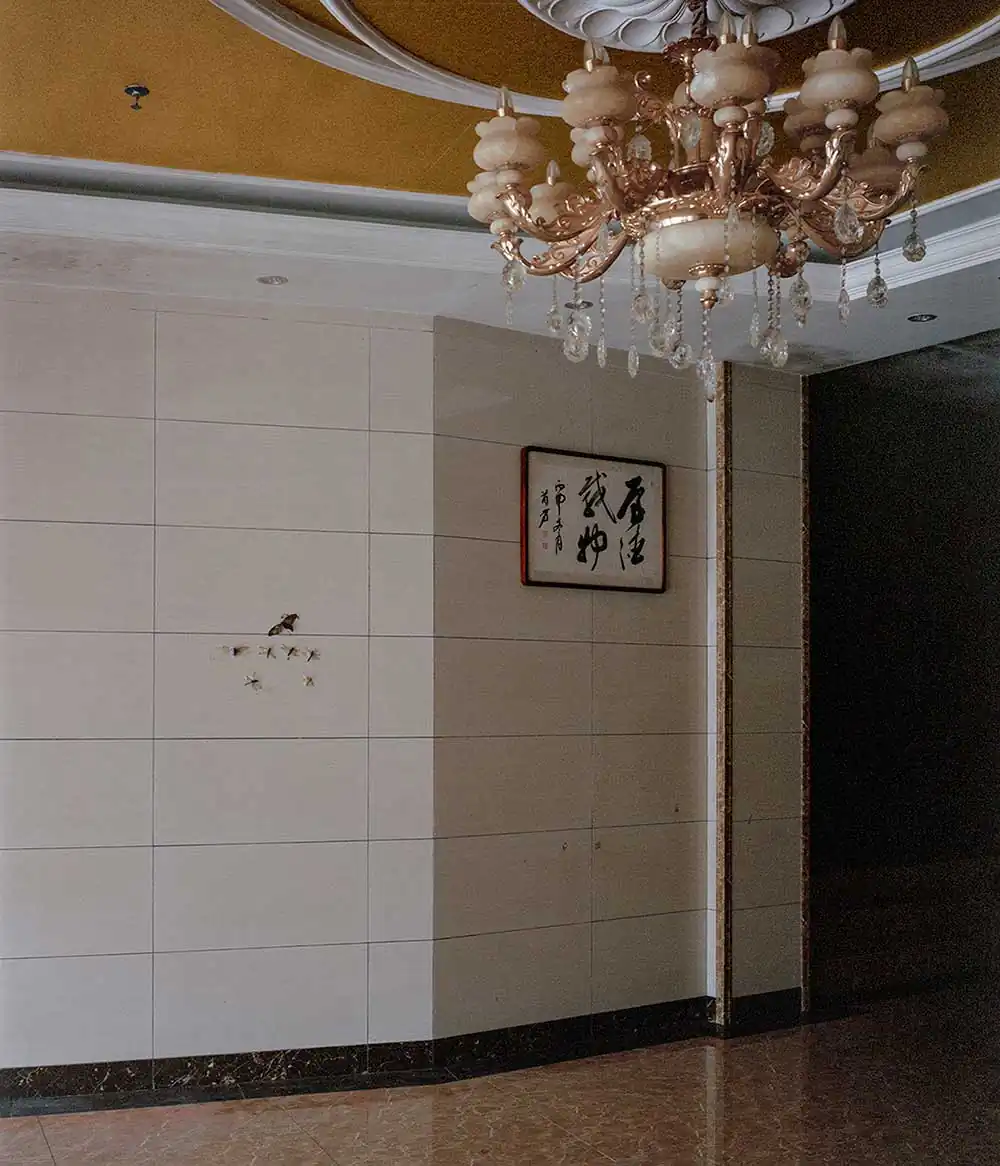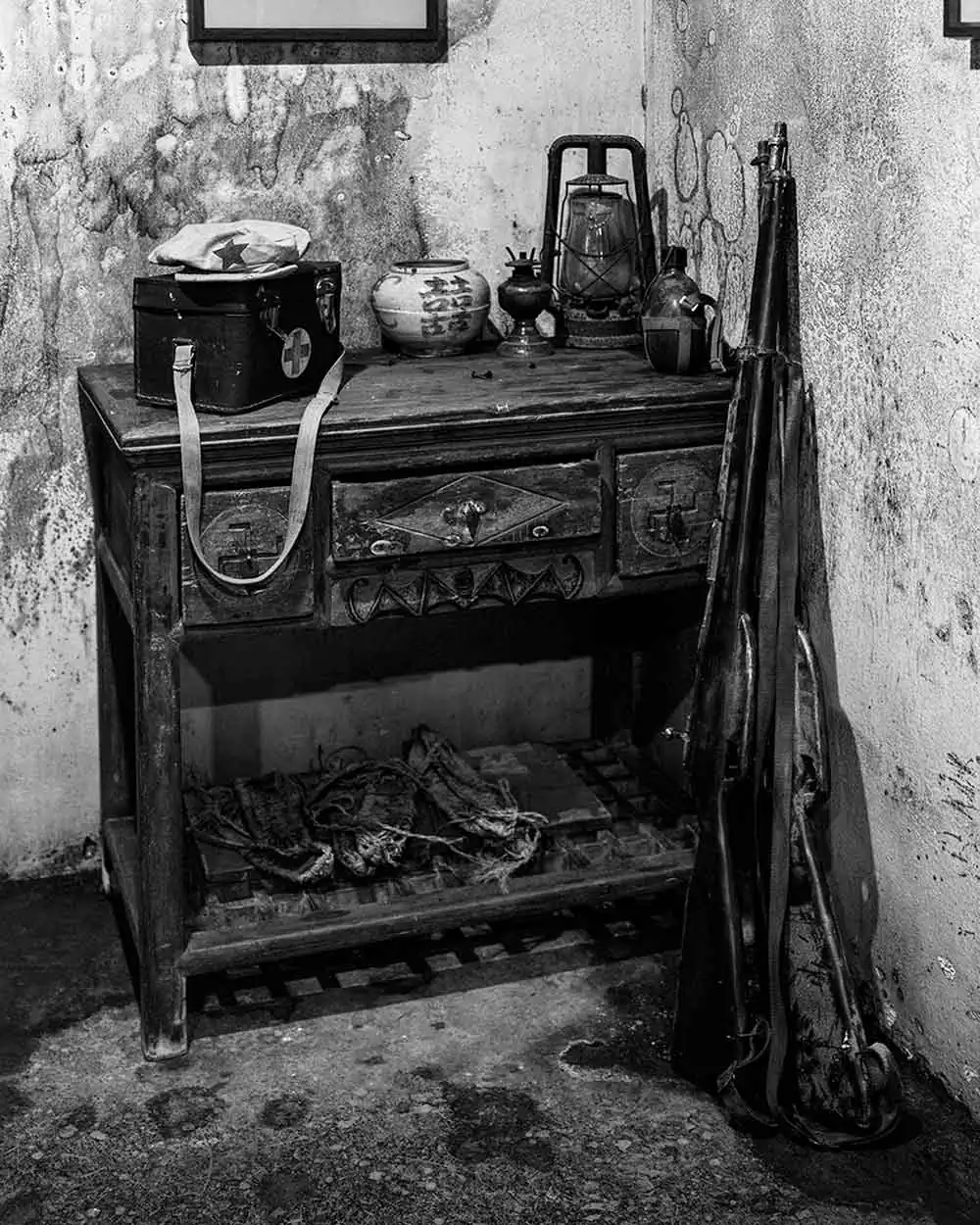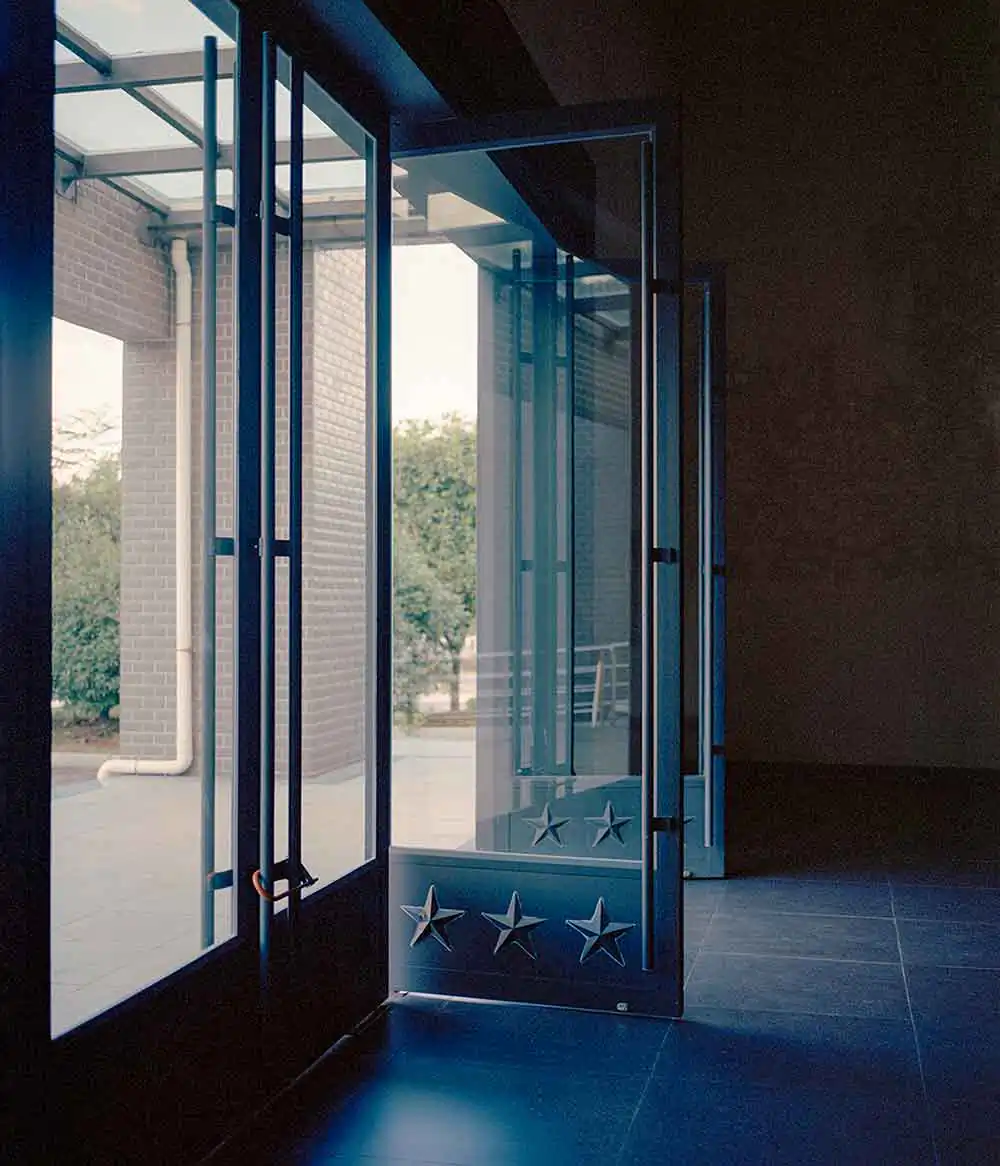

I was born and raised in Ganzhou, Jiangxi, the center of CSR, where the “Long March” began. “The Communist Party came out of here” is how they put it.
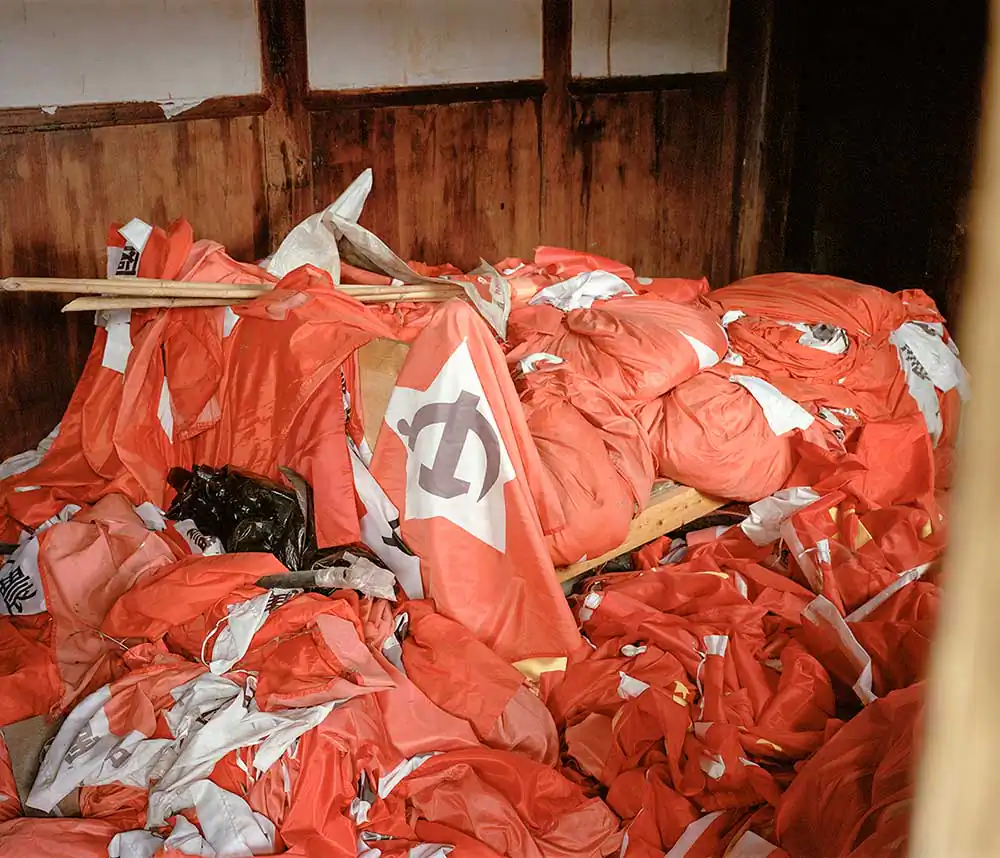
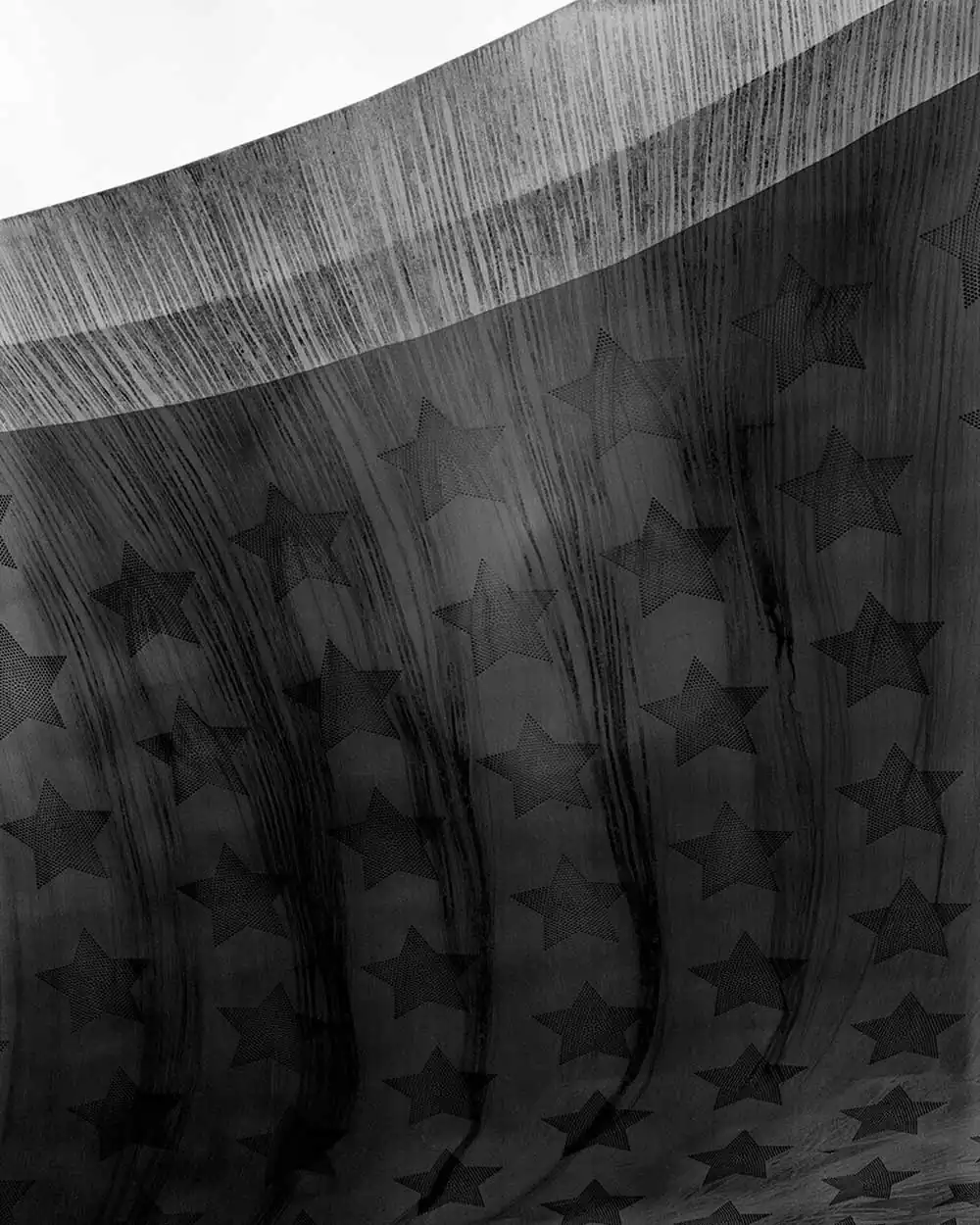
Patriotic education filled my schoolbooks, and party emblems with red stars and signs about the “Long March” appeared on almost every street corner.
Growing up, the return of Hong Kong, the Three Gorges Project, Family Planning, and the recent epidemic, among others, shaped the background. “Long March” was repeatedly used as a keyword. I began to realize that it had evolved into a political tool for transforming individual suffering into the necessary sacrifice required by the collective, with the meaning embedded: “All suffering is a journey, and all journeys must lead to success.”
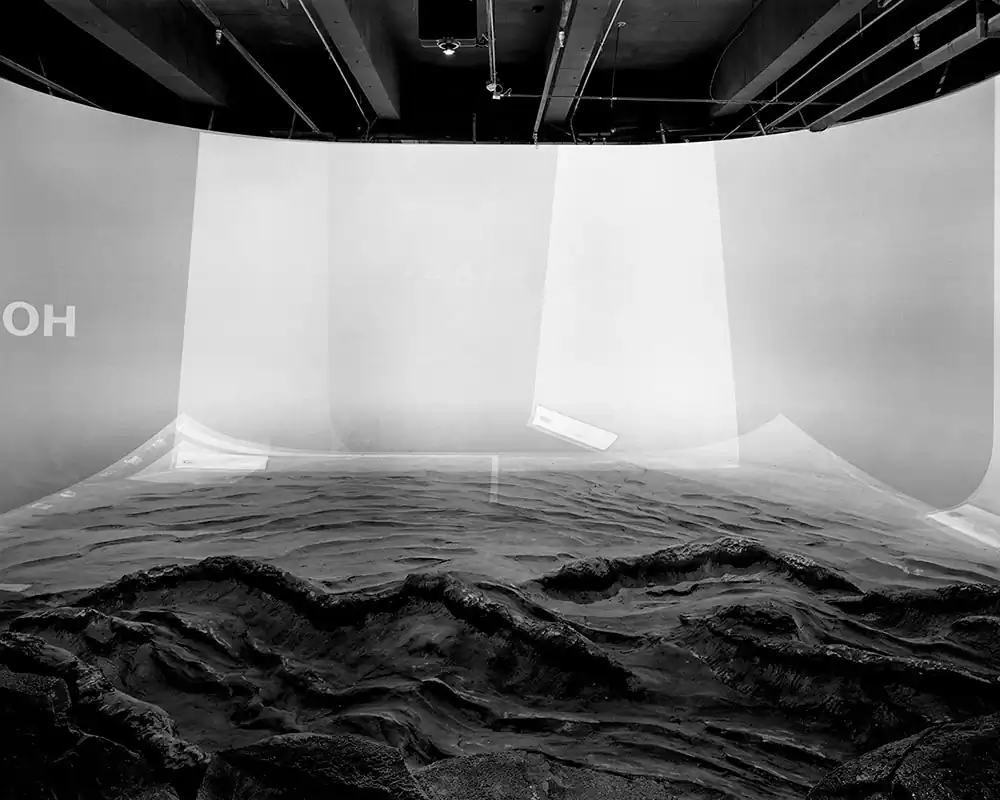
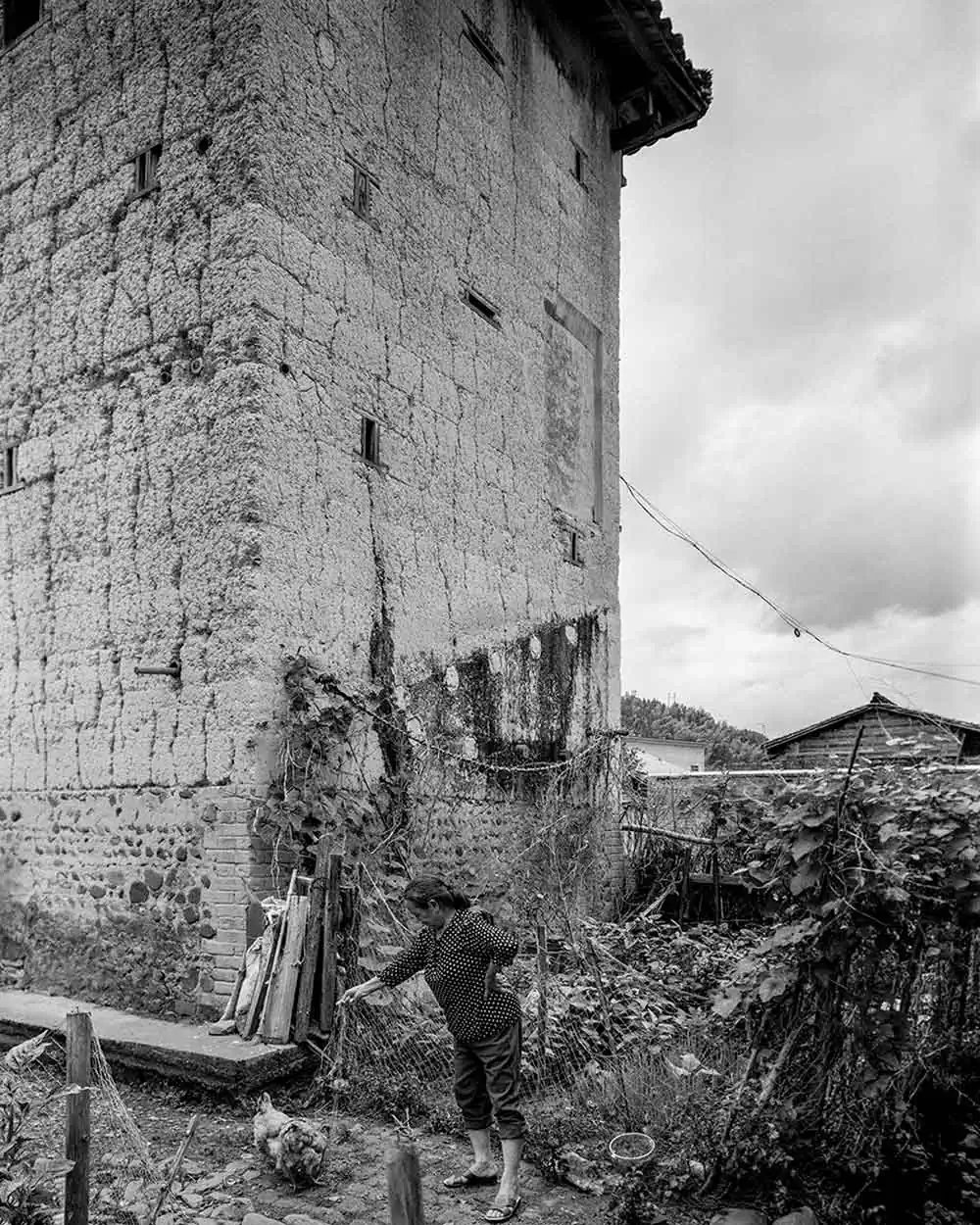
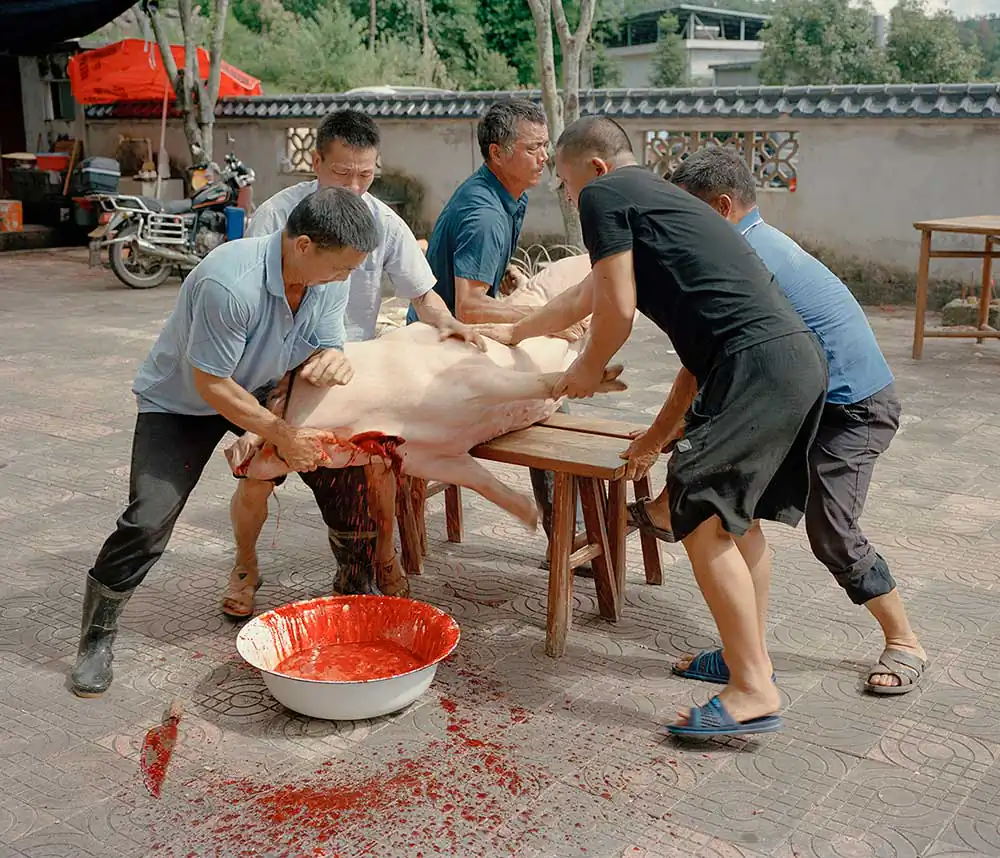
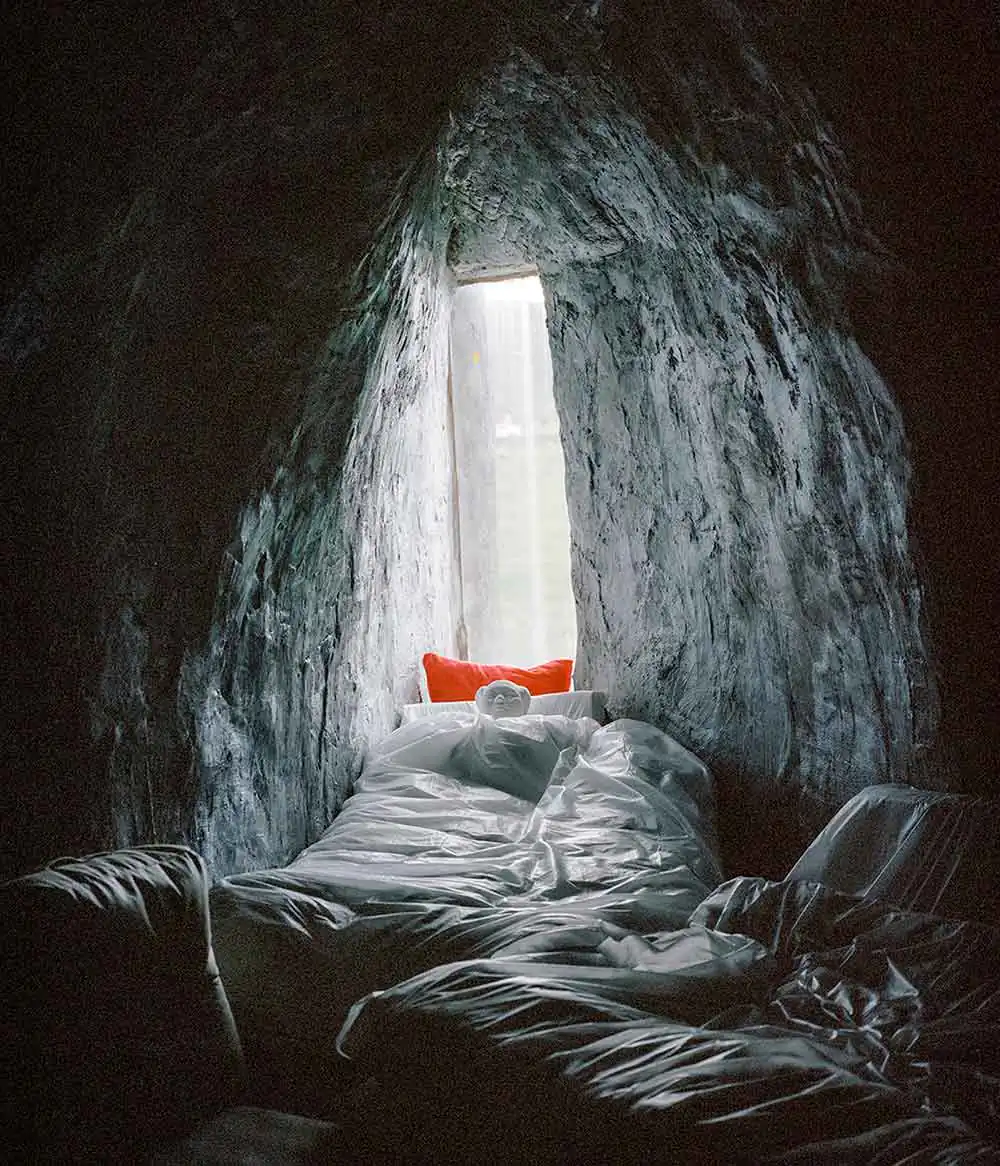
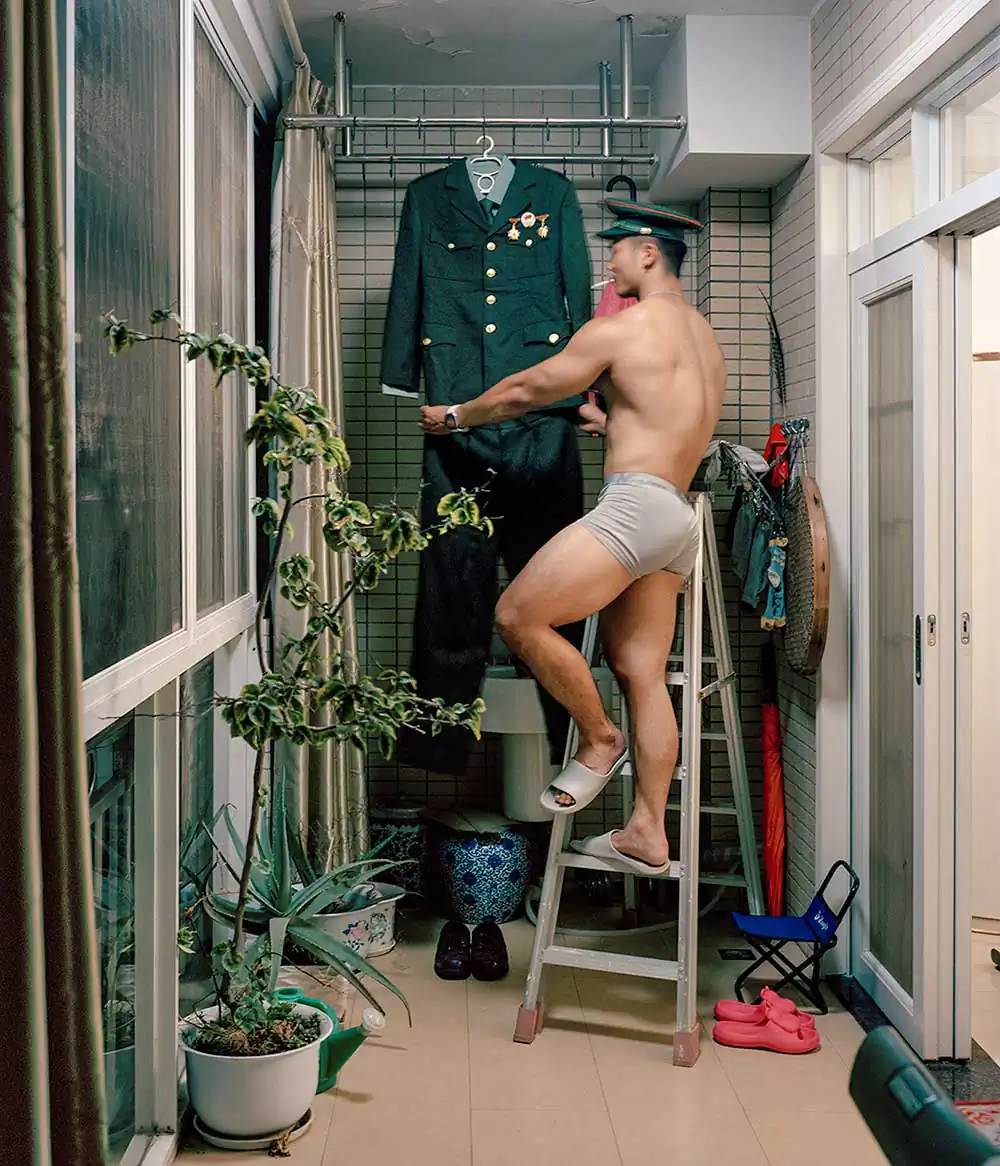
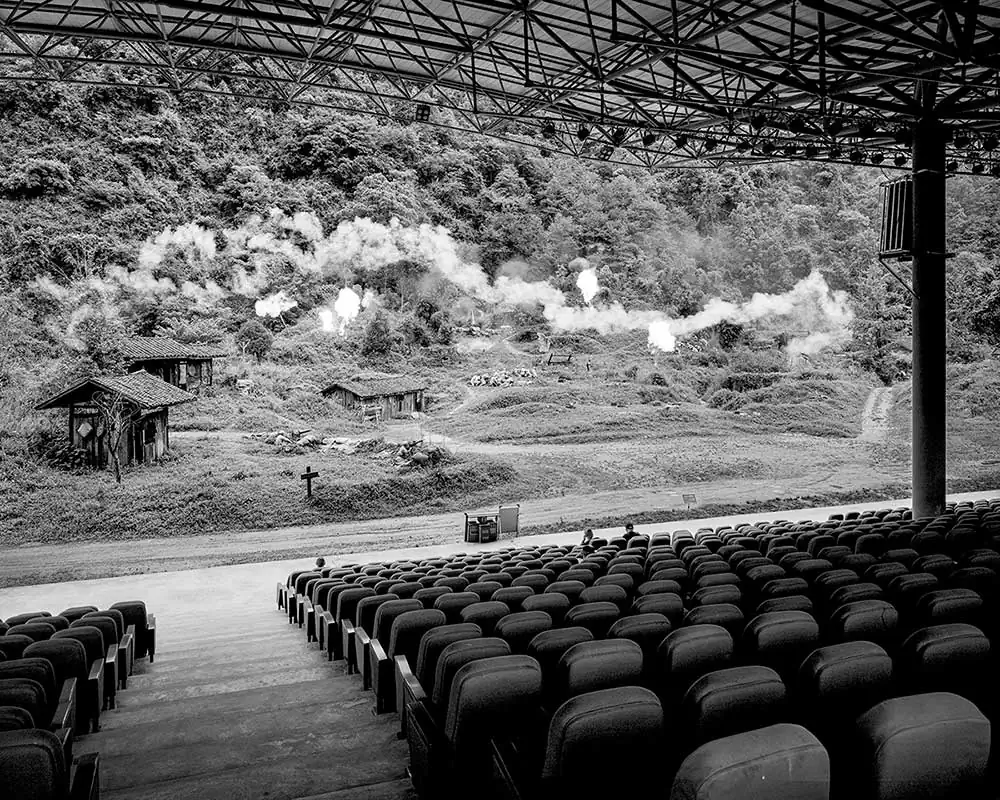
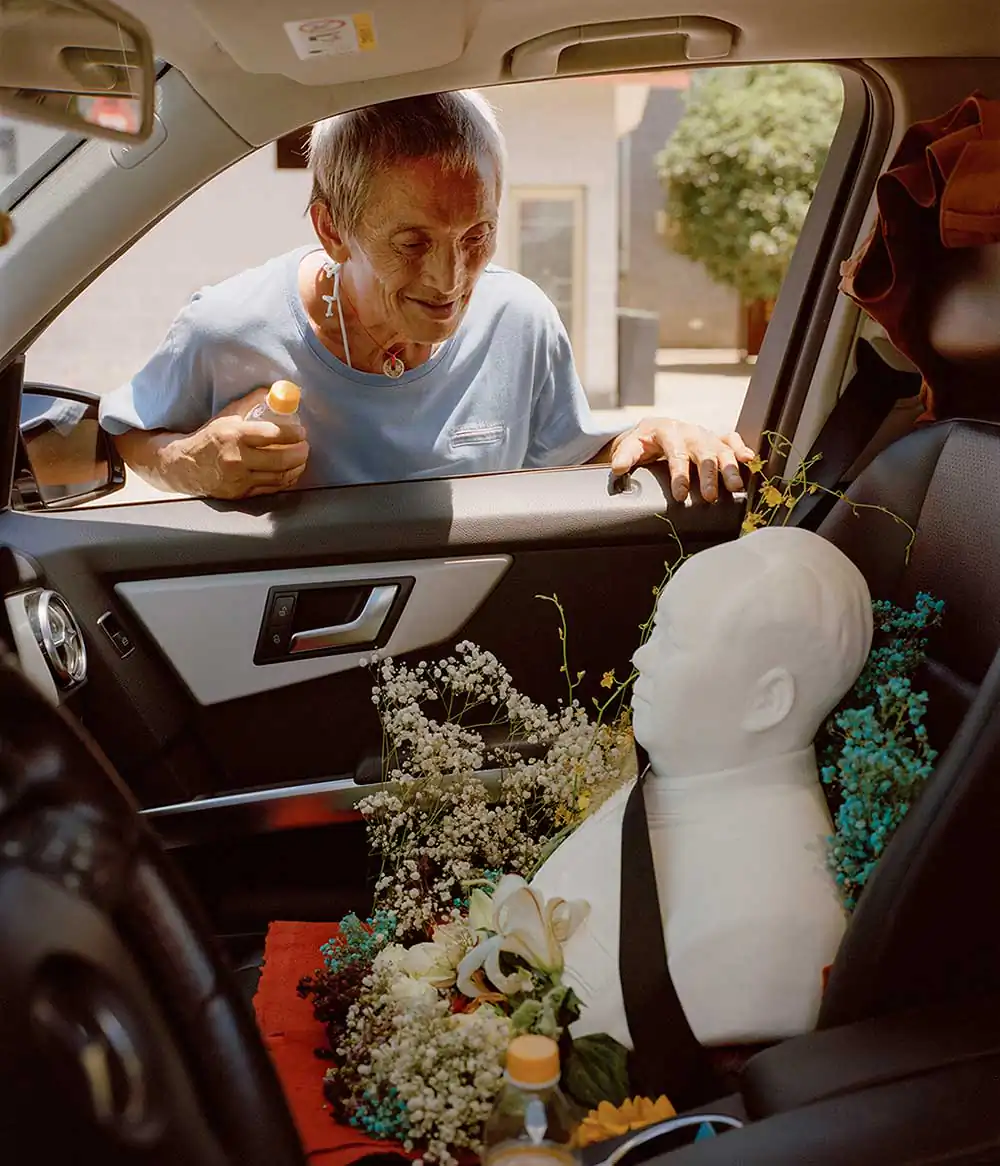
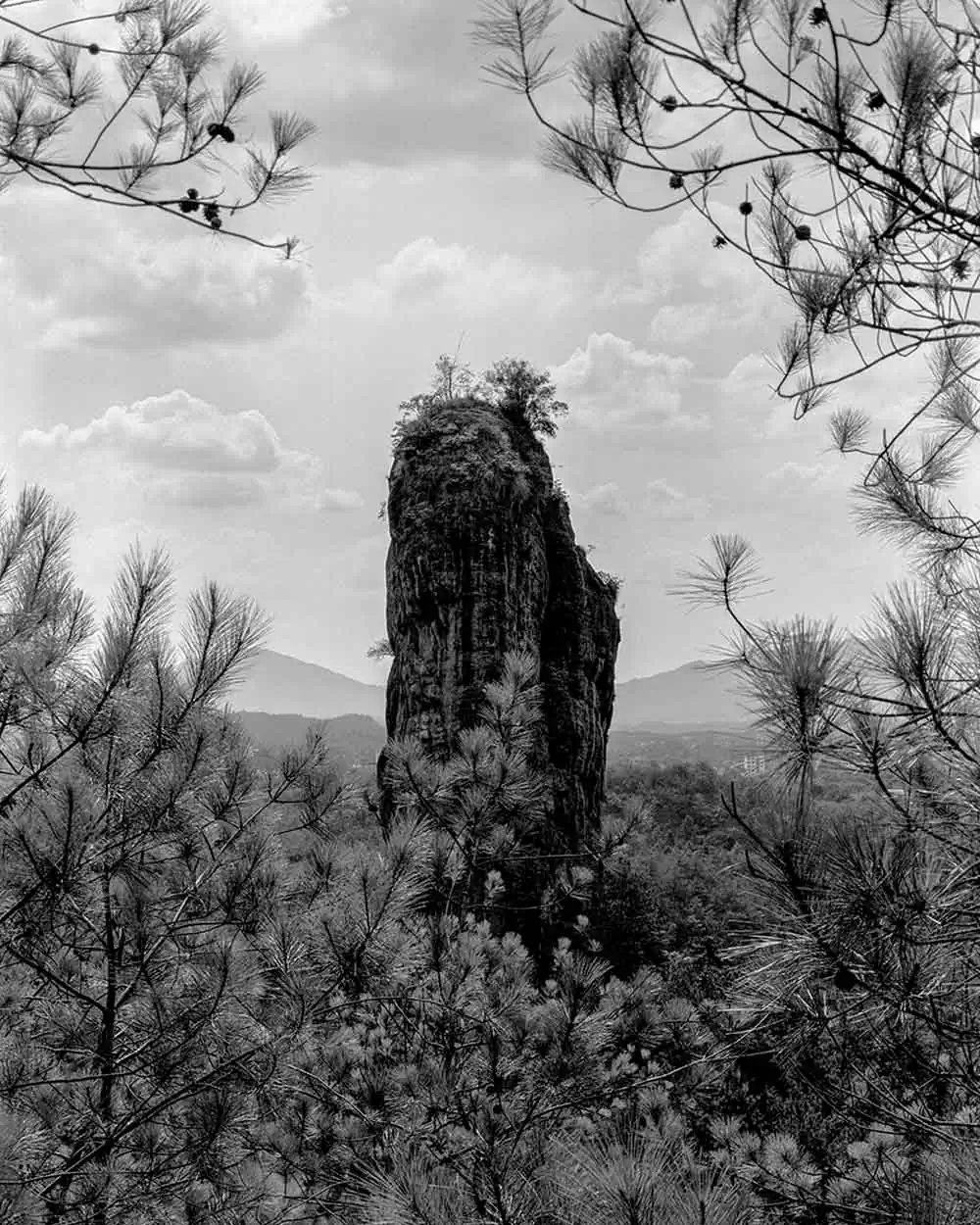
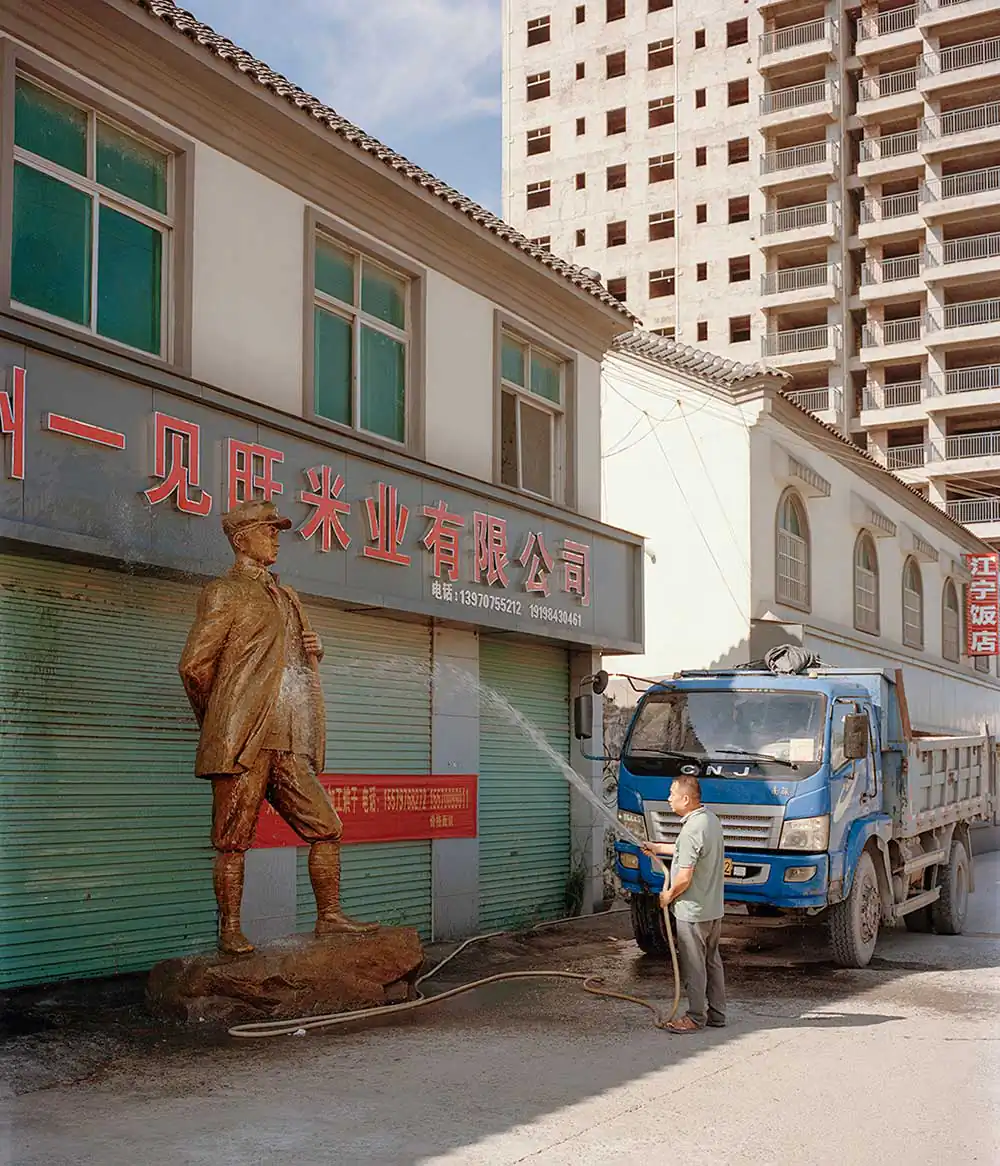
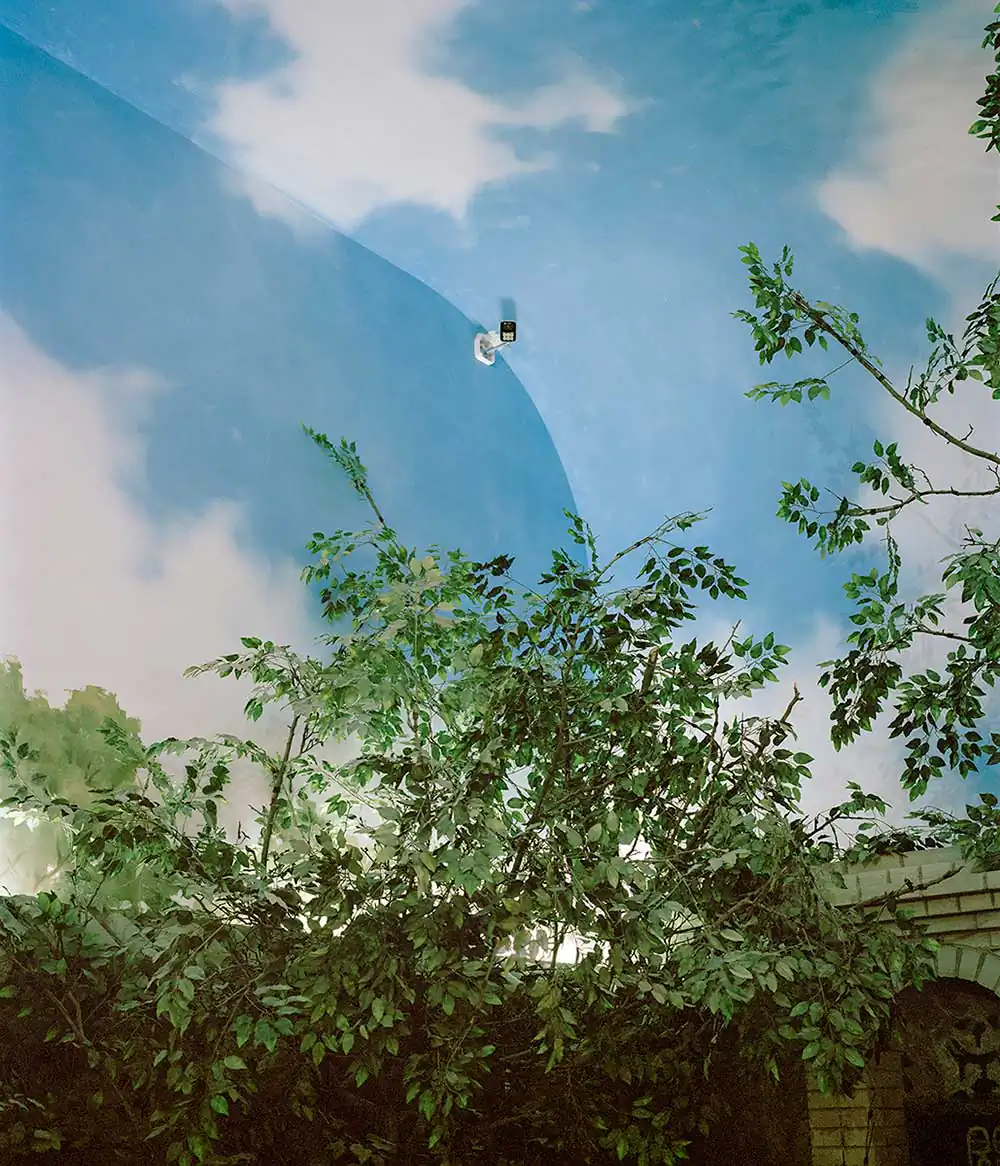
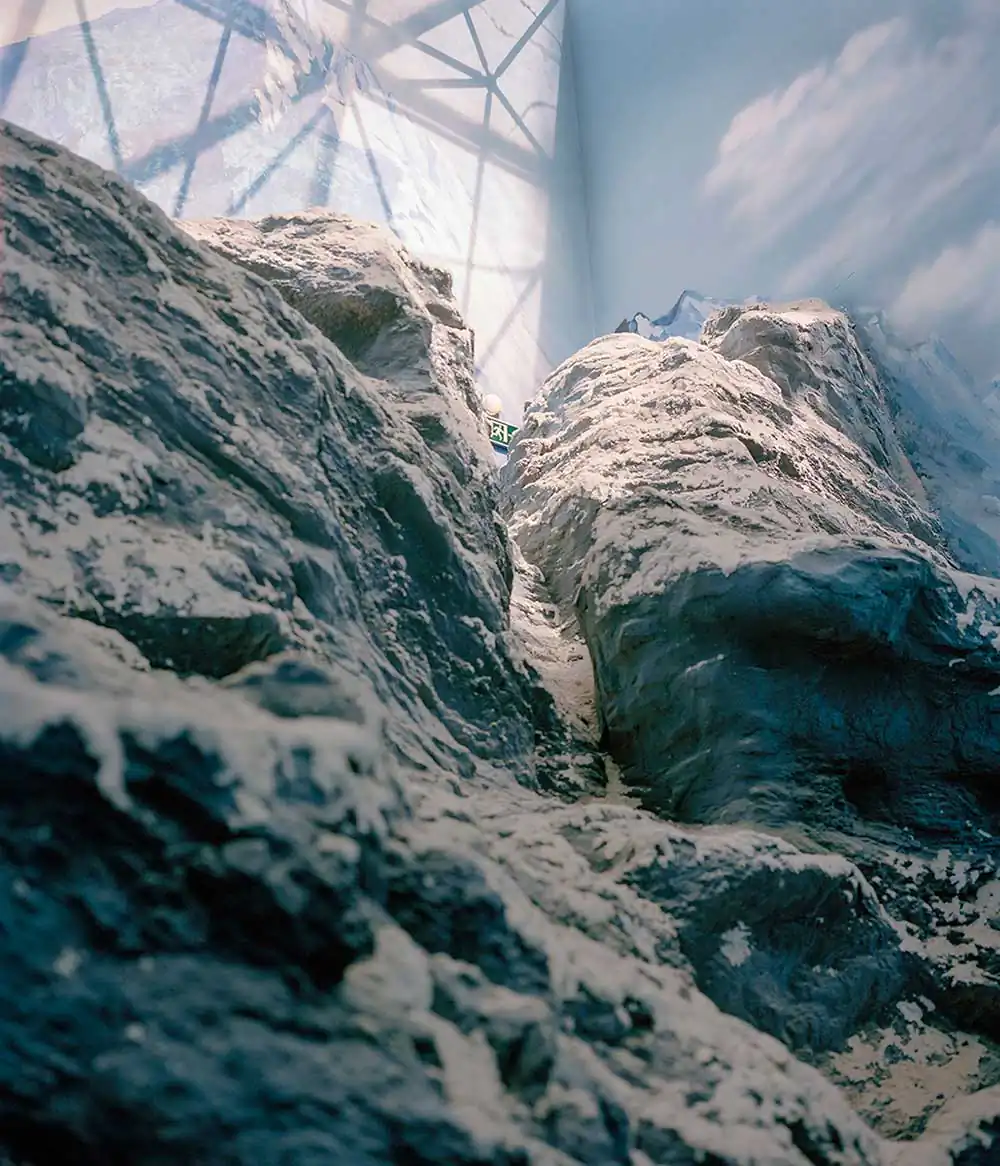
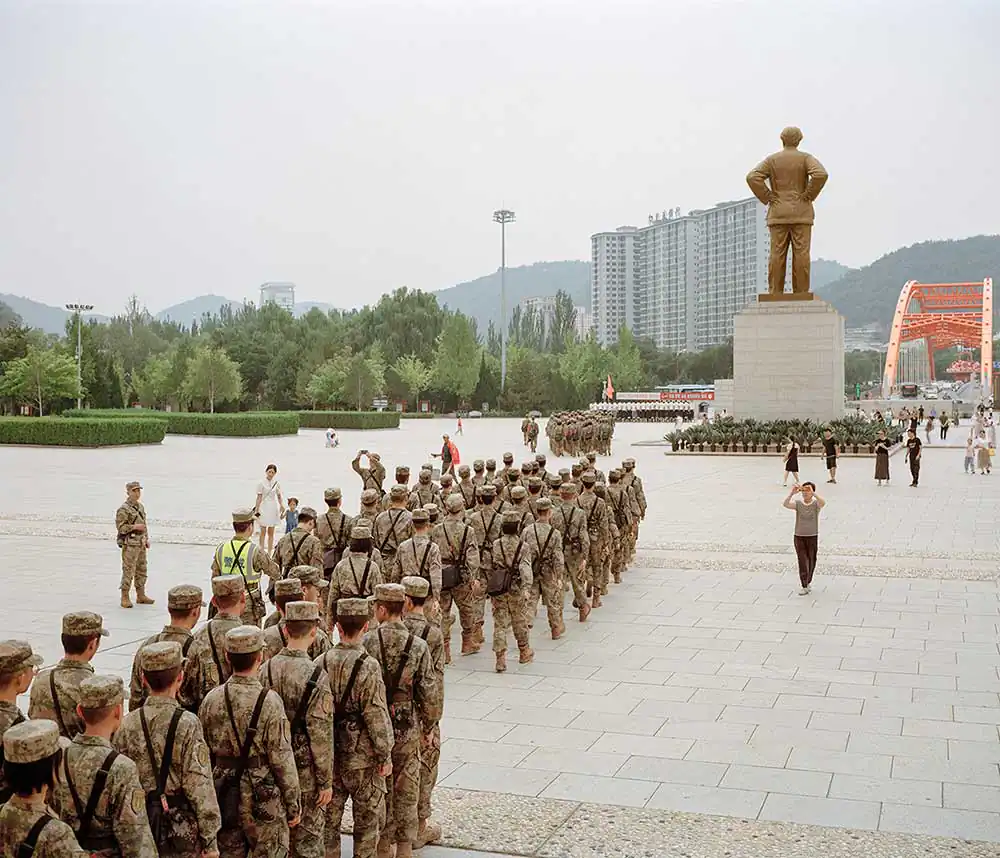
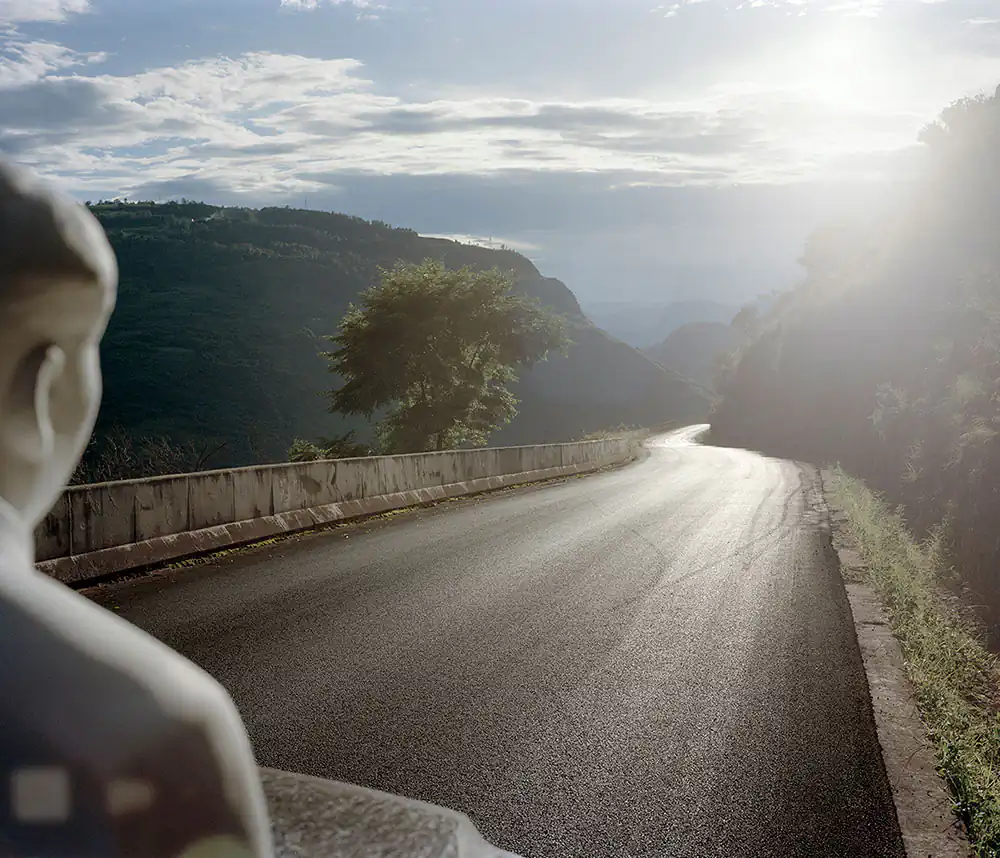
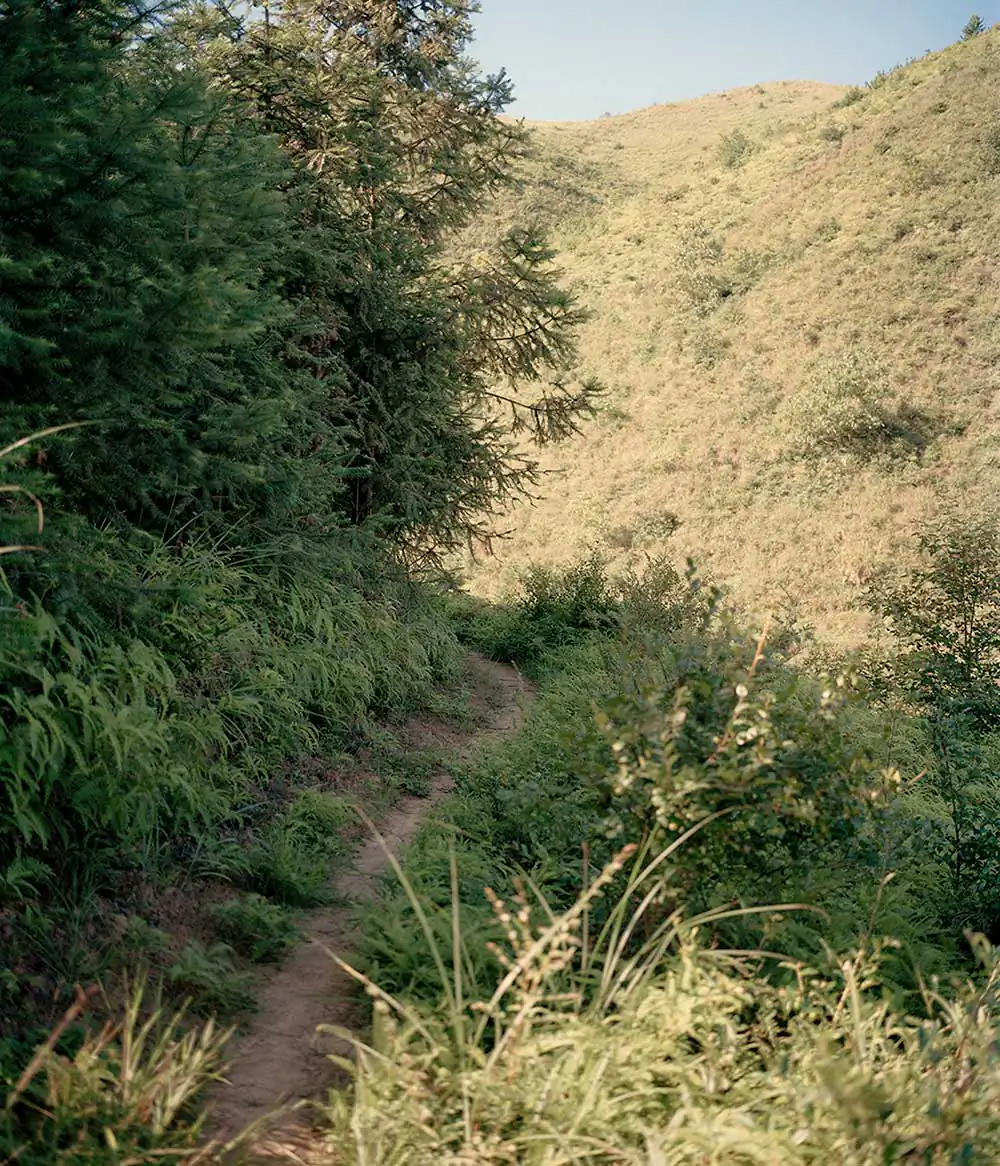
In the summer of 2024, I undertook a two-month journey along the route, documenting the symbolic representations of the “Long March” and the people who live along it. We live in an illusion constructed by false tales, our intentions revealed as some kind of task, and our experiences hammered into prescribed struggles. The image of the god we worship is so blurred as to be weathered by the vulgar soul. This work is my response to these questions.
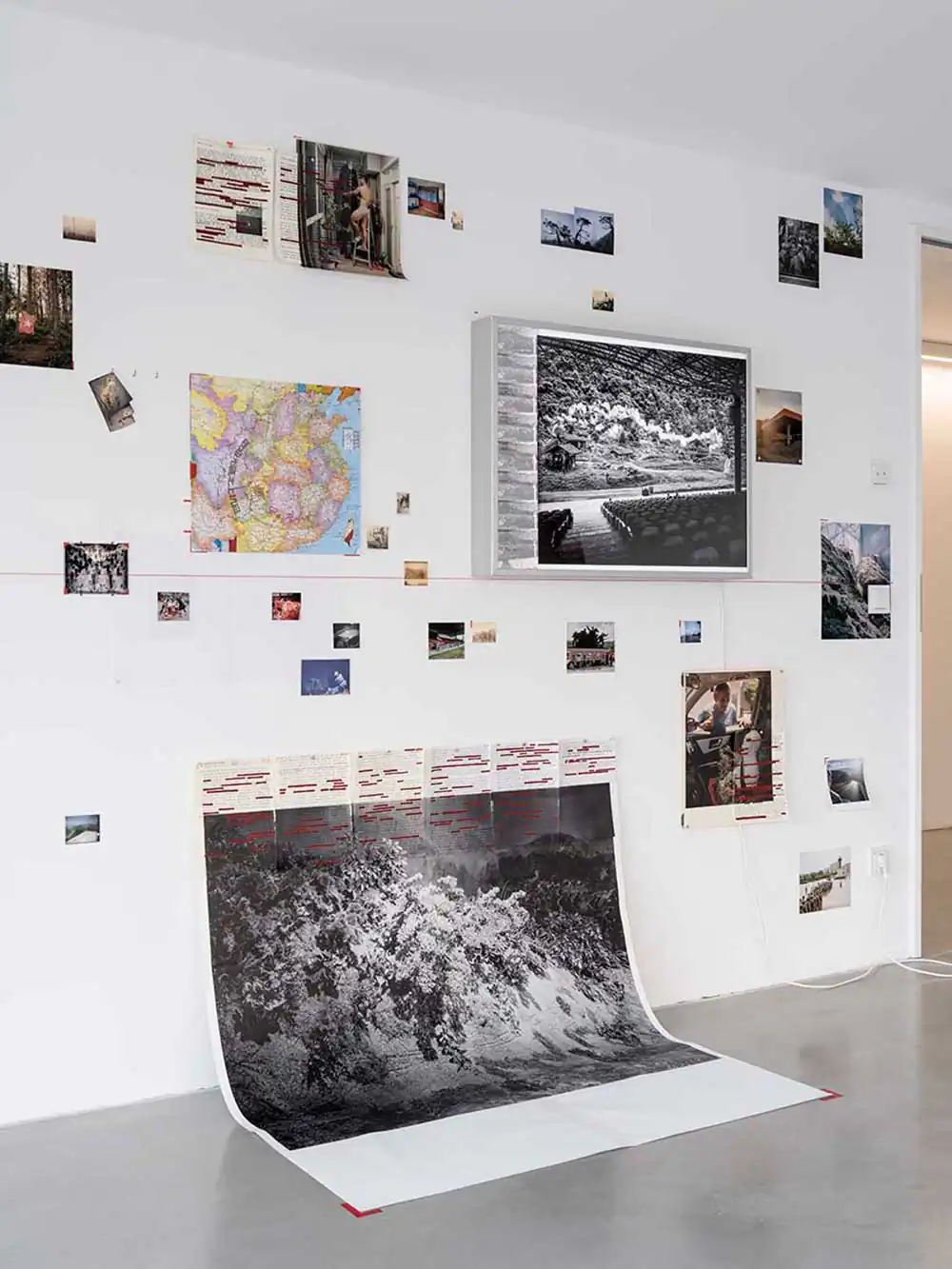
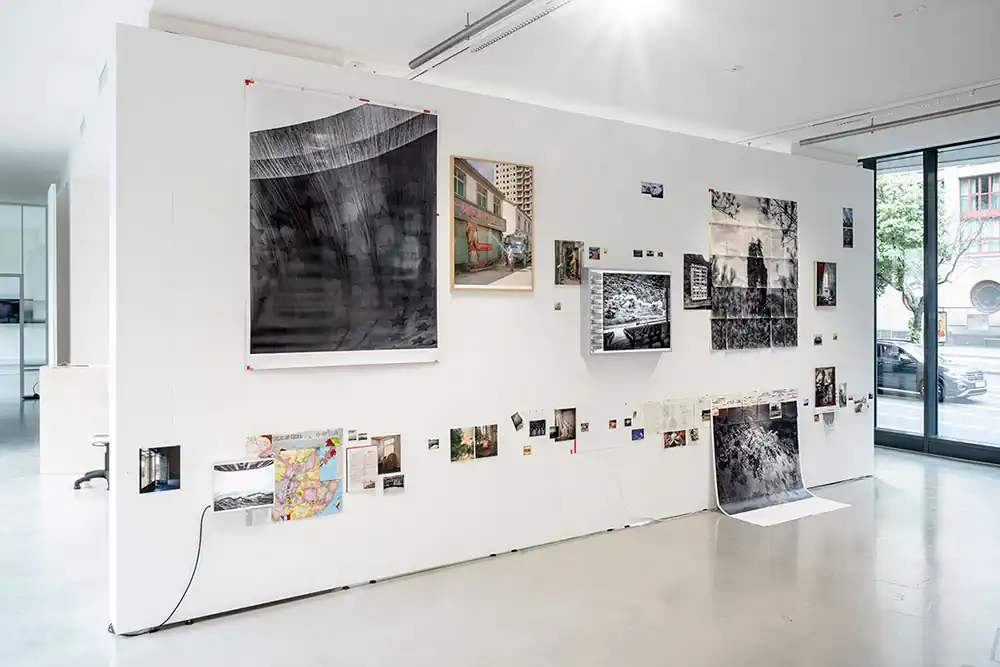
The final work comprises a photobook of 110 photographs in sequence. Often presented as photo installations in exhibition contexts, it includes prints of various sizes, contact sheets, negatives, archival photographs, maps, written texts, and archival documents.
About Zexuan Zeng
Zexuan Zeng (born 1997) was born in eastern South China and began studying Visual Communication at Shanghai Normal University in 2015. A year later, he started working as a freelance artist and designer. In 2021, he moved to Germany to study at the Academy of Media Arts Cologne, where he completed his Diplom in 2025. He has been actively engaged in photography, writing, video, and graphic art.
His artistic interests focus on the control of emotional flow in photography, particularly in relation to the boundaries between documentary and fiction, as well as the self-referential nature of memory. His work has been exhibited in several countries, including China, Germany, and Japan. [Official Website]