
“The koan is intended to synthesize or transcend the dualism of the senses. It is to be nourished in those unknown recesses of the mind which lie beyond the threshold of the relatively constructed consciousness, and where no logical analysis can ever reach. Its objective is the arousing of doubt and pushing it to its furthest limits.”
Daisetz Teitaro Suzuki
Zen Buddhism affords a glimpse into the original nature of mankind, or the recognition of original man. It aims at disciplining the mind itself and making it its own master, through an insight into its proper nature. This delving into the real nature of one’s mind or soul is the main objective of Zen Buddhism.
As a product of the Oriental mind, Zen’s unique character consists in the methodical training of the mind in order to open it to the state of satori, when all its secrets are revealed.
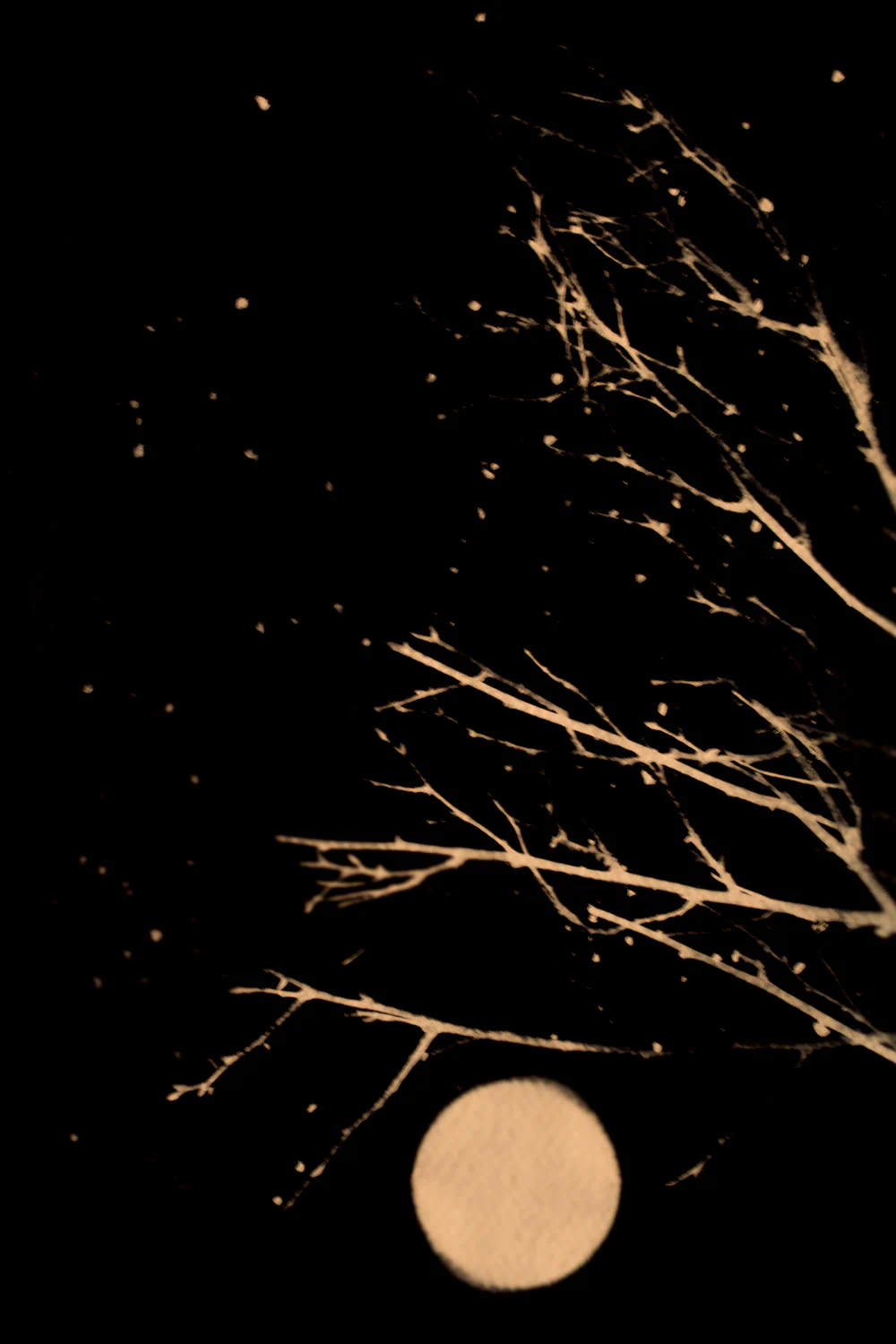
The way of spiritual training is based on koan methods. By “koan” is meant a paradoxical question, expression, or action by the master. It is essentially a matter of master questions handed down in the form of anecdotes, which are submitted by the teacher to the student for meditation. In addition, Zen poetry, painting, and calligraphy are used as vehicles to enlightenment or as fingers pointing to the moon.
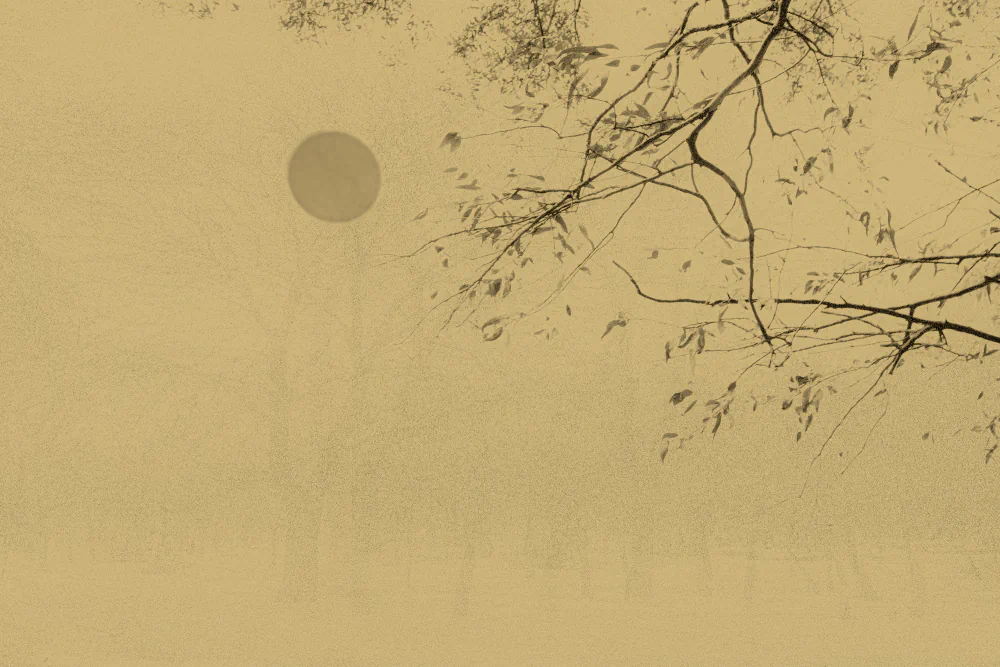
A koan can be a seemingly nonsensical question. Famous examples include, “What is the sound of one hand clapping?” or “What was your original face before you were born?” The practitioner will investigate this type of question with complete concentration until conceptual reasoning is eradicated, allowing “prajna,” or intuitive wisdom, to arise. This leads to an awakening, or satori, to one’s Buddha nature or enlightenment.
The koan consists of elements that contradict or are not accessible to a rational understanding of the world, but rather encourage intuitive contemplation beyond the surface of what we see. Unlike Western philosophy, koans emphasize the inadequacy of language and words, while stressing the importance of intuition over reason and logic in order to transform the self.
The purpose of the koan is usually to thrust the mind into a new state of awareness by shaking up conventional thoughts and interpretations of the daily experience of our environment.
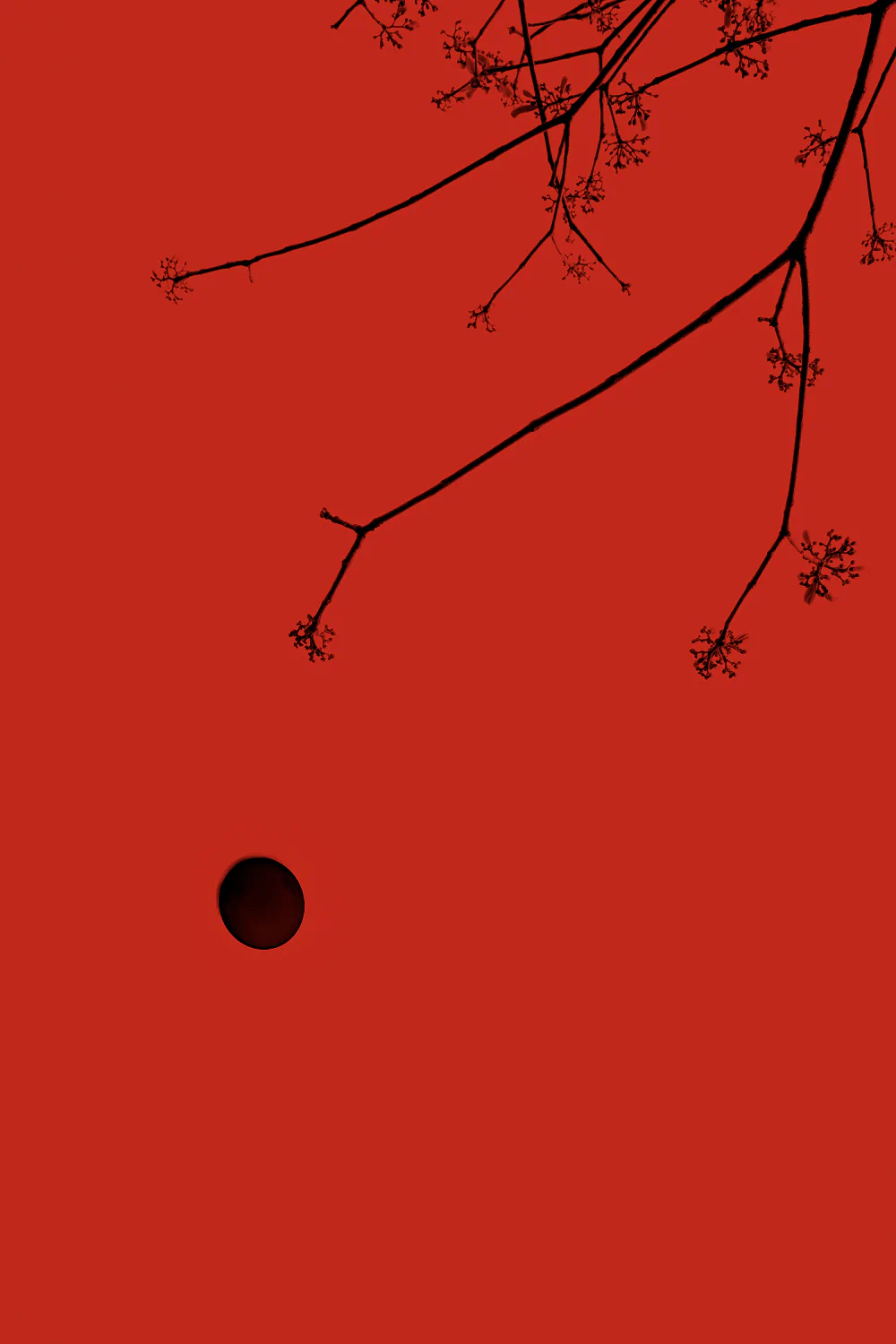
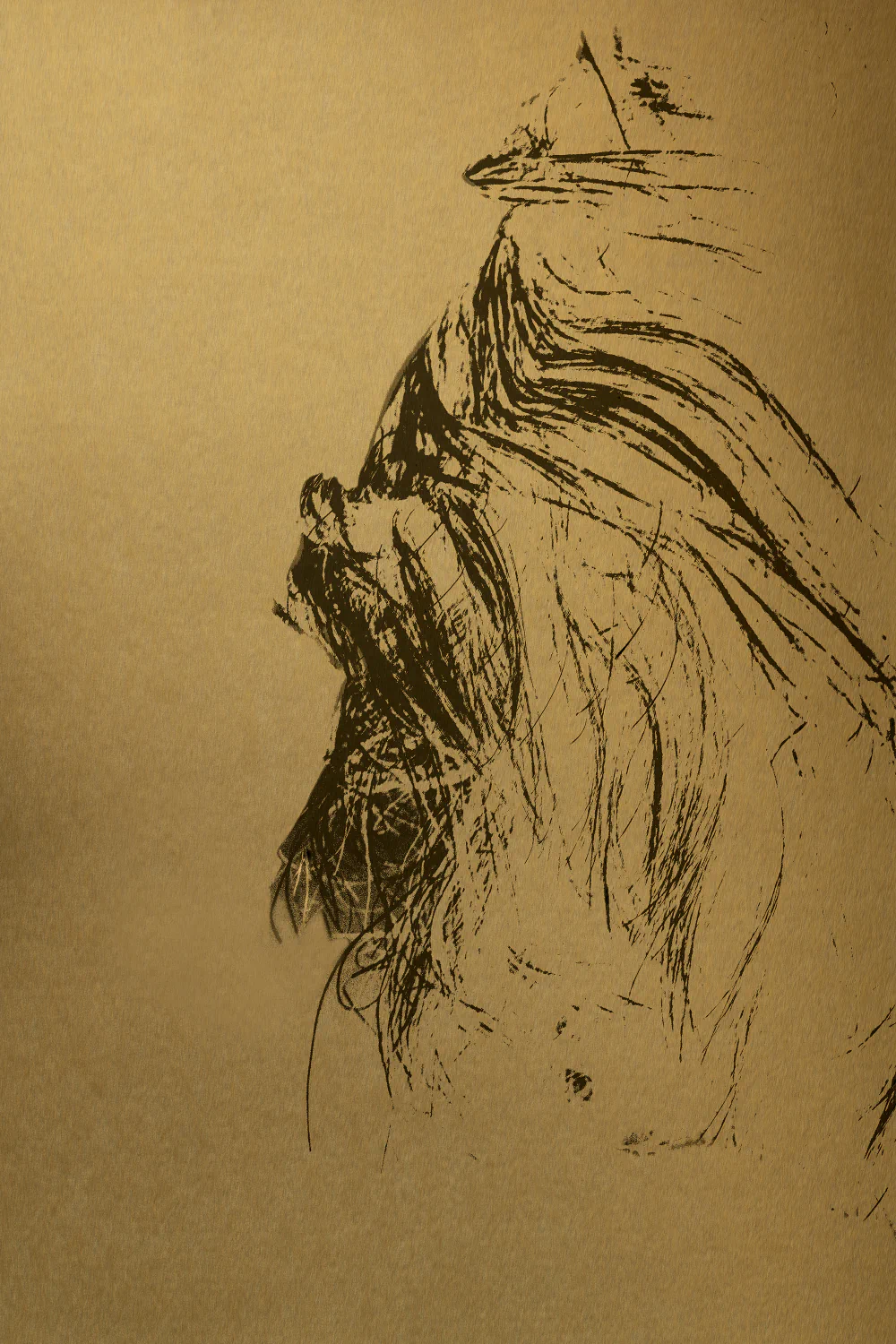
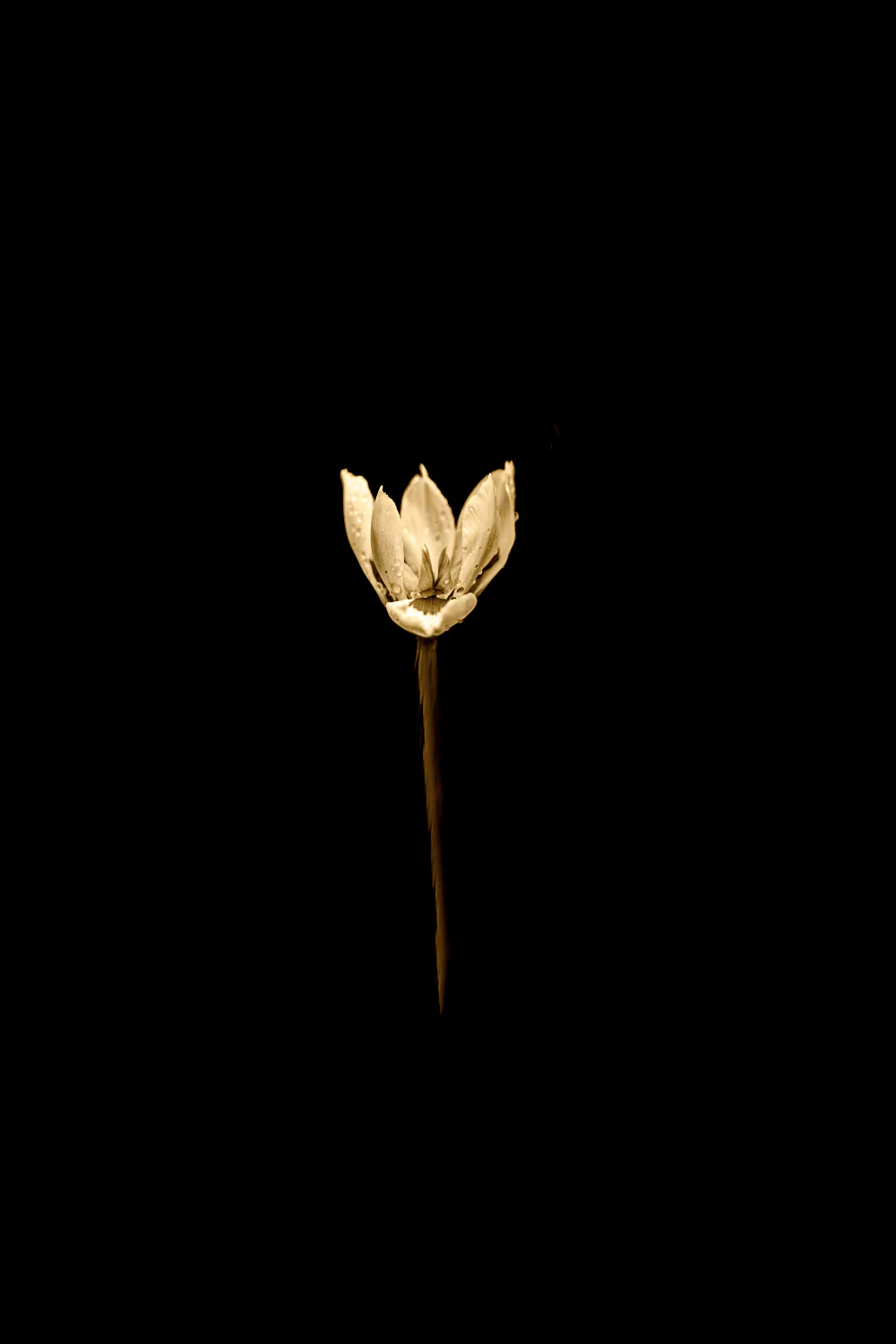
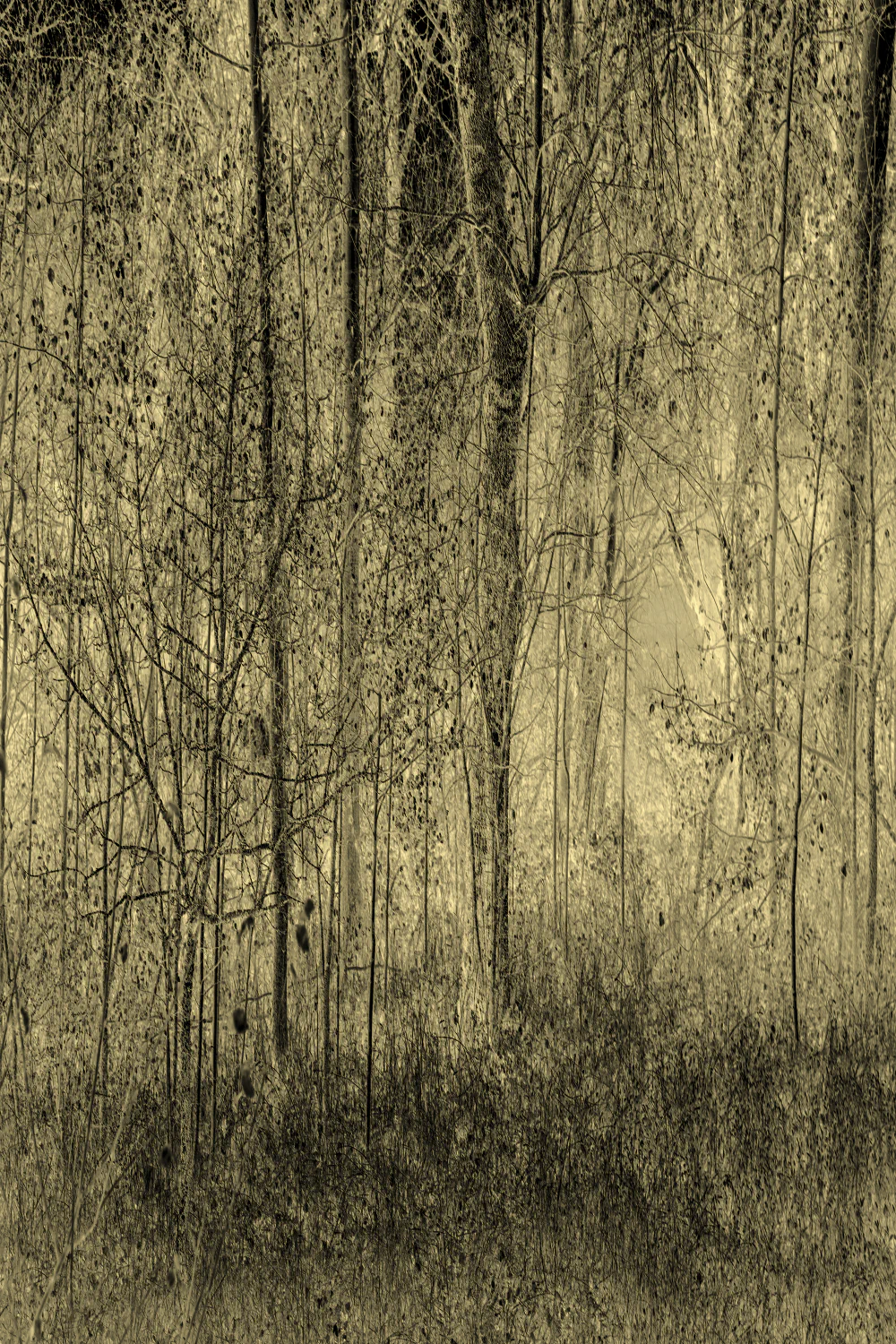
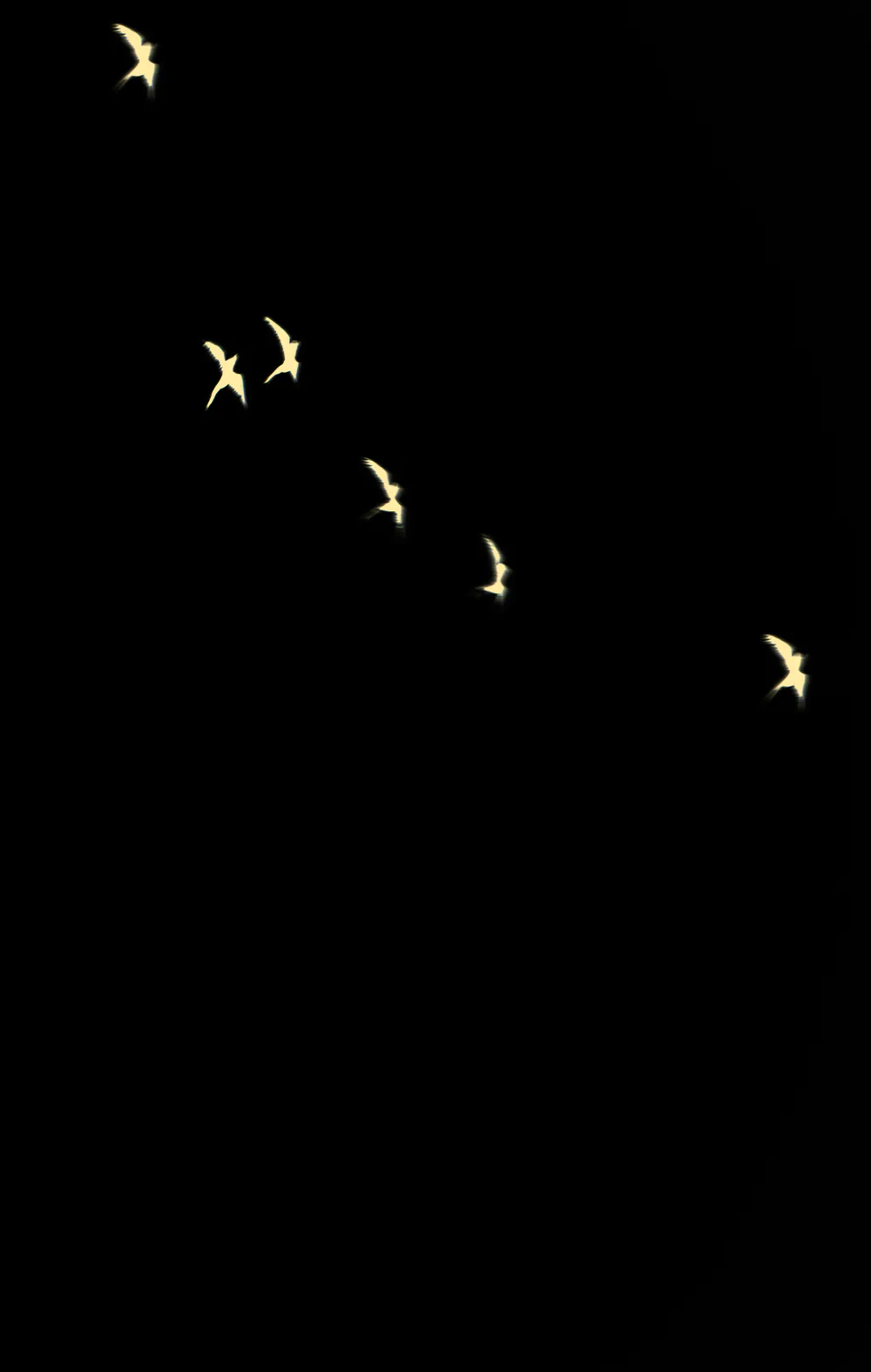
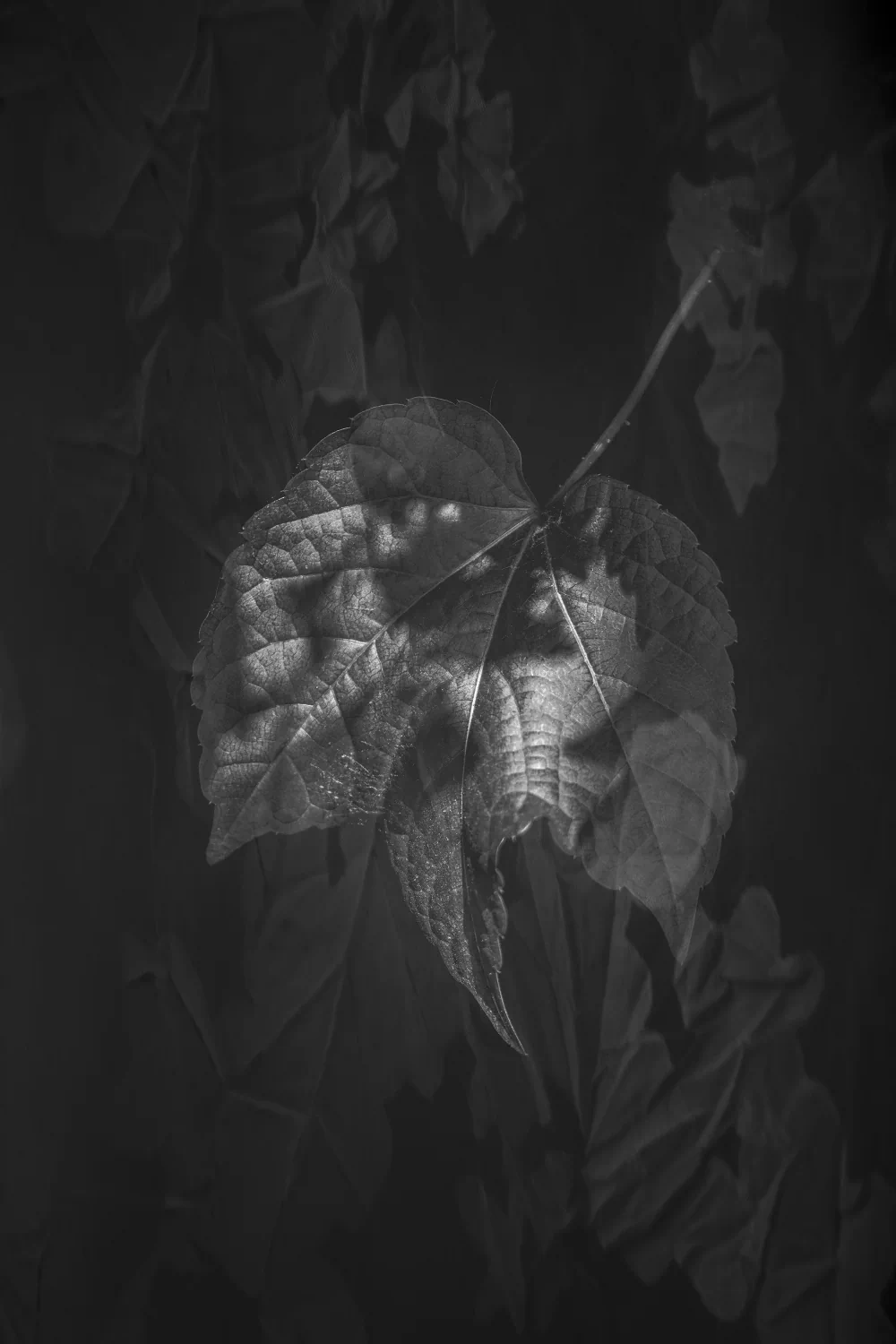
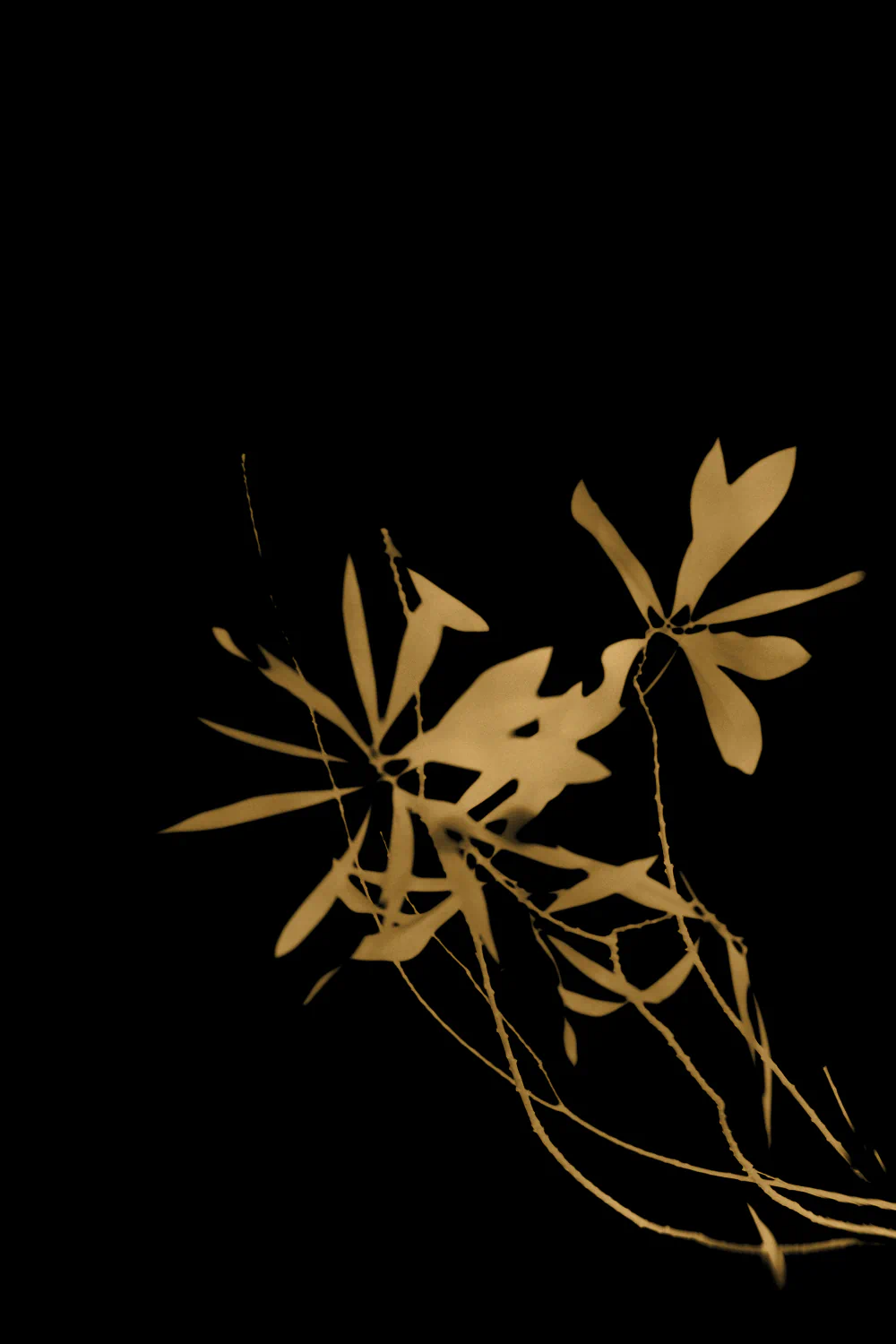
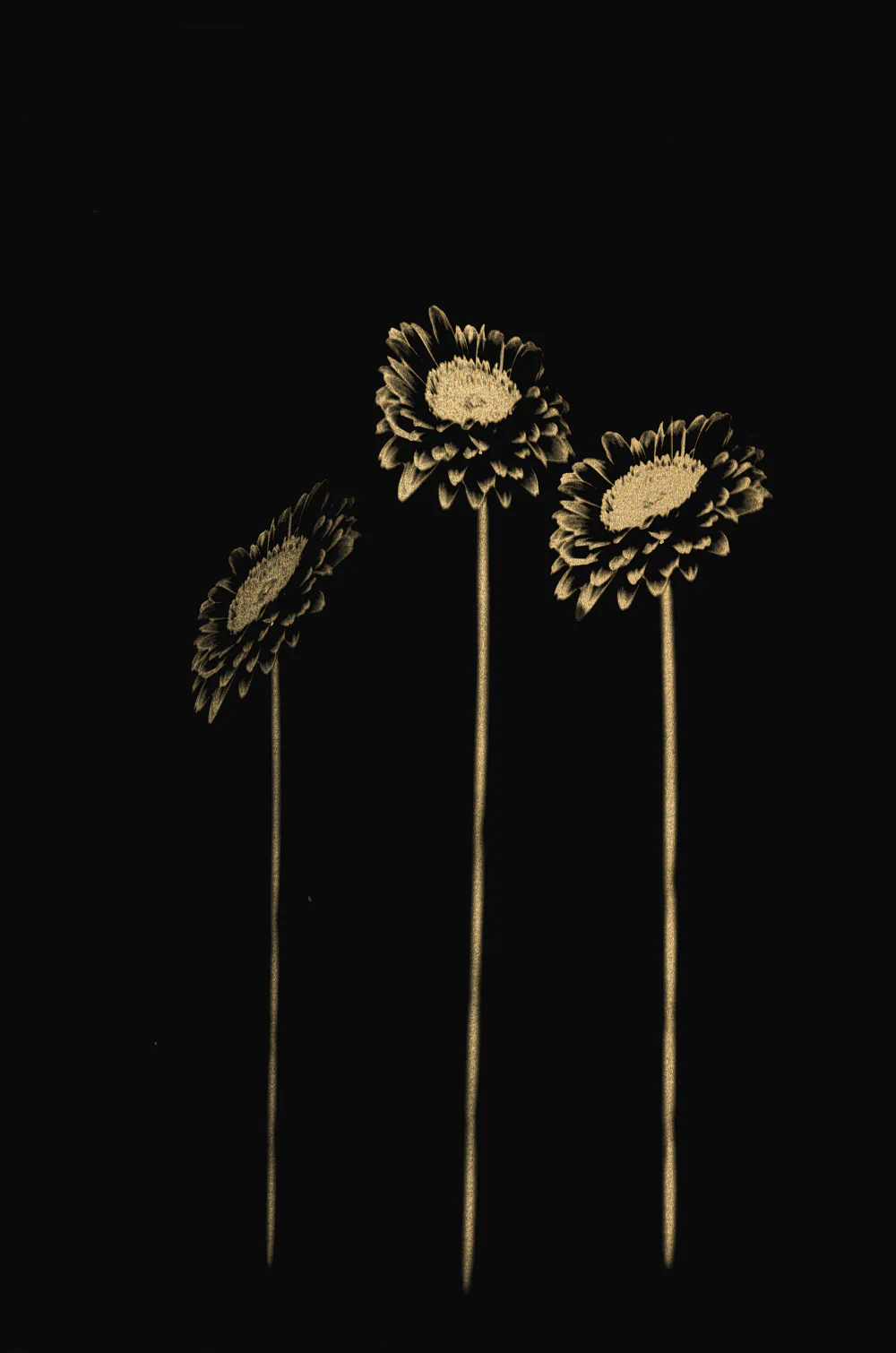
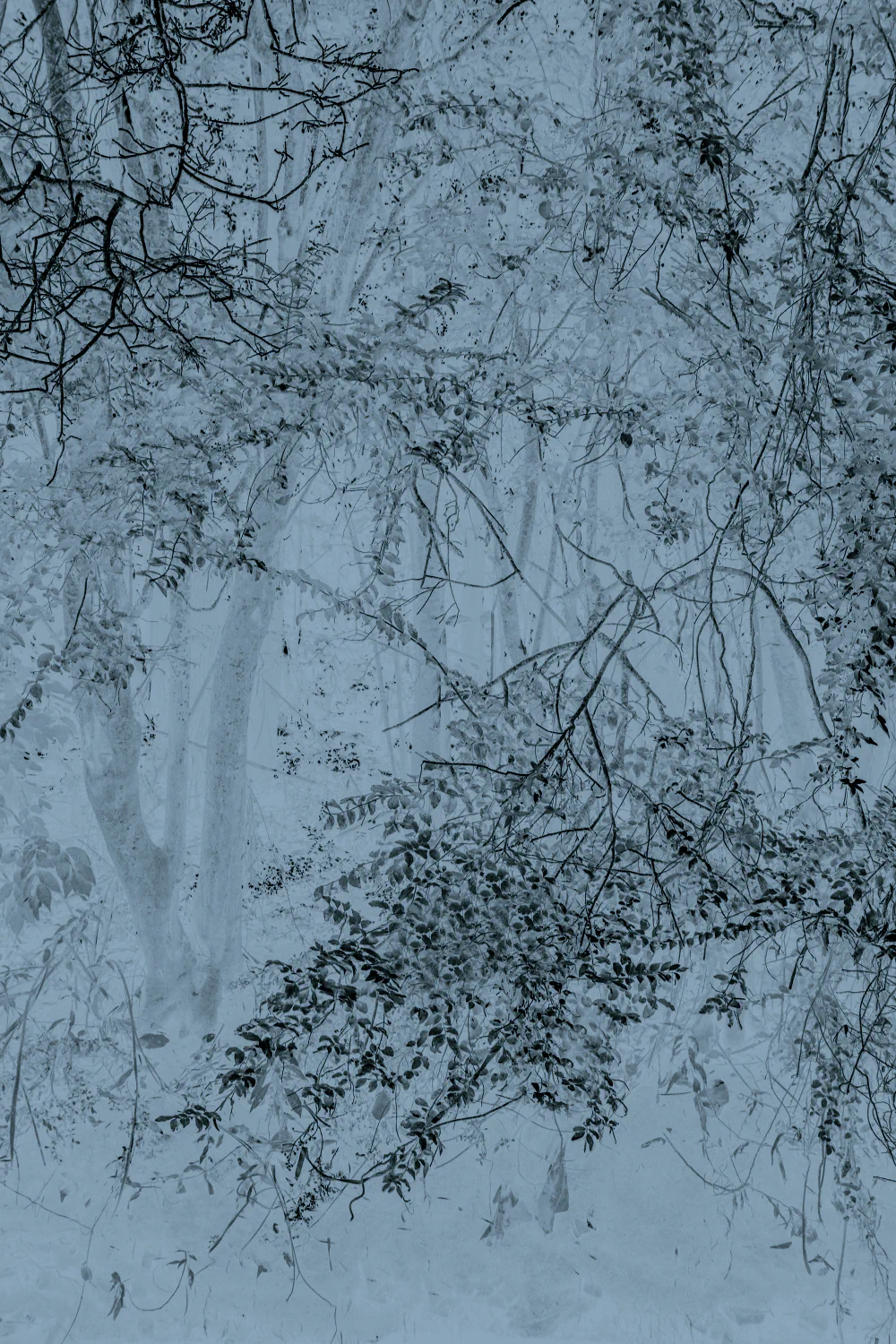
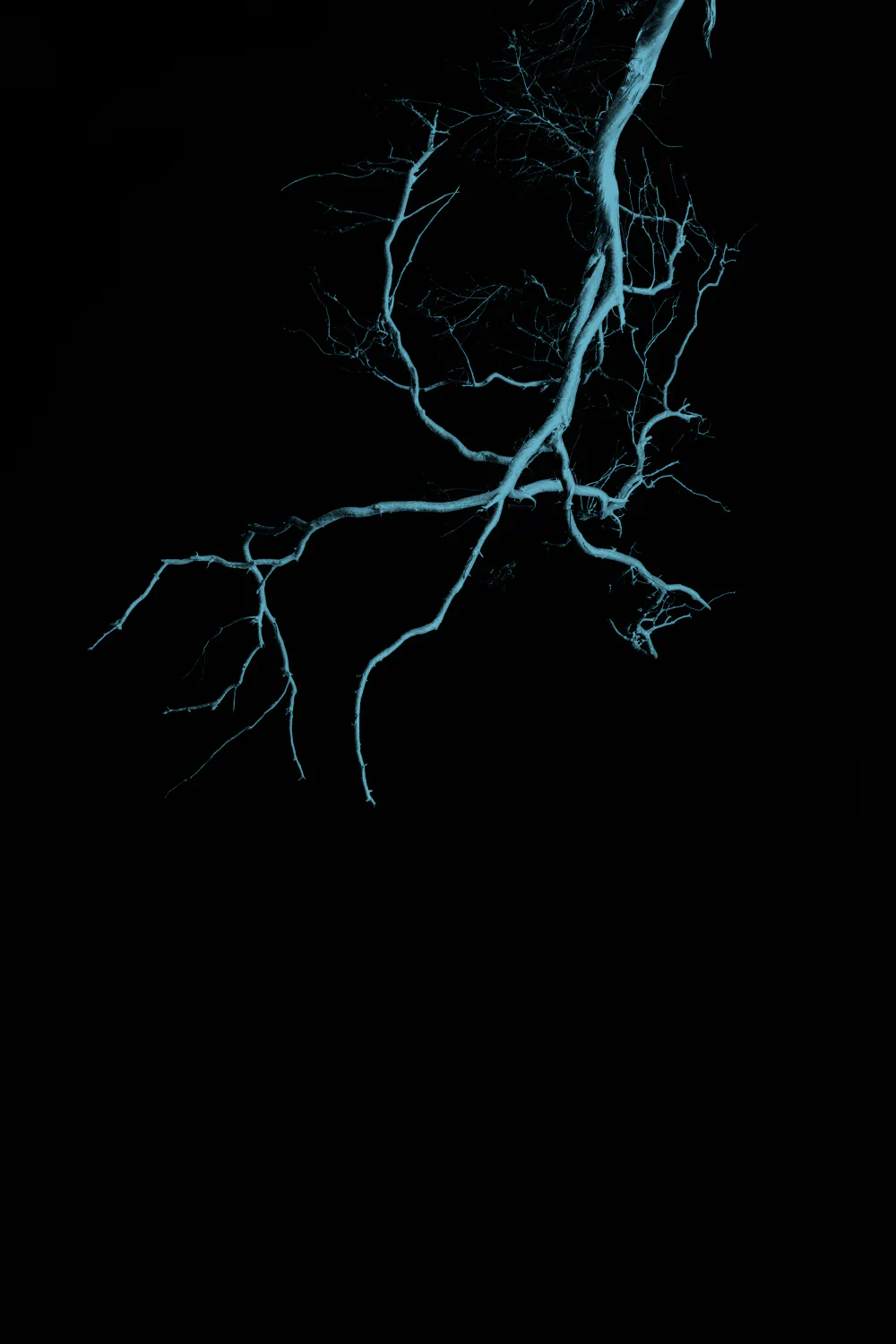
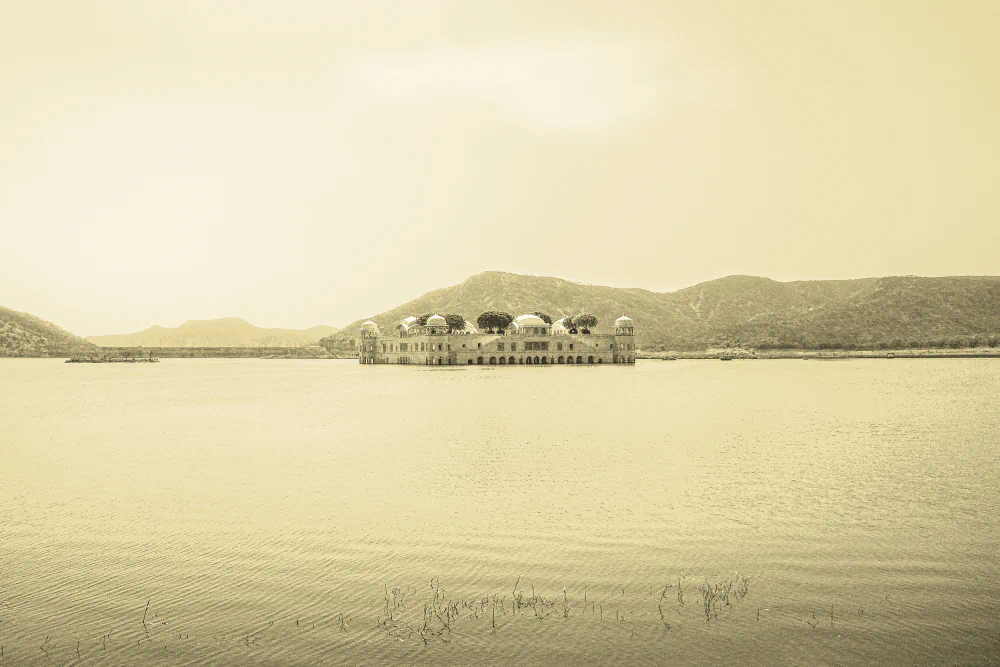
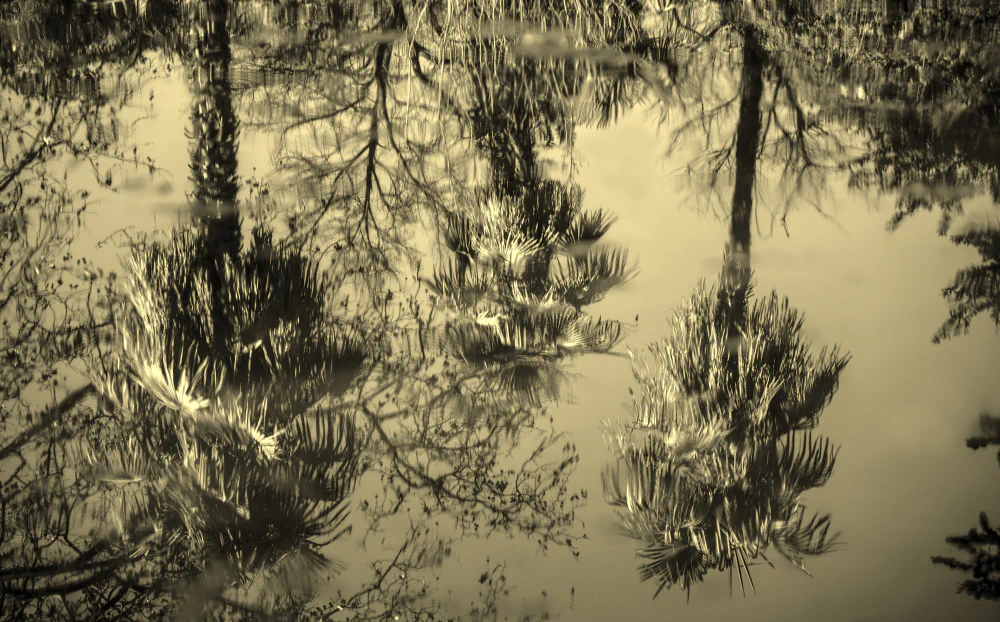
Using photography as a personal philosophical approach and given a special interest in Zen Buddhism, the artist seeks to explore beneath the surface of things through simplification, minimalism, and abstraction, in order to awaken spiritual awareness and intuition through the symbolic, provide an aesthetic or insightful experience, and encourage viewers to create a deep, vital relationship with the work when observing the images.
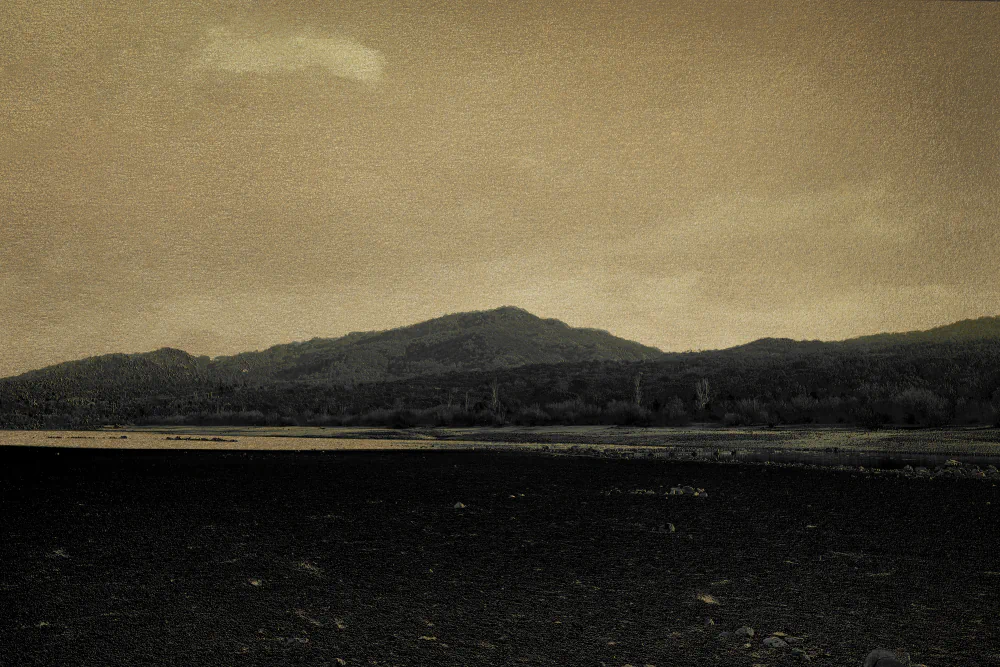
The aim of this work is to use photography as a medium for meditation and creative invention by relating each photograph to a specific koan case. In this way, it seeks to reveal something by opening a door for everyone to pass through and embark on their individual journey.
Art can open avenues of understanding and generate new, previously unknown energies, which can be accessed through principles of meditation applied to the creation of art. Photography, in turn, acts as a philosophical approach to exploring notions of spiritual awareness and intuition.
While it attempts to reflect something external, each image evokes an illusory space that carries its own logic. Its singularity can be sensed if the keys on which it is based are recognized. This does not require an act of interpretation or formalist analysis, but rather an act of emotional understanding.
From a formal point of view, the images blur the boundaries between photography and painting and are inspired by Japanese Buddhist art from the 6th to the 16th centuries.
About Alejandra Nowiczewski
Born in Buenos Aires and based in Madrid since 2022, Alejandra Nowiczewski is a sworn translator and photographer specializing in philosophical, social, and environmental issues. She holds a Master’s Degree in Photographic Projects from PhotoESPAÑA and has completed several photography workshops and mentorship programs in Argentina and Madrid.
She has recently exhibited Penumbra in Madrid, a conceptual photobook dummy based on a book she wrote on the translation of legal metaphor and its social dimension. Addressing metaphor and symbol, she presents her photographic series as visual and metaphorical reinterpretations of processes, concepts, or essential texts.
Within the framework of contemporary photography, her work explores the ability of the photographic document to suggest more than itself, functioning as a conduit to visualize social, philosophical, and environmental topics.
Her photographic work has been exhibited in Buenos Aires at Rolf Art, Ingõt Arte, Pinta BAphoto 2024 and 2022, and BAphoto 2021, as well as in Madrid at PhotoESPAÑA (Centro de Arte Alcobendas), Museo Zapadores Ciudad del Arte, and Galería Nueva Las Letras. Her work is also held in private collections in Argentina.
She has received recognition for her work from All About Photo, Descubrimientos PHE25, and ReFocus, and has been featured in publications such as AAP Magazine and Artdoc Magazine.
She is currently working on Wilk, a project retracing the life of her father, a fighter in the 1944 Warsaw Uprising, and exploring themes of identity, war, loss, and reconstruction. [Official Website]