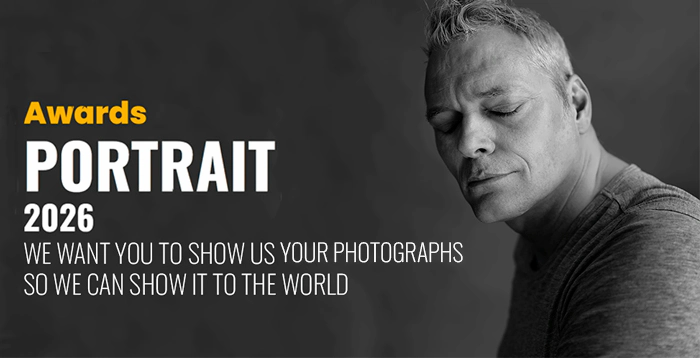

Photography is not only an act of seeing. It is an act of positioning. Every photograph implies a gaze, and every gaze carries ethical weight.
Who looks, from where they look, and under what conditions they look are questions that precede aesthetics and technique. They define the moral structure of the image long before it reaches the viewer.
The camera does not simply record the world; it establishes a relationship. The moment a photographer raises the camera, a hierarchy can emerge. One person observes, another is observed. This asymmetry is not inherently unethical, but it becomes problematic when it remains unexamined. Power enters the image through distance, framing, and intent.
Historically, photography has often operated from positions of authority. Colonial documentation, ethnographic archives, and social surveys frequently positioned the photographer as an external observer with the right to define others. The gaze in these images is not neutral. It is directional. It classifies, categorizes, and fixes identities from the outside. Contemporary photography inherits this legacy whether it acknowledges it or not. Even today, images are shaped by who has access to the camera, who controls distribution, and who is allowed to speak visually. The ethics of the gaze are inseparable from these structural conditions.
Where the photographer stands matters as much as what they photograph. Physical proximity alters meaning. So does cultural distance. A gaze from within a community carries different implications than a gaze imposed from outside. Intimacy, consent, and trust cannot be assumed; they must be negotiated.
The question is not whether a photographer has the right to look, but how that look is constructed. Is it extractive or reciprocal? Does it flatten complexity or allow contradiction? Does it speak for others, or does it create space for others to appear on their own terms?
Photography becomes ethically fragile when it confuses visibility with understanding. Showing something does not guarantee that it is seen justly. An image can expose and still misrepresent. It can generate attention while reinforcing stereotypes. The gaze, when unchecked, can reproduce the very inequalities it claims to reveal.
Self-awareness alone is not enough. Good intentions do not cancel power dynamics. Ethical photography requires sustained reflection on position, motivation, and consequence. It demands listening as much as looking.This does not mean that photographers must avoid difficult subjects or unfamiliar contexts. It means acknowledging that every photograph is situated. There is no universal gaze. Every image comes from somewhere, and that “somewhere” shapes what is visible and what remains invisible.
The ethics of the gaze also extend to the viewer. Looking is not passive. To engage with a photograph is to enter the relationship it proposes. Viewers, too, carry responsibility. They interpret, judge, and internalize images within their own frameworks.
Photography cannot be ethically neutral because vision itself is not neutral. What matters is whether the gaze is interrogated or taken for granted. Ethical practice begins when photographers recognize their position not as invisible, but as implicated. Ultimately, the ethics of the gaze are not resolved through rules, but through attention. Attention to context. To power. To the limits of one’s own perspective. Photography becomes ethically meaningful not when it claims objectivity, but when it acknowledges its partiality and remains open to being questioned.