
The conditions under which street photography operates have changed dramatically in the twenty-first century.
Cities are now environments saturated with cameras. Surveillance systems monitor public space continuously, smartphones allow nearly everyone to produce images instantly, and digital platforms circulate photographs at unprecedented speed. In such a context, the act of photographing the street is no longer exceptional. It is embedded within a broader culture of constant observation.
This transformation raises questions about how street photography distinguishes itself from the general proliferation of images. If everyone carries a camera, what defines the role of the street photographer? The answer lies not in access to technology, but in intention and awareness. While surveillance systems record indiscriminately and casual snapshots often lack reflection, street photography remains a deliberate practice of looking, selecting, and interpreting.
The presence of surveillance has also altered how public space is experienced. People are increasingly conscious of being watched, whether by institutions or by one another. This awareness can influence behavior, producing gestures that are more guarded or performative. Street photography must navigate this changed environment, where visibility is both normalized and contested. The photographer works within a field already shaped by power, control, and self-representation.
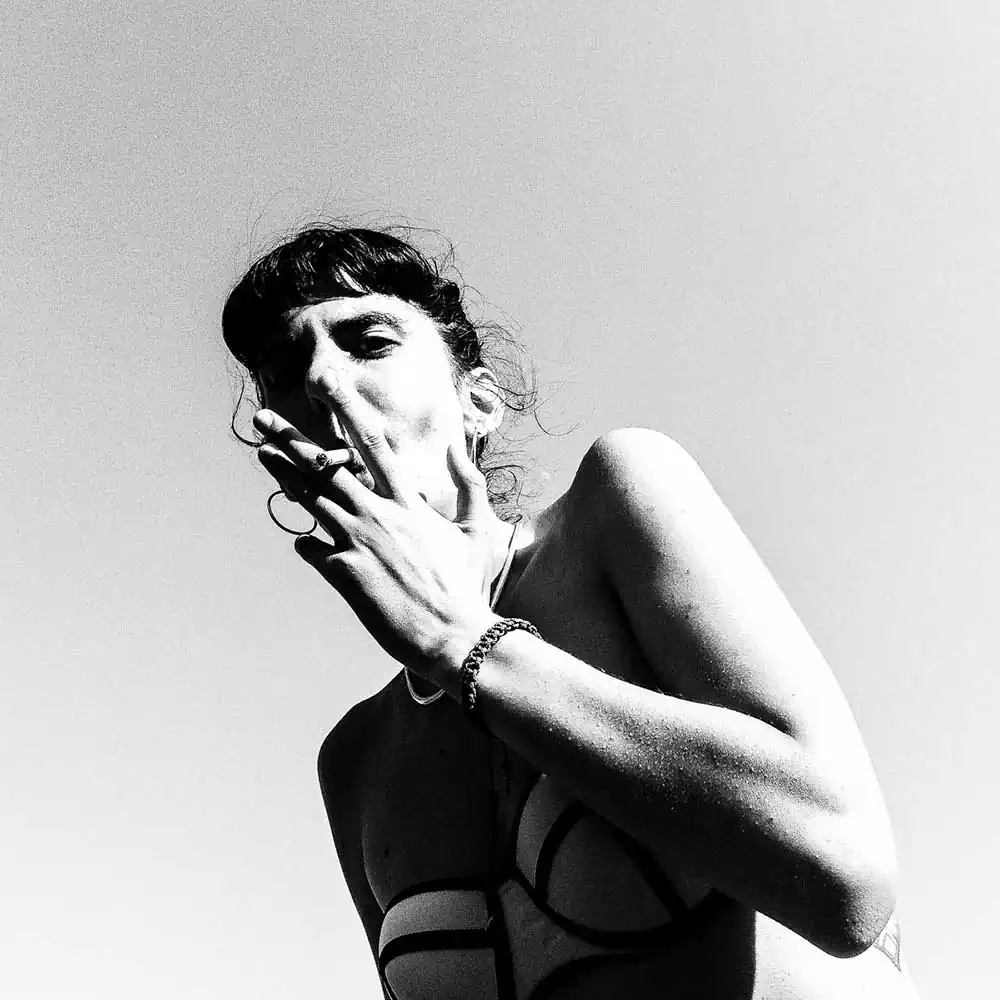
Smartphones have further complicated this landscape. They have democratized image-making, dissolving boundaries between professional and amateur production. Moments once captured by a few observers are now recorded simultaneously by many. Yet this abundance does not necessarily produce understanding. The sheer volume of images risks flattening experience into repetition, making attentive observation more valuable rather than less.
Street photographers respond by emphasizing coherence and sustained engagement. Instead of isolated shots, many develop long-term bodies of work that examine how contemporary urban life is mediated by screens, data, and communication technologies. Reflections in glass now often include digital displays; gestures involve devices as much as physical interaction. The street has become a hybrid space where material and virtual realities intersect.
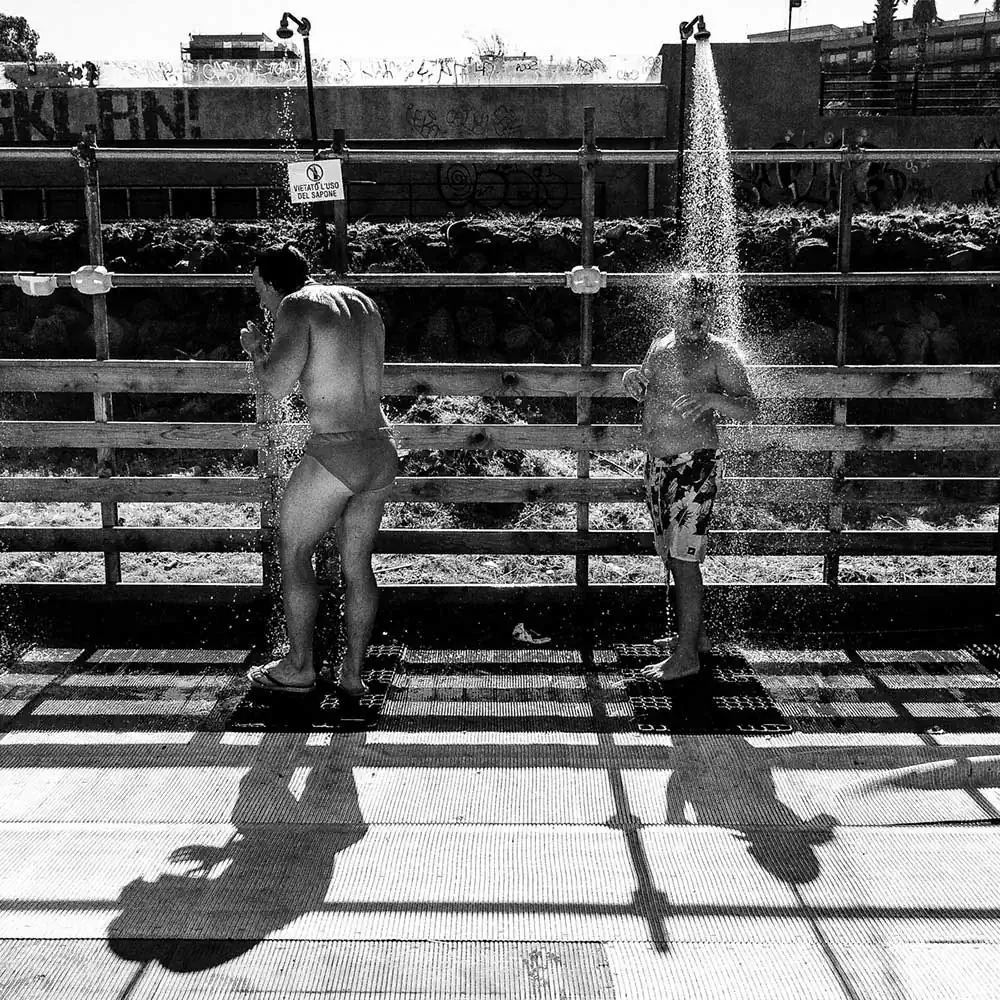
Ethical considerations also intensify in this environment. When image-making is ubiquitous, questions about consent, privacy, and representation become more complex. The distinction between documenting and exploiting grows less clear, especially as photographs can circulate globally within seconds. Street photographers must therefore consider not only the act of capturing an image, but its potential afterlife in digital networks.
Despite these challenges, the genre retains its relevance. If anything, the saturation of imagery makes thoughtful photographic practice more necessary. Street photography offers a counterpoint to automated recording by insisting on attention, interpretation, and context. It transforms the act of seeing from passive accumulation into active inquiry.
The contemporary street is thus defined by a paradox: it is the most photographed environment in history, yet still capable of revealing new visual meanings. Street photography persists by engaging critically with this condition, examining how technology reshapes perception while continuing to explore the fundamental human experience of sharing public space.