
Street photography is often understood as a practice of observation, yet it is equally a practice of selection.
Every photograph determines who becomes visible and how that visibility is constructed. In public space, countless lives unfold simultaneously, but the camera isolates only a fragment of that reality. This act of choosing carries implicit political weight, even when the photographer does not intend it.
Public space is frequently described as open and shared, but access to visibility within it is uneven. Social hierarchies, cultural norms, and systems of power influence who feels entitled to occupy space confidently and who remains peripheral. Street photography can reveal these dynamics by showing how bodies position themselves, how they are framed by their environments, and how certain presences dominate while others recede. The resulting images become records of social structure as much as visual events.
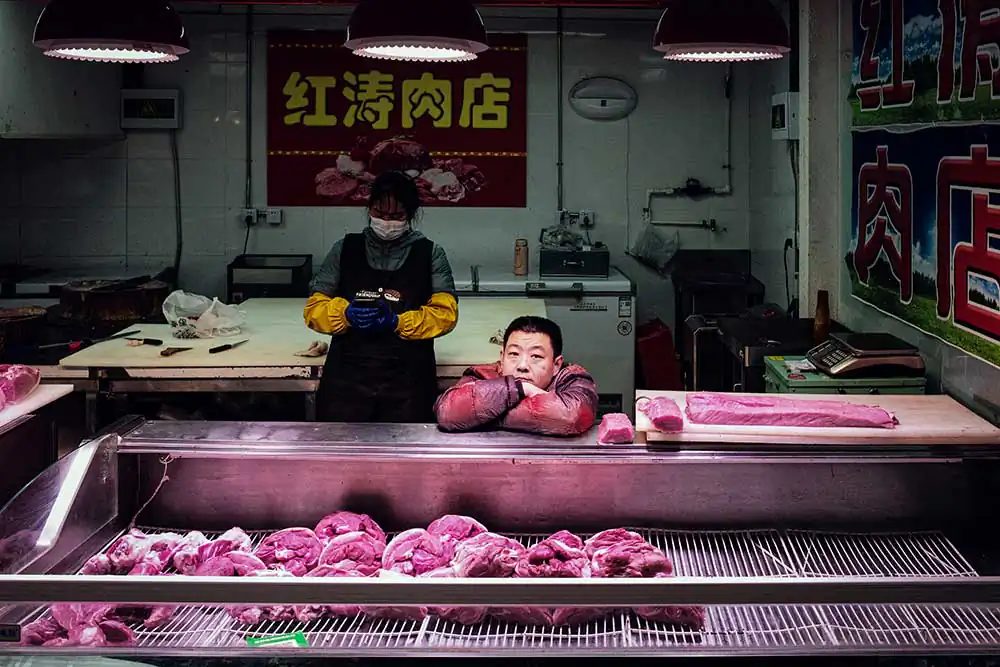
Historically, photography has played a role in defining collective identities. Images circulated through newspapers, exhibitions, and archives contributed to shaping perceptions of class, labor, gender, and urban experience. Street photography, by focusing on ordinary encounters rather than staged representation, offered an alternative to official narratives. It documented lives that were rarely the subject of formal portraiture, expanding the visual field of who could be seen.
Yet this expansion also introduced ethical complexity. To photograph someone without consent is to assert a form of authority over their representation. The photographer determines context, framing, and dissemination, often without the subject’s participation. This imbalance has led to ongoing debates about whether street photography empowers visibility or appropriates it. The answer is rarely fixed; it depends on intention, context, and the sensitivity with which the image is made and shared.
Contemporary discussions of visibility are shaped by broader cultural questions about surveillance, identity, and representation. In cities where cameras are ubiquitous, being seen is no longer an exceptional condition. However, not all forms of visibility are equal. Institutional monitoring differs fundamentally from the attentive gaze of a photographer seeking to interpret rather than control. Street photography occupies an ambiguous position between these poles, participating in visual culture while also reflecting critically on it.
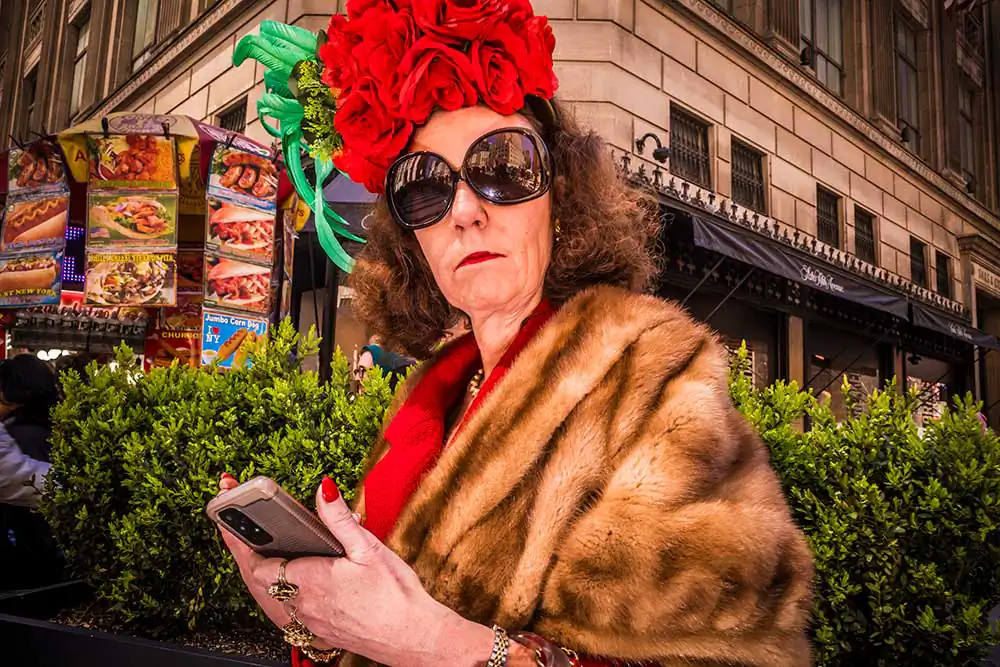
The images themselves often reveal subtle negotiations of presence. A person may avert their gaze, confront the camera, or remain unaware of being observed. Each gesture carries meaning, suggesting varying relationships to the public environment. Street photography does not only show people; it shows how they manage being seen, how they navigate exposure within shared spaces.
This focus on visibility extends beyond individuals to encompass the environments that shape them. Architecture, signage, and spatial organization influence who appears central and who remains marginal. Photographers attentive to these elements expose the frameworks that structure perception, revealing how urban design participates in the politics of seeing.
Street photography therefore cannot be reduced to neutral documentation. It engages with the conditions under which images are made and circulated, acknowledging that visibility is always mediated by choices and contexts. By examining who is seen, how they are framed, and what remains outside the image, the genre invites reflection on the broader cultural processes that determine recognition and anonymity.
In this way, street photography becomes not only a record of public life but also an inquiry into how societies distribute attention. It reminds viewers that visibility is never purely given; it is constructed, negotiated, and continually redefined through acts of looking.