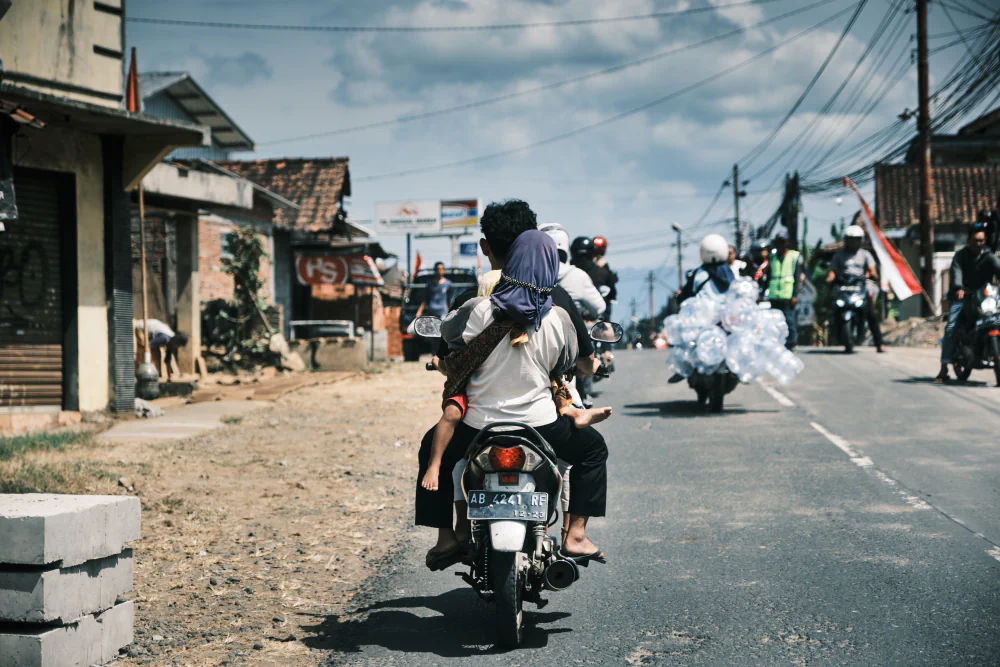

The journey begins in Jakarta on August 9, 2025. A vast megacity where traffic and contrasts narrate the recent history of Indonesia, a former Dutch colony and today one of the most populous and complex countries in the world.
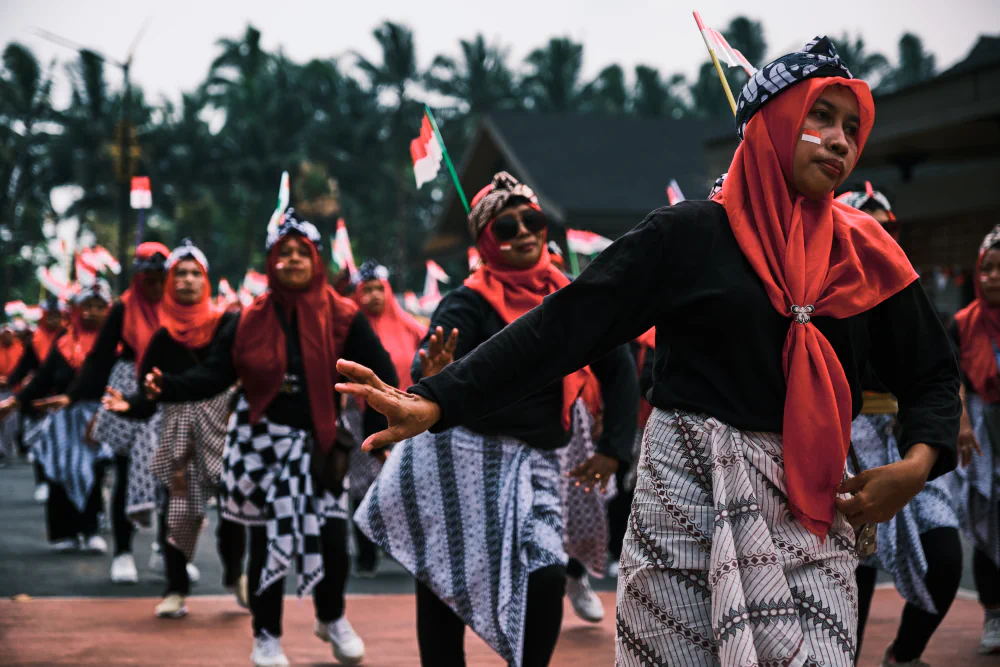
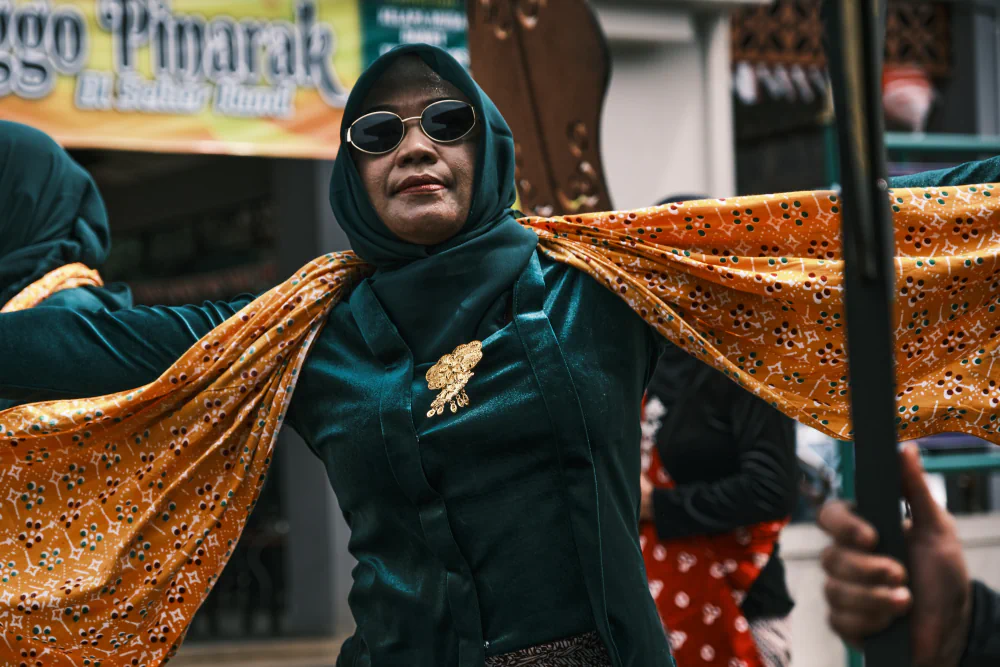
In the days leading up to August 17, the anniversary of independence proclaimed in 1945, the city shifts gear. Red and white flags fill the streets.
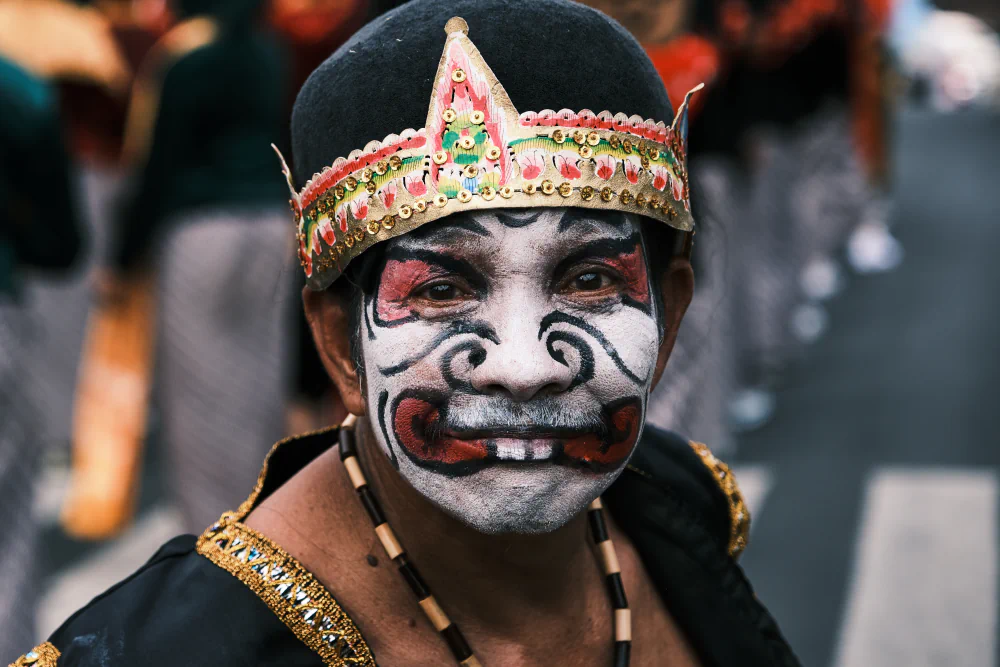
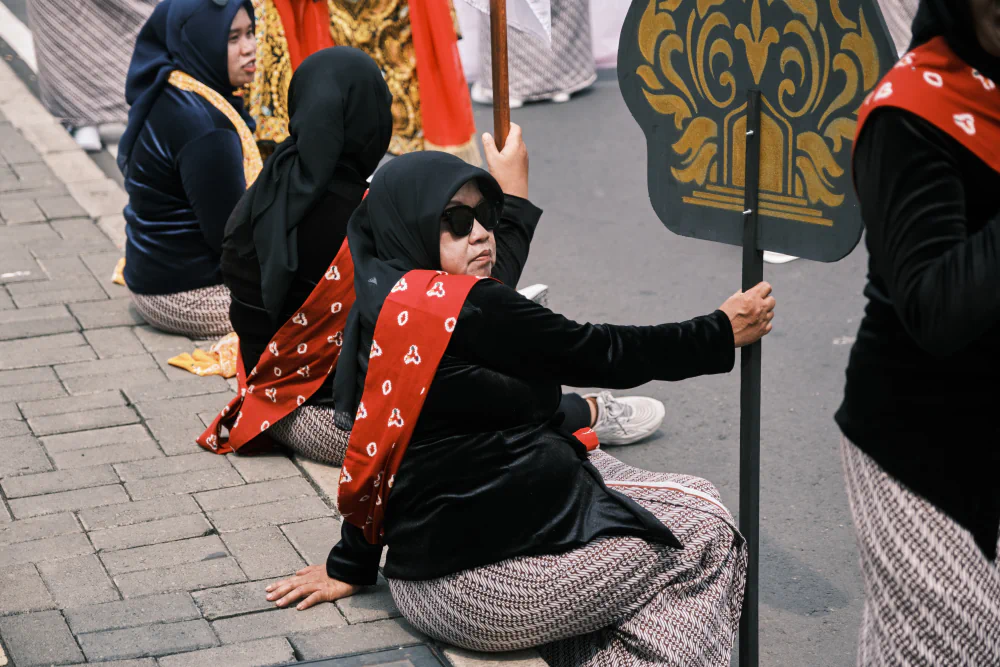
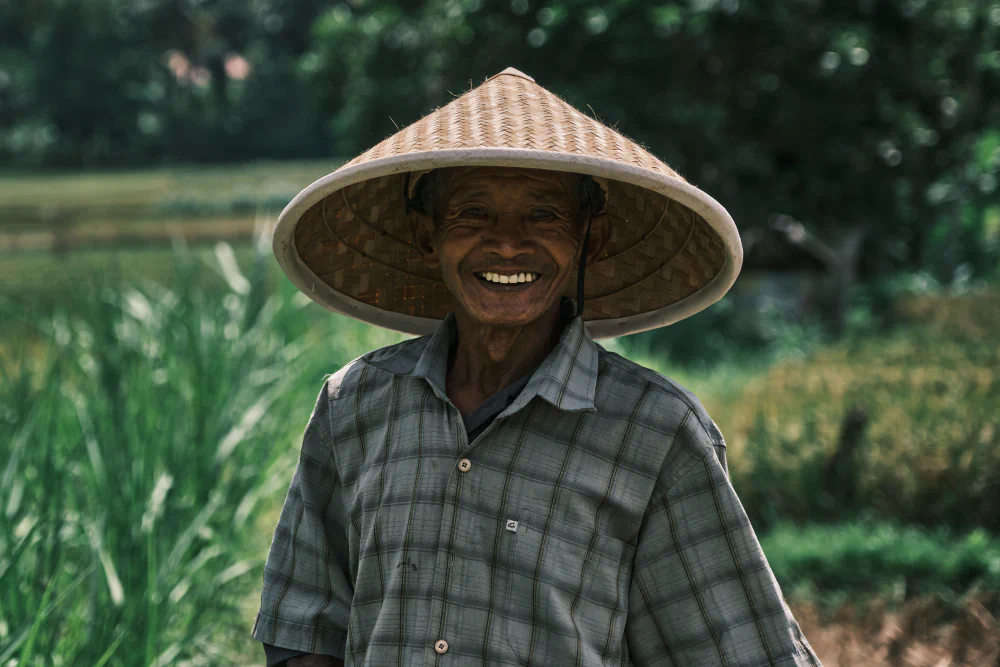
Neighborhoods organize their own celebrations: traditional games, street performances, folk dances. Families, children, elders. This is not staged for visitors. It is a shared moment in which national identity is lived openly and collectively, far from tourist routes.
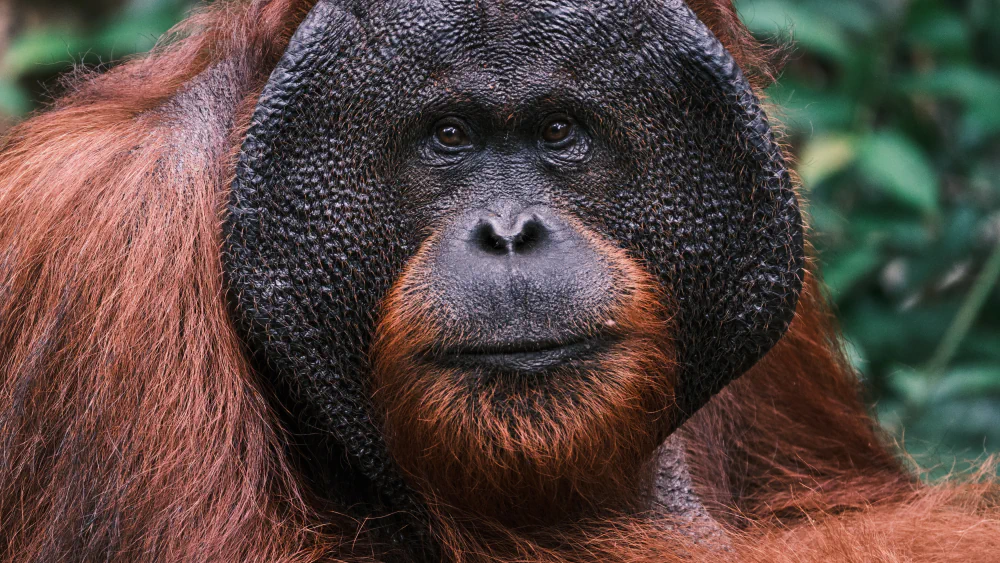
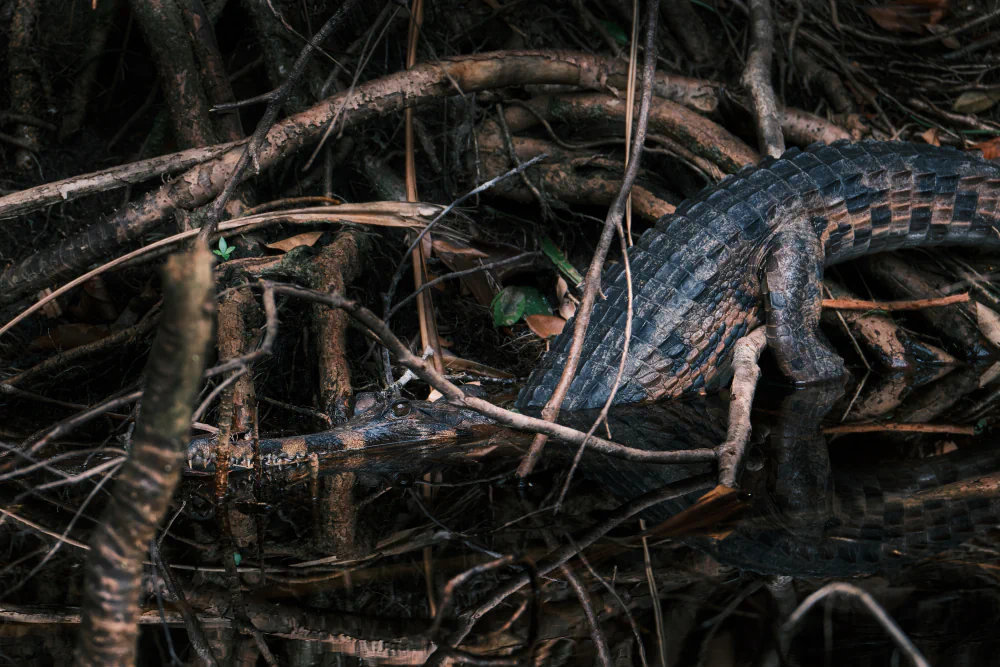
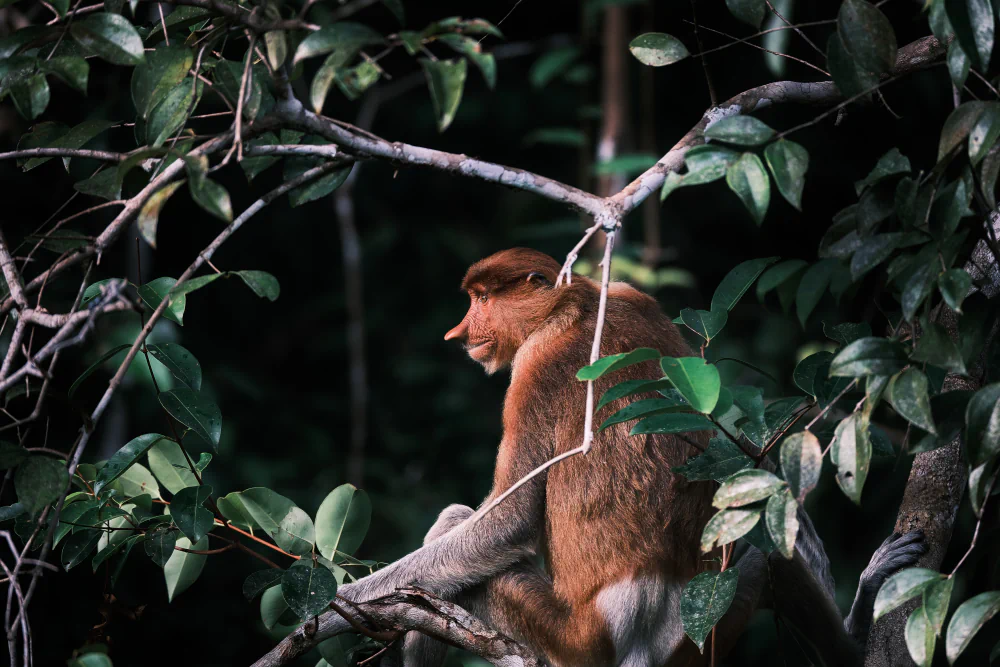
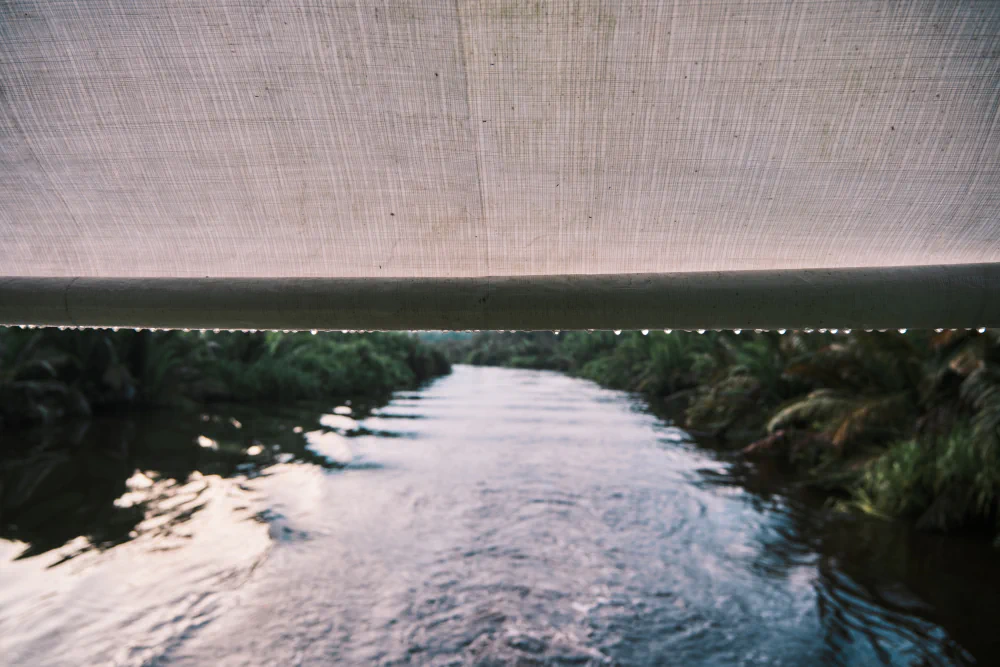
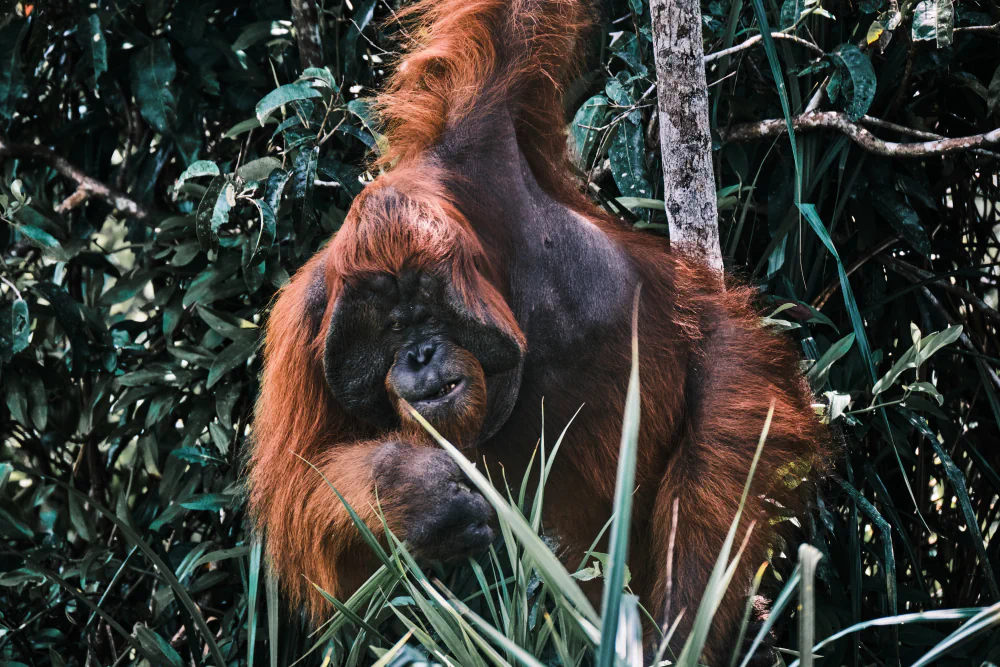
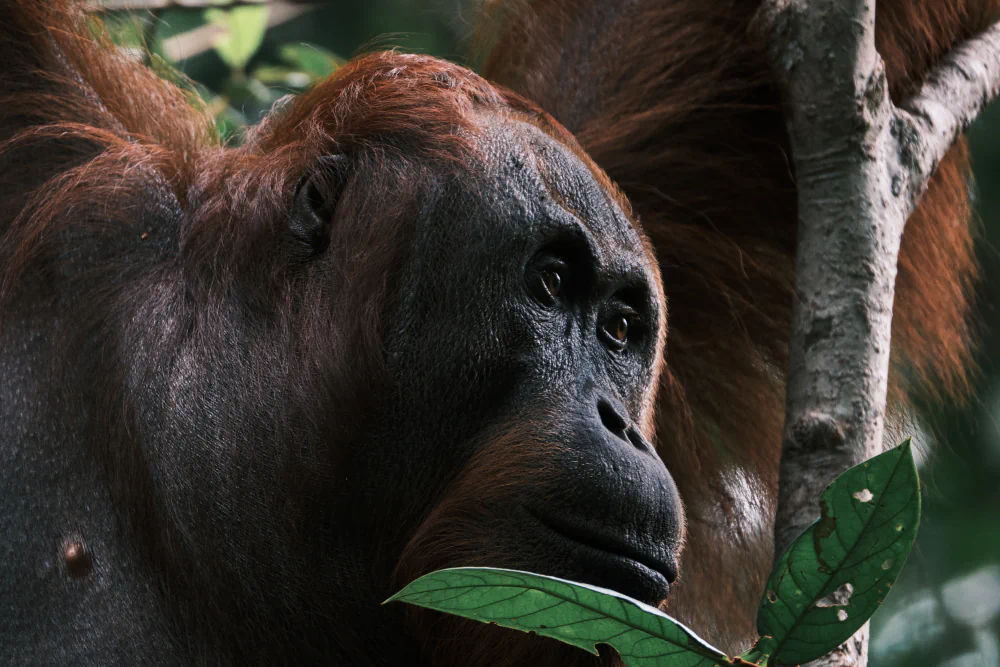
From the city, the journey moves toward Borneo, one of the last major green frontiers in Southeast Asia. In Tanjung Puting National Park, travel slows aboard a small klotok. Tea-colored rivers cut through the rainforest. Wildlife appears without spectacle. Orangutans move through the canopy with deliberate gestures. Proboscis monkeys watch from the mangroves, their unmistakable profiles silhouetted against the water. Birds of prey circle overhead. At times, a crocodile emerges along the riverbank, perfectly still, part of the landscape rather than an interruption. This is an ancient ecosystem, fragile and under constant pressure from deforestation and industrial plantations, yet still capable of revealing what Borneo once was before large-scale human impact.
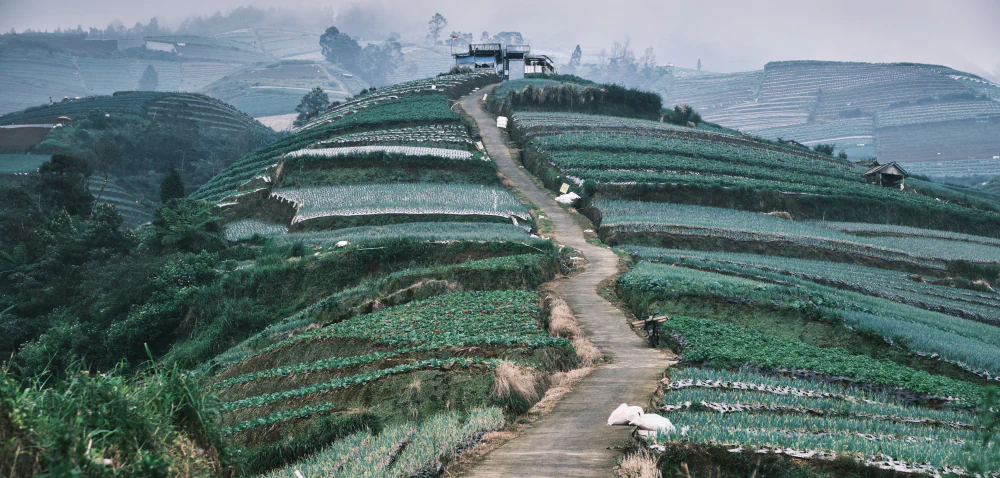
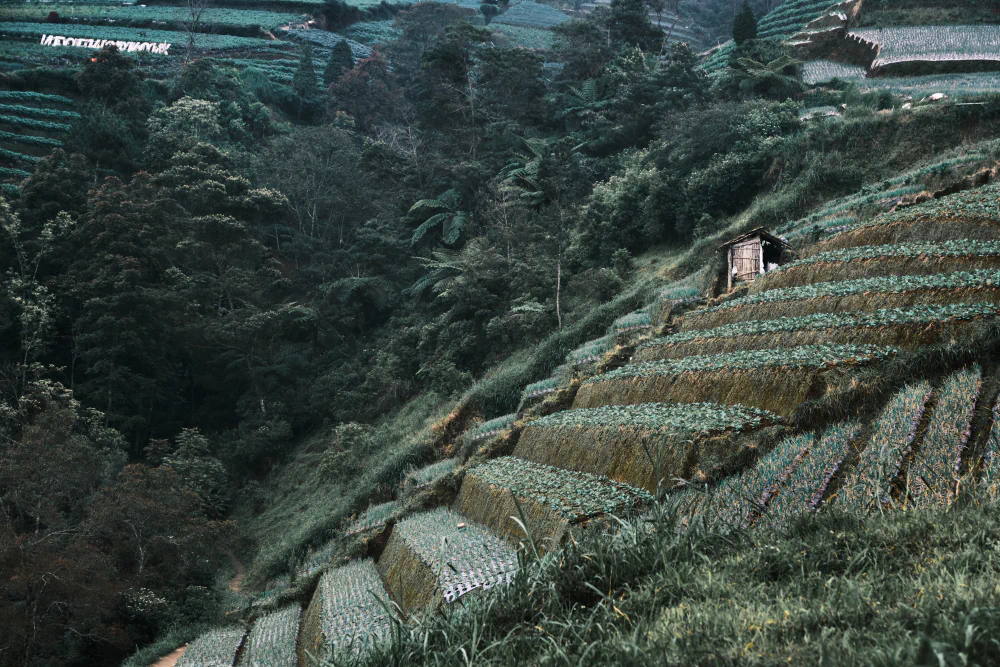
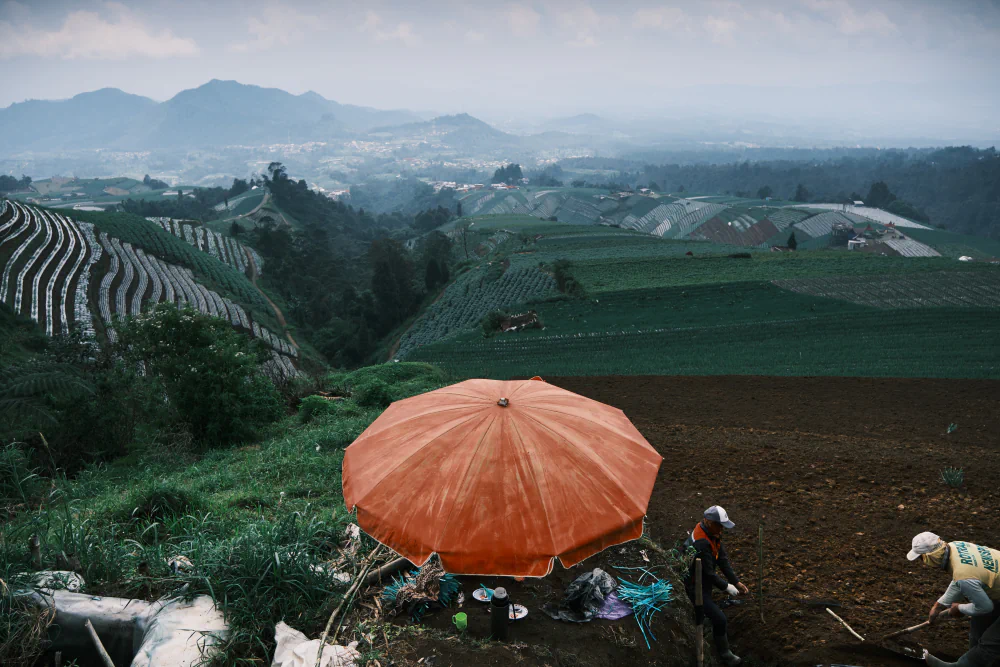
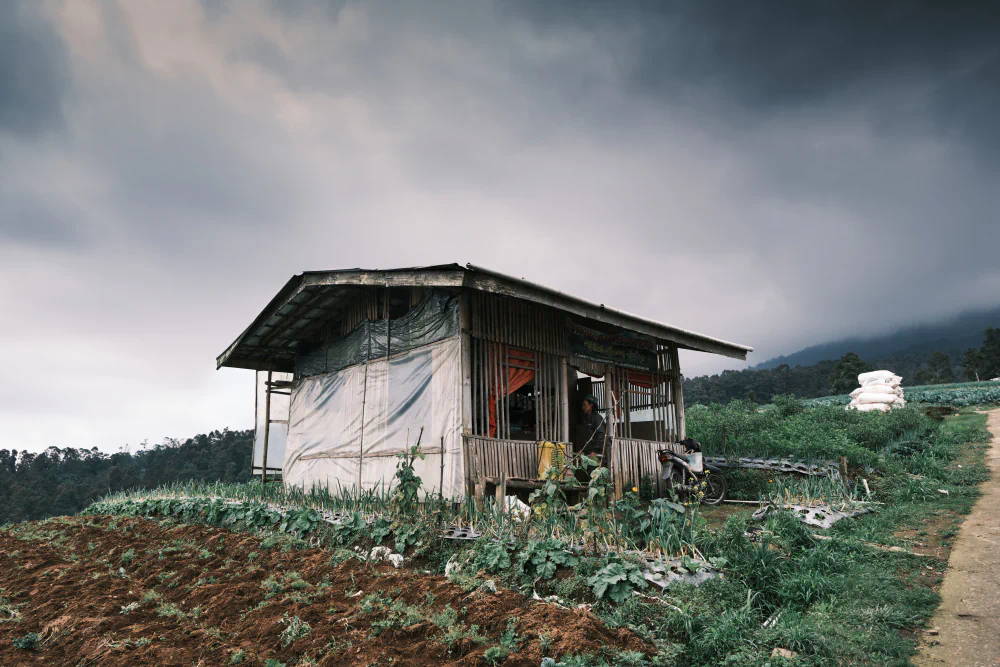
Java marks a clear transition. It is the political and cultural core of the country and its most populated island. Here, the landscape has been shaped by centuries of human presence. Terraced rice fields follow collective water-management systems that remain functional today. Not far away, Nepal Van Java appears suddenly, perched on steep mountain slopes like a suspended outpost. Reaching it requires driving along extremely narrow and steep roads, often without barriers, with sheer drops just inches away.
Nepal Van Java is not an endpoint. It is a threshold. From here, even narrower routes branch off, passable only by motorcycle. They descend toward the rice fields, carved directly into the mountainside. These minimal roads are used daily by farmers. The relationship between people and land is immediate and uncompromising. The territory dictates the rules.
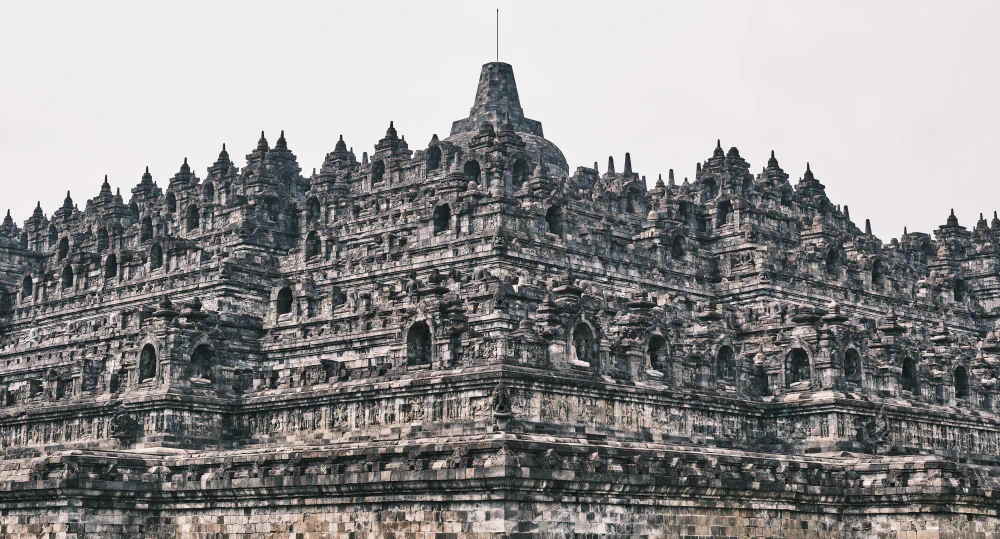
Java also preserves multiple layers of history. Borobudur, built in the ninth century, is the largest Buddhist temple in the world. Its stone reliefs describe a spiritual path rather than a monument of power. Nearby stands Prambanan, a Hindu complex dedicated to the Trimurti. Together, they reflect a long period of cultural and religious coexistence. Yogyakarta connects these layers. As a center of education, art, and tradition, it remains a key reference point for Javanese culture.
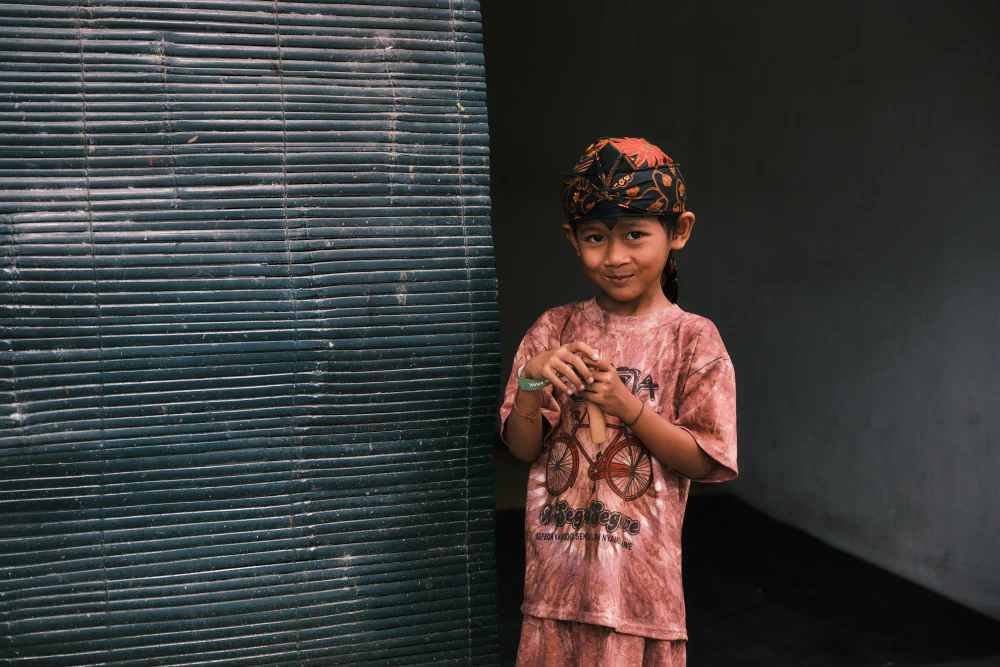
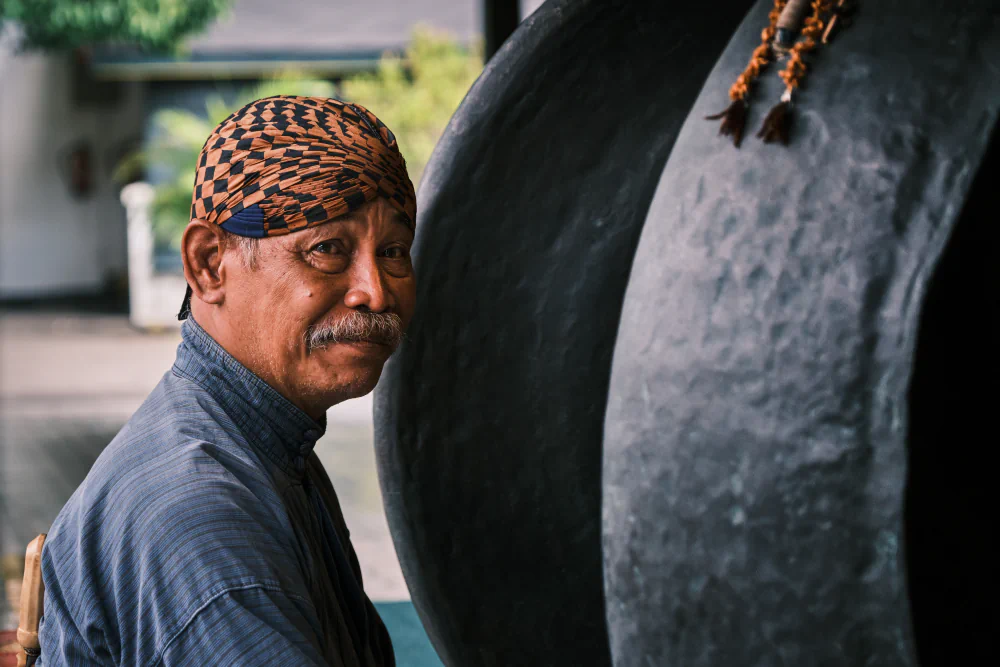
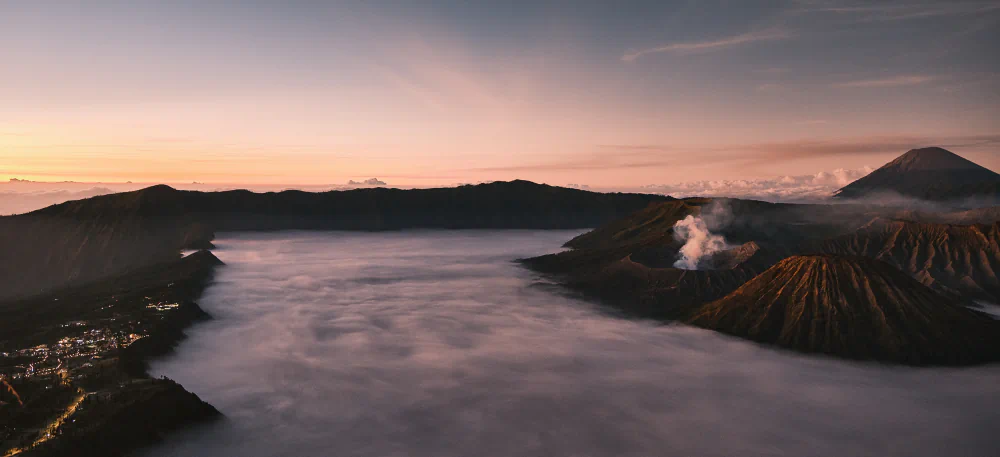
Then comes Mount Bromo at dawn. Light arrives before sound. The sky turns red. Fog lingers inside the caldera. The volcano releases a steady plume of smoke. No drama, just geology. Indonesia sits on the Pacific Ring of Fire. Here, the land both destroys and renews. This journey does not seek the exotic. It looks for reality. Faces, difficult landscapes, fragile balances. The photographs do not explain. They record.
About Stefano Battistelli
Stefano Battistelli is an Italian photographer based in Milan. Born in 1980, he worked for over ten years as a creative director in major advertising agencies. His photography ranges from reportage to nature, and through projects shot around the world, he has received several international awards, including the Fine Art Photography Award. In 2023, his work was published by National Geographic Italia.
What fascinates him most in photography is the act of deciding what to leave out. As he explains, “If you think about it, it’s what’s left out of the frame that makes a photograph truly special.” [Official Website]