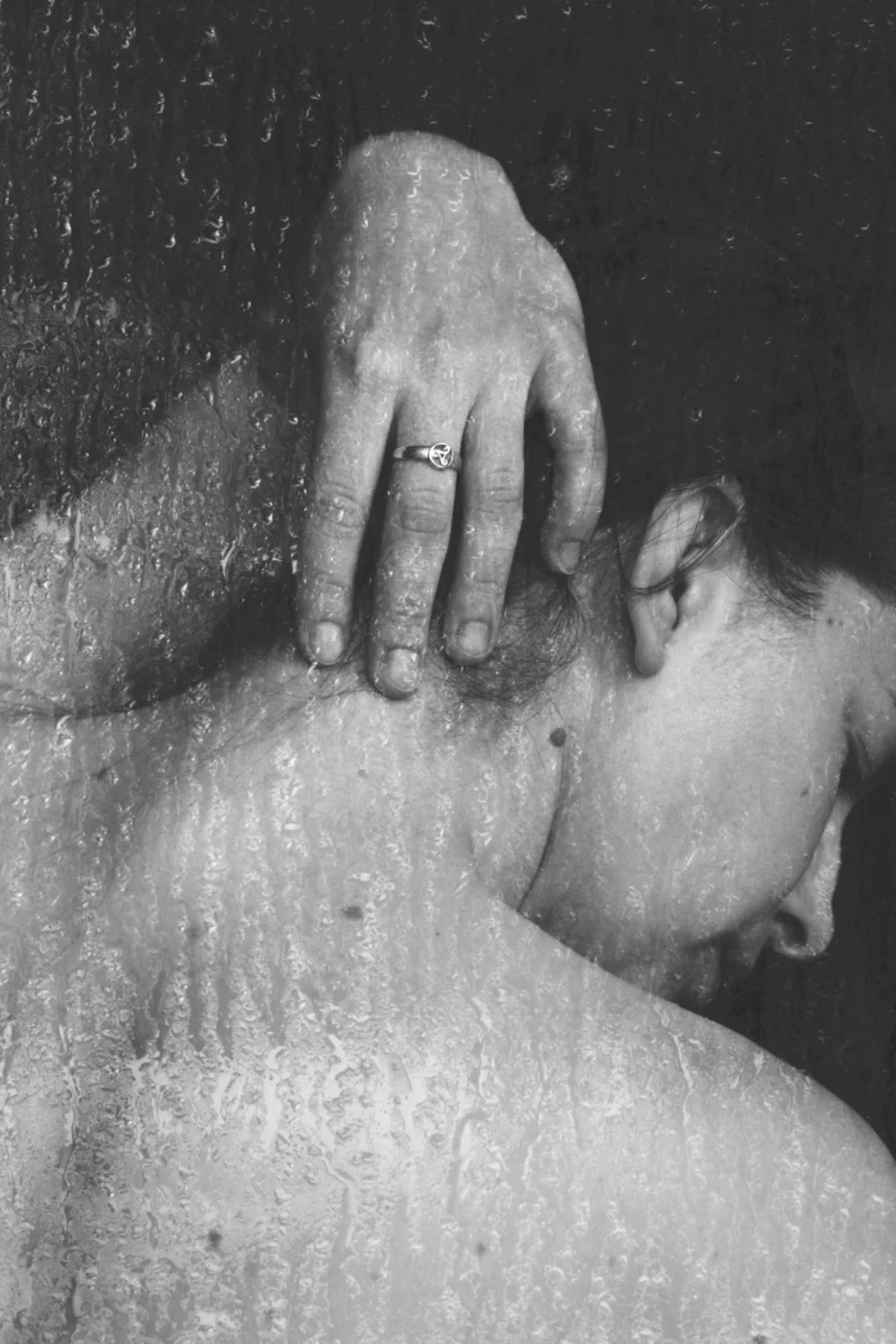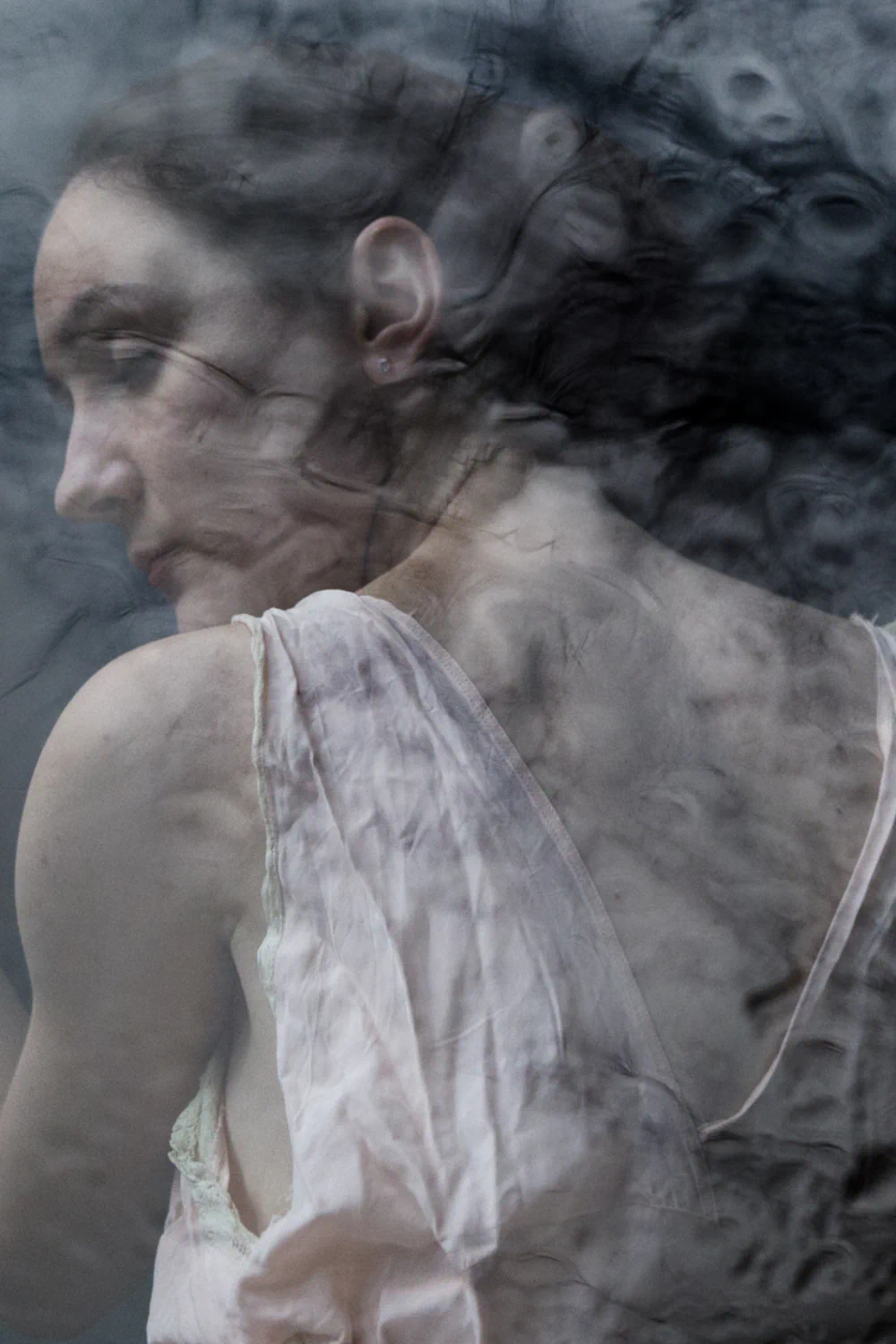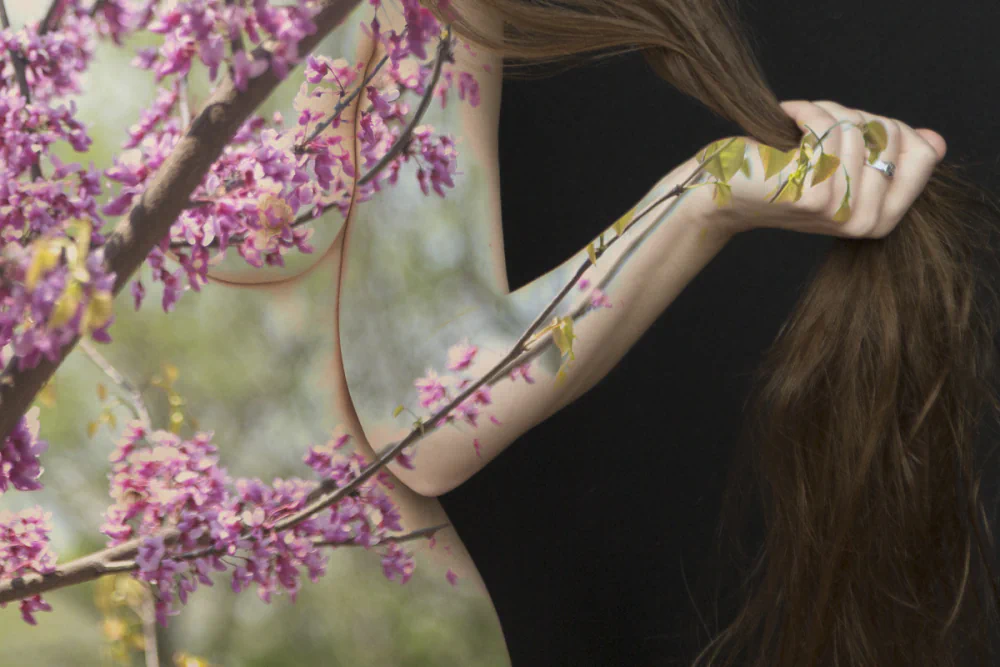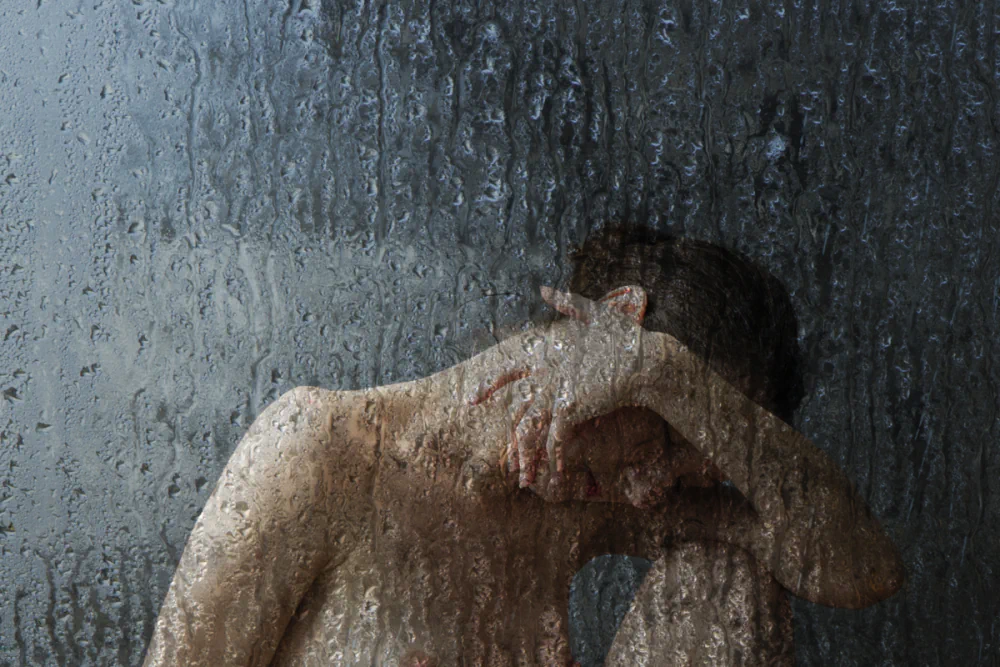

In this series, she aims to explore the significance of personal mythologies, those quiet, internal narratives that shape how individuals understand themselves and the world around them.
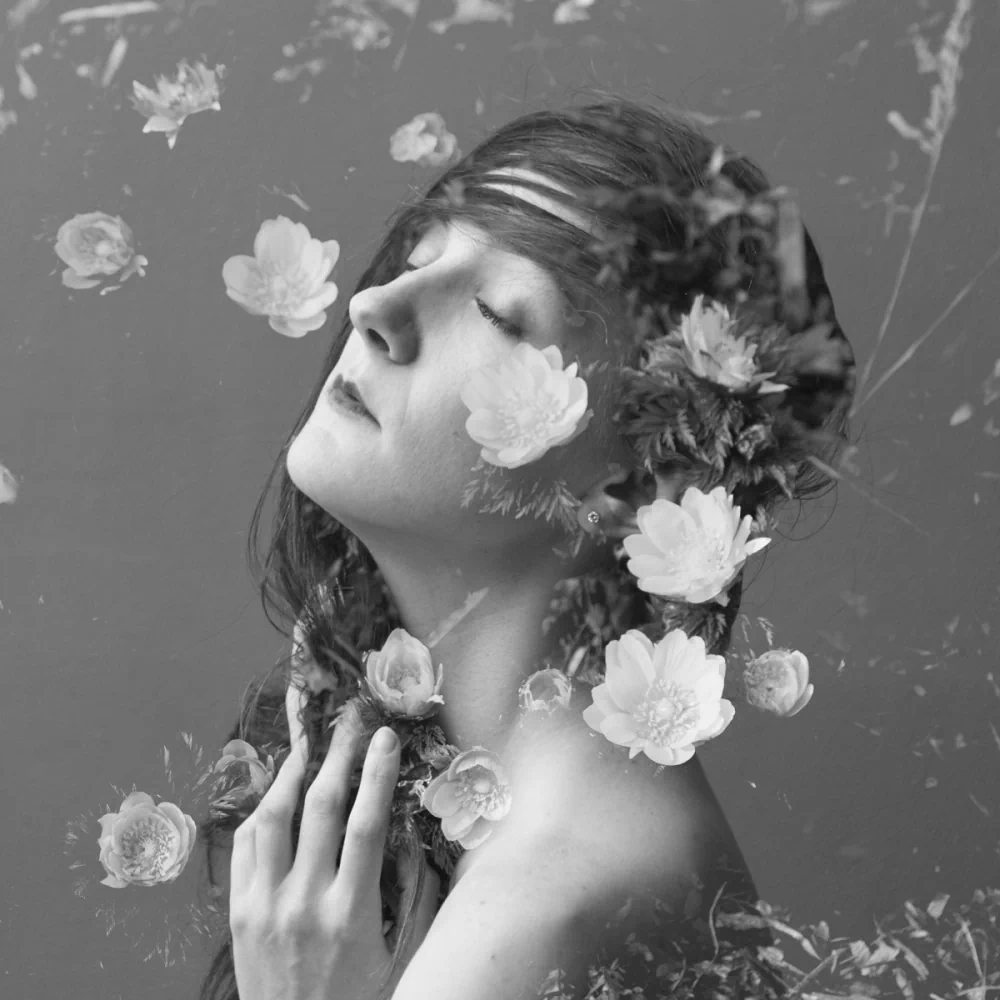
She is drawn to the spaces where memory, emotion, and perception blur, where the body becomes both subject and landscape, and where nature mirrors interior states.
Through these images, she seeks to untangle complex, often unknowable experiences into visual form.
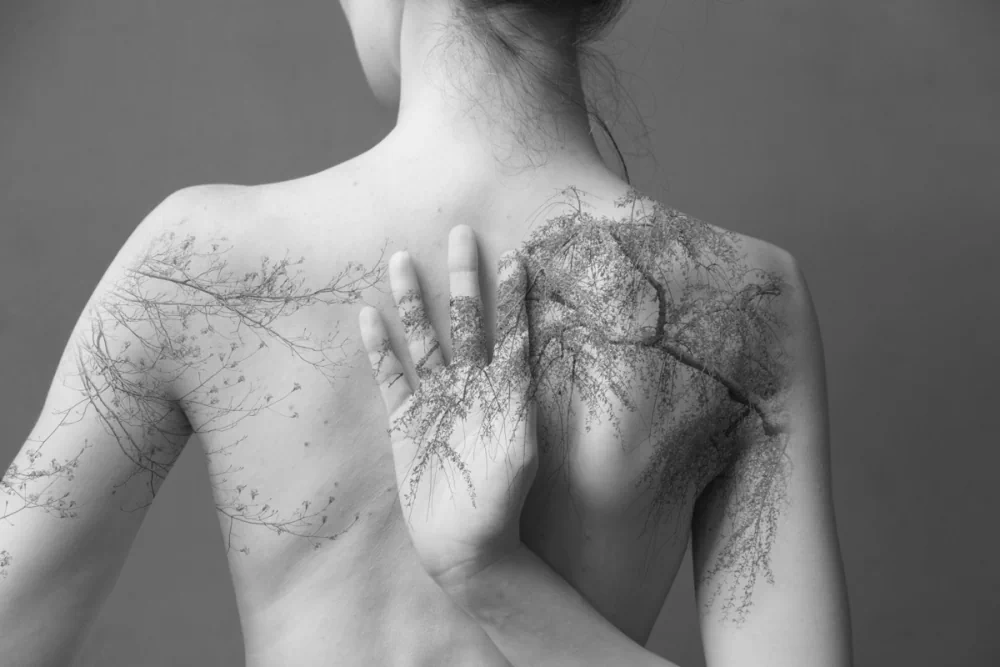
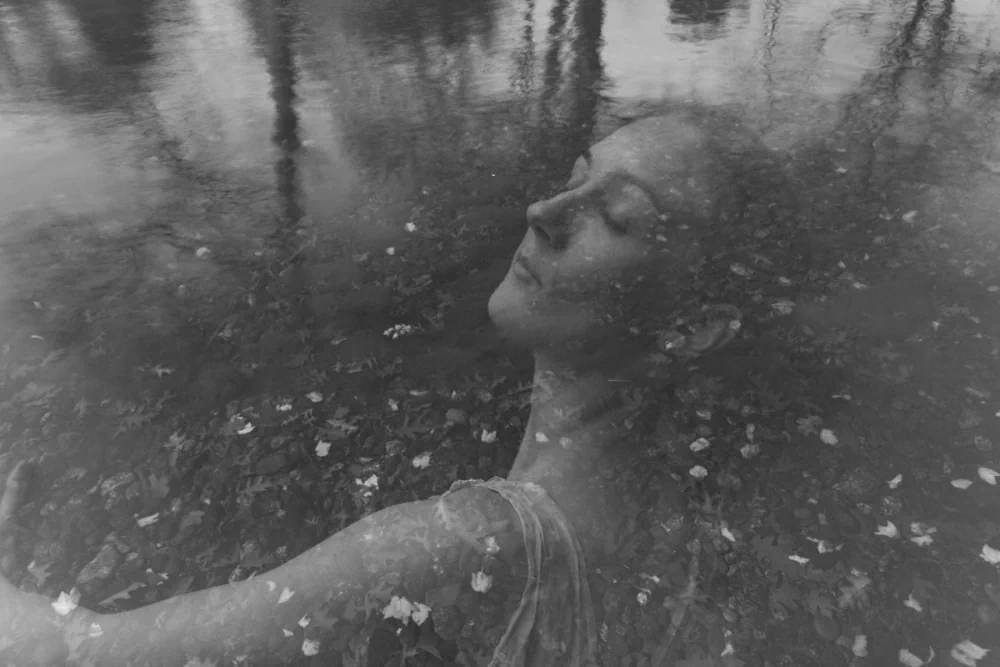
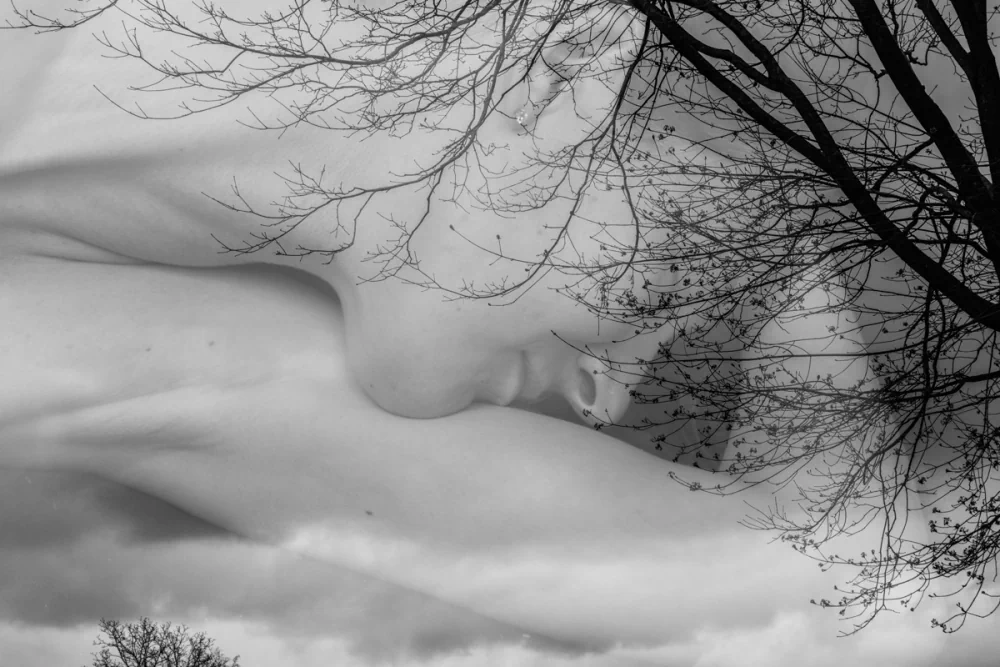
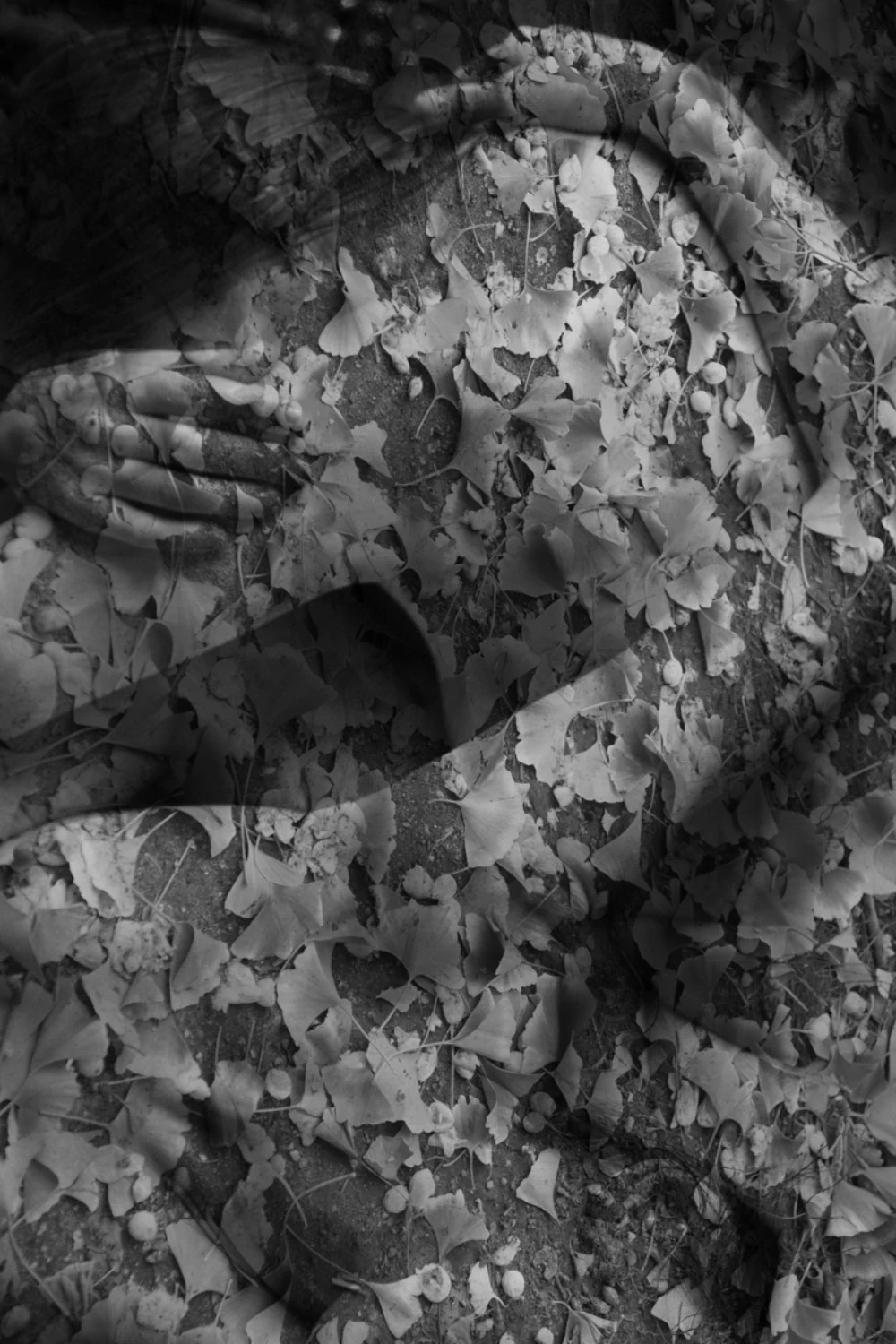
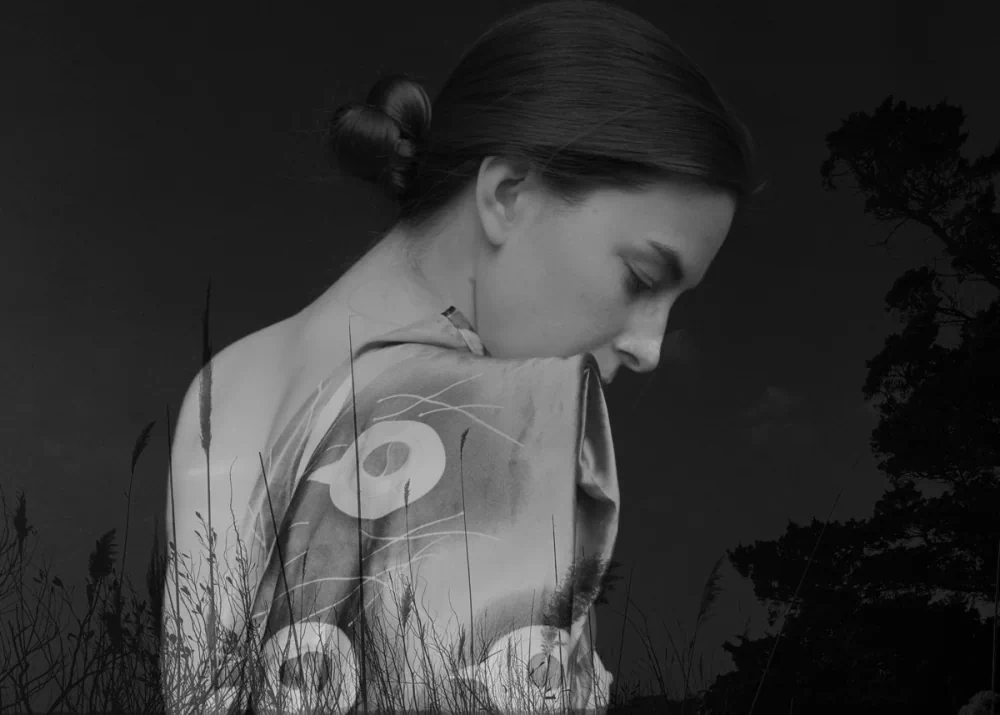
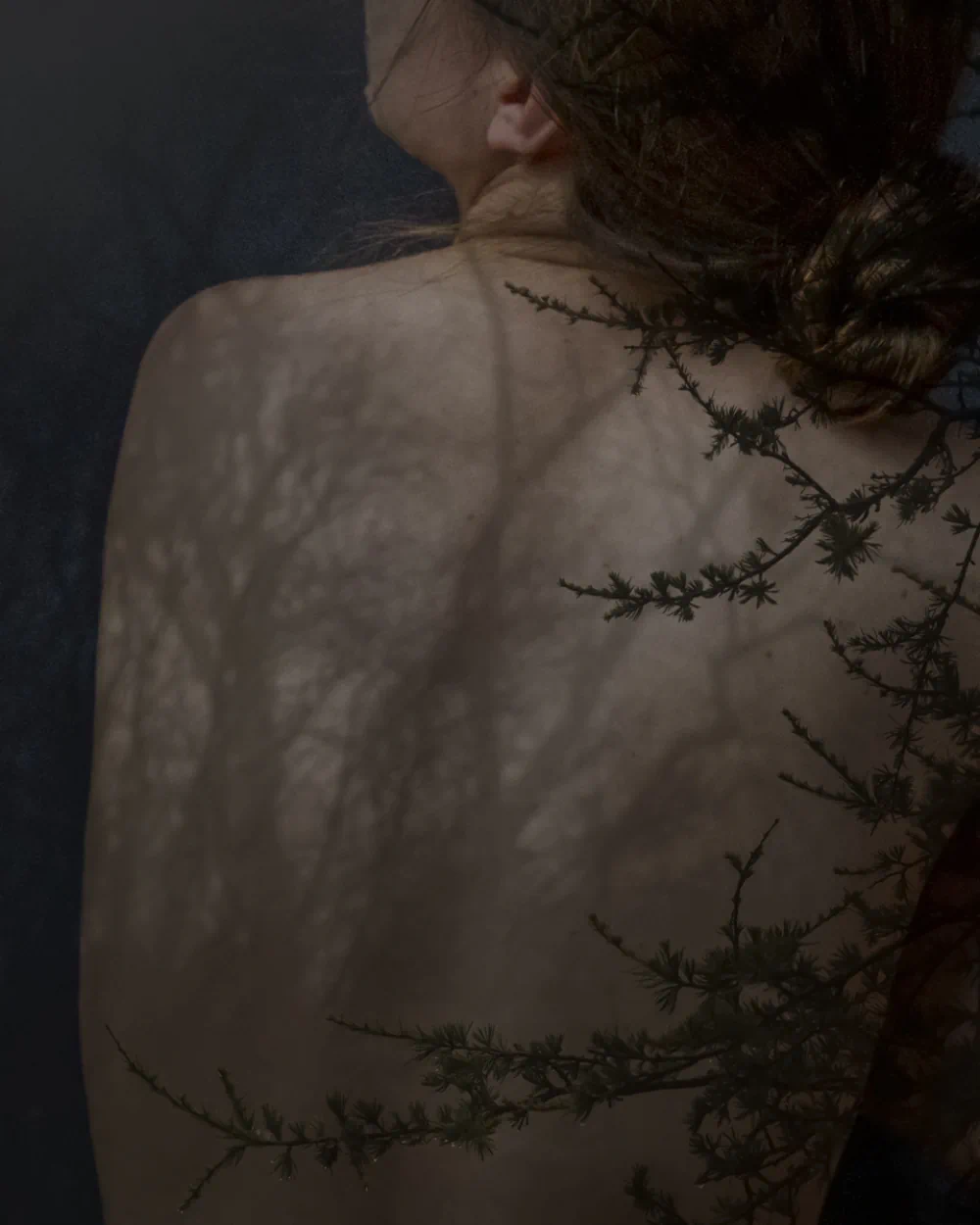
At the core of her work is the belief that the body and the natural world are not separate, but deeply interconnected. In this work, by merging the female figure and landscape, she explores how the boundaries between inner and outer worlds dissolve. The body becomes part of its surroundings, and through this union, identity can expand, with the self shaped not only by memory but also by the environment it inhabits.
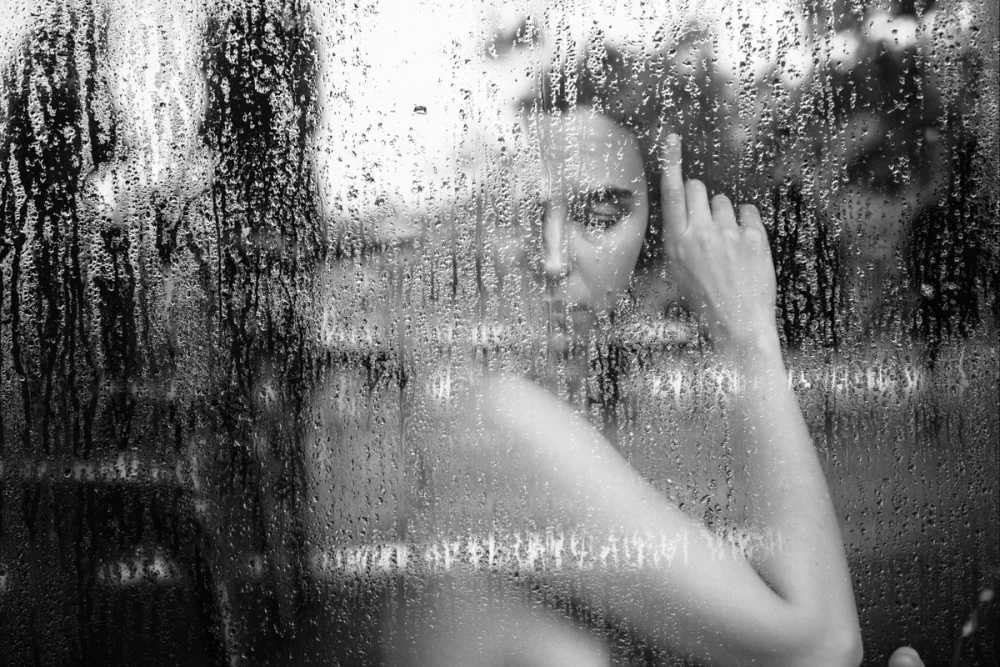
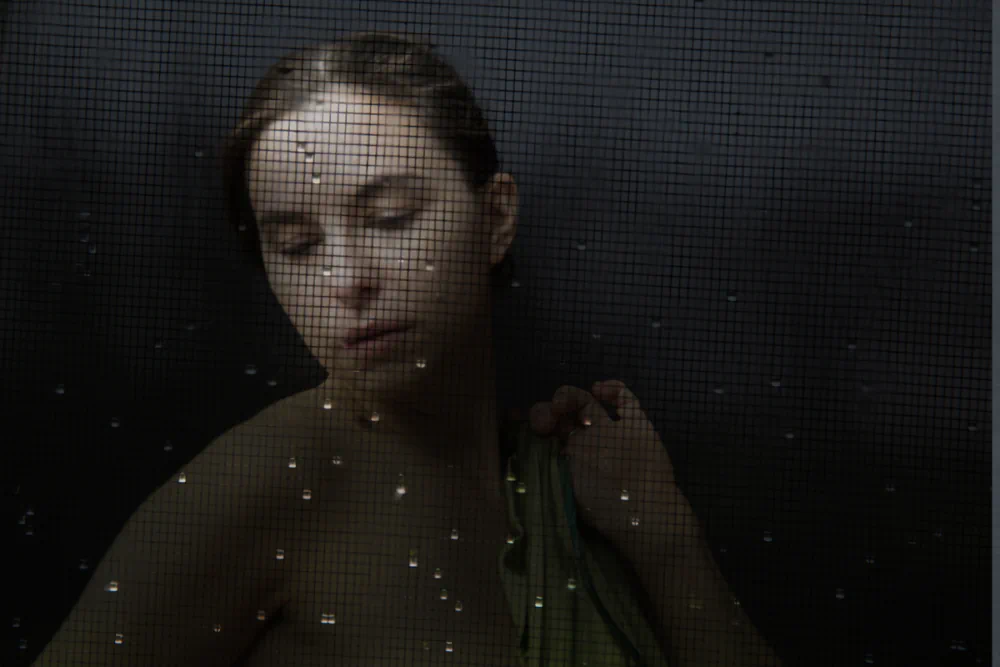
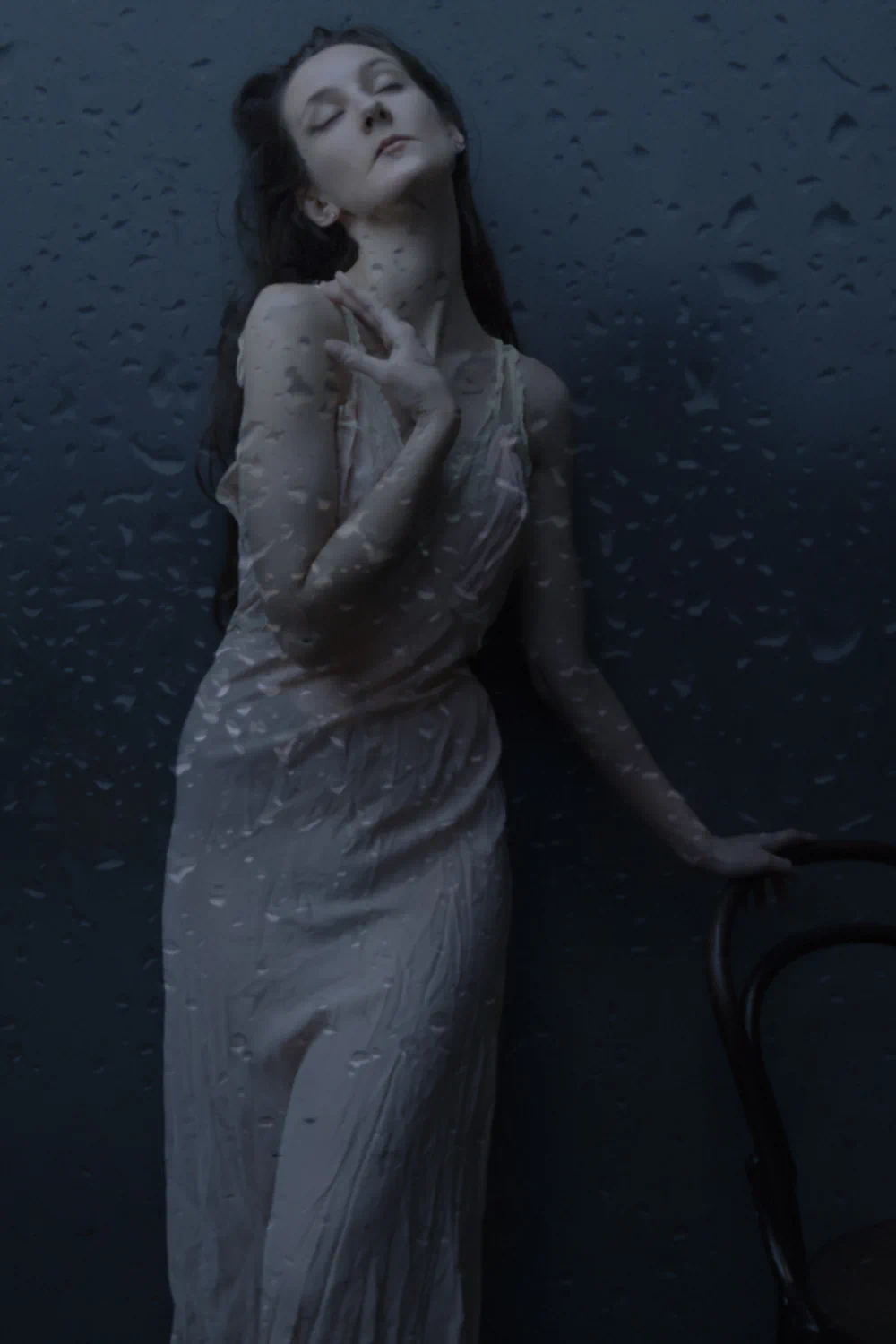
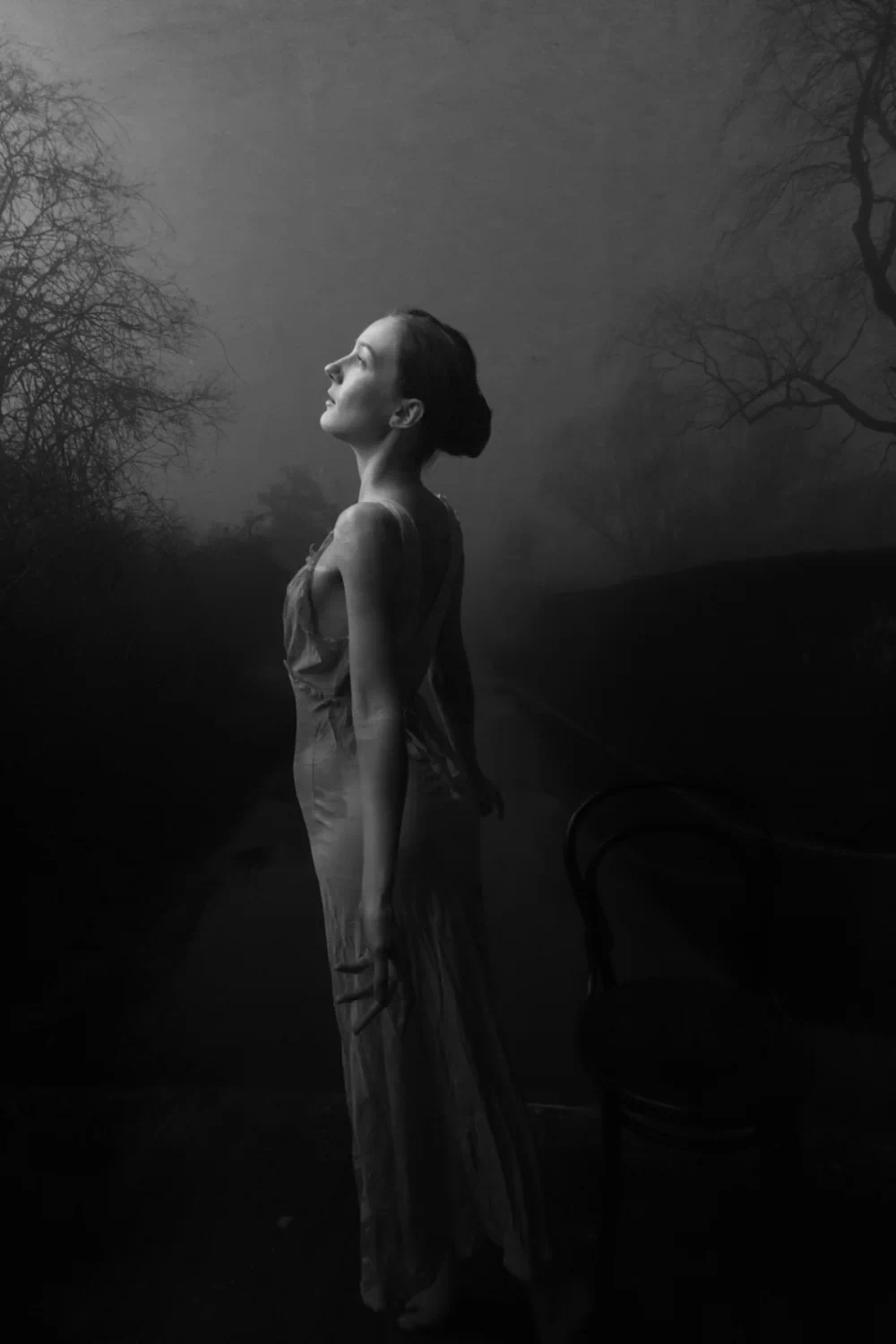
Photography, for her, is an act of introspection. Each image is both a reflection and a confrontation, a symbolic mirror that holds space for vulnerability. In this series, she is drawn to the tension between visibility and concealment. The body can emerge from and dissolve back into its surroundings. She is interested in what appears when one allows oneself to be seen not in clarity, but in ambiguity. Shadows obscure as much as they reveal, gestures remain incomplete, and faces turn away or dissolve into texture. This visual language resists fixed meaning, inviting viewers into a space of emotional openness where interpretation becomes deeply personal.
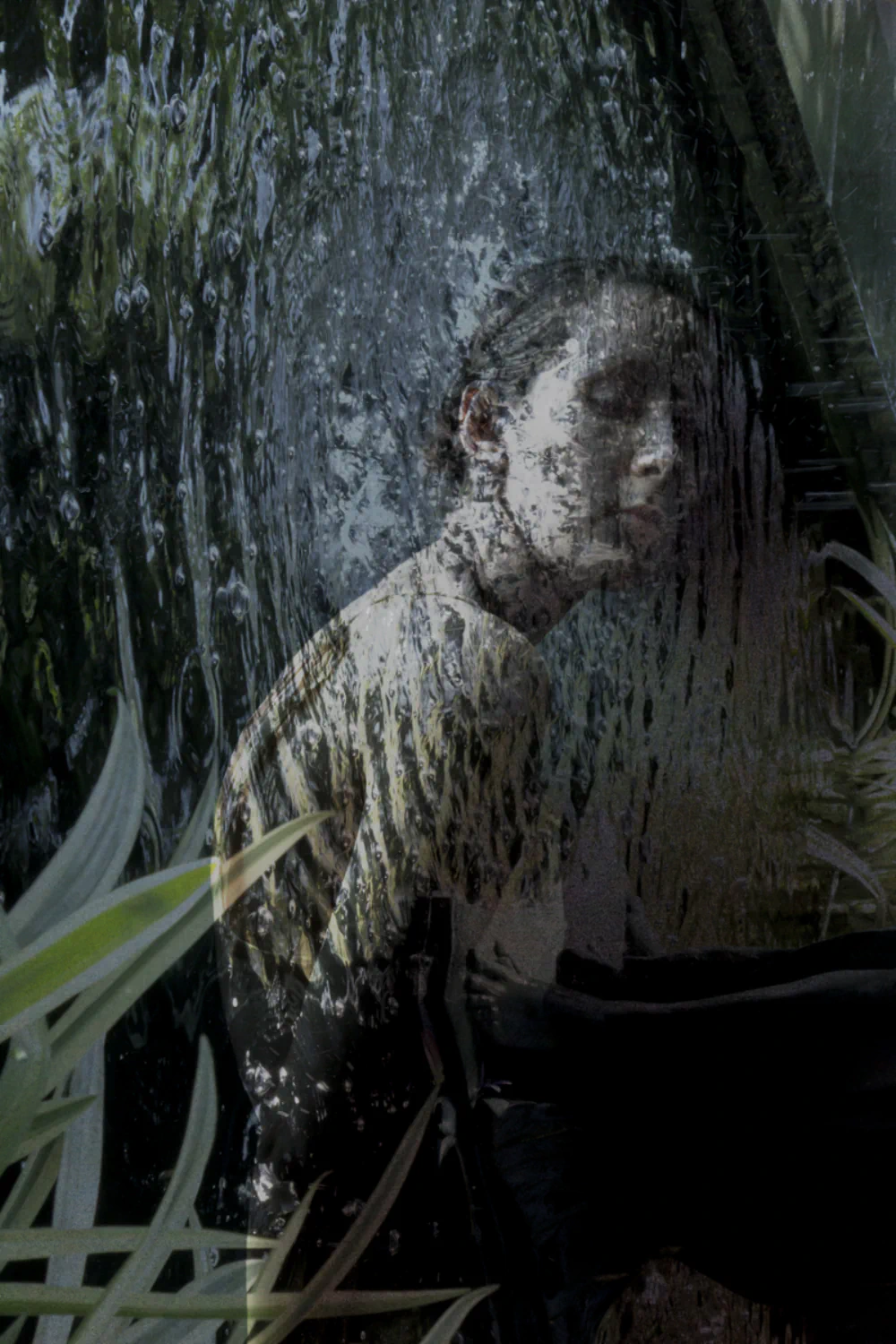
These images become carriers of memory, symbols of transformation, and moments of awareness of transience. The pictures often feel like fragments of recollection; they exist at the edge of clarity, obscuring as much as they reveal. Rather than documenting specific moments, she aims to evoke the sensation of remembering, the way time folds, distorts, and resurfaces unexpectedly. Her images often feel suspended, as if they exist outside linear time, holding past and present within a single frame. This suspension creates what she describes as “silent echoes,” traces of experience that linger, reverberate, and transform long after their origin.
Solitude and silence are central to her photography. The human form, entwined with natural elements, becomes a suggestion of vulnerability and, perhaps, isolation. These visual elements create atmosphere and depth within the images. In these moments of stillness, layers gradually reveal themselves, mirroring the process of understanding emotion, not immediate or fixed, but slow, recursive, and often unresolved. Silence, in her work, is not emptiness but presence, a space where meaning gathers quietly, where absence becomes as significant as what is shown. By intertwining silence with presence, she creates a tension that holds the viewer in a state of awareness, attuned to both what is visible and what remains just beyond reach.
Mood and perception guide her approach to image-making. She is less concerned with capturing what is seen than with conveying how something feels. She aims to create images that are not only observed but also felt, inviting the viewer into a slower, quieter state of contemplation and introspection.
Ultimately, her photography is a process of making sense of the intangible. It is an attempt to give form to emotional complexity, to hold space for contradiction, and to find coherence within fragmentation. Through personal mythologies, she navigates life’s uncertainties, tracing connections between self, memory, and the natural world. Each image becomes a fragment of an ongoing narrative, one that continues to evolve, inviting both herself and the viewer to look inward, to linger, and to listen to what quietly persists beneath the surface.
About Suzette Dushi