
It began with a name I did not recognize, scribbled inside a book that once belonged to my grandfather.
The book had traveled with me for over thirty years, unopened and untouched.
What appeared to be a minor anomaly became an entry point into a hidden history I was never meant to know: the story of my grandmother, a woman I was never meant to know, and the absence that profoundly shaped my father’s life and ultimately led to his suicide, setting events in motion that still reverberate today.
For twenty-five years after my father’s death, I lived without understanding what might have driven him to such a tragic end. Silence occupied the space where explanation should have existed. He never spoke of his mother. He never showed us her face. What I inherited instead was distance, emotional restraint, and the sense that something fundamental had been sealed away. Only later did I come to understand that this silence was not emptiness, but containment, a survival strategy shaped by trauma he was never given the language to process.
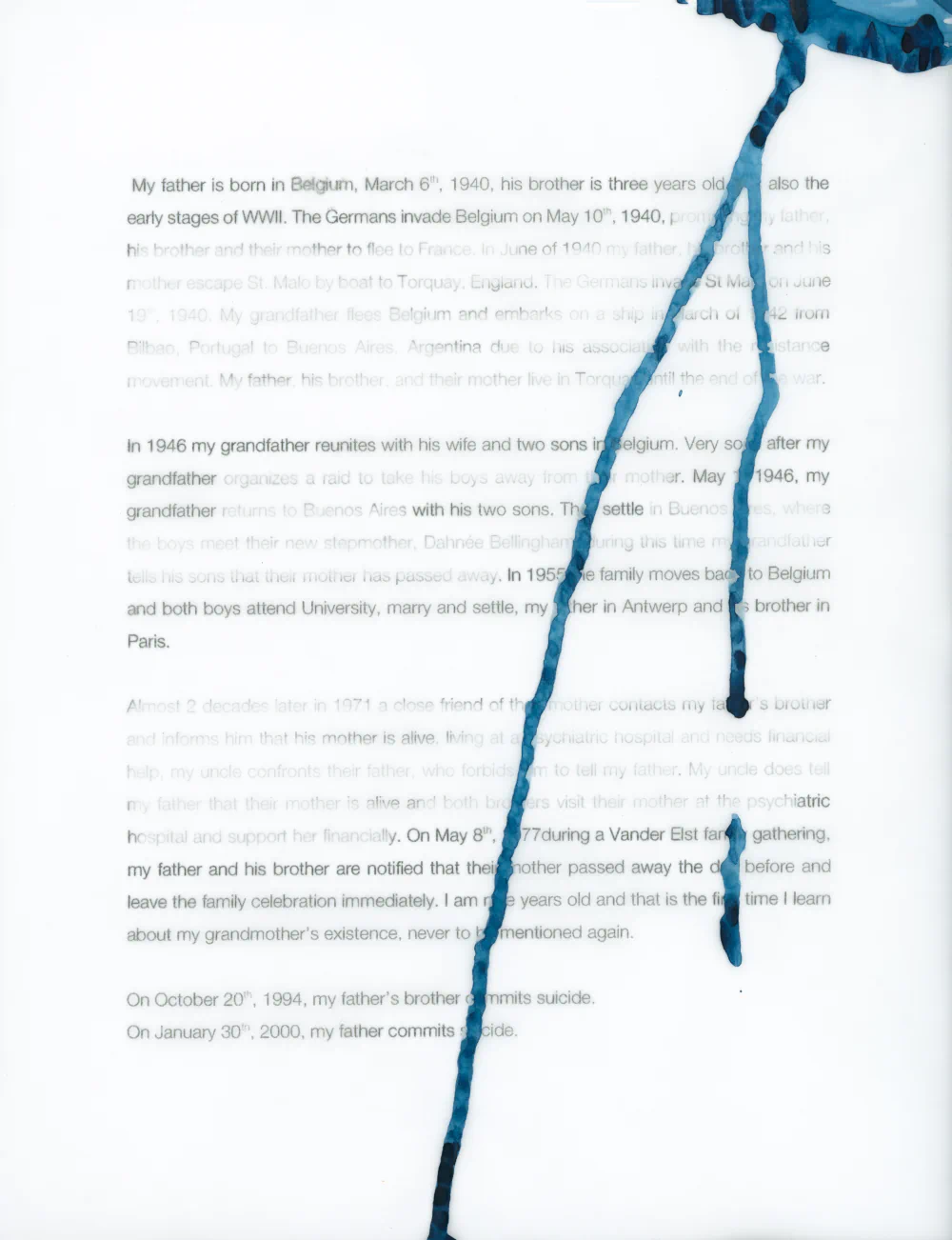
As my research deepened, I began reconstructing the story I was never told. My father was born in Louvain, Belgium, as the Second World War began. His brother was three. Their mother fled with them to England, while their father disappeared to Argentina. For six years, they lived in exile. During that time, their mother unraveled, isolated and overwhelmed, turning to alcohol and becoming increasingly unable to care for her children. When the war ended, their father returned, not to reunite the family, but to take the children from her in a calculated raid. He then moved them to Argentina and told them their mother had died.
Decades passed before my father and uncle, then adults in their thirties, learned the truth: their mother was alive, living in a psychiatric hospital and in need of financial support. My grandfather, who had claimed to have buried her, erupted in rage, determined to keep her existence hidden. Six years after that revelation, when I was ten years old, my grandmother died. Her name was never spoken in our home. Her image never appeared. Her life remained unacknowledged.
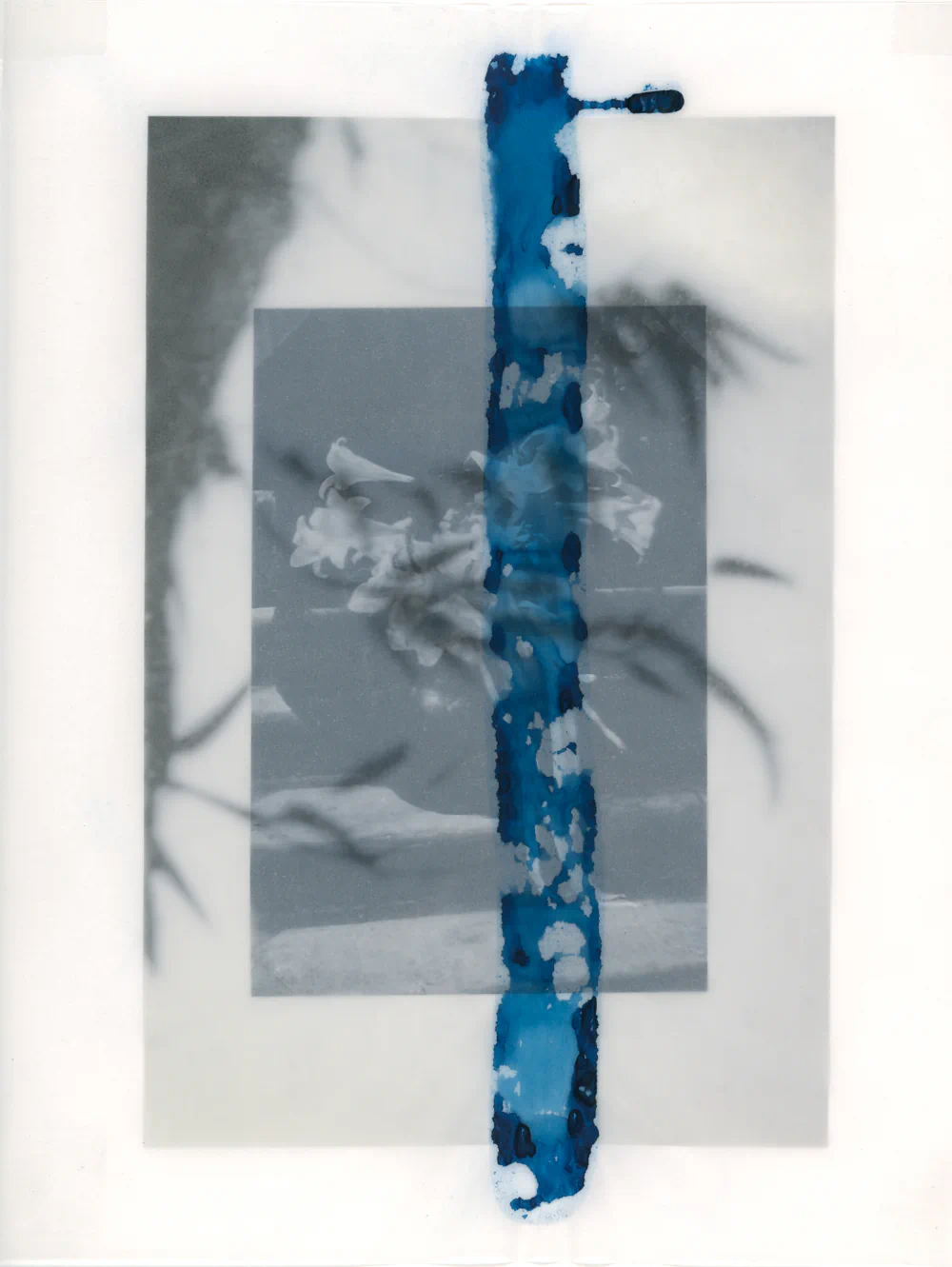
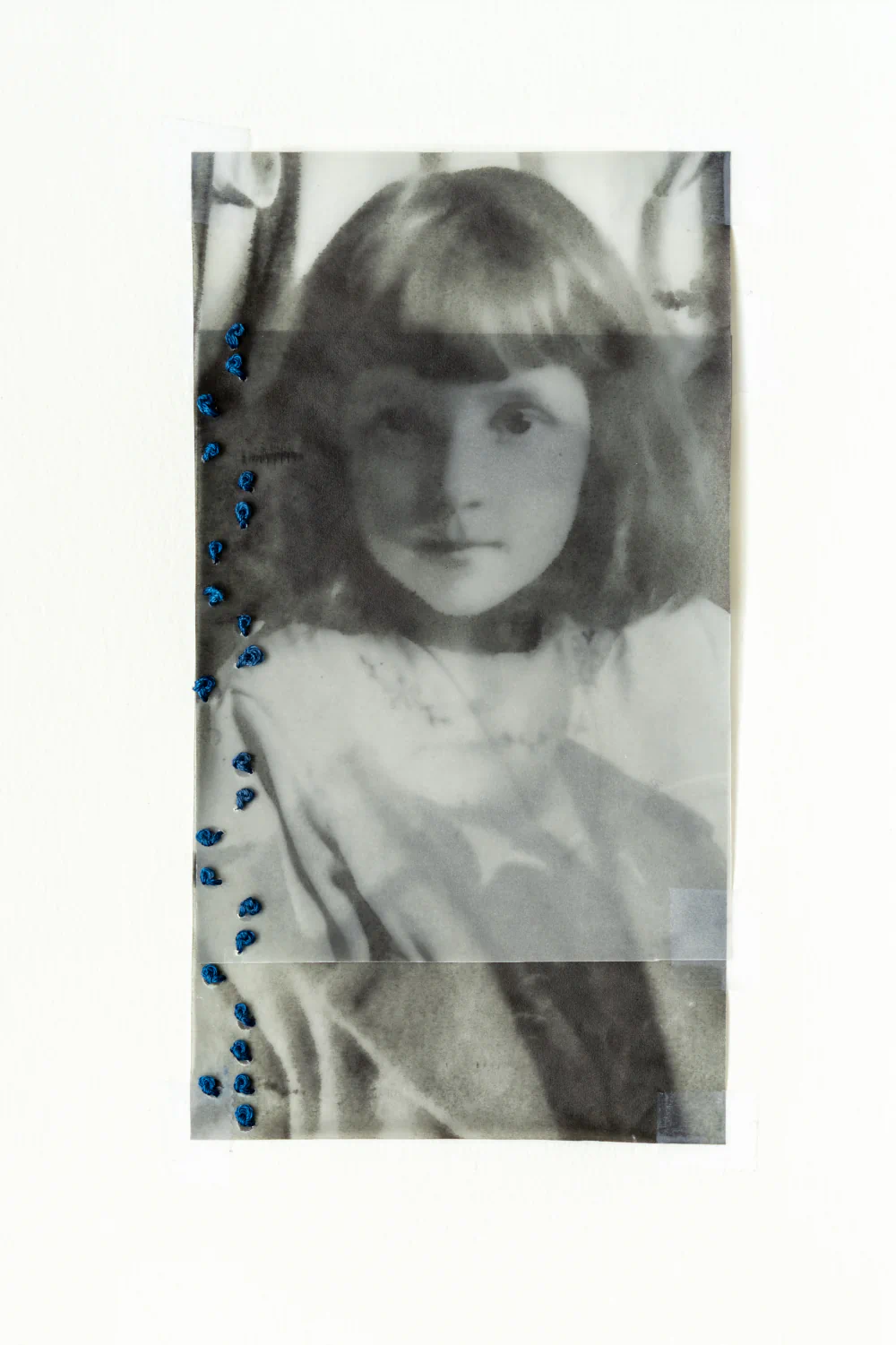
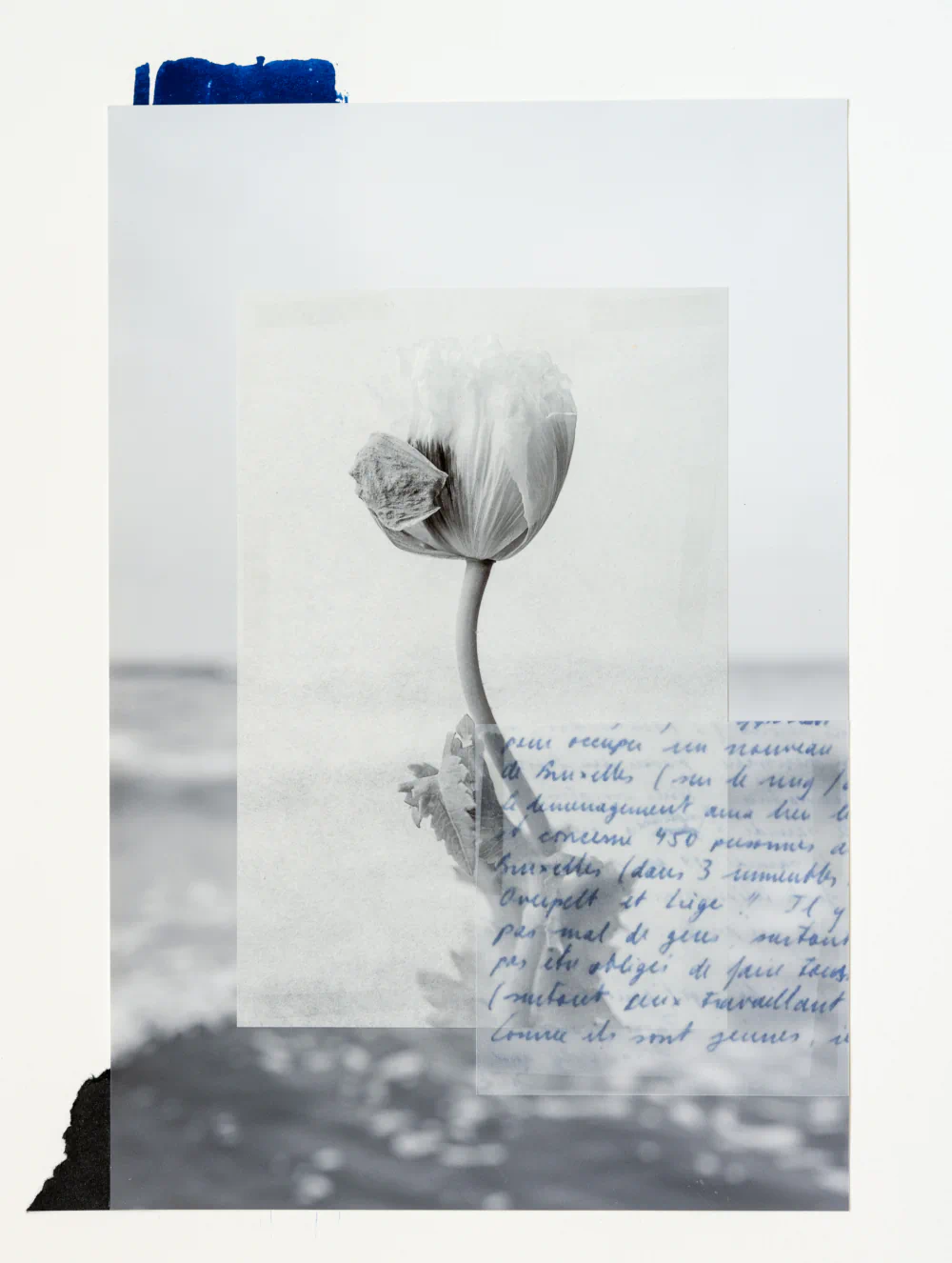
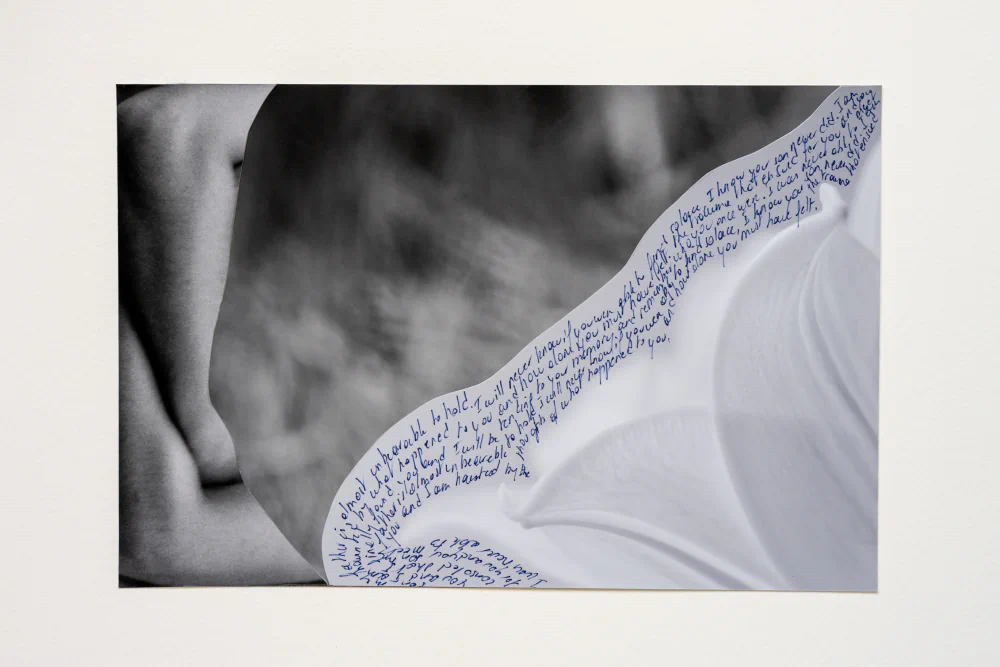
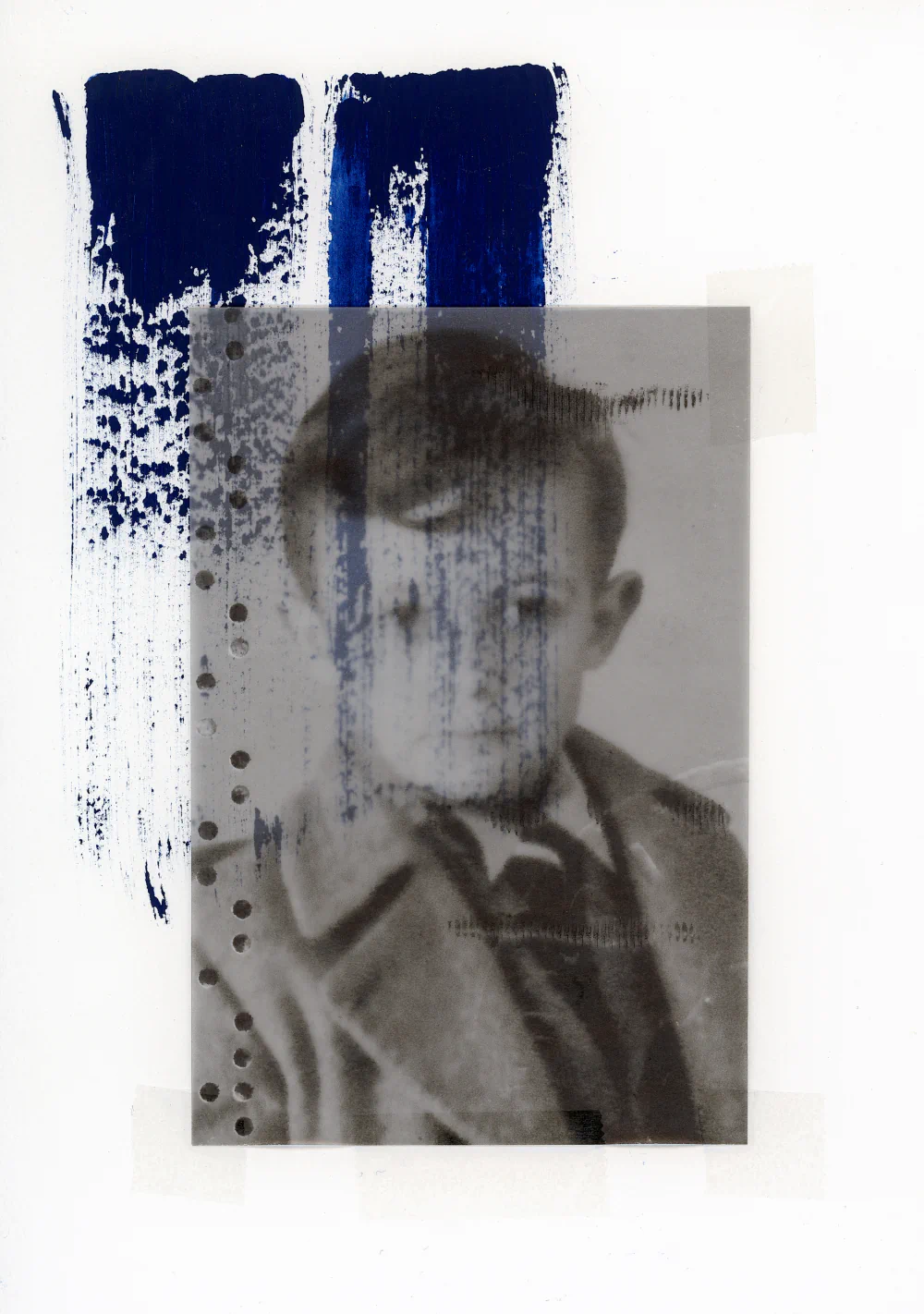
My search took me across continents, from Argentina to England and Luxembourg, revealing a lineage buried in silence and shaped by war, exile, and loss. I found cousins I had never met, who shared carefully preserved photographs of my grandmother’s life in Manchester and in Luxembourg. This work merges images of the past and the present to trace my father’s history and connect with the grandmother I never knew. It is an attempt to reconstruct a fractured narrative, one that honors my grandmother’s memory, reshapes everything I believed about my father, and offers a new lens through which to understand how these revelations have altered not only my family’s story, but my own.
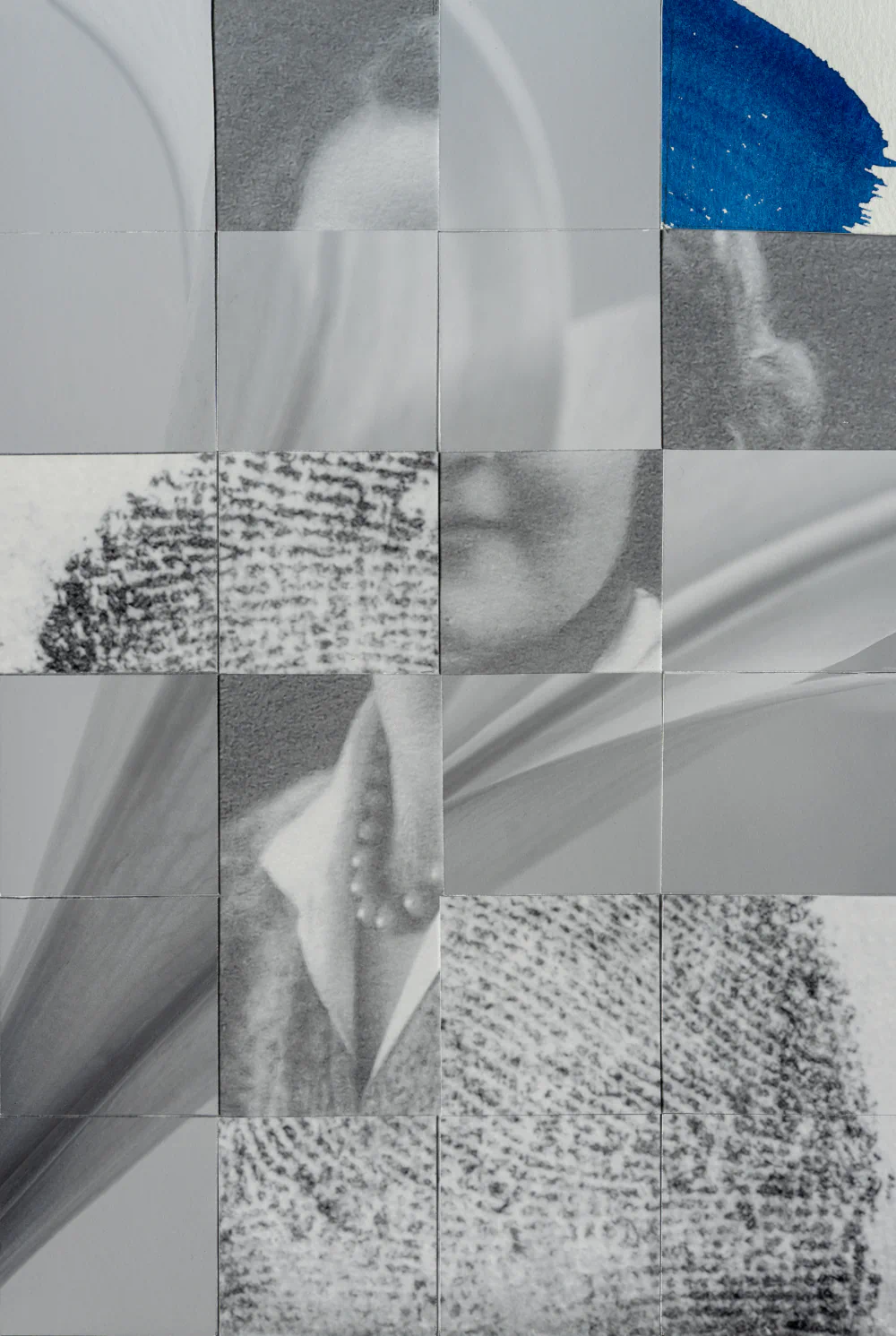
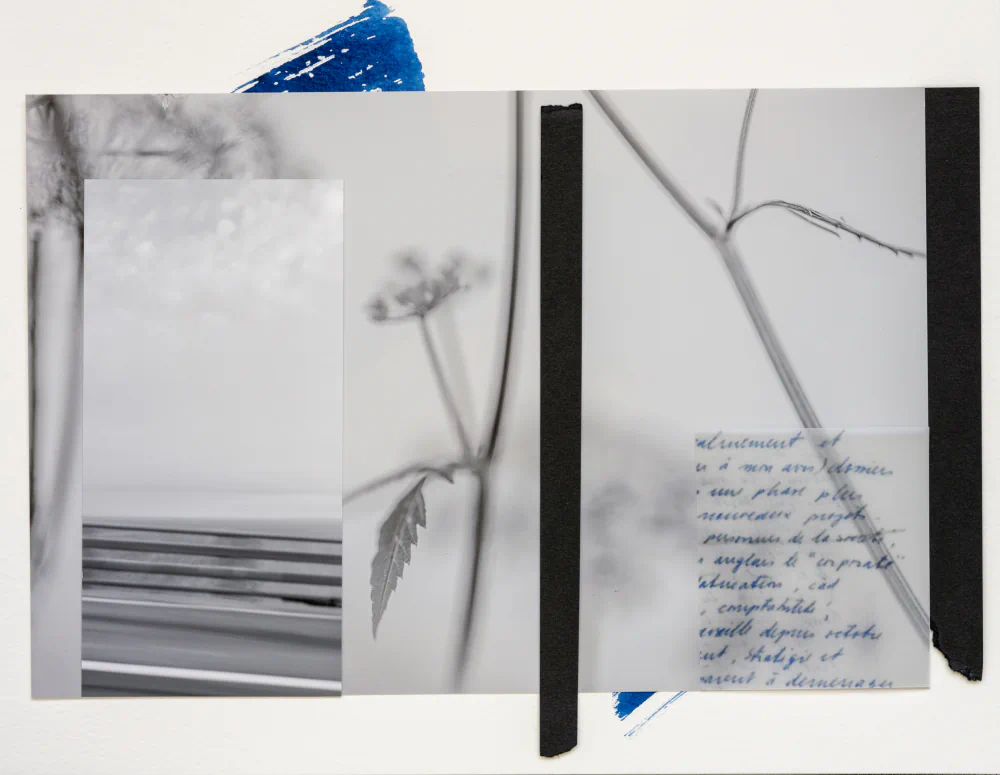
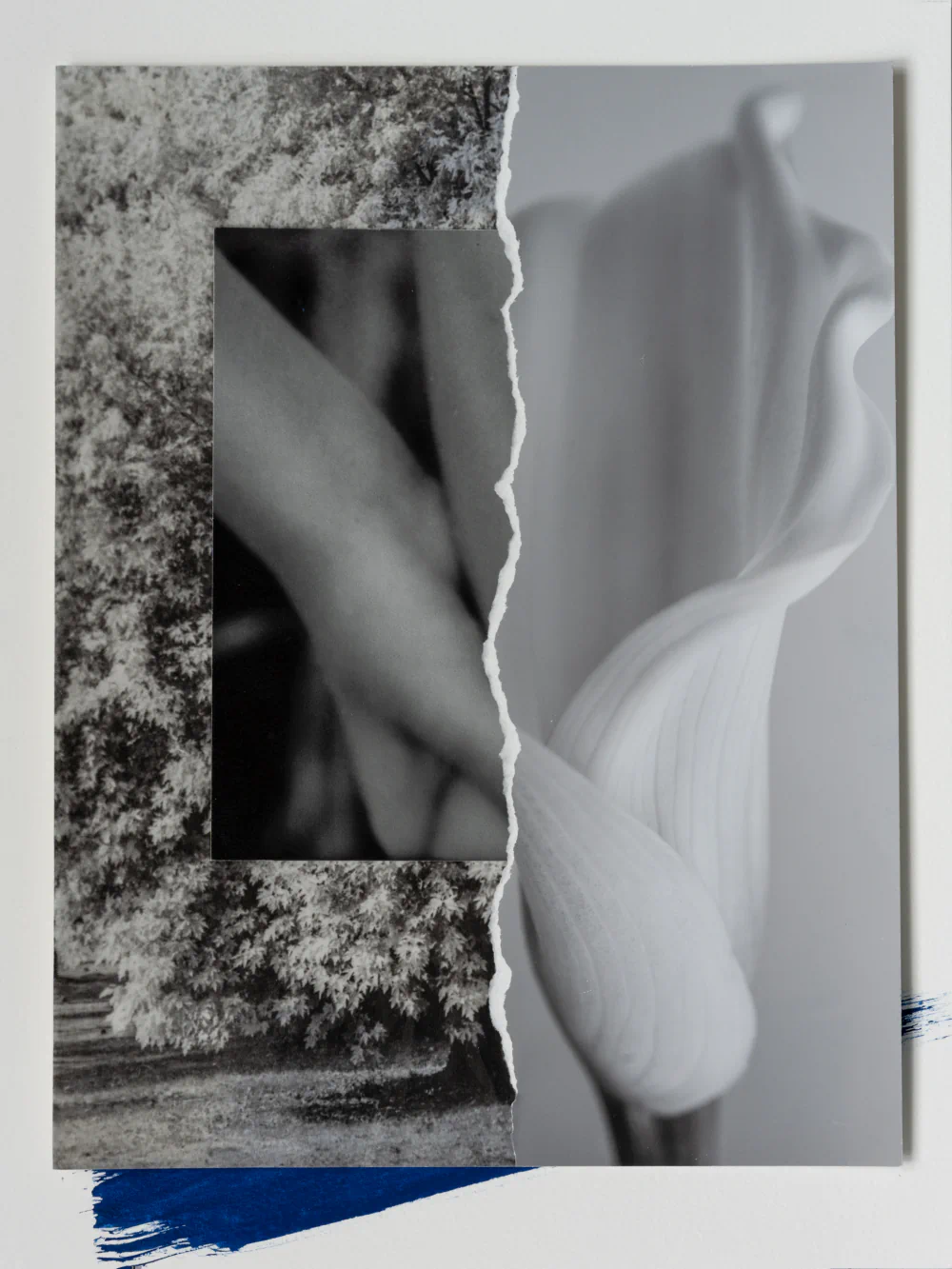
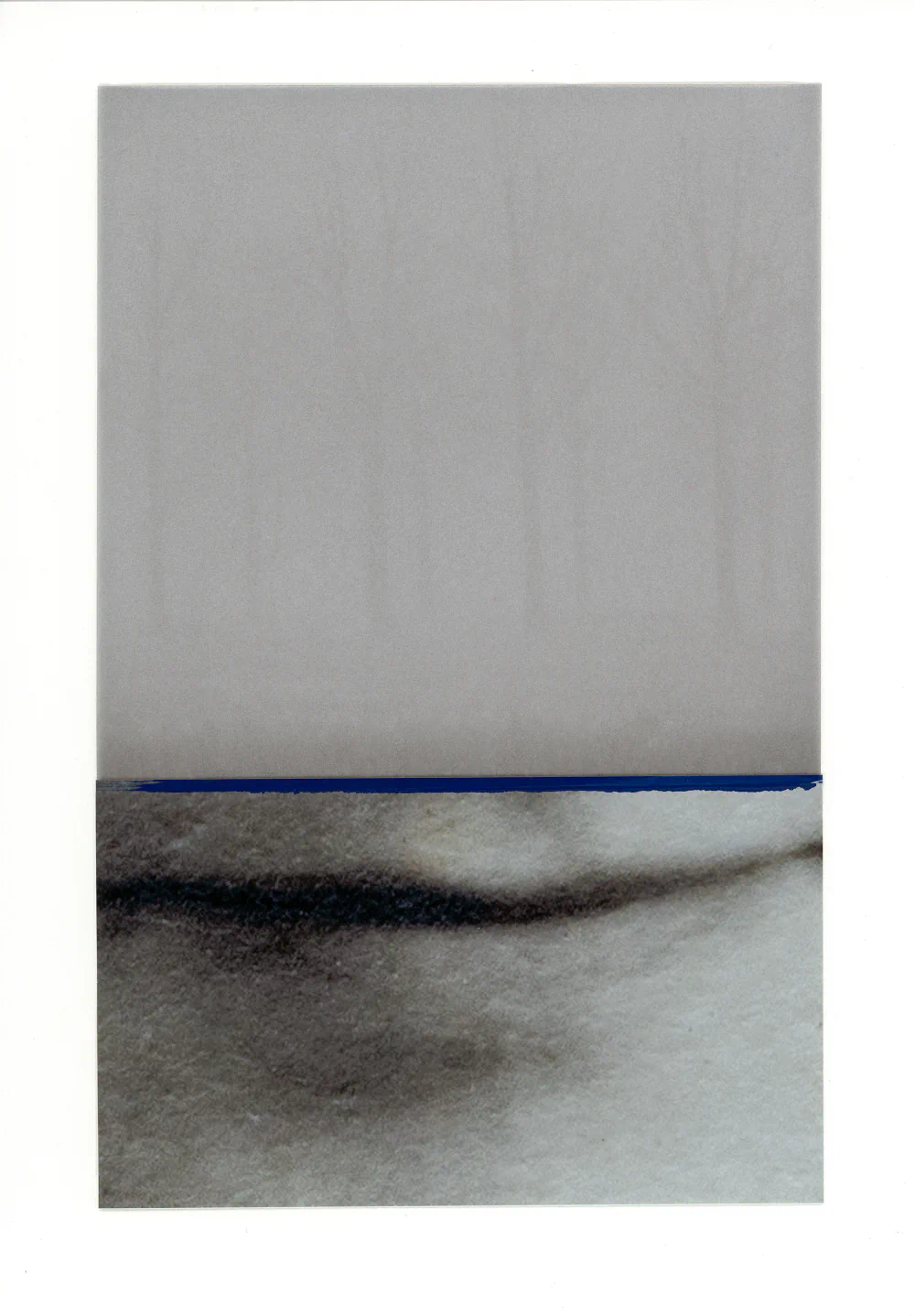
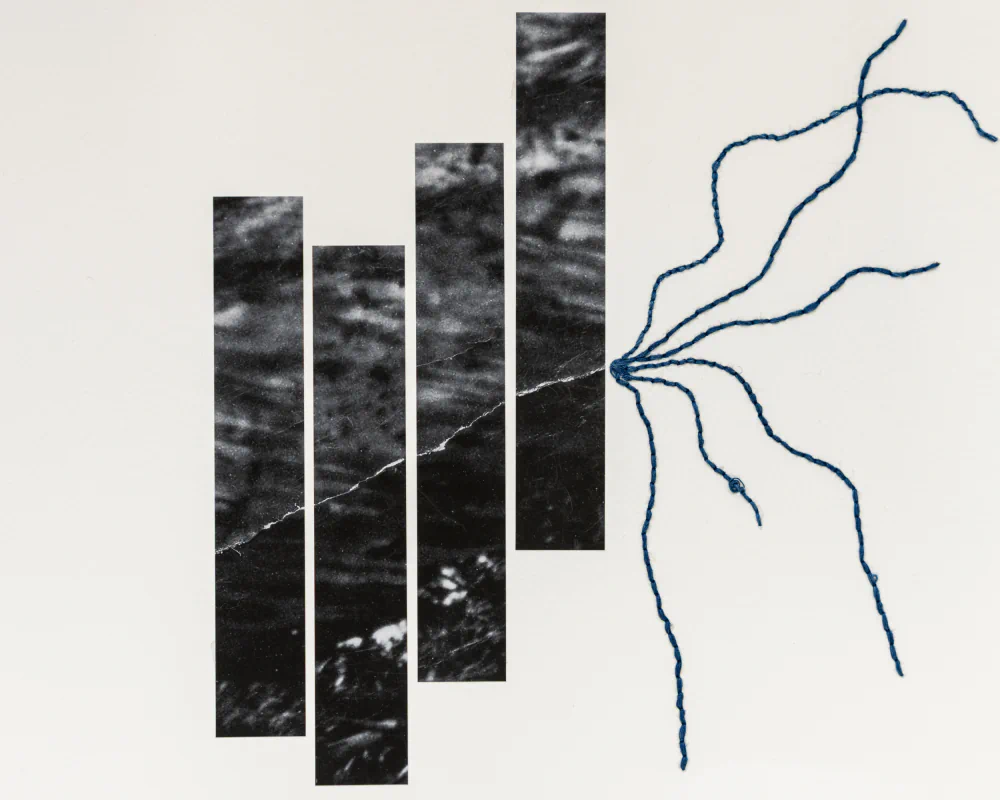
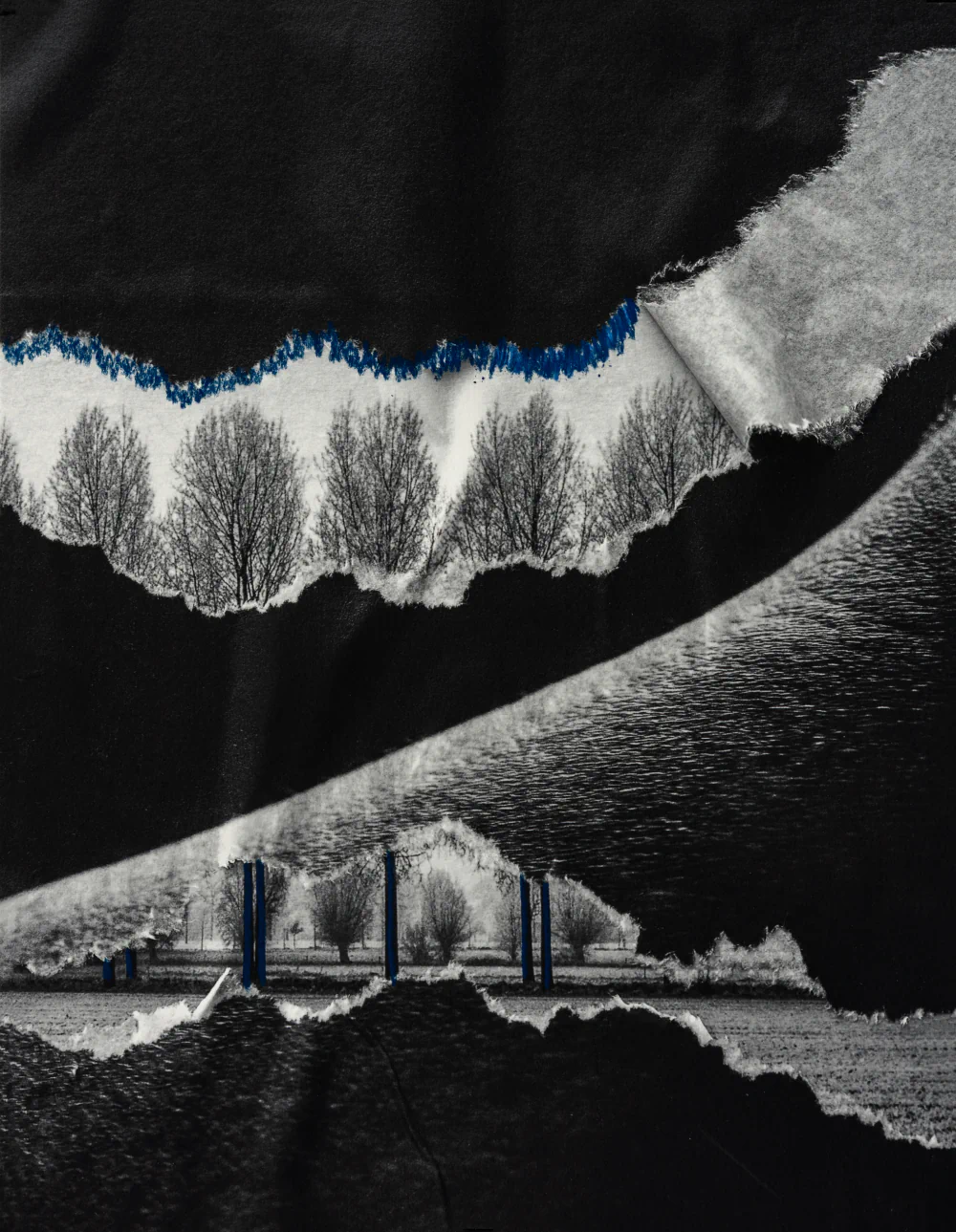
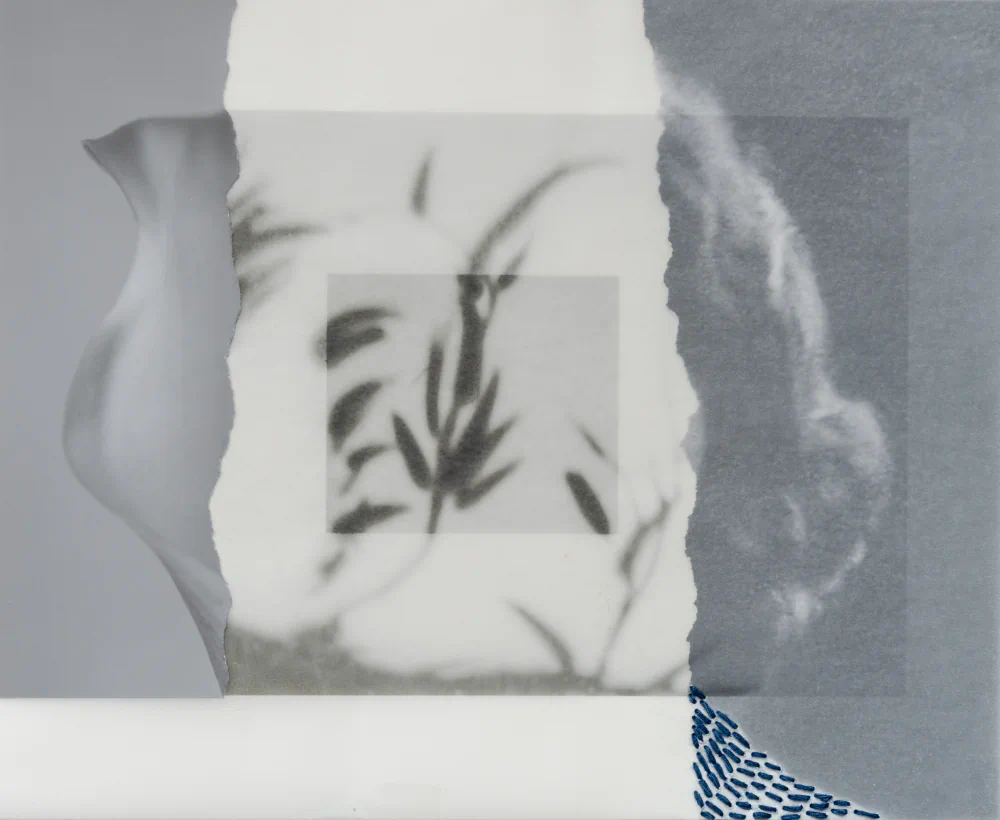
My process is slow, intuitive, and research-driven. I move between archival investigation and image-making, allowing each discovery to shape the next visual decision. I work with layering, erasure, and fragmentation, mirroring the way this history was transmitted to me. Images are rephotographed, altered, or partially obscured, echoing the instability of memory and the violence of omission.
Ultimately, this project gives voice to what was left unsaid. It asks how trauma moves across generations, how secrecy becomes inheritance, and what it means to look directly at a history that was deliberately hidden. In doing so, the work becomes both an act of mourning and an act of connection: to the grandmother I never knew, to the father I am still trying to understand, and to the fragile space where image, memory, and truth intersect.
About MG Vander Elst