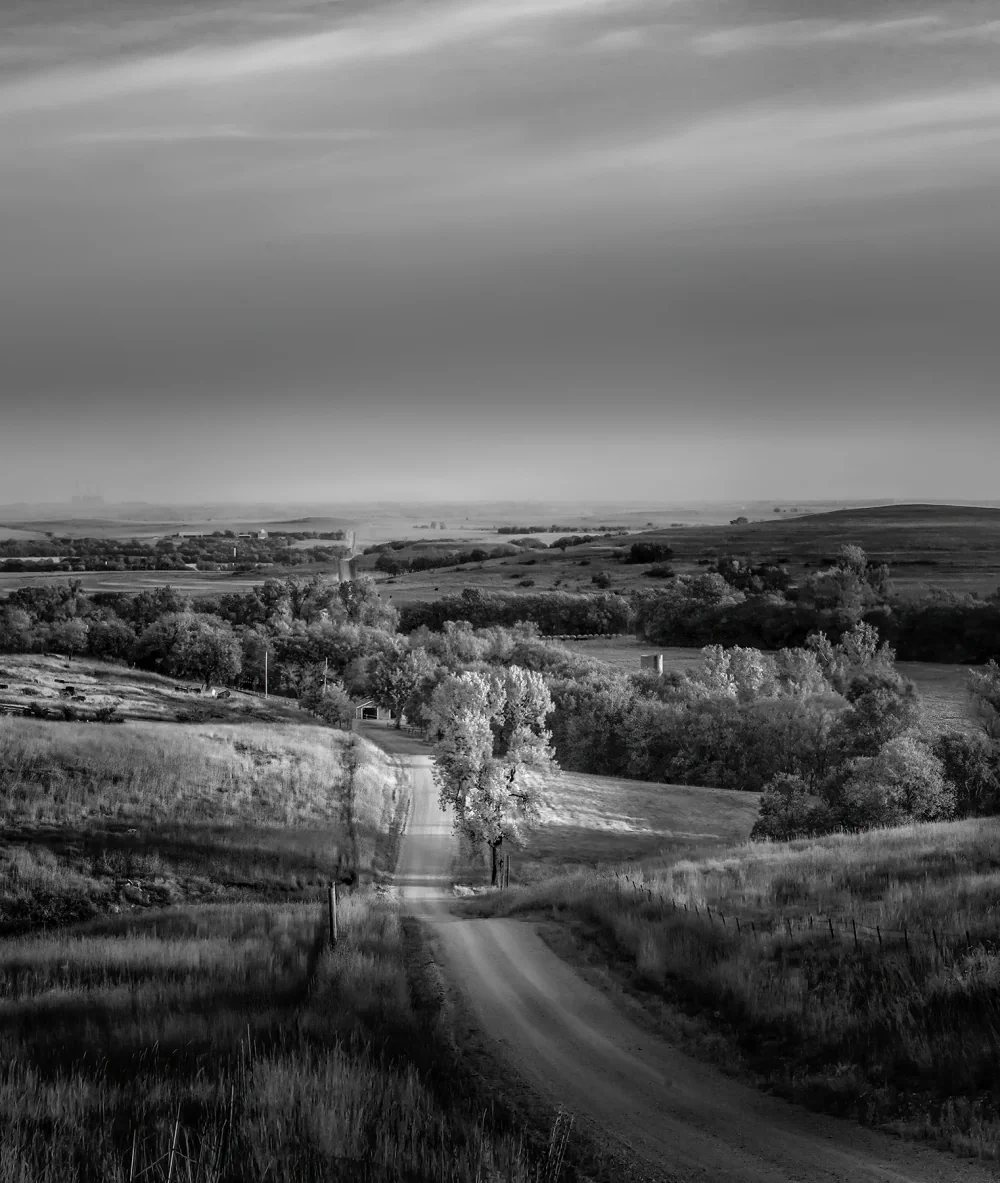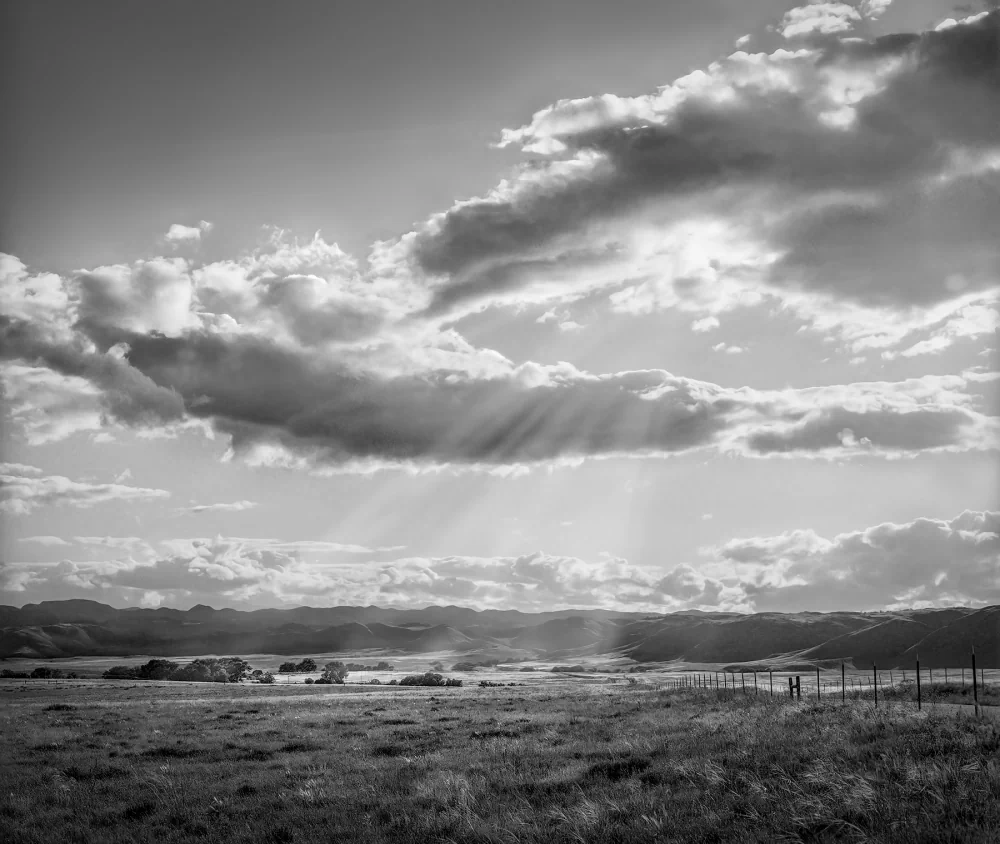

To many people on the East and West Coasts, the central plains are dismissively labeled “flyover country.”
However, the American heartland holds a deeper, more enduring story, one shaped by resilience, sacrifice, and a lasting connection between the land, the people, and the animals that sustain them.
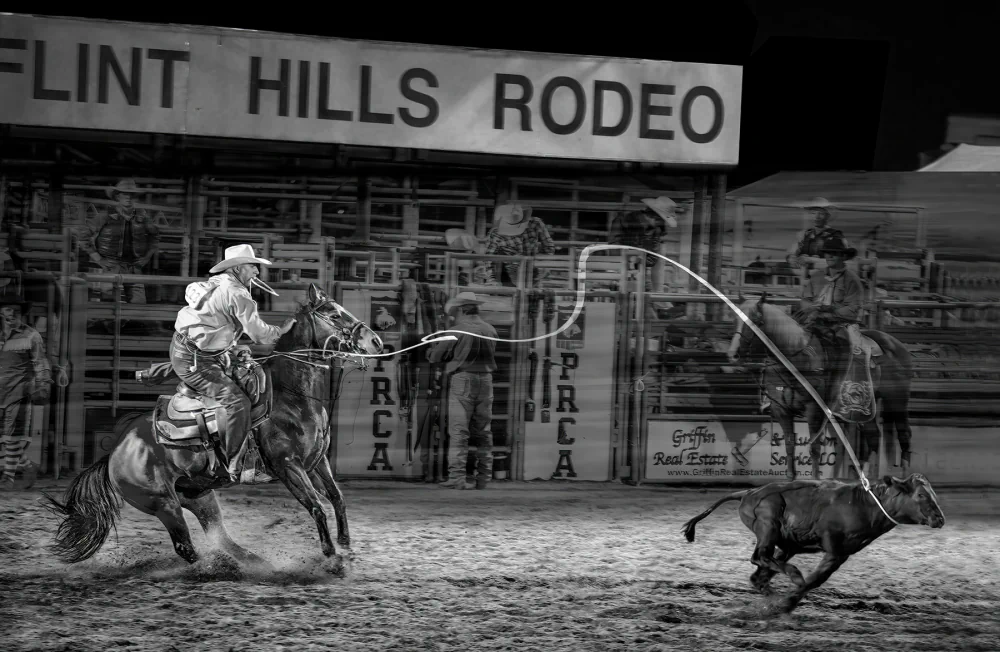
In small towns scattered across the landscape, the rodeo continues as both a competition and a gathering place where tradition is not preserved as nostalgia, but lived in the present.
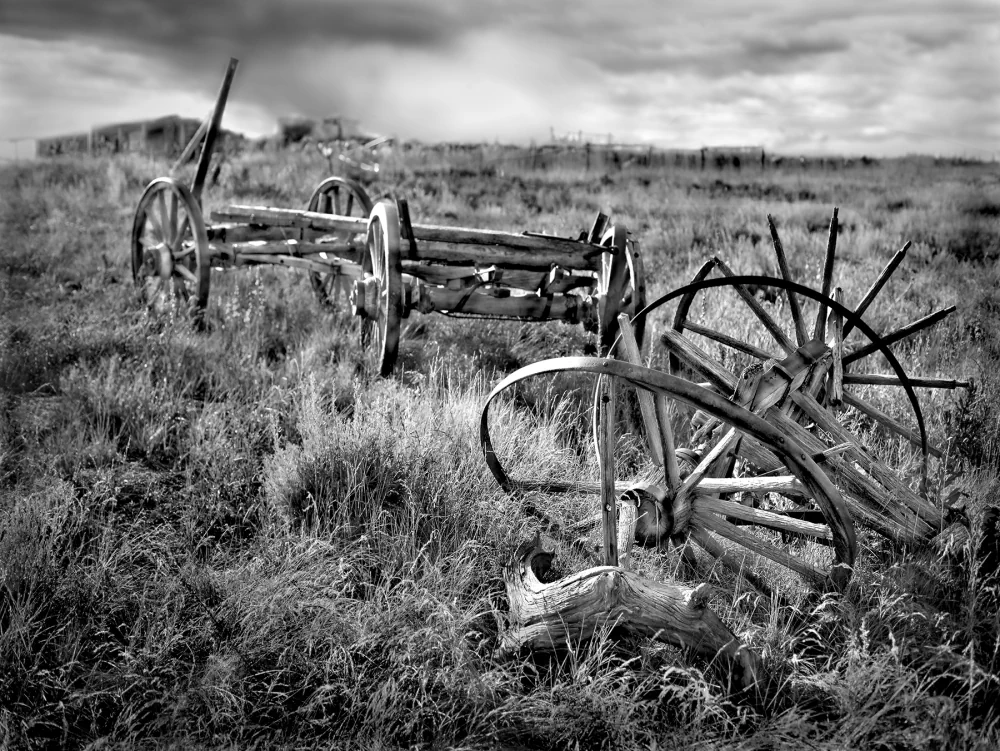
Early settlers came by wagon, drawn by the promise of land and opportunity. Livestock sustained their journeys, helped them break the soil, and ultimately fed a growing nation. On horseback, they built ranches from open range and carved farms from the prairie. From wind and dust, they shaped communities.
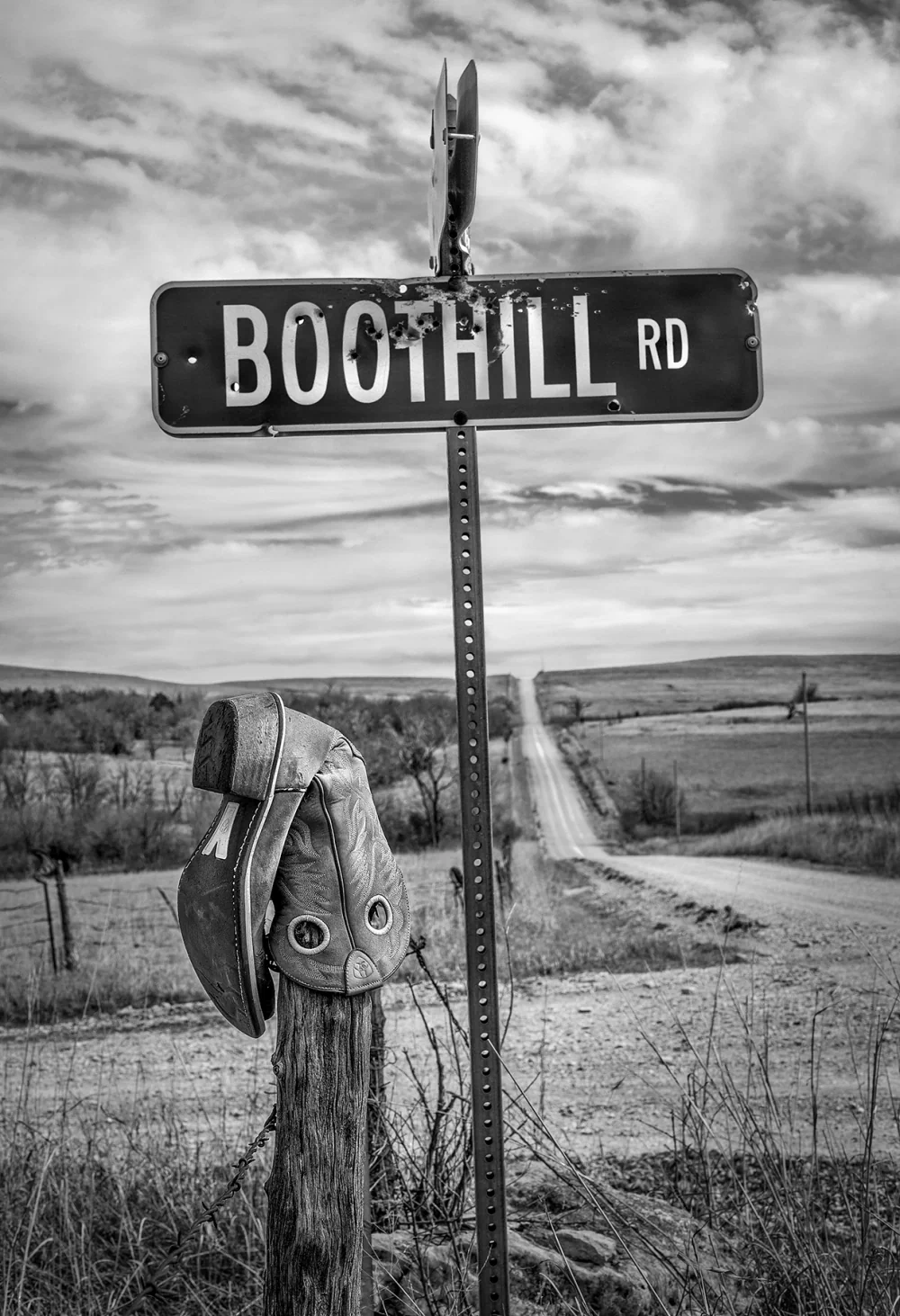
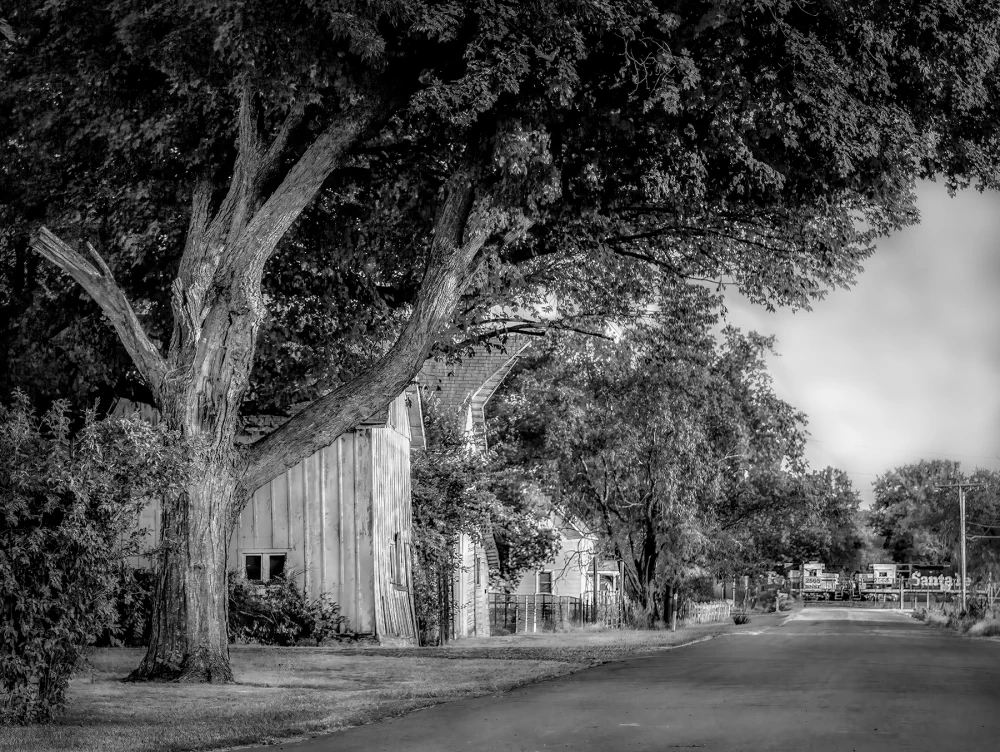
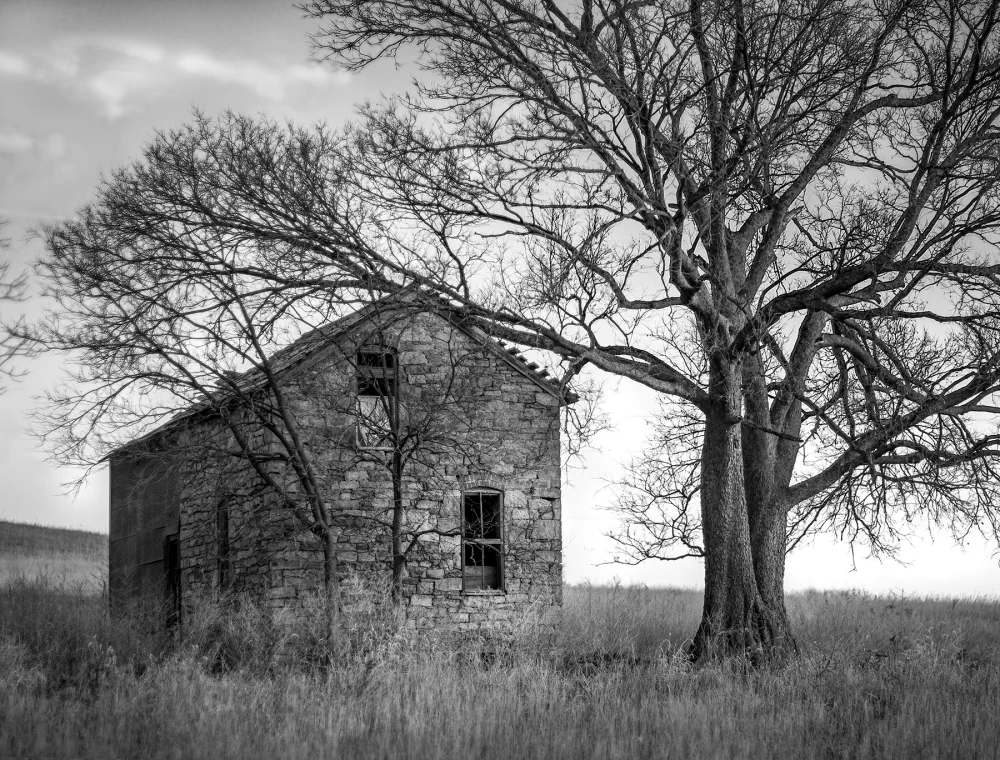
Even now, abandoned homesteads and weathered ranch buildings remain scattered across the plains, quiet markers of lives once fully lived. Stone foundations and leaning barns stand as evidence of the isolation, hardship, and resolve required to endure here. Many who settled this land were immigrants from Sweden, Germany, and Eastern Europe, bringing with them their traditions and faith. After the Civil War, freed slaves and Native peoples also sought to establish their place within this evolving landscape, adding further complexity to its story.
Out of the daily demands of ranch work grew informal competitions, tests of skill among cowhands that would eventually give rise to modern rodeo. What began as a practical necessity evolved into something more: a ritualized expression of ability, endurance, and identity.
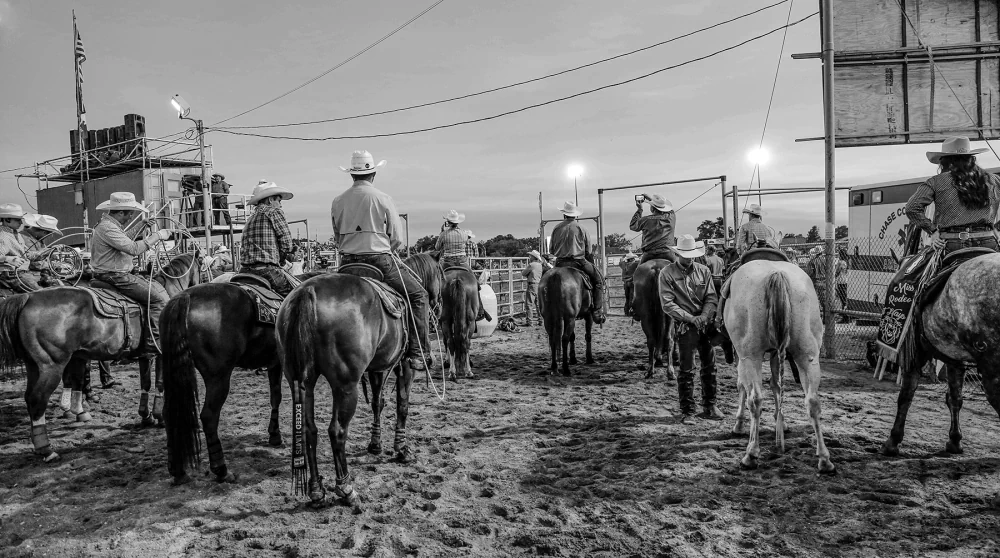
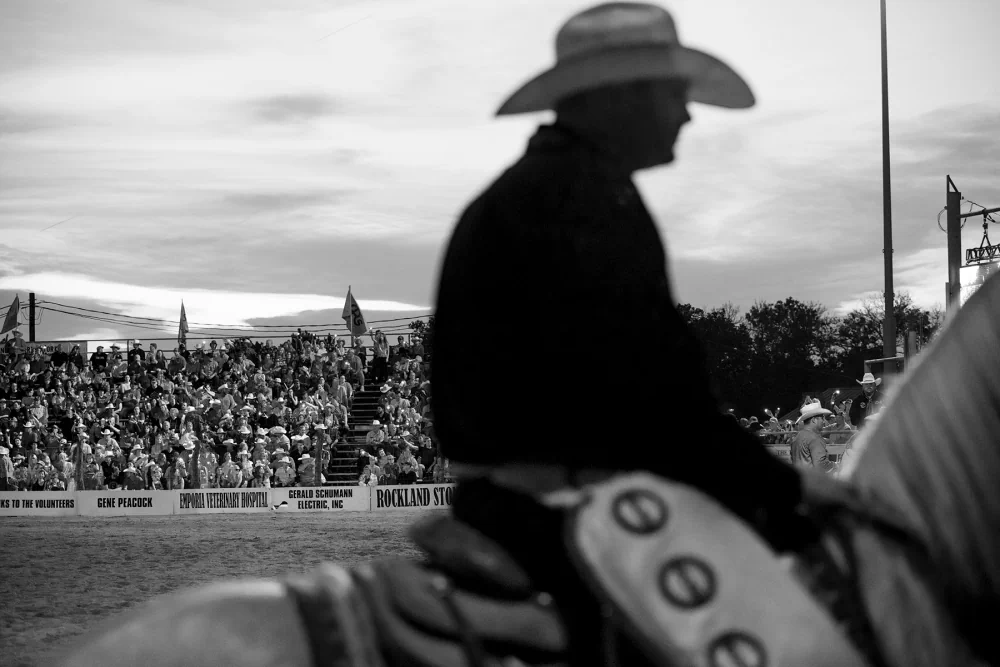
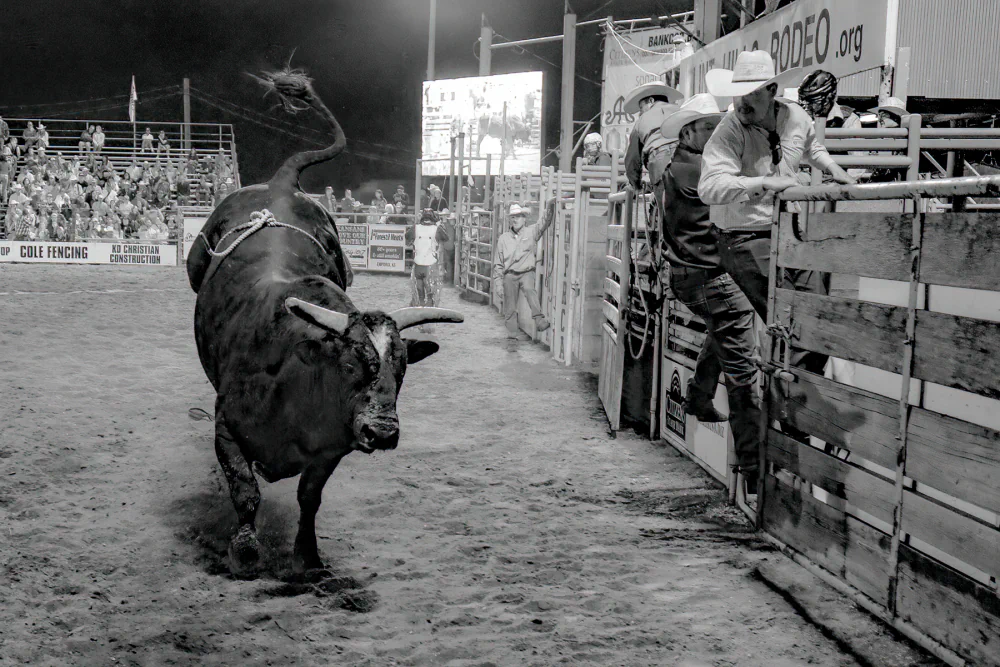
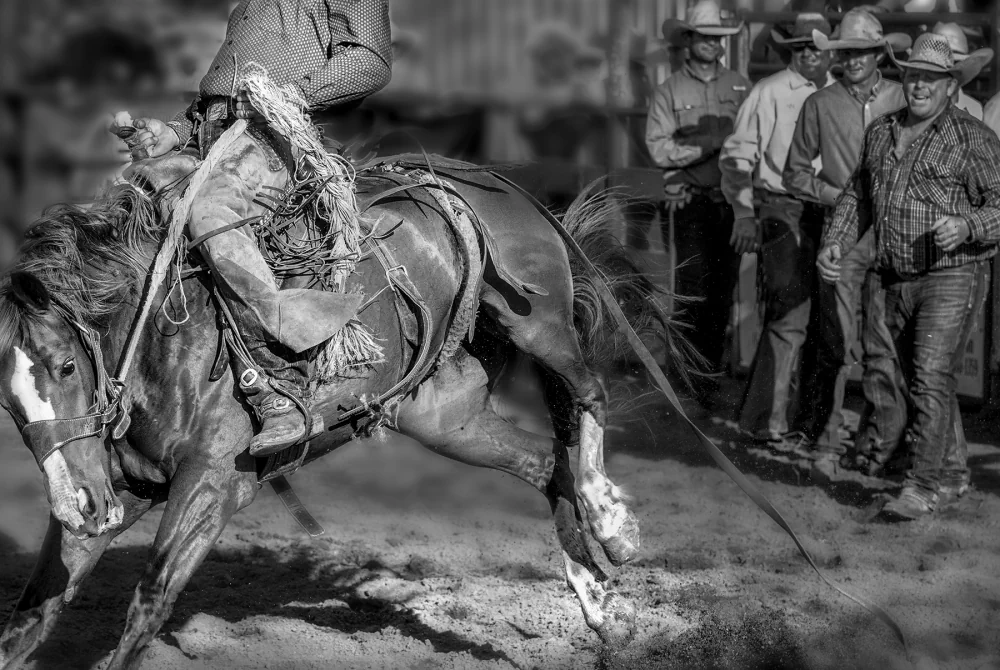
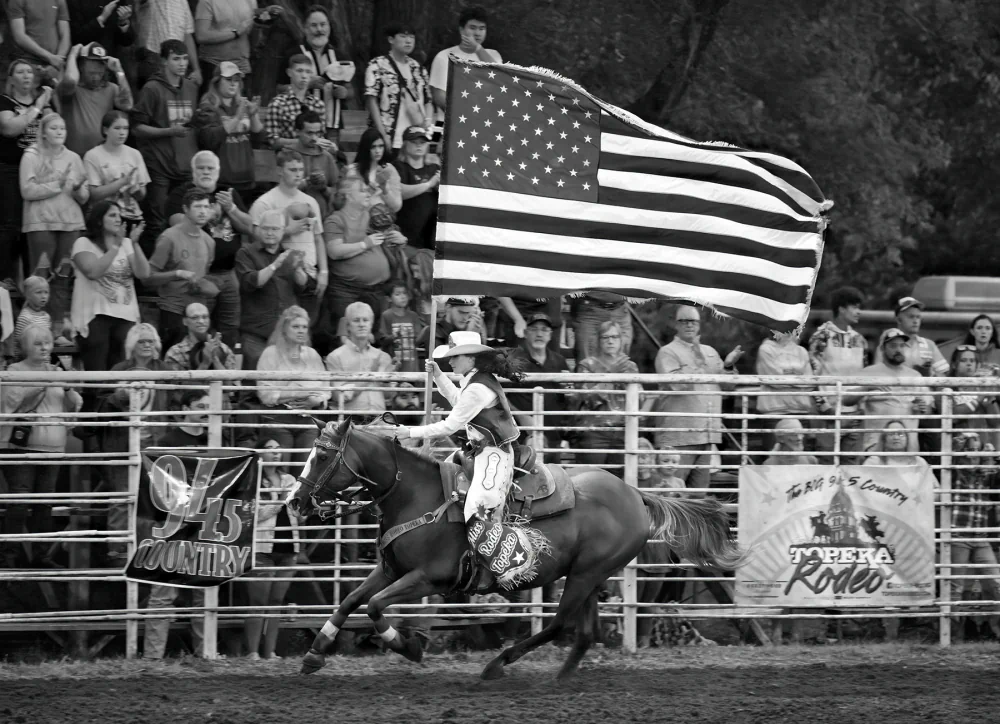
Today, the small-town rodeo remains a vital thread in the cultural fabric of the region. Men and women test themselves and their horses against time and one another, competing for modest prize money, but also for pride and recognition. Families fill the stands, neighbors reconnect, and traditions are quietly reaffirmed. Beneath the surface of the event lies something more enduring than spectacle.
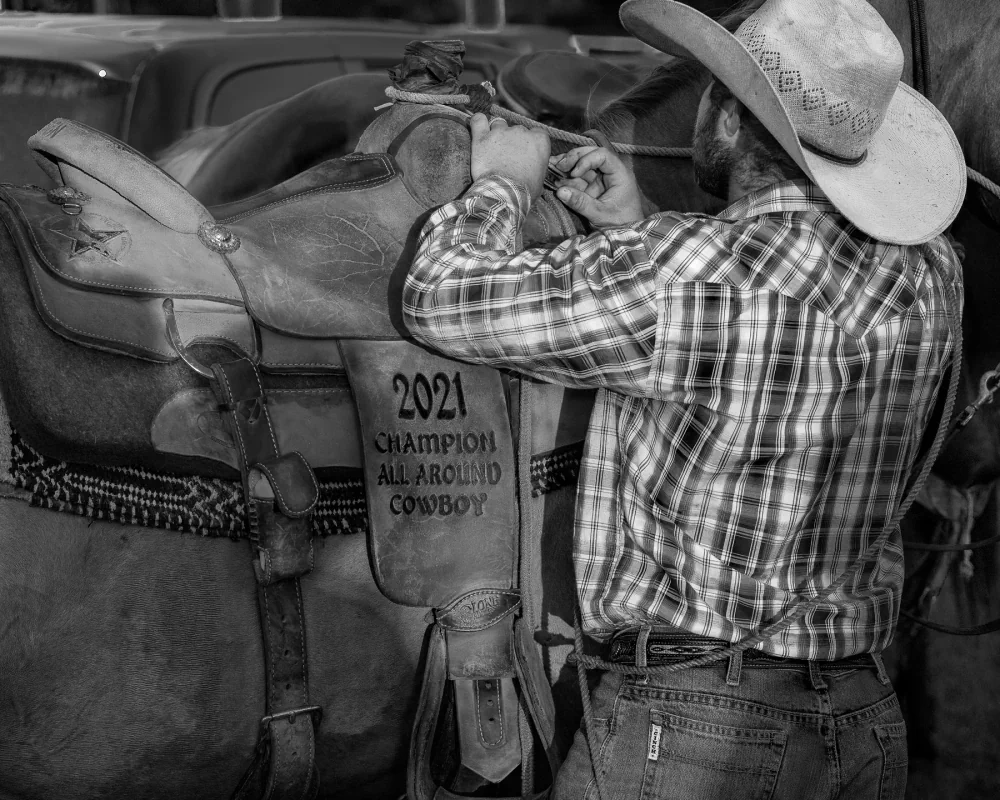
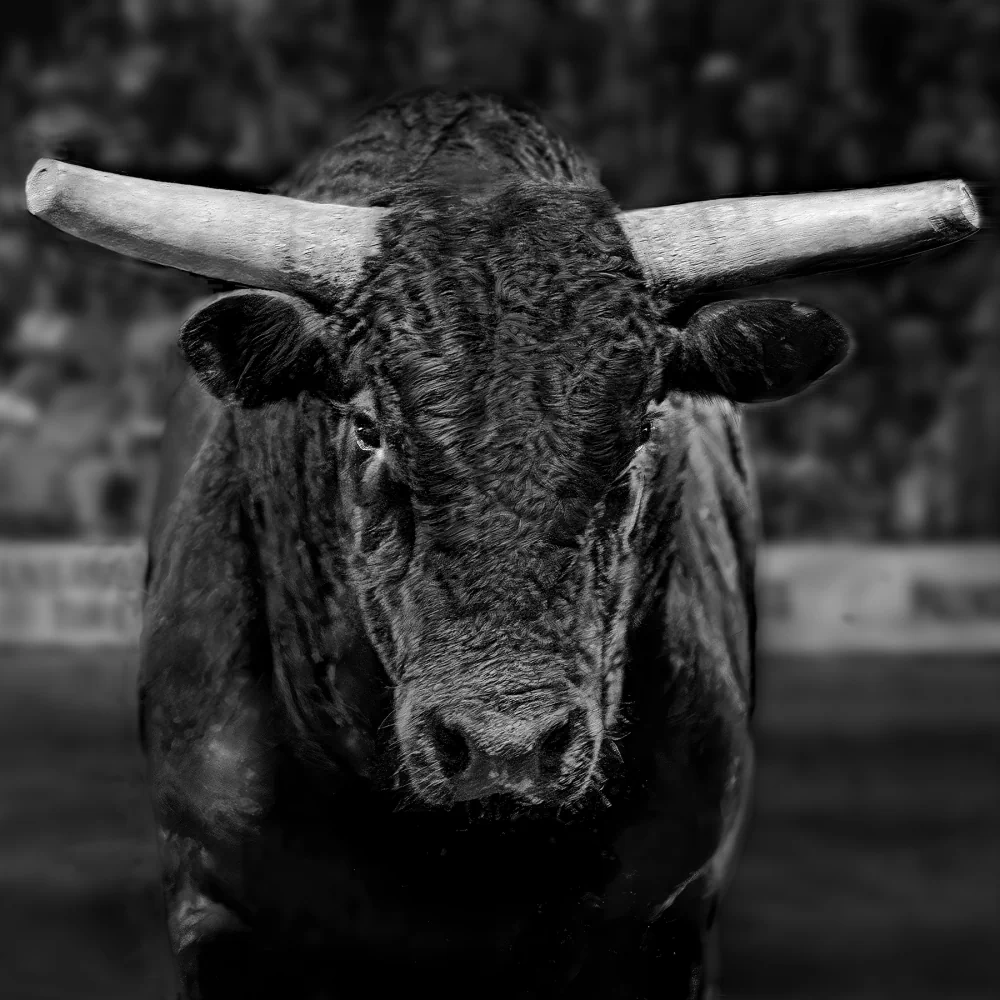
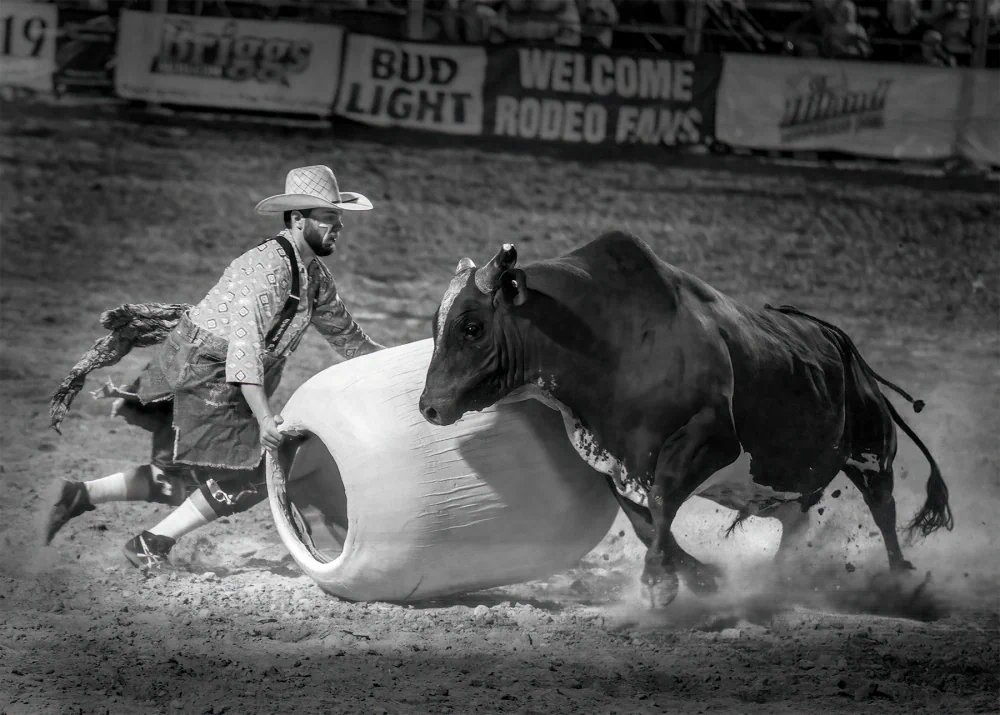
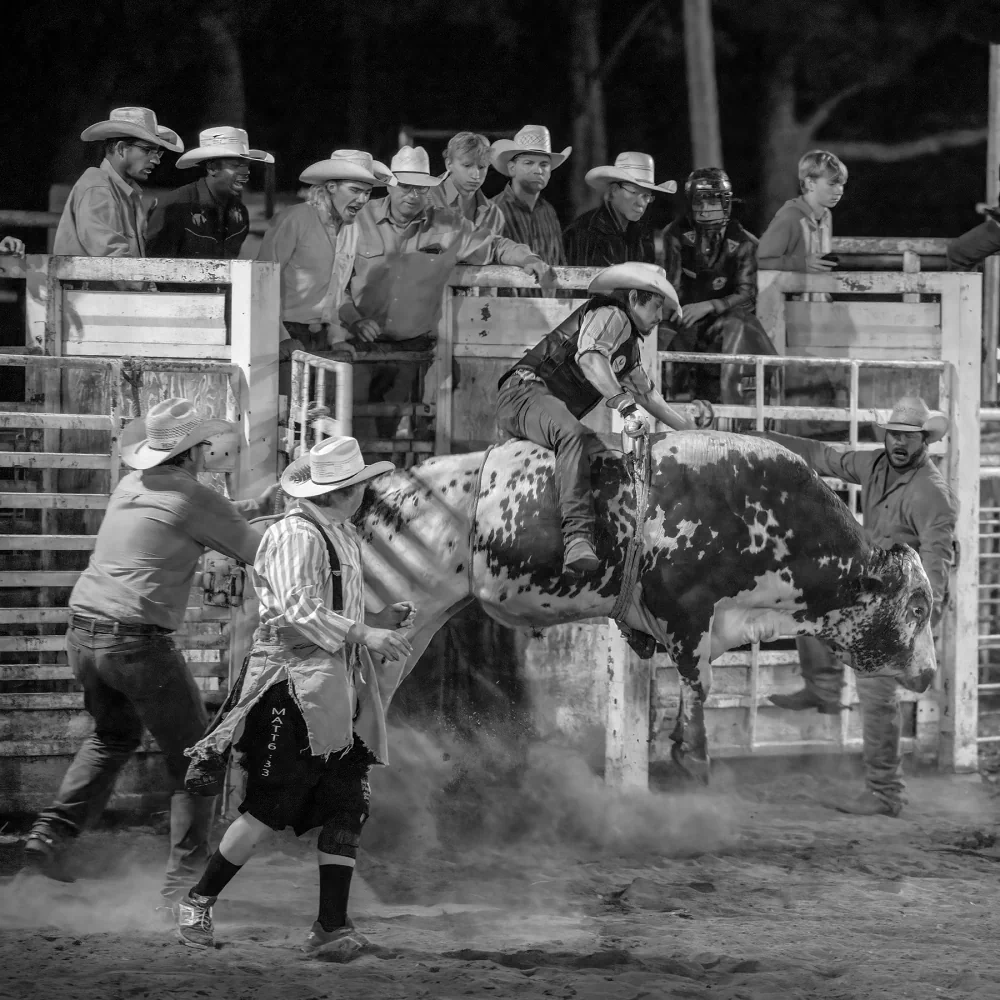
Saddle Country is a long-term photographic exploration of this world, developed over more than a decade. While the rodeo provides a central point of focus, the work extends beyond the arena to include the surrounding environments: fairgrounds, back lots, open land, and the transitional spaces where much of the lived experience unfolds. The images move between moments of intensity and stillness, between action and observation.
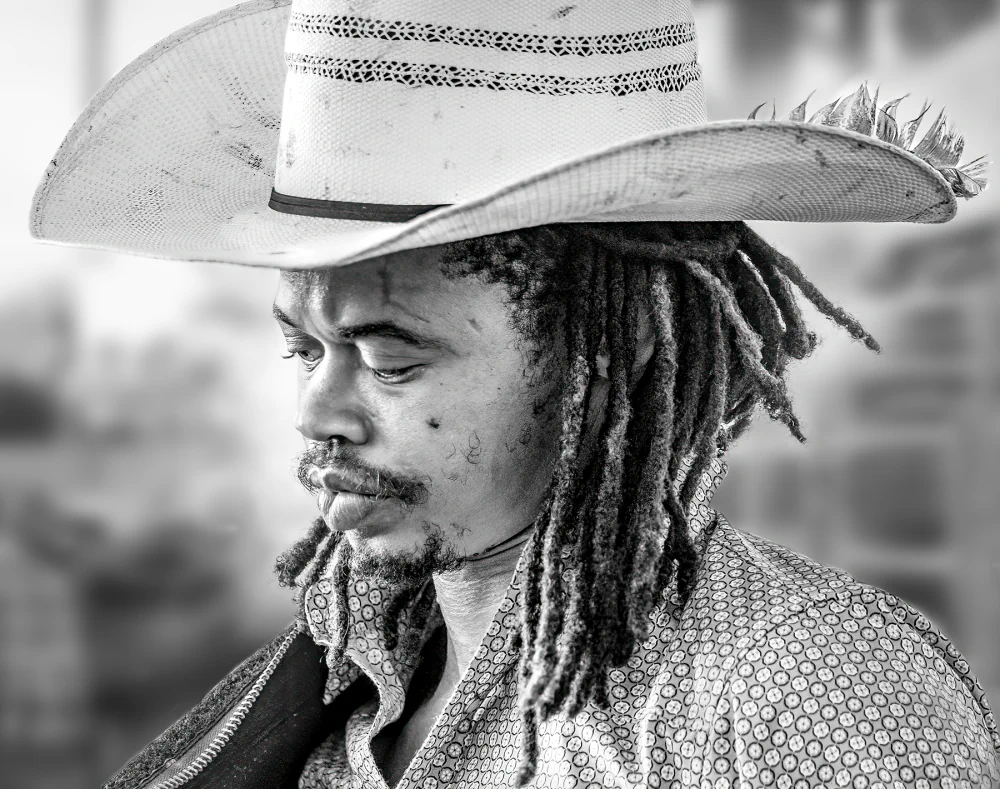
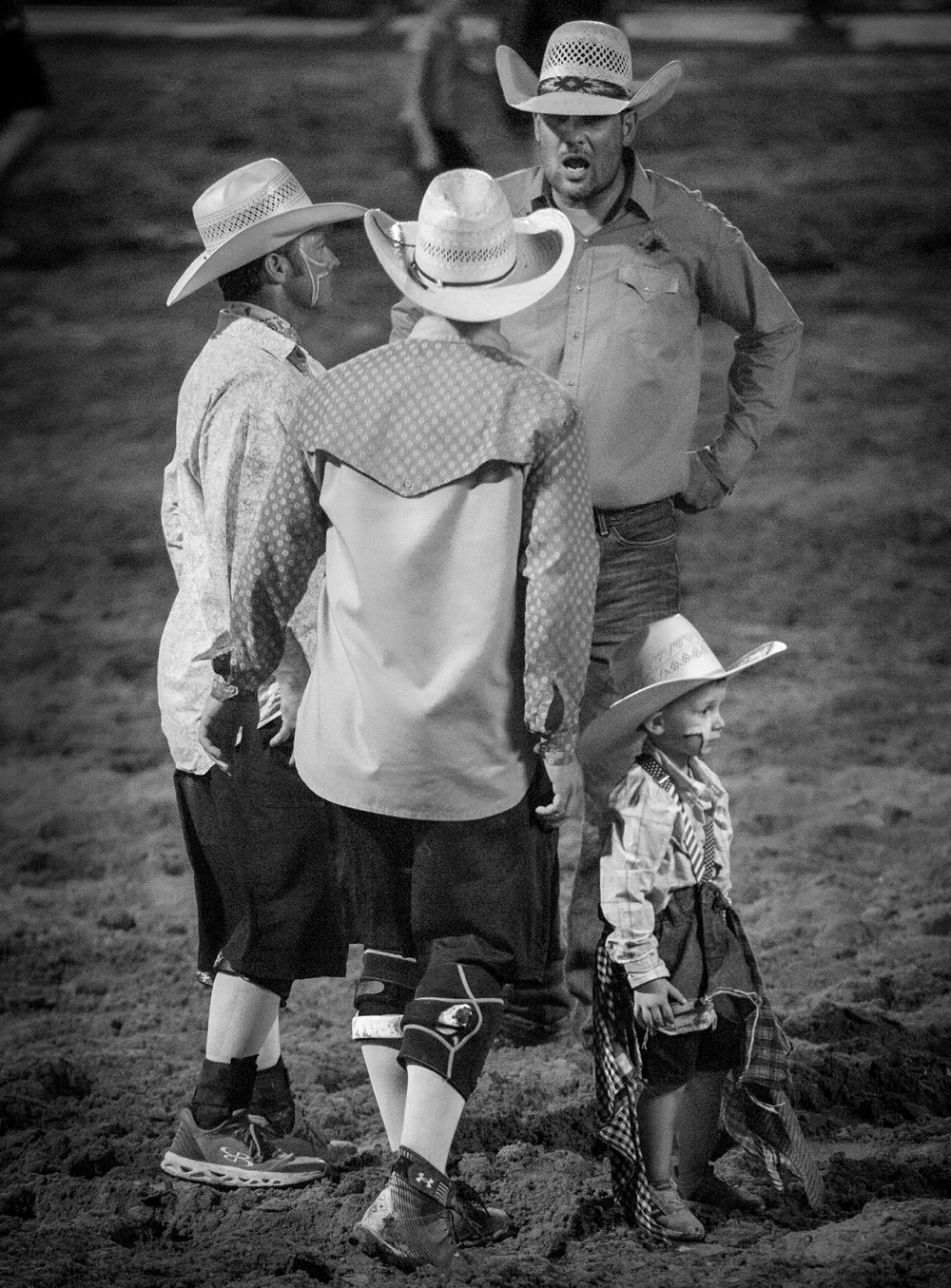
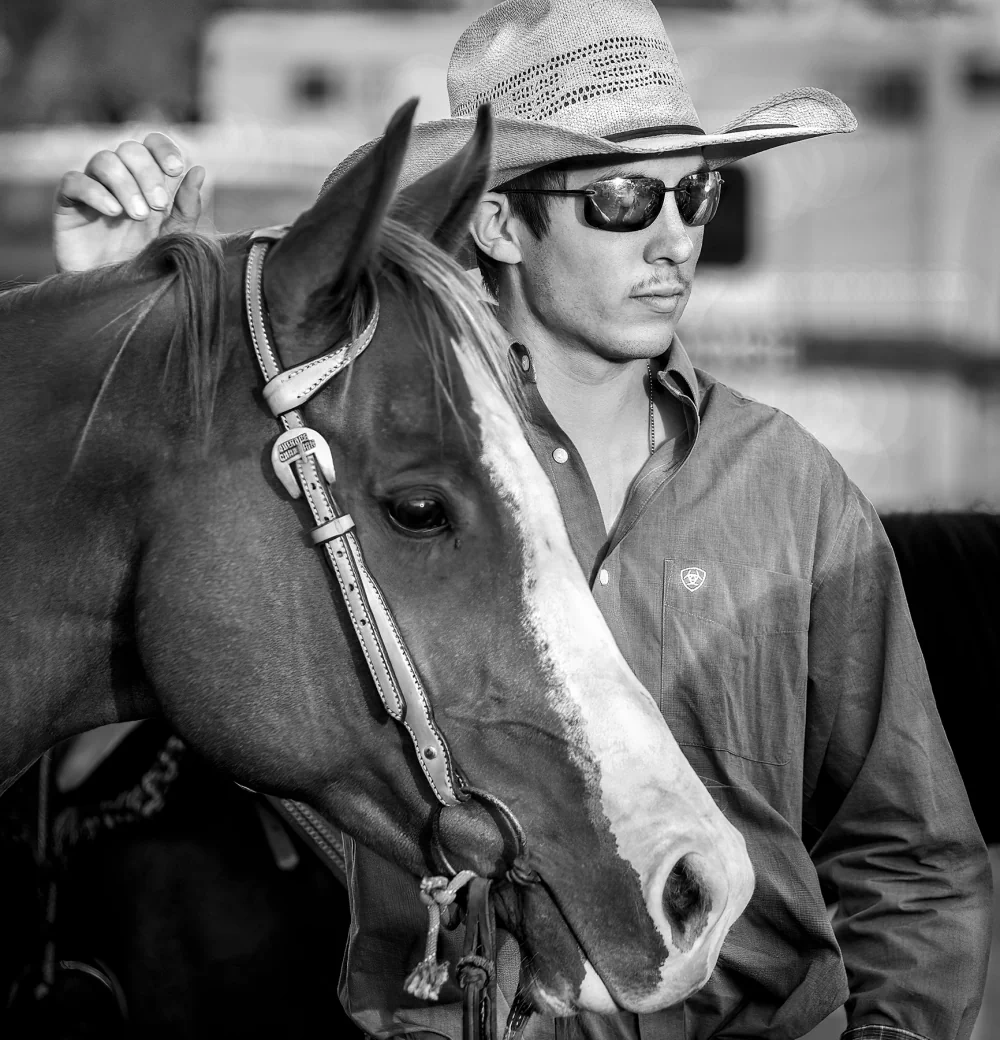
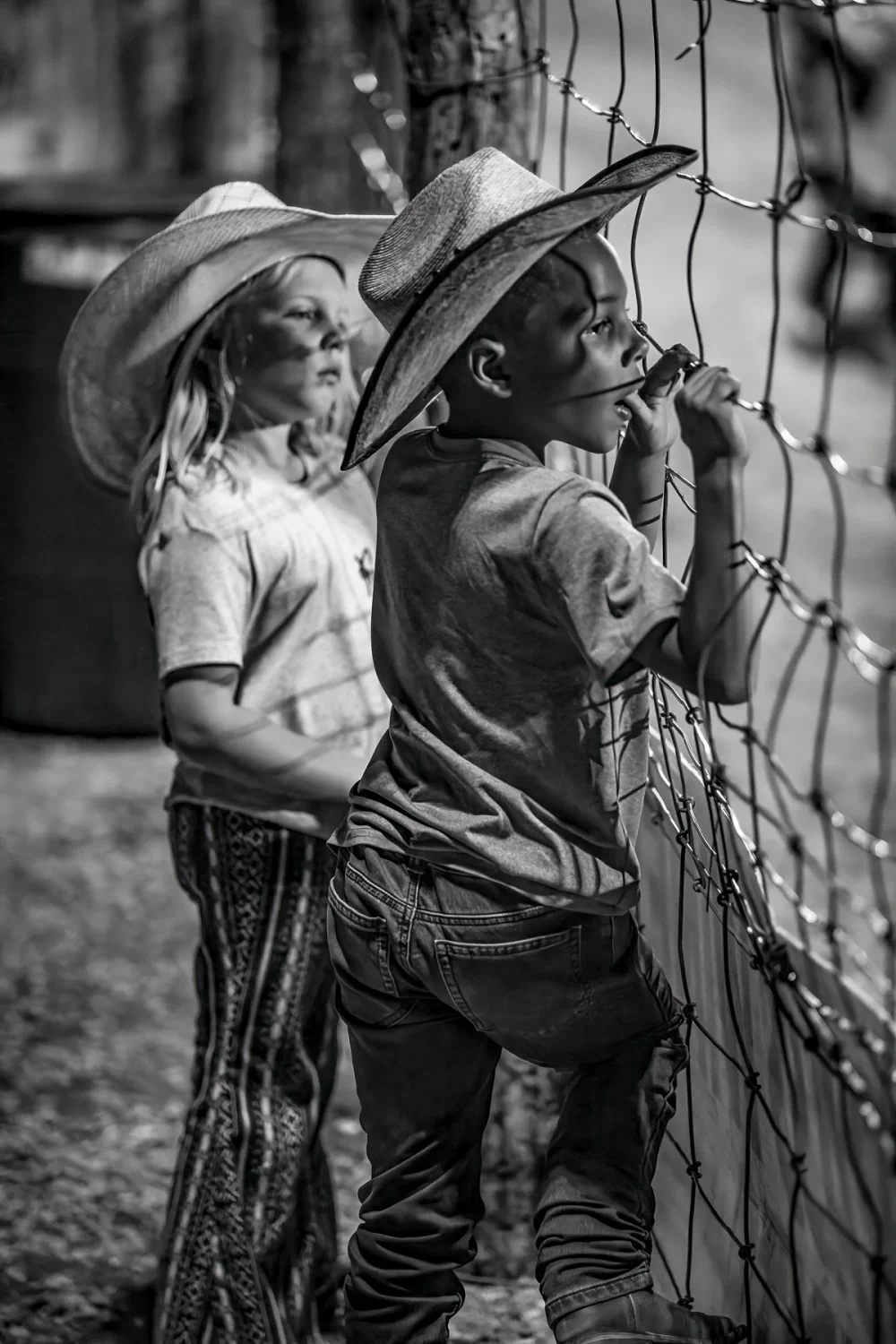
Rather than focusing solely on dramatic or decisive moments, the work seeks out quieter gestures: the posture of a rider preparing, the fatigue at the end of a day, and the presence of individuals who exist slightly outside the dominant mythology of the West. These subtle moments reveal a deeper, more layered reality, one that speaks to belonging, identity, and continuity.
The project is informed in part by personal experience. For a number of years, he lived in the country with his family, where they kept horses and developed an appreciation for the discipline, skill, and partnership required between rider and animal. While he remains an observer rather than a participant in the rodeo world, that proximity shapes how he approaches photographing it, with patience, respect, and attention to nuance.
All of the images are presented in black and white. This choice emphasizes form, light, and gesture while placing the work within a broader historical continuum. It allows the photographs to move more fluidly between past and present, reinforcing the sense that what is being observed is not fixed in time, but part of an ongoing cultural rhythm.
At its core, Saddle Country is an attempt to engage with the enduring spirit of the American heartland, not as a simplified ideal, but as a lived and evolving reality. It is less about defining this world than about spending time within it, observing closely, and allowing its complexities to emerge.