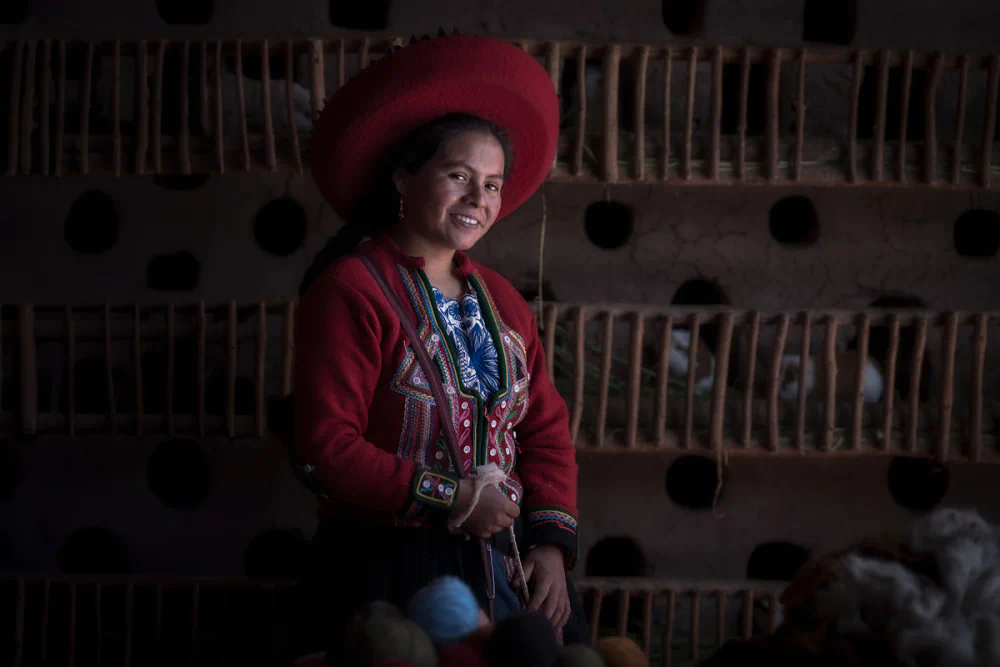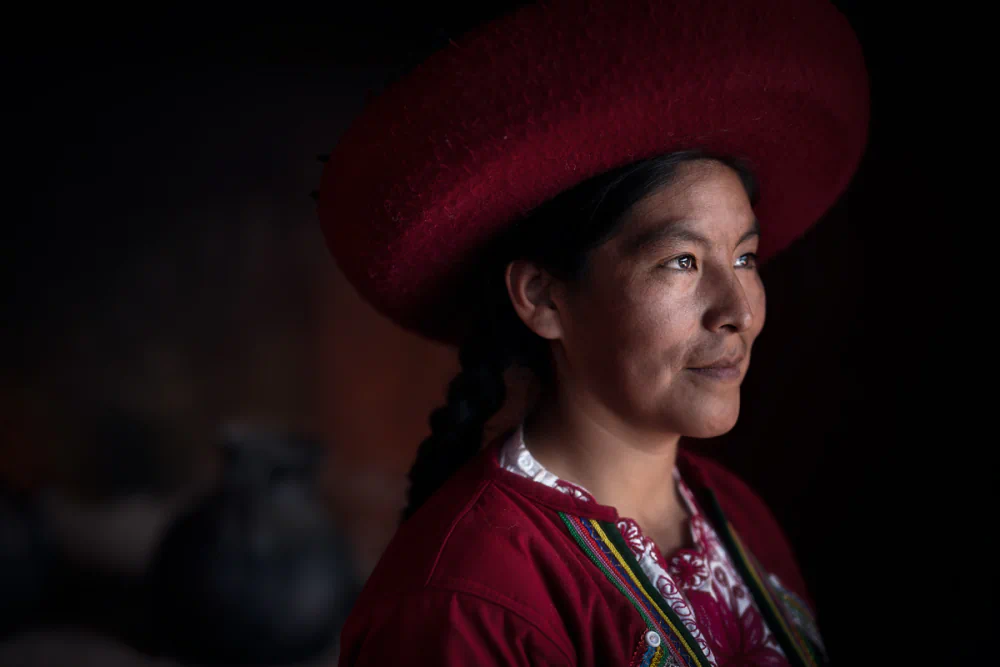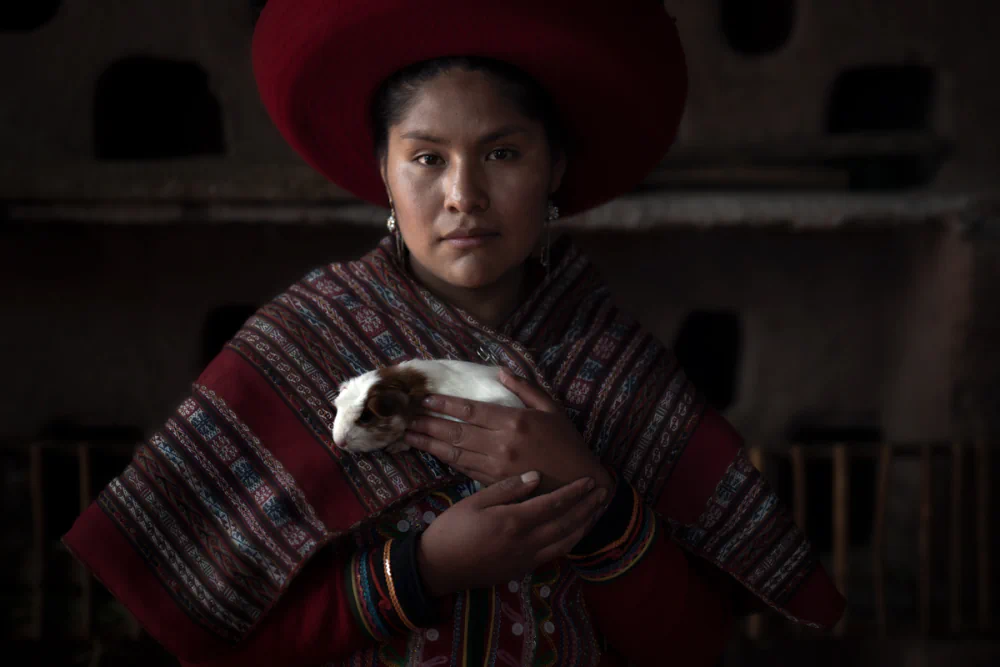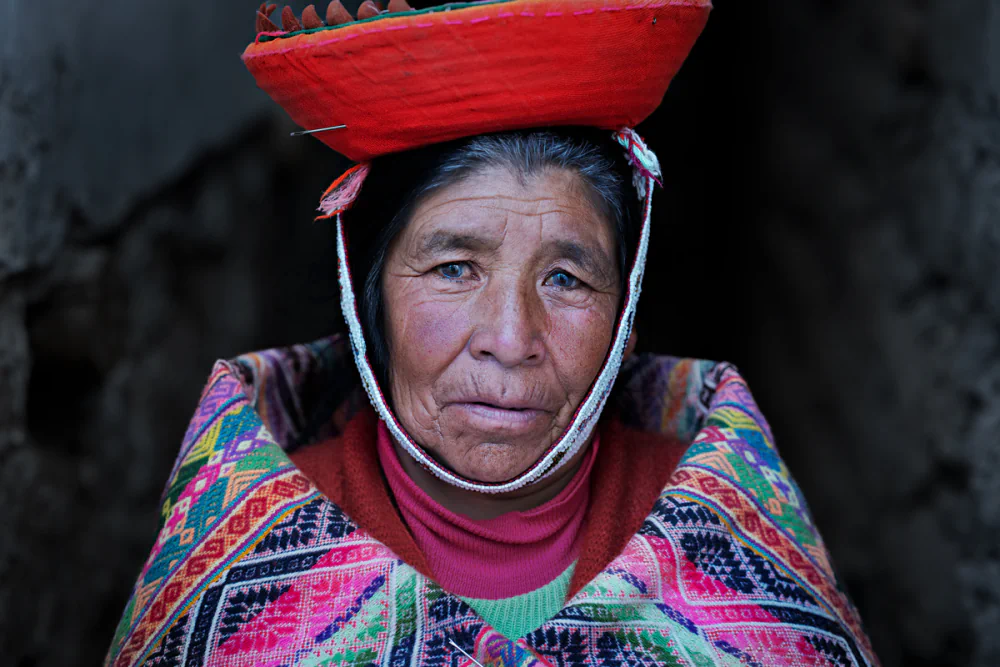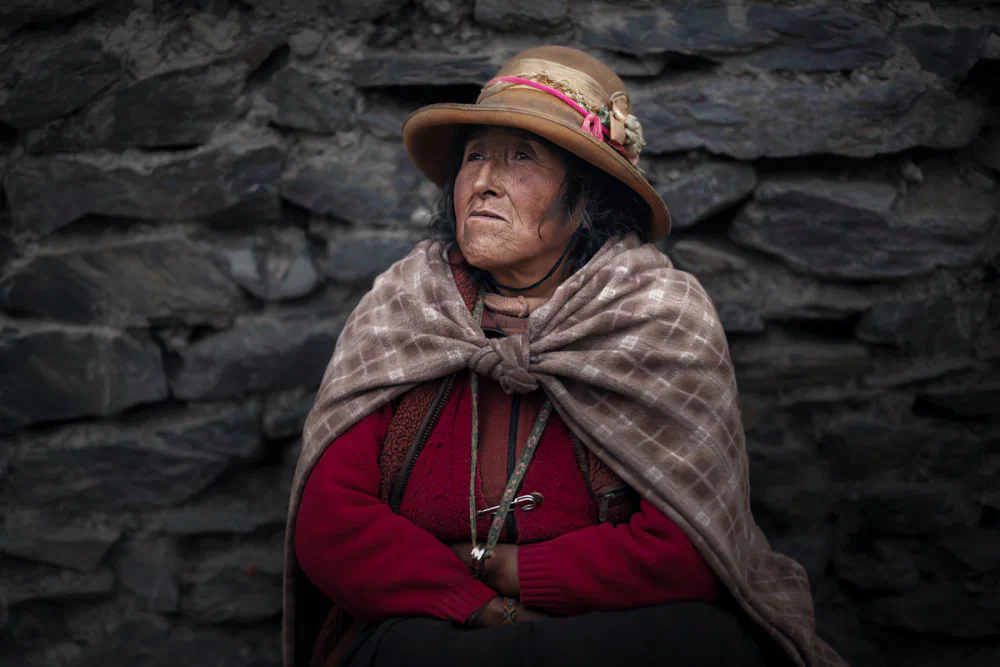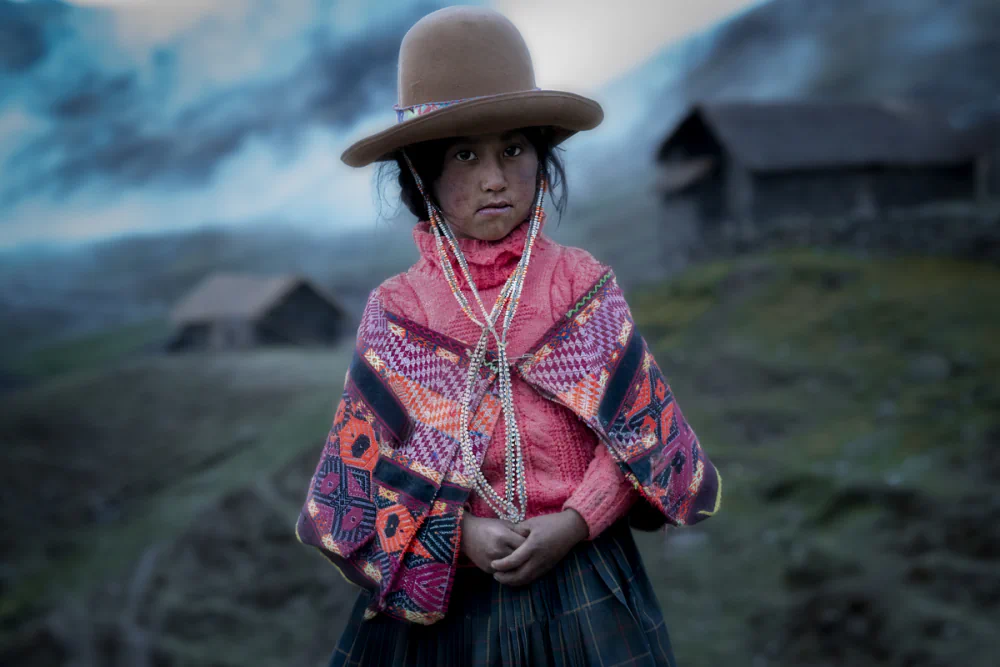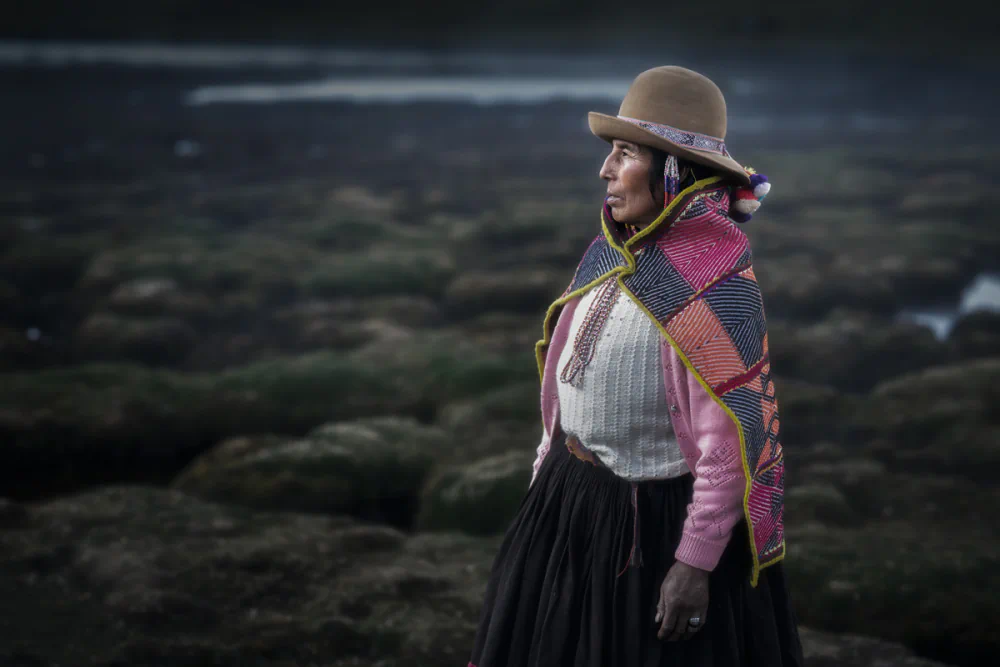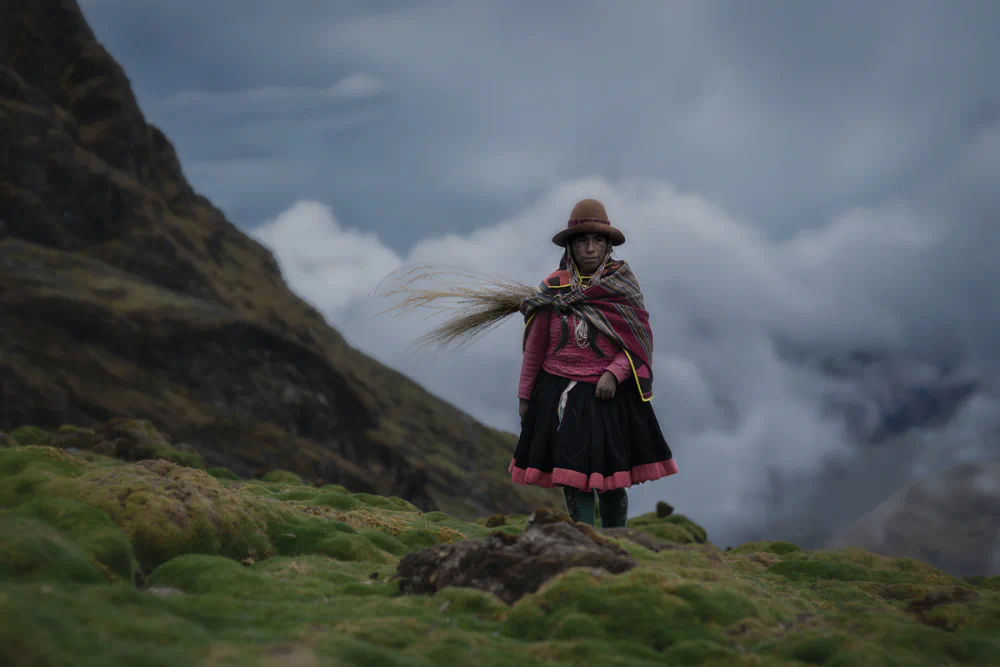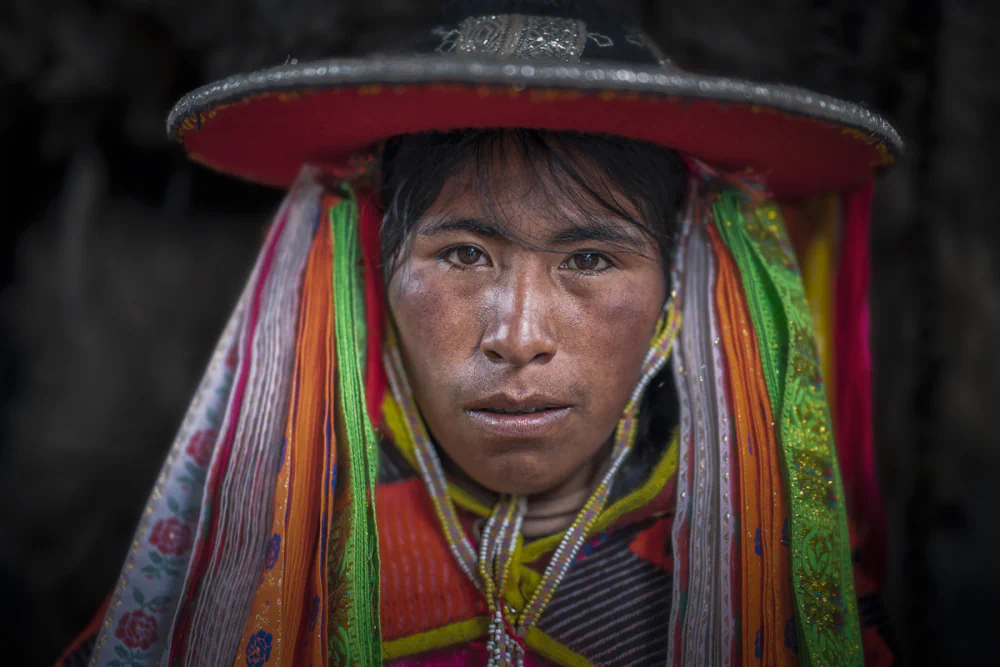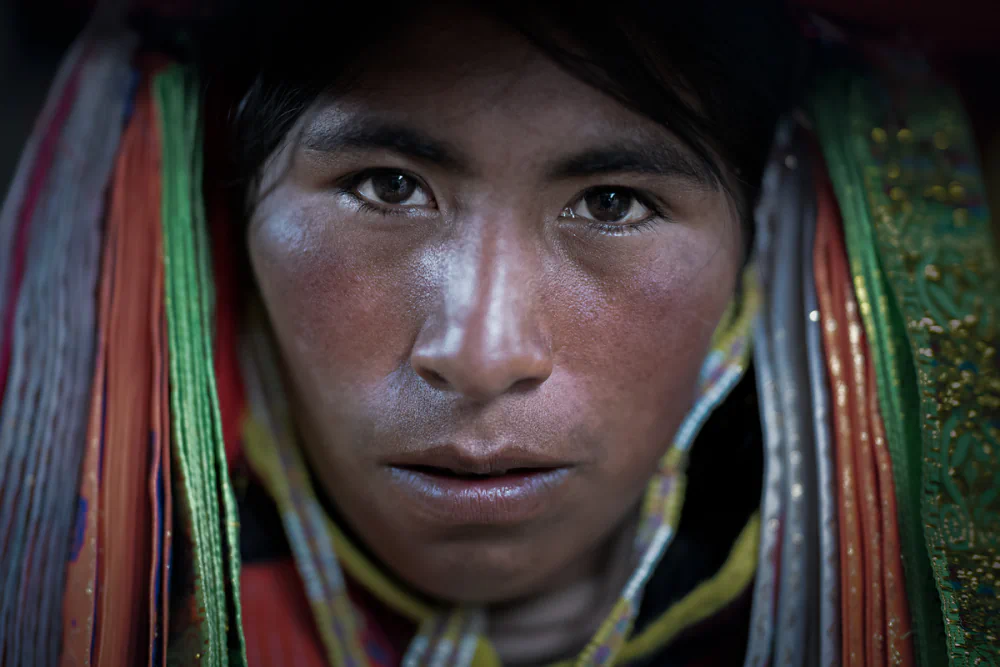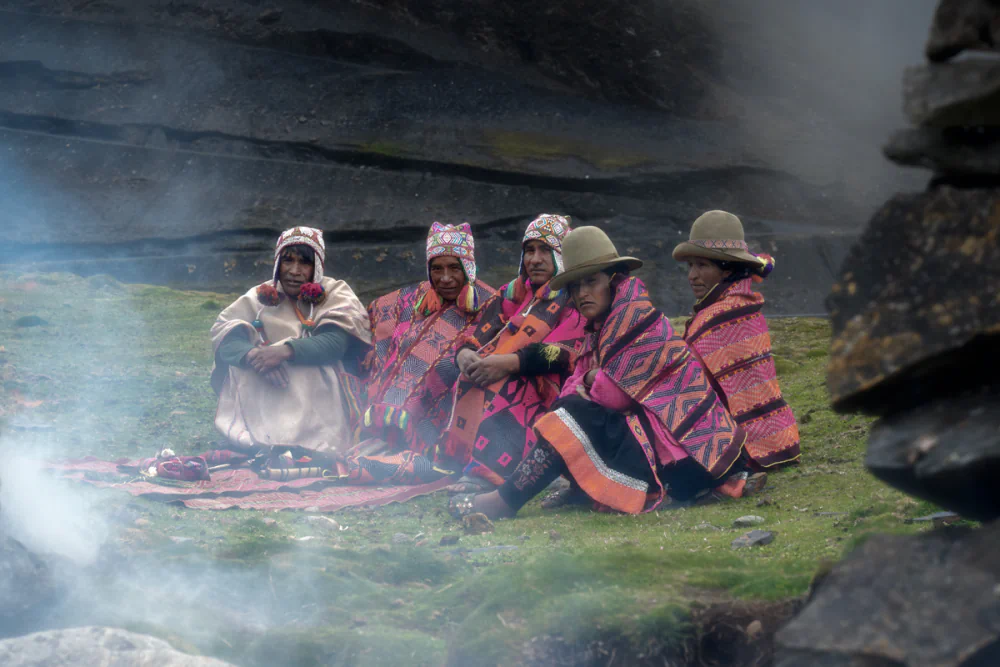

The Q’ero are an Indigenous people of the Peruvian Andes, considered one of the last communities to continuously preserve the Inca worldview.
They live high in the mountains, in isolated territories where daily life is governed by the rhythm of the earth and a spiritual relationship with nature.
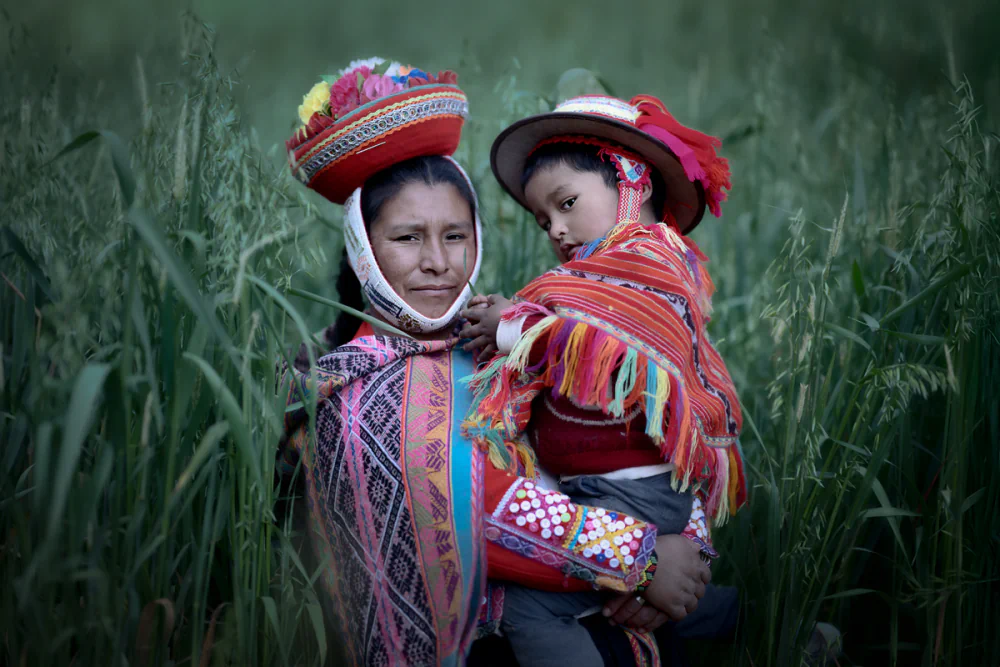
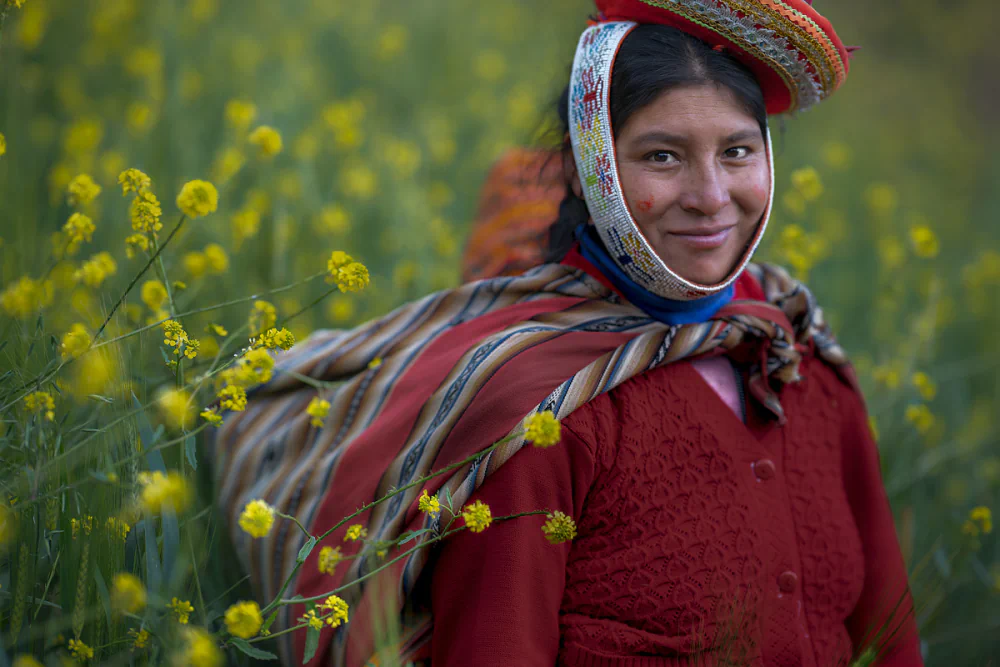
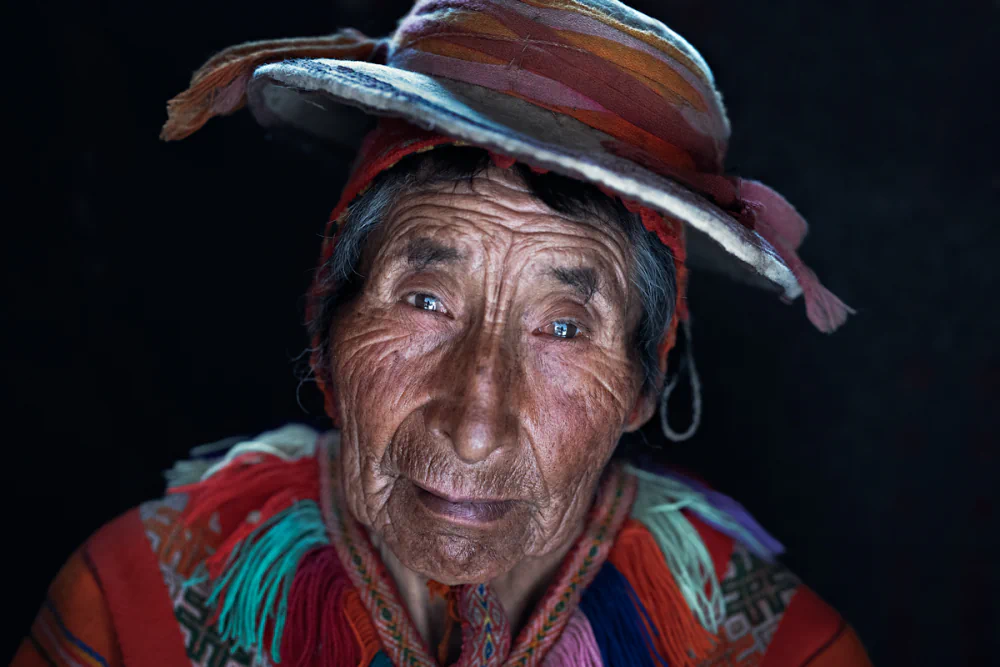
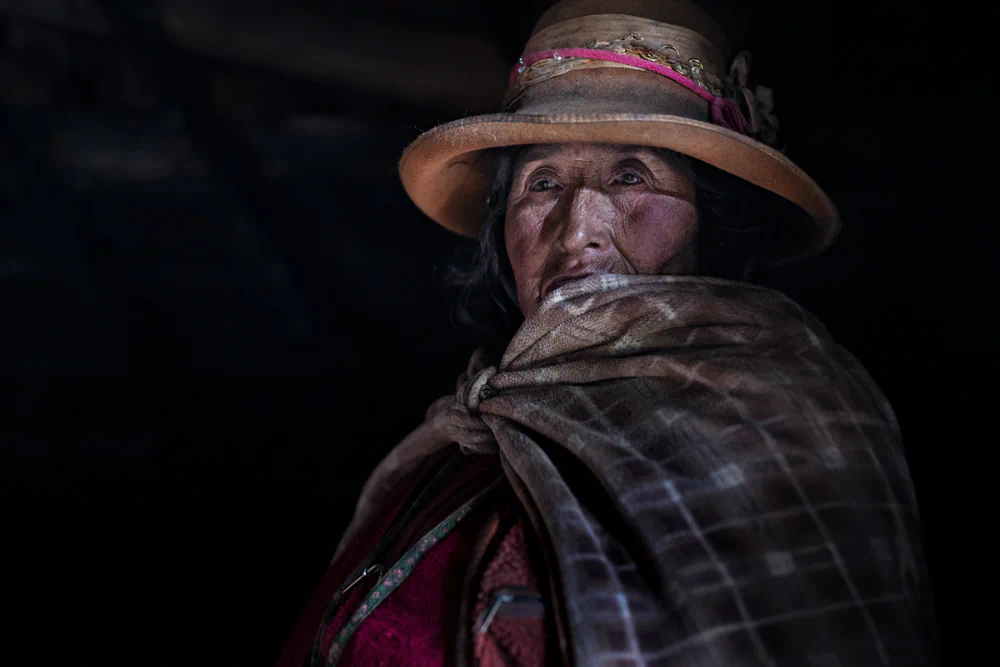
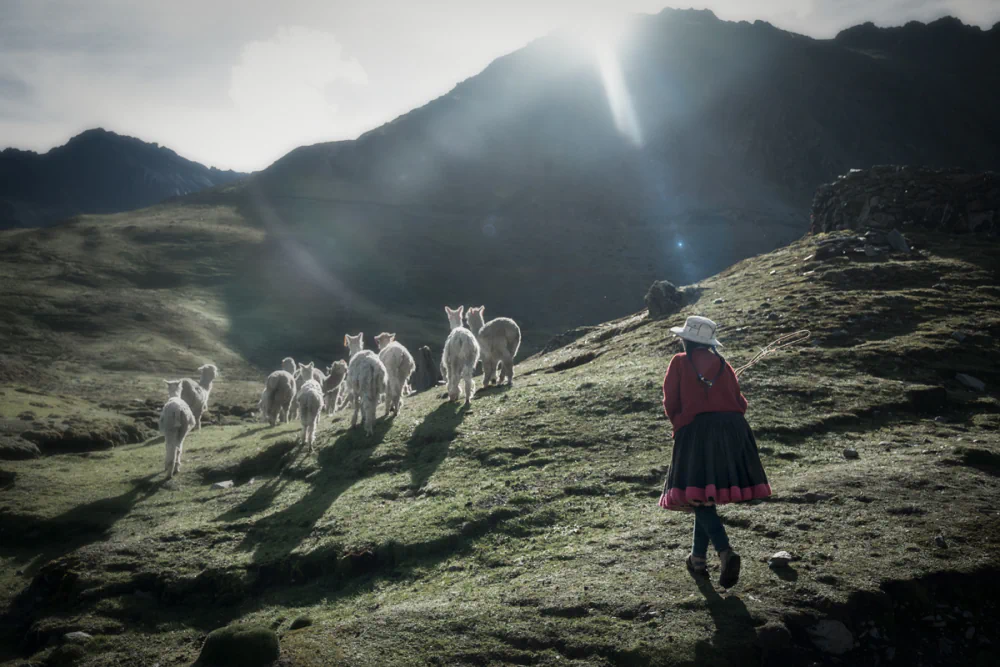
For the Q’ero, the mountains are not just a landscape but a living presence: the Apu. This project stems from an encounter with a culture that does not define itself through the past, but through a tradition practiced in the present. The images observe gestures, glances, and bodies immersed in the space they inhabit, without seeking the exotic or the exceptional. Photography becomes an act of listening, restoring the continuity between human beings and the earth, between the passing of time and what remains. From the lands of Chinchero to the very high Q’ero peaks, each village has different hats and traditional clothing.
About the Journey
Peru is a country of remarkable geographical and cultural diversity. Within a relatively short period of time, one can move from the arid Pacific coast to the Amazon rainforest, from cities of colonial origin to Andean plateaus rising above five thousand meters. It is in these high-mountain regions that the relationship between territory and everyday life becomes particularly evident.
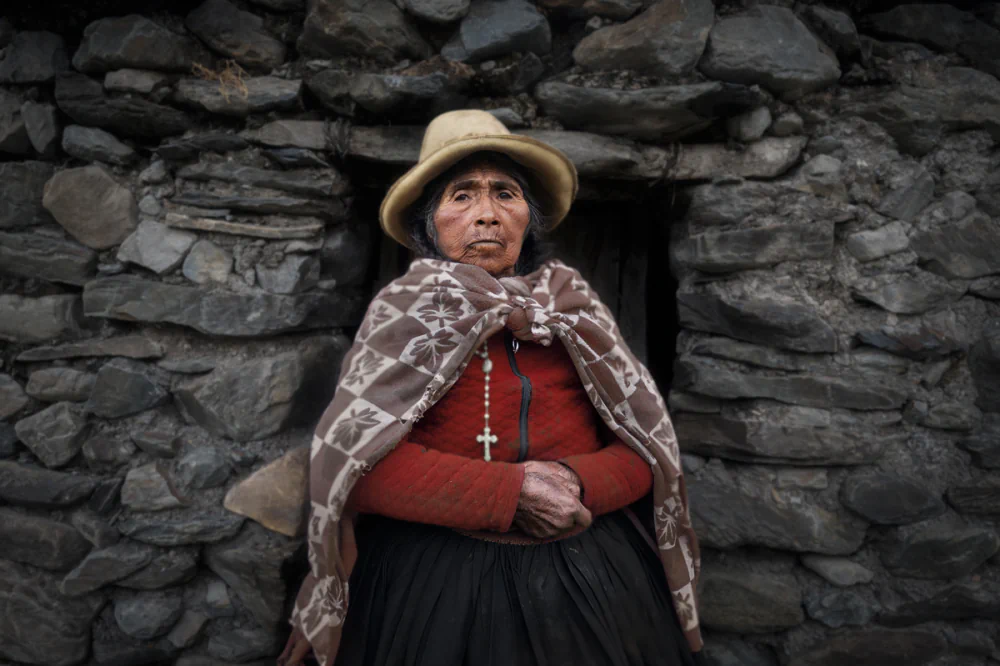
The Andean region presents demanding environmental conditions. Altitude affects the body, temperatures fluctuate rapidly, and the climate is unstable. Periods of intense sunlight may be followed by low clouds, sudden rainfall, or snowfall. Living in these places means adapting to a constantly changing environment, carefully observing the sky, and organizing daily activities according to what the mountain allows.
On the plateau live the Q’ero, a Quechua-speaking community settled in small stone villages scattered across broad yet difficult-to-access valleys. Geographic isolation has helped preserve practices, knowledge, and forms of social organization that continue to shape everyday life. Reaching the villages requires time and patience: paths follow the valleys, climb the slopes, and cross mountain passes, eventually leading to discreet settlements that are often barely visible in the landscape.
Life at high altitude is essential and requires sustained effort. Homes are simple, built to withstand cold and wind. Daily life revolves around work in the fields and animal herding. High-altitude cultivation, particularly of tubers, develops along steep slopes and sometimes reaches mountain ridges. This form of agriculture reflects a deep understanding of the land and its limits, acquired over time.
Herding plays a central role in the local economy. Animals, characterized by dense fur, provide fundamental resources for daily life. Fibers obtained from the fur are spun and dyed with natural pigments to produce brightly colored textiles. Decorative motifs depict animals, landscape elements, and symbols linked to the Andean worldview. Textiles thus serve a dual function, practical and symbolic, contributing to the transmission of knowledge and values.
At the foundation of this culture lies a conception of reality organized into three interconnected dimensions. The subterranean level, associated with the serpent, refers to the deep earth and processes of transformation. The terrestrial level, represented by the jaguar, concerns human experience, work, and the strength required to live in a demanding environment. The celestial level, symbolized by the condor, connects human beings with the spiritual dimension and with the mountain.
These three dimensions are not conceived as separate, but as parts of a system based on balance. Maintaining this balance is considered essential. Ritual practices continue to play an important role: certain plants are used both to support the body at high altitude and during ceremonies dedicated to Mother Earth, understood as a living presence with whom a relationship of respect and reciprocity must be maintained. Offering something to the earth or to the sacred mountain means acknowledging what is received each day, food, protection, and the very possibility of living in such a demanding environment.
Visiting the plateau means entering a context in which environment, work, spirituality, and social organization are deeply intertwined. Stone villages, fields climbing the slopes, textiles, and rituals are not isolated elements, but parts of a coherent system developed over time in relation to the mountain. It is a way of life that arises from the plateau itself and continues to exist through a balance built and maintained day by day.