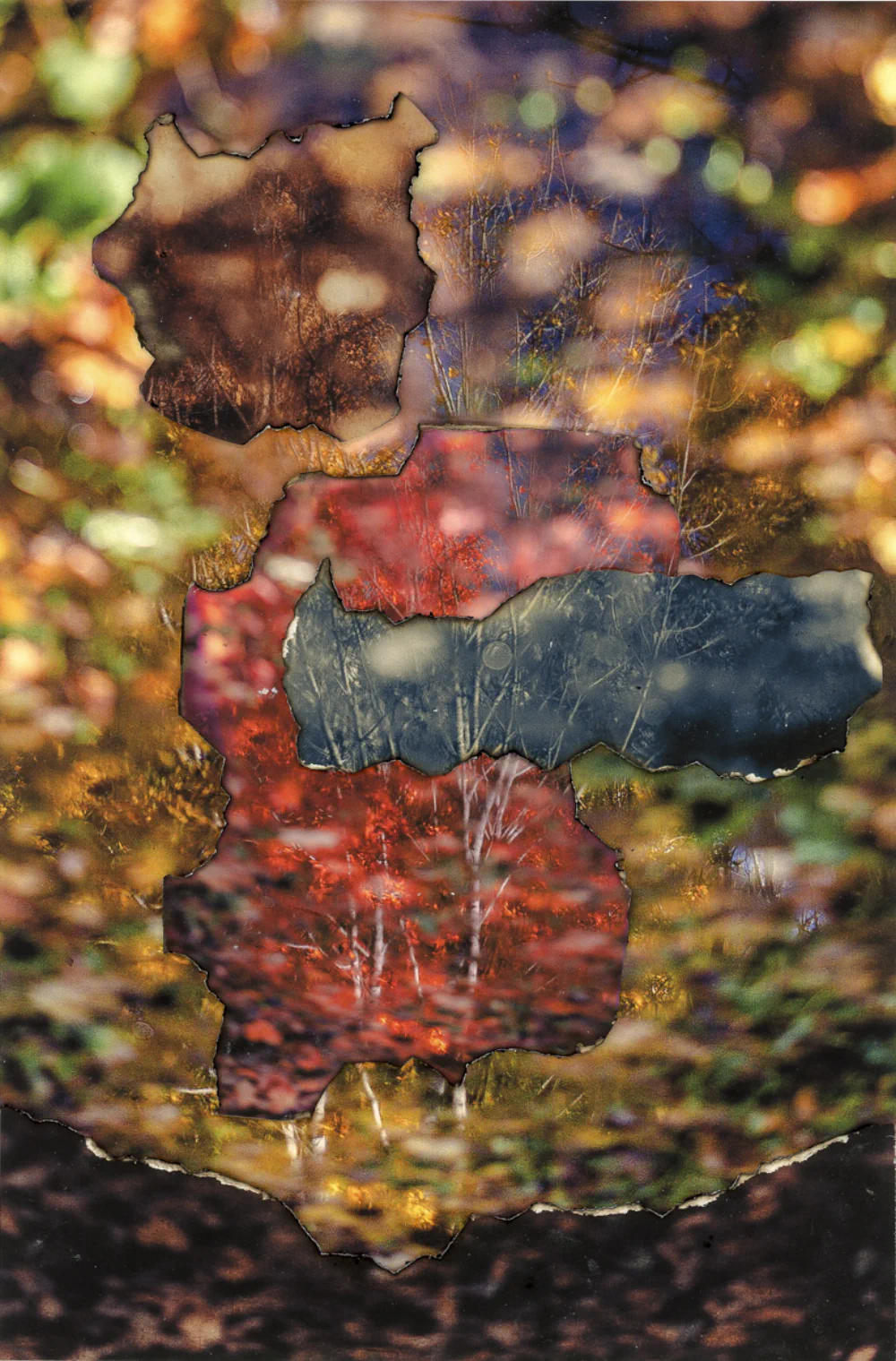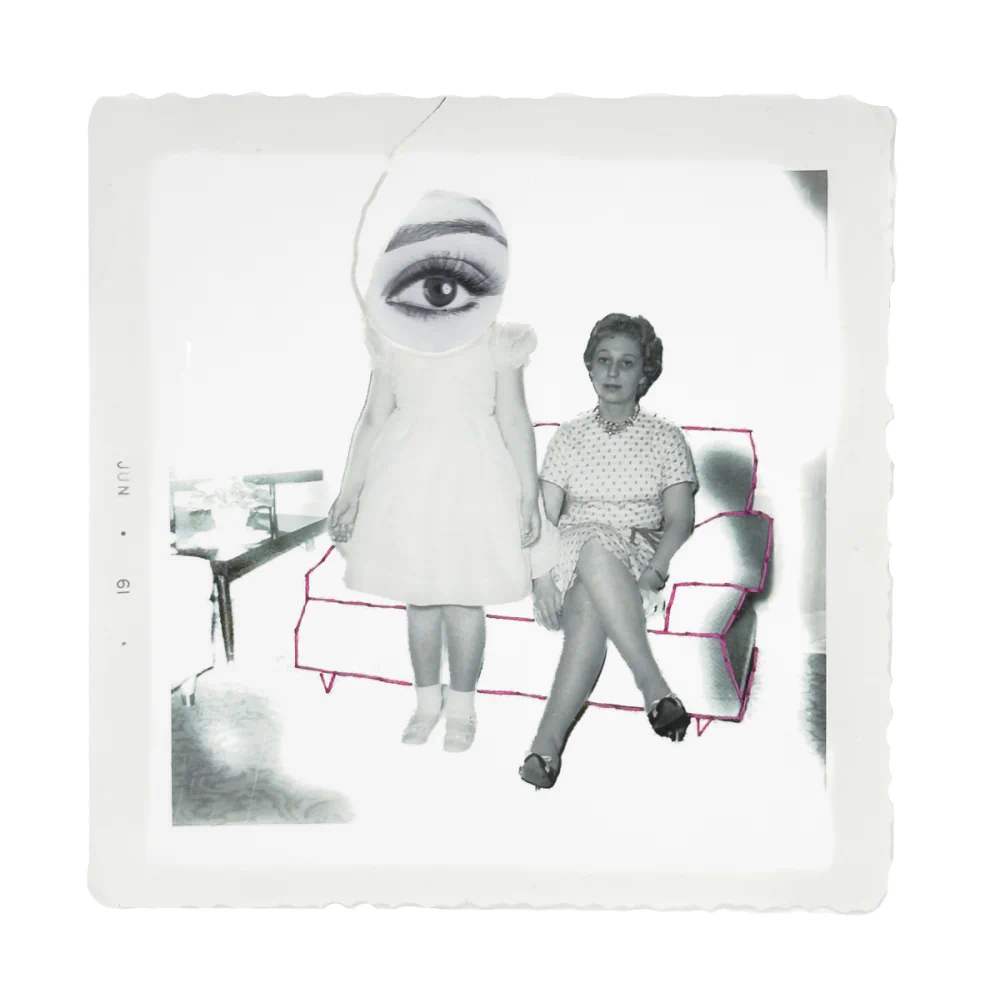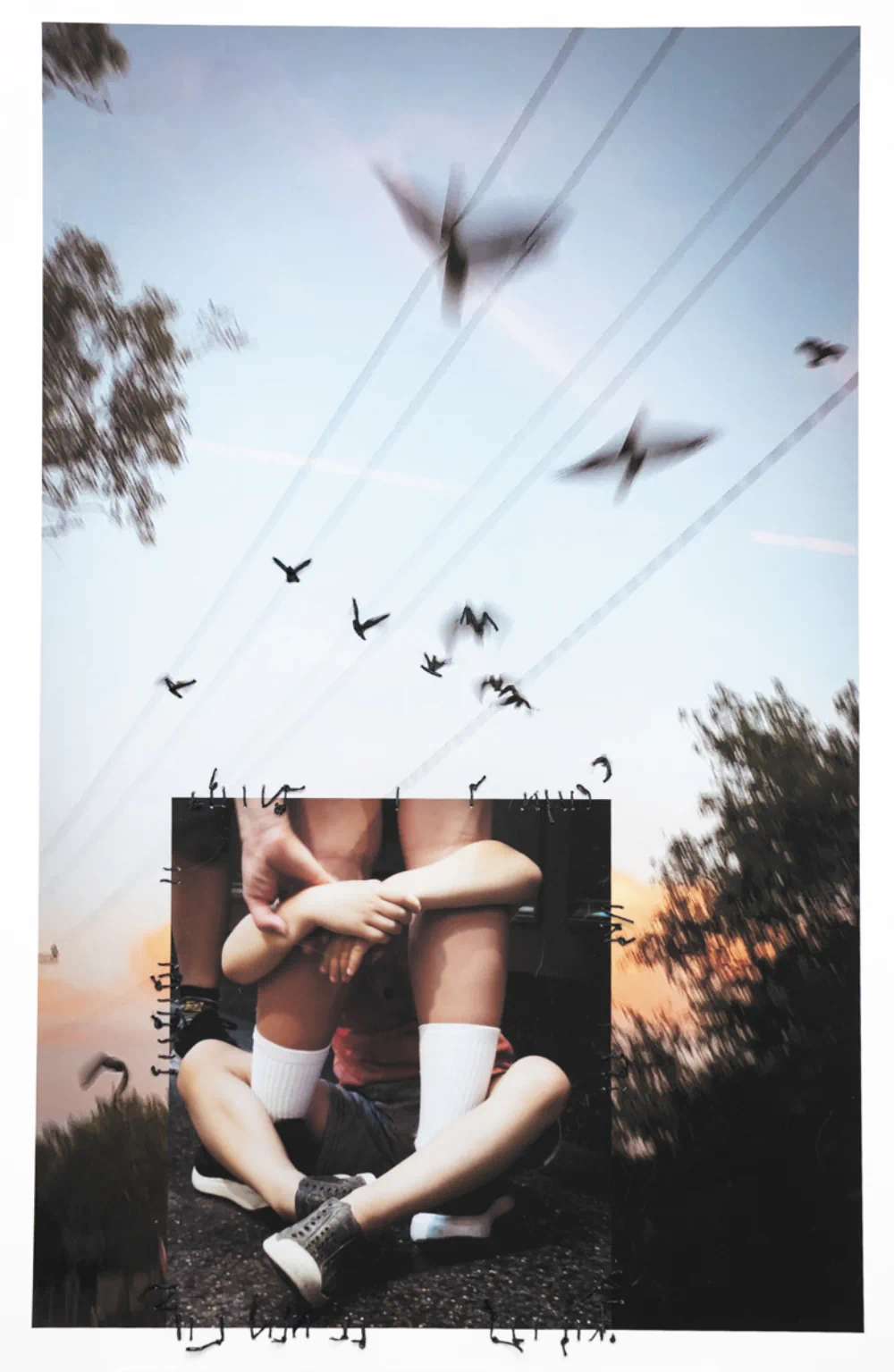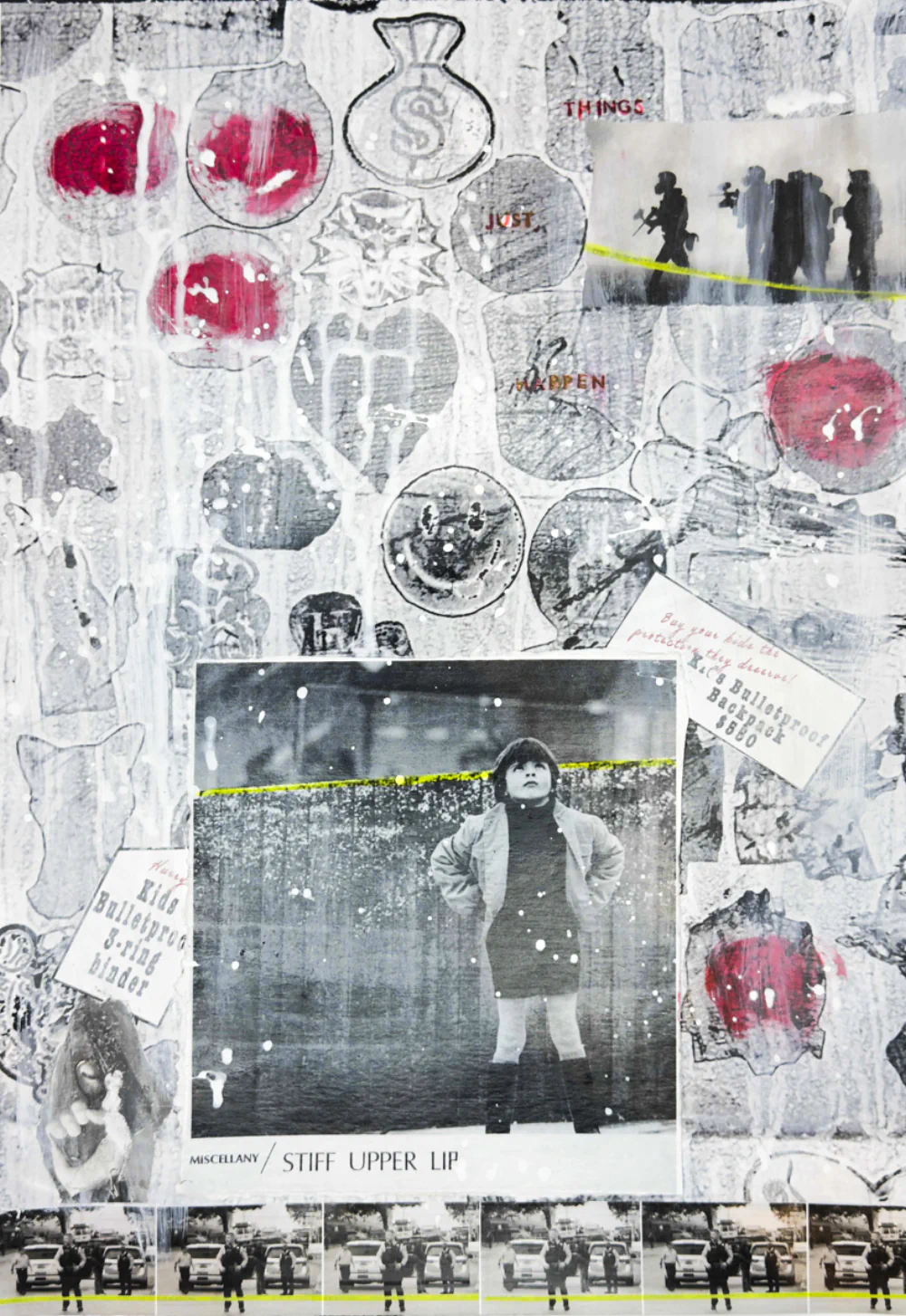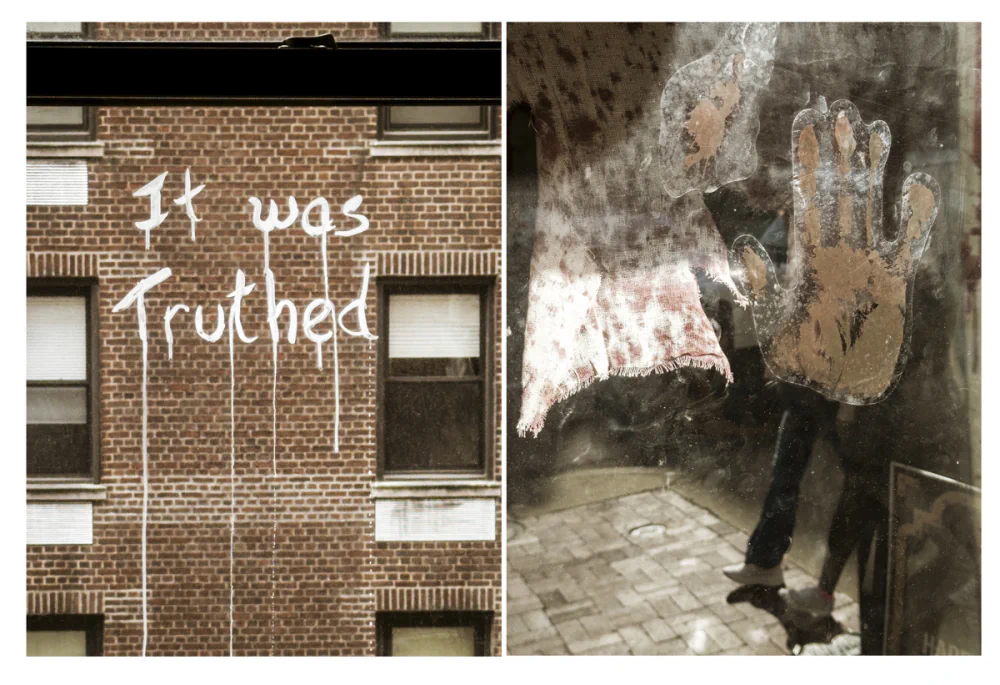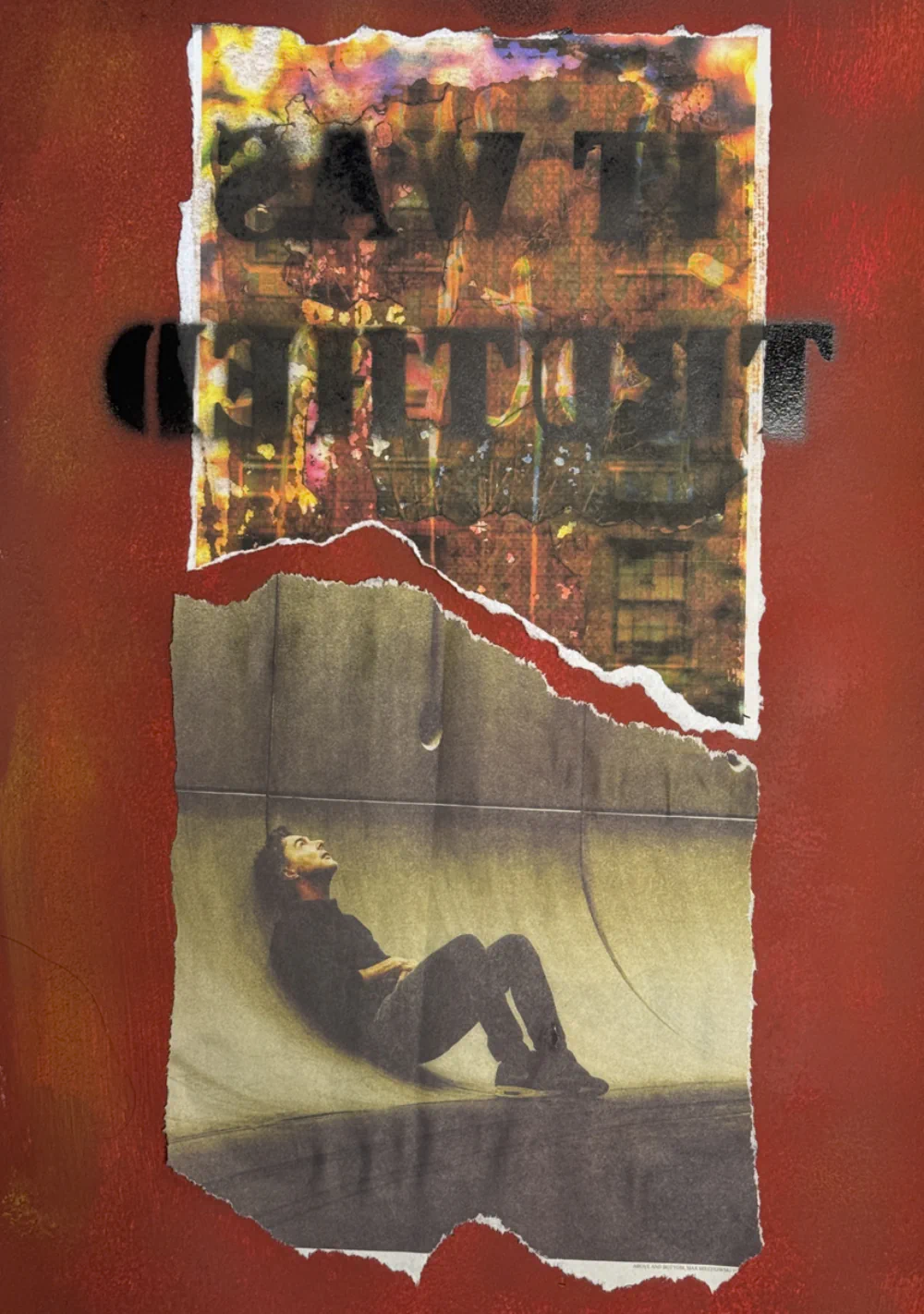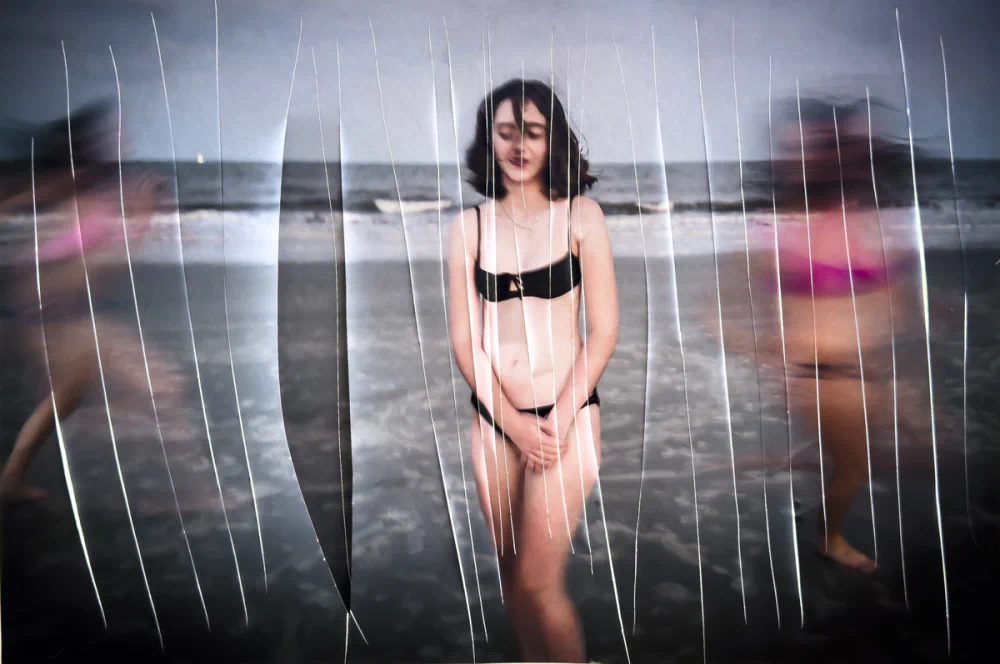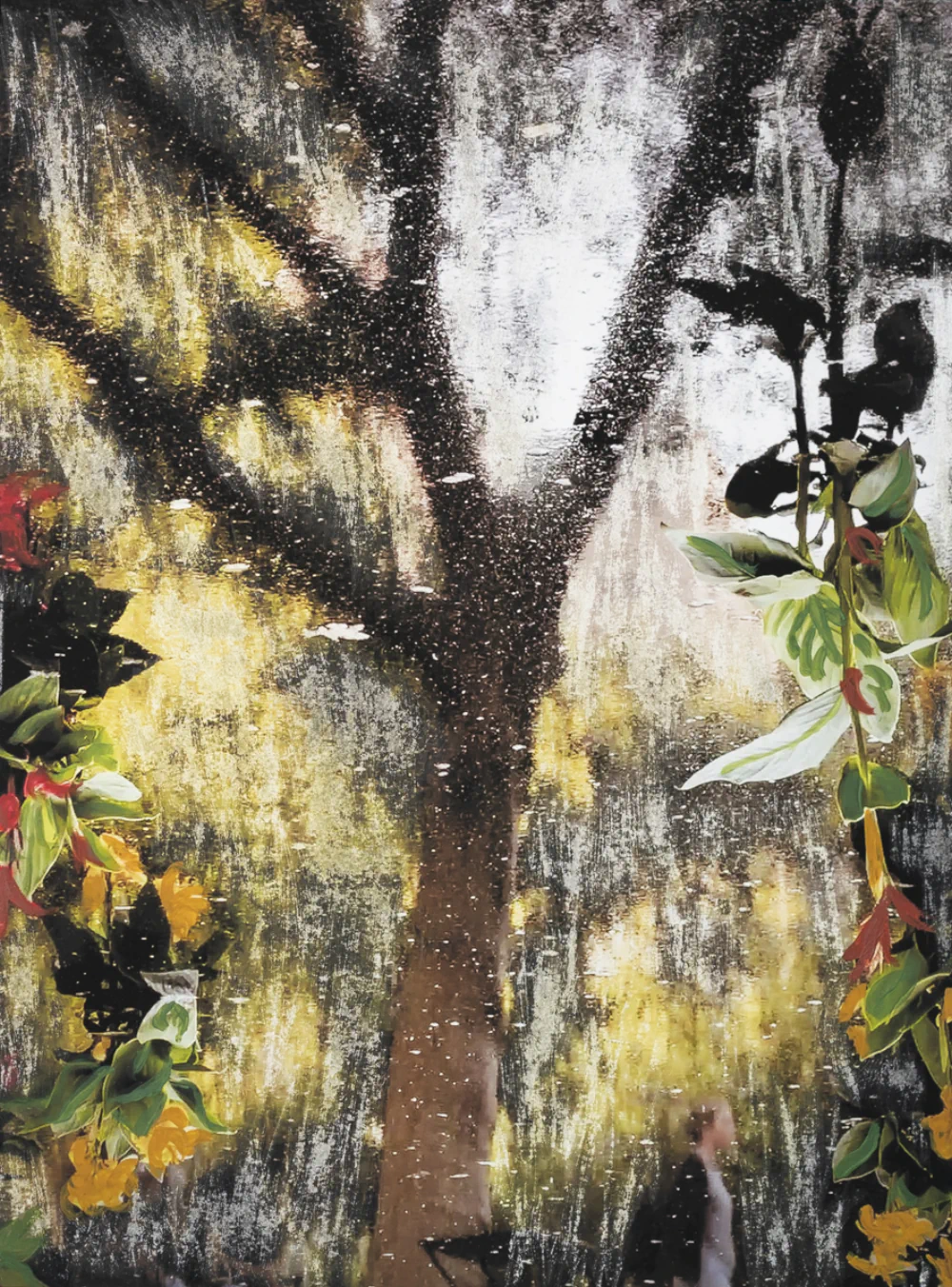
Mapping Dissonance: America 2025 is a visual archive of an extraordinary year in America.
This project began in January 2025 as an exploration of life increasingly lived through screens.
I wanted to document the forces shaping our everyday lives that were so difficult to make visible: AI beginning to hold our ideas and our intellect — and us letting go. The daily outsourcing of our inner lives to something that is, in the end, nothing. The slipping of life into surveillance; loneliness growing more visible by the day; a government that seemed to be saying yes to a warming planet. Contemporary life had already drifted into the unfamiliar, the alarming — and I wanted to bear witness to it.
What I did not anticipate was the seismic nature of the political change that followed, or the dramatic shift in my sense of America — to the world, and to my own identity. What began as an outward-facing study of modern life had suddenly turned inward, into a personal inquiry to understand the idea of America in my own life.
I grew up in Georgia with a familiar story about America — taught in classrooms, echoed at dinner tables, shaped through decades of travel as a photographer. America was a singular combination of law and freedom, tolerance and human dignity. However imperfect, often painfully so, it was always striving toward something better. It was a country that meant something beyond itself.
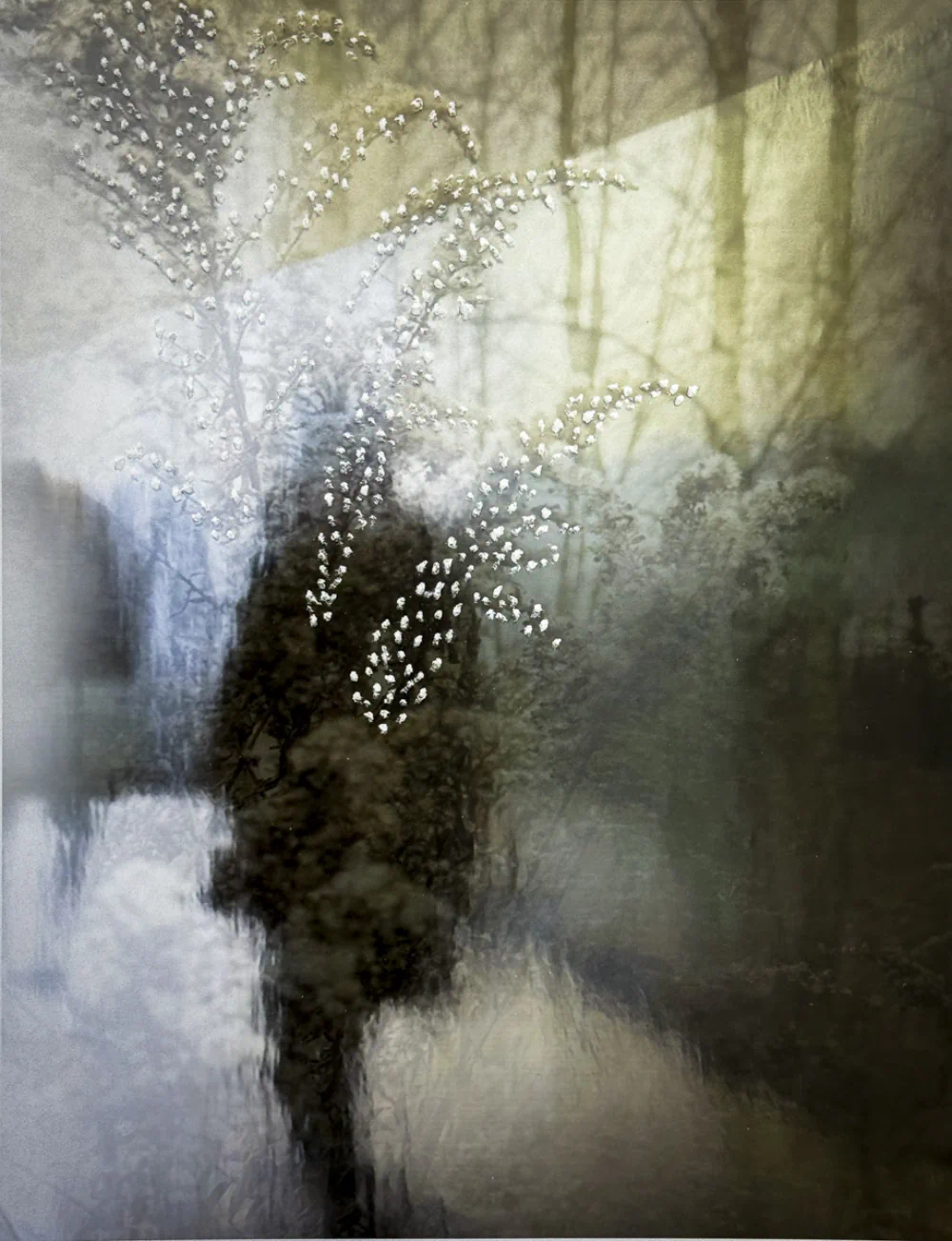
In 2025, that story came undone.
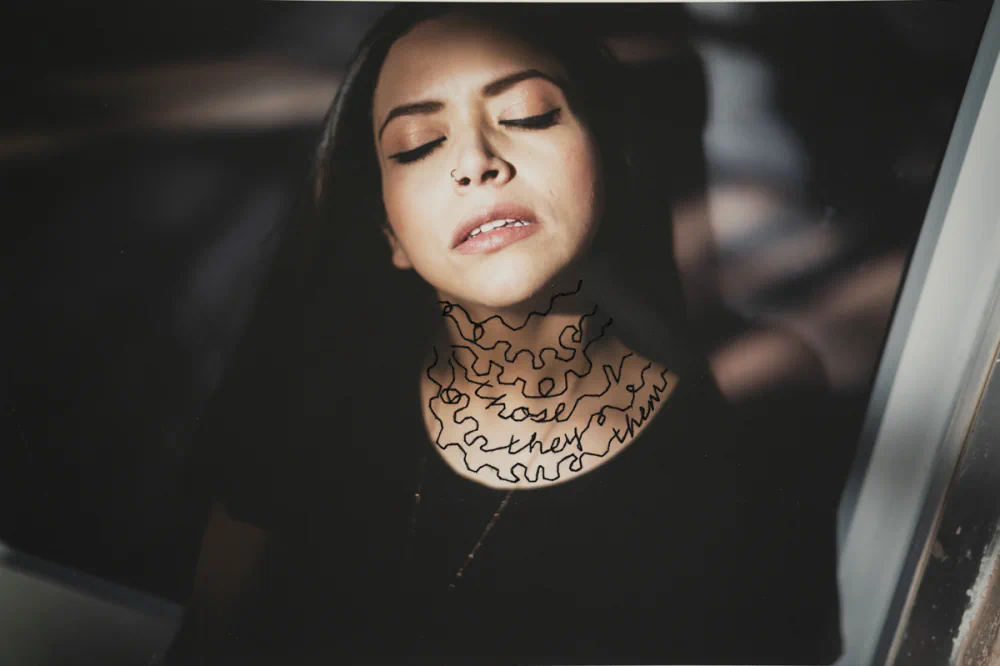
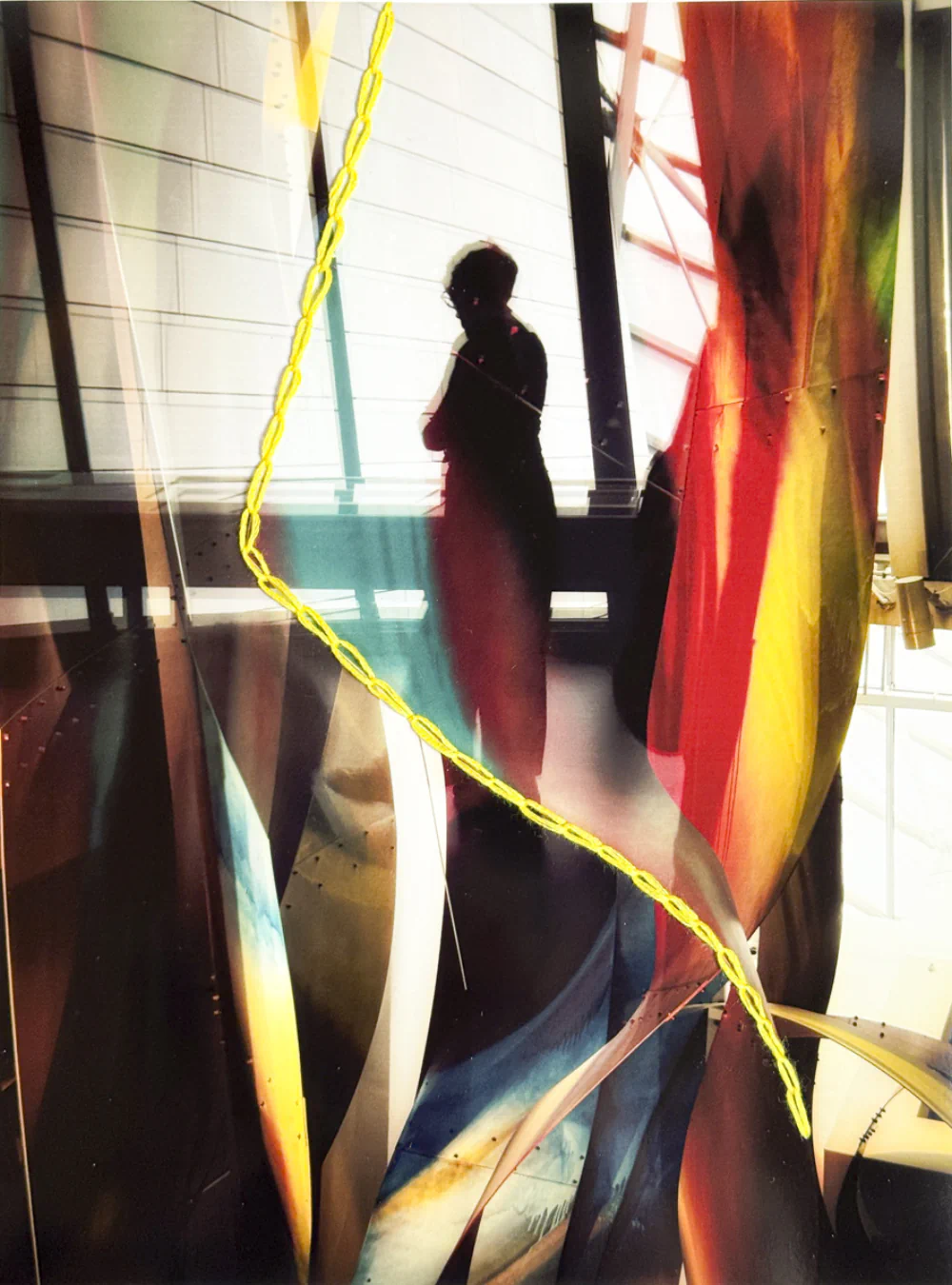
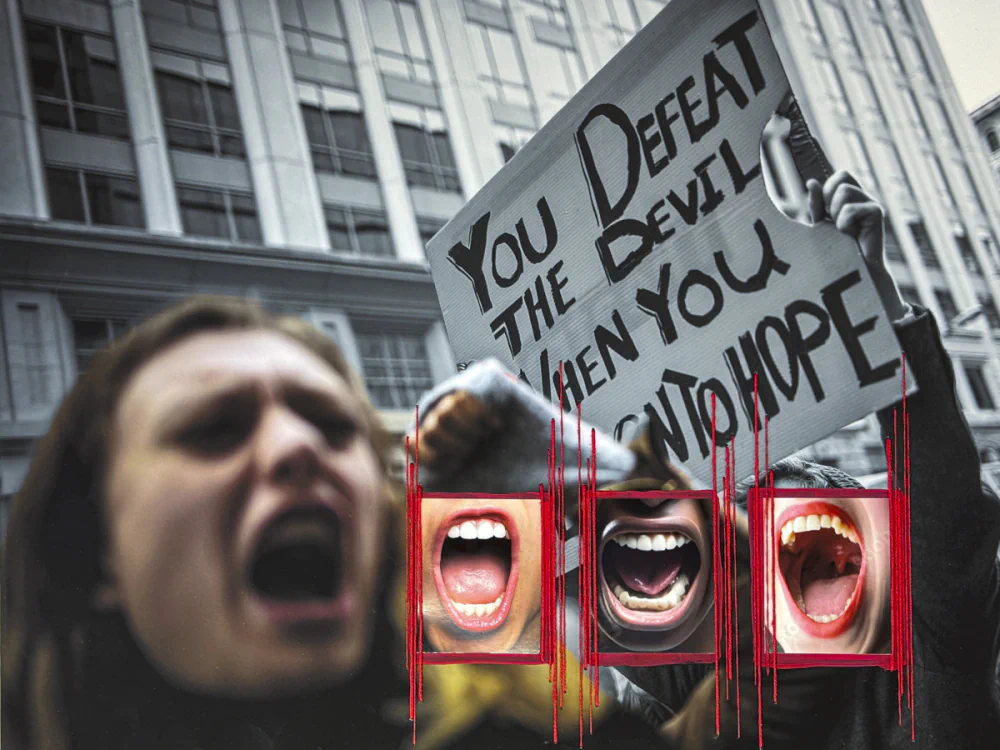
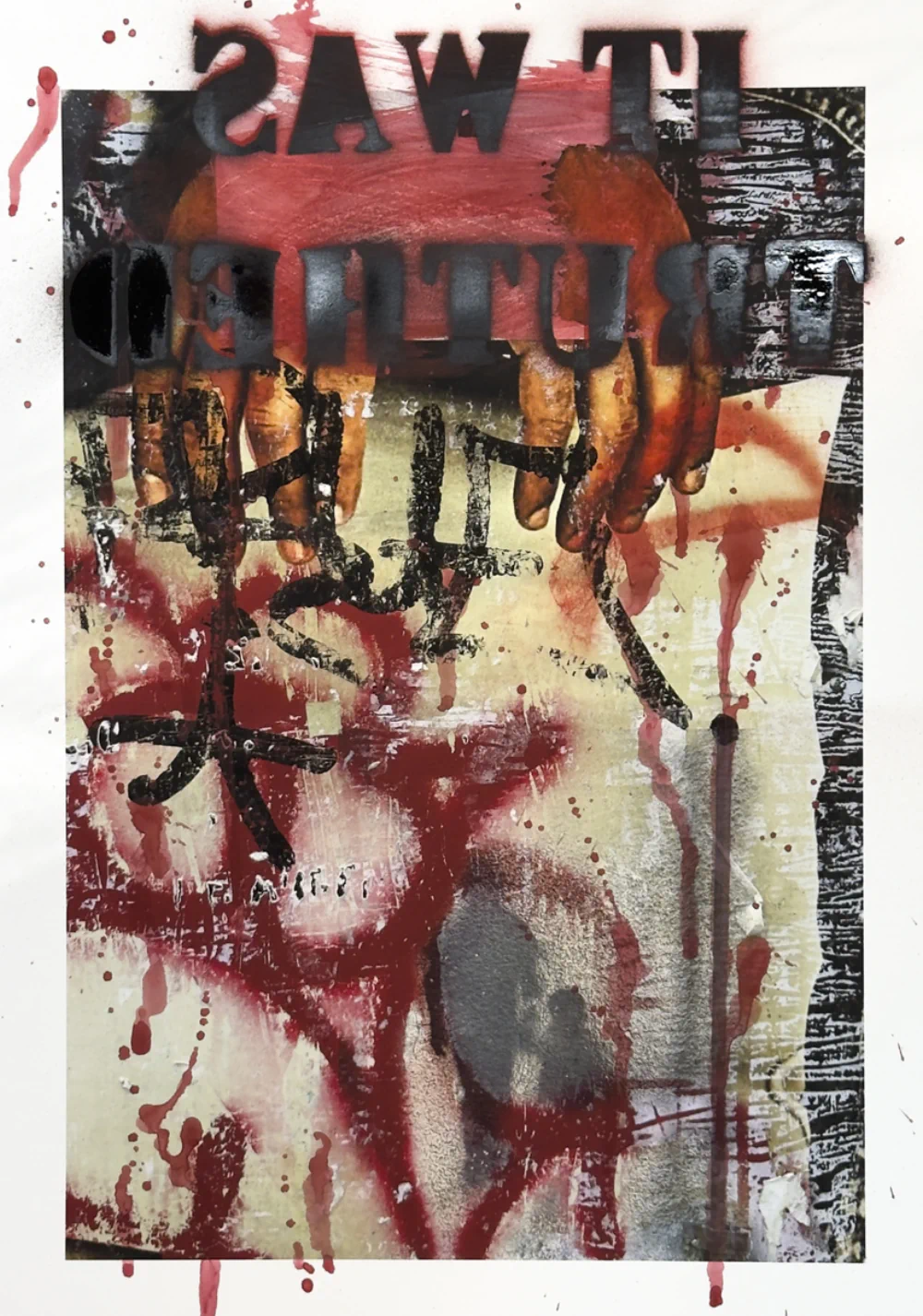
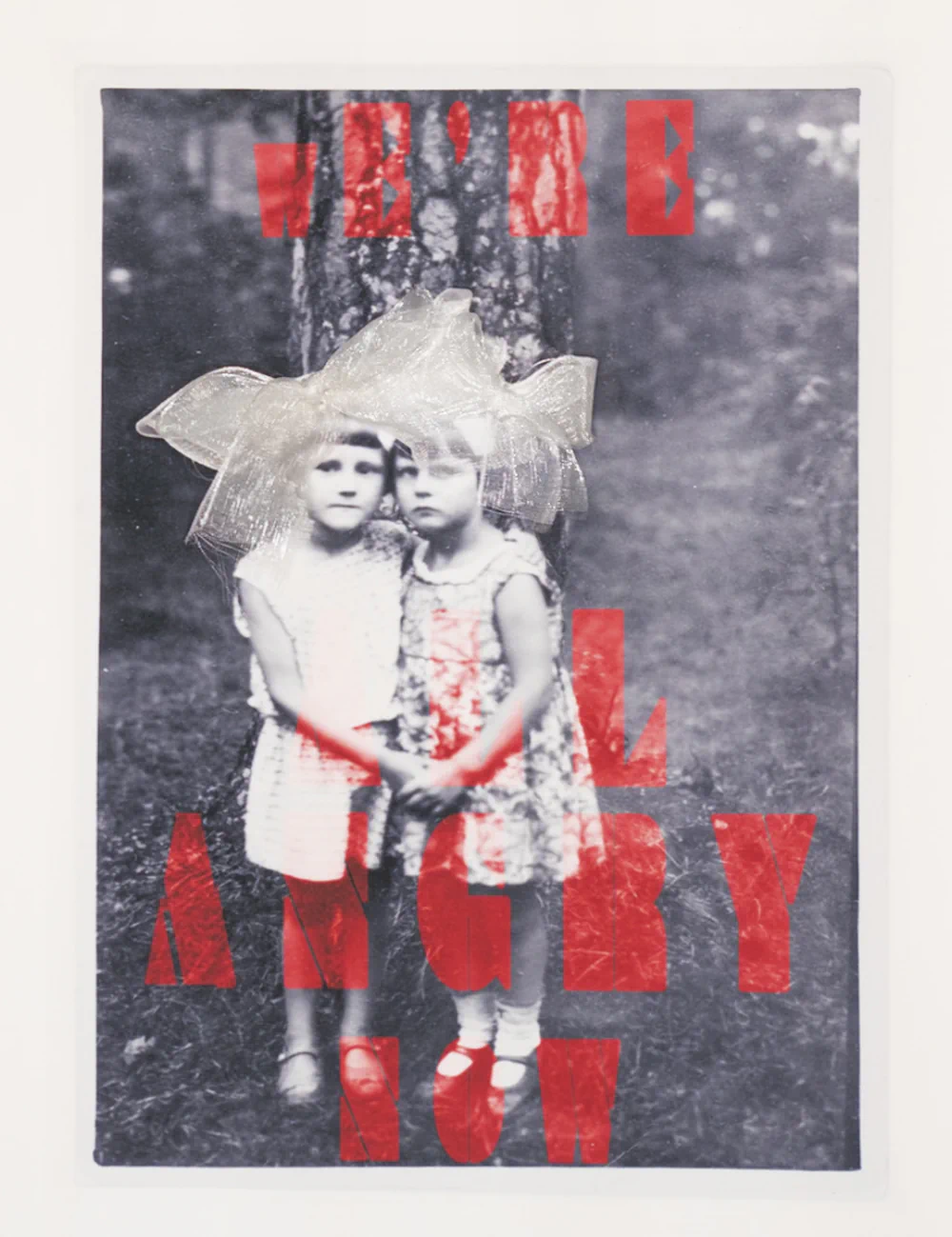
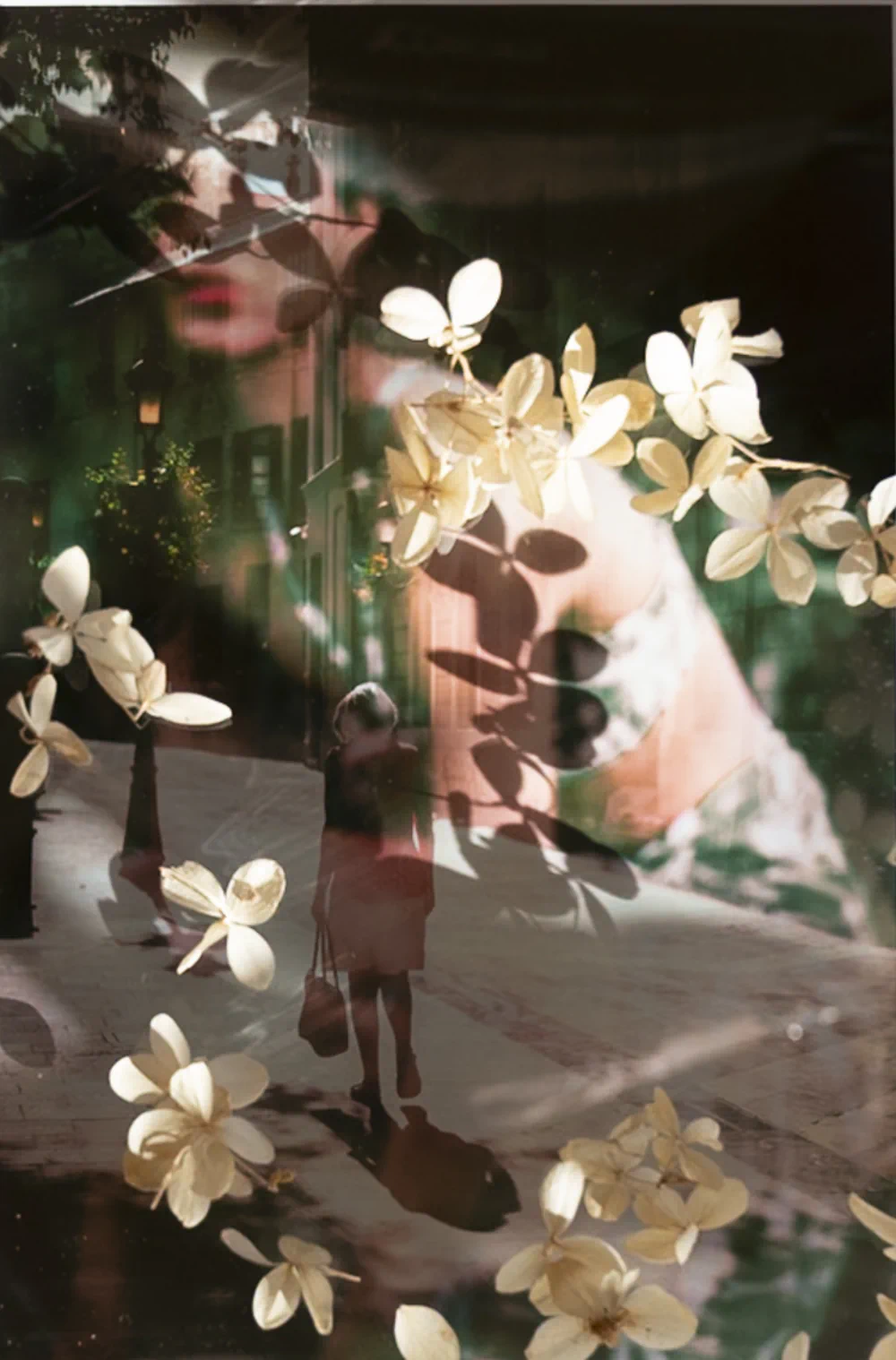
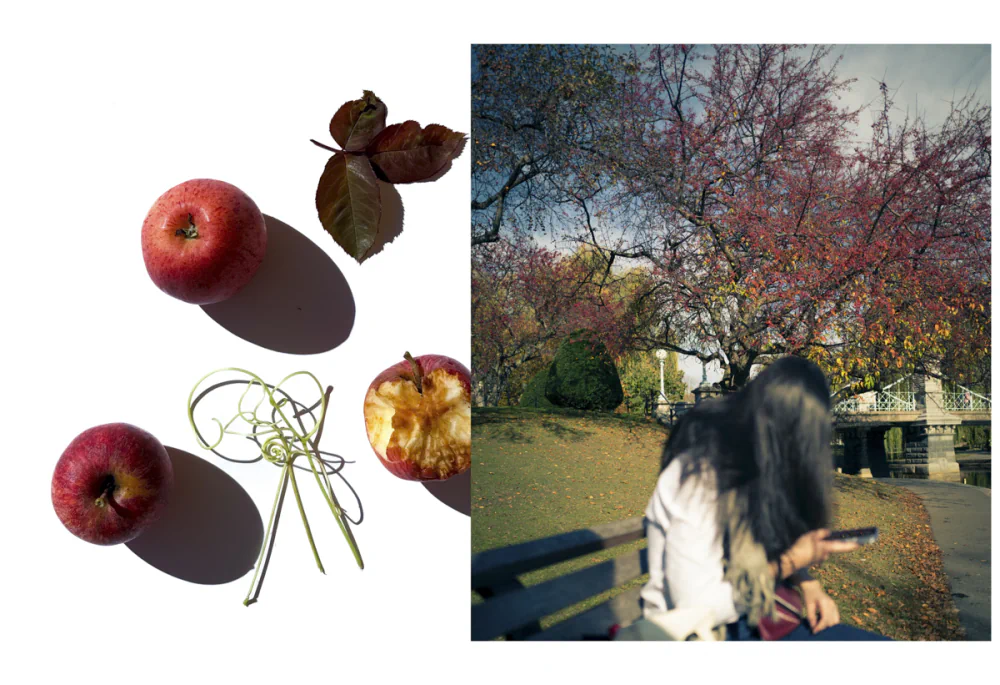
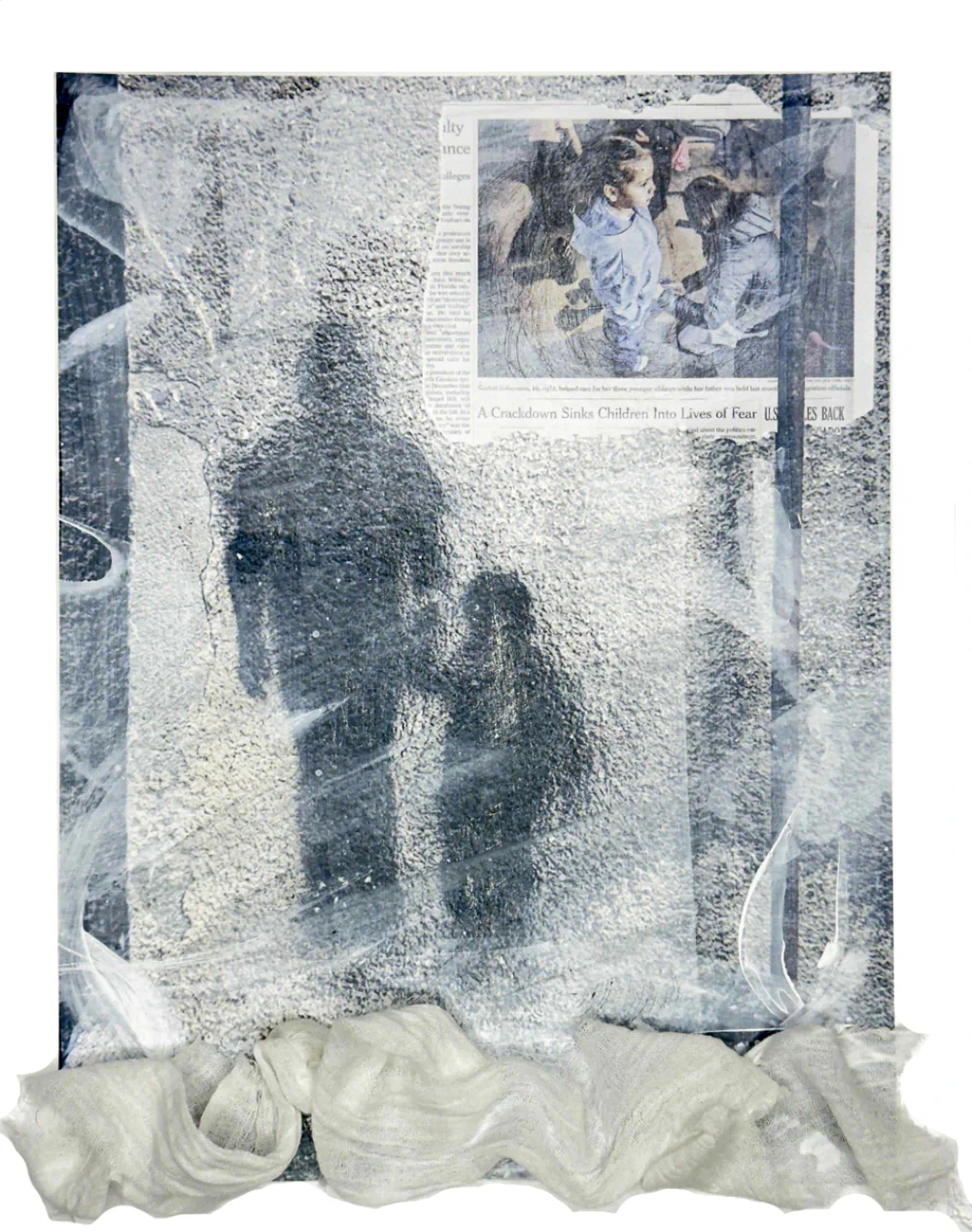
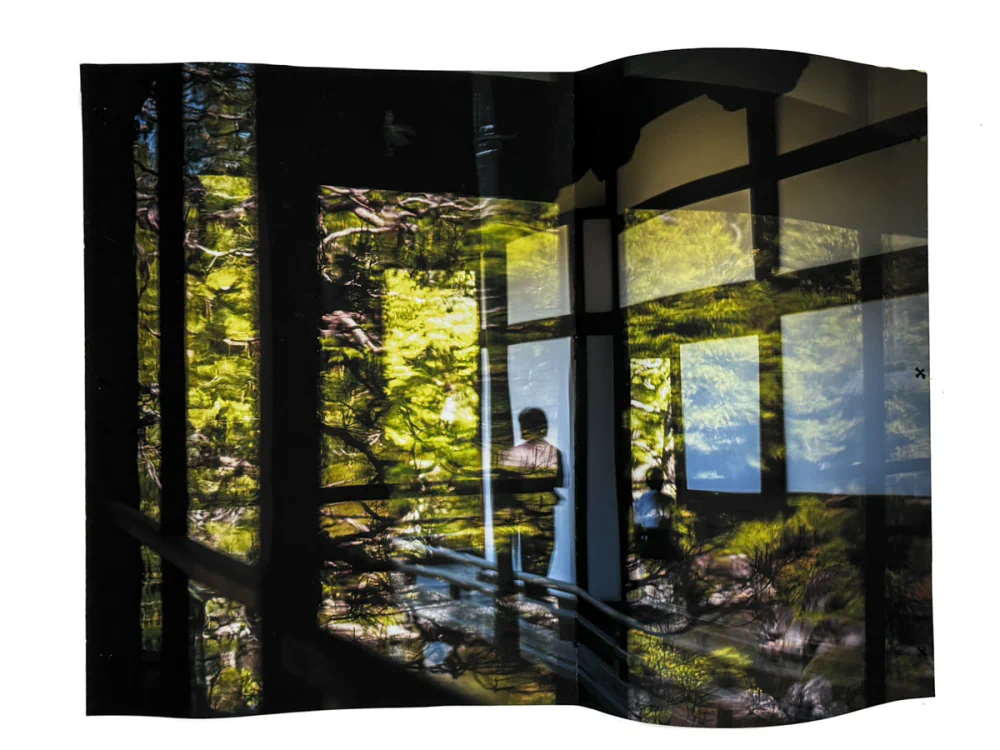
“When the world feels chaotic, collage emerges,” David Hockney observed. Mapping Dissonance is both documentation and self-inquiry — an examination of what happens when the maps we rely on, emotional, cultural, and political, shift beneath us. The images are liminal: blurred photographs, fragmented figures suspended in ambiguous space. I’ve explored political collage as an art form born to reflect a complex, muddied, disjointed society back onto itself.
I think of these objects as contemporary quilts, using media fragments, erasure, stitching, and repetitions to reflect a shifting America. “Defamiliarization” is the art of making the familiar seem strange by repeating, over and over, a kaleidoscope of views into the same numbing event. What is horrific has become normalized. I use color, inversion, and juxtaposition to tell the story of a society that has seemingly lost its way in the struggle toward justice, shared values, and a higher purpose.
The tearing of the social fabric is real, and the United States is forever changed. In this moment, art is not a luxury; it is essential — a reminder of who we are to each other and an insistence on voice and freedom of expression. There is no conclusion here. This is simply a record of attention: looking closely, holding onto beauty, and documenting rupture, all in the same frame.
And beginning to ask — what happens next?