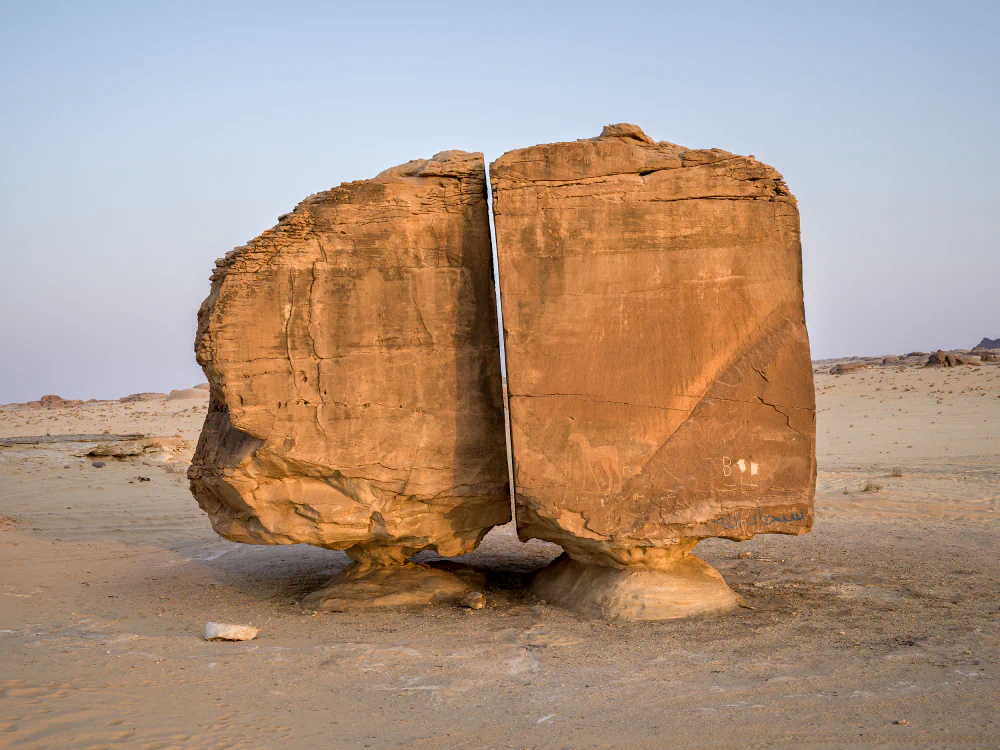
The desert carries different meanings depending on whether one has truly experienced it or only imagined it from afar.
Only by standing within it does its complexity begin to reveal itself.
What may initially appear as an endless and uniform expanse gradually unfolds into a landscape rich with subtle variations of light, texture, and form. The Arabian Desert is immense, yet when observed closely it reveals an extraordinary diversity. Beneath this physical presence lies something even more profound: a landscape deeply marked by human history.
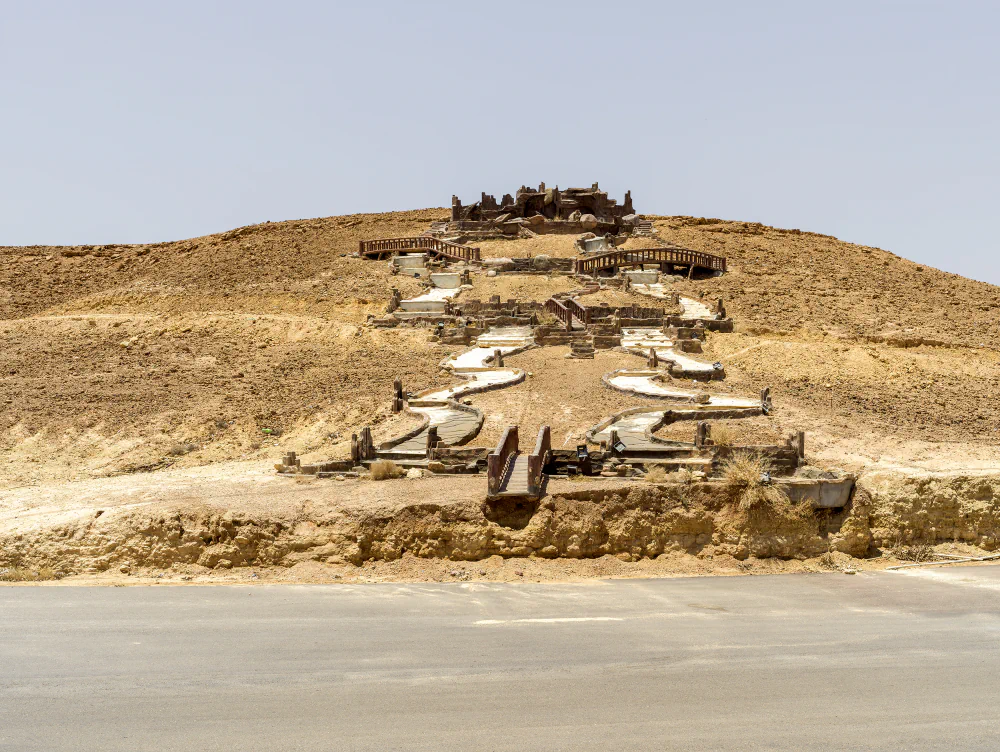
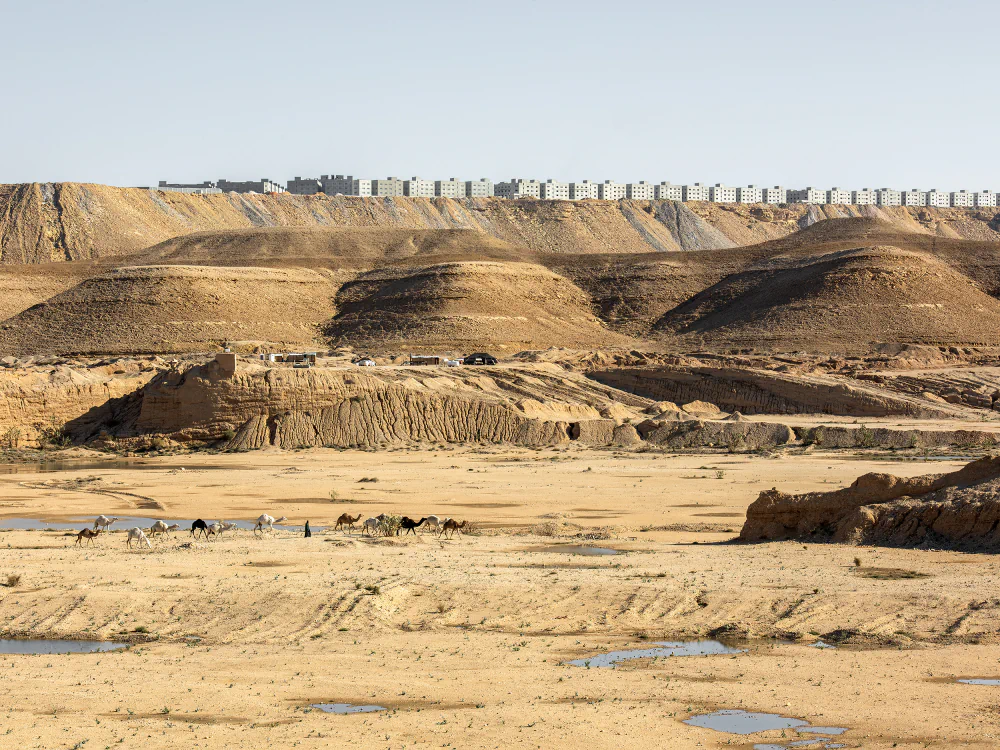
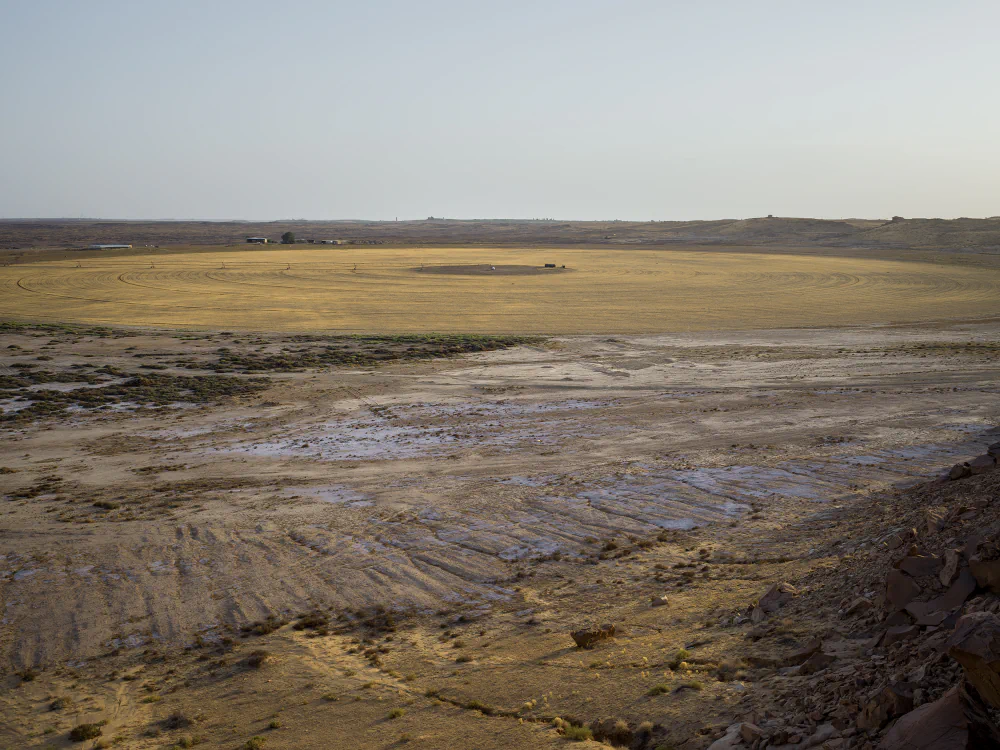
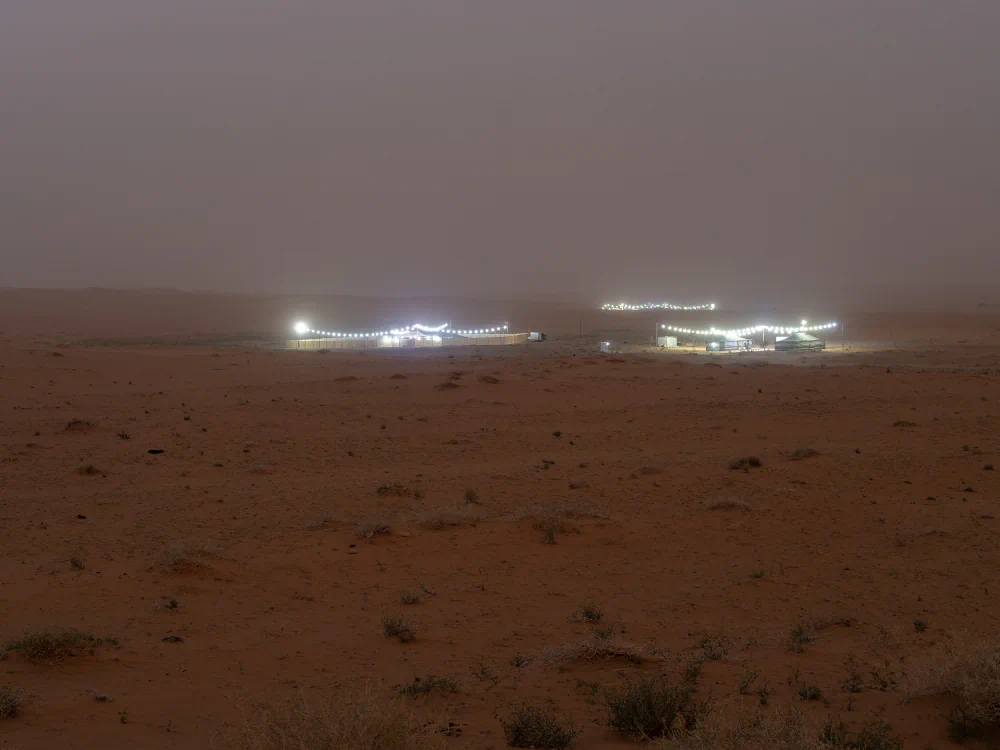
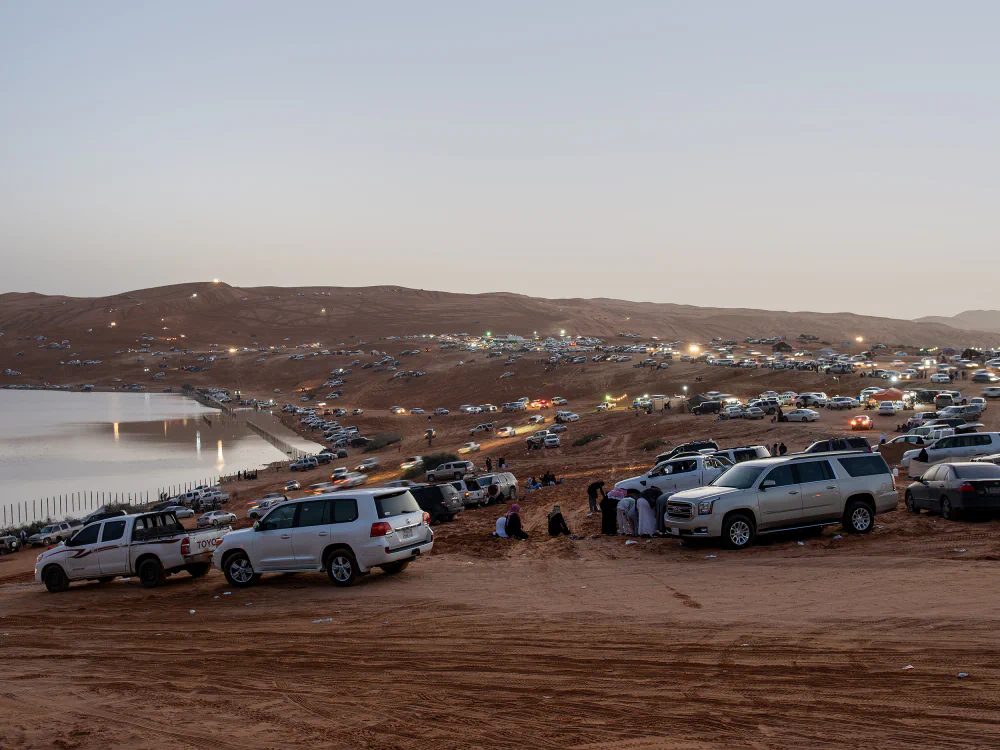
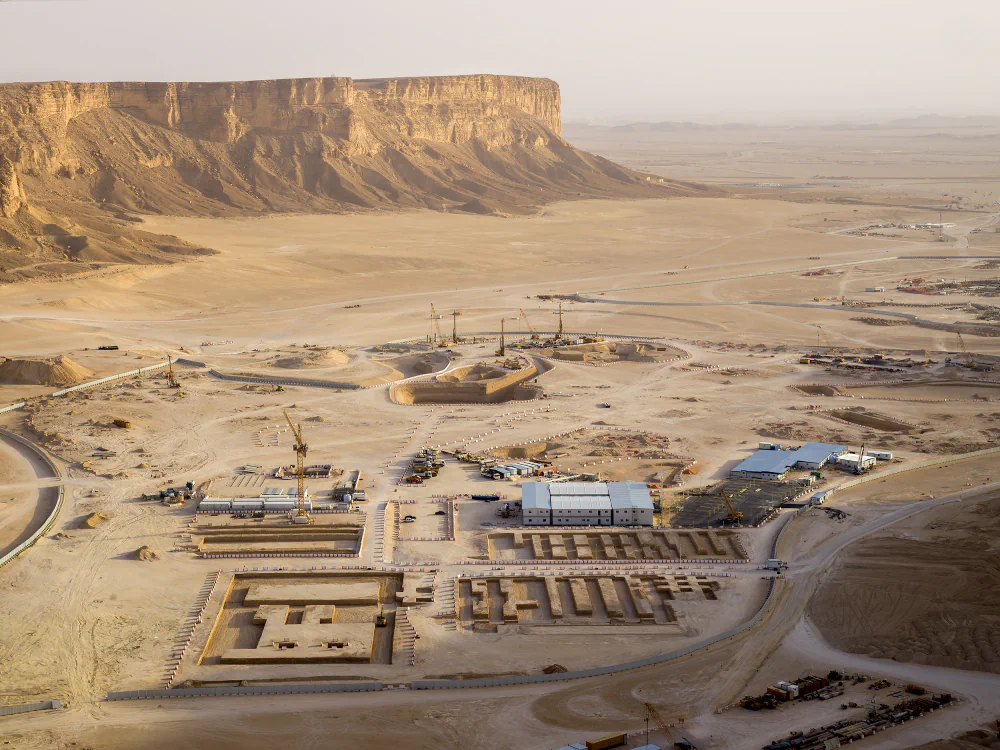
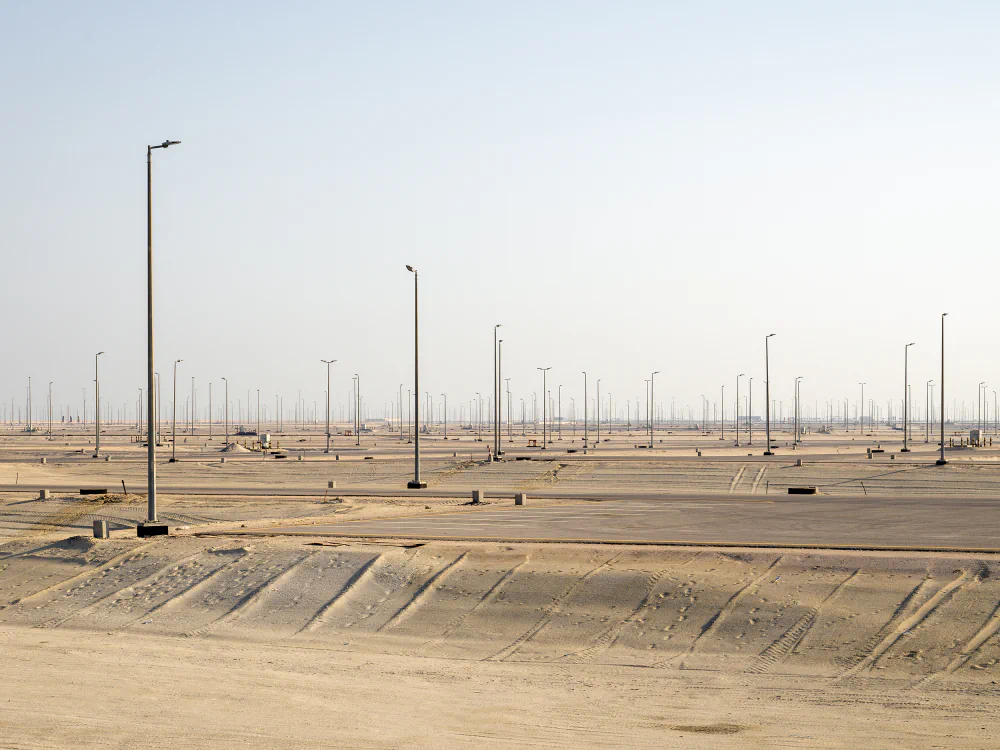
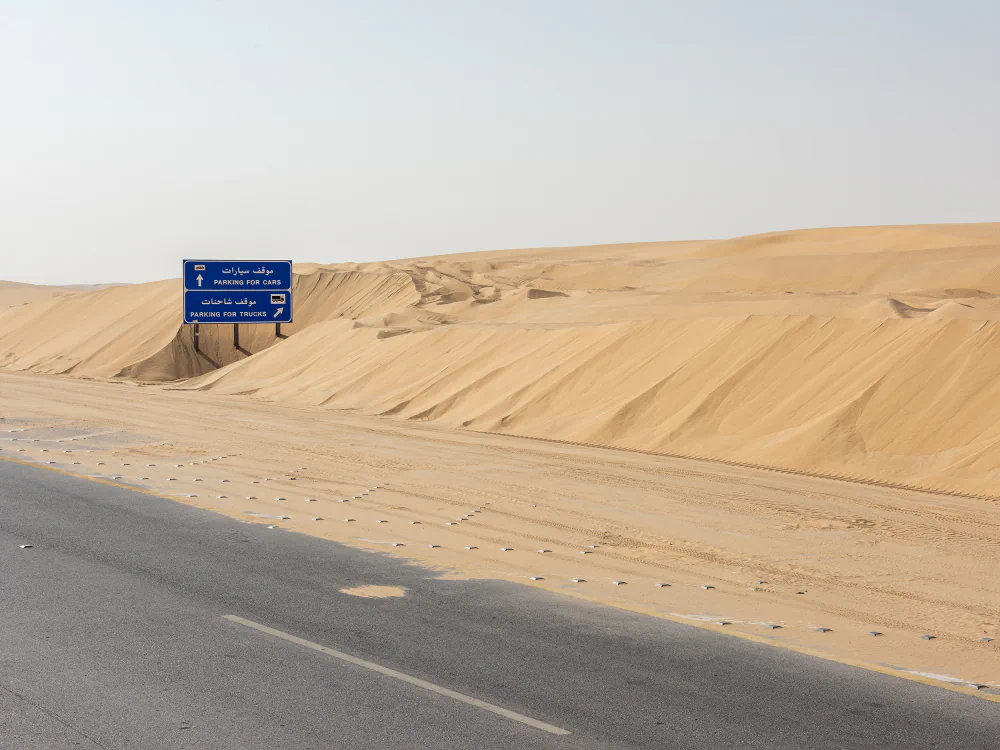
Landscape Inscribed explores this unique region by examining the persistent and often surprising relationship between the desert and the people who have inhabited it across centuries. Today the edges of the desert are increasingly defined by rapid urban expansion. New cities, highways, and infrastructure projects continue to push outward, reshaping territories that once seemed remote and untouchable. At the same time, nomadic communities still move through these vast territories, maintaining ways of life that adapt continuously to changing economic and environmental realities.
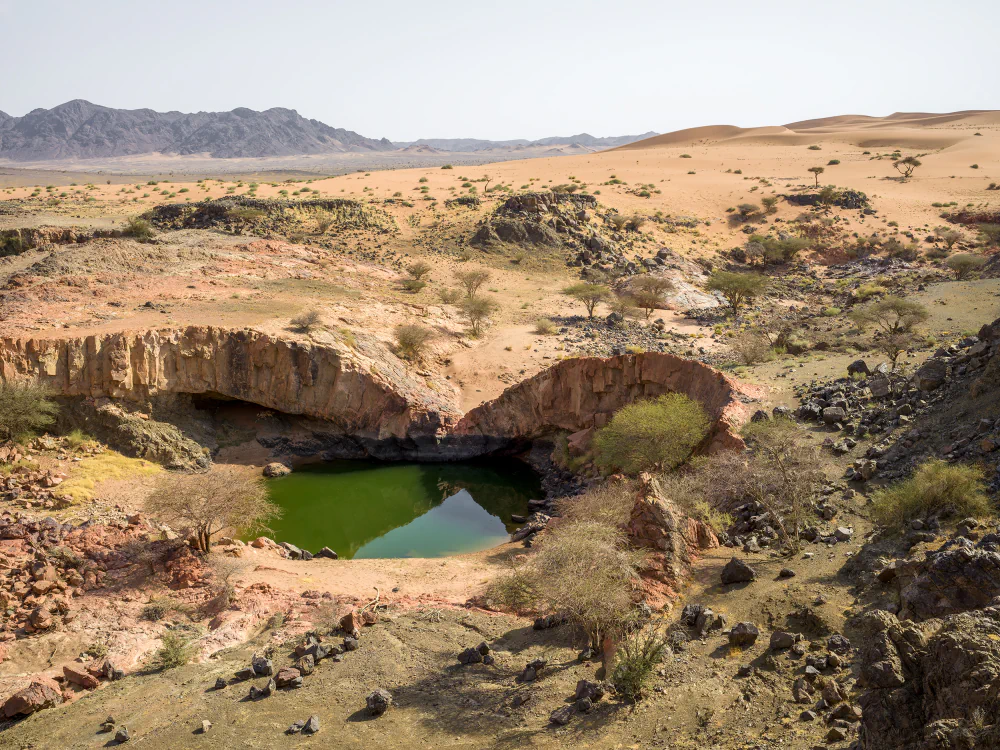
Within this tension between rapid development and enduring tradition lies a more elusive dimension of the desert. Much of its cultural history is not immediately visible. Beneath the surface of sand and stone exist traces of past civilizations, forgotten settlements, ancient routes, and archaeological remains that continue to shape the identity of the landscape. These cultural layers remain quietly embedded in the terrain, forming what might be described as lost landscapes that remain tenuously connected to the present.
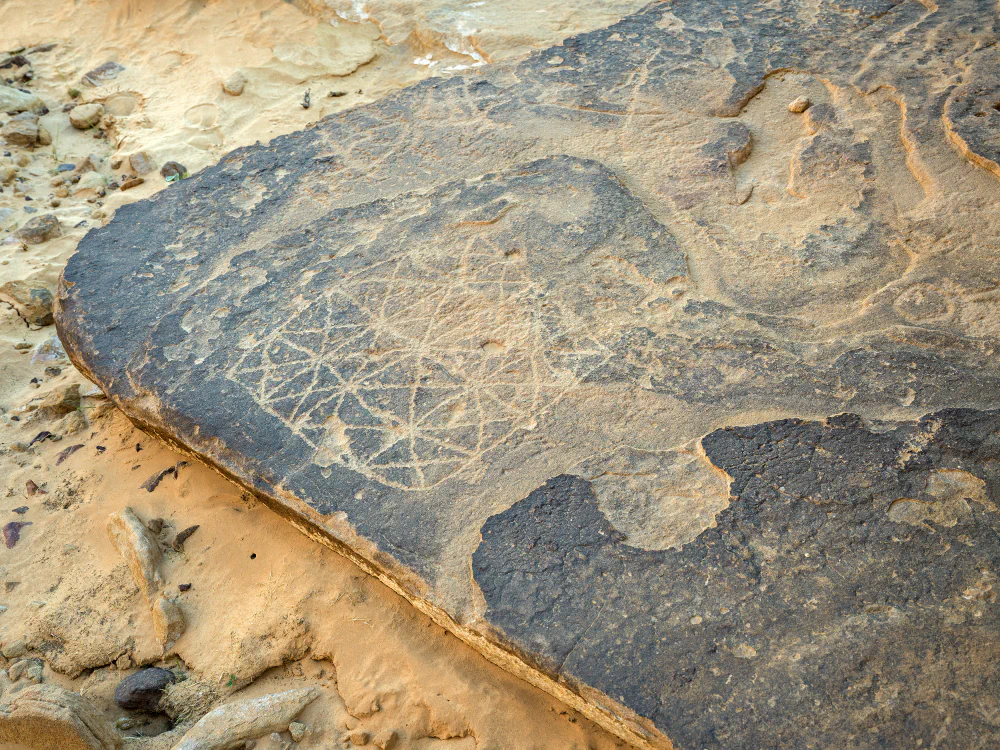
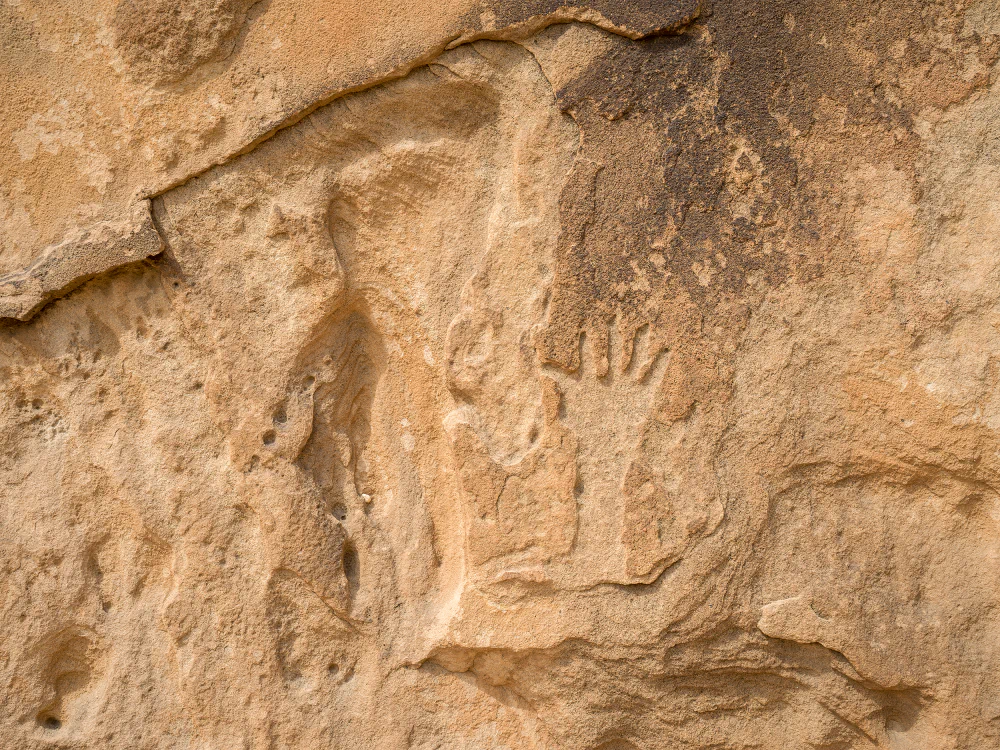
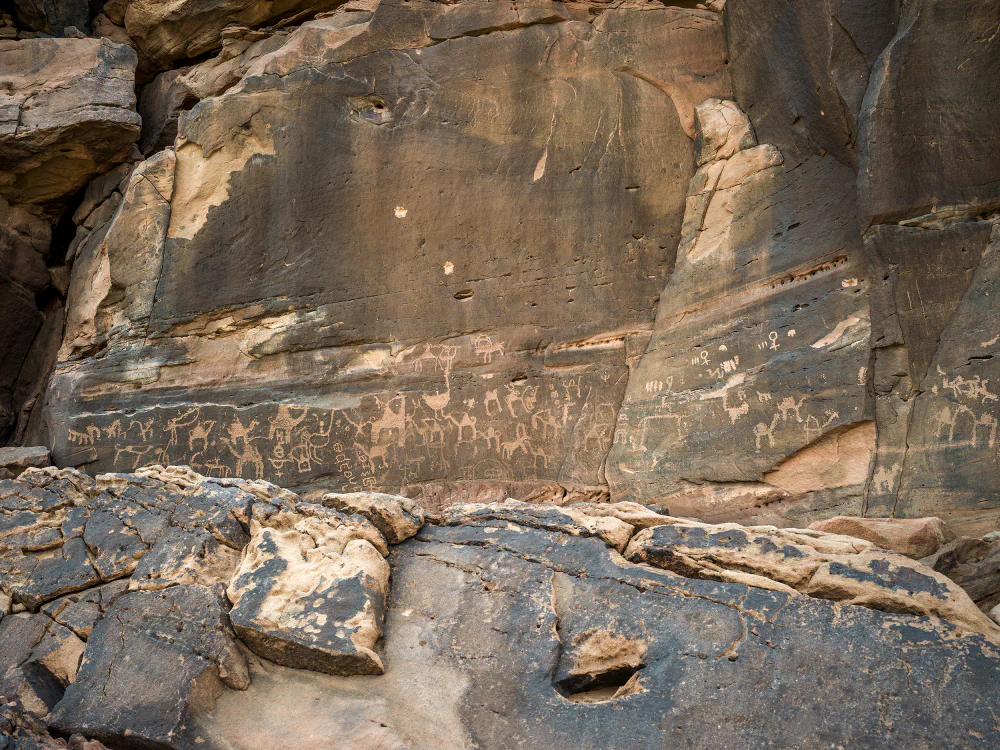
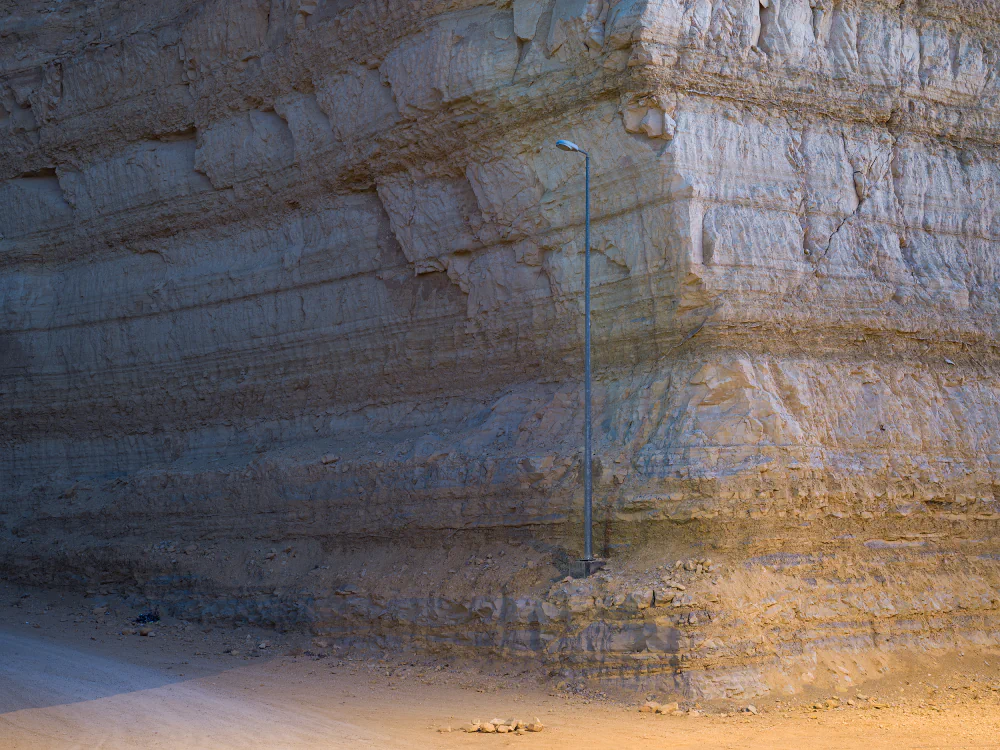
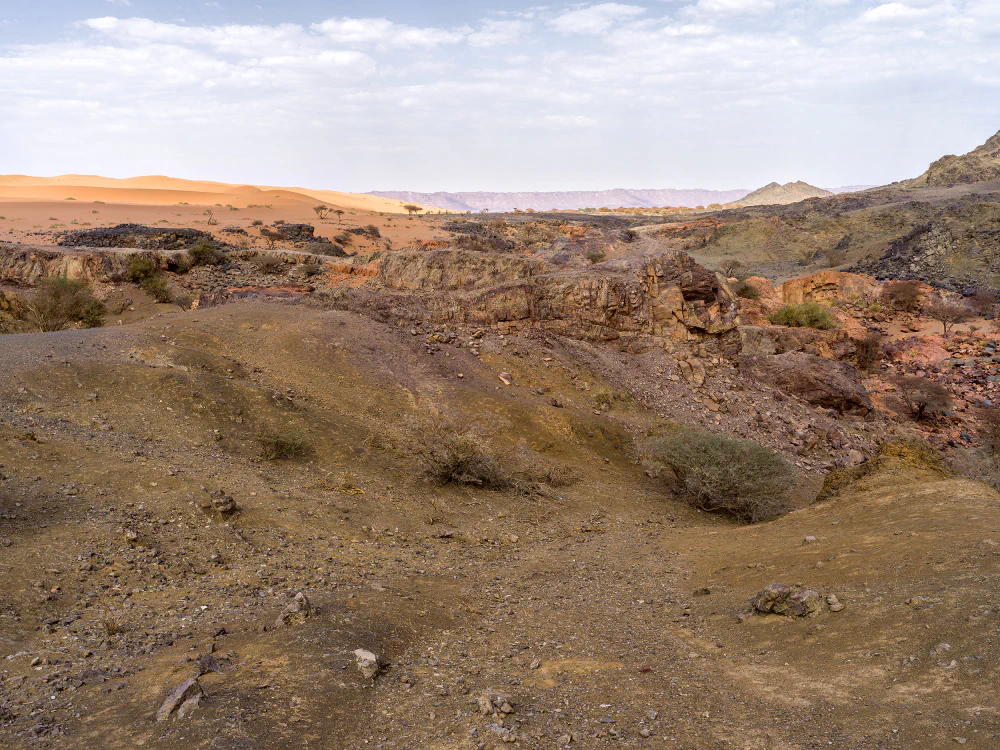
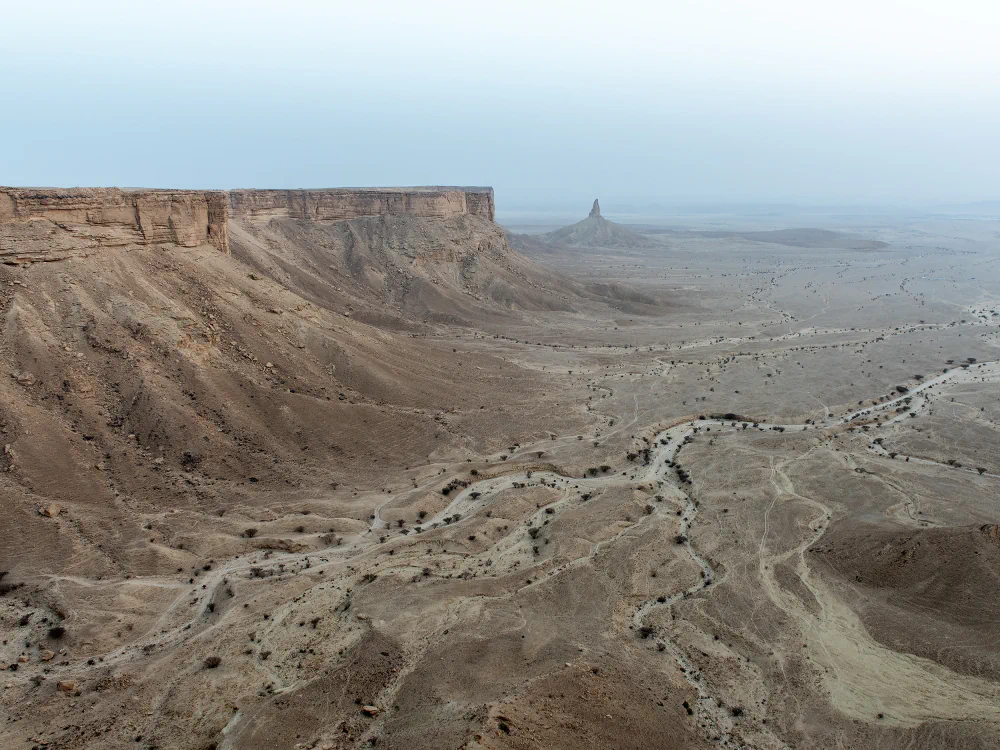
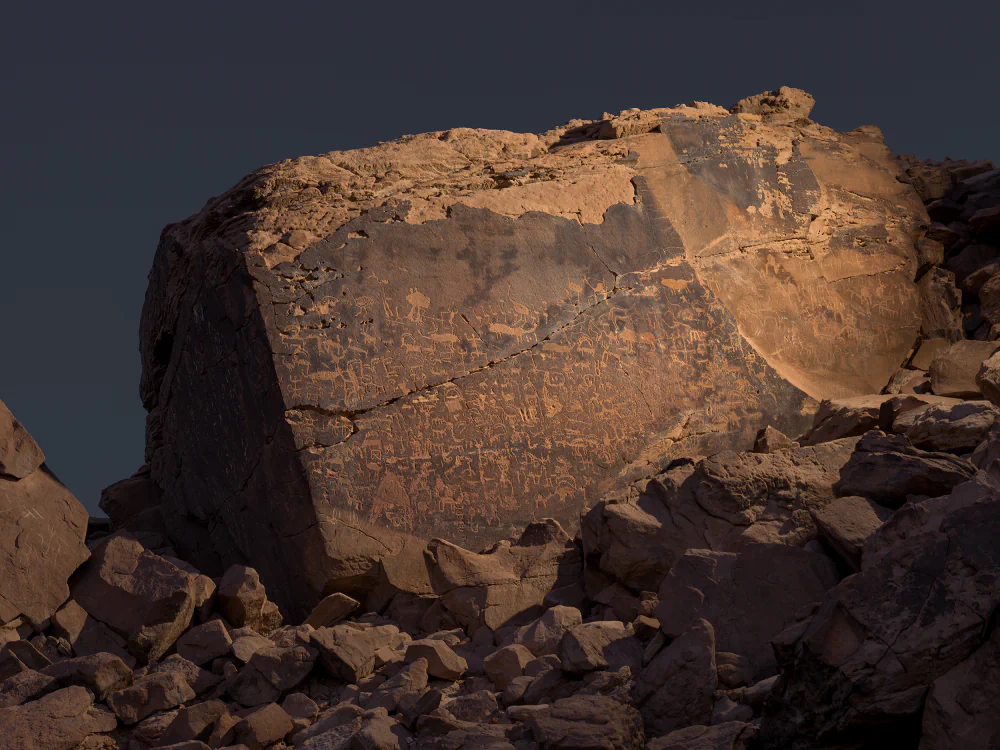
Peter Bogaczewicz approaches the desert as if it were a vast text waiting to be read. Both the natural and cultural histories of the land appear written across its surface. Geological formations record the passage of deep time, while scattered artifacts, ancient inscriptions, and archaeological excavations reveal the presence of generations who once moved through these territories. In this sense the landscape becomes a palimpsest, a surface where successive histories overlap and coexist.
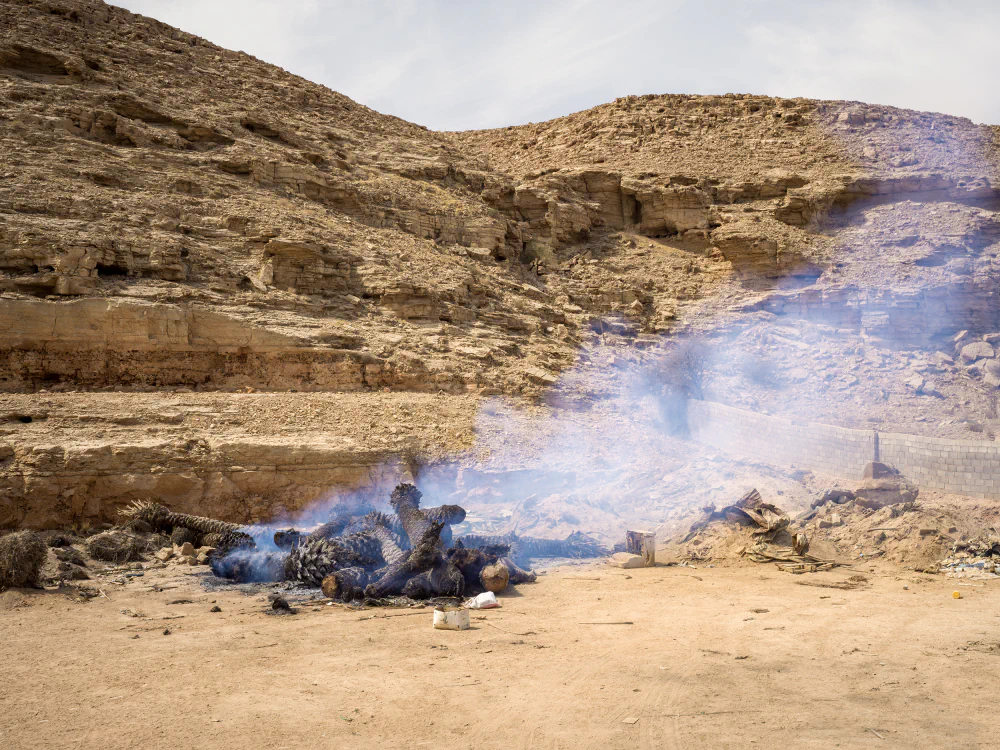
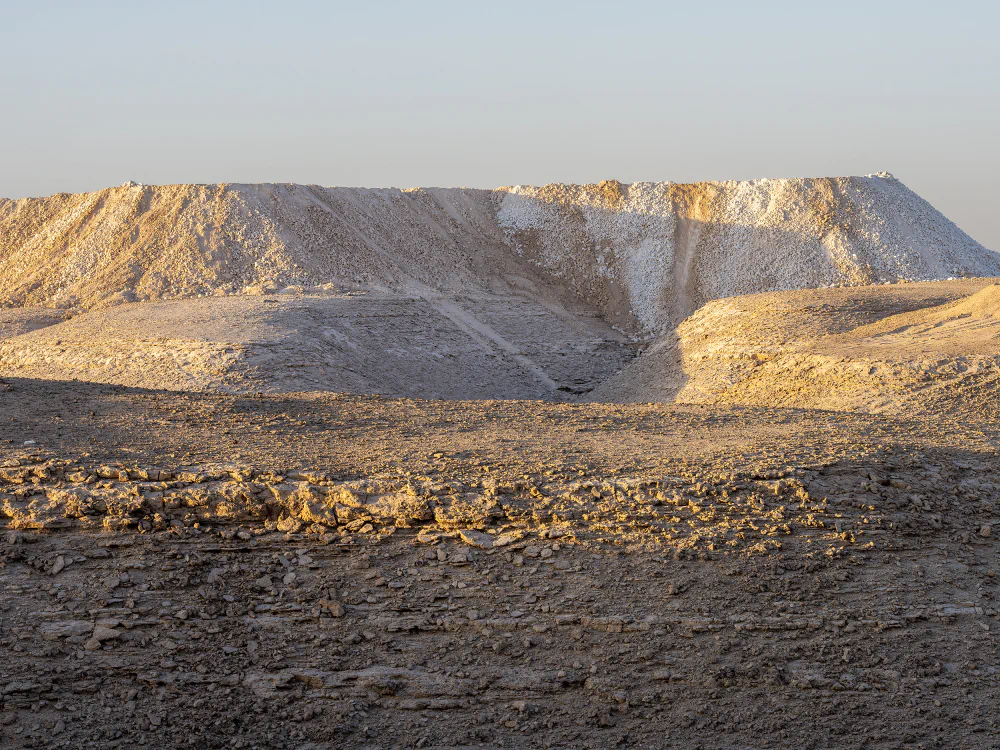
Photography offers a way to observe and document the visible structure of this environment. The spatial qualities of the desert translate naturally into visual form: the wide horizons, the shifting patterns of dunes, the stark geometries of rock formations, and the subtle traces of human presence scattered across the terrain. Yet the project moves beyond simple documentation of place. What emerges through careful observation is something less tangible, something connected to the passage of time and to the accumulated memory embedded in the land itself.
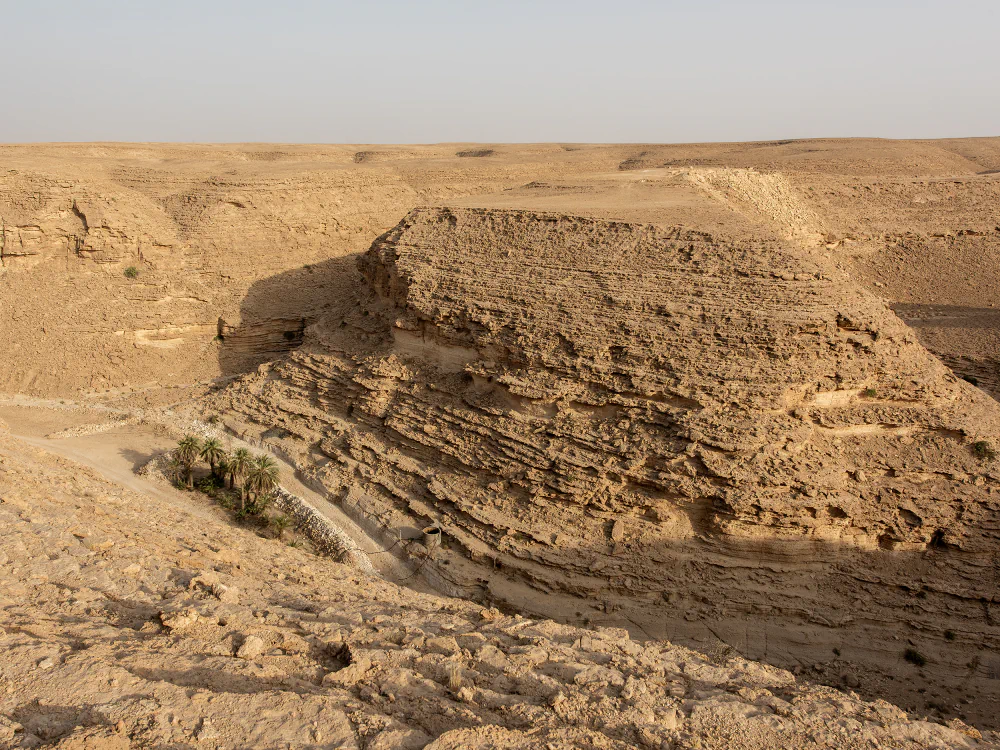
These traces appear quietly, often almost imperceptibly. A line of stones marking an ancient route. Fragments of structures eroding slowly under wind and sand. The faint geometry of human intervention etched into the terrain. Each of these elements functions like a form of inscription, evidence of lives and histories that continue to resonate within the landscape.
In this sense, Landscape Inscribed becomes both a visual survey and a reflection on time. The photographs document how the desert appears today and how people and other living beings interact with its environment. At the same time, the images evoke the invisible dimensions that lie beneath the surface: the persistence of memory, the presence of past civilizations, and the complex relationship between landscape and human history.
The desert, often perceived as empty, reveals itself instead as a deeply layered territory. Its silence holds countless stories, and its surfaces bear the marks of time. Through this work, Bogaczewicz invites the viewer to look more carefully, to read the landscape not only as geography but as a record of human experience written across centuries.
What appears empty is rarely empty at all. Often the most profound histories remain hidden in plain sight.