

Where lines and curves merge with the pulse of time, weaving stories that only shapes can tell.
Istanbul isn’t just a city; it’s a place where everything has a shape that tells a story.
Walking through Istanbul, it feels as though the city itself is alive, breathing through its windows and ancient walls.
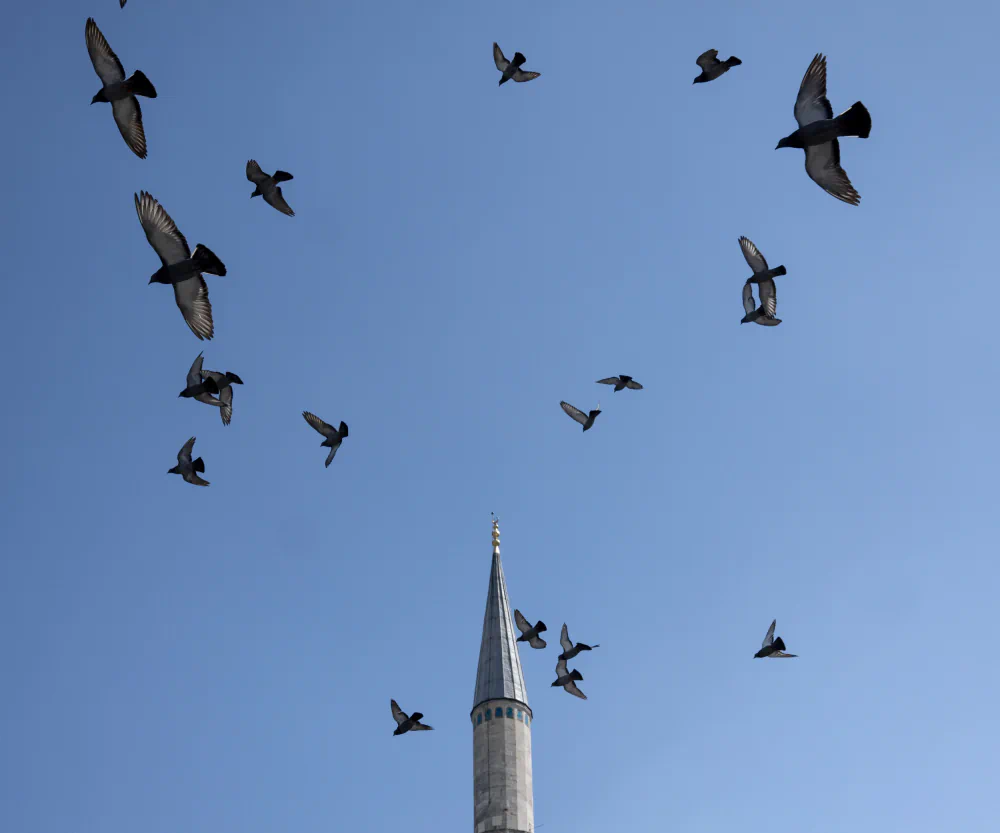
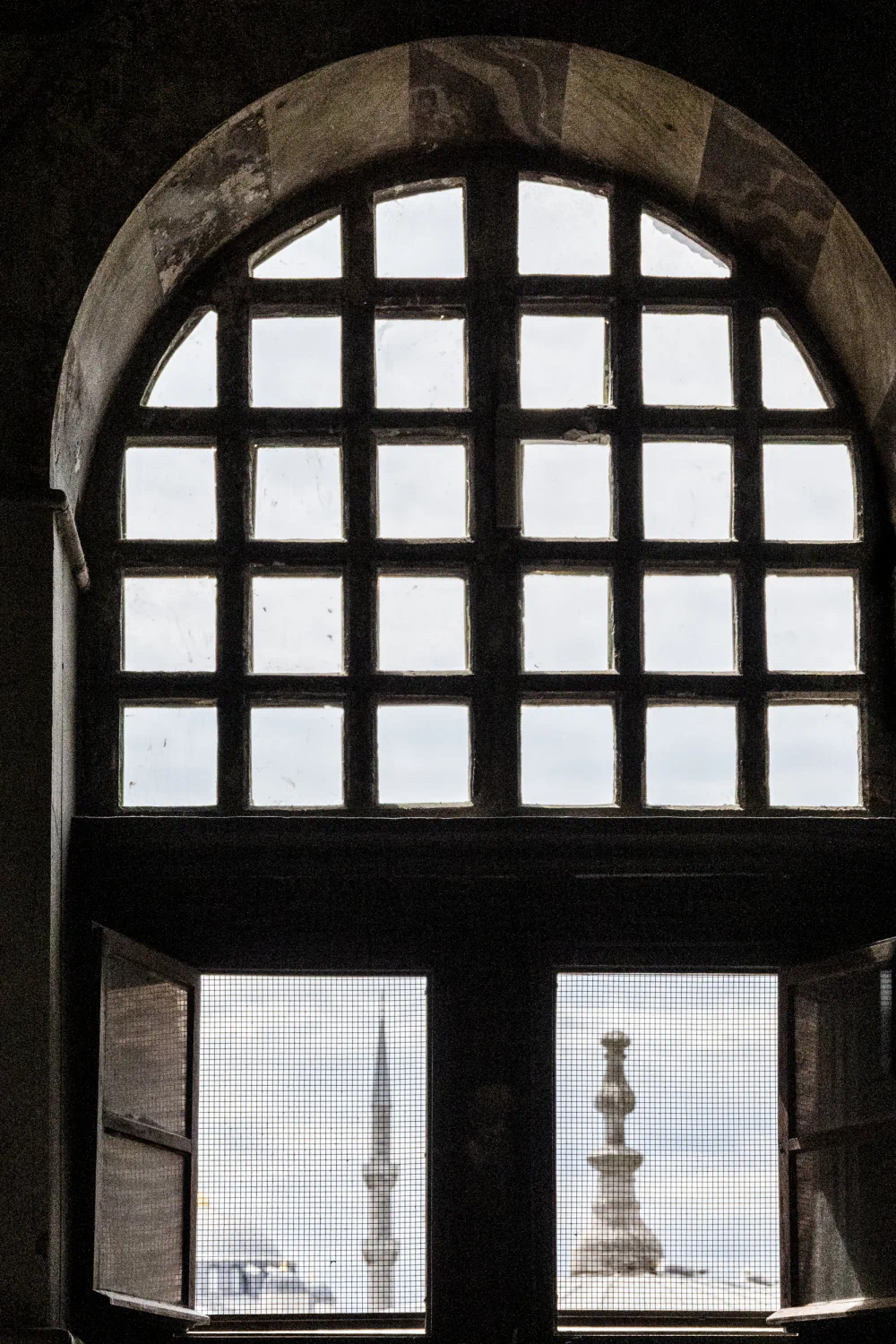
Take this window, for example. The dark, weathered frame holds squares of light, almost like a puzzle, each pane showing a different moment. Outside, the minaret of a mosque pierces the sky. Minarets are part of the city’s heartbeat, watching over everything with silent strength. The scene is timeless, as if nothing has changed in centuries.
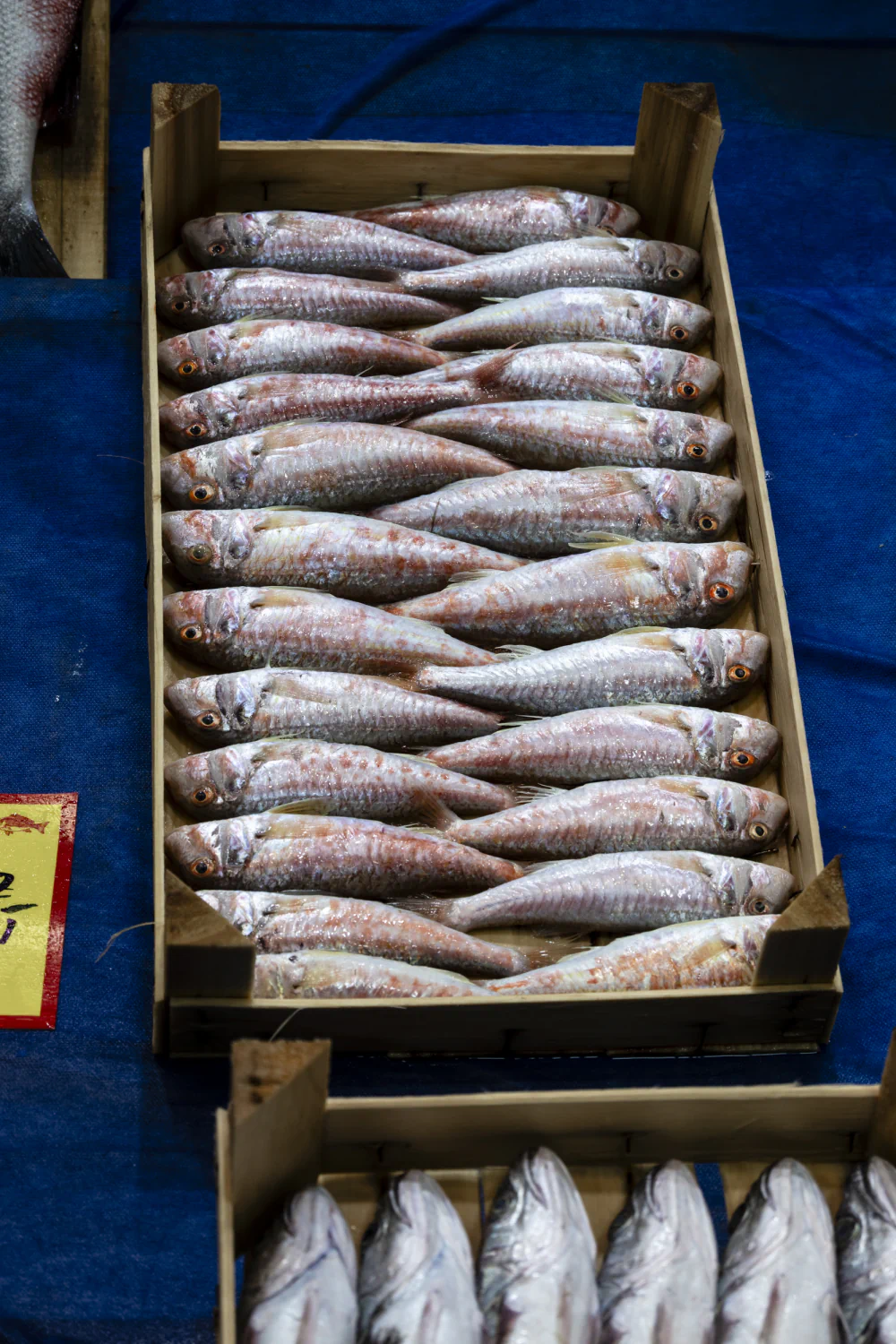
Down in the market, the shapes take on a new form. Fish, fresh from the sea, are laid out in neat rows, their silver scales glinting like tiny mirrors. They look as though they could slip back into the water at any moment. They’re more than just dinner; they’re part of the rhythm of life here, part of the constant flow between the sea and the city.
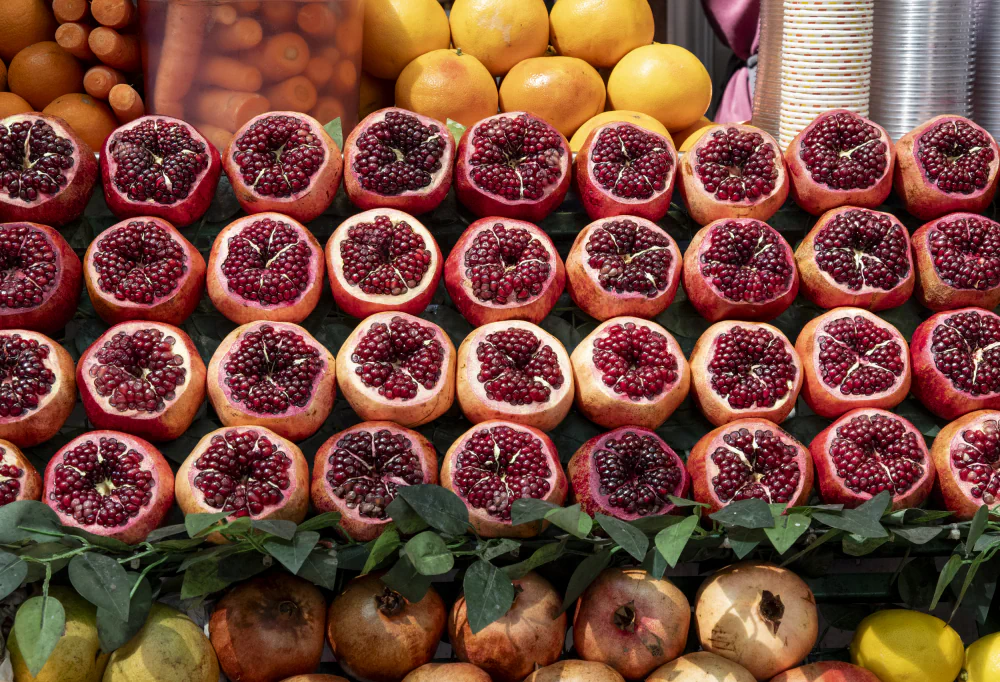
In Turkey, as in Iran, the pomegranate is woven into the fabric of daily life. In the bazaars, as well as in the city streets, its ruby-red forms appear again and again, stacked, polished, and carefully arranged. More than just a fruit, it carries history within it, inspiring poets, artists, and cooks alike. It is a quiet symbol of fertility, persistence, and resilience.
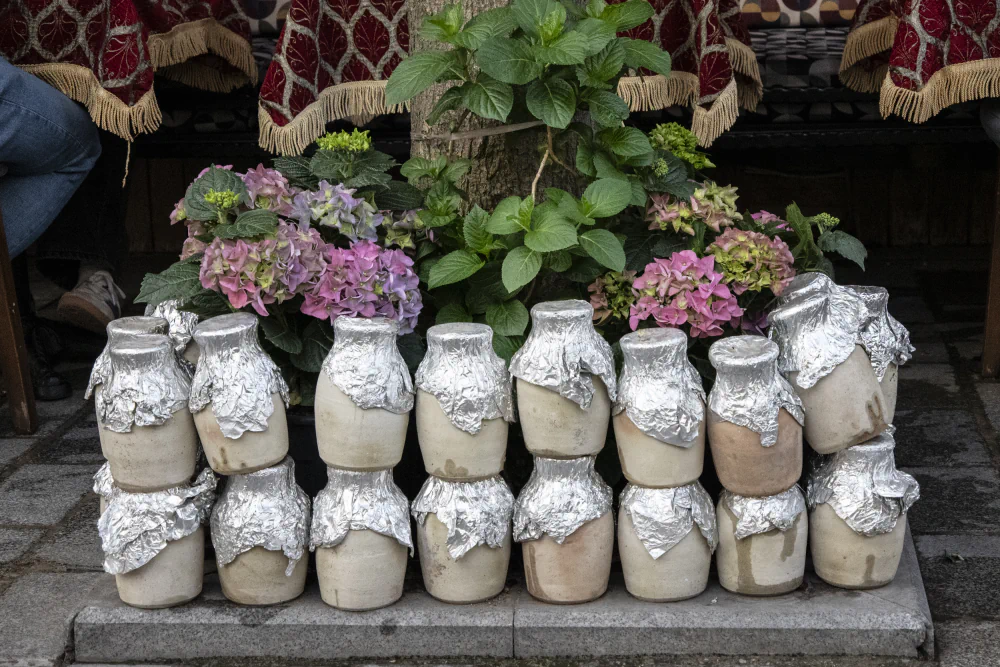
Pots upon pots of stew: handmade clay vessels sealed with foil, slow-cooked over fire for hours. Each one is made to be opened only once, its top broken at the moment of serving. It is a process that cannot be rushed. These pots carry the story of time and patience, their rounded forms echoing domes and minarets, never perfectly uniform.
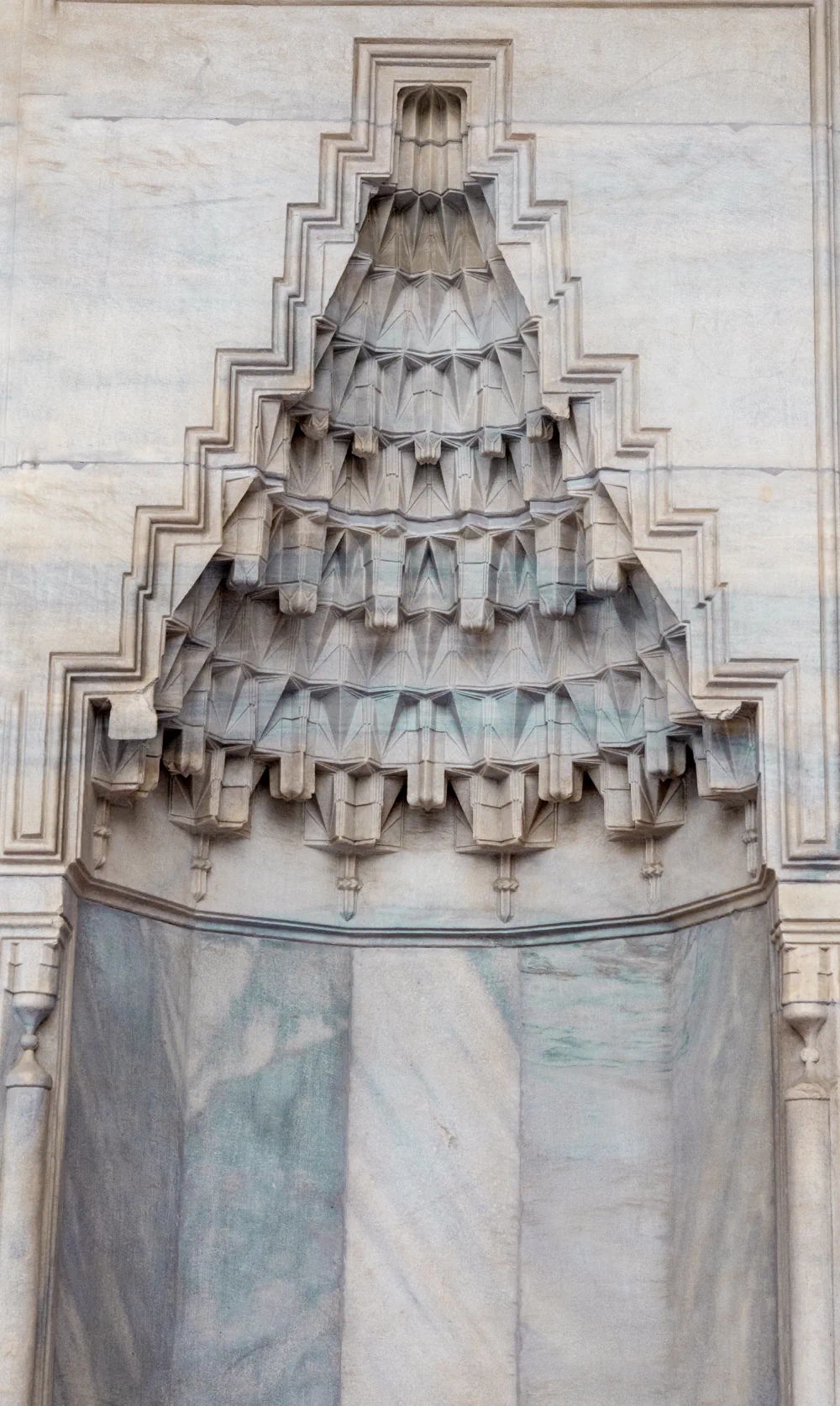
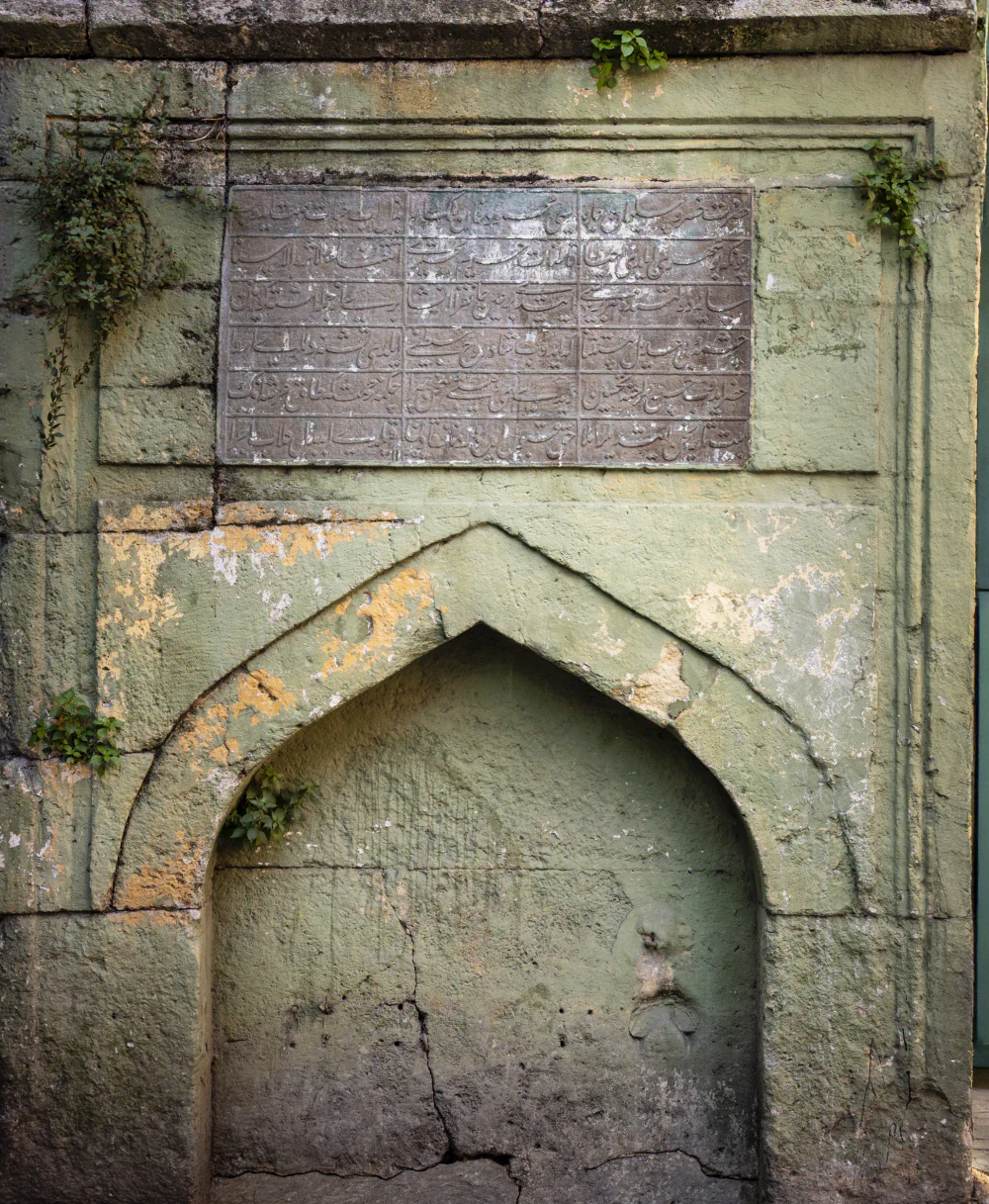
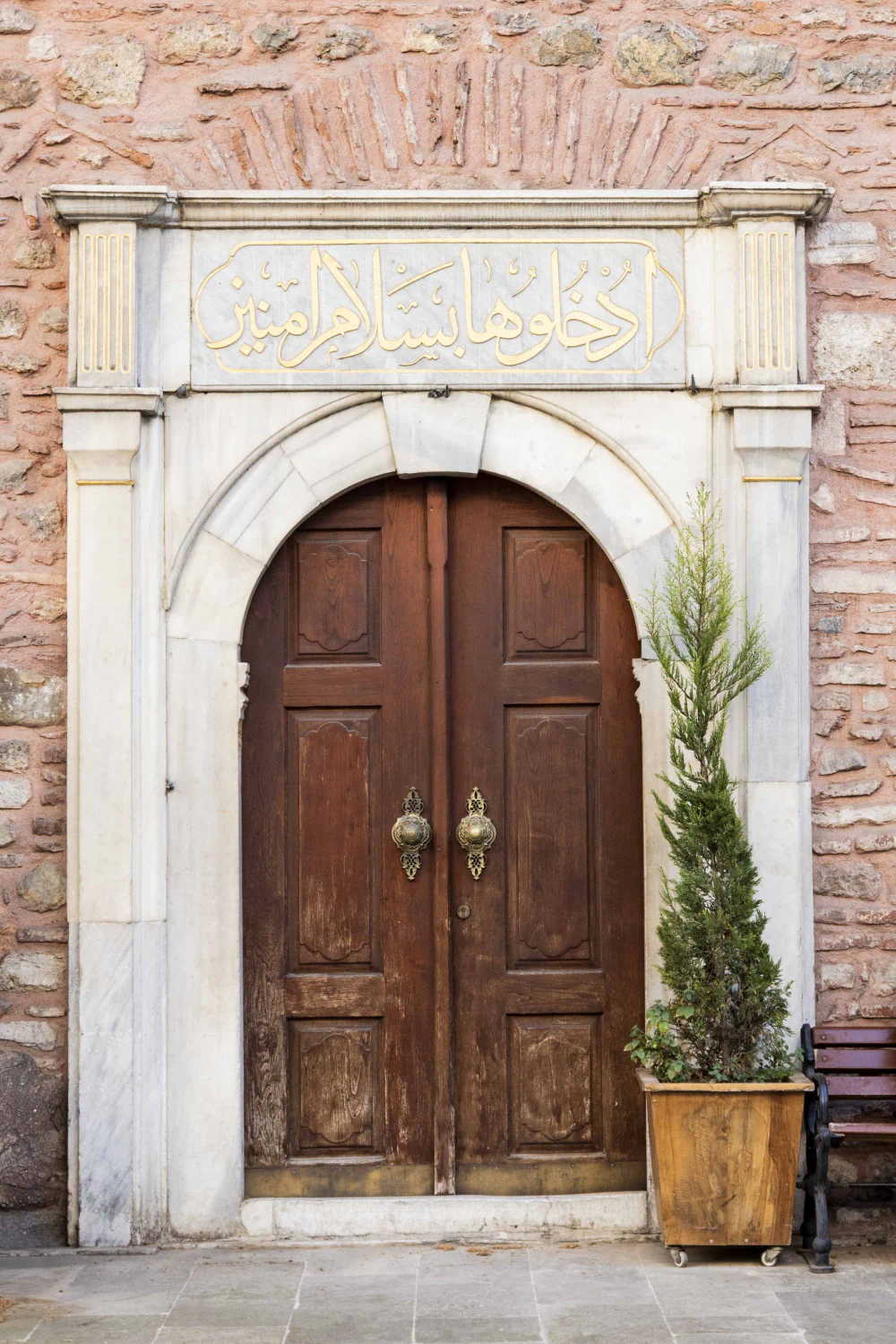
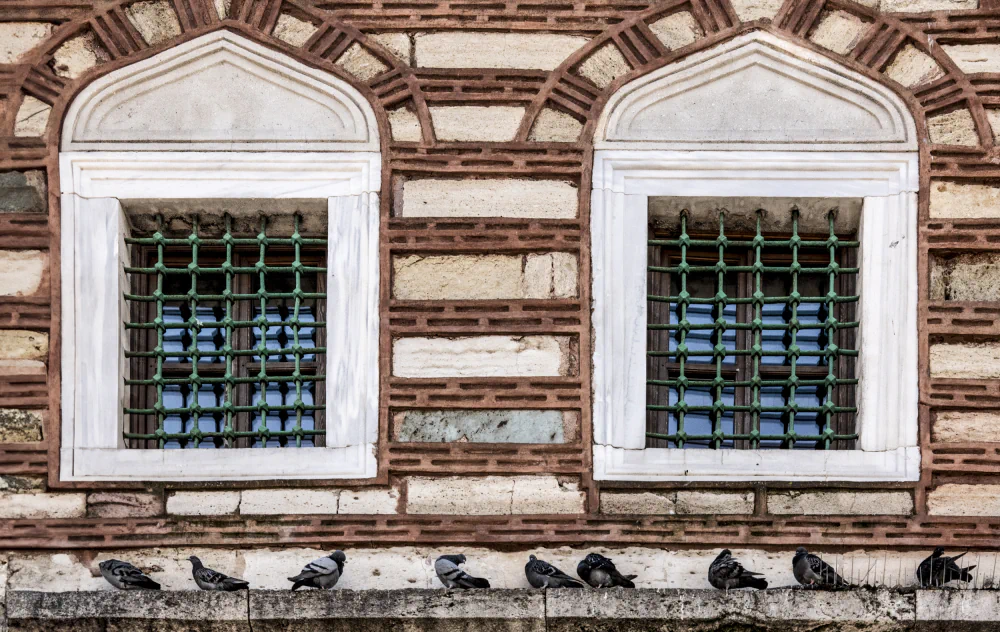
Everywhere you look, there is something to catch your eye: a curve, a line, a texture. Take this wall from the Ottoman era on a busy city street. The pointed arch is a classic Ottoman architectural form that can be found in mosques, doorways, and fountains. The faded rectangular inscription panel is a quiet record of what once was: an empire that ruled over half the world.
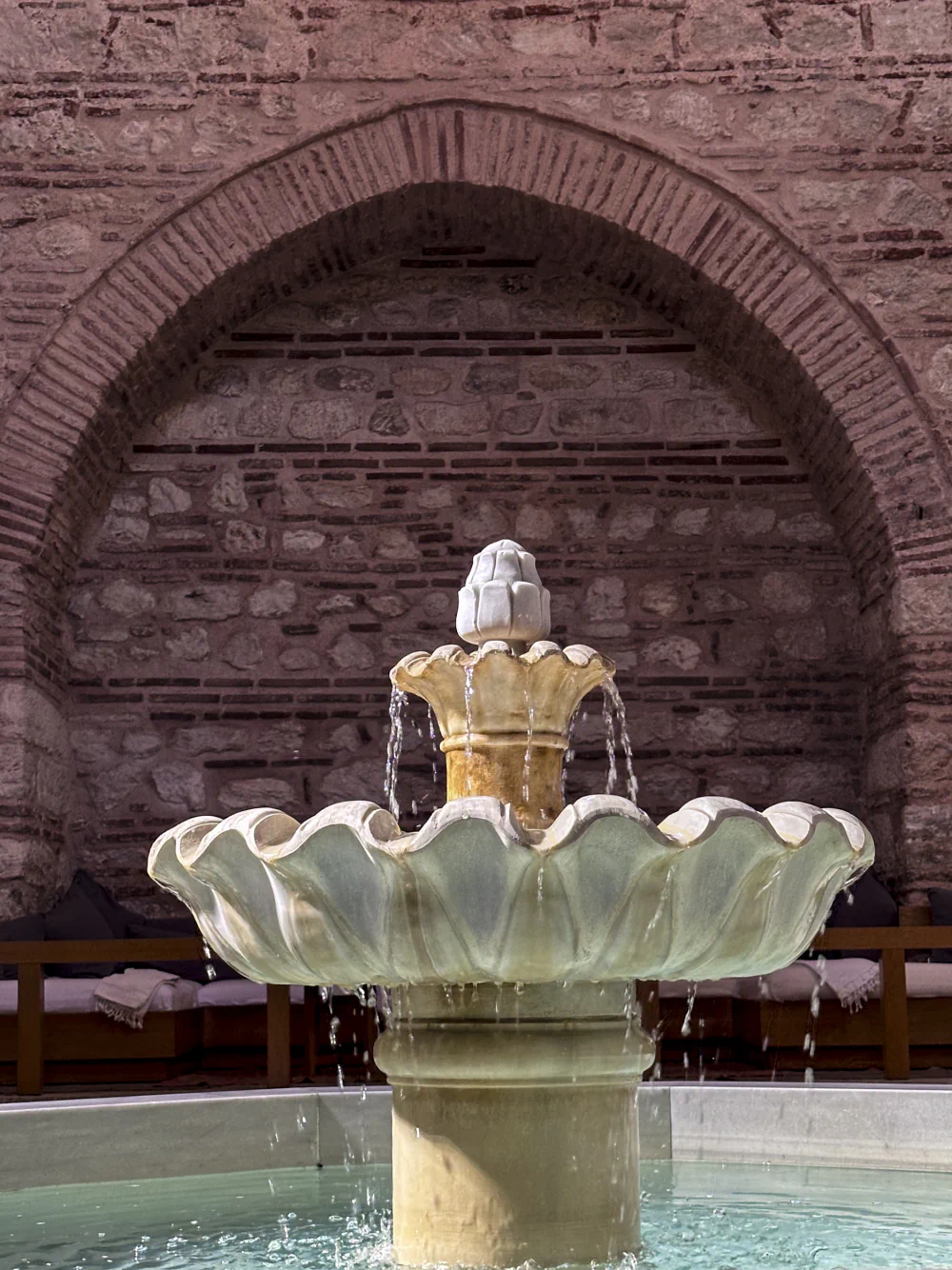
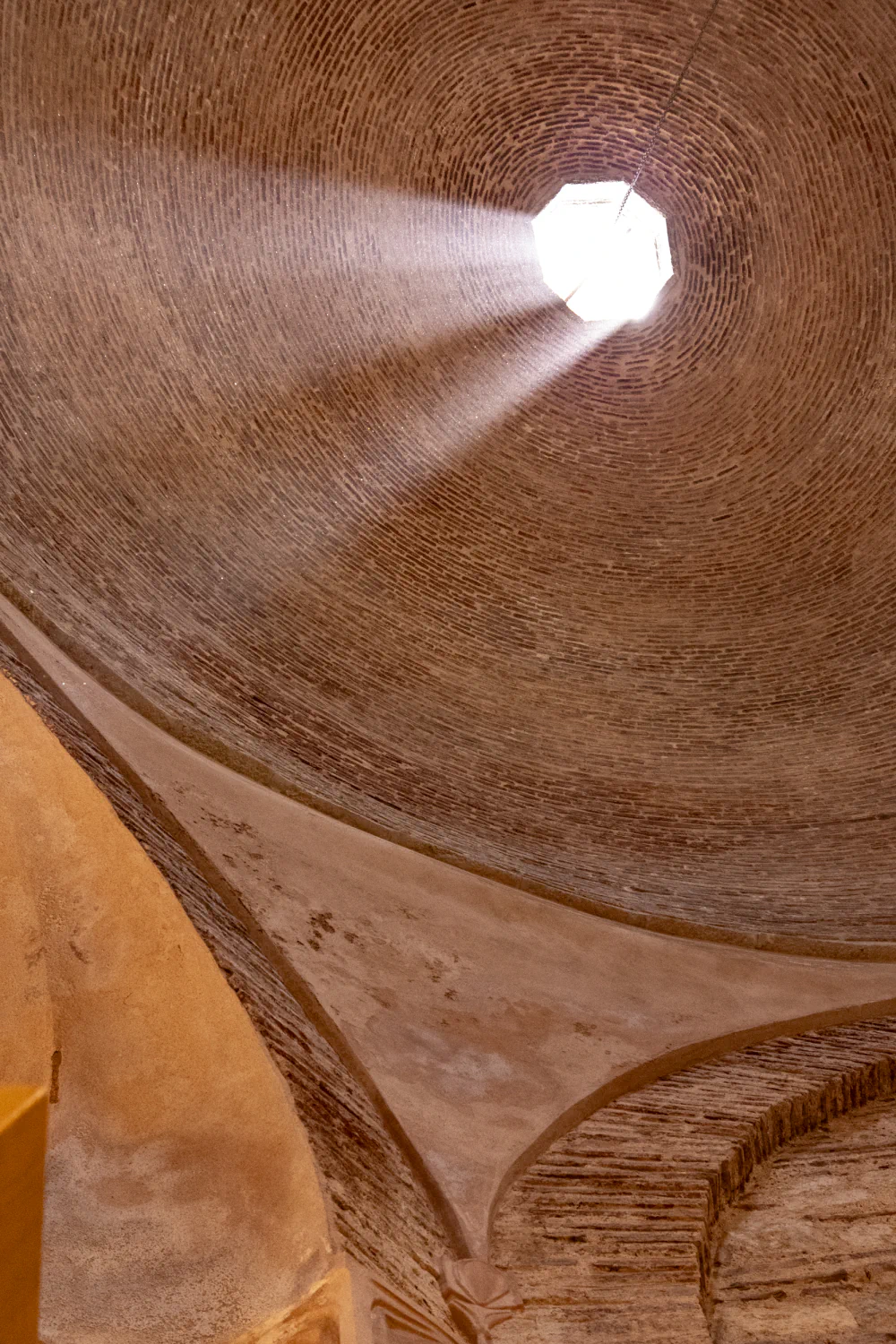
At the top of the dome in a 15th-century hammam, an opening draws in light, shaping how it enters the space and balancing openness with enclosure. A simple form, repeated for centuries. The design is deliberate, bringing light in without breaking privacy.
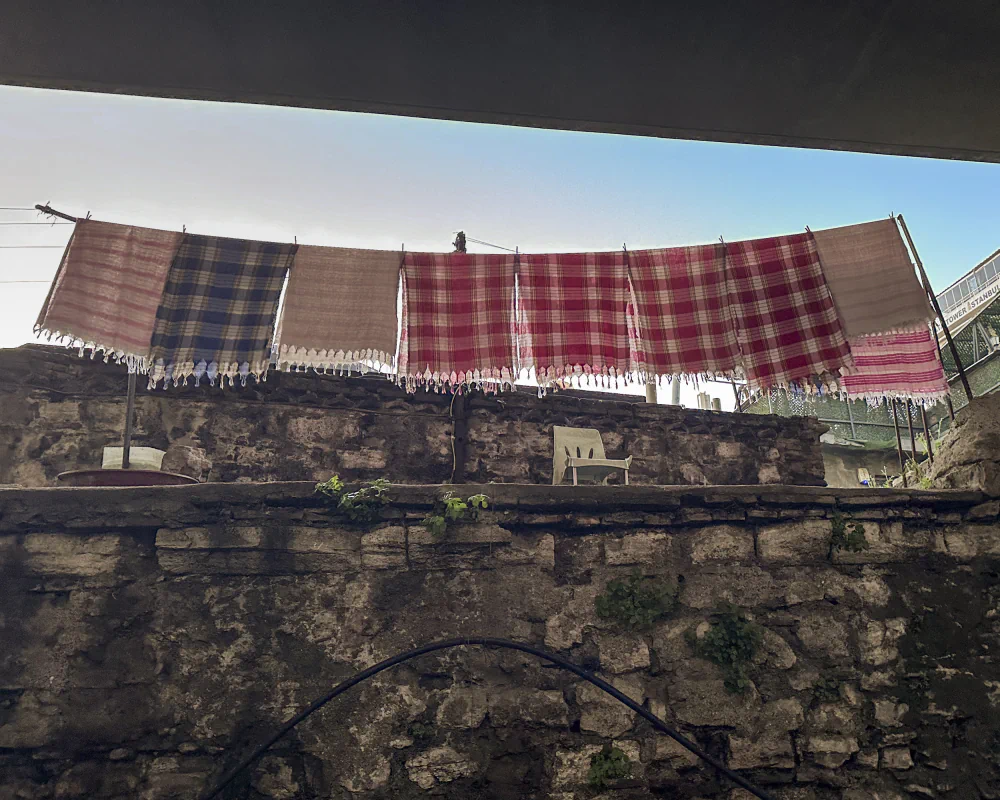
Above the stone walls of a hammam, rectangular cloths hang in rows, drying in the sun. Used in public baths by men, they create privacy, their simple geometry defining personal space.
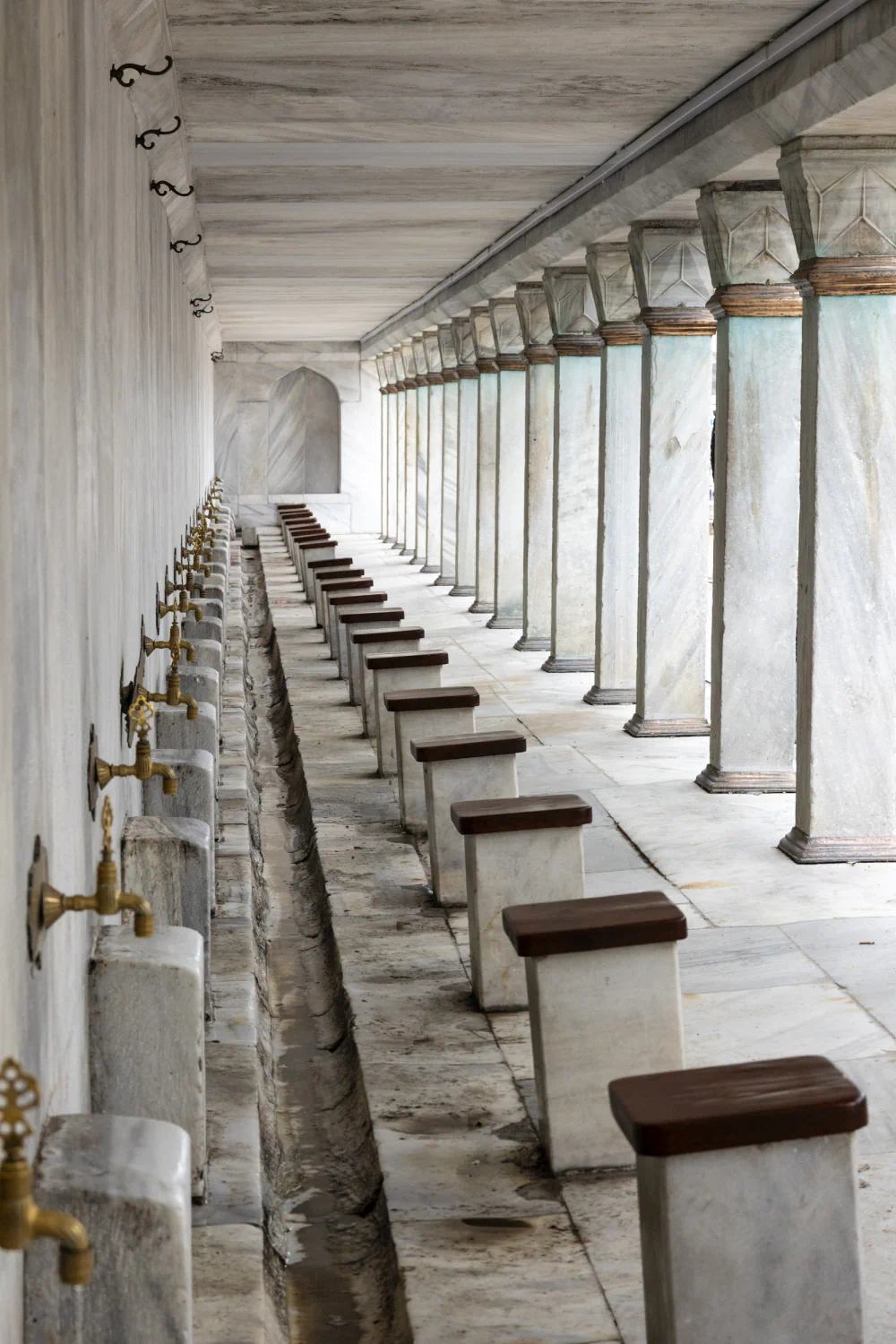
Before entering the mosque, the body is prepared through water. In the courtyard, rows of taps and low stone seats stretch into the distance, repeating with quiet precision. Each position marks a place for washing hands, feet, and face, a ritual carried out five times a day before prayer. The geometry is simple but deliberate, a rhythm of lines and intervals guiding both movement and pause. Like the columns beside them, these forms are not ornamental; they shape a practice, giving order to a moment of reflection before prayer.
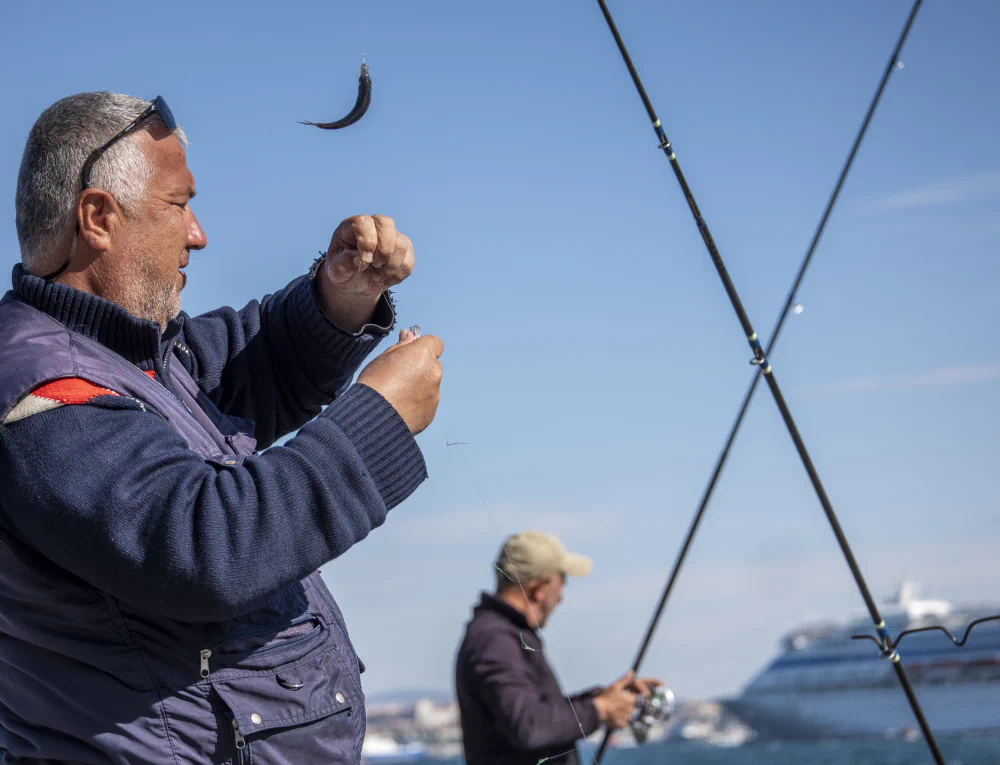
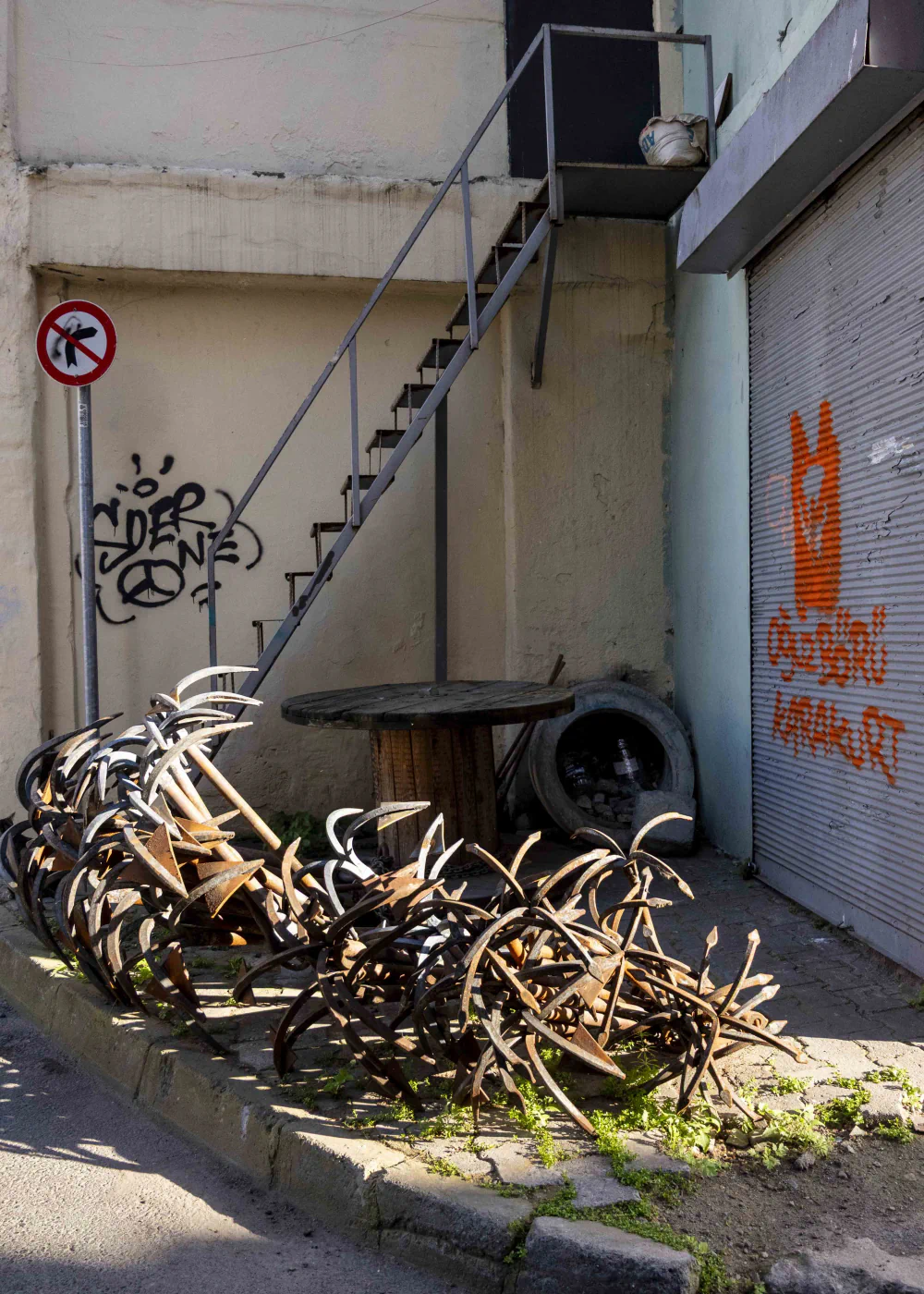
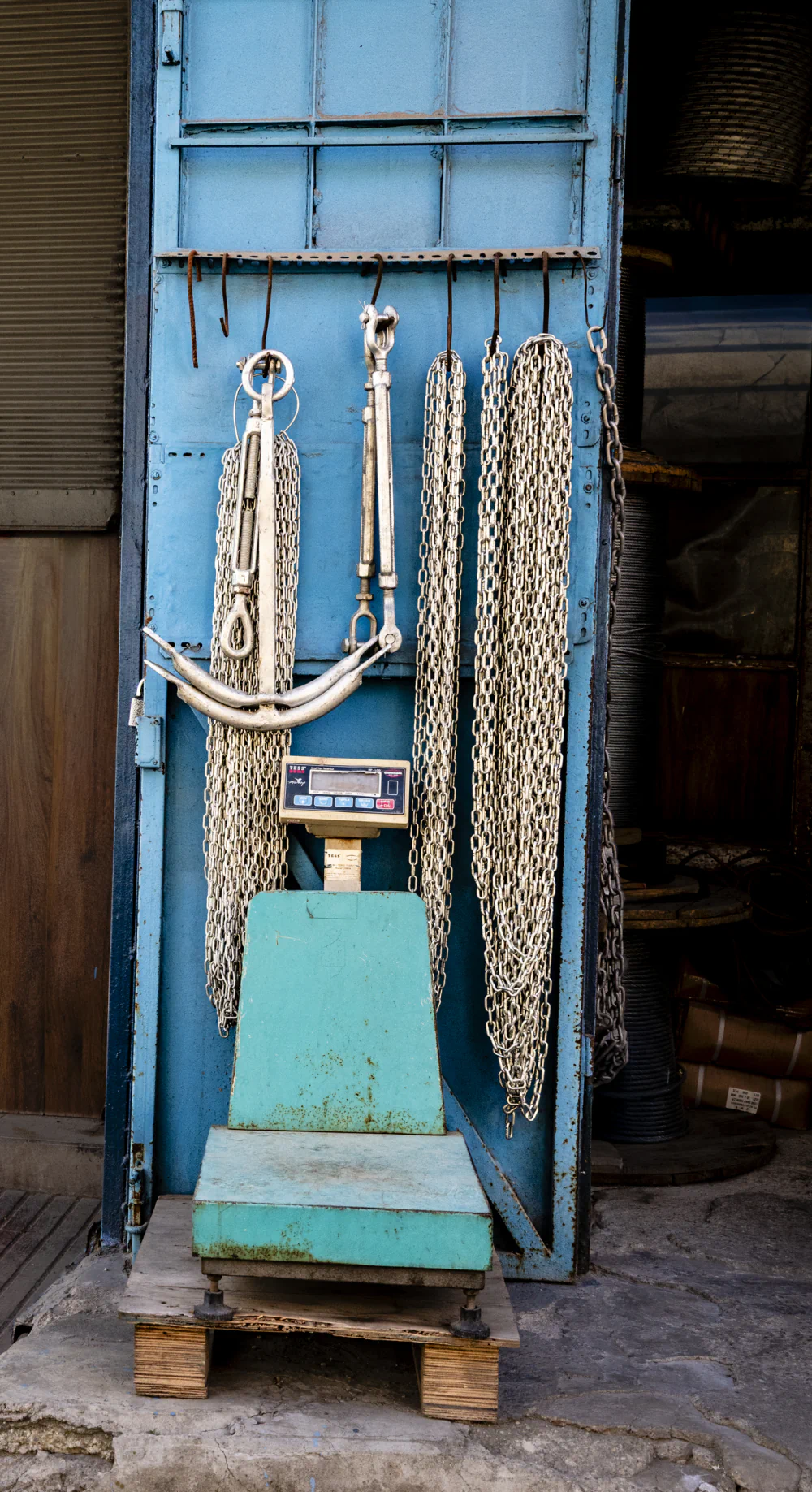
In the old town, fishing tools tell stories of the sea. Suspended chains and a small scale gather on a weathered blue surface, their weight softened by light, their purpose held in balance.
These are the forms of Istanbul: a language unspoken, yet understood by those who walk its streets, touch its stones, and taste its offerings.
About Golnaz Abdoli
Golnaz Abdoli is a fine art photographer based in Marin, California. Her work explores light, form, and the natural and built environment. She earned a double major in Biology and Human Development from the University of California, Davis, and later received her teaching credential in elementary education from San Jose State University.
Abdoli’s work has been published in magazines and exhibited in galleries internationally.
She taught in the Cupertino School District for 21 years before retiring and moving to Marin County, California, where she now calls Mill Valley home. Her recent work focuses on architectural form and everyday objects, emphasizing structure, repetition, and quiet moments of visual balance.
The Silent Shapes of Istanbul reflects this approach through images of markets, architectural details, and street elements, where patterns, textures, and arrangements reveal a quieter visual language of the city. The experience of photographing in Istanbul also resonated with her own memories of growing up in Tehran, where similar visual rhythms, particularly in bazaars and urban textures, echo across cultures shaped by shared histories and trade routes. [Official Website]