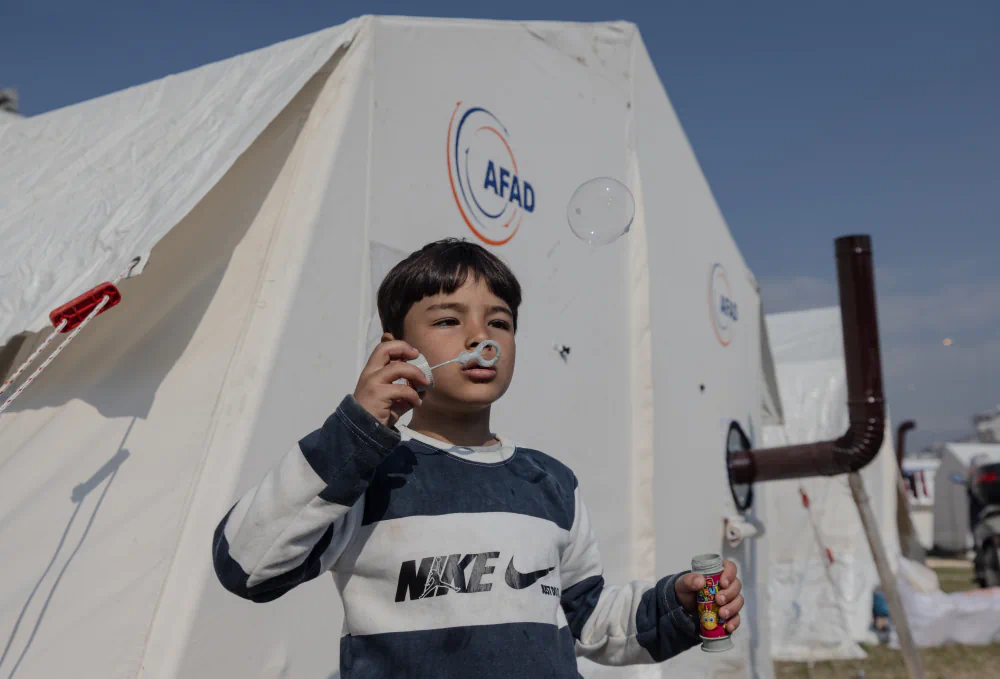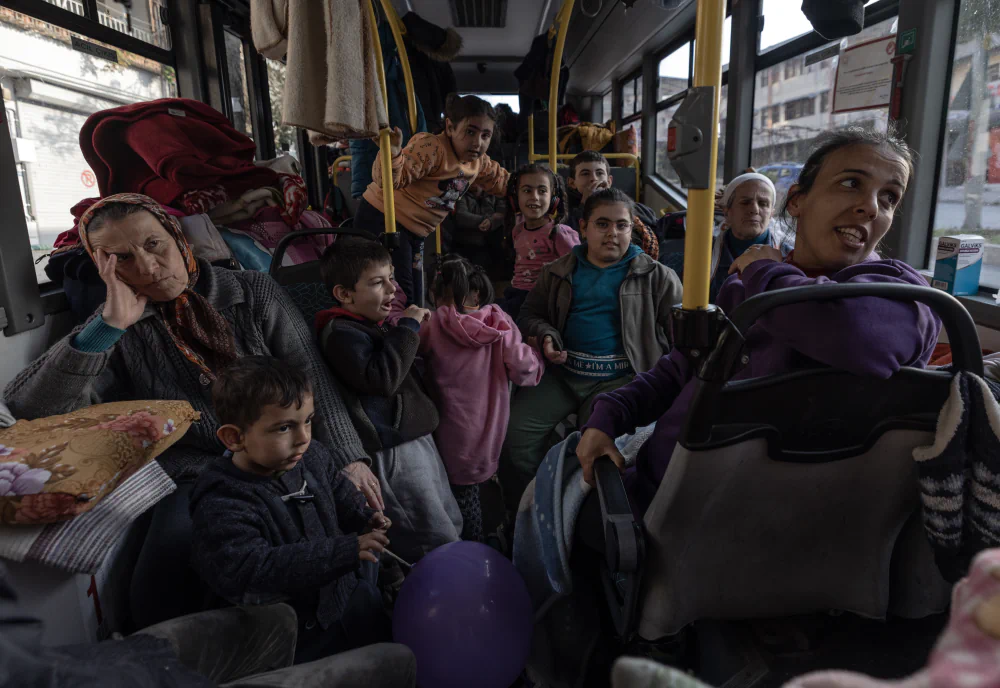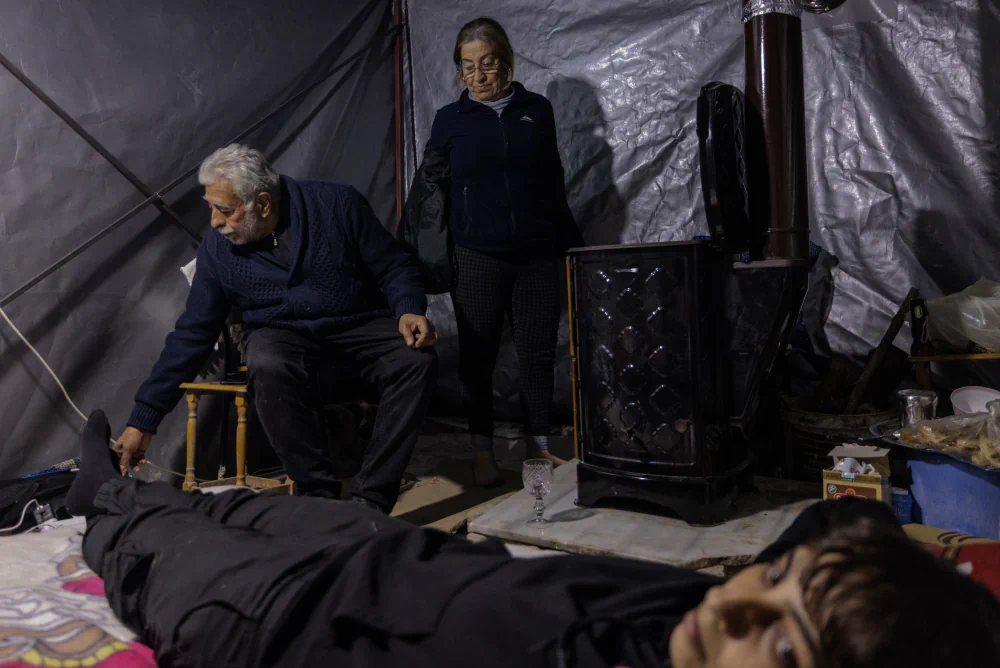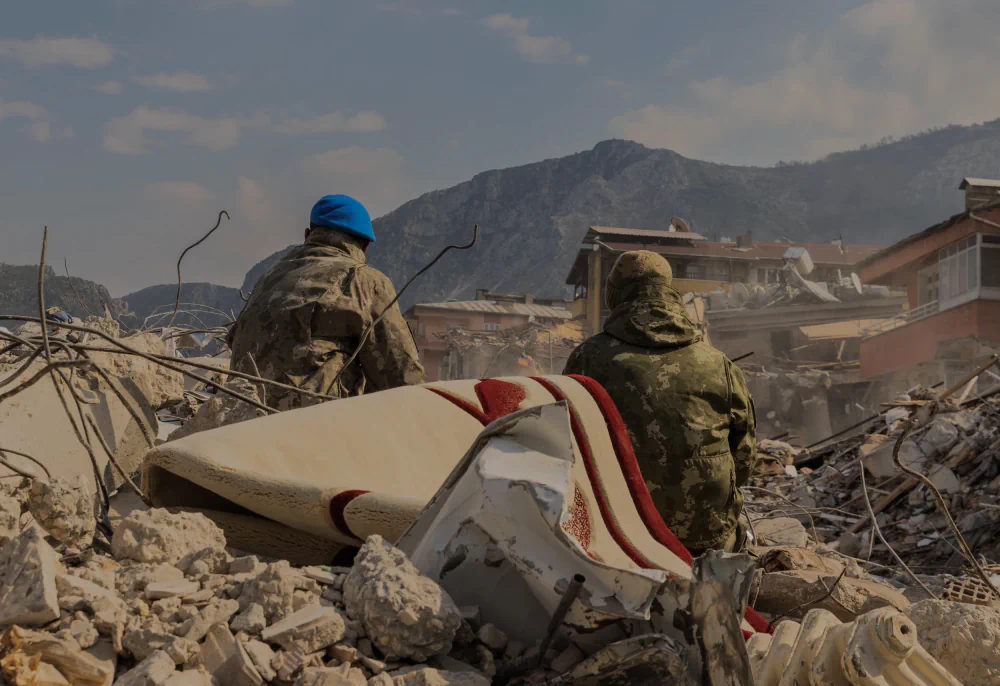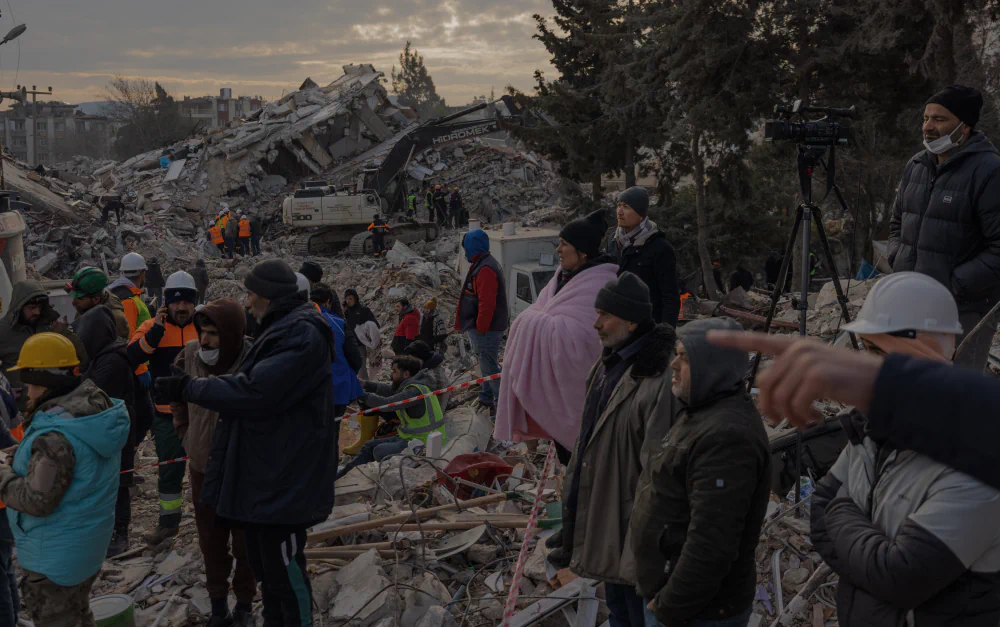

I flew into Istanbul on February 9, three days after news broke that two earthquakes measuring over 7.7 had struck parts of Turkey.
Many people asked why I came to Turkey. At first, I asked myself the same question. In my heart, I felt the need of a nation navigating an unimaginable tragedy.
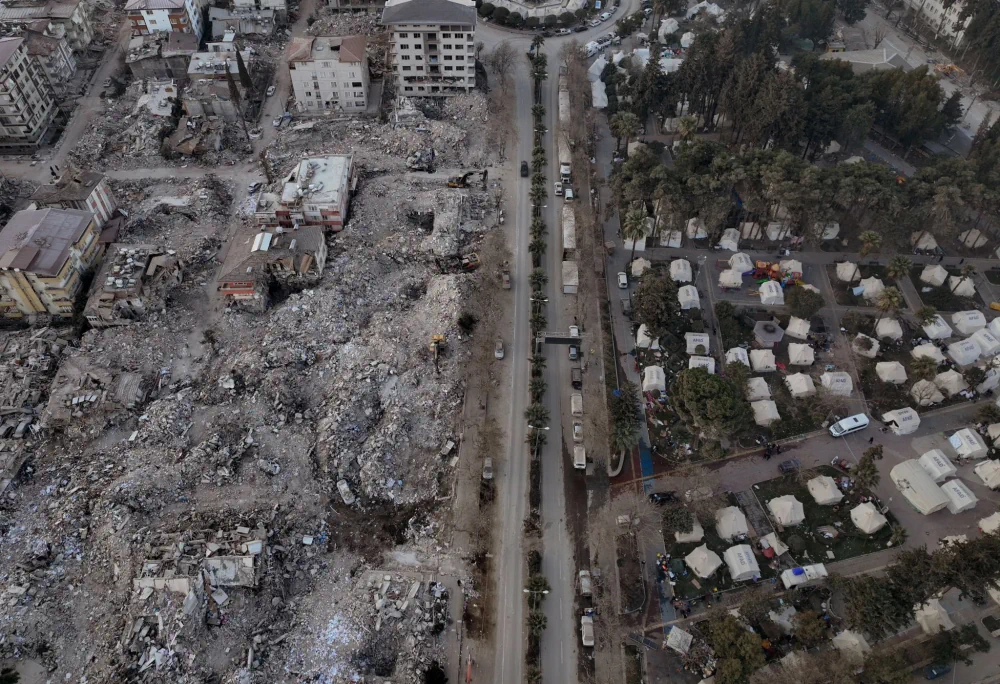
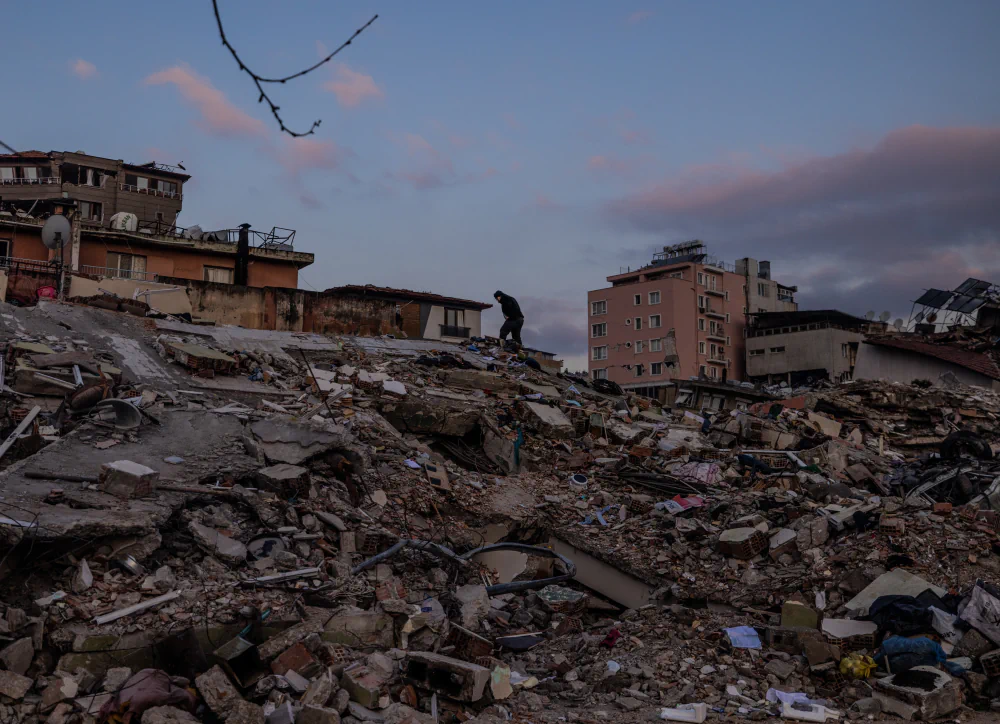
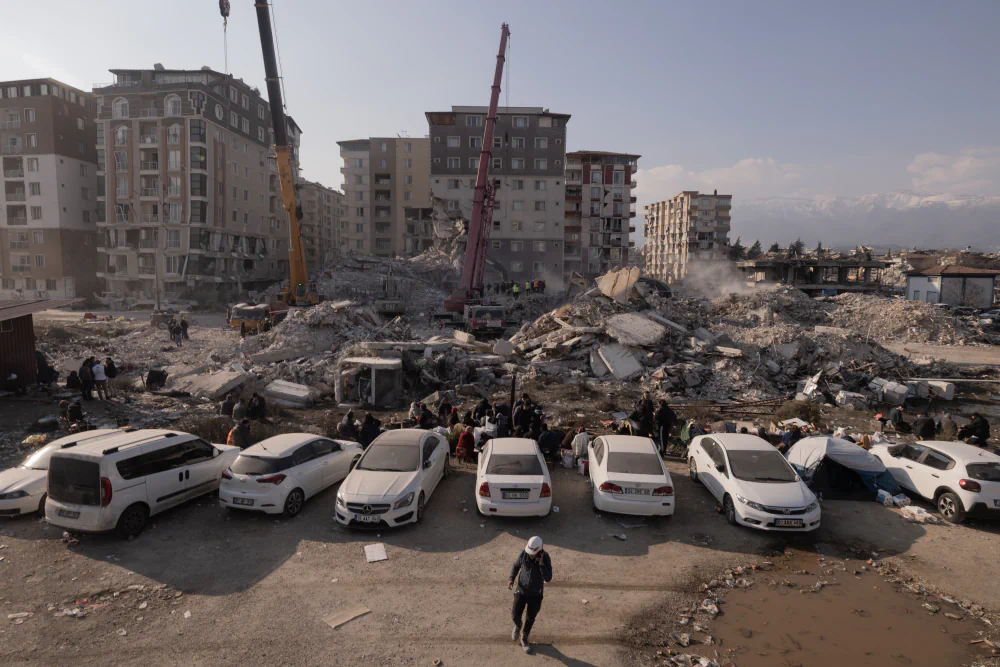
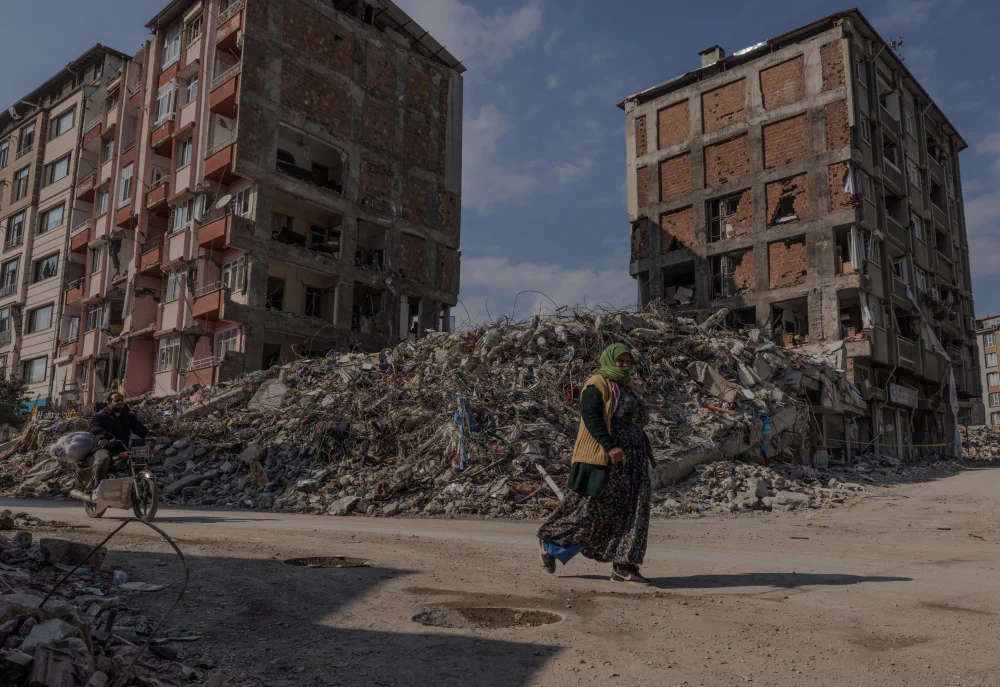
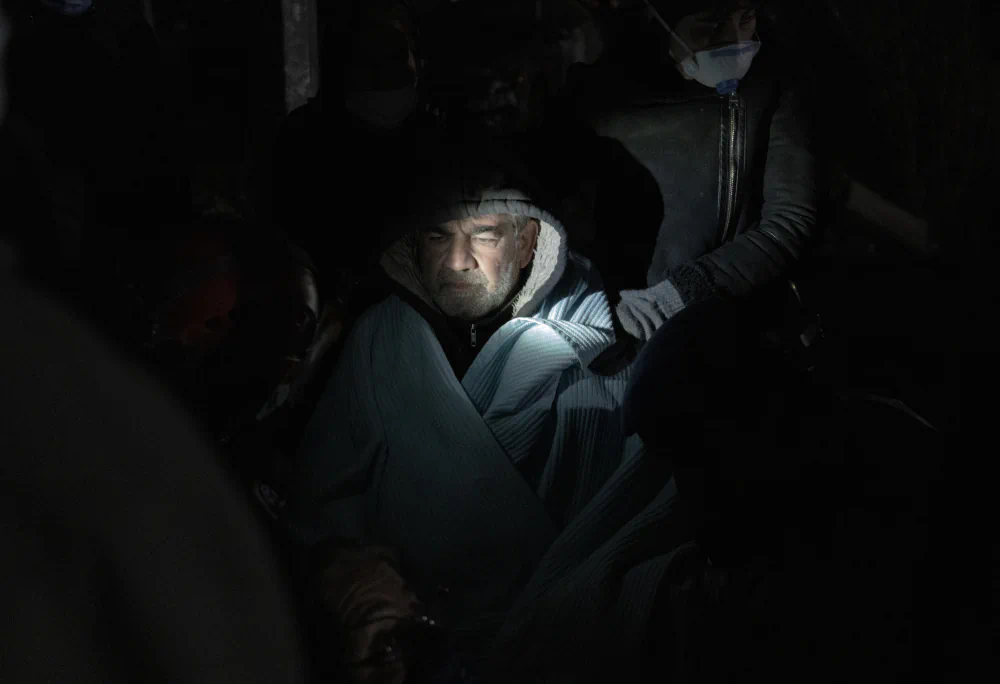
As a humanitarian, this is a driving force not only in my work but in my life, and I believe the way I can help is by seeing, understanding, and sharing the truth through an unfiltered lens. Driving into Hatay was the first time I truly saw the landscape of this region, and it was breathtaking. As soon as I reached the epicenter, the serenity vanished and the gravity of the situation sank in. Rubble everywhere. People everywhere. Sadness of indescribable proportion.
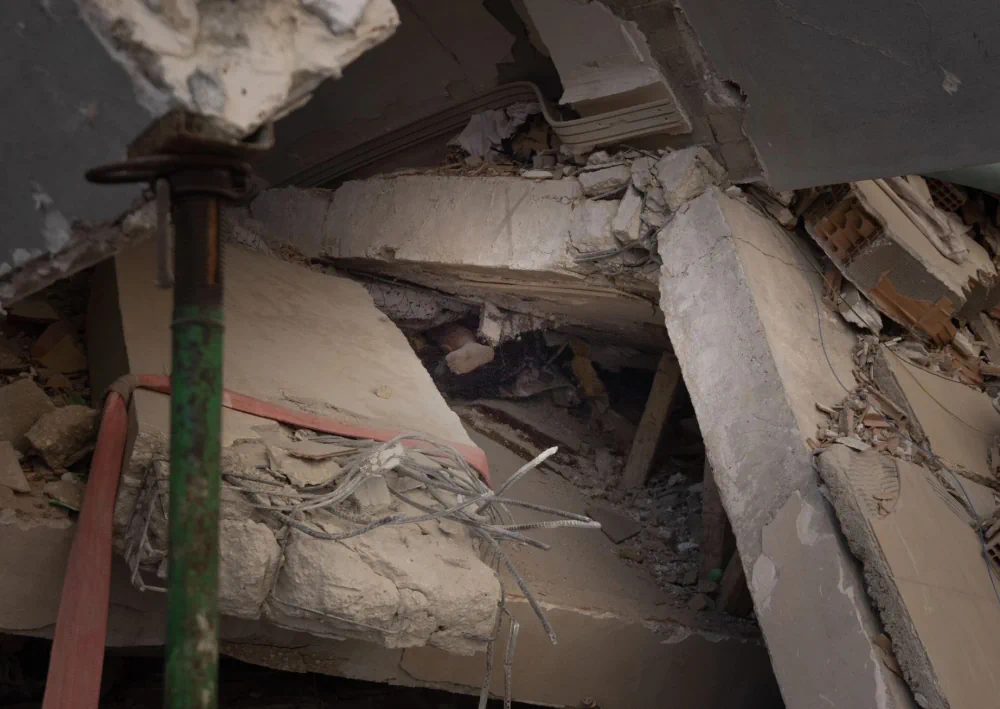
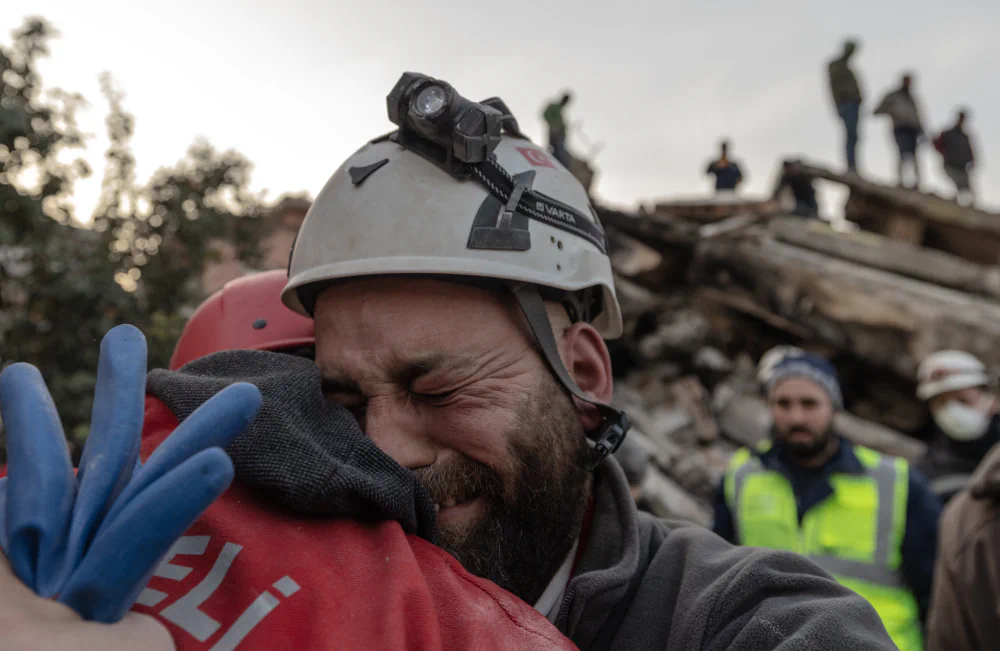
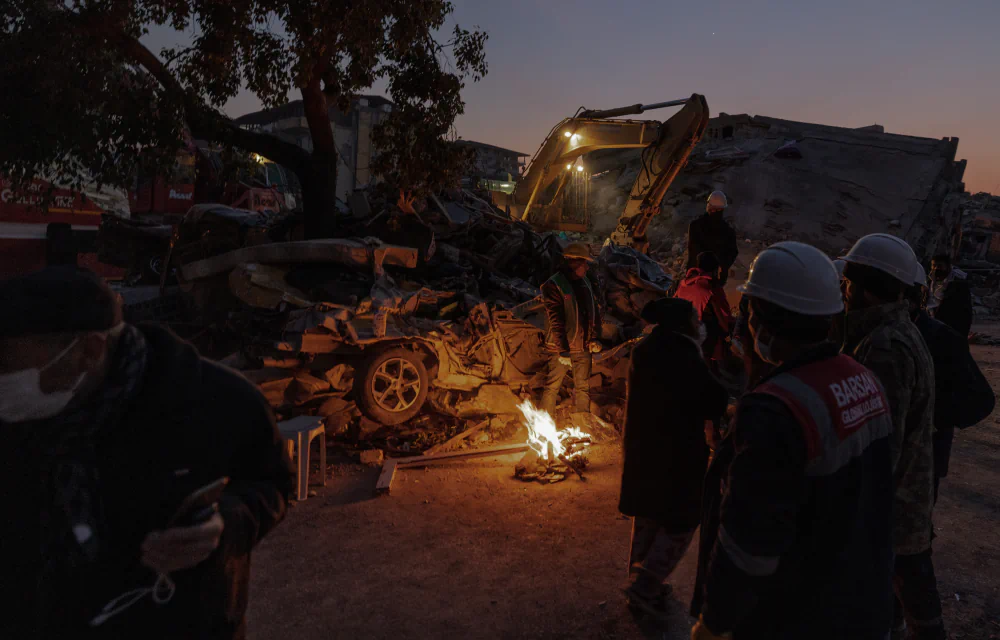
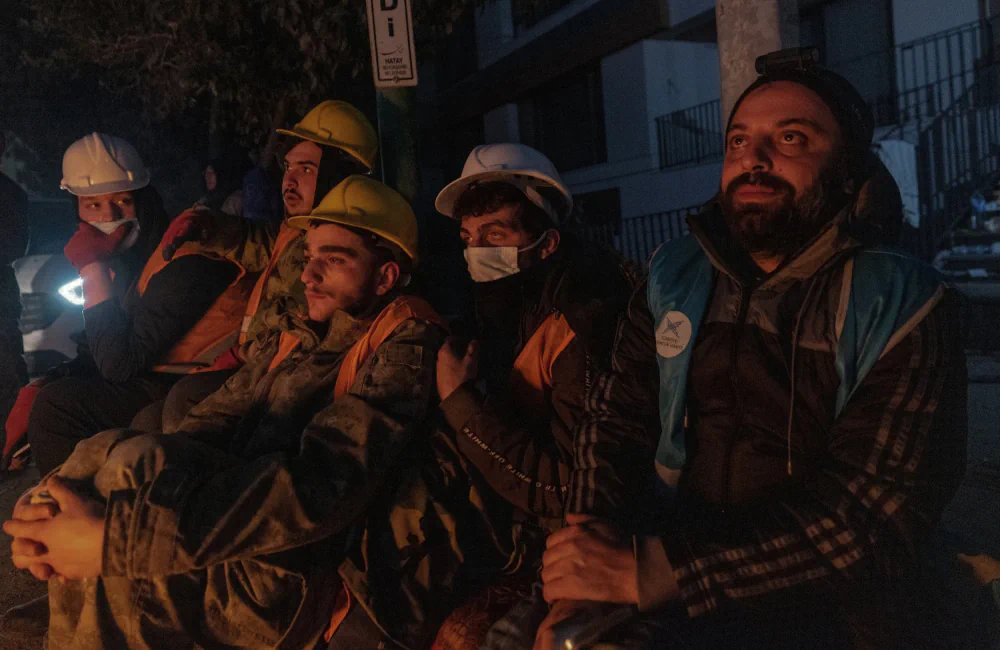
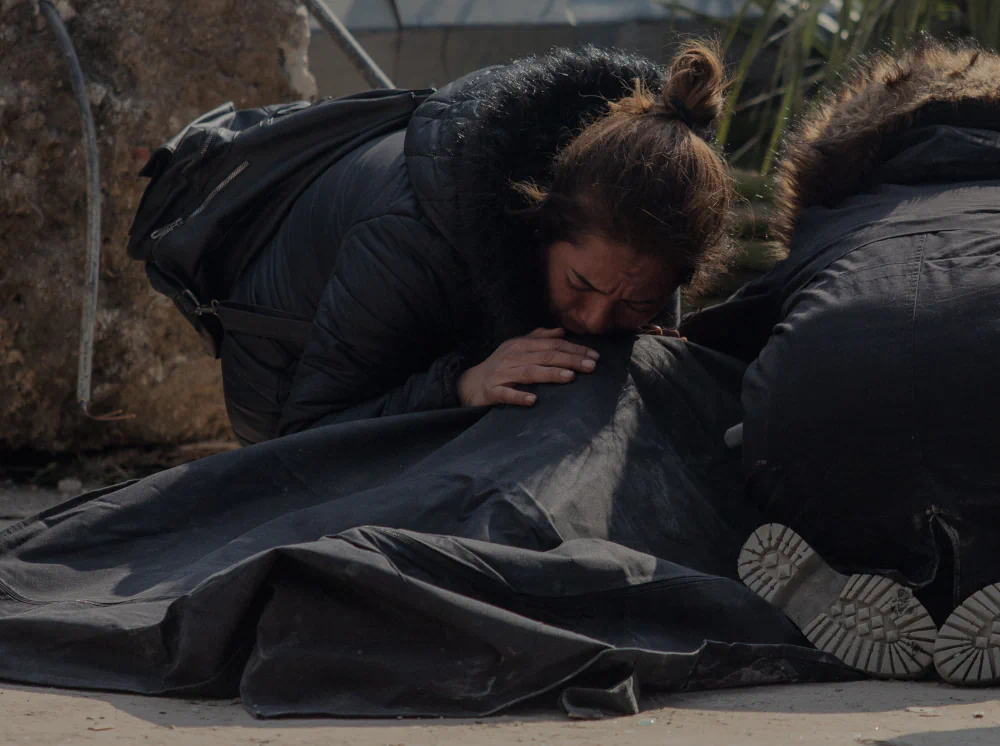
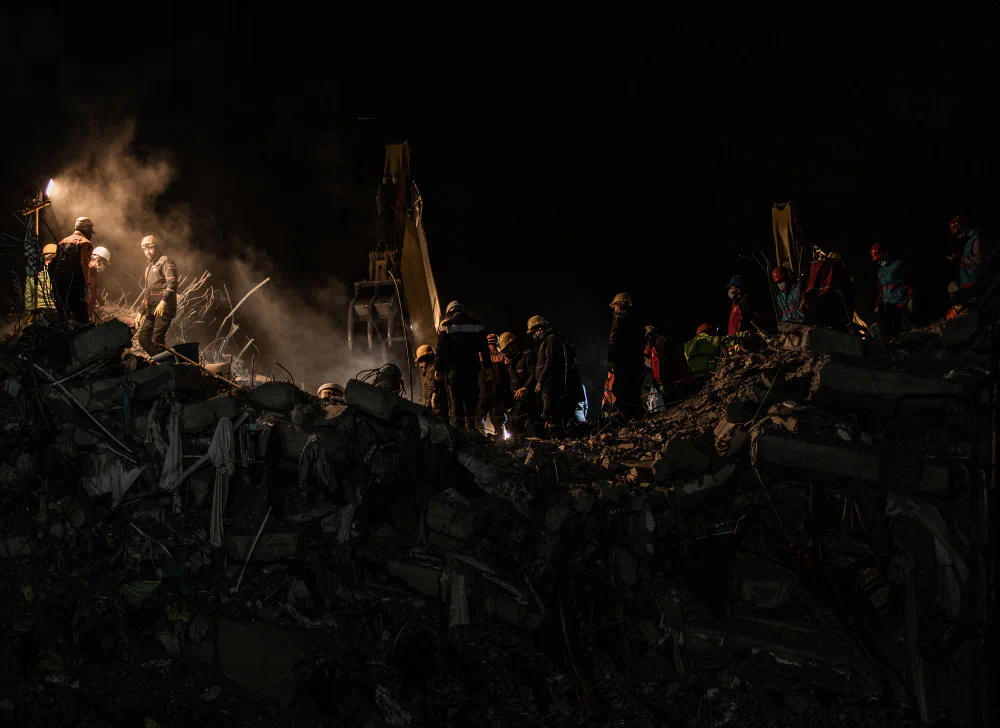
It was still a period of very active rescues, and that is how the next few days were spent. Waiting with hope, sometimes in complete silence, listening for signs of life—distant breathing. It is impossible to describe the experience of witnessing the buried hope of a city. As evening after evening fell, the scenes began to resemble a war zone. The commitment to saving as many lives as possible could be felt in the air. One rescue continued for thirty tireless hours in the hope of saving a child. In the end, it was not possible.
I was told that the Turkish government waited over eight hours before acting and sending in responders. Social media alerted much of the world to the devastation, as people trapped under the rubble used every possible means to seek help. The more time I spent in Turkey, the more corruption I observed in the politics surrounding this earthquake. The misrepresentation of the catastrophe still shocks me. Not every life could have been saved, but many lives could have been spared had the situation been handled differently.
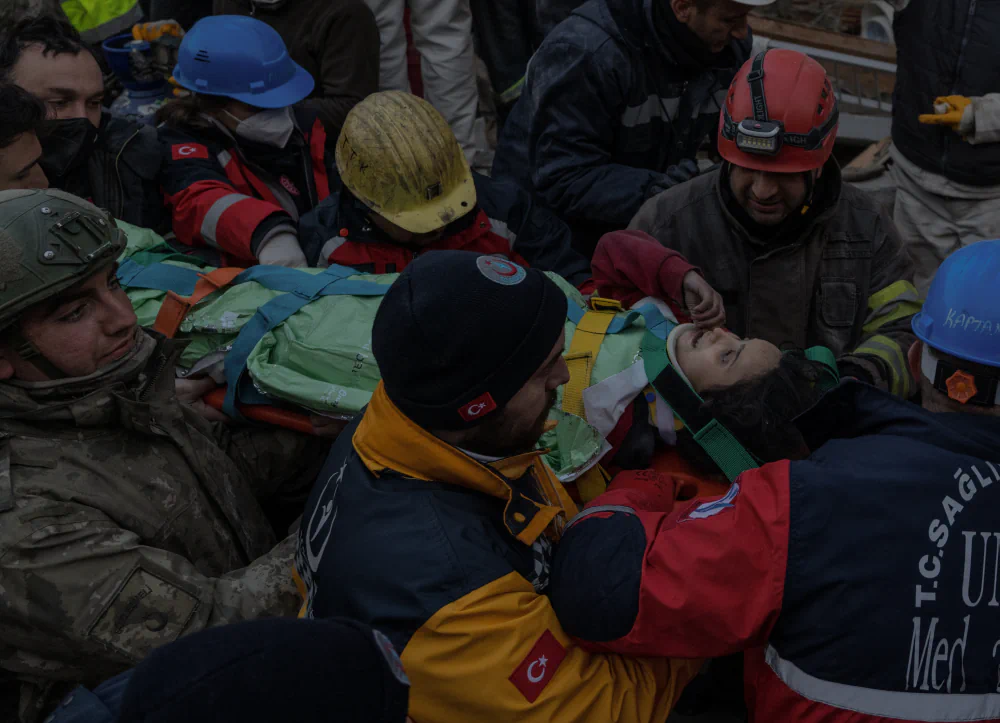
The one live rescue I witnessed was that of a seven-year-old Syrian girl, Aya, who had been buried under the rubble of a building for a week. As she was pulled from the debris, the reaction was overwhelming. There was clapping and disbelief—the sound of her father screaming in gratitude still echoes in my head. Tears of joy replaced sadness, if only for a few moments. A small victory in a losing game.
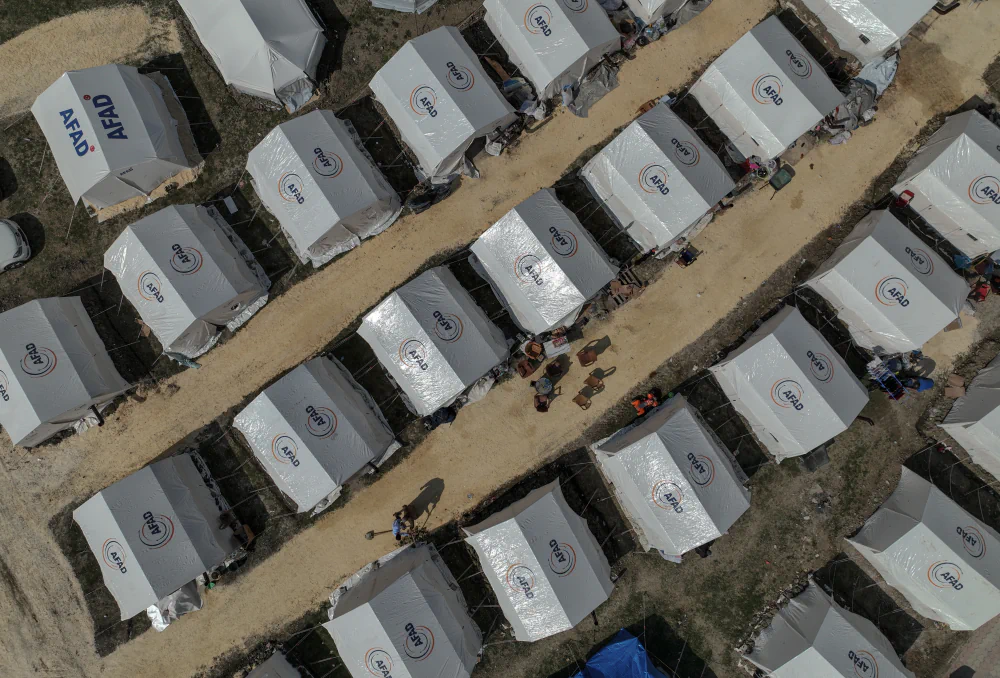
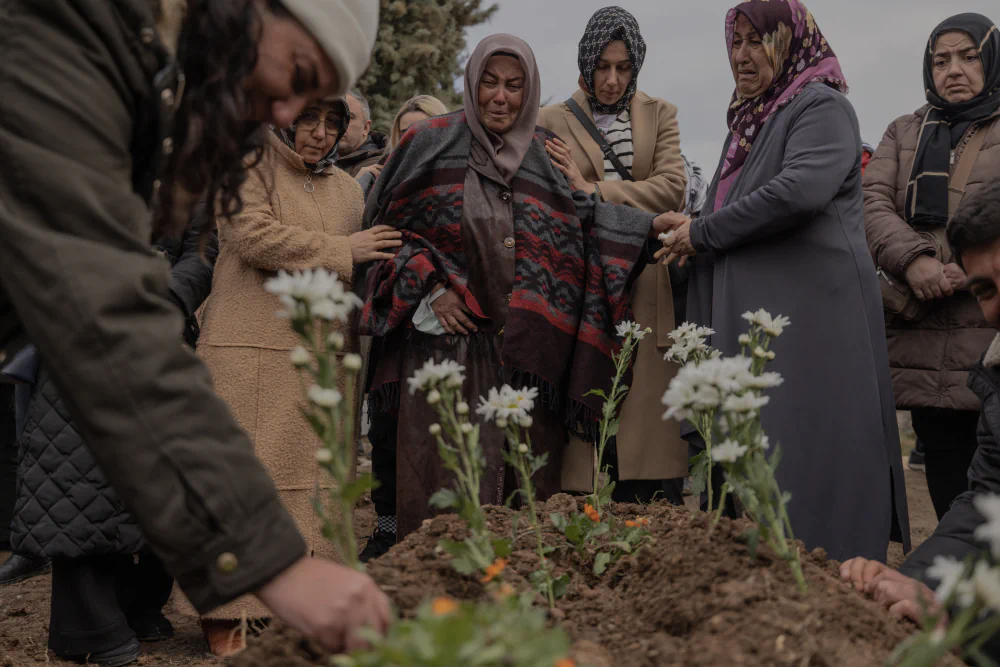
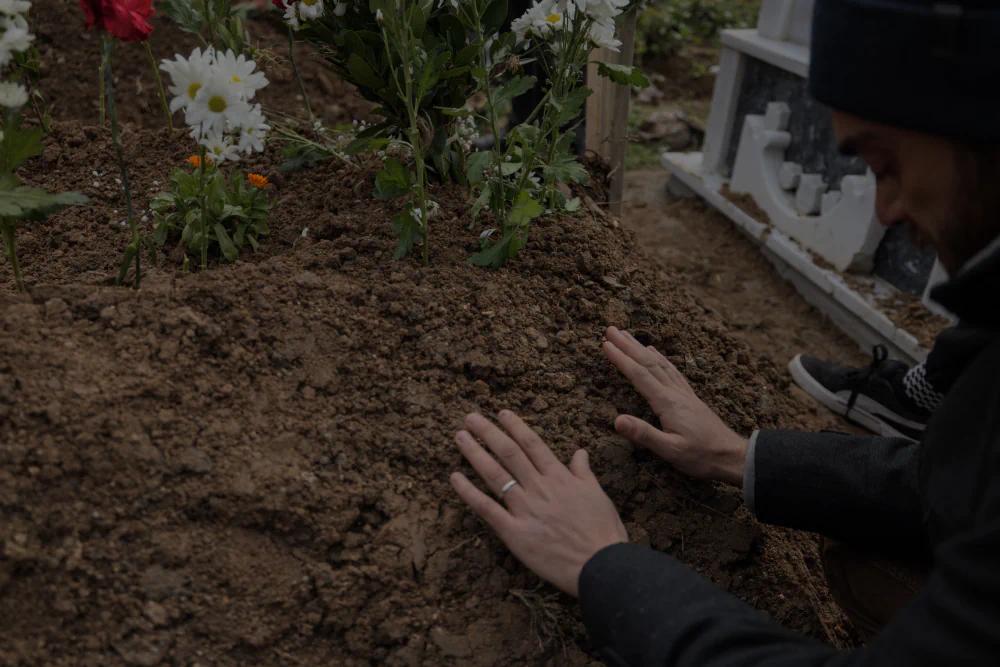
Leaving the region after a month of reporting felt unfair. The stories I heard changed my perspective on what truly happened on February 6, 2023. Each family I met represented hundreds of others whose stories will remain unseen. It was one of the most daunting events I have ever covered, and I hope this work ensures that this chapter of Turkey’s history will not be forgotten.
About Svet Jacqueline
Svet Jacqueline is a documentary photographer raised in Baltimore, Maryland. She earned a Bachelor of Science in Photography from the S.I. Newhouse School of Public Communications at Syracuse University. Adopted as a child from Kirov, Russia, her work focuses on the impact of trauma and displacement experienced by young adults in conflict zones. She has been based in Ukraine since the beginning of the full-scale invasion. She is a photo essayist in the books Relentless Courage: Ukraine and the World at War and Ukraine: A War Crime, published by FotoEvidence. She is the recipient of the Yunghi Kim Grant, the Lucie Foundation Scholarship, and the Global Focus Award. She currently works as a freelance photojournalist with several international clients and is represented by ZUMA Press and Leica Camera. [Official Website]