I first visited India in 1997 when my work as a scientific researcher brought me to Bangalore. I had the fortune to be there on my own, … with more than 1 billion Indians around me, of course.
Jul 31, 2019
Worship rites
I first visited India in 1997 when my work as a scientific researcher brought me to Bangalore. I had the fortune to be there on my own, … with more than 1 billion Indians around me, of course.
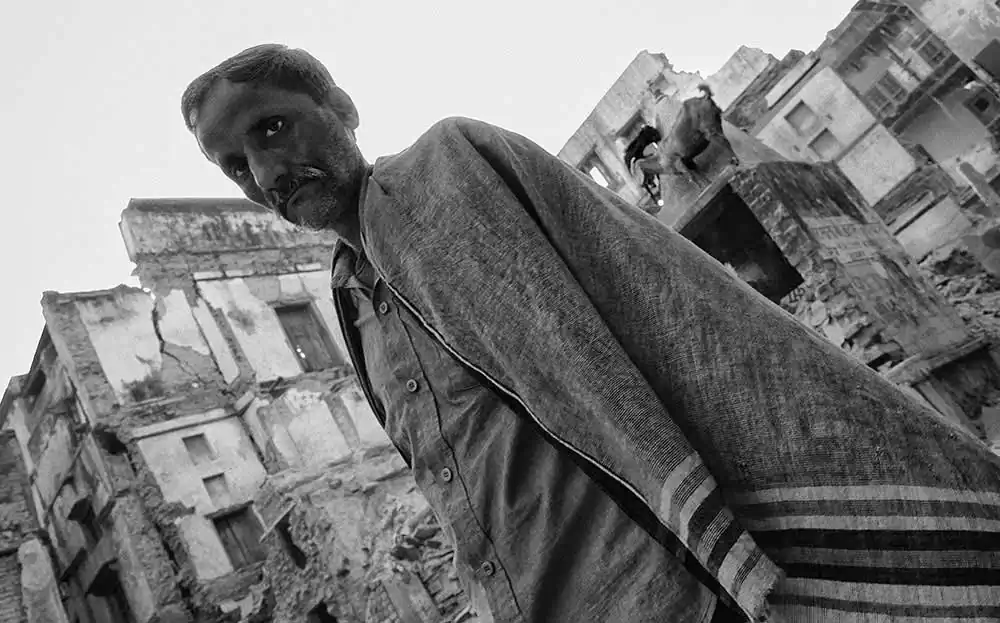
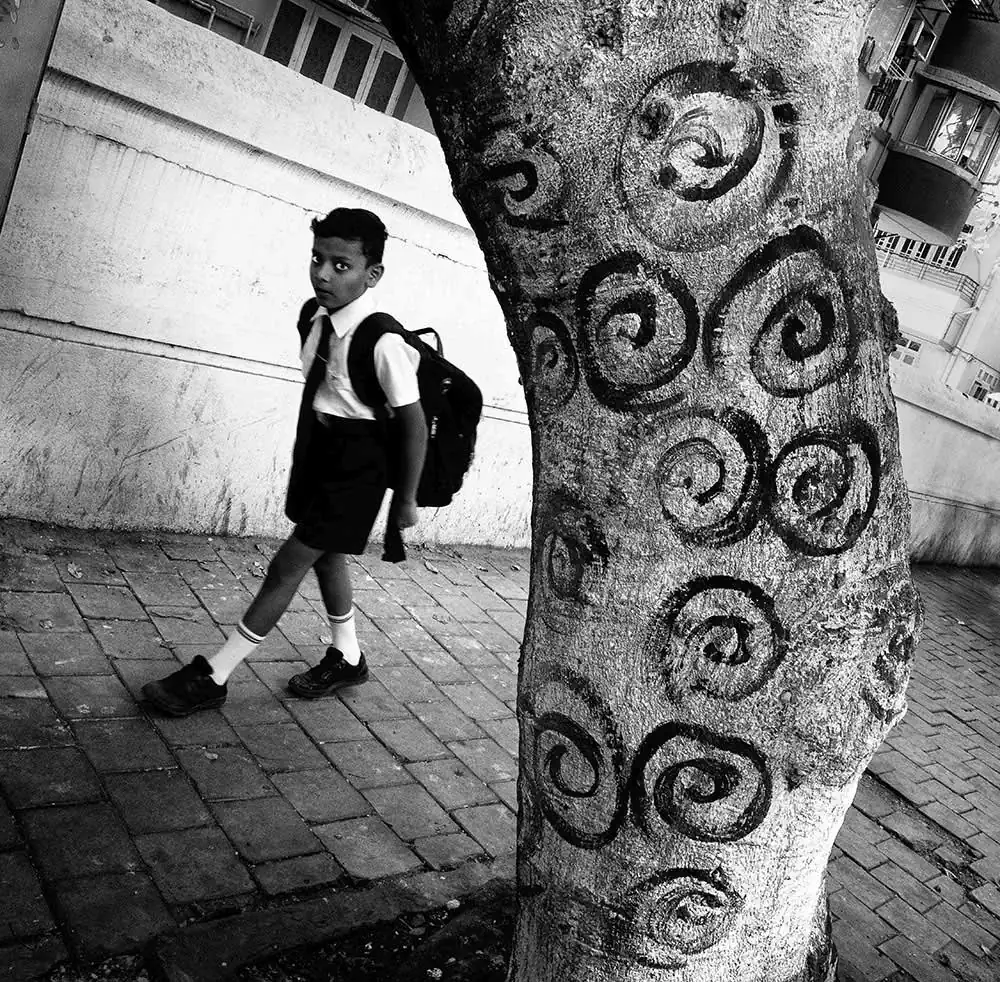
This full immersion provided a unique opportunity of encounter with one of the richest and most ancient cultures in the world. Ever since, I traveled to India several other times with my camera, portraying people, their lives and their smiles, and reporting on various societal aspects. The collection “Impressions of India” was realized during my last trip to India in November-December 2018 when I traveled through Uttar Pradesh, Madhya Pradesh and Maharashtra. It is meant to provide a raw, unfiltered, representation of the everyday, with its hardship and poetry, where people’s gestures and actions remain unaffected by the camera.
About Marco Campi
My name is Marco Campi, I’m a street and documentary photographer. Fascinatedby the diversity of mankind, I hit the street to portray the spare, and yet emotionallyrich, daily gestures and activities of people. No matter which endeavors I’m pursuing,the camera is my means to better understand the world animated by a constant aspiration to freeze intense moments charged with emotion and humanity.
I am an Italian academic and a photographer. My scientific studies evolve around a mathematical approach to cognitive sciences in an attempt to tie the concepts of observation, knowledge and uncertainty. In this field, I have pioneered the so-called“scenario approach”, have authored more than 80 articles in international journals and have delivered plenary addresses at the most prestigious conferences. I regularly lecture at the university of Brescia in Italy, besides delivering courses in Australia , France, Spain, Turkey and USA. My photographic bent developed early on in my life when I began exploring the environment with my Canon AE1. My approach to photography signs a continuity with my scientific studies where single frames are snapshots of humanity and a camera becomes a means of exploration to unveil connections and diversities in the society.
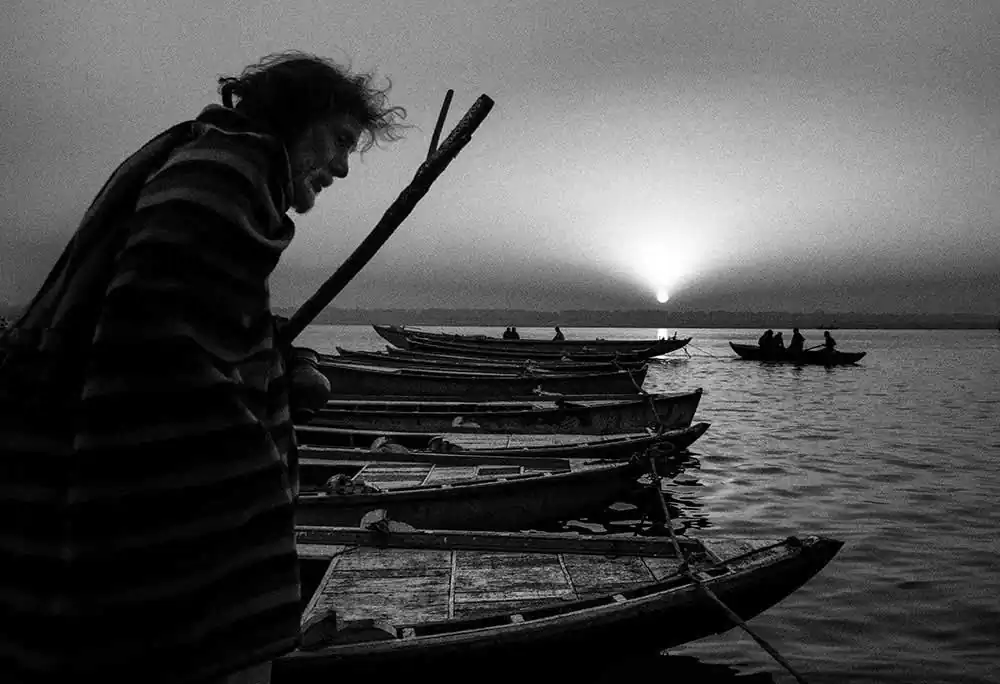
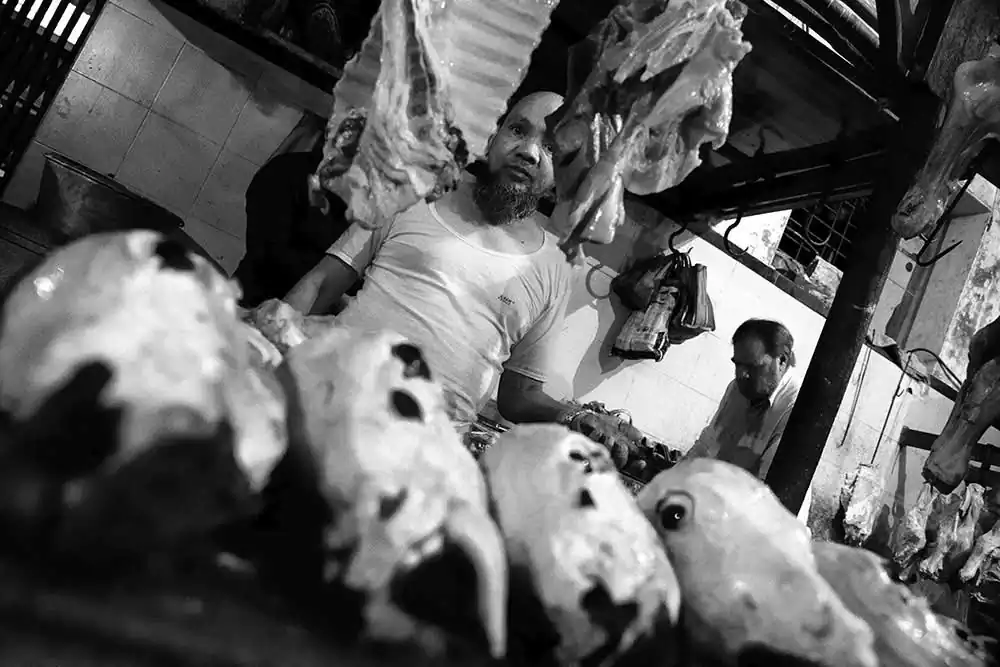
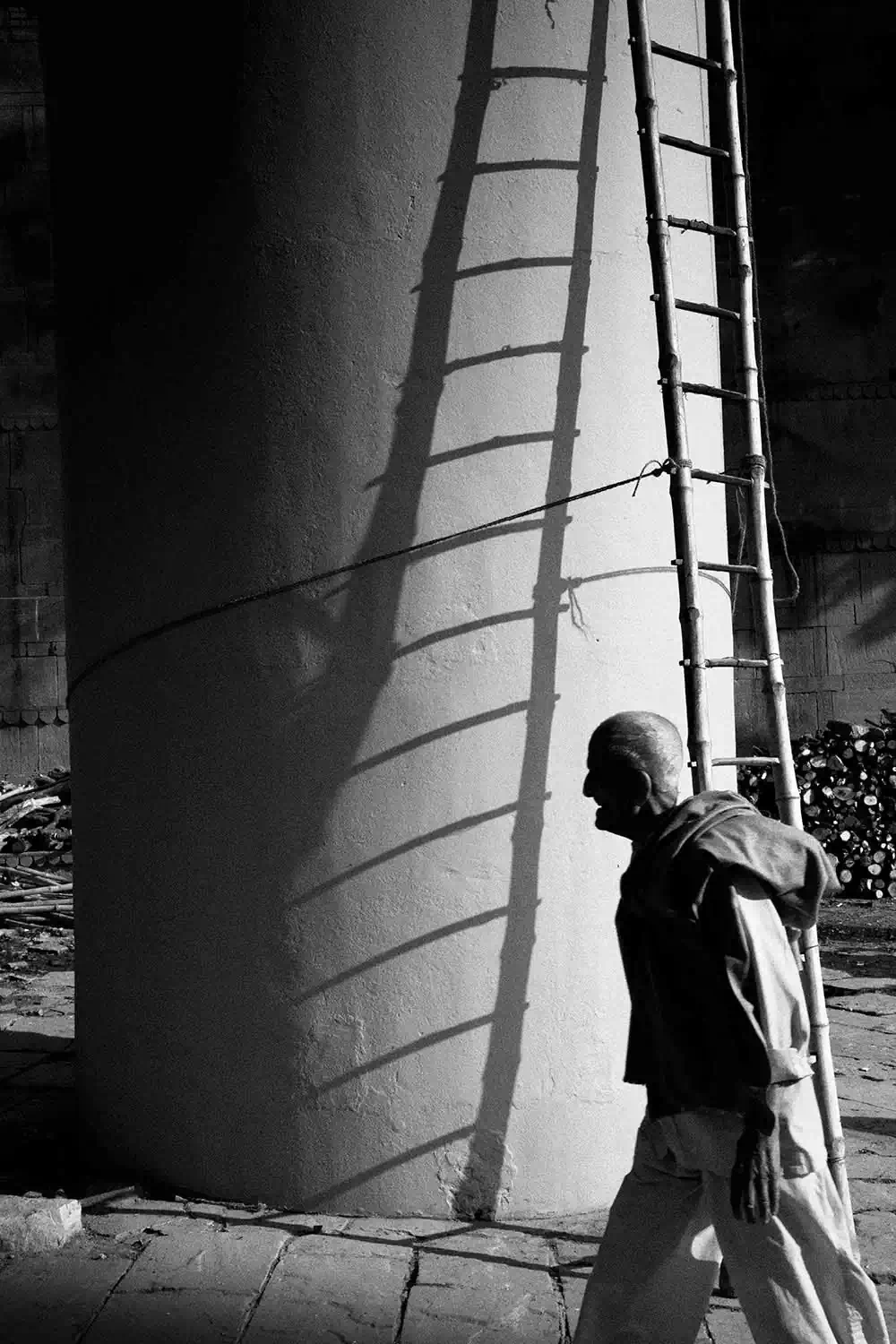
Varanasi, 2018 – “Benares is older than history, older than tradition, older even than legend and looks twice as old as all of them put together” (Mark Twain)Crawford market – I arrived at the Crawford market very early in the morning, well before people began to crowd the place, and went to the butcher section. It was a vast, dark ambiance, filled with piles of meet placed on the floor, releasing a pungent smell of blood. All around, hundreds of cawing crows. Mumbai, 2018.
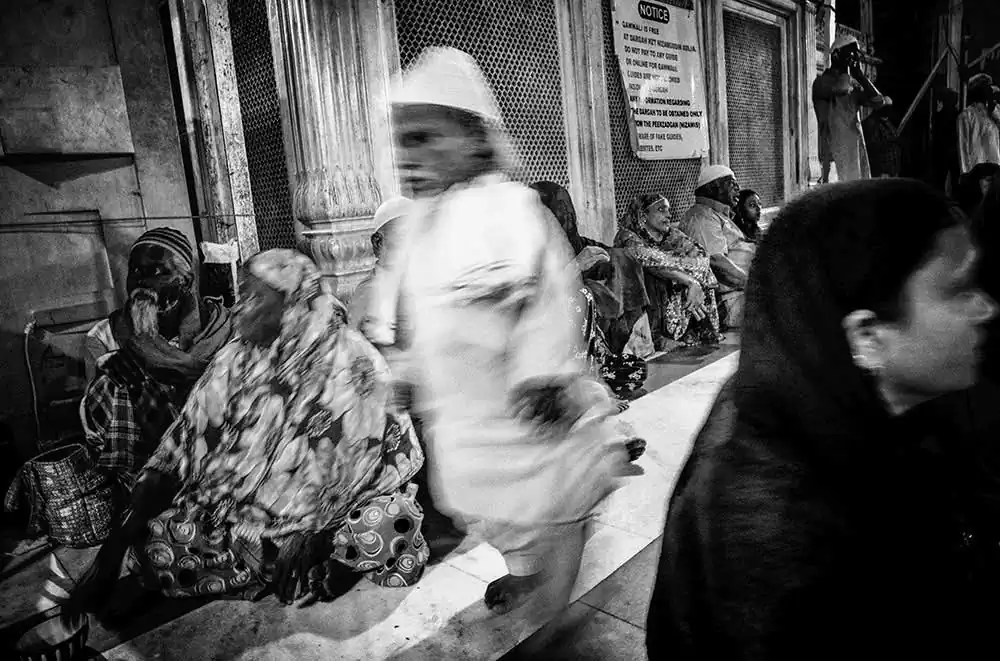
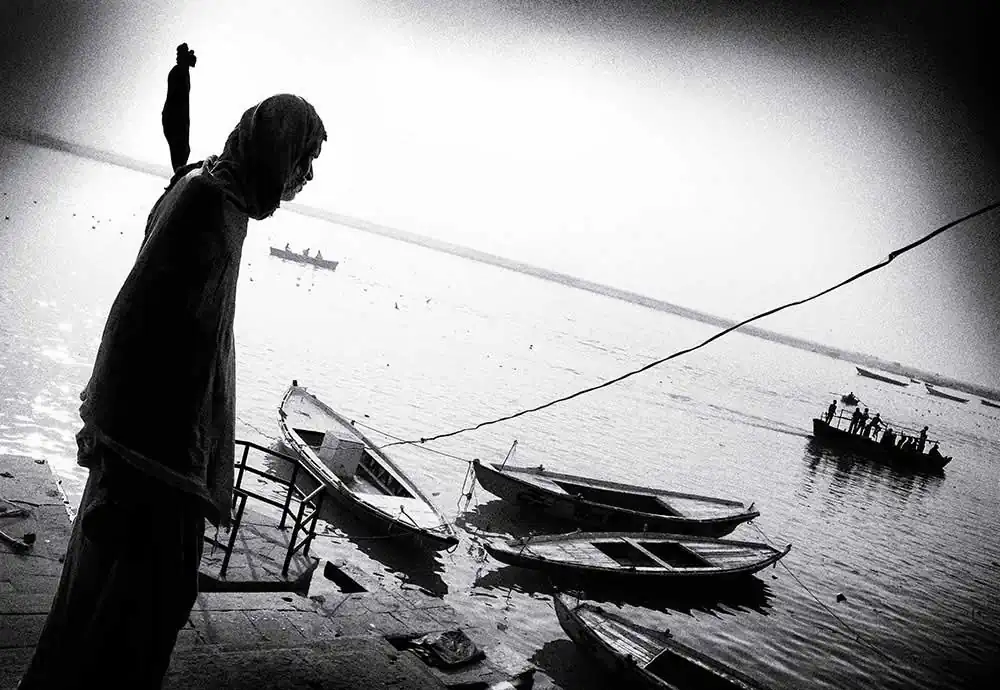
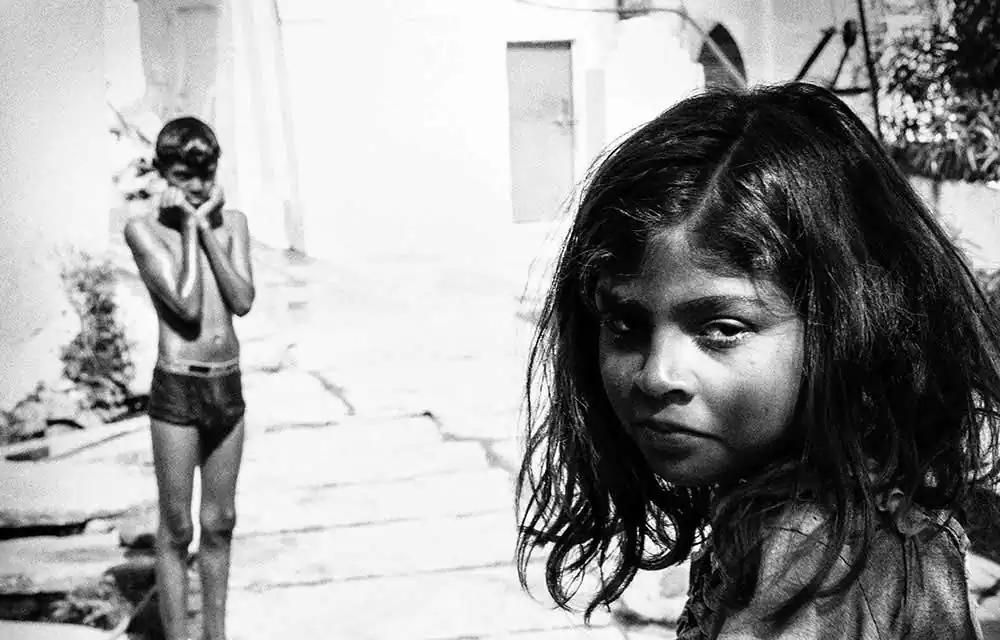
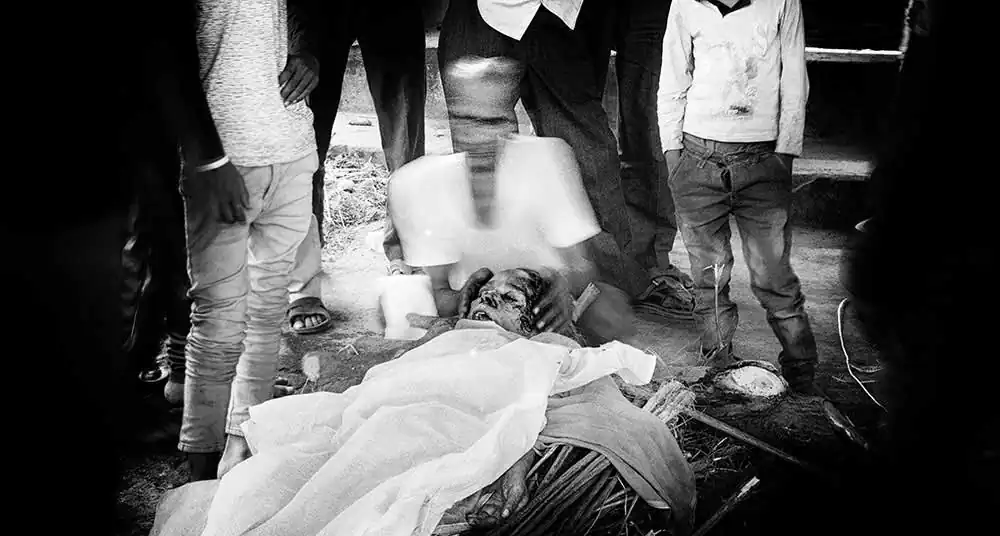
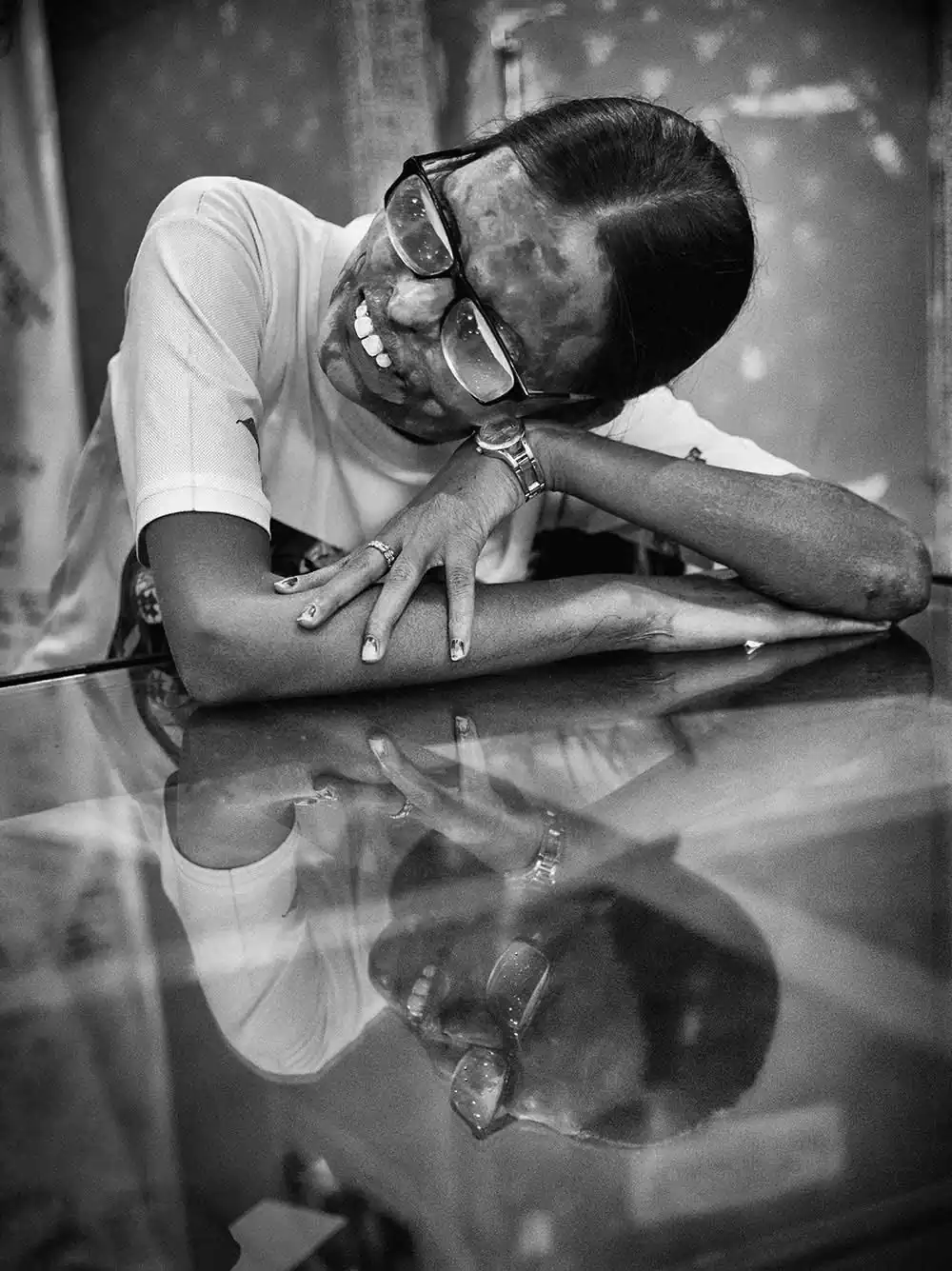
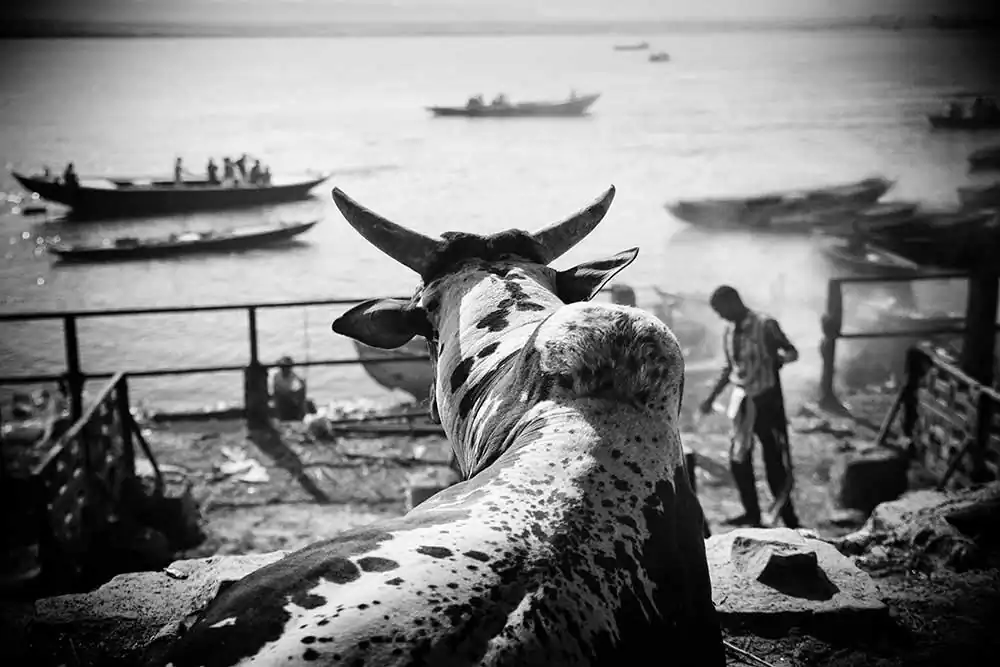
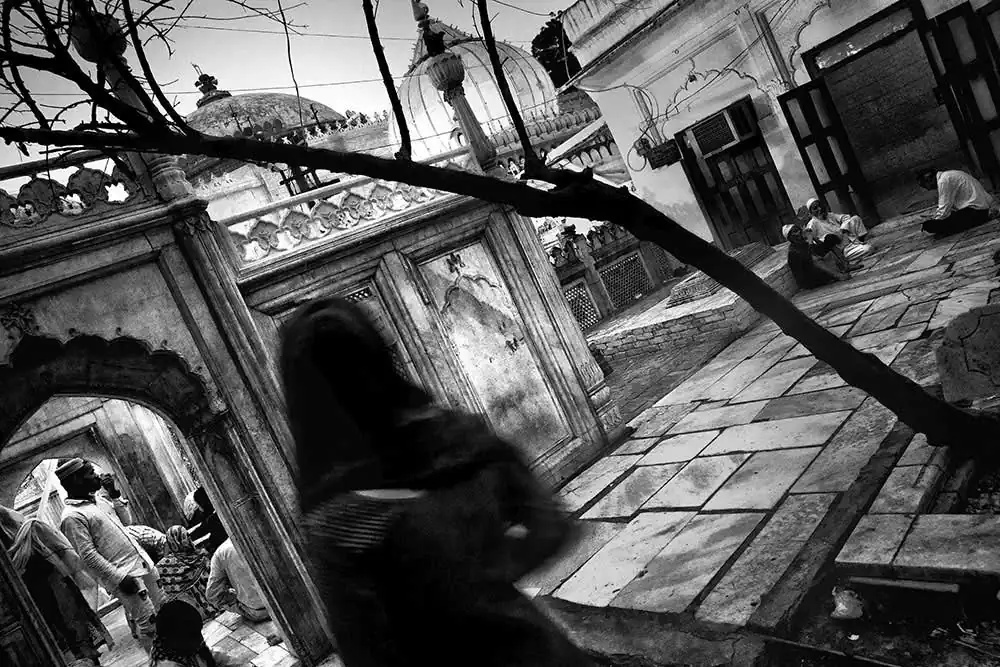
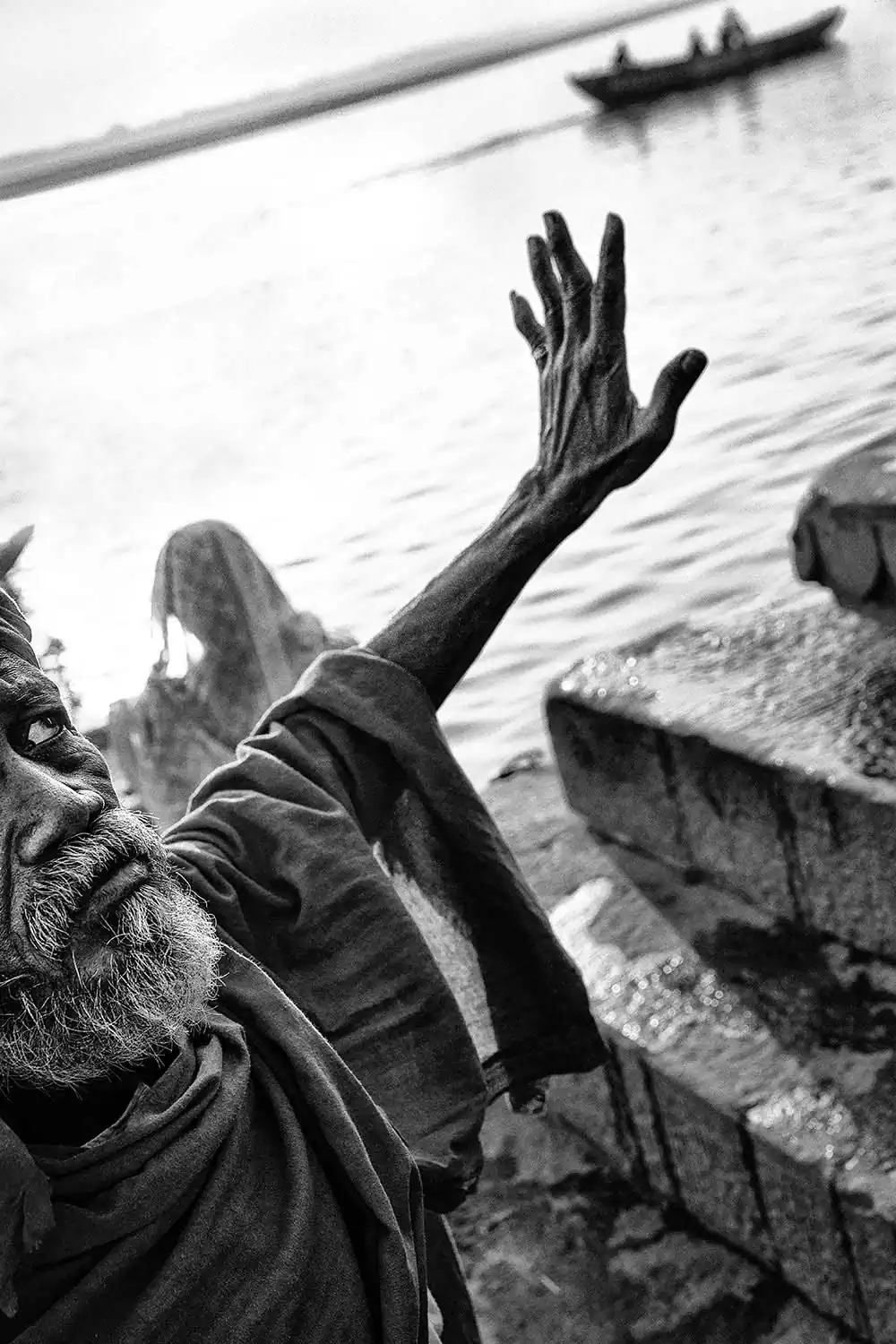
Hazrat Nizamuddin Aulia Dargah – A midget goes past in Hazrat Nizamuddin Aulia mosque. Delhi, 2018.An old man gazes at the Ganga river.With no running water at home, kids often wash at public fountains in India. I was walking an ally in old Khajuraho when my attention was caught by the enigmatic gaze of a young girl.Dead woman’s rites – In India, death is considered as a gateway to another life and is exhibited more openly than in other countries. Agra,2018.Acid attack victim – Family squabbles may end up with terrible actions. The use of acid is not uncommon in India with tens of cases reported every year, while the real figure is probably much larger. “Institutions are not fighting this terrible crime with enough energy”, told me an acid attack victim, “we need to gain visibility to raise awareness”. Agra, 2018.
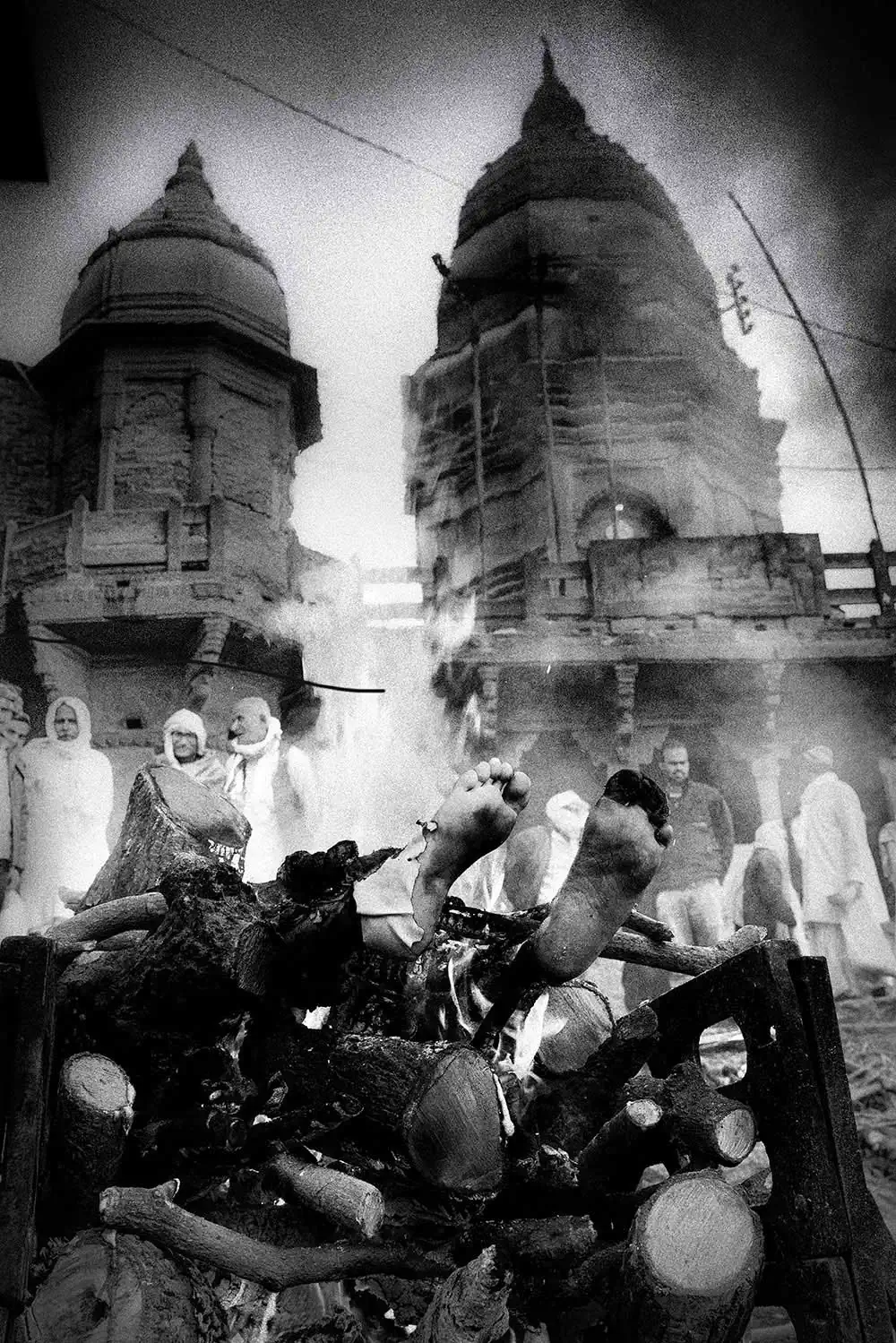
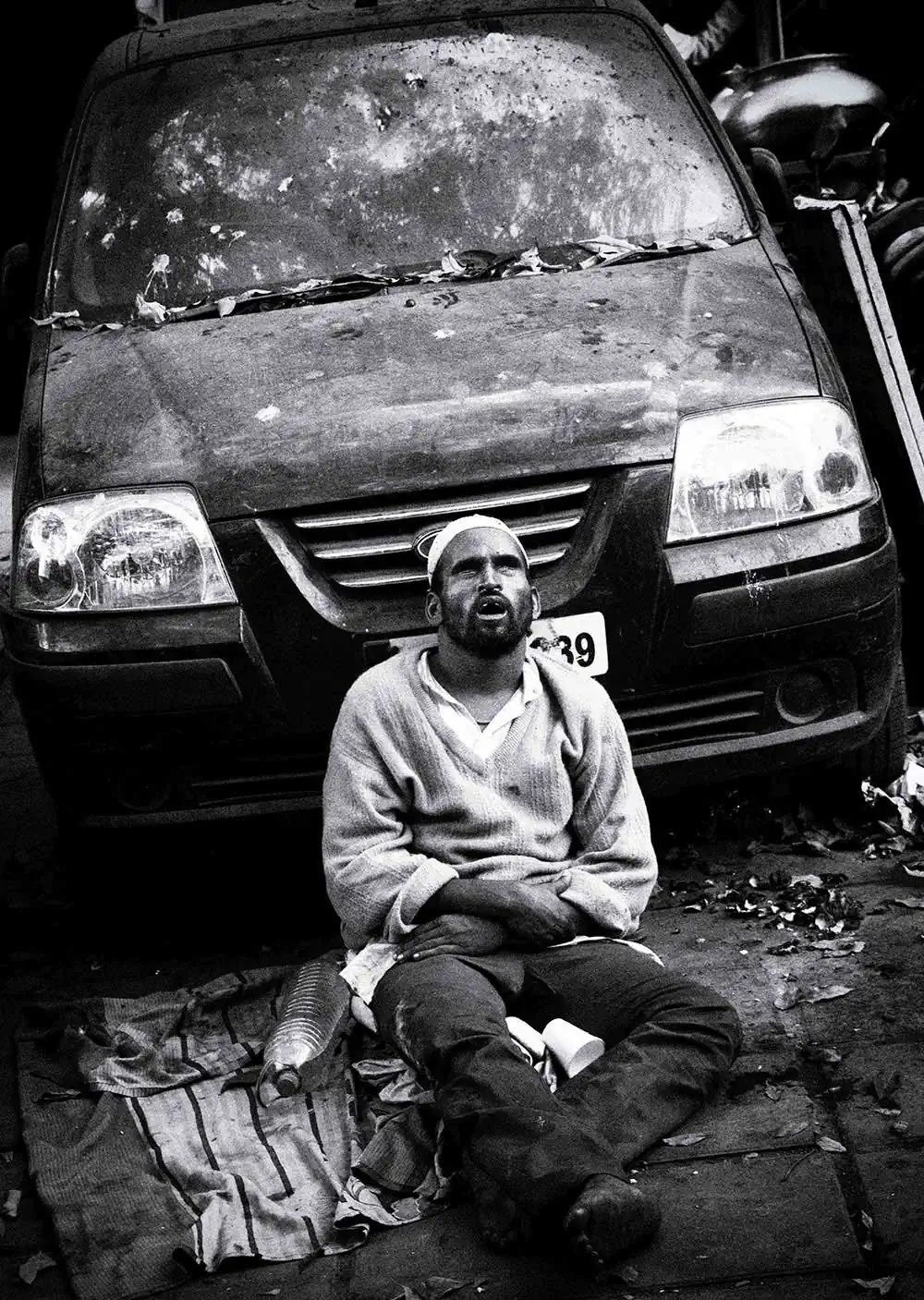
Manikarnika ghat – Manikarnika ghat, the old cremation ground on the Ganga riverfront, is the holiest part of the city of Varanasi. It is believed that a dead human’s soul finds salvation (moksha) when cremated here. Varanasi, 2018.Manikarnika ghat – Manikarnika ghat (the old cremation ground) is charged with a sense of mystic. The ashes of burning bodies fill the air while people execute holy rites. Varanasi, 2018.Blind man – A blind man lives in the street in Nizamuddin West, Delhi. Nizamuddin West, Delhi, 2018.
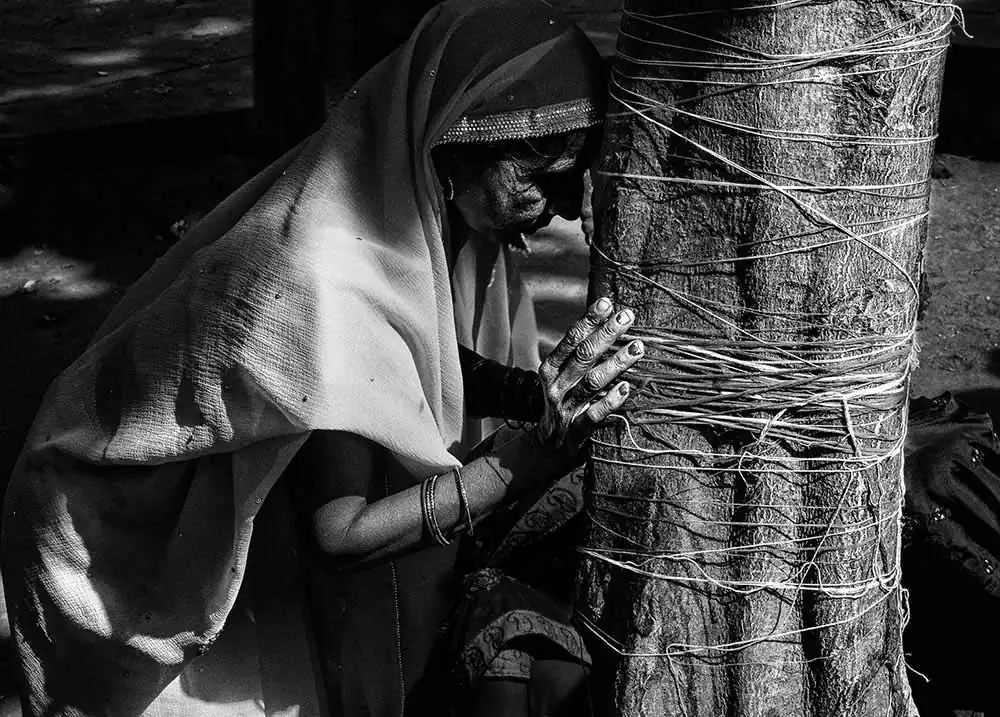
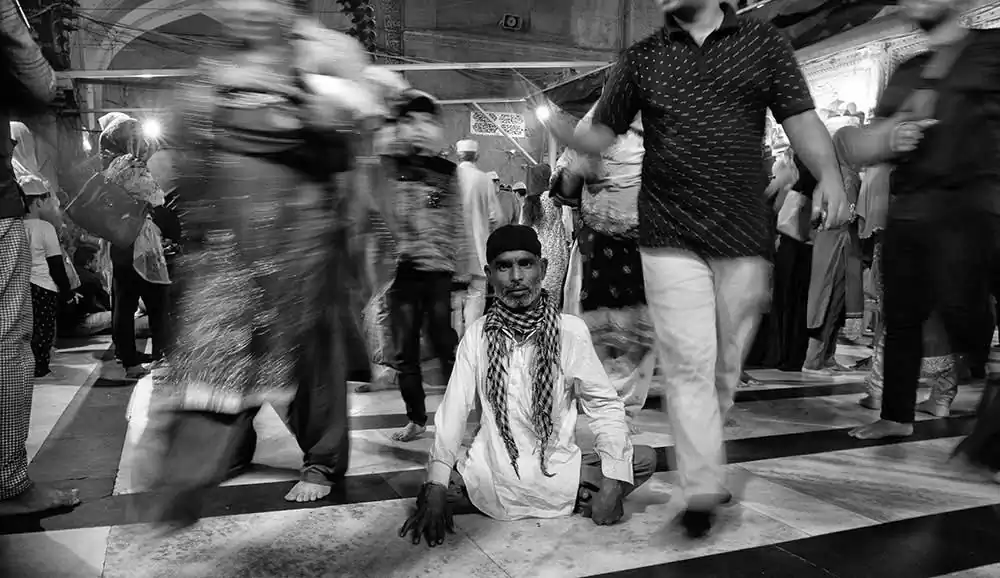
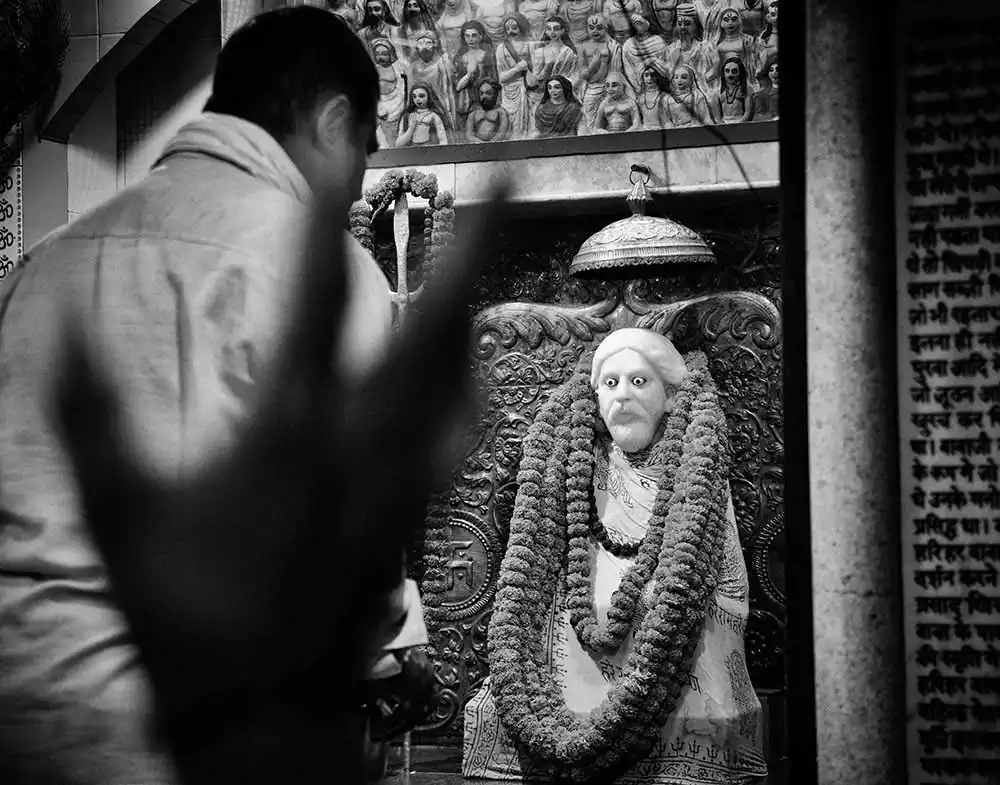
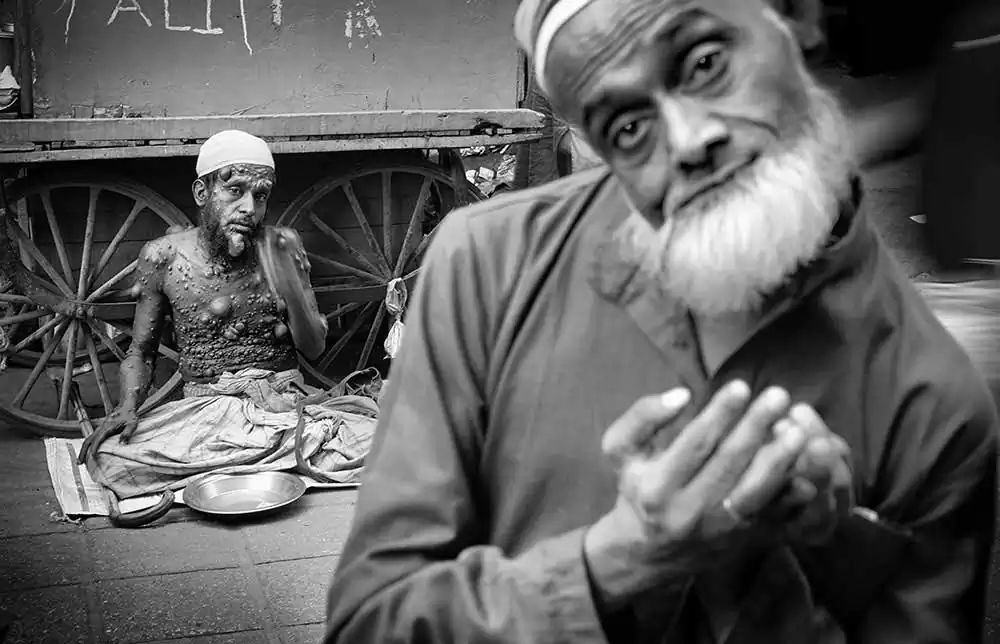
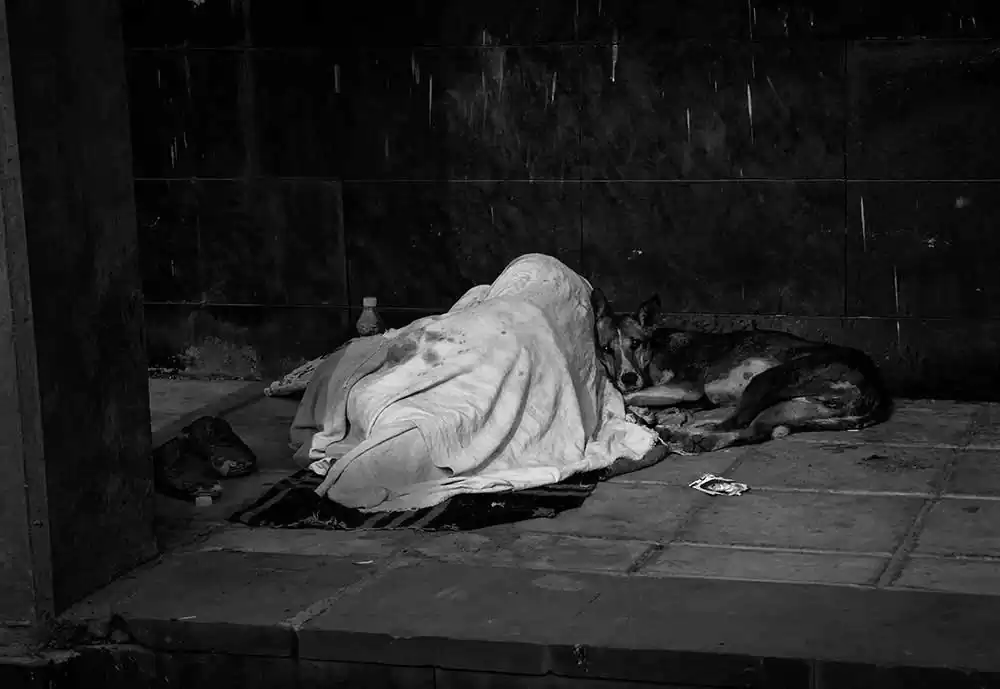
Worship ritesHazrat Nizamuddin Aulia DargahHazrat Nizamuddin Aulia Dargah – In India, maimed people are commonly found in streets. This man in Hazrat Nizamuddin Aulia mosque had legs, but they were of no use to him. Delhi, 2018.Varanasi is punctuated by small temples opening up on the streets where people worship the Hindu deities.I noticed in the distance that old man stretching out his arm towards the waters of the Ganga river.A leprous man and a beggar – Leprosy is still widespread in India. I spent a long time on that street, the leprous man didn’t mind the presence of my camera. After some time a beggar came, his movements were singular, with his head lolling on his bending chest. The moment was eventually broken by a policeman who brought the leprous man away, for some reason that I ignore. Nizamuddin West, Delhi, 2018.Newspaper clipping – A poor man with his faithful street companion, but something is missing … on the ground a newspaper clipping. When I took this photograph, admittedly, I didn’t see the clipping with the woman’s face. It was an amazing discovery noticing that detail when I developed the photograph. This picture became my emblem of the human need for relationships and connection. Delhi, 2018.
We use cookies on our website to give you the most relevant experience by remembering your preferences and repeat visits. By clicking “Accept”, you consent to the use of ALL the cookies.
This website uses cookies to improve your experience while you navigate through the website. Out of these, the cookies that are categorized as necessary are stored on your browser as they are essential for the working of basic functionalities of the website. We also use third-party cookies that help us analyze and understand how you use this website. These cookies will be stored in your browser only with your consent. You also have the option to opt-out of these cookies. But opting out of some of these cookies may affect your browsing experience.
Necessary cookies are absolutely essential for the website to function properly. This category only includes cookies that ensures basic functionalities and security features of the website. These cookies do not store any personal information.
Any cookies that may not be particularly necessary for the website to function and is used specifically to collect user personal data via analytics, ads, other embedded contents are termed as non-necessary cookies. It is mandatory to procure user consent prior to running these cookies on your website.