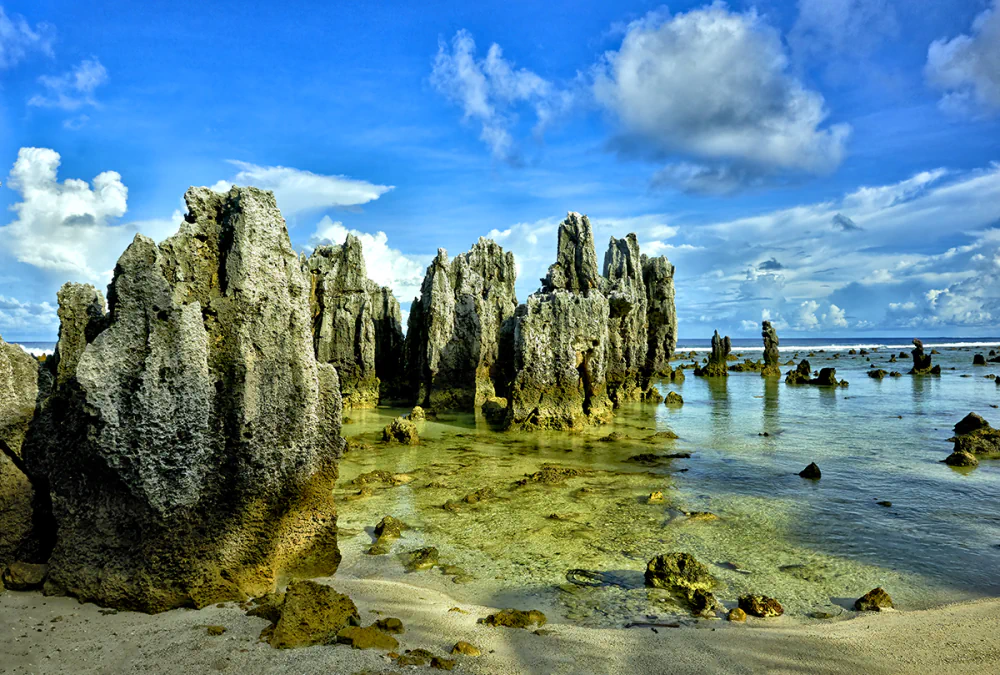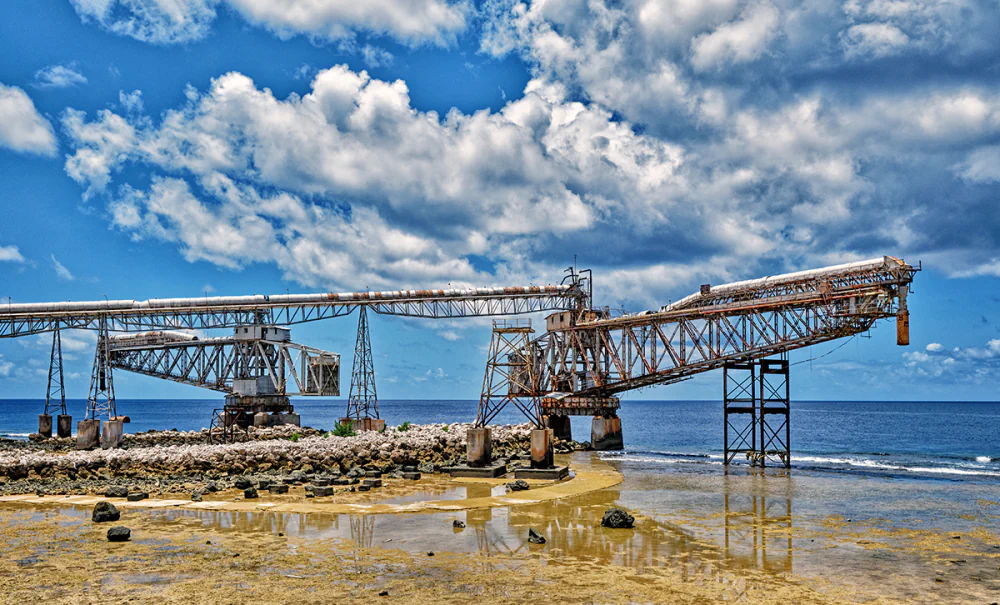

The small Pacific country of Nauru is a raised limestone island only 21 km² in area, with a maximum elevation of 71 metres above sea level, first inhabited by the Nauruan people about 3,000 years ago.
Starting in the late 19th century, around 80% of its area has now been mined for the phosphate rock that occurs in the limestone substrate by companies from Western countries, initially Germany, and since independence in 1968, continued by the Nauru government.
The social, cultural, economic, and environmental impacts on the island and its people have been enormous. Early photographs of the island from the 19th and early 20th centuries reveal a forested island with freshwater resources and abundant inland fishing in the endorheic Lake Buada, in addition to coastal marine resources.
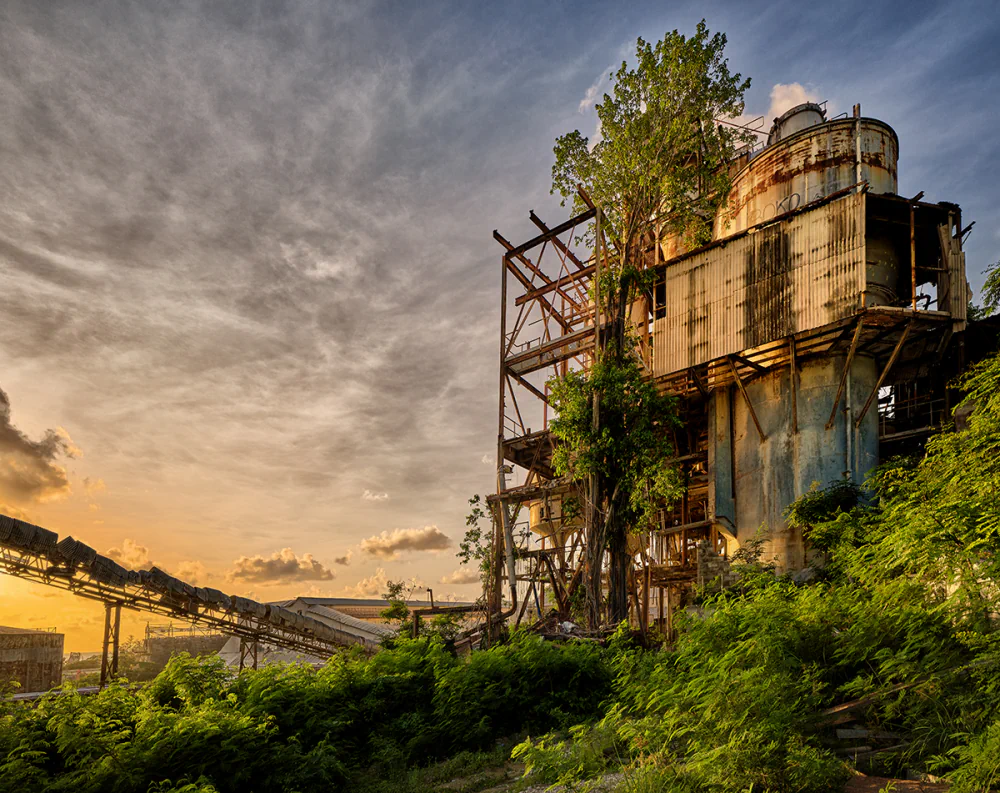
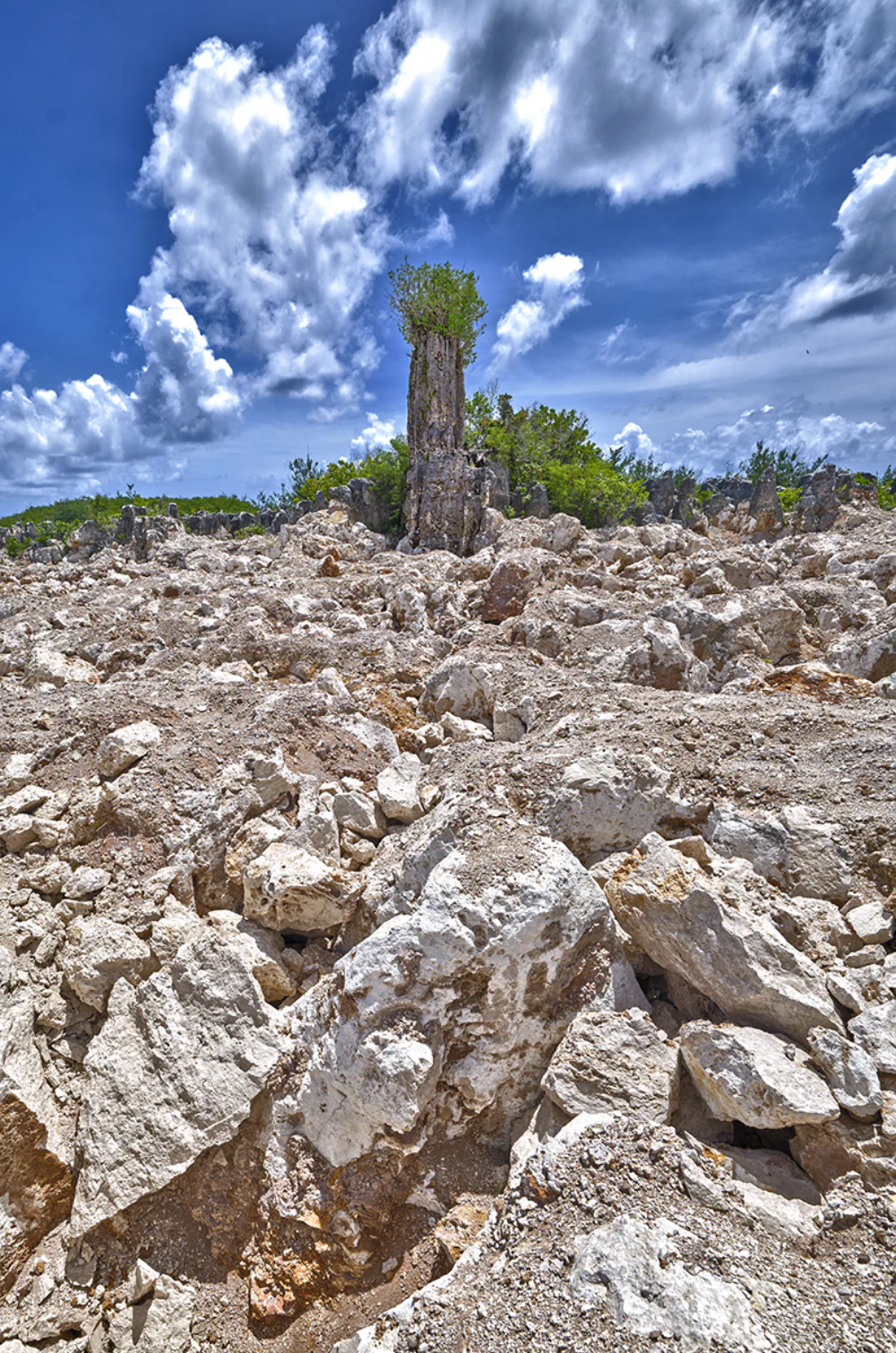
These same photographs also show the scale of what has been lost and impacted in the mined areas in terms of forest, soil, and underlying geology. The Nauruan people have little to show for their island being sacrificed to enable developed countries to fertilise their agriculture, feed their populations, and/or make large profits from selling agricultural products and phosphate fertiliser.
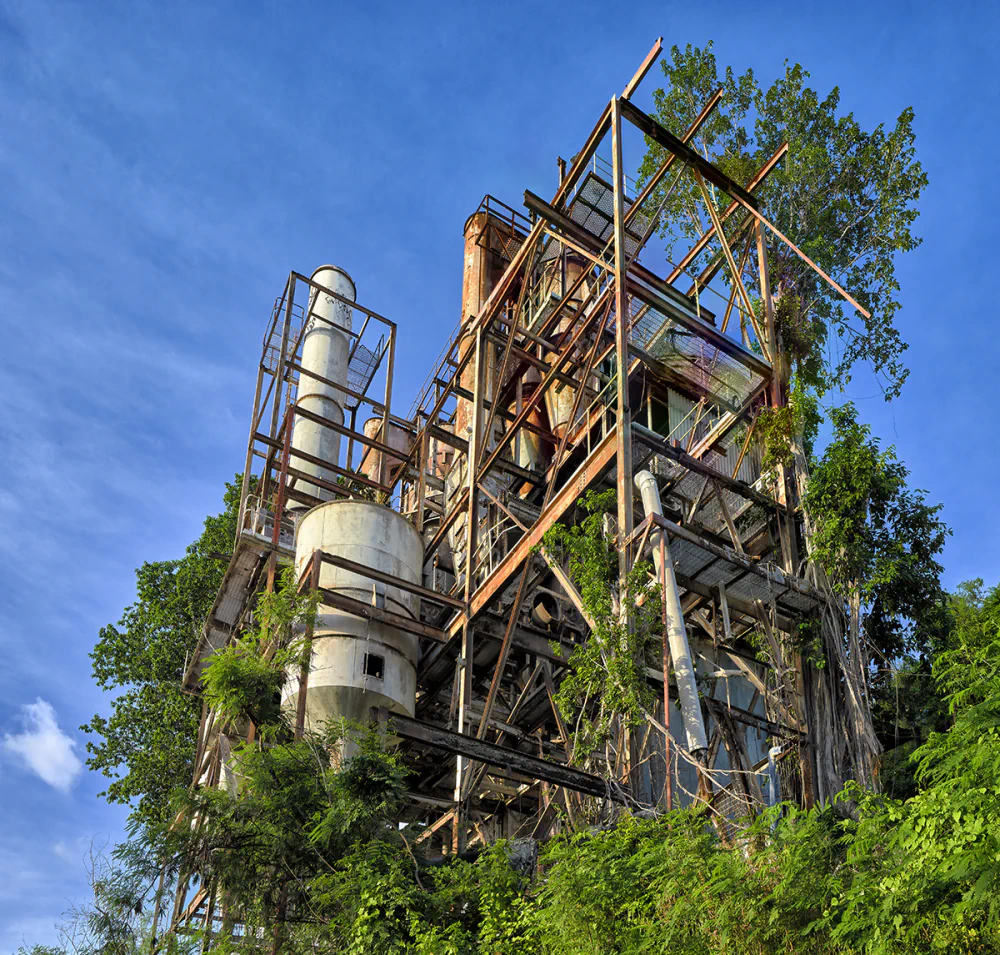
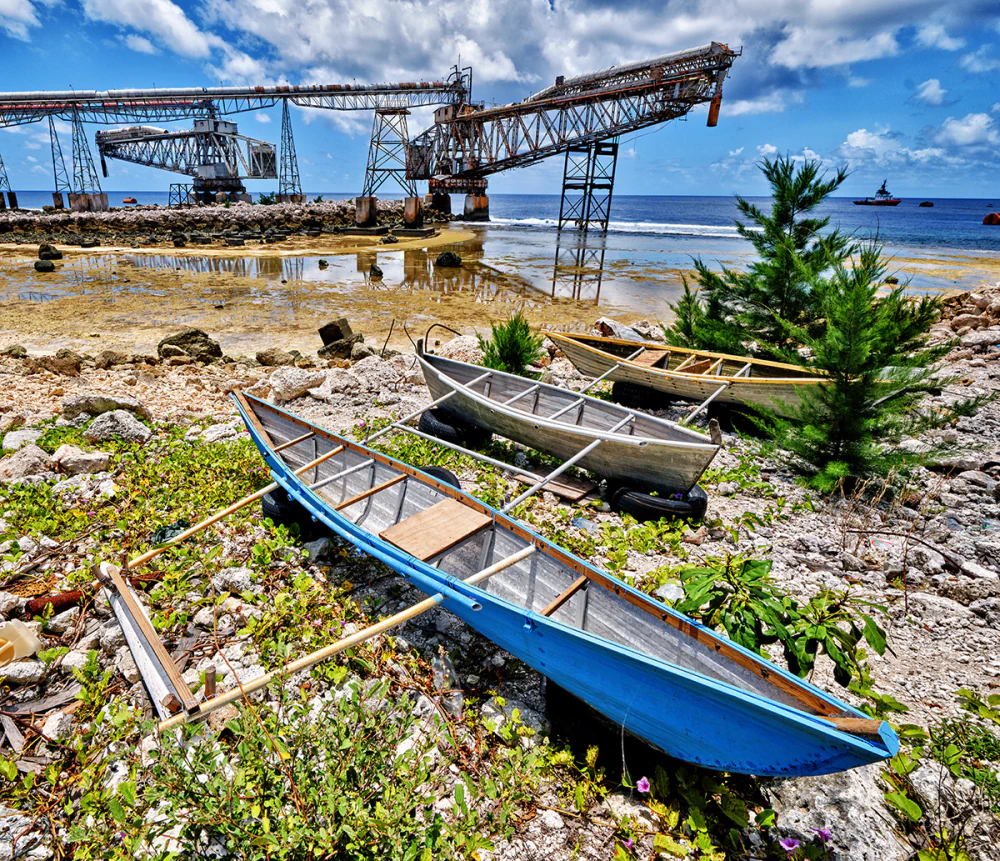
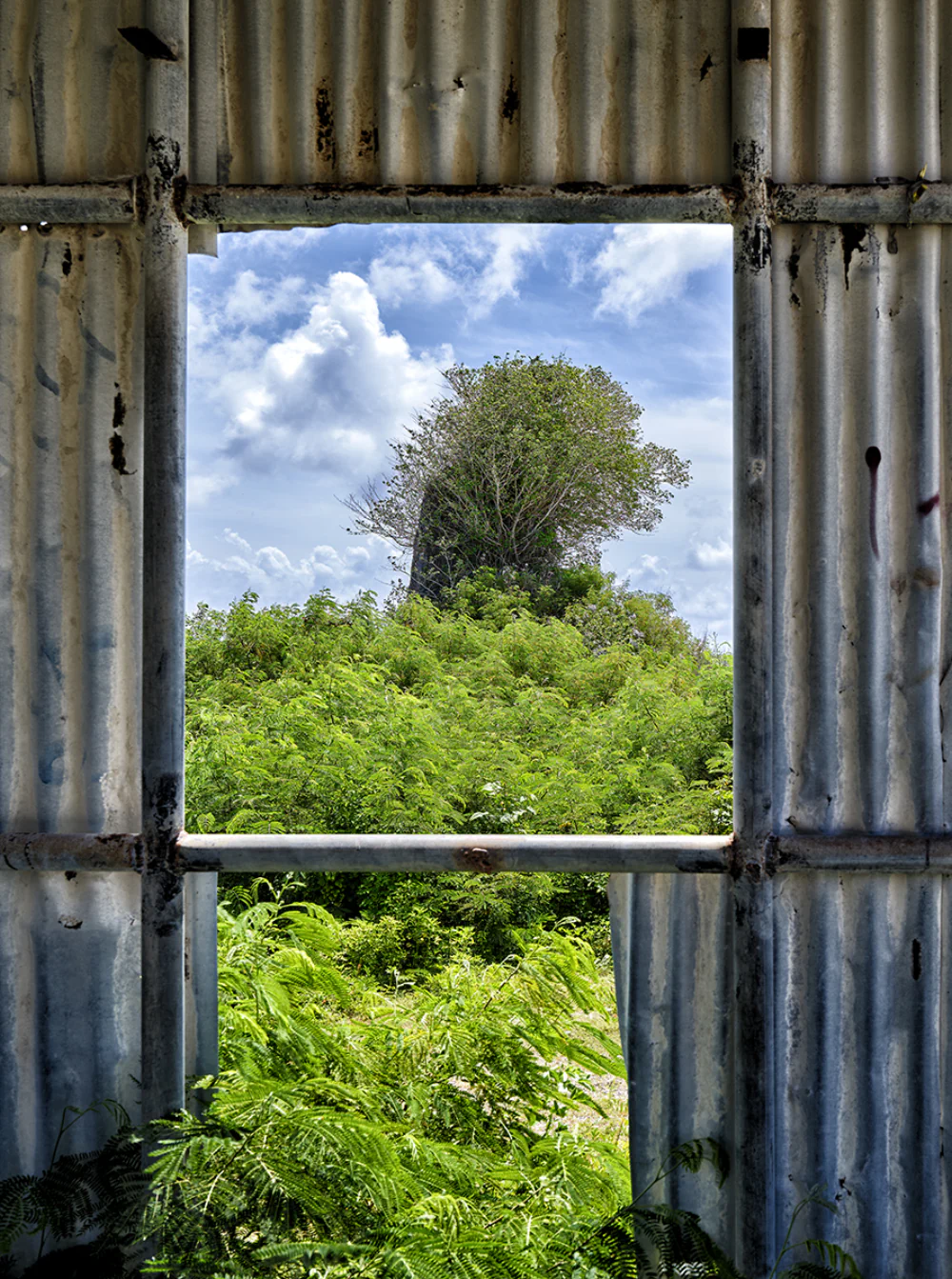
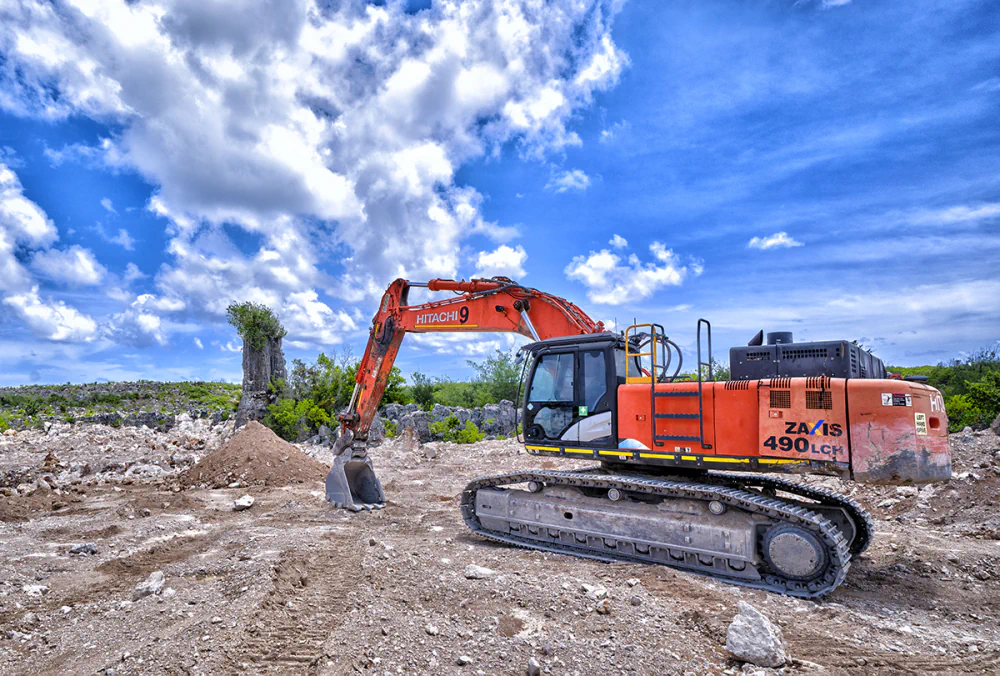
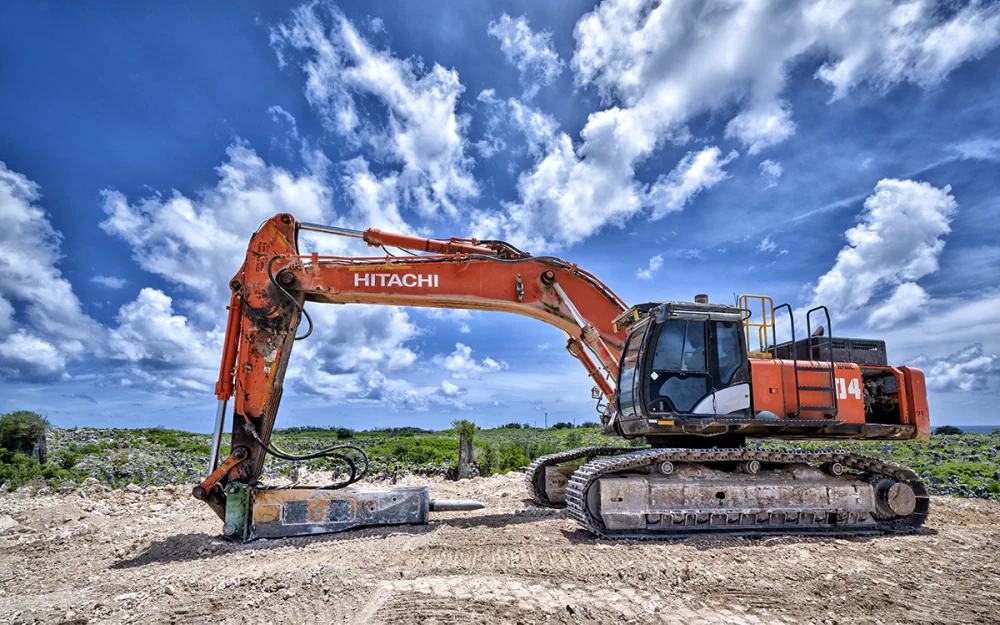
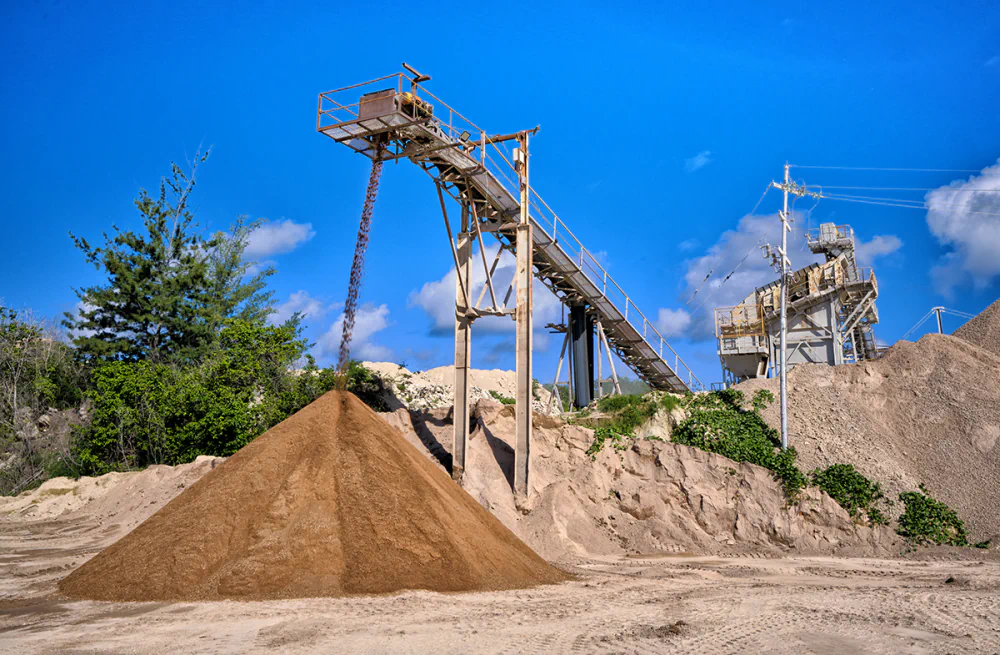
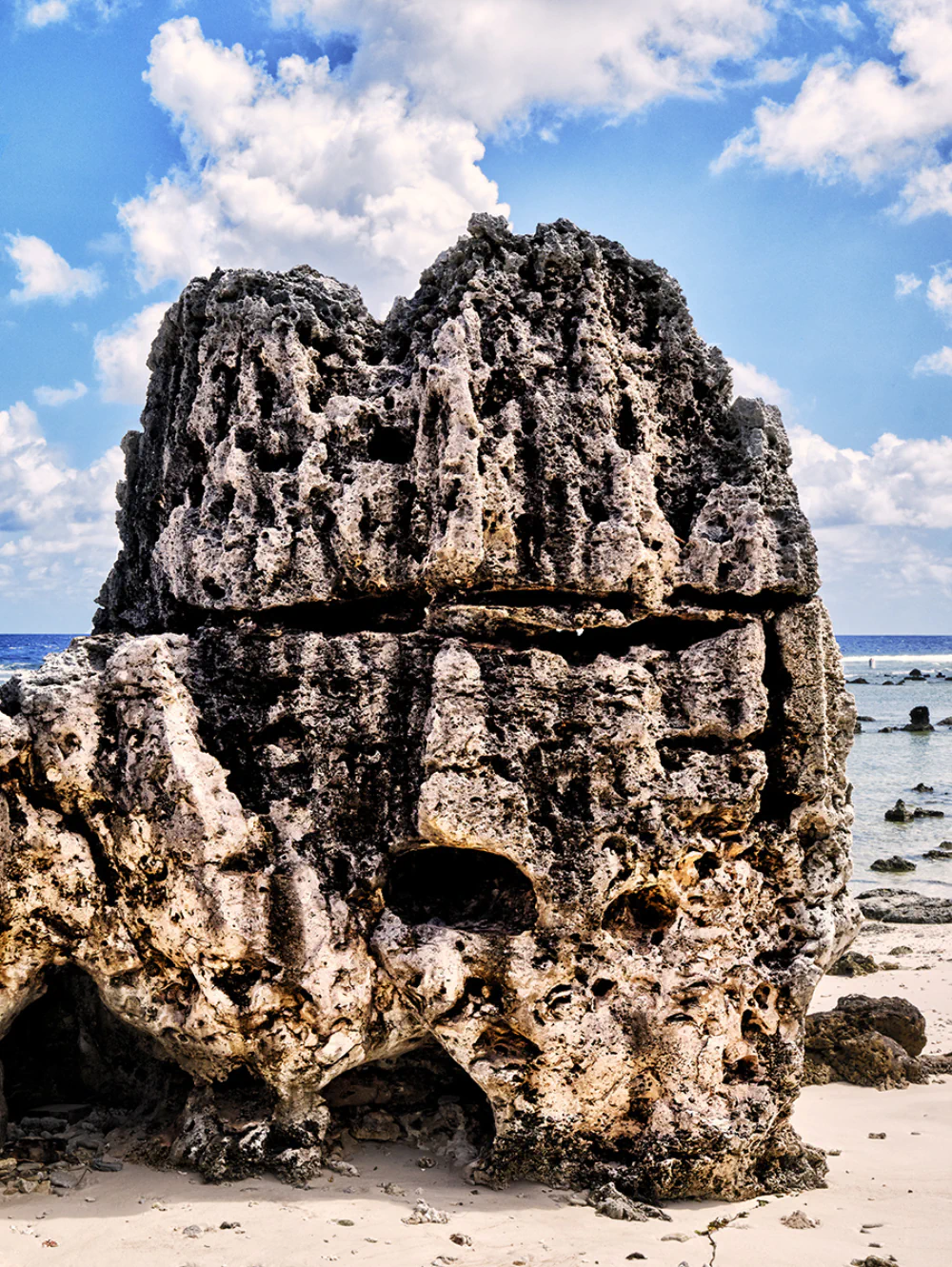
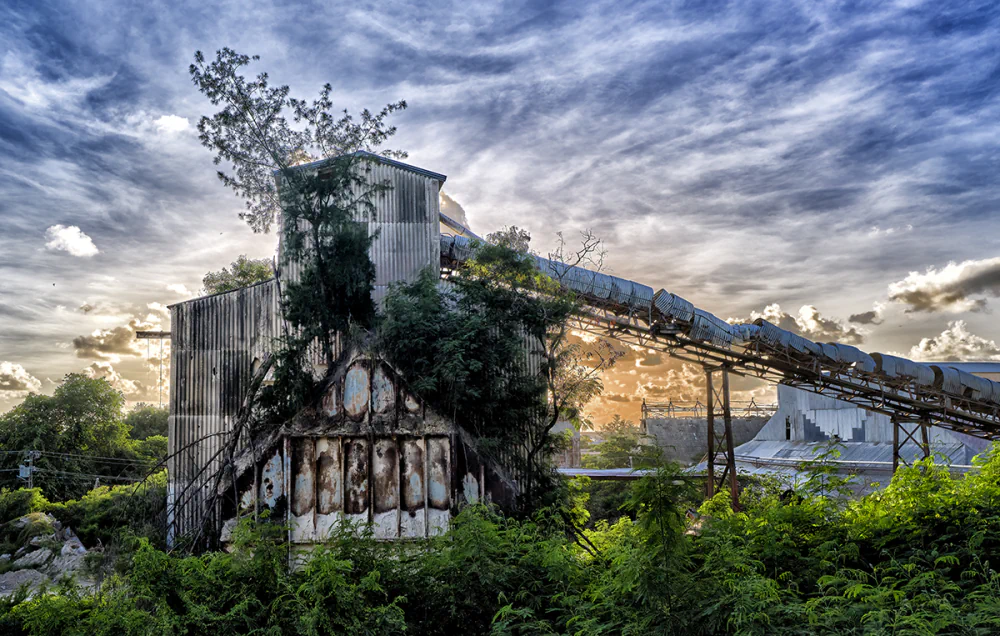
Although the main phosphate reserves have been depleted, ‘secondary’ mining continues, even as mining infrastructure is falling apart. This series of photographs records some of these impacts and the environmental degradation that has occurred and is ongoing, as well as offering a glimpse of the natural limestone pinnacles that occur along the coastline.
The images also reveal that, despite these impacts, nature is reclaiming abandoned infrastructure and degraded land, although not in its original form.
About Stuart Chape
Stuart Chape is an Australian photographer who has spent 40 years working on environmental issues in many parts of the world, combining this work with his photography. Before purchasing his first digital camera, he used medium format film cameras. He now uses a 100 MP Fujifilm GFX 100 II, which he considers essential for capturing highly detailed images that can be printed as large-scale photographic artworks, which he sells through Bluethumb Gallery.
He has won numerous awards, and his work has been exhibited in both solo and group exhibitions around the world. While he specializes in aerial landscapes, portraits and documentary photography, as well as social issues, also form an important part of his portfolio.
Recent awards include the 2025 Australian Geographic Nature Photographer of the Year People’s Choice Award; the 2025 Umencia Portrait Awards – Gold; the 1839 Colour Photography Awards Gold in Landscapes (2025); 2nd Place in the 2024 Dodho Monochrome Awards; and the 2024 Master Photographers International – International Imaging Competition Gold Award (Australia). [Official Website]